ABSTRACT
LAW, EMILY CANDACE. The Influence of Outfit Choice on Student Performance in Class. (Under the direction of Cynthia Istook, Ph.D.).
The purpose of this thesis is to discover what impact the clothing a student chooses to wear may be having on their performance and behavior in the classroom. Clothing is a part of every person’s daily life. Clothing is used for protection, expression and communication
(Dearborn, 1918). The information presented in this study aims to show that clothing can also be used to influence student behavior and attention level during class. Previous research has shed light on the effects clothing can have on a person’s self-esteem (Creekmore, 1974), body cathexis (Martins, Tiggemann, & Kirkbride, 2007), and self-objectification (Tiggemann & Andrew, 2011). Clothing has also been observed to impact people’s performance during math tests (Fredrickson, Roberts, Noll, Quin, & Twenge, 1998), attention related tasks (Adam & Gilinsky, 2012), and color naming tasks (Quinn, Kallen, Twenge, & Fredrickson, 2006). The purpose of this study was to test if outfit professionalism has an influence on student performance and behavior during class. This goal was achieved through observing the attention level, class participation, behavior and outfit professionalism of a class of 20 students for a semester and analyzing that data. The results of this study showed that outfit professionalism has a significant effect on student attention level. The more professionally a student dresses in class, the less distracted they will be during lecture and vice versa. The study also showed that students may behave more professionally during group work when dressed in business attire. Although outfit professionalism did not show a statistically
The Influence of Outfit Choice on Student Performance in Class
by
Emily Candace Law
A thesis submitted to the Graduate Faculty of North Carolina State University
in partial fulfillment of the requirements for the Degree of
Master of Science Textiles
Raleigh, North Carolina 2016
APPROVED BY:
_______________________________ _______________________________
Cynthia Istook, Ph.D. Lori Rothenberg, Ph.D.
Committee Chair
DEDICATION
BIOGRAPHY
The author, Emily Law, is the daughter of Andy and Diane Law. She has one sister, Amanda. Emily attended Cardinal Gibbons High School and graduated in 2010. Following graduation from high school, Emily enrolled at Appalachian State University where she studied Family and Consumer Science with a concentration in textiles. Upon completion of her freshman year, she transferred to North Carolina State University to pursue a degree in Fashion Management and Product Development. During her Junior year of her bachelor’s degree at NC State, Emily was accepted into the newly formed Accelerated Master’s Program, and was able to begin work on her master’s while completing her bachelor’s degree. In May of 2015,
ACKNOWLEDGMENTS
First and foremost, I would like to express how incredibly grateful I am for my
advisor, Dr. Cynthia Istook. Without whom I never would have considered taking on a thesis. She has believed in my vision and helped me create it, while continuously supporting and challenging me to do the best work I can possibly do. She has helped me immeasurably in completing this thesis from start to finish. I thank her for the faith she has had in me, the opportunities she has granted me, and the loyalty and friendship she has shown me.
I would also like to thank another member of my research committee, Dr. Lori Rothenberg who assisted me throughout the most challenging part of my research. Dr. Lori Rothenberg guided me through my analysis with her statistical expertise, and made it understandable and far less intimidating. She helped me figure out how to look at my data and to understand statistical software which allowed me to complete data analysis. She was a joy to work with, and an incredible asset to my committee.
TABLE OF CONTENTS
LIST OF TABLES ... viii
LIST OF FIGURES ... ix
CHAPTER ONE: INTRODUCTION ... 1
Rationale ... 1
Purpose of Study ... 2
Significance of Study ... 3
Definition of Terms... 4
Limitations ... 6
CHAPTER TWO: LITERATURE REVIEW ... 7
Clothing Impacts on Mental Processes ... 7
Clothing Impact on Perception of Others ... 8
Clothing Impact on Self-Perception... 13
Clothing Impact on Cognitive Performance ... 16
Clothing Effects on the Mind ... 22
Clothing Effects on Student Performance... 23
Clothing and Self-Objectification ... 23
Self-Objectification Effects on Students ... 25
Self-esteem Impacts on Student Performance ... 28
Clothing and Body Image ... 31
Body Image Effects on Students ... 32
Uniform Impacts on Student Performance ... 35
The Impact of Comfort on Student Performance ... 35
CHAPTER THREE: METHODOLOGY ... 37
Research Questions/Objectives ... 37
Research Design... 37
Sampling Method ... 38
Data Collection ... 38
Research Questions ... 43
RQ#1 ... 43
RQ#2 ... 44
RQ#3 ... 44
RQ#4 ... 45
Data Analysis ... 45
CHAPTER FOUR: PRESENTATION OF DATA ... 46
RQ#1 ... 46
RQ#3 ... 49
RQ#4 ... 50
Summary of Findings ... 52
CHAPTER FIVE: DISCUSSION, IMPLICATIONS & RECOMMENDATIONS ... 54
RQ#1 ... 54
RQ#2 ... 55
RQ#3 ... 55
RQ#4 ... 56
Implications of Research... 56
Recommendations ... 57
REFERENCES ... 58
APPENDICES ... 62
Appendix A: Student Information Survey ... 63
Appendix B: Student response to open ended survey on leisure attire day. ... 76
LIST OF TABLES
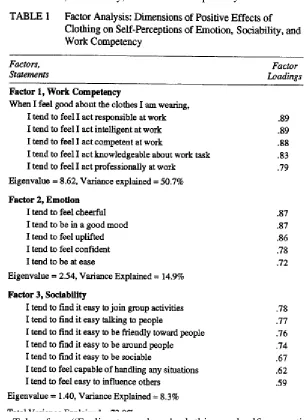
Table 1: Self-Perception of Emotion, Sociability, and Work Competency ... 16
Table 2: ANOVA Output for Percent Time Distracted and Outfit Rank ... 46
Table 3: ANOVA Output for Percent Time Distracted and Row Number ... 46
Table 4 : ANOVA Output for Percent Time Distracted and Seat Position ... 47
Table 5: ANOVA Output for Percent Time Distracted and Reason for Outfit ... 47
Table 6: Multiple Regression Output for Participation... 47
LIST OF FIGURES
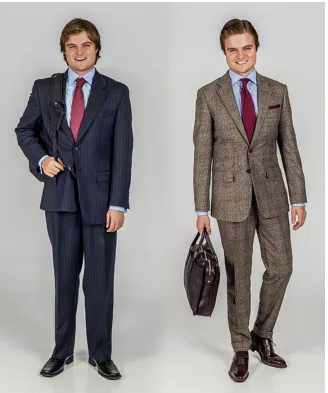
Figure 1: Off the rack vs. bespoke suit comparison photo. ... 9
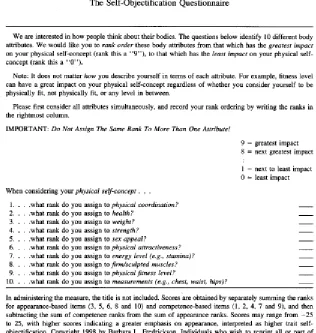
Figure 2: Self-Objectification questionnaire. ... 25
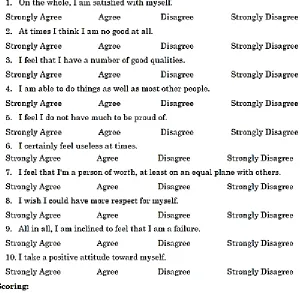
Figure 3: Rosenberg self-esteem scale. ... 29
Figure 4: Body Cathexis Scale. ... 33
Figure 5: The Daily Outfit Survey. ... 40
Figure 6: The Class Seating Chart. ... 41
Figure 7: Leisure Clothing Day Survey. ... 42
Figure 8: Business Clothing Day Survey ... 43
Figure 9: Distraction level during lecture by outfit style. ... 48
CHAPTER ONE: INTRODUCTION
Clothing is an ordinary part of daily life. For many people outfit choice is a simple, easy decision made in the morning without much thought. Clothing is often used to express oneself, protect oneself, and communicate certain things to others (Dearborn, 1918). People will dress to accommodate the weather and to facilitate comfort, style, and situational appropriateness (Indriksone & Ziemele, 2011). People may choose their outfits based on many factors, but one uncommon, and perhaps unknown factor that people should consider when choosing an outfit, is how this outfit will affect their performance throughout their day.
A person’s clothing can affect the way others view them, but can it affect the way the way a person views themselves, or perhaps even affect their performance in various tasks? This thesis will investigate how a student’s clothing choice can affect their behavior and performance during a class. The hypothesis of this thesis was that the professionalism of the outfit a student is wearing will influence their attention, participation, and behavior during class.
Rationale
allowed for multiple aspects of performance to be observed and studied in relation to outfit choice.
Previous research had found that people are influenced not only by the stereotype associated with their clothing, but also the effects their clothing has on their self-esteem, body image, and self-objectification (Alam, 2013; Fredrickson et al., 1998; Torres-McGehee, 2012). All of these influences can have an impact on a student’s academic performance, so it seems safe to hypothesize that clothing can have significant influence on a student’s behavior and academic success in a class (Duari, 2012; Agarwall, Bhalla, Kaur, & Babbar, 2013; Fredrickson et al., 1998). The quasi experiment conducted in this thesis was focused on observing how the level of professionalism and style of a student’s outfit might influence their classroom participation, distraction level, and behavior during a lecture.
Purpose of Study
The purpose of this study was to research and test the ways clothing might influence students’ classroom behavior or performance. The study was formulated around four research
questions designed to achieve the purpose of the study. The research questions were:
1. Does clothing choice impact a student’s performance in class? 2. How is a student’s performance affected by their outfit choice?
3. Does clothing influence a student’s attitude and behavior during class?
Significance of Study
This study is significant because it has implications for students and administration in schools at all education levels. It is important to know if and how clothing can affect a student’s performance because students may be unknowingly setting themselves up to do
better or worse at school, depending on what they wear. If student performance is influenced by their outfit choice and this information was readily known, it could change the way people choose their outfits for school every morning. Clothing could be used as a tool for success, and the negative effects of outfit choice could be avoided if people had the knowledge of how their clothing influences their behavior. This information could also affect dress code for schools so that students do not set themselves up to be negatively influenced by their clothing during class.
The information found in this study is also significant in knowing just how important fashion and outfit choice can be. College students can often be an especially casual
community. If it were common knowledge that clothing choice impacts one’s performance during class, students wearing pajamas to class may be a thing of the past. The implications of this study reach far beyond just students; this information may be applicable for people in the work force and in many other situations. If information on the influence clothing can have on the wearer was more well known, it could change the way people shop and dress in many different aspects of their lives.
This study is also significant for future research. This study could lead to a more in depth experiment that could find the ways clothing can impact a person’s cognitive
cognitive performance, like emotion, mood, or productivity. The way in which people are influenced by the clothing they are wearing is largely an un-researched topic. This thesis could provide a starting point for more experimentation and theory development on this phenomenon. This phenomenon has not been defined in a completely encompassing way, and this research could be a stepping stone defining and finding out why and how clothing can affect the wearer in any situation.
Definition of Terms
Attire- Another term for a person’s clothing or outfit.
Bespoke Suit- A suit that is custom made and tailored to fit a specific person (Howlett, Pine, Orakçıoğlu, & Fletcher 2013).
Body Cathexis- The feelings a person has about their body, or various parts of their body (Secord & Jourard, 1953).
Body Image- The mental image a person has when they think about their own body and appearance (Rudd & Lennon, 2001).
Business/Business-Professional Attire- An outfit that a person would wear in a professional work environment (for example, a suit or office appropriate dress).
Casual Clothing- Informal clothing that person might wear if they do not want to dress up or dress too leisurely. This clothing might generally be selected for normal daily activities like going shopping or running errands.
Cognitive Performance- A person’s ability to use their knowledge and perform various tasks (Adam & Galinsky, 2012).
Conservative clothing- Clothing that is seen as modest and covering. Clothing with longer hem lines and less skin showing.
Enclothed Cognition- The theory that a person will embody the stereotype associated with the clothing they are wearing (Adam & Gilinsky, 2012).
Outfit Professionalism- The degree of formality or business appropriateness of an outfit.
Provocative clothing- Clothing that may be seen as sexy or revealing. This clothing generally has shorter hem lines and more skin showing.
Proximity of clothing to self- The psychological closeness of clothing has to a person’s self-concept and how the clothing impacts the way a person sees him/her self (Sontag & Lee, 1982).
Self-concept- The feelings and thoughts a person had about who they are and different aspects of their personality and physical self.
Self-esteem- The feelings a person has about their worth as a person and ability to succeed (Sandra, 2009).
Self-objectification- objectification is the internalization of an opinion a person feels an observer may have about their physical appearance (Tiggemann & Andrew, 2011).
Silhouette- The shape and fit of a garment.
Student- Any person going to a school who is in the process of taking one or more classes.
Student performance- A student’s attention during lecture, behavior, and participation during class.
TA- Teaching Assistant or Teaching Aid.
Limitations
CHAPTER TWO: LITERATURE REVIEW
Clothing has a profoundly important place in societies all over the world. Clothing is used as a means of self-expression, protection, and comfort (Dearborn, 1918). The uses of clothing go far beyond the obvious functional aspects; clothing is a huge part of most
cultures. With clothing being such a basic part of everyday human life, it is often overlooked that clothing may have a profound impact on human cognitive processes. Studies have shown that clothing can influence many things, from the way a person sees themselves (Hannover & Kuhnen, 2002), to their self-esteem (Creekmore, 1974), body cathexis (Martins, Tiggemann, & Kirkbride, 2007), and self-objectification (Tiggemann & Andrew, 2011). The purpose of this research is to discover how clothing may influence not only a person’s thoughts and feelings, but their performance, and more specifically, the performance of students.
Clothing Impacts on Mental Processes
Clothing Impact on Perception of Others
Figure 1:Off the rack vs. bespoke suit comparison photo.
Note: From $200 Suit vs. $2,000 Suit, accessed, October 30, 2013, http://articlesofstyle.com/23861/200-suit-vs-2000-suit/
neck down described as a senior manager and a secretary. Each job position had one picture of the female wearing a more conservative outfit (long hem and buttoned up blouse), and one picture of the female wearing a more provocative outfit (shorter hem and less bottoms done). Each picture was rated on intelligence, confidence, trustworthiness, responsibility, authority, and organization, to gage the overall competence. The results of this study showed that people perceived the woman in a higher position as less competent when she wore
provocative clothing, and more competent when she dressed conservatively. The perception people had about the woman in the lower status job were not affected by the difference in outfit (Howlett, et al., 2015).
A similar study was conducted using videotape instead of pictures and it yielded results consistent with “Unbuttoned.” In this study students viewed videotapes of women described as a manager and a receptionist (Glick, Larsen, Johnson, & Branstiter, 2005). The attractiveness of the woman was kept constant but the videos showed the woman wearing business attire or sexy attire. The students rated the competence of the woman in the different outfits. The results showed that the woman in a higher position was perceived as less
competent when she wore sexy clothing, but the woman in the lower status job was not rated any less or more competent depending on her outfit (Glick, et al., 2005).
t-shirts, and some were in business wear. They were surveyed on their expectations for quality of service and interest to do business with that firm. The results of this study showed that the students expected service to be significantly better when the models were dressed in business attire and had a greater level of interest in doing business with the company (Shao et al., 2004). This has shown that in a professional setting, people are likely to have their opinions influenced by the clothing employees or professionals are wearing.
The work world is a likely place where judgements can be made depending on one’s attire, but research has shown that this phenomenon also exists in school settings. One study showed that students’ perception of an instructor may be influenced by what the instructor is wearing (Morris, Gorham, Cohen, & Huffman, 1996). In this study, students evaluated their graduate teaching assistant for their level of competence, character, extroversion, sociability, composure, knowledge level, and presentation expertise. The TAs wore 3 different outfits during these evaluations: business formal, business casual, and casual. The TAs were rated higher on competence when they wore business formal outfits, but surprisingly the casual attire caused many more increases in different ratings. Students rated the TAs significantly higher in extroversion, sociability, and presentation expertise when they were wearing casual clothing. The results of this study suggested that the students were more interested and learned more from the TAs when they were wearing casual clothing (Morris et al, 1996). This study gave interesting insight into the difference between students in classrooms and adults in other situations in regards to how clothing can influence their judgments
influenced by the outfit of the child and their gender. This study had 159 teachers from six schools in Ohio evaluate 8 pictures of students in different outfits. The teachers rated the students on their intelligence and expectation for scholastic achievement. There were four pictures of a female student wearing hooded, dressy, casual, and artsy looks, and four pictures of a male wearing outfits in the same styles. The teachers rated both males and females as having the highest levels of intelligence and greater expectations for achievement with the dressy looks, then the “artsy” looks, then the casual looks, and the lowest scores for the hooded looks. The teachers also consistently rated the male students higher than female students, except for when they wore the artsy look. This study showed that teachers’
judgements of students can be significantly influenced by the clothing the students choose to wear to school (Behling & Williams, 1991). The information found in this study is important for students to know, so they can set themselves up for success, and also for teachers, so they are more aware of unfair judgements they might have.
Studies support that people tend to judge others based on what they are wearing. People may view someone else differently based on what they chose to wear that day in many different ways. If clothing influences the way people see others so heavily, can it change the way we view ourselves?
Clothing Impact on Self-Perception
Clothing is an important part of every society. Fashion is a booming and ever-changing global industry, but why is it so important to us? Clothing is said to be a physical manifestation of one’s self, a form of self-expression, and an indicator of one’s personality (Kwan, 1994). Clothing is seen as one of the most powerful ways people communicate non-verbally. Research has shown that one’s general values can be reflected in the way they dress (Newton, 1976). People use their clothing to tell the world who they are, but during
adolescence people also use clothing to help form a self-identity. Clothing is said to help aid adolescents in establishing their self-identity. As they try on different styles, they try out the personality and identity associated with that style (Daters, 1990). There is no question that clothing is an important part of human life. Clothing helps us communicate who we are and figure out who we are, but the question becomes, does it actually inform who we are? And why?
associated with formal attire) and easygoing, clumsy, tolerant, emotional, and nonchalant (traits often associated with casual wear). The results of this experiment showed that just based on the type of clothing the subject was wearing, the way they described themselves was significantly affected. The test subjects who were wearing formal clothes were more likely to use the formal adjectives to describe themselves than the casual ones, and the casually dressed people were more likely to use the casual adjectives (Hannover & Kuhnen, 2002). This study showed that the clothing a person chooses to wear may have a significant influence on the way they see themselves. This phenomenon could lead to changes in confidence and performance being caused just by the clothes one picks to wear that day.
negatively about their outfits they said that they felt worse about all of the factors regarding work competence, sociability and emotional state (Kwan, 1994). This information is very significant when understanding how a person’s clothing can change the way they think. This study shows that feeling good about one’s clothing may cause a person to feel that they
Table 1
Self-Perception of Emotion, Sociability, and Work Competency
Clothing Impact on Cognitive Performance
There is a well-known expression “look good, feel good.” But is it true? Is there actually scientific evidence to show that we are cognitively affected by the clothing we choose to wear? Scientists Hajo Adam and Adam Galinsky (2012) conducted experiments to
Note: Taken from “Feeling toward one's clothing and self-perception of emotion, sociability, and work competency,” by Y. Kwan, 1994,
test whether or not a group of subjects would be cognitively affected by wearing a white lab coat. The hypothesis behind their research was a theory they named “Enclothed Cognition.” Enclothed Cognition is the theory that a person embodies the stereotype associated with the piece of clothing they are wearing. Adam and Galinsky conducted three quasi experiments to test their theory. In quasi experiment 1 a group of subjects was given lab coats to wear while performing attention related tasks and a second group of subjects was given no lab coat to wear. The group with the lab coat performed with greater attentiveness than the group without the lab coat. This aligned with their hypothesis that people embody the stereotype related to clothing. In quasi experiments 2 and 3, two groups of subjects were given the same white lab coats to wear, but one group was told they were wearing doctor’s coats and one group was told they were wearing painter’s coats. The group that was told they were in doctor’s coats performed with significantly greater attentiveness than the group that was told they were wearing painter’s coats. Even though the test subjects were wearing the same coats, they performed differently. Adam and Galinsky concluded that these results confirmed their theory, that the symbolic meaning, or stereotype associated with a piece of clothing can significantly influence the mental performance of the wearer (2012). This information could be very useful for understanding how a student could have their academic performance influenced by their outfit choice. If a student were to wear something they associated with being attentive and studious, they might perform better than if they wore something they associated with lounging around or doing nonacademic activities.
Gilovich (1988) conducted an experiment to see if the football and hockey players would be affected by the color of their uniform. The experiment was conducted through observation of professional team games and recording of all penalties for aggressive behavior. Many
different teams were observed in various colored uniforms and the results showed that the players who were wearing black uniforms got more penalties for aggressive behavior than the teams with other colors. The difference was dramatic and consistent. Teams that wore different color uniforms and then switched to black played dramatically more aggressively in the black uniforms. While these results align with the Enclothed Cognition theory, they did not eliminate the other variables that could also have had an impact. One of the greatest variables in this study was whether or not the increase in penalties was a result of the referees perceiving the players as being more aggressive because of the color of their uniforms (Frank & Gilovich, 1988). There was certainly a stereotype associated with the black uniforms in this study, but it was not clear whether or not it was influencing the referees or the players. This study shed light onto the possibility that even a color of a garment can change the associations a person might make. Something as slight as color might affect the way a garment can affect a person’s thoughts or behaviors.
that they might be embodying the stereotype of their clothing. A hospital gown is commonly associated with being sick, weak, and dying; and while the patients wore the hospital gowns, without an increase in severity of injury or illness, the patients felt weaker (Edvardsson, 2009). The results of this experiment support Adam and Galinsky’s theory of Enclothed
Cognition.
Studies have shown that the subconscious way our clothing makes us feel can influence our thoughts and actions, and those feelings may not be directly related to the embodiment of an associated stereotype. Päivi Topo and Sonja Iltanen-Tähkävuori (2010) conducted research on how patients were influenced by giving up their clothing and having to wear patient’s clothes. Topo and Iltanen-Tähkävuori conducted their research through interviewing 12 patients with illnesses that required hospitalization and patient’s clothes. The patients being interviewed were asked about their feelings and mental state after they had to give up their own clothes and wear the hospital’s “patient’s clothes.” The patients reported that they felt that the giving up of their clothing was a rite of passage into their new state of being a patient, but also felt the clothing was symbolic of a lowering of their status. The patient associated the patient’s clothing as a lessening of their abilities to live normal lives and a lower social status. Many patients reported increased depression when wearing their patient’s clothing (Topo & Iltanen-Tähkävuori, 2010). The patients in this study may have been affected by the stereotypes associated by their garments, but perhaps weren’t
normal clothing and a hospital gown, but in some instances, a certain style of dress may exhibit this phenomenon also.
Scientist Sally Francis (1992) performed an experiment that shed light onto how a person’s perception of their clothing being in style or not can affect their social participation.
Francis conducted her study with 338 high school students from six different schools. She gave the students a questionnaire to determine their perceived “clothing deprivation,”
inability to buy clothing, feelings of having less clothing than their peers, and also their level of “social participation,” involvement in social activities. Francis used “The Perceived
Adolescent Relationship Scale” and a perceived clothing deprivation instrument developed in
previous studies in her questionnaire. The result of this experiment showed that students with greater feelings of clothing deprivation showed less social participation, and students with less clothing deprivation had greater social participation (Francis, 1992). The results of the study show that the way a person feels about their clothing can have significant impact on their behavior. The results of this study could prove significant in relation to how a student’s
clothes could impact their academic performance. If a student is socially withdrawn because of feelings of clothing deprivation, they could also become academically withdrawn, or less likely to participate in class.
There is another theory in the scientific community that suggests that it might not only be the clothes, but the perceived physical state of a person that can influence their thoughts and actions. Schnall, Benton, and Harvey (2008) conducted two experiments to test the way perceived cleanliness affects how harshly a person will judge others. Undergraduate male and female students were used as test subjects in these experiments. In the first
half were not. Then the subjects were shown six moral vignettes, scenarios where people made questionably moral decisions. Subjects then rated how immoral they thought the actions of people in those scenarios were. The results showed that the subjects that were exposed to clean smells and the concept of cleanliness judged the actions to be less immoral than the subjects who were not. The second experiment had all test subjects view a 3-minute video from the movie “Trainspotting” that produced high levels of disgust in viewers. After viewing the video, half of the subjects were taken to a room where they were instructed to wash their hands first as to keep the room as clean as possible, and half the subjects were brought immediately into another room without washing their hands. Next, all test subjects were given the moral vignettes and asked to judge how immoral the actions in each of the scenarios were. The results of this experiment showed that the act of cleansing one’s self produced less harsh judgements of others. The test subjects who washed their hands after feeling disgusted rated the actions described in the scenarios to be less immoral than the subjects who had not. The results of this experiment were said to show evidence that feelings of cleanliness can influence how judgmental a person is (Schnall, Benton, & Harvey 2008). These results could have implications for clothing, as well. If a person is wearing clothes they feel are new and clean, their judgement of other people’s actions may be different than if they were wearing clothes that were dirty. This phenomenon shows how a person’s physical state may impact their cognitive processes.
scenarios, or memories of past moral mishaps in the subject’s own life. The tests showed that when a person is exposed to such morally wrong scenarios they have a significant urge to cleanse themselves, with hand washing or cleansing wipes. Once the subjects cleansed themselves, their emotional state improved. The scientists referred to this phenomenon as the “Macbeth effect.” This name came from the famous Shakespearian play Macbeth, where the character Lady Macbeth murdered King Duncan and goes crazy trying to wash the blood off her hands. In this play, Lady Macbeth shouts “Out damned spot!” while obsessively washing at nothing on her hands (Zhong & Lijenquist, 2006). This scene in Macbeth and the
experiment showed that people use physical cleanliness to alleviate feelings of guilt and disgust about immoral situations. This evidence further supports the theory that a physical state can change the feelings and thoughts of a person.
Clothing Effects on the Mind
The theory “Enclothed Cognition” says that people are likely to take on the stereotype associated with the clothing they are wearing, and multiple studies have supported this theory (Adam & Galinsky, 2012). Although it sheds light on why people are affected by their
person feel better or worse about their body (Torres-McGehee, Monsma, Dompier, & Washburn, 2012). Another way clothing can impact a person cognitively is if they feel “self-objectification” as a result of what they are wearing. Self-objectification is the internalization of an opinion an observer may have on one’s physical appearance (Tiggemann & Andrew, 2011).
Clothing Effects on Student Performance
How revealing or sexy an outfit is may cause someone to have feelings of
self-objectification (Fredrickson et al., 1998). Clothing can also impact a person’s self-esteem and how they feel about their body (Dearborn, 1918). If students could have their academic success influenced by their self-esteem, body image, and feelings of self-objectification, clothing may have an important role in a student’s academic success.
Clothing and Self-Objectification
Marika Tiggemann and Rachel Andrew (2011) conducted an experiment to test the effects of self-objectification on undergraduate aged females. They tested over 100 females of varying body shapes and sizes on how they felt when they viewed themselves while wearing a bathing suit or a sweater. The results of this experiment showed that the subjects reported more feelings of self-objectification, which resulted in body shame, body
one’s self. This study explains further why clothing can impact a person’s cognitive processes.
Self-objectification can also be affected by the reasons why a person chooses their outfit. Marika Tiggemann and Rachel Andrew (2012) also conducted an experiment to see what effect choosing clothing for fashion reasons, to be comfortable, or to camouflage the body would have on the effects of self-objectification. The study was conducted through a survey of over 100 undergraduate female students. The students were asked the main reason why they choose to wear what they wear, and then given a survey instrument to gauge their level of self-objectification (see figure 2). The results showed that the students who chose their clothing to be fashionable had higher levels of self-objectification. The students who chose their clothing to be comfortable showed lower levels of self-objectification. The students who chose their clothing to camouflage their bodies showed no relationship to higher or lower levels of self-objectification (Tiggemann & Andrew, 2012). This information is an important piece of the puzzle to see how clothing affects a person psychologically. A person might not only feel more self-objectification when they are wearing revealing
Figure 2: Self-Objectification questionnaire.
Note: Reprinted from “That swimsuit becomes you: Sex differences in self-objectification, restrained eating, and math performance. By B. Fredrickson, T. Roberts, S. M. Noll, D. M. Quinn, & J. M. Twenge, in 1998. Journal of Personality and Social Psychology, 75(1), 269-284. Copyright 1998 by Barbra L. Fredrickson.
Self-Objectification Effects on Students
A study was performed at Cornell University to gain information on the
in a non-objectified state (wearing track suits). The data showed that the lower heart rate was an orienting response that came about as their minds became were more focused on their bodies and appearance. A slower heart rate can lead to a slower response time, and this switch of focus can lead to distracted thinking. The data provides more information on the reason why being in an objectified state can cause reduced cognitive processing (Green et al., 2012). This study gives great insight into the fact that something as simple as outfit choice can have significant bodily responses people may be unaware of.
Disruption of concentration is not the only negative effect of self-objectification that has been observed. A study by Fredrickson et al. (1998) showed that when women feel self-objectification their math skills can suffer as well. In this study subjects wore a swimsuit or a sweater, similar to the experiment performed by Diane Quinn. Both men and women wore either a swimsuit or a sweater and performed a math test. Previous math education was considered. The test consisted of 20 math questions with 15 minutes of time to complete them. The results of this experiment showed that there was no significant difference in the results of the test for men whether they were wearing bathing suits or sweaters, but women did perform differently. The women in this experiment wearing sweaters performed much better than the women who wore swim suits. Researchers suggested that women in swimsuits were in a state of self-objectification which affected the results. Mental energy is thought to be diverted towards feelings of self-objectification, so when one is in this state, they cannot use all of their cognitive ability and energy on the task at hand (Fredrickson et al., 1998). This phenomenon could be particularly useful for students to know. This could change the way students dress when they know they are going to have a test. Students who do not wear clothing that makes them feel objectified could have better focus and use of all of their mental energy.
Clothing and Self-esteem
flattering silhouettes that disguise aspects of their appearance they are self-conscious of (Joung & Miller, 2006). Clothing has also been observed to change the way the wearer describes themselves (Hannover & Kuhnen, 2002). Self-esteem may be a huge factor in the decision making process for consumers; consumers will only choose brands or clothing that maintains or enhances their self-esteem, and reject ones that do not (Banister & Hogg, 2004). Self-esteem Impacts on Student Performance
Self-esteem affects many things that make a person who they are, such as their thinking process, emotions, desires, values and goals (Sandra, 2009). High self-esteem can make a person perform better, try harder, and persist for longer (Gipps & Tunstall, 1998). Some people even claim that self-esteem is an essential component to success in almost anything (Mosley, 2005). Significant research has been focused on how self-esteem might impact a student’s academic performance. The students’ self-esteem was determined using the Rosenberg self-esteem scale (see figure 3) (Rosenberg, 1965). The direct correlation of esteem and academic success has not been proven, but results have shown that self-esteem may be linked to many different aspects of a student’s performance that can affect their academic success.
Figure 3: Rosenberg self-esteem scale.
Note: Reprinted from “Society and the adolescent self-image. Princeton.” By M. Rosenberg in 1965. Princeton, NJ: Princeton University Press.
academic success (Estrella, 2015). College students were also studied in regards to how the stability of their self-esteem could impact their academic success. This study showed that unstable self-esteem had a consistent association with lower academic performance. The study also observed that there was a relationship between unstable self-esteem and academic disengagement (Zeigler-Hill, Masri, Smith, Vonk, Madson & Zhang, 2013).
Pravakar Duari (2012) has conducted a study to reveal that self-esteem can impact a student’s ability to cope with stress and do well in school. Duari conducted his experiment through surveys given to 160 10th grade students. The students were given two previously established surveys to test self-esteem levels and perceived stress levels, and compared these results with academic data on each student. Duari found a relationship in his data where the higher a student’s self-esteem, the lower their perceived stress level, and the better their academic performance (Duari, 2012). Coping with stress is a big part of academic success. Students need to be able to handle the stress of school to perform at their best. This study showed a significant positive relationship between higher levels of self-esteem and academic performance.
lower their levels of test taking anxiety was. Significant relationships were shown between self-esteem and a student’s ability to perform academically through this study (Alam, 2013).
The relationship between self-esteem and academic performance was further illustrated by a study titled “Self-Efficacy, Self-Esteem and Their Impact on Academic Performance.” This study focused on the relationship between self-efficacy, self-esteem, and academic performance. The study defined self-efficacy as the confidence one has in their ability do or succeed at different actions or tasks. Through survey data and information gathered on academic performance, the study showed that the greater the students’ level of self-esteem, the greater their levels of self-efficacy. The study also showed that there was a positive relationship between a student’s level of self-efficacy and their academic
performance (Lane, Lane, & Kyprianou, 2004). Studies like this one show that there are many facets to the way self-esteem can impact a student academically.
Clothing and Body Image
daily clothing. The different groups were then given a test to get their perceived BMI and their desired BMI. The midriff uniform showed the greatest level of body dissatisfaction, followed by the full uniform, and then the daily clothes. The cheerleaders had decreased body image the more revealing their clothing was (Torres-McGehee et al., 2012).
This phenomenon was also seen in two other studies that used swimsuits. One of those studies focused on men, and if more revealing clothing lead to greater feelings of body dissatisfaction and self-objectification. The results were consistent with the study performed with cheerleaders. The men had increased body dissatisfaction when wearing more revealing clothing (speedos) then when they were wearing normal everyday clothing (Martins, et al., 2007). The results of a very similar study focused on women were extremely consistent. Women were tested while wearing bikinis and regular clothes for their satisfaction and levels of self-objectification. The women showed increases in body dissatisfaction while wearing bikinis (Tiggemann & Andrew, 2011). These studies show that clothing can influence one’s body image and the amount of satisfaction they feel with their body.
Body Image Effects on Students
Figure 4: Body Cathexis Scale.
Note: Reprinted from “The appraisal of body-cathexis: body-cathexis and the self.” By P. F. Secord & S. M. Jourard, in 1953. Journal of Consulting Psychology, 17(5), 343-347.
female subjects (Kiefer, Sekaquaptewa, & Barczyk, 2006). This study is closely related to the concept of self-objectification impacting academic performance. This study sheds light on the concept that if someone feels bad about their body, in certain situations this can cause them to perform worse academically.
Often body weight can have a direct link to a person’s body image and self-concept, but this is not always the case (Agarwall et al., 2013). Some studies have suggested that a person’s body weight can have a direct link to their academic performance. A study by Joseph Sabia (2007) performed an experiment that showed a significant negative relationship between body mass index and GPA. He suggested that this could be due to a few things: prejudice from teachers, adverse psychological effects of obesity impeding studying, or that there is perhaps no consistent link, and that it varies from person to person (Sabia, 2007). One study done with students ranging from 10 to 19 years old showed no real relationship between body mass index and academic performance, however, eating healthy and regularly may help children in school (Ogunsile, 2012). A study done with first year medical students also suggested that there is no relationship between academic performance and body mass index. This study tested student’s self-concept and body mass index and compared this with their academic performance. The study suggests that there is no real link between a person’s physical self-concept and their academic performance (Argarwall et al., 2013). Overall the research on this topic has had some inconsistencies, but it seems that body image and academics has a much stronger, more consistent relationship.
note that having a different BMI does not always lead to differences in body image or self-esteem (Agarwall et al., 2013). The relationship between clothing and body image is much stronger. If clothing can impact a student’s body image, and a student’s body image can affect their academic success, it is safe to say that clothing can influence one’s academic
performance. This theory is further supported by the fact that body image is a huge part of personality and self-esteem, which can heavily influence academic performance (Secord & Jourard, 1953).
Uniform Impacts on Student Performance
Studying the effects of uniforms on student success has led to some interesting and surprising findings. One study used previously collected data and analyzed the effect
uniforms had on tenth grade students. This study showed that school uniforms actually had a small negative impact on the students’ achievement and success (Brunsma & Rockquemore, 1998). Another study observed elementary and high school students and concluded that the uniforms had no impact on academic achievement. The results of this study showed that there may have been slight improvements in attendance, and slight decreases in teacher-attention rates (Gentile & Imberman, 2011). This subject has been heavily researched since a push in the 1990’s to institute uniforms in public schools. Instituting uniforms was presumed to increase academic performance, attention, and decrease fighting in schools. After testing this theory, it has been found that those claims were false (Viadero, 2005).
The Impact of Comfort on Student Performance
It may seem intuitive that comfort would affect academic performance, but this factor
becomes convoluted by the complex nature of comfort. Comfort consists of mental as well as physical influences, both of which can be subjective. Some people would be feel comfortable in outfits that others would feel uncomfortable in, due to differences in personality, self-image, and physical state (Indriksone & Ziemele, 2011). For example, wearing sweat pants may be the most comfortable thing for one student to wear, while making another student feel out of place, self-conscious, and uncomfortable. One study tested the effect physical comfort of clothing would have on the success of students taking a statistics exam. In this study, students were surveyed before taking an exam to find out the type of clothing they were wearing, their comfort level, how much they studied, and how confident they were coming into the exam. The students then took the exam and had their scores analyzed with the survey information. The study showed that the lower the comfort and the more formal the outfit the lower the exam scores were (Bell, 2005). The issue with this study is that it did not take into consideration many factors of comfort that are more psychological than physical. The results of this study do not express the effect of psychological or thermal comfort, and did not take into account feelings of objectification, self-esteem, body image, or factors other than perceived physical comfort related to the formality of an outfit.
CHAPTER THREE: METHODOLOGY
The purpose of this study was to test whether a student’s outfit choice had any impact on their performance and behavior during class and, if so, how. Previous research has found that outfit can impact a person’s attentiveness while performing certain tasks (Adam &
Galinsky, 2012), willingness to participate in social activities (Francis, 1992), and speed of response in color naming tasks (Fredrickson et al., 1998). Those findings give insight to how people may be effected by the clothing they wear, but no previous research has been focused on the impact clothing may have on student performance in class. The results of this study will increase the knowledge of how clothing can impact the wearer, and provide valuable information for students, teachers, and academic administrators. This study will provide important information that can be used to better students’ performance and behavior in class.
Research Questions/Objectives
In order to better understand how clothing might influence student performance and behavior in class, the following research questions were developed:
1. Does clothing choice impact a student’s performance in class?
2. How is a student’s performance effected by their outfit choice?
3. Does clothing influence a student’s attitude and behavior during class?
4. Does a student’s self-esteem, self-objectification, and body cathexis determine how a
student performs while wearing certain outfit styles?
Research Design
study began, once approval was granted, the study was conducted through methods of survey and observational data collection. The study was conducted by observing and collecting data on student attention, participation, outfit professionalism, and behavior over the course of one semester. The overall grades for individual students could not be included in the analysis because of the grade calculations being influenced by 60% group projects. Three surveys were also administered during the semester to gain information on the students’ attitudes towards wearing different outfits, and to find out their level of esteem,
self-objectification, and body cathexis. The data collected was analyzed and informed the conclusions made in this study.
Sampling Method
The objective of this study was to gain information on how clothing might impact student performance in class. This pilot study was conducted using a convenience sample of 20 college students from an upper level computer aided design class. This class consisted of 18 female and 2 male students majoring in Fashion and Textiles Management. The students were part of a class called Fashion Product Development at the College of Textiles at NC State University. The students were all between the ages of 19 to 26 and were a mixture of races.
Data Collection
Figure 5: The Daily Outfit Survey.
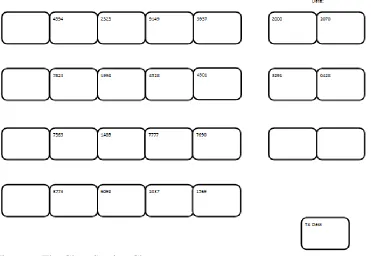
Figure 6: The Class Seating Chart.
Note: The seating chart used to record data on class participation and attention levels. The student names have been replaced by randomly assigned four digit numbers.
Qualitative data was also collected through hand written notes describing
observations made on days in which the students were instructed to wear specific outfits. The students were instructed to wear leisure wear one day, and business wear another day. These outfit styles were chosen so that the two extremes of outfit professionalism or lack of
professionalism could be observed. Lastly more qualitative data was collected through an open-ended survey given to the students at the end of the classes in which they were
Figure 7: Leisure Clothing Day Survey.
Figure 8: Business Clothing Day Survey
Note: The open-ended survey given to the students to complete after the class where they were instructed to wear business professional clothing.
Research Questions RQ#1
Does clothing choice impact a student’s performance in class?
This question was answered through an analysis of the student’s outfit
combined into 3 categories; leisure, casual, and business wear. A reported outfit score of 1-3 was leisure, 4-7 was casual, and 8-10 was business wear. An analysis of variance (ANOVA) was performed with this data to find out if outfit professionalism, or other extraneous
variables, had a significant influence on the students’ attention level and participation in
class. Student test performance was not considered in this analysis because most of the students did not fill out their outfit survey on the days they took their tests.
RQ#2
How is a student’s performance affected by their outfit choice?
This research question was answered through an analysis of the average percentage of distraction and number of participations for the class while wearing leisure, casual, and business clothing. A graph was created to show the difference in distraction percentage and participation that came with the students wearing different outfit styles. This analysis allowed for the specific amount of increase or decrease in distraction and participation to be found for the class and represented visually in a graph.
RQ#3
Does clothing influence a student’s attitude and behavior during class?
RQ#4
Does a student’s self-esteem, self-objectification, and body cathexis determine how a student
performs while wearing certain outfit styles?
This research question was answered through an analysis of whether self-objectification, body cathexis, or self-esteem may have impacted a student’s level of distraction on the assigned garment days, their distraction for the semester, and their total participation. To achieve this, each student had a calculated average for distraction for the entire semester, and each of the days of outfit manipulation. This information was compared with their levels of self-esteem, self-objectification, and body cathexis to see if there was a pattern or relationship between the variables.
Data Analysis
CHAPTER FOUR: PRESENTATION OF DATA RQ#1
To answer the question: Does clothing choice impact a student’s performance in
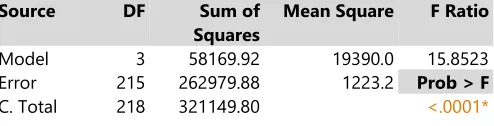
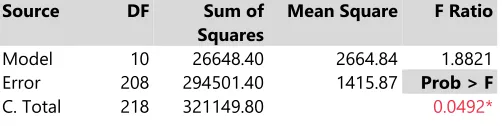
class? An ANOVA was performed to see what factors had a significant effect on student attention level and participation. Outfit rank (1= leisure, 2=casual, and 3=business), row number (Distance from the front of the classroom), seat position (Position of seat within the row) and reason for outfit choice were analyzed to see which factors were likely to affect percent distraction for the students. The results of the ANOVAs showed that outfit rank, and row number affected distraction percentage, while seat position and reason for outfit did not (See tables 2-5).
Table 2
ANOVA Output for Percent Time Distracted and Outfit Rank
Source DF Sum of
Squares
Mean Square F Ratio
Model 2 21982.26 10991.1 7.9356
Error 216 299167.54 1385.0 Prob > F
C. Total 218 321149.80 0.0005*
Table 3
ANOVA Output for Percent Time Distracted and Row Number
Source DF Sum of
Squares
Mean Square F Ratio
Model 3 58169.92 19390.0 15.8523
Error 215 262979.88 1223.2 Prob > F
Table 4
ANOVA Output for Percent Time Distracted and Seat Position
Source DF Sum of
Squares
Mean Square F Ratio
Model 5 3485.44 697.09 0.4674
Error 213 317664.36 1491.38 Prob > F
C. Total 218 321149.80 0.8003
Table 5
ANOVA Output for Percent Time Distracted and Reason for Outfit
Source DF Sum of
Squares
Mean Square F Ratio
Model 10 26648.40 2664.84 1.8821
Error 208 294501.40 1415.87 Prob > F
C. Total 218 321149.80 0.0492*
An Effect Likelihood Ratio Test was also performed to test if outfit rank, row number, seat position, and reason for outfit choice were factors affecting class participation. The results of the Effect Likelihood Ratio Test showed that none of those factors showed a statistically significant relationship with class participation (See table 6).
Table 6
Multiple Regression Output for Participation
Source Nparm DF L-R
ChiSquare
Prob>ChiSq
Outfit Rank 10 10 7.13151235 0.7130
Reason for Outfit 50 50 33.0216105 0.9694
Row 15 15 14.6870091 0.4742
RQ#2
The answer to How is a student’s performance affected by their outfit choice? was found through the comparison of average distraction percentage for each of the three garment types. There was a large difference in distraction for the students when wearing leisure, casual, and business wear. When wearing leisure clothing, the average distraction percentage was 16.93% higher than it was when the students wore casual clothing (See figure 9). When the students wore business wear, clothing their average distraction percentage was 12.24% lower than it was when the students were wearing casual clothing (See Figure 9). Over all the percent time distracted changed 29.17% from leisure clothing to business wear.
Figure 9: Distraction level during lecture by outfit style.
Through the comparison of average class participation for each of the three outfit types, it can be seen that there is a very small difference in participation for each outfit type. The average participation was 0.3043 times per lecture while the students wore leisure wear, 0.3304 for casual wear, and 0.4826 for business wear (See Figure 10).
0 10 20 30 40 50 60 70
Leisure (1-3) Casual (4-7) Business wear (8-10)
Distraction Level During Lecture
Ou
tfit
Style
Leisure (1-3) Casual (4-7) Business wear (8-10)
Average Percent Time Distracted 66.1 49.17 36.93
Figure 10: Participation by outfit style.
RQ#3
Does clothing influence a student’s attitude and behavior during class? The answer to this questions was found through the analysis of all the qualitative data collected in this study. The observational notes taken revealed that on the day when the students were instructed to wear leisure clothing, for the first and only time in the semester, two students were sleeping during class. There was no other instance when a student was observed to be sleeping during lecture. It was also observed that it was also more difficult to get the students to answer questions that were asked by the professor. The professor had to wait a long time before anyone would volunteer an answer.
On the day when the students were instructed to wear business professional clothing, the students had group work after lecture, and it was observed that they were noted to be much more on task than usual. Usually the students would talk about things unrelated to their classwork and do things like shop online and look at other websites while they worked in
0 0.1 0.2 0.3 0.4 0.5 0.6
Leisure (1-3) Casual (4-7) Business wear (8-10)
Average Participation
O
u
tfit
Style
Leisure (1-3) Casual (4-7) Business wear (8-10)
Average Participation 0.3043 0.3304 0.4828
groups. On the day when the students were in business wear they were on task and accomplished much more than usual.
On the days when the students wore outfits styles they were instructed to wear, there was an open-ended survey question given to them at the end of the lecture. The question asked the students how they felt wearing that outfit to class. Most of the students had positive responses to wearing business wear to class. The students frequently reported feeling more motivated and that they were accomplishing more. The biggest complaint found in the responses was that the clothing was not comfortable. Interestingly, most of the students seemed to enjoy being dressed up for class. Many students reported feeling more confident and more professional; potentially a reason that the students were less distracted on this day. On the day when the students wore leisure wear to class, there was a much more even mixture of positive, negative, and neutral feelings about wearing that specific outfit to class. Some of the students reacted positively and said things about how they felt good and
comfortable. Some of the students wrote that they did not feel any differently, and that there were both positives and negatives. Some students despised the experience and wrote that they felt “fat” “dirty” and “disgusting.” There were a couple students who commented on the fact that they felt “too comfortable” and that wearing leisure clothing made them feel relaxed to the point of not wanting to do any work.
RQ#4
Does a student’s self-esteem, self-objectification, and body cathexis determine how a
semester, and their total participation. None of the variables showed a significant
relationship. This analysis answered whether having a higher or lower self-esteem, body cathexis, or self-objectification did not have in impact on the students’ distraction and participation. It also showed that the student’s distraction and participation while wearing
Table 7
Influence of Personality Factors on Attention Level & Participation
Student % time distracted on leisure day Average % time distracted for the semester % time distracted on business wear day Total participation Self Esteem score Body cathexis score Self-objectification score
A 16.67 21.21182 0 2 28 3.6957 11
B 41.67 68.63636 75 1 25 3.587 -9
C 100 86.667 75 2 20 3.7391 19
D 100 36.75583 75 5 20 3.3913 -15
E 16.67 25.49667 25 7 23 3.1087 -11
F 0 16.865 0 10 20 3.4565 -21
G 100 84.7225 100 0 21 3.1957 11
H 100 44.97333 0 4 27 4.4565 5
I 66.67 57.57889 0 1 24 3.6957 7
J 83.33 40.84333 25 0 19 3.8478 9
K 83.33 61.06167 75 4 25 4.1304 -9
L 83.33 60 75 2 22 3.4565 -17
M 0 27.05727 0 1 24 3.8913 9
O 100 30.00917 50 0 18 3.2174 -1
P 100 72.27273 50 11 18 2.2391 13
Q 83.33 74.83727 25 1 20 3.413 -11
R 100 55.2875 50 14 23 4.1087 -25
Summary of Findings
professor while wearing leisure clothing. The findings of the study showed significant
CHAPTER FIVE: DISCUSSION, IMPLICATIONS & RECOMMENDATIONS The purpose of this study was to find out the ways in which the clothing a student wears can influence their performance in class. Performance was evaluated in terms of distraction, participation, and behavior. Review of past research showed that certain types of clothing can cause some level of mental distraction (Fredrickson et al., 1998), differences in willingness to participate socially (Francis, 1992), and changes in behavior (Frank et al., 1988). This study aimed to find out what ways the clothing a student chooses to wear to class may be influencing different aspects of their performance in the classroom.
RQ#1
Does clothing choice impact a student’s performance in class?
This study has found that the answer to this question is yes, outfit choice influences a student’s level of distraction during class. The multiple regression showed that there was a significant relationship between the clothing the students wore to class and the percent time they were distracted during lecture; the more professional the outfit (higher the rank) the less distracted the students were during the lecture. It was also found that the seat location in the classroom (row relative to the front of the class) has a significant influence on their
RQ#2
How is a student’s performance affected by their outfit choice?
The results of this study showed that a student will pay more attention to lectures the more professionally they dress while in class. The students showed a large decrease in
percent time distracted while they wore business clothing, as opposed to leisure clothing. The difference was percent distraction being cut nearly in half by dressing in business wear vs. dressing in leisure wear. Paying attention to lecture is a huge part of school, so decreasing or increasing distraction could be a very significant effect outfit has on a student.
RQ#3
Does clothing influence a student’s attitude and behavior during class?
Student behavior was observed to have some significant differences depending on the clothing the students wore. This study showed that differences in clothing choice could mean the difference between students sleeping or being on task during class. It was also found that student’s attitude and feelings could be dramatically changed by the outfit they wear to class,
RQ#4
Does a student’s self-esteem, self-objectification, and body cathexis determine how a student
performs while wearing certain outfit styles?
The results of this study showed that self-esteem, self-objectification, and body cathexis do not have a hand in determining how influenced a student is by what they wear to class. It was also found that those factors do not have an influence on how distracted a student is, or how much they participate. This information supports the fact that the
stereotype associated with the clothing may have had more of an effect on the students than the clothing’s influence on their self-esteem, self-objectification, or body cathexis.
Implications of Research
This information has very significant implications for students, teachers, school boards, and uniform policies. Students could benefit from knowing that their outfit could be helping or hurting their performance in class. Students could also use this information to their advantage and better their attention and professionalism for class. This information could make students aware that they may be sabotaging their focus and increasing their distraction by wearing sweatpants or leisure clothing to class.
could also potentially benefit any person who wants to dress to improve their performance in daily activities or at work.
Recommendations
This thesis was conducted as a pilot study, and has given great evidence to support future research. If this study were to be repeated, it could be done with students with different majors and areas of study, and across more colleges and states than just North Carolina. The group of students observed in this study were from only one class and one major, so the results could have been altered by the similarities in the students. If the study were to be done again, it could be improved by including a more diverse and larger group of students. If the study were to be repeated it could also include more factors to observe other than attention and participation, like test performance, and lecture retention.
REFERENCES
Adam, H., and Galinsky, A. (2012) Enclothed Cognition. Journal of Experimental Social Psychology, 48(4), 918-25.
Agarwal, S., Bhalla, P., Kaur, S., & Babbar, R. (2013). Effect of body mass index on physical self-concept, cognition & academic performance of first year medical students. Indian Journal of Medical Research, 138, 515–522.
Alam, M. M. (2013). A study of test anxiety, self-esteem and academic performance among adolescents. IUP Journal of Organizational Behavior, 12(4), 33-43.
Banister, E. N., & Hogg, M. K. (2004). Negative symbolic consumption and consumers' dive for self-esteem: The case of the fashion industry. European Journal of Marketing, 38(7), 850-868.
Behling, D. U., & Williams, E. A. (1991). Influence of dress on perception of intelligence and expectations of scholastic achievement. Clothing and Textiles Research Journal, 9(4), 1-7.
Bell, R. (2005). Relationship between perceived clothing comfort and exam performance.
Family and Consumer Sciences Research Journal,33(4), 308-320.
Brunsma, D. L., & Rockquemore, K. A. (1998). Effects of student uniforms on attendance, behavior problems, substance use, and academic achievement. The Journal of Educational Research, 92(1), 53-62.
Chattaraman, V., & Rudd, N. A. (2006). Preferences for aesthetic attributes in clothing as a function of body image, body cathexis and body size. Clothing and Textiles Research Journal, 24, 46–61.
Chohan, B. I. (2013). An exploratory study of the relationship between self-esteem and academic performance of the students. Journal of Educational Research, 16(1), 39-50.
Creekmore, A. M. (1974). Clothing related to body satisfaction and perceived peer self. East Lansing: Michigan State University, Agricultural Experiment Station
Daters, C. M. (1990). Importance of clothing and self-esteem among adolescents. Clothing and Textiles Research Journal,8(3), 45-50.
Dearborn, G. V. (1918). The psychology of clothing. Princeton, NJ: Psychological Review Company.
Duari, P. (2012). Importance of self-esteem among students in academic performance and coping with stress. Indian Journal of Positive Psychology, 3(4), 474-477.