ABSTRACT
MCKEITHAN, GLENNDA KASHNER. Interventions Employed in Regular Education Settings for Secondary Students with High Functioning Autism: A Meta-Analysis. (Under the direction of Dr. Susan Osborne and Dr. Ed Sabornie)
An increase has occurred in the number of students identified as having high functioning autism (HFA), who are being served in the regular education setting with their non-disabled peers. Many of these students have difficulty with academic and social expectations in this setting, and a minimal amount of information is available to educators related to meeting the needs of these students in secondary educational settings. Researchers must identify effective, researched-based interventions to help adolescent students with HFA meet academic and social milestones. This information helps key stakeholders make informed decisions about service delivery and
instructional support that maximizes the potential for student success (McLaughlin & Rafferty, 2014). This study entailed an extensive search of the research related to students with HFA and identified 23 studies employing single case research design (SCD) published in peer-reviewed journals between 1985 and 2015. An analysis was completed to compare results from different studies to evaluate effect size, patterns, and relationships related to interventions designed to improve behavior and academic outcomes for adolescent students with HFA placed in regular education settings. A disaggregation analysis indicated interventions to improve learning in academic and content knowledge, curriculum assistance and social and/or behavioral skills can be used effectively with students with HFA participating in regular education. However, more information is needed related to specific strategies which may prove useful for these students within this age range and setting.
Keywords: HFA, High Functioning Autism, Asperger’s Syndrome, adolescents, ASD, autism,
Interventions Employed in Regular Education Settings for Secondary Students with High Functioning Autism: A Meta-Analysis.
by:
Glennda Kashner McKeithan
A dissertation submitted to the Graduate Faculty of North Carolina State University
In partial fulfillment of the requirements for the degree of
Doctor of Philosophy
Curriculum and Instruction
Raleigh, North Carolina 2016
APPROVED BY:
Dr. Susan Osborne, Committee Co-Chair
Dr. Ed Saborne, Committee Co-Chair
DEDICATION
BIOGRAPHY
Glennda Kashner McKeithan was born in California on September 15, 1965. Her father was a US Marine which enabled her to experience life in many different areas of the United States. She met and married her husband, Michael McKeithan, when she was an
ACKNOWLEDGEMENTS
This manuscript is dedicated to all those who helped me through this process. I would like to thank my doctoral advisory committee, Dr. Susan Osborne, Dr. Edward Sabornie, Dr. Ruie Pritchard, and Dr. Lisa Bass for generously sharing their knowledge, experience and time in helping me to complete this process as well as to Irene Armstrong who seems to know more than anyone in the university about everything, and yet she has the time to always respond to all pleas for assistance in a timely manner! She is a true asset to the TELS faculty and students at NCSU.
I would like to offer special recognition to Dr. Jessica Wery for being willing to share her compassion, organizational tips, resources, research methods and keen insight into the world of higher education and research. Her friendship, guidance and support in all stages of this work has been an invaluable resource.
I would like to thank Dave Conroy, Brad Mills, Cheryl Crumpler and Karla Thomas for being willing to help verify findings, edit numerous drafts, manage electronic resources and tolerate my frustrations. Additional recognition needs to go to Pam Jerro, my friend and boss, for allowing me to finish this work and helping me to afford this degree!
TABLE OF CONTENTS
LIST OF TABLES ……….………...………..vii
CHAPTER 1………..………..1
Background and Brief statement of the problem……….1
Definition of Autism Spectrum Disorder (ASD)……….1
Diagnosing ASD………..…1
Factors Contributing to Diagnosis……….………..4
High Functioning Autism (HFA)……….……5
Inclusion ………..………7
Common Problems ……….……9
Long Term Consequences ………...………..13
Significance of the Current Study………..14
Chapter Summary ……….15
CHAPTER 2 ……….………16
Existing literature ……….…...……….……….16
Interventions for Students with HFA ………16
Primary Research Designs ………17
Secondary Research Designs ………..………..21
Analysis of SCD Results ……….………….26
Overview of this Research Study ……….………32
Research Questions ……….……….33
CHAPTER 3 ……….35
Locating Studies ………35
Inclusion and Exclusion Criteria ………..…………37
Coding of Independent and Dependent Variables ………..………..44
Reliability ………..51
Data Analysis ………...……….52
Chapter Summary ……….57
CHAPTER 4 ……….58
Interpretation of Effect Size ………..………59
Effect Sizes ………..….65
Chapter Summary ………...71
CHAPTER 5 ………...…………..72
How effective are the interventions for learning academic content knowledge for students with HFA in the regular education setting? ………..…73
How effective are the interventions for learning curriculum assistance skills for students with HFA in the regular education setting?...74
How effective are the interventions for learning appropriate behavior for students with HFA in the regular education setting? ……….………….76
How does the effectiveness of interventions vary by study characteristics, interventions and other variables? ………..77
Research Implications ………...81
Limitations ………..…..83
References ……….89
Appendix A ………..…...102
Tables ………..102
Appendix B………..…144
LIST OF TABLES
Table 1 ASD Diagnostic Criteria Comparison of DSM 4 and DSM 5 ……….…….102
Table 2 Comparison of Current Study with Existing Studies ……….……....103
Table 3 Codification of Dependent and Independent Variables ……….………107
Table 4 Codification of Study Quality ………111
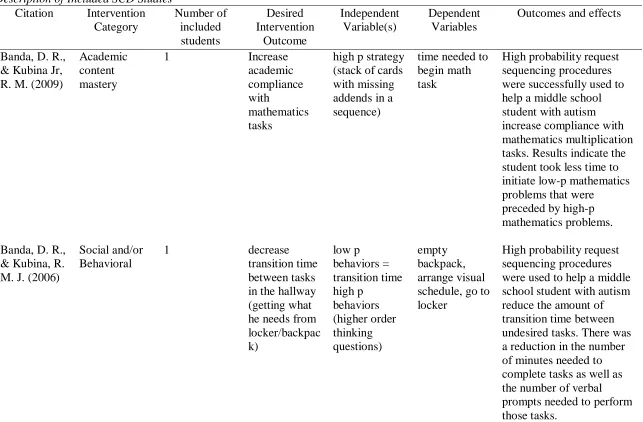
Table 5 Overview of Included Studies ………113
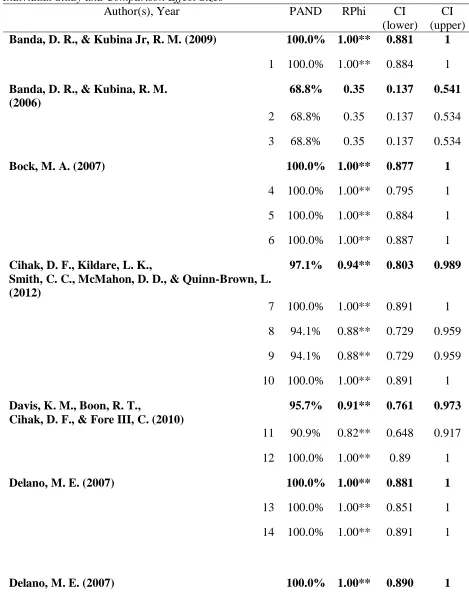
Table 6 Effect Size Comparisons of Individual Studies ……….122
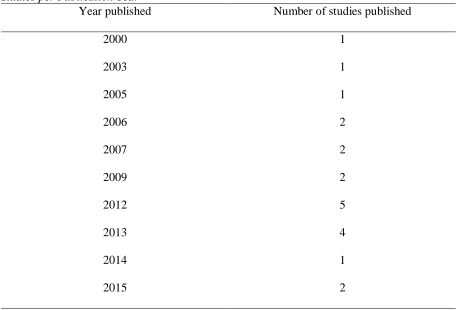
Table 7 Publication Years of Included Studies ………...127
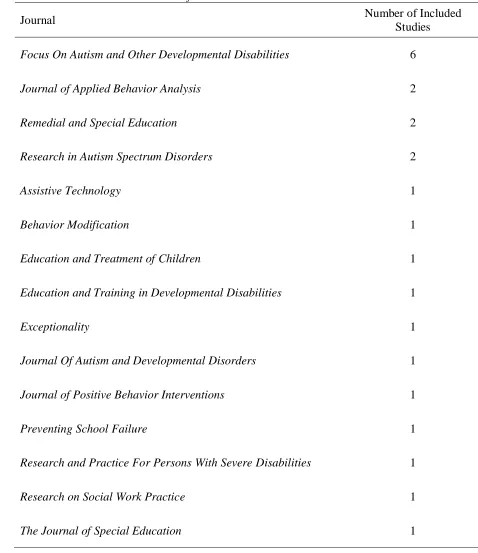
Table 8 Journal Distribution of Included Studies ………...128
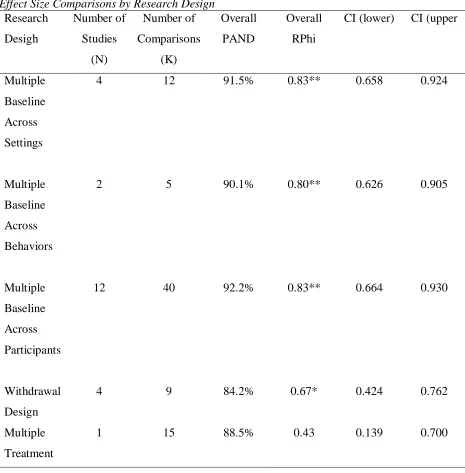
Table 9 Effect Size Comparisons by Research Design ………..….129
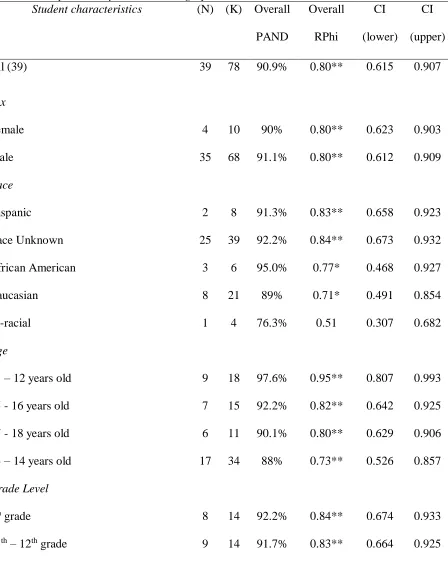
Table 10 Effect Size Comparisons by Student Demographic Information ……….130
Table 11 Effect Size Comparisons by Autism Diagnosis Criteria ……….….132
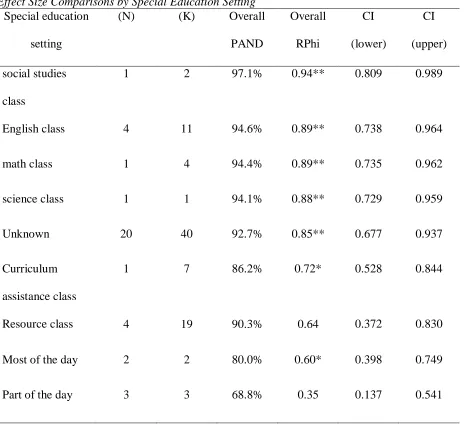
Table 12 Effect Size Comparisons by Special Education Settings ……….133
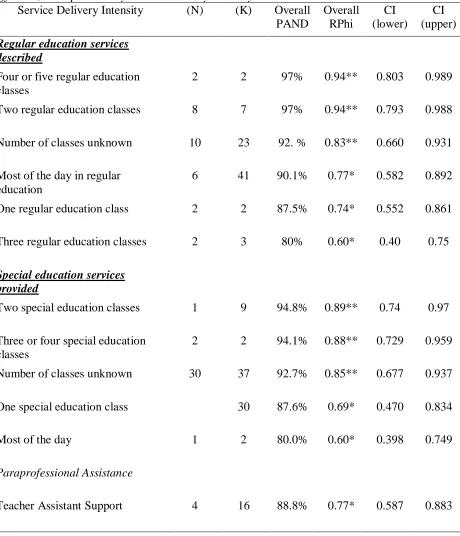
Table 13 Effect Size Comparisons by Service Delivery Intensity ……….…134
Table 14 Effect Size Comparisons by Regular Education Settings ………...135
Table 15 Effect Size Comparisons by Intervention Categories ……….…136
Table 16 Effect Size Comparisons by Desired Intervention Outcomes ……….137
Table 17 Effect Size Comparisons by Independent Variables………...138
Table 19 Effect Size of Included Studies by WWC Standards……….…..140
Table 20 Effect Size Comparisons by Intervention Agents……….141
Table 21 Effect Size Comparisons by Intervention Settings………...142
CHAPTER 1: INTRODUCTION Background
Many challenges face American students with disabilities as they strive to master curriculum objectives and develop the academic and social skills needed to achieve their
personal goals and assume their roles as productive, contributing adult citizens. This is especially difficult for students with autism who have the intellectual ability to learn the academic
curriculum content, but the characteristics of their disability may significantly impair their ability to reach their full potential throughout their academic careers and adult lives. In order to fully understand the significance of this issue, it is important to first define this disorder, and identify the unique challenges facing those with this disability in educational settings.
Definition of ASD
Autism or autism spectrum disorder (ASD) is a multifaceted neurological impairment which includes a wide range of symptoms, skills, and levels of deficiencies related to social communication and interaction across multiple settings (Simpson & Smith-Myles, 2011). Individuals with ASD are described as being “on a spectrum” because significant differences exist in the levels of impairments, ranging from mild to severe (Simpson & Smith-Myles, 2011). Moreover, individuals with ASD manifest the defining characteristics and the other impairments in different ways and combinations.
Diagnosing ASD
Two methods are used to diagnose individuals with ASD. The general definition of ASD noted above includes individuals diagnosed using the educational definition and/or the clinical definition of ASD. The most specific and objective definition of ASD is outlined in the
Diagnostic and Statistical Manual of Mental Disorders, fifth edition -DSM 5. This manual is
2013).
Clinical definition. DSM 5 defines ASD as a complex neurodevelopmental disorder characterized by consistent difficulty with verbal and nonverbal social communication skills (American Psychiatric Association, 2013). The DSM is a living document that has changed several times over the last few decades to reflect new research and ongoing psychiatric practice. Changes are made to improve the accuracy of the diagnoses and to allow clinicians the ability to describe specific symptoms. Persons diagnosed with ASD must show persistent deficits in two domains. These include persistent social communication and social deficits, and restricted and repetitive patterns of behavior.
DSM 5 criteria. According to DSM 5, individuals with ASD must demonstrate (either in the past or in the present) deficits in social-emotional reciprocity, deficits in nonverbal
communicative behaviors used for social interaction, and deficits in developing maintaining and understanding relationships (American Psychiatric Association, 2013). In addition, they must show at least two types of repetitive patterns of behavior, such as repetitive motor movements, insistence on sameness, inflexible adherence to routines, fixated interests, hyper reactivity to sensory input, and/or unusual interest in sensory aspects of the environment. Under DSM 5, clinicians rate the severity of deficits based on the level of support they require (American Psychiatric Association, 2013).
symptoms (social impairment, language/communication impairment and repetitive/restricted behaviors) were recognized, and DSM 4 required individuals to exhibit at least six of twelve deficits in social interaction, communication or repetitive behaviors (American Psychiatric Association, 2013).
Other changes. DSM 5 requires a person to exhibit three deficits in social communication and at least two symptoms in the category of restricted range of
activities/repetitive behaviors. A new symptom is now included: hyper- or hypo-reactivity to sensory input or unusual interests in sensory aspects of the environment, and symptoms can be current or reported in past history. In addition, a new category called Social Communication Disorder is included to allow for a diagnosis of disabilities in social communication without the
presence of repetitive behavior. While the educational diagnosis of ASD is somewhat more subjective, the basic characteristics are similar (see Table 1).
Educational definition. The federal law on special education, Individuals with Disabilities Education Improvement Act (2004), describes several educational disability conditions by which a student may qualify for special education. One of these conditions is Autism. It is defined in Individuals with Disabilities Education Act (IDEA) as follows:
(i) Autism means a developmental disability significantly affecting verbal and nonverbal communication and social interaction, regularly evident before age three, which adversely affects a child's educational performance. Other characteristics often associated with autism are engagement in repetitive activities and stereotyped movements, resistance to environmental change or change in daily routines, and unusual responses to sensory experiences.
primarily because the child has an emotional disturbance, as defined in paragraph (c) (4) of this section. A child who manifests the characteristics of autism after age three could be identified as having autism if the criteria in paragraph (c) (1) (i) of this section are satisfied.
Identification procedures. In order to make an educational diagnosis, a school-based IEP team determines if the student is eligible for special education services under the ASD classification within the school context. The core behaviors analyzed by the school team are similar to those outlined in DSM 5 (e.g., difficulties with social interaction, communication, and repetitive behaviors). The multidisciplinary team considers assessments and data from multiple sources to evaluate the student’s social behavior, communication, adaptive behavior, motor skills and cognitive ability in order for them to determine eligibility. While all students on the
spectrum can be diagnosed with autism via the educational definition (regardless of intellectual ability), a correlation exists between age of diagnosis and method of diagnosis (Shattuck, 2006). This is an important correlation because many students on the higher end of the spectrum are not diagnosed until they are older.
Factors Contributing to Diagnosis
students with higher cognitive abilities is 7.2 years (Mandell, Novak, & Zubritsky, 2005). Behavior in school settings. Students on the higher end of the ASD spectrum may not be identified until after they start school when communication and socialization skill deficits
become more apparent as they interact with peers. This is because a student on the mild end of the ASD spectrum (with average or above average cognitive abilities) may not exhibit serious social and communication deficits until after they are expected to interact with others in unfamiliar environments on a consistent basis.
In these instances, students with less severe manifestations may be socially awkward, not make eye contact, exhibit odd behaviors, and they may have difficulty making friends, asking for help, or advocating for themselves. Such a child might be characterized as “high-functioning.”
Low-functioning and high-functioning are informal terms that communicate only the approximate
degree of impairment and extent of support needed that might characterize a person with ASD. Although students with High Functioning Autism (HFA) may exhibit less severe degrees of impairment, their deficits can handicap their personal and social functioning. The current study presents a few of the ways that students with HFA experience problems with common situations, including school situations. As many of these students identified using the educational definition have higher cognitive abilities, it is important to define HFA and the challenges these students may experience in the secondary educational setting.
High Functioning Autism
success in school (Wheeler, Mayton, & Carter, 2015). Students with ASD have both receptive and expressive language deficits which result in many common problems or potential obstacles to success in school. This has become a serious issue because the prevalence of students being identified with this disability has significantly increased over the past few decades (Centers for Disease Control, 2014).
Prevalence of Students with ASD. The Centers for Disease Control (CDC} has identified a consistent 10-17% increase in annual growth of children identified with ASD. In 2014, the CDC released new statistics on the prevalence of children with ASD in the United States indicating that 1 in 68 children (1:42 boys and 1:189 girls) have ASD. The National Center for Education Statistics (NCES) reports that children with ASD represent eight percent of students with exceptionalities. The number identified as HFA is approximately 1 in 100 children (Baio, 2012; Home, 2014; Simpson & Smith-Myles, 2011).
Students with HFA. The prevalence of students with ASD who could be categorized as high functioning varies. The CDC estimates only 31% of students with ASD have intellectual disabilities with IQ scores less than 70, and between 43-69% of students with ASD have at least average intelligence (Campbell, 2003; Fombonne, 2005; Honda, Schimizu, Misumi, Niimi, & Ohashi, 1996; Kielimen, Linna, & Moilanen, 2000). Home (2014) reports that approximately 69% of students with ASD have IQ scores higher than 70; forty-six percent have IQ scores above 85. The increase in students being identified with ASD has resulted in an increase in the number of these students served in the public school setting.
Public school enrollment. The increase in prevalence of ASD among children
students with autism from 44,874 in 1998-99 to 304,080 in 2008-09 (de Bruin, Deppeler, Moore, & Diamond, 2013).
Federal requirements. IDEA mandates that these children be included in the Least Restrictive Educational Environment (LRE). In most instances, due in large part to the inclusion movement in special education and the need for responsible, data-based decision making,
students with the intellectual ability to master academic content are included in regular education classrooms, and they are taught by highly qualified, regular education teachers certified in the course content (Kauffman & Badar, 2014). For the purposes of this study, a student with HFA is defined as a student identified as eligible for special education services in the category of autism and enrolled in at least one regular education class.
Inclusion
The provision of an appropriate educational setting is vital to student success. Although the number of students with HFA served in regular education settings has increased, these students often demonstrate learning and behavior deficits (Hundert, 2009; Lindsay, Proulx, Thomson, & Scott, 2013) because they are expected to meet the same academic demands (regular education curriculum, graduation requirements and standardized test requirements) as their non-disabled peers. IDEA requires that public schools include students with disabilities in standardized assessments. The requirement for them to meet these academic milestones has resulted in an increase in the number of studies related to strategies and interventions that address the needs of students with ASD.
multiple providers in the school, home and community is more obvious. On the other hand, students with HFA on the higher end of the spectrum are more difficult to serve because they have the intellectual ability to understand academic content. Therefore, it is difficult to justify more restrictive academic environments or intensive support systems designed to meet their needs in secondary settings because the needs of these students are not as apparent.
Reduced support. IEP teams often provide services in the LRE (inclusion settings), but this placement can be especially difficult for students with HFA because as the students’
progress in their educational careers, rigid graduation requirements and curriculum demands result in fewer opportunities in a student’s schedule to be removed from regular education classes. Consequently, special education teachers are lacking in most middle and high schools. Therefore, direct special education support in regular education classes often decreases in
secondary settings, and most regular education teachers are unprepared to meet the academic and social needs of this unique group of students (Hewitt, 1999).
Unprepared teachers. Regular education inclusion teachers are expected to teach all students curriculum content and require students to communicate understanding and apply new learning effectively by engaging in academic discourse and problem solving through social interactions with others. The ability to communicate, work cooperatively with others and problem solve are vital skills students need in the world of work and adult relationships.
have the background and/or training to create a truly inclusive classroom (Hewitt, 1999). Barriers to success. The lack of available information related to how to meet the needs of adolescent students with HFA is a concern because research indicates increased anxiety among students with higher cognitive functioning (IQ >70 –average two standard deviations from the mean) diagnosed with ASD. In fact, evidence suggests that these students experience more depression and anxiety-induced physical and/or verbal tics in the educational setting (White, Oswald, Ollendick, & Scahill, 2009). Unfortunately, budget restrictions, larger class sizes, the demand for accountability (teacher/school), as well as the number of students with varied disabilities included in regular education classes, can become barriers to student success.
These challenges, in conjunction with limited teacher awareness of how to address student needs, make it difficult for students with HFA to be successful. In order to better understand the rationale behind the existing research related to interventions for students with HFA in regular education settings, it is important to understand the common academic, social and communication problems often exhibited by students with HFA in secondary inclusion settings.
Common Problems Common Academic Problems in Secondary Settings
viewpoints and abstract scenarios. Regular education classrooms in the secondary settings require students to engage in academic discussion, participate in group work, and debate with peers to enhance their abilities to communicate with others (Drake, 2012). Unfortunately, many students with HFA are challenged to effectively consider alternative perspectives, understand abstract concepts and communicate new learning at the same pace and in the same manner as their non-disabled peers.
Expressive and receptive language deficits. Students with ASD have both expressive and receptive language deficits. Expressive language difficulties experienced by students with ASD include problems with vocabulary, complex sentences and remembering words. Receptive language skills enable people to understand or comprehend language heard or read. Students with deficits in this area may have difficulty being able to put thoughts into words and/or sentences together in a way that makes sense; they may struggle with oral language, organized writing and application of basic grammar concepts (Lindsay, Proulx, Thomson, & Scott, 2013).
The hidden curriculum. Success in the regular education setting may be difficult for these students if they have problems making inferences, comparing and contrasting abstract ideas, understanding figurative language, and navigating the hidden curriculum of schools in which students are required to connect individual responses with the appropriate social context such as knowing the difference between speaking to a peer and to an authority figure and considering other perspectives (Lindsay, Proulx, Thomson, & Scott, 2013).
Common Social and Communication Problems
positive interactions with others. Students with HFA must use information gained from their five senses (what they see, hear, etc.) to further explore abstract ideas and test hypotheses. This is because learning is a social process and cannot occur without interaction (student/teacher and student/student). Social and communication skills are needed to help students think logically, develop critical thinking skills, and problem solve as they interact with others and progress through their school careers towards greater independence (Cleveland Clinic, 2014).
Interacting with others. Peer acceptance is an important part of psychosocial
development during adolescence. Students with autism often have difficulty establishing and maintaining satisfactory peer relationships because they may exhibit unusual behavior such as: robotic and/or formal speech, awkward social skills, making irrelevant comments, demonstrating unusual and/or repetitive gestures, over sensitivity to sensory stimulation in the school, and immature problem solving skills. Many of these students are interested in developing social relationships with peers, but they lack the communication skills to engage in age-expected social interactions (Simpson & Smith-Myles, 2011).
Communication deficits. Students with HFA may lack the communication skills needed to engage in age-appropriate academic and social interactions with others and meet the demands of the regular education setting because their deficits may not be obvious to teachers and peers. These students may appear to be inconsiderate, argumentative, intolerant and egocentric. Their unusual behaviors and inadequate social skills can lead to isolation and reduce their opportunities to develop age-appropriate social interaction skills.
adversely impact their ability to establish social relationships, make academic progress, and develop skills needed for successful occupational performance (American Psychiatric Association, 2013).
Although most students with HFA violate social norms and expectations without understanding why or what alternative behavior would be more appropriate, these deficits are often more pronounced in the secondary setting. Students with HFA may have unusual
stereotypical and restricted patterns of interest and behavior which keep them from developing the social norms needed in school and in the larger community. Marriage, Wolverton, and Marriage (2009) reported that only 15-20% of students with HFA leaving secondary education have the social skills needed to successfully participate in post-secondary education and employment.
Regular education teachers, especially at the secondary school level, must successfully facilitate the academic and social transition through adolescence into adulthood so students are prepared to meet the challenges of post-secondary life. While this is important for all students, it is especially important for students with HFA. These potential differences become more
Long Term Consequences
School failure. When school-based interventions are not effective, the learning environment is not conducive to student needs. This contributes to school failure and/or an increase in the dropout rate (Bennett & Dukes, 2013; Bishop-Fitzpatrick, Minshew, & Eack, 2013; McLaughlin & Rafferty, 2014). The No Child Left Behind (NCLB) Act obligates schools to report achievement data of students with disabilities into subgroups as evidence that students are making adequate yearly progress (2002). Evidence from standardized assessment results and other post school outcome measures indicate students with ASD are not making satisfactory progress.
Unmet personal goals. Marriage, Wolverton, and Marriage reported that only 15-20% of students with HFA participate in post-secondary education and employment (2009). Educators must address this issue for obvious ethical issues -- students with ASD deserve to live happy and fulfilled lives, so it is important for them to learn the skills they need to achieve their personal goals and aspirations. However, financial incentives are also a consideration. In 2012, services for post-secondary support for students with ASD was $126 billion dollars a year; this number is triple the 2006 costs. The lifetime cost of individuals with ASD and no intellectual disabilities was $1.4 million in addition to the costs that would accrue with a non-disabled peers (Buescher, Cidav, Knapp, & Mandell, 2014; Center for Disease Control and Prevention, 2014).
Garcia-Villamisar, Wehman, & Navarro, 2002; Targett & Wehman, 2009).
Unprepared for life. Adult employment, independent living, and social outcomes for these students are poor. Students with ASD have a difficult time understanding the nuances of effective communication skills and fitting in with people and environments in academic and social situations. Such needs must be addressed in order for them to develop basic skills needed for success in school as well as in post-secondary settings. Many individuals with HFA have immature skills related to the give-and-take of social interactions and limited understanding of body language or facial expressions. Some may have a desire to establish meaningful
relationships, and others may not be motivated to engage in social interactions. In either case, students with HFA are less likely to learn incidental social interaction skills than their non-disabled peers (American Federation of Teachers, 2014), but these skills are directly related to long term student success.
Post-school outcomes. Persons with HFA are more likely to depend on support from relatives or live in residential placements. They are less likely to gain full time employment or live independently. Research indicates this is not necessarily because it is not possible for these students to be independent, but rather because they are not leaving school with the skills they need to obtain and retain full time employment. They lack adaptive living and problem solving skills needed for independent living (Ballaban-Gil, Rapin, Tuchman, & Shinnar, 1996; Cameto, Levine, & Wagner, 2004; Cederlund, Hagberg, Billstedt, Gillberg, & Gillberg, 2008; Hendricks & Wehman, 2009; Hurlbutt & Chalmers, 2004; Tsatsanis, Foley, & Donehower, 2004).
Significance of the Current Study
provide a basis for selecting appropriate interventions to address the academic and/or social needs of adolescent students with HFA in regular education classrooms and potentially improve educational outcomes for students with HFA. This study adds to educator’s knowledge of the overall value of interventions for secondary students with HFA in regular education settings. In addition, gaps in the existing literature are noted as interventions with little or no research can help identify areas of additional need.
Chapter Summary
CHAPTER 2: REVIEW OF THE LITERATURE Existing Literature
Current Focus
Studies of research-based interventions related to meeting the needs of adolescent students with HFA in regular education settings are limited in both the quantitative and
qualitative realms. The majority of available research is concentrated on the needs of students in pre-school and elementary settings with severe cognitive and social/communication needs in more restrictive settings (special education classes or alternative educational placements). While some of the interventions and/or strategies noted in this research base may be applicable to older students in less restrictive settings, it is just as likely that the research may not be appropriate for students without cognitive deficits in less restrictive settings. Much of the existing research lacks information related to positive, long term effects (success rate and/or the ability to
generalize/retain learning) and practical application to regular education environments (Kasari & Smith, 2013).
Additional research needed. Identifying realistic, research-based interventions that regular education teachers can apply in their classrooms would help offer students with HFA equal access to the same educational opportunities as their non-disabled peers. Educators and others involved in service delivery need access to this information in order to make informed decisions about how to support these students and maximize their potential (McLaughlin & Rafferty, 2014).
Interventions for Students with HFA
be because these settings require them to interact with others, independently recognize and follow class routines, self-regulate, and communicate effectively with others (Hundert, 2009). Much of the available research is focused on interventions designed to address specific
characteristics/needs of individual students and/or small groups (Virues-Ortega, Julio, & Pastor-Barriuso, 2013).
Common interventions. Common public school-based interventions include antecedent manipulation, consequence-based interventions, self-management interventions, and video-based interventions (de Bruin, et al, 2013). Although the number of primary and secondary research studies has increased in recent years, educational researchers have been exploring ways to effectively address the social and academic skill deficits of students with ASD for more than a century (Colter, 1945; Daniel, 1908).
Primary Research Designs
To provide background to the method detailed in chapter three, this chapter reviews characteristics of primary research (original collection and analysis of data) and secondary research (summary or synthesis of existing research) as well as research designs cited in the existing literature base. Two primary research designs used by investigators are group comparison experimental designs and single case research designs (Wery, 2012).
large, homogeneous subject groups, random group assignments and standardized treatment can be problematic in settings where intervention is needed for only one student or a small group of students. The practical application in non-clinical, real life settings is often not realistic and/or possible.
Comparison designs and students with ASD. Few experimental studies of interventions for children with ASD have used group comparison designs. ASD was and remains too
infrequently diagnosed to obtain reasonably-sized samples of students with ASD. Most
experimental research on school interventions for students with ASD utilize an approach called applied behavior analysis, in which at least one behavior is reliably measured repeatedly over
time, and the experimenter must demonstrate that changes he or she makes in an independent variable (intervention) cause predictable changes in a dependent variable (behavior).
The form of experimental design in the applied behavior analysis approach is called by various names, including within subject design, intra-subject replication design, single-subject design, and single case design. In this current study, only single case design (SCD) research
studies are considered. Single-case or single subject research design is an alternative research design to between group designs.
Single-case research design. Unlike comparison group designs, the focus of SCD is on one single subject (N=1), however, the “one” subject can include a single individual or a group of
with individual or small groups of participants in realistic settings (Kazdin, 2011).
Although the SCD research environment may be more practical than the clinical setting of between group designs, SCD requires a methodological implementation to enhance the likelihood of an objective assessment of intervention effectiveness. As is the case with empirical studies, the SCD researcher identifies a dependent variable (target behavior) and an independent variable (intervention). Researchers then plan and analyze steps to objectively introduce,
integrate, and evaluate intervention effectiveness before, during, and after the intervention. Researchers must consider assessment strategies, methods for evaluating inter-observer agreement and data evaluation (Engel & Schutt, 2012; Kazdin, 2011).
The four main forms of SCD are: withdrawal (also called reversal) design, multiple-baseline design, changing criterion design, and multiple treatment design (Cooper, Heron, &
Heward, 2009; Kazdin, 2011). Each form has its variations.
Withdrawal designs. Withdrawal or AB research designs are composed of at least two phases: Phase “A” or baseline phase which document no intervention or treatment followed by the intervention or treatment, Phase “B.” Additional interventions or changes in interventions can be included in subsequent phases (Phase C, Phase D, etc.). Continuous assessments or repeated observations of performance over time are recorded. If a change is noted, then the treatment has an effect on the behavior of interest. This research design includes many variations (ABA, ABAB, BABA, ABCBCA, ABCABC) which can help to control for alternative hypotheses. In this variation, if the behavior returns to baseline measurement when treatment is withdrawn and subsequently demonstrates the desired effect when treatment is reapplied, the results can be interpreted with more confidence in predicting future behavior.
change in one of the phases, the possible absence of behavior reversal and possible ethical consequences of reversing behavior (Kazdin, 2011). An alternative research design that does not require a return to baseline phase is the multiple baseline design.
Multiple baseline designs. Multiple baseline designs allow researchers to demonstrate the effects of introducing an intervention to baselines across behaviors, participants, situations, and settings at different points in time. The advantage of this design is that the intervention does not need to be withdrawn after it is introduced, and the design can be used with multiple
baselines (typically three or more). The disadvantages of this design are related to possible uncertainties of baseline changes being interdependent, inconsistent intervention effects, and the potential effects of prolonged baselines. Changing criterion research designs can help to address some of the concerns (Kazdin, 2011).
Changing criterion designs. Changing criterion designs demonstrate the effect of intervention by showing performance changes at several points during the intervention phase as conditions change during intervention. A clearly apparent effect appears if performance follows changing criterion. Variations of this design include the ability to make criterion increasingly more or less severe. This design can incorporate the use of a brief reversal phase to demonstrate increases or decreases in effect depending on criterion, and the amount of change, as well as the number and duration of phases, can be adjusted. Disadvantages of this design include the possibility of performance not following changes in criterion, rapid changes in performance and deciding when to change criteria, and making inferences about whether performance and criteria demonstrate causal relationships (Kazdin, 2011). Multiple treatment research designs also help to measure treatment effect before and after intervention.
more treatments in order to evaluate the effectiveness of alternative interventions and/or
conditions administered to the same subject/group. Each intervention administered is associated with a particular stimulus, and the purpose of the design is to demonstrate that a given stimulus exerts control of performance. Variations of the design include alternating treatments or
concurrent schedule design.
The primary advantage of this design is that interventions can be compared without baseline. The disadvantages of this design are that, 1) in order for one intervention to emerge as most effective, behavior must show rapid changes in performance, 2) limitations could be related to the number of interventions, and 3) multiple treatments could interfere, increasing the
possibility that the application of multiple interventions is a contributing factor to behavior change (Kazdin, 2011; Yin, 2013). Secondary research designs allow researchers to synthesize research designs.
Secondary Research Designs
The three primary types of secondary research designs are: narrative literature reviews,
systematic literature reviews, and meta-analyses. The primary difference among these designs is related to the procedures taken to gather data and review all the literature available in an
unbiased and comprehensive way so other researchers can make objective conclusions about a given area of study.
and the findings difficult to replicate (Baumeister & Leary, 1997).
Systematic literature reviews. A systematic literature review is a more formal and objective search of the existing literature base. This type of review includes a descriptive and concise search strategy that allows other researchers to replicate the search with similar search results. In a systematic review, the investigator collects and examines multiple studies and uses
predetermined methods to search and analyze results (White & Schmidt, 2005).
While both narrative literature reviews and systematic literature reviews provide background about the existing knowledge base, they are both reliant on the author’s
interpretation of the literature (Cooper, Hedges, & Valentine, 2009). A quantitative systematic review or meta-analysis can address these issues by using statistical methods to combine the results of multiple studies.
Meta-analysis. Meta-analysis design, the method selected for the current study, includes a literature review. However, the literature search is different from the search that might be included in a narrative literature review or systematic literature review. While all of these research tools begin with a research question or area of interest which may include specific search criteria, a meta-analysis can be completed only when sufficient quantitative outcomes are available from the search. One limitation of this review is that meta-analytic techniques are still developing and vary among researchers (Glass, 1976; Lau, Ioannidis, & Schmid, 1997; Lipsey & Wilson, 2001).
evidence from multiple SCD studies. The meta-analysis is a sound alternative to statistical significance testing for SCD (Lau et al., 1997; Lipsey & Wilson, 2001). Meta-analyses can be used to compare effect sizes over a large number of studies, they are not dependent on large sample sizes, and they can evaluate the direction and magnitude of the effect size across studies. Finally, the analysis of existing and/or non-existing relationships between/among variables of interest can help to identify gaps in the existing literature (Lipsey & Wilson, 2001).
Addressing an Identified Need. The current study addresses an identified need (identification and assessment of interventions for secondary students with HFA in the regular education setting). This study is a meta-analysis of studies on effective strategies and/or interventions for adolescent students with HFA in regular education settings. This research contributes to the existing literature by addressing discrepancies among previously reported results and addressing the gaps in the literature base by offering a summary of research findings and representing those findings in a sophisticated manner.
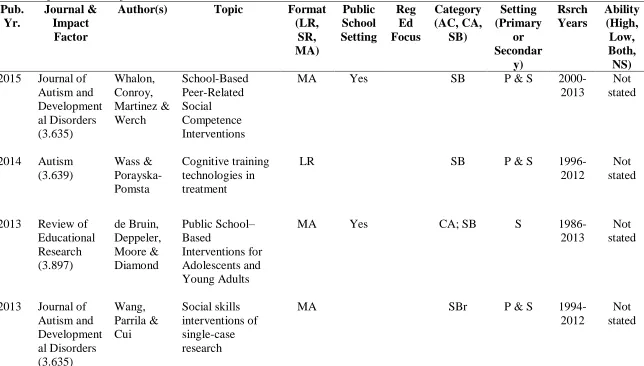
To ensure that this analysis contributes to the professional literature, an extensive literature search was conducted for existing narrative literature reviews, systematic literature reviews, and analyses (see Table 2). The search yielded six literature reviews and ten meta-analyses focused on analyzing the effectiveness of interventions for students with ASD.
Studies related to social behavior and core academic content. The primary
intervention focus for 14 of the 15 studies was related to social behavior. Four studies analyzed interventions designed to help students with ASD develop specific academic content skills.
reported interventions used in special education settings in public schools.
Studies related to regular education settings. Only three of the studies reviewed clearly identified interventions that could be applied in regular education settings. While the majority of the reviews addressed the needs of all students with ASD, none of reviews were specific to the needs of students with HFA in regular education settings, and only three studies focused on the needs of students with HFA (Campbell, 2003; de Bruin et al., 2013; Whalon, Conroy, Martinez, & Werch, 2015).
Studies related to public school interventions. Two meta-analyses somewhat resemble this current study. De Bruin et al (2013) reviewed SCD studies related to public school
interventions for students with ASD. However, this review varied from DeBruin’s study in two ways. The students in the study were not identified as HFA, and they were not necessarily served in regular education settings. The second most similar review was Ma (2009); in this meta-analysis, interventions focused on the behavior of students with ASD were analyzed.
Additionally, this review varied from the current study in two ways. The participants in these meta-analyses were both high and low functioning students from ages 4-22 with the majority of the students in the elementary setting. Participants were not necessarily served in the regular education setting.
literature that can be reproduced and defended by other practitioners (Lipsey & Wilson, 2001). SCD Research Credibility
Subjective standards. The increase in the variety of available statistical analysis methods for evaluating effect size can benefit researchers and help them make an appropriate choice depending on the research design and data characteristics. Unfortunately, the lack of regularly accepted, standardized research criteria for SCD studies contributes to misconceptions about results. SCD studies are not consistently recognized as true experiments because subjective standards contribute to bias and questionable reliability of data such as the selection of
participants (Kazdin, 2011).
Efforts to improve the standards. The credibility of SCD research is based on evaluation of the quality of the study’s research design as well as the effect size (ES) of the
reported results. This is an important distinction because a study might have a sound research design, but the data do not indicate a meaningful ES. On the other hand, a study may have a high ES, but the specific design may be weak and invalid. The Institute of Educational Sciences’
(IES) What Works Clearinghouse (WWC) has taken steps to assess studies that use single-case designs, and IES sets standards for the design validity. Unfortunately, these standards may exclude studies of interventions that might be effective for students with HFA in regular education settings because they do not meet IES standards.
WWC standards. In order for SCDs to meet IES standards, trained WWC reviewers evaluate the methodological soundness of the study, and determine whether the study meets standards, meets standards with reservations, or does not meet standards. Reviewers assess the study’s outcomes and categorize the evidence as demonstrating strong evidence, moderate
of intervention effects in SCD studies when replicated across studies using the 5-3-20 threshold. This threshold can be met when at least five SCD studies are reviewed and meet standards (with or without reservations), the intervention must be studied by a minimum of three independent research teams, and includes a combined number of at least 20 participants (Horner & Spaulding, 2010; Kratchwell et al., 2013). The What Works Clearinghouse (WWC) helps to address the concern with design validity, but it does not assist with analysis of SCD study results.
Analysis of SCD Results
While SCD offers many advantages to practitioners, researchers must address the disadvantages. The most obvious disadvantage is the lack of consistent agreement about how to analyze whether or not a study demonstrates the true effect of the intervention by showing changes over intervention phases. SCD study effectiveness must be systematically tested to ensure conclusions are objective and accurate to determine if the results are clinically significant (positive results specific to that subject/setting) or statistically significant (other than random chance) – (Engel & Schutt, 2012; Kazdin, 2011). Graphing data points and visually inspecting the data trends displayed in the graphs is the traditional method of interpretation that can help researchers screen intervention studies with a positive effect.
Visual analysis. Visual analysis of data points represented in a line graph can be analyzed to evaluate the trend, level, and constancy of data between and within phases. This visual analysis method is commonly used in SCD because the intervention (independent variable) is designed to reduce inappropriate behavior or increase appropriate behavior and can be graphed in all phases of the study, and the participants of the study serve as their own control. This helps researchers assess change and evaluate intervention effectiveness (Gast & Hammond, 2010).
findings primarily because it is not as reliable if a study’s effect is not obvious. These
interpretations are questionable because no agreed upon standards exist for making decisions about patterns and trends. Effect size measures and visual analysis of trends can allow more objective (reliable and reproducible) conclusions about the data (Kazdin, 2011; Lenz, 2012 and Parker & Hagan-Burke, 2007).
Effect size. Effect size (ES) measurements are used in meta-analysis research to summarize the statistical measurement of the power of the intervention or the strength of the correlation between variables. The American Psychological Association recommends that effect sizes in both SCD and group comparisons be reported to support the interpretations of research findings (2010). The increase in the number of SCD studies over in the past 15 years has resulted in the development of a variety of analysis methods available to researchers. Meta-analysis can combine multiple effect sizes of studies and compare findings.
Comparisons among findings. The fact that investigators use diverse standards for judging research rigor makes comparisons between findings difficult. Secondary research designs allow investigators to review and/or synthesize existing studies and make assumptions by combining evidence from similar studies. Many variations exist in how ES of SCD can be calculated and interpreted using both parametric and nonparametric statistics as discussed below.
Parametric and nonparametric statistics. Utilizing parametric statistics can be a
Non-overlap Methods
Non-overlap research methods assess ES by observing the data points and considering the number of non-overlap data points between pre (baseline, Phase A) and post (treatment, Phase B) intervention phases. In other words, when determining effect size, it is important to ensure the data across phases do not overlap. These methods can offer researchers a way to synthesize data, and they do not require extensive training or statistical analysis. They are easy to calculate, and they are not restricted by distribution (Lenz, 2012; Parker, Vannest, & Davis, 2011). The most commonly used non-overlap techniques include: ELC (split middle line), PND (percentage of non-overlapping data), PAND (percentage of all non-overlapping data), Phi (robust Pearson’s phi), PEM (percentage of data points exceeding the median), IRD (improvement rate difference), NAP (non-overlap of all pairs), and Taunovlap (Kendall’s tau nonoverlap) – (Parker, Vannest, & Davis, 2011).
ELC (split middle line). The ELC or split middle line considers the portion of data points in Phase B that is above the median slope of Phase A data points. It is calculated by identifying the Phase B data points that are above the median slope of Phase A data. The advantage of this method is that it takes into account the trend of the data in Phase A. In other words, this method removes the effect of time. The disadvantage of this method is that it is harder to distinguish between minimally effective treatments and very effective treatments (Parker et al., 2011; White & Haring, 1980).
is easy to compute, and it has been widely used. The disadvantage of this method is that since researchers do not know its distribution, they use inference testing, and one outlying data point on the Phase A side can make an effective treatment appear to be ineffective since that one outlier can dictate results (Kratochwill , Hitchcock, Horner, Levin, Odom, Rindskopf, & Shadish, 2013; Parker & Vannest, 2009; Parker et al., 2011).
PEM. The percentage of data points exceeding the mean (PEM) method is calculated by extending a horizontal line from the median value of Phase A over into Phase B and determining the percentage of points in Phase B that exceed that line. The advantages of this method are that outliers do not overly affect the data, and it is very easy to compute. Inference testing can also be used with this method. The disadvantages of this method are that the median has to be a good representative of the data, and any trend that may be represented in Phase A is ignored (Parker, Hagan-Burke, & Vannest, 2007; Parker et al., 2011).
IRD. The improvement rate difference method (IRD) method is calculated by
determining the minimum number of points required to be subtracted in order to remove all non-overlapping points. The ratio of remaining points in Phase A divided by the total points in Phase A is subtracted from the ratio of the remaining points in Phase B divided by the total points in Phase B. In a robust IRD, the removed points are assigned half to Phase A and half to Phase B regardless of how the removal was determined and the procedure was followed. The advantages of this method are that the robust IRD and the robust Phi are the same statistic -- this statistic more widely accepted in the research community. The disadvantages of this method are that this method does not account for trends and would not be as successful at the high ends of
effectiveness (Parker et al., 2011; Parker & Vannest, 2009).
which show improvement from phase A to Phase B and then adding to that 0.5 of the pairs that are exactly equal from phase A to Phase B and dividing by the total number of pairs. The advantage of this method is that the entire data set is considered; no points are ignored. The disadvantage of this method is that it is more difficult to compute than the other visual methods (Parker et al., 2009; Parker, et al., 2011).
Taunovlap. Kendall’s tau nonoverlap method is calculated by taking the number of pairs which show improvement from Phase A to Phase B, subtracting out pairs that show decline from Phase A to Phase B, and dividing by the total number of pairs. The advantage of this method is that most of the data points from both phases are considered (ties do not count). The
disadvantages of this method are that this is harder to compute by hand, and the extreme points in Phase A will have a larger effect on this index than on NAP (Parker et al., 2011).
PAND. The percentage of all non-overlapping data (PAND), the method used for this study, is calculated by removing the minimum number of data points (from either side or both) that eliminate all non-overlapping among the data points. The number of points that remain (the overlapping data points) is divided by the total number of points, resulting in a percentage. The closer to 100 that percentage is, the more effective a treatment is. The advantage of this method is that this method is easy to use and researchers can distinguish between minimally effective treatments and very effective treatments. Finally, this method can be paired with Phi to determine a confidence interval for the quantity being measured. The disadvantage of this method is that it does not take a trend into account and thus a treatment’s effectiveness can be overestimated or an ineffective treatment can be thought to be effective (Parker et al., 2007; Parker et al., 2011).
calculated by making a two-by two table where the ratio of half the removed points from Phase A is divided by the remaining points in Phase A. This is compared to the ratio of remaining points from Phase B divided by the removed points from Phase B. The advantage of this method is that it can be paired with PAND to make it more powerful. The disadvantages of this method are that it is not as easy to compute, and outliers can still have a large impact on the data (Burns, Codding, Boice, & Lukito, 2010; Parker et al., 2007; Parker et al., 2011; Schneider, Goldstein, & Parker, 2008).
Rationale for Selected Method
This meta-analysis research study considers only those published studies with designs that possess some minimum level of validity using standards from WWC. Then on each of those included studies, ES was calculated, using PAND and RPhi as ES statistics. This method was selected because it is the best compromise to determine the effectiveness of the interventions under study. Results are quantified, and through the use of inference, more confident conclusions can be made in regards to the efficacy of treatment because this method uses all data points and outliers do not carry as much weight as with the PND method. Additionally, PAND can be translated into Pearson’s Phi, which allows for calculations of p values and confidence intervals.
These combined methods can discriminate among lower and higher study effects (Parker,
Vannest, & Davis, 2011) to help determine the credibility of study findings. In the current study, this analysis uses non parametric methods due to the fact that the studies being analyzed have too small sample sizes to use parametric methods.
participants. Non parametric analysis is designed to be used on single case studies which is what many of these studies were. Non parametric analysis differs from parametric analysis in the following ways. Non parametric analysis is less dependent upon sample size. Sample size does affect PAND and RPhi in that a larger total number of points means that it takes more
overlapping points to change the percentage but is irrelevant to the size of the confidence interval for RPhi. The size of the confidence interval is affected by the closeness of size between the baseline and treatment phases. The closer in size those phases are, the smaller the interval. Also, non-parametric analysis uses the left skewed chi squared distribution instead of the symmetrical normal distribution which leads to left skewed confidence intervals instead of centered
confidence intervals.
Overview of this Research Study Study purpose
The purpose of this meta-analysis is to identify effective research-based interventions and/or teaching strategies to assist adolescent students with HFA in regular education settings. After systematically searching the literature, results are analyzed using PAND/RPhi to determine effect sizes of studies included in the meta-analysis and report findings related to the efficacy of varied categories of interventions, and discuss relationships among variables of interest that might help educators make informed decisions related to appropriate service delivery and/or potential staff development/teacher education needs.
(middle and high school) served in regular education classes. The date range of my analysis includes SCD studies from 1985-2015. The additional inclusion criteria for this study are as follows: participants at least 11 years old, written in English, and findings represented in a graph sufficient to generate PAND and RPhi coefficients.
The included studies represent varied types of research design methodology (withdrawal, multiple baseline and multiple treatments) as well as interventions designed to address both academic and behavior. IES standards were used to evaluate study quality. Key word descriptors are more specific to capture more potential articles.
Research Questions
Considering the studies that meet my inclusion and exclusion criteria:
1. How effective are the interventions for learning for students with HFA in the regular education setting?
a. How effective are the interventions for academic content knowledge learning (interventions designed to improve student skills and/or promote success in a specific content area) for students with HFA in the regular education setting? b. How effective are the interventions for curriculum assistance learning
(interventions designed to develop or enhance the participant’s skills with organization; study skills, test taking, and/or problem solving) for students with HFA in the regular education setting?
2. How effective are the interventions for appropriate behavior for students with HFA in the regular education setting?
Chapter Summary
Chapter 3: METHOD
In this chapter, methodology is described to address the research questions noted in the previous chapter: (a) How effective are the interventions for learning (academic and curriculum assistance skills) for students with HFA in the regular?, (b) How effective are the interventions
for appropriate behavior for students with HFA in the regular education setting?, and (c) How
does effectiveness of interventions vary by study characteristics, interventions, and other coded
variables (e.g., gender, race, intellectual ability, etc.)?
The research questions were investigated as follows. First, published studies were located relevant to the research questions. Next, selection criteria were applied to the located published studies to identify appropriately qualifying studies. Then each study included was analyzed and coded.
Locating Studies
An extensive literature search was conducted to locate studies published over the past 30 years that used single case study (SCD) research to evaluate interventions for adolescent students with high functioning autism (HFA). To qualify, a study must have a publication date of 1985 through 2015. This date selection is in line with defined (DSM) changes in how ASD was diagnosed as well as the introduction of studies relating to how to help students with ASD achieve success in inclusion settings. Search moderators were used in conjunction with current and previous diagnosed conditions associated with autism within the given date range. In order for a study to be included, the study must have been in-print or online, including those appearing online ahead of eventual in-print. It must have examined the effect of an educational or
psychological intervention upon students with ASD in a regular education (non-special
have used a SCD procedure, not a group comparison design, to examine the effects.
Electronic literature search. The following databases were searched: ERIC, Academic Search Complete, MEDLINE, Web of Science, Google Scholar, PsychARTICLES and
PsychINFO. Boolean search terms were used with specific key words and operators. Boolean Operators such as AND, OR, NOT or AND NOT were used to combine or exclude keywords in the search; using these operators produced a focused and productive search of large databases. When appropriate, the word AND was used to require both terms (on either side of the word AND) to be in each search item returned. If one term was contained in the document and the other was not, the item was not included in the search results. OR was another Boolean indicator used to narrow the search. When OR was used, either term (or both) terms was in included in the search. The word NOT was used to search the records; any records containing the term after the operator NOT would not subtracted from the search results. The asterisk was used on to indicate the root word/stem of the word preceding the asterisk; in this case, any word that began with the root/stem of the word by the asterisk was included in the search results. Parentheses were used to summarize OR statements for the search engines to execute them properly (Eastman, & Jansen, 2003).
The search operators and keywords used in this study were as follows: (teach* method* or strateg* or behav* mod* or intervent*) AND (autism or autis* or ASD or HFA or high funct* autis* or asperg* or PDD or pervasive development* disorder* or social* communication* disorder*) AND (adolescen* or middle school* or high school*) NOT (intellectual disorder* or mental* retard*) NOT (elementary school* or elementary) NOT (meta-analys* or literature review* or systematic review) NOT (medic* or medicine).
the needs of students with ASD and/or HFA was completed. This included an electronic search of articles published between the years 2001-2015 in the following journals: Autism – the International Journal of Research and Practice; Autism Research and Treatment; Focus on
Autism and Other Developmental Disabilities; Journal of Autism and Developmental Disorders;
and Research in Autism Spectrum Disorders.
Reference list search. After the selected journal search, the reference lists were examined for literature reviews, systematic literature reviews, and meta-analyses related to effective interventions for students with HFA in school settings: de Bruin et al., 2013 and Ma, 2009. After the third stage screen (described below), an additional examination was completed of the reference lists of all articles qualifying to remain in the tentative collection (i.e., those not excluded via the screening criteria).
Inclusion and Exclusion Criteria
The criteria for study selection was applied sequentially to the journal articles located through the study location procedures. As each criterion was applied to studies located through the electronic and other literature search, several studies were eliminated from consideration because they did not meet the inclusion criteria. The inclusion criteria were as follows: diagnosed with ASD (or other terms associated with ASD), minimum age of 11 years, enrollment in at least one regular education class, intervention in the public school setting, average range of intelligence, SCD research study, line graph of results meeting criteria for PAND analysis, and published in a peer reviewed journal within the given date range. The criteria that tend to be more easily applied (e.g., by viewing an article’s citation or abstract) were
whether the criterion applies, the study was retained for further examination.
After the last inclusion criterion was applied, the studies that were not eliminated
constituted the tentative collection of studies for this meta-analysis. The collection was tentative at that point because it was possible that as studies were more thoroughly examined when coded, it was determined that the study does not meet one of the criteria, even though it had not been eliminated in the initial application of the criteria. The inclusion and exclusion criteria were applied in two screening stages.
First Screening. In the first screening phase, the entire electronic search list was sorted alphabetically by author and uploaded to RefWorks where it was later downloaded to an excel worksheet. The resulting worksheet was then alphabetized by author and abstracts of each citation were scanned for the following information.
Phase 1. (a) Publication date: In this step, it was confirmed that the article was published in the years 1985-2015 as identified in the study location procedures. Articles were excluded that did not meet the date criterion.
(b) Language: The article must have been published in English (regardless of what language the participants used or where it was conducted), as called for in the study location procedures. Articles that did not meet the English language criterion were excluded.
and meta-analyses} were not included.
(d) Student age: Given that the focus of this analysis was secondary students in middle and high school settings, the age of at least one study participant must be within the age range (11-22). Studies that did not involve at least one participant in the specified age range were excluded. If in a study at least one participant was in the qualifying age range, the study was included but consideration was given only to data for the qualifying participant(s). When specific participant ages were not cited by the authors, but the student was identified as being in middle or high school or in grades 6-12, the student was included. For the purposes of this search, students were assumed to have entered first grade at age five/six and started middle school by age ten/eleven (depending on when the student’s birthday. Students in 6th grade were categorized
as ages (10-11); 7th grade were categorized as ages (12), and 8th grade were categorized as ages (13). Students in ninth grade were categorized as (14), tenth grade (15), eleventh grade (16) and twelfth grade (17-22). The cut off age of 22 was selected because students with special needs can be served in public school settings until their 21st birthday (which could mean they are in school when they turn 22).
(e) Autism: At least one participant in the study was described as having autism, ASD, Asperger’s disorder, Pervasive Developmental Disorder PDD or PDD – Not Otherwise Stated
(PDD-NOS), Social Communication Disorder was confirmed. These search terms reflect references to disorders associated with ASD in DSM 3, DSM 4, and DSM 5. If not, the article was excluded. If ASD was mentioned in the abstract, and specific indicators of HFA were not obvious in the abstract, the study was retained for further examination.
examined more closely. In this phase, the articles were electronically downloaded and to verify the presence of a line or column graph depicting data across multiple recording sessions, as is the rule in SCD experiments that would enable PAND effect size calculation. If present, the study’s method section was closely reviewed to determine if the study should be retained for further screening.
Second screening. In the second screening phase, the studies which were not excluded in the first screening phase were analyzed more thoroughly by reading the entire study to ensure it met all inclusion criteria.
(a) High functioning autism: In cases where the citation abstract did not clearly identify that at least one participant would meet the HFA standard for this study, the method section was analyzed to confirm at least one participant was described as high-functioning autism or like concept (e.g., Asperger’s disorder, autistic disorder, etc.)
(b) Intellectual disability: In cases where the citation abstract did not clearly indicate the participants meet the IQ range of the study, participant descriptors were examined in the method section to determine whether the participant under consideration met the intellectual ability requirements for this study. For the purposes of this analysis, an IQ score of at least 76 was used as the lowest score considered for inclusion as “high functioning.”