ABSTRACT
FOSTER, MICHAELA OLIVIA. Evaluating Natural Resource Management Plans and Plan Evaluation Studies. (Under the direction of Dr. Frederick Cubbage and Dr. M. Nils Peterson.)
The management challenges associated with natural resource problems have become
increasingly complex over time, and in response, natural resource planning has expanded on
the rational-comprehensive model to include more holistic and dynamic management
approaches including more collaboration between agencies and stakeholder engagement.
Evaluating plans helps to determine how planning shifts to address the evolving nature of
natural resource management problems and highlights strengths and weaknesses in plans, and
because plans are widely used and may be key tools for successful management of natural
systems, routine evaluation of plan quality is necessary. A plan evaluation tool based on
components of the rational-comprehensive planning model and key innovations intended to
address wicked problems was developed and used to evaluate and compare management
plans from federal, state, and nongovernment groups managing longleaf pine ecosystems in
the Southeast United States in five components that influence plan effectiveness: (1) problem
and objective statement, (2) fact base, (3) actions and implementation, (4) integration with
other plans, and (5) stakeholder participation.
The tool seemed to be an effective means to provide an objective assessment of the
management plans, with high intercoder reliability, and our findings indicate that agencies
are producing plans that better address the challenge of restoring longleaf pine ecosystems.
Plans from federal agencies scored higher on average than state and nongovernmental agency
types of plans have grown in recent decades. However, there has been limited analysis of
plan evaluation studies focused on natural resource plan evaluation. This focus is needed
because natural resource management differs from other types in that management operates
under the assumption that natural resources have a use value and are common pool resources.
An analysis of natural resource plan evaluation studies was conducted by assessing the plan
characteristics evaluated and methods used in ten natural resource management plan
evaluation studies. The results found that natural resource plan evaluation studies follow
many of the same practices as the general body of evaluation studies but tend to analyze
goals, policies, implementation, and coordination characteristics more often than the larger
body of plan evaluation studies. Our results indicate that compliance and stakeholder
engagement may be key gaps in natural resource management plan evaluation studies. Future
work should link plan quality to successful implementation and goal achievement, identify
factors influencing plan quality scores, and investigate how agencies use findings from plan
Evaluating Natural Resource Management Plans and Plan Evaluation Studies
by
Michaela Olivia Foster
A thesis submitted to the Graduate Faculty of North Carolina State University
in partial fulfillment of the requirements for the degree of
Master of Science
Natural Resources
Raleigh, North Carolina 2015
APPROVED BY:
_______________________________ ______________________________
Frederick Cubbage M. Nils Peterson
DEDICATION To my mother,
to my family and loved ones,
BIOGRAPHY
ACKNOWLEDGMENTS
TABLE OF CONTENTS
LIST OF TABLES ... vii
LIST OF FIGURES ... viii
CHAPTER 1: INTRODUCTION ... 1
References ... 5
CHAPTER 2: EVALUATION OF NATURAL RESOURCE PLANNING IN LONGLEAF PINE ECOSYSTEMS ... 6
Introduction ... 6
Longleaf Pine Ecosystem Planning ... 8
Improvements to the Rational-Comprehensive model ... 11
Methods ... 13
Theoretical Background ... 13
Data Collection ... 16
Plan Evaluation Tool ... 17
Data Analysis... 19
Results ... 21
Discussion ... 26
Stakeholder Participation Influence on Planning ... 28
Strong Fact Base in Longleaf Pine Management Plans ... 29
Plan Quality Improvement over Time ... 30
Variation in Plan Quality ... 31
Conclusion... 32
References ... 35
CHAPTER 3: META-ANALYSIS OF NATURAL RESOURCE PLAN EVALUATION STUDIES: INSIGHTS FOR NATURAL RESOURCE PLANNING ... 42
Introduction ... 42
Conceptual Foundation for NRMP Evaluation ... 47
METHODS ... 49
Identification of NRMP Quality Studies ... 49
Meta-Analysis of Plan Quality Studies ... 50
Results ... 51
Discussion ... 56
Conclusion... 61
References ... 64
CHAPTER 4: CONCLUSION... 67
APPENDICES ... 70
Appendix A- Plan Evaluation Tool ... 71
Appendix B-1- Department of Defense Plan Evaluation Scores ... 74
Appendix B-2- U.S. Fish and Wildlife Service Plan Evaluation Scores ... 75
Appendix B-3- U.S. Forest Service Plan Evaluation Scores ... 76
Appendix B-7- Joint Ventures Plan Evaluation Scores ... 80
Appendix C-1- Total Raw Evaluation Scores ... 81
Appendix C-2- Problem and Objective Statement Category Raw Scores ... 82
Appendix C-3- Fact Base Category Raw Scores ... 83
Appendix C-4- Actions and Implementation Category Raw Scores ... 84
Appendix C-5- Integration with Other Plans Category Raw Scores ... 85
Appendix C-6- Stakeholder Participation Category Raw Scores ... 86
LIST OF TABLES
Table 1. Major Natural Resource Agency Planning Directives ...10
Table 2. Plan Evaluation Scores by Agency ...21
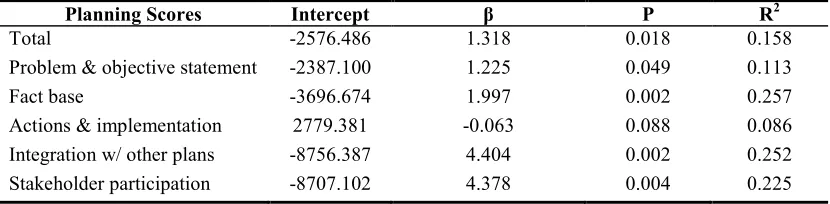
Table 3. Regression Models of Plan Evaluation Scores versus Date of Plan ...26
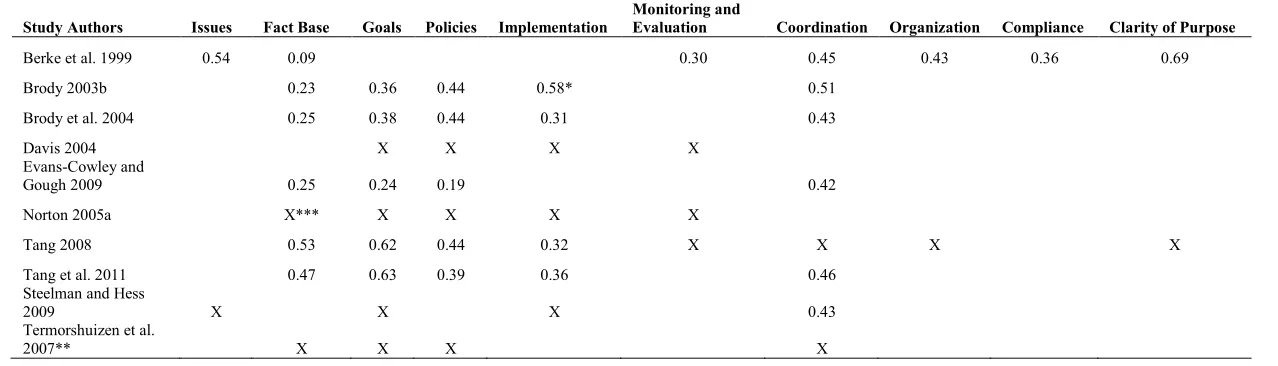
Table 4. Summary of Evaluation Study Components ...53
LIST OF FIGURES
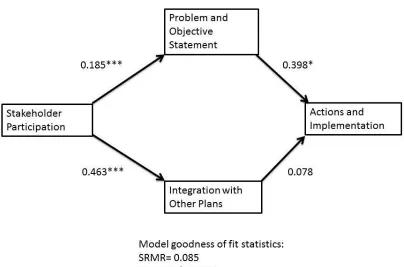
Figure 1. Hypothesized Path Diagram Model for Quality of Plan Evaluation Components ..14
Figure 2. Relationships in Path Diagram Model for Quality of Plan Evaluation Components ...22
Figure 3. Final Path Diagram Model for Quality of Plan Evaluation Components ...23
Figure 4. Mean Total Evaluation Scores by Plan Type ...24
CHAPTER 1: INTRODUCTION
Managing natural resources has becoming increasingly complex over time, as
government and nongovernmental organizations must manage with flat or decreasing
budgets, operate under more legal mandates, and interact with more stakeholder groups.
Hundreds and even thousands of decisions made each year by individuals, government, and
nongovernmental organizations shape the condition of Southeastern landscapes, and many
resource management decisions transcend political and jurisdictional boundaries, involve
multiple stakeholders with sometimes competing and not well understood objectives, and
must account for complex scientific information associated with global change processes,
such as land cover and climate change, that exert influence on natural resources at many
scales. These complex management challenges require more collaborative approaches to
meet science and governance challenges, including leveraging resources and expertise and
communicating and cooperating with partners that may be unfamiliar or even previous
adversaries. This increasingly challenging context of natural resource management problems
is making planning increasingly important (Allen & Gould, 1986; Lachapelle, McCool, &
Patterson, 2003).
In response to the increasing complexity of management challenges, recent
developments in natural resource planning have expanded on the rational-comprehensive
model to include more comprehensive and dynamic management approaches including more
collaboration between agencies and stakeholder engagement. Evaluation and monitoring
between agencies allows agencies to surpass budget, political, and scientific constraints, and
collaboration provides an opportunity for agencies to coordinate actions across the landscape,
potentially increasing the reach and impact of management actions. Engaging with
stakeholders helps to develop ownership between agencies and the public over the natural
resource problem and outcome, which in turn, may lead to greater political and public
support and increases the chances of successful implementation (Lachapelle & McCool,
2005).
These wicked problems and the evolving approaches to planning in the face of
wicked problems provide the context for this thesis, where I will use a plan evaluation tool
and a meta analysis to test several hypotheses related to improved planning responses to
wicked problems. I hypothesize that stakeholder participation in the planning process
positively impacts plans having a clear problem and objective statement and is positively
related to plans being integrated with other plans. These, in turn, predict plans having a clear
outline of management actions and implementation protocols. Strong planning fact bases
may also better address wicked problems since data can be used to help identify management
problems and define objectives, to monitor progress towards objectives, and to help
determine if changes to management actions are needed. As the planning practice evolves to
better address these wicked natural resource problems, I expect agencies to learn from
previous planning efforts and to improve the quality of plans over time. Because each agency
faces unique institutional and planning contexts, I hypothesize the quality of plans to vary
Because plans may be key tools for successful management of natural systems,
routine evaluation of plan quality is necessary (Berke, 1994). Natural resource management
plans are used widely to make decisions across millions of acres of landscapes and seascapes,
and they play an important role in shaping natural resource use and allocation under various
complex constraints (Lachapelle et al., 2003). Plan evaluations help to determine how
planning shifts to address the evolving nature of natural resource management problems.
Meta-analysis of plan evaluation studies, as opposed to analyzing the plans themselves, is
needed as the plan evaluation literature continues to grow. Meta-analysis of plan evaluation
studies provide additional information about the plan evaluation practice by highlighting
differences in studies, the criteria they assess, and the methods they use and may be used to
compare planning efforts across multiple domains.
The restoration of longleaf pine ecosystems is a complex natural resource problem
that will require high-quality planning to guide successful restoration efforts and provides a
good context for exploring the current state of natural resource planning (The Nature
Conservancy, 2015; Van Lear, Carroll, Kapeluck, & Johnson, 2005). In the next chapter of
this thesis, I present a plan evaluation tool based on components of the synoptic model and
key innovations intended to address wicked problems. I then evaluate and compare
management plans from federal, state, and private groups managing longleaf pine ecosystems
in the Southeast United States in five components that influence plan effectiveness: (1)
problem and objective statement, (2) fact base, (3) actions and implementation, (4)
review of the conceptual foundation for natural resource plan evaluation studies and describe
the criteria determining plan quality. Then, I present findings from a meta-analysis of ten
natural resource plan evaluation studies, detailing the criteria evaluated in the studies and
methods used, and conclude with recommendations for best practices. The final chapter of
the thesis presents conclusions and suggestions for future work based on the findings of the
REFERENCES
Allen, G. M., & Gould, E. M., Jr. (1986). Complexity, wickedness, and public forests. Journal of Forestry, 84, 20-23.
Berke, P. R. (1994). Evaluating environmental plan quality: the case of planning for sustainable development in New Zealand. Journal of Environmental Planning and Management, 37 (2), 155–70.
Lachapelle, P. R., McCool, S. F., & Patterson, M. E. (2003) Barriers to effective natural resource planning in a "messy" world, Society and Natural Resources, 16, 6, 473-490,
DOI: 10.1080/08941920309151.
Lachapelle, P. R., & McCool, S. F., (2005). Exploring the concept of “ownership” in natural resource planning. Society and Natural Resources, 18(3), 279-285, DOI:
10.1080/08941920590908141.
The Nature Conservancy. (2015). Who speaks for the trees? Longleaf pine forests in the Sewee-to-Santee region. Retrieved from
http://www.nature.org/ourinitiatives/regions/northamerica/unitedstates/southcarolina/ howwework/longleaf-pine.xml.
Van Lear, D. H., Carroll, W. D., Kapeluck, P. R., & Johnson, R. (2005). History and
CHAPTER 2: EVALUATION OF NATURAL RESOURCE PLANNING
IN LONGLEAF PINE ECOSYSTEMS
In collaboration with Dr. Frederick Cubbage, Dr. Gerard McMahon, and Dr. Nils Peterson.
INTRODUCTION
The management challenges associated with natural resource problems have become
increasingly complex over time, as more legal mandates, more interest groups, and
decreasing budgets have interacted to constrain government and nongovernment
organizations and their management opportunities. This increasingly wicked or challenging
context of natural resource management problems is making planning increasingly important
but also introducing challenges that make planning more difficult (Allen & Gould, 1986;
Lachapelle, McCool, & Patterson, 2003). Natural resource management problems are
inherently complex and unique in time and space (Salwasser, 2004). They are difficult to
clearly define and such wicked problems often lead to unintended consequences. Wicked
problems do not have definitive solutions, only better or worse solutions (Rittel & Webber,
1973; Head & Alford, 2008). These problems are characterized by dynamic conditions,
scientific complexity, multiple stakeholders with diverse and at times competing values and
goals, and a lack of resources, time, and information (Lachapelle et al., 2003).
Natural resource planning typically follows a rational-comprehensive or synoptic
model, which provides a straight-forward approach to addressing tame problems (Lachapelle
et al., 2003). The rational-comprehensive model is a science-based, expert-driven approach
to management that assumes a predictable environment and consensus among stakeholders
2000; McCool & Guthrie, 2001). In natural resource planning, data is gathered, often in the
form of ecosystem and species assessments, and used to help define the management
problem and to identify objectives, and actions and implementation protocols are developed
based on the problem the agency aims to address and the goals and objectives the agency
hope to achieve. While the rational-comprehensive planning model is well suited to address
well defined problems in which objectives are shared and sufficient information is available,
it may be inadequate at planning for and addressing wicked and messy problems (LaChapelle
et al., 2003; Salwassar, 2004).
In response to the increasing complexity of management challenges, natural resource
planning has expanded on the rational-comprehensive model to include more comprehensive
and dynamic management approaches. Natural resource planning has also expanded public
and stakeholder involvement in the process, allowing agencies to better represent
stakeholders’ social values (Lachapelle et al., 2003). In an effort to surpass resource
limitation barriers, natural resource planning has placed greater focus on collaboration among
agencies (Roberts, 2000). Agencies have moved towards ecosystem-based management
strategies, a management framework that allows agencies to consider how interactions
among all species in an ecosystem including humans are affected by natural processes over
different temporal and spatial scales (Cortner, Shannon, Wallace, Burke, & Moote, 1996;
Stankey, Clark, & Bormann, 2005).
These strategies also facilitate adaptive management, a structured management
ecosystem exists and provides a systemic approach to management that is not dependent on
perfect information (Walters & Holling, 1990). Adaptive management focuses on learning
while doing through monitoring and evaluation and allows planning and management to
adapt over time as conditions change (Stankey et al., 2005; Williams & Brown, 2012). This
provides managers some flexibility to choose and change management strategies over time.
Longleaf Pine Ecosystem Planning
This research examined the application of natural resource planning practices to the
management of longleaf pine ecosystems in the Southeast. The restoration of longleaf pine
provides a good context for exploring environmental planning and natural resource plan
evaluation for multiple reasons. Longleaf pine dominated the Southeast’s coastal plain in
colonial times, covering up to 90 million acres, but due to agriculture conversion,
overharvesting, conversion to other pines including loblolly, fire suppression, and
urbanization, only 3.4 million acres remain today (Frost, 1993). These ecosystems typically
exist in isolated fragments on public and private land throughout the Southeast, and a
multitude of actors including federal and state governments, nongovernmental agencies, and
the private sector own and manage these ecosystems (Van Lear, Carroll, Kapeluck, &
Johnson, 2005).
The restoration of longleaf pine ecosystems is a complex natural resource problem
and will require high-quality planning to guide successful restoration efforts (The Nature
Conservancy, 2015; Van Lear et al., 2005). Each of the actors making decisions about the
management of longleaf ecosystems (primarily agencies, NGOs, and private landowners)
Stakeholders are interested in restoring these systems both for protecting biodiversity and for
developing profitable investments in timber products (The Longleaf Alliance, 2015). These
systems are also included in climate change considerations because longleaf pine systems are
naturally robust to climate extremes, growing under both wet and dry conditions, and are
adapted to severe storms. These systems, compared to other Southern pines, are more tolerant
of wildfire and resistant to pests such as Southern pine beetle, disturbances which are
expected to exacerbate under warmer, drier conditions (Southeast Regional Partnership for
Planning and Sustainability, 2009).
These stakeholders have developed many individual agency and cooperative plans,
incorporating their own values and missions into restoration goals, which results in a range of
conflicting objectives and management actions (Conroy & Peterson, 2013). Stakeholder
participation processes play an important role in guiding the planning process and developing
planning outcomes. Stakeholder input helps agencies define objectives and actions that meet
the needs of both the agency and those who use the resource and are affected by its
management. Engaging with stakeholders may also alert agencies to other plans and groups
that should be considered during the planning process, which may influence what
management actions are presented. Coordination among agencies may better align all
agencies to meet overarching conservation goals, such as those presented in America’s
Longleaf’s Range-wide Conservation Plan for Longleaf Pine (Armsworth et al., 2015).
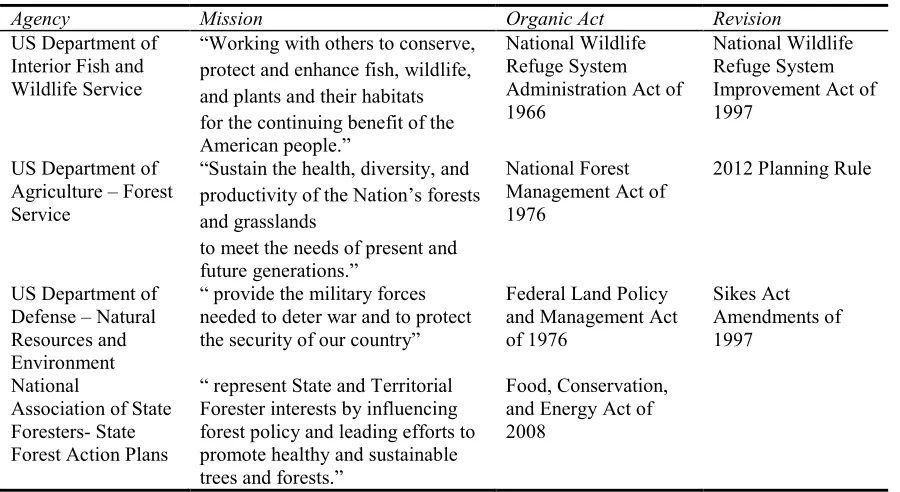
manage federal lands, and list principles and requirements under which lands should be
managed.
Table 1. Major Natural Resource Planning Directives
Agency Mission Organic Act Revision
US Department of Interior Fish and Wildlife Service
“Working with others to conserve, protect and enhance fish, wildlife, and plants and their habitats for the continuing benefit of the American people.”
National Wildlife Refuge System Administration Act of 1966
National Wildlife Refuge System Improvement Act of 1997
US Department of Agriculture – Forest Service
“Sustain the health, diversity, and productivity of the Nation’s forests and grasslands
to meet the needs of present and future generations.”
National Forest Management Act of 1976
2012 Planning Rule
US Department of Defense – Natural Resources and Environment
“ provide the military forces needed to deter war and to protect the security of our country”
Federal Land Policy and Management Act of 1976
Sikes Act Amendments of 1997
National
Association of State Foresters- State Forest Action Plans
“ represent State and Territorial Forester interests by influencing forest policy and leading efforts to promote healthy and sustainable trees and forests.”
Food, Conservation, and Energy Act of 2008
Agencies have unique institutional histories and operational contexts (e.g. number of
acres, operational missions, resources available) that factor into the quality and effectiveness
of their planning efforts. Every agency has an individual process for engaging with
stakeholders and work with certain partners. Management efforts are constrained by planning
mandates, limited resources (e.g. budget, staff, and time), and scientific uncertainty about the
ecosystem and dynamics between the system and management actions, and these constraints
vary by agency. Thus, plans are likely influenced by the various planning and institutional
contexts and constraints, which may be reflected through variation in the quality of plans
Improvements to the Rational-Comprehensive model
Complex and wicked problems exist in conservation management and may not be
well addressed in the comprehensive model. Planning under the traditional
rational-comprehensive model involves clearly defining the management problem including
conducting a thorough assessment of the current state of the management area and
articulating agreed upon management objectives and preferred actions to address objectives.
However, natural resource problems are often difficult to define due to scale mismatches and
dynamic systems, and many stakeholders with multiple, and at times conflicting, objectives
and proposed actions are involved in planning and management.
These problems may be better addressed with improved stakeholder participation and
stronger fact bases. As management problems have become increasingly more complex,
planning practice has expanded to incorporate evaluation and monitoring protocols to
facilitate adaptive management, to further collaboration between agencies, and to encourage
more stakeholder and public involvement (Blahna & Yonts-Shepard, 1989). Natural resource
problems affect many stakeholders, and engaging with them provides agencies with a better
understanding of the scope of the management problem and what values and objectives are
important to them. Stakeholder engagement may also promote collaboration between
agencies who are working toward similar objectives. We hypothesize that better stakeholder
participation in the planning process leads to plans having a clear problem and objective
statement and to plans being better integrated with other relevant plans. These, in turn, are
positively related to plans having clearly articulate and well-developed management actions
problems since data can be used to identify management problems, monitor progress towards
objectives, and help determine if changes to management actions are needed.
As the planning practice evolves and as agencies update and produce new plans, we
expect the quality of plans to improve over time as agencies learn and improve from previous
planning efforts. Because the resources available and constraints faced by each agency vary
given each agency’s specific institutional and planning contexts, we expect plan quality to
vary by the type of plan and agency producing it.
These shifts in management problems and planning have created a need for
systematic plan evaluation efforts to test the set of hypotheses presented above related to
addressing wicked problems. We use plan evaluation to identify where planning models
should be updated to address shortcomings associated with the rational-comprehensive
model. Given numerous constraints and challenges, planning is critical for successful
management of natural systems, and an evaluation of management plans allows us to
objectively assess planning practices. Plan evaluations may be used to determine the overall
quality of plans, highlight the strengths and weaknesses of plans, and contribute to learning
about the co-evolution of natural resource management problems and plans to address them.
In this paper, we present a plan evaluation tool based on components of the
rational-comprehensive model (e.g., definition of problem, objectives and actions) and key
innovations intended to address wicked problems which are: adaptive management,
collaboration between agencies, and stakeholder engagement. We then evaluate and compare
management plans from federal, state, and private groups managing longleaf pine ecosystems
planning practice for longleaf pine systems and evaluate relationships among five factors that
influence plan effectiveness: (1) problem and objective statement, (2) fact base, (3) actions
and implementation, (4) integration with other plans, and (5) stakeholder participation. It is
our expectation that the resulting knowledge will benefit managers faced with restoring
longleaf pine systems and other wicked natural resource management problems.
METHODS Theoretical Background
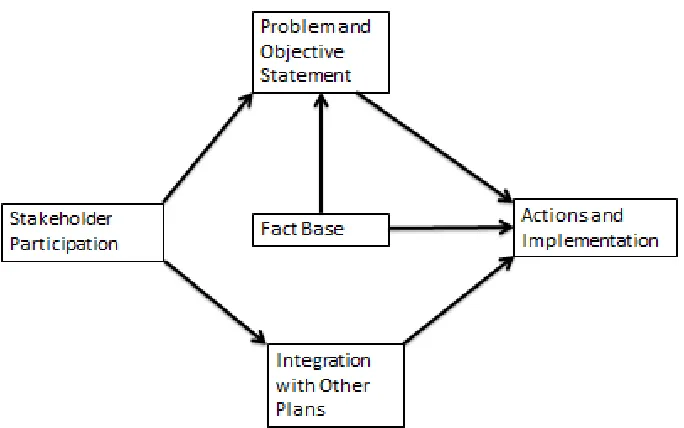
We proposed a model for understanding how each of the five planning components
we evaluated relates to each other (Figure 1). In our model, we hypothesized the actions and
implementation component score is better when the problem and objective statement has
been well-defined, the fact base has been developed, and the plan has articulated how it fits
Figure 1. Hypothesized Path Diagram Model for Quality of Plan Evaluation Components
Stakeholder participation plays an important role in planning and implementation for
natural resources, and insights gained during the engagement process may affect other areas
of the planning process. We placed stakeholder participation early in the causal chain, and
influencing problem and objective statement and integration with other plans. Given that
natural resource problems are complex and affect a multitude of stakeholders, planning and
management must be transparent, understanding of different types of knowledge and values,
and flexible to adapt to changing conditions, and engaging with stakeholders and other
agencies may help agencies to achieve desired management goals (Reed, 2008). Engaging
with stakeholders helps to develop a sense of ownership between agencies and the public
and public support and increases the chances of successful implementation (Lachapelle &
McCool, 2005).
As Duram and Brown (1999) state, plans are “based on public opinions, agency
regulations, and local conditions,” and the goals and objectives developed to reach desired
resource conditions are a reflection of the values of the stakeholders expressed during the
planning process. Previous work by Lachapelle, McCool, and Patterson (2003) identified
inadequate goal definition, in particular goals that were specific and detailed enough to
developed management actions, as one of the main barriers to effective planning. In our
model, we expand on these findings and suggest that there is a positive relationship between
clearly defined objectives and clearly articulated actions and implementation protocols.
Stakeholder participation may also increase agency capacity for coordination since
participation processes increase public and other agency awareness of management problems
and other initiatives targeting similar problems and increase agency understanding of how
their actions affect the quality of the resource on their land and throughout the region (Duram
& Brown, 1999). Thus, we suggested that better stakeholder participation leads to better
integration with other plans and management initiatives. Stakeholder participation processes
provide opportunities for other agency stakeholders to consult with each other, often
informally as each agency operates under different mandates (Lachapelle, McCool, &
Patterson, 2003). We see integration with other plans as fitting as an intermediary component
between stakeholder participation and actions and implementation because agencies may be
management and may be better able to acquire support to implement proposed actions and
may potentially increase the reach and impact of management actions.
A strong fact base can play an important role in the planning and decision making
processes of natural resource agencies. For instance, agencies use ecosystem and species
assessments to inform establishment of management objectives and actions (Lachapelle,
McCool, &Patterson, 2003). As such, we suggested that the fact base component is positively
related to both problem and objective statement and actions and implementation in our
model.
We hypothesized government (federal and state) agencies would have higher scoring
plans for longleaf pine ecosystem management than nongovernmental organizations since
agencies must comply with planning mandates, have longer planning histories, and typically
have more access to data through in-house research and development units; whereas,
nongovernmental organizations are often dependent on partners for data. As a result of
individual differences in agency missions, planning contexts, and resources, we hypothesized
that plan quality varies by each agency, as well.
We predicted that plan quality would improve over time. In other words, older plans
would score lower than newer plans, and we believe this is a reflection of learning over time.
This trend was found in a longitudinal study of hazard mitigation plans in Florida and
Washington (Brody, 2003).
Data Collection
Publically available natural resource management plans directing management of
were gathered. Seventy-one management plans from the U.S.D.A. Forest Service (n=10),
U.S.D.I. Fish and Wildlife Service (n=28), Department of Defense (n=3), America’s
Longleaf (n=1), Nature Conservancy (n=9), Joint Ventures (n=3), and state natural resource
agencies (n=17) were collected, and then a stratified sample of 35 plans was selected from
the population of 71 plans in order to analyze a proportional representation of agency, state,
and NGO plans. The sample included the 1 plan from America’s Longleaf, 2 plans from the
Nature Conservancy, 3 plans from the Department of Defense, 3 plans from Joint Ventures, 4
State Forest Action plans, 4 State Wildlife Action plans, 12 plans from the Fish and Wildlife
Service, and 5 plans from the Forest Service.
Plan Evaluation Tool
We developed a plan evaluation tool (Appendix A) based on approaches developed
by Berke (1994); Berke, Crawford, Dixon, and Ericksen (1999); Berke, Godschalk, and
Kaiser (2006); and Brody (2003), which provided a blended qualitative and quantitative
approach to assess the quality of management plans. The tool allowed us to assess the
strength of specific plan elements, and then allowed statistical analysis of those ratings. We
calculated the total plan evaluation score using a series of questions that measure indicators
in each of the five categories: (1) problem and objective statement, (2) fact base, (3) actions
and implementation, (4) integration with other plans, and (5) stakeholder participation
(Appendix A). The possible coding responses were scores of 0, 1, or 2. The responses were
categorized as 0= not identified; 1= identified, vague; and 2= identified, detailed, relevant,
We evaluated the problem and objective statement using five indicators: whether
plans clearly define the management problems, describe major threats and trends related to
the longleaf pine ecosystem, specify objectives to guide restoration actions, analyze
alternatives, and list challenges and assets that managers have. The fact base was analyzed
using three indicators: whether plans assess the current state of the management area and
factors influencing its current and future state, articulate information in a clear and easy to
understand manner, and cite data from credible, peer-reviewed sources.
Actions and implementation were evaluated using four indicators: whether plans
identify management actions, allocate funding and assign responsibility for implementation,
describe evaluation protocol, and include a protocol for plan revision.Planners and managers
must be aware of how a particular plan and the objectives and actions presented in the plan fit in the larger context for landscape scale conservation, and we evaluated this integration with other plans by determining whether plans identify other plans and agencies to consider or coordinate with during planning and implementation.
to plans guiding the management of longleaf pine ecosystems, although not specific to
management plans of a certain type or from any one agency in particular.
We pretested the protocol to ensure reliability in the plan evaluation. A team of two
graduate students independently tested the same plan and compared results. We revised the
evaluation tool after discussing unclear questions and coding disagreements, and we then
repeated the pretesting process. The coders working independently evaluated a subset of 15
plans from the sample. Using the results from those evaluations, we calculated percentage
agreement and intercoder reliability (Cohen’s kappa). The percentage agreement score was
86%, and the Cohen’s kappa reliability score was 0.72. Scores at or above 80% for
percentage agreement are generally considered acceptable, and scores between 0.40-0.75
represent good agreement beyond chance for Cohen’s kappa (Banerjee, Capozzoli,
McSweeney, & Sinha, 1999; Miles & Huberman, 1994). After testing the tool and ensuring
acceptable intercoder reliability, one coder evaluated the remaining 20 plans.
Data Analysis
The total evaluation score for each category was calculated by summing the scores
from all indicators. Raw scores are listed in Appendix B. Category scores varied depending
on the number of questions in the category, so we standardized the scores. We divided each
category score by the total possible score for that category and multiplied by 100, so scores
ranged from 0 to 100 for each category. The total evaluation score for each plan was
calculated by summing the raw scores from the five categories, dividing by the total possible
on each plan component regardless of how many indicators are used, and provides results
that are easier to understand.
We evaluated relationships between plan components using structural equation
modeling (SEM). We developed the model in STATA SE version 12. Path analysis
approaches including SEM test the likelihood that category scores, or observations in
general, fit a causal model by allowing several multiple linear regression equations to be
analyzed simultaneously (Garson, 2008; Stevenson, Peterson, Bondell, Moore, & Carrier,
2014). We measured goodness of fit for the model using standardized root mean square
residual (SRMR) and R2 measures.
We used analysis of variance (ANOVA) with Tukey’s post hoc analysis (α<0.05) to
test for differences in plan quality among plan types and agencies. We then grouped
evaluation scores by federal, state, and other (nongovernmental and regional partnerships)
agencies and performed an ANOVA to test our hypothesis that federal agencies produced
higher scoring plans than state and nongovernmental agencies.
We conducted regression analyses on total evaluation score as a function of plan
implementation year to test whether overall plan quality improves over time. In this model,
total plan evaluation score was the dependent variable (y), and implementation year was the
independent variable (x). We also conducted regression analyses for each category score as a
RESULTS
All plans were implemented between 1996 and 2014, and most plans were
implemented between 2005 and 2010. There was considerable range in total evaluation
scores, ranging from 41.9 (Nature Conservancy’s South Atlantic Coastal Plain Ecoregional
Assessment) to 86.5 (Carolina Sandhills National Wildlife Refuge Comprehensive
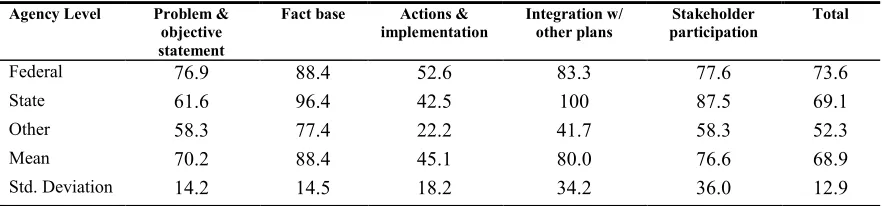
Conservation Plan). The mean total evaluation score was 68.9 (Table 2). Actions and
implementation was the lowest scoring category with a mean of 45.1, while the problem and
objective statement, integration with other plans, and stakeholder participation categories had
mean scores of 70.2, 80, and 76.6, respectively. The fact base category had the highest mean
score of 88.4.
Table 2. Plan Evaluation Scores by Agency
Agency Level Problem & objective statement
Fact base Actions & implementation
Integration w/ other plans
Stakeholder participation
Total
Federal 76.9 88.4 52.6 83.3 77.6 73.6
State 61.6 96.4 42.5 100 87.5 69.1
Other 58.3 77.4 22.2 41.7 58.3 52.3
Mean 70.2 88.4 45.1 80.0 76.6 68.9
Std. Deviation 14.2 14.5 18.2 34.2 36.0 12.9
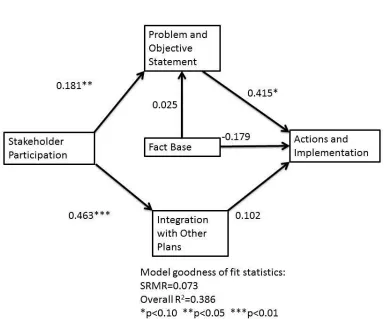
We proposed and tested a model for understanding how plan components affect each
other (Figure 2), and our results largely support the theoretical model predicting structural
relationships among plan evaluation components (Figure 1). More stakeholder participation
during the planning process was positively related to plans having well-defined management
problem and objective statement or actions and implementation, we excluded this category
from the final model (Figure 3).
Figure 3. Final Path Diagram Model for Plan Evaluation Components
Our results indicate there was some variability in plan quality by plan type. Plans
from the U. S. Fish and Wildlife Service scored higher (mean=79.4) than state forest action
plans (mean=68.2), Forest Service plans (mean=61.7), Joint Venture plans (mean=55.4), and
NGO plans (mean=49.1). Department of Defense plans (mean=74.3) and state wildlife action
Figure 4. Mean Total Evaluation Scores by Plan Type. Plan types with different letters had statistically significant differences in plan evaluation scores.
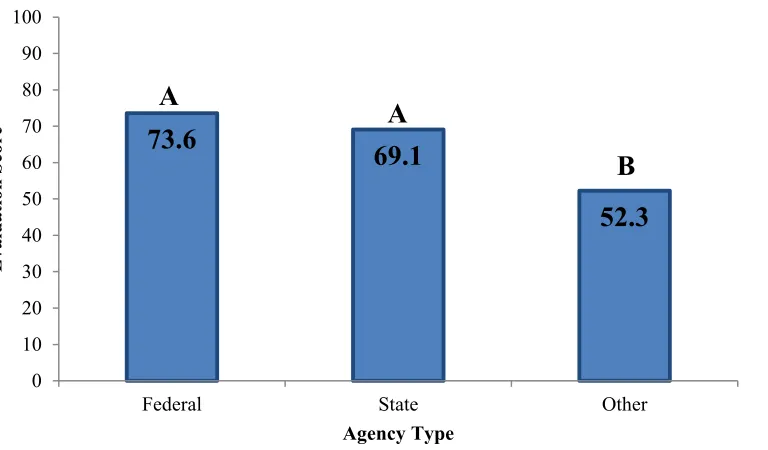
Figure 5. Mean Total Evaluation Scores by Agency Type. Agency types with different letters had statistically significant differences in plan evaluation scores.
79.4
74.3
69.9 68.2
61.7 55.5 49.1 0 10 20 30 40 50 60 70 80 90 100 Fish and Wildlife Service Department
of Defense WildlifeState Action
State Forest
Action ServiceForest VentureJoint NGO
Ev al u at io n S co re Plan Type D C D
B C D B C
A B A B
A
73.6
69.1
52.3
0 10 20 30 40 50 60 70 80 90 100Federal State Other
Total plan evaluation scores varied significantly by agency level (federal, state, other), and the results of the ANOVA support this hypothesis (Table 2). Management plans from federal agencies (n=21) scored highest with a mean of 73.6 (Figure 5). Evaluation scores for federal plans ranged from 45.9 to 86.5 with a standard deviation of 10.5 (Appendix B-1-B-3). Scores for plans from state agencies (n=8) had a similar range (43.2 to 83.8, SD= 12.3 and averaged 69.1 (Appendix B-4, B-5).
The remaining plans which included plans from nongovernmental organizations and
from Joint Ventures (n=6) scored the lowest with a mean of 52.3 (Appendix B-6, B-7). There
was less variability in the scores from these plans, and scores ranged from 41.9 to 62.2 and
had a standard deviation of 7.6. Plans from nongovernmental agencies and Joint Ventures
had significantly lower scores than federal (p <0.0001) and state agency (p=0.0058) plan
evaluation scores.
Regression analysis indicates that the year the plan was implemented was a positive predictor of total evaluation score (p= 0.018, R2 = 0.158). The regression analysis resulted in
the following regression equation: Y=-2576.486+1.318x + ϵ. The positive implementation
year coefficient (1.318) indicates that as the implementation year became more recent, the plan evaluation scores increased. In other words, plans improved over time. Implementation year was a positive predictor of score in the problem and objective statement, fact base, integration with other plans, and stakeholder participation categories (Table 3). Scores for the actions and implementation category decreased over time; however, this result is not
Table 3. Regression Models of Plan Evaluation Scores versus Date of Plan
Planning Scores Intercept β P R2
Total -2576.486 1.318 0.018 0.158
Problem & objective statement -2387.100 1.225 0.049 0.113
Fact base -3696.674 1.997 0.002 0.257
Actions & implementation 2779.381 -0.063 0.088 0.086 Integration w/ other plans -8756.387 4.404 0.002 0.252 Stakeholder participation -8707.102 4.378 0.004 0.225
DISCUSSION
The evaluation of longleaf pine management plans and plan components provided useful insights about what characteristics led to high quality plans and which agencies produce better plans. Our results indicate that these plans were generally quite good, especially in the fact base component; however, this component had little influence on the remaining planning components. Plan quality improved over time, but specific focus on improving actions and implementation, potentially through improving stakeholder participation and problem and objective definition, is needed.
Across all agencies, efforts to maintain flexibility and perhaps avoid unfunded
mandates may have result in low scores in actions and implementation planning. The
dynamic nature of ecosystems may lead agencies to desire flexibility to reallocate resources,
shift goals, and to adapt to changing conditions over different spatial and temporal scales,
and agencies have incorporated adaptive management strategies to achieve this end
(Armsworth et al., 2015; Cortner et al.,, 1996; Williams & Brown, 2012). Because adaptive
management forces actions to be open-ended and subject to change, agencies may be hesitant
plans precisely because planners want to maintain flexibility required for adaptive
management. The increase in flexibility, however, may come at the cost of goal achievement
and may result in missed opportunities for coordination actions within and between agencies
if agencies lack specific action plans for achieving their objectives. As Costanza, Weiss, and
Moody (2013) describe, there appears to be a “knowing-doing gap”, the difference between
stated goals and action outcomes, in prescribed burning of longleaf pine ecosystem in North
Carolina, and they found burning occurred preferentially on high-quality sites instead of
degraded sites, suggesting burning was not being used to accomplish restoration goals.
Prescribed burning is a particularly challenging management strategy, and managers may
chose sites that allow them to minimize risks, avoid conflicts, and utilize limited resources.
Thus, management flexibility may, unintentionally, lead to actions being undertaken that do
not address objectives.
Findings from this study should encourage agencies to increase focus on improving
actions and implementation protocols, and to do so by exploring the relationships between
actions and implementation and problem definition, objective setting and stakeholder
participation. Establishing objectives is crucial because objectives specify what agencies
hope to achieve through management actions and are used to calculate trade-offs between
actions. Agencies weigh these trade-offs to determine which action strategy is best (Gregory
& Failing, 2012). Without clear and specific objectives, managers may be addressing the
wrong problems, may have difficulty tracking whether actions are addressing the
Stakeholder Participation Influence on Planning
Previous research by Steelman and Hess (2009) found stakeholder participation was
positive indicator of plan quality score, and our results support and expand this finding by
identifying a potential pathway by which engaging with stakeholders positively impacts other
aspects of the planning process. While engaging stakeholders does not ensure that clearly
articulated set of actions are developed, stakeholder engagement may improve action
planning indirectly through better definition of problem and objective statements. As
Germain, Floyd, and Stehman (2001) argue, stakeholder participation processes may be used
by the public and interest groups to direct the management agenda of the agency by
providing additional knowledge, expressing values, and discussing concerns that agencies
may not have considered using only a science-driven approach, and this, in turn, helps
agencies better define the management problem and tailor objectives, leading to better
actions and implementation. In the forest planning context, stakeholder participation during
problem identification and structuring processes may lead to increase awareness of issues and
may help agencies and stakeholders develop a common understanding of both what the
desired management outcomes are and how they will be achieved (Khadka, Hujala,
Wolfslehner, & Vacik, 2013). This suggests engaging stakeholders early on in the planning
process may lead to better problem and objective statements, in turn, resulting in better
actions and implementation strategies since clear objectives provide a framework for specific
actions to be developed. Natural resource agencies have long standing practice of engaging
the public during the planning process, and our findings suggest agencies should continue to
Strong Fact Base in Longleaf Pine Management Plans
Management plans from federal, state, and nongovernmental agencies tended to score
high on fact base, and there may be multiple reasons why longleaf pine management plans
tended to score higher on fact base than many related planning efforts. In many other
planning efforts such as hazards management or growth and development management, the
fact base is an area of poor performance (Berke & Godschalk, 2009; Stevens, 2013) rather
than the highest scoring element of plans as it is in the case of longleaf management
planning. In the hazards management domain, planning often focuses on response to sudden
crisis (e.g., the Deep Horizon Oil Spill or Hurricane Katrina) and recovery instead of
mitigation (Pearce, 2003). Thus little or no data exists when planning becomes necessary. In
these cases, planning is a response to a problem (e.g., zoning after development in growth
and development management) rather than a proactive endeavor (Burby & May, 1997).
Conversely, forest management is characterized by long planning horizons, and planning in
longleaf pine management often occurs ahead of actions, since actions often occur
sequentially over time under adaptive management. Management tends to be more
forward-looking, providing time to collect and incorporate data in the planning process (Wilson &
Baker, 2001).
Most of the plans in this evaluation performed well in the fact base category;
however, the path analysis indicates that this category has relatively little impact on the other
evaluation categories, suggesting agencies may be focusing on the area of planning in which
they do best, but need the least. This focus on fact base development may be a result of
System Improvement Act (NWRSIA) of 1997 require ecological assessments of the
landscape, and this information base is used to develop and is included in plans (Loomis,
2002; Meretsky et al., 2006). Similarly, most state level wildlife management agencies are
required to conduct science based management, and many staff within those agencies believe
decisions can and should be based purely on data (Peterson, Riley, Busch, & Liu, 2007;
Organ et al., 2012). Our findings support concerns presented by Lachapelle, McCool, and
Patterson (2003) about the that the strong emphasis of science in the planning process, and as
they suggest this focus may take away from incorporating stakeholder values and knowledge
into plans. They go onto emphasize that the role of science should function to “inform or
reinforce but not dictate actions” (475). Although developing strong fact bases through the
incorporating of data is an important part of natural resource planning, agencies should
consider expanding traditional science-based, expert-driven approaches to include insights
from stakeholders in order to produce high quality plans with well-defined problem and
objective statements which in turn will lead to better action and implementation protocols.
Plan Quality Improvement over Time
Evaluation scores tended to be higher for newer plans, suggesting agencies are getting
better at planning to address complex challenges. Planning has improved across many
domains in recent decades (Brody, 2003), but several trends associated with natural resource
management may explain the shift detected in this study. First, agencies are increasingly
required to plan and to include a set of common elements in all plans of the same type (e.g.
set of eight elements included in all state wildlife action plans), which may raise the quality
2006). Land use plans in general have rapidly proliferated along with establishment of best
practices over the last two decades (Berke & Godschalk, 2009; Lyles & Stevens, 2014). With
this growing body, planners are able to incorporate and improve on components from other
plans and use those as examples for their own efforts. These developments mean planners
have a growing pool of best practices which were not readily accessible prior to the early
2000s (Berke, 1994; Baer, 1997; Berke & Godschalk, 2009; Lyles & Stevens, 2014).
Variation in Plan Quality
Differences in agency missions and resources may explain variations in evaluation
scores at the agency level and by plan type. Wildlife agencies may have scored higher than
their forestry counterparts because they are more likely to focus on single use objectives
(e.g., wildlife conservation), than forest management agencies which face “multiple use”
mandates (Cubbage & McGinley, 2015). This possibility is reflected in higher problem and
objective statement and actions and implementation component scores among wildlife
agencies.
Government agencies may produce higher scoring plans than NGOs because they
have greater resources for planning and have more mandated planning components. For
instance, federal grant programs mandating state forest action and state wildlife action plans
have specific planning requirements which may explain why these plans scored moderately
well in the evaluation. State agencies received technical assistance from the U.S. Fish and
Wildlife Service, U.S. Forest Service, and other partners. Both programs require inclusion of
actions; a list of monitoring, and evaluation protocols; plans for coordination with other
agencies; and public participation (Association of Fish and Wildlife Agencies, 2014;
National Association of State Foresters, 2015).
Nongovernmental organization plans scored lowest perhaps because the planning
outcomes desired by NGOs must focus on fundraising and land donations, and support from
partners and key constituencies. Since these outcomes differ from those desired by
government agencies (complying with mandates, avoiding litigation, and responding to the
public), planning best practices (e.g., Berke 1994) may not apply as well to nongovernmental
organizations. For example, the Nature Conservancy (TNC) uses a science-based approach to
management and TNC supporter cited this as the top reason they donated to the organization
(Kareiva, Groves, & Marvier, 2014). This means data collection and assessments, elements
that support strong fact bases, must be a priority for TNC. However, this may have
detrimental effects on the quality of plans since having strong fact bases did little to improve
the quality of the other planning components in our evaluation. As Kareiva, Groves, and
Marvier (2014) discuss, identifying priorities and actions in ecoregional plans and
assessments was not adequate for TNC to address their conservation needs.
CONCLUSION
The formal plan evaluation tool developed in this study had high intercoder reliability
and may provide a useful plan evaluation too in other forestry and natural resource planning
contexts. Longleaf pine managers may find stakeholder participation helps them develop
Although fact base is often a major focus of agency planning efforts and what agencies
tended to perform best on, it may have little influence on actions and implementation.
Efforts to improve longleaf pine planning should focus on state agencies and
nongovernmental organizations, who have the most limited resources for high quality plans.
Because longleaf pine plans are improving over time, older plans should be prioritized for
revisions.
Future research should attempt to link plan quality to success in achieving goals and
objectives to ensure that plans address management problems and meet management needs of
the agency. Similarly agencies should develop strategies to better integrate insights from
planners and those implementing the plans during the planning process. Many plans
included poorly established goals, objectives, and actions, which may present challenges
during implementation. Future research could further identify what factors influence scores
for each of the plan evaluation categories. A lack of resources including staff, budget, and
time as well as resistance to change and lack of collaboration due to political or historical
barriers serve as confounding factors that may prevent high scores and may make
implementation more difficult. Future research should also explore which agencies have the
most challenging planning processes, what factors influence this, and how the planning
context affects the quality of plans. Last, future work could investigate if and how agencies
are using findings from plan evaluation studies to improve planning. Although the natural
resource governance is tremendously complicated and influenced by several factors,
natural resource problems, engage with stakeholders and other agencies, and implement
REFERENCES
Allen, G. M., & Gould, E. M., Jr. (1986). Complexity, wickedness, and public forests. Journal of Forestry, 84, 20-23.
America’s Longleaf. Range-wide conservation plan for longleaf pine. (2009, Mar 19). Retrieved from www.americaslongleaf.org.
Armsworth, P.R., Larson, E. R., Jackson, S. T., Sax, D.F. Simonin, P., Blossey, B., Green, N., Klein, M.L., Lester, L., Ricketts, T. H., Runge, M. C., & Shaw, M.R. (2015). Are conservation organizations configured for effective adaptation to global change?. Frontiers in Ecology and the Environment, 13, 163-169.
Association of Fish & Wildlife Agencies. (2014). State wildlife action plans (SWAPs) overview. Retrieved from http://www.teaming.com/swap-overview.
Baer, W. C. (1997). General plan evaluation criteria: an approach to making better plans. Journal of the American Planning Association, 63 (3), 329–44.
Banerjee, M., Capozzoli, M., McSweeney, L., & Sinha, D. (1999). Beyond kappa: A review of interrater agreement measures. The Canadian Journal of Statistics, 27(1), 3-23.
Berke, P. R. (1994). Evaluating environmental plan quality: the case of planning for sustainable development in New Zealand. Journal of Environmental Planning and Management, 37 (2), 155–70.
Berke, P. R., Crawford, J., Dixon, J., & Ericksen, N. (1999). Do cooperative environmental planning mandates produce good plans? Empirical results from the New Zealand experience. Environment and Planning B: Planning and Design, 26, 643-664.
Berke, P. R., & Godschalk, D. R. (2009). Searching for the good plan: A meta-analysis of plan quality studies. Journal of Planning Literature, 23 (3), 227-240.
Berke, P. R., Godschalk, D. R., & Kaiser, E. J. (2006). Urban Land Use Planning (5th ed.) Urbana, IL: University of Illinois Press.
Blahna, D. J., & Yonts-Shepard, S. (1989). Public involvement in resource planning: Toward bridging the gap between policy and implementation. Society and Natural Resources, 2 (1), 209-227.
Landscape and Urban Planning, 69, 32-50.
Burby, R. J., & May, P. J. (1997). Making Governments Plan: State Experiments in Managing Land Use. Baltimore, MD: Johns Hopkins University Press.
Conroy, M. J., & Peterson, J. T. (2013). Decision making in natural resource management: a structured, adaptive approach. John Wiley & Sons.
Cortner, H. J., Shannon, M., Wallace, M., Burke, S., & Moote, M. (1996). Institutional barriers and incentives for ecosystem management. Gen. Tech. Rep. PNW-GTR-354. Portland, OR: Pacific Northwest Research Station, USDA Forest Service.
Costanza, J.K., Weiss, J., Moody, A. (2013). Examining the knowing-doing gap in the conservation of a fire-dependent ecosystem. Biological Conservation, 158, 107-115.
Cubbage, F. W. & McGinley, K. (2015). Legislation and policies supporting the sustainable management of forests. Contribution to the 2015 U.S. Report on Sustainable
Forests. In press. USDA Forest Service, Washington, DC.
Directorate of Public Works, Environmental Management Divsion. (2014). Fort Benning integrated natural resources management plan: environmental assessment. Fort Benning, GA.
Duram, L.A. & Brown, K.G. (1999). Assessing public participation in U.S. watershed planning initiatives. Society and Natural Resources, 12, 455-467.
Environmental Management Division. (2006). Camp Lejeune integrated natural resources management plan. Marine Corps Base Camp Lejeune, NC.
Fontaine, J. (2011). Improving our legacy: incorporation of adaptive management into state wildlife action plans. Journal of Environmental Management, 92(5), 1403-1408.
Frost, C.C. (1993). Four centuries of changing landscape patterns in the longleaf pine ecosystem. Tall Timbers Fire Ecology Conference. 18, 17-44.
Game, E. T., Meijaard, E., Sheil, D., & McDonald‐Madden, E. (2014). Conservation in a wicked complex world; challenges and solutions. Conservation Letters, 7(3), 271-277.
Garson D (2008) Path Analysis, 1–21.
Georgia Forestry Commission. (2010). Georgia statewide assessment of forest resources: a comprehensive analysis of forest-related conditions, trends, threats and
Forest Service public participation process. Forest Policy and Economics, 3, 113-124.
Gregory, R., Failing, L., Harstone, M., Long, G., McDaniels, T., & Ohlson, D. (2012). Structured decision making: a practical guide to environmental management choices. John Wiley & Sons.
Head, B. & Alford, J. (2008). Wicked problems: The implications for public management. Proceedings from Panel on Public Management in Practice International Research
Society for Public Management 12th Annual Conference, Brisbane, 26-28 March
2008 (p. 1-26).
Hudson, B. M. (1979). Comparison of current planning theories: counterparts and contradictions. Journal of American Planning Association, 45(4), 387–398.
Kareiva, P., Groves, C., Marvier, M. (2014). Review: The evolving linkage between conservation science and practice at The Nature Conservancy. Journal of Applied Ecology. 51 (5), 1137-1147.
Khadka,C., Hujala, T., Wolfslehner, B., &Vacik, H. (2013). Problem structuring in participatory forest planning. Forest Policy and Economics, 26, 1-11.
Kilgore, M.A., C. Hibbard, and P.V. Ellefson. 2006. Comprehensive strategic planning for the use and management of forest resources: The experiences of state governments in the United States. Forest Policy and Economics 9(1):42-49.
Lachapelle, P. R., McCool, S. F., & Patterson, M. E. (2003) Barriers to effective natural resource planning in a "messy" world, Society and Natural Resources, 16, 6, 473-490,
DOI: 10.1080/08941920309151.
Lachapelle, P. R., & McCool, S. F., (2005). Exploring the concept of “ownership” in natural resource planning. Society and Natural Resources, 18(3), 279-285, DOI:
10.1080/08941920590908141.
Lawrence, D. P. (2000). Planning theories and environmental impact assessment. Environmental Impact Assessment Review, 20, 607 – 625.
Loomis, J. B. (2002). Integrated Public Lands Management: Principles and Applications to National Forests, Parks, Wildlife Refuges, and BLM Lands. Columbia University Press.
Lower Mississippi Valley Joint Venture. (2011). Open pine landbird west gulf coastal plain/Ouachitas.
McCool, S. F. & Guthrie, K. (2001). Mapping the dimensions of successful public
participation in messy natural resources management situations. Society of Natural Resources, 14(4), 309–323.
Meretsky, V. J., Fischman, R. L., Karr, J. R., Ashe, D. M., Scott, M. J., Noss, R. F., & Schroeder, R. L. (2006). New directions in conservation for the National Wildlife Refuge System. BioScience, 56(2), 135-143.
Miles, M. B., & Huberman, A. M. (1994). Qualitative Data Analysis: An Expanded Sourcebook. Thousand Oaks, CA: Sage.
Mississippi Forestry Commission. (2010). Mississippi’s assessment of forest resources and forest resource strategy. Jackson, MS.
National Association of State Foresters. (2015). About the action plans. Retrieved from http://www.forestactionplans.org/about.
North Carolina Division of Forest Resources. (2010). North Carolina’s forest resources assessment: a statewide analysis of the past, current, and future conditions of North Carolina’s forest resources. Raleigh, NC.
North Carolina Wildlife Resources Commission. (2005). North Carolina Wildlife Action Plan. Raleigh, NC.
Organ, J. F., Geist, V., Mahoney, S. P., Williams, S., Krausman, P. R., Batcheller, G.R., Decker, T. A., Carmichael, R., Nanjappa, P., Regan, R., Medellin, R. A., Cantu, R., McCabe, R. E., Craven, S., Vecellio, G.M, & Decker, D. J. (2012). The North
American Model of Wildlife Conservation. The Wildlife Society, Bethesda, Maryland, USA.
Pearce, L. (2003). Disaster management and community planning, and public participation: how to achieve sustainable hazard mitigation. Natural Hazards, 28, 211-228.
Peterson, M. N., Riley, S. J., Busch, L., & Liu, J. (2007). Reconciling wildlife management's conflicted purpose with a land community worldview. Journal of Wildlife
Management, 71, 2499-2506.
Reed, M.S. (2008). Stakeholder participation for environmental management: a literature review. Biological Conservation. 141(10), 2417-2431.
Rittel, H.W., & Webber, M.M. (1973). Dilemmas in a general theory of planning. Policy Sciences, 4, 155-169.
Salwassar, H. (2004). Confronting the implications of wicked problems: changes needed in sierra nevada national forest planning and problem solving. USDA Forest Service Gen. Tech. Rep. PSW-GTR-193. 7-21.
Southeast Regional Partnership for Planning and Sustainability. (2009). Longleaf pine climate change workshop summary.
Science Applications International Corporation. (2010). Eglin Integrated Natural Resources Management Plan. Department of the Air Force. Eglin Air Force Base, FL.
South Carolina Department of Natural Resources. (2005). South Carolina comprehensive wildlife conservation strategy. Columbia, SC.
South Carolina Forestry Commission. (2010). South Carolina’s statewide forest resource assessment and strategy: conditions, trends, threats, benefits, and issues.
Stankey, G.H., Clark, R. N., & Bormann, B. T. (2005). Adaptive management of natural resources: Theory, concepts, and management institutions. General technical report PNW-GTR-654. Portland, OR: U.S. Department of Agriculture, Forest Service.
Steelman, T. A., & Hess, G. R. (2009). Effective protection of open space: does planning matter? Environmental Management, 44, 93–104.
Stevens, M. (2013). Evaluating the quality of official community plans in southern british Columbia. Journal of Planning Education and Research, 33 (4), 471-490.
Stevenson, K. T., Peterson, M. N., Bondell, H. D., Moore, S. E., & Carrier, S. J. (2014). Overcoming skepticism with education: Interacting influences of worldview and climate change knowledge on perceived climate change risk among adolescents. Climatic Change. doi:10.1007/s10584-014-1228-7
The Longleaf Alliance. (2015). Why Longleaf? Retrieved from
http://www.longleafalliance.org/restoring-and-managing/why-longleaf.
The Nature Conservancy South Atlantic Coastal Plain Ecoregional Conservation Team. (2002). South Atlantic Coastal Plain ecoregional assessment.
The Nature Conservancy & Gulf Coastal Plain Ecosystem Partnership. (2007). Panhandle longleaf pine large-scale conservation area and gulf coastal plain ecosystem partnership conservation action plan.
http://www.nature.org/ourinitiatives/regions/northamerica/unitedstates/southcarolina/ howwework/longleaf-pine.xml.
U.S. Department of Agriculture Forest Service Southern Region. (1996). Francis Marion National Forest revised land and resource management plan.
U.S. Department of Agriculture Forest Service Southern Region. (1999). National forests in Florida land and resource management plan.
U.S. Department of Agriculture Forest Service Southern Region. (1999). Revised land and resource management plan: Kisatchie National Forest. Pineville, LA.
U.S. Department of Agriculture Forest Service Southern Region. (2002). Croatan National Forest land and resource management plan: National forests in North Carolina. Management Bulletin R8-MB 108A.
U.S. Department of Agriculture Forest Service Southern Region. (2004). Revised land and resource management plan: National forests in Alabama. Management Bulletin R8-MB 112A.
U.S. Department of Agriculture Forest Service Southern Region. (2012). Uwharrie National Forest land and resource management plan: National forests in North Carolina. Management Bulletin R8-MB 140A.
U.S. Department of the Interior Fish and Wildlife Service Southeast Region. (2005). Mountain Longleaf National Wildlife Refuge Habitat Management Plan.
U.S. Department of the Interior Fish and Wildlife Service Southeast Region. (2006). Cedar Island National Wildlife Refuge Comprehensive Conservation Plan. Atlanta, GA.
U.S. Department of the Interior Fish and Wildlife Service Southeast Region. (2006). Okefenokee National Wildlife Refuge Comprehensive Conservation Plan. Atlanta, GA.
U.S. Department of the Interior Fish and Wildlife Service Southeast Region. (2006). St. Marks National Wildlife Refuge Comprehensive Conservation Plan. Atlanta, GA.
U.S. Department of the Interior Fish and Wildlife Service Southeast Region. (2007). Mississippi Sandhills Crane National Wildlife Refuge Comprehensive Conservation Plan. Atlanta, GA.
U.S. Department of the Interior Fish and Wildlife Service Southeast Region. (2008). Eufaula National Wildlife Refuge Comprehensive Conservation Plan. Atlanta, GA.