A MIXED-METHODS POLICY ANALYSIS OF GRADE 8 STAKEHOLDERS’ PERCEPTIONS PERTAINING TO THE INTENTION AND IMPLEMENTATION OF
FRENCH IMMERSION PROGRAMMING
A Dissertation submitted to the College of Graduate Studies and Research in Partial Fulfillment of the Requirements
for the Degree of Doctor of Philosophy in the Department of Educational Administration
University of Saskatchewan Saskatoon
By
Maryam Madani Larijani
PERMISSION TO USE
In presenting this dissertation in partial fulfillment of the requirements for a Postgraduate degree from the University of Saskatchewan, I agree that the Libraries of this University may make it freely available for inspection. I further agree that permission for copying of this
thesis/dissertation in any manner, in whole or in part, for scholarly purposes may be granted by the professor or professors who supervised my dissertation work or, in their absence, by the Head of the Department or the Dean of the College in which my thesis work was done. It is understood that any copying or publication or use of this dissertation or parts thereof for
financial gain shall not be allowed without my written permission. It is also understood that due recognition shall be given to me and to the University of Saskatchewan in any scholarly use which may be made of any material in my dissertation.
Requests for permission to copy or to make other uses of materials in this dissertation in whole or part should be addressed to:
Head of the Department of Educational Administration University of Saskatchewan
28 Campus Drive
ABSTRACT
The purpose of this study was to explore the perceptions of Grade 8 stakeholders
(students, parents, teachers, and principals) related to the intention and implementation of French immersion programming in three elementary schools in two urban publicly funded school
divisions in Saskatchewan. The challenges regarding student retention and decline in the
enrolment rate in spite of large governmental investment in the French immersion programming have raised demands for more accountability and investigation.
Using pragmatism as a philosophical base, I determined that a mixed-methods research methodology would provide the most fully informed answers to the research questions. A sequential explanatory research design was selected, wherein the first phase of the study was primarily quantitative, followed by a qualitative second phase. Utilizing a case study design, data regarding French immersion policy and practice in schools were collected by administering online Likert-scale questionnaires to principals, teachers, students, and parents in order to elicit their perceptions regarding their satisfaction with French immersion programming. In the final phase, individual interviews were conducted with principals and teachers to gain a better understanding of the actual practice and everyday decisions at-play in the implementation of French language policy. Contemporaneously, focus group interviews with Grade 8 students and individual interviews with parents were undertaken to explore their experiences regarding the context in which the French immersion program was implemented and practiced.
Findings of this research study regarding the stakeholders’ perceptions and suggestions on the language policy practiced in their schools provided essential feedback for an evaluation of French immersion programming, and inform policy makers of French immersion programs’ effectiveness. This study could also serve as a guide for future research in this area.
ACKNOWLEDGMENTS
I would like to thank my supervisor, Dr. David Burgess, for his guidance and support in the completion of my dissertation. His constructive advice improved my work greatly, and his encouragement helped me to proceed in spite of many challenges.
Next, I would like to thank my co-supervisor Dr. Richard Julien for all his support in inspiring me and encouraging my quest for learning and the many insightful recommendations.
I would like to thank my Advisory Committee beginning with Dr. M. Koole, Dr. P. Newton, Dr. M. Prytula, and Dr. V. Squires. Their critical comments enriched my dissertation, and their continued guidance contributed to the quality of my document and fruition of my research. Thanks to Dr. Roy for serving as my external examiner and for all of your feedback. I would also like to express my gratitude for the support I received during my studies from the staff at the Department of Educational Administration, Katrina Hutchence and Jennifer Martin.
Finally, I would like to acknowledge the two school divisions for granting me permission to conduct my research study. Thank-you to all participants for their willingness in sharing their time and ideas, without which this study would not have been possible. The principals’
dedication to this research study was evident by taking the time to organize data collection in their schools. The contribution of all participants, based on their experiences with French immersion programming at schools, have made my study far richer.
To my cohort: Lucille and Jeff, I would not have wanted to have experienced this journey without you. I truly learned from each of you about education and life.
DEDICATION
I dedicate this dissertation to my mother, who always provided support and made this pursuit possible. I couldn’t have done it without you, thank-you.
To my brother, who not only watched me make sacrifices to do this work but also made them with me. Thank-you!
TABLE OF CONTENTS PERMISSION TO USE ... i ABSTRACT ... ii ACKNOWLEDGMENTS ... iii DEDICATION ... iv TABLE OF CONTENTS ... v LIST OF TABLES ... xv
LIST OF FIGURES ... xvii
CHAPTER ONE ... 1
INTRODUCTION TO THE DISSERTATION ... 1
Historical Background ... 4
Researcher’s Background ... 7
Personal Position ... 8
Background to the Problem ... 9
Purpose of this Research and Guiding Questions ... 10
Delimitations of the Study ... 13
Limitations ... 15
Definitions ... 17
Summary ... 18
CHAPTER TWO ... 21
LITERATURE REVIEW ... 21
Language Policy and Planning ... 23
Three Phases of Development of Language Policy and Planning ... 26
Frameworks of LPP Research ... 29
Language Politics and Planning in Canada ... 33
Language Policy in Saskatchewan ... 35
Education Policy for Saskatchewan ... 37
Curriculum ... 38
Specialized Schools and Language Education ... 41
French Second Language Programs in Canada ... 42
Core French ... 43
Extended French ... 43
Intensive French ... 44
French Immersion in Canada ... 44
French Immersion Education in Saskatchewan ... 46
Goals of French Immersion Program in Saskatchewan ... 49
The learning process in French Immersion. ... 50
Listening and speaking skills. ... 50
French language reading and writing skills. ... 51
Foundations of the French Immersion Approach ... 52
French as the subject of instruction. ... 52
Important Pedagogical Implications ... 54
Context and school environment. ... 54
Language and culture. ... 55
French Immersion School Environment ... 55
Immersion school. ... 55
Immersion center or single-track school. ... 56
Dual-track school. ... 56
Implementation of a French Immersion Program ... 56
Support for French Second Language Programs ... 59
The Saskatchewan Curriculum for French as a Second Language at the Elementary Level ... 63
Major Educational Orientations ... 64
To develop learning engagement. ... 65
To develop personal and communal identity. ... 65
To develop the sense of being engaged citizens. ... 66
Planning Student Programs ... 66
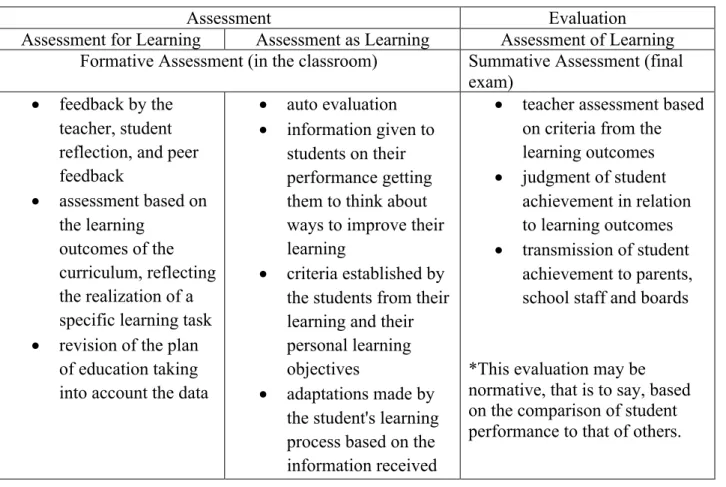
Assessment and Evaluation ... 67
Strands in the French Immersion Curriculum ... 68
Oral communication. ... 68
Reading. ... 69
Writing. ... 71
French Immersion for Exceptional Students ... 73
Guba’s Domain Model ... 75
Summary ... 77
CHAPTER THREE ... 78
RESEARCH METHODOLOGY ... 78
Purpose and Researcher’s Orientation ... 78
Policy Analysis ... 79
Case Study ... 81
Pragmatism as the Philosophical Partner for Mixed Methods Research ... 84
Methods ... 86
Data Collection ... 89
The Domains Model ... 90
Policy-in-Intent ... 91
Document overview procedures. ... 91
Policy-in-Implementation ... 91
Sources of data collection. ... 92
Data collection instruments and procedures. ... 92
Data analysis. ... 93
Validity and reliability of questionnaire. ... 95
Policy-in-Experience ... 96
Coding in Qualitative Research ... 98
Trustworthiness ... 99
Integration of Findings ... 101
Stakeholders’ Satisfaction ... 103
Stakeholders’ Satisfaction Definition ... 104
Satisfaction Assessment and Student Retention ... 105
Satisfaction Measurement Methodology and the Student Satisfaction Questionnaire Instrument ... 107
The SSI reliability and validity. ... 109
Teachers’ and Principals’ Satisfaction Questionnaire (IPS) ... 110
Parents’ Satisfaction Questionnaire (PSI) ... 110
Administration of Questionnaires ... 111
Scales ... 112
School staff and teachers effectiveness (12 items). ... 112
Academic services (5 items). ... 112
School resources and facilities (4 items). ... 112
School climate (9 items). ... 112
School support services (4 items). ... 113
Concern for the individual (4 items). ... 113
Instructional effectiveness (7 items). ... 113
Safety and security (2 items). ... 113
Questionnaire Format ... 114
Examples of Adapted Questionnaire Use ... 116
Summary ... 117
CHAPTER FOUR ... 118
PRESENTATION OF DATA ... 118
Method ... 120
Population and Sample ... 120
Instrumentation and Measures ... 122
Student Satisfaction Inventory (SSI). ... 122
Analysis of Satisfaction Instruments for Students ... 124
The use of performance gaps in understanding student satisfaction. ... 125
Strengths. ... 125
Challenges or areas for consideration. ... 131
Student scale report. ... 135
Summary items for students. ... 137
Data Summary ... 138
Analysis of Satisfaction Instruments for Teachers and Principals ... 140
Strengths. ... 141
Areas for consideration by teachers and principals. ... 142
Teacher and principal scale report. ... 149
Items without scale importance scores. ... 151
Analysis of Satisfaction Instruments for Parents or Guardians ... 157
Strengths. ... 158
Areas for consideration by parents. ... 160
Parent scale report. ... 166
Enrolment factors for parents. ... 169
Summary items for Parents. ... 170
Data Summary ... 171
Chapter Summary ... 172
CHAPTER FIVE ... 174
PRESENTATION OF DATA ... 174
Principals’ Perceptions ... 176
Initial principal impressions of the quantitative data shown: different but not surprising. ... 177
Principal perceptions regarding improvement of French immersion programming: short and long term planning. ... 188
Principals’ Data Summary ... 191
Teachers’ Perceptions ... 191
Initial teacher impressions of the quantitative data shown: interesting and surprising, but not very different. ... 192
Teacher perceptions regarding improvement of French immersion programming: short and long term planning. ... 200
School safety and security. ... 204
The quality of instruction. ... 206
Fairness of student discipline. ... 207
Enough English language instruction. ... 209
Principal and teacher effectiveness. ... 213
Teachers’ consideration of student differences. ... 214
Reasonable and fair school rules. ... 217
Students’ Data Summary ... 219
Parents’ Perceptions ... 219
Initial parent impressions of the quantitative data shown: different, but not surprising. ... 220
Parents’ Data Summary ... 227
CHAPTER SIX ... 228
DISSCUSSION, CONSIDERATION, AND IMPLICATION ... 228
Introduction ... 228
Summary of Methodology ... 230
Discussion ... 233
Discussion of the theoretical framework. ... 233
Discussion of school strengths and challenges. ... 234
Discussion of Individual and Focus Group Interviews ... 240
Discussion with principals. ... 241
Discussion with teachers. ... 242
Discussion with students. ... 245
Main findings. ... 246
Considerations ... 249
Considerations for future studies. ... 254
Limitations. ... 255
Misalignment of the Three Policy Levels ... 256
Implications for Theory and Practice ... 259
Implications for Education ... 262
Summary ... 263 References ... 265 Appendix A: SSI ... 300 Appendix B: IPS ... 302 Appendix C: PSI ... 305 Appendix D ... 308
Letter of Assent to Students for Questionnaire ... 308
Appendix E ... 311
Letter of Assent to Students for Focus Group Interviews ... 311
Appendix F ... 315
Letter of Consent to Teachers/Principals/Parents ... 315
Appendix G ... 318
Appendix H ... 322
Letter of Consent from Parents/Guardians ... 322
Appendix I ... 327
Letter of Consent to Parents/Guardians ... 327
Appendix J ... 331
Transcript Release Form ... 331
Appendix K ... 332
Figures and Interview Questions for Principals and Teachers ... 332
Appendix L ... 336
Figures and Questions for Interviews with Parents ... 336
Appendix M ... 340
LIST OF TABLES
Table 2. 1- McCarty’s (2002) Framework for LPP (p.300) ... 25
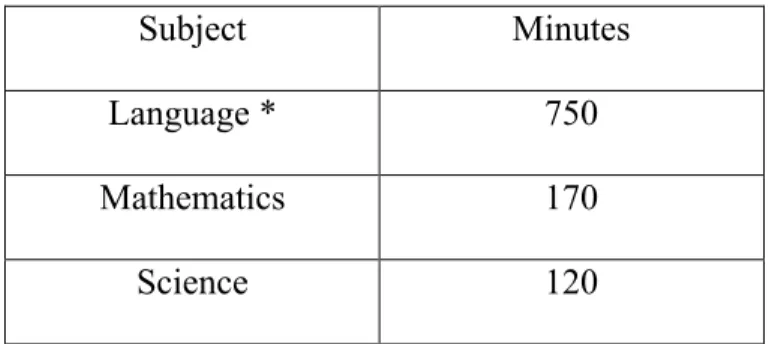
Table 2. 2 – French Language Instructional Time Allocations (Saskatchewan Learning, 2005, p.20). ... 48
Table 2. 3 – Sample Time Allocation in French Immersion Programs (K-Grade 9) (Saskatchewan Learning, 2003, p.7) ... 49
Table 2. 5 – Distribution of Teaching Time in Immersion Program (Ministère de l’éducation de la Saskatchewan, 2008) ... 64
Table 2.6 – An overview of Assessment and Evaluation in French Programs in Saskatchewan (Ministère de l’éducation de la Saskatchewan, 2008) ... 69
Table 4. 1- Comparison between Noel-Levitz® (2010) and the adapted questionnaire (2016) ... 123
Table 4. 2-Likert Values and Indications for Importance and Satisfaction Scores ... 123
Table 4.3- Student Importance Means ... 126
Table 4.4- Student Satisfaction Means ... 128
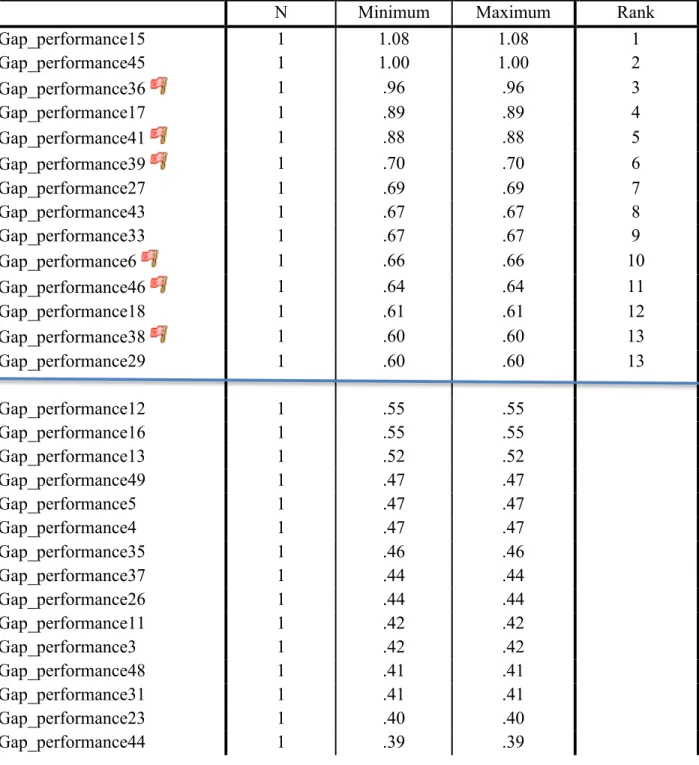
Table 4.5- Student Performance Gap Means ... 132
Table 4.6- Scale Importance ... 136
Table 4.7- Mean Scores for Summary Items in SSI Survey ... 138
Table 4.8-Summary Percentage Report for Students ... 139
Table 4.9- Teacher and Principal Importance Means ... 141
Table 4.10- Teacher and Principal Agreement Means ... 143
Table 4.11- Teacher and Principal Performance Gap Means ... 145
Table 4.13-Item Percentage Report for Items Without Scale Agreement Scores ... 152
Table 4.14- Importance Mean Scores for Enrolment Factors ... 154
Table 4.15- Mean Scores for Summary Items in IPS Survey ... 155
Table 4.16-Summary Percentage Report for IPS Survey ... 155
Table 4.17- Parent Scale Importance Means ... 158
Table 4.18- Parent Scale Satisfaction Means ... 160
Table 4.19- Parent Performance Gap Means ... 162
Table 4.20- Importance Mean Scores for Enrolment Factors ... 169
Table 4.21- Mean Scores for Summary Items in PSI Survey ... 170
LIST OF FIGURES
Figure 2. 1- Major Educational Orientations ... 64
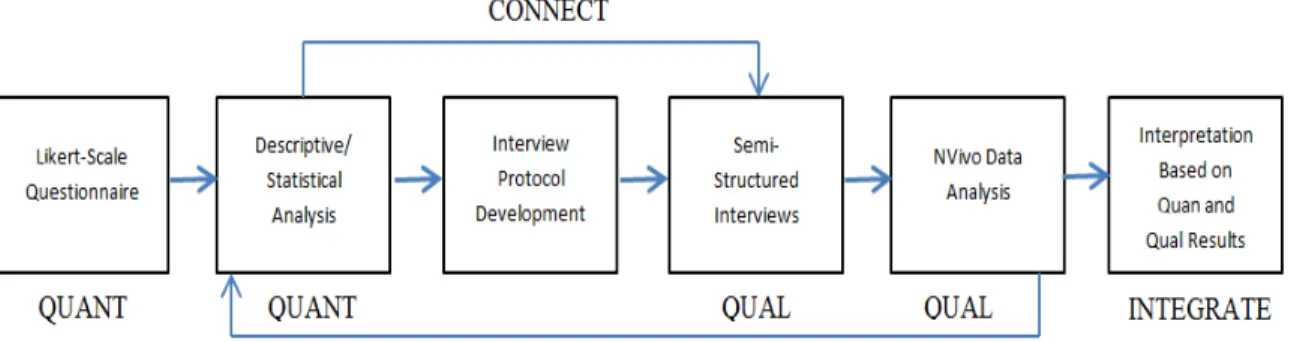
Figure 3. 1 – Study design and procedures visual model in each school. ... 102
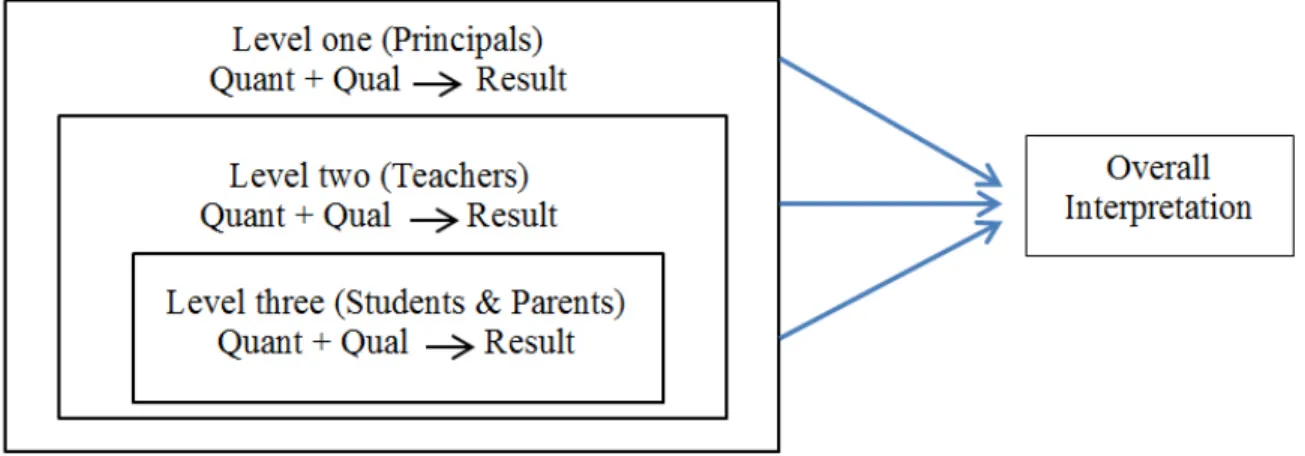
Figure 3. 2 – Triangulation design in each school: Multilevel Model. ... 103
Figure 4. 1 – Conceptual framework ... 119
Figure 4. 2 – Areas of Grade 8 stakeholders’ consensus. ... 120
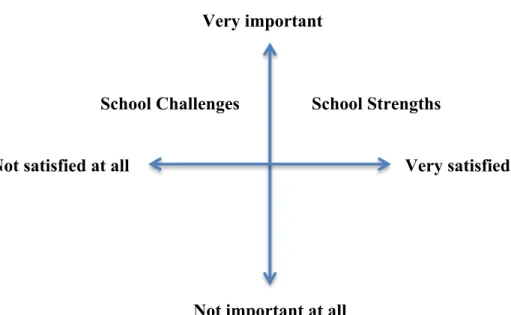
Figure 4. 3- A matrix for Prioritizing School Action. ... 125
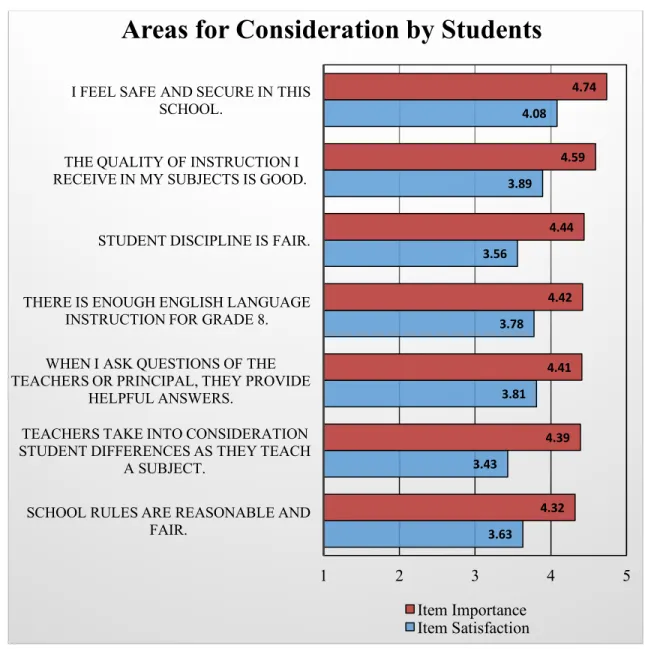
Figure 4. 4- Areas for Consideration by Students ... 134
Figure 4. 5- Nine Student Scale Mean Scores ... 137
Figure 4. 6- Areas for Consideration by Teachers and Principals ... 147
Figure 4. 7- Comparing Areas for Consideration Perceived by Students, and Teachers and Principals ... 148
Figure 4. 8- Nine Teacher and Principal Scale Mean Scores ... 150
Figure 4. 9- Comparing Student, and Teacher and Principal Scale Scores ... 151
Figure 4. 10- Areas for Consideration by Parents ... 164
Figure 4. 11- Areas for Consideration by Students and Parents ... 165
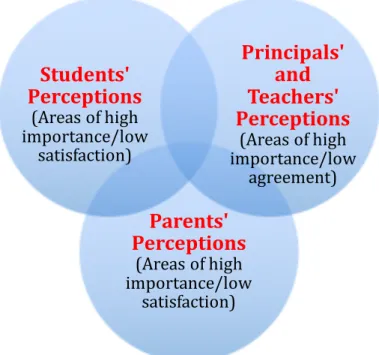
Figure 4. 12- Areas for Consideration by Students, Teachers and Principals, and Parents ... 166
Figure 4. 13- Nine Parent Scale Mean Scores ... 167
Figure 4. 14- Comparing Student, Teacher and Principal, and Parent Scale Scores ... 168
CHAPTER ONE
INTRODUCTION TO THE DISSERTATION
The unique and diverse system of French immersion education in Canada has been used as a guideline or used as an inspiration for their immersion programs in many countries and jurisdictions including Spain, France, Australia, South Korea, Finland, Hungary, Hawaii (United States), South Africa, Hong Kong (China), Ireland, and Japan (Baker, 2011; Center for Applied Linguistics, 2011; Cummins, 2014b; Dion, 2003; Doyle, 2005; Tedick, Christian, & Fortune, 2011). An impressive and significant list of linguistic, academic, and cognitive benefits have been offered by Canadian French immersion programs over the past 40 years, improving immersion students’ French language proficiency and academic achievement (Mannavarayan, 2002; Porter, 1990). The cognitive benefits of the program have provided bilingual Canadian students with heightened mental flexibility and creative thinking skills (Berroir, Ghazi-Saidi, Dash, Adrover-Roig, Benali, & Ansaldo (2016); Lazaruk, 2007). Luo, Craik, Moreno, and Bialystok (2013) conducted a research study comparing younger and older monolingual and bilingual adults’ spatial working memory (WM) span tasks, and concluded that the bilingual participants outperformed the monolinguals in spatial WM.
The 1969 Canadian Official Languages Act, along with making English and French official languages in Parliament, the federal civil service, and the Canadian judicial system, further strengthened bilingualism and biculturalism in Canada more generally (these aspects are elaborated later in the historical background section). More recently, the Roadmap for Canada’s Official Languages (2013-2018): Education, Immigration, Communities, a Canadian federal
government action plan,is designed to enhance the status, prestige, and development of the two official languages (see Chapter two). Although the 2013-2018 roadmap follows the underlying objectives of providing support for second-language learning, the ways to approach them have undergone some significant changes. The changes focus on three new priority sectors and provide tools to study, work, and communicate more effectively in both official languages (Canadian Heritage and Official Languages, 2013). French immersion programs are considered as one of the major official French Second Language (FSL) programs for teaching and learning French within this roadmap, and have received the greatest amount of funding in the Canadian school system (Canadian Heritage and Official Languages, 2013).
By 1973, French immersion programs had been established in Montreal, Saskatoon, Regina, Calgary, Ottawa, Toronto, Edmonton, and Vancouver (Canadian Education Association, 1992). According to Canadian Heritage and Official Languages (2013), “Today, over 2.4
million young Canadians across the country are learning their second official language— including over 341,000 in French immersion programs” (p. 5). Statistics Canada (2014) also announced that over the past five years, national enrolments in second language immersion programs increased 17.4 percent. However, regular second language programs saw a 6.1% decline in student numbers over the same period. Since the establishment of immersion programs, policy makers have tried to improve and find effective ways to implement them— considering Canada has enjoyed a great success and strong international reputation as a leader in the area of second language programs, these efforts have mainly served French immersion programs (Cummins, 2014a; Makropoulos, 2005). All provinces in Canada have supported the learning of a second official language, and some positive changes in Canadian provincial policies and practices in language education have emerged as a result of collaborations between
educators, school administrators and university researchers across Canada (Cummins, 2014a). Canadian Bilingual policies have led to a rich and influential research tradition in bilingual and, particularly, immersion approaches in many areas, including language teaching, learning, and assessment (e.g., Burger, Weinberg, & Wesche, 2013; Cummins, 1979; Gardner & Lambert, 1972; Genesse, 1987; Swain, 2000). Despite the fact that it is essential that policy decisions have a stamp of authority, the role of stakeholders and non-governmental organizations in this process should be taken into consideration (Cooper, 1989). Exploring the perceptions,
perspectives, and attitudes of stakeholders have historically provided language policy and planning analysts with valuable results (Arnott, 2015; Backman, 2009; Bamgbose, 2004; Biggs & Tang, 2011; Canagrajah, 1999; Fraser & Fox, 2007; Kristmanson, Cogswell, & Campbell, 2003).
There is a paucity of research on principals’, teachers’, students’, and parents’ voices and experiences to gain better insight and understanding of how the intended language policies are implemented and attained in French immersion schools (Carr, 2007; Quiring, 2008). Studies on French second language programs have more often focused on curriculum development
(Germain, Lightbown, Netten, & Spada, 2004; Kristmanson, Cogswell, & Campbell, 2003; Mady, 2015), student achievement (Hunt, Ashman, & Short, 2016; Germain, Netten, &
Movassat, 2004; Germain, Netten, & Seguin, 2004), learning strategies (Kristmanson, 2006), and teaching strategies (Berube, 2016; Cummins, 2014; Llinares, & Lyster, 2014) than the lived realities of students and other stakeholders in French education.
In this research, I carefully examined the perceptions of Grade 8 stakeholders who influence the implementation of French Immersion programs in three elementary schools in two urban publicly funded school divisions in Saskatchewan. In order to explore the attitudes and
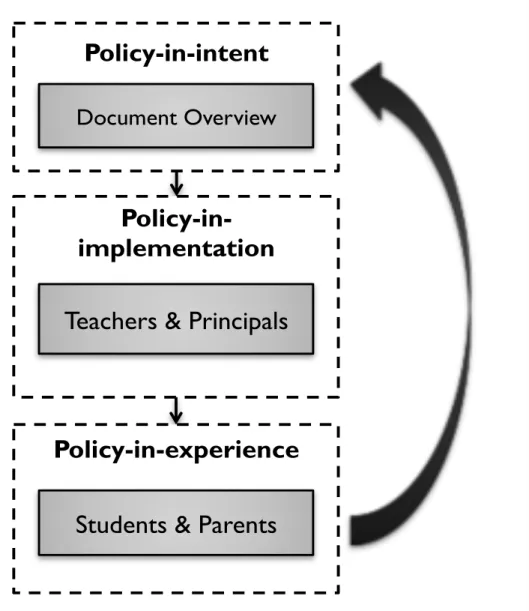
practices of stakeholders regarding French immersion programming, and further to provide a better understanding of their crucial role in the implementation and practice of second-language policies in schools, I selected Guba’s (1985) Domains Model, investigating the actual practices and lived realities of those involved. This approach examined all factors involved in policy-in-intent, policy-in-implementation, and policy-in-experience. My research focused on the domain of policy-in-experience, exploring the perceptions of micro-level stakeholders. I believe that looking at the issues of French immersion programming from a local level provides valuable insights into and potential positive influence on second language education in Canada. The aim of my research, therefore, was to discover constraints, as well as opportunities, that are imposed on teachers, students, and parents by policy statements with respect to the French immersion programming. I investigated the role of macro-level dynamics at the federal and provincial levels in second-language policy, while exploring the perceptions, perspectives, and attitudes of Grade 8 stakeholders pertaining to the intention and implementation of second-language policy at schools.
Historical Background
It is beyond the scope of this research study to analyze the evolution of official language policies from Confederation in 1867 to the present day. At the same time, it remains essential that I provide the reader with a brief historical context of some of the salient events that have contributed to the eventual creation of the Official Language Act in 1969 and that have
influenced the formation of French immersion policy and programming in Canada to the present day.
Presented in historical reviews by MacMillan, (2003), Stebbins, (2000) and Warren (2003), it has been suggested that bilingualism and language duality in Canada was recognized
as valuable even before Confederation in 1867. British colonization of French communities followed the defeat of New France by the British on the Plains of Abraham in 1759 (Magnet, 1995). As a result of the Proclamation in 1763,French institutions governed by civil law and administration were abolished and francophones (French speaking peoples) “were drowned by a flood of English immigration” (pp. 5-6).
George-Etienne Cartier, one of the fathers of Confederation, and John A. Macdonald, who was prime minister at the time of Confederation, supported French Canadian language rights, accommodation of Canada’s francophone population, and equality of the French and the English languages (Moore, 1997). The British North America Act (BNA Act) was enacted in 1867 to establish a united nation, announcing the official status of both French and English in parliament and the federal courts. The intention of the BNA Act was to eliminate the problems encountered by the American federal union to the south rather than perpetuating cultural diversity, and the intent of Confederation was to strengthen the federal government power (Creighton, 1970).
While there was no declaration that Canada was bilingual or bicultural in the BNA Act
and education and language rights with respect to the jurisdiction of the federal or provincial governments were not properly defined at the time of Confederation, in early days of
Confederation many legal battles arose between Oliver Mowat, the premier of Ontario, and Prime Minister John A. Macdonald. It became legally established that education became the soul domain of the provincial governments (Armstrong, 1981; Creighton, 1970).
The federal Manitoba Act of 1870 and the federal Northwest 7 Territories Act of 1875 established protection for French language rights of the Manitoban francophone population and those francophones living in the North-West Territories (Morton, 1970). Their francophone
population were primarily Aboriginal (Métis) who sustained themselves through the fur trade with French-speaking communities (Conrad & Finkel, 2008). Nevertheless, official
bilingualism, protected by the Manitoba Act, was eliminated twenty years later in 1890 from the education system when “the non-franco Canadian immigrant population had surpassed that of the francophones by a ratio of approximately fourteen to one” (Conrad & Finkel, 2002, p. 277). At that time, French was removed from the education system after Grade 3, all government
agencies, and the court system in Manitoba (Friesen, 1990). Similarly and at that time, French instruction in the Northwest Territories and Ontario was restricted to one hour a day (Chevrier, 2003). After recognition of Saskatchewan and Alberta as two new provinces in 1905 through respective federal establishing statutes, the use of French was legally restricted to one hour a day in their schools (Julien, 1993; Morton, 1970). It should be noted that in communities that were exclusively French speaking, the reality was that, although the curriculum was in English, the teachers were incapable of delivering their courses in English. Therefore, many of the rural schools functioned in French on a daily basis (Stanley, 1960).
The position of French in Canada following Confederation, as well as the positions of many other minority languages in the early 1900s were eroded when French Canadians, Mennonites, Ukrainians, Germans, and other minorities lost the linguistic protection of their provincial governments as a result of the domination of stronger English Protestant settlements in the area (Conrad & Finkel, 2008; Marchand, 1997). Furthermore, reluctance of French Quebeckers to settle in the west played an important role in French becoming a relatively small minority throughout much of Western Canada.
For the better part of the 60 years that followed, francophone communities struggled to assert their status and raise the profile of their linguistic community by settling in Québec and
rejecting mobility (Francis, Jones, & Smith, 2000). After facing many issues with respect to a rapid decline in the birthrate and crisis in church control over educational and health matters in
Québec, the so called modernizing and secularizing Quiet Revolution emerged in 1960. In response to events in Québec, in 1963, Lester B. Pearson’s federal Liberal government
established the Royal Commission on Bilingualism and Biculturalism (Francis, Jones, & Smith, 2004). Following Royal Commission recommendations, Prime Minister Pierre Trudeau’s succession passed the Official Language Act through parliament in 1969, “which made French equal with English throughout the federal government, required that a significant number of existing and newly hired employees be bilingual” (Quiring, 2008, p.16). The French immersion phenomenon emerged in response to the demands of parents across Canada who were motivated to enrol their children in French because of perceived better job opportunities or the important role of mastery of a second language in education, more generally (Dubé, 1993; Hart, Lapkin & Swain, 1998a)
Researcher’s Background
I approached this research as an international student who worked as a French teacher in Iranian schools for several years. I completed my graduate degree in French teaching from Islamic Azad University in Tehran. Working as a French language teacher made me aware of the issues that implementing language policy may cause in schools. As a teacher, it seemed natural to me to seek out students’ insights related to instructional strategies and curriculum development. Teaching in the Iranian system made me realize that policy making happens at the macro level without considering the perceptions of stakeholders at the micro level.
I think having taught in a different system can add another perspective to my research in Canadian schools, and better shape my understanding of policy implementation in those schools.
As Morris, Leung, Ames, and Lickel (1999) stated, “etic researchers [as outsiders] are more likely to isolate particular components of culture and state hypotheses about their distinct antecedents and consequences” (p. 782). Nonetheless, as an interviewer who tried to develop relationships with participants in Canadian elementary schools to decipher their lived reality, I was more likely to be an emic researcher or insider. Furthermore, there was a tendency to integrate my insights with my findings due to my experience working as a French teacher in elementary schools. Therefore, I acknowledge that my experience could impact my perceptions and further my interpretation of the collected data.
Personal Position
Providing readers with an introduction to the researcher is fundamental to comprehend the context of this research study, as my values and beliefs on the research topic and my background are influential in every aspect of the research process. According to Denzin and Lincoln (2000), “[Every] researcher approaches the world with a set of ideas, a framework (theory, ontology) that specifies a set of questions (epistemology) that she or he then examines in specific ways (methodology, analysis)” (p. 18).
Epistemologically, I selected the naturalistic paradigm to understand Grade 8 stakeholders’ perceptions of French immersion programming as they experienced the
implemented programs in three elementary schools. A pragmatic philosophy of the origin of the knowledge fit my personal view, where I used both quantitative and qualitative research to explore and explain the perceptions of Grade 8 stakeholders regarding French immersion programming. From the pragmatist worldview, “[it is not possible] to see the world as an absolute unity […] mixed methods researchers look to many approaches for collecting and analyzing data rather than subscribing to only one way (e.g., quantitative or qualitative)”
(Creswell, 2013, p. 11). Therefore, no single method stood out as being able to answer fully the research questions and to explore the perceptions of three-level French immersion stakeholders with regards to French immersion programming. Rather, collecting descriptive statistics along with conducting individual and focus group interviews helped to gain a complete understanding of all the Grade 8 stakeholders’ views of implemented French immersion programming in their schools.
Background to the Problem
Since the Official Language Act (1969) was enacted, considerable research has been allocated to second language education funding, programming, and technology in Canada. A variety of French second language programs have been offered in almost all provinces. Nevertheless, only 28% of Canadians know a second language—which may not be French (Canadian Parents for French, 2004). Statistics Canada (2011), in an analysis of the state of bilingualism in Canada indicated that 17.5% of Canadians (5.8 million people) could have a conversation in both English and French—which is an increase of 12.2% since 1961 (Cited in Lepage & Corbeil, 2011). Sadly, evidence suggests that many immersion students lose their French proficiency after graduation, or do not continue their study through to the end of grade 12 (CPF, 2004, p.1). According to Saskatchewan Ministry of Education (2010),
attrition rates for French Immersion students are higher than in the regular program. However, these students do not leave the school system entirely, but usually transfer to the regular program. Of those students graduating from Grade 12 in 2009-10, only 405 (44%) of the 923 students, who had originally enrolled in French Immersion in
compared to 37% for the cohort graduating five years earlier, and 28% for those graduating 10 years earlier. (p. 82)
Understanding the role that principals, teachers, parents, and students play towards decisions and actions regarding language use in schools—language policy in general—is important. My own experience suggests that educators need to understand that a mismatch between the micro-level practices and the macro-level decisions can create serious challenges in implementing language policies. Considering factors at both the micro and macro levels, may provide valuable insights into language policy and practice (Backman, 2009). The attitudes, lived realities, and actions of stakeholders at the micro level should ideally be in accord with decisions imposed intending to attain positive results regarding language and culture acquisition. That is to say, resistance or rejection, and acceptance by micro-level stakeholders can directly affect the success or failure of more broadly conceived policies.
Through this research, I sought to understand Grade 8 principals’, teachers’, students’, and parents’ perceptions of French immersion programs. Their perceptions and suggestions on the language policy practiced in their schools provided essential feedback on the French
immersion policy intentions, and informed policy makers of French immersion programs’ effectiveness. It is my hope to share my findings with administrators and policy makers in order to enhance current approaches and to provide insights for future decisions related to language policy, strategies, and practice.
Purpose of this Research and Guiding Questions
The purpose of this study was to explore the perceptions of Grade 8 principals, teachers, students, and parents in three elementary schools in two urban publicly funded school divisions in Saskatchewan in order to provide their feedback and commentaries on the French immersion
policy intentions, and to ascertain the rates of satisfaction with French immersion programming among them. The following questions guided my research.
1. With respect to French immersion policy, how does Guba’s (1985) notion of the
policy-in-intention align with the policy-in-experience and policy-in-implementation in the context of Grade 8 in three selected elementary schools in two urban, publicly funded, school divisions in Saskatchewan?
a) What are the key policy intentions found in Saskatchewan French immersion policy document between 1984 and 2015?
b) What are the perceptions of Grade 8 principals, teachers, students, and parents with respect to their satisfaction with French immersion programming?
c) What are the perceptions of Grade 8 principals, teachers, students, and parents of essential areas (as highlighted through participant experiences of the implementation of the French immersion program) that challenge (as demonstrated through the level of satisfaction, level of importance, and performance gap analyses) improvement and efficacy in French immersion programming?
With these questions, my attempt was to identify the intentions of the language policies that are perceived by my participants, the processes of implementation, and the students, and parents’ experiences of the programs. Therefore, the commentaries given by the Grade 8 stakeholders provided their feedback on the French immersion policy intentions as these are perceived and implemented at the elementary school level.
Brief Description of the Study
This is a study of government policy. While the context of this study is found in the analysis of policy documents related to French immersion activities, and the further analysis of
stakeholder comments related to both French language policies (their intention and their implementation) in the province of Saskatchewan, this is not a study of French immersion activities themselves. Historical and policy context related to French immersion is of great importance to the introduction of readers to the study. However, this is not a study of French immersion, benefits of French immersion programming to students, larger debates in the
Canadian context related to French immersion, improvements idiosyncratic to French immersion schools, nor the value of French immersion as a mechanism for general student cognitive or educative achievement; it is decisively beyond the scope of this study to examine these topics in great detail.
According to Guba (1985) “there are at least three levels at which the term policy has meaning […]” (p. 11): policy-in-intention, policy-in-implementation, and policy-in-experience. Guba’s framework provides a tool for examining French immersion programs, in which
principals, teachers, students, and parents are the main source of data collection since the policy cannot be evaluated by disregarding policy-in-implementation and policy-in-experience. In Guba’s (1985) model “[the] experience is heavily mediated by context (e.g., by the local culture, by the reactions and expectations of peers; by the motivation of the implementers and the size of their workload) and the actual availability of authorized resources” (p. 11).
A sequential explanatory mixed-methods design was selected to address the research questions, exploring three-level stakeholders’ perceptions pertaining to the intention and implementation of French immersion programming. Since, the primary and fundamental philosophy of mixed-methods research studies, pragmatism, supports the use of multiple approaches in answering research questions (Turner, 2003). In other words, with the inclusive
and complementary logic of pragmatic method, I had the advantage of using quantitative
research to inform the qualitative portion of this research study (Onwuegbuzie & Leech, 2005). In order to explore and better understand the actual practice and everyday decisions at play in the implementation of language policy in elementary schools, I interviewed principals, teachers, parents, and students who are experiencing the program after eliciting their perceptions regarding their satisfaction with French immersion programming through distributed
questionnaires. I interviewed teachers and principals, after collecting data from the questionnaire to represent policy-in-implementation. I examined the policy-in-experience using questionnaires and focus groups with students, and questionnaires and individual interviews with parents. I also, herein, describe the policy-in-intention through the language policy statements announced by the federal government in official websites.
In summary, my research sought to gain a rich literature base on the principals’, teachers’, students’, and parents’ perspectives and viewpoints: Grade 8 students offered their perceptions of present programs and provided their ideas for improving their efficacy. The knowledge gleaned from this research can be also used for future comparisons, programming, and policy insights with regards to French immersion.
Delimitations of the Study
In this study, I considered second language policies and practices related to French immersion programs, and the study involved three Saskatchewan elementary schools that include Grade 8 to inform our understanding of this province’s language education and French
immersion in particular. These schools were chosen among two urban, publicly funded, school divisions in Saskatchewan.
Principals, teachers, students, and parents of these three schools provided our data regarding the implementation and experience of French immersion programs. Data collection for this study was delimited to a one-month period to take the online surveys, and to conduct individual and focus group interviews with Grade 8 stakeholders. The collected data cannot be used in any comparison between schools due to the fact that this intent was not included in the design of my study, and such may also elicit ethical issues related to confidentiality, privacy, and vulnerability. Similarly, the collected data with regards to the Grade 8 students’ and parents’ commentaries and feedback on the French immersion policy programs cannot be used to evaluate the principals and teachers at the implementation level, as their commentaries do not assess the students’ performance.
In this research, I explored the political context of bilingual education related to French immersion programs in Saskatchewan, studying the governmental websites and further
interviewing the three schools’ Grade 8 principals, teachers, students, and parents with special consideration to their motivations and concerns. Considering my French and English language skills, texts both in French and English were used and cited. Providing literature on the history of second language programming and particularly French immersion was not intended to represent a historical analysis. Rather, these data were included to provide the reader with a historical framework in which to better understand this study.
The research study focused on three sources of data: French immersion policies,
questionnaires, and interviews. To identify the intentions of the French immersion programming, federal and provincial governmental websites were reviewed. To understand the context in which Grade 8 students and parents were experiencing the programs offered, principals and Grade 8 teachers answered an online questionnaire and engaged in interviews on a one-to-one
basis. Through the use of online surveys and interviews with Grade 8 students and their parents, policy-in-experience was brought to description: online questionnaires, focus groups, and individual interviews with Grade 8 students and parents explored areas for consideration that they recognized as challenging to the improvement of French immersion programming and further how these played into their decision to stay in the French immersion program. Specifically, it was beyond the scope of this research to review material germane to French immersion school success and improvement, and it was further beyond this study to examine work on the improvement of French immersion programming.
Limitations
Given the time constraints and the particular methods and instruments of questionnaires, interviews, and focus groups, the transferability and generalizability of findings in terms of the examination of language policy would be limited. It will be important to interpret the results with caution, considering the low response rate to the online Likert-scale questionnaires from Grade 8 stakeholders in three schools in two school divisions in Saskatchewan. However, my exploration informed our understanding of how French is developed and practiced in this province within the French immersion program. The findings of my study provided insights to the policy makers, teachers, students, and parents concerning the issues of French immersion, and was neither argued in favour of, nor against, French immersion programs.
Through my study, I discovered the accordance and difference between language policy in intention, and in implementation and in experience to provide the Grade 8 stakeholders’ feedback on the French immersion policy intentions and their efficacy and applicability at the practice and implementation level. I collected the perceptions of stakeholders in only Grade 8 programming. Looking into secondary schools would arguably be a more broad research
undertaking and rest beyond the scope of my research interests. Similarly, difficulty in working with younger children to represent their ideas and opinions regarding language policy supported my idea to conduct my study in Grade 8. Considering the variance among provinces regarding second language policy, findings of this research cannot be applicable to the French immersion programming in other provinces.
The purpose of this study was to find out the stakeholders’ reasons to opt out of the program and not to attend secondary immersion schools. It should be taken into consideration that this research was limited to the students who continued their studies through Grade 8 in the French immersion elementary school. Therefore, the reasons given for switching out of the immersion elementary schools by Grade 8 were not discussed in my study.
In response to school division limits on my access to students and staff during the school day, the University Research Ethics Board further limited my access to two visits to each school for the conduct of this research study. To facilitate the study under these limitations, I was required to judiciously engage the students and staff. Consequently, although more interviews would have enriched the research data, such restrictions limited the inclusion of additional interview questions for students, principals and teachers, and parents that might have otherwise provided for further analysis.
To conduct this research study, I adapted an existing Likert-scale questionnaire that was created for evaluating the satisfaction of stakeholders in a university or college context in the United States. I did not compare data collected by the researchers who developed the original survey. However, the validity and reliability may not be, as a result of the adaptation, as robust as was the case in the original questionnaire. I assume therefore that I adapted the original
questionnaire for the context alone. I further assume that any consequences arising out of this adaptation on validity and reliability are inconsequential.
Definitions
I employed the following operational definitions within this study.
Language policy and planning (LPP): “language planning is not defined as an idealistic and exclusively linguistic activity but as a political and administrative activity for solving language problems in society” (Jernudd & Das Gupta, 1971, as cited in Cooper, 1989, p.30).
Macro-level dynamics: top-down processes of the language policy and planning cycle in which language policies are interpreted and appropriated by policy makers, administrators, agents, and principals in power (Hornberger & Johnson, 2014).
Micro-level practices: bottom-up processes of the language policy and planning cycle in which local stakeholders including teachers, students, and parents on the ground participate to shape and practice language policies (Hornberger & Johnson, 2014).
Canadian Parents for French (CPF): a federally funded advocacy group who encourages and promotes research and student activities regarding French-second-language education (Cummins, 2014).
French as a Second Language (FSL): this is the program that is implemented in Canada comprising core, immersion, extended, and intensive French.
Stakeholders: “any group or individual who can affect or is affected by the achievement of the organization’s objectives” (Freeman, 1984, p.46). In the policy analysis literature, policy stakeholders include “individuals or groups which have a stake in policies because they affect and are affected by governmental decisions” (Dunn, 1981, p. 47).
Policy analysis: “ is a type of disciplined inquiry under-taken to gather and display evidence (including contextual data) for and against alternative policy options (intended, already implemented or experienced) in order to inform negotiations over choices in terms of multiple values of relevant audiences” (Lincoln & Guba, 1986, p. 26).
Satisfaction Score: in the context of this dissertation, a satisfaction score shows how satisfied stakeholders are that school has met their expectations (Schreiner, 2009).
Importance score: in the context of this dissertation, an importance score indicates how important it is for stakeholders’ school to meet their expectations.
Performance gapscore: in the context of this dissertation, a performance gap is
determined by subtracting the satisfaction score from the importance score. It is an indicator of how the educational organization is doing at meeting stakeholders’ expectations (Noel-Levitz, 2009).
Anglophones: are people whose native language is English (Merriam Webster, n. d.).
Francophones: are people whose native language is French (Merriam Webster, n. d.). Summary
In this research study, I conducted a detailed policy analysis using Guba’s (1985) Domain Model in order to explore perceptions of stakeholders at the level of policy-in-experience. The context of this study refers to the implemented French immersion programming in the three elementary schools in Saskatchewan. With the survey satisfaction assessment (Noel-Levitz, 2015) and the individual and focus group interviews that followed, I not only evaluated the level of student and parent satisfaction, but also explored in-depth those areas for consideration the participants found relevant with respect to the students’ retention in the program. My collected quantitative and qualitative data from principals and teachers at the level of
policy-in-implementation, coupled with reviewed literature on Saskatchewan French immersion policy and programming at the level of policy-in-intention, provided contextual data and essential input to evaluate and analyze French immersion programming at all three levels. Following Guba’s (1985) Domains Model, I was able to examine “[…] at least three levels at which the term policy has meaning […]” (p. 11). Simply stated, Guba’s (1985) three levels are policy-in-intention,
policy-in-implementation, and policy-in-experience. The literature presented on the history of language policy and planning in Canada, and particularly in Saskatchewan was not intended to make a case for a historical review or analysis of French immersion programming, but rather to provide a brief background of Canadian language duality and Federal and provincial policies related to second language programs in general.
Organization of the Dissertation
This research study is organized into six chapters. In chapter one, I provide an overview of the study, the significance of the research, and the problem addressed. Furthermore, I include key definitions, and discuss delimitations and limitations of the proposed study.
In chapter two, I describe the history and development of language policy and planning (LPP), followed by language politics and planning in Canada at the federal level, given education and language policy respectively at the provincial level, particularly in Saskatchewan.
In chapter three, I explain in detail the research methodology and design, research methods, and data collection and analysis techniques used in this research study.
In chapter four, I describe data collection from principals’ and Grade 8 teachers’,
students’, and parents’ using questionnaires, and data analysis through SPSS statistics software. I also include findings related to their perceptions regarding strength and areas for consideration of French immersion programming and policy implemented in elementary schools.
In chapter five, I discuss data collection from Grade 8 stakeholders via semi-structured individual interviews with principals, teachers, and parents, and focus group interviews with students. I also describe data coding and analysis using Saldaña’s (2013) Codes-to-Theory Model for qualitative inquiry, and NVivo 11.
In chapter six, I provide the summary of this research study, discussion of major themes emerging from the findings, considerations recommended by Grade 8 stakeholders to improve French immersion programming and considerations for future studies, and ultimately
CHAPTER TWO LITERATURE REVIEW
In this chapter, I briefly describe the history of language policy and development for French immersion programming in Canada. This description serves as a broad-stroke introduction to a phenomenon (French immersion programming) that represents the context for developing an understanding of the experience of micro-level stakeholders and their areas for consideration to improve of a policy-in-enactment (French immersion programs) that might be more broadly applied or studied in any given policy environment.
In this research, I examined the perceptions of stakeholders who influence the
implementation of French immersion programs in Grade 8 of three elementary schools in two urban, publicly funded, school divisions in Saskatchewan. In order to explore the attitudes and practices of stakeholders regarding the French immersion program and to provide a better understanding of their crucial role in the implementation and practicing of education policies (particularly second-language policies in schools), I selected Guba’s (1985) Domain Model. For example, I investigated the intentions of language policy, the process of their implementation, and stakeholders’ experiences in the program. I believe that looking at the issues of French immersion programming from the local level provides language policy and planning (LPP) of Canada with valuable results that could have an impact on their decisions. The aim of my research was to discover constraints, as well as opportunities that arise for principals, teachers, students, and parents by administrators’ current structure with respect to the French immersion programming. Essentially, I examined the role of macro-level dynamics at the federal and
and attitudes of stakeholders pertaining to the intention and implementation of second-language policy at the school level.
In what follows, I provide a review of my second chapter:
• I start by examining the history and development of language policy and planning
(LPP) as a distinct field of study, followed by language politics and planning in Canada at the federal level, then education and language policy respectively at the provincial level, particularly in Saskatchewan. Then, I describe how curriculum and language education developed within Saskatchewan’s education system. Next, I look into Pennycook’s (2000) six frameworks, comparing them with Ricento’s (2000) three phases to understand better the development of LPP. Finally, I include McCarty’s (2002) framework as the one that was specifically designed for language policy and planning in the education sector.
• Following this, I provide a complete description of the four French Second Language (FSL) programs in Canada, focusing on the French Immersion education in Saskatchewan and its foundation. I also include two important pedagogical implications of French immersion programs. Given the French immersion school environment, I explain the implementation of a French program in Canada’s jurisdictions, as well as the support provided for Canada’s FSL programs.
• I further introduce the Saskatchewan curriculum for French as a second language in the French immersion program because all the rules and guidelines set by policy makers emerge through the curriculum. In other words, the curriculum is the political text that is implemented by administrators, practiced by teachers, and
experienced by students and parents. Therefore, it is essential that policy be consistent with the curriculum practice. I will then give some detailed
information about major educational orientations within French curriculum and planning, given assessment and evaluation specific to the French immersion program. Moreover, I identify three main strands—oral communications, reading, and writing—explained in the French immersion curriculum and emphasize the value of learning French and appreciating francophone culture. I also review French immersion for exceptional students; the curriculum must assure equity for all the students to promote their academic achievement equally. At the end of this chapter, I describe Guba’s (1985) Domains Model to provide a background regarding its use as my own framework in this study.
Language Policy and Planning
According to Jernudd and Das Gupta (1971), “language planning is not defined as an idealistic and exclusively linguistic activity but as a political and administrative activity for solving language problems in society” (as cited in Cooper, 1989, p. 30). Fishman (1974, as cited in Cooper, 1989) referred to language planning as “the organized pursuit of solutions to language problems, typically at the national level” (p.30). Lewis (1981) argued that policy will not
succeed if
[it] does not do one of three things: conform to the expressed attitudes of those involved; persuade those who express negative attitudes about the rightness of the policy; or seek to remove the causes of the disagreement. In any case, knowledge about attitudes is
fundamental to the formulation of a policy as well as to success in its implementation. (as cited in Baker, 2006, p. 211)
Furthermore, Baker (2006) mentioned that clear goals are important factors in language policy making and language planning. The concept of target language planning is a means to decrease the distance between broad program aims and grounded activity. As it can be seen, the Canadian federal government’s target of doubling the number of bilingual speakers in the Action Plan (Canadian Heritage, 2004) was followed by the new implementation of official language education programs.
The traditional approach to language policy and planning research, examining national case studies, was “neo-classical”. In the neo-classical approach, various kinds of sociolinguistic surveys were used to analyze the costs and benefits of sample cases in their historical and comparative contexts (Doguncay-Aktuna, 1997; Tollefson, 1991). However, this neo-classical approach to language policy and planning research was criticized by Tollefson (1991) for its primary focus on individuals. Tollefson (1991) noted that the neo-classical approach failed to deal with language communities’ issues regarding their formation and investment in languages. He found the approach inappropriate to answer these questions,
why some groups are willing to go to war over language issues, while others easily accept language lost, what are the mechanisms by which changes in language structure and language use take place, and how does the language-planning process affect those mechanisms (Caballero, 2008, p. 63).
Tollefson (1991) indicated that these limitations to language policy and planning research were addressed in an historical-structural approach, focusing on the planning process, and social, political, and economic factors that impose changes in language structure and use. He claimed,
within the historical-structural approach, language policy is viewed as one mechanism by which the interests of the dominant sociopolitical groups are maintained and the seeds of
transformation are developed. The major goal of policy research is to examine the historical basis of policies and to make explicit the particular mechanisms by which policy decisions serve or undermine particular political and economic interests. (Tollefson, 1991, p. 32)
Similarly, May (2006) in his argument for the necessity of the broader sociohistorical and sociopolitical approach analogous to Tollefson’s historical-structural approach indicated that “[…] for much of its history, linguistics as an academic discipline has been preoccupied with idealist, abstracted approaches to the study of language” (p. 255). Cooper (1989) also discussed how language planning for social change does not happen in a vacuum, and that “in language planning as in politics, it is useful to ask who benefits from a given arrangement” (p. 80). In his scheme designed for the study of language planning, he then asked: “what actors attempt to influence what behaviors of which people for what ends under what conditions by what means
through what decision-making process with what effect” (Bamgbose, 2004, p.77). Haugen (1983) stated that politics and ideology are the most important factors in determining the success or failure of language policies. He believed that lack of political and societal will in privacy-driven programs such as second language education results in failure: “It is no problem to immerse English-speaking Canadians in French [...] But if parents are opposed or if they are indifferent, bilingualism is bound to fail” (p. 58).
Consequently, in recent language policy and planning studies, the political nature and the complexity of LPP processes and goals, and their interplay with sociopolitical, economic, and cultural issues are given more importance. Moreover, descriptions of phenomena such as language maintenance, shift, and spread are sought (Dugancay-Aktuna, 1997).
Tollefson (2002) described that “language policies in education are an important mechanism by which states manage social and political conflict” (p. 5). In other words, he emphasized the role of policies in public and political opinion and allocating resources.
Tollefson (2002) argued for a critical perspective toward language policy, and indicated that “in order to understand language policy debates and the role of language policy in contemporary states, we must examine the underlying social, economic, and political struggles that language can symbolize” (p. 5).
Three Phases of Development of Language Policy and Planning
Thomas Ricento (2000) divided the field of language policy and planning into three different stages or phases of development. He determined these stages, identifying prevailing macro sociopolitical, epistemological, and strategic factors that influenced each phase in different ways.
The first stage, Technocratic State Formation, was influenced by decolonization,
structuralism, and pragmatism. It emerged when a large number of nations gained independence from their colonial rulers, and LPP was determined as one of these national systematic
development approaches. Fishman (1974), one of the influential LPP researchers of this first stage, described language planning as “merely an attempt to influence [language] usage more rapidly, more systematically, and more massively” (p. 26).
Within the first stage, researchers developed different typologies, strategies, and approaches that would promote unification, modernization, efficiency, and democratization (Ricento, 2000). Haugen’s (1966) model for language planning was used as the basis of many approaches. Haugen (1966) mentioned four main areas of focus in his language-planning model. These include (a) identifying a language problem and establishing goals, (b) codifying languages
through grammatical and lexical developments, (c) implementing the plans, and (d) elaborating and revising language plans and policies.
The systematic and scientific models were apolitical and ideologically neutral within this first stage, while the decisions implemented had ideological and sociopolitical impacts. The common view was that unifying language was necessary to modernization, progress, and development of nations. Ricento (2000) suggested that “a consensus view ... was that a major European language [English or French] should be used for formal and specialized domains while local [indigenous] languages could serve other functions” (p. 198). Therefore, linguistic diversity in opposition to linguistic homogeneity was viewed as an obstacle to modernization and
Westernization. As a result, language was a neutral tool used for national interests, and language problems were addressed in the most scientific and systematic way.
The second stage, Disillusion and Criticism of LPP, arose out of the failure of
modernization and national development projects in post-colonial states. Phillipson (1992) in his controversial book linguistic imperialism analyzed critically the ways that dominant global languages were used and promoted by powerful institutions such as the British Council, the UN, and World Bank, IMF, and the U.S. TESOL industry, so that speakers of these languages had an unfair advantage in their societies, and even in the world (Brutt Griffler, 2002). In his argument, Phillipson (1992) also explained that dominant global languages were spread in the same way that economic, political, and cultural imperialism were spread. In his later work, Phillipson (1992) defined linguistic imperialism as a “shorthand for a multitude of activities, ideologies and structural relationships [...] within an overarching structure of asymmetrical North/South
relations, where language interlocks with other dimensions, cultural [...] economic and political” (p. 239).
Ferguson (2006) criticized Phillipson’s concept of linguistic imperialism due to its greatest single weakness, noted by a number of commentators (e.g. Bisong 1995; Pennycook 1994/2001; Canagarajah 1999; Brutt-Griffler 2002)—that is denying significant agency to speakers in the periphery, portraying them as passive recipients, or dupes, of imposition from the Centre.
Similarly, Phillipson and Skutnabb-Kangas (1996) used the term linguicism to describe how policy makers¾by promoting European languages as the official languages¾discriminate against the speakers of non-dominant languages and magnify inequalities throughout the world. The concept of linguicism also received great criticism by other scholars since it was too
deterministic in its assumptions, and presumed too much power in the dominant languages and those who promote them. However, it left no room for the possibility of minority languages, and treated speakers of these languages simply as victims of a unidirectional domination of
languages. We can use such structuralist theories to understand the ideological influences and structural constraints that were imposed upon local stakeholders in Canada. However, these theories are only helpful in describing the role in which language policies and practices contribute to structural inequalities in society.
Considering criticism of the value and impact of LPP during the second phase, the third stage, Focus on the Local, began to approach language policy issues in a much more careful way. Ricento (2000) pointed out some of the major themes that emerged in this phase.
These themes include increased attention to language loss, promotion of linguistic diversity and multilingualism, development of a case for establishing linguistic human rights, viewing LPP through an ecology of languages model, and a greater focus on the role of ideology and agency in language policy formation and implementation. (p. 203)