i Exploring the impact of traumatic brain injury on moral reasoning and how this relates to
executive functioning, empathy and emotion-based decision making.
Lucy Wigg
Word count 31,553
Thesis submitted in part fulfilment of the degree of Doctoral Programme of Clinical Psychology
University of East Anglia
© This copy of the thesis has been supplied on condition that anyone who consults it is understood to recognise that its copyright rests with the author and that use of any information
derived there from must be in accordance with current UK Copyright Law. In addition, any quotation or extract must include full attribution.
i Acknowledgements
I would like to start the by thanking all the individuals that participated in this study. Your time and willingness to participate in this research study was really appreciated. I really enjoyed meeting everyone of you and without you - this research would not have been possible. I would like to extend my thanks to the teams who supported this study. Thank you to
Addenbrookes, the Brain Injury Rehabilitation Team, Ely; The Evelyn Community Head Injury Team, Cambridge; The Colman Centre for Specialist Rehabilitation, Norwich; Oak Farm, Select Health Care Group, Norwich and the Headway Team, Norfolk and Waveney and
Cambridgeshire. My particular thanks to the individuals within these teams that found the time to help with recruitment alongside busy clinical roles, your enthusiasm was gratefully received. I would like to take this opportunity to thank my primary supervisor, Dr Anna Adlam, for her commitment to this thesis and for her help, knowledge and support, I have really appreciated it. I extend my thanks to my secondary supervisor, Dr Peter Langdon. I also would like to thank Dr. Barney Dunn for his permission and help with the set up of his task and Dr Fergus Gracey for his advice during the preliminary ideas stage.
Finally, I would like to thank my family and friends. Most importantly; Mum, Dad, my partner Craig, Daniel and Jo. Your unwavering love, encouragement, support, and patience throughout this process have proved invaluable and I am so very grateful. Thanks for always being there, and believing in me. I also wanted to mention my nieces and nephews, Gabrielle, Thomas, Charlie and Maddie, and thank them for providing sunshine; refreshment and enjoyable moments along this demanding and challenging journey.
ii Abstract
Traumatic brain injury (TBI) leads to cognitive, behaviour, and social functioning difficulties. It has also been associated with offending behaviour. The common area of damage is to the fronto-temporal brain regions (Salmond et al, 2006). These are considered important for moral reasoning. Moral reasoning is believed to be important for upholding social function and preventing delinquent behaviour (Gibbs, 2010). It is suggested that TBI may disrupt moral reasoning and contribute to social and behaviour deficits (Anderson & Catroppa, 2006). Studies to date have indicated that there are greater difficulties in moral reasoning following a childhood TBI than adulthood TBI. Studies have been small and have not examined the impact of childhood TBI in early adulthood. Fewer studies have explored the neurocognitive processes underpinning moral reasoning.
This study compared moral reasoning, measured by the Sociomoral Reflection Measure - Short Form (SRM-SF, Gibbs, Basinger & Fuller, 1992) in a group of 20 survivors of TBI aged between 17 and 25 years and a group of 34 healthy individuals. It also explored the relationships between moral reasoning and executive functions, cognitive flexibility, inhibition; empathy and emotion-based decision making.
The healthy comparison group demonstrated significantly higher moral reasoning. This was maintained when the groups were matched on age, sex, socioeconomic status and when intellectual functioning was controlled. The study revealed significant relationships between moral reasoning and cognitive flexibility, inhibition, executive function difficulties and empathy in the healthy comparison group. Only one significant correlation was revealed in the TBI group; between cognitive flexibility and moral reasoning. This was attributed to insufficient power to detect other significant findings.
The study concluded that TBI sustained during childhood does disrupt moral development. It also indicated that executive function processes and empathy may be involved
iii in moral reasoning. These findings were considered in relation to theories of moral reasoning, brain development and methodological rigour. Further research is suggested.
iv Table of Contents Acknowledgements ... i Abstract ... ii Table of contents ... iv List of Appendices ... ix List of Tables ... x List of Figures ... xi
1. Chapter one – Introduction ... 1
1.1 Overview ... 1
1.2 Traumatic brain injury ... 3
1.2.1 Neuropathology of TBI... 4
1.2.2 Measurement of severity ... 5
1.2.3 Outcomes of TBI ... 5
1.2.3.1 Cognitive impact ... 8
1.2.3.2 Behavioural and Psychosocial impact ... 9
1.2.3.3 TBI, conduct problems and offending behaviour ... 9
1.3 Moral Reasoning ... 12
1.3.1 Definition of moral reasoning ... 12
1.3.2 Moral reasoning and offending behaviour ... 12
1.3.3 Moral reasoning theories ... 14
1.3.4 Assessments of moral reasoning ... 20
1.3.5 Moral reasoning and neuropathology ... 22
1.4 Moral reasoning and acquired brain injury ... 24
v
1.4.2 Child Onset ... 31
1.4.2.1 Case Studies ... 31
1.4.2.2 Group designs ... 32
1.4.3 Adult studies ... 35
1.4.4 Summary of Literature Review ... 38
1.5 Summary, rationale and aims for the study ... 38
1.6 Research Question and Hypothesis ... 40
1.6.1 Primary ... 40
1.6.2 Secondary ... 41
2. Chapter Two – Methods ... 43
2.1 Design ... 43 2.2 Participants ... 43 2.2.1 Sample size ... 43 2.2.2 Inclusion Criteria ... 44 2.2.3 Exclusion Criteria ... 45 2.2.4 Recruitment ... 46 2.2.5 Sample characteristics ... 47 2.2.5.1 Injury characteristics ... 50 2.3 Measures ... 53 2.3.1 Demographic Information ... 53 2.3.2 Socioeconomic status ... 53
2.3.3 General Intellectual functioning ... 54
2.3.4 Moral reasoning ... 54
2.3.5 Executive function ... 55
vi
2.3.5.2 Inhibition (Color-word inference, DKEFS) ... 56
2.3.5.3 Dys-executive questionnaire (BADS, Wilson et al., 1996) ... 56
2.3.6 Empathy (Empathy Quotient, Baron-Cohen & Wheelwright, 2004) ... 57
2.3.7 Emotion-based decision making (Intuitive Reasoning Task, Dunn et al., 2010) ... 58
2.4 Ethical considerations ... 59
2.4.1 Informed consent ... 59
2.4.2 Coercion ... 60
2.4.3 Managing risk and distress ... 61
2.4.4 Confidentiality ... 62
2.5 Procedure ... 62
2.6 Plan for analyses ... 64
2.6.1 Preliminary analyses ... 64
2.6.2 Hypothesis 1 ... 65
2.6.3 Hypothesis 2–6 ... 66
2.6.4 Additional analyses ... 67
3. Chapter Three – Results ... 68
3.1 Introduction to this chapter ... 68
3.2 Data preparation and preliminary analyses ... 68
3.2.1 Missing data ... 68
3.2.2 Testing assumptions of parametric data ... 69
3.2.3 Matching groups ... 69
3.2.4 TBI group - preliminary tests ... 70
3.2.4.1 DEX and DEX Independent rater ... 70
vii
3.3.1 Primary research question ... 71
3.3.1.1 Hypothesis 1 ... 71
3.3.1.1.1 Intellectual functioning and moral reasoning ... 72
3.3.1.2 Differences across moral reasoning domains ... 73
3.3.1.2.1 Intellectual functioning and domains of moral reasoning ... 73
3.3.1.3 Further analyses in the TBI group ... 75
3.3.2 Secondary research question ... 76
3.3.2.1 Preliminary analyses ... 76
3.3.2.1.1 Cognitive flexibility and inhibition across both groups 77 3.3.2.1.2 Empathy across the groups ... 78
3.3.2.1.3 Executive function difficulties across the groups ... 78
3.3.2.1.4 Emotion based decision making across the groups ... 80
3.3.2.2 Correlations between moral reasoning and variables ... 82
3.3.2.2.1 Hypothesis 2 – Moral reasoning and executive function difficulties ... 83
3.3.2.2.1.1 Further analysis of the DEX ... 83
3.3.2.2.1.2 Executive cognition domain ... 83
3.3.2.2.1.3 Behavioural-emotional self-regulation domain ... 83
3.3.2.2.1.4 Meta-cognition domain ... 84
3.3.2.2.2 Hypothesis 3 – Moral reasoning and cognitive flexibility ... 84
3.3.2.2.3 Hypothesis 4 – Moral reasoning and inhibition ... 84
viii 3.3.2.2.5 Hypothesis 6 – Moral reasoning and emotion-based
decision making ... 85
3.4 Summary of findings ... 86
4. Chapter Four – Discussion ... 89
4.1 Overview ... 89
4.2 Summary of findings ... 90
4.2.1 Hypothesis 1 ... 90
4.2.2 Research question 2 ... 94
4.2.2.1 Hypothesis 2, 3, and 4 – Moral reasoning and executive functions ... 95
4.2.2.2 Hypothesis 5 – Moral reasoning and empathy ... 97
4.2.2.3 Hypothesis 6 – Moral reasoning and emotion-based decision making ... 98
4.3 Theoretical implications ... 98
4.4 Clinical implications ... 106
4.5 Strengths and weaknesses of the study ... 109
4.5.1 Design ... 109 4.5.2 Participants ... 110 4.5.3 Measures ... 112 4.5.4 Procedure ... 116 4.5.5 Data Analysis ... 116 4.6 Further research ... 118 4.7 Conclusion ... 120 References ... 122 Appendices ... 149
ix List of Appendices
Appendix A NHS and Brain Injury Rehabilitation Team (BIRT) Ethical Approvals Appendix B NHS permission
Appendix C Information Sheets
Participant information sheet for TBI group
Participant information sheets for healthy comparison group Participant information sheet for Relatives
Summary of study for Colman Centre for Specialist Rehabilitation Appendix D Consent forms
Participant consent to share contact details Participant consent form TBI group
Participant consent form Healthy comparison group Appendix E Recruitment poster
Appendix F GP Letter Appendix G Assessments
Sociomoral Reflection Measure – Short Form Empathy Quotient
Appendix H Counter-balance order for assessments
Appendix I A table of Shapiro Wilk and Levine’s test of equal variance for each variable
Appendix J Histograms for the variables in the TBI group
x List of Tables
Table 1 Gibbs Sociomoral Stage Theory ... 17
Table 2 Studies measuring moral reasoning in survivors of brain injury ... 26
Table 3 Sample characteristics of both groups ... 48
Table 4 Descriptive statistics for age at testing for TBI group ... 49
Table 5 Descriptive statistics for age at testing for HC group ... 50
Table 6 and 7 Descriptive statistics for age at injury and time since injury for the TBI group ... 51
Table 8 Descriptive statistics for severity and type of TBI ... 52
Table 9 Mean SRM-SF total score and sub-domain scores for each group ... 72
Table 10 Adjusted means and standard error of means for SRM-SF in both groups (controlling for FSIQ and VCI) ... 75
Table 11 Correlations between mean SRM-SF and the mean CWI, DEX, DEX other, EQ, IRT and VF for each group separately ... 82
xi Table of Figures
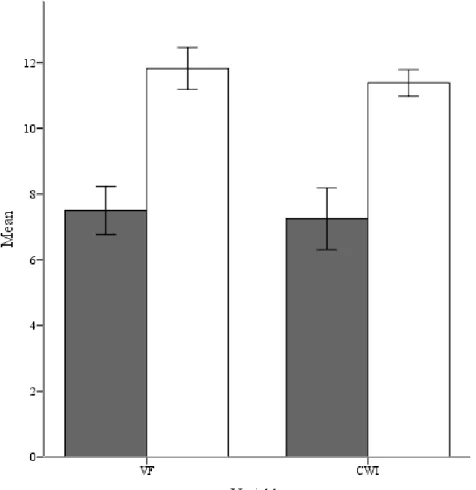
Figure 1 Performance on Color Word Inference (CWI) and Verbal Fluency (VF)
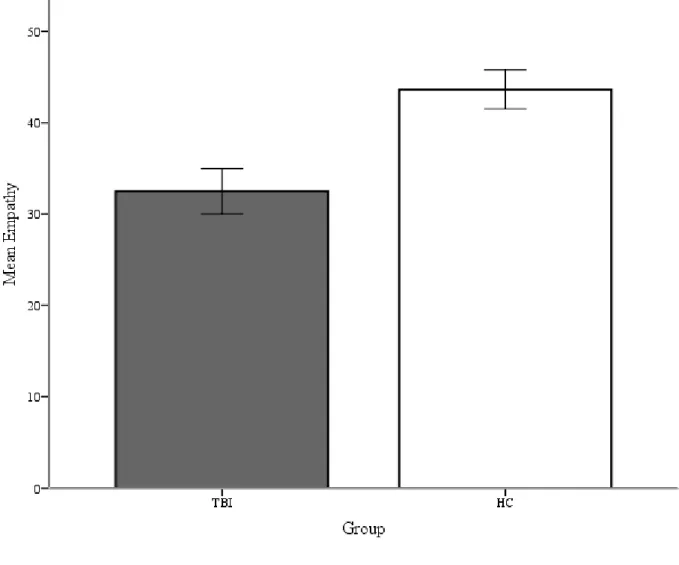
for each group ... 77 Figure 2 Mean and standard error scores on the empathy quotient (EQ) for each
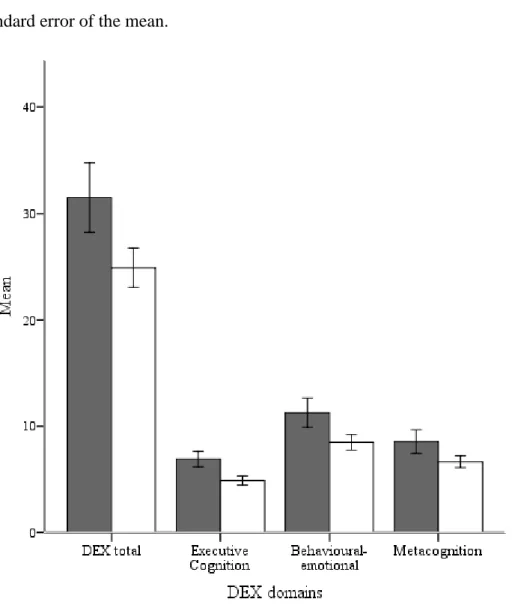
group ... 78 Figure 3 Mean total scores on the DEX and sub-domains for both groups ... 79 Figure 4 Profitable minus unprofitable deck selections across the blocks for each
1 Chapter One
Introduction
1.1 Overview
“Moral reasoning promotes and enhances socially appropriate behaviours whilst regulating and inhibiting inappropriate or negative behaviours”
(Dooley, Beauchamp & Anderson, 2010, pp. 152) Moral reasoning is believed to develop through cognitive, emotional and social maturation. The frontal region of the brain is considered important for these cognitive and emotional processes and is activated during moral reasoning tasks (Raine & Young, 2006). It is widely recognised that the frontal lobe is one of the brain regions commonly affected in a traumatic brain injury (Bigler, 2007). Traumatic brain injury (TBI) causes deficits in several areas of functioning and has a great impact on individuals, families and wider society. These difficulties may in part be explained by moral reasoning deficits. The study aims to explore the impact of TBI on moral reasoning.
Research to date has reported difficulties in moral reasoning after a brain injury in childhood. Most studies have, however, been small and the larger studies have tended to focus on examining the impact on moral reasoning in childhood. To date, no studies have examined the impact of child brain injury on moral reasoning in late adolescence-early adulthood. This period of development is important for several reasons. It is the period during which the frontal areas of the brain complete their maturation and, therefore, the cognitive and emotional
processes believed integral to moral reasoning are completing development. In addition, it is considered to be at this time that individuals are reaching the stage of mature moral reasoning (Gibbs, Basinger & Fuller, 1992). Moreover, it captures a period when individuals are gaining their independence – starting careers, forming relationships and living independently (Morton &
2 Wehman, 1995; Turkstra, Williams, Tonks & Burgess, 2008) and, therefore, are more
responsible for making important decisions. There is a consensus in the literature that the true impact of a brain injury is only known when the individual approaches these crucial stages (Chapman & McKinnon, 2000; Eslinger, Grattan, Damasio & Damasio, 1992; McKinlay, Grace, Horwood, Fergusson & MacFarlane, 2009).
This requires closer examination as deficits in moral reasoning may contribute to social and behavioural problems commonly reported following a TBI. Furthermore, moral reasoning is considered to prevent delinquent behaviour as it involves an appreciation of wider society and others in decision making (Gibbs, 2010; Dooley et al., 2010). So if there are deficits in moral reasoning after childhood TBI, this may in part, explain the emerging research suggestive of an increased vulnerability to offending behaviour following a TBI. A greater understanding will facilitate the development of effective interventions for neuro-rehabilitation programmes.
This study plans to examine moral reasoning in individuals who have survived a TBI and are currently aged between 17 and 25 years of age. In addition, this study intends to address another important area. Research studies have provided mixed evidence to support the notion that moral reasoning is associated with cognition (executive functioning), empathy, and emotion based decision making or intuition. This requires closer examination as a better understanding of the processes that underpin moral reasoning would inform targets for interventions. This study, therefore, plans to explore the relationship between moral reasoning and these processes.
This chapter will introduce the background to the study. It will begin with a brief overview of TBI inclusive of definition, causes, and epidemiology. It will next discuss the impact of TBI with a particular focus on injury sustained during childhood. It will briefly describe the cognitive, emotional, and behavioural deficits associated with TBI. Following this the relationship between moral reasoning and offending will be considered. It will then
summarise theories about moral reasoning and highlight the processes which are considered important; including executive function, empathy and emotion-based decision making/ intuition,
3 before highlighting their neural correlates which are vulnerable to damage in a TBI. Following this the literature which has explored the impact of childhood and adulthood brain injury on moral reasoning will be reviewed. Finally, the rationale and aims for this current study will be presented: to focus on the impact of brain injury on moral reasoning in early adulthood; and to explore the processes that underpin moral reasoning.
1.2 Traumatic brain injury
TBI refers to damage to the brain from an external force (Donders, 2006). The most common causes of TBI are road traffic accidents, assaults, and falls. They are also sustained during sports and recreational activities (Langlois, Rutland-Brown, & Thomas, 2004). It has been reported that there are 10 million incidents a year worldwide which result in death or hospitalisation (Langlois, Rutland-Brown, & Wald, 2006). This is, however, an underestimate because the majority are mild TBIs so many people do not seek help and in the military, help is provided but not recorded (Langlois et al., 2006). Additionally, TBI can often become a hidden disability due to an absence of any obvious physical problems, despite many cognitive
difficulties (Khan, Baguley, & Cameron, 2003; Langlois et al., 2006).
The highest prevalence of TBI is reported in children and adolescents aged between 0-4 and 15-19 years of age (Langlois et al., 2004; Yates, Williams, Harris, Round & Jenkins, 2006). TBI is believed to be the leading cause of disability or death for children, adolescents and young adults across the world (World Health Organisation, 2009). It often leads to impairments in cognitive, behavioural, physical and psychosocial domains and has a large impact on the individual and wider society. However, the impact of a TBI is mediated by a number of factors including the extent and location of the injury, rehabilitation, family support and possibly
genetic factors and pre-injury function e.g. cognitive reserve (Turner‐Stokes, Nair, Sedki, Disler, & Wade, 2005). It is also associated with the development of other co-morbid conditions (e.g.
4 mood disorders and Alzheimer’s disease; Langlois et al., 2006) and epilepsy in younger children (Yeates, 2010).
1.2.1 Neuropathology of TBI
TBI results in damage to the brain by primary and secondary injuries (Noppins & Brambrink, 2004; Yeates, 2010). Primary injuries result from the direct trauma to the brain and through the acceleration-deceleration force of the incident (Donders, 2006; Yeates, 2010). This can cause contusions and lesions to focal points as well as deformation of the skull. In addition, rotational trauma can occur when the skull stops on impact but the brain moves due to angular acceleration. This action can result in tearing of blood vessels leading to focal lesions or haemorrhage and shearing which give rise to diffuse axonal injury (Donders, 2006; Yeates, 2010). Studies using advanced structural magnetic resonance and diffusion tensor imaging have consistently demonstrated damage to bilateral frontal and temporal lobes after TBI (Salmond et al., 2006; Wallesch, Curio, Galazky, Jost, & Synowitz, 2001). Bigler (2007) suggested that this may be due to their proximity to the bony aspects of the skull. It may also be because it is the common impact point in an assault and road traffic accidents. In addition, the acceleration-deceleration force of a TBI can cause diffuse axonal injury (Donders, 2006; Yeates, 2006). This is because the human brain is unable to withstand the impact of the rapid rotational mechanisms (Smith, Meaney & Skull, 2003). The stretching results in damage to the axonal cytoskeleton resulting in disconnected axons (Smith et al., 2003). This disconnection disrupts the
communications between the cells and is believed to correlate with functional recovery and clinical outcomes. The most common area for disconnection is in the frontal lobe (Lillie, Urban, Lynch, Whitlow & Stitzel, 2013). The frontal lobe is believed responsible for control,
organisation and monitoring of the information from the other parts of the brain (Stuss & Alexander, 2007; Stuss & Knight, 2002). Disruptions to connections between the frontal lobe and other areas of the brain will disrupt this function (Smith et al., 2003). For example the
5 limbic system is responsible for emotions and these are managed and controlled by the frontal lobe. Disruptions in the frontolimbic pathway, therefore, may lead to agitation and behavioural difficulties (Smith et al., 2003).
TBI gives rise to secondary injuries through consequential complications of brain swelling e.g. haemorrhage, and increased cerebral blood volume resulting in increased intracranial pressure and hypoxic injury (Bruce, 1995; Rao & Lyketsos, 2000; Werner & Engelhard, 2007).
1.2.2 Measurement of Severity
There are three main methods for measuring severity. One method is using the Glasgow Coma Scale (GCS; Teasdale & Jennett, 1974). A score is derived through assessment of eye opening, motor and verbal function to various stimuli. The scores correspond to severity: 13-15 (mild); 9-12 (moderate); and less than 9 (severe). The alternative is the duration of
Post-traumatic Amnesia (PTA), the period of time post-injury that the brain is unable to hold
continuous memories (Russell & Smith, 1961). In addition, the loss of consciousness for more than 30 minutes is considered indicative of a moderate-severe brain injury (The Mayo
classification system; Malec et al., 2007).
1.2.3. Outcomes of TBI
Survival rates from TBI have improved as a result of advances in neurosurgery and intensive care (Khan et al., 2003). Nevertheless, damage to frontal-temporal limbic structures (Bigler, 2007) often leads to emotional, cognitive, and behavioural difficulties.
Traditionally it was believed that a brain injury during childhood resulted in less residual difficulties. The Kennard Principle (Finger & Wolfe, 1988) suggested damage was overcome by the plasticity of the young brain, the structural and functional adaptations made to counteract the lesions (Buchwald, 1990). This theory was supported by findings from earlier studies of
6 recovery in young chimpanzees (Kennard, 1938) and younger children with focal lesions (Aram & Enkleman, 1986).
In contrast to this view, Catroppa, Anderson, Morse, Haritou and Rosenfield (2008) highlighted the vulnerability of the developing brain. They suggest childhood TBI may cause more diffuse damage due to the smaller size of neck to head ratio, more flexible cranial bones, and thinner cortex. In addition, the injury would occur at a time when there are limited cognitive reserves and, therefore, less to draw upon to aid recovery (i.e., compensatory strategies; Savage, 2009). This alternative view has been supported by advances in neuroimaging and a better understanding of brain development. Brain development occurs through myelination and
pruning. Myelination adds a fatty sheath to enable neurons to transmit signals quicker and allow better communication between the brain regions (Belsky & de Haan, 2011; Paus et al., 1999). In addition, communication between neurons occurs across synapses and the synaptic density increases rapidly after birth (Lenroot & Giedd, 2006). Pruning enables a reduction in synapses thereby stabilisation of the important networks of neurons (Belsky & de Haan, 2011). These processes continue into the third decade of life (Gogtay et al., 2004; Lenroot & Giedd, 2006). They begin in the motor and sensory areas associated with most basic functions and finish in the more complex areas; the frontal areas which are responsible for executive function, and emotion processing (Belsky & de Haan, 2011; Sowell et al., 2004). The last structures to mature, in the mid twenties, are the dorso-lateral prefrontal cortex (DLPFC) and ventromedial prefrontal cortex (VMPFC), consistent with maturation of executive function skills (Gogtay et al., 2004; Sowell et al., 2004). Given the prolonged nature of this process of development, damage inflicted during this period may adversely affect brain structure, by distorting creation of new structures or pathways and limiting elaboration and usage of earlier ones (Black, Jones, Nelson, &
Greenough, 1998; Cicchetti, 2002). In addition, damage may cause disruption to the processes of myelination and pruning. It is also likely to have a particular impact on later maturing structures, mainly the frontal lobe (Reinis & Goldman, 1980). Therefore, instead of preserved
7 function after early brain injury, it may result in “neuro-cognitive stall” which slows the rates of cognitive, social and motor development (Chapman, 2007) and limits development to the pre-injury skills (Ewing-Cobbs, Barnes, & Fletcher, 2003). The plasticity of the brain may cause further problems by recruiting other areas to perform roles and hinder development of the specified region (Klintsova & Greenough 1999). This is known as the “crowding hypothesis” (Teuber & Rudel, 1962) which has suggested the young brain compensates through maximal rewiring of available neural space. This theory suggests this may help initially but it proposes greater difficulties emerge later in the developmental trajectory as these early adaptations “crowd” out the brain, and compromise the later developmental of new skills and adaptations. Furthermore, genes and experience are also implicated in brain development. Brain structural development is considered to be reliant on the complexity of the environment and the ability to interact with this (Karmiloff-Smith, 1998; 2006; Westermann et al., 2007). An early brain injury is likely to alter life experiences, thereby presenting another cause for disruption to brain
development. In keeping with this, a paper has reported increased synapse connections, cortical thickness and weight, and better cognitive function in rats reared in more stimulating
environments (Sale, Berardi & Maffei, 2009). Interestingly, an enriched environment has not been shown to lead to the same improvements in cortical thickness or enhanced cognitive performance, in rats that have sustained an early TBI (Fineman, Giza, Nahed, Lee, & Hovda, 2000). This is supportive of disruption from TBI on brain development, regardless of
environment.
These theories concur that whilst it may appear there is initial recovery; this is preceded by a plateau or decline in functioning relative to peers, ultimately manifesting itself in
individuals not being able to reach future milestones (Savage, 2009). Further difficulties may arise in adolescence when protection from familial structure disperses, there are greater social challenges, and independent functioning is expected (Eslinger et al., 1992). Hence children may develop cognitive, behavioural and language difficulties later (McKinlay et al., 2009). In
8 keeping with this, Tonks, Williams, Yates, and Slater (2011) revealed a significant difference between child survivors of TBI, aged between 10 and 16 years, and their peers on cognitive assessments but did not reveal discrepancies in a group at a younger age. In light of these issues, Chapman and McKinnon (2000) warn against premature judging of recovery in children.
In summary, there appears to be much evidence to support the view that early damage to the brain results in numerous residual difficulties. Indeed Catroppa et al. (2008) have shown that very young preschool children have worse outcomes in terms of greater disability in later life. This section will now summarise these difficulties.
1.2.3.1 Cognitive impact
Cognitive difficulties often present the most troublesome outcomes from a TBI, with possible problems in areas of attention, processing speed, memory, and language (Schiff, Plum, & Rezai, 2002). These can occur alongside further difficulties in areas of executive functioning including cognitive flexibility, problem solving, impaired judgement, inhibitory control,
planning, and working memory (Khan et al., 2003; Levin & Hanten, 2005; Yeates, 2010). It is considered that cognitive skills that have not been developed pre-TBI are the most affected (McKinlay, 2012). Childhood TBI of differing severity has been seen to result in issues with memory, processing speed, and attention deficits (Catroppa & Anderson, 2003; Catroppa, Anderson, Morse, Haritou & Rosenfield, 2007; Donders, 2006; Yeates et al., 2005). Anderson, Catroppa, Morse, Haritou and Rosenfield (2000; 2005) revealed difficulties in intellectual functioning in children several years post injury. Cognitive deficits are considered to be moderated by injury severity and greater damage is expected when there has been greater acceleration-deceleration action (Levine, 2012). Moderate and severe TBI have been associated with cognitive deficits, poor social outcomes, and behaviour problems (Crowe, Catroppa, Babl, & Anderson, 2012; Stambrook, Moore, Peters, Deviaene, & Hawryluk, 1990). However, mild
9 severity has also been associated with neuropsychological deficits (Catroppa & Anderson, 2003; Catroppa et al., 2007; Donders, 2006; Mathias, Beall & Bigler, 2004; Yeates et al., 2005).
1.2.3.2 Behavioural and Psychosocial impact
Anderson et al. (2000; 2005) suggested the residual deficits from childhood TBI impact negatively on social, emotional, and academic development, placing a considerable burden on families and the wider context (Anderson & Catroppa, 2006). Childhood TBI is believed to disrupt emotional and behavioural regulation (Yeates, 2010). A study revealed the same levels of emotional distress, measured by the strengths and difficulties questionnaire (SDQ; Goodman, 1997), in an acquired brain injury group compared to a mental health group (Tonks, Yates, William, Framptom, & Slater, 2010). More recently, a study revealed significantly more psychiatric difficulties in a brain injury group compared to an orthopaedic comparison group (Max et al., 2012). These differences were not accounted for by pre injury characteristics such as socioeconomic status, family adversity, family psychiatric history, adaptive function, or injury severity.
Furthermore, there has been an association between TBI and difficult peer relationships for children and adolescents (Bohnert, Parker, & Warschausky, 1997; Tonks et al., 2010). In young adults, Morton and Wehman (1995) reported a significant reduction in friendships, social support, and leisure activities.
1.2.3.3 TBI, conduct problems and offending behaviour
Childhood TBI has been associated with conduct problems (Anderson & Catroppa, 2006). A prospective study has reported greater instances of attention-deficit disorder and oppositional defiant disorder /conduct disorder in children who had sustained a mild TBI, which required hospitalisation, than those which did not require hospitalisation and a healthy
10 behavioural deficits in severe and moderate TBI groups when compared to a healthy comparison group. In keeping with these findings, a study revealed greater behavioural difficulties in a group of children who had sustained brain injuries of varying severity compared to a matched healthy comparison group (Catroppa, Godfrey, Rosenfield, Hearps & Anderson, 2012).
Furthermore, Damasio (1996) reported children with frontal lesions demonstrated high levels of violence and antisocial behaviour. In addition, a study reported higher levels of self reported interpersonal violence, in individuals who sustained a head injury prior to adulthood, compared to a healthy comparison group (Stoddard & Zimmerman, 2011).
Further research has emerged suggesting a link between brain injury and criminal behaviour. Luiselli, Arons, Marchese, Potoczny-Gray, and Rossi (2000) reported that a third of children, adolescents and young adults attending a community neuro-rehabilitation centre admitted to participation in a criminal activity, and of these 75% had offended more than once. In support of this view, Timonen et al. (2002) found in a sample of male adults, TBI during childhood was associated with a four-fold risk of offending behaviour. An interesting finding by Leon-Carrion and Ramos (2003) found that history of childhood untreated head injury was able to discriminate between a group of non violent and violent offenders in a prison population. Furthermore, the prevalence of a history of TBI in selected prison samples was 86.4% in New Zealand (Barnfield & Leathem, 1998), 87% in America (Slaughter, Fann, & Ehde, 2003) and more recently 65% in Britain (Williams, Cordan, Mewse, Tonks, & Burgess, 2010). In addition from a sample of 720 youth offenders, 18.3% reported a significant head injury in earlier life (Perron & Howard, 2008).
Several psychosocial factors mediate the brain’s adaptation after an injury including social support (Chapman & McKinnon, 2000). There is an argument that conduct problems may arise either due to pre-injury behavioural and family characteristics or alternatively from the burden on the family and systems around the child caused by the brain injury. Increased levels of stress, burden and mental health difficulties have been reported in families with children with
11 TBI (Stancin, Wade, Walz, Yeates & Taylor, 1996; Wade, Taylor, Drotar, Stancin & Yeates, 1996). A study by Rivera et al. (1994) revealed that family cohesion, social support, and parental control were associated with better adaptive behaviour and functional outcomes after TBI. The importance of the family environment for moderating outcome after TBI has been emphasised more recently by Yeates, Taylor, Walz, Stancin, and Wade (2010). Similarly, Crowe et al. (2012) revealed that intellectual, social, and behavioural function post injury was influenced by socioeconomic status, family burden, and parental mental health. In addition, Moffitt (2005) has suggested a role of genetic factors, in particular the interplay between genetic factors and environmental factors on anti-social behaviour. Some studies, however, have
indicated cognitive and behavioural difficulties remained when pre-injury differences and familial factors have been accounted for (Anderson et al., 2005; McKinlay et al., 2009). Other factors may mediate these difficulties including the biological pathophysiology of the injury and the stage of development at the time of injury. Severity, size of lesion and frontal damage has been associated with greater behavioural difficulties (Chapman & McKinnon, 2000; Levin et al., 1993). In addition, it is suggested behavioural difficulties may be explained by
neuropsychological difficulties in particular deficits in executive functioning, social problem solving, understanding of emotion and pragmatics, caused by damage to brain regions involved in social cognition (Yeates et al., 2004). Tonks et al. (2011) have reported greater social difficulties, measured by the SDQ, in a group of children who had sustained a TBI compared to their peers and also reported some correlations between these difficulties and measures of executive functions and processing speed.
In summary TBI causes several residual deficits which impact on the individual, their families, and society. The traditional view that TBI sustained during childhood may reduce these deficits has been contradicted by more recent findings. Instead the developing brain appears more vulnerable to greater damage and deficits resulting from a TBI. Cognitive,
12 emotional, behavioural, and social difficulties have been reported. There is growing research suggesting a link between childhood TBI and offending.
1.3 Moral Reasoning
1.3.1 Definition of moral reasoning
Moral is defined as “concern with principles of right and wrong behaviour” and “examining the nature of ethics and the foundations of good and bad character” (Oxford English Dictionary, 2004, pp.922). Moral reasoning is the process of considering what is right and wrong in thoughts, behaviours and actions (Moll, Zahn, Oliveira-Souza, Krueger & Grafman, 2005; Wainryb, 2004). It is considered crucial for adaptive and appropriate social function (Dooley et al., 2010) and interpersonal interactions (Moll et al., 2005).
1.3.2 Moral reasoning and offending behaviour
One of the factors underpinning offending behaviour is moral reasoning. Moral
reasoning “promotes and enhances socially appropriate and positive behaviours while regulating and inhibiting inappropriate or negative behaviours” (Dooley et al., 2010, pp. 152). Mature moral reasoning involves an appreciation of wider society and is considered to prevent delinquent behaviour (Gibbs, 2010). Palmer (2003) theorised that immature moral reasoning leads to a generation of cognitive schemas used by individuals to support their illegal behaviour. Palmer (2012) reported that offending behaviour usually occurs at the less mature stages of moral reasoning. Gibbs (2010) suggested that “developmental delay in moral judgement” (pp.135) coupled with distorted cognitions and social skills were common across perpetrators of illegal behaviour. Gibbs (2010) suggested that cognitive distortions may contribute to the relationship between moral reasoning and offending behaviour and may enhance the egocentric
13 reasoning. These cognitive distortions may include attribution biases, minimisation, and
mislabelling.
There is some inconsistency in the literature surrounding this relationship. There are some studies which have not found any difference in moral reasoning, measured by the
Kohlbergian Moral Stories, between female offenders and non-offenders (Watt, Frausin, Dixon, & Samuels, 2000) or between male offenders and normative data from the general population (Griffore & Samuels, 1978). A positive correlation was reported between moral reasoning and psychopathy; however, this appeared to be mediated by intellectual functioning (O’ Kane, Fawcett, & Blackburn, 1996). Despite this, performance on a moral reasoning measure has predicted behavioural disturbance (Blair, Monson, & Frederickson, 2001). In addition, a greater number of studies have demonstrated lower moral reasoning in adult offenders (Stevenson, Hall, & Innes, 2003; Thornton & Reid, 1982) and delinquent adolescents (Blasi, 1980; Campagna & Harter, 1975; Chandler & Moran, 1990; Gavaghan, Arnold, & Gibbs, 1983; Gibbs, 2003; Gregg, Gibbs, & Basinger, 1994). Palmer and Hollin (1998) revealed significantly lower reasoning in delinquents across all of the moral constructs. They also reported a gender difference, with higher reasoning in female offenders. However, Raijmakers, Engels, and Van Hoof (2005) reported a negative correlation between moral reasoning and offending behaviour in young adults, irrespective of gender. Meta-analyses have revealed lower levels of moral reasoning in delinquents which are unexplained by levels of intelligence or socioeconomic status (Nelson, Smith, & Dodd, 1990; Stams et al., 2006). In addition, lower levels of moral reasoning have been shown to correlate with reoffending (Van Vugt et al., 2011). In summary, it appears, therefore, that there is a direct correlation between moral reasoning, legal order, and society function (Beauchamp & Anderson, 2010).
Manual based treatment programmes for antisocial behaviour have targeted moral reasoning. The EQUIP programme, designed to “teach youth to think and act responsibly through a peer helping approach” (Gibbs, Potter, & Goldstein, 1995), focuses on three areas:
14 teaching pro-social skills; altering pro-aggressive beliefs; and moral development. A study demonstrated EQUIP’s effectiveness in reduction in antisocial beliefs and aggressive in a group of 57 males juvenile offenders (Leeman, Gibbs, & Fuller, 1993). This supports the relationship between moral reasoning and antisocial behaviour. In a smaller study, Manchester, Wall, Dawson, and Jackson (2007) adapted this programme and delivered it to three TBI survivors with high levels of aggression and bullying behaviour and demonstrated some reductions in aggression and bullying. These programmes are in their infancy but suggest a focus on moral reasoning led to improvements in antisocial behaviour.
Furthermore, cognitive and emotional processes which depend on the frontal areas of the brain are believed to underpin moral reasoning and are, therefore, likely to be disrupted
following a TBI. This argument lends weight to the existence of a relationship between TBI and offending behaviour. This chapter will review the literature examining the relationship between brain injury and moral reasoning, after a consideration of the theories and assessments of moral reasoning.
1.3.3 Moral reasoning theories
Theoretical accounts of moral reasoning differ in the way in which they view the underlying processes, in particular the involvement of cognition and emotion. Cognitive developmental theories have suggested moral reasoning development is dependent on cognitive development and socialisation. Piaget (1968) emphasises the importance of logical reasoning and socialisation for progression through the two stages of moral development. In the first stage, heteronomous, moral decisions are based on rules, obedience, and the perceived consequences of an act. In the next stage, the autonomous stage, reached by adolescence, decisions are made by incorporating others perspectives and agreed rules designed to promote justice and fairness. This theory was criticised as it did not explain development beyond childhood (Langdon, Clare, & Murphy, 2011).
15 Kohlberg (1969; 1976) expanded this interpretation to incorporate the social perspective taking theory (Selman, 1971). He argued that this was paramount to moral reasoning as it provided opportunities for conflict, resolution, and consideration of other people’s views which develops mature moral reflection. Cognitive maturity supports this process (Walker & Taylor, 1991). Kohlberg (1969; 1976) proposed a three stage theory each with two levels. In the early stage, preconventional, moral reasoning is based on an individual’s perspective and their own wishes before progressing to the next level which incorporates others’ wishes in a mutual pragmatic encounter. In the next stage, conventional stage, the individual begins to appreciate the groups’ collective view. Finally, in the post conventional stage, the individual makes moral decisions by merging the different values of others with the overarching rules, before developing and applying the consideration of universal ethical principles. Kohlberg and Gilligan (1971) proposed that 80% of boys meet the stage of pre-conventional moral reasoning by adolescence. This theory has, however, received criticism in that it did not appear applicable across cultures (Simpson, 1974). The higher stages were absent in some cultures and this was attributed to the focus on western philosophies (Snarey, 1985). It was also not a reliable measure across genders (Gilligan, 1982) and neglected emotions (Sullivan, 1977).
The theory was refined to overcome these criticisms by Gibbs et al. (1992; Gibbs, 2003; 2010) in the Sociomoral Stage Theory summarised in Table 1. This proposes that moral
maturity develops in four stages over two levels. In the first level, immature moral reasoning, the individual focuses on salient features of a situation and then progresses to make decisions based on pragmatic reciprocity e.g. help someone then they will help you (stage two). With further development, they reach mature moral reasoning, where they consider pro social understanding of care, emotional states, and good conduct to make decisions. In the next level they consider society and incorporate social structures, conscience, and social justice. Gibbs et al. suggested the mature stage was reached by late adolescence/ early adulthood. It is argued that cognitive maturation encourages a more balanced and wider perspective in managing and
16 resolving the conflict that arises in social situations. It enables a process of decentration
whereby the individuals can move their focus from salient features to incorporate the wider societal and cultural context (Gibbs, 2003; 2010; Gibbs et al., 1992). This theory of moral reasoning has demonstrated validity across several different cultures, age groups, and offending populations (Gibbs, Basinger, Grime, & Snarey, 2007). This is important given the argument that moral reasoning is context dependent (Krebs & Denton, 2005).
17 Table 1: Gibbs Sociomoral Stage Theory (Gibbs, 2003; 2010; Gibbs et al., 1992)
Level Stage Description
Immature Stage 1: Unilateral and Physicalistic
Reasoning is driven by salient here and now factors. They are driven by appeals to authority and physical status. Rules are viewed in absolute terms. Justifications are based on avoidance of physical consequences.
Stage 2: Pragmatic exchanges Moral decisions are made in relation to interactions with others. They are concerned with pragmatic deals or exchanges, and practical benefits.
Mature Stage 3: Mutual and pro-social
Reasoning is concerned with the interpersonal expectations of empathic role-taking, intrinsic concern, pro-social intentions, and generalised caring or valuing. Decisions incorporate intrapersonal factors.
Stage 4: Systemic and Standard
Moral reasoning is concerned with social structure in life including; requirements, basic rights; values, responsibilities, and obligations. Individuals consider their character and
conscience.
In support of this, Rest, Narvaez, Bebeau, and Thoma (1999) suggest that moral schemas exist in the long term memory store and are developed through re-occurrence of sociomoral
18 situations and cognitive dissonance (Festinger, 1957). The experience of situations which cannot be understood with current schemas encourages a more complex integrated way of thinking. Education, age, social stimulation (Rest, 1986) and cognitive flexibility are all vital in this process (Endicott, Bock, & Narvaez, 2003) to consider alternative solutions, tolerate
ambiguity, and reach a decision.
Overall, these theories agree that moral maturation is influenced by cognitive factors and social experience. Cognitive flexibility, part of executive function, is considered particularly important alongside other executive functions such as inhibition, the utilisation of
representational knowledge and the generation of different response possibilities (Eslinger, Flaherty-Craig, & Benton, 2004). In support of this, studies have reported correlations between moral reasoning and cognitive development (Lee, 1971; Tomilinson-Keasey & Keasey, 1974), inhibition, and abstract reasoning (Cottone, Drucker, & Javier, 2007). Furthermore, large samples of children from the general population have demonstrated a significant positive relationship between intelligence and moral reasoning development (Hoffman, 1977; Johnson, 1962). These developmental theories have been criticised as they have focused more on cognitive factors and less so on emotional developmental factors (Dooley et al., 2010).
Gibbs et al. (1992; Gibbs, 2003; 2010) suggest emotion processes, in particular empathy, are also important to moral reasoning, alongside cognitive factors. Hoffman (2000, 2008) also highlights the importance of empathy; as the human concern for others through vicarious reactions to others’ experiences; as if you are in their shoes. He suggests moral behaviour is driven through the bonding of moral principles and empathy, where cognitive representations become charged with empathic affect (e.g., in cognitive conflict) and individuals think about the impact on others. He indicates, therefore, that empathy is the primary motivator of moral behaviour (Miller, Eisenberg, Fabes, & Shell, 1996). Whilst these theories may place differing amounts of emphasis on the role of empathy, they both consider the relevance of empathy in conjunction with cognitive factors. Theoretically, as cognitive factors are important for the
19 development of empathy, alongside biological readiness, cognitive factors remain important for moral reasoning. Hoffman is consistent with previous theories that cognitive decentration enables the wider appreciation of others’ distress as separate to own (Hoffman, 2000; 2008). A study has revealed correlations between empathy and moral reasoning in a learning disability population (Langdon, Murphy, Clare, Stevenson, & Palmer, 2011).
An alternative perspective is the social intuitionist model of moral judgement (Haidt, 2001). This proposes moral judgements and actions are based on intuition, a sudden automatic and effortless decision, and that cognitive processes are only required to construct the post-hoc justifications. This is often referred to as the “hot” system. Intuitions are believed to emerge without language, are culturally shaped and become sharper and more accessible with
experience (Haidt, 2001). Haidt (2001) proposes that moral judgement is effective even in time-limited situations when effortful, slow, cognitive processes are not possible. In support of this, according to the somatic marker hypothesis, Damasio (1994) suggests that during
socio-emotional decision making, signals from the body indicative of socio-emotional response, somatic markers, trigger rapid decisions in the absence of cost-benefit analysis. The somatic marker hypothesis also proposes that decisions can be made using “as if” representational emotional states. This emotion-based decision-making considered to depend on the insula and the VMPFC (Damasio, 1994; 1996). The Iowa Gambling Task (IGT, Bechara, Damasio, Damasio, &
Anderson, 1994) is believed to be an experimental analogue of real-world emotion-based decision making. A study has revealed anticipatory skin conductance (SCRs) in risky advantageous decisions, on the IGT, in a healthy comparison group, supporting the somatic marker hypothesis (Bechara, Damasio, Tranel, & Damasio, 1997). Conversely, the study
revealed absent SCRs and poor decisions on the IGT in individuals with VMPFC damage, which suggested that the VMPFC is important for emotion-based decision making (Bechara, Damasio, Tranel, & Damasio, 2005). This perspective suggests that the cognitive processes, often referred to as the “cold system”, are considered to occur secondary, to block intuitive responses (Blasi,
20 1990) and develop alongside frontal lobe maturation. These mirror the two systems of decision making; the intuitive, automatic and rapid mode; and the controlled, deliberate and slow mode (Kahneman, 2003). An opposing view, however, may be that intuition is created as a
consequence of historical effortful cognitive processes.
There appears, therefore, to be inconsistency in theories regarding the processes
underpinning moral reasoning. Greene and Haidt (2002) propose both cognitive and emotional processes are important in their dual processing theory. Controlled cognitive processes are important in utilitarian decisions, in the promotion of the greater good; whereas personal decisions are driven by emotional processes.
In summary, the theories do not reach a consensus about what specific processes underpin moral judgements. Instead they propose two processes may be at work, on the one hand, controlled cognitive processes such as cognitive flexibility and inhibition, and on the other hand emotional processes such as, empathy and intuitive processes. The next section will consider the research findings from neuroimaging and studies of brain injury in relation to the theories discussed above. First of all, consideration needs to be given to the different ways of assessing moral reasoning.
1.3.4 Assessments of Moral reasoning
There are different ways of measuring moral reasoning. The main difference is between recognition and production measures. Traditionally, moral reasoning was assessed using recognition measures, where the respondent is asked to choose a justification that matches their own reasoning in relation to a moral dilemma. Examples of recognition measures are Defining Issues Test (Rest, 1975), Sociomoral Reflection Objective Measure (SROM, Gibbs et al., 1984), and Moral Theme Inventory (MTI, Narvaez, Gleason, Mitchell, & Bentley, 1999). These are compared to production measures, where the respondent has to verbalise their own reasoning in response to a moral question. It is thought that production measures provide a more valid
21 measurement and reduce the social desirability responding bias (Langdon, Murphy, Clare, & Palmer, 2010). Examples of production instruments are the Moral Judgement Interview / Standard Issue Moral Judgement (MJI / SIMJ, Colby & Kohlberg, 1987), the Sociomoral Reflection Measure-Short form (SRM-SF, Gibbs et al., 1992) and So Moral and So Mature (Dooley et al., 2010).
Langdon et al. (2010) demonstrated that a production measure, SRM-SF, had greater utility than a recognition measure, MTI, in a group of individuals with intellectual disabilities. It was proposed that the MTI may have been more complex and placed greater cognitive demands than the production measure, SRM-SF (Langdon et al., 2010). The SRM-SF corresponds to Gibbs et al. (1992) theory. It has 11 questions about moral values and asks respondents to describe the importance of each value and justification. These are examined to determine moral stage. It can be administered as a questionnaire or an interview. It is a favoured production measure as it is shorter and less complex than others (Langdon et al., 2010). It distinguishes between delinquent and non-delinquent children of differing ages and correlates with the MJI, indicating good validity alongside high levels of internal consistency, test-retest reliability, and cross cultural validity amongst different age groups (Gibbs et al., 1992; Gibbs et al., 2007). It has also been used to assess moral reasoning in individuals with brain injury (Couper et al., 2002).
Another measure is hypothetical scenarios (Greene, Sommerville, Nystrom, Darley & Cohen, 2001). These have been used with individuals who have survived a brain injury and include personal moral, non-personal moral and non-moral scenarios. This measure asks respondents to state what they would do in the scenario but does not ask for justification. The absence of justification may reduce the reliability of this measure, as incorporating justifications in assessment are considered to reduce the social desirability bias (Langdon et al. 2010).
More recently a measure, So-Moral and So-Mature, has been developed to be used with individuals who have survived a brain injury (Dooley et al., 2010). The task presents moral
22 dilemmas and individuals are asked to respond and explain their reasoning which is scored based on Kohlberg’s theory. It has high internal consistency, ecological, and construct validity. This measure, however, determines moral reasoning ability according to a theory which has been criticised. In addition, it is still in its infancy and it has yet to demonstrate the level of
effectiveness in measuring moral reasoning demonstrated by long established measures such as the SRM-SF.
1.3.5 Moral reasoning and neuropathology
This chapter so far has highlighted that moral reasoning is believed to involve two brain processes: intuition; and more deliberate effortful cognitive processes (Greene, Nystom, Engell, Darley & Cohen, 2004). It is widely accepted that the proposed executive function and
emotional processes rely on the PFC. The DLPFC is recruited for executive functions including working memory, planning, cognitive flexibility and inhibitory control which are important when solving complex decisions (Knabb, Welsh, Ziebell, & Reimer, 2009; Rankin, 2007). The VMPFC is important for emotional responsitivity (Koenigs et al., 2007) and emotion-based decision-making (Damasio, 1994). Furthermore, the VMPFC continues to develop into early adulthood and reaches maturation after completion of DLPFC at about 25 years (Samango-Spouse, 2007). This is in keeping with the later maturation of moral reasoning (Gibbs et al., 1992) and possibly supports the view of cognitive and emotional processes in moral reasoning.
In addition, the neuroimaging findings of activation in the PFC during moral reasoning (Raine & Young, 2006), alongside posterior cingulate, and amygdala/angular gyrus support the role of these processes in moral reasoning. In support of this, further studies have highlighted the role of PFC in moral or prosocial behaviour and a study has reported correlations between PFC impairment and antisocial behaviour (Anderson, Bechara, Damasio, Tranel, & Damasio 1999). Furthermore, deception has been associated with activation in PFC and anterior cingulate (Abe et al., 2006). In addition, a correlation between PFC grey matter volume and ratings on the
23 psychopathology checklist has been reported (Yang et al., 2005). Paxton and Greene (2010) have reviewed neuroimaging studies which have provided support for the involvement of cognitive processes in moral reasoning. The DLPFC has been activated whilst making moral judgements (Borg, Hynes, Van Hom, Grafton, & Sinnott-Armstrong, 2006; Reniers et al., 2012), and during personal and difficult moral dilemmas (Greene et al., 2004). Additionally, there has been a correlation between activation of DLPFC and moral judgement competence (Prehn et al., 2008). Furthermore moral decisions, in particular utilitarian decisions, were seen to be slowed down when engaged in a task requiring cognitive load (Greene, Morelli, Lowenberg, Nystom, & Cohen, 2008).
In summary these neuroimaging studies have indicated that the PFC is important for moral reasoning. The activation of the PFC, known to be important for executive function and emotion processing in moral reasoning, are supportive of the involvement of executive function and emotion processes in moral reasoning. It may be that damage to different areas of the PFC impacts on moral reasoning in different ways. It has been proposed that VMPFC damage causes deficits in emotional responding, damage to the anterior cingulate causes deficits in cognitive conflict and damage to the DLPFC causes deficits in abstract reasoning, and that overall this disrupts moral reasoning (Greene et al., 2004; Koenigs et al., 2007).
The findings of increased activation of the PFC in moral reasoning may explain the association between TBI and offending behaviour. It is widely accepted that frontal temporal damage including damage to the PFC is common after TBI (Bigler, 2007) and therefore disrupts the functions of the VMPFC and DLPFC in moral reasoning. In addition, the frontal lobe is believed to be particularly vulnerable to diffuse axonal injury following a TBI. Diffuse axonal injury disrupts the connections between the frontal lobe and other areas of the brain and has negative implications as the frontal lobe is important for control and organisation of messages from other areas of the brain. Increased behavioural difficulties are expected when there is disruption between frontal and limbic regions of the brain (Lillie et al., 2013; Smith et al., 2003).
24 The relationships between the frontal lobe, in particular PFC, and moral reasoning may explain in part, therefore, the findings of higher prevalence of offending behaviour following TBI (Perron & Howards, 2008; Timonen et al., 2002; Williams et al., 2010).
The exploration of the impact of TBI on moral reasoning warrants further exploration, as does the possible involvement of executive function and emotion processes, as an integrated view is yet to emerge (Knabb et al., 2009). A greater understanding of the cognitive and emotional processes underpinning moral reasoning is important for economic and criminal interest (Zak, 2004) as it will influence psychological, medical and environmental interventions to promote prosocial behaviour in wider society (Moll et al., 2005) which may predict and prevent criminal behaviour (Knabb et al., 2009). This chapter will now continue by reviewing the findings from studies exploring the impact of brain injury on moral reasoning and highlight any co-morbid deficits.
1.4 Moral reasoning and acquired brain injury
1.4.1 Literature review
A literature search was performed separately on Medline and PsycInfo to identify studies which had explored moral reasoning after acquired brain injury. Initially the search was “brain in*” and “head in*” combined with “moral*” to encompass all derivatives. This was
streamlined combining “moral*” with “traumatic brain injury (TBI)” or “acquired brain injury (ABI)” or “brain”, “head” or “cerebral” AND “injury”, “insult”, “damage”, “trauma” or “lesion”.
The search was performed within certain parameters, the selected language was English; and only peer reviewed journals were included. No parameters were set on age or on year of publication. The search revealed 66 articles on Medline and 46 articles on Psychinfo. The titles were reviewed and selected if there was mention of acquired brain injury and social/ behaviour
25 function. The abstracts were read to select the articles that measured moral reasoning after brain injury. Eleven studies were identified and a search of their reference lists revealed further two articles. A summary of the studies are presented in Table 2.
26 Table 2 Studies measuring moral reasoning in survivors of brain injury
Author Type Sample size
(localisation) Group (Lesion: N) Mean age (SD) Age at injury (years) Assessment Moral reasoning outcome Price, Daffner, Stowe, & Mesulam (1990) Case Studies 2 (PFC) Non 28 24 Birth 4 years SIMJ Impaired Gratton & Eslinger (1992) Case study 1 (FL) Non 33 7 Abbreviated MJI Impaired Anderson, Bechara, Damasio, Tranel, & Damasio (1999) Case studies 2 (PFC) Non 20 23 15 months 3 months SIMJ Impaired
27 Couper et al. (2002) Cross sectional group comparison 28 FL:16 HC:12 13.3 (2.6) 11.5 (2.7) >3 years prior. SRM-SF FL group significant lower moral reasoning (p<.001) Dooley et al. (2010) Cross Sectional Group Comparison 51 TBI: 25 HC: 26 13.8 (2.1) 15.2 (2.6)
Child So-Moral and So-Mature TBI group scored lower, not significant. Effect size = 0.17 Beauchamp, Dooley, & Anderson (in press) Cross sectional group comparison 91 TBI: 25 HC: 66 13.34 (1.63) 13.95 (1.27) 11-19 So-Moral and So-Mature TBI group significantly lower moral reasoning (p < .0001). Effect size = 0.45.
28 Sayer & Damasio
(1991)
Case study 1
(VMPFC)
Non 35 Adult SIMJ Preserved
Ciaramelli, Muccioli, Ladavas, & di Pellegrino (2007) Cross sectional group comparison 19 VMPFC:7 HC:12 55(6.8) 57.3 (6.3) Adult Hypothetical scenarios (Greene et al., 2001) VMPFC group: more violations on personal dilemmas (p<.05). Anderson, Wisnowski, Barrash, Damasio, & Tranel (2009) Case studies 7 (PFC) Non 4-32 early childhood Behavioural assessment 6 with severe impairment
29 Moretto, Ladavas, Mattioli, & de Pellegrino (2009) Cross sectional group comparison 33 VMPFC: 8 BDC: 7 HC: 18 53.1 (10.8) 52.7 (16.6) adult Hypothetical scenarios VMPFC group faster for personal moral (p<.05) Koenigs et al. (2007) Cross sectional group comparison 30 VMPFC: 6 BDC: 12 HC:12
Adult Adult Hypothetical scenarios
VMPFC group more violations in personal moral (p<.05).
Thomas, Croft & Tranel, (2011) Cross sectional group comparison 29 VMPFC: 9 BDC: 9 HC: 11 60.2 (8.0) 60.2 (11.2) 59.8 (8.5) Adult Hypothetical scenarios VMPFC group made more violations in personal moral (p<.05)
30 Martins, Faisca, Esteres, Muresun & Reis, (2012) Cross sectional group comparison 70 TBI: 29 HC: 41 29.31 (5.89) 27.98 (5.73) Adult Hypothetical Scenarios More violations in personal moral (p<.05) in the TBI group.
HC = healthy comparison group; BDC = brain damaged comparison group; FL = frontal lesion; VMPFC = ventromedial PFC; MJI = Moral Judgement Interview (Kohlberg, 1969); SIMJ = Standard Issue Moral Judgement (Colby & Kohlberg, 1987); SRM-SF = Sociomoral Reflection Measure Short Form, (Gibbs, Basinger & Fuller, 1992); So Moral, So Mature (Dooley et al., 2010); p = level of statistical significance
31 1.4.2 Child onset
1.4.2.1 Cases studies
Gratton and Eslinger (1992) described the case of DT, who had normal development but experienced an injury to her frontal lobe at 7 years of age. She was assessed at 33 years of age. She had difficulties in areas of psychosocial development, social functioning, interpersonal relationships, and conforming to rules. Her performance on the abbreviated MJI showed reasoning, at pre-conventional stage. She also had difficulties in self regulation, executive function, and empathy. In everyday life she engaged in interpersonal conflicts, demonstrated poor judgement, and failed to conform to social rules. The authors
hypothesised that the deficits in developing and applying knowledge were a consequence of the self regulation and executive functioning difficulties. Given her low empathy, they did not discount the role of emotion in moral reasoning. The omission of psychometric
properties of the abbreviated measure limited reliability of the study findings.
Price et al. (1990) reported cases, GK and MH who had experienced frontal lobe damage at birth and 4 years old respectively. When they were assessed at 33 years and 26 years respectively, both had histories of delinquent behaviour and poor interpersonal relationships. The assessments revealed impaired moral reasoning on the SIMJ. They had average intelligence but impairments in empathy and executive functioning particularly mental flexibility.
Similar findings were revealed by Anderson et al. (1999) in their assessments of ML and FD who had experienced PFC damage at 3 and 15 months retrospectively. They
experienced difficulties including poor academic achievement and interpersonal relationships alongside disruptive, socially unacceptable, and criminal behaviour. Despite average
32 adulthood. Neuropsychological assessment revealed deficits in rule learning and working memory. They also failed to demonstrate anticipatory skin conductance responses (SCRs) in a gambling task indicating disruption in emotion processing.
Overall, these case studies enabled in-depth exploration of social and cognitive development in relation to specific lesions (Graffton & Eslinger, 1992) and captured individual complexity and uniqueness (Barker, Pistrang & Elliot, 2002) which would have been lost in a group design (Shallice, 1979). Across the studies early frontal damage has been associated with deficits in moral reasoning in later adulthood. The deficits have occurred within a context of preserved intelligence, stable backgrounds and normal
development pre-injury. Furthermore, the difficulties have emerged a few years post injury which is consistent with the current neuropsychological theories about protracted deficits. The studies have revealed additional deficits in assessments of executive function and emotion processes. These findings, therefore, support the dual processing theory. However, these studies reported individual cases and, therefore, this limited the generalisability to the wider population. In addition, measurements were at a single time-point and longitudinal studies examining changes over the development period may be more useful. Also, the selected measures may have reduced the reliability of the findings. The particular production measures selected in these studies have been criticised for their length and complex coding, and have not been standardised in a brain injury population (Dooley et al., 2010).
Furthermore, adaptations to the measures compromise comparisons between the studies and further impact on the generalisability of the results to the wider population.
1.4.2.2 Group designs
Some studies have examined moral reasoning in group designs to increase
33 damage between prenatal and 5 years of age. They were assessed between 4 and 30 years of age and despite average intelligence, six individuals were severely impaired on social
function which included ability to comply with moral standards, laws, and rules. Judgements were made by a neuropsychologist based on parental interview as well as academic, medical, and mental health history. Methodological weaknesses may have affected the reliability and generalisability of this finding as the measure was not standardised and did not focus on moral reasoning specifically. Furthermore, there may have been researcher bias as the judgements were made by a single person, aware of the purpose, in the absence of inter-rater reliability.
Other studies have replicated these findings using recognised measures and a comparison group. Couper et al. (2002) have reported significantly lower moral reasoning stage in a group of children who had experienced frontal lobe injuries compared to an aged matched healthy comparison group. Methodological aspects strengthened the generalisability of these findings, including explicit inclusion criteria and no significant differences between groups on socioeconomic status and age. The study also used the SRM-SF which is a shorter production measure than the MJI. The study did not control for injury severity and the comparison group had higher intelligence. Also, the study did not report inter-rater
reliability, vital to ensure reliable scoring of the SRM-SF. These factors may, therefore, have limited the reliability of the results.
Dooley et al. (2010) suggested that the length and complexity of existing moral reasoning measures reduced the ecological validity for the TBI population. They examined moral reasoning, using their own measure, in adolescents with TBI of differing severity in comparison to a healthy aged matched group. The comparison group scored higher on the task indicating a small to medium effect size, but this was not significant. Strengths of this study were the matched comparison group, no significant differences in maternal occupation,