Learning gender: the link with violence in and around schools
in Mozambique.
Monika Oledzka-Nielsen
A thesis submitted for the degree of Doctor of Philosophy
University of East Anglia
School of Education and Lifelong Learning
December 2012
©This copy of the thesis has been supplied on condition that anyone who consults it is understood to recognise that its copyright rests with the author and that no quotation from the thesis, nor any information derived there from, may be published without the author’s prior, written consent.
Abstract
This thesis explores the links between gender relations and violence against girls in and around schools in Mozambique. A participatory approach to research was used to explore young girls’ and boys’ experiences of gender violence in homes, schools and streets. This involved interviews, focus group discussions and observation with a range of institutional actors: parents, family members, teachers, ‘sugar daddies’ and young people. The study is framed as an ethnographic case study and investigates how gender and power relations are constructed through experience, interaction with others and through what girls and boys observe and acquire in different sites of learning including school, church, family and community, and the media.
Drawing on the theoretical concepts of agency, power relations and subjectivities within gender and social analysis (Butler, 1990; Foucault, 1978; 1982; McNay, 2000; 2003), I explore how gender as a cultural construct is acquired by participants in structured and unstructured learning contexts. The concept of ‘situated learning’ (Lave and Wenger, 1991) is drawn upon to examine the validity of formal, non-formal and informal processes of learning through which young people learn about gender relations and sexuality in this community in Mozambique. Conceptualisation of learning as a continuum from informal to formal suggests that learning is a lifelong activity shaped by people, context and culture, and that knowledge which involves local knowledge and contextual practice experience, is acquired through ‘communities of practice’ (Lave and Wenger, 1991).
In terms of the role of the school, the thesis shows how school shapes gender relations through unequal teacher-student power relations, everyday practices and structures that can result in violent acts. The thesis also explores how initiation rites involving young people in groups and individually not only contribute to conveying gender stereotypes but also provide insights into the ways in which such traditions are being mediated and transformed. Drawing young people’s voices into the debate, the thesis describes how girls and boys rely on unstructured, informal means of learning through the media and everyday life experience. It suggests that young people absorb knowledge and construct gender identities through different learning processes that might implicitly and/or explicitly lead to gender violence.
Table of Contents
Abstract i
Table of contents ii-vii
List of tables viii
List of figures ix
Acknowledgments x
List of acronyms xi-xii
Glossary xiii-xiv
Transcription notation xv
Key persons xvi
Chapter 1: Introduction: concepts and aims 1
1 Introduction 1
1.1 The research journey 1
1.2 Gender construction across social institutions 4
Family and community 4
School 5
Youth and media 7
Gender and Pentecostalism 9
1.3 Situating the study of gender violence in and around schools 12
1.3.1 Defining gender violence: theoretical debates 12
1.3.2 Understanding of gender violence in the global context 14
1.3.3 Changing complexities of abuse in schools in Sub-Saharan Africa 18
1.3.4 Gender-based violence in Mozambique 21
1.4 The aims of my research 24
Chapter 2: Research context 27
2. Introduction 27
2.1 Colonial and post-colonial period in Mozambique 27
A society in transition 31
Gender relations 34
2.2 Legal pluralism and the mismatch between the law and custom 36
Gender violence in schools and the legal framework 39
2.3 The education system in Mozambique 40
Difficulties in provision of education 42
Teacher training and teachers’ competence 44
2.4 The gender gap and education in Mozambique 45
2.5 The fieldwork context 48
Family relations and kinship 48
Lobolo and marriage 50
Sexual practices: polygyny 50
Chapter 3: Searching for the right methodology 53
3. Introduction 53
3.1 Researching sensitive topics: a feminist approach to the study 54
Praxis: the aspect of ‘action in feminist research 58
3.2 Ethnography: a way of looking and seeing 60
3.2.1 Participant observation: immersion in everyday life 60
3.3 Participatory research: research, education and action 62
3.3.1 Problematising participation and voice 64
3.3.2 Tensions in the participatory approach 66
3.4 Fieldwork and its complexities 68
3.4.2 My first steps in the field: entrance to the schools 69
3.4.3 Research methods: the search for the right techniques and tools 73
Debates 73
Sessions with seventh graders 74
Focus group discussions 77
Workshops 78
Semi-structured interviews 79
Participant observation and informal conversations 80
Discourse analysis: the national curriculum, textbooks and the policy
documents 81
3.5 Challenges, considerations and ethics: reflections on struggles in the field 82
3.5.1 Participants’ consent: a complex procedure 82
3.5.2 From fieldwork into text: transforming voices, stories and events 84
Writing fieldnotes 84
Face to face with the data: analysis and writing up 86
3.5.3 Dealing with difficult situations 89
Power relations in the field: ‘powerful researcher’ and ‘powerless
researcher’ 89
Stories of young girls and the ambiguous roles of the researcher 92
3.6 Conclusion 93
Chapter 4: Reconceptualising learning, gender, power and agency 95
4. Introduction 95
4.1 Exploring a ‘contiuum’ of learning 97
Exploring different definitions and ideas about formal and non-formal learning
98
Situated learning and communities of practice 102
Bringing it together: analytical framework on learning 103
4.3 Foucault’s work: power/agency and subjectivity 108
Discourse and voice 112
4.4 Rethinking the body 113
4.5 McNay and generative theoretical framework 116
4.6 Structures of constraints and gender identity construction 118
4.7 Conclusion 122
Chapter 5: Informal learning and the construction of gender and sexual identities in the home and through the media
124
5. Introduction 124
5.1 Gender and sexuality construction in the family and community 126
5.2 Child abuse in the family and community 136
5.2.1 Incest 137
‘I don’t want to be his wife!’ Case study: Anna 137
5.2.2 Early marriage 139
5.2.3 Commercial sexual exploitation: titios and teenage girls 141
5.3 The role of informal means of learning 147
5.3.1 The media 148
5.3.2 Meetings in informal groups 152
5.4 Conclusion 155
Chapter 6: Community-based learning: Initiation rites 159
6. Introduction 159
6.1 The event 160
6.1.1 The lesson about respect, compliance and habitus 164
6.1.2 The family values and gender roles 171
6.1.3 Sex as a ‘serious matter’: lesson about sex 173
6.2 Individual initiation rites: a different approach to learning about sexuality and gender roles
6.3 Conclusion 181
Chapter 7: The implications of what young people learn about gender at school and church?
183
7. Introduction 183
7.1 What do young people learn in school about gender and sexuality? 184
7.1.1 The national curriculum: what is intended and what is enacted? 185
7.1.2 Teacher-student interactions: transacting the hidden curriculum 193
7.2 Gender abuse in schools: a complex issue 196
7.2.1 Teachers forcing sexual relations on female students 197
7.2.2 Why do some female students make advance to their teachers? 203
7.3 How does Pentecostalism influence dominant ideas about gender roles? 207
7.4 How does the church address teaching young people about gender relations and sexuality?
215
7.5 Conclusion 218
Chapter 8: Learning gender: reflecting on gender violence in and around schools
221
8. Introduction 221
8.1 Theoretical framework revisited 221
Contiuum of learning: tensions, conflicts and connections 222
Gender, subjectivity, power/agency reconsidered 224
8.2 Wider implications of my research 226
8.2.1 Methodological implications for research involving young and vulnerable people
226
8.2.2 Programme implications for educational interventions 228
8.3 From policy to practice: strengthening national commitment and action 230
8.4 Conclusion 232
Appendices 234
Appendix I: The aims and objectives of the education at the Escola de Professores do Futuro
235
Appendix II: Characteristics of formal and non-formal education 236
Appendix III: Bantu tribes and languages in Mozambique 238
Appendix IV: Consent to participate in research 239
Appendix V: Analysing fieldnotes: a more detail look at the process 240
Appendix VI: Credential letter 242
Appendix VII: Christian denominations and the churches and religious groups in the research context
243
Appendix VIII: Article from the Diarío de Moçambique, 10th June 2009 244
Appendix IX: The Code of Conduct 245
Appendix X: Dispatch number 39/GM/2003 246
List of tables
Table 2.1 Education challenges 43
Table 2.2 Main barriers to girls’ education in Mozambique 46
Table 5.1 Learning in the family 128-129
Table 5.2 Summary of female and male characteristics presented by the groups
List of figures
Figure 1.1 Map of Mozambique 32
Figure 3.1 Local market 71
Figure 3.2 Women selling fruits and vegetables in the neighbourhood 71
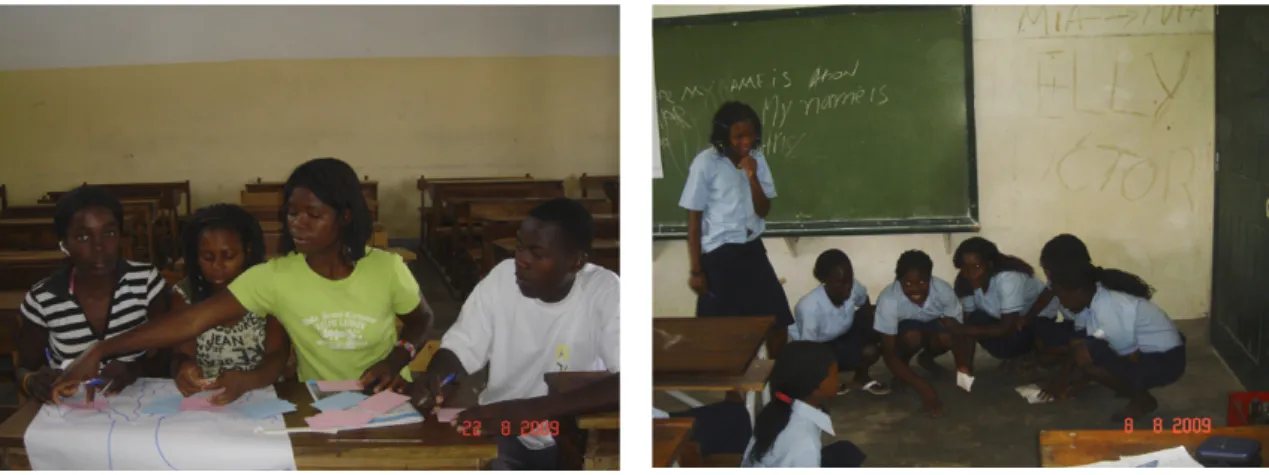
Figure 3.3 Students writing questions 76
Figure 3.4 ‘Ask a Doctor’ session 76
Figure 3.5 Participatory activities with primary school students 79
Figure 3.6 Students acting 79
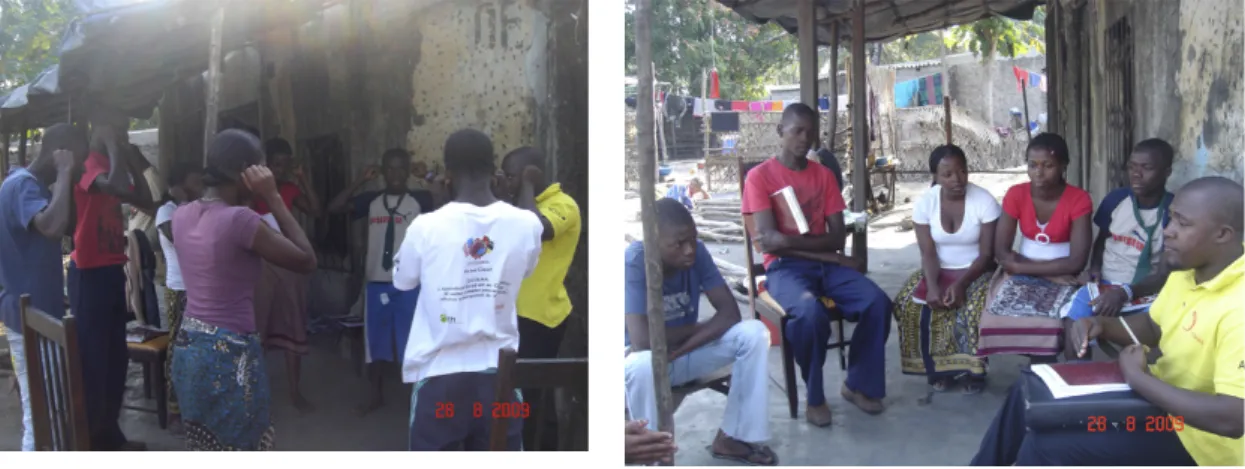
Figure 5.1 Female group working on female and male characteristics 132 Figure 5.2 A male student presenting group work 132
Figure 5.3 Group activity about feelings 154
Figure 5.4 Discussion about sex 154
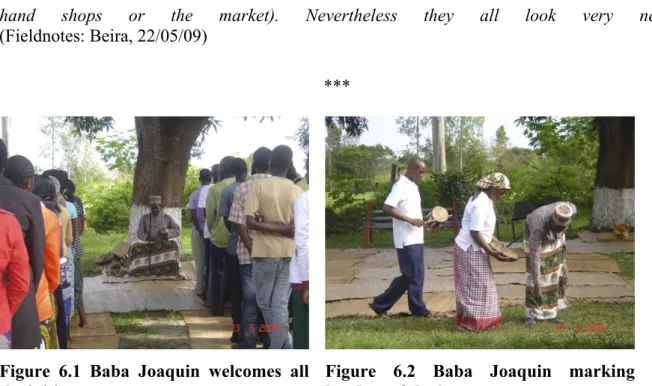
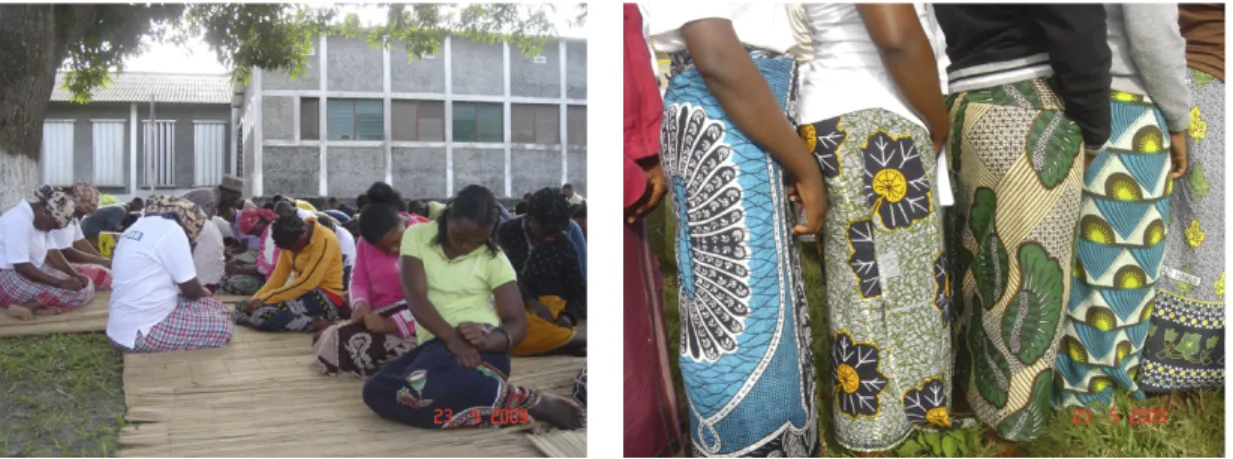
Figure 6.1 Baba Joaquin welcomes all the initiates 166 Figure 6.2 Baba Joaquin marking borders of the house 166 Figure 6.3 Girls practicing the perfect posture 167
Figure 6.4 Amended capulanas 167
Figure 6.5 Madrinha Sara instructing Manuela about body movements 178 Figure 6.6 Madrinha Sara shows how to use a bead belt to attract a
man
178
Figure 7.1 Gender activities 187
Figure 7.2 Initiation rites 189
Figure 7.3 Contraceptive methods 190
Figure 7.4 Women’s Sexual Rights 192
Figure 7.5 Pastor Munha preaching 210
Figure 7.6 Congregates receiving blessings from Pastor Munha 210
Figure 7.7 Margarita preaching for women 211
Acknowledgements
Writing acknowledgements is always complicated and unfair: there are always people who are not named and yet who contributed to the research process and to the writing of the thesis. For this reason I apologise beforehand to all those involved in this study who are not mentioned here. I would like, however to thank the following people for their exceptional contributions to the outcome of this study and to my personal growth.
As a PhD student I have been fortunate in having two supervisors who provided their expertise and support throughout this study. I would like to thank Professor Anna Robinson-Pant and Dr Nitya Rao for their thoroughness and inspiring comments, for their strict orientation, which forced me to improve the structure of my ideas and discipline my chaotic writing, and for their encouragement and inspiration when I needed it most. I am grateful to Professor Fiona Leach, who unwittingly provided me with the theme of this research, and to Dr Brigitte Bagnol for introducing me to an exciting new world of anthropology and for all our inspiring discussions.
I must also acknowledge the generosity of the University of East Anglia for funding this study. It would not have been possible to complete it without this financial support.
I owe my deepest gratitude to my dearest friend Marta, who inspired me to embark on a new chapter of my life, who opened her home in Maputo to me and supported me throughout this journey; to my friends in Beira, Judith and Dinu, who shared long evenings with me listening to my stories; to my old friend Przemysław for his invaluable intellectual contribution and encouragement; to my dear friends Maren and Sophie for unforgettable moments in Uganda and Norwich; and last, but not least, I thank Robert, whose moral support kept me going through the last stage of this thesis. Thanks too to all my other friends and to my family for living the field with me and supporting me in this and other projects. My parents and my sister have patiently waited for the completion of this work.
Finally, I am particularly thankful to the people I met in Mozambique, especially the young people who shared their stories with me, challenged my preconceptions and forced me to develop my ideas. To all of you I extend my deepest gratitude. This thesis would not have existed without the input of every one of you.
List of acronyms
AIDS Acquired Immunity Deficiency Syndrome
DPEC Direcção Provincial da Educação e Cultura (Provincial Department of the Ministry of Education)
EFA Education for All
EP1 Ensino Primário do 1o Grau (Primary Education 1st level: 1st- 5th grade)
EP2 Ensino Primário do 2o Grau (Primary Education 2ndlevel: 6th -7th grade)
EPF Escola de Professores do Futuro (Future Teachers’ College) ESG1 Ensino Secundário do 1o Ciclo (Secondary Education 1st level:
8th-10th grade)
ESG2 Ensino Secundário do 2o Ciclo (Secondary Education 2nd level:11th-12th grade)
ESSP Educational Strategic Sector Plan FDG Focus Group Discussion
GDP Gross Domestic Product
HIV Human Immunodeficiency Virus
IFP Instituto de Formação de Professores (Teacher Training College)
MEC Ministry of Education and Culture
MZN Mozambican Metical
ONP Organização National Professores (National Teachers Organisation)
PRA Participatory Rural Appraisal RRA Rapid Rural Appraisal
UEA University of East Anglia
UK United Kingdom
UN United Nations
UNESCO United Nations Educational, Scientific and Cultural Organization
UNICEF United Nations International Children’s Emergency Fund USD United States Dollar
Glossary
Expression Etymology Meaning
amante Portuguese boyfriend, lover
bairro (pl. bairros) Portuguese living quarter, the smallest administrative unit
capulana Undetermined sarong. A cloth wrap worn by local women. Can be found in all sorts of colours and patterns, often bearing national emblems or images of politicians
chapa Undetermined form of local transport,
usually a private minibus
chefe Portuguese leader, boss
conservador Portuguese conservator; in this
(pl. conservadores) context, conservator of
tradition
curandeiro Portuguese traditional healer
curanderismo Portuguese mind-body-spirit healing approach steeped in tradition and ceremony. It means to enhance
wellness at many levels; health, money, love and soul issues
lobolo or lovolo Bantu brideprice
machamba Swahili cultivation plot, field or
family farm
facilitator/mentor/initiatio n rites
matingi Bantu elongated labia
namorado Portuguese boyfriend, lover
padrinho Portuguese godfather; here
facilitator/ mentor/teacher of initiation rites
puixa-puixa Bantu local practice of
elongating vaginal labia
puta Portuguese prostitute
Ricinus Communis Latin castor oil plant
Transcription notation
Extracts from my fieldnotes are printed in italics (…) part of sentence omitted
…. a sentence or more omitted
[ ] my comments as observer of the scene
madrinha (words in italic): words quoted verbatim in Portuguese or Bantu languages in the thesis
Key persons
Brother Abilio: the youngest, lowest-ranking facilitator during the initiation rites
Baba Joaquin: a wise man who performed many important functions in the community. He knew the local culture and customs, plants and natural medicine. Baba is a title of rank in the local community: it means wise man and spiritual leader in the local language
Madrinha Maria: one of the facilitators of the local initiation rites
Madrinha Sara: a wise elderly woman who prepared local girls for marriage through initiation procedures
Mr Cujena: worked for a local association, Associação Projeto de Vida para Crianças e Jovens (APROVIDA), which works with other organisations such as Action Aid to campaign against violence against girls in schools and assists other projects to improve young people’s lives in the local area
Mrs Almeida: a coordinator responsible for gender and special programmes in the Direcção Provincial da Educação e Cultura de Sofala (Provincial Department of the Ministry of Education and Culture, Sofala)
Mrs Ibrahim: responsible for gender issues in the Organização National Professores (National Teachers Organisation)
Mrs Mendoza: the head of the Direcção de Programas Especiais (Special Programmes Department) of the Ministry of Education and Culture
Mr Fidelio: the head of the Beira branch of the Organização National Professores (National Teachers Organisation)
Mr Semo: worked in the Health and Education section of the Provincial Department of the Ministry of Education. He was responsible for implementation of the Geração Biz programme, which addresses young people’s issues around sex, sexuality and HIV/AIDS (http://www.unfpa.org/swp/2003/english/ch6/page4.htm)
Pastor Leo: the head of the Pentecostal Church in the province. I stayed with him and his family in the beginning of my fieldwork
Padre Paolo: one of the missionaries from South America who ran the missionary centre outside Beira (the place where the initiation rites were conducted)
Chapter 1
Introduction: concepts and aims 1. Introduction
Violence and the threat of it limits the choices open to girls and women and restricts their options in virtually all spheres of their lives, public and private – at home, in school, and in
most community spaces (for example, Krug et al., 2002; Leach and Mitchel, 2006; Pinheiro,
2006). Gender-based violence is of a mainly sexual nature and hinges on unequal power
relations between women and men. My experience of living in Mozambique and working in the local education sector led me to question whether unequal gender relations (as power relations) are preconditions for the gender violence that occurs across social institutions such as the family, community and school. In particular, I wanted to know how young people learn about gender, how their gender and sexual identities are shaped by various processes in structured and unstructured learning contexts in local institutions, and how this connects to gender violence in and around schools.1
1.1 The research journey
The direction of this research developed over time. It began with my experience at a teacher training college in Mozambique, where I worked from 1996 to 1997. As a teacher trainee I
went to Nampula Province in the north of the country for a teaching placement at the Escola
de Professores do Futuro (EPF) (Future Teachers’ College). I lived at the college with over 100 students and some of my colleagues. As it was one of the first colleges of this kind (in Mozambique), the students as well as the tutors came from different parts of Mozambique. Although not specifically set out as such, the EPF programme mainstreamed gender by promoting equality at all levels and included a gender sensitising course covering the unequal division of labour, sexuality and HIV/AIDS awareness. The students took part in running the school, and the allocation of their obligatory tasks challenged the traditional roles of women and men. Males, for example, cooked and cleaned, and females did maintenance and construction work. The school promoted female football, volleyball and basketball teams. Besides my role as a tutor, I helped students with practical chores at the school: gardening, construction work, evening activities, clubs, shopping, cooking and many others. During this period, together with my students I also had the opportunity to engage with education
2 processes in local schools and at the community level in various community projects and campaigns such as sensitising parents to the importance of sending their girls to school and promoting HIV/AIDS awareness. Based on the idea that teachers can and should be active promoters of development in rural areas, the college specifically trained teachers to work in rural areas.2
The programme laid great emphasis on gender equality and promoted equal roles for women and men. The education not only challenged students’ ideas about gender identities; it also put its views into practice and proved it was possible. At the time I did not question this situation myself, and I am not sure what the students thought about it. As far as I remember, they appeared to accept the rules, which I assume probably differed somewhat from those they were used to in their home communities.
Another important experience in this journey was learning about initiation rites, both collective and individual, for young people. In Chapter 6 I describe the rites I had the chance to observe during my fieldwork in 2008-2009. As I was exploring the importance of puberty rites, I found it problematic that international discourse views the rituals as ‘root causes for discrimination and violence against girls’ (Ras-Work, 2006: 2). While researchers have described initiation rites as a means of controlling women’s sexuality and hazardous to their lives (some involving extreme tattooing and/or genital mutilation) (WHO, 2008), in the local context, rites can be considered a positive and meaningful aspect of learning. Traditionally, initiation rites for both girls and boys were the main means of education, passing on not only indigenous wisdom but also practical knowledge about such subjects as sexual relations and reproductive health. Rites of passage, as I witnessed, consisted of one or more ceremonial events and were not mandatory for the girls and boys in the local community where I was living. As it appeared, in particular for female initiates, the rites contained instruction and/or tests of the young girl’s competence in womanhood, perhaps assuring the girl and those around her that she is ready to and capable of completing her future duties as a wife and mother, as well as her social roles within community. Male initiation rites, in turn, prepared boys for the role of leader and cabeça de família (head of the family).
As I discuss in Chapter 6, many parents and elders I met considered it important that young people were introduced to adulthood through the ceremony. In the literature, the educational aspect of rites of passage is stressed as being as valuable as formal schooling is in the West
(Mutisya, 1996). Rites of passage are viewed as more than a means of learning, however. They also offer continuity, linking young people with adults and the larger community (Arnfred, 2011). In this way they do not merely help to establish gender roles and communal identities (Mutisya, 1996). At the ceremonies I attended I became aware of their central role in socialising young people by establishing their role as female or male within their community (Lewis, 1988; Perkins, 1985; Warfield-Coppock, 1990).
Looking back at my journey, I see the importance of the two learning contexts – the school and community – in the process of establishing young girls’ and boys’ gender and sexual identities. Within the idea of continuity of learning, this research explores processes and practices through which gender identities are constructed and gender relations conveyed.
Given the fact that violence affects the lives of young people (for example, Krug et al., 2002;
Leach and Mitchel, 2006; Pinheiro, 2006), drawing the voices of girls and boys into the debate is central to my research. Because researching and documenting the incidence of gender violence is a difficult and sensitive task, I had to develop innovative methodologies to address the difficulties and ethical dilemmas involved. I adopted a participatory approach to explore my research questions together with the participants:
How is knowledge of gender and gender relations acquired?
How can gender relations (as power relations) affect gender violence?
By exploring the link between these two overarching questions, this study seeks to provide new insights into how gender and identity construction, and gender relations contribute to gender violence in the family, community and school, thereby enhancing knowledge of the phenomenon and suggesting future directions in advocacy against violence and better awareness of the issue, as well as possible research approaches. This section has presented my personal journey towards the framing of this doctoral research and the two research questions that guided me.
Before I outline the emerging issues from the literature on gender-based violence in and around schools internationally, from Sub-Saharan Africa (SSA), and particularly from Mozambique, the next section looks at different learning contexts and considers what people learn about gender and sexuality in structured and unstructured settings such as the family, community, school and church, how these learning processes forge the construction of gender and sexual identities, and what effect this may have on gender violence.
4
1.2 Gender construction across social institutions
The body of research demonstrates that learning in every community plays a key role in the formation of gender perceptions and roles within its cultural context (see for example, Dasgupta, 1998; Ampoto, 2001; Raffaelli and Ontai, 2004). This process, also considered as ‘socialisation’, enables individuals to adopt gender-specific behaviour, attitudes, and dispositional traits through life-long processes of learning and allocation that maintains gender role differentiation. As I go on to explore, family interactions, schools, churches, and mass media are the key means to construction of gender (and sexual) identities and roles, and shaping gender relations. In terms of my research, the rationale behind the idea of learning across social institutions and the media enables me to see learning as a continuum – a concept which I discuss in Chapter 4. As I am particularly interested in examining how young people construct gender and sexual identities in the context of the local community, it is necessary to examine different social domains. In this section I look at the processes within the family, community, church and school and through the media.
Family and community
For most people, the first primary relationships they establish and form are within the family – the institution which from the start is responsible for the initial construction of gender identities and roles. Traditionally in societies such as Mozambique, families have relied upon community-led learning (Beckwith and Fisher, 2002). In this context, young people can be exposed to a wide range of attitudes and beliefs that are desirable in females and males. The methods used in this type of non-formal learning are very different in nature from the traditional pedagogies used in formal education. Rather than learning ‘hard knowledge’ from textbooks, young people ‘learn by doing’, through learning experiences with their peers, voluntary work, dances, rituals, as well as through contributing to community life. Due to the participatory nature of the activities in community-led learning, young people take responsibility for their own learning and engage actively in the process.
The family continues to play a major role as a key institution in reproducing gender in the context of Mozambique. Arnfred (2011) describes how from the earliest age females and males are encouraged to engage in gender-specific activities and behaviours. While girls are expected to help their mothers with food preparation, cooking, fetching water and looking after smaller siblings as soon as they are able, boys have relatively few domestic tasks to perform (ibid). Arnfred (2011) argues that girls continually learn gender-suitable behaviour
from their female relatives, whereas boys are introduced to gender-appropriate comportment by their male relatives. As I explore in Chapter 4, gender is constructed through gender-specific activities and practices; through performance of every day routines (Bourdieu, 1977;
Butler, 1990), in this way forming individual’s habitus (Bourdieu, 1977). Individuals
‘perform’ gender by drawing on social rules for appearance, dress, mannerism, speech etc. In this way, ritualised practices that carry gendered meaning are embedded in various social situations. This draws our attention to the importance of context and makes it clear that gendered behaviours are variable according to the space and time.
School
My own experience of working in the education sector in Mozambique showed me that violence in schools cannot be divorced from the situation in the community and in the home. As a social institution, school, alongside the family and community, is an important site for the construction of gender and gender relations and reinforces socially prescribed inequalities.
Gender relations in school form part of the ‘hidden curriculum’3 and students’ informal learning through which their feminine, masculine and sexual identities are constructed and reinforced (Mac an Ghaill, 1996; Swain, 2004). Teachers usually maintain socially established norms and gender roles persisting at the community level (Leach and Mitchell, 2006). For example, in many African schools girls are responsible for domestic activities such as cleaning the classrooms and fetching water, while boys perform heavier duties such as chopping wood and digging the school fields (Dunne and Leach, 2005). These activities ritualise and embody the symbolic representation of gendered identities and segregation of gender roles in schools. As mentioned above, the programme at the teacher training college where I was based in the 1990s challenged the construction of gender relations within and beyond the institutional boundaries through daily procedures and structures, at the same time contesting the notion of the teacher’s superiority and dominance.
As I go on to explore in the following section, recent studies show that far from being a safe learning environment, schools can be sites of intolerance, discrimination and violence (Krug
6
et al., 2002; Pinheiro, 2006).4 Kabeer (1996) draws attention to social institutions that reproduce gender inequalities, which I discuss in depth in Chapter 4. She notes that as an institution and as part of society, school persists as a main element in the construction of gender identity and gender relations built on socially-approved inequalities. In this way, school as a social arena is characterised by asymmetrical power relations manifesting through knowledge, discourse, age and authority, as well as through institutional practices and structures. Implicit and explicit rules and codes, regulations and symbols embedded in the
school routine contribute to the construction of ‘gender regimes’ (Kessler et al., 1985). As I
explore in Chapter 4, Foucault (1977) argues that ‘disciplinary power’ reach into subjects through a complex structure of disciplinary regimes that regulate the body and mind. This, however, leads to contradictions and variations in practice, as I explore in the empirical chapters.
The authoritarian form of teaching prevalent in many educational systems in developing
countries grants teachers great power and respect (Dunne et al., 2003), sanctioning them to
normalise gendered behaviour by policing what is acceptable and what is not and denying pupils room for disobedience (Gordon, 1995). Authority in school can be identified in two ways. First, in relation to the way organisational authority is compounded by the hierarchy of age at play, particularly in social relations where children are governed culturally by a notion
of respect for their elders (Jewkes et al., 2005). The gendered nature of respect stands only to
further girls’ powerlessness, as it refers to the “patriarchal code of respect” (ibid: 1813). In a study in South Africa conducted by Jewkes and colleagues, a girl explains, “in my culture
children have no status, and if you are a girl child you have even less status” (Jewkes et al.,
2005: 1813).
In a number of studies (for example, Connell, 1996; Leach et al., 2003; Groes-Green, 2011)
school is similarly considered an arena for male students seeking to strengthen their status among their peers to demonstrate their dominance over female pupils. Girls are often subjected to violent sexual advances from boys within the school compound, particularly in student toilets and the school grounds, which are identified by Leach and Mitchell (2006) as unsafe areas. A study of a primary school in South Africa revealed the effect of violent masculinity on girls which, it reports, reflects a ‘fight for gender boundaries’ in the school
4 These two reports are the first comprehensive global studies of all forms of violence against children. They build on various empirical studies from around the world, for example Leach et al., (2000); Leach et al., (2003); Matavele, (2005).
grounds. In an atmosphere of fear, many of the girls chose to remain silent and their power to
resist was slight (Richter et al., 2004). Girls’ power and agency declined when violence and
the threat of violence constructed and limited everything they could do. Thus gender violence in schools occurs in a context of informal practices and institutional rules and structures. Moreover, it plays an important role in shaping students’ ideas, behaviours and attitudes. In this way school becomes a site for the construction and reinforcement of ‘the public performance of traditional heterosexual gender roles’ (Meyer, 2006: 47) supporting the notion of male superiority and authority (Leach and Mitchell, 2006).
Youth and media
Research from different parts of SSA show that the media has gained much significance in the region during the last decades (see for example, Crossfire, 2012; Mutula, 2012; Onyango, 2012). As technology standards improve (also in SSA) and the quest for information and knowledge grows, so does the significance of the media.
Research from the West suggests that these patterns are tied to broader trends in the changing structures of sociability, where we are seeing a move toward more individualized and flexible forms of engagement with media environments. Researchers have described this as a turn toward “networked society” (Castells, 2000), “networked individualism” (Wellman and Hogan, 2004), “selective sociality” (Matsuda, 2005), the “long tail” of niche media (Anderson, 2006), or a more tailored set of media choices (Livingstone, 2002). Youth practices have been an important part of the drive toward these more networked, individualized, and diversified forms of media engagement.
Although today’s questions about “kids these days” have a familiar ring to them, the contemporary version is somewhat unusual in how strongly it equates generational identity with technology identity. There is a growing public discourse (both hopeful and fearful) declaring that young people’s use of digital media and communication technologies defines a generational identity distinct from that of their elders. In addition to this generational divide, these new technology practices are tied to what Buckingham (2007: 96) has described as a “‘digital divide’ between in-school and out-of-school use.” He sees this as “symptomatic of a much broader phenomenon - a widening gap between children’s everyday ‘life worlds’ outside of school and the emphases of many educational systems.” Both the generational divide and the divide between in-school and out- of-school learning are part of enduring set
8 of questions about adult authority in the education and socialization of youth. The discourse of digital generations and digital youth posits that new media empower youth to challenge the social norms and educational agendas of their elders in unique ways. In my research context this takes the form of young people’s learning from television soap operas contrasting with what they learn from their elders, leading to a discussion of what constitutes the ‘right knowledge’.
As I go on to discuss in Chapter 5, mass media appears to play a significant role in influencing young people’s perceptions of the world around them, moulding their opinions, as well as helping them in constructing and defining their gender identity, sexuality and place in the community (Durham, 1999). However, as a powerful means of informal learning, the media is also responsible for controversies surrounding the way it portrays gender roles, gender identities, and sexual relations. This is especially true with regards to the way gender stereotypes are viewed and reinforced. There is growing concern about young people’s exposure to sexual content through television and other electronic media, and about the implications for their sexual attitudes, beliefs, and behaviours. Researchers have documented the growing prevalence of gender stereotyping, sexual portrayals and sexual behaviour in television media, as well as association between adolescents viewing patterns and their sexual attitudes (Bryant and Oliver, 2009; Gruber and Grube, 2000) Young people, in particular, are vulnerable as they tend to “compare themselves and significant others to people and images whom they perceive to represent realistic goals to attain” (Botta, 1999: 26). Because young people are inclined to see almost everything as realistic and attainable, they are more likely to emulate the images portrayed in the media. Botta (1999) would argue that girls and boys attempt to model themselves, both physically and through their actions, after the images from television and magazines. So, what influence does the media have on formation of gender roles among young people? Do young people accept and subscribe to everything they watch? The research from Mozambique also suggests that radio has a great potential for reaching young people. For example, radio programmes have been shown to be successful in introducing communication strategies for shifting sexual behaviour and HIV/AIDS control (Murthy, 2010). “Local programming featuring informative and educational programs that use drama and music performed in local language” has shown to be particularly effective reaching youth in rural areas (ibid). Furthermore, radio is a powerful means in the dissemination of information to large populations, in particular, in constructing ideas in
young people’s lives and “a sense of being connected to a larger peer network” (Arnett, 1995: 524).
As I have suggested above, each form of media plays a crucial role in influencing adolescents in different ways. Television, however, because of its prevalence in everyday life, is a central means of learning and information. In the context of Mozambique, while the access to written media (books, newspapers and magazines) was low, television, particularly in urban areas, seemed to have a huge significance in expanding knowledge about the world and social interaction. It was interesting to witness, for example, how young people in Beira used
Brazilian telenovelas (soap operas) in their search for self-identity and sexual relations. Also
how they translated the images and scenarios portrayed in the soap operas into their lives, self-image and gender relations.
By employing an ethnographic approach in my study I aimed to understand how media and technology can be meaningful to young people in the context of their everyday lives. Thus media and technology are viewed in the research as forms of informal learning, embodied in social and cultural relationships, providing possibilities for learning and social action (see for
example, Edwards, 1995; Hine, 2000; Ito et al., 2010).
Gender and Pentecostalism
Besides the formative influence of family and school, discussed above, religious institutions such as churches also affect attitude acquisition (see for example, Drogus, 1997; Soothill; 2007). My research shed new light on the prevalence of religious movements, including
Pentecostal5 churches, in the process of socialisation and construction of gender, and sexual
identities in the field site.
Recent scholarship has given increasing recognition to the role of Pentecostalism in shaping people’s private spheres (such as family and marital relations) and challenging gender relations. Pentecostalism, to some extent, has tried to both reinterpret and rethink traditional Christian beliefs and symbols concerning gender relations and power acquisition within the church leadership (Robbins, 2004). This can be observed in their theological constructions on
women’s involvement in community and church leadership. Discussions have been
5 The movement of Pentecostal (or ‘charismatic’) Christianity, although widely recognised to have only been emerging since the early 20th Century, has developed “to become the predominant global form of Christianity of the 21st century” (Casanova, 2001: 435). The key dimensions of Pentecostalism are characterised by a bodily spiritism, in which all believers have the ability to be blessed with gifts of the Holy Spirit and have experience of speaking in tongues (glossolalia), healing and receiving prophecy. In my thesis I use a broader term of Pentecostal with intent, for denominational loyalty and church
10 prominent in their inclusion of the gendered nature of the faith (both theologically but also as practised), mainly focusing on the extent to which it can be said to be ‘empowering’ for women (for example, Drogus, 1997; Brusco, 2010). Zents (2005), for example, argues that the power of the Pentecostal movement can influence the lives of women and provide an increased sense of self-esteem. Similarly, Drogus (1997) suggests that Pentecostalism offers women practical skills (for example literacy and numeracy) which in turn generate the possibility for participation in the public arena. According to Chesnut (1997), women seem to benefit from the engagement in non-traditional roles through the church, specifically through roles as evangelists and faith healers that offer new means with which women can publicly express themselves. In the context of my research I experienced this in the role of Margarita, Pastor Leo’s wife, who cared for widows and held ‘prayer group meetings’ in the local area (see Chapter 7). On the whole, the position of pastor’s wife seems to be an under-researched area in the charismatic movement. Soothill portrays the pastor’s wife as “the ever-present, well-dressed, self-confident, and loyal spouse” (2010: 88), and a “nodal power point for mobilizing and deploying female evangelical power” (Kalu, 2008: 153).
According to Soothill (2007) the Pentecostal church has undergone changes in restructuring traditional power and allowing female leadership and exercise of official authority by women in the churches. But how do women feel who succeed in gaining agency? According to Sjorup (2002) who has interviewed Chilean women living in poverty, they felt empowered to achieve positive change in their selves and their communities. As she argues “Pentecostalism led to a new theology where the believer became the subject of her own life. Social ascent was made through ecstatic experience of the Spirit in a caring community which directed the individual towards a ‘female ethos’” (ibid: 24).
Although Pentecostalism has been presented as engendering beneficial, sometimes ‘empowering’ and life changing effects for women, Drogus (1997) points to its ambiguity – later described as ‘the Pentecostal Gender Paradox’ (see for example, Lorentzen and Mira, 2005; Martin, 2002). Brusco (2010) also observes that whilst women represent the great majority in Pentecostalism, the church still fails to address the subordinate position of women.
Central to Pentecostal Christianity is the transmission of behavioural expectations and construction of gender identity as I examine in Chapter 7. Pentecostalism follows biblical literalism that stresses the subordination of wives to their husbands. Clearly, the ideas
represented in churches reflect the views from the Bible, for example, Ephesians 5:23: ‘Now as the Church is subject to Christ, so must wives be to their husband in everything’ (Burdick,
1993:109). Women, however, must only submit to a husband if he too obeys God and thus
Pentecostal Christianity has been termed “patriarchy in the last instance” (Smilde, 1997: 347). In this kind of patriarchy, women see themselves as answering to God not to the men in their lives (ibid). In my research, clerics took different approaches to communicating beliefs about gender and gender relations, sexuality and sexual relations. Nevertheless their role was crucial in shaping believers’ perceptions as well as in reinforcing already existing (gender) beliefs rooted in the community as I discuss in Chapter 7.
Despite the patriarchal social order, Pentecostal churches demand certain male behaviour and expect men to support their families (Pfeiffer et al., 2007). Regarding gender roles, the Pentecostal church reflects what is understood by ‘traditional family values’ (ibid). As such, women’s roles are associated to the home and church. Although non-traditional roles for women are not discouraged, they are regarded as secondary to a woman’s primary role as
helpmates to men (Pfeiffer et al., 2007; Brusco, 2010). Clearly, as discussed earlier, this view
has been changing as women have been taking up responsibilities and leadership roles in Pentecostal churches. When it comes to male gender roles, on the other hand, they are seen strictly as providers, leaders and heads of the family (ibid).
In terms of Pentecostal influence on marital relations and economic behaviour, it has been argued that after men convert to Pentecostalism, the material well-being of the whole household, and particularly of wives improves (for example, Brusco, 2010; Pfeiffer et al., 2007). For example, a study from Mozambique suggests that neo-liberal economic policies have caused the poor to experience not only general financial insecurities but also increasing “intrahousehold gender conflict” (Pfeiffer et al., 2007: 689) with men having more control over household resources. Thus the Pentecostal Church has drawn women, who feel they gain ‘more agency’ (in terms of choice and control) through ‘participatory’ worship practices that promise financial and corporeal ‘miracles’ (Pfeiffer et al., 2007).
In this section I have discussed how young people learn in different contexts of formal, non-formal and innon-formal contexts of learning. As I have suggested above, this investigation into the link between gender construction and violence against girls and young women needs to be broadened to take into account the structural construction of gender and gender relations inherent in social institutions and how these are conveyed/communicated. This section has
12 also looked into the informal means of learning such as the media, discussing how young people are using the media and the implications for learning. Drawing on the literature on gender-based violence, in the following section, I explore the complexities of the issue and its characteristics in different socio-cultural contexts.
1.3 Situating the study of gender violence in and around schools
The main aim of this section is to situate my study within the wider field of research on violence against girls and young women. I start this exercise by exploring the concept of ‘gender violence’ which informs this study. Then I move on to map out the wider field, and engage critically with existing research on gender violence in the global context, in the SSA region and more specifically in Mozambique. By examining the debates on concepts, forms, nature and influencing environment behind gender violence I consider how my study contributes to existing studies.
1.3.1 Defining gender violence: theoretical debates
Violence is a complex and contested concept. In this section I offer a discussion of how different conceptualisations and approaches to understanding violence have resulted in different kinds of research and action.
The Declaration on the Elimination of Violence Against Women (DEVAW) adopted by the United Nations General Assembly in 1993, was the first international document which defined violence against women within a broader gender-based framework and identified the family, the community and the state as major sites of gender-based violence. It is within this conceptualisation that I situate my study:
Any act of gender-based violence that results in, or is likely to result in physical, sexual or physiological harm or suffering to women, including threats of such acts, coercion or arbitrary deprivation of liberty, whether occurring in public or private life (48/104, UN, 1993)
In my research I explore ‘gender violence’ through drawing on the gender-sensitive framework of Dunne and colleagues (2003). Using this approach, violence can be identified as: any explicit form of sexual act, intimidation, abuse, assault or rape – with explicit
gendering, and implicit practices reinforcing gender inequality including verbal and
psychological abuse, corporal punishment, bullying and other forms of hostile acts (ibid). Implicit forms of violence are usually difficult to identify and address as they are assumed to
be a ‘natural’ part of social relations in the institution (Dunne et al., 2003). Mirsky (2003) points out that abuse can be coercive without being physical – an important note to make, given that some of the abuse I will refer to in the context of my research, was in fact not physically violent. Bourdieu offers an extension of the term ‘implicit violence’ to include various modes of “the verbal and non-verbal cues which designate the symbolically dominant position” (2001: 34). For Bourdieu “understanding ‘symbolic’ as the opposite of real, actual, people suppose that symbolic violence (…) has no real effects” (2001: 34). Thus much of this violence manifests itself through means of social or cultural domination, for example, gender relations across social institutions.
While the division into ‘implicit’ and ‘explicit’ violence is used to refer to the gender/sexual context of violence (and not merely to the forms of abuse), it also emphasises the gendered violence of institutional practices. Although the literature offers different definitions around what constitutes violence in the school context (Dunne et al., 2003)6, certain common characteristics are to be found. Common forms of violence perpetrated by both teachers/school staff in schools, and parents/caregivers and/or ‘sugar daddies’ in communities include corporal punishment and other humiliating forms of punishment, and sexual and gender-based violence (for example, Leach and Mitchell, 2006; Pinheiro, 2006; WHO, 2002). Among children, violence includes bullying, sexual abuse, schoolyard fighting, gang violence, assault with weapons, and more recently, bullying’ as one form of ‘cyber-violence’ (Shariff and Gouin, 2006: 33). Both adults and children may use verbal abuse, for example by making derogatory personal comments, through insults, intimidation, public humiliation, and ridicule (Dunne et al., 2006).
While there has been a growing body of scholarship on the range and scale of different forms of violence in schools and communities worldwide, little attention has been paid to the social environments that can have an effect on violence (USAID, 2006). Parkes (2007; 2009) notes that the social context of violence, though important, can be easily overlooked - drawing our attention to the physicality of violent acts instead. Hence, locating the analysis of gender violence specifically within the context of the school’s culture, structures and processes helps to get a deeper understanding of the issue (Dunne et al., 2006).
14 In tracing the ways in which gender violence has been researched, I have realised that to date none of the studies in Mozambique have explored the means of the construction of gender, and the ways in which these processes contribute to gender violence. Beside extending previous studies by examining the social context of violence, my research seeks to identify the links between the processes of gender construction, and implicit and explicit acts of violence. Drawing on theoretical conceptualisations of gender, subjectification, agency and power, the study considers the implications of gender specific practices and gender violence in the home, community and school. As becomes apparent in the following sections, violence against girls can be understood in different ways and occurs in different forms.
1.3.2 Understandings of gender violence in the global context
The main purpose of this section is to review the analytical frameworks, conceptualisations and tools for ‘understanding’ gender violence that informed my research design and analysis. I thus consider the approaches that previous studies adopted to investigate the issue, rather than aiming to present specific research evidence from these studies.
Increasing reports of gender violence from around the world illustrate that gender abuse is most likely to take place in both public and private spaces, such as home or school, and be
perpetrated by someone known to the victim (Mirsky, 2003; Dunne et al., 2006; UN, 2006).
The studies investigate schools where coercion and sexual harassment are experienced most commonly (Burtun, 2005; Leach and Mitchell, 2006). Further to this, in most cases, sexual abuse occurs by male teachers towards female students or by older male students towards
younger female students (Mirsky, 2003; Leach and Mitchell, 2006). However, it is important
to point out that sexual abuse is not limited to male students and teachers abusing female students. Some researchers look into abusive relationships between male teachers and female teachers, female teachers and male students, male teachers or students who abuse male students, as well as boy-on-boy, girl-on-girl, and girl-on-boy violence (Dunne et al., 2006; Leach and Mitchell, 2006).
Much research focusing on sexual abuse in the school context has been small scale and regional, with the majority of studies being conducted in SSA but it would be wrong to assume that gender violence is therefore a problem specific to that region. Studies conducted in schools in SSA have investigated why female students face rape on the way to and from school as well as sexual harassment, assault from their male classmates and teachers (Mitchell and Mothobi-Tapela, 2004; Parkes and Heslop, 2011). Worrying statistics show a
clear link between sexual abuse in schools and high female drop-out rates (Human Rights Watch, 2001; MRC, 2003). Teachers usually ignore or dismiss the suggestion about having sex with their students, although the evidence tells about teachers offering high grades, exam passes or gifts in exchange for sex (Leach and Mitchell, 2006). At the same time, researchers
ask why there is reluctance among girls and their parents to report incidents (Jejeeboy et al.,
2005).
Evidence from the West shows somewhat different trends and research focuses on issues of peer pressure expressed in the form of intimidation, ostracism or verbal abuse, and in some cases, physical abuse (Kehily, 2003; Renold, 2002). For example, research from North America and Australia explores the issue of gendered harassment including homophobia, heterosexual harassment and harassment for gender non-conformity, as illustrations of an aggressive and hostile climate (see for example, Kosciw and Cullen, 2002; Martino and Pallotta-Chiarolli, 2003; Meyer, 2006). Research on the issues of “intra and inter-gender bullying” (Duncan, 2006: 51) in British schools focuses on girls’ agency in violence and aggression against other girls. Duncan’s work illustrates destructive behaviour in the form of emotional violence, “exclusion and ‘othering’ by the vociferous and powerful majority” (Duncan, 1999: 55). The studies also explore how and why girls engage in sexual competition and other hostile forms of femininity, for example stealing other girls’ boyfriends (ibid). Beyond sexual abuse and other types of explicit violence, a wide range of implicit forms of violence are to be found in schools and communities. Research from around the world explore why corporal punishment is often accepted as normal within private domains (in the home and family) and as part of institutional life (Dunne et al., 2003; Pinheiro, 2006). Obedience is closely associated with learning, and disobedient children are assumed not to be learning (Soneson, 2005). Studies from Botswana have investigated disciplinary sanctions
which are usually considered necessary when students resist authority (Dunne et al., 2005).
Corporal punishment is assumed as implicitly gendered because of the way it is administered. For example, boys often receive disciplinary sanctions more frequently and harshly than girls, but disciplinary sanctions may also be used as the threat to girls who do not give in to sexual requests (Dunne et al., 2003; UN, 2006). Despite corporal punishment being outlawed in many countries, numerous reports document examples of its use and abuse in Pakistan (UNICEF, 2001), Nepal (Save the Children, 2003), India (UNICEF, 2001) and Kenya (Save the Children, 2005; Parkes and Heslop, 2011).
16 While sexual abuse is similar around the world and always occurs in the environment of acceptance of gender inequalities and violence, it can manifest itself differently in different parts of the world. In South Asian countries, researchers have been examining honour killings and acid attacks which are usually the result of family or land disputes, dowry demands or rejection of marriage proposal (Coomoraswany, 2005; Pinheiro, 2006). During acid attacks that often happen on the way to/from school or to collect water, the girl’s head and/or face are disfigured to destroy marriage prospects and dishonour their families (ibid). Child marriage, recognised as one of various harmful traditional practices, occurs in the Middle East, South Asia, and some countries in East and Southern Africa – for example in Kenya, Ghana and Mozambique (Parkes and Heslop, 2011) or Yemen (UNICEF, 2005). Korbin notes that “child sexual abuse is best conceptualised as the disruption of expected roles, relationships and behaviours” (1990: 4). However, as she points out, there are contexts within which sexual contact with children is accepted in traditional practices such as in initiation rites or marrying child brides (Korbin, 1990). A recent study with schoolgirls in Kenya also investigated whether female genital mutilation is still practised among pastoral communities (Parkes and Heslop, 2011).
In SSA, the HIV/AIDS epidemic has also resulted in research on transactional sex, or sex between usually a younger girl and an older man – ‘sugar daddy’ – in exchange for money or
goods (Leach et al., 2003; Moore et al., 2007). As much of this work highlights, this type of
abuse blurs the line between coercive and consensual sex. Studies from Latin America meanwhile, suggest that sexual abuse occurring there is more complex and violent than in Africa, often within a gang and drug culture (Barker, 2005).
In the context of emerging new technologies and social media, researchers have also investigated their influence on gender relations and gender violence. According to Shariff and Gouin (2006) cyber-bullying is a new, implicit form of violence, particularly among young people in North America. Barak (2005) notes that online sexual harassment usually includes insulting sexual messages, offensive (sex related) nicknames, pornography, unwanted sexual desires or intentions. Cyber-violence is virtual, yet it can have a significant impact on students’ psychological wellbeing, hence distracting them from learning (Shariff and Gouin, 2006).
Globalisation and development have been a focus of researchers’ attention in terms of investigating how they can bring about new forms of abuse. Access to modern technology
and mass media has been used in victimisation, name-calling and social exclusion by/of youth. While cyber-bullying has been becoming a serious societal and educational concern in the West, other context-specific forms of violence seem to emerge in developing countries. Transactional relations between young girls and sugar daddies, for example, reflect the complexities of ‘exchange’. While it is difficult to determine to what extent men take advantage of girls’ lack of economic resources, some girls appear to be able to negotiate safe sex, material gains or other benefits. The emergence of agency among girls, as a reaction to the changing nature of economic and social structures, points to restructuring of gender relations (McNay, 2000) which I will return to in Chapter 4.
From the above review of a growing body of scholarship on violence against girls, it is clear that the focus has been on the nature of acts of violence and individuals, on gender-based violence across institutions and social relations, and on interactions. The evidence from around the world has been capturing the multiple forms that violence takes. Changing modes of abuse can be seen to reflect unequal gender relations intertwined with other inequalities such as age, socio-economic and ethnic background, and sexual orientation. The growing issues of peer pressure through intimidation, homophobia, and other forms of gendered harassment have been observed in schools in the West.
The changing ‘environment’ of abuse has made me reconsider the division into the explicit and implicit forms of violence that I started out with. From the above examples it is apparent that forms of abuse have been converging and becoming more complex due to new means of communications, thus more difficult to classify as implicit or explicit. The boundaries become obscure as much of this violence takes place within the context of family, community and school and it manifests through means of social or cultural domination.
As discussed above, while the learning environment has been changing, the forms of gender abuse have been shifting too. This led to my interest in investigating the recent work on pedagogies and learning processes within formal, non-formal and informal learning and seeking the link with gender violence. I was particularly concerned about tensions, conflicts and subjectivity and connections between different sites of learning.
Following the examples of different studies from around the world, this section provides new insights into theoretical concepts of power relations, gender subjectivities and agency which are important for ‘understanding’ gender violence. For example, agency examined in the studies on transactional sex show that some girls are able to negotiate relations with sugar