Information Technology
Critical Infrastructure and Key Resources
Sector-Specific Plan as input to the
National Infrastructure Protection Plan
May 2007
Information Technology Sector Government
Coordinating Council Letter of Concurrence
The National Infrastructure Protection Plan (NIPP) provides the unifying structure for the integration
of critical infrastructures and key resources (CI/KR) protection efforts into a single national program.
The NIPP provides an overall framework for integrating programs and activities that are underway
in the various sectors, as well as new and developing CI/KR protection efforts. The NIPP includes 17
sector-specific plans (SSPs) that detail the application of the overall risk management framework to each
specific sector.
Each SSP describes a collaborative effort between the private sector; State, local, and tribal governments;
nongovernmental organizations; and the Federal Government. This collaboration will result in the
prioritization of protection initiatives and investments within and across sectors to ensure that resources
can be applied where they contribute the most to risk mitigation by lowering vulnerabilities, deterring
threats, and minimizing the consequences of attacks and other incidents.
Over the past year, the Department of Homeland Security (DHS) worked closely with members of
the Information Technology (IT) Government Coordinating Council (GCC), including representatives
from the Departments of Commerce, Defense, Justice, State, and Treasury, the Office of the Director of
National Intelligence, the Office of Management and Budget, and the National Association of State Chief
Information Officers, to develop the IT SSP in partnership with the IT Sector Coordinating Council
(SCC). GCC members contributed time and expertise to develop and finalize the IT SSP and will:
• Support the concepts and processes outlined in the IT SSP to carry out their assigned functional
responsibilities regarding the protection of CI/KR as described herein;
• Work with DHS, as appropriate and consistent with their own agency-specific authorities, resources,
and programs, to implement programs that enhance CI/KR protection;
• Cooperate and coordinate with DHS, in accordance with guidance provided in Homeland Security
Presidential Directive 7, as appropriate and consistent with their own agency-specific authorities,
resources, and programs, to facilitate CI/KR protection;
• Develop or modify existing interagency and agency-specific CI/KR plans, as appropriate, to
incorporate concepts and actions outlined in the IT SSP; and
• Develop and maintain partnerships for CI/KR protection with appropriate State, regional, local, tribal,
and international entities; the private sector; and nongovernmental organizations.
DHS looks forward to continuing to work in partnership with IT GCC and IT SCC representatives and
other Sector security partners on the implementation of the IT SSP.
Sincerely,
Robert B. Stephan
Gregory Garcia
Assistant Secretary for
Assistant Secretary for Cyber Security
Infrastructure Protection
and Communications
National Protection and Programs Directorate
National Protection and Programs Directorate
Department of Homeland Security
Department of Homeland Security
December 29, 2006
The Honorable Robert B. Stephan
Assistant Secretary for Infrastructure Protection
U.S. Department of Homeland Security
Washington, D.C. 20528
Subject: Letter of Coordination, Information Technology Sector Specific Plan
Dear Mr. Assistant Secretary:
The members of the Information Technology (IT) sector, organized through our Sector Coordinating
Council, the IT-SCC, share a commitment to improving America’s homeland security through our
stewardship of critical technology infrastructures. Furthering our public-private partnership with
the Department under the framework of the National Infrastructure Protection Plan (NIPP), in 2006,
members of the IT-SCC voluntarily organized to work with the government to develop an IT-Sector
Specific Plan (SSP). IT-SCC members committed substantial resources, and working together with DHS’
National Cyber Security Division (NCSD), we developed a plan document that details improvements
that will enhance national capabilities for (1) prevention and protection through risk management,
(2) situational awareness, and (3) response, recovery and reconstitution of America’s information
technology infrastructure. The resulting plan represents the most comprehensive joint planning effort
undertaken by IT-Sector public-private security partners.
Having built consensus for the key elements of the plan, the IT-SCC believes that the document’s
goals and objectives—while ambitious—chart a course for long-term collaboration with the Federal
government, including the Department of Homeland Security. The IT-SSP identifies important specific
opportunities for collaborative efforts between and among the private sector, State, local and tribal
governments, nongovernmental organizations, and the Federal Government. By working together,
private and public IT-sector security partners can prioritize protective initiatives and investments
within and across sectors. Such collaboration can ensure that limited government resources are
applied effectively and efficiently. Over time this will mitigate risks by reducing vulnerabilities,
deterring threats, and minimizing the consequences of incidents. Creating a value proposition for both
government and private sector participation in this process is critical to fostering increased resilience
across shared infrastructures and the supply chains that enable critical IT Sector functions.
Achieving the goals and objectives of the SSP will present some challenges for both public and private
security partners. For example, determining, identifying, and obtaining the necessary resources
required to perform national level risk assessments of critical IT sectors functions, enhance incident
response programs, or develop new programs to support recovery and reconstitution will require
working closely with Congress, to prioritize DHS programs (or eliminating unnecessary programs) to
meet the agreed upon objectives of the SSP. Similarly, private enterprises will work to develop business
cases to make investments of time and resources of their own in support of SSP objectives.
Of particular importance to our sector and this Plan in relation to the companion documents developed
by our peer Critical Infrastructure sectors is our approach to the identification of sector facilities in the
National Asset Database (NADB). IT-SCC members appreciate DHS’ recognition that the unique and
virtual nature of critical IT-sector functions do not translate easily into NADB entries. The criticality of
sector functions is situational and dependent on their utilization. Accordingly, the sector is generally
focused on a threat-scenario-driven risk assessment approach to ascertaining IT Sector Critical Functions
and sub-functions, rather than simply cataloging specific or generic assets owned or operated by
individual sector members. Any information entered into the NADB should reflect this industry-led,
top-down risk assessment approach based on the identified Sector Critical Functions, and be based upon
the decision of individual industry owners and operators acting in cooperation with the Department
and other agencies. Through the implementation of the IT SSP risk management process, the IT Sector
will work with DHS to understand and protect systems, networks, and functions which have unique
characteristics or play essential roles in ensuring national and economic security and public health,
safety, and confidence.
The members of the IT community, represented by the IT-SCC, will continue to work with DHS, its
other government partners (federal, state, local, and tribal) and other security partners to develop and
implement the recommendations embodied in this initial iteration of the IT-SSP. It is hoped that this
collaboration will result in assessments of risk to IT architectures and functions in a way that will help
better prioritize protection initiatives and investments within the sector. The members of the IT-SCC,
while sharing the goals expressed in the plan, recognize that by our sector’s consensus participation in
the NIPP/SSP process, no specific commitment of individual action can be made.
Thank you for your continued support of the IT Sector as we mobilize our constituencies around
critical infrastructure protection. We look forward to working in this partnership and to future
interaction with the other Sector Coordinating Councils both bilaterally and via the Partnership for
Critical Infrastructure Security.
Sincerely,
Information Technology Sector Coordinating Council
Guy Copeland
Michael Aisenberg
Chairperson
Vice Chairperson
cc: The Honorable Gregory T. Garcia, Assistant Secretary for Cyber Security & Telecommunications, U.S. Department of Homeland Security
Members of the IT-SCC Executive Committee:
Guy Copeland, Computer Sciences Corporation, Chairperson Michael Aisenberg, VeriSign, Vice Chairperson
Larry Clinton, Internet Security Alliance (ISA), Treasurer Robert B. Dix, Jr., Juniper Networks, Inc., Acting Secretary David Barron, BellSouth
Ken Watson, Cisco Systems, Inc. Phil Reitinger, Microsoft Corporation (Vacant), Unisys Corporation
Howard A. Schmidt, R & H Security Consulting LLC
Jerry Cochran, Information Systems Security Association (ISSA) Liesyl Franz, Information Technology Association of America (ITAA) James Bean, Verizon, Communications SCC Liaison
Designated Representatives of the IT-SCC Members: Bell Security Solutions Inc.
BellSouth Corporation CA, Inc
Center for Internet Security Cisco Systems, Inc.
Computer and Communications Industry Association
Computer Sciences Corporation Cyber Security Industry Alliance
(CSIA)
Computing Technology Industry Association
EWA Information & Infrastructure Technologies, Inc.
Electronic Industries Alliance (EIA) Entrust, Inc.
IBM Corporation
Information Systems Security Association (ISSA)
Information Technology Association of America (ITAA)
Intel Corporation
Information Technology - Information Sharing & Analysis Center (IT-ISAC) International Systems Security
Engineering Association (ISSEA) Internet Security Alliance (ISA)
International Security Trust and Privacy Alliance (ISTPA) KPMG LLP
Lockheed Martin McAfee, Inc.
Microsoft Corporation NTT America
R & H Security Consulting LLC Seagate Technology
Symantec Corporation U.S. Internet Service Provider
Association (USISPA) Unisys Corporation VeriSign
Executive Summary
1
Sector Background and Goals 2
Risk Management 2
Develop and Implement Protective Programs 3
Information Sharing 3
CI/KR Protection Research and Development 4
Managing and Coordinating Sector Responsibilities 4
Implementing the SSP and Tracking Progress 4
Introduction and Purpose
5
Document Organization 7
1. Sector Profile and Goals
9
1.1 Definition 9
1.2 Scope 10
1.3 Sector Security Goals and Objectives 11
1.4 Partnering for Security 12
1.5 Authorities 15
1.6 Actions 15
1.6.1 Near Term (~1 year) 15
1.6.2 Long Term (1-3 years) 16
2. Risk Management
17
2.1 Background of the IT Sector’s Risk Environment 18
2.1.1 Various Entities’ Risk Management Approaches 18
2.2 Developing an IT Sector Risk Profile 19
2.2.1 National IT Sector Risk Management Approach 20
2.3 Identifying Critical Functions 20
2.3.1 Screening and Assessing Consequences 20
2.3.2 Decomposing Critical IT Sector Functions 22
2.4 Assessing Threats, Vulnerabilities, Consequences, and Mitigations 22
2.4.1 Analyzing Threats 22
2.4.2 Assessing Vulnerabilities 23
Table of Contents
2.4.3 Evaluating Consequences 24
2.4.4 Identifying Mitigations 24
2.5 Prioritizing for the IT Sector Risk Profile 25
2.6 Risk Management Information 26
2.7 Actions 27
2.7.1 Near Term (~1 year) 27
2.7.2 Long Term (1-3 years) 28
3. Develop and Implement Protective Programs
29
3.1 Current IT Sector Protective Programs 29
3.2 Identification and Implementation of New Protective Programs 31
3.2.1 Establish a Protective Program Working Group 31
3.2.2 Determine Needs and Capabilities 31
3.2.3 Identify Protective Actions 32
3.2.4 Develop an Implementation Plan 32
3.3 Protective Program Performance 32
3.4 Actions 33
3.4.1 Near Term (~1 year) 33
3.4.2 Long Term (1-3 years) 33
4. Information Sharing
35
4.1 Types of Information 35
4.2 Information Originators and Users 37
4.3 An Enhanced IT Sector Information Sharing Framework 39
4.3.1 Information Sharing Focal Points 40
4.3.2 Policies and Procedures for Sharing and Reporting Incidents 41 4.3.3 Procedures for Protecting and Disseminating Sensitive Proprietary Industry Information 41 4.3.4 Access to Classified and Sensitive But Unclassified (SBU) Government Information 42 4.3.5 Mechanisms for Communicating and Disseminating Information 43
4.4 Actions 43
4.4.1 Near Term (~1 year) 43
4.4.2 Long Term (1-3 years) 45
5. CI/KR Protection Research and Development
47
5.1 Current IT Sector Research and Development 47
5.2 IT Sector R&D Priorities 48
5.3 Coordinating IT Sector R&D Priorities 49
5.4 Actions 51
5.4.2 Long Term (1-3 years) 51
6. Managing and Coordinating Sector Responsibilities
53
6.1 Program Management Approach 53
6.2 Processes and Responsibilities 53
6.2.1 SSP Maintenance and Update 53
6.2.2 Annual Reporting 53
6.2.3 Resources and Budgets 54
6.2.4 Training and Education 54
6.3 Roles and Responsibilities 56
6.3.1 Sector-Specific Agency 56
6.3.2 IT Sector Coordinating Council 57
6.3.3 IT Government Coordinating Council 57
6.3.4 Shared Cross-Sector Cyber Security Responsibilities 58
6.4 Actions 58
6.4.1 Near Term (~1 year) 58
6.4.2 Long Term (1-3 years) 58
7. Implementing the SSP and Tracking Progress
59
7.1 Tracking Progress Challenges 59
7.2 Measurement Overview 59
7.3 Measurement Approach 60
7.4 Goals and Objectives Measurement 60
7.5 Activities Implementation 62
7.6 Reporting on Progress 63
7.7 Actions 64
7.7.1 Near Term (~1 year) 64
7.7.2 Long Term (1-3 years) 64
Appendix 1: List of Acronyms and Abbreviations
65
Appendix 2: Authorities
69
Homeland Security/National Security IT Authorities 69
National Strategies 71
Management and Acquisition of Federal Government Information Technology 72
Information Technology Audit-Related Authorities 73
National Preparedness and Response Authorities Related to Information Technology 74
Information Technology Communications Related Authorities 74
Information Technology Privacy Authorities and Information Protection Related Authorities 74
International Standards and Guidelines 75
Appendix 3: Common Risk Management Frameworks
77
Appendix 4: IT Sector-Related Protective Programs
79
Appendix 5: Action Items
89
List of Figures
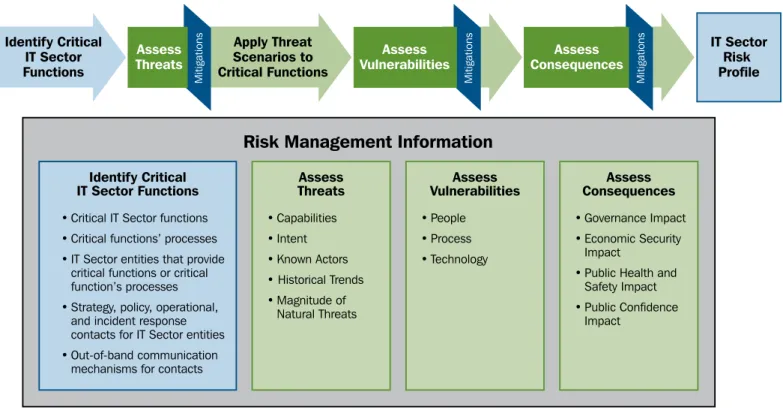
Figure 2-1. Developing the IT Sector Risk Profile 19
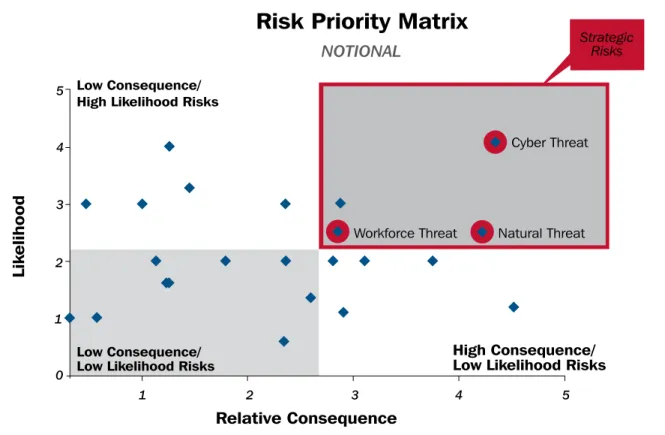
Figure 2-2. Notional Risk Priority Matrix 25
Figure 2-3. Risk Management Information 26
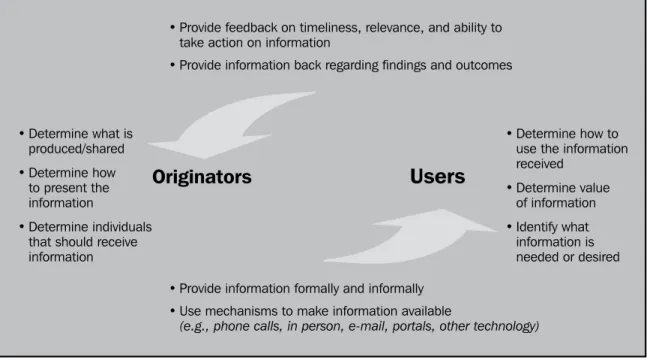
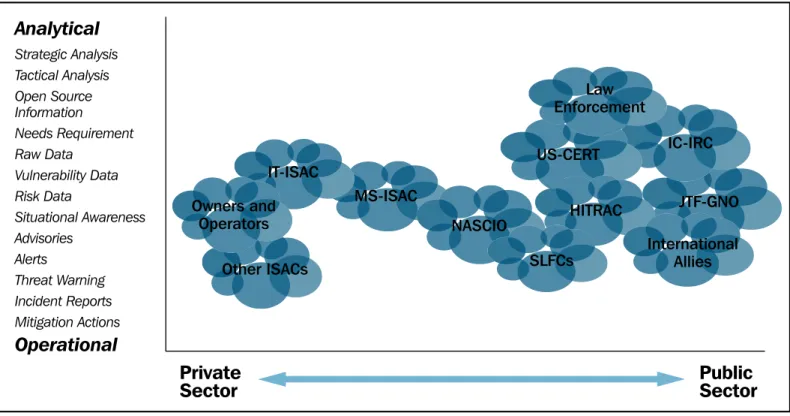
Figure 4-1. Information Flows 37
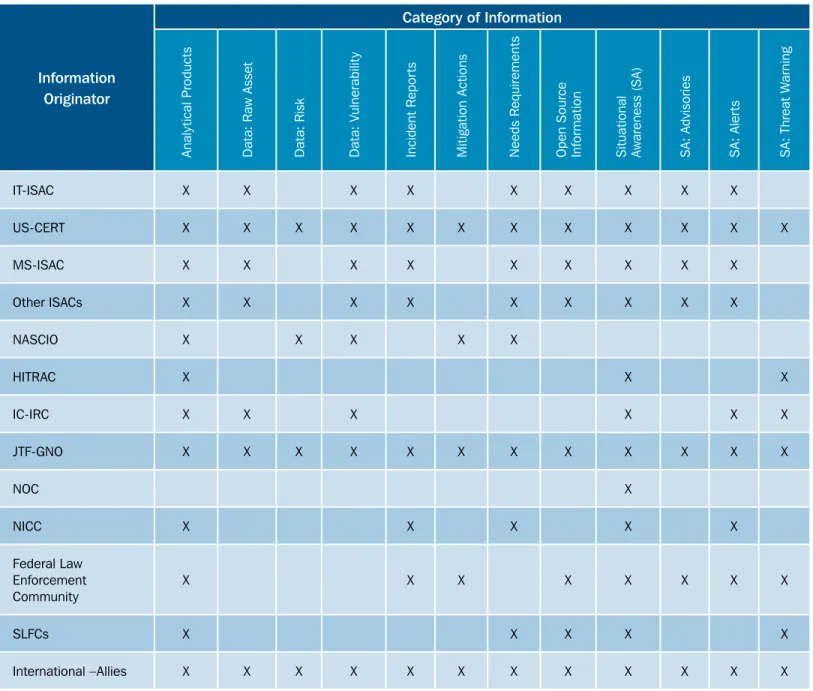
Figure 4-2. Notional Relationship Among Security Partners and Types of Information 39
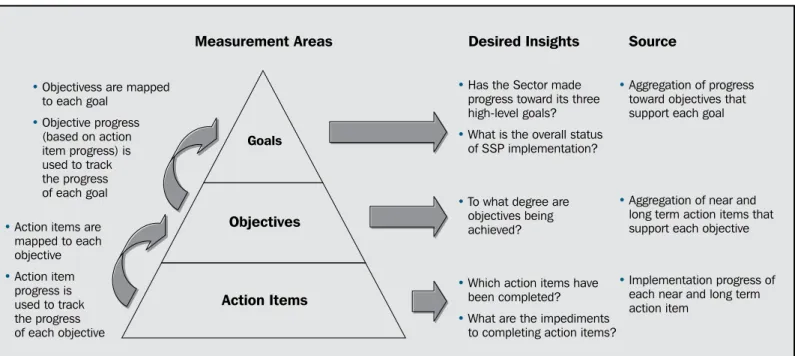
Figure 7-1. IT Sector Measurement Approach 60
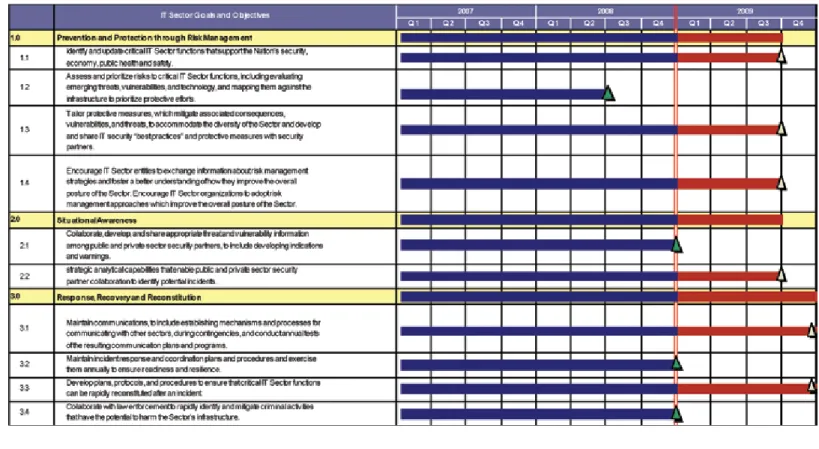
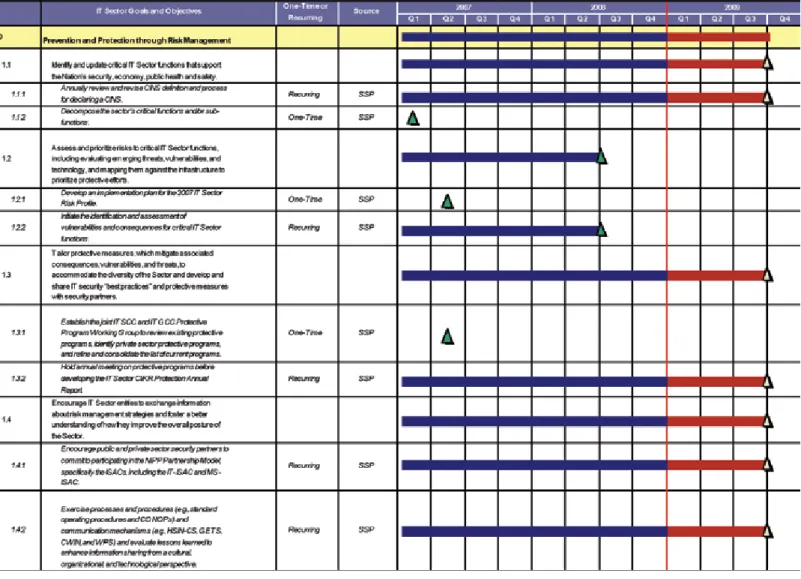
Figure 7-2. Notional Gantt Chart to Indicate Goal and Objective Implementation Progress at Q4 2008 61 Figure 7-4. Notional Gantt Chart to Indicate Activity Implementation Progress at Q4 2008 63
List of Tables
Table 1-1. Examples of IT Security Partners 14
Table 2-1. Critical IT Sector Functions and Descriptions 21
Table 3-1. Protective Program Capabilities that Support IT Sector Goals 30 Table 4-1. Types of Information Produced by Security Partners (Notional Template) 38 Table A4-1. Existing Protective Programs that Support the Overarching IT Sector Goals 79
Executive Summary
Information technology (IT) is central to our Nation’s security, economy, and public health and safety. Businesses, govern-ments, academia, and private citizens are increasingly depen-dent on IT Sector functions and services as are all other critical infrastructure sectors’ products and services. The Sector has diverse global operations that are interdependent and intercon-nected with those of other infrastructure sectors. These opera-tions face numerous, multifaceted, global threats every day. Individual IT Sector entities proactively manage risk to their own operations and those of their customers,1 through constant
monitoring and mitigation activities designed to prevent daily incidents from becoming significant disruptions to national security, the economy, and public health and safety. Although the IT infrastructure has a certain level of inherent resilience,
its interdependent and interconnected structure presents challenges and opportunities for coordinating public and private sec-tor preparedness activities.
Various efforts championed by the public and private sectors have been undertaken to address infrastructure protection and cyber security. The Homeland Security Act of 2002 required the first-ever all-encompassing coordinated national critical infra-structure and key resources (CI/KR) protection effort. Homeland Security Presidential Directive 7 (HSPD-7) identifies 17 CI/KR sectors, including the IT Sector, and requires Federal agencies, coordinated by the Department of Homeland Security (DHS), to identify, prioritize, and coordinate the protection of the Nation’s critical infrastructure. The National Infrastructure Protection Plan (NIPP) and its complementary Sector-Specific Plans (SSP) provide a consistent, unifying structure for integrating existing and future CI/KR protection efforts. They also provide the core processes and mechanisms to enable government and private sector security partners to work together to implement CI/KR protection initiatives.
Public and private sector security partners have an enduring interest in assuring the availability of the infrastructure and pro-moting its resilience. The IT SSP represents an unprecedented partnership and collaboration between the IT public and private sectors to address the complex challenges of CI/KR protection. Public and private sector organizations each represent and bring unique capabilities to the partnership, and derive value from the exchange. Successful CI/KR protection is the commitment of IT Sector public and private sector security partners to share information and provide the tools and capabilities necessary for an effective partnership.
1 As determined by contracts with those customers
Daily protective activities by individual sector entities to prevent, protect against, and mitigate threats and disrup-tions contribute to the sector’s overall steady state of preparedness. This plan focuses on public and private sector planning to enhance the ability of the sector as a whole to prevent, protect against, mitigate, and respond to nationally significant events, technological emergencies, and Presidentially-declared disasters that threaten, disrupt, or cripple IT Sector infrastructure.
The IT SSP was collaboratively developed by DHS’ National Cyber Security Division (NCSD) as the Sector Specific Agency (SSA) for the IT Sector and sector security partners, including the IT Sector Coordinating Council (SCC) and IT Government Coordinating Council (GCC). The IT SSP is a planning document that provides guidance on how public and private partners will work together to protect IT Sector CI/KR. It does not provide specific procedures for individual Sector entities’ opera-tions and is not designed to guide Federal or State government efforts to respond to events. For the purposes of the IT SSP, “response” refers to individual entity activities as well as joint public and private sector activities, to position the Sector to ensure that any disruptions or manipulations of the IT infrastructure are brief, infrequent, manageable, geographically isolated, and minimally detrimental to the welfare of the United States. Federally coordinated response, including activities addressed by the National Response Plan, will be specifically referenced as such. Although this document is the first jointly developed IT SSP, it will not be the last. Threats and vulnerabilities are continually evolving, and consequently plans and programs for addressing these must evolve accordingly.
Sector Background and Goals
The IT Sector is composed primarily of virtual and distributed functions necessary to provide IT products and services. These critical IT Sector functions are provided by a combination of entities—often owners and operators and their respective associations—that provide hardware, software, IT systems, and services. These entities maintain and reconstitute the network, including the Internet. The Internet encompasses the global infrastructure of packet-based networks and databases that use a common set of protocols to communicate. The networks are
connected by various transports, and the availability of these networks and services is the collective responsibility of the IT and Communications Sectors.
The IT SSP provides a framework for identifying and managing Sector risk during the steady-state (i.e., routine day-to-day business operations) to prevent, protect against, mitigate, and prepare for nationally significant events, including those cyber or physical events, technological emergencies, or Presidentially- declared disasters, that threaten, disrupt, or cripple the IT Sector infrastructure. Public and private sector security partners have collaborated to identify overarching goals for the sector that are intended to ensure overall Sector preparedness. Pursuit of these goals requires individual actions by a wide array of public and private security partners.
Risk Management
Public and private sectors are collaborating to address risks that could affect the ability of the Sector’s critical functions to sup-port the economy and national security. Given the IT Sector’s complex and global operations and the diverse and intercon-nected nature of its supporting infrastructure, the Sector is using a qualitative, top-down approach that considers the Sector security goals and objectives and then identifies critical Sector functions. The resulting sector-wide risk approach described in the IT SSP addresses the three factors of risk as described in the NIPP—threat, vulnerability, and consequence—and focuses on those IT functions with national consequence. Many
enti-IT Sector Goals
• Prevention and Protection Through Risk Management • Situational Awareness
• Response, Recovery, and Reconstitution
IT Sector Critical Functions
• Provide IT Products and Services
• Provide Incident Management Capabilities • Provide Domain Name Resolution Services • Provide Identity Management and Associated Trust
Support Services
• Provide Internet Based Content, Information, and Communications Services
ties have robust risk management activities in place. As such, the IT SSP does not provide guidance for individual entities’ risk management activities. Coordination of risk management activities by IT Sector security partners should help focus efforts and resources on ensuring the continued availability of critical IT Sector functions, products, and services and improved resilience of the nationally critical IT infrastructure.
The IT Sector approach to risk assessment consists of three steps: (1) identifying critical functions; (2) assessing threats, vulner-abilities, consequences, and mitigations; and (3) assessing and prioritizing risks. Critical IT Sector functions are identified and evaluated using consequences to focus on only those that meet certain thresholds for national significance. By defining critical IT Sector functions during development of the IT SSP, the IT Sector has completed the first step of the risk assessment approach.2 The IT Sector will then apply threats to their critical functions to identify vulnerabilities. An all-hazards approach
that addresses the spectrum of natural and manmade threats will be used. The IT Sector will complement the traditional threat assessment approach with additional factors based on capabilities and intent independent of known actors to consider emerging non-traditional threats. Vulnerabilities for critical functions and their applicable specific threat scenarios will be identified and assessed, along with mitigations that reduce specific risk factors.
Using HSPD-7 consequence categories and criteria for evaluating nationally significant events, the IT Sector’s approach to con-sequence assessment identifies impacts on national and economic security and public health, safety, and confidence resulting from the disruption or degradation of a critical function. Consistent measurements will be used to evaluate threat, vulnerabil-ity, and consequence and enable the comparison of risks across the sector. The outcome of the national IT Sector risk assessment will be a prioritization of sector risks according to consequence and likelihood. The IT Sector will focus primarily on risks with high consequence and high likelihood.
Develop and Implement Protective Programs
Protective programs include measures or activities that are undertaken by various security partners to prepare for, prevent, tect, respond to, and recover from incidents that have the potential to impact critical IT Sector functions. Current protective pro-grams provide capabilities for reducing vulnerabilities, analyzing threat, sharing information, and managing and responding to incidents. During the initial SSP development process, IT SCC and IT GCC members identified existing protective programs and areas where new programs or enhanced capabilities are needed, including robust coordinated response capabilities; reconstitu-tion of data, communicareconstitu-tion services, and networks; out-of-band data delivery capability; and cyber grants for State governments. The IT Sector will determine additional protective program needs identified through the risk management process. This process will be used to address those needs in which no viable private sector solution exists for meeting the need or high transaction costs or legal barriers would cause significant coordination and/or implementation challenges.
Information Sharing
Information sharing is a key element to fulfilling the overarching goals of the IT Sector and implementing the NIPP framework. Information sharing enables owners and operators, decision makers, managers, and others to detect, deter, and prevent attacks and incidents; identify trends; assess risks; provide warnings to help mitigate impacts; and coordinate response activities. IT Sector public and private sector security partners are focused on building and maintaining trusted relationships based on the simple premise that, for information to be useful, it must be shared with the right people at the right time. The IT Sector’s approach focuses on sharing information between and among the government and those individuals who operate, administer, and own the IT infrastructure.
2 These are public and private sector consensus critical IT Sector functions for Government Fiscal Year 2007. Annual planning enables the review and update of these
functions to reflect changes in the IT Sector environment.
The IT Sector envisions an enhanced information sharing framework that identifies key focal points for policy and operational information sharing, processes, and procedures, and ways to facilitate access to information. The IT Sector’s vision for an ideal or future state of information sharing includes policy, cultural, organizational, and technological conditions that facilitate two-way, decentralized, yet coordinated information sharing.
CI/KR Protection Research and Development
In recent years, numerous committees and organizations have analyzed and reported on IT Sector security gaps. The result is a substantial body of work describing these gaps and proposing research and development (R&D) priorities to bridge them. The IT Sector leveraged this work to identify IT Sector R&D priorities based on the common themes established by prior analyses.
Addressing R&D priorities requires engaging multiple partners to pool resources to raise awareness and increase coordina-tion. Establishment of an online clearinghouse for exchanging information and collaborating on IT Sector R&D priorities and conducting an annual IT Sector R&D workshop may provide mechanisms for outreach, review of research projects, consid-eration of gaps in the execution of national research priorities, and reaching consensus on general government and private sector requirements. In addition, a common taxonomy for exchanging information on progress toward accomplishing the sector’s goals for each R&D priority can promote understanding across the IT Sector and further collaboration.
Managing and Coordinating Sector Responsibilities
As described in HSPD-7, the DHS is responsible for managing and coordinating IT Sector CI/KR protection activities, including leading the development of an SSP for the IT Sector. Within the department, this responsibility has been delegated to NCSD. Sector responsibilities include maintenance and update of the SSP, annual reporting, resources and budgets, and training and education. Public and private sector security partners have common and unique roles and responsibilities.
Implementing the SSP and Tracking Progress
Tracking the progress of implementing the actions set forth in this plan is essential to the SSP’s success. A collaborative and iterative process that benefits from the voluntary input of the IT SCC and IT GCC members can track the SSP’s implementation most accurately and provide public and private sector security partners with a shared understanding of progress toward achiev-ing the sector’s goals.
Implementing and tracking the action items in support of the sector’s goals and objectives requires commitment and resources (e.g., financial, time, personnel, and expertise) from the public and private sectors. Public and private sector security partners will need to prioritize the actions in this plan and proceed with implementation and tracking using an iterative approach while taking into account resource availability.
IT Sector R&D Priorities
• Cyber Situational Awareness and Response • Forensics
• Identity Management: Authentication, Authorization, and Accounting
• Intrinsic Infrastructure Protocols Security • Modeling and Testing
• Control Systems Security
• Scalable and “Composable” Secure Systems • Secure Coding, Software Engineering, and Hardware
Design Improvement • Trust and Privacy
Introduction and Purpose
Information technology (IT) is central to our Nation’s security, economy, public health, and safety. The IT Sector accounts for about 7 percent of the U.S. gross domestic product.3 On a daily basis, more than $3 trillion worth of economic activity (e.g.,
securities sales settlements, check clearances, and interbank transfers) passes over secure Federal financial networks.4 IT systems
enable this economic activity, which is essential to maintaining homeland and national security. Critical infrastructure and key resources (CI/KR) sectors rely on the IT Sector for products and services, including the reliable operation of networks and systems and the movement and storage of critical data. Conversely, the IT Sector relies on many other sectors, including the Energy and Communications Sectors, for daily operations.
The Sector has diverse global operations that are interdependent and interconnected with those of other infrastructure sectors. These operations face numerous multifaceted global threats daily. Individual IT Sector entities proactively manage risk to their own operations and those of their customers,5 through constant monitoring and mitigation activities designed to prevent daily
incidents from becoming significant disruptions to national security, the economy, and public health and safety. Although the IT infrastructure has a certain level of inherent resilience, its interdependent and interconnected structure presents challenges and opportunities for coordinating public and private sector preparedness activities.
Since the 1990s, the public and private sectors have been working to address these challenges and opportunities. In 1997, a Presidential Commission identified the risks to critical infrastructures in a seminal public report, Crtcal Foundatons: Protectng Amerca’s Infrastructures. Year 2000 initiatives and Executive Order 132316 also made cyber security a priority, subsequently
increasing funds available to secure Federal networks. Following the terrorist attacks of September 11, 2001, the Homeland Security Act of 2002 required the first comprehensive coordinated national CI/KR protection effort. The President’s National Strategy to Secure Cyberspace articulates five national priorities for protecting against a debilitating disruption of the opera-tion of informaopera-tion systems as part of naopera-tional CI/KR protecopera-tion efforts. In 2003, President George W. Bush issued Homeland Security Presidential Directive 7 (HSPD-7) requiring Federal agencies, coordinated by the Department of Homeland Security (DHS), to identify, prioritize, and coordinate the protection of CI/KR for the purposes of preventing, deterring, and mitigating the effects of deliberate efforts to destroy, incapacitate, or exploit them. Implementing this policy requires substantial com-mitment to public-private partnership. The directive identifies 17 CI/KR, including the IT Sector, and pairs each CI/KR sector with a sector-specific agency (SSA) for partnering on protective initiatives. HSPD-7 requires DHS to develop an overall National Infrastructure Protection Plan (NIPP) and specifically assigns DHS the mission of establishing uniform policies, approaches,
3 World Information Technology and Services Alliance, Dgtal Planet 006: The Global Informaton Economy, May 2006, www.witsa.org/digitalplanet/2006/DP2006_
ExecSummary.pdf.
4 Federal Reserve Board, “Telling the Fed’s Story through Money in Motion,” www.phil.frb.org/publicaffairs/pubs/ar03telling.pdf. 5 As determined by contracts with those customers.
6 Executive Order 13231, Critical Infrastructure Protection in the Information Age, October 2001.
guidelines, and methodologies for integrating infrastructure protection and risk management activities within and across sec-tors, along with developing metrics and criteria for related programs and activities.
The NIPP and its complementary Sector-Specific Plans (SSP) provide a consistent, unifying structure for integrating existing and future CI/KR protection efforts. They also define the core processes and mechanisms for public and private sector security part-ners7 to implement coordinated CI/KR protection initiatives. Implementation of the NIPP, its complementary SSPs, the National
Response Plan (NRP), and the National Incident Management System (NIMS) define readiness targets, priorities, standards for assessment, strategies, and a system for assessing the Nation’s overall preparedness across four mission areas: prevention, protection, response, and recovery.
Public and private sector security partners have an enduring interest in assuring the availability of the infrastructure. The IT Sector’s market-based environment enables rapid innovation and drives investments in security to meet customers’ changing needs and promote the resilience of the IT Sector. Prevention and protection through risk management, situational awareness, and response, recovery, and reconstitution efforts are most effective when full participation of public and private sector security partners exists; such efforts suffer without the full participation of either partner.
The IT SSP represents an unprecedented partnership and collaboration between the IT public and private sectors as they lever-age their unique capabilities to address the complex challenges of CI/KR protection. The IT Sector entities involved in develop-ment of the SSP believe that its impledevelop-mentation will provide value for the sector and customers who rely on its products and services. As such, IT Sector entities involved in development of the SSP will work to convey the national security and business value for participation in SSP implementation activities to other members of the IT Sector.
IT private sector entities have a comprehensive understanding of critical IT Sector functions, capabilities, and infrastructure. This understanding enables the private sector to leverage existing information sharing mechanisms and its insights into risk mitigation and best practices to improve the Sector’s security posture in a reasonable, feasible, and practical manner. Private sector entities manage risk to their business operations, voluntarily implement protective initiatives designed to enhance their steady-state physical, human, and cyber security, and manage response to day-to-day incidents to prevent and prepare for sig-nificant events. Individual private sector capabilities are also essential for incident management, as well as response, recovery, and reconstitution of essential government functions. Because the private sector can quickly focus on requirements and needs, it often takes the lead in developing and deploying innovative solutions, increasing the skills and availability of security profes-sionals, and developing products and services that are responsive to the rapidly changing threat environment.
Federal Government coordination and leadership of IT Sector CI/KR protection efforts is justified and, in certain instances, required. For example, continuity of government (Federal, State, and local) requires ensuring the security and availability of governments’ cyber and physical infrastructure necessary to support their essential missions and services. To fully leverage the unique capabilities of the private sector, the Federal Government is working to ensure that the private sector is engaged, as early as possible, in the development, implementation, and maintenance of initiatives and policies regarding ownership and opera-tion of the private sector’s products, services, and systems. In addiopera-tion, government has a role to play in instances where high transaction costs or legal barriers lead to significant coordination problems, where government operations exist in the absence of private sector forces, or where critical shared resources are under provisioned. The public sector can create a legal and regulatory environment that stimulates and facilitates voluntary private sector efforts to improve security, including establishing the policies and protocol needed to share timely analytical and useable information about threats to the IT Sector. Finally, the public sector sponsors efforts such as cross-sector interdependency studies, research and development (R&D) into the security of basic Internet protocols, and research studies on return on investment (ROI) for businesses that undertake risk management efforts and implement improved security processes and tools.
7 The term “security partners” refers to the stakeholders in the NIPP planning process. These stakeholders include all government levels (Federal, State, Territorial,
Information sharing among and between public and private sector security partners is essential for achieving security. Through improved information sharing and analysis, the public and private sectors will be better equipped to identify threats and vulnerabilities, and to exchange mitigating and preventive tactics and resources to address them. Successful CI/KR protection requires the commitment of public and private IT Sector security partners to provide tools and capabilities for an effective partnership. Only with robust exchanges and rigorous critique and evolution of the sector’s goals and priorities will the value proposition continue to be realized.
The IT SSP was developed collaboratively by IT Sector security partners, including representatives from the DHS’s National Cyber Security Division (NCSD), the IT Sector Coordinating Council (SCC), and the IT Government Coordinating Council (GCC). The SSP is a planning document that focuses on meeting sector goals that are most pressing for homeland, economic, and national security purposes and identifies actions (current, near term, and long term) for steady-state preparedness, includ-ing prevention and protection of critical IT Sector functions that enable sector response and recovery activities. The SSP does not provide specific procedures for individual IT Sector entities’ operations. The SSP:
• Outlines the IT Sector security partners’ joint implementation of the NIPP risk management framework by describing an approach for identifying, assessing, prioritizing, and protecting critical IT Sector functions;
• Establishes shared IT Sector goals and objectives and aligns initiatives to meet them;
• Describes roles, responsibilities, and opportunities that NCSD, IT SCC, IT GCC, and other security partners can play in imple-menting the SSP; and
• Provides opportunities for integrating public and private sector preparedness efforts with tools and technologies essential for effective incident response, system remediation, and reconstitution under the NRP and NIMS.
Although this document is the first jointly developed IT SSP, it will not be the last. Threats and vulnerabilities evolve continu-ally, and consequently plans and programs for addressing them must evolve accordingly. Annual planning enables public and private sectors to reassess priorities and realign resources to meet changing needs.
Document Organization
The organization of the IT SSP represents a consensus outline based on IT SCC and IT GCC input. The following provides a mapping between the consensus outline and the SSP outline provided in the 2006 CI/KR Protection SSP Guidance to facilitate review by readers familiar with that format.
• Section 1: Sector Profile and Goals. Maps to SSP Guidance, Chapter 1: Sector Profile and Goals.
• Section 2: Risk Management. Maps to SSP Guidance, Chapter 2: Identify Assets, Systems, Networks, and Functions; Chapter 3: Assess Risk; and Chapter 4: Prioritize Infrastructure.
• Section 3: Develop and Implement Protective Programs. Maps to SSP Guidance, Chapter 5: Develop and Implement Protective Programs
• Section 4: Information Sharing. Maps to SSP Guidance, Chapter 8, Section 8.4, Information Sharing and Protection.
• Section 5: CI/KR Protection Research and Development. Maps to SSP Guidance, Chapter 7: CI/KR Protection Research and Development.
• Section 6: Managing and Coordinating Sector Responsibilities. Maps to SSP Guidance, Chapter 8: Managing and Coordinating SSA Responsibilities.
• Section 7: Implementing the SSP and Tracking Progress. Maps to SSP Guidance, Chapter 8: Measure Progress.
Each SSP section also includes two consistent elements—a callout box discussing the value proposition for public and private sector security partners and near- and long-term actions. Near-term (~1 year) and long-term (1-3 years) actions often have component subactions and may be tracked at that level through implementation. Appendix 5 summarizes the IT SSP actions. Although each near-term action may not be completed within the next year, it is expected that progress toward completing the action will occur within the next year (i.e., 2007-2008).
1. Sector Profile and Goals
This section describes the IT Sector, identifies the IT SSP’s focus, establishes the sector’s goals, and describes IT Sector security partners’ roles and responsibilities.
1.1 Definition
Critical IT Sector functions support the Sector’s ability to produce and provide high assurance IT products and services for a variety of sectors. Through the IT SSP development process, the Sector identified six critical functions:
• provide IT products and services;
• provide incident management capabilities; • provide domain name resolution services;
• provide identity management and associated trust support services;
• provide Internet-based content, information, and communications services; and
• provide Internet routing, access and connection services.
These functions are distributed across a broad network of infrastructure, man-aged on a proactive basis and therefore able to withstand and rapidly recover from most threats.8
These critical IT Sector functions are provided by a combination of entities—
often owners and operators and their respective associations—who provide hardware, software, IT systems, and services. IT services include development, integration, operations, communications, and security. IT Sector entities include the following:9
• Domain Name System (DNS) root and Generic Top-Level Domain (GTLD) operators; • Internet service providers (ISPs);
• Internet backbone providers; • Internet portal and e-mail providers;
8 Threat is defined as the intention and capability of natural or manmade (intentional or unintentional) events that would be detrimental to the IT Sector. This
definition was developed by the IT Sector based on the terms and definitions in the NIPP.
9 Operating Charter of the Information Technology Sector Coordinating Council, January 24, 2006 https://www.it-isac.org/documents/itscc/index.php
The Internet encompasses the global infrastructure of packet-based networks and databases that use a common set of protocols to communicate. The networks are connected by various transports. The availability of the network and its services is the collective responsibility of the IT and Communications sectors.
• Networking hardware companies (e.g., fiber-optics makers and line acceleration hardware manufacturers) and other hard-ware manufacturers (e.g., personal computer (PC) and server manufacturers and information storage);
• Software companies; • Security services vendors;
• Communications companies that characterize themselves as having an IT role; • Edge and core service providers;
• IT system integrators; and • IT security associations.
In addition, Federal, State, and local governments are a component of the IT Sector as providers of government IT services that are designed to meet the needs of citizens, businesses, and employees. The IT Sector includes public and private sector entities.
1.2 Scope
The IT SSP provides a framework for identifying and manag-ing risk durmanag-ing steady-state (i.e., routine day-to-day) business operations to prevent, protect against, mitigate, and prepare for nationally significant events; technological emergencies; or pres-identially declared disasters that threaten, disrupt, or cripple IT Sector infrastructure. Specifically, the IT SSP is concerned with all hazard events with cyber or physical consequences that: • Cause, or are likely to cause, harm to mission-critical
func-tions across the public and private sectors by impairing the confidentiality, integrity, or availability of electronic informa-tion, information systems, services, or networks; and/or • Threaten public health or safety, undermine public
confi-dence, have a negative effect on the national economy, or diminish the security posture of the Nation.
Such nationally significant events likely would affect commu-nications and/or IT services in at least one region and possibly several regions of the country, including at least one major met-ropolitan area. Events would involve multiple communications service providers and/or IT products and services, resulting in a significant degradation of other essential infrastructures. Such an event would have an impact on the availability and integrity of communications and IT services for at least a significant por-tion of a business day or longer.10
10 The discussion of the type of events that the IT SSP is concerned with is consistent with the NCRCG’s Working Definition of a Cyber Incident of National
Significance, December 2006. The NCRCG, a forum of 13 government agencies, coordinates intragovernmental and public-private preparedness and operations to respond to and recover from cyber incidents of national significance. The NCRCG is a key cyber incident management body that provides strategic assessments and ensures that appropriate Federal resources and capabilities are deployed to ensure an adequate response.
Roles and Responsibilities
Private Sector:
• Own, operate, and provide IT Sector critical functions; • Monitor IT Sector critical functions for abnormal events; • Alert United States Computer Emergency Readiness
Team (US-CERT) and others to any events that potentially threaten, disrupt, or cripple IT Sector infrastructure; and • Work with the National Cyber Response Coordination
Group (NCRCG) as appropriate to consider the implica-tions of the event.
Government:
• Own, operate, and provide IT Sector critical functions (as applicable);
• Monitor government networks and systems for abnormal events;
• Alert US-CERT to any events that potentially threaten, disrupt, or cripple IT Sector infrastructure;
• Provide information to the NCRCG for its consideration; and
• Make a recommendation regarding whether an event involving cyber is nationally significant.
Identification of the scope of events that are of concern to the IT Sector is an important element of government and private sector efforts to identify, prioritize, and protect critical IT Sector functions. It provides a foundation for addressing overall preparedness, including prevention and protection under the IT SSP and understanding when to transition to Federally-coordi-nated response11 and recovery under the NIMS and NRP.
1.3 Sector Security Goals and Objectives
Public and private sector security partners collaborated to identify overarching Sector goals that support efforts to prevent, prepare for, protect against, mitigate, respond to, and recover from nationally significant events. These goals create a mutually beneficial framework to develop risk management and protective strategies that will enhance sector security. Pursuit of these goals requires action by a wide array of public and private security partners, including the commitment of expertise and the identification and prioritization of resources. IT Sector security partners will review these goals and progress toward imple-menting them annually. The goals and their associated objectives are described below in no particular order.
Goal 1: Prevention and Protection Through Risk Management. Identify, assess, and manage risks to the IT Sector’s infrastructure and its international dependencies.
• Objective 1.1: Identify and annually review12 critical IT Sector functions that support the Nation’s security, economy, public
health, and safety.
• Objective 1.2: Assess and prioritize risks to critical IT Sector functions, including evaluating emerging threats, vulnerabilities, and technology, and mapping them against the infrastructure to prioritize protective efforts.
• Objective 1.3: Tailor protective measures, which mitigate associated consequences, vulnerabilities, and threats, to accom-modate the diversity of the IT Sector and develop and share IT security best practices and protective measures with security partners.
• Objective 1.4: Encourage IT Sector entities to exchange information about risk management strategies and foster a better understanding of how they improve the overall posture of the sector.
11 For the purposes of the IT SSP, response refers to individual public and private sector entity and joint public and private sector activities to position the Sector to
ensure that any disruptions or manipulations of the IT infrastructure are brief, infrequent, manageable, geographically isolated, and minimally detrimental to the welfare of the United States. Federally coordinated response will be specifically referenced as such.
12 Critical IT Sector functions will be reviewed annually to determine if technological and environmental changes have occurred that alter the set of functions or their
descriptions.
Vision Statement for the Information Technology Sector Public and private IT Sector security partners will continue building infrastructure resilience to support:
• The Federal Government’s performance of essential national security missions and preservation of general public health and safety; • State and local governments’ abilities to maintain order and to deliver minimum essential public services; and
• The orderly functioning of the economy.
The IT Sector will continue to coordinate with other CI/KR sectors and work to ensure that any disruptions or manipulations of critical IT Sector functions are brief, infrequent, manageable, geographically isolated, and minimally detrimental to the welfare of the United States.
Goal 2: Situational Awareness. Improve situational awareness during normal operations, potential or realized threats and disruptions, intentional or unintentional incidents, crippling attacks (cyber or physical) against IT Sector infra-structure, technological emergencies and/or failures, or presidentially declared disasters.
• Objective 2.1: Collaborate, develop, and share appropriate threat and vulnerability information among public and private sector security partners, including development of indications and warnings.
• Objective 2.2: Expand strategic analytical capabilities that facilitate public and private sector security partner collaboration to identify potential incidents.
Goal 3: Response, Recovery, and Reconstitution. Enhance the capabilities of public and private sector security part-ners to respond to and recover from realized threats and disruptions, intentional or unintentional incidents, crippling attacks (cyber or physical) against IT Sector infrastructure, technological emergencies and/or failures, or presidentially declared disasters, and develop mechanisms for reconstitution.
• Objective 3.1: Develop and maintain communications, including establishing mechanisms and processes for communicating with other sectors during contingencies, and conduct annual tests of the resulting communication plans and programs. • Objective 3.2: Develop and maintain incident response and coordination plans and procedures, and exercise them annually
to ensure readiness and resilience.
• Objective 3.3: Develop plans, protocols, and procedures to ensure that critical IT Sector functions can be reconstituted rap-idly after an incident.
• Objective 3.4: Collaborate with law enforcement to identify and mitigate criminal activities that have the potential to harm the sector’s infrastructure.
1.4 Partnering for Security
As set forth in the NIPP, the sector partnership model13 encourages the public and private sectors to collaborate on their
respec-tive CI/KR protection activities. This collaboration is accomplished through SCCs and GCCs, which form a national framework for coordinating CI/KR protection within and across sectors.
IT GCC Membership (as of December 2006)
Department of Commerce
• National Institute of Standards and Technology (NIST) • National Technology and Information Administration Department of Defense/Office of the Assistant Secretary of Defense for Networks and Information Integration Department of Homeland Security
• Preparedness Directorate/NCSD (IT GCC Chair)
• Preparedness Directorate/Office of Infrastructure Protection • Preparedness Directorate/(National Communications
System (NCS)
• Science and Technology Directorate
Department of Justice Department of State Department of the Treasury
Office of the Director of National Intelligence Office of Management and Budget (OMB) Metropolitan Information Exchange
National Association of State Chief Information Officers
IT SCC Membership (as of December 2006)
BearingPoint
Bell Security Solutions, Inc. BellSouth Corporation Center for Internet Security Cisco Systems, Inc. CA International, Inc.
Computer and Communications Industry Association
Computer Sciences Corporation Computing Technology Industry Association
Cyber Security Industry Alliance Electronic Industries Alliance Entrust, Inc.
EWA Information and Infrastructure Technologies, Inc.
IBM Corporation
Information Systems Security Association Information Technology Association of America
Information Technology Information Sharing and Analysis Center Intel Corporation
International Systems Security Engineering Association Internet Security Alliance Internet Security Systems, Inc. Internet Security Trust and Privacy Allicance
Juniper Networks, Inc.
KPMG LLP Lockheed Martin McAfee, Inc.
Microsoft Corporation NTT America
R&H Security Consulting, LLC Seagate Technology
Symantec Corporation System 1, Inc. TestPro
Unisys Corporation
U.S. Internet Service Provider Association VeriSign
Verizon
The IT SCC (composed of IT industry members) and the IT GCC (composed of government representatives) are the primary bodies for communicating their respective public and private perspectives and for developing collaborative policies, strategies, and security efforts to advance CI/KR protection. SCC and GCC representatives share experiences, ideas, best practices, and innovative approaches related to CI/KR protection and risk management for their respective sectors. In March 2006, the DHS established the Critical Infrastructure Partnership Advisory Council (CIPAC) to facilitate coordination and dialogue between the SCCs and GCCs. The various SCCs address cross-sector issues and interdependencies through their participation in the Partnership for Critical Infrastructure Security (PCIS). The IT SCC will coordinate with other sectors on cross-sector issues, such as cyber security, through forums such as the PCIS.
To achieve an integrated national plan, the DHS must coordinate with all security partners that have equities or interests in CI/ KR protection. Public and private sector security partners are crucial not only to the implementation of this plan but also to the broader policy and operational relationships that enhance the IT Sector’s overall security posture. Table 1-1 provides examples of IT security partners.
Table 1-1: Examples of IT Security Partners
Security Partner Description
Office of Cyber Security and Communications
The office works to ensure the security, resilience, and reliability of the Nation’s cyber and communications infra-structure in collaboration with the public and private sectors. The office is composed of the NCSD and the NCS. The DHS is designated as the SSA for the IT Sector. That responsibility is delegated to NCSD, which is respon-sible for coordinating with other government departments and agencies (through the IT GCC) and the private sector (through the IT SCC) to develop and implement the IT SSP.14 The DHS also is designated as the SSA for
the Communications Sector, with that responsibility delegated to NCS. IT Government
Coordinating Council
Chaired by NCSD and established in April 2005, the IT GCC collaborates with the IT SCC to plan, implement, and execute sector-wide security programs for the Nation’s IT critical infrastructure.
Other Federal Departments and Agencies
The responsibilities of other Federal departments and agencies are distinct from the SSA’s responsibilities. For example, under the Federal Information Security Management Act, the OMB and the NIST have responsibility for overseeing the security of, and providing guidance for, the Federal Government’s IT assets, systems, networks, and functions. Federal law enforcement agencies, such as the Federal Bureau of Investigation (FBI), play a criti-cal role in investigating threats and prosecuting the perpetrators of cyber and physicriti-cal crimes. The intelligence community (IC) uses national-level intelligence capabilities and resources to identify and counter threats. Law enforcement and the IC provide early warning or potential target information that can help the IT Sector and homeland security community implement preventive and protective measures.
State and Local Governments
State and local governments provide IT services that fulfill the needs of their citizens, businesses, and employ-ees. The National Association of State Chief Information Officers (NASCIO), which represents the senior IT leaders for each State, is a key security partner of the IT Sector. State government participation in the IT SSP is achieved through the representation of NASCIO on the IT GCC. Local government participation in the IT SSP is achieved through the representation of the Metropolitan Information Exchange on the IT GCC.
IT Sector Coordinating Council
Established in January 2006, the IT SCC addresses policy and strategy issues and advises government coun-terparts on sector CI/KR protection issues. The IT SCC is self-organized, self-run, and self-governed. It enables owners and operators to coordinate on a wide range of sector-specific strategies, policies, activities and issues.15
IT-ISAC The IT Information Sharing and Analysis Center (IT-ISAC) offers its private sector members a current and coher-ent picture of the security posture of the IT infrastructure.16 In addition to these policy coordination bodies, the IT
Sector also relies on the IT-ISAC to provide operational and tactical capabilities for sharing information. Private Sector
Owners and Operators
Owners and operators of IT CI/KR implement infrastructure protection practices as part of their routine business risk management activities and play a crucial role in the security of the IT Sector.
Communications Sector
Recognizing the growing convergence of IT and communications and their significant interdependencies, the IT Sector coordinates closely with the Communications Sector.17 Partnering with the Communications Sector is
especially important for exchanging information about the Internet infrastructure, a responsibility shared by both sectors.
Other CI/KR IT Sector security partners understand how consumers use their products and services and recognize the cyber security challenges that they face. Although the cyber security practices for specific CI/KR are best addressed within their respective sectors, IT Sector security partners coordinate and work with other sectors to articulate and address the interdependence among the infrastructures as part of managing IT Sector risks.
14 For additional information about the roles and responsibilities of the IT SSA, see section 6. 15 For additional information about the roles and responsibilities of the IT SCC, see section 6. 16 For additional information on the IT-ISAC, see section 4.
Security Partner Description
Other ISACs ISACs provide a trusted mechanism for information sharing within and among CI/KR. The National Coordinating Center (NCC) for Telecommunications, as the ISAC for the Communications Sector, is a well-established informa-tion-sharing center with a 24 hours per day, 7 days per week (24/7) operations center for monitoring threats and exchanging information between Communications Sector members and other interdependent critical infrastruc-ture sectors (e.g., IT Sector). The Multi-State ISAC (MS-ISAC) provides a mechanism for information sharing and outreach to State and local governments regarding cyber security issues.18
Foreign Governments and International Organizations
Because the IT Sector is global in nature, interconnected, and interdependent, international partners play a key role in the prevention, protection, response, and recovery of critical IT Sector functions. Establishing and maintaining consistent and reliable relationships with international partners is vital to ensuring the security of the sector.
1.5 Authorities
Authorities addressing such issues as homeland security, national security, privacy, and IT audits affect or influence the IT Sector and provide direction to public and private sector security partners. Because of the interconnectedness of the IT and Communications Sectors, many authorities applicable to telecommunications are relevant to IT as well. Key authorities address the availability, resilience, and security of the infrastructure.
Appendix 2 presents an overview of key authorities that provide the foundation for IT Sector policies and regulations in the United States and guidance on sector coordination. These authorities—some of which apply to the Federal Government and others to the private sector—govern the collection, sharing, and protection of information, conduct of vulnerability and risk assessments, and the identification, development, and implementation of protective strategies and programs.
1.6 Actions
The following bulleted list includes near term and long term actions to be completed to implement this section of the SSP. 1.6.1 Near Term (~1 year)
• Facilitate the development of and articulate for IT Sector members the national security and business value for participation in SSP implementation activities. (NCSD, SCC, and GCC)
• Develop criteria that may be used for determining nationally significant events. (NCSD, SCC, GCC, and NCRCG) (Underway) • Provide input into national-level efforts to clarify the roles and responsibilities of public and private sectors in Federally
coor-dinated response, recovery, and reconstitution efforts involving nationally significant events. (NCSD, SCC, GCC, and NCRCG) • Provide public and private sector perspectives and input to assist in planning for Federally coordinated response and recovery
efforts involving nationally significant events. (NCSD, SCC, GCC, and NCRCG nput)
18 See section 4 for additional information about the MS-ISAC and its relationship to the IT Sector.
1.6.2 Long Term (1-3 years)
• Conduct exercises that test the implications of a nationally significant event and the resulting public and private sector roles, responsibilities, and capabilities. (NCSD, SCC, GCC, and NCRCG)
• Annually review and revise IT SSP goals, objectives, and authorities. (GCC and SCC)
• Hold joint IT and Communications sectors meeting biannually to address issues of interest to both sectors, and discuss poten-tial areas for collaboration. (NCSD, NCS, SCC, GCC, Communcatons SCC, and Communcatons GCC)
• Work in partnership through the PCIS with the Communications Sector to help other CI/KR understand their dependence on the IT and Communications Sectors. (NCSD, NCS, SCC, GCC, Communcatons SCC, and Communcatons GCC)1415161718
14 test 15 test 16 Test 17 est 18 Test
2. Risk Management
Individual IT Sector entities routinely manage a wide range of risks to ensure the delivery of products and services to support their customers. Despite these individual entities’ efforts, there is not yet a national-level understanding of risk faced by the IT Sector. Public and private sectors are collaborating to address these broader risks that could affect the ability of the sector’s critical functions to support the economy and national security. The sector-wide risk approach describes how risk will be evaluated across the IT Sector focusing on critical IT Sector functions; it is not guidance for individual entities’ risk management activities. A sector-wide risk assess-ment will help determine the all-hazards risk profile for the IT Sector, focus resource allocation for protection for the IT Sector to manage its inherent risks, and increase awareness of risks across public and private sectors.
Because this is the first effort to assess sector-wide risks, the approach outlined in this section is high level and will evolve and mature through implementation. Future iterations of the IT SSP should reflect a more detailed approach that expands on the concepts in this version. The IT SCC and IT GCC convened a working group to address the chal-lenge of developing an approach to assess and manage IT Sector risks. The effort considered leading risk management approaches, methodologies, and tools currently employed by sector entities. Given the IT Sector’s
complexity, global nature, and unique character, the most viable way to proceed is with a qualitative, top-down approach that considers sector security goals and objectives, and then identifies critical IT Sector functions. The resulting sector-wide risk approach focuses on those IT functions with national consequence and is intended to meet and fulfill Sector Goal 1, Prevention and Protection Through Risk Management.
The IT Sector’s risk approach fulfills the intent of the NIPP risk management framework by adapting and modifying its activi-ties and concepts to address the unique IT Sector risk environment. The risk assessment approach leverages the baseline criteria outlined in the NIPP, which specify that risk assessment methodologies include an analysis of the human, cyber, and physical elements19 of infrastructure. In all cases, the human, cyber, and physical elements are assessed in the context of their criticality 19 Physical elements of infrastructure include tangible property; cyber elements include electronic information and communication systems, and the information
contained therein; human elements include critical knowledge of functions, people uniquely susceptible to attack, or the social aspects of infrastructure protection.
Value Proposition
Coordination of risk management activities by public and private IT Sector security partners should leverage their respective knowledge and expertise while helping focus efforts and resources on ensuring the continued availability of critical IT Sector functions. This process combines individual organizational risk man-agement goals and activities with a perspective and collaborative approach that is nationally significant. Acknowledging and addressing differences between individual and organiza-tional objectives and those of the sector-wide approach offers value by providing individual owners, operators, and security partners with an understanding of the sector perspective and a means to manage IT Sector risk effectively and consistent with national priorities.
to the sector as a whole and the potential for their disruption, damage, or loss to affect the sector. Throughout this section, a common set of terms will be used to describe the IT Sector’s risk assessment approach (see text box).20
2.1 Background of the IT Sector’s Risk
Environment
The IT Sector’s risk environment is inherently complex and dynamic. A few primary characteristics shape the evolving risk environment: interdependencies between the IT Sector and other critical infrastructure sectors; the highly diverse, virtual, inter-connected, and international nature of the IT infrastructure; and the constantly changing threat landscape. The sector has global operations that are interdependent and interconnected with other infrastructures. These operations enhance efficiency and effec-tiveness and increase the resilience of the sector; however, they daily face numerous multifaceted global threats from natural and manmade events. Many of these threats occur frequently but do not have significant con