Curtin Graduate School of Business
Impact of downsizing, restructuring and knowledge sharing on
retention of knowledge in organisations: Implications for
organisational effectiveness.
Helen Sitlington
This thesis is presented for the Degree of Doctor of Philosophy
of
Curtin University of Technology
ii
Declaration
To the best of my knowledge and belief this thesis contains no material previously published by any other person except where due acknowledgment has been made.
This thesis contains no material which has been accepted for the award of any other degree or diploma in any university.
Signature: ……….
Table of Contents
List of Figures viii
List of Tables viii
Acknowledgements xi
Abstract xii
Chapter One - Introduction
1.0 Introduction 1
1.1 Downsizing 2
1.2 Broader Implications 4
1.3 Previous Research 4
1.4 Organisational Knowledge 5
1.5 Perceptions of Downsizing/Restructuring Events 6 1.6 Purpose of Research, Research Questions and Objectives 6
1.6.1 Research Questions 7
1.7 Overview of Method Used 8
1.8 Overview Of Thesis Structure 8
1.9 Conclusion 9
Chapter Two - Literature Review
2.0 Introduction 10
2.1 Downsizing 10
2.2 Restructuring 11
2.3 Overview 12
2.4 Background 13
2.5 Previous Research on Downsizing 14
2.6 Knowledge 15
2.7 Knowledge Sharing 18
2.8 Informal Networks 22
2.9 Knowledge and Informal Networks - Retention During
Downsizing/Restructuring 24
iv
2.11 Perceived Organisational Knowledge 31
2.12 Organisational Effectiveness 32
2.13 Downsizing/Restructuring Events 34
2.13.1 Decisions 34
2.13.2 Processes 36
2.14 Formal and Informal Knowledge Sharing 41
2.15 Informal Networks 44
2.16 Perceptions of Managers and Employees 46
2.17 Conclusion 47
Chapter Three - Methodology
3.0 Introduction 49
3.1 Justification for the Methodology 49
3.2 Research Paradigm 50
3.3 Overview of Research Design 51
3.3.1 Focus Group Process 51
3.3.2 Emergent Themes Drawn from Focus Group Data 54 3.3.3 Development of Quantitative Instrument 57
3.3.4 Pilot Study 59
3.4 Description of Research Setting 60
3.5 Measures 62
3.5.1 Demographic Relationships 63
3.5.2 Background Information 63
3.5.3 Hypothesised Relationships 64
3.6 Data Collection 65
3.6.1 Use of Online Surveys 66
3.7 Operationalisation of Variables 68 3.7.1 Factor Analysis 68 3.7.2 Reliability Testing 70 3.7.3 Validity Testing 71 3.7.4 Data Reduction 73 3.8 Data Analysis 75
3.8.1 Method of Analysis 75
3.8.2 Correlations 76
3.8.3 Regression Analyses 76
3.8.4 Survey Completion Rates 77
3.8.5 Further analysis 77
3.8.6 Data breakdown – Perceived Level of Success 78 3.8.7 Non-Participation in Data Collection 80 3.8.8 Analysis of Open-Ended Responses 80
3.9 Conclusion 81
Chapter Four - Findings
4.0 Introduction 82
4.1 Description of Sample Characteristics 82 4.1.1 Downsizing/Restructuring Experience 85
4.1.2 Incidence of Downsizing 86
4.2 Analysis of Full Data Set 88
4.2.1 Hypothesis Testing – Full Dataset 89 4.2.2 Hypothesis Testing – Full Dataset Decision Makers and
Implementers and Affected Employees 91 4.2.3 Mediation Testing – Full Dataset 93 4.2.4 Conclusions – Analyses of Full Data Set 95 4.3 Further Analysis - Comparison of Successful and
Unsuccessful Organisations 97
4.3.1 Results in Successful Organisations 97 4.3.2 Results in Successful Organisations Decision Makers
and Implementers and Affected Employees 99 4.3.3 Mediation Testing – Successful Organisations 101 4.3.4 Conclusions – Analyses of Successful Organisation 102 4.3.5 Results in Unsuccessful Organisations 103 4.3.6 Results in Unsuccessful Organisations Decision Makers
and Implementers and Affected Employees 104 4.3.7 Mediation Testing – Unsuccessful Organisations 107
vi
4.3.8 Conclusions – Analyses of Unsuccessful Organisation 108 4.4 Summary of Findings Across All Data Sets 110
4.5 Conclusion 111
Chapter Five - Discussion
5.0 Introduction 114
5.1 Purpose of and Framework for Explanation of Analyses 114 5.2 Organisational Knowledge and Organisational Effectiveness 116
5.3 Downsizing/Restructuring Events 121
5.3.1 Downsizing/Restructuring Decisions 122 5.3.2 Downsizing/Restructuring Processes 125 5.4 Knowledge Sharing, Organisational Effectiveness and
Organisational Knowledge 130
5.4.1 Knowledge Sharing 132
5.4.2 Informal Networks 135
5.4.3 Implications of Knowledge Sharing 137
5.5 Summary of Hypothesis Testing 139
5.6 Mediating Effect Of Organisational Knowledge 139
5.6.1 Mediation Testing 140
5.6.2 Mediation Outcomes 142
5.7 Conclusion 147
Chapter Six – Conclusion
6.0 Introduction 151
6.1 Significance and Implications for Business 152
6.2 Limitations 155
6.2.1 Sample 156
6.2.2 Nature and Scope of Questions 157
6.3 Implications for Future Research 159
6.4 Contribution 161
References 166
Appendices
Appendix 1 - Focus Group Results A2
Appendix 2 - Survey Themes A16
Appendix 3 - Questionnaire A20
Appendix 4 - Factor Analysis A29
Appendix 5 - Construct Questions and Reliability A33 Appendix 6 - Pearson Correlation of Variables A36 Appendix 7 - Analysis of Responses to Open-Ended Question A38 Appendix 8 - Collinearity Diagnostics and Residual Analysis
viii
List of Figures
Figure 2.1 Relationship between social capital and knowledge sharing 21 Figure 2.2 Stage 1 – Direct Impact of Independent Variables on Organisational
Effectiveness 27
Figure 2.3 Stage 2 – Organisational Knowledge as Intervening Variable 29
Figure 2.4 Stage 3 –Conceptual Framework 30
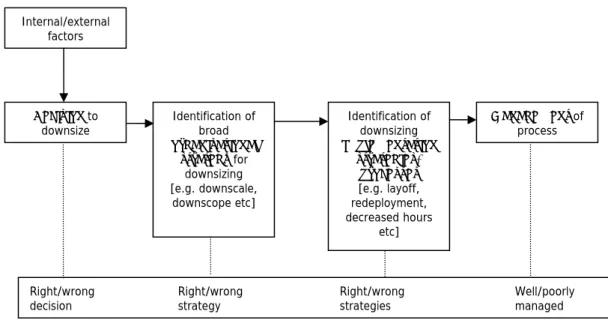
Figure 2.5 Summary of downsizing/restructuring decision/process 40
Figure 4.1 Conceptual Framework 88
Figure 4.2 Mediation Relationship 93
Figure 5.1 Breakdown of Data Sets for Testing and Comparison 115
Figure 5.2 Conceptual Framework 116
Figure 5.3 Hypothesis 1: Organisational Knowledge – Organisational Effectiveness 117 Figure 5.4 Impact of Downsizing/Restructuring Decisions (Hypotheses 2 & 6) and
Processes (Hypotheses 3 & 7) on Organisational Effectiveness and
Organisational Knowledge 122
Figure 5.5 Impact of Formal Knowledge Sharing (Hypotheses 4 & 8) and Informal Networks (Hypotheses 5 & 9) on Organisational Effectiveness and
Organisational Knowledge 131
Figure 5.6 Types of Mediation 140
List of Tables
Table 3.1 Participant organisations by industry 62
Table 3.2 Survey question groupings 63
Table 3.3 Construct reliability 71
Table 3.4 Discriminant Validity - Correlations between factors and constructs items 73
Table 3.5 Survey by industry 78
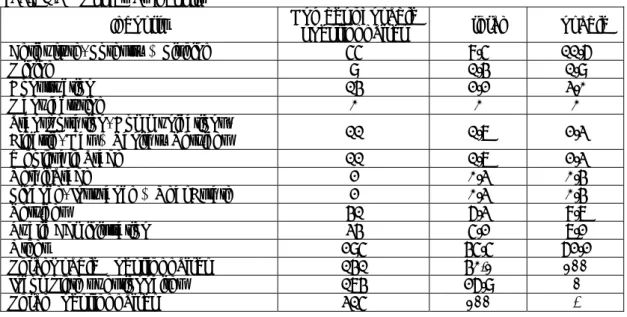
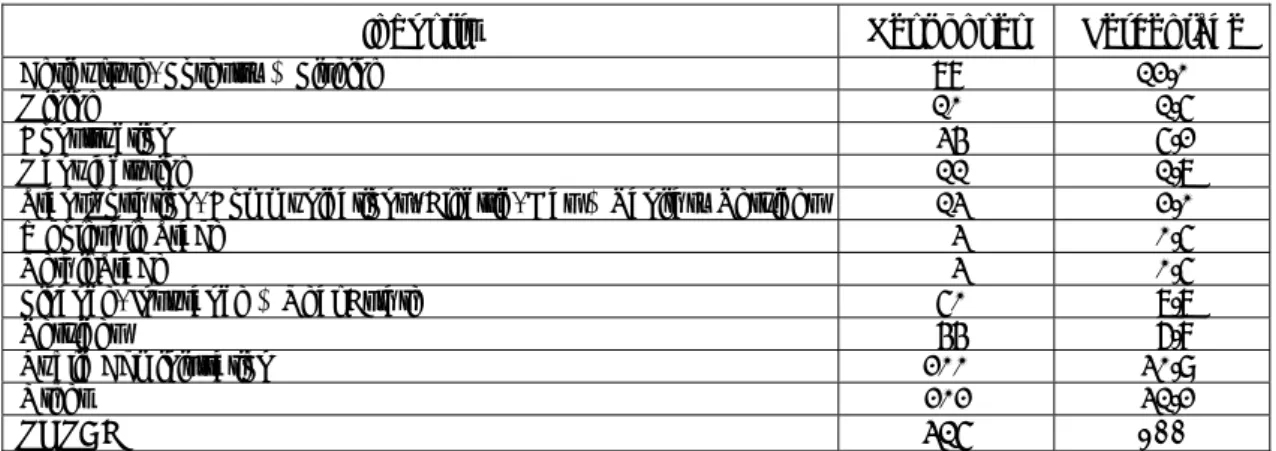
Table 4.1 Participants by industry 83
Table 4.2 Participants by gender 83
Table 4.3 Participants by age range 84
Table 4.4 Participants by position in the organisation 84 Table 4.5 Participant length of time in organisation 84 Table 4.6 Participant length of time in position 84 Table 4.7 Downsizing as part of current restructure 85 Table 4.8 Frequency of downsizing/restructure experiences 86 Table 4.9 Recency of downsizing/restructure experiences 86 Table 4.10 Participants by role in the restructure/downsizing 86
Table 4.11 Reported incidence of downsizing by organisation with >10 respondents 87 Table 4.12 Regression Analysis Full Dataset- Organisational Effectiveness on
Independent and Intervening Variables 90 Table 4.13 Regression Analysis Full Dataset - Organisational Knowledge on
Independent Variables 91
Table 4.14 Regression Analysis Full Dataset- Organisational Effectiveness on
Independent and Intervening Variables – Affected Employees 92 Table 4.15 Regression Analysis Full Dataset- Organisational Knowledge on
Independent Variables – Affected Employees 92 Table 4.16 Regression Analysis Full Dataset- Organisational Effectiveness on
Independent and Intervening Variables – Decision Makers and
Implementers 92 Table 4.17 Regression Analysis Full Dataset- Organisational Knowledge on
Independent Variables – Decision Makers and Implementers 93 Table 4.18 Mediation Analysis - Full Dataset and subsets 95 Table 4.19 Comparison of Hypotheses 1-5 Full Data Set and Subsets 96 Table 4.20 Comparison of Hypotheses 6-9 Full Data Set and Subsets 96 Table 4.21 Regression Analysis Full Dataset- Organisational Effectiveness on
Independent and Intervening Variables- Successful Organisations 98 Table 4.22 Regression Analysis Full Dataset- Organisational Knowledge on
Independent Variables – Successful Organisations 98 Table 4.23 Regression Analysis Successful Organisations - Organisational
Effectiveness on Independent and Intervening Variables – Decision
Makers and Implementers 100
Table 4.24 Regression Analysis Successful Organisations - Organisational Effectiveness on Independent and Intervening Variables – Affected
Employees 100 Table 4.25 Regression Analysis Successful Organisations - Organisational Knowledge
on Independent Variables – Decision Makers and Implementers 101 Table 4.26 Regression Analysis Successful Organisations - Organisational Knowledge
on Independent Variables – Affected Employees 101 Table 4.27 Comparison of Hypotheses 1-5 Successful Organisation Data Sets 102 Table 4.28 Comparison of Hypotheses 6-9 Successful Organisation Data Sets 103 Table 4.29 Regression Analysis Unsuccessful Organisations - Organisational
Effectiveness on Independent and Intervening Variables 104 Table 4.30 Regression Analysis Unsuccessful Organisations - Organisational
Knowledge on Independent Variables 104
x
Effectiveness on Independent and Intervening Variables – Decision Makers and Implementers
Table 4.32 Regression Analysis Unsuccessful Organisations - Organisational Effectiveness on Independent and Intervening Variables – Affected
Employees 106 Table 4.33 Regression Analysis Unsuccessful Organisations - Organisational
Knowledge on Independent Variables – Decision Makers and
Implementers 106 Table 4.34 Regression Analysis Unsuccessful Organisations - Organisational
Knowledge on Independent Variables – Affected Employees 107 Table 4.35 Mediation Analysis Unsuccessful Organisations and subsets 108 Table 4.36 Comparison of Hypotheses 1-5 Unsuccessful Organisations 109 Table 4.37 Comparison of Hypotheses 6-9 Unsuccessful Organisation Data Sets 109 Table 4.38 Summary of Hypothesis Testing Across All Data Sets 112 Table 4.39 Summary of Mediation Testing Across All Data Sets 113 Table 5.1 Summary of Mediation Testing Across All Data Sets 142
Acknowledgements
I wish to acknowledge the people who have helped and supported me throughout the past six years and without whom this thesis would not have been completed.
Firstly, I extend my thanks to my friend, mentor and supervisor, Associate Professor Verena Marshall who inspired me to undertake a PhD and who has always demonstrated her unswerving confidence in me. I also thank Associate Professor Des Klass who helped me negotiate the complexities of statistical analysis and Ms Jenny Lalor, Curtin University SPSS Advisor, who taught me everything I needed to know about SPSS. The academic and administrative staff at Curtin Graduate School of Business, Ms Jo Boycott, Research Student Coordinator for the Curtin Business School and my editor Ms Jennie Rogers also provided invaluable assistance at different stages of the process. Thanks are also due to my doctoral colleague and dear friend Kim Schofield who motivated and encouraged me throughout.
My partner, Gary Holmes supported me in this project, as he has done in all my endeavours over the past 26 years and I thank him for listening to my ideas, challenging and debating with me throughout and for ensuring I took regular breaks from my computer. I also wish to thank the rest of my ‘family’ – Luci, Jackson and Geoff who all helped me in their own ways to complete this journey.
Finally, thanks to all the friends and family who understood why I was often unable to join them in numerous social activities – something I intend to rectify in the coming months.
xii
Abstract
This research considers the organisational factors and processes that impact on knowledge retention and subsequent perceptions of organisational effectiveness during downsizing/restructuring events. By exploring these relationships, the research seeks to help organisations facing downsizing/restructuring to identify best practices to support employees during the process and achieve positive organisational outcomes.
The thesis presents a detailed review of the literature in the field of downsizing and organisational restructuring, together with knowledge, knowledge sharing and organisational effectiveness. A conceptual framework and hypotheses, informed through the literature and qualitative focus group process, were developed for testing. Data were collected from 81 organisations, drawn from both the private and public sectors.
Analyses enabled detailed consideration of the impact of perceived levels of organisational knowledge on perceptions of post-downsizing/restructuring organisational effectiveness. The significance of relationships between downsizing/restructuring events, both decisions and processes, and knowledge sharing in organisations undergoing downsizing/restructuring were also examined. Findings indicate the need for open and honest relationships between managerial (Decision Makers and Implementers) and non-managerial employees (Affected Employees) in order to achieve successful organisational outcomes.
The impact of knowledge sharing on organisational knowledge was assessed by studying the extent of both formal knowledge sharing and informal networks present in respondent organisations. The direct impact of knowledge sharing on organisational outcomes was also analysed and discussed. Conclusions are reached that both formal knowledge sharing and informal networks have a significant impact not only on perceived levels of organisational knowledge but
also on post-downsizing/restructuring organisational effectiveness. However, different aspects of knowledge sharing appear to be more significant to Decision Makers and Implementers and Affected Employees.
For business, the findings of this research demonstrate a need to concentrate on organisational knowledge during downsizing/restructuring in order to achieve improved outcomes. The findings suggest this can be done through attention to ensuring that intent and interpretation of the decisions and processes involved are open and honest. Assessment of the knowledge present in the organisation and a focus on retention of key individuals with important knowledge is also advisable. Communication of what is planned and inclusion of employees in both planning and implementation were identified as ways in which organisations can do so, thereby promoting distributive and procedural fairness throughout the process.
Formal knowledge sharing strategies arose as being important to achieving improved organisational outcomes, particularly to Decision Makers and Implementers. These strategies included identifying, capturing and storing information in ways that are accessible to employees. Documentation of practices and procedures was also found to be important as was careful planning of the change. Communication, providing training and support to survivors and allowing the necessary time for sharing knowledge were also identified as key strategies. Overall, developing a culture and climate within the organisation that is supportive of knowledge sharing was found to be central to achieving improved organisational effectiveness.
Informal networks were identified by Affected Employees as impacting on both perceived levels of organisational knowledge and, indirectly on organisational outcomes. The research indicates the Decision Makers and Implementers and Affected Employees have different perceptions about the role and importance of informal networks. Those implementing downsizing/restructuring may therefore need to examine the structure and operation of informal networks prior to
xiv
downsizing/restructuring to ensure they are adequately supported during the process. Informal networks may also be utilised to assist in bringing about the change.
The findings of this research are important to assist organisations develop best practice approaches to downsizing/restructuring. With increasing acceptance of downsizing/restructuring as a business strategy, this research provides insights into key issues of downsizing/restructuring events and knowledge retention as predictors of improved organisational outcomes.
CHAPTER ONE INTRODUCTION
1.0 INTRODUCTION
Over the past 30 years there has been growing interest in the area of organisational downsizing. Once reluctantly undertaken as a short-term reactive response to cash flow crises, unexpected market downturns, changes in competitive position and other internal and external environmental pressures, downsizing has evolved to become a proactive business strategy implemented in both healthy and declining organisations, across a range of industries, in both the public and private sectors, and in organisations of all sizes (Bruton, Keels & Shook 1996).
Whilst this is a relatively new area of research, there is already a significant and growing body of knowledge. In particular, previous research deals with:
• causes for organisations to implement downsizing strategies and the influences on the strategic downsizing approach adopted (Bruton, Keels & Shook 1996);
• mechanisms organisations use to achieve the desired decrease in workforce size (Greenhalgh, Lawrence & Sutton 1988);
• the impact of strategy implementation on those affected by the change (Lee & Corbett 2006; Abraham 2004; Littler & Innes 2003; Cascio, Young & Morris 1997; Cascio 1993);
• impact on the share market and company share price (Cascio 2002; Cascio, Young & Morris 1997; Lee 1997); and
• aspects of subsequent firm performance (Cascio 2002; Kabanoff, Palmer & Brown 2001; Appelbaum et al. 1999; Gregory 1999).
Although concerns are raised about the loss of knowledge resulting from downsizing activities, the need for appropriate skills to be in place in order to achieve intended outcomes and the importance of redesigning (Appelbaum, Patton & Shapiro 2003; Cascio 2002) and rebuilding organisations after
2
downsizing, relatively little literature deals with how organisations can retain necessary skills and knowledge. Similarly, there is little discussion of how organisations might effectively identify specific position-holders for layoff, yet still maintain organisational knowledge, knowledge sharing or informal networks; all of which are inevitably effected by such major and disruptive change.
The existing research deals primarily with the reported and observed outcomes of downsizing, and impacts on those affected by the change. While there is some speculation about reasons for the reported outcomes, little systematic investigation attempting to explain why these outcomes occur has been undertaken.
1.1 DOWNSIZING
This thesis aims to contribute to the advancement of research on downsizing, restructuring and organisational knowledge by firstly organising the literature from existing research and theory in a conceptual framework. Secondly, propositions about the impact of downsizing/restructuring events and knowledge sharing on perceived levels of organisational knowledge and subsequent organisational effectiveness are developed from the framework and hypothesised relationships examined.
Whilst there is no agreed definition for the term downsizing, a review of the literature reveals key concepts associated with downsizing. These include: the elimination of jobs, associated reduction in personnel, the intentional nature of this action, and action initiated by the firm with the intention of improving performance in some way. It is in relation to the latter definition that the term is used in this research. This view is consistent with the two key foci connected with downsizing that were identified by Kozlowski and colleagues (1993); that is, purposeful decision and performance improvement.
Other terms commonly used in the downsizing lexicon, and subsequently often considered synonymous with downsizing, are outsourcing, delayering and restructuring. These related terms are perhaps used as euphemisms in
organisations to lessen the impact and fear that ‘downsizing’ engenders amongst employees.
In contrast to traditional downsizing strategies which eliminate entire functions, business units or branches, delayering is a more recent strategy (Littler 2000). In using this strategy, identified layers within the organisational hierarchy, particularly middle management, are removed in order to retain functions but ‘thin out’ the ranks. Reduced layers are said to improve communication and therefore efficiency by decreasing the organisational hierarchy (Littler 2000). Outsourcing, on the other hand, is defined by Griggs and Hyland (2003:178) as “a form of restructuring that often involves personnel reduction when it is used to replace a function that was once provided internally.” The function or activity is still required by the organisation, but is no longer undertaken by organisational employees. This is often achieved by the parent organisation selling or ‘outsourcing’ the function to an external specialist provider. Areas commonly identified for outsourcing are those activities considered ‘non core’ such as catering and cleaning services (Griggs & Hyland 2003).
Restructuring generally refers to the overall changes made by an organisation in response to various internal and external influences (Carbery & Garavan 2005). This may involve changes to the ways in which the organisation functions at the macro and micro levels. At the macro level this may encompass changes to the markets the organisation services, or the service/product lines offered. At the micro level, restructuring may include changes to internal arrangements through redesigning functions, merging business units and realigning reporting arrangements resulting in changed organisational structures, reporting lines and job/role design.
Whilst downsizing is the primary focus of this research, the inter-changeability of terms within the general workforce and much of the literature is acknowledged, and the terms are used in their broadest senses during the data collection phases of the study. The term ‘downsizing/restructuring’ will be used in this
4
research to incorporate the broad concept of change to internal operations of an organisation that may result in decrease in the number of positions and/or employees, regardless of the strategies used to achieve the change. ‘Downsizing/restructuring’ in this research does not include organisational changes that are part of an overall growth strategy.
1.2 BROADER IMPLICATIONS FOR THE RESEARCH
While there is some uniqueness regarding the circumstances surrounding downsizing due to the often emotive environment in which it occurs, downsizing is in reality labour turnover, albeit up-scaled in numbers and timeframe. Knowledge loss, and the impact on those employees remaining, might therefore be expected to be comparable to that resulting from general employee turnover, especially in organisations where turnover levels are high. The perceptions of the remaining employees about the organisation’s effectiveness may also be similarly affected.
Therefore, whilst this research focuses on downsizing and major restructuring, its results may well have broader application in terms of the impact of organisational knowledge dissemination and retention on subsequent organisational effectiveness. This may be particularly relevant in coming years as large numbers of ‘baby boomers’ depart the workforce, taking with them the knowledge and networks accumulated over their working lives (Parise, Cross & Davenport 2006).
1.3 PREVIOUS RESEARCH
Most of the previous research on downsizing is drawn from organisations in the United States and the United Kingdom. Some research has been conducted in Australia, the most significant being longitudinal studies by Dawkins and Littler (1999; 2001) and case studies undertaken by Griggs and Hyland (2003) and Cross and Travaglione (2004). Dawkins and Littler’s (1999; 2001) research focuses particularly on the size and frequency of downsizing and subsequent change in makeup of the workforce, and is drawn from the finance sector.
Griggs and Hyland’s (2003) case study relates to the Australian aerospace industry and looks at knowledge retention in this knowledge intensive industry through two episodes of downsizing. This case provides interesting comparisons with the broader organisations involved in the research. Cross and Travaglione (2004) followed a public sector agency through a downsizing process and identified the importance of retaining those employees most valuable to the organisation, rather than wholesale retrenchment, in order to achieve improved organisational outcomes.
The above research primarily considered the impact of downsizing on organisational performance in terms of financial indicators, such as return on investment (Cascio 2002; Cascio, Young & Morris 1997), share price changes (Cascio, Young & Morris 1997; Lee 1997; Worrell, Davidson & Sharma 1991) as well as the impact on innovation, adaptive capacity (Littler & Innes 2003; Littler, Wiesner & Dunford 2003), product development (Gregory 1999) and decision-making processes during situations of labour over-supply (Greenspan 2002; Appelbaum, Everard & Hung 1999; Shaw & Barrett-Power 1996). To date, there appears to be little research linking the impact of downsizing on organisational effectiveness from the perspective of the survivors’ perceptions. While the above research considers the external outcomes of organisational performance on products and services it does not focus on the internal mechanisms and dynamics resulting from the interaction of people in organisations. In Human Resource Management terms, how individuals are affected by downsizing and restructuring events and their subsequent perceptions of the organisation are crucial since it is these perceptions that drive the organisation’s reputation as an employer of choice.
1.4 ORGANISATIONAL KNOWLEDGE
Aside from general references to knowledge loss being evident following downsizing and limited references to the breakdown of knowledge sharing mechanisms and informal networks, these aspects of downsizing have been largely unexplored in the downsizing/restructuring context. Griggs and Hyland’s
6
(2003) case study draws attention to knowledge retention in downsizing organisations. These authors discuss how knowledge lost during an earlier downsizing was able to be turned around when the organisation made significant efforts to become a learning organisation in order to build and retain key knowledge. Cross and Travaglione’s (2004) study of a downsizing organisation is also relevant; these authors discuss the need for identification and retention of valuable individuals. Whilst knowledge may not be specifically discussed, it is inherent in their focus on ‘most valuable’ employees.
1.5 PERCEPTIONS OF DOWNSIZING/RESTRUCTURING EVENTS
In examining the perceptions of survivors, it must be recognised that the level of involvement in the change process is likely to colour the perceptions of all involved, particularly those remaining with the organisation. Tourish, Paulsen, Hobman, and Bordia (2004) refer to perceptions of survivors in their study of downsizing in a health care organisation, looking at levels of uncertainty, trust and communicative effectiveness in a downsizing organisation between those with and without managerial responsibility. These perceptions were reported to be lower in the non-managerial groups, indicating the perceptions of those with varying involvement in downsizing may be an area warranting further investigation.
1.6 PURPOSE AND OBJECTIVES OF THE RESEARCH
The purpose of this research is to consider the organisational factors and processes that impact on knowledge retention and subsequent perceptions of organisational effectiveness during downsizing/restructuring events. A conceptual framework is developed to test the relationships between the key factors. By exploring these relationships, the research seeks to help organisations facing downsizing/restructuring to identify best practices to support employees during downsizing/restructuring and achieve positive organisational outcomes.
organisational knowledge is affected during downsizing/restructuring and subsequent organisational outcomes, the objectives of this research are to identify:
• the impact of downsizing/restructuring events (decisions and processes) on organisational knowledge and organisational effectiveness;
• whether the existence of knowledge sharing (formal knowledge sharing and informal networks) influences perceived levels of organisational knowledge, and subsequent organisational effectiveness; and
• whether perceptions of downsizing/restructuring events, knowledge sharing, perceived levels of organisational knowledge or post-downsizing/restructuring organisational effectiveness vary depending on respondents’ roles (Decision Makers and Implementers or Affected Employees) in the process.
1.6.1 Research Questions
The questions inherent in the objectives of this research are presented below:
• Is there a direct causal link evident between perceived level of organisational knowledge and post-downsizing/restructuring organisational effectiveness?
• Are direct causal links evident between downsizing/restructuring events (decisions and processes) or knowledge sharing, either formal or informal, and post-downsizing/restructuring organisational effectiveness?
• Do downsizing/restructuring events (decisions and processes) have a significant impact on perceived levels of organisational knowledge?
• Does knowledge sharing, formal or informal, influence perceived levels of organisational knowledge?
• Does organisational knowledge mediate the relationship between downsizing/restructuring events and post-downsizing/restructuring organisational effectiveness, or between knowledge sharing and post-downsizing/restructuring organisational effectiveness?
8 1.7 OVERVIEW OF METHODS
This thesis presents data and analysis related primarily to cross-sectional quantitative research, which included an intermediary qualitative approach. That is, focus groups were initially used to identify dimensions for inclusion in the survey instrument to supplement the literature review and provide an Australian perspective, given the shortage of research in the Australian context. The focus group process also sought to examine the usefulness of an organisational effectiveness measure developed by Cameron, Freeman and Mishra (1991) in previous downsizing research.
Sampling was designed to include a wide range of industries and organisations in both the public and private sectors. The data collection process endeavoured to obtain self-reports from multiple employees within each organisation, representing both Decision Makers and Implementers and Affected Employees, to enable comparison of perceptions between the different groups.
Since the variables being considered in the research were all latent variables and therefore not directly measurable, the data obtained was analysed, primarily by factor analysis, to identify item groupings which represented each of the variables. These item groupings were then used as constructs for testing the paths in the conceptual framework using regression analysis to test hypotheses. Subsequent multiple regression analysis was undertaken to identify whether any mediating effects were evident between the independent and dependent variables that could be attributed to the intervening variable (organisational knowledge).
1.8 OVERVIEW OF THESIS STRUCTURE
This thesis is presented over six Chapters, supplemented by eight Appendices providing further explanation of aspects of the study. Chapter One provides an introduction to the thesis and an overview of the literature and research background. Chapter Two presents literature related to downsizing, as well as organisational knowledge, formal knowledge sharing and informal networks.
The relationship of downsizing/restructuring events and knowledge sharing to other constructs and significant variables in the research are presented in a conceptual framework, providing support for the nine hypotheses present in this research.
Chapter Three provides an overview of the methodology, including the qualitative focus group process undertaken in the first phase of the study, the quantitative survey development and data collection stages. Additional descriptions of these stages are provided in the Appendices. The participating organisations are also described, along with sample sizes and the survey instrument used for collection of the data.
Chapter Four describes the methods used to investigate the factorial structure and relationships in the conceptual framework, and subsequent analysis of the data. Findings are presented for the total data set and for both Successful and Unsuccessful Organisations. Comparisons between Decision Makers and Implementers and Affected Employees are also included. The results of each of the hypotheses tested and further analysis of mediating effects are presented, along with a summary of the findings.
Chapter Five discusses the findings in relation to the hypotheses, including comparison of results between Decision Makers and Implementers and Affected Employees, and Successful and Unsuccessful organisations. The final Chapter Six summarises the key findings and conclusions of the research. The thesis closes with a presentation of the limitations, and recommendations for future research.
1.9 CONCLUSION
This Chapter introduced the thesis with a brief discussion of the background and reasons for conducting this study. It provided an overview of the literature supporting the development of a conceptual framework, the methodology, data collection and analysis. The Chapter concluded with description of the thesis structure.
10
CHAPTER TWO LITERATURE REVIEW
2.0 INTRODUCTION
The purpose of this Chapter is to present a review of the literature on downsizing and restructuring, together with the areas of knowledge, knowledge sharing and informal networks. The variables under consideration in this research are discussed individually and hypotheses reflecting relationships between the variables are proposed. A conceptual framework forms the basis of the research design and provides the platform for testing of hypotheses.
2.1 DOWNSIZING
The concept of downsizing has received extensive attention over the past twenty years (cf Appelbaum & Patton 2002; Appelbaum, Patton & Shapiro 2003; Brockner, Wiesenfeld & Martin 1995; Brockner et al. 1997; Burke 2004; Cameron, Freeman & Mishra 1993; Cameron & Smart 1998; Cascio, Young & Morris 1997; Cascio 2002; Freeman & Cameron 1993; Lewin & Johnston 2000; Littler, Wiesner & Dunford 2003; Littler & Innes 2003; McKinley, Sanchez & Schick 1995; McKinley, Zhao & Rust 2000; Spreitzer & Mishra 2002; Worrall & Cooper 2001). Research to date has concentrated on several characteristics of this approach, namely the permanent elimination of jobs and associated reduction in personnel (Cascio 1993; Kee & Turpin 1994; McKinley, Sanchez & Schick 1995; Fisher & White 2000; Hopkins & Hopkins 1999), the planned and intentional nature of the action (Cascio 1993; McKinley, Sanchez & Schick 1995; Hopkins & Hopkins 1999; Tang & Fuller 1995); whether it is part of a strategic decision (Appelbaum, Patton & Shapiro 2003); and where action is initiated by the organisation (Tang & Fuller 1995; Freeman & Cameron 1993) with the intention of improving performance in some way (Freeman & Cameron 1993; Tzafrir et al. 2006).
In their meta-analysis of the literature, Kozlowski and colleagues (1993) identify two key foci of downsizing: purposeful decision and performance improvement.
That is, downsizing is the result of an intentional decision by the organisation to decrease employee numbers, rather than an unplanned consequence of other organisational circumstances. Further, that the decision is taken by the organisation with the intention of improving some aspect of organisational performance as a result of this action. This view is supported by Yu and Park (2006) who have also undertaken a meta-analysis of the more recent literature, drawing similar conclusions. In addition, Australian researchers Cross and Travaglione (2004:275) have defined downsizing as “reduction in size and costs of an organisation and the redesign of the work processes with an intended purpose of regeneration”. It is in this context that the term ‘downsizing’ is used in this research.
The literature presents varying terminology in relation to downsizing. Terms used synonymously with downsizing include delayering, outsourcing and restructuring. Delayering and outsourcing are two of the common mechanisms associated with downsizing, whilst restructuring has broader connotations related to a wider range of change initiatives which may or may not involve job losses.
2.2 RESTRUCTURING
Restructuring generally refers to the overall changes made by an organisation in response to internal and external influences. This may involve changes to the ways in which the organisation functions at both macro and micro levels. Macro-level changes refer to the markets the organisation services or product/service lines offered. At the micro level, examples of changes to internal arrangements include redesigning functions, merging business units and realigning reporting arrangements, resulting in changed organisational structures, reporting lines and job/role design.
Whilst downsizing is one of a range of strategies that may be involved in achieving a new structure, it is also a term closely linked with ‘restructuring’ in the minds of many in the workforce. Anecdotally, some employees in
12
organisations consider the term ‘restructuring’ to be a code used by managers for the harsher reality of ‘downsizing’ resulting in job loss. Thus, while the terms are theoretically distinct, in the practical commercial environment they are often used interchangeably.
This interchange of terms is evident in research on hospital restructuring conducted by Burke and Greenglass (2000), where they use the singular term ‘restructuring and downsizing’ throughout, indicating the inseparable nature of activities involved in ‘recreating’ the organisation through major change. De Witte and colleagues (De Witte, Vandoorne & De Cuyper 2005) avoid use of the word ‘downsizing’ at all, preferring the term ‘occupational transitions due to organisational restructuring’ to describe the need for outplacement and re-employment resulting from organisational restructuring.
Whilst the primary focus of this research is the effect of downsizing, the terminology ‘downsizing/restructuring’ has been adopted throughout the data analysis and discussion in order to convey the broadest meaning of the terms. 2.3 OVERVIEW
The remainder of this Chapter provides background information on the recent history of downsizing and restructuring and summarises associated relevant literature in this field. Knowledge and informal networks are defined, and their relevance to the organisation in the context of downsizing/restructuring is discussed. The conceptual framework of the research is then introduced. The importance of the associated decisions and processes is established, followed by a detailed discussion of key aspects of knowledge sharing (the independent variables of the model). The intervening and dependent variables, perceived organisational knowledge and organisational effectiveness, are introduced and their significance to the research explained. The possibility of different perceptions between Decision Makers and Implementers and employees affected by the changes is also discussed and forms an additional focus for the
research. Research hypotheses, developed from the literature review, are presented in relation to the conceptual framework.
2.4 BACKGROUND
Until the 1980s, downsizing/restructuring was generally undertaken in reaction to economic crises, typically affecting blue collar workforces, and often resulting in closure of plants, factories, mines or other facilities in response to reduced demand for products. As an organisational strategy, downsizing/restructuring grew in significance during the late Twentieth Century as a broader organisational business strategy, but also affecting middle management and white collar employees (Littler 2000).
Schraeder, Self and Lindsay (2006) indicate that reasons for the high incidence of downsizing/restructuring include mergers, introduction of new technology and global competition, along with a push towards providing increased value to shareholders, and as strategy to reverse decline in organisational performance. Decreasing overheads, increasing productivity, improved communication and greater entrepreneurship are also cited as drivers towards downsizing/restructuring. Pfeil, Setterberg and O’Rouke (2003) concur, indicating that mergers, acquisitions and divestitures prompt downsizing/restructuring both during difficult economic times and when there is growth in the business cycle.
Research cited by Lee and Corbett (2006) indicates that over a third of US companies downsized every year from 1988 to 1994, and 85% of Fortune 1000 firms decreased staff numbers between 1987 and 1991. Littler’s (2000) research shows that in 25,000 organisations surveyed in five Western countries, 48-62% of organisations in each country underwent downsizing/restructuring during the 1990s. Australia reported the highest incidence, with 62% of participating organisations reporting they had undertaken downsizing/ restructuring to some extent. Repeated downsizing/restructuring was also common, with delayering and outsourcing, including both involuntary and
14
voluntary layoffs, frequently used strategies for achieving the required decrease in workforce size.
High levels of downsizing/restructuring also resulted from significant increase in number of mergers and acquisitions during the 1990s, with many organisations initiating downsizing/restructuring to reduce subsequent duplication of functions and streamline operations. Researchers agree that downsizing/restructuring remains a legitimate business strategy, both as a reactive measure during economic crises and as a proactive realignment or refocusing strategy for organisations in meeting long term objectives (Bruton, Keels & Shook 1996). Dawkins and Littler’s research (1999; 2001) further suggests that downsizing/restructuring may be cyclical, with the rate showing little indication of slowing. Likewise, Cascio’s (2002) research suggests downsizing/restructuring is on the increase after the events of 11 September 2001.
2.5 PREVIOUS RESEARCH ON DOWNSIZING
Despite extensive research and procedural advice available to organisations, empirical evidence suggests relatively poor results for many downsizing/restructuring initiatives (Williams 2004). On the positive side, Yu and Park (2006) report that downsizing allows firms to decrease redundancy and improve efficiency through restructuring and improve productivity and profit through reducing labour costs, others research indicates less optimistic results. However, Cascio, Young and Morris (1997) state that in follow-up studies of organisations two years after announcement of downsizing/restructuring initiatives, the majority of organisations surveyed were trading below the average level of the stock market and, even more significantly, below comparable organisations in their industry (Mitchell & Company, 1991; cited in Cascio 1993). Yu and Park (Yu & Park 2006), Hallock (1998) and Lee (1997) also found negative ‘capital market outcomes’, that is, lowered share prices following downsizing/restructuring decisions; whilst Abraham (2004) suggests the result of the announcement is dependent on whether it is seen by the market as a proactive or reactive response.
Business surveys conducted by the Wyatt Company and the American Management Association (Cascio 1993) found that:
• only 46% of respondents reported that cuts resulted in the expected decrease in expenses over time;
• less than a third of companies reported anticipated increases in profits;
• only 21% reported satisfactory improvements in shareholder returns;
• four out of five firms (80%) replaced people they had dismissed.
Similarly in Australia, research indicates that only one-third of companies report increased productivity, half report decreased labour costs, and less than 20% report increased labour flexibility following downsizing (Lee & Corbett 2006). The list of unmet targets and expectations goes on, perhaps evidence that many of the results of downsizing/restructuring have not demonstrated the potential improvements that the literature promised or that organisations intended (Kozlowski et al. 1993).
2.6 KNOWLEDGE
Since the 1980s it has been recognised that one of the strategic assets available to organisations is the knowledge of the people working within them (Bollinger & Smith 2001). Both the resource and knowledge-based views of the firm acknowledge the importance of employee skills, knowledge and expertise in achieving sustainable competitive advantage; as such, skills, knowledge and expertise are rare, valuable, inimitable and non-substitutable (Barney 1991; Grant 1996; Teare & Rayner 2002). In the global, knowledge-based economy, advances in technology enable rapid communication, duplication and substitution of ideas making the unique competencies of individuals one of the few differentiators between organisations and, therefore, of paramount importance for organisational success.
Two constructs, tacit knowledge (Polanyi 1967) and explicit knowledge (Grant 1996), are used extensively in organisational theory and in the field of knowledge management to help define and understand the concept of
16
knowledge. As Western economies in particular move their focus from manufacturing towards knowledge based service industries, greater emphasis on knowledge creation and retention is evident.
The concept of tacit knowledge arose from Polanyi’s (1967) observations that “we can know more than we can tell”. An example of such intuitive ‘knowing’ may be the ability to recognise another person’s face amongst thousands without being able to easily describe or explain the features by which we are able to do so. This ‘tacit-ness’ applies to numerous aspects of human knowledge, including many of the skills and abilities utilised in the workplace. In contrast, explicit knowledge is “knowledge that is transmittable in formal, systematic language” (Nonaka 1994:16) and thus unambiguously communicated.
Management theorist Robert Grant (1996) provides a useful explanation of the two forms of knowledge within the organisational context. The first is explicit knowledge, described simply as “knowing about”; for example, facts and figures. The second is tacit knowledge, or “knowing how”, such as the ability to ‘do’ or perform a task. Awareness of these two aspects of knowledge is crucial to understanding knowledge inherent in organisations.
In its tacit form, knowledge is evident in the expertise of individuals and teams, the cultural norms and group understandings which form the basis of organisational values (Snyder & Cummings 1998). Individuals build knowledge through their formal learning, as well as their work and life experiences. Ongoing experiences constantly build and alter individuals’ knowledge bases. This individual knowledge is an inherent part of each employee, and leaves the organisation when they depart. In its explicit form, knowledge is codified in the vast electronic and paper records retained by organisations.
Organisational knowledge, according to Snyder (1996, cited in Snyder & Cummings 1998), consists of knowledge and understanding in relation to the organisation, which is shared by its members. This comprises:
• skills – technical, professional and social
• cognition – information, ideas, attitudes, norms and values shared by organisation members, and
• systems – structures, procedures and policies related to performing tasks.
Tacit knowledge, carried by individuals and groups, is neither recorded nor easily shared. It is often context specific and based on actions and a level of involvement by individuals in a situation. It involves technical expertise, as well as cognitive aspects that are not easily recorded or communicated except through observation and experience (Nonaka 1994). The grasping and understanding of an idea or concept through doing or experiencing is also termed as ‘hands on’ learning. Interactions between individuals result in shared understanding and the transfer of this tacit knowledge within teams and amongst individuals, creating the organisational knowledge base and organisational memory (Gore & Gore 1999).
Explicit knowledge, on the other hand, encompasses recorded or codified material accumulated by organisations over their business history. This material is stored both electronically and physically in the form of records, files, databases and intranets and is also embedded in the practices and procedures developed by an organisation to deal with its daily transactions. Recorded in various forms, explicit knowledge is easily available and can be readily shared and transferred between individuals and across organisations.
Cross and Baird (2000) suggest that both tacit and explicit knowledge are critical to an organisation’s ability to solve problems and create new knowledge. This view is supported by Teare and Rayner (2002) who discuss the knowledge-based view of a learning organisation as one that is “skilled at creating, acquiring and transferring knowledge, and at modifying its behaviour to reflect new knowledge and insights”. They stress the importance of organisations
18
using their capabilities to create higher value knowledge in order to improve bottom line results.
Knowledge is primarily absorbed through social interactions; therefore according to Cross and Baird (2000) without opportunities to learn from others, individuals are in danger of intellectual stagnation. These writers consider that
organisations must introduce varied mechanisms for retaining knowledge, and suggest practices such as video interviews with experts being made available to staff as a way for tacit knowledge to be captured. Retaining in-house expertise by focussing on retention strategies is also deemed important to ensure
retention of key knowledge.
Taking into account the above discussion of the impact of downsizing/ restructuring decisions and strategies and the importance of knowledge in the organisational context, this research seeks to identify the impact of the relevance of downsizing/restructuring decisions and processes on perceived levels of organisational knowledge following downsizing/restructuring, and subsequent perceived organisational effectiveness.
2.7 KNOWLEDGE SHARING
Whilst the skills, experience and personal attributes of individuals are crucial in building organisational capacity, both Grant (1996) and Nonaka (1994) also identify the importance of the interaction between individuals in facilitating achievement of organisational outcomes; “firms exist…because they can create conditions under which multiple individuals can integrate their specialist knowledge” (Grant 1996:112; Cross & Baird 2000). This view suggests that superior organisational performance is due to more than simply the combined knowledge and skills of each individual within the organisation. The concept of integration of individual knowledge, or building organisational knowledge that is more than the sum of the parts, is comparable to social capital (Leana & Van Buren 2000) and network theories (Lesser & Prusak 1999; Nahapiet & Ghoshal 1998). The organisational social capital school of thought stresses “the value to
an organisation and its members of the relationships formed for the purpose of engaging in collective action” (Leana & Van Buren 2000:225). This supports the view that the value of individuals to the organisation is not merely their skills, knowledge and expertise but also the intangible nature of the relationships they form in order to engage in the collective action needed to achieve organisational outcomes.
The above resonates with Snyder and Cumming’s (1998) view of organisational knowledge as comprising skills, cognition and systems. Technical and professional skills are primarily sources of individual knowledge. Informal social interactions such as team activities and opportunities for informal networking, as well as support for ongoing learning and development, can be facilitated by the organisation. These strategies result in sharing individual knowledge in the building of organisational knowledge.
Cognition, the development of information, ideas, attitudes, norms and values can also be developed and supported within organisations. Whilst individuals bring their own value systems, ideas and attitudes to the workplace, the organisation plays a role in shaping the organisational culture, which in turn creates the shared understanding aspect of organisational knowledge.
Systems which enable access to knowledge such as manuals, intranets, databases, physical records, storage and retrieval systems, policies, procedures and guidelines (Clarke & Rollo 2001), are provided by the organisation in the form of knowledge management strategies and tools. Structures and processes that support sharing of knowledge between individuals and within groups, such as communication channels, organisational structures and job designs, are part of the essential infrastructure of the organisation.
Realisation of the importance of recording and retaining corporate knowledge within organisations, and the development of information technology tools to support and facilitate storage and access to this knowledge, has led to the growth of ‘knowledge management’ plans and strategies throughout
20
organisations. The need to store and access information in organisations has long been accepted, but modern information technology has increased the scale and ease with which this can be accomplished (Clarke & Rollo 2001).
Knowledge management tools increase the capacity of organisations to transfer individual knowledge to an explicit, codifiable form with wider accessibility to members of the organisation. This supports increased sharing and transfer of knowledge, thus decreasing the reliance of organisations on key individuals. Individual knowledge can be shared in many ways, including by teamwork and collaboration with others and codification of explicit knowledge into organisational records. There are numerous ways in which knowledge is shared and many strategies evident in organisations facilitate this sharing and retention of knowledge.
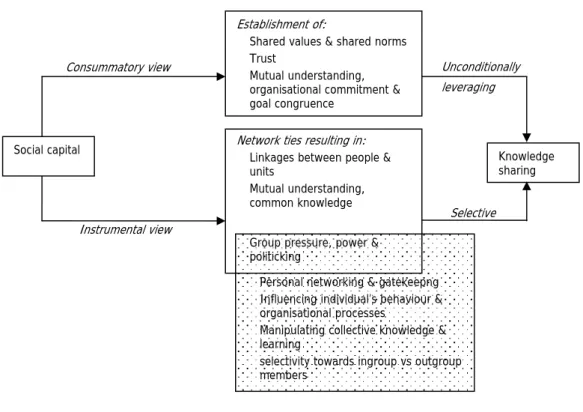
According to Teece and colleagues (1997, cited in Willem & Scarbrough 2006:1343)knowledge sharing is essential to “unlocking the potential performance benefits of knowledge” and thus to improving organisational outcomes. Willem and Scarbrough (2006) outline a range of views from the literature in regard to social capital which they contend enhances knowledge sharing. They focus particularly on Portes’ (1998, cited in Willem & Scarbrough 2006) ‘instrumental’ and ‘consummatory’ views which perceive social capital to be based on reciprocity and group identification respectively. This ‘instrumental’ view suggests social capital results from development of network linkages between people, based on mutual understanding and common knowledge. The ‘consummatory’ view depicts social capital as created through development of shared social norms and socialisation amongst group members.
In relation to knowledge sharing, the ‘consummatory’ view emphasises the value of shared norms and trust between group members, resulting in greater levels of organisational commitment, increased flexibility, cooperation, trust and social identification (Nahapiet & Ghoshal 1998; Tsai & Ghoshal 1998; Leana & Van Buren 2000). Willem and Scarbrough (2006) contrast this with the ‘instrumental’
view, outlining how network ties between people can be beneficial in knowledge sharing, along with the potential for negative effects arising from organisational politics. These authors suggest that some employees may use their network position to mediate the sharing of knowledge, resulting in selective information dissemination; this view is supported in a recent case study analysis by Willem and Scarbrough (2006).
The following Figure 2.1 presents a conceptual overview of the relationship between social capital and knowledge sharing in organisations. It reflects the ‘instrumental’ view associated with beneficial effects of ties between people, as well as potential negative consequences of group pressure and internal politics. In contrast, the ‘consummatory’ is associated with a more positive focus on shared values, understanding and trust resulting in unconditional knowledge sharing.
Figure 2.1 Relationship between social capital and knowledge sharing (Willem & Scarbrough, 2006:1347) Selective Unconditionally leveraging Instrumental view Consummatory view Establishment of:
• Shared values & shared norms • Trust
• Mutual understanding, organisational commitment & goal congruence
• Personal networking & gatekeepng • Influencing individual’s behaviour &
organisational processes
• Manipulating collective knowledge & learning
• selectivity towards ingroup vs outgroup members
Network ties resulting in:
• Linkages between people & units
• Mutual understanding, common knowledge
• Group pressure, power & politicking
Social capital Knowledge
22
Arthur and Defillipi (1998) also discuss ways of retaining the knowledge inherent in ‘knowledge workers’ when they leave an organisation. They propose that structuring the organisation on a project basis is one way in which knowledge can be shared and embedded in organisational operations. This approach focuses on knowledge, rather than worker, retention and provides for cross-functional learning, teamwork and knowledge sharing mechanisms. Intrinsic to this approach is the support and encouragement for communities of practice reflected in numerous studies (Cohen & Prusack 2001; Lesser & Everest 2001; Lesser & Prusack 2001; Lesser 2000; Lesser & Prusak 1999).
It may follow that effective retention of knowledge in organisations necessitates an environment that supports sharing and exchange of knowledge. Individuals must have an environment that creates trust, willingness and opportunity to share knowledge, with organisational and job structures facilitating communication and knowledge sharing. Further, in such environments there is the availability of knowledge management systems in place to record, store, access and retrieve knowledge (cf Cross & Baird 2000; DeTienne & Jackson 2001; Gore & Gore 1999; Gregory 1999; Teare & Rayner 2002).
2.8 INFORMAL NETWORKS
Following the research of Walsh and Ungson (1991), Cross and Baird (2000) consider that organisational memory is stored in the relationships employees ‘tap into’ on an ongoing basis to accomplish work outputs. They highlight that individuals cannot know everything so knowing how to find and apply information efficiently is a more practical and important skill. People rely on their networks for information and obtain advice from trusted and capable colleagues. Time spent interacting on work tasks establishes a sense of reciprocity and trust, which forms the basis of social capital theory (Lesser & Storck 2001). These close working relationships build an understanding of each person’s particular knowledge and skills, enabling individuals to learn who to seek out for assistance.
Social network theory (Brass 1995) examines the importance and complexity of interactions between actors in interacting groups and identifies the existence of key individuals in such groups. In particular, individuals termed ‘gatekeepers’ provide important links between major parts of the network (Brass 1995) and control and mediate the flow of information. This is despite their informal role in the network often bearing little direct relationship to their position in the formal organisational hierarchy or their assigned tasks, role or position. Therefore, social network theory suggests that the importance of individuals to the organisational network may not be fully accounted for on the basis of their job alone. This view becomes particularly relevant when organisations downsize/restructure. In situations of downsizing and restructuring, emphasis on removal of jobs considered no longer necessary may lead to oversight of key informal roles that individuals undertake.
Lesser (2000) also discusses the value of social relationships, particularly in learning organisations. He describes the concept of ‘social capital’ as consisting of three dimensions: structure of relationships, interpersonal dynamics within the structure, and common context and language. This view is supported by Nahapiet and Ghoshal (1998:243), who define social capital as “the sum of the actual and potential resources embedded within, available through and derived from the network of relationships possessed by an individual or social unit”. These researchers also identify the same three dimensions in social relationships.
The ‘structure of relationships’ dimension (Lesser, 2000; Nahapiet and Ghoshal, 1998) is consistent with that discussed by Brass (1995) in regard to social network theory. The ‘interpersonal dynamic’ dimension of social capital relates to the value of positive interactions between individuals. Trust (that is, A trusts B, B trusts C therefore A trusts C) and reciprocity, the provision of assistance or advice now, in expectation of a reciprocal favour later, are considered to be crucial in fostering social capital.
24
The common language and context dimension relates to the way in which members of a network have common interests or share common understanding. Common language facilitates access to people and their information, notwithstanding national language or linguistic community, enabling understanding that arises through shared experiences, including acronyms, terminology and underlying assumptions and subtleties.
2.9 KNOWLEDGE AND INFORMAL NETWORK RETENTION DURING DOWNSIZING/RESTRUCTURING
Research in downsizing/restructuring over the past 20 years, however, has consistently identified organisational and individual issues commonly reported as occurring after downsizing/ restructuring. It is contended that many of these issues are associated with the loss of knowledge and informal networks which occur during downsizing/restructuring. Although much has been written about both knowledge and informal networks in organisations, little attention is paid in the literature to loss of knowledge or informal network breakdown in this context. Examples of downsizing outcomes which may indicate knowledge loss include the many reports of replacement of individuals or roles by re-hiring, or engagement of consultants (Appelbaum, Everard & Hung 1999; Cascio 1993). Similarly, the reintroduction of ideas and practices, often termed ‘reinventing the wheel’ (Gregory 1999), is also frequently apparent, as are reports of inability to locate necessary information sources, both physical resources and people (Cascio 1993). These suggest survivors find difficulty in accessing organisational knowledge.
Organisational outcomes suggesting loss of knowledge are also evident in reports of lower productivity levels, inefficiencies, increased errors and falling work quality (Cascio 1993). Additionally, negative feedback from both clients and employees is also often reported (Appelbaum, Patton & Shapiro 2003). Lack of knowledge and disruption to informal networks may also account for some of the uncertainty experienced by remaining employees (‘survivors’),
resulting in decreased job satisfaction, lower motivation and increased voluntary turnover (Appelbaum, Patton & Shapiro 2003; Cameron & Smart 1998; Appelbaum et al. 1997). Increased stress, pressure and burnout are also reportedly experienced by survivors along with a loss of trust in management and colleagues and communication breakdown (Appelbaum, Patton & Shapiro 2003; Cameron & Smart 1998; Cascio 1993). In addition, in the event of decreased social interaction (Kozlowski et al. 1993) there is a need to establish new networks, connections and links with others (Appelbaum et al. 1997; Gregory 1999; Fisher & White 2000). These outcomes may be partially attributable to the breakdown of the informal networks used by employees in their daily activities.
Appelbaum, Patton and Shapiro (2003) stress that failing to take into account interdependencies, the importance of core competencies, retention of skills, and maintenance of institutional memory, is likely to result in negative organisational outcomes from downsizing. Williams (2004) also states that downsizing and restructuring remove individuals’ knowledge and experience, and break down key relationships between employees and with external stakeholders. He concurs with the underlying premise of this research, that such a breakdown can have significant impact on organisational ‘culture, cohesion and cooperation’, as well as placing organisational knowledge at risk.
Following extensive reporting of these problems in the literature, practitioners recommend many ‘best practice’ approaches to overcome them. The ‘best practices’ recommended in the literature include ensuring there is ongoing, two way communication with stakeholders (Cameron, Freeman & Mishra 1991; Appelbaum et al. 1997; Appelbaum, Everard & Hung 1999; Kozlowski et al. 1993). Treating people with dignity and respect (Cameron, Freeman & Mishra 1991; Appelbaum et al. 1997; Appelbaum, Everard & Hung 1999) and encouraging staff participation in decision-making and implementation (Cascio 1993; Cameron 1994; Appelbaum et al. 1997) are also recommended. As well as addressing the myriad of problems associated with downsizing/restructuring,
26
many of these ‘best practices’ are strongly connected with the retention of knowledge and informal networks in the work environment.
A number of knowledge management strategies are also recommended practices for dealing with downsizing/restructuring. These include preparation and planning of the change initiative (Appelbaum et al. 1997; Appelbaum, Patton & Shapiro 2003; Cameron 1994; Cascio 1993), documentation of policies and procedures (Gore & Gore 1999) and supporting, promoting and facilitating knowledge sharing activities (Cameron, Freeman & Mishra 1991). These recommendations are common in the literature on the management of knowledge (Williams 2004; Walczak 2005), which suggests the need to record knowledge in explicit, codified form, along with supporting and encouraging shared tacit knowledge between individuals. Knowledge sharing and retention is also apparent in recommendations to provide training and development opportunities for staff (Cascio 1993; Cameron 1994; Appelbaum et al. 1997; Appelbaum, Everard & Hung 1999; Kozlowski et al. 1993) and ensure clear definition of roles and responsibilities (Cameron 1994).
2.10 CONCEPTUAL FRAMEWORK FOR THE RESEARCH
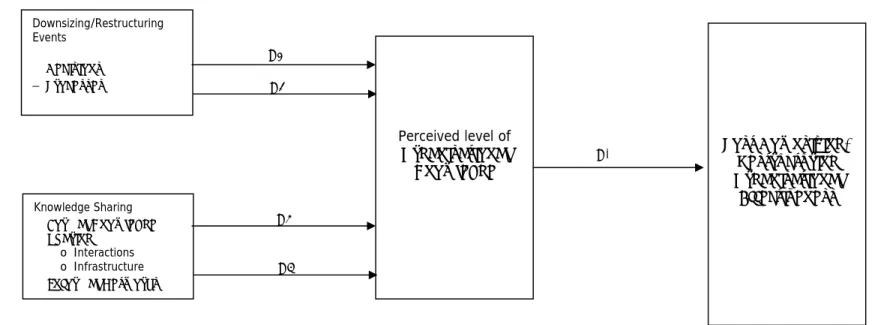
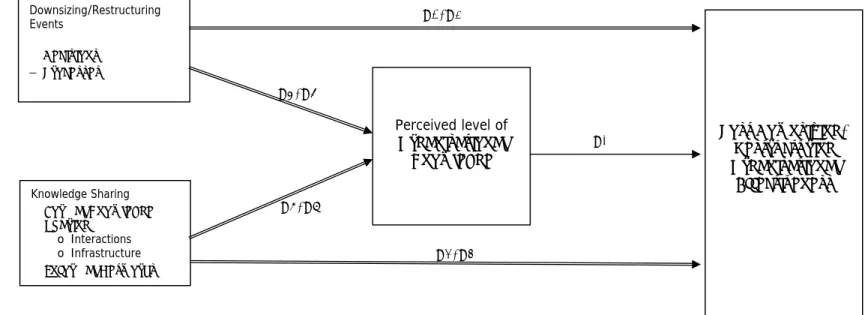
The following section introduces the integrated conceptual framework developed for this research, identifying the key variables and their inter-relationships. The integrated conceptual framework (Figure 2.4) combines a two stage model development process (Figures 2.2 and 2.3).
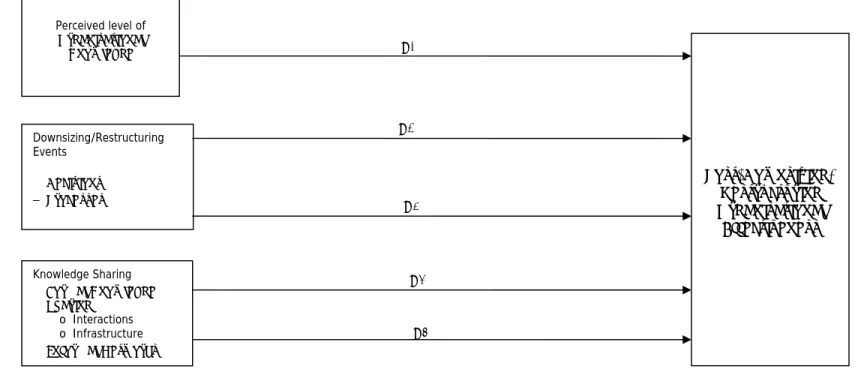
Initially, ‘perceived level of organisational knowledge’, ‘perceptions of downsizing/restructuring events’ (perceived relevance of downsizing/ restructuring decisions and perceptions of downsizing/restructuring processes) and ‘knowledge sharing’ (formal knowledge sharing and informal networks) are examined to identify any direct impact they may have on the dependent variable ‘perceived post-downsizing/restructuring organisational effectiveness’. These relationships are presented in the Stage 1 Model (Figure 2.2).
Figure 2.2: Stage 1 – Direct Impact of Independent Variables on Organisational Effectiveness Perceived level of Organisational Knowledge H1 Post-Downsizing/ Restructuring Organisational Effectiveness Downsizing/Restructuring Events • Decisions • Processes H2 H3 Knowledge Sharing • Formal Knowledge Sharing o Interactions o Infrastructure • Informal Networks H5 H4