Journal of Information Literacy
ISSN 1750-5968
Volume 7 Issue 1
June 2013
Article
Dalton, M. 2013. Developing an evidence-based practice healthcare lens for the
SCONUL Seven Pillars of Information Literacy model.
Journal of Information
Literacy
, 7(1), pp. 30-43.
http://dx.doi.org/10.11645/7.1.1813
Copyright for the article content resides with the authors, and copyright for the
publication layout resides with the Chartered Institute of Library and Information
Professionals, Information Literacy Group. These Copyright holders have agreed
that this article should be available on Open Access.
“By 'open access' to this literature, we mean its free availability on the public internet, permitting any users to read, download, copy, distribute, print, search, or link to the full texts of these articles, crawl them for indexing, pass them as data to software, or use them for any other lawful purpose, without financial, legal, or technical barriers other than those inseparable from gaining access to the internet itself. The only constraint on reproduction and distribution, and the only role for copyright in this domain, should be to give authors control over the integrity of their work and the right to be properly acknowledged and cited.”
Developing an evidence-based practice healthcare
lens for the SCONUL Seven Pillars of Information
Literacy model
Michelle Dalton, Assistant Librarian, University Hospital Limerick, University of
Limerick. Email: [email protected]
Abstract
The SCONUL Seven Pillars of Information Literacy model was revised in 2011 to reflect the interpretation of information literacy in today’s environment. Subsequently, a number of lenses have been developed to adapt the core model to different contexts and user groups. This study develops a lens that aims to reflect the unique information landscape and needs of evidence-based practice (EBP) in healthcare. Healthcare professionals across medicine, nursing and allied health disciplines were interviewed to explore their understanding and awareness of the clinical information-seeking process and behaviours. This information was then used to construct an EBP lens using familiar healthcare terminology and concepts. Health Science librarians can use this lens as a framework to inform the design and structure of information literacy programmes for clinical staff. Further insight may also be gained by measuring the impact and effectiveness of the lens on information literacy levels and practice at a local level.
Keywords
information literacy; healthcare sector; evidence-based practice; Seven Pillars
1. Introduction
The original SCONUL Seven Pillars of Information Literacy model (SCONUL Advisory Committee on Information Literacy 1999) was designed in 1999 as a tool to help librarians and educators structure and deliver information skills training. The model has since been revised in 2011 to reflect the new realities of today’s information landscape. The updated model presents itself as a ‘generic core’ applicable to the general Higher Education (HE) context, and a series of lenses have subsequently been developed to tailor the model to different subsets of learners. To date, these include digital literacy, open content and research lenses.
However, information literacy (IL) is an important competency not just in HE but also in the professional environment, particularly in the knowledge-driven domain of healthcare delivery. Indeed evidence-based practice (EBP) – the use of information to inform patient care – is a fundamental concept in modern healthcare. The role that information plays in this context is crucial:
While the intrinsic core of the SCONUL Seven Pillars model is also broadly applicable in this context, there are subtle differences in the information skills and behaviours required in the clinical setting compared to HE. In contrast to the typical academic research setting, EBP is essentially patient focused and requires clinical staff to be adept at sorting through and synthesising large volumes of information in a very short period of time, with typically no more than two minutes available to deal with any one patient query (Ely 2002). Healthcare delivery also requires staff to be proficient at integrating information with their own clinical expertise and patient preferences. This triad captures the unique challenges for healthcare professionals which demand specific information competencies and behaviours.
IL instruction is therefore a key aspect of health science librarians' role today. However, no model currently exists which captures the particular landscape of this sector. This study analyses the existing literature on the information behaviour, needs and processes of clinical staff. Semi-structured interviews with healthcare practitioners are then used to provide qualitative data on the perspective of staff's information usage and needs in the practice or patient care setting. This data is used to construct the framework of the EBP lens, and the language and terminology used by clinical staff is incorporated as far as possible. While the lens primarily represents information skills in the acute hospital setting, it is hoped that it may also be broadly applicable to other healthcare contexts such as general practice.
By developing a lens that reflects the unique demands and context of the clinical information environment, this research will provide a tool to support and inform the curriculum design and delivery of information skills training in the healthcare workplace. A model that is
specifically customised in this way, incorporating specific attitudes and behaviours as well as skills, may also help to increase the relevance and meaning of IL instruction to staff, thereby supporting more effective teaching and learning, and ultimately patient care.
2. Literature Review
2.1 The SCONUL Seven Pillars of Information Literacy model
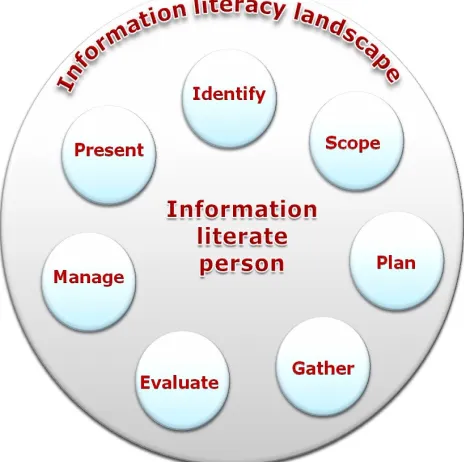
Figure 1. SCONUL Seven Pillars of Information Literacy (2011)
Source: SCONUL Working Group on Information Literacy 2011, p. 4
There are a number of different IL standards and models which are well established. The choice of the SCONUL model for this study reflected a number of issues; that the model has been so recently updated to reflect new and emerging realities is one. A constructivist approach (Savery and Duffy 1996) to learning is common in the healthcare domain, and problem-based learning has been shown to be an effective strategy in preparing students for the demands of the professional environment in many medical education programmes (Norman and Schmidt 2001). Through this approach, learning is viewed as a process such that individuals can learn to apply their knowledge under appropriate conditions. The SCONUL model (Figure 1) interprets the development of IL as an iterative, non-linear process, such that pillars can be developed ‘simultaneously and independently’ (SCONUL 2011, p.4). While the original model has been argued to undermine constructivism to some extent, the revised version extends the focus on skills to include attitudes and behaviours as well, in greater consonance with a constructivist approach (for a detailed discussion of the various IL frameworks see Andretta 2005). Moreover, it is the only well established model that makes use of customised lenses to supplement the core model. The flexibility of this lens approach supports a constructivist framework by potentially increasing the personal relevance and direct meaning for users. By adapting the generic model to the specific real-life context of learners, it reflects an approach to instructional design and delivery that allows individuals to construct new skills in a familiar territory.
2.2 IL in the professional context and EBP
Table 2.1: Parallels between IL competencies and EBP
Association of College and Research
Libraries competencies Steps in evidence-based medicine
Determine the nature and extent of the information that is needed
Convert the need for information (about prevention, diagnosis, prognosis, therapy, etc.) into an answerable question
Access needed information effectively and efficiently
Track down the best evidence with which to answer the question (select the best evidence resource and research it efficiently and effectively)
Evaluate the information and its sources critically and incorporate selected information into one’s personal knowledge base and value system
Critically appraise the evidence for its validity (closeness to the truth), impact (size of the effect), and applicability (usefulness in clinical practice)
Use information effectively to accomplish a purpose
Integrate the critical appraisal with clinical expertise and with the patient’s unique biology, values, and circumstances
Understand many of the economic, legal and social issues surrounding the use of
information and access and use the information ethically and legally
Evaluate the effectiveness and efficiency in executing the four above steps and seek ways to improve them for the next occasion
Source: Nail-Chiwetalu and Bernstein Ratner 2006, p. 159
Like the ALA standards, the SCONUL Seven Pillars model is designed primarily for the HE sector. While many of these aptitudes and behaviours are also desirable in the professional setting, Head’s (2012) Project Information Literacy study explores how graduates solve information problems in the workplace. The findings highlight the different contexts in which individuals often find themselves when they leave the academic environment:
‘Most graduates in our focus groups said they found it difficult to solve information problems in the workplace, where unlike college, a sense of urgency pervaded and where personal contacts often reaped more useful results than online searches.’ (2012, p. 1)
These distinct contextual differences mean that employers often seek staff with ‘a
combination of online and traditional methods to conduct comprehensive research’ (p. 1) rather than just the skills that graduates may have acquired in their educational experience. This need for urgency and a reliance on the expertise of colleagues are two facets we also see in the clinical setting (McCaughan et al. 2005), where information represents a tool that ultimately must be translated into patient care (Grandage et al. 2002). Kitson et al.’s model gives equal weighting to ‘the level of evidence, the context into which the evidence is being implemented, and the method of facilitating the change’ (1998, p. 158). Unlike the HE or research sector, the singular emphasis on change in practice is clear, and thus this emphasis must also feed into the information skills and competencies that are required by practitioners.
intrinsic principle in modern health services. Up to three information queries may be generated by a single patient consultation (Grandage et al. 2002). However, healthcare practitioners are not simply responsible for their own information needs, but must also ‘nurture and enhance the information capabilities of their clients’ (Johnson 1997 cited in Fourie 2009). There is an indication that in recent times, with the growth in online health information, not only patients, but also caregivers and their families, require more information in order to make decisions about treatment and care (Rycroft-Malone et al. 2004). This points to the role that clinical staff must also play in supporting the information needs of others. Indeed, the need to be mindful of and incorporate patient preferences has been a central element in EBP since the first mainstream model was developed (Evidence-based Medicine Working Group 1992). This provides a significantly different context to the typical academic or educational setting, whereby students or learners often primarily use
information for personal research and knowledge management purposes. For instance, searches carried out by nurses in the clinical setting are often more patient focused compared to those in the academic setting (McKnight 2006; Tannery et al. 2007). This contrast between ‘idealised academic online search techniques and the reality of a busy clinical situation in planning training’ underpins the essence of the need for a unique IL framework for EBP (Younger 2010, p. 7).
The healthcare sector faces unique and pervasive challenges, including the working environment, time constraints and the increasing growth in research output within the
discipline. While over 12,000 new articles are added to MEDLINE per week (Glasziou 2008), Sackett and Strauss (1998) estimate that information resources must be accessible within 25.4 seconds for bedside consultations in order to be of any practical use. Such time
constraints clearly have implications for how staff access, process and manage information. Moreover, a lack of access to both IT equipment and printed resources in the hospital setting is often a further barrier, in contrast to the HE sector where resources are typically more accessible.
2.3 The information needs and behaviours of clinical staff
Identifying, accessing, evaluating and applying clinically relevant information in patient care involves a complex set of information behaviours and skills. As McKnight notes: ‘No one can retrieve reliable literature and systematically review it while watching monitors, checking on patients, administering and verifying therapies and answering telephone calls’ (2006, p. 150). Consequently, practitioners need particularly strong appraisal skills to quickly interpret and integrate point of care information tools, as well as well-developed search skills for researching conditions and treatment options in greater detail when necessary. It is in this context that a unique EBP lens is proposed in order to inform the design and delivery of IL instruction for healthcare professionals.
Many studies that have examined the information needs and behaviours of healthcare professionals to date have focused on one particular discipline, in part due to the disparate nature of roles within the sector (Ayatollahi et al. 2013; Kostagiolas et al. 2012; Ford and Korjonen 2012). Furthermore, there is significant variation in the levels of IL and EBP skills of healthcare practitioners; while for some it is second nature, for others it remains merely an ‘aspiration’ rather than an a concept that is adopted consistently and rigorously (Galvin 2011, p. 66). Notwithstanding this, some common patterns do emerge. Clinical staff typically
At a more specific level, Addison et al. (2013) explore how doctors use the point of care tool UpToDate in their daily practice and find that nine primary themes emerge. Doctors typically use the tool: to obtain information regarding new treatments; to make correct treatment decisions; to reduce delay in treatment; to avoid unnecessary diagnostic tests; to make decisions about referral for appropriate diagnostic tests; to reach a final diagnosis; to reach a diagnosis faster; to reassure the clinician that the intended course of action is appropriate; as a reference tool; to give immediate feedback to patients; to avoid unnecessary consulting of senior colleagues; and for cost-saving benefits to the organisation. These themes
encapsulate the frequent need for clinicians to be able to source accurate, relevant
information at the bedside in a very short space of time to support both effective and efficient patient care.
In addition, the information sources used by healthcare professionals often differ from those most prevalent in the academic environment. Ayatollahi et al. (2013) explore the most common sources utilised by staff in the emergency department. Emergency Medicine is one of the broadest specialties in hospital medicine as a knowledge of all aspects of medical, surgical and psychological conditions is necessary. The sources used by staff included verbal communication with paramedics, colleagues, patients and relatives; paper-based records and charts; computer based records; and local ED information systems. This captures the complexity and richness of the information that staff are potentially confronted with for any given patient.
Arising from this complexity, many surveys find that clinicians and nurses often primarily rely on personal experience or obtain advice from their colleagues when seeking information (McCaughan et al. 2005; McKibbon 1998). Such channels are easy to access and may appear 'safer' or more trustworthy, given the perceived potential risk of finding inaccurate or outdated research evidence when other sources are used such as databases (Bennett et al. 2004). Although this allows them to gather information and implement it quickly, it is clearly an unsystematic approach, and one that can potentially introduce bias and error into decision making. Consequently, helping staff to identify and embrace credible evidence-based sources of information that can be practicably utilised as an alternative to their colleagues' expertise presents itself as a key consideration for IL instruction in this domain.
Another common issue is the failure of clinical staff to recognise and identify an information need in the first place. Several possible explanations for this are suggested including affective aspects arising from the unique working environment such as stress and anxiety; tiredness from working long shifts; and being ‘caught up by the daily routine’ (MacIntosh-Murray and Choo 2005, p. 1337). By blocking staff from articulating and expressing their information needs, information seeking is often not triggered. Consequently, the capacity to identify and recognise a conscious and explicit information need in a busy environment is of fundamental importance, and the way in which information skills support is designed and delivered should also reflect this.
The lens developed in this study specifically targets these weaknesses and gaps, by incorporating and emphasising the behaviours and competencies that are most essential in supporting clinical and evidence-based practice. By using the model, health librarians can ensure that their IL training and support is more closely aligned with the professional realities faced by of healthcare practitioners.
3. Methods
The study adopts an exploratory qualitative approach to gain an understanding of the
care professionals was analysed to identify central themes and a theoretical context for exploration. This informed the design of a semi-structured interview questionnaire that was used to collect more in-depth qualitative data to verify the key issues identified in the
research to date. Convenience sampling was used due to previous difficulties experienced in obtaining respondents; however, participants from a range of disciplines were interviewed in order to construct the broadest and most inclusive picture of users’ behaviour, given the constraints of the study. The participants were self selected from a pool of staff members who had recently submitted information queries to the library. This decision reflected the need to recruit staff members actively working in clinical practice, as well as those who had experienced an information need or gap of some kind in the recent past. A request for participation was circulated to forty-six such staff members via email. Of these, six
participants volunteered for interview: two physicians, two nurses, a physiotherapist and an occupational therapist. With such a small sample size, the strength of the inferences that can be made is obviously significantly restricted. In addition, the self-selected nature of the interviewees may result in some degree of bias. However, as an exploratory study, the interview data provides a potential basis for a more detailed study with a larger cohort on one or more of the four primary themes that are identified in the results below.
The semi-structured approach of the interviews allowed flexibility for the interviewer to clarify the meaning and intentions of the participants, and also for interviewees to raise or highlight aspects that may not have been directly addressed by the interviewer. The primary
questions in the interview questionnaire included:
• What kind of information do you need in your practice? • How and where do you access this information?
• Do you utilise the library's resources to support patient care. If so, how?
• What are the barriers to identifying, finding and using research evidence for queries? • How often do you find the information you are looking for?
The transcripts were coded using a framework analysis approach (Srivastava and Thomson 2009) that is frequently used in the healthcare setting (Read et al. 2004; Smith et al. 2008). This process involved five stages: familiarisation with the transcripts; identifying a thematic framework; indexing; charting; and mapping and interpretation (Ritchie and Spencer 1994). The themes and issues arising from the framework analysis were then incorporated into the existing SCONUL Seven Pillars model to create the EBP lens.
4. Results
After analysing the interview data four central themes emerged: time pressures; the need to locate highly specific and relevant information; the need to manage information from
disparate sources simultaneously; and affective and emotional aspects of the information seeking process. These findings also resonate with those in the existing literature.
Time pressures
The time constraints inherent in the acute hospital setting were identified by all interviewees, from the perspective of both accessing and using information. Participants noted:
‘Unless the information is easy to find quickly you can’t use it.’ ‘I don’t have time to search, especially when I often can’t find what I am looking for so end up wasting my time.’ ‘Finding the time is the problem - it takes so long to sort through everything.’
It is clear that this need for urgency poses a very real challenge for practitioners, and
individuals must develop appropriate information behaviours, skills and strategies in order to operate within this environment.
In most cases in the clinical setting, staff are looking for answers to very specific clinical or patient queries. This contrasts sharply with a research context where a broader perspective is often desirable or indeed essential. One interviewee encapsulated this challenge:
‘I just want an answer to my question, but instead I get an endless stream of articles and papers that don’t help me.’
It was important to incorporate this dimension into the EBP lens, in order to reflect the skills needed to translate an information need into an answerable question and to identify the most relevant and ‘best’ sources or levels of information quickly.
The need to manage information from disparate sources simultaneously
Clinical staff are constantly juggling information from a variety of sources, not just published literature and practice guidelines. From the interviews, this issue emerged as a key theme, and also highlighted how staff may struggle to fully integrate external evidence with their own clinical expertise and patient preferences – a key aspect of EBP:
‘You are processing information all the time from records, charts, histories, colleagues – it comes at you from everywhere and the last thing you think of sometimes is looking up the internet.’
Another participant articulated the challenge of finding the best and highest quality evidence in such a busy, information-rich environment:
‘You don’t want to miss something important, but it is hard when there is so much going on.’
This very much echoes MacIntosh-Murray and Choo's (2005) sense of getting 'caught up' in the routine.In this context, the need to integrate evidence with the specific context of an individual patient is emphasised in the lens, as well as the importance of incorporating external information seeking as a routine part of clinical practices and workflows.
Affective and emotional aspects of the information seeking process
Even from the aforementioned comments, it is clear that there is a strong affective component to the information seeking and behaviour of healthcare staff. A feeling of
frustration was often verbalised as a result of being unable to quickly find answers to clinical questions. This affective aspect is also captured by the use of certain adjectives by the participants including terms like uncertain, confused and afraid, with many staff also feeling that they don’t have the necessary skills to help them navigate their information landscape:
‘I am worried that I am not finding the right information or that I am using the wrong information.’ ‘I don’t know how to find what I am looking for.’ ‘I often look something up when I need to double-check or confirm it even if I already think I know it.’
One participant noted the lack of control they feel regarding the process: ‘It feels like you are always chasing information.’ In this context, it is clear that empowering staff through helping them develop the core IL skills that are most relevant to the clinical setting can help them to regain control. This is a fundamental idea that underpins the construction of the EBP lens.
The information skills and behaviours relevant to these four themes have been drawn out and accentuated within the broad framework or ‘core’ of the existing SCONUL Seven Pillars model. In some cases minor adjustments have been made to reflect the different context of the healthcare setting (e.g. replacing search with clinical question). However these minor textual changes are in fact important, as they may serve to increase the relevance and personal meaning of the lens in contrast to the more generic language of the core framework. These amended and additional aspects have been bolded within the table.
Figure 4.1 The SCONUL Seven Pillars of Information Literacy through an evidence-based practice lens
Identify Scope Plan Gather Evaluate Manage Present
Understands: Understands: Understands: Understands: Understands: Understands: Understands: That new knowledge and
data is constantly being produced and that there is always more to learn
That being information literate involves developing a
learning/research habit so new information is being actively sought all the time
The scale of the world of published and
unpublished information and data available
The elements and construction of a focused clinical question
What types of information are available (e.g. data, people, written sources)
The characteristics of different types of information sources and how they may be affected by format Issues of accessibility
The hierarchical levels and grades of evidence
The differences between primary and secondary research and how they can be used in different contexts in the clinical setting
The range of searching techniques available
The differences between search tools
Why complex search strategies can make a difference to the breadth and depth of information found
The need to develop approaches to searching such that new tools are sought for each new question
The need to revise keywords and adapt search strategies
The value of controlled vocabularies and taxonomies in searching The difference between sensitivity and specificity
How information and data is organized
The different
elements of a citation and how this
describes an information resource
The use of abstracts The need to keep up to date with new information
The information and data landscape of their discipline Issues of quality, accuracy, relevance, bias, reputation and credibility relating to information and data sources
How clinical trials and study design can influence the quality of evidence
How cross checking and gathering data from multiple sources can improve robustness
The importance of appraising and evaluating search results to identify the best quality evidence
Their responsibility to act with professional integrity and to be honest in all aspects of research,
especially information handling and
dissemination
The need to keep systematic records
The importance of sharing research data ethically without breaching data protection and informed consent of individuals
The role of professionals in advising with all aspects of info management
The difference between summarising and synthesizing
That different forms of presentation style can be used to present information to different communities
Data can be presented in different ways
Personal responsibility to disseminate information and knowledge to their subject community and the wider world
Is able to: Is able to: Is able to: Is able to: Is able to: Is able to: Is able to: Identify a lack of
knowledge in a subject area
Identify a specific clinical question and define it using relevant terminology
Articulate current knowledge on a topic
Continuously assess how information can enhance clinical practice
Recognise when information can meet a specific clinical or patient need
Manage own time effectively to complete a search
‘Know what you don’t know’ to identify any information gaps
Identify which types of information will best meet the need
Identify the available search tools at different levels of evidence
Demonstrate the ability to use new tools as they become available
Identify the key components of a clinical query
Scope the clinical question clearly and in appropriate and specific language
Define a search strategy by using appropriate keywords and concepts, defining and setting limits
Select the most appropriate search tools
Identify appropriate search techniques
Identify how to increase the specificity and relevance of their results
Identify specialist search tools appropriate to each individual information need
Quickly identify and locate the most appropriate retrieval tools and resources
Filter clinically relevant research
Construct complex searches for use across a range digital and print resources
Access full text information, both print and digital, read and download online material and data
Keep up to date with new information
Engage with their community to share information
Identify when the clinical query has been answered Distinguish between different resources Choose suitable material that addresses the clinical question Identify when information matches the patient’s condition and whether it should be applied
Assess the quality, accuracy, relevance, bias, reputation and credibility of resources found
Read critically, identifying key points and arguments
Relate the findings to the specific clinical query
Identify and
evaluate where new information can enhance their practice
Scrutinise internal and local evidence and information systems
Cite printed and electronic sources using suitable referencing styles
Demonstrate awareness of issues relating to the rights of other researchers and research participants, including ethics, data
protection, copyright, plagiarism and any other intellectual property issues
Document the process of
gathering and using information in a transparent and systematic way
Organise
information from a variety of different sources
Incorporate the use of evidence based resources into existing clinical workflows
Use the information and data found to answer the clinical question
Summarise documents and reports verbally and in writing
Analyse and present data appropriately
Synthesise and appraise new and complex information from different sources
Communicate effectively using appropriate writing styles in a variety of formats
Communicate effectively verbally to colleagues,
multidisciplinary teams and patients
Integrate the best available clinical evidence with clinical expertise and patient preferences
Translate and particularise evidence to deliver patient care
5. Implications
In developing a customised lens for the SCONUL Seven Pillars model, this study extends the existing framework by adapting the standards to fit the unique context of the healthcare profession. Informed by a broadly constructivist approach, the lens grounds the concept of IL in the language and context of the clinical information environment. In this way, it aims to provide familiar
scaffolding around which individuals can construct new competencies and behaviours.
However, the EBP lens primarily serves as a practical tool for designing and delivering IL
instruction to clinical staff. Informed by and derived from the needs and views expressed by staff, it aims to help support and develop the skills and behaviours needed to integrate research evidence with clinical practice. In practice, the lens can play a key role in providing a framework for teaching plans and curriculum design. As a set of standards, it can also be used to evaluate and assess the effectiveness of teaching and learning by linking and aligning the elements of the lens with learning activities and outcomes. It also offers the potential for greater consistency in the provision of instruction across institutions, so that when staff rotate between hospitals, a similar level of support is available at all times. If utilised in this way as a tool for quality assurance and assessment, the lens may also support the processes and activities of the wider organisation, such as institutional quality reviews and audits.
As previously identified, however, the acute hospital setting includes a wide variety of healthcare professionals including, but not limited to, medics, surgeons, nurses, midwives, clinical therapists and clinical psychologists. Incorporating and representing the needs of such a diverse population in a single lens or model involves some degree of simplification. This perhaps explains why many of the previous studies of information behaviour in healthcare professionals have typically focused on a single profession (Ayatollahi et al. 2013; Kostagiolas et al 2012; Ford and Korjonen 2012). Moreover, while the study incorporates a global analysis of the literature, the interview data only captures a local perspective from the mid-west of Ireland. It is likely that differences in clinical environments across countries may also influence the information behaviours, needs and skills of staff, and so the lens must be viewed with these limitations in mind. In addition, the use of
interviews relies on self-reporting, which can differ significantly from actual behaviour (Covell, Uman and Manning 1985). Given the scope and constraints of the study, however, participant observation was not viewed as a feasible data collection method in practice.
The EBP lens can only provide a broad framework for instructional design and delivery. Developing a more detailed, practical curriculum such as ANCIL (A New Curriculum for Information Literacy) (Secker and Coonan 2011) with specific learning objectives, outcomes and activities may provide a more concrete template which library and information professionals could use to further increase the consistency and effectiveness of instruction across institutions. However, as an initial first step, the lens serves as a useful standard and basis for future development.
6. Conclusions
institutions. Ultimately however, the lens aims to help IL practitioners reassure clinicians that there are strategies and skills can be used when faced with a burgeoning volume of research and a dwindling amount of time. In the words of a physician himself: ‘Keeping up with the flood of
information doesn’t mean working twice as hard. It can at least become manageable if we develop information skills’ (Glasziou 2008, p. 85).
References
Addison, J., Whitcombe, J. and William Glover, S. 2013. How doctors make use of online, point-of-care clinical decision support systems: a case study of UpToDate. Health Information and Libraries Journal 30, pp. 13–22. Available online: http://dx.doi.org/10.1111/hir.12002.
American Library Association 2004. Information literacy competency standards for higher education. Available online:
http://www.ala.org/acrl/sites/ala.org.acrl/files/content/standards/standards.pdf [accessed 13 March 2013].
Andretta, S. 2005. Information literacy: a practitioner’s guide. Oxford: Chandos. Available online:
http://dx.doi.org/10.1533/9781780630755.
Ayatollahi, H., Bath, P.A. and Goodacre, S. 2013. Information needs of clinicians and non-clinicians in the Emergency Department: a qualitative study. Health Information and Libraries Journal. Available online: http://dx.doi.org/10.1111/hir.12019 [accessed 13 March 2013].
Bennett, N.L. et al. 2004. Physicians’ internet information-seeking behaviors. Journal of Continuing Education in the Health Professions 24, pp. 31–38. Available online:
http://dx.doi.org/10.1002/chp.1340240106.
Covell, D., Uman, G. and Manning, P. 1985. Information needs in office practice: are they being met? Annals of Internal Medicine 103, pp. 596–599. Available online:
http://dx.doi.org/10.7326/0003-4819-103-4-596.
Ely, J.W. 2002. Obstacles to answering doctors’ questions about patient care with evidence: qualitative study. British Medical Journal 324, pp. 710–710. Available online:
http://dx.doi.org/10.1136/bmj.324.7339.710.
Evidence-based Medicine Working Group 1992. Evidence-based medicine: a new approach to teaching the practice of medicine. Journal of the American Medical Association 268, pp. 2420– 2425. Available online: http://dx.doi.org/10.1001/jama.1992.03490170092032.
Ford, J. and Korjonen, H. 2012. Information needs of public health practitioners: a review of the literature. Health Information and Libraries Journal 29, pp. 260–273. Available online:
http://dx.doi.org/10.1111/hir.12001.
Fourie, I. 2009. Learning from research on the information behaviour of healthcare professionals: a review of the literature 2004–2008 with a focus on emotion. Health Information and Libraries Journal 26, pp. 171–186. Available online: http://dx.doi.org/10.1111/j.1471-1842.2009.00860.x.
Galvin, B. 2011. Evidence-based practice: a mind-altering substance. A blended learning course teaching information literacy for substance use prevention work. Journal of Information Literacy
5(1), pp. 65–88. Available online: http://dx.doi.org/10.11645/5.1.1512.
Grandage, K.K., Slawson, D.C. and Shaughnessy, A.F. 2002. When less is more: a practical approach to searching for evidence-based answers. Journal of the Medical Library
Association 903, p. 298.
Harrison, J., Creaser, C. and Greenwood, H. 2012. Irish health libraries: new directions. Report on the Status of Health Librarianship and Libraries in Ireland (SHeLLI ). Available online:
http://hdl.handle.net/10147/205016 [accessed 13 March 2013].
Head, A. 2012. Learning curve: how college graduates solve information problems once they join the workplace. Project Information Literacy research report, October 15, 2012. Available online: http://projectinfolit.org/pdfs/PIL_fall2012_workplaceStudy_FullReport.pdf [accessed 27 March 2013].
Horton, F.W. Jr. 2008. Understanding information literacy: a primer. France: UNESCO. Available online: http://unesdoc.unesco.org/images/0015/001570/157020e.pdf [accessed 13 March 2013].
Johnson, J.D. 1997. Cancer-related information seeking. New Jersey: Hampton Press.
Kitson, A., Harvey, G. and McCormack, B. 1998. Enabling the implementation of evidence based practice: a conceptual framework. Quality in Health Care 7, pp. 149–158. Available online: http://dx.doi.org/10.1136/qshc.7.3.149.
Kostagiolas, P.A. et al. 2012. Examining patterns of information behavior among healthcare professionals: a case study on health psychologists. New Review of Information Networking 17, pp. 108–119. Available online: http://dx.doi.org/10.1080/13614576.2012.724300.
MacIntosh-Murray, A. and Choo, C.W. 2005. Information behavior in the context of improving patient safety. Journal of the American Society for Information Science and Technology 56, pp. 1332–1345. Available online: http://dx.doi.org/10.1002/asi.20228.
McCaughan, D. et al. 2005. Nurse practitioner and practice nurses’ use of research information in clinical decision making: findings from an exploratory study. Family Practice 22, pp. 490–497. Available online: http://dx.doi.org/10.1093/fampra/cmi042.
McKibbon, K.A. 1998. Evidence-based practice. Bulletin of the Medical Library Association 86, pp. 396.
McKnight, M. 2006. The information seeking of on-duty critical care nurses: evidence from
participant observation and in-context interviews. Journal of the Medical Library Association 94, pp. 145–151.
Nail-Chiwetalu, B.J. and Ratner, N.B. 2006. Information literacy for speech-language pathologists: a key to evidence-based practice. Language, Speech and Hearing Services in Schools 37, pp. 157–167. Available online: http://dx.doi.org/10.1044/0161-1461(2006/018).
Norman, G.R. and Schmidt, H.G. 2001. Effectiveness of problem‐based learning curricula: theory, practice and paper darts. Medical Education 34, pp. 721-728.
Read, S. et al. 2004. Evaluation of the modern matron role in a sample of NHS trusts, Royal College of Nursing Institute. Available online:
http://www.rcn.org.uk/publications/pdf/mm_exec.pdf [accessed 27 March 2013].
Ritchie, J. and Spencer, L. 1994. Qualitative data analysis for applied policy research. In Bryman, A. and Burgess, R.G., eds. Analyzing qualitative data. Abingdon: Routledge, pp. 173-194.
Rycroft-Malone, J. et al. 2004. What counts as evidence in evidence-based practice? Journal of Advanced Nursing 47, pp. 81–90. Available online:
http://dx.doi.org/10.1111/j.1365-2648.2004.03068.x.
Sackett, D.L. et al 1996. Evidence based medicine: what it is and what it isn’t. British Medical Journal 312, pp. 71–72. Available online: http://dx.doi.org/10.1136/bmj.312.7023.71.
Sackett, D.L. and Straus, S.E. 1998. Finding and applying evidence during clinical rounds. JAMA: the Journal of the American Medical Association 280(15), pp. 1336-1338. Available online:
http://dx.doi.org/10.1001/jama.280.15.1336 [accessed 28 April 2013].
Savery, J.R. and Duffy, T.M. 1996. Problem based learning: an instructional model and its constructivist framework. In Wilson, B. Constructivist learning environments: case studies in instructional design. Educational Technology Publications. pp. 135-148.
SCONUL Advisory Committee on Information Literacy 1999. Information skills in higher education: briefing paper. London: SCONUL. Available online:
http://www.sconul.ac.uk/sites/default/files/documents/Seven_pillars2.pdf [accessed 27 March 2013]. at
SCONUL Working Group on Information Literacy 2011. The SCONUL seven pillars of information literacy core model for higher education. London: SCONUL. Available online: http://www.sconul.ac.uk/sites/default/files/documents/coremodel.pdf [accessed 27 March 2013].
Secker, J. and Coonan, E. 2011. A new curriculum for lnformation literacy (ANCIL). Available online: http://arcadiaproject.lib.cam.ac.uk/docs/ANCIL_final.pdf [accessed 27 March 2013].
Smith, S.K. et al. 2008. Information needs and preferences of low and high literacy consumers for decisions about colorectal cancer screening: utilizing a linguistic model. Health Expectations 11, pp. 123-136. Available online: http://dx.doi.org/10.1111/j.1369-7625.2008.00489.x.
Srivastava, A. and Thomson, S.B. 2009. Framework analysis: a qualitative methodology for applied policy research. Journal of Administration and Governance 4, pp. 72–79.
Tannery, N.H. et al. 2007. Hospital nurses’ use of knowledge-based information resources. Nursing Outlook 55, pp. 15–19. Available online: http://dx.doi.org/10.1016/j.outlook.2006.04.006.