Geschke Center
Doctoral Dissertations Theses, Dissertations, Capstones and Projects
Spring 5-17-2019
Evaluating the Effectiveness of Peer Engagement
and Knowledge (PEAK): A Community-Based
Group Intervention for Youth in Hawai‘i
Jennifer T. T. Ho [email protected]
Follow this and additional works at:https://repository.usfca.edu/diss
Part of theClinical Psychology Commons,Community Health Commons,Community
Psychology Commons,Health Psychology Commons, and theMulticultural Psychology Commons
This Dissertation is brought to you for free and open access by the Theses, Dissertations, Capstones and Projects at USF Scholarship: a digital repository @ Gleeson Library | Geschke Center. It has been accepted for inclusion in Doctoral Dissertations by an authorized administrator of USF Scholarship: a digital repository @ Gleeson Library | Geschke Center. For more information, please [email protected].
Recommended Citation
Ho, Jennifer T. T., "Evaluating the Effectiveness of Peer Engagement and Knowledge (PEAK): A Community-Based Group Intervention for Youth in Hawai‘i" (2019).Doctoral Dissertations. 476.
Evaluating the Effectiveness of Peer Engagement and Knowledge (PEAK):
A Community-Based Group Intervention for Youth in Hawai‘i
A Clinical Dissertation Presented to
The University of San Francisco
School of Nursing and Health Professions
Health Professions Department
PsyD Program in Clinical Psychology
In Partial Fulfillment of the Requirements for the Degree
Doctor of Psychology
By
Jennifer T. T. Ho
TABLE OF CONTENTS
Introduction ... 3
Literature Review ... 5
Historical and Cultural Context of Hawai‘i ... 5
Pre-colonization. ... 5
Post-colonization. ... 6
Health in Hawai‘i ... 7
Substance use. ... 8
Depression. ... 9
Health Promoting Factors ... 10
Resilience. ... 10
Self-esteem. ... 11
Health Behavior Theories ... 13
Bioecological model. ... 13
Self-regulation theory. ... 14
Lokahi. ... 15
Multiple Risk Behavior Change (MRBC) Research ... 16
MRBC interventions in Hawai‘i. ... 17
MBIs: A mechanism for behavior change ... 19
MBIs in Hawai‘i ... 21
MBIs to treat MRBCs ... 21
Peer Engagement and Knowledge (PEAK) Program ... 22
Research Questions and Conceptual Hypotheses ... 24
Method ... 26
Participants ... 26
Participants in qualitative study ... 27
Procedures ... 27
Relationship-building/training ... 27
Participant eligibility, screening and enrollment ... 28
Participant consent ... 28
Data collection timeline ... 29
Measures ... 30
Demographic information ... 30
Substance use ... 30
Depression ... 31
Self-esteem ... 32
Resilience. ... 33
Mindfulness ... 33
Results ... 37
Descriptives ... 37
Substance use ... 37
Depression ... 37
Self-esteem ... 38
Resilience ... 38
Mindfulness ... 39
Health risk factors ... 39
Health promoting factors ... 40
Intercorrelations ... 40
Analyses ... 41
Gender differences ... 41
Age differences ... 41
Substance use ... 41
Depression ... 42
Self-esteem ... 42
Resilience ... 42
Mindfulness ... 42
Thematic Analysis ... 43
Shared themes ... 43
Focus group themes ... 48
Gratitude letter themes ... 51
Discussion ... 54
Health Risk Factors ... 56
Health Promoting Factors ... 62
Youth’s Experiences with Mindfulness ... 64
Cultural Nuances ... 66
Lessons learned ... 69
Additional Limitations ... 70
Future Directions ... 71
References ... 72
Tables ... 87
Figures ... 94
List of Tables, Figures, and Appendices
Tables
Table 1. Participant Demographics ... 88
Table 2. Qualitative Study Participant Demographics ... 90
Table 3. Summary of Intercorrelations Among All Variables ... 91
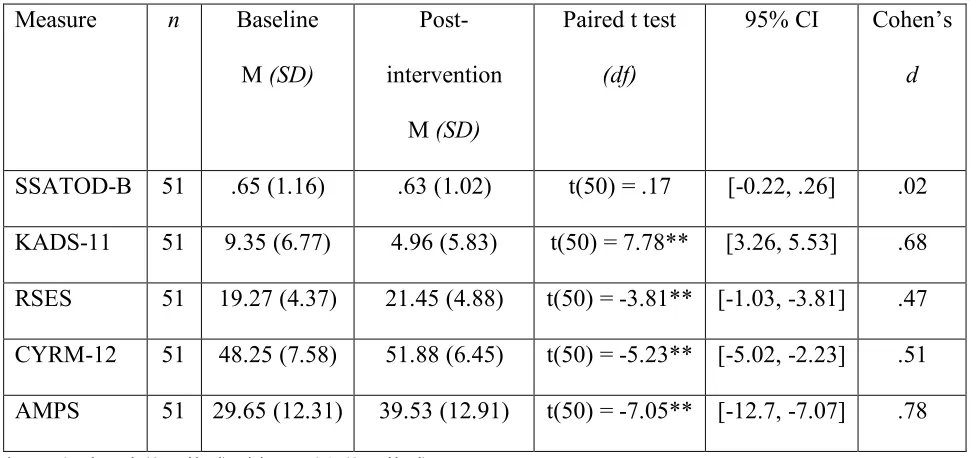
Table 4. Means, Standard Deviations, and Paired t-test Results ... 92
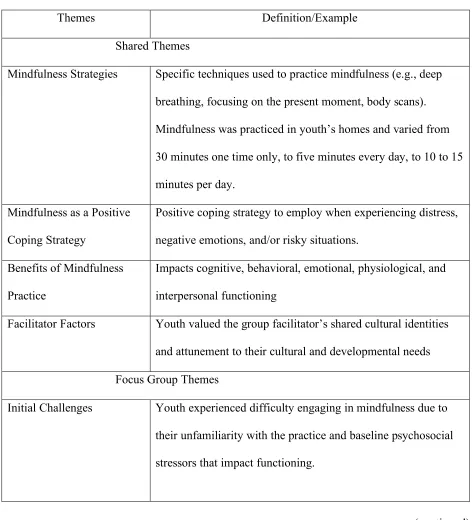
Table 5. Experiences with Mindfulness ... 93
Figures Figure 1. Process-Person-Context-Time (PPCT) Model ... 95
Figure 2. Content Component of Bioecological Model of Human Development ... 96
Figure 3. Native Hawaiian Conception of Psyche ... 97
Figure 4. Family Programs Hawai‘i Organization Chart ... 98
Figure 5. Comparison of Health Risk Factors at Baseline and Post-intervention ... 99
Figure 6. Comparison of Health Promoting Factors at Baseline and Post-intervention ... 100
Appendices A. PEAK Curriculum: Why Try and MBI Components ... 101
B. IRB Proposal ... 107
C. Memorandum of Understanding ... 117
D. Study and Recruitment Information for PEAK Program Manager ... 119
E. Parent and Child Consent Form ... 121
F. Adult Consent Form ... 123
G. Demographic Survey ... 126
H. The Student Survey on Alcohol, Tobacco, and Other Drugs – Behaviors ... 128
I. Kutcher Adolescent Depression Scale-11 ... 130
J. Rosenberg Self-Esteem Scale ... 131
K. Children and Youth Resilience Measure ... 132
L. Applied Mindfulness Process Scale ... 133
Dedications and Acknowledgments
“Sometimes we have to leave home in order to find out what we left there,
and why it matters so much” – Shauna Niequist
Thank you to my family, especially my parents, for raising me with all of the opportunities that
you did not have – including the opportunity to leave home and pursue my own dreams. Despite
being thousands of miles away, you have managed to stay close, ensuring that I always
remembered where I am from, where I want to go, and why I am here today. Thank you to my
dissertation chair and committee members for guiding, challenging, and supporting me
throughout this dissertation process and throughout my doctoral training as well. I am a different
person from when I started, and I am so grateful to each of you, for all of the wisdom and
kindness that you have shared with me along the way. Thank you to my dream team – my
trailblazing aunty, statistician, shinnyo family, and best friend – for your understanding,
patience, and belief in me. Thank you to Family Programs Hawai‘i for the opportunity to work
with you seven years ago. I am so grateful that our relationship has grown and evolved over the
years. Thank you for collaborating with me on this project and for allowing me the privilege of
sharing the important work that you do – on a daily basis – for our youth back home.
Abstract
This study is a program evaluation with a mixed methods design that evaluated the effectiveness
of Peer Engagement and Knowledge (PEAK), a six-week community-based group intervention
that incorporates mindfulness-based interventions (MBIs) to address multiple health behaviors
for multiracial youth in Hilo, Hawai‘i. A total of 51 youth, ages 12-23 years old, participated in
this mixed-methods study that included pre-/posttest analyses of health risk factors such as
substance use and depression and health promoting factors such as resilience, self-esteem, and
mindfulness. Responses from two subsets of participants, who engaged in a focus group (n = 11)
and composed gratitude letters (n = 12), were analyzed using a thematic analysis approach. At
baseline, 41.17% of youth endorsed moderate or severe levels of depressive symptomatology,
29.41% endorsed using at least one substance within the past 30 days, 94.12% endorsed high
levels of resilience, 31.37% endorsed high levels of self-esteem, and 7.84% endorsed high
utilization of mindfulness skills. Following their completion of PEAK, youth demonstrated
statistically significant improvements on their levels of depression, resilience, self-esteem, and
mindfulness scores, but not on substance use behaviors. Overall, youth’s health risk profiles
improved such that the number of health risks decreased and the number of health promoting
factors increased. Youth also found the MBIs to be acceptable and beneficial to their overall
well-being, as it served as a positive coping strategy for stress and a mechanism to improve
decision-making skills. PEAK demonstrates promise to be an effective community-based group
intervention that enhances multiple health behaviors for multiracial youth in Hilo. Due to the
small sample size, generalizability of results is limited. Limitations and implications for future
research are also discussed.
Evaluating the Effectiveness of Peer Engagement and Knowledge (PEAK): A Community-
Based Group Intervention for Youth in Hawai‘i Introduction
Adolescence is a critical developmental period characteristic of physical, neurological,
social, and emotional changes that often includes added exposure to multiple health risks
(Erikson, 1950; World Health Organization [WHO], 2018). According to the WHO (2018), the
main health risks affecting adolescents worldwide include substance use, untreated mental health
issues, interpersonal violence, road traffic injuries, sexually transmitted infections, teenage
pregnancy, malnutrition, obesity, and infectious diseases. In Hawai‘i, the primary health risks
affecting adolescents include unintentional injuries and violence, substance use, early sexual
encounters, malnutrition, asthma, lack of engagement in routine/preventative medical visits, and
limited mentoring relationships (Hawai‘i Youth Risk Behavior Survey [HYRBS], 2016).
Whereas some adolescents may experience a single risk factor, the research on multiple risk
behaviors posits that majority of individuals experience co-occurring risks, often due to
multi-system influences that promote the development of unhealthy behaviors within the context of
one another (Babowitch & Antshel, 2016; Hale & Viner, 2016; Prochaska, Prochaska, &
Prochaska, 2014; Prochaska, Spring, & Nigg, 2008). As such, there has been an increase in the
number of studies examining the efficacy, effectiveness, and efficiency of targeting multiple risk
behaviors within the same intervention (Arbour-Nicitopoulos, Faulkner, & Irving, 2012; Chen,
Thompson, & Morrison-Beedy, 2010; Kippling, Campbell, MacArthur, Gunnell, & Hickman,
2012; Guilamo-Ramos, Litardo, & Jaccard, 2005; Hale, Fitzgerald-Yau, & Viner, 2014; Hale &
Viner, 2016; Prochaska et al., 2014; Prochaska et al., 2008; Ritchwood et al., 2015).
Growing research on mindfulness-based interventions (MBIs) have demonstrated that
behavioral ailments with adolescents (Burke, 2010; Kallapiran, Koo, Kirubakaran, & Hancocet,
2015; Perry-Parrish, Copeland-Linder, Webb, & Sibinga, 2016; Tan & Martin, 2015; Zack,
Saekow, Kelly, & Radke, 2014). The development of maladaptive coping strategies and negative
affective experiences that stem from learned responses to chronic, contextual stress, may also be
disrupted with the use of MBIs (Perry-Parish et al., 2016). Recent research has also examined the
feasibility and effectiveness of adapting MBIs for use with adolescents in vulnerable populations
and has found MBIs to be feasible, accepted by youth, and correlated with positive mental health
outcomes (Biegel, Brown, Shapiro, & Schubert, 2009; Jee et al., 2014; Himelstein, Saul, &
Garcia-Romeu, 2015; Le & Proulx, 2015; Tan & Martin, 2015). Since engaging in mindfulness
practice has the potential to affect cognitive and emotional processes such as nonjudgmental
acceptance, metacognitive awareness, and self-regulation, incorporating MBIs into programs that
target multiple health behaviors in adolescents may reduce engagement in risk behaviors and
subsequent adverse outcomes (Biegel et al., 2009; Himelstein et al., 2015).
Despite research that suggests the potential benefits of teaching MBIs as a method to
reduce engagement in risk behaviors and improve psychological well-being, few studies have
examined the effectiveness of incorporating MBIs into prevention and early-intervention
programs targeting multiple risk behaviors with adolescents. Furthermore, to this author’s
knowledge, there is only one study to date that has examined MBIs to treat multiple risk
behaviors among Native Hawaiian and Other Pacific Islander adolescents (Collier et al., 2018),
two studies among Asian American youth (Fang, Schinke, & Cole, 2010; Taylor, Graham,
Cumsille, & Hansen, 2000), and no studies that have examined the use of MBIs to improve
multiple risk behaviors among both populations (Hale, Fitzgerald-Yau, & Viner, 2014). This
Peer Engagement and Knowledge (PEAK), a six-week community-based group intervention that
incorporates MBIs to address multiple risk behaviors for multiracial youth in Hilo, Hawai‘i.
Changes in health risk factors such as substance use and depressive symptomatology and health
promoting factors such as self-esteem, resilience, and mindfulness were assessed.
Literature Review
Historical and Cultural Context of Hawai‘i
The Hawaiian Island archipelago is comprised of 137 islands, atolls, islets, and
seamounts that extend 1,500 miles northwest in the northern Pacific Ocean (State of Hawai‘i
Department of Business, Economic Development & Tourism, 2017; U.S. Census Bureau, 2010).
The State of Hawai‘i is comprised of eight major islands – Ni‘ihau, Kaua‘i, O‘ahu, Maui,
Moloka‘i, Lana‘i, Koho‘olawe, and Hawai‘i Island – and is the most isolated population center
on Earth, as it is 2,390 miles from California, 3,850 miles from Japan, and 4,900 miles from
China (U.S. Census Bureau, 2010). Native Hawaiians are defined as “any individual who is a
descendant of the aboriginal people who, prior to 1778, occupied and exercised sovereignty in
the area that now constitutes the State of Hawai‘i” (McCubbin & Marsella, 2009; Statehood
Admissions Act of Hawai’i, 1959). Native Hawaiians (43%) comprise the largest ethnic group
within “Pacific Islanders;” however, there are over 50 ethnicities within this population which
includes Samoan, Guamanian or Chamorro, Tongan, Fijian, Marshallese, and other Micronesian
(Braun, Kim, Ka’opua, Mokuau, & Brown, 2014). The historical and cultural context of Hawai‘i
is complex and can be understood in two segments: (a) pre-colonization which refers to the
period prior to Western contact in 1778 and (b) post-colonization which refers to 1778 onward.
Pre-colonization. The first Native Hawaiians arrived between 200 to 600 A.D. from the
of migration between Polynesia and the Hawaiian Islands ensued until 1400. Separate kingdoms
and societies were established on each of the major islands and population estimates ranged from
400,000 to 875,000 (Stannard, 1989). Indigenous and Native Hawaiian cultural practices were
well established, with two of the most fundamental systems including the ‘ohana (family) and
the ‘aina (land). Native Hawaiian communities were healthy, thriving, self-sustaining, and living
with a sense of lokahi (harmony with the mind, body, spirit, and land; Braun et al., 2014;
McCubbin & Marsella, 2009).
Post-colonization. In 1778, Captain James Cook and his company arrived from Europe
and renamed the islands the “Sandwich Islands.” Following his arrival, approximately 90% of
the Native Hawaiian population died from infectious diseases. American missionaries, whaling
ships, and European/American business men continued to arrive and take ownership of land,
politics, and the economy. In 1850, laborers from China, Japan, Portugal, Puerto Rico, and the
Philippines were brought to work in the growing sugar cane and pineapple industries.
Throughout this time, the Native Hawaiian monarchy upheld its power and continued to establish
Hawai‘i with its own government, constitution, international policies, and treaties. In 1893, the
U.S. Navy and a group of American businessmen independently invaded the sovereign Hawaiian
nation and forcefully overthrew Queen Lili‘uokalani and thus the last of the Hawaiian monarchy.
The U.S. annexed the Kingdom of Hawai‘i in 1898 without a single Native Hawaiian vote.
Hawai‘i was later established as a territory in 1900, endured the Pearl Harbor bombings in 1941
during World War II, and became the 50th state in 1959 (McCubbin & Marsella, 2009; Statehood
Admissions Act of Hawai’i, 1959).
Up until the year 2000, Native Hawaiians and Other Pacific Islanders were classified as
Census, 2000). The 2000 Census was the first census that separated Native Hawaiians and Other
Pacific Islanders as their own racial class which provided the opportunity for more accurate
reporting of various population characteristics (Braun et al., 2014; McCubbin & Marsella, 2009;
Pokhrel & Herzog, 2014; U.S. Census, 2000). Advocates for and researchers of Native Hawaiian
and Other Pacific Islander health call for the disaggregation of these racial groups, due to their
distinct health needs (Braun et al., 2014; McCubbin & Marsella, 2009; Pokhrel & Herzog, 2014).
In 2010, Hawai‘i’s population was 1.3 million, with close to one-million residents
residing on the island of O‘ahu and 185,079 residing on the island of Hawai‘i (also known as the
“Big Island”; U.S. Census, 2010). Statewide, Hawai‘i residents identified as 38.6% Asian, 24.7%
White, 23.6% bi/multiracial, 10.0% Native Hawaiian/Other Pacific Islander, 8.9% Latinx, 1.6%
Black/African American, and .3% American Indian and Alaska Native (U.S. Census, 2010).
Hilo, a region that comprises the eastern half of the Big Island and serves as the setting of the
PEAK intervention in this study, is comprised of residents that identified as 34.3% Asian, 32.5%
bi/multiracial, 17.6% White, 14.2% Native Hawaiian/Other Pacific Islander, 10.4% Latinx, .5%
Black/African American, and .3% American Indian and Alaska Native. Corresponding data from
Epic ‘Ohana (2015) indicated that youth under 18 on the Big Island identified as 50.8%
bi/multiracial, 16.1% White, 15.6% Native Hawaiian/Other Pacific Islander, 12.6% Asian, 4.0%
some other race, .5% Black, and .4% American Indian and Alaska Native.
Health in Hawai‘i
Compared to other ethnic groups in the state, Native Hawaiians and Other Pacific
Islanders have the shortest life expectancy along with higher rates of cancer, diabetes, lifetime
trauma exposure, depression, and substance use, further emphasizing the intergenerational
and practices on current health and well-being (Braun et al., 2014; Pokhrel & Herzog, 2014).
Other systemic contributors to poorer health include poverty and limited access to medical
services. On the island of Hawai‘i, 25.6% of children under the age of 18 lived below the poverty
line and the entire island is federally designated as a medically underserved population (Epic
‘Ohana, 2015; Health Resources & Services Administration, 2018). To combat the shortage of
providers and access to healthcare services, community health centers, schools, organizations,
and agencies have positioned themselves to collaborate with one another to improve the health of
the community (Epic ‘Ohana, 2015).
Substance use. Although evidence suggests that youth in Hawai‘i display similar
substance use profiles when compared to national averages (Substance Abuse and Mental Health
Services Administration [SAMHSA], 2017), youth in Hawai‘i are impacted by multi-system
influences that are culturally nuanced and embedded in the historical and political context of this
community (McCubbin & Marsella, 2009). Nationally, 5.7% of youth endorsed tobacco use,
9.4% endorsed alcohol use, 12.3% endorsed marijuana use, and 2.7% endorsed illicit drug use
(not including marijuana). In comparison, 4.0% of youth in Hawai‘i endorsed tobacco use, 9.1%
endorsed alcohol use, 13.4% endorsed marijuana use, and 3.1% endorsed illicit drug use (not
including marijuana). According to the 2016 Hawai‘i State and Counties High School Youth
Risk Behavior Survey (HYRBS), youth living on the island of Hawai‘i reported the highest
prevalence of all substance use behaviors (with the exception of electronic vapor products which
was second highest), when compared to all other counties statewide. This includes behaviors
such as past, current, and early initiation of cigarette smoking; past, current, and early initiation
of alcohol use; as well past, current, and early initiation of marijuana use. Youth on the island of
alcohol or drugs when alone (21.9%), getting into trouble while under the influence (15.9%),
experiencing memory loss while under the influence (19/8%), and having attended school under
the influence (18.8%; Saka et al., 2016).
Another study examining substance use behaviors among prominent ethnic groups in
Hawai‘i (N = 196) found that Native Hawaiian and White high school students drank
approximately twice as much as their Filipino and Japanese peers. Native Hawaiian youth were
also found to have the highest rates of ever having tried alcohol (82%), when compared to White
(57.5%) and Japanese (44.9%) students (Nishimura, Hishinuma, & Goebert, 2013). In a study
examining tobacco use among a multiethnic sample of public middle school students in Hawai‘i
(N = 3,438), smoking prevalence was highest among Native Hawaiian/Pacific Islander, White,
and Filipino students and lowest among Japanese and Chinese students (Glanz, Maskarinec, &
Carlin, 2005). In accordance with national increases in the use of electronic vapor products (e.g.,
e-cigarettes), Hawai‘i youth surveyed in a statewide study (N = 1,941) also demonstrated
elevated rates of e-cigarette use with 17% of tobacco users endorsing the use of e-cigarettes only
and 12% endorsing dual use of e-cigarettes and cigarettes. E-cigarette only and dual users were
categorized at intermediate risk levels (i.e., endorsed moderate risk and protective factors) and
perceived e-cigarettes to be healthier options than traditional cigarettes (Wills et al., 2015).
Depression. Nationally, 12.6% of youth endorsed experiencing at least one major
depressive episode in the past year and 3.9% endorsed suicidal thoughts (SAMHSA, 2017;
SAMHSA, 2015). In Hawai‘i, this statistic was 11.0% and 4.1%, respectively (SAMHSA, 2017;
SAMHSA, 2015). Within the state, youth on the island of Hawai‘i, endorsed the highest
prevalence of depressive symptomatology such as feeling sad or hopeless (32%), engaging in
(14.6%; Saka et al., 2016). A secondary data analysis on Youth Risk Behavior Surveys from
1999-2009, focused on depression and suicidality among Asian, Pacific Islander, and multiracial
high school students, and found that Pacific Islanders were more likely than Asians to report
depressive symptoms and suicidal ideation (Wong, Sugimoto-Matsuda, Chang, & Hishinuma,
2012). Of all ethnic groups sampled in this study, Pacific Islander adolescents demonstrated the
highest risk for suicide in the U.S., with prevalence of suicide attempts more than double the
national average (7.8% and 2.3% respectively). Furthermore, nearly 1 in 15 (6.5%) of these
attempts required medical attention (Wong et al., 2012).
Health Promoting Factors
Since the 1970s, there was a resurgence of Native Hawaiian culture, which called for a
return to traditional cultural practices and values. This period, termed the “Hawaiian
Renaissance,” resulted in individuals reclaiming their Native Hawaiian identities and finding
strength within the community (Hishinuma et al., 2009; McCubbin & Marsella, 2009).
Resilience and self-esteem are two developmental assets that promote well-being in youth and
serve as a way to foster effective action on health inequities (Brooks, Magnusson, Spencer, &
Morgan, 2012).
Resilience. Much of the current research on resilience is based on Western perspectives
that focus on strengthening individual characteristics to overcome adversity and achieve positive
outcomes (Zolkoski & Bullock, 2012). Critics of Western resilience research have argued that
resilience has been inaccurately conceptualized as an individual and one-dimensional construct
and should instead be viewed as multidimensional, contextual, and inclusive of environmental,
socio-ecological, and cultural factors (Cameron, Ungar, & Liebenberg, 2007; Johnson &
definition that describes resilience as “a process of adaptation to adversity that is scaffolded by
environmental, cultural, psychologic, and physiologic processes” (p. 285). In this interpretation,
resilience considers both the individual’s capacity as well as the condition of their family,
community, and context to provide support in culturally appropriate and meaningful ways
(Ungar, 2008).
In Asian American and multiracial youth populations, positive ethnic identity formation
and family cohesion have been found to be critical in reducing problematic risk factors (e.g.,
suicide ideation) and enhancing resilience (Wong et al., 2012). Within Native Hawaiian
communities, Austin (2004) found that ethnic pride was the most important protective factor in
buffering against the experience or perpetration of violence and could serve as a way to
encourage cultural resilience within this population. Johnson and Beamer (2013) also discussed
the prominent role of storytelling in Native Hawaiian culture and how it serves as a way to
transmit messages that perpetuate cultural values of strength in the face of adversity, persistence
within the context of the group (‘ohana), and the spirit of aloha.
Self-esteem. Similar to resilience, self-esteem is often conceptualized as an
individualistic construct of self-worth or sense of value, which is informed by one’s attitudes
towards one’s self (Blascovich & Tomaka, 1991; Rosenberg, 1965). It is often conceptualized as
the evaluative component of one’s self-concept and encompasses cognitive, emotional, and
motivational mechanisms (Rosenberg, Schooler, Schoenbach, & Rosenberg, 1995). Deficits in
self-esteem have shown to yield negative health outcomes – especially for youth from vulnerable
backgrounds – including depression, substance use, anxiety, aggression, and poor cultural
socialization and ethnic identity development (Ames, Rawana, Gentile, & Morgan, 2015;
Otsuki, 2003; Withy, Lee, & Renger, 2007). In contrast, the term collective self-esteem refers to
individuals’ appraisals of the solidarity of the group to which they belong, with a focus on
collective worth, respect, and wellness (Luhtanen & Crocker, 1992; Yamaguchi, Akutsu, Oshio,
& Kim, 2017). Fostering collective self-esteem may help to improve rapport with one another
since the goal of the interaction would be to integrate into the community and share more
concern for the group’s, rather than the individual’s, well-being (Yamaguchi et al., 2017).
Xu, Farver, and Pauker (2015) found that with regard to racial/ethnic differences, levels
of self-esteem varied based on the geographical location, local populations, and impact of ethnic
identity on self-identity. For example, Asian American adolescents who resided in the
continental United States, where they hold a numeric minority, endorsed the lowest rates of
self-esteem when compared to their White, Black, and Latinx counterparts (Bachman et al., 2011). In
Hawai‘i, however, Asian Americans hold the numeric majority (38%) and therefore endorse
higher levels of self-esteem, that are not solely derived from their ethnic identity (Xu et al.,
2015). In addition, self-esteem studies conducted with multi-ethnic samples (e.g., White,
Filipino, Latinx, Japanese, Korean, Samoan, Native Hawaiian, and multiracial) of high school
students in Hawai‘i further emphasized that discrepancies on self-esteem were based on variables
such as gender, self-reported grades, socioeconomic status, and family cohesion (with male
gender and higher levels of the respective characteristics corresponding to increased
self-esteem), and not based on ethnicity (Miyamoto et al., 2000; Miyamoto et al., 2001).
Additional studies that examined the effects of self-esteem within Asian American and/or
Native Hawaiian and Other Pacific Islander adolescent populations were limited in number.
However, a few studies have discussed the positive impact that growing up in Hawai‘i has for
(Omizo, Kim, & Abel, 2008; Xu et al., 2015). Youth from these backgrounds hold the numeric
majority in the state and thereby benefit from an environment in which Asian and Hawaiian
cultural norms are valued, accepted, and proliferated. These cultural and contextual nuances
enhance youth’s self-esteem and self-efficacy, such that youth feel more confident about their
abilities to pursue and attain goals, which may differ from Asian American and Native
Hawaiian/Pacific Islander populations on the mainland (Omizo et al., 2008).
Health Behavior Theories
Health behavior theories attempt to describe why individuals engage in specific health
behaviors and how individuals can engage in processes that change their risk behaviors to be
safer and healthier (Noar, Chabbot, & Zimmerman, 2008). Bioecological models and
self-regulation theories provide a comprehensive Western approach to understanding the interactions
between context and individual, while also enhancing an individual’s capacity to engage in
self-regulatory practices that will improve the likelihood of engaging in positive health behaviors
across settings. It is also important to incorporate Native Hawaiian conceptualizations of health,
such as lokahi, to understand and effectively change health behaviors.
Bioecological model. Bronfenbrenner’s theory of socio-ecological human development
has undergone three phases of evolution (Rosa & Tudge, 2013). Phase 1 (1973-1979) included
the ecological theory which emphasized contextual influences (e.g., microsystem, mesosystem,
exosystem, and macrosystem; Bronfenbrenner, 1979). Phase 2 (1980-1993) included an added
emphasis on the role of the individual and developmental processes within the context of time
(chronosystem; Bronfenbrenner, 1993). Phase 3 (1993-2006), the bioecological model, is
considered to be Bronfenbrenner’s most advanced research design as it builds on his previous
details). The PPCT focuses on proximal processes which refers to the evolving, reciprocal, and
dynamic relationships among and between the person, environment, and other people in that
environment (Bronfenbrenner, 1999). The most influential person characteristic is considered to
be that of force, which can be generative (e.g., curiosity, delayed gratification) or disruptive (e.g.,
impulsiveness, inability to delay gratification). The context characteristic includes the previously
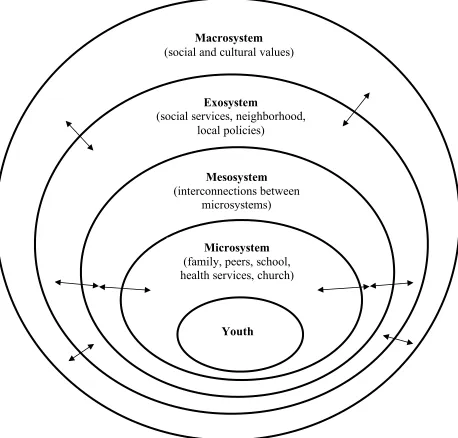
described four contexts (e.g., microsystem, mesosystem, exosystem, and macrosystem; see
Figure 2). Lastly, the concept of time was expanded to be more inclusive of individual and group
changes over the life course, intergenerationally, and through historical time of the past and
future (Bronfenbrenner & Morris, 2006). Based on the PPCT model, effective interventions
should focus on how to influence the proximal processes that occur intra- and interpersonally
between the person and their various contexts. Additionally, it is important to examine the
interactions and risk factors within the broader social context. Bioecological models consider the
multiple internal and external factors that influence behavior at the biological, individual,
interpersonal, community, environmental, policy, and global levels (Bronfenbrenner, 1993;
Fitzgibbon, Kong, & Tussing-Humphreys, 2014; Rosa & Tudge, 2013).
Self-regulation theory. Self-regulation theory is another example of a health behavior
change theory that focuses on enhancing the dynamic processes involved in effectively setting,
pursuing, and revising health behavior goals. The objective is to be able to effectively manage
unexpected cognitive, emotional, and behavioral responses that arise in the face of stressful or
unfamiliar settings, so that one is able to hold steadfast to their goals. As feedback systems,
individuals are constantly developing a greater awareness of their relationships to the
environment and building the capacity to regularly engage in effective coping strategies and
Lokahi. The Native Hawaiian conceptualization of health and well-being stems from the
worldview that the self is grounded in social relationships and is inextricably tied to society and
nature (Handy & Pukui, 1972; McCubbin & Marsella, 2009). When balance is achieved and
maintained through these mutually supportive relationships, lokahi (a sense of harmony among
mind, body, spirit, and land) is also achieved. From a Native Hawaiian perspective, lokahi is
critical to promoting mental health and is embedded in the family, land, and spiritual world. It is
believed that when these relationships are out of balance, maladaptive behaviors and
psychopathology emerge and persist (Judd, 1998; Marsella, Oliveira, Plummer, & Crabbe 1995).
Figure 2 depicts the traditional Native Hawaiian conceptualization of the psyche (adapted
from McCubbin & Marsella, 2009) and situates the person within a series of interconnected
elements and interactive forces (mana and lokahi) that includes the person, ‘ohana (family),
makani ‘aina wai (nature), and ‘akua and ‘aumakua (gods and spirits). Mana can be defined as
the life energy present in all things worldly and spiritually. It has the power to calm, energize,
heal, and relax, and is also the force that connects person, family, land, and the spiritual world to
one another (Oneha, 2001; McCubbin & Marsella, 2009). All of these beliefs and relationships
are passed down intergenerationally and perpetuated within the ‘ohana-system. Similar to other
collectivistic cultures, ‘ohana, is not limited to the immediate or even extended family. It is also
inclusive of gods, family guardian spirits/gods, and hanai family members (e.g., community
elders, offspring of other families who are incorporated into and cared for by other families). To
promote health and well-being within this model, interventions should foster prosocial behaviors
and engagement in culturally sensitive healing practices that restore interpersonal and
psychological harmony (McCubbin & Marsella, 2009). Thus, examining Western health
traditional Native Hawaiian conceptualizations of health is integral to understanding how health
behaviors manifest and change within the multicultural environment of Hawai‘i.
Multiple Risk Behavior Change (MRBC) Research
MRBC interventions are part of a small but growing field of research that aims to treat
two or more risk behaviors simultaneously or sequentially within a limited time period
(Arbour-Nicitopoulos et al., 2012; Chen et al., 2010; Prochaska et al., 2014; Prochaska, 2008; Prochaska
et al., 2008). Risk behaviors include actions that individuals engage in to impact health and are
inclusive of both risk factors that lead to negative outcomes (e.g., alcohol, tobacco, other drug
use, suicidality, unsafe sex practices) and protective factors that promote positive outcomes (e.g.,
increased screening for mental/physical health concerns, physical activity; Prochaska et al.,
2014; Prochaska et al., 2008). Coaction, which refers to the increased likelihood that effective
action on one behavior (e.g., smoking cessation) will lead to effective action on another behavior
(e.g., diet), is central to the mechanism of MRBCs (Prochaska et al., 2014).
Much of the early research on MRBC interventions was developed to maximize the
number of positive outcomes that could be achieved during primary care visits, and as such, did
not integrate the impact of mental health on behavior change (Prochaska et al., 2014). Brooks,
Harris, Thrall, and Woods (2002) examined the impact of depression on risk behaviors within a
sample of high school students (N = 2,224) and found that feelings of depression and stress were
elevated in females and associated with increasing age, physical fights, tobacco use, unhealthy
diet, and lack of birth control use. Similarly, in another study, Arbour-Nicitopoulos and
colleagues (2012) found that more than one-third of their sample (N = 2,935 high school
students) experienced psychological distress, which was significantly associated with being
need to better understand the co-occurring influence of depression/psychological distress on
modifiable health risk behaviors, especially with adolescents (Arbour-Nicitopoulos et al. 2012;
Brooks et al., 2002; Curtis, Waters, & Brindis, 2011).
In addition, Prochaska and colleagues (2014) – leaders in the field of primary care
MRBCs – highlight the need for subsequent research to integrate efforts to alter multiple risk
behaviors and implement interventions that teach behavioral modification strategies that can be
generalized to multiple settings and behavioral health goals. They emphasize the need to expand
beyond the exam room and into the schools, worksites, and other community centers to reach
those who do not have access to primary care services. In accordance with this goal, Prochaska
and colleagues (2014) note the methodological issues with multi-behavioral interventions which
include a need for a better understanding of how to best analyze change amongst multiple
variables and balancing the need for rigorous psychometrics with simple and efficient assessment
tools. With regards to adolescents, there is also a need to develop intervention programs that
target both risk and protective factors, are theory driven, culturally sensitive, accessible, and
specific to the needs of the population (Lippke, Nigg, & Maddock, 2012; Noar et al., 2008;
WHO, 2014).
MRBC interventions in Hawai‘i. Despite the dearth in literature, several studies have
focused on highlighting and evaluating programs that targeted multiple risk behaviors of children
and youth in Hawai‘i (Beets et al., 2009; Hishinuma et al., 2009; Manaseri, Uehara, & Roberts,
2013). Beets and colleagues (2009) examined the five-year longitudinal effects of a prevention
program targeting substance use, violent behaviors, and early sexual activity among 1,714 fifth
graders across three Hawaiian Islands (O‘ahu, Moloka‘i, and Maui). The Positive Action
into designated school curriculums, with the aim to improve academics, student behaviors, and
character development. Lessons were based on the theory of self-concept and theory of triadic
influence and separated into modules that covered self-concept, positive mind and body actions
(e.g., nutrition, physical activity, motivation, decision-making), socio-emotional skills for
self-regulation, interpersonal relationships (e.g., empathy, respect, honesty with self and others), and
self-improvement (e.g., goal-setting, persistence, courage to try new things). Self-reported
substance use and violent behaviors were corroborated by teacher reports. Results demonstrated
that youth who received the Positive Action Program, were less likely to engage in all three
health risk behaviors, and long-term participation of three-years, led to significantly lowered
rates of all health risk behaviors.
Hishinuma and colleagues (2009) evaluated Hui Malama O Ke Kai (HMK), an
after-school prevention program for fifth and six graders (N = 110), that incorporated Native Hawaiian
cultural values of aloha (love), malama (to care for), ‘ohana (family), kuleana (responsibility),
and mahalo (gratitude, respect). The aim of HMK was to reduce multiple risk factors (e.g.,
anti-substance use, anti-violence) and improve multiple protective factors (e.g., self-esteem, academic
success, healthy lifestyle, family cohesion, community pride, leadership, and Native Hawaiian
values). Interventions included tutoring, cultural activities, ocean and other outdoor recreation,
family-based activities, and health education. Pre- and posttest analyses revealed significant
increases in knowledge and practice of Native Hawaiian cultural values and improvements in
self-esteem, antidrug use, healthy lifestyles, and family cohesion.
Manaseri and colleagues (2013) described the development and pilot evaluation of
Making Pono Choices, a culturally responsive and evidence-based sexual health curriculum, that
students statewide. The development of the program started with a comprehensive needs
assessment, partnership with local agencies who were experts on this topic, and based on social
learning theory, self-regulation theory, and the developmental assets model. Making Pono
Choices incorporated one Native Hawaiian cultural value into each of its 10 modules. For
example, modules two through five included: being pono (the righteous result of actions will
bring harmony within oneself, peers, family, and community); mohala (process of maturing
physically, emotionally, and socially); nohona (relating and communicating with others); and
aloha (“being in the presence of the breath of life and having the utmost mutual respect with one
another,” p. 2335). A total of three subsequent pilot tests, each of which built on feedback from
the previous test, were administered and evaluated. Results of the pre- and posttest analyses were
not presented in this study, as the authors planned to present the results in a follow-up study,
which has yet to be published.
MBIs: A mechanism for behavior change
Mindfulness is often defined as “paying attention in a particular way: on purpose, in the
present moment, and nonjudgmentally (Kabat-Zinn, 1994, p. 4). In addition, Shapiro and
colleagues (2006) proposed that the practice of mindfulness is composed of the simultaneous
activation of three elements: attitude, attention, and intention. By engaging in these processes,
individuals are able to develop a detached, non-judgmental, and objective perspective on their
experience, which allows them to clearly observe, recognize, disengage, and reflectively respond
to habitual patterns or thoughts. The use of MBIs to treat mental health conditions and improve
well-being in adults has been well documented in a recent meta-analysis (Khoury et al., 2013)
that included 209 empirical studies with moderate effect sizes. MBIs typically adhere to
(MBCT), acceptance and commitment therapy (ACT), or dialectic behavior therapy (DBT;
Burke, 2010). Each method utilizes slightly different techniques to promote psychological
well-being (MBSR), prevent depression relapse (MBCT), increase psychological flexibility (ACT),
and enhance distress tolerance, emotion regulation, and behavioral self-control (DBT; Zack et
al., 2014).
MBIs are theorized to aid in the improvement of underlying processes associated with
maladaptive coping strategies and negative affective experiences that are learned as a result of
chronic stress present in youth’s familial, social, medical, and community settings (Perry-Parrish
et al., 2016). In the past decade, there has been a significant increase in the number of studies
examining the mechanism of MBIs along with the feasibility, efficacy, and effectiveness of
adapting MBIs for children and youth (Burke, 2010; Kallapiran et al., 2015; Perry-Parrish et al.,
2016; Zack et al., 2014). By disrupting processes associated with coping (e.g., rumination,
maladaptive coping, adaptive coping), cognitive functioning (e.g., impulse control, attention,
cognitive flexibility), and psychological functioning (e.g., decreased anxiety, anger reactivity,
difficulties with emotions, and increased self-awareness), MBIs can significantly alter the ways
in which youth respond to distressing and adverse experiences (Perry-Parish et al., 2016).
These skills may serve as a protective factor for youth from vulnerable and at-risk
populations who experience a disproportionate amount of adversity in their daily lives
(Perry-Parish et al., 2016; Rawlett & Scrandis, 2016). Recent research has found MBIs to be feasible,
accepted by youth, and yielding of positive mental health outcomes in clinical (Biegel et al.,
2009; Jee et al., 2014; Himelstein et al., 2015; Le & Proulx, 2015; Tan & Martin, 2015) and
growing literature that highlights the benefits of incorporating mindfulness strategies as either
primary or adjunct therapies for adolescent populations (Burke, 2010; Kallapiran et al., 2015).
MBIs in Hawai‘i. Despite the growth in MBIs for youth, a limited number of studies
have investigated the use of MBIs within youth in Hawai‘i. To this author’s knowledge, there is
only one study that focused primarily on youth in Hawai‘i (Le & Proulx, 2015). The work by Le
and Proulx (2015) focused on utilizing a culturally adapted mindfulness practice (e.g., see
mindfulness and the aloha response in Le & Shim, 2014) as the primary intervention to address
stress, self-regulation, and impulsivity in a group of incarcerated Native Hawaiian, Pacific
Islander, and multiethnic adolescents and found significant improvements in stress reduction as
evidenced by self-reports and salivary cortisol measures. Nationally, only two studies
incorporated Asian American adolescents. Fung, Guo, Jin, Baer, and Lau (2016) examined the
use of MBIs to treat elevated mood symptoms with Asian and Latinx adolescents. Harris,
Steward, and Stanton (2016) examined the impact of MBIs on adolescent alcohol urge and
included a small percentage of Asian/Pacific Islander participants (12%, n = 8).
MBIs to treat MRBCs. To this author’s knowledge, there is only one study that included
the use of mindfulness practices to address multiple risk behaviors in Pacific Islander
populations. Collier and colleagues (2018) incorporated mindfulness of self and mindfulness of
eating strategies, as one component to address obesity, stress, sleep, healthy eating, and physical
activity for youth and adults in Palau, an island country within Micronesia (located 4300 miles
southwest of O‘ahu). The researchers utilized a community based participatory research (CBPR)
framework to develop, Fit Kit Palau, an eight-session group-based program. The study included
completing an extensive needs assessment based on the responses from two samples of adults
preference for intervention components, methods of service delivery, interest in technology,
cultural nuances, anthropometric measures (e.g., BMI, weight), screening tools for eating
disorders, and questions pertaining to diet and exercise. After training local staff members as
“Wellness Coaches” the authors piloted the program with a small group of participants (n = 24).
The study provided insight into the dietary practices, culturally embedded “binge-like” eating
patterns, physical activity, understanding of Palau’s obesity rates, cultural factors to consider
when developing a wellness program in Palau, and elaborated extensively on lessons learned.
Aside from the brief description of mindfulness practices included in the programming, there
was no additional discussion on MBIs.
Peer Engagement and Knowledge (PEAK) Program
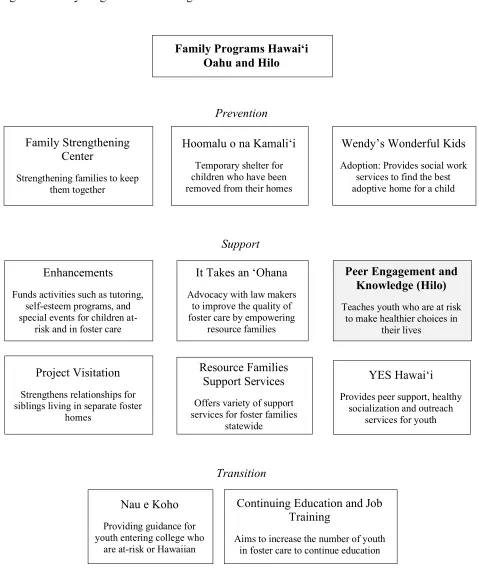
PEAK is a program of Family Programs Hawai‘i (FPH), and is located in Hilo, Hawai‘i
(see Figure 4 for FPH’s organization chart). FPH is a reputable 501(c)(3) social service agency
located on the islands of O‘ahu and Hawai‘i. The mission of FPH is to strengthen children and
families involved in the child welfare system through high quality prevention and support
services that prevent children from entering foster care; support children and families already
involved in the foster care system; and assist youth transitioning out of foster care. PEAK is
contracted by the Hawai‘i State Office of Youth Services (OYS) to reduce risk behaviors (e.g.,
substance use, teenage pregnancy, sexually transmitted infections, truancy, delinquency,
anger/violence, alienation) and strengthen protective factors (e.g., self-esteem, resilience, social
emotional learning skills, cultural awareness, interconnectivity with family, friends, and the
community) within vulnerable youth populations (FPH, 2018).
Based on health behavior theory, there are common risk and protective factors that
behaviors, interventions should teach youth how to identify various risk factors and employ
adaptive strategies that will reduce unhealthy behaviors across settings (Noar et al., 2008). This
theory proposes that taking effective action on one behavior will increase the odds of taking
effective action on a second behavior, and as such, integrative interventions that employ higher
order constructs to drive changes in multiple health behaviors can be more effective at impacting
overall change (Prochaska, 2008; Prochaska et al., 2008). MBIs are theorized to aid in the
improvement of underlying processes associated with maladaptive coping strategies and negative
affective experiences that are learned as a result of chronic stress present in youth’s familial,
social, medical, and community settings (Perry-Parrish et al., 2016). MBIs can serve as a
protective mechanism for youth to apply in risky situations, as it promotes self-regulation,
decision-making skills, and drives changes in multiple health behaviors.
This program evaluation was developed in collaboration with FPH. Prior to the start of
this study, I approached FPH’s Clinical Director, who also served as the PEAK Program
Supervisor, and inquired about the agency’s research needs. After several conversations, it
became clear that one of the agency’s most pressing needs centered around developing a method
to evaluate the effectiveness of the PEAK program, as the method they were using since the
program’s inception in 2011, was ineffective at measuring specific changes in multiple risk
behaviors and protective factors. After reviewing the goals specified in the abovementioned OYS
contract, and based on the aforementioned health behavior theory, the PEAK Program
Supervisor expressed a desire to measure participants’ change in substance use, depression,
self-esteem, resilience, and mindfulness following the PEAK intervention. PEAK is a 12-session,
six-week, community-based group intervention for youth (ages 12-23) who live in medically
low-cost/free community settings (e.g., schools, churches) in Hilo and serve as a valuable resource
for youth in this community. Its mission is to teach and empower youth to make healthier
choices in their lives and is designed to provide the social-emotional tools necessary for
successful decision-making (FPH, 2018).
PEAK utilizes components from two research-based curriculums, Why Try, which
focuses on building resilience in school, home, and peer settings (Why Try, 2016) and an
MBSR-adapted mindful breathing and mindfulness of body program (Le, n.d.). PEAK
incorporates Why Try’s visual analogies (e.g., a picture of a roller coaster to demonstrate that
decisions have consequences; a picture of a pot of crabs explains how to avoid peer pressure) and
multisensory approaches (e.g., group work) to teach various life skills. To address additional
factors of health and well-being, PEAK also includes approximately 15 to 20 minutes of
mindfulness/meditation activities in every 90-minute session (see Appendix A for a brief outline
of the Why Try and MBI components). The PEAK program manager, who has extensive
experience working with this population and the respective curricula, facilitates each group.
Aspects of the curriculum have also been culturally adapted to reflect values of mauli lahui
(cultural identity), ‘ike piko (personal identity), ‘ike honua (place), ‘ike ho‘oko (applied
achievement), and the aloha spirit (FPH, 2014). Over the course of eight years, PEAK has
served approximately 96 youth per year, and reported an 83% reduction in substance use
behaviors, 85% increase in coping skills, and 85% increase in personal self-image (FPH, 2018).
Research Questions and Conceptual Hypotheses
Within the literature, few programs have utilized MBIs to address the negative effects of
multiple risk behaviors especially within Native Hawaiian and Other Pacific Islander, Asian
effectiveness of using MBIs to treat MRBCs among this population, and is a collaborative
endeavor with FPH to improve the services offered to one of the most underserved communities
in Hilo, Hawai‘i. These contributions have the potential to not only influence future prevention
and early-intervention services for adolescents in Hawai‘i, but may also extend to Native
Hawaiian and Other Pacific Islander, Asian American, and multiracial communities nationwide.
This study was a program evaluation that utilized a mixed-methods design to evaluate the
effectiveness of a group-based intervention that incorporates MBIs for adolescents who
experience multiple health risks. The research questions addressed in this study were:
1) Does participation in the PEAK intervention change adolescents’ alcohol, tobacco,
and illicit drug use?
2) Does participation in the PEAK intervention change adolescents’ depressive
symptomatology?
3) Does participation in the PEAK intervention change participants’ well-being as
measured by self-esteem, resilience, and mindfulness?
4) How do participants describe their experiences of engaging in a developmentally
adapted MBI?
It was hypothesized that post-intervention, youth would report:
1) Reductions in alcohol, tobacco, and illicit drug use.
2) Reductions in depressive symptomatology.
3) Overall changes in well-being as measured by higher self-esteem, greater resilience,
and more mindfulness.
4) Positive experiences with a developmentally adapted MBI and improved ability to
Method
This is a program evaluation with a mixed-methods design that included two time points
of data collection to examine the effects of the PEAK intervention using pre-/posttest measures
of substance use, depression, self-esteem, resilience, and mindfulness. Responses from two
subsets of participants, who engaged in a focus group (n = 11) and composed gratitude letters (n
= 12), were analyzed using Braun and Clarke’s (2006) thematic analysis approach.
Participants
A total of 66 youth, who resided in Hilo, Hawai‘i, participated in five PEAK groups
(approximately 12-14 youth per group) from October 2016 to December 2017. Of these youth,
11 declined to be in the study, as indicated by positive endorsement of “do not include in study”
checkbox on pre-/posttests, and four surveys were excluded due to substantial missing data,
leaving 51 participants (26 males, 25 females) enrolled in this study. Participants ranged in age
from 12 to 23 years old (M = 17.37 years, SD = 3.89) and spanned grades seven to college
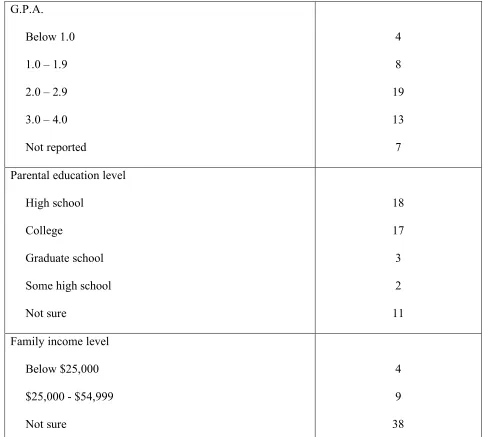
(39.2% were in the 12th grade). Youth were racially/ethnically diverse with 43.14% identifying
as bi/multiracial with Native Hawaiian ancestry (e.g., Native Hawaiian, Samoan, Irish, German,
Chinese, and Filipino), 9.8% identifying as bi/multiracial without Native Hawaiian ancestry
(e.g., Japanese, Latinx, White), 15.7% identifying as Asian alone (e.g., Filipino, Japanese, or
Chinese), 15.7% identifying as Native Hawaiian/Other Pacific Islander alone (e.g., Native
Hawaiian, Micronesian, Samoan), 9.8% identifying as White, 3.9% identifying as Latinx alone,
and 2.0% identifying as some other race. Almost two-thirds (62.8%) reported having a GPA of
2.0 or above. One-third (33.3%) of the sample reported that their parents had attended college
and/or had a college degree, and 35.3% of the youth reported that their parents had completed
homes, which was followed by 17.7% having two or four, and 15.7% having five or more (SD =
1.82). While majority of youth (74.5%) reported being unsure of their family’s average
household income, 17.64% reported averages between $25,000 and $54,999 and 7.84% reported
averages below $25,000. Demographics for all participants are detailed in Table 1.
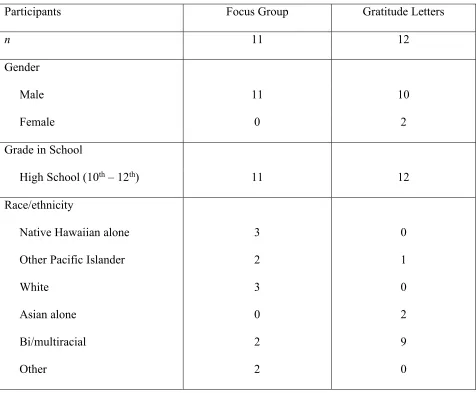
Participants in qualitative study. Approximately one-third of the total sample (n = 23)
participated in either a focus group or provided feedback in the form of gratitude letters
addressed to the group facilitator. In all, participants in the qualitative study were 91.3% male,
47.8% bi/multiracial, and in the 10th-12th grades. More specifically, there were 11 focus group
participants (all males), who were 17-19 years old, in the 10th-12th grades, and identified as
Native Hawaiian alone (n = 3), White (n = 3), bi/multiracial (n = 2), Other Polynesian/Pacific
Islander (n = 2), and Other (n = 1). The 12 participants who wrote gratitude letters (10 males, 2
females), were16-17 years old, in the 10th -12th grades, and identified as bi/multiracial (n = 9),
Asian alone (n = 2), and Other Polynesian/Pacific Islander (n = 1). See Table 2 for the
demographics of participants who were included in the qualitative study.
Procedures
Relationship-building/training. Due to geographical barriers that did not allow for my
presence at the PEAK groups or for the administration of the study questionnaires, the PEAK
Program Supervisor and PEAK Program Manager were trained on the nature of this study,
recruitment procedures, administration of the pre-/posttest measures, risk assessment protocol,
and confidentiality practices (see Appendix D). Due to unexpected and extenuating
circumstances, the focus group was facilitated by FPH’s postdoctoral fellow in clinical
psychology, who was trained on the respective protocol. Study materials, such as copies of the
Program Supervisor and Manager and deidentified materials were emailed to me in a secure and
password protected file. Throughout the course of the study, we held in-person meetings (when
able) and communicated via phone, video-conferencing, and e-mail to provide updates, discuss
concerns, engage in collaborative problem solving, and ensure adherence to study protocol. A
memorandum of understanding (MOU) between FPH and myself was obtained and delineated
the roles and responsibilities of each entity (see Appendix C).
Participant eligibility, screening and enrollment. Study participants were recruited
when they enrolled in PEAK. For the quantitative study, youth were eligible for the study if they
were between the ages of 12 and 23, fluent in English, resided in the Hilo-Laupahoehoe-Waiakea
and Ka‘u-Kea‘au-Pahoa school districts, and did not exceed criteria for “at-risk level II” as
defined by the State of Hawai‘i OYS (OYS). At-risk level II includes youth who may be state
offenders (chronically truant, runaway), involved in gangs, violence, or substance use, and/or
experiencing family stressors including abuse or neglect. PEAK participants were typically
referred to the program by their teachers, counselors, or other referral sources. Youth were
excluded from the study if they had participated in the PEAK program before. Participants
received a $10 gift card compensation for completing the pre- and post-measures.
Participants for the focus group and gratitude letters were recruited from the overall
sample of participants via voluntary and convenience sampling. Participants voluntarily wrote
gratitude letters to the PEAK program manager after completing their group. Due to feasibility
concerns, focus group participants were recruited from one PEAK group. Focus group
participants were entered into a raffle and five received an additional $10 gift card.
Participant consent. PEAK participants ages 12 to 17 were given a parental consent
included information about the study (e.g., privacy/confidentiality, consent to audio-recording,
pre-/posttests, and focus group) and required signed consent from the parent/legal guardian, and
signed assent from the youth. To reduce the number of forms and adhere to PEAK’s consent
form protocol, the child and parent/legal guardian forms were combined. Participants were asked
to return required forms to the program manager at the start of the first session. Adult
participants (18-23 years old) provided their written consent on site and were subsequently
enrolled in the study (see Appendix F). The PEAK program manager marked the appropriate box
on the pre- and post-measures, indicating consent to participate in the study.
Participants were informed of the nature of the focus group (e.g., time commitment,
general topic, audio-recorded, incentives) at the time of recruitment. Participation in the focus
group did not affect participant’s ability to participate in the remainder of the study, the PEAK
intervention, or receipt of incentives for completing the pre-/posttest measures. The PEAK
program manager reminded study participants about the focus group two weeks in advance and
created a list of attendees for our records.
Data collection timeline. The data collection period spanned 14-months (October 2016
to December 2017), drawing from a total of five PEAK groups over the course of five quarters.
The program manager allocated 15 to 20 minutes at the start of the first session and end of the
last session to complete the pre-/posttest measures, all of which were administered via a paper
and pencil survey. To address PEAK’s aim to obtain additional insight into participants’
experience with MBIs, all youth from one group were recruited for one 90-minute focus group
that took place one-week after the last session and was facilitated by FPH’s postdoctoral fellow
in clinical psychology. To supplement this data, additional gratitude letters written by youth who
experiences with MBIs. This study was approved by the University of San Francisco Institutional
Review Board (IRB) on October 18, 2016 and ensures the rights and welfare of human subjects
were protected during their participation in this study (see Appendix B for a copy of the IRB
proposal).
Measures
Demographic information. All participants completed an eight-question demographic
survey at the start of the first session. The demographic survey contained questions regarding
age, year in school, GPA at baseline1, race/ethnicity, gender identity, perceived household
income, and additional contextual information (e.g., highest level of education among
parents/guardians). See Appendix G for a copy of this measure.
Substance use. To remain consistent with PEAK’s previous substance use reporting
measures, The Student Survey on Alcohol, Tobacco, and Other Drugs-Behaviors (SSATOD-B)
was used in this study. The SSATOD-B was developed by Johnston and colleagues (2002) as a
10-item self-report pre-/posttest that measures recent use (past-30 days) of alcohol, tobacco, and
other drug use among 8th, 10th, and 12th graders. The SSATOD-B has demonstrated adequate
reliability and validity for diverse populations and yields Cronbach’s alpha coefficients of
.86-.91 for cigarette use, .72-.78 for alcohol use, .78-.84 for marijuana use, and .49-.72 for other
illicit drug use over the past 30 days (Johnston et al., 2002). In this study, the pre-test Cronbach’s
alpha was .76 for cigarette/e-cigarette use and .71 for all other substances. The post-test
Cronbach’s alpha was .58 for cigarette/e-cigarette use and .79 for all other substances. Items
related to substance use are assessed on a 6-point Likert scale ranging from 0 (0 occasions) to 5
(20 or more occasions) with the exception of cigarette use, which ranges from 0 (not at all) to 5
1 GPA was not measured at post-intervention since it is unlikely that GPA scores would significantly change over
(more than one pack per day). This survey has been culturally and linguistically adapted for
participants in this study, such that item two on the pre- and posttest were modified to include the
Hawaiian/local term for marijuana (“pakalolo”), which may be more familiar to youth in
Hawai‘i. In addition, since research indicates that youth in Hawai‘i endorse one of the highest
prevalence rates of e-cigarette use in the country (Wills et al., 2015), a separate item was added
to assess for e-cigarette use. Program satisfaction items on the posttest were eliminated since
FPH independently conducts its own satisfaction survey.
The University of Michigan Institute for Social Research has used the SSATOD in the
national Monitoring the Future (MTF) survey for the past 14 years and the National Institute on
Drug Abuse (NIDA) has used the survey for over 28 years (Johnston, O'Malley, & Bachman,
2002). The SSATOD-B has been normed on racially/ethnically diverse 8th, 10th, and 12th graders
and provides insight into the annual substance use profiles of high school aged-youth. Items are
scored individually for the pre- and posttest by tabulating the frequencies of use (e.g., 5
responses of “3 to 5 occasions”). In general, higher scores indicate higher frequency of alcohol,
tobacco, and other drug use. See Appendix H for this measure.
Depression. The Kutcher Adolescent Depression Scale-11 (KADS-11; Brooks,
Krulewicz, & Kutcher, 2003) is an abbreviated form of the original KADS-16 and has the
highest internal consistency (Cronbach’s alpha = .84) of all three KADS instruments. In this
study, the Cronbach’s alpha for pre- and posttest were both .90. The KADS-11 is comparable to
other established measures of child/adolescent depression (e.g., Children’s Depression Rating
Scale-Revised) and is a valid and sensitive measure of changes in depression severity over time.
The KADS-11 has been validated in diverse adolescent populations (ages 12-17 years) and is
attempting to establish efficacy for adolescent depression treatments. The KADS-11 measures
depressive symptomatology experienced within the past week, uses colloquial terms, and can be
completed and hand scored quickly and efficiently. It is scored on a 4-point Likert scale, ranging
from 0 (hardly ever) to 3 (all of the time), with higher total scores indicating higher levels of
depression and lower scores indicating lower levels of depression. Due to the lack of validated
cut-off scores, boundaries were determined based on the scores associated with the 4-point Likert
scale, with “none” ranging from 0 to 4, “mild” ranging from 5 to 10, “moderate” ranging from 11
to 21, and “severe” depression scores ranging from 22 to 33. Items 3 and 8 were modified to
exclude verbiage related to “before getting sick,” since it does not apply to the parameters of this
study. See Appendix I for this measure and Appendix D for suicide risk protocol.
Self-esteem. The Rosenberg Self Esteem Scale (RSES; Rosenberg, 1965) is a widely
used self-report pre-/posttest measure of adolescent and adult self-esteem that has been translated
into 28 languages. The RSES is used to assess how individuals feel about themselves in
comparison to others and describes a one-dimensional measure of global self-esteem. Items were
designed to represent a continuum of self-worth such that individuals with low self-esteem
would endorse certain items (e.g., “at times I think I am no good at all”) and individuals with
high self-esteem would endorse other items (e.g., “on the whole I am satisfied with myself”).
The RSES yields a test-retest reliability of 0.82 and an internal consistency (Cronbach’s alpha)
of 0.88. In this study, the Cronbach’s alpha for pre- and posttest were .80 and .88, respectively. It
consists of 10-items scored on a 4-point Likert scale from 0 (strongly agree) to 3 (strongly
disagree); items 2, 5, 6, 8, and 9 are reverse scored. A total scale score is obtained by summing
all 10-item scores; a higher sum of scores indicates greater levels of esteem, with “low”