Geschke Center
Doctoral Dissertations Theses, Dissertations, Capstones and Projects
Spring 5-17-2019
Efficacy of Integrated Mental Health Care with
Dual Diagnosis Patients and Their Utilization of
Psychiatric Emergency Services
Denton Scott
University of San Francisco, [email protected]
Follow this and additional works at:https://repository.usfca.edu/diss
Part of theClinical and Medical Social Work Commons,Clinical Psychology Commons,
Community Health Commons,Community Psychology Commons,Counseling Commons,Health Psychology Commons,Multicultural Psychology Commons,Other Mental and Social Health Commons,Psychiatry and Psychology Commons,Psychoanalysis and Psychotherapy Commons, and theSubstance Abuse and Addiction Commons
This Dissertation is brought to you for free and open access by the Theses, Dissertations, Capstones and Projects at USF Scholarship: a digital repository @ Gleeson Library | Geschke Center. It has been accepted for inclusion in Doctoral Dissertations by an authorized administrator of USF Scholarship: a digital repository @ Gleeson Library | Geschke Center. For more information, please [email protected].
Recommended Citation
Scott, Denton, "Efficacy of Integrated Mental Health Care with Dual Diagnosis Patients and Their Utilization of Psychiatric Emergency Services" (2019).Doctoral Dissertations. 482.
The University of San Francisco
Efficacy of Integrated Mental Health Care with Dual Diagnosis Patients and Their Utilization of Psychiatric Emergency Services
A Dissertation Proposal Presented to
The Faculty of the Department of Integrated Healthcare School of Nursing and Health Professions
In Partial Fulfillment of the Requirement for the Degree of Doctor of Clinical Psychology
by Beau Scott Santa Cruz
Copyright © 2019 by
TABLE OF CONTENTS
Specific Aims ... 1
Chapter I: Introduction... 2
Chapter II: Review of the Literature ... 4
Overview of Opioids ... 4
Opioid Use Disorder and Dual Diagnoses: Definition and Prevalence ... 4
Opioid Addiction Treatment ... 10
Therapeutic Interventions Within the Medical Maintenance Treatment Model ... 13
Overview of Psychiatric Emergency Services (PES) in the United States ... 21
PES and Patients with Dual Diagnosis ... 24
Consequences of Frequent Use of PES on United States’ Healthcare System and Economy ... 26
Bay Area Addiction and Research Treatment (BAART): An Integrated Clinical Model ... 28
Significance of Research Project for Clinical Psychology ... 30
Main Research Questions... 32
Chapter III: Methods... 33
Design ... 33
Participants ... 33
Materials... 36
Procedure ... 36
Purpose ... 38
Chapter IV: Evaluation/Analytic Plan and Results ... 39
Preliminary Analyses ... 39
Evaluation of Parametric Assumptions and Conceptual Plan ... 39
Tests of Hypotheses ... 40
Chapter V: Discussion ... 45
SAC Only Versus SAC and MHC ... 45
Females Versus Males ... 45
Age Correlation ... 46
Clinical Implications ... 47
Clinical Competence and Training ... 47
Methadone Clinics ... 49
Substance Abuse in General ... 50
New Model for All Dual Diagnoses ... 51
Training ... 53
Study Limitations ... 54
Diagnosis Variability ... 55
Data Limitations ... 55
Direction for Future Research ... 57
References ... 60
Appendix A: IRB Application Procedure ... 74
Appendix B: IRB Application ... 75
Appendix C: IRB Waiver Response ... 78
Appendix D: City and County of San Francisco Department of Public Health, DPH Research Proposal Approval ... 79
Appendix E: City and County of San Francisco Department of Public Health, DPH Health Information Data Use Agreement ... 82
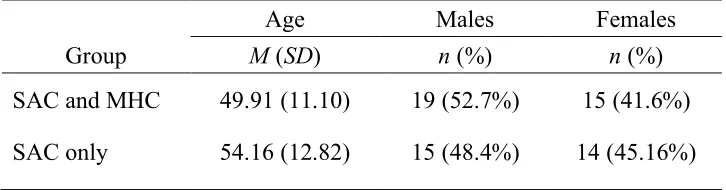
LIST OF TABLES Table 1. Demographic Data... 39
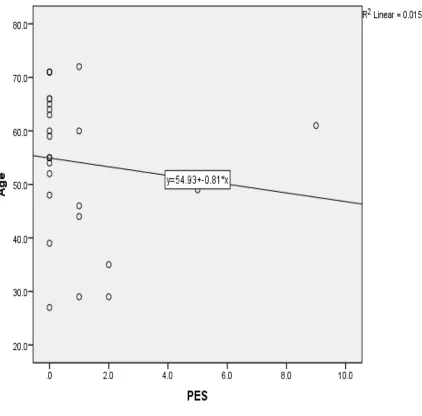
LIST OF FIGURES Figure 1. Bivariate scatterplot of PES and age, for SAC-only group ... 42
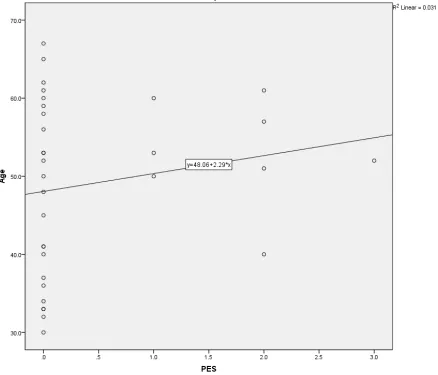
Figure 2. Bivariate scatterplot of PES and age, for SAC & MHS group ... 43
Dedication
This dissertation, and my work hereafter, is dedicated to all those still suffering from mental
illness and addiction. May you all become the best version of yourselves—humbly and
sustainably. And for all those that have supported my path and believed in me—from friends,
Acknowledgments
I want to thank my parents for making me possible and always believing in me, even
when I was unable to believe in myself. My sister, Aimee, for her overwhelming generosity and
constant demonstration of “next level “creativity. My other sister, Monique, for looking after me
as if I were her own from day one. To my son, Reese, for stepping up and running our
household as I was commuting from Santa Cruz to San Francisco for 4 years. You are the reason
I am the man I am today. Your existence on this earth inspired me to be the best human I could
be. My chair, Dr. Ferm, for being a mentor, a director, a friend, and for escorting me to the
finish line—I am forever grateful and could write a book on how much you have impacted my
life. To Dr. Montagno for being just about everything (chair, advisor, program director,
inspirer…) for me since starting my doctorate studies. I could not hold you in higher regard and
could not have made it without you. I am forever in your debt. To Dr. Wright, for demonstrating
what a remarkable human being looks like on a daily basis. Your unassuming brilliance and
constant concern for the betterment of those less fortunate is quite humbling. I am a better person
for having known you. To Dr. Manuel, for seeing me as I am and believing in what I can do.
Because you believed in me, I believe in me, what a gift. To Dr. Davis, for making my
internship amazing and for generously giving me the time and support to complete my
dissertation during my internship. You are a difference maker. To my new stairchildren, Tethys,
Lucas, and Cleo, who have welcomingly accepted me into their lives and made it precious
beyond words. Lastly, to my wife, Jennifer, the love of my life. Your love, support, and
brilliance blows my mind every single day and has provided me with the confidence and
inspiration necessary to complete this seemingly insurmountable dissertation. You have
Abstract
Historically, patients with dual diagnosis have been subjected to ineffective treatment and
negative attitudes from healthcare providers. Further, these patients are plagued with myriad
afflictions that exist beyond substance abuse and mental illness. The treatments and collateral
damage associated with the diagnosis impose excessive healthcare costs and can be of significant
detriment to society. Largely, patients suffering from dual diagnosis do not receive adequate
treatment. As such, psychiatric emergency services are frequently utilized as an alternate
treatment, wherein the main focus of care is on the substance abuse alone. This study argues that
solely treating the substance abuse is not sufficient for positive outcomes because the substance
use, in most cases, is merely a self-discovered treatment for an underlying mental illness. This
study proposes an integrative model that involves both substance abuse counseling and mental
health counseling in order to treat this suffering population more effectively.
Using archival data from the years 2014–2017, this study examined the effectiveness of
integrative care among dual diagnosis patients at a methadone clinic in San Francisco,
California. The study measured whether patients with dual diagnosis, who were assigned to both
Substance Abuse Counseling (SAC) and Mental Health Counseling (MHC), differ in the mean
number of Psychiatric Emergency Services (PES) visits from patients with dual diagnosis
receiving SAC alone. Additionally, this study measured whether females and males differ in the
mean number of PES visits and whether age positively or negatively correlates with the number
of PES visits. Independent samples t-tests were used to measure mean differences of PES visits
between treatment groups (MHC+SAC vs. SAC only) and mean difference of PES visits
between gender. Pearson correlation was used to measure correlation between age and PES
Results revealed that patients receiving integrative care (MHC+SAC) had fewer PES
visits than those receiving SAC only, suggesting that integrative care is a more effective
treatment model than SAC only when treating patients with dual diagnosis. Additionally,
although females accessed PES less than males, there were no statistically significant differences
Specific Aims
Dual diagnosis is defined as a substance abuse disorder concurrent with a mental disorder
(Mehr, 2001). This population is underserved and plagued by stigma (Conner & Rosen, 2008).
The literature identifies that patients with dual diagnosis are not receiving adequate treatment.
Most often, only the substance abuse is being treated, and the psychiatric issues are overlooked.
Van Boekel, Brouwers, Van Weeghel, and Garretsen (2013) report that, in general, healthcare
professionals have negative attitudes towards patients with any type of substance abuse disorder.
Historically, this population overutilizes PES. Because this population is not being
treated appropriately or effectively, and their options for treatment are limited, not only are PES
being overused, they have also become an alternative treatment option that is both ineffective
and expensive.
Methadone clinics are a common destination for patients with dual diagnosis. In 2010,
Bay Area Addiction Research Treatment (BAART) began implementation of an integrative
approach by adding mental health services in conjunction with substance abuse counseling for
their dual diagnosis patients. This study explored the effects of integrative counseling on PES
utilization by using archival data at BAART. Essentially, the researcher measured the correlation
between SAC and MHC sessions with total PES visits. Counseling effectiveness (independent
variable) was measured by total number of PES utilized (dependent variable), between 2014 and
2017.
This study aligns with the Jesuit mission in its support, defense, and service for an
underserved population—those who are economically disadvantaged, homeless, uninsured, of
racial and/or ethnic minority, living with human immunodeficiency and/or other chronic
conditions, including mental illness and illicit substance abuse (Knickman, Bethell, Fiorillo, &
Chapter I: Introduction
The opioid epidemic is a staggering problem in the United States (Rassool, 2006; Rudd,
2016) and illicit opioid use is a major contributing factor in all opioid deaths (Gladden, 2016;
Peterson, 2016). Prior research reports that opioids cause more deaths than suicide, automobile
accidents, and cocaine combined (Cifuentes, Webster, Genevay, & Pransky, 2010; Manchikanti
et al., 2012; Stover et al., 2006). Drug overdose has virtually tripled in the United States between
1999 and 2014. Among overdose deaths in 2014, 60.9 % involved an opioid (Rudd, 2016).
Methadone is the most commonly used pharmaceutical treatment for those who seek
reprieve from opioid addiction. In the state of California, methadone clinics are required to
provide SAC but not MHC. SAC involves weekly sessions wherein the counselor monitors the
patients’ substance use and recovery. If a patient misses more than two sessions, the substance
abuse counselor can have their methadone dose stopped until patient returns for their weekly
sessions. Mental health counseling is comprised of weekly 50-minute psychotherapy sessions
with a mental health counselor that aims at exploring and resolving psychological ailments and
treating mental disorders such as, general anxiety, mood disorders, psychotic disorders,
personality disorders, and more. The mental health counselors apply various evidence-based
treatments such as, Cognitive Behavioral Therapy (CBT), Acceptance and Commitment Therapy
(ACT), Dialectical Behavioral Therapy (DBT), Motivational Interviewing (MI), and
Motivational Enhancement Therapy. The common goal of MHC is to: alleviate distress,
decrease symptoms, and improve functionality and overall well-being.
The origins of methadone and how it has evolved into its current position of treating
opiate addiction worldwide are explored in the present study. Moreover, this study examined the
use of PES among patients with dual diagnosis and explored if MHC provision reduces PES
2017 was collected from Avatar and Methasoft. Methasoft is the electronic database used by
substance abuse counselors, whereas Avatar is the electronic database that mental health
Chapter II: Review of the Literature
Overview of Opioids
Opioids are analgesics, what are commonly referred to as “painkillers.” However, the
effects go far beyond basic pain relief. Humans have opioid receptors that are found in the brain,
spinal cord, and gastrointestinal tract. When an individual takes an opioid, the opioid attaches to
these receptors, blocking the perception of pain (Jamison & Mao, 2015).
This area of the brain affected, the nucleus accumbens, is also associated with perceived
pleasure, which translates into the individual simultaneously experiencing pleasure. This
pleasure is often intensified when the opioid is taken by a non-recommended administration,
such as snorting or intravenous injection. Along with the euphoria produced by the incorrect
administration of opioids comes potentially dire consequences, such as severe drowsiness,
nausea, respiratory depression, addiction, and in many cases, death by overdose (Kosten &
George, 2002).
Medically, opioids are used to relieve or mediate moderate to severe pain (Ferrari,
Capraro, & Visentin, 2012). Prolonged use of opioids will eventually produce a tolerance,
meaning progressively higher doses will be required to generate the initial effects (Jamison &
Mao, 2015).
Opioid Use Disorder and Dual Diagnoses: Definition and Prevalence
Opioid use disorder. Defined as a repetitive occurrence of two or more of eleven criteria
over a 12-month period, opioid use disorder (OUD) was added to the Diagnostic and Statistical
Manual of Mental Disorders 5 in 2013 (Brady, McCauley, & Back, 2015). OUD is marked by
giving up important life events in order to use opioids, excessive time spent using opioids, and
withdrawal (Association, 2013; Brady et al., 2015), with diagnostic specifiers including: in early
patient is considered to be in early remission if they previously met all criteria for opioid use
disorder but exhibit no symptoms, except for cravings, for at least 3 months. A patient is
considered to be in sustained remission if they previously met all criteria for opioid use disorder
but currently exhibit no symptoms, except for cravings, for at least 12 months. When an
individual is in sustained remission they have not presented with symptoms other than craving
for at least 12 months. Maintenance therapy indicatesan individual is being prescribed agonists
(a substance that initiates a physiological response when combined with a receptor) such as
buprenorphine or methadone, but no criteria for that particular class of medication has been met.
Maintenance therapy also includes persons being prescribed and maintained on partial agonists,
agonists/antagonists, or full antagonists, such as naltrexone or a deport naltrexone (Association,
2013). If one is housed in an environment that restricts opioids, then the specifier in acontrolled
environment is used. This classification includes substance abuse treatment centers, hospitals,
and correctional facilities.
Opioid use disorder can be mild, moderate, or severe. A diagnosis of mild opioid disorder
requires the presence of only 2–3 of the 11. A person presenting with 4–5 symptoms is
considered to have moderate opioid use disorder. If one has 6 or more symptoms they are
considered to have severe opioid disorder (Association, 2013). The pattern of opioid use
disorder closely resembles other chronic relapsing illnesses such as diabetes and hypertension,
wherein symptom management is often difficult and patient compliance with treatment is
compromised. Ultimately, the course of this disorder involves stages of exacerbation and
remission while the underlying susceptibility never seems to dissolve (Schuckit, 2016).
Opioid abuse prevalence. Rates of the use of illegal opiates continue to rise. According
epidemic levels. In the United States, between 2002 and 2013, heroin use increased by 62%
(Jones, Logan, Gladden, & Bohm, 2015). Approximately 914,000 Americans have used heroin
within the past year. An additional 403,000 have abused non-medical prescription opioids
(Hedden, 2015). Between 2001 and 2013, heroin overdose fatalities increased 5 times and
non-medical prescription opioid abuse has increased trifold (Rudd, 2016).
Dual diagnoses. Historically, individuals with substance abuse issues have been referred
to as “addicts” and, more specifically for the opioid abuser, “junkies.” While the label “junkie”
singularly focuses on the drug abuse, most often the addict is seeking to medicate an underlying
mental illness. Individuals with both substance use disorder(s) and at least one mental illness are
considered to be persons with dual diagnosis. Individuals with dual diagnosis repeatedly find
themselves using PES for myriad reasons, often because the attention of care is focused on the
substance use, not the underlying mental illness (Arfken et al., 2004). Both substance abuse and
mental illness can pose acute distress on an individual—impairing function and even leading to
fatalities—independent of one another. When these conditions occur simultaneously, the
potential for acute distress is magnified. For these reasons, individuals with dual diagnosis often
over populate psychiatric emergency services (Baillargeon et al., 2008; Lukens et al., 2006;
Slade et al., 2007). This trend is the central reason for this research.
Individuals that are dually diagnosed have been labeled in multiple ways using various
phrases and acronyms. (Mehr, 2001) reports informal terms such as “double–troubled,” “dually
troubled” or “dually diagnosed patients.” Acronyms such as MISA (mental illness/substance
abuse), COAMD (occurring addictive and mental disorder), ICOPSD (individuals with
co-occurring psychiatric and substance abuse disorder), MICA (mental illness/chemical abuse),
been used in prior literature and clinical practice. Essentially, they all share the same qualities: a
concurrent diagnosis of substance abuse or alcoholism and a mental illness. For the sake of this
research, the use of “dual diagnosis” refers to the participants in studied population (Mehr,
2001).
Due to its complex and multidimensional nature, dual diagnosis is a challenge to define,
and there has been controversy regarding the term (Phillips, McKeown, & Sandford, 2009),
suggesting that healthcare professionals need to be careful of the everyday language they use in
practice. Rorstad and Checinski (1996) argue that the term dual diagnoses is “labelling of the
worse kind.” Nonetheless, Todd et al. (2004) provide a simple and concise definition of dual
diagnosis: the co-occurrence of one or more mental illness (MI) and a substance use disorder
(SUD).
Dual diagnosis is one of the leading problems in healthcare services to date (Rassool,
2006). In general hospitals, a large percentage of patients are admitted due to complications with
alcohol or illicit substances (Heslin, Elixhauser, & Steiner, 2015; Lehman, Myers, & Corty,
2000). Lehman and colleagues (2000) report that the co-occurrence of a mental disorder and a
substance abuse disorder happen more often than chance would predict. Heslin et al. (2015)
report that in 2012, hospital inpatient stays in the US reached 8.6 million (32.3% of all inpatient
stays) for patients with either a mental disorder or substance use disorder, and 1.8 million (6.7%)
of those inpatient stays were patients with a co-occurring mental disorder and substance abuse
disorder.
The trajectory for those with dual diagnosis is challenging. Those with dual diagnosis
typically experience onset in their youth, which develops into a chronic course (Di Lorenzo,
higher relapse rates, and more psychiatric symptoms than psychiatric symptoms alone (Archie &
Gyomorey, 2009; Zammit et al., 2008). Additionally, although the literature does not
consistently report identical correlations, it does extensively identify that patients with dual
diagnoses are associated with greater risk for HIV and hepatitis (Hoff & Rosenheck, 1999),
unemployment (Laudet, Magura, Vogel, & Knight, 2002), incarceration (McNiel, Binder, &
Robinson, 2005), suicide (Soyka, Albus, Immler, Kathmann, & Hippius, 2002),
violence/delinquency (Soyka, 2000), hospitalization (Archie & Gyomorey, 2009; Haywood,
Kravitz, Grossman, & Cavanaugh Jr, 1995; Schmidt, Hesse, & Lykke, 2011), and homelessness
(Olfson, Mechanic, Hansell, Boyer, & Walkup, 1999).
The literature indicates that, in many cases, dual diagnosis patients are not treated
appropriately or with respect. Hansen et al. (2000) report that one of the reasons for mistreatment
and lack of respect may be physicians’ difficulties differentiating between the symptoms of
mental illness (MI) and the symptoms of a substance use disorder (SUD). One of the suggestions
for appropriate and respectful treatment is an integrated approach (Drake, Mueser, Brunette, &
McHugo, 2004; Mangrum, Spence, & Lopez, 2006; Mueser, 2003), in which both the SUD and
MI are treated as primary disorders. Another possible reason for the mistreatment and disrespect
of the patient with dual diagnosis may be the clinical incompetence of mental health
professionals and medical professionals alike to detect and treat dual diagnosis patients due to
the chronic and acute effects (Barry, Tudway, & Blissett, 2002; Cleary, Hunt, Matheson, &
Walter, 2009; Griffin, Campbell, & McCaldin, 2008; Morojele, Saban, & Seedat, 2012), which
may be further explained by entrenched, negative attitudes toward this particular population
negative attitudes toward dual diagnosis patients and the mistreatment of them to the lack of
clinical training for this population.
Dual diagnosis prevalence. The prevalence of the dual diagnosis population is striking.
Regier et al. (1990) report that the Epidemiological Catchment Area (ECA) study discovered
that, over a lifespan, the rate for SUD was 17% compared to 48% of persons on the
schizophrenic spectrum and 56% of persons with bipolar disorder. More recently, Toftdahl,
Nordentoft, and Hjorthøj (2016) found that the prevalence of those individuals with SUD and MI
was 11% with OCD; 17% with PTSD; 25% for depression; 25% for anxiety; 28% for other
psychoses; 32% for bipolar; 35% for schizotypal; 37% for schizophrenia; and 46% for
personality disorders. Left untreated, these diagnoses have severe consequences on both
individuals and society, including but not limited to homelessness, violence, increased severity
of mental illness, HIV status, and healthcare costs (Mehr, 2001).
Awareness of this increasing pattern of coexisting mental health and substance use has
been growing for some time in the United States (Regier et al., 1990), and more recently in the
United Kingdom. The National Comorbidity Survey (NCS) discovered that among those with
lifetime SUD, 41.0%–65.5% have at least one mental disorder and of those with a mental
disorder, 50.9% have at least one SUD (Kessler et al., 1996). In May of 1996, a report designed
to formulate a strategy to determine effective treatment for drug misusers by the Department of
Health stated that “Purchasers and providers should ensure that people working in both drugs and
mental illness services are aware of the need to identify and respond to problems of combined
psychiatric illness and drug misuse” (Department of Health, 1996). In 2003, the U.S. Substance
Abuse and Mental Health Services Administration (SAMHSA) conducted an epidemiological
mental illness. Of those 19.6 million adults, 27% used an illicit drug within the last year and 21%
of them were dependent on drugs as opposed to 13% and 8% of adults without a mental illness
(Buckley, 2005). In 2016, SAMSHA reported that 8.2 million adults had any mental illness
(AMI) and an SUD, and 50% of them did not receive treatment for either. Additionally, 2.6
million people had a severe mental illness (SMI) and an SUD, and 1/3 of them did not receive
treatment for either (Park-Lee, Lipari, Hedden, Copello, & Kroutil, 2016).
This is precisely why it is absolutely critical to treat both SUD and MI of individuals with
dual diagnosis in order to decrease their use of psychiatric emergency facilities, which provide
poor treatment for these particular individuals and also costs the United States’ economy billions
in healthcare dollars (Heslin, Elixhauser, & Steiner, 2015).
Opioid Addiction Treatment
Pharmaceutical intervention for opioid addiction. To date, the leading medical
treatments approved by the FDA for opioid use disorder are buprenorphine, naltrexone, and
methadone (Kampman & Jarvis, 2015).
Buprenorphine is a partial agonist that has both agonistic and antagonistic properties
(Foltin & Fischman, 1996). Just like methadone, buprenorphine can be used for both
maintenance and detoxification purposes for those being treated for opioid addiction.
Buprenorphine can also be effective with one dose per day (Dugosh et al., 2016).
Naltrexone, on the other hand, is used primarily for maintenance. An opioid antagonist
that binds to opioid receptors for 24–30 hours, naltrexone substantially blocks the effects of
incoming opioids, and in most cases, eliminates the effects completely (Dugosh et al., 2016). In
other words, if an individual administers opiates into their system within 24–30 hours of a
Methadone is a long-lasting opioid agonist (approximately 24–30 hours), which typically
allows the patient to only need to dose daily. These long-acting effects are the principal
advantage of methadone for treating opioid abuse. It is used to decrease withdrawals in the
detoxification process and is also used as a maintenance treatment to decrease non-medical
use/abuse of opioids (Dugosh et al., 2016).
Methadone: origins and current application. In the nineteenth century, opioid use was
viewed with less stigma than alcoholism. Those who abused opioids were typically from
respectable families and were not associated with any criminal activities (Lindesmith, 1968).
Interestingly, opioids were often used to treat alcoholism—they were less expensive than alcohol
and individuals were less destructive when under the influence of opioids versus alcohol.
Because of a heavy increase in opioid addiction and overprescribed opioids, 25,000 physicians
were arraigned by 1938 on narcotic charges for treating addiction and alcoholism with opioids.
Subsequently, this line of treatment was temporarily suspended (Dole & Nyswander, 1965;
Payte, 1991; Renner Jr, 1984).
Toward the end of the World War II, addiction to narcotics in the United States had
essentially come to an end (Inciardi, 1986). According to Payte (1991), it was not because of
successful treatments but because resources for morphine from Asia had been stymied due to
conflicts of war. Meanwhile, there was a theory that Hitler had scientists creating an alternative
to morphine. Ultimately, German scientists at I.G. Farbenindustrie, a chemical and
pharmaceutical industry conglomerate at Hoechst-am Main, Germany, who worked closely with
the Nazi regime, discovered amidon(e) with the trade name Dolphine, Today, this morphine
It would still be over a decade before the United States would utilize methadone as a
maintenance treatment for opiate addiction, specifically because of the Narcotic Control Act of
1956, which criminalized and detained those involved in narcotics (Payte, 1991). After its
passage, the climate surrounding the character of opioid users shifted from benign to criminal.
Consequently, Payte (1991) states physicians were hesitant to be involved in any form of
treatment of addiction that organized medicine’s willingness to treat addiction was halted.
Conversely, the US narcotic addiction epidemic was increasing and other forms of
treatment such as hospitalization, detoxification and release, and abstinence were not proving
effective. By the late 1950s and early 1960s it became increasingly obvious that detox and
release and complete abstinence were not working. Interests began to revert back to a
pharmacological/medical maintenance treatment approach (Newman & Cates, 1977; Renner Jr,
1984). Waldorf (1973) reports that in 1963, the New York City Health Council awarded Dr.
Vincent Dole a research grant for medical maintenance treatment of opioid addiction. Despite
resistance from the U.S. Bureau of Narcotics, methadone maintenance treatment (MMT) for
addiction began to evolve.
During the first 2 months of medical maintenance treatment for addiction, Dole and his
colleagues were administering patients with daily doses of up to 600 mg of morphine parentally
(Dole & Nyswander, 1965; Payte, 1991). Quickly, researchers noticed the morphine dosages
needed were excessively high (up to 600 mg), tolerances were increasing rapidly, and the
patients seemed dissociated and passive, only sitting and patiently waiting for their next injection
(Dole & Nyswander, 1965; Louria, Hensle, & Rose, 1967). At this point, clinicians began
administering a replacement of 150–180 mg of methadone by mouth. The patients responded
researchers found that, unlike morphine and other opiates, there was an optimal dose wherein
patients could achieve a stable state without having to continuously increase the dosage. Each
person had their own threshold of effective dosage, which was determined by titrating the patient
until relief from opiate withdrawal symptoms was reached (Dole & Nyswander, 1965). The same
method of determining the effective dosage is still used today (Newman & Cates, 1977; Renner
Jr, 1984; Zweben & Payte, 1990).
Presently in the United States, maintenance treatment with methadone is offered by
approved clinics that are closely monitored and regulated by state and federal laws (Ball & Ross,
2012). The clinics require almost daily participation by the patient in order to receive the
methadone, which means that the patient is required to come to the clinic nearly every day in the
beginning of treatment to receive their dose (Mattick, Breen, Kimber, & Davoli, 2009).
Take-home methadone doses are permitted by those patients who adhere to the clinic rules and
regulations over time (Schuckit, 2016).
Therapeutic Interventions Within the Medical Maintenance Treatment Model
In 2007, Assembly Bill 2071 (AB2071) was passed in California, mandating methadone
clinics to provide a minimum of 50 minutes of SAC to methadone patients. MHC, however, was
not required (Kletter, 2003). As previously mentioned, opioid use disorder is often accompanied
by another underlying or primary mental disorder (Lehman et al., 2000). Consequently, it is
vitally important that both ailments be addressed.
As part of a comprehensive treatment for opioid addiction, Medical Maintenance
Treatment (MMT) has been approved for practice within the context of social, medical, and
psychological support. Nonetheless, there is minimal research addressing the effectiveness of
MMT in combination with mental health treatment interventions (Dugosh et al., 2016). When
to use and sustain abstinence, while at the same time helping them manage the emotional discord
that often comes with addiction (Dugosh et al., 2016). The literature indicates that in general, a
relatively small number of patients with dual diagnosis are receiving MMT and various mental
health treatment interventions. Some of these interventions include Cognitive Behavioral
Therapy (CBT), Acceptance and Commitment Therapy (ACT), and general support counseling.
All of these interventions are used to augment medical maintenance treatment of substance
misuse.
CBT. Prior studies show that patients with dual diagnosis who were assigned to MMT
both did and did not differ from patients who were assigned to MMT and CBT group, as well as,
MMT and Recovery Line (RL) group in studied variables described below (Kouimtsidis,
Reynolds, Coulton, & Drummond, 2012; Moore et al., 2012).
Kouimtsidis et al. (2012) conducted a study that examined the efficacy of providing CBT
in combination with standard MMT as opposed to MMT alone. The sample consisted of both
males and females between 18 and 70 years old. Ethnicity, race, and socioeconomic status were
not provided. Participants were either assigned to MMT only (n=31) or MMT plus CBT (n=29).
MMT participants received bi-monthly sessions that involved manual-directed sessions. The
MMT plus CBT group were offered 50-minute one-on-one CBT sessions weekly and could
attend up to 24 sessions over a 6-month period of time. The primary outcome measures were
percentage of days abstinent from heroin and the amount of money spent on heroin in the past
180 days. Secondary outcome measures consisted of addiction severity, severity of drug
dependence, quality of life, psychological symptoms, and methadone treatment compliance. The
groups did not yield significant differences in primary or secondary outcome measures. MMT
appraisal at the 6-month check-in assessment. They also showed significantly lower (P < 0.05)
emotional discharge at the 12-month assessment stage than the MMT group.
In a similar study, Moore et al. (2012) randomized participants to either MMT only
(n=18) or MMT plus Recovery Line (RL) (n=-18) over a 4-week period. RL was defined as an
interactive voice response system based on CBT principals that included coping skill rehearsal,
goal setting, and self-monitoring. The MMT plus RL group also attended a RL orientation,
received weekly reminders to utilize the system, a manual explaining RL, and had 24-hour
access to the RL system for the entire 4 weeks of the study. MMT only group was granted
one-on-one psychosocial sessions over the 4-week span of the study. They were also encouraged to
attend open groups that covered topics such as spirituality, overdose preparation, scheduling of
activities, and methadone. The groups did not differ in study retention, MMT satisfaction,
self-reported substance use, urinalysis-verified opioid and cocaine abstinence, coping skills, or
number of sessions attended beyond the minimum required (Kouimtsidis et al., 2012; Moore et
al., 2012). However, RL group did reveal that they were more likely to report cocaine and opioid
abstinence on days that they utilized RL relative to the days that they did not.
Based on these studies, patients with dual diagnosis are difficult to treat even using
additional mental health interventions such as CBT and RL. However, there are some findings
that patients with dual diagnosis report significantly greater positive appraisal (P < 0.02) and
lower emotional discharge over time (P < 0.05). However, there are no longitudinal studies to
date, therefore, future research needs to measure these outcomes over time through longitudinal
studies.
ACT. Prior studies reveal that patients with dual diagnosis who were assigned additional
were assigned drug counseling (DC) alone. The same applied to those assigned to treatment as
usual (TAU).
In one study, Stotts (2012) randomized participants to one of two groups: Drug
Counseling DC group (n=26) and ACT group (n=30). The DC group was comprised of 24
weekly sessions lasting 50 minutes, which addressed abstinence-oriented behaviors and support
during a 6-month methadone reduction phase. Those in the ACT group received 24 weekly
sessions lasting 50 minutes. The sessions addressed fears around the detoxification process and
experiential avoidance during the stabilization phase, continuing through the dose reduction
phase of the study. Although the “fear of detoxification” among the participants in the ACT
group was reduced over time relative to those in the DC group, the study found no significant
differences between the groups regarding severity of opioid withdrawal, opioid use, treatment
attendance, completion or success, or engagement in HIV/HCV risk behaviors.
In another study, Thekiso et al. (2015) added ACT to an integrated treatment approach
used to treat dual diagnosis patients at St. Patrick’s University Hospital in their inpatient
substance abuse program. The integrated approach, referred to as Treatment As Usual (TAU),
included extensive pharmaceutical interventions, behavioral activation, and 12-step groups. The
aim of the study was to determine if adding ACT interventions would improve TAU outcomes.
The study consisted of two groups, an ACT group and TAU group. Inclusion criteria for
the ACT group (N=26) were: 18 years or older, capable of providing informed consent, met
criteria for Alcohol Dependence and either Major Depression Disorder or Bipolar Disorder, and
being enrolled in the St. Patrick’s University Hospital inpatient integrated treatment program
Archival data were used for the TAU group (N=26). The TAU group was comprised of
patients that completed inpatient integrated treatment program without the additional ACT
treatment. Inclusion criteria for TAU mimicked the ACT group minus the ACT intervention.
Results revealed that at 3- and 6-month follow-up the ACT group had 100% retention
rates compared to the TAU group, which had 92% retention at 3 months and 84% retention at 6
months. Patients in the ACT group reported longer abstinence at 3 and 6 months as well.
Additionally, there were significantly lower Beck Depression Inventory (BDI) and Beck Anxiety
Inventory (BAI) scores after 3 and 6 months and significantly lower Obsessive-Compulsive
Drinking Scale (OCDS) scores in the ACT group.
General counseling. Prior studies have found patients with dual diagnosis who were
assigned to enhanced psychosocial groups had significantly more positive outcomes than patients
with dual diagnosis who were assigned to standard psychosocial treatment group (SPS) group
(Dugosh, 2016).
In order to determine how to improve outcomes in individuals receiving buprenorphine or
methadone maintenance treatment, Hesse and Pedersen (2008) conducted a quasi-experimental
matched-sample study that compared the effectiveness of enhanced and standard psychosocial
treatment. In the SPS group (n=177), dual diagnosis participants received case management
along with MMT. In the enhanced psychosocial treatment group (EPS, n=126) dual diagnosis
participants received case management, access to staff members, access to a drop-in center and
MMT. There were several significant findings. EPS group had significantly more contact with
treatment (P = 0.04) and missed fewer appointments (P < 0.0001) than the SPS group. The
researchers also found that EPS group showed significantly higher social and psychiatric
showed significantly better financial improvements (determined through tax records) than EPS
group. Neither group differed on self-reported alcohol or drug use.
In another general support study on dual diagnosis patients, Gu et al. (2013) compared a
basic MMT only (n=146) group to a MMT plus group, which consisted of standard MMT plus a
behavioral maintenance therapy-based psychosocial intervention (n=142). Control group (MMT
only participants) received a 5–15-minute orientation their first day, which provided them with
program guidelines and services. No counseling services were provided, nor were they provided
for the duration of the study. With aims to enhance therapeutic expectation, self-efficacy of
maintenance, and satisfaction of therapeutic experiences associated with health-related outcomes
(i.e. therapeutic alliance), and to increase family support, the experimental group (MMT plus)
were provided twenty 30-minute counseling sessions by social workers. Results revealed that
participants in the MMT plus group showed significantly more days of attendance of MMT
during the study and were less likely to drop out of treatment (P’s < 0.001).
Although the primary studied variables did not produce significant results, it appears that
additional support in general does aid in MMT attendance. However, psychiatric needs were not
addressed or met.
Supportive-Expressive. Prior studies have found patients with dual diagnosis who were
assigned to supportive-expressive psychotherapy plus substance abuse counseling showed no
significant differences during the course of treatment over those patients receiving substance
abuse counseling only. However, follow-up measurements at the 6-month mark revealed
significant gains by the supportive-expressive psychotherapy plus substance abuse counseling
group, while the 6-month follow-up measures revealed losses by the substance abuse counseling
Woody et al. (1995) designed a study to determine whether professional psychotherapy,
namely supportive-expressive psychotherapy, would appeal to patients at community-based
methadone clinics, and whether it would be an effective approach. The study used 84
opiate-dependent volunteers with moderate to high levels of psychiatric symptoms from three different
community-based methadone treatment centers. The volunteers were randomly assigned to either
supportive-expressive psychotherapy plus drug counseling (N=57) or drug counseling only
(N=27). The average age of participants was 41 (SD=7): 40% were women; 57% were African
American, and the remaining participants were white. All treatment was provided weekly for 24
weeks. After treatment ended, follow-ups were done at 1 and 6 months, during which outcomes
were measured based on the Addiction Severity Index scoring scale that includes 20 different
measurable domains. Urinalysis were given weekly to all participants for active treatment
outcome measurements.
There were no significant opiate-positive urine sample differences between groups.
However, participants in the supportive-expressive psychotherapy plus drug counseling group
had fewer cocaine-positive urine samples and required lower doses of methadone. At the
1-month follow-up, after extra treatment ended, both groups showed significant gains but there
were no significant differences between groups. At the 6-month follow-up, based on the
Addiction Severity Index scores, gains made by the supportive-expressive psychotherapy plus
drug counseling group remained while gains made by the drug counseling only group had
diminished. More specifically, of the 20 indices included in the addiction severity scores
measured between the 1- and 6-month mark following the end of treatment, the
supportive-expressive psychotherapy group showed improvement in 11, no change in 5, and worsening in 4,
and a regression in 15. Although there were no significant differences shown during the study, it
appears that the addition of supportive-expressive psychotherapy fosters sustained improvements
and produces superior long-term results compared to the drug counseling only group.
Crits-Christoph et al. (1999) conducted another study utilizing supportive-expressive
psychotherapy in addition to drug counseling to measure the effectiveness of psychosocial
treatments for cocaine dependence. The study measured four groups: individual drug counseling
plus group drug counseling (GDC), cognitive therapy plus GDC, supportive-expressive therapy
plus GDC, or GDC alone. Treatment included 36 individual sessions and 24 group sessions over
6 months. Patients were assessed monthly during treatment and additionally at 9 and 12 months
from baseline. The principal outcome measures used were number of days of cocaine use per
month and the drug use composite score from the Addiction Severity Index.
The results revealed that although comparable overall, the individual drug counseling
plus GDC showed significantly greater improvement on the Addiction Severity Index composite
score and number of days of cocaine use than the two psychotherapies: supportive-expressive
therapy plus GDC and cognitive therapy plus GDC. However, Crits-Cristoph et al. (2008) used
data from the same study, the 1999 National Institute on Drug Abuse Collaborative Cocaine
Treatment Study, to look more specifically at the outcomes of the patients who received
supportive-expressive psychotherapy plus group drug counseling (GDC). While it was not the
most efficacious treatment while the study was active, results were comparable with the other
approaches and mean drug use scores were metrically lower at all follow-up assessments of 9,
12, 15, and 18 months. More importantly, Crits-Christoph et al. (2008) found evidence that
patients receiving supportive-expressive psychotherapy plus GDC were superior to individual
follow-up assessment, which, as previously mentioned, is a well-known protective factor for
both drug abuse and mental illness.
Collectively, these studies (Woody et al., 1995; Crits-Christoph et al., 2008) imply
promising long-term outcomes by adding supportive-expressive psychotherapy to drug
counseling, and protective factors that further suggest a more successful trajectory for overall
recovery.
Overview of Psychiatric Emergency Services (PES) in the United States
There is great mental illness diversity amongst those that utilize PES. Prior studies have
shown that high rates of PES use are associated with patients that are diagnosed with Bipolar
Disorder, Schizophrenia (Baillargeon et al., 2008), Major Depressive Disorder (Himelhoch,
Weller, Wu, Anderson, & Cooper, 2004; Johnson, Weissman, & Klerman, 1992), General
Anxiety Disorder (Himelhoch et al., 2004), Posttraumatic Stress Disorder (Onoye et al., 2013),
and Substance Use Disorder (Bai, Lin, Hu, & Yeh, 1998; Vu et al., 2015).
Additionally, co-occurrence with substance use is excessive. In 2012, researchers
conducted a national study of PES use in the Veteran’s Health Administration (VHA) and found
that substance abuse disorders and psychiatric disorders were highly correlated in PES (Doran,
Raven, & Rosenheck, 2013). Although it has been generally established that patients with dual
diagnosis use PES more frequently than those without dual diagnosis (Haywood et al., 1995;
Hoff & Rosenheck, 1999), there has been minimal research done regarding how to approach the
problem of dual diagnosis patients overusing PES (Curran et al., 2003). According to policy
proposals, assertive community treatment, and case management, VHA suggested improved
access to outpatient services, which may be potentially a vital component to decreases PES
Additionally, previous research reported a continued and rapid increase in PES due to
ongoing diminished rates of institutionalization, reduced availability of hospital beds, shortage of
financial resources, and decreased duration of hospital stays for psychiatric purposes (Brasch &
Ferencz, 1999; Currier, 2000; Pasic, Russo, & Roy-Byrne, 2005). For patients with chronic
mental illness, PES are where the majority enter into the mental health system (Allen, 1996;
Gerson & Bassuk, 1980). Patients that utilize these services typically present with psychosis,
substance use disorders, depression, or Axis II disorders, with substance abuse identified as the
primary cause of PES utilization (Lukens et al., 2006).
As previously stated, PES have been used as a default source of treatment for this
population. An emerging increase in patient volume, the complexities of patients’ emergency
presentations, and decreased inpatient care led Gerson and Bassuk (1980) to present the concept
and first model of PES. Their model essentially consisted of walk-in crisis services staffed by
non-health professionals (Curran et al., 2003; Currier & Allen, 2003; McIlwrick & Lockyer,
2011). According to Currier (2000), the attending patients were often sent to emergency rooms
where staff triaged them to crisis workers that had very little access to mental health training.
The main focus of these earlier PES was simple crisis intervention with inadequate referrals, and
did not involve thorough assessment or psychopharmaceutical treatment. Recognizing this
problem, Gerson and Bassuk (1980) introduced more comprehensive models that have
necessitated the triage model, providing a broader range of services with comprehensive
assessment (Allen, 1996). Existing PES provide diagnosis, psychopharmaceuticals, treatment,
psychotherapy, follow-up visits, resource allocation, and referrals to applicable community
In most cases, PES are open 24 hours a day, 7 days a week, and have a psychiatrist on
site at least 8 hours daily. According to a meta-analysis conducted by (Currier & Allen, 2003),
psychiatrists are responsible for the preliminary medical evaluation and medical clearance at
55% of psychiatric emergency sites after the triage process. Pharmacological therapy is regularly
initiated in patients being admitted and released. Currier and Allen (2003) also report that the
average stay is approximately 9 hours. Depending on their condition and available referrals,
patients often remain overnight. Referrals to aftercare and options for substance abuse care are
also allocated during the patients’ visits, as well as follow-up visits. Unfortunately, the research
reveals insufficient referral opportunities for substance use— the primary cause of recidivism for
PES care (Pasic et al., 2005; Pines et al., 2011).
There is a continuous upsurge of individuals using PES (Larkin, Claassen, Emond,
Pelletier, & Camargo, 2005; Pines et al., 2011; Salinsky & Loftis, 2007). However, PES have
not been a sufficiently studied component of community mental health systems (Lincoln et al.,
2016). To date, there has been only minimal research done on why people repeatedly utilize
these services. In fact, Lincoln et al. (2016) state that there have been no studies wherein repeat
users were asked about their experiences with PES or why they were seeking it. Therefore,
Lincoln et al. (2016) conducted a Community-Based Participatory Research (CBPR) to identify
why individuals access PES and what their experiences were. CBPR is defined as a scientific
investigation conducted collaboratively that engages affected community members in every
aspect of the study (Viswanathan et al., 2004). Essentially, the CBPR is driven by the
community, where those community members’ needs are specifically heard and, hopefully, met
(Israel et al., 2003). Overall, the findings were mixed. Results are discussed in more detail in the
PES and Patients with Dual Diagnosis
There is a common theme amongst the majority of the frequent PES users: the
contributing factors are often associated with both substance abuse and psychiatric issues
(Andrén & Rosenqvist, 1985; 1987). Because there are very few integrative options for this
population, beyond inpatient substance abuse treatment centers, the symptoms of dual diagnosis
frequently go untreated and the trajectory of the condition is not halted until the symptoms are
acute. At which point, neither the public health nor the mental health clinician is adequately
prepared to provide care. Unfortunately, interventions do not happen until symptoms are acute,
and the dual diagnosis patient is left in crisis. Consequently, PES has become an alternate
treatment option for this population (Wolfe & Sorensen, 1989).
This population is also burdened by homelessness (Olfson et al., 1999), violence (Soyka,
2000), suicide (Soyka et al., 2002), incarceration (McNiel et al., 2005), and an increased risk for
HIV and hepatitis (Hoff & Rosenheck, 1999). Considering the association of mental health
disorders and substance use disorders with frequent PES visits (Baillargeon et al., 2008;
McGeary & French, 2000), there may be a positive correlation between frequent use of PES and
dual diagnosis, providing another compelling reason to treat both opioid use disorder and MI in
patients with dual diagnoses.
In one cross-sectional study, Vu et al. (2015) found that patients with higher rates of
substance use disorders and mental health disorders were more likely to be a frequent user of
PES than patients who had lower rates of substance use disorders and mental health disorders.
The study found that 31% of those with mental disorders were frequent PES users as compared
to 22% of those without a mental disorder. Additionally, the study found that 10% of participants
with a substance use disorder were frequent PES users as compared to 6% of those without.
substance use disorder were frequent PES users as compared to 8 % of those who did not have
either. However, it appeared that physicians under-diagnosed participants across both groups—
frequent and non-frequent PES users. Additionally, PES patients that screened positively for
psychiatric disorders and substance abuse disorders were more likely to be a frequent user of
PES than patients with no diagnosed disorder. The researchers also found that there were higher
proportions of patients with substance use disorders and mental health disorders compared to
proportions of the patients attending mainstream emergency rooms (no disorder: 35% vs. 67%;
mental health disorders only: 31% vs. 22%; substance use disorders only: 10% vs. 6%; both
mental health and substance use disorders: 25% vs. 8%.).
Concerning whether frequent use of PES can be predicted by mental health disorders or
substance abuse disorders, the study found that patients who screened positively for either a
mental health disorder or a mental health disorder and substance use disorder were at a higher
risk of being classified as a frequent user (4 visits or more over a 12-month period of time),
compared to patients without a diagnosed disorder. These findings are consistent with previous
studies that show those with mental health issues and substance use issues could hypothetically
be associated with the convenience and accessibility of PES (Baillargeon et al., 2008; McGeary
& French, 2000), especially among uninsured patients (Baillargeon et al., 2008).
In their CBPR, Lincoln et al. (2016) found that in all but one interview, substance abuse
was discussed. Many participants reported that they were seeking PES because they
inadvertently discontinued their prescribed medications and consequently used alcohol or other
substances, which eventually exacerbated their mental illness (two-thirds of the respondents
reported that their medication regimens had been compromised prior to admitting themselves to
medications or could not afford insurance at all. The participants complained that in seeking
PES, they found that they were over-identified with their substance abuse and were often simply
placed in a detox. Participants commonly reported that they were not interested in repeated
detoxifications but rather wanted assistance and treatment with and for their mental illness
symptoms. Ultimately, many reported that they would like to have access to more dual diagnosis
programs. For those who were not familiar with the term dual diagnosis, they reported they
would like to engage in treatment that addressed both their psychiatric issues and their substance
abuse issues (Lincoln et al., 2016). This is important to acknowledge. Clearly, we have eager
individuals that want therapy that treats the whole individual.
Overall findings suggest that screening for substance use and mental health disorders
warrants a plan of intervention that considers the overrepresentation of dual diagnoses in the PES
(Vu et al., 2015). Future research determining the feasibility and appropriateness of screening for
mental health and substance use disorders (Vu et al., 2015) is warranted. Additionally, improving
access to outpatient services may be a vital component in decreasing PES usage among frequent
users with dual diagnosis.
Consequences of Frequent Use of PES on United States’ Healthcare System and Economy
Due to the higher proportions of substance abuse use disorders and mental health
disorders utilizing PES, frequent users have become of special interest to researchers as
compared to mainstream emergency room users (Bieler et al., 2012; Fuda & Immekus, 2006;
Williams et al., 2001). Bieler and colleagues define frequent users as adult patients that utilize
PES 4 or more times in a 12-month period. As previously stated, individuals with dual diagnosis
present an assortment of problematic issues such as violence, homelessness, arrest, and suicide
(Cornelius et al., 1995). According to the literature, the abuse of substances accelerates the
exacerbates the symptoms, these individuals are often left in crisis (McCarrick, Manderscheid, &
Bertolucci, 1985) and, commonly, enter the mental health system through PES (Elangovan et al.,
1993).
There is a wide range of problems related to those who frequent PES, including increased
rates of mortality and morbidity. Many healthcare stakeholders such as providers, payers,
employers and consumers find this troubling (Hansagi, Edhag, & Allebeck, 1991). For instance,
since frequent PES users are not being appropriately accommodated with services to treat the
duality of their diagnosis, they continue to loop back through the services and often worsening
their condition by increasing crime involvement (Degenhardt et al., 2014), homelessness,
healthcare costs (Black, Trudeau, Cassidy, Budman, & Butler, 2012) and lessening service
productivity because of overcrowded waiting rooms (Weiss et al., 2012).
In 2015, The Healthcare Cost and Utilization Project (HCUP) reported that aggregate
costs in the United States for inpatient visits for dual diagnosis patients utilizing PES reached an
astounding 11 billion dollars. Further, HCUP notes that the average stay was more than 38%
higher for dual diagnosis patients as compared to all other patients and that Medicaid was the
most common payer for dual diagnosis visits, at 30.9% (Heslin, Elixhauser, & Steiner, 2015).
Additionally, these frequent users typically have fewer social resources, are of lower
socioeconomic status, and much more socially isolated (Andrén & Rosenqvist, 1985; Spillane et
al., 1997), often resulting in treatment compliance barriers and the aforementioned unfavorable
outcomes (Curran et al., 2003). According to health policy, health services, and economic
perspectives, there are small subclasses of repeat patients that utilize a disproportionate amount
that seeks solutions and interventions to improve patient care and decrease the use of PES
(Curran et al., 2003).
Bay Area Addiction and Research Treatment (BAART): An Integrated Clinical Model
Introduction of mental health services to BAART. As described previously, the
California state legislature passed Assembly Bill 2071 (AB2071) in 1997, which instructed that
methadone clinics were required to provide at least 50 minutes of SAC each month to their
patients. Prior to the passage of this bill, methadone clinics were only required to provide two
SAC sessions per month, with a 15-minute session minimum (Kletter, 2003). Kletter (2003)
recognized severe cocaine issues among patients at BAART, a methadone clinic in the
Tenderloin District of San Francisco. Given the recent mandated counseling implementation and
the cocaine problem amongst the patients at BAART, Kletter (2003) decided to conduct a study
measuring cocaine use differences at baseline and after mandated counseling among patients
who were in the electronic database conserved at BAART.
In the study, 179 cocaine-abusing patients were examined using a
pretest-intervention-posttest design. Cocaine use was measured via urinalysis, which was recorded in the electronic
database. Counseling time was extracted accordingly. Baseline study outcomes were measured
12 months prior to AB2071 and posttest measurements were taken 2 years after mandated
counseling. The researcher found that there was a decrease in cocaine use after AB2071 was
passed. Additionally, the amount of counseling time was negatively correlated (r=-22, p=.0431)
with heroin use; that is, the more counseling the patients received, the less positive urinalysis for
cocaine they produced (Kletter, 2003).
In 2010, BAART added another counseling modality to their program, MHC, which has
not been investigated to date. Therefore, the present study examined BAART’s latest mental
Description of BAART model. BAART is not only a methadone clinic but also a
primary care practice. Many patients receive their medical maintenance treatment (MMT),
psychiatric treatment, and medical services at BAART, making BAART a community-based
integrated behavioral health medical center. When a patient comes to BAART for methadone
maintenance, the stabilized or effective maintenance dosage is found by titrating the patient
upward until the withdrawals subside and the patient discovers a dose that is comfortable for
them. If the patient continues using opiates, the program may increase their dose. The maximum
starting dose is 30 mg. Patients who miss 3 consecutive days of dosing will have their dose
dropped by 10 mg and will be required to wait on an order from the doctor prior to future dosing.
The clinic is open 7 days a week. Weekday dosing hours are from 7:00 am to 2:30 pm. The
7:00–7:30 am timeslots are reserved only for patients with jobs. Weekend dosing hours are from
8:00 am to 12:00 pm and holiday dosing hours are from 9:00 am to 12:00 pm. Maintenance
patients may receive a take home dose on holidays if the program believes the patient can
responsibly handle the take home and has a history of adhering to program rules.
BAART has a 6-step take home policy for patients who are meeting particular
requirements and deemed by their physician responsible enough to handle narcotic medication.
Step 1 allows for the patient after 3 months of continuous program adherence to potentially
receive one day of take homes a week. Step 2 allows for the patient after 6 months of continuous
program adherence to receive two days of take homes a week. Step 3 allows for the patient after
9 months of continuous program adherence to receive three take homes a week. Step 4 allows for
the patient after one year of continuous program adherence to receive 4 take homes a week. Step
5 allows for the patient after two years of continuous program adherence to receive 5 take homes
adherence to receive 6 take homes a week. Patients are given random urinalysis, typically once a
month. Positive urinalysis for illicit drugs or negative results for methadone will be reviewed by
staff and consequences may apply. For those with take homes, their step status may be reduced.
As previously mentioned, methadone clinics in California are required to provide at least
50 minutes of substance abuse counseling a month. However, patients at BAART are required to
accumulate a minimum of 90 total minutes a month of SAC. They then have the option of mental
health counseling to accommodate their psychiatric needs. Those that choose to use mental
health counseling typically receive one 50-minute session a week in which the psychiatric needs
are the sole focus, while the substance abuse needs are the sole focus of the 90 minutes of
required time with their substance abuse counselor. Because BAART is an integrated behavioral
health center and substance abuse counselors, mental health counselors, psychiatric, medical
doctors, nurse practitioners, and psychiatric nurses are all under the same roof, collaboration
between professions is the common approach. This model demonstrates practical sense and
provides the patient with a team of providers all working together to afford the best possible
outcome for the patient. However, this study focused specifically on the benefit of adding mental
health counseling to the program. Most methadone clinics only provide substance abuse
counseling because it is a legal requirement. However, as we have noticed throughout this
review, the substance abusers most often have other psychiatric issues and are considered dually
diagnosed. BAART’s approach of coupling substance abuse counseling with mental health
counseling answers the duality of their issues. Accordingly, this study confirmed that patients
receiving MHC in addition to SAC show a significant decrease in PES utilization.
Significance of Research Project for Clinical Psychology
The first goal of the present study was to examine whether adding mental health services
services. This was the first study to examine the use of PES services among patients at a
methadone clinic either receiving standard SAC-only treatment or receiving SAC and MHC
treatment. Therefore, the effects of an integrative treatment approach at a methadone clinic were
explored. Due to the multitude of complications and adversities that individuals that suffer from
addiction and mental health illness are plagued with, and the high prevalence rates of PES
services that they utilize, it is crucial for clinicians and institutions alike to fully understand how
to affordably and effectively provide treatment. Furthermore, the health disparities that distance
this population from more privileged populations is already overwhelming. In many cases, it is
systemic oppression that contributes to the individuals’ deep states of distress in the first place.
Therefore, as healthcare research fueled by the University of San Francisco’s Jesuit social justice
mission to honor the welfare of every individual—regardless of SES, race, gender, or sexual
orientation, with the data at hand, this study aims to expose, study, and correct the momentum
that continues to separate them from the rest.
This dual diagnosis population is influenced by many multiple impairing issues such as
disease, opioid overdose, incarceration, homelessness, and death, among others but at a higher
rate than substance abuse population or mental health illness population. Historically, PES has
been most common place where this population is seen. This trend is not only taking a toll on
the economy, but PES is also not equipped to handle this population properly, often resulting in
multiple repeat visits by the same patients. Therefore, creating another environment to treat this
population is beneficial to the patients, hospitals, healthcare system, and economy.
Patients in both groups were compared on the primary and secondary outcomes variables,
the results of which can further provide information if the effects of an integrative treatment
used, as well as patients’ outcome variables and other information from 2014 to 2017. Patients
who would have started before 2014 and/or ended before 2017 were excluded from the study.
The following research questions were addressed in the present study:
Main Research Questions
Research Question 1: Do patients with dual diagnosis who are assigned to Substance
Abuse Counseling (SAC) and Mental Health Counseling (MHC) differ in the mean number of
Psychiatric Emergency Service (PES) visits from the patients with dual diagnosis who receive
Substance Abuse Counseling (SAC) only between 2014 and 2017?
Research Question 2: Do females and males differ in the mean number of Psychiatric
Emergency Service (PES) visits between 2014 and 2017?
Research Question 3: Does age positively or negatively correlate with the number of