Screening for chlamydial
infection
in men:
An evidence update
Jennifer Lee
August 2011
The University of North Carolina at Chapel Hill
A Master’s Paper submitted to the faculty of the University of North Carolina at Chapel Hill in partial fulfillment of the requirements for the
degree of Master of Public Health in the Public Health Leadership Program.
___________________________________
First Reader:
_____________________ Date ___________________________________
Second Reader:
Table of Contents
Abstract
Introduction
Scope and Purpose
Prevalence and Burden of Suffering Natural History
Risk Factors for Chlamydial Infection Management of Infection
Levels of Prevention and Screening Current Recommendations by the USPSTF Current Practice
Chlamydial Screening Tests
Rationale for Chlamydial Screening in Men Controversies about Chlamydial Screening in Men
Methods
Analytic Framework Critical Key Questions Literature Search Strategy Inclusion/Exclusion Criteria Data Abstraction
Literature Synthesis
Results
Literature Review Process
Key Question Summaries and Study Details
Discussion Conclusion Appendix
A. USPSTF Recommendation for Grading Classification B. Search Strategies
C. Inclusions and Exclusion Criteria for Key Questions D. Search results and Article flow
E. Evidence Tables
F. Excluded studies by exclusion/inclusion criteria
References
1
2
12
19
31 37 38
ABSTRACT
Background
Chlamydial infection is the most common bacterial genital infection in the US with 1,244,180 cases documented in 2009. There are likely additional unreported cases because of presumptive treatment of disease, asymptomatic nature of genital infection, and lack of access to medical care. In 2007, the USPSTF published a recommendation statement to screen all sexually active nonpregnant women age 24 years or younger and older nonpregnant women at increased risk. Because of a lack of direct evidence on the effect of screening in men to reduce transmission to women, in reducing reinfection rates in men, or in preventing adverse health outcomes for men, they refrain from recommended for or against screening, leaving primary care clinicians and STD prevention programs with little guidance in practice.
Objectives
This systematic review was conducted to update the evidence for screening the sexually transmitted bacterial disease (STD), Chlamydia trachomatis in men, the screening effect on improving health
outcomes, the evidence on the harms of screening and adverse events from treatment in men. This review will not assess existing recommendations that the USPSTF have already deemed ―good‖ or ―fair‖.
Qualitative Methods
An analytic framework was developed by adapting the previously published work by the USPSTF on screening for Chlamydia infections in young women. From the framework, four key questions were developed to guide the literature search of articles published in PubMed-MEDLINE from 2000 through September 2010 and in the Cochrane Database of Systematic Review. Results were abstracted into tables, reviewed and assessed for methodological quality using criteria adapted from the STROBE statement.
Results
A total of 497 titles and abstracts were found from the initial search of databases plus 4 hand-selected articles from references of relevant articles. The final 8 articles that met all criteria were abstracted for data and rated for quality.
The search produced one ―fair‖ but inconclusive study examining the effect of screening on disease frequency and no studies on changes in disease morbidity and mortality with screening. Two studies pertaining to positivity rates found significantly higher rates in men aged 19-24 and black Caribbean and unspecified black background. One fair and one good study found only mild to moderate harms from screening to conclude that benefits to screening were greater than the mild psychological harms. Lastly, one good meta-analysis concluded that doxycycline and azithromycin are equally efficacious in the treatment for Chlamydiain men and women with mild side effects including diarrhea, abdominal pain, and nausea.
Conclusions
INTRODUCTION
Scope and Purpose
This systematic review was conducted to update the United States Preventive Services Task Force (USPSTF) review commissioned to search the evidence for screening the sexually
transmitted bacterial disease (STD), Chlamydia trachomatis in 2001.1 In 2005, the USPSTF deemed an evidence update was necessary to strengthen weak recommendations and fill gaps in evidence, and in 2007 a focused review was published.2 Based on the two reviews conducted,
the USPSTF concluded that good direct evidence existed to recommend non-pregnant females to receive screening for Chlamydia to reduce adverse health outcomes. However, due to the
continued lack of evidence, the USPSTF was not able to make any new recommendation for screening men for chlamydial infection.
The focus of this review is to search for new evidence and synthesize the research with
previously published review articles and update the recommendations for Chlamydia screening in men. This review will not assess the existing recommendations that the USPSTF have deemed ―Good‖ or ―Fair,‖ such as the evidence to screen non-pregnant or pregnant women.
Likewise, this review will not cover the efficacy of infection treatment. Rather, this review will update the evidence on screening programs for men and its effect on improving health outcomes
through improved prevalence and improved health outcomes for men and women in the population as well as examine evidence on the harms of screening and adverse events from
treatment in men.
Prevalence and Burden of Suffering
Chlamydial infection is the most common bacterial genital infection in the United States.3
1941, Chlamydia has been documented as the most frequently reported STD in the US, nearly quadrupling the rate of syphilis, gonorrhea, and chancroid combined.3 Table 1 below shows the
upward trend of reported disease in the U.S. However, interpretation of the rising incidence poses the epidemiological challenge of determining actual trends of disease prevalence in the
community because increased screening seen in the last two decades leads to increased disease detection. However, the recent upward trend of Chlamydia is alarming; and even with
recommended screening in women 25 and under, trends may indicate a persistent and high
prevalence of chlamydial infection in the U.S population.
Figure 1. Chlamydia cases reported by state department: United States, 1984-2008*
Data from CDC, Sexually Transmitted Disease Surveillance, 2008.
The most recent surveillance report published in 2009 reported the highest number of
cases ever documented at 1,244,180, and there are likely additional cases unreported or undiagnosed because of various factors, including presumptive treatment of disease,
asymptomatic nature of genital infection, and lack of access to medical care.4 An estimated
Health and Nutrition Examination Survey (NHANES).5 Prevalence estimates for adolescents and young adults have been found to be higher than that of the rest of the population. The U.S.
NHANES survey estimated a 2.2% (95% confidence interval [CI] 1.8%-2.8%) prevalence for 14-39 year-old men and women, while the cross-sectional study of The National Longitudinal
Study of Adolescent Healthcohort of 18-26 year olds found an overall prevalence at 4.19% (95% CI, 3.48%-4.90%).6 The same study showed that Chlamydia was disproportionately prevalent in black women with the highest prevalence of 13.95% (95% CI, 11.25%-17.18%). In a review of
published data from national sources including surveys of male adolescents, correctional
facilities and data from the National Health and Nutrition Examination Survey (NHANES
1999-2002), the greatest burden of chlamydial infection is among men between ages 20 and 24 years.7 chlamydial infections were disproportionately more prevalent in black and Hispanic men when compared to white men.
In addition to the health effects of genital infection, STDs are also a substantial economic burden on the U.S. healthcare system. The direct costs include clinic visits, diagnostic testing,
treatment, treatment side effects, medication fees, and the treatment of possible complications from disease sequalae. In 2004, a review was published to estimate the direct costs of STDs in the U.S.8 Adjusted for the year 2000, the estimated the average cost per case for men was 20
dollars and for women 244 dollars. The total cost of chlamydial infection in the US was
estimated at 250 million dollars per year, making Chlamydia the costliest bacterial STD, after the
viral STDs HIV and genital herpes. Another study found that in women, 82% of the cost per case is attributable to disease sequelae, whereas among men, 78% of the estimated cost per case is attributable to acute infection.9 Another study found that indirect costs (wages lost from
etc) are as high as 540 million dollars per year.10 While cost analyses are often limited, these estimations underscore the substantial personal and economic burden of chlamydial infection and
the necessity of effective preventive strategies to reduce the burden of this disease. Natural History
Chlamydial infection is a sexually transmitted disease caused by the bacterium
Chlamydia trachomatis. It causes genital infections in humans and can also manifest as
trachoma and perinatal infections.11 In women, the bacteria proliferate and cause inflammation
of cervical tissue, or mucopurolent cervicitis and ascend to the fallopian tubes, causing salpingitis and pelvic inflammatory disease (PID).12 Subsequent reinfection or prolonged
untreated infection causes scar tissue to form around the inflamed tissue.13 Once symptomatic PID has occurred, there is a 1 in 6 chance a women will develop infertility.14,15 There is also risk of developing bartholinitis and Fitz-Hugh-Curtis syndrome (perihepatitis).11 While in men
symptoms and sequelae are less frequent, C.trachomatis can cause nongonococcal urethritis (NGU), proctitis, and epididymitis. Up to 42% of NGU infections are asymptomatic, increasing
the likelihood of transmission of the infection.16
Human studies on the natural course of chlamydial infections are limited, but it is generally accepted that untreated infection can spontaneously clear over a period of months to
years.17 However, reinfection does occur in women 20% at one year, increasing the likelihood of complications.18,19,20 Another recent prospective study of women aged 14-17 found a reinfection
rate as high as 31.3% over three years.21 Risk Factors for Chlamydial Infection
Sexually active individuals are at risk for acquiring chlamydial infection. While the
Other risk factors include frequent changing of sexual partners, two or more sexual partners in a year, and a recent change in partner.22 According to surveillance data, the highest rates of
chlamydial infection have been in the Southeast and West regions in the U.S. Also, higher incidence rates have been reported for women in all 50 states, almost three times the rate of men
overall, which can most likely be attributed to the emphasis of screening programs directed towards women. The surveillance data also demonstrate increased chlamydial infection rates among blacks whose rates are eight times that of whites (1,519.3 cases per 100,000 in blacks
compared to 173.6 in whites).3
Less is known about the risk factors for chlamydial infection in men than in women. A
Dutch study based on 21,000 men and women found chlamydial infection in men was associated with younger age, multiple sex partners, low education, low condom use, and complaints of frequent urination.23
Management of Infection
Treatment of Infected Person
Two recommended regimens exist for the treatment of uncomplicated cases of chlamydial infection. A single oral dose of azithromycin (1 gram) or a seven-day course of doxycycline have been shown to be equivalent in both efficacy and tolerability and have shown a
92.1-97% effectiveness in various studies.24, 25, 26, 27 Longer courses of antibiotic regimens are required to treat complicated chlamydial infections such as PID and epididymitis.
Treatment of Sex Partners
Approximately 57-75% of partners of infected individuals are infected with Chlamydia themselves.28,29 Partner notification programs have seen less than optimal results, likely due to
relationship dynamics.29 While out of the scope of this paper to provide guidelines for partner notification and treatment through patient or provider referrals, it is obvious that the evaluation
and treatment of partners is an important component in controlling chlamydial infection in the population.
Levels of Prevention and Screening
Clinical practice should target various levels of strategies for STI prevention. The CDC recognizes three levels of prevention: primary, secondary, and tertiary STD prevention.30
Strategies for primary prevention of STI focus on prior to incidence or acquisition of disease and including public education, ad campaigns and billboards, and barrier methods such as condoms.
Secondary prevention strategies aim to diagnose and treat an infected patient, such as universal screening of females for Chlamydia, and treatment with positive testing. Finally, tertiary
prevention focuses on limiting complications and other negative health effects from disease such
as treatment for PID and infertility.
There are a limited number of studies on primary prevention methods, especially in the
high-risk youth population, but there are numerous studies on secondary and tertiary
interventions for screening methods, treatment of STIs and management of their complications.31 Specifically, Chlamydia screening programs have been found to decrease disease burden and
long-term health consequences, decreasing prevalence of complications like pelvic inflammatory disease by 60%.32 Also, because the asymptomatic nature of chlamydial infection, screening,
diagnosing, and treatment of unrecognized infection could prevent further transmission of disease. Further, screening tests are relatively rapid, affordable, and minimally invasive, especially if collected by urine. With these screening tools available for the detection of
appropriate high-risk populations are targeted to effectively reduce the disease burden in the population.
Current Recommendations by the USPSTF
In 2007, the USPSTF published a recommendation statement for screening for
chlamydial infection. They recommend to screen for chlamydial infection in all sexually active nonpregnant young women age 24 years or younger and for older nonpregnant women who are at increased risk (A recommendation). Secondly, they recommend to screen for chlamydial
infection in all pregnant women age 24 years or younger and in older pregnant women who are at increased risk (B recommendation).
The USPSTF recommend against routinely screening for chlamydial infection in women age 25 years or older, regardless of whether they are pregnant, if they are not at increased risk (C recommendation).
Lastly, they conclude that the evidence is insufficient to recommend for, or against routine screening of men due to the inability to assess the balance of benefits and harms of
screening men (I statement).33 See Appendix A for USPSTF recommendation grading system. Current Practice
Because most cases of chlamydial infections are asymptomatic, US Chlamydia control
programs have focused on opportunistic screening of the higher risk age groups to diagnose and treat infection. Screening can be performed during routine physical exam visits, emergency
room encounters, contraceptive counseling appointments, and primary care evaluations.
Current chlamydial infection screening rates are low, estimated at 41.6% among sexually active females aged 16-25 years according to a review of the Healthcare Effectiveness Data and
chlamydial infection screening in 2007 was in the Northeast (45.5%) and the lowest was in the South (37.3%), with some states as low as 20%. The HEDIS is used by 90.0% of U.S. health
plans to evaluate the quality of health-care services and benchmark performance and is a reliable data source for insured populations in the US. However, it is estimated that 18.4% of females aged 16−20 years and 28.2% aged 21−25 years were uninsured in 2007, meaning up to 4.8
million young women were less likely to access care and less likely to have resources to pay for chlamydial infection screening.35,36
Currently, it is recommended that all patients who have confirmed or suspected urethritis receive testing for gonorrhea and chlamydial infection because of the increased utility and
availability of highly sensitive and specific testing methods and because a specific diagnosis might enhance partner notification and improve compliance with treatment, especially in the exposed partner.37 Treatment should be initiated as soon as possible after diagnosis.
Population-based cross-sectional studies have found high prevalence range of 6.8-10.1% in adolescent and young men. 38,39 Even so, there are no recommendations for routine screening
to detect infection in asymptomatic men for Chlamydia in the U.S. Chlamydial Screening Tests
The previous USPSTF review found reliable and valid methods to screen and diagnose
chlamydial infection in men.1 Culture analysis of urethral swab specimens is considered the diagnostic gold standard for chlamydial infection. However, acceptability of this mode of
screening by patients and providers is restricted due to high expense, limited availability, a wait of 3 to 5 days for results, and the discomfort associated with invasive sampling.40
Nonculture antigen-detection tests (direct fluorescent antibody [DFA] assay and enzyme
technology are used in clinic as well, but still require invasive swabs for men to obtain specimens.1
Tests using urine samples provide a more acceptable method of noninvasive specimen collection for both men and women. Accurate, reliable, and valid tests antigen-detection tests
and DNA and RNA amplification tests are also available. A disadvantage of the amplification tests is that Chlamydia DNA can be detected up to 21 days after treatment because of the presence of nonviable organisms, possibly affecting test of cure or reinfection rates.41
Rationale for Chlamydial Screening in Men
A significant proportion of males and females infected with C. trachomatis are
asymptomatic and do not seek testing or treatment. Unless they are screened, these individuals provide an ongoing reservoir for infection with the potential to transmit infection to partners and reinfect themselves. Without routine screening, most infections identified and treated among men are the result of symptomatic management or diagnostic testing42 or through referrals from provider or partner notification programs.43 However, increasing rates of chlamydial infection
and high rates of reinfection question the effectiveness of current screening practices to control and reduce the burden of disease. Testing only women is not sufficient to reduce the prevalence in high-risk populations. As men have a role in the transmission and reinfection of infection in
women, screening men is a logical strategy to reduce the overall burden of disease.
Controversies about Chlamydial Screening in Men
Although screening for chlamydial infection among men can lead to increased treatment in women and can theoretically lead to reduced infection rates in women by reduced
transmission, evidence that the burden of disease in women decreases when men are screened
screening in men, concluding that control programs should focus on improving the low rates of screening in women.2 The USPSTF concluded that there is a lack of direct evidence on the effect
of screening and treatment in men to reduce transmission to women, in reducing reinfection rates in men, or in preventing adverse health outcomes for men. This lack of recommendation for or
against screening has left primary care clinicians and STD prevention programs with little guidance to inform approaches to screening men for chlamydial infection.
Therefore, it is critical to fill evidence gaps by reinvestigating the literature. This paper
will update the recommendations with new evidence on screening for chlamydial infection in men. Throughout this paper, the term Chlamydia will be used to mean C. trachomatis genital
METHODS
This section of the review documents the literature search process used to develop and
collect the evidence on screening men for the sexually transmitted infection, Chlamydia. Below we document the inclusion and exclusion criteria, Medical Subject Headings (MeSH terms) used,
describe data abstraction methods, and how evidence tables were developed and analyzed. In all these steps, the author was the sole reader and abstractor of the evidence.
Analytic Framework
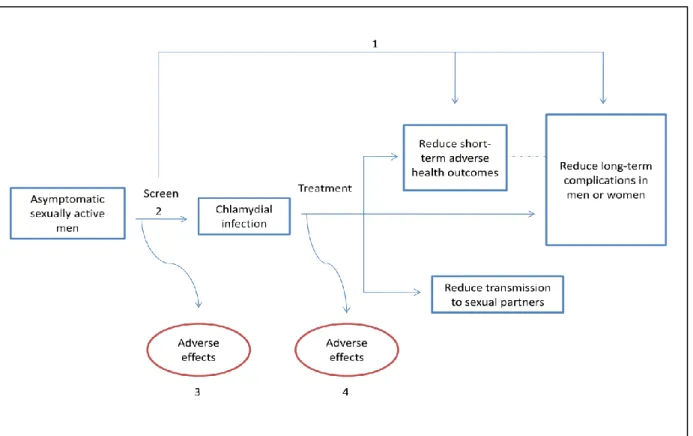
The analytic framework (Figure 2) was developed by adapting the previously published work by the USPSTF on screening for Chlamydia infections in young women. From the
framework, four key questions (KQ) numbered below were developed to guide the literature search of gaps in evidence required to update the USPSTF recommendations.
Critical Key Questions
Key questions, which guided the literature review, were identified as areas with
unresolved issues since the previous USPSTF recommendations. Questions not included in this review are accuracy of screening instruments used or the efficacy of treatment in men as
previous reviews have found sufficient evidence to support available satisfactory diagnostic
instruments and treatment for Chlamydia.2 The sections below details the methods used for the literature search process.
Literature Search Strategy
An initial search was performed using PubMed-MEDLINE for systematic reviews (SR) and meta-analyses (MA) published from 2000 through September, 2010 and in the Cochrane
Database of Systematic Review (CDSR) in September 2010 on screening for Chlamydia in men. Searches for articles specific to each KQ were conducted to supplement evidence found in the
initial search. SRs and Mas were reviewed at the abstract stage and the articles were reviewed for relevance to each key question and graded for quality.
This review will focus on the evidence of the effectiveness of screening strategies in men,
as well as evidence that screening and treating Chlamydia in men improves health outcomes in KQ1: Does screening for Chlamydia in men reduce morbidity in men or
women?
KQ2a: Does screening for chlamydial infection in men reduce the incidence of infection in men or women?
KQ2b: Who should be screened? What are the risk factors for chlamydial infection in men?
both men and women. This review will also focus on the adverse effects of screening, as previous reviews found gaps in the evidence, limiting the ability of the Task Force to make
recommendations for or against screening. Inconvenience, social stigma of sexually transmitted diseases, partnership discord and exacerbation of domestic violence among partners, and concern
related to testing errors were among the adverse effects explored in the literature. In this report, screening is defined as testing performed on asymptomatic persons. Universal screening means that everyone is tested, regardless of symptoms or risk factors. Selective screening tests only
individuals who meet specific criteria. Key Question 1 and 2
After the initial search of SR and MA conducted, a literature search was performed for controlled trials of Chlamydia screening from 2000 through September 2010 in PubMed-MEDLINE and the Cochrane Central Registry of Controlled Trials (CCRCT). The Medical
Subject Heading (MeSH terms) Chlamydia was combined with the terms screening and men. All search terms are listed in Appendix C. In KQ 2, all abstracts found for KQ1 were reviewed
for data on changes in disease frequency in the population. Key Question 3
In addition to the initial search for SRs and Mas, all abstracts located for KQ1 and KQ2
were reviewed for screening-associated harms. An additional search on PubMed-MEDLINE was conducted from 2000 through September, 2010 to locate large observational studies
addressing adverse effects by searching for publications that included terms to capture harms generally (adverse events, harms) and potential harms suggested earlier in the review
Key Question 4
In addition to the initial search for SRs and Mas, all abstracts located for KQ1, KQ2, and
KQ3 were reviewed for treatment-associated harms. An additional search of PubMed-MEDLINE from 2000 through September, 2010 was performed to locate large observational
studies addressing adverse effects by searching for publications that included medication terms or discontinuation of medication without restrictions related to study design.
Inclusion/Exclusion Criteria
A set of inclusion and exclusion criteria was developed and applied generally, with specific additional criteria applied as needed to answer each key question. See Appendix D for
list of specific inclusion and exclusion criteria used for each KQ. Populations and Disorders
The population of interest of this review includes sexually active men in the US, Canada,
UK, Australia, New Zealand as well as other western European countries when data were not adequate for a specific key question. While this review specifically focuses on Chlamydia,
studies with other STDs were included if outcomes of diseases were measured separately. Studies with a primary focus on other sexually transmitted infections such as AIDS, syphilis, and gonococcal infections were not included. Studies including only Chlamydia positive men
(reinfected) or HIV positive men were also excluded as this review focuses on general screening programs for asymptomatic men in the population. Studies of both men and women were also
included if measured outcomes for screening men were found separately. Settings
Primary care, emergency room, school based locations, STD clinic or other community
Screening
Studies about screening programs were included if they provided descriptions of the
study population, including number of men screened, age range, setting, and other important socioeconomic factors. Screening program features such as time course of the study, type of
testing, and type of test were also abstracted into evidence tables. Studies were included if they use a recommended screening test, and screening trials must have used the screening results in the care of the intervention participants.
Risk Factors
Studies of risk factors for Chlamydia were included if they reported the number of men
screened, age, setting, reason for visit, and other socioeconomic factors. Screening criteria used, type of Chlamydia test, and prevalence rate of the tested population were abstracted into
evidence tables.
Treatments
Studies that used the first line agents azithromycin and doxycycline were included if they
were used in the treatment of Chlamydia such as from a positive test or urethritis. Because we wanted to include all harms associated with treatment of Chlamydia, second line medications were included as well (tetracyclines, erythromycin, etc.). However, treatment of complications
such as epididymitis and proctitis were excluded. Outcomes
Outcomes of interest were changes in frequency of infection in the women or the total population. Health outcomes of interest included: treatment of Chlamydia, changes in frequency of related sequelae, reinfection rates, quality of life ratings, change in sexual behavior practices,
treatment including inconvenience, social stigma of sexually transmitted diseases, possible discord and exacerbation of domestic violence among sexual partners, and concern related to
testing errors, serious medical events and discontinuation. Quality
―Good‖ and ―fair‖ quality papers are included in this review. Summaries of all papers,
including ―poor‖ quality studies can be found in the abstractions tables (Appendix G). See section below for discussion of methodology of data abstraction and quality assessment.
Date and Language
Only articles published in English between 2000 and September 2010 were included in
literature search.
Data Abstraction and Quality Assessment
Only results pertaining to screening men were abstracted into tables, as programs that
screen women only are out of scope with this paper. All resulting studies were reviewed and assessed for methodological quality. Adapted from the STROBE statement for reporting
observational studies, a standardized abstraction form was used to critically appraise the quality of studies in regards to the following possible categories: (1) completeness of study description of intervention and comparison populations; (2) sampling method and potential for selection
bias; (3) completeness of study intervention description; (4) validity and reliability of the measurement of exposure; (5) validity and reliability of the measurement outcome; (6)
appropriate statistical analysis; (7) attrition, loss to follow-up; and (8) identification and discussion of potential biases and confounding, with or without analysis adjustments to
For the purposes of this review, quality of studies was determined by the number of limitations: good (0-2 limitations), fair (3-4 limitations), or poor (5-8) quality.
Literature Synthesis
Because of the diverse methodologies among reviewed studies, a qualitative synthesis of
the literature is detailed in this review paper. A quantitative synthesis was not conducted, although data from published meta-analyses for KQ4 on the adverse effects of treatment was included. For each Key Question, the results of the literature review are critically synthesized
RESULTS
Literature Review Process
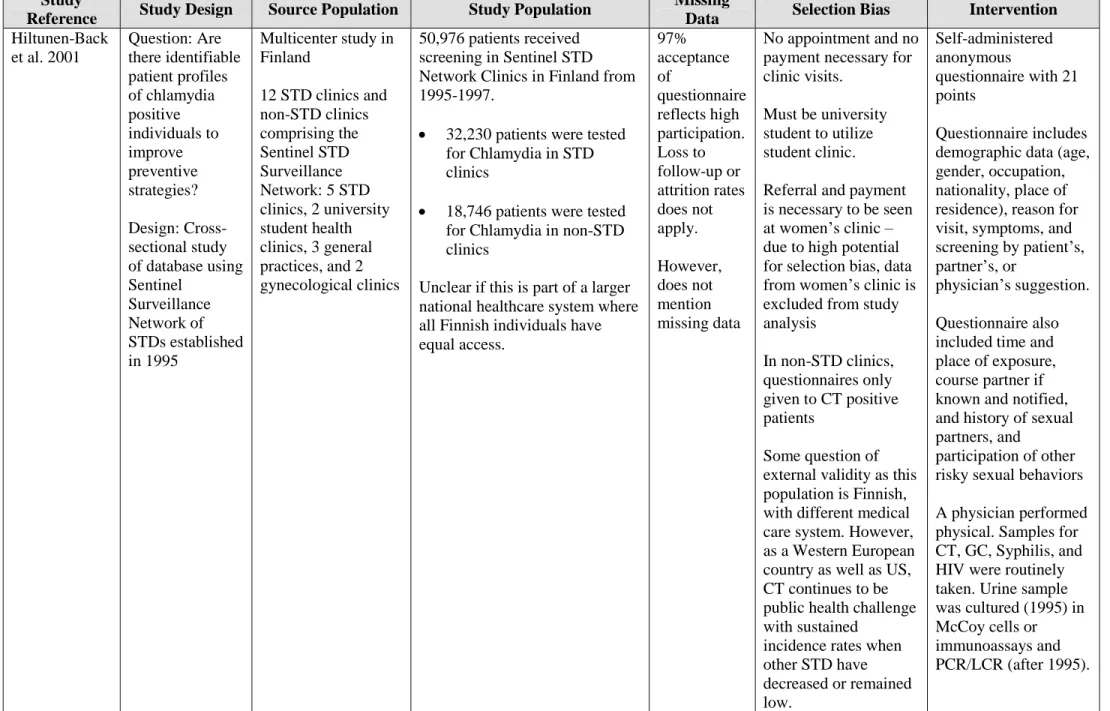
A total of 497 titles and abstracts were found from the initial search of databases and 4 hand-selected articles from references of relevant articles (See Appendix E for search results and
flow chart). After 165 duplicate articles or studies were removed, and remaining articles were sorted by titles and abstracts for relevance. The full-text versions of the remaining 63 articles were skimmed for inclusion and exclusion criteria of the applicable key question(s). The final 8
articles that met all inclusion and exclusion criteria were then abstracted using the created table
and rated for quality as detailed in the methodology section. Below are the results for each key question.
Key Question 1: Does screening for Chlamydia in men reduce morbidity in men or women?
The literature search did not produce any new study published which used biological outcomes of morbidity or mortality of women and men when screening men for Chlamydia in
the designated time period.
Key Question 2a: Does screening for Chlamydia in men reduce the incidence of infection in
men or women?
Summary of findings
The literature search produced one ―fair‖ quality study that followed a screening program
for male inmates and the effects of test positivity in women from the surrounding areas. Men incarcerated in the Philadelphia prison system have received systematic screening examinations
neighborhood women during the two years before the start of the screening program and the three years after.
Researchers found that both high-treatment and low-treatment areas had a decline in test positivity. In high-treatment areas, positivity significantly declined from 10.6% in 1999, 8.7% in
2001 (p<0.05). In low-treatment areas, positivity decreased as well; 7.3% in 1999, 5.5 in 2001, and 4.2 in 2004 (p<0.05). While these results are statistically significant decline in test positivity, the downward trend started even before the prison screening program was implemented. With
numerous limitations in bias and confounding variables, investigators were not able to conclude that the decline in the rate of positivity in women was due to the prison screening program.
Study Details (Appendix G, Table 1)
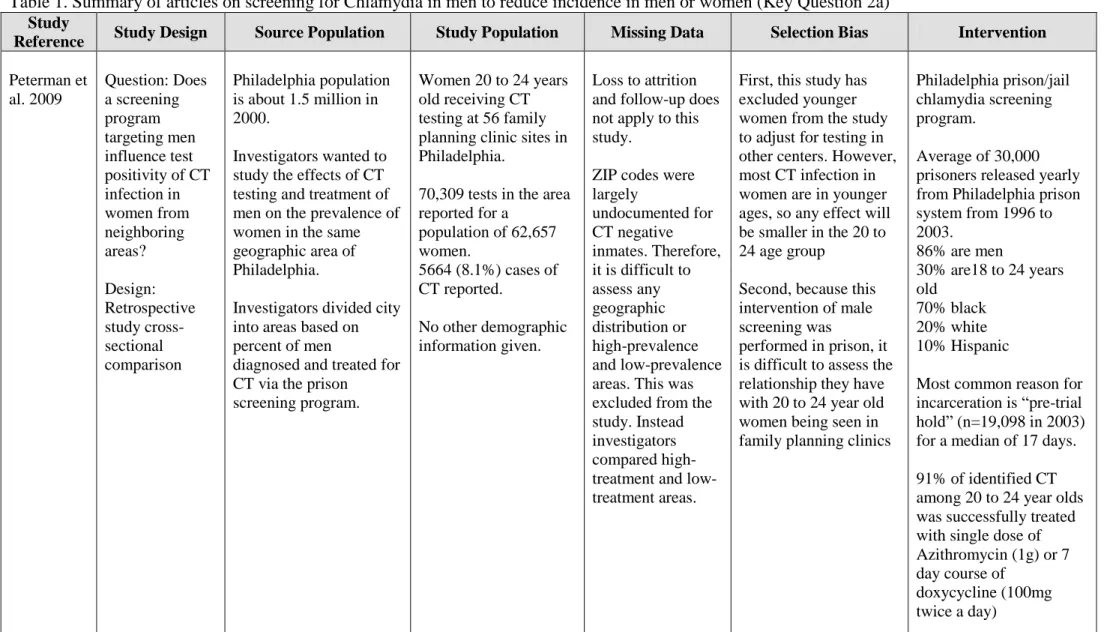
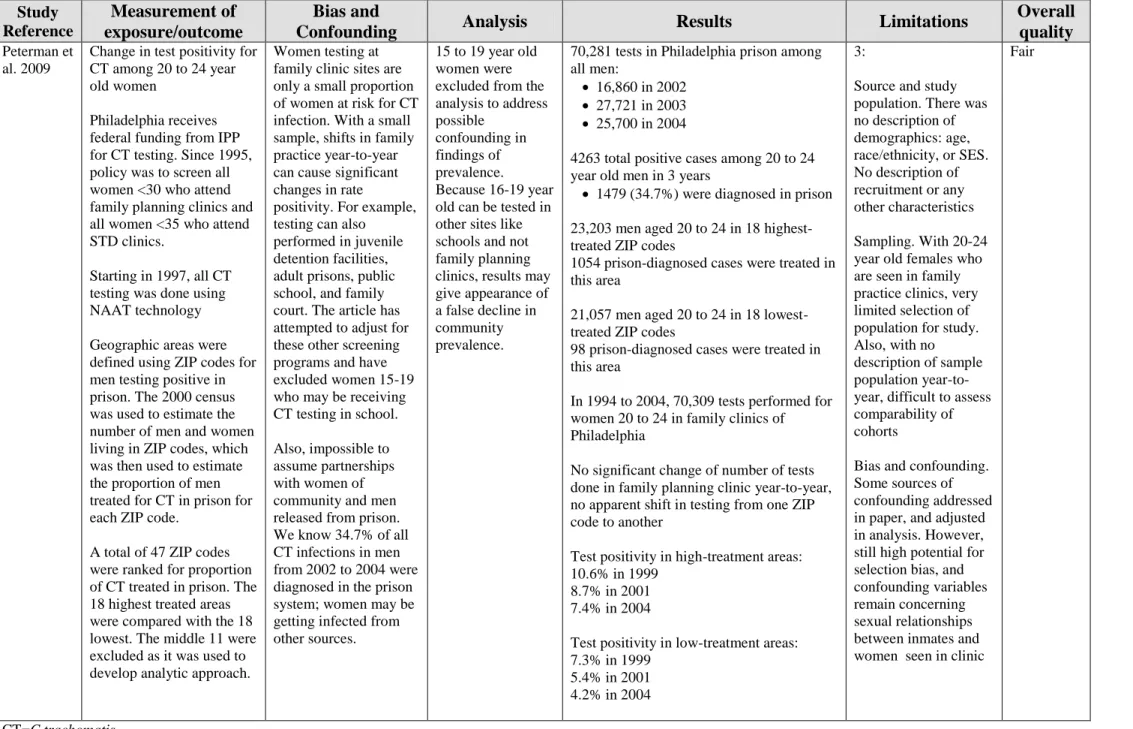
Peterman 200946
In a retrospective comparative study using data from the Philadelphia STD control
program and Region III of the Infertility Prevention Project (IPP), investigators analyzed the influences of a male screening program on the rate of test positivity of women over a 5-year
period to document rates 2 years before implementation of the program and 3 years after. They collected test results from women 20 to 24 years-old, who tested in family planning clinics operated by IPP. This age group was selected because several other testing sites are available to
women in Philadelphia, specifically high-school programs that are meant to target 15 to 19 year-old women. Investigators have therefore excluded younger-aged women from the analysis to
eliminate this confounding variable, which may give the appearance of a declining prevalence in the community.
Test results from the family planning clinics were categorized by geographic area using
2000 Census for population estimates of 20 to 24 year old men in each ZIP code, investigators designated the highest 18 areas with a proportion of prisoners receiving treatment to compare
with the lowest 18 areas of treatment. In 2002 to 2004, 4263 positive Chlamydia tests were reported in Philadelphia for men aged 20 to 24, of which 34.7% of were diagnosed in the prison
system. During that period, 1,054 prisoners of the high-treatment ZIP codes were identified, treated and released from jail. The high-treatment area had a populations of 23,203 men aged 20 to 24, and a treatment rate of 1.5% each year. In low-treatment areas, 98 prisoners were treated
in a population of 21,057, or 0.12% annually.
Researchers found that test positivity for women in the high-treatment areas decline over
time from 10.6% in 1999, to 8.7% in 2001, and 7.4% in 2004 (p<0.05). The relative rate of annual decrease was greater even before implementation of the male prisoner screening program. Similarly, test positivity for women in the low-treatment areas declined over time from 7.3% in
1999, to 5.4% in 2001, and 4.2% in 2004 (p<0.05).
Key Question 2b: Who should be screened, and what are the risk factors for Chlamydia?
Summary of findings
The literature search resulted in four studies pertaining to risk factors and associations with Chlamydia testing positivity. The literature search produced one of ―good‖ quality, one ―fair‖ quality, and two ―poor‖ quality studies that identified possible risk factors for Chlamydia
positivity which could be used to improve effective detection of infection in men.
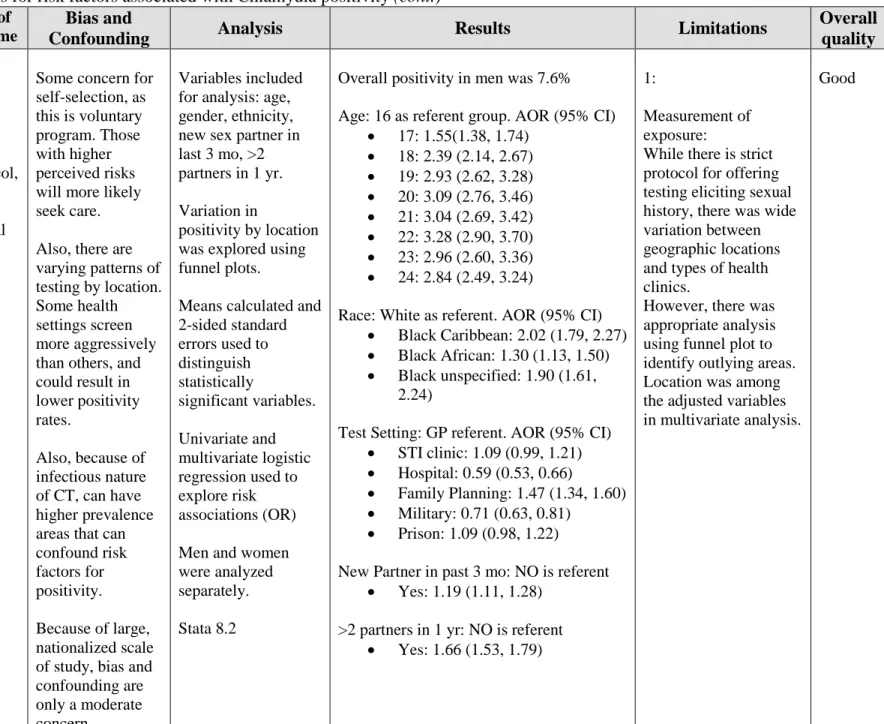
A ―good‖ quality study of a comprehensive Chlamydia screening program in the UK included 97,121 men with an overall Chlamydia positivity rate of 7.6%. They found that men aged 19 to 24 experienced a rapid increase in risk as compared with 16 year-old adolescent men.
last 3 months, or having two or more partners in the last year. This study found there was slightly higher detection of Chlamydia in family planning centers, and lower positivity rates in hospitals.
Otherwise, positivity rates were only slightly variable depending on screening setting.
In a ―fair‖ quality study conducted in the U.S., investigators looked at positivity rates in
adolescent men tested at school-based health centers. Using a self-administered questionnaire on sexual behaviors, data was collected to compare demographic characteristics and sexual health behaviors associated with Chlamydia positivity. The results show an overall prevalence of 6.8%
positivity in 1,434 middle-school and high-school aged students from Baltimore and Denver. In the Denver cohort, condom use with their main (OR 0.30, 95% CI, 0.10, 0.91) or casual partner
(OR 0.15, 95% CI, 0.03, 0.78) was protective against infection. In Baltimore, age was the only statistically significant risk associated with infection (OR 1.47, 95% CI, 1.23, 1.75). In
multivariate analysis of several variable, age greater than 16 (AOR 1.34, 95% CI, 1.11, 1.62) and
black race (AOR 2.37, 95% CI, 1.21, 4.63) were associated with testing positive. While there are limitations of self-reported data, under-reporting of negative sexual behaviors and over-reporting
of condom use, suggest that there may be associations may be stronger than the results reflect. Study Details (Appendix G, Table 2)
Simms 200947
The Health Protection Agency of the United Kingdom implemented the National Chlamydia Screening Program (NCSP) in 2003, which seeks to offer annual screening for all
sexually active men and women under age 25. In 2007, with full participation of local primary care commissioners in England, this study was conducted to examine the variations of
For each of the 334,902 screening tests performed, of which 29% were men, multiple variables were collected, including gender, age, race, recent sexual partner history, and
Chlamydia test result. They found and overall Chlamydia positivity of 7.6% in men. Using 16 year old white males screened in general practice, multivariate analysis showed rapid increase in
positivity with ages 19 [AOR: 2.58 (95% CI, 2.25, 2.94)] to 24 [AOR: 2.84 (95% CI, 2.49, 3.24)]. Risk of positivity was higher among young men of black Caribbean [AOR: 2.02 (95% CI, 1.79, 2.27) and black background unspecified [AOR: 1.90 (95% CI, 1.61, 2.24)]. When compared with
patients screened in the general practioner’s office, only screening test done at community contraception services and youth clinics had statistically significant higher positivity rates.
Multivariate analysis showed that for men, risk of positivity increased significantly with age (P < 0.0001), ethnicity (P < 0.0001), clinic setting (P < 0.0001), a new sexual partner in the past 3 months (P < 0.0001), and reporting 2 or more sexual partners in the yea (P < 0.0001).
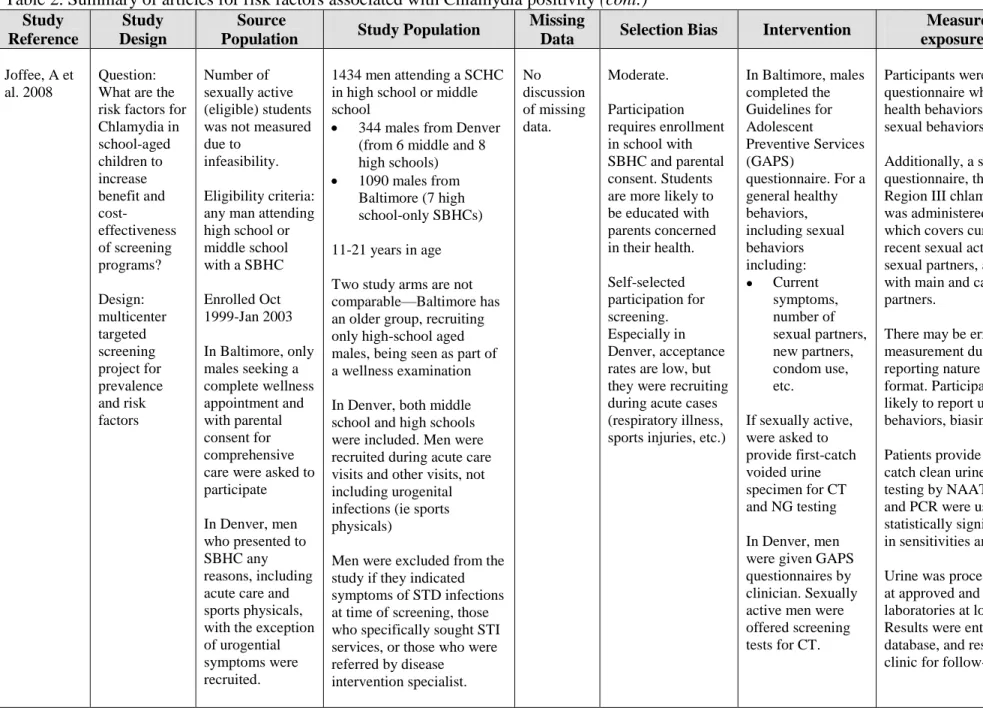
Joffe 200839
In order to improve cost-effectiveness of Chlamydia programs targeted for men, a group
of investigators studied risk and protective factors for asymptomatic men in schools or school-based health centers (SBHC) in the Baltimore and Denver areas. From 1999 through 2003, they recruited high school and middle school children. In Baltimore, all men were enrolled with
parental approval for complete well-adolescent examinations and were asked to complete the Guidelines for Adolescent Preventive Services (GAPS) questionnaire, which was developed by
the Department of Adolescent Health of the American Medical Association48. The questionnaire covers a broad array of health behaviors topics, including sexual health. If the student indicated they were sexually active, a first-catch voided urine specimen was collected for Chlamydia and
Region III chlamydia data form that included questions about symptoms, recent sexual activity, and condom use. Patients seeking care at the SBHCs for urogenital symptoms were excluded
from the study. Recruitment methodology was different in Denver, in that men were not recruited during a wellness exam, but during acute care visits and sports physicals.
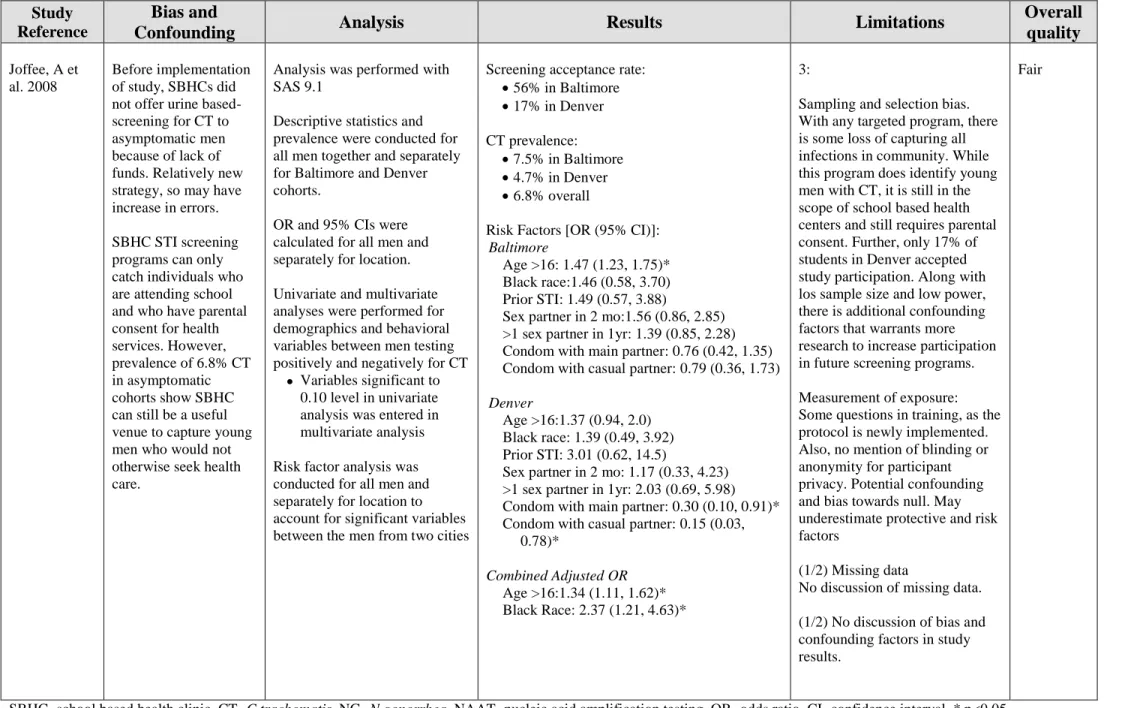
In Baltimore, 56% (n=1090) students accepted screening; in Denver, 17% (344) men accepted screening, for a total of 1,434 enrollees. Prevalence for chlamydia was 7.5% and 4.7% in Baltimore and Denver, respectively, with an overall prevalence rate of 6.8%. Their study
showed that in the Baltimore cohort, age greater than 16 was associated with an increased risk of chlamydia positivity [OR 1.47 (95% CI, 1.23, 1.75)]. In the Denver cohort, self-reported condom
use with either the last main [OR 0.30 (95% CI, 0.10, 0.91)] or casual partner [OR 0.15 (95% CI, 0.03, 0.78)] had protective associations. In multivariate analyses of both cities that included age, race, history of STI, sexual partner history and condom use, only age at 16 and older [AOR 1.34
(95% CI, 1.11, 1.62)] and black race [AOR 2.37 (95% CI, 1.21, 4.63)] were associated with testing positive for chlamydia. No other variables were statistically significantly associated with
chlamydia positivity.
Key Question 3: What are the adverse effects of screening for Chlamydia in men?
Summary of findings
In weighing evidence for and against screening, known and potential harms must be considered. The most frequently discussed adverse effects of screening for Chlamydia are the
psychological, emotional, and social impacts of receiving testing and receiving a positive diagnosis. Known harms of screening include anxiety, both about the test and about potential results, stigmatization, fear of partner’s reaction, and fear of future fertility from a positive
of screening men and women. One study conducted in the United Kingdom surveyed 842 individuals aged 16-35 years old for anxiety, depression and self-esteem at three points in time:
before screening, at screening, and after receiving a negative result. Though not statistically significantly different, the study found that women had generally higher levels of anxiety,
depression, and lower self-esteem. Particularly, men’s anxiety levels decreased after screening, whereas women were only relieved after a negative result. Another cross-sectional study
conducted in Denmark found that among 277 participants who received the screening test, 25.6%
(n=71) were unaware that they could have Chlamydia and received screening test after being offered by the general practitioner. Of the 71 participants, 11.3% (n=8) felt stigmatized by being
offered testing, while 82% (n=58) felt satisfied. Among infected individuals, 34% of sexual partners were upset by the diagnosis and 10% of relationships ended.
Study Details (Appendix G, Table 3)
Campbell 2006 49
In the 2006 article describing the ClaSS project, 842 individuals were randomly selected
from a pool of 19,773 men and women registered in the National Health Service in the Bristol and Birmingham areas of the UK for an invitation for home-based screening for Chlamydia and for answering questionnaires to assess levels of anxiety, depression, and self-esteem at three time
points: before the invitation for screening, at screening, and after a negative result. Using a fixed proportion randomization scheme, individuals were randomly selected to receive an invitation
letter from their general practitioner followed by the study packet including information on how to provide home-collected urine sample and/or vulval swab sample. Initially designed as a prospective cohort study, the low response rates from the first four practices compelled
the three time points, stratified by sex and practice, as well as limiting the age bracket to 16-26 year old. The main outcomes were assess by using the Hospital Anxiety and Depression Scale
(HADS), a simple and reliable questionnaire and valid when used in community settings and primary care medical practice.50 The Rosendburg Self-Esteem Scale was also used to measure
stigmatizing effects of screening for Chlamydia. In the analysis, the cohort and cross-sectional groups were combined after assessing similar response rates, similar outcomes after adjusting for age and sex.
The investigators found that in general men reported experiencing less negative impacts of screening than women when considering all three time periods. While there was not
statistically significant differences between genders, mean scores were 6.52 (SD = 3.60) and 6.27 (SD = 3.38) for 16-25 year old and 26-39 year old men, respectively. Women had mean anxiety scores of 8.14 (SD = 3.89) and 8.28 (SD = 3.63) for the same age groups. Depression scores
were lower in younger age groups, and lowest in men aged 16-25. Mean depression scores were 3.01 (SD = 2.8) and 4.12 (SD = 3.6) for 16-25 year old and 26-39 year old men, respectively.
Women had mean depression scores of 3.63 (SD = 3.2) and 4.42 (SD = 3.2) for the same age groups. Self-esteem was similar for age groups and sex, but was slightly lower in young women.
The investigators also investigate changes in anxiety, depression, and self-esteem levels
across time. They found statistically significant (p=0.0049) decreases in mean anxiety levels before, during (-0.66, 95% CI -1.23,-0.09), and after screening (-0.99, 95% CI -1.60,-0.38) and
evidence that the pattern was different for men and women (p=0.012 for interaction). Men anxiety levels occurred after submitting their test sample, and women anxiety levels only decreased after receiving a negative result. There was no increase in anxiety as a result of
questionnaires. There was not a clear pattern of depression and self-esteem across the three time points. While depression was lower and self-esteem was higher after receiving a negative test
results, findings are not significant and no clear interpretations can be concluded.
While there were no significant differences between men and women overall, the results
of this study show that large population-based screening for Chlamydia does not have deleterious impact on the psychological well-being of those tested. Having an invitation for screening and during screening did cause increases in anxiety and depression and decreases in self-esteem, but
these were not lasting with relief with a negative result. In fact, sub-analyses showed that men were less negatively affected by screening, and psychological improvements were seen
immediately after submitting testing samples.
Kangas 2006 51
A cross-sectional survey of 277 men and women was conducted in Denmark to quantify
potential psychosocial effects of testing for Chlamydia and receiving a positive or negative diagnosis. In Aarhus County, where the study was performed, 90% of Chlamydia tests are
performed in general practices. Investigators recruited 91% of all the general practices in the county. Patients coming for a visit were recruited by their general practitioners by being asked if they would be screened for Chlamydia and mailed the survey within a week.
The survey addresses three topics that were found to be areas of concern from the few studies on the psychological impacts of screening of women participants: the magnitude of stigmatization, partner’s reaction to positive diagnosis, and anxiety over future reproductive
health. Participants were divided into two cohorts for analysis of outcome: the proportion of those with a positive diagnosis was compared with those with a negative diagnosis, and
A total of 277 (81.2%) individuals’ mailed responses were included in the study with 64
individuals failing to respond after a reminder letter. Among these participants, 28 individuals
were Chlamydia-infected men and 73 were non-infected men (n=101). When asked
stigmatization of having a positive diagnosis, 50% of infected men and 56% of non-infected men
felt it was a private matter and would not tell anyone (p=0.549). 46% of infected men and 18% of non-infected men felt they would be embarrassed to talk about testing with others. Concerning questions directed to their reaction to receiving test results, 14% of infected men were upset,
21% felt despair, 29% felt embarrassed, and 32% felt no emotional impact. In contrast, non-infected men were not upset (0%; p=0.007), 4% felt despair (p=0.022), 3 felt embarrassed
(p<0.001), and 34% felt no emotional impact (p=0.708). On topics concerning psychosocial impacts in relation to their sexual partner among those with a positive diagnosis, 25% felt ―dirty‖, 43% felt relieved, and 75% of partners were understanding. Among those with a
negative diagnosis, none felt ―dirty‖ (p<0.001), 10% felt relieved (p=0.450), and equally 75% of partners were understanding (p=0.891). 83 of the 101 men tested had requested Chlamydia
testing because of suspected exposure, exposed partner, previous infection, new partner, or others. The remaining 18 men were offered testing by the GP. Of these 18 men, 16 (88.9%) was satisfied with the offer, 1 (5.6%) felt stigmatized, and 1 (5.6%) felt no emotional impact.
Key Question 4. What are the adverse effects of treatment for Chlamydia in men?
Summary of findings
Adverse effects associated with treatment for Chlamydia included tolerability of
medication—typically diarrhea, abdominal pain, nausea, vomiting, dyspepsia, and constipation. 53, 54
Other adverse events examined were evidence of serious and rare medical events associated with the most common antibacterial agents doxycycline and azithromycin as well as less
commonly prescribed antibacterial medications. Study Details (Appendix G, Table 4)
Lau 2002 54
A meta-analysis of twelve randomized clinical trials evaluated the efficacy and tolerance of azithromycin and doxycycline for genital Chlamydia in 1542 patients for microbial cure of
infection and 2171 patients for adverse events. The review searched multiple databases from 1975 to 2001 for randomized controlled trials of oral doxycycline and azithromycin in males aged >15 and nonpregnant females aged >15 with evaluation of microbial cure with CT
biological assay negativity at a 2-5 week follow-up.
In the azithromycin group, microbial cure occurred in 853 of 884 patients (96.5%) and in
the doxycycline group, 645 of 659 (97.9). Adverse events were reported by 319 of 1274 (25.0%) azithromycin-treated patient and 205 of the 897 (22.9%) of the doxycycline-treated patients. The pooled efficacy difference between the two antimicrobial agents is 0.008 (95% CI, -0.007-0.022,
p=0.296) and was not statistically significant. The pooled risk difference was also not statistically different at 0.009 (95% CI, -0.19-0.037, p=0.533).
The most frequently reported adverse events were gastrointestinal in nature (87.3%) including diarrhea, abdominal pain, nausea, vomiting, dyspepsia, constipation, flatulence, and other unspecified symptoms. Other non-gastrointestinal symptoms included fatigue, malaise,
studies that looked at a study population of only men with Chlamydia. However, we can assume that biologically, men and non-pregnant women would have similar adverse effects—mostly
typically mild GI symptoms. There were no major adverse events documented in the review, and both regimens of azithromycin and doxycycline were found to be equally safe and efficacious.
There were some limitations on the quality of the review (limitations = 4, ―fair quality‖)
that prevent broad generalization to the safety profile of azithromycin and doxycycline. The review does not discuss the characteristics or demographics of the populations studied in each of
the trials. However, it is unlikely that differences in socioeconomic status and different provider care settings should affect biological harms of the antibiotic treatment received. Also, the review
DISCUSSION
Screening men: Effects on Chlamydia burden in men and women
Despite efforts to decrease the burden of Chlamydia infection in women through national recommendations, the impact of screening programs for women alone has not been clear.
Confounded by increased detection with increased screening, incidence of Chlamydia continues to rise with increased risk for reproductive complications. Screening of asymptomatic men is a strategic approach to detect, treat, and prevent the transmission of the STI. However, there is a
paucity of studies that look at the effects of this disease control method on the changes in frequency in the population and no studies on changes in disease morbidity and mortality.
The literature produced only one study, which was of ―fair‖ quality, with inconclusive findings. By focusing on a small subsection of the prison-based screening in Philadelphia and its effects on women aged 20 to 24 seen in family planning clinics, there is a high degree of internal
validity as well as generalizability to the broader population of Philadelphia and the rest of the U.S. Furthermore, there were issues in methodology and using ZIP codes to designate
overlapping sexual networks between the prisoners and neighborhood women. Also, 20 to 24 year old men may have been engaging in sexual relationships with younger-aged women who were excluded from the study. With too many unknown variables confounding the relationship
between male screening and changes in positivity rates in women, the findings from this study are inconclusive. Screening men for Chlamydia remains difficult because asymptomatic men
men with biological outcomes in women preclude any determinations on the effectiveness of this disease prevention method.
Risk Factor Identification
Infected but asymptomatic young men are an elusive group to screen for STIs because
they are not likely to seek medical care when feeling well, unlike their female counterparts who tend to have more regular visits for general reproductive health. Therefore, descriptive studies can guide screening programs for men in order to enhance cost-effectiveness, and efficiency in
capturing positive cases.
The English study on the NCSP dataset was based on one of the most comprehensive
Chlamydia screening programs performed in the UK and was of ―good‖ quality. However, coverage of the target population was low (4.9%), and as a result, may not represent all young men at risk of Chlamydia infection. Because population prevalence could not be ascertained,
positivity was appropriately used as the outcome measure, with 16 year-old white men as the referent group. The study found that positivity was significantly higher for men aged 19-24 and
black Caribbean and unspecified black background. These findings indicate that screening programs must ensure that services are available not only to school-aged children, but target young adults as well. The high positivity rates may indicate high prevalence of Chlamydia in this
study population. As only 29% of screening tests in the study were men, new strategies to increase participation must be implemented to ensure all men at risk receive equitable and
accessible health services.
Joffe et al. conducted a ―fair‖ quality study that looked at male students in the Baltimore and Denver areas. There were a few areas of concern in the methodology and analysis of the
demographics, analysis was performed both separately and together. This may have weakened the power of the study, as the number of participants in Denver was low. Additionally, the study
does not specify the conditions under which the questionnaires were administered. It is unlikely that responses remained anonymous, as it was also used as a tool by providers to discuss health
concerns. This is concerning for the reliability of the responses used to analyze risk factors for Chlamydia. The self-reporting nature of their healthy behaviors may not accurately reflect true behavior. Students may be embarrassed and under-report poor sexual health habits and
over-report safe sexual practices. Because of this bias, associated risk and protective factors may be more strongly associated with STI positivity than the study reports. The overall positivity rate of
6.8% among only asymptomatic men in this study indicate that SBHCs can be an appropriate health care setting, especially in high-prevalence areas, to identify and treat chlamydia infection in asymptomatic men. SBHCs can provide STI screening and counseling on sexual behavior at
the start of sexual activity that is accessible without transportation, available at convenient hours, and at affordable costs. More school-based studies and analyses are needed to guide future
screening recommendation for adolescent aged children. Adverse Effects of Screening
There is a paucity of studies that investigate the harms of screening men for chlamydia in
large population-based screening programs. The literature review produced two cross-sectional survey studies of good and fair quality assessing the psychological impacts of screening both
men and women that included analyses of men alone.
The ClaSS study from the UK had moderate issues with selection bias and study design, but can still be considered a ―good‖ study. There is a moderate degree of selection bias of
It is quite possible that the non-responders have a different psychological profile, but this is difficult to assess. Also, data on post-result levels of psychological distress, the survey only
captures individuals with negative results. We can assume that anxiety, depression and low-self-esteem will continue in those that have a positive result, but these patients will likely follow-up
with their GPs, receive appropriate therapy and behavior counseling to reduce future risk of STI acquisition.
The ClaSS study found that women experience anxiety, depression, and self-esteem more
intensely than men, but not with statistical significant. However, the ClaSS project did find that and increases in anxiety and depression and lower self-esteem experienced with an invitation for
screening by the general practitioner decreases once the patient has undergone testing. This is different than women who experience continued distress until receiving a negative result. When screening for sexually transmitted infections there is always the potential for increasing
psychological morbidity regardless of whether there are overall health benefits of screening. This study has policy implications to include men in screening for Chlamydia as part of large
screening programs, as they do not seem to have serious injuries to their psychological health. As for the Danish study by Kangas, screening practices for Chlamydia are different in Denmark from that of the US. There are four clinical instances for individuals to receive testing:
(1) patients are experiencing symptoms; (2) asymptomatic people with frequent sex partner change; (3) women under 26 before intrauterine device insertion or hysterosalpingogram; and (4)
as part of the small opportunistic screening program.54 There is however no national screening program in place in Denmark. Rather only two communities receive annual chlamydia testing through pilot programs using register-based postal invitations.55 Also, the questionnaire used in
women may think differently about these issues, as may the Danish and US population in general as well. However, this survey addresses the psychological stresses and anxieties of testing and
can be applied to a broad population of sexually active youth.
Considering the limitations of this article (4), this ―fair‖ study of both Chlamydia-positive
and negative men have similar reactions to Chlamydia testing. However, men felt some degree of embarrassment and stigmatization, most men were satisfied with testing, and the majority of men felt to emotional impact from test answer, and felt relief.
The findings from both these studies are consistent with similar small-scale surveys observed for other screening program, which suggest that individuals are unlikely to suffer
profound or long-lasting emotional effects as a result of participating, and that the experience may even have a positive effect on their well-being. For example, a recent questionnaire-based survey of a random sample of men and women aged 15 to 29 who responded to an invitation for
be screened for chlamydia by means of a home based urine sample in the Netherlands, found that 42 % felt relief at receiving a negative result and that only a small minority of those receiving a
negative result remained anxious.56 Also, men react differently than women, generally being less influenced by having a test offer and a positive or negative test result. Therefore, it is feasible to incorporate men in universal screening programs in a preventive strategy. However, conditions
of anxiety, stigma, and depression, even if temporary, are important topics that require appropriate counseling by health care providers for both men and women.
Adverse Effects of Treatment
There was no randomized study found that directly compared the intensity and duration of adverse events associated with azithromycin and doxycycline. The single ―fair‖ meta-analysis
for the treatment of Chlamydiain men and women. Approximately 23-25% of patients report adverse events with each antibiotic, mostly gastrointestinal in nature including complaints such
as diarrhea, abdominal pain, and nausea.
For the purposes of assessing harms with treatment for Chlamydia, the investigators
assumed that adverse events in males treated for chlamydial urethritis are comparable to those in males treated with the identical regimen for nongonococcal urethritis of any etiology. Given that urethritis is a local infection and the pharmacokinetics is unlikely to vary with different
infectious etiologies of urethritis, this is a reasonable assumption. This allowed investigators to capture more data and possible rare negative events. Even so, both antibiotic regimens were
found to be equally safe and efficacious.
Under these controlled trials, estimates of therapy efficacy can be overestimations under close observation and optimal conditions. In actual practice, efficacy may be compromised by
partial compliance, especially for doxycycline, which is a longer multi-dose regimen. The compliance of the patient and length of therapy must be considered when selecting an
appropriate therapy for Chlamydia. Patients may be more likely to take azithromycin as
prescribed as a one-time dose, versus doxycycline which is indicated twice a day for seven days and result in treatment failure. A physician might conclude that azithromycin is the treatment of
choice. The cost differential between single-dose and multi-dose therapy makes the medication choice a central issue in the environment of limited resources, and a comprehensive
CONCLUSION
Like previous systematic reviews published on chlamydia screening in men, there
continues to be a lack of evidence on the effectiveness at lowering disease mortality and morbidity in women.1, 2 Obviously, there is a need for more research and studies of
well-conducted randomized trials establishing a direct relationship between screening men and control of disease burden through decreased prevalence of Chlamydia cases, PID, and other related complications. Chlamydia infection is both a very treatable and preventable infectious disease,
yet it persists in the population, particularly in the young and black populations, leading to unnecessary health risks and complications. To complement recommended screening of young
women, screening asymptomatic men is a logical strategy for the treatment of latent infections and to prevent transmission, reinfection between partners, and the development of complications. However, there is insufficient data available to recommend any screening strategies of
asymptomatic men at this time.
The studies reviewed in this paper reveal that the harms of screening and treatment are
mainly mild psychological distress associated with testing. However, the relief of receiving confirmation of negative test or treatment for a latent infection exceeds the harms. Likewise, treatment for Chlamydia is affordable and accessible, safe and effective. Further, it is important
that any screening program is part of a larger control effort which includes education, counseling safe sexual behaviors, and promoting condom use.
The high prevalence of Chlamydia in asymptomatic men suggests a role for a broad screening program. Future research must incorporate current knowledge of risk factors for a screening strategy that is efficient at capturing men who infrequently seek out medical care, and
APPENDIX
Appendix A. USPSTF Recommendations Grading Classification*¥
Grade Interpretation
A
Strongly recommends that clinicians provide [the service] to eligible patients. The USPSTF found good evidence that [the service] improves important health outcomes and concludes that benefits substantially outweigh harms.
B
Recommends that clinicians provide [this service] to eligible patients. The USPSTF found at least fair evidence that [the service] improves important health outcomes and concludes that benefits outweigh harms.
C
The USPSTF makes no recommendation for or against routine provision of [the service]. The USPSTF found at least fair evidence that [the service] can improve health outcomes but concludes that the balance of benefits and harms is too close to justify a general
recommendation.
D
The USPSTF recommends against routinely providing [the service] to asymptomatic patients. The USPSTF found at least fair evidence that [the service] is ineffective or that harms outweigh benefits.
I
The USPSTF concludes that the evidence is insufficient to recommend for or against routinely providing [the service]. Evidence that the [service] is effective is lacking, of poor quality, or conflicting and the balance of benefits and harms cannot be determined.
*U.S. Preventive Services Task Force Ratings: Grade Definitions. Guide to Clinical Preventive Services, Third Edition: Periodic Updates, 2000-2003. http://www.uspreventiveservicestaskforce.org/3rduspstf/ratings.htm ¥The USPSTF grades reflect the strength of evidence and magnitude of net benefit.
Appendix B. Summary of Evidence Reviewed on Screening Men for Chlamydial Infection
Variable Grade
Evidence that screening reduces morbidity and mortality in men Poor
Evidence that screening reduces disease frequency in men and women Poor
Evidence of identifiable risk factors to create targeted screening programs for men Good
Harms of screening Fair
Appendix C. Search Strategies
Table 1. Systematic Review on PubMed-MEDLINE
Systematic Review
Databases: PubMed-MEDLINE
Limits: Dates: 2000 to September 2010, English language
1 chlamydia/dt OR chlamydia/pc OR chlamydia/th
2 Chlamydia*
3 screen*
4 #2 AND #3
5 #1 OR #4
6 Men OR male
7 #5 AND #6
8 #7 AND systematic[sb]
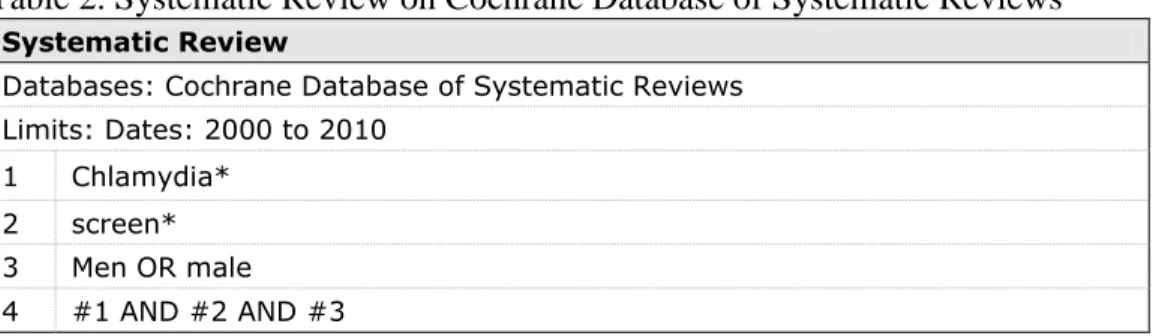
Table 2. Systematic Review on Cochrane Database of Systematic Reviews
Systematic Review
Databases: Cochrane Database of Systematic Reviews Limits: Dates: 2000 to 2010
1 Chlamydia*
2 screen*
3 Men OR male
4 #1 AND #2 AND #3
Table 3. Screening Trials
Screening Trials
Database: PubMed-MEDLINE, Cochrane Central Register of Controlled Trials Limits: Dates: 2000 to September 2010, English language, Clinical trials and RCTs
1 Chlamydia*
2 (Men OR male)
3 Screen*[TIAB] / screen*:ti,ab (Cochrane)
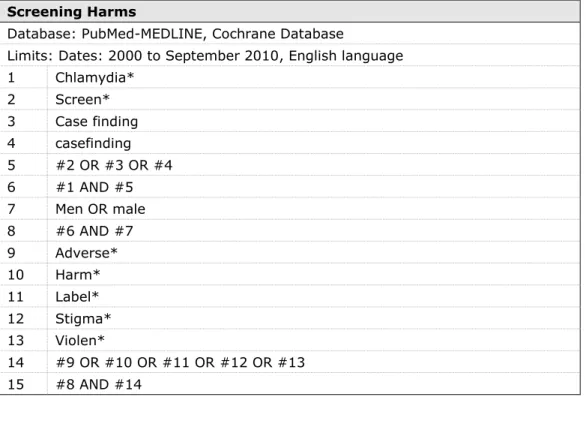
Table 4. Screening Harms
Screening Harms
Database: PubMed-MEDLINE, Cochrane Database
Limits: Dates: 2000 to September 2010, English language
1 Chlamydia*
2 Screen*
3 Case finding
4 casefinding
5 #2 OR #3 OR #4
6 #1 AND #5
7 Men OR male
8 #6 AND #7
9 Adverse*
10 Harm*
11 Label*
12 Stigma*
13 Violen*
14 #9 OR #10 OR #11 OR #12 OR #13
15 #8 AND #14
Table 5. Treatment Harms
Observational Studies of Treatment Harms
Database: PubMed-MEDLINE, Cochrane Database Limits: Dates: 2000 October 2010, English language
1 Chlamydia*
2 Treatment
3 Antibact* OR antibiotic*
4 (#1 AND #2) OR (#1 AND #3)
5 Men OR male
6 #4 AND #5
7 Advers*
8 Harm*
9 Discontinu*
10 #7 OR #8 OR #9
Appendix D. Inclusion and Exclusion Criteria for Key Questions
Key Question 1 and 2: Screening Trials and Morbidity or Prevalence Inclusion Criteria
1. Screening: study of Chlamydia screening in men; outcomes same as listed above. Exclusion Criteria
1. Does not meet quality criteria. 2. None of the outcomes listed above.
3. Focus on women or pregnancy-related screening. 4. Does not meet any inclusion criterion.
5. Not a general primary care population.
6. Not English language or non-developed country. 7. Non-comparative study/excluded design.
8. Pure comparative-effectiveness study. 9. Screen not used in clinical care. 10. Pure modeling study.
Key Question 3: Screening Harms Inclusion Criteria
1. Study addressing adverse events associated with Chlamydia screening in men. Exclusion Criteria
1. Does not meet quality criteria.
2. Focus on pregnancy-related screening. 3. Does not meet any inclusion criterion. 4. Not generalizable to primary care population 5. Not English language or non-developed country Key Question 4: Treatment Harms
Inclusion Criteria
1. Systematic review, large cohort, or large prospective observational study addressing adverse events associated with Chlamydia treatment or screening in men.
Exclusion Criteria
1. Focus on inpatient, prison, MSM community, or other high risk group 2. Focus on interventions other than antibiotics.
3. Does not meet quality criteria
4. None of the adverse effects of interest to our review above. 5. Focus on pregnancy-related screening.
6. Does not meet any inclusion criterion. 7. Not a general primary care population
8. Not English language or non-developed country 9. Not a study design specified above.