61
Perceptions of Tinnitus in a
Group of Senior Citizens
Pamela Mae Sourgen and Eleanor Ross
Department of Speech Pathology and Audiology
University ofthe Witwatersrand
ABSTRACT
Although previous research has highlighted the debilitating effects of tinnitus on quality of life, most studies appear to have targeted the general population, with few researchers focusing specifically on elderly persons. Hence, the purpose of this study was to investigate the perceptions of tinnitus in a group of 20 senior citizens. A questionnaire based on existing research instruments developed by Stouffer and Tyler (1990) and Wilson et al. (1991) was used to elicit information regarding the auditory-perceptual characteristics of tinnitus, effects of tinnitus on lifestyle, perceived causes, factors aggravating or ameliorating tinnitus and coping strategies employed. Results supported findings from earlier research and indicated that tinnitus did indeed exert an impact on respondents' lives with 65% avoiding noisy situations, 65% having difficulty relaxing, and 55% struggling to follow conversations. Almost two-thirds, namely 70%, of respondents reported feelings of frustration, 60% and 55% mentioned feelings of tenseness and irritability respectively, while 50% experienced depression associated with the tinnitus. These findings are discussed in terms of their implications for the education of health care professionals, management of tinnitus patients in general, public and patient awareness campaigns, the establishment of Tinnitus Self Help Groups, and further research.
OPSOMMING
Alhoewel vorige navorsing die negatiewe gevolge van tinnitus op lewenskwaliteit aangetoon het, was die meeste studies klaarblyklik gemik op die algemene bevolking, en het min navorsing op bejaardes gefokus. Derhalwe, was die doel van hierdie studie om die persepsies van tinnitus in 'n groep van 20 senior burgers te ondersoek. 'n Vraelys, gebaseer op bestaande navorsingmiddels ontwikkel deur Stouffer en Tyler (1990) en Wilson en andere (1991) is gebruik om inligting te verkry oor die oUditief-perseptuele kenmerke!van tinnitus op lewensstyl, waarnemende oorsake, faktore wat tinnitus vererger ofverbeter, en hanterings-strategiee wat gebf.uik word vir die verligting / vermindering van tinnitus. Die resultate stem ooreen met die van vorige navorsing en het aange8-ui dat tinnitus wei 'n invloed het op respondente se lewens, met 65% wat lawaaierige situasies vermy, 65% wat dit moeilik oJdervind om te ontspan, en 55% wat sukkel om gesprekke te volg. Amper twee-derdes, naamlik 70% van die respondente hetJ gevoelens van frustrasie aangemeld, 60% en 50% respektiewelik, het melding gemaak van gevoelens van spanning en irritasie, terwyl 50% gevoelens van depressie as gevolg van die tinnitus ondervind het. Hierdie bevindinge word bespreek in tkrme van hul implikasies vir die opleiding van gesondheidsorg-personeel, die behandeling van tinnitus-pasiente in die algemJen, veldtogte vir die bewusmaking van die publiek, die daarstelling van tinnitus-selfhelpgroepe,
de . I
en ver re navorsmg. I I
.
/ 'KEY WORDS: tinnitus, senior citizens, quality oflife Tinnitus is one of the most debilitating and disabling symptoms of auditory dysfunction, and despite the fact that the past 20 years have seen an enormous growth in clinical and research interest in this condition, there still appears to be no widely accepted treatment that is highly successful (Tyler,Aran & Dauman, 1992: 41; Tyler, 1997b). The term "tinnitus" is derived from the Latin "tinnire" which means to ring or to tinkle (Jackson, 1983:159), and is used to describe "the subjective perception of sound by an individual in the ear or head unrelated to an external sound" (O'Connor & Zappia, 1993: 25). Hence, the sound which is produced involuntarily, does not have an external source. Various ways of classifying tinnitus have been put forward, namely: middle ear and sensorineural tinnitus, pulsatile and non-pulsatile tinnitus and objective and
subjective tinnitus (O'Connor & Zappia, 1993; Tyler, 1997a). Since middle-ear tinnitus is caused by myoclonic or vascular sources (Tyler & Babin, 1993) it has a pulsating quality. In view of the fact that the patient is hearing a part of their body external to the auditory system it is also known as objective tinnitus, which can sometimes be heard by the doctor as well (O'Connor & Zappia, 1993). Sensorineural tinnitus, also known as non-pulsatile or subjective tinnitus, is commonly caused by noise exposure and aging which can result in either hair cell, chemical or neural abnormalities (Tyler, 1997a). However, Tyler and Babin (1993) maintain that the distinction between subjective and objective tinnitus has limited usefulness as studies of cochlear emissions have demonstrated that a sound which can be heard by the examiner in the ear Die Suid-Afrikaanse Tydskrifvir Kommunikasieafwykings, Vol. 45, 1998
ep
ro
du
ce
d
b
y
Sa
bi
ne
t G
at
ew
ay
u
nd
er
li
ce
nc
e
gr
an
te
d
by
th
e
Pu
bl
is
he
r (
d
at
ed
2
01
62
canal, may not be heard by the patient and often originates in the inner ear (Norton, Schmidt & Stover; 1990).
The sensation of tinnitus has not only been perceptually located in one or both ears, but patients have also indicated the presence of tinnitus in the middle, back, side or front ofthe head (Tyler & Babin, 1993). The quality ofthe sound has frequently been described as buzzing or ringing, with other descriptions of rushing, roaring, whistling or pulsing also being indicated. Some patients have reported two or more sounds which may differ in pitch (Tyler & Babin, 1993). High pitched tinnitus is more common (Tyler & Babin, 1993), and when combined with relatively loud tinnitus tends to make the sound more annoying (Jakes, Hallam, Chambers & Hinchcliffe, 1985; Tyler et aI.,1992). A number of surveys performed in the USA, the United Kingdom and Sweden have indicated that tinnitus is fairly common. Although there is a difference in the reported prevalence of tinnitus in each of the three countries, the results generally indicate that 6-20% of the population experiences tinnitus that can be bothersome, with 1% experiencing a severe tinnitus that interferes with daily activities (Chung, Gannon, & Mason, 1984; Coles, 1987; Axelsson & Ringdahl, 1989).
Tinnitus is not only a common condition, but often a debilitating one (Stouffer & Tyler, 1990) as it may be "associated with considerable psychological distress such as anxiety, depression, irritability, and sleep disturbance" (Wilson, Henry, Bowen & Haralambous, 1991:197). A number of studies have provided information on the psychosocial consequences of tinnitus. Difficulty falling asleep, trouble concentrating, feelings of anxiety, difficulty understanding speech, depression, annoyance, confusion, dependence on drugs, emotional distress, auditory-perceptual difficulties, and a deleterious effect on the ability to lead a normal life have been reported (Tyler & Baker, 1983; Coles in Stouffer & Tyler, 1990; Tyler, 1997a). In order to investigate the experience of tinnitus from the patient's perspective, Stouffer and Tyler (1990) administered a questionnaire to 528 tinnitus sufferers who were representative ofa clinic population. These research-ers reported that the tinnitus population they studied did not necessarily present with a hearing loss. Perceptual characteristics of pitch and loudness were both rated as 7 on a Visual Analogue Scale of 1 to 10 by 65% and 47% of the subjects respectively. Patients whose primary complaint was tinnitus and those who were diagnosed as having Meniere's Disease reported the effects of tinnitus on daily life as more severe than those whose primary complaint was hearing loss. According to Stouffer and Tyler (1990), these results highlight the impact of tinnitus on people's lives. Therefore, by knowing how people perceive their tinnitus the clinician is better able to understand the problems that the tinnitus sufferer experiences and provide relevant information and intervention.
It is important to note that "each patient presents with his or her own personal responses to tinnitus" (Tyler, 1997a: 10). It has been noted that some people are not distressed by their tinnitus while others find it highly distressing (Dineen, Doyle & Bench, 1997a). According to Tyler, Aran and Dauman (1992) two main factors contribute ,to the annoyance of tinnitus, namely, the tinnitus itself and psychological factors. The more unpleasant the quality of the tinnitus, the more annoying it is likely to be (Tyler et aI., 1992) and the less people are able to cope with stressful situations, the more likely they
are to be annoyed by the tinnitus (Tyler et aI., 1992; Dineen et aI., 1997a).
Axelsson and Ringdahl (1989) noted that some of the disturbing qualities of tinnitus are greater in the older population. Nevertheless, despite this finding, most studies appear to have targeted the general population oftinnitus patients, with few researchers focusing specifically on elderly persons. Aging involves molecular, cellular and organ changes that when combined, result in a decrease in the body's ability to respond to disruptions in homeostatic equilibrium (Chodzko-Zajko & Ringel in Chodzko-Zajko, 1997). These "normal" changes can be accompanied by secondary or pathological problems which are often associated with aging (Lubinski & WeIland, 1997). Consequently, all elderly people undergo some degree of physical, mental and/or sensory function changes, yet not all are as successful as others in adapting to those changes (Lubinski & WeIland, 1997). The ability to adapt is usually influenced by the severity of the change, the ability of the person to access the internal assets accumulated throughout life, and the physical and social environmental resources available (Lubinski & WeIland, 1997).
Many older people are able to live their lives with considerable satisfaction and competence, with numerous surveys of life satisfaction demonstrating a general sense of well-being (Maddox, 1978). However, good health, adequate finances and someone to confide in, often playa role in determining a person's overall perception of their quality oflife (Botwinick, 1984). This status is defined as "the degree of emotional, intellectual, or cultural satisfaction in one's everyday life, as distinct from the degree of material comfort" (Reader's Digest, 1984:1381). With regard to good health, it is not only the person's objective health status that plays a role, but literature studies have shown that older adults' feelings of life satisfaction can be influenced by their subjective health status (Spirduso & Gilliam-MacRae, 1991). Both the severity and prevalence oftinnitus have been found to increase with age (Axelsson & Ringdahl, 1989). Tinnitus can therefore playa role in elderly people's subjective perception of their health status. In addition, if they perceive tinnitus as a threat to their health, their quality oflife could be affected. ':
Although there appears to belittle, if any,
re~earch
in the area of tinnitus currently being conducted ~in South Africa, according to statistics ofthe prevalence oftinnitus in the USA, the UK and Sweden, namely 6%-20%) it seems reasonable to assume that a relatively large n*mber of people in South Africa probably suffer from this ~isorder.It would therefore seem important to highlight the presence and impact of tinnitus on people's qualib oflife so that intervention can be provided to decrease the level of distress and annoyance associated with this condition (Dineen, Doyle & Bench, 1997b).
Many of the studies on the psychosocial aspects of tinnitus have used the University of Iowa Tinnitus Questionnaire developed by Stouffer and Tyler (1990) or various tinnitus handicap scales (e.g., Tyler & Baker, 1983; Hallam, Jakes & Hinchcliffe, 1988; Kuk, ,Tyler, Russel & Jordan, 1990). However, most of these--;:esearch instru-ments were designed for the generaLpopulation oftinnitus sufferers and do not specifically target elderly persons. For example, the Tinnitus Questionnaire includes items not necessarily applicable to senior citizens, such as questions regarding menstruation, shooting guns, rifles and so forth, This particular research tool also presupposes The South African Journal of Communication Disorders, Vol. 45, 1998
ep
ro
du
ce
d
b
y
Sa
bi
ne
t G
at
ew
ay
u
nd
er
li
ce
nc
e
gr
an
te
d
by
th
e
Pu
bl
is
he
r (
d
at
ed
2
01
Perceptions of Tinnitus in a Group of Senior Citizens
a fairly sophisticated target group which is able to quantify percentage oftime that tinnitus is present on a scale from 1 to 100. For this reason, the present study endeavoured to adapt the University of Iowa Tinnitus Questionnaire (Stouffer & Tyler, 1990) and the Tinnitus Reaction Questionnaire (Wilson et aI., 1991) to meet the needs of a group of senior citizens.
The present study also falls within the framework of current health and welfare policy in this country. For example, the White Paper for the Transformation of the Health System in South Africa (1997:13) states that the "emphasis should be placed on reaching the poor, the under-served, the aged, women and children who are amongst the most vulnerable". The White Paper for Social Welfare (1997:71) refers to older persons and states that "there needs to be a good balance between an emphasis on duration oflife and quality oflife". The effects of tinnitus need to be researched in the elderly population because this condition has the potential of adversely affecting quality of life (Tyler & Babin, 1993).
METHODOLOGY
AIMThe overall aim of the study was to investigate the perceptions of tinnitus in a group of senior citizens.
Sub-aims
(1) To assess respondents' perceptions of the auditory characteristics of tinnitus.
(2) To determine the effect of tinnitus on quality of life. (3) To elicit information on the respondents' perceptions
of the cause/s of their tinnitus.
(4) To highlight factors perceived to aggravate or amelio-rate the experience of tinnitus.
(5) To explore the coping strategies employed.
RES~ARCH DESIGN
i
In order to investigate tJe aims of the study, a survey
design which involved the Jdministration of a question-naire was used. The purposejofthiS design was "to provide a detailed inspection of tlie prevalence of conditions, practices, or attitudes in a given environment by asking people about them rather than observing them directly" (Ventry & Schiavetti, 1980:52). /'
SUBJECTS
A sample size of 20 persons presenting with tinnitus was used. Subjects were recruited from three Old-Age Homes in the Gauteng area, using nonprobability snowball sampling techniques (Baker, 1988).
SUbject Selection Criteria
(1) Subjects were required to suffer from any type of tinnitus, as this was the phenomenon under investi-gation.
(2) Subjects needed to be 60 years of age or older, thereby falling into the category of senior citizen in which there is a higher prevalence of tinnitus (Axelsson & Ringdahl, 1989).
.63 (3) Subjects had to have no diagnosed psychiatric illness in which the person might experience auditory hallucinations, which could be confused with tinnitus, thus confounding the results (Jackson, 1983:159). (4) Subjects needed to have the cognitive-linguistic ability
to understand and answer the questionnaire. (Infor-mation on (3) and (4) was obtained from the health care personnel at the various old-age homes.)
Description of subjects
The occurrence of tinnitus in relation to age, gender, previous occupation, hearing loss, primary diagnosis and primary complaint is set out in Table 1.
RESEARCH INSTRUMENTATION
A tinnitus questionnaire based on an adaptation of The University of Iowa Tinnitus Questionnaire (Stouffer & Tyler, 1990) and the Tinnitus Reaction Questionnaire (Wilson et aI., 1991) was used to quantify the data. These two research instruments were chosen because they covered areas targetted in the present study. The questionnaire is set out in Appendix A, and comprised the following sections:
Covering letter
A covering letter not included with the original research tools, provided subjects with a brief explanation of the purpose and usefulness of the research, what the session would entail, as well as an assurance of confidentiality and voluntary participation.
Biographical information
Subjects were required to provide details regarding their age, previous occupation and gender. Previous occupation was important since patients exposed to occupational noise have a 70% risk of tinnitus (Coles in Stouffer & Tyler, 1990). Information on age was sought because within the population over 50 years of age approximately 40% have tinnitus (Axelsson & Ringdahl, 1989). This increase in prevalence with age is possibly due to the increase in hearing loss and accumulated noise exposure, both of which are implicated in sensorineural tinnitus (Chung et aI., 1984; Tyler, 1997a).
Perceptual characteristics
This section was designed to gather information from respondents on the perceived location, sound quality, pitch and loudness oftheir tinnitus, as well as time since onset and how often the tinnitus bothered them. Stouffer and Tyler (1990) and Tyler and Babin (1993) have highlighted the importance of quantifying these perceptual characte-ristics of tinnitus.
Psychosocial effects
The aim of this section was to determine the effects of tinnitus on the person's lifestyle, emotions and general health. Information was elicited in order to highlight the presence and impact of tinnitus on people's quality oflife so that relevant intervention could be provided to decrease the level of distress and annoyance associated with it. Die Suid-Afrikaanse Tydskrif vir Kommunikasieafwykings, Vol. 45, 1998
ep
ro
du
ce
d
b
y
Sa
bi
ne
t G
at
ew
ay
u
nd
er
li
ce
nc
e
gr
an
te
d
by
th
e
Pu
bl
is
he
r (
d
at
ed
2
01
64 Etiology
The rationale for including this section, was that an understanding of the possible causes of tinnitus could possibly serve to reduce the effects of the condition by eliminating the cause (Stouffer & Tyler, 1990).
Factors influencing tinnitus
This section was designed to highlight factors that exacerbate or reduce a person's tinnitus. Such information was felt to be useful in planning management strategies for tinnitus patients (O'Connor & Zappia, 1993).
Coping strategies
This question explored how people coped with their tinnitus. It has been found that a person's ability to cope may influence the amount of distress associated with tinnitus (Lindberg, Scott, Melin & Lyttkens, 1987). Additional comments
Additional views were targeted through an open-ended question which was placed toward the end of the questionnaire (de Vaus, 1991) allowing respondents to elaborate on their general feelings and experience of tinnitus (Singleton, Straits & Straits, 1993).
Audiological characteristics
Based on a similar section in Stouffer and Tyler's (1990) study, this section, filled in by the audiologist, provided TABLE 1: Description of subjects (N=20)
Demographic factor Sample
1- Age 60-69
70-79 80-89 90-99
2. Gender Female
Male
3. Previous Home (quiet)
occupation Office (Semi-quiet)
Other (semi-noise) Factory (noise)
4. Hearing loss slight (16-25dB)
(left ear) mild (26-40dB)
moderate( 41-65dB) severe (66-95dB)
5. Hearing loss slight (16-25dB)
mild (26-40dB) moderate(41-65dB) severe (66-95dB) 6. Primary diagnosis Noise-induced loss
Presbycusis Middle ear disorder Normal hearing Other
7. Primary complaint Hearing loss Tinnitus
information on the subjects' primary diagnosis, primary complaint and hearing thresholds at 1000 and 4000Hz. Since tinnitus and hearing loss usually co-exist (Tyler, 1997a) this information was included to illustrate the relationship between the tinnitus and hearing loss, particularly presbycusis in the elderly population. PRE-TEST OF THE RESEARCH INSTRUMENT
The tinnitus questionnaire adapted from The Univer-sity of Iowa Tinnitus Questionnaire (Stouffer & Tyler, 1990) and the Tinnitus Reaction Questionnaire (Wilson, et aI., 1991) was used in the pre-test on two subjects who were not included in the final study. On the basis of the pilot study the questionnaire was further adapted for senior citizens. Namely, a larger font size was used to facilitate reading, and various questions were removed or modified. Firstly, the questions requiring the percentage of time tinnitus was present and the number of days per month that tinnitus was bothersome were deleted. They were replaced with an open-ended question on how often tinnitus bothered the subject. This item was placed in the biographical details section. The questions targeting the effects of tinnitus on respondents' quality of life were changed from a percentage scale ranging from 1-100 (Stouffer & Tyler, 1990) to a four-point scale where l=never, 2=occasionally, 3=often, 4=all the time. The question on causation of tinnitus was modified from a choice of possible causes to an open-ended question as the pretest subjects circled a possible cause and the "I have no idea" item where only one answer was required. The
No. Percentage
6 30
10 50
3 15
1 5
12 60\
8 40,
,
3 15: I
8 40',
6 30 i
3 15 \
,
1 5 I
4 20
11 55
4 20
3 15
5 15, _.
10 50
2 10
4
/
2012 60
1 5
2 , /
10
1/" 5
11 55
9 45
The South African Journal of Communication Disorders, Vol. 45, 1998
ep
ro
du
ce
d
b
y
Sa
bi
ne
t G
at
ew
ay
u
nd
er
li
ce
nc
e
gr
an
te
d
by
th
e
Pu
bl
is
he
r (
d
at
ed
2
01
Perceptions of Tinnitus in a Group of Senior Citizens 65 item referring to "shooting guns, rifles" as well as the
item on menstruation in the list of factors that make tinnitus worse, were removed as they were deemed irrelevant for the elderly population. The subjects used in the pilot study were not included in the final adminis-tration of the questionnaire.
the researcher to obtain the hearing thresholds at 1000 and 4000Hz as recommended by Stouffer and Tyler (1990).
DATA ANALYSIS
ADMINISTRATION OF THE QUESTIONNAIRE
The Tinnitus Questionnaire was administered indivi-dually to subjects in order to provide assistance or clarification where necessary, as opposed to a postal survey in which such assistance would not have been possible. While some subjects completed the questionnaire on their own, others requested the researchers' help in this regard because they had, for example, not brought with their reading glasses. The speech therapist at the one Old-Age Home liaised between the researcher and patients and accessed the relevant audiological information set out in Section H of the Tinnitus Questionnaire. Since no audiological information was available for the subjects from the other two Homes, a screening audiometer was used by
The results were analysed using descriptive statistics, in which quantitative information or data are organized, summarized and described (McCall, 1994). Content analysis was used to analyze qualitative data from the open-ended questions according to themes articulated by respondents (Dooley, 1995).
RESULTS AND DISCUSSION
The following results are discussed in accordance with the sub-aims of the study.
AUDITORY-PERCEPTUAL CHARACTERISTICS
The auditory-perceptual characteristics of place, quality, pitch, loudness, time since onset and how often respondents were bothered by tinnitus are set out in Table 2.
TABLE 2: Description of auditory-perceptual characteristics of tinnitus (N=20)
Tinni tus characteristic Sample No. Percentage
1. Place Left ear 6 30
Right ear 2 10
Both ears equally 4 20
Both, left worse 2 10
Both, right worse 1 5
Head 4 20
Head, right 1 5
2. Quality' buzzing 10 23,8
hissing 7 16,7
humming 6 14,2
i ringing 4 9,5
other 3 7,1
cricket-like 3 7,1
whistling 2 4,8
clicking 2 4,8
crackling 1 2,4
popping 1 2,4
roaring 1 2,4
steam whistle 1 2,4
I whooshing 1 2,4
; /
3. Pitch mean 5,3
-median 5,7
-range 1-8
-4. Loudness
•
mean 5,7-•
median 5,9-•
range 1-10-5. Time in years since onset of tinnitus
•
0-8 10 50•
9-16 1 5•
17-24 3 15•
25-32 4 20•
33-40 2 106. How often tinnitus bothered them
•
sometimes 9 45•
often 6 30I
•
all the time 5 25*
Responses regarding quality do not add up to 20 as respondents reported more than one type of sound. Die Suid-Afrikaanse Tydskrifvir Kommunikasieafwykings, Vol. 45, 1998ep
ro
du
ce
d
b
y
Sa
bi
ne
t G
at
ew
ay
u
nd
er
li
ce
nc
e
gr
an
te
d
by
th
e
Pu
bl
is
he
r (
d
at
ed
2
01
66
The responses indicated that the perceptual location of tinnitus could be in either ear (40%), both ears (35%) or in the head (25%) This phenomenon has been found by numerous other researchers (Miekle & Griest, 1987; Axelsson & Ringdahl, 1989; Stouffer & Tyler, 1990), all of whom have found a higher incidence of bilateral tinnitus as opposed to a unilateral location. In addition, a quarter of the respondents reporting unilateral tinnitus were male and three-quarters were female which reflects the apparent prevalence of unilateral tinnitus in females (Erlandsson, Hallberg &Axelsson, 1992) and bilateral in males (Axelsson & Ringdahl, 1989). The present finding of a higher prevalence of left ear tinnitus (30%) corresponds with previous studies (Lindberg et aI., 1984; Axelsson & Ringdahl, 1989; Stouffer & Tyler, 1990). Numerous hypotheses have been suggested, namely handedness, asymmetric noise exposure, the predominance ofleft-sided vascular disease and the physiological asymmetry of the lower brainstem in humans (Hallam, Rachman & Hinchcliffe, 1984; Stouffer & Tyler, 1990).
According to Axelsson and Ringdahl (1989), a reason for the difference in laterality could be due to left-sided noise-induced hearing loss being more common than right-sided. Since unilateral tinnitus is more likely to be in the ear with greater hearing loss (Chung et aI., 1984) left-sided tinnitus should be more common. This situation is reflected by the present findings in which 75% of respondents presented with a moderate to severe loss in the left ear, compared to 60% in the right ear. Yet, in Chung, Gannon and Mason's (1984) study no lateral difference in the prevalence of tinnitus was found. However, Tyler and Babin (1993) caution that the perceptual location may be misleading and is of limited diagnostic importance.
Most of the subjects provided more than one response item for the quality of the tinnitus with the three most common responses being buzzing (24%), hissing (17%) and humming (14%). These are different when compared to Stouffer and Tyler's (1990) finding of ringing (38%), buzzing (11 %), cricket-like sounds (9%) and hissing (8%). However, the ordering effect, with buzzing appearing first on the list, may have influenced the choice of response. In addition, these descriptions are dependent on the vocabulary of the respondent and their previous listening experience and therefore have limited diagnostic significance (Tyler &
6
5
O+---.----.---.---.--~---.----r-~~ ___
2 3 4 5 6 7 8 9 10
(Ratings (1=low/soft; 10=high/loud) ___ Pitch
~ Loudness
FIGURE 1. Subjective ratings of pitch and loudness of tinnitus (N=20)
Babin, 1993). However, reports of pulsing or popping sounds, although they may occur in sensorineural tinnitus, should alert the physician or clinician to the presence of muscular or vascular tinnitus (Tyler & Babin, 1993).
Results in respect of respondents' perceptions ofthe pitch and loudness of their tinnitus are illustrated in Figure l.
Respondents rated the relative pitch of their tinnitus on a subjective Visual Analogue Scale ranging from 1 to 10 where 1 was very low and 10 very high. The mean pitch rating was 5,3 (SD=1,9) with a range of 1 to 8. It was observed that 50% of the respondents rated their pitch in a mid-range position of 5 and 6, with no difference between those reporting a higher pitch rating of 7 and above (25%) and those with a lower rating of 4 and less (25%). This finding is in contrast to previous observations that most tinnitus sufferers report a high-pitched tinnitus (Stouffer & Tyler, 1990) frequently matching their tinnitus at frequencies around or above 2000, 3000 and 4000Hz (Tyler & Babin, 1993). However, many of the respondents in this study stated that they had difficulty rating their pitch as it varied and were unsure of what constituted a low or high pitch. This result is consistent with Stouffer and Tyler's (1990) finding that tinnitus pitch could vary daily. As a result, pitch matching reliability varies among patients (Tyler & Babin, 1993: 3037). Although individuals do differ in regard to their perception of high and low pitch, which tends to make it difficult to compare values between subjects, scaled values have been found to be reliable within subjects (Hellman & Meiselman, 1988).
Loudness was rated on a similar scale resulting in a mean loudness rating of 5,7 (SD=2,25) and a range of 1-10.
It was observed that 35% of the respondents rated their loudness in a mid-range position of 5 and 6, with the same number, namely 35%, reporting a higher loudness rating of 7 and above, while 30% recorded a lower rating of 4 and less. Some patients indicated that the loudness of their tinnitus changed. This finding was also reported by Stouffer and Tyler (1990) with more than 50% of their respondents experiencing fluctuations in tinnitus loudness. It has been generally found that most patients match the loudness of their tinnitus to a few decibels above their hearing threshold (Lindberg, Lyttkens, Melin & Scott, 1984). However, Tyler and Babin (1993) point out that this sensation level is an intensity measure and not a measurement of 16udness (sones). Therefore, with hearing threshold and 16udness recruitment taken into account, an increase in hearing threshold could result in tinnitus being perceived as exceptionally loud (Tyler & Babin, 1993).
I
A slight difference in pitch and loudness ratings between males and females was observed. For males the
me~n
pitch rating was 5,8 (range = 2-8) and loudness 6,4 (rarige = 4-10), with females giving a mean rating of 4,9 (range = 1-8) for pitch and 5,1 (range = 1-8) for loudness. These results do not reflect Dineen, Doyle and Bench's (1997a) finding that female subjects perceived their tinnitus as louder and more annoying than their male counterparts.For 50% of respondents, tinnitus onset was within the past 8 years. In relation to Stouffer and Tyler:s (1990) result
/ '
of62%, 45% ofthe respondents in the present study reported the onset of tinnitus within the previous 5 years and 10% as opposed to 18% within the previous 6-10 years. Although a fairly similar trend was noted between the two studies with a large percentage of respondents reporting a recent time since onset, the present study demonstrated a larger mean time since onset of 13,5 years (SD=13,4) as opposed
~/
The South African Journal of Communication Disorders, Vol. 45, 1998
ep
ro
du
ce
d
b
y
Sa
bi
ne
t G
at
ew
ay
u
nd
er
li
ce
nc
e
gr
an
te
d
by
th
e
Pu
bl
is
he
r (
d
at
ed
2
01
Perceptions of Tinni tus in a Group of Senior Ci tizens to Stouffer and Tyler's (1990) mean of 7,6 years (SD=9,9). This finding may have been related to the fact that the study targeted senior citizens who had probably suffered from tinnitus for longer periods of time than members of the general population.
The mean age for the onset of tinnitus was 58,4 years (SD=16,6) thus falling into the most common period for the onset of tinnitus, namely middle age (i.e., 50 to 60 years). This finding can be explained by the reduced metabolic responsiveness of the auditory system associated with aging
67 useful information that could aid in the design of therapeutic programmes (Stouffer & Tyler, 1990). According to Tyler, Stouffer and Schum (1989), discussing the problems tinnitus patients generally experience and the difficulties they tend to encounter in describing the sounds they hear, can be a helpful and therapeutic strategy in counselling individual tinnitus clients and their families. EFFECTS OF TINNITUS ON QUALITY OF LIFE resulting in increased sensitivity to noise and drug stress Approximately a third, namely 35%, of respondents (Miller, Dolan, Raphael, Altschuler, 1998). However, a range indicated that their overall enjoyment of life was affected of 25 to 85 'years was present in the sample. by their tinnitus. Table 3 demonstrates the frequency with
It was found that 45% of the respondents were only which tinnitus affected their quality of life.
bothered by their tinnitus some ofthe time, while 25% were It was noted that respondents were most affected in noisy bothered all the time. The remaining 30% experienced situations (65%), in relation to their capacity to relax (65%), difficulty answering this question because of the variable in their ability to follow a conversation (55%) and in their nature of their tinnitus. Moreover, due to the somewhat ability to concentrate (50%). One respondent provided ambiguous wording of the question, it cannot be determined further information on how her quality oflife was affected whether the time respondents were bothered by tinnitus by stating that she would no longer listen to music because corresponded to the time it was present or only to a part of she feared it would trigger her tinnitus. The weighted scores that time when they were bothered by their tinnitus. did not alter the rank order of the life functions/situations Assuming that the information obtained was an indication according to the percentage of respondents that were of time tinnitus was present, on the basis that respondents' affected. Instead the weighted scores served to distinguish tinnitus was variable, then this result does not correspond between life function categories those with the same with Stouffer & Tyler'S (1990) finding that 68% of their percentage of respondents. For example, 65% of respondents respondents indicated that their tinnitus was present for were affected by noisy situations and experienced difficulty more than 80% of the time. Nonetheless, the variability of relaxing, yet tinnitus was shown to affect noisy situations tinnitus did not necessarily reduce the annoyanceproduced more often than the ability to relax as demonstrated by the by the condition but, as explained by one respondent, was weighted score of 23 as compared to 18. However, it is not more irritating because it would come on suddenly. Since . known whether tinnitus was the only cause of the tinnitus is a chronic condition, there is no direct relationship difficulties experienced in noise and the ability to follow a between the amount of impairment and the disabling and conversation since all of the respondents presented with handicapping effects of tinnitus (Hallam et aI., 1984). co-occurring hearing losses.
In summary, although the findings regarding the Previous studies commonly report difficulties in sleep auditory-perceptual characteristics do not necessarily aid and ability to concentrate (Tyler & Baker, 1983; Jakes et in diagnosing causation of tinnitus, they are nevertheless aI., 1985; Slater & Thrry, 1987; Axelsson & Ringdahl, 1989; important in that they enhance audiologists' understanding Stouffer & Tyler, 1990). Moreover, it has been reported that of the condition from the client's perspective. In addition, females are more likely than males to report difficulty such ~ubjective descriptions
i
of tinnitus should provide falling asleep (Stouffer & Tyler, 1990; Dineen et aI., 1997a). TABLE 3: Frequency with~hiCh
tinnitus affected various life functions/situations (N=20)Life
functions/situation~
No. Weighted score.
Percentage,
Avoid noisy situations 13 23 65
Ability to relax 13 18 65
/
Difficulty following a conversation 11 18 55
Ability to concentrate 10 14 50
Difficulty understanding speech 9 13 45
Caused tiredness 8 12 40
Enjoyment of life 7 11 35
Difficulty with sleep 7 9 35
Avoid social situations 5 8 25
Avoid quiet situations 5 6 25
Ability to work 3 5 15
Interferes with relationships 3 4 15
*
Weighted scores were obtained by arbitrarily assigning the value of 1 to the response of 'sometimes', 2 to 'of ten'" and 3 to 'all the time'. Each value Jas multiplied by the number of responses, respectively. The sub-totals were combined to form the weighted score.Die Suid-Afrikaanse Tydskrifvir Kommunikasieafwykings, Vol. 45, 1998
ep
ro
du
ce
d
b
y
Sa
bi
ne
t G
at
ew
ay
u
nd
er
li
ce
nc
e
gr
an
te
d
by
th
e
Pu
bl
is
he
r (
d
at
ed
2
01
68
However, this finding was not obtained in the present study with 35% of respondents, 43% of whom were female and 57% male, reporting occasional interference with sleep. Furthermore, Axelsson and Ringdahl (1989) found a significant relationship between the severity oftinnitus and difficulties in falling asleep. Even if the amount of time that tinnitus is bothersome is regarded as an index of the severity of tinnitus it was still found that sleep was not disturbed in 64% of those respondents bothered by their tinnitus often or all the time. Nevertheless, of the 7 respondents indicating loud tinnitus (rating of 7 or more) 43% indicated that tinnitus interfered to some degree with sleep. Slater and Terry (1987) found that tinnitus loudness and difficulty getting to sleep were significantly associated. However, although sleep is affected in some tinnitus patients, Coles (in Slater & Terry, 1987) cautions that some individuals with severe tinnitus may not experience sleep difficulties. Therefore sleep disturbance cannot be used as a clinical indicator of tinnitus severity.
Table 4 shows that 70% of respondents reported that their tinnitus caused them to be frustrated, 60% felt that it made them feel tense, 55% stated that the condition caused feelings of irritability and 50% reported depression. Although more respondents, namely 45%, indicated that their tinnitus caused them to be confused compared to 40% reporting that the condition made them unhappy, unhappiness due to tinnitus occurred more frequently as indicated by the slightly stronger weighting of 11.
Depression, anxiety and annoyance have been high-lighted as the common emotional reactions to tinnitus in previous studies (Tyler & Baker, 1983; Tyler, 1997a; Scott, Lindberg, Melin & Lyttkens, 1990; Stouffer & Tyler, 1990;). This finding could simply be due to differences in terminology as, for example, Tyler and Baker (1983) combined despair, frustration and depression as one difficulty experienced by tinnitus patients, whereas the Tinnitus Reaction Questionnaire (Wilson et al., 1991), on
which the present study's questionnaire was based, lists frustration and depression as separate entities. In addition, each tinnitus patient presents with his or her own responses to tinnitus, therefore, patients with similar descriptions of tinnitus may react very differently (Tyler, 1997a). In the present study two respondents indicated that, in terms of the possible reactions listed, they were not affected by their tinnitus. For example, one respondent stated that she did not panic but simply took things as they came. Tyler and Baker (1983) comment that many tinnitus patients have only a few problems associated with their tinnitus, and either are not sufficiently troubled by it or have adjusted their lifestyle in order to cope. Slater and Terry (1987) explain this finding in terms of personality type, in which introverted individuals are more likely to be aware of their tinnitus and so be annoyed by it. Nevertheless, the results also clearly indicate that tinnitus did affect the group of respondents surveyed, as seen by one person's comment that it was "highly irritating". One subject mentioned that the tinnitus would get so bad that it would drive her frantic. She explained that if it had not been for her children she would have thrown herself off the balcony of her flat on the third floor. Another respondent who was boarded because of his tinnitus, stated "I am permanently on an anti-depressant and intermittently on tranquilizers".- Scott, Lindberg, Melin and Lyttkens (1990) found that tinnitus creates greater levels of insomnia, depression, anxiety and difficulties with concentration in tinnitus patients compared to patients with a hearing loss only. Therefore, whether tinnitus is the sole cause of these reactions or certain individuals are predisposed to them, tinnitus does appear to result in diverse reactions, many of which cause serious problems for the patient (Tyler & Baker, 1983).
In terms ofthe effects of tinnitus on general health, 23% of respondents indicated that tinnitus caused them to feel dizzy, while 19% reported losing their balance. The prevalence of balance problems, tinnitus and hearing TABLE 4: Frequency with which emotional responses to tinnitus were experienced(N=20)
Emotional responses No. Weighted score
.
PercentageI
Frustrated 14 20 70 I
Tense 12 17 60
Irritable 11 13 5J
I
Depressed 10 13 50
I
Confused 9 10 45
Unhappy 8 11 40' !
Annoyed 7 9 35
Tormented 5 7 25
Driven crazy 5 7 25
Angry 5 6 25
Helpless 5 6 25
Hopeless 4 6
/
20Tearful 2 3 10
Contemplated suicide 2 3 10
/
*
Weighted scores were obtained by arbitrarily assigning the value of 1 to the response of 'sometimes', 2 to 'often' and 3 to 'all the time'. Each value was multiplied by the number of responses, respectively. The sub~totals were combined to form the weighted score.The South African Journal of Communication Disorders, Vol. 45, 1998
ep
ro
du
ce
d
b
y
Sa
bi
ne
t G
at
ew
ay
u
nd
er
li
ce
nc
e
gr
an
te
d
by
th
e
Pu
bl
is
he
r (
d
at
ed
2
01
Perceptions of Tinnitus in a Group of Senior Citizens threshold generally increase with an increase in age (Chung et aI., 1984; Shepard & Telian, 1994). It is likely that, just as tinnitus is a symptom of auditory dysfunction (Tyler, 1997a), balance difficulties along with tinnitus and a hearing loss indicate an underlying auditory system problem. For example, patients with Meniere's disease present with symptoms of vertigo, low frequency hearing loss and roaring tinnitus (Slater & Terry, 1987). Tyler and Baker (1983) reported that 13,8% of their respondents experienced giddiness, balance or 'fuzzy head' problems. In addition, 40% of the respondents (making up 22% of the responses) indicated concern that tinnitus might cause them to become deaf. Previous research has shown a range from 5% (Slater & Terry, 1987) to 55% of respondents (Stouffer
& Tyler, 1990) expressing this concern.
Findings from the present study highlight the need for clinicians to adopt a holistic approach to the assessment and treatment of tinnitus. Besides helping patients cope with the consequences oftinnitus on their daily lives, their families need to be involved in the management oftinnitus, as they are also indirectly affected (Tyler & Babin, 1993:3031).
PERCEIVED CAUSES OF TINNITUS
An open-ended question was used to elicit respondents' perceptions of the cause of their tinnitus. A summary of the general themes articulated are presented in Table 5.
Respondents provided a variety of explanations for the cause of their tinnitus. One couple explained that while in a neighbouring country, they and a few other South Mricans suddenly developed tinnitus. The husband felt that this outcome was due to the high pitched hum produced by his TV screen once it was programmed to receive the Zimbabwean television signal. Two people felt that syringing was implicated. The one respondent explained that he had a problem with his ears in which wax formed, causing his ears to clog up so they had to be syringed every year. He was convinced that' the nozzle of the syringe actually penetrated the ear dtum, and reasoned that his tinnitus would get better as /the ear drum healed. The literature does report that some patients have indicated that ear syringing has been ~ precipitating factor in the onset oftinnitus (Slater &
Ter~,
1987). One lady was under the impression that too much~ salt in her diet caused her tinnitus. Although no systematic research appears to have been performed to determine the effects offood on tinnitus,I
/
TABLE 5: Perceived causes of tinnitus (N=20)
Cause Sub-Cause
No idea
Noise-related • General • Work , • TV
• Mter football Ear-related • Infection
• Syringe • Deaf ,
Other • Food
69 Slater and Terry (1987) provide anecdotal evidence that dietary factors do playa role for some individuals. The largest proportion of respondents did not know what had caused their tinnitus. This finding of 40% was similar to 46% of respondents in Stouffer and Tyler's (1990) study who also had no idea what had caused the condition. One man in the present study mentioned that prior to being referred by the speech therapist to the researcher, he had not known that the condition he suffered from was called tinnitus, and was unaware of the cause of his tinnitus.
Middle ear tinnitus can be of vascular or muscular origin (Slater & Terry, 1987; Stouffer & Tyler, 1990; Tyler & Babin, 1993) resulting from vascular tumours or developmental arteriovenous malformations in the ear or head region, or muscle spasms of the palatal or middle ear muscles (Tyler
& Babin, 1993). It is hypothesised that sensorineural
tinnitus involves hyperactive hair cells or nerve fibres, or decoupling of hair cell steriocilia, due to damage to the auditory system (Slater & Terry, 1987; Stouffer & Tyler, 1990; Tyler, 1997a). Various causes are implicated, namely, Meniere's Disease, acoustic trauma, long-term noise exposure, aging, ototoxic drugs and certain diseases (Slater
& Terry, 1987). However, the causes oftinnitus are largely
unknown (Tyler, 1997a).
The implication of the findings from the present study, is that audiologists need to be involved in campaigns to create public awareness oftinnitus. Audiologists also need to share their knowledge about tinnitus during counselling sessions with patients. This kind of information usually helps clients to realize that the audiologist recognises that their tinnitus is a real phenomenon and not merely an imaginary ailment. Moreover, in cases of middle-ear tinnitus it is important for audiologists to make medical referrals in order to determine if medically- or surgically-treatable diseases, namely glomus tumours, arteriovenous malformations, Meniere's disease and acoustic tumours, are present (Stouffer & Tyler, 1990).
FACTORS AFFECTING TINNITUS
Table 6 lists the factors perceived by respondents to aggravate their experience of tinnitus.
Being in a noisy place and mental/emotional stress were each identified by 45% of the respondents as being the main factors exacerbating their tinnitus. These two factors were also highly implicated in Stouffer and Tyler's (1990) study, with 31% and 29% of respondents indicating that
Responses Percentage Total
8 40 40
2 10 30
2 10
2 10
1 5
1 5 25
2 10
1 5
1 5 5
Die SUid-Afrikaanse Tydskrifvir Kommunikasieafwykings, Vol. 45, 1998
ep
ro
du
ce
d
b
y
Sa
bi
ne
t G
at
ew
ay
u
nd
er
li
ce
nc
e
gr
an
te
d
by
th
e
Pu
bl
is
he
r (
d
at
ed
2
01
70
their tinnitus was made worse by being in a noisy place and emotionaVmental stress respectively. However, their results showed that the primary situation that exacerbated tinnitus for 36% ofresp~:mdents was being in a quiet place (Stouffer & Tyler,1990). Many of the respondents in the present study mentioned that quiet situations made them more aware of their tinnitus but did not necessarily make it worse. Slater and Terry (1987) reported that 28% and 27% of respondents indicated that loud noises exacerbated tinnitus when they were present and when they had ceased respectively. Fifteen percent of respondents in the present study indicated that drugs or medicine served to worsen tinnitus. This result is supported by findings in the literature that several antibiotics, especially the mycins, aspirin and anti-depressants are known to produce or exacerbate tinnitus (Slater & Terry, 1987). Other non-medically related factors that served to exacerbate tinnitus, namely caffeine, alcohol and nicotine, were each implicated by 5% of respondents. Although the exact mechanisms of how tinnitus is influenced by these substances is not fully understood, anecdotal evidence (Slater & Terry, 1987) supports the finding that caffeine, alcohol and nicotine do make tinnitus worse for some individuals.
Table 7 lists the factors that reduce tinnitus severity. For 45% of respondents nothing reduced their tinn,itus. This figure is consistent with Stouffer and Tyler's (1990) finding of 41 % of respondents for whom nothing alleviated the condition. Being in a quiet place was known to reduce tinnitus for 30% of the subjects. Although two respondents indicated that being in a noisy environment helped to ameliorate their tinnitus, they explained that the noise they were referring to was conversational noise as it helped them be less aware of the tinnitus. Very similar responses, although in a different rank order, were selected by
respondents to Stouffer and Tyler's (1990) study. The only exception was "having just recently been in a quiet place" which replaced "wearing a hearing aid".
An important implication of these findings involves the planning of effective treatment programmes for tinnitus patients. In order to record instances where tinnitus severity is increased or decreased, patients are required to keep a tinnitus diary (O'Connor & Zappia, 1993). This strategy is used to highlight situations which patients should either avoid or in which they should spend more time (Stouffer & Tyler, 1990). Identifying associations or
Nothing 40.0%
Medication 8.0%
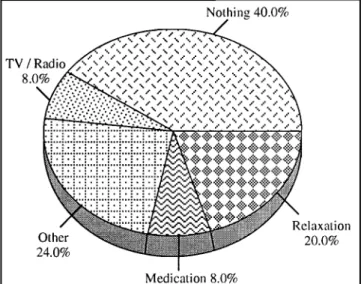
FIGURE 2.Categories of coping strategies employed by respondents (N=25)
(Responses do not total 20 as respondents reported more than one way of coping)
TABLE 6: Factors perceived to make tinnitus worse (N=61)
Factors that aggravate tinnitus No. of responses Percentage of responses Percentage of respondents
Being in a noisy place 9 14.8 45
EmotionallMental stress 9 14.8 40
Lack of sleep 5 8.2 25
On first waking up 5 8.2 25
Excitement 4 6.5 15
Physical tiredness 3 4.9 15
Dru.gslMedicine 3 4.9 15
Nothing 3 4.9 15
Quiet place 3 4.9 15
Change head position 2 3.3 10
Recently in noise 2 3.3 10
Relaxation 2 3.3 10
Other 11 18.0 50
TABLE 7: Responses representing items selected that reduced tinnitus (N=25)
Factors that reduce The number of Percentage of Percentage of
tinnitus responses responses respondents.
/
/
Nothing 9 36 45
Being in a quiet place 6 24 / 30
Sleep 3 12
1//
15Being in a noisy place 3 12 15
TV/radio 2 8 10
Wearing a hearing aid 2 8 10
/
The South African Journal of Communication Disorders, Vol. 45, 1998
ep
ro
du
ce
d
b
y
Sa
bi
ne
t G
at
ew
ay
u
nd
er
li
ce
nc
e
gr
an
te
d
by
th
e
Pu
bl
is
he
r (
d
at
ed
2
01
Perceptions of Tinnitus in a Group of Senior Citizens
possible cause and effect conditions, enables the patient to practically improve their quality of life and so contributes to their sense of control (O'Connor & Zappia, 1993).
COPING STRATEGIES
The coping strategies were diverse with the main themes illustrated in Figure 2.
Some respondents preferred slightly noisier environ-ments and would therefore turn on the TV/radio (10%), wear their hearing aid (5%), or keep busy (5%). On the other hand, others preferred to relax or rest in a quiet environment (20%) or switch off their hearing aid (5%). However, although one respondent indicated that he tried to cope by relaxing, this strategy was often difficult so he tried to "channel my mind on pleasant thoughts". Some respondents attempted more drastic measures such as trying to take wax out of their ear (5%), shaking their head or slamming it against a pillow (5%), or taking medication (10%), while the largest proportion of respondents, namely 45% reported doing nothing. As one person explained, "it is something you accept and learn to live with".
It has been found that beliefs about tinnitus may affect a patient's motivation to use coping strategies to deal with this condition (Erlandsson et aI., 1992) which in turn may influence the level of distress produced by tinnitus (Lindberg, Scott, Melin & Lyttkens, 1987). In their study, Dineen, Doyle and Bench (1997a) found no relationship between tinnitus symptoms, the length oftime that tinnitus was present, beliefs about the nature and manageability of tinnitus and patients' perceived ability to cope with the condition. Regardless of their perceived ability to cope, those who were more distressed by tinnitus tended to use a wider range of coping behaviours (George & Kemp, 1991). This result is supported by Dineen, Doyle and Bench's (1997a) finding that subjects who had previously sought help, used more coping behaviours than those who had not, suggesting that those who were emotionally distressed by their tinnitus were more likely to be more c,bnscious of their attempts to cope, resulting in higher reported levels of emotion- and problem-focused coping beha{riours.
The variability in copiJg strategies employed by respondents indicate the imp6rtance of developing tinnitus rehabilitation
programme~
that are sensitive to the variability amongstindividu~ls
(Dineen et aI., 1997a).CONCLUSIONS
!
. /
The main finding that emerged from this study was that tinnitus impacted on respondents lives, although it varied from one individual to another. In general, tinnitus caused respondents to avoid noisy situations, have difficulty relaxing and have trouble in following conversations. It led to frustration, tenseness, irritability and depression. In addition, all respondents commented that tinnitus was variable. It was also found that tinnitus influenced respondents' health. The majority experienced dizziness and balance problems. There was also a concern that tinnitus would result in deafness.
Of the respondents who had previously sought medical advice, all had been told that there was nothing that could be done to alleviate the condition. Although the majority of respondents had learned to accept and live with their tinnitus it still had psychosbcial consequences for them. This situation was highlighted by the finding that just under
71 half the respondents had no idea what had caused their tinnitus. In addition, respondents were desirous ofobtaining information regarding tinnitus.
It should be noted that the study was conducted on a small, non-probability sample preventing generalisation of the findings to the broader tinnitus population. A further limitation of the study was the fact that, due to practical problems experienced in recruiting sufficient subjects, there was no upper ceiling level in terms of age of subjects selected. Consequently respondents ranged in age from 60 to 93. De Santi and Obler (1991: 337) highlight the methodological problems inherent in including different sub-groups or cohorts such as the 'young old' and the 'old old' within the same research sample.
Nevertheless, despite these limitations, these findings are not only of relevance to the elderly population but have important implications for the education of health care professionals, management of tinnitus patients in general, public and patient awareness campaigns, the establishment of Tinnitus Self Help Groups, and further research.
EDUCATION OF HEALTH CARE PROFESSIONALS
According to Sweetow (1987 a), tinnitus has largely been ignored or disregarded by members of the health professions, as they are uncomfortable in admitting their ignorance to patients who are desperately in need of knowledge. As a result many professionals h.ave turned away tinnitus patients with the comment that there was nothing they could do about it; and they just had to learn to live with it (Sweetow, 1987a). Greater knowledge and awareness of tinnitus is therefore needed (Tyler, 1997b). Professional education in such diverse fields as audiology, medicine, nursing, otology, psychology and psychiatry (Shulman, 1987; Tyler 1997b), should increase under-standing regarding the nature of tinnitus. It is further recommended that particular emphasis be placed on etiology, prevention, effects and rehabilitation strategies in undergraduate curricula as well as in continuing education workshops and training programmes (Tyler, 1997b). This knowledge could potentially assist in promoting appropriate referrals (Sweetow, 1987b; Tyler, 1997b), thereby ensuring better management ofthe patient. (Tyler et aI., 1989).
MANAGEMENT OF TINNITUS PATIENTS IN GENERAL
A variety oftreatments have been attempted for tinnitus over the years, including electrical stimulation, masking, acupuncture, medication, cognitive behaviour modification therapy, biofeedback, habituation therapy and counselling (Tyler & Babin 1993). Since tinnitus is complex and diverse, affecting other life functions in addition to the auditory system, clinical management needs to focus not only on the alleviation of the symptom, but on the associated problems as well (Shulman, 1987; Sweetow, 1987a; Tyler et aI., 1989; O'Connor & Zappia, 1993). The aim should be tinnitus patient management as opposed to tinnitus management (Sweetow, 1987a). In order to achieve this aim and facilitate proper diagnosis and appropriate treatment, a multi-disciplinary team approach needs to be utilised (Shulman, 1987). Moreover, tinnitus rehabilitation needs to be flexible reflecting the specific needs of the individual tinnitus patient (O'Connor & Zappia, 1993; Tyler & Babin, 1993). Die Sllid-Afrikaanse Tydskrifuir Kommunikasieafwykings, Vol. 45, 1998