THE MATERNAL & CHILD HEALTH STATUS OF INTERNALLY DISPLACED PERSONS IN DARFUR, SUDAN
By
Caitlin Devlin
A paper presented to the faculty of The University of North Carolina at
Chapel Hill in partial fulfillment of the requirements for the
degree of Master of Public Health
in the Department of Maternal and Child Health
Chapel Hill, North Carolina
December 2010
Approved by:
Primary Reader
Abbreviations
AU African Union
ARI Acute Respiratory Infection CMR Crude Mortality Rate EmOC Emergency Obstetric Care GAM Global Acute Malnutrition IAWG Inter-Agency Working Group
ICPD International Conference on Population and Development IDP Internally Displaced Person
JEM Justice and Equality Movement LBW Low Birth Weight
MDG Millennium Development Goal MMR Maternal Mortality Ratio MSF Medecins Sans Frontieres NGO Non-Governmental Organization NNM Neonatal Mortality
PNM Perinatal Mortality
SAM Severe Acute Malnutrition SBA Skilled Birth Attendant SLA Sudan Liberation Army
UN United Nations
UNHCR United Nations High Commission for Refugees UNICEF United Nations Children‟s Fund
Abstract
The purpose of this paper is to assess the state of maternal and child health of
internally displaced persons (IDP) in Darfur, Sudan. It will examine the impact of
conflict and its direct and indirect effects on maternal and child health outcomes. A
review of the literature indicates that the levels of maternal mortality, neonatal mortality,
under-5 mortality, and malnutrition resulting from conflict in Darfur are unacceptable by
any public health standard. Humanitarian aid must be distributed far more effectively if
rates of hunger and death are to be brought down to conventional levels. The
international community must respond to the public health challenges of the IDP
community and address the extent and severity of human rights violations in Darfur‟s
Introduction
The crisis in Darfur has been described as the worst humanitarian crisis in the
world by the United Nations (UN), citing widespread human rights violations.i The picture of civil war in the world today drastically differs from civil wars of the early
twentieth century, with the major consequences of war being suffered by civilians, not by
military personnel. At the beginning of the twentieth century, 90% of victims were
soldiers.ii Today, nearly 90% of armed conflict causalities are civilians.ii This is the
picture of the conflict in Darfur, Sudan and has significant implications for international
public policy in complex emergencies.
The purpose of this paper is to assess the state of maternal and child health of
internally displaced persons (IDP) in Darfur, Sudan. It will examine the impact of
conflict in Darfur and its direct and indirect effects on maternal and child health
outcomes. After seven years of ongoing conflict, IDPs in Darfur are not receiving critical
public health interventions and are experiencing consistently elevated mortality rates.
Women and children are disproportionately affected, with crude mortality rates (CMR)
indicating elevated mortality. CMR is the mortality rate of all causes of death for a
population during a specific time period. In a complex emergency, the emergency phase
is defined by a CMR of one or more deaths per 10,000 persons per day. The CMR in
Darfur IDP camps is six times the African average [0.5] and three times the level [0.1]
indicating “elevated mortality.” iii
In Darfur, internally displaced women do not have adequate access to
reproductive health services and are experiencing elevated maternal mortality rates -
suffering from avoidable infectious diseases in IDP camps (diarrhea, malnutrition, acute
respiratory infections, malaria, and measles) and are dying at a CMR of more than 5
deaths per 10,000 per day.v This is well above the mortality threshold for the emergency phase of a complex situation.
This paper will focus on the health needs of IDPs in Darfur, evaluating their
unique circumstances. They are still within their nation‟s borders placing them at
increased risk of violence, conflict, and inadequate humanitarian assistance. The core
purpose of this paper is to summarize the status of maternal and child health of the
internally displaced and propose an agenda for action for the international community. In
Sudan, those who make political decisions to continue or resolve conflict through peace
agreements are often relatively immune to the impact of conflicts.vi The majority of war‟s repercussions are experienced by its nation‟s civilians, who do not have a voice in
political decisions. It is, therefore, necessary for the international community to be
advocates for the victims of Darfur.
Crisis in Southern Sudan
The crisis in Darfur has been the result of civil war, primarily between northern
and southern Sudan, and has spanned several decades. Conflicts from 1955 through 1972
and from 1983 to present have left more than 1.5 million southern Sudanese dead.vii Today, the North-South civil war in Sudan is primarily occurring in the western region of
Sudan, known as Darfur. The crisis erupted in southern Sudan in 2003 with the rise of
two rebel opposition groups against Sudan‟s central government – the Sudan Liberation
Army (SLA) and the Justice and Equality Movement (JEM). Conflict escalated when
government‟s failure to protect citizens in southern Sudan from attacks by nomadic
groups. In response to the insurgency, the regime of Sudanese President Omar al-Bashir
and its allied militia, the Janjaweed, initiated a genocide campaign against civilians of
similar ethnic backgrounds as the rebels.viii
Since 2003, the Sudanese government and Arab militias have led a war against
local populations in Darfur. The Darfur conflict has been characterized by mass
population displacement, widespread and systematic rape of women, severe violence, and
disintegration of the region‟s health system.vi The 2006 peace agreement has been widely
accepted as a failure. The British Broadcasting Company has reported, “Darfur now
resembles Somalia – with warlords recruiting private militias to extort money, wield
power and terrorize civilians.”ix The Sudanese government continues to resist foreign involvement, refusing additional African Union (AU) or UN troops into the region,
restricting humanitarian assistance to the Darfur region.
The crisis in Darfur has resulted in the displacement of more than 1.8 million
people within the Darfur region (25% of the Darfur population).x Since 2003, the UN estimates the death toll at approximately 300,000, yet a former UN undersecretary
general stated the death toll to be no less than 400,000 persons.xi Amongst all of this conflict, exists a humanitarian crisis in which women and children remain most
vulnerable. The humanitarian aid community remains strained by continuing violence
Who are Refugees?
According to the United States Committee for Refugees, there are currently 37
million refugees, asylum-seekers, and internally displaced persons throughout the
world.xii The 1951 United Nations Convention Relating to the Status of Refugees defines a „refugee‟ as a person who,
“owes to a well-founded fear of being persecuted for reasons of race, religion, nationality, membership of a particular social group or political opinion, is outside the country of his nationality, and is unable to or, owing to such fear, is unwilling to avail himself the protection of that country or return there because there is a fear or persecution…”xiii
The reasons for persecution must be because of one of the five grounds listed in
Article 1A(2) of the Refugee Convention, being race, religion, nationality, membership
of a particular social group, or political opinion.xiii The distinction between refugees and
IDPs is that refugees have left their home country and crossed international borders to
seek refugee in a nation other their own. Refugees, unlike IDPs, are protected under
international law. Once a refugee crosses an international border, they are under the
protection of the United Nations High Commission for Refugees (UNHCR). The UN
established the UNHCR agency with the mandate to protect refugees and coordinate
international action to assist refugees worldwide. Designated refugee status, and the
protection it affords, does not equally apply to internally displaced persons.
Who are Internally Displaced Persons?
Internally displaced persons are individuals who are seeking refugee from conflict
within their own country. IDPs do not cross international borders and remain in the
countries worldwide.xiv More than half of this population is fleeing conflict in three
nations: Iraq, Colombia, and Sudan.i Current estimates of the IDP population within
Darfur range between 1.8 million to 2.4 million persons.i
In contrast to refugees, IDPs in Darfur are not eligible for protection under
international refugee law because they remain within their country and under the control
of the Sudanese government. Under international law, the native country (i.e., Sudan) is
responsible for the assistance and protection of its internally displaced population.
Guiding Principles 28-30 outline the rights of IDPs to durable solutions, stating that it is
the responsibility of national authorities to protect its citizens. The United Nations
Guiding Principles on Internal Displacement states that IDPs have a “right to a durable
solution.”xv However, the international community is not responsible for the protection
of the internally displaced. Humanitarian assistance can be provided by stakeholders,
such as the World Health Organization (WHO) or non-governmental organizations
(NGO), to assist in the establishment of durable solutions for the internally displaced.xv There is no international agency with a mandate to protect and assist the internally
displaced. Although they are fleeing conflict, they are still within their nations‟ borders
and under their governments‟ jurisdictions, which may be the origin of violence and
conflict, such as in Darfur.xvi For the displaced people inside Darfur, there is no international agency with the authority or responsibility to come into Sudan to protect
and assist them. Without an agency with an international mandate for assistance and
protection, IDPs are at risk of inadequate aid assistance and adverse health outcomes.
IDPs are at greater risk of experiencing adverse health outcomes secondary to war and
response of international aid agencies, and majority IDP communities are at the mercy of
their state government for humanitarian aid. This is of an increased concern in a
humanitarian crisis where the in-country government is involved and/or the cause of the
crisis itself, such as in Darfur, Sudan.
Lack of international protection for IDPs results in issues of accessibility and
inequitable distribution of services and humanitarian aid, with refugees in stable camps
more likely to have access to maternal and child health services than their IDP
counterparts.vi UN agencies and NGOs are able to access refugee camps in neighboring
Chad, supplying refugees with food, shelter, and medical care. Ongoing conflict and the
legal status of IDPs prevent relief agencies from reaching the internally displaced within
Darfur. As seen in Figure 1, as many as 2.4 million Darfuris have fled their homes and
now reside in precarious IDP camps. Another 300,000 refugees haven taken refuge in
Figure 1: Refugee and IDP Population Estimates, Darfur
It is important to note that three-quarters of all IDPs are women and children, with
20% being women of reproductive age.xvii These statistics have serious implications for maternal and child health in humanitarian crisis – Darfur being no exception. As a result
of all these factors, IDPs are not receiving the urgent humanitarian assistance they
desperately need, resulting in consistently elevated mortality rates from disease-related
deaths.
Mortality in Darfur
As outlined by the WHO, a complex emergency is a situation in which efforts to
drastically restructure a state or social group lead to civil or international war, resulting in
the violent death of large civilian populations and in their displacement into camps with
exposure to infectious disease, malnutrition, dehydration, and possible violence.xviii The emergency phase of a complex emergency is defined as a Crude Mortality Rate (CMR) of
one or more deaths per 10,000 persons per day,xix with the majority of deaths being contributable to injury related to violence and infectious diseases, such as diarrheal
infections, measles, malaria, and respiratory infections.xx, xxi In the post-emergency phase of a typical complex emergency, the CMR begins to decline, primarily as a result of
increased infrastructure and public health programs to decrease the incidence of
infectious disease.xix
In 2004, two research studies revealed that the combined CMR in Darfur is six
times the African average [0.5] and three times the level [0.1] indicating “elevated
mortality.”iii These surveys provide evidence that as of mid-2004, violence and disease
in Darfur were generating approximately 15,000 deaths per month, or 500 deaths per day.
A 2010 study by Degomme and Guha-Sapir investigated Sudanese conflict dynamics and
its resulting effect on causes of mortality in Darfur. Their research revealed that
displacement correlated with increased rates of deaths associated with diarrhea, but also
with reduction in violent deaths.xxii Although violence was the main cause of death during 2004, infectious diseases have been the leading cause of mortality since 2005, with
displaced populations being the most susceptible.xxii Any reduction in humanitarian
assistance could lead to worsening mortality rates, as was the case between mid-2006 and
mid-2007.
Mortality is one of the most appropriate dimension for assessing the violation of
human rights in complex humanitarian emergencies. Mortality rates only capture one
of crisis and its impact on populations.vi To quantify mortality in Darfur, we will use
CMR– deaths per 10,000 population per day – as an indicator of normal or excess
mortality in the region. A CMR of 1.0 is identified as a formal threshold of elevated
mortality by the United States Department of State.xix To evaluate the status of maternal
and child health in Darfur, we will use and discuss the following indicators: maternal
mortality, neonatal mortality, and under-five child mortality.
Maternal Mortality
Of the estimated 37 million displaced persons worldwide, approximately 20%, or
7 million, are women of reproductive age.xxvii Approximately 75% to 80% of all
crisis-affected populations are women, children, and youth who are in need of maternal and
child health services.xxiii Women fleeing violent conflict tend to be the most in-need for emergency reproductive health care, with increased numbers of rape victims, women
with little to no access to obstetric services, and increased infections from sexually
transmitted diseases.xxiii This urgent need for reproductive health care in refugee camps
is more urgent as refugees are being displaced for prolonged periods of time. IDPs face
additional barriers in accessing reproductive health due to a breakdown of pre-existing
family support and their loss of income to pay for services.
The 10th revision of the “International Statistical Classification of Diseases and Related Health Problems” by the WHO defines a maternal death as “the death of a
woman while pregnant or within 42 days of termination of pregnancy, irrespective of the
duration of the pregnancy, from any cause related to or aggravated by the pregnancy or
its management, but not from accidental or incidental causes.”xxiv
mortality is not a direct measure for human rights abuses, it is an important indicator of
health inequalities between and within nations.1 There are significant health disparities in maternal health outcomes within Sudan. As of 2005, the maternal mortality ratio (MMR)
(maternal deaths per 100,000 live births) in northern Sudan was 590 maternal deaths per
100,000 live births, in comparison to 1,700 maternal deaths per 100,000 live births in
southern Sudan.xxv Maternal mortality in southern Sudan has been exacerbated by ongoing violence, civil conflict, and population displacement. Currently, maternal
mortality estimates for the three western states of Sudan do not exist, but are expected to
exceed Southern Sudan‟s rate of 1,700 maternal deaths, as these areas are the primary
conflict regions.
The MMR of southern Sudan places the region in the top four most dangerous
nations to give birth, preceded only by Sierra Leone (2,100), Afghanistan (1,800), and
Niger (1,800).xii Maternal mortality is unacceptably high in developing countries, and
countries in conflict have the highest levels of maternal mortality in the world. Sierra
Leone was a nation in conflict from 1991-2002, a time where women faced a 1:6 lifetime
risk of dying from complications in pregnancy.xxvi Women of Uganda and the Democratic Republic of Congo, both nations with ongoing conflict, have a lifetime risk
of 1:13.xxvi
A study by Haggaz et al. of the state of maternal health in Darfur revealed a
maternal mortality ratio of 640/100,000 live births.xxvii The most common cause of deaths were septicemia followed by pre-eclampsia/eclampsia, hemorrhage, malaria, and viral
hepatitis [Figure 2]. Anemia, tetanus, heart disease, and ectopic pregnancy accounted for
the other causes of death.
Source: Haggis AA, Radi EA, Adam I. High maternal mortality in Darfur, Sudan. International Journal of Gynecology and Obstetrics (2007) 98, 252-268
It is important to note that this study was performed in a hospital-based facility, and does
not adequately portray the causes of maternal deaths taking place outside hospital
facilities. Data from 2006 shows that only 18% of births in Sudan were delivered at
health facilities, showing that majority (76.5%) of births took place at home.xxviii Therefore, Figure 2 only depicts maternal causes of death in a hospital, and does not
represent the larger proportion of women who have less access to higher-level obstetrical
care. However, the data show that preventable causes are the leading causes of maternal
death in this study.
All of these leading causes of maternal death in Darfur are preventable with basic
medical care. The research of Haggaz et al. shows that even within the medical care of
hospital facilities, women are dying of preventable causes, mainly sepsis, eclampsia,
malaria and viral hepatitis. Pre- and post-delivery sepsis is treatable with the availability
of antibiotics, and mostly preventable with the use of sterile birthing kits and access to
quality care. Eclampsia, malaria, and viral hepatitis can be treated with early detection
mortality, unmet need for family planning services, complications from unsafe abortion,
gender-based violence, and contraction of sexually transmitted diseases, including
HIV/AIDS.xxix The ongoing conflict is preventing urgent medical care from reaching IDP women in Darfur.
Despite relief and development work by the UN and NGOs, substantial gaps
remain in the maternal health of internally displaced Darfuri women. In the Millennium
Development Goal (MDG) framework, two indicators are proposed for monitoring
progress towards maternal health: (a) percentage of births attended by a skilled birth
attendant [Figure 3], and (b) percentage of births delivered by Cesarean section [Figure
4]. The proportion of births attended by skilled health personnel is a key indicator
(Indicator 5.2) in measuring progress in achieving MDG 5.A – reducing the maternal
mortality rate by three-quarters by 2015.xxx
Figure 3: Skilled Attendance at delivery, Darfur
Skilled attendance at all births is considered to be the single most critical
intervention for ensuring safe motherhood, because it hastens the timely delivery of
emergency obstetric and newborn care when life-threatening complications arise.xvii A
skilled birth attendant (SBA) is a health professional – such as a midwife, physician, or
nurse – who has been educated and trained to proficiency in the skills to manage
uncomplicated and complicated pregnancies, childbirth, and postpartum periods.xxxi At the national level, 50% of births in Sudan are attended by a SBA [Figure 3]. At the state
level, health disparities are evident, with Darfur having one of the lowest coverage rates.
The percentages of births attended by a SBA are suboptimal in South and West Darfur,
with 30.6% and 31.6% births attended by a SBA respectively. Lack of skilled attendance
at birth results in increased mortality from preventable causes as seen in Figure 2.
Figure 4 displays the percentage of births in Sudan delivered by Caesarean
section. In 2006, the Sudanese national level of births delivered by C-section was 4.5%.
As seen in Figure 4, all regions of Darfur had the lowest rates of C-sections: West Darfur
0.8%, North Darfur 1.5%, and South Darfur 1.9%.xxxii
Source: World Health Organization. Sudan: Country Health Profile. Available at: http://www.who.int/gho/countries/sdn.pdf
The data suggest unacceptably low rates of utilization and access to Emergency
Obstetric Care (EmOC) facilities, resulting in barriers to access life-saving interventions,
such as Caesarean sections. Access to EmOC facilities and skilled care during
pregnancy, birth, and the postpartum period are necessary for improvements in neonatal
and maternal health.xxxi Internally displaced Darfuri women are a particularly vulnerable
population given the few resources for reproductive health services. The internally
displaced population in Darfur has inadequate health systems and services, and remains
dependent upon the precarious charity of the Sudanese government. Conflict threatens the
stability of public health and is reversing progress that has been made in achieving the
Millennium Development Goals.
In 2004, the Inter-Agency Working Group (IAWG) in Reproductive Health in
Refugee Situations performed an evaluation of reproductive health services in crisis
settings, and identified serious gaps in the provision and distribution of reproductive
health services between refugee camps and IDP settlements.xxxiii The IAWG report noted the majority of advancements in service coverage have been concentrated in stable
refugee camps. As outlined in the Program of Action of the International Conference on
Population and Development (ICPD), reproductive health services include: family
planning counseling, education, information, and services; education and services for
prenatal care; safe delivery and postnatal care; infant and women‟s health care;
prevention and appropriate treatment of infertility; abortion care; treatment of sexually
transmitted infections and HIV/AIDS; and active discouragement of harmful, traditional
The 1994 ICPD Program of Action specifically declared reproductive health as a
human right, and included displaced populations in its affirmation of the link between
human rights treaty provisions and reproductive rights. However, internally displaced
women have little capacity to practice their rights to reproductive health. Conflict zones
such as Darfur consist of poverty, interrupted access to healthcare resources, stress, and
poor nutritional support.xxxv The combination of destroyed social networks and lack of healthcare infrastructure places displaced women and their newborns at an increased risk
of dying in the perinatal period. If the right of health is to be obtained by internally
displaced women, governments and humanitarian agencies must establish emergency
obstetric services within reach of IDP camps and include transportation to clinic sites.xxix
In developing nations, newborn and infant mortality rates mirror the maternal
mortality rates, with the majority of infant deaths occurring in the same areas. Investing
in maternal health has numerous implications not only for women, but for the health of
their children as well. When their mothers die, the likelihood of infant survival is
drastically reduced.iii Although the causes of maternal and infant mortality differ, the
basic interventions for saving the lives of both mothers and newborns are the same.
Providing basic support and skilled attendance at birth are the most effective ways to
dramatically reduce the number of neonatal and maternal deaths throughout Sub-Saharan
Africa.
Neonatal Mortality in Darfur
During times of conflict, increased rates of neonatal mortality and preterm
deliveries occur due to destroyed health infrastructure, malnutrition, stress factors, and
typically increases by 13% during a typical five-year war. However, in Darfur, the “war
effect” has been persistent with neonatal mortality rates remaining 11% above the
baseline since 2003.vi
Neonatal mortality (NNM) is defined as the number of live births who died within
the first seven days after birth per 1,000 live births.iv Perinatal mortality (PNM) is
defined as the number of deaths of newborns born after or at 28 weeks of gestation until
the end of the day seven per 1,000 total births.iv Between 1985-1990, Sudan made
substantial progress in perinatal health, with PNM rates reduced by almost one-third in a
ten-year period.xxxvii
Despite this progress, data from the Sudan Household Health Survey (2006) revealed that
both neonatal and perinatal mortality rates remained largely unchanged from 1975, with
PNM sharply increasing after 1990 and neonatal mortality steadily increasing since the
1970s [Figure 5].xxxvii In 1983, the sharp increase in PNM directly correlates with the re-initiation of civil conflict within the country.
Low birth weight (LBW) is an important indicator of the state of obstetric care
and the health status of a population. LBW is a major determinant of neonatal mortality
and morbidity, being highly associated with increased risk of neonatal mortality. If LBW
in neonates can be reduced by two-thirds by 2015, it would be an important contributor to
MDG4 in reducing child mortality worldwide.xxxviii Studies in Sudan have shown that the main risk factors of LBW neonates were lack of antenatal care and maternal anemia.xxxix Prior to the Darfur crisis, utilization and access to antenatal care services in South and
West Darfur were comparable to Northern Darfur averages.
Initiation of Civil War Conflicts
Source: Federal Ministry of Health (FMoH) and the Central Bureau of Statistics (CBS) representing the Government of National Unity (GoNU) and the Ministry of Health (MoH) together with Southern Sudan Commission for Census, Statistics and Evaluation (SSCCSE)
Prior to the conflict, 70.9% of women in Sudan received ANC services from
skilled providers in 1990. In 2006, only 54.6% of women in West Darfur received at least
one antenatal visit. The conflict in Darfur has severely reversed maternal health progress
in Sudan. The majority of LBW neonates and maternal anemia cases could be prevented
with increased access and utilization of ANC services. A study by Elhassan et al. in
Sudan revealed that anemic women were nine times more likely to deliver LBW babies
than non-anemic women. Additionally, anemia has been reported to be associated with
fetal anemia and stillbirth in eastern Sudan.xl
Of the four million neonatal deaths worldwide, 60% are preventable through
known interventions. Availability of immediate newborn care would reduce NMR by
15%; routine postnatal care by 10%; extra care of low-birth weight infants by 10%; and
management of infections by 15%. However, the women of Darfur do not have access to
medical care nor to simple interventions known to curtail maternal and neonatal
mortality. Lack of humanitarian aid, simple public health interventions, and medical care
are driving forces behind the rising under-five child mortality rate in Darfur.
Under-Five Mortality
Prior to the crisis, levels of child mortality in Darfur were comparable or better
than other states within Sudan. However, since the eruption of the crisis in 2003,
under-five child mortality rates have increased dramatically, primarily due to the increase of
undernutrition rates in this population. In refugee and IDP emergencies, the provision of
food, shelter, sanitation, and access to clean water and primary health care are priority
activities. These interventions are critical in combating major killers in IDP camps,
However, IDP camps in Darfur are not receiving these critical interventions, and children
under the age of five are suffering avoidable illness and mortality rates above emergency
markers.
An epidemiological study by Grandesso et al. performed assessments of mortality
and nutritional status at three IDP camp sites in South Darfur: Kaas, Kalma, and
Muhajiria.xli Surveys were performed between August and September 2004. Crude mortality rates at all three sites were considerable higher than the 1 per 10,000 population
per day that is recognized internationally as defining an emergency situationxlii and 4 to 6 times the expected rate in sub-Saharan Africa populations (CMR, 0.5).xliii In both Kass and Kalma, the under five-year mortality rates exceeded the 2 per 10,000 per day used as
the emergency benchmark [Table 1].xli As seen in Table 1, survey reports by Medecins
Sans Frontieres (MSF) and WHO report under-five CMR in IDP camps between 2.9 and
1.7 deaths per 10,000 per day.xli
Table 1: Crude Under-Five Mortality Rates, MSR & WHO Surveys 2004
Location Year Survey of: (per 10,000 population per day) Crude Under-5 Mortality Rate
Kass 2004 Epicentre, MSF 5.9
Muhajiria 2004 Epicentre, MSF 2.9
Kalma 2004 WHO, Epiet 11.7
Source: Grandesso F, Sanderson F, Kruijt J, Koene T, Brown V. Mortality and malnutrition among populations living in South Darfur, Sudan: results of 3 surveys, September 2004. JAMA March
23/20, 2005; 293: 12.
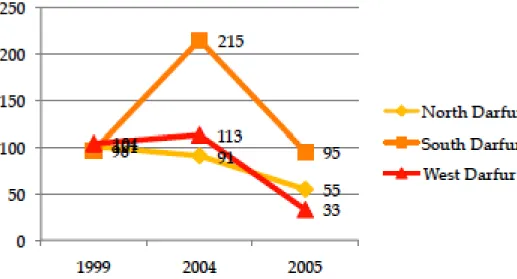
Table 2: Under-Five Mortality Rates (per 1,000 per year)
1999 2004 2005
North Darfur 101 91 55
South Darfur 96 215 (IDP Camps) 95 (IDP Camps)
West Darfur 104 113 33
In Kaas and Kalma, the majority of deaths were the result of medical causes (80%
and 90% of deaths, respectively). Diarrheal diseases were responsibly for 25% and 47%
of all deaths in Kaas and Kalma, affecting mainly children under-five and the elderly.xli
Additionally, the prevalence of acute malnutrition was extremely high in Kalma [Table
1], where 24% of children under-five years of age were affected, with more than 10% of
cases being defined as “severe.”xli,xliii
Malnutrition in Kalma was well above the “critical”
threshold of 15%.xliii Grandesso et al. reports that IDPs in Kalma have no access to
cultivated land or to food other than that provided through international agencies‟ food
distribution, which is sporadic. Efforts by humanitarian and governmental agencies are
urgently needed to prevent immeasurable losses of life in these regions.
Figure 6: Under-Five Mortality Rates (per 1,000 per year)
*Note: South Darfur (orange) represent IDP camps‟ under-five mortality levels
In 2007, global malnutrition rates in Darfur rose above the emergency threshold at
16.1%.xliv The Darfur Nutrition Surveys performed by UNICEF in 2006-2007 evaluated
the nutritional status of children in six regions, two in North Darfur, three in South
Darfur, and one in West Darfur [Figure 7].xliv Global Acute Malnutrition (GAM) rates
exceeded the emergency threshold of 15% in all six regions.xliv Rates of Severe Acute
Malnutrition (SAM) ranged from 1.4% to 2.8%. UNICEF reports that GAM rates are
higher than those found in the same regions in 2006.xliv This time period coincides with
the reduction of half of the survival rations provided by the World Food Program (WFP).
Nearly two million people in Darfur are reliant on the food distributions by the WFP,
which its their only resource to ensure their survival. A report by MSF indicated even
higher levels – with the incidence of SAM at 3.6% in Taiba camp and overall
malnutrition at 14% in March 2006.
Figure 7: SAM %, GAM % in Darfur IDP Camps, 2007
As previously mentioned, CMR is the mortality rate of all causes of death for a
population during a specific time period. A crude mortality rate above one death per
10,000 persons per day is defined as a humanitarian emergency. The CMR for children
under the age of five were above alert levels in two surveys (Otash Camp and Kass in
South Darfur). The primary causes of death were diarrhea and acute respiratory
infections (ARI). GAM rates for children age 6-29 and 30-59 months continues to be
elevated, clearly demonstrating the need for concerted efforts to address sub-optimal
infant and young child feeding practices.xliv
Severe epidemics of diarrhea and malnutrition peaked with a prevalence rate of
15.8/10,000 per day in June, while the crude death rate dropped to almost the national
average of 0.3/10,000 per day by the end of the year before once again reaching a high
value (5.0/10,000 per day) in 2003.xlv The peaks of under-five mortality and crude death
rates are extraordinary high, in comparison to the crisis threshold of 2/10,000 per day.xlv
Additional surveys have reported high rates of acute malnutrition between 2001 and
2003, exceeding the already high national average of 16% to 35% in the regions of
Jonglei and North Bahr Al Ghazal. Guha-Sapir et al. reports both under-five child
mortality and wasting from malnutrition increased after 2004, when ethnic cleansing by
the government began.xlv In May 2004, IDP camps reported increasing high crude and
under-five death rates in Al Guinaina and West Darfur with 5.6/10,000 per day and
7.5/10,000 per day, respectively – all well above the emergency threshold.xlv
Figure 8 shows the under-five death rate and prevalence of global acute
malnutrition for the conflict-affected region in southern Sudan between the years of
mortality. In 2004, the IDP population in this area was experiencing a severe food
shortage, due to the conflict and violence in the area.
Figure 8: Under-five Mortality Rate (2004) and Global Acute Malnutrition (2004) in Darfur
Source: Guha-Sapir D, Gijsbert van Panhuis W, Degomme O, Teran V. Civil conflicts in four African countries: a five-year review of trends in nutrition and mortality. Epidemiol Rev (July 2005) 27 (1): 67-77.
Worldwide, undernutrition is an underlying contributor in one-third of deaths
among children less than five years of age.i Available and curative interventions can avert
more than two-thirds of child deaths.iii A review of the literature indicates that the levels
of maternal mortality, neonatal mortality, under-5 mortality, and malnutrition resulting
from conflict in Darfur are unacceptable by any standard. Efficient, reliable, and adequate
food rations and supplies are critical in saving the lives of IDP in conflict zones. The role
of malnutrition in under-five mortality cannot be understated, which reemphasizes the
important role of humanitarian aid in the health of IDP women and children. The
international community must respond to the challenge of measuring and addressing the
Humanitarian Aid
Humanitarian aid has been used as a tool of war by violent fractions in times of
crises in the Sudan. Humanitarian assistance is at risk of collapsing, primarily due to
pressure and lack of compliance from the Sudanese government, as well as in part of the
government‟s militia allies. Aid has been used as a tool of war in Darfur in two ways: (1)
the Sudanese government and Janjaweed have tightly controlled and restricted the access
of humanitarian agencies to the IDP populations, and (2) IDP camps have become
integrated into the conflict through manipulation of population movements.xlvi
In September 2006, the United Nations stated that a collapse in aid would result in
the deaths of 100,000 civilians every month.xlvii Aid itself is insufficient and late, often due to warring parties who do not grant humanitarian access to the affected populations
when they need it most.xlviii The denial and limitation of humanitarian aid poses a severe threat to the health and well being of IDPs in southern Sudan. By January 2006, the UN
Figure 9: United Nations Humanitarian Access in Darfur, 2006-2007
Figure 9 shows that the Darfur-wide humanitarian access is approximately 64%.l The map to the left is the humanitarian access in March 2006. In comparison, the map of
January 2007 (right) shows the decreasing access to displacement camps within Sudan
borders. This has led to a severe crisis, placing humanitarian aid at the brink of collapse.
In November 2010, reports were released by UNICEF stating that the Sudanese
government is increasingly hampering international efforts to address chronic levels of
undernutrition in IDP camps.li Aid workers within Darfur report that food shortages and malnutrition rates have increased since the government expelled non-governmental
organizations in the area in early 2009.li
Internal and external politics and the limited reactions of the international
community can drastically alter the states of complex humanitarian and human rights
crises. For example, in the Democratic Republic of the Congo, mortality rates have not
significantly improved from an average of 0.7 deaths per 10,000 population per day since
2002, with rates being 75% higher in conflict-prone regions of the Congo.lii War destroys health infrastructure, leaving communities at increased risk for infectious disease;
depleting monetary resources for health systems; and uproots populations, which places
them at increased risk for disease.vi Policies and international aid often fail to take a
long-term perspective, addressing only short-term issues despite the fact that the majority
of refugees and IDPs live in protracted situations.
International assistance typically invests in bringing healthcare providers to
refugee camps and devastated areas; however, the level of absenteeism of physicians in
areas difficult to access, such as IDP camps, is approximately 45% and physicians
typically stay for only short periods.liii It is essential for international assistance agencies to reform their policies and action plans to properly address the health needs of IDPs,
providing sustainable improvements in health. IDPs should receive the same attention
from the international community as refugees in host nations.vi However, IDPs within
Darfur are afflicted by higher rates of violence, maternal mortality, neonatal mortality,
under-five mortality, and undernutrition. Internally displaced persons face increased
incidences of infectious disease and mortality rates primarily because of their precarious
Policy Recommendations
In order to provide sustainable maternal and child health services to IDPs, the
following interventions must be implemented: international involvement in genocide
conflicts, ongoing presence of UN Peacekeeping Forces, establishment of safe IDP
camps within Darfur, and reliable procurement of humanitarian aid to IDP settlements.
Figure 10 displays a conceptual framework outlining key strategies and their impact on
establishing sustainable solutions to maternal and child health issues in Darfuri IDP
areas.
The main barrier to improving Darfuri IDP health is that the United Nations‟
Guiding Principles on Internal Displacement specifically states “the primary
responsibility to provide durable solutions for IDPs and ensure their protection and
assistance needs to be assumed by the national authorities.” liv Yet, how are internally displaced women and children to be protected by their government, which is the source
of violence and conflict? The Sudanese government officials are actively deciding the
fate of events in the conflict, yet are not the ones who suffer the consequences. At the
same time, the United Nations expects the Sudanese government to „protect and assist‟ its
The United Nations and all member-nations must safeguard and actively protect
the human rights outlined in the Universal Declaration of Human Rights, particularly the
human rights of individuals who are persecuted by their own national government. As
outlined in the 2005 World Summit‟s “Responsibility to Protect,” each state has the
obligation to protect its population from serious harm resulting from internal war,
insurgency, or state failure.lv The outcome of the 2005 World Summit was the approval of the Protection of Civilians in Armed Conflict Act by the UN Security Council in 2006,
which states an obligation of the international community to intervene when a state has
failed, through lack of willingness or capacity, to protect its own people. However, there
is a gross discrepancy between approval of the act and its implementation, as seen in the
Darfur conflict.
The primary responsibility for providing durable solutions for Darfuri IDPs must
be assumed by international humanitarian and development actors, without involvement
from the Sudanese government. The international community must adopt an intervention
policy in times of complex emergencies earlier in complex situations involving mass
displacement, genocide, civil war, and human rights abuses. Collective international
action is essential for ending the elevated maternal and child mortality and malnutrition
rates in Darfur. There is an urgent need for the mainstreaming of maternal and child
health services within humanitarian relief for IDPs. It is essential for all stakeholders to
reaffirm their commitment to strengthening reproductive services and strengthening the
policy and funding provisions in refugee and IDP situations. Efforts must focus on:
basic and comprehensive emergency obstetric care, gender-based violence, and
strengthened referral systems.
Under the United Nations‟ „Guiding Principles on Internal Displacement,‟
Khartoum, the Sudanese government, has the primary responsibility to protect its own
citizens of Darfur, yet has failed to do so. It has been the primary player behind ethnic
cleansings in Darfur, and has actively recruited and armed the Janjaweed militia. The
government continues to purposefully neglect its responsibilities to the Darfur people,
repeatedly violating the Darfur Peace Agreement of May 5, 2006 and ignoring requests
from the UN Security Council to disarm the Janjaweed militia.lvi It is outside the mandate of UN Peacekeeping forces to become involved in political discussions.
Despite attempts by the UN to send peacekeeping troops to Darfur, the Sudanese
government is actively refusing the presence of peacekeeping troops. An armed
intervention by UN peacekeeping forces is not going to happen without verbal consent
from the Sudanese government. Kofi Annan made this clear when he said, “the fact is,
without consent of the Sudanese government, we are not going to be able to put in the
troops. So what we need is to convince the Sudanese government to bend and change its
attitude and allow us to go in.”lvii
If conflicts of civil war and genocide are to ever end,
the United Nations and its member-states must intervene and show commitment to their
written obligation to protect citizens when a state has failed to protect its own people.
In order to lower mortality rates in IDP camps, the creation of safe, guarded
internally displaced camps within Darfuri borders is essential. If the internally displaced
are unable to or refuse to relocate to a refugee camp, they need safe grounds to seek
mortality rates: many camps are isolated, far from hospitals, and do not have access to
clean water.vi Camps should be established with the knowledge that IDPs will most
likely be displaced for many years to come. IDPs should be the primary actors in the
process of finding the durable solution of their choice. IDPs should have access to
humanitarian aid stakeholders, be involved in peacekeeping activities, and participate in
the planning and management of durable solutions, so that recovery and development
strategies address their rights and needs. The displaced community should be actively
involved in the construction and decision-making process of public services. Research
has shown that services are more effective when the community contributes to the cost
and is involved in its implementation.
Internally displaced persons often face continuing problems post-conflict and
require humanitarian support until they achieve a durable solution to their displacement.
As stated earlier, the primary responsibility to provide durable solutions for Darfuri IDPs
must be assumed by international humanitarian and development actors, without
involvement from the Sudanese government. IDPs who have achieved a durable solution
need to remain protected by international human rights and humanitarian law.
Conclusion
The development of complex emergency surveillance systems that can
accurately depict the reality on the ground is essential. Sound epidemiological data can
be used for local resource allocation by humanitarian actors and can assist donors in
assessing impacts and evaluating trends.xlv Review of the literature indicates that the
resulting from conflict in Darfur are unacceptable by any standard.
Humanitarian aid must be distributed far more effectively if rates of hunger and
death are to be brought down to acceptable levels.xlv The international community must
respond to the challenge of measuring the extent and severity of the human impact of
complex emergencies on civilian populations. International collective action must occur
if the pain and suffering of women and children in civil conflict is to ever end. Until the
international community takes a stand, the Universal Declaration of Human Rights and
the Responsibility to Act will remain an empty promise to the global community, and
References
i United Nations New Center. Humanitarian and security situations in western Sudan
reach new lows. Available at: http://www.un.org/apps/news. Accessed September
11, 2010.
ii Cairns E. A Safer future: reducing the human cost of war. Oxford, UK: Oxfam
Publications, 1997.
iii World Health Organization. Retrospective mortality survey among the internally
displaced population, greater Darfur, Sudan. New York: United Nations, 2004.
iv New Sudan Center for Statistics and Evaluation, 2004. Available at:
http://www.reliefweb.int/rw/RWB.NSF/db900SID/KHII-6365Q7?OpenDocument
v Guha-Sapir D, Gijsbert van Panhuis W, Degomme O, Teran V. Civil conflicts in four
African countries: a five-year review of trends in nutrition and mortality. Epidemiol
Rev (July 2005) 27 (1): 67-77.
vi Collier, Paul. Breaking the conflict trap: civil war and development policy. The World
Bank Policy Research Report, 2003.
vii Ruiz E, Hollifield M. Development of an inventory for measuring war-related events
in refugees. Comprehensive Psychiatry, 12005: 46: 1, 67.
viii Save Darfur Coalition. Uniting Voices: 2008 SDC Annual Report. Available at:
http://issuu.com/savedarfurcoalition/docs/2008_sdc_annual_report?mode=embed&
viewMode=presentation&layout=http%3A%2F%2Fskin.issuu.com%2Fv%2Fcolor
%2Flayout.xml&backgroundColor=FFFFFF&showFlipBtn=true
ix British Broadcasting Company. (2006) „Rape risk spirals for Darfur Women‟,
Wednesday, 4th October, http://news.bbc.co.uk/1/hi/world/africa/5405586.stm
(accessed, 08/04/2007)
x UNHCR. USAID. Darfur-humanitarian emergency fact sheet #52. Available at:
http://www.usaid.gov. Accessed September 11, 2010.
xi Edith M. Lederer, “UN Says Darfur Conflict Worsening, with Perhaps 300,000 Dead,”
xii United States Committee for Refugees. World Refugee Survey 2002. New York: US
Committee for Refugees. Available at http://www.refugees.org. Accessed on May
12, 2010.
xiii United Nations Refugee Convention. “Convention relating to the status of refugees.”
Adopted on 28 July 1951 by the United Nations Conference of Plenipotentiaries
on the Status of Refugees and Stateless Persons convened under General
Assembly resolution 429 (V) of 14 Decemeber 1050.
xiv Internal Displacement Monitoring Center. The State of the Internally Displaced
Worldwide. Available at: http://www.internal-displacement.org/
xv United Nations. Guiding Principles on Internal Displacement. Available at:
http://www.amnestyusa.org/pdf/UN_guidingprinciples_intdispl.pdf
xvi Medecins Sans Fronieres. Refugees & Internally Displaced People. Available at:
http://www.msf.org/
xvii Sachs L. Safe motherhood in refugee settings. African Journal of Reproductive
Health. 1997;19: 24-25.
xviii Keely CD, Reed HE, Waldman RJ. Understanding mortality patterns in complex
humanitarian emergencies. Forced Migration and Mortality, 2001. Washington DC,
National Academic Press, 1 -37.
xix Steering Committee for Humanitarian Response. The Sphere: Humanitarian Charter
and Minimum Standards in disaster response. Oxford, England: Oxfam Publishing,
1998.
xx Toole MJ, Waldman RJ. Prevention of excess mortality in refugee and displaced
populations in developing countries. JAMA. 1990; 263: 3296-3302.
xxi Hynes M, Sheik M, Wilson HG, et al. Reproductive health indicators and outcomes:
refugee and internally displaced persons in post-emergency phase camps. JAMA.
2002, 288(5):595-603.
xxii Degomme O, Guha-Sapir D. Patterns of mortality rates in Darfur conflict. The
Lancet 2010; 375: 9711, 294-300
xxiii United Nations Population Fund. State of the World Population 2000. Available at:
xxiv World Health Organization. International Statistical Classification of Diseases and
Related Health Problems, Tenth Revision, 1992 (ICD-10). Geneva, Switzerland.
xxv New Sudan Center for Statistics and Evaluation, 2004. Available at:
http://www.reliefweb.int/rw/RWB.NSF/db900SID/KHII-6365Q7?OpenDocument
xxvi WHO/UNICEF/UNFPA. Maternal mortality in 2000: estimates developed by the
WHO, UNICEF, and UNFPA. WHO, 2004. Available at:
xxvii Haggaz AA, Radi EA, Adam I. High maternal mortality in Darfur, Sudan.
International Journal of Gynecology and Obstetrics (2007) 98, 252-268
xxviii Department of Statistics, Ministry of Economic and National Planning, the
Republic of the Sudan, and the Institute for Resource Development/Macro
International, Inc. (IRD). Sudan Demographic and Health Survey (SDHS).
(1991)IRD/Macro International, Inc., 8850 Stanford Boulevard, Suite 4000,
Columbia, MD 21045, USA (Telephone: 301- 290-2800; Telex: 87775; Fax: 301-
290-2999).
xxix Austin J, Guy S, Lee-Jones L, McGinn T, Schlecht J. Reproductive health: a right
for refugees and internally displaced persons. Reproductive Health Matters 2008;
16(31):10-21.
xxx United Nations. Millennium Development Goal Indicators. Available at:
http://mdgs.un.org/unsd/mdg/Host.aspx?Content=Indicators/OfficialList.htm
xxxi World Health Organization. Making pregnancy safer: global action for skilled
attendants for pregnant women. Department of Reproductive Health and Research,
Geneva, WHO/RHR/02.17
xxxii World Health Organization. Sudan: Country Health Profile. Available at:
http://www.who.int/gho/countries/sdn.pdf
xxxiii Inter-Agency Working Group on Reproductive Health in Refugee Situations.
Report of an Inter-Agency Global Evaluation of reproductive health services for
refugees and internally displaced persons. UNHCR, 2004.
xxxiv United Nations Population Fund. Reproductive Health in Refugee Situations:
Minimal Initial Services Package. Available at:
xxxv Becker JU, Theodosis C, Kulkarni R. HIV/AIDS, conflict, and security in Africa:
rethinking relationships. Soc Sci Med 2005; 60: 1209-1218.
xxxvi Fatusic Z, Kurjak A, Grgic C, Tulumovic A. The influence of the war on perinatal
and maternal mortality in Bosnia and Herzegovina. J Mater Fet Neon Med
2005;18:259-263.
xxxvii Federal Ministry of Health (FMoH) and the Central Bureau of Statistics (CBS)
representing the Government of National Unity (Gone) and the Ministry of Health
(MoH) together with Southern Sudan Commission for Census, Statistics and
Evaluation (SSCCSE) both representing the Government of Southern Sudan
(GoSS). Sudan Household Health Survey (2006), December 2007.
xxxviii United Nations: Resolution adopted by the General Assembly. In S-27/2. A
world fit for children New York: United Nations; 2002.
xxxix Elhassan EM, Abbaker AO, Abderahuim DH, Abubaker MS, Adam I. Anemia and
lower birth weight in Medani, Hospital Sudan. BMC Research Notes 2010, 3:181.
xl Adam I, Babiker S, Mohammed AA, Salish MM, Prins MH, Zaki ZM: Low body mass
index, anemia and poor perinatal outcome in a rural hospital in eastern Sudan. J
Trop Pediatr 2008, 54:202-4.
xli Grandesso F, Sanderson F, Kruijt J, Koene T, Brown V. Mortality and malnutrition
among populations living in South Darfur, Sudan: results of 3 surveys, September
2004. JAMA March 23/20, 2005; 293: 12
xlii United Nations High Commission for Refugees. Handbook for Emergencies, 1999.
Geneva, Switzerland.
xliii The Sphere Project. Humanitarian Charter and Minimum Standards in Disaster
Response. Geneva, Switzerland: Oxfam Publishing, 1998.
xliv UNICEF Sudan. Darfur Nutrition Summary May/June 2007. Available at:
http://www.unicef.org/infobycountry/files/DarfurNutritionSummaryJuly07.pdf
xlv Guha-Sapir D, Gijsbert van Panhuis W, Degomme O, Teran V. Civil conflicts in four
African countries: a five-year review of trends in nutrition and mortality.
xlvi Groves A. The politics of aid: helping Darfur? 2007, available at:
http://www.e-ir.info/?p=246
xlvii United Nations News Service, UN Daily News, 14 September 2006. Issue DH/4732.
xlviii Grein T, Checchi F, Escriba JM, et al. Mortality among displaced former UNITA
members and their families in Angola; a retrospective cluster survey. BMJ 2003;
327: 650-54.
xlix Human Rights Watch. (2006) „Darfur: Humanitarian Aid under Siege‟, May 2006,
Briefing Paper No. 1
l Office for the Coordination of Humanitarian Affairs. (2006) Darfur Humanitarian
Profile, No. 22, January, UN, http://www.unsudanig.org/section/index.php?fid=8
(accessed, 07/04/2007)
li Institute for War and Peace Reporting (IWPR). Khartoum under fire for desperate camp
conditions. 19 Nov 2010. Available at:
http://www.reliefweb.int/rw/rwb.nsf/db900SID/VVOS-8BCMQS?OpenDocument&RSS20=02-P
lii International Rescue Committee. 2004. Mortality in the Democratic Republic of the
Congo: results from a nationwide survey. New York: Int Rescue Com.
liii Chadhury N, Hammer JS. Ghost doctors: absenteeism in Bangladesh health facilities.
Development Research Group, World Bank; 2002.
liv United Nations Human Rights Council. Report of the Representative of the
Secretary-General on the human rights of internally displaced persons: Framework on Durable
Solutions for Internally Displaced Persons. United Nations General Assembly,
Thirteenth Session. Available at:
http://www.reliefweb.int/rw/lib.nsf/db900sid/VVOS-83CN95/$file/unga_feb2010.pdf?openelement
lv Ibid, JM. „The responsibility to protect‟, Foreign Affairs 81, 6 (2002), pp. 99–110.
lvi United Nations Security Council Resolutions 1556 (30 July 2004), 1564 (18
September 2004), 1574 (19 November 2004), 1591 (29 March 2005).