689
© 2017 by the Serbian Biological Society How to cite this article: Xu Y, Zhang W, Chen G, Wang J. DNA methylation alteration is a major consequence of genome doubling in autotetraploid Brassica rapa. Arch Biol Sci. 2017;69(4):689-97.
DNA methylation alteration is a major consequence of genome doubling in
autotetraploid
Brassica rapa
Yanhao Xu1,2,*, Wenying Zhang1,2, Gonghai Chen3,# and Jianbo Wang4
1Hubei Collaborative Innovation Center for Grain Industry, College of Agriculture, Yangtze University, Jingzhou, Hubei 434002, China Hubei Collaborative Innovation Center for Grain Industry, College of Agriculture, Yangtze University,
Jingzhou, Hubei 434002, China
2Hubei Collaborative Innovation Center for Grain Industry, College of Agriculture, Yangtze University, Jingzhou, Hubei
434002, China
3Jingzhou Academy of Agricultural Sciences, Jingzhou, 434100, Hubei, China
4State Key Laboratory of Hybrid Rice, College of Life Sciences, Wuhan University, Wuhan, 430072, China
Corresponding authors: *[email protected]; #[email protected]
Received: January 31, 2017; Revised: April 6, 2017; Accepted: May 4, 2017; Published online: May 23, 2017
Abstract: Polyploids are typically classified as autopolyploids or allopolyploids based on the origin of their chromosome sets. Autopolyploidy is much more common than traditionally believed. Allopolyploidization, accompanied by genomic and transcriptomic changes, has been well investigated. In this study, genetic, DNA methylation and gene expression changes
in autotetraploid Brassica rapa were investigated. No genetic alteration was detected using an amplified fragment length
polymorphism (AFLP) approach. Using a cDNA-AFLP approach, approximately 0.58% of fragments showed changes in gene
expression in autotetraploid B. rapa. The methylation-sensitive amplification polymorphism (MSAP) analysis showed that
approximately 1.7% of the fragments underwent DNA methylation changes upon genome doubling, with hypermethylation and demethylation changes equally affected. Fragments displaying changes in gene expression and methylation status were isolated and then sequenced and characterized, respectively. This study showed that variation in cytosine methylation is a
major consequence of genome doubling in autotetraploid Brassica rapa.
Key words: autotetraploid; Brassica rapa; DNA methylation; gene expression; genome doubling
INTRODUCTION
Two major types of polyploidy are known: autopoly-ploidy and allopolyautopoly-ploidy. Autopolyploids are gener-ally considered to be derived from multiplication of the genome within a single genome, whereas allopoly-ploids arise via interspecific hybridization and chro-mosome doubling [1]. Autopolyploids have long been considered rare in natural populations and viewed as evolutionary dead-ends [1]. A dramatic resurgence in the study of polyploidy has increased our knowledge of autopolypoid dynamics and has elevated estimates of the frequency of autopolyploids in natural popula-tions [1,2]. Thus, autopolyploidy may contribute more to evolution and species diversification than was tra-ditionally thought [1,3].
Genomic shock, including chromosomal rear-rangement, the gain and loss of chromosome seg-ments, gene repression and activation, subfunctional-ization and transposon activation, as well as epigenetic changes, has been investigated repeatedly in allopoly-ploids [4]. In autopolyallopoly-ploids, changes to the nuclear environment are not as profound as in allopolyploids [5,6]. The extent to which autopolyploidy induces genetic, epigenetic and gene expression changes in different autopolyploids remains debatable.
study using amplified fragment length polymorphism (AFLP) reported approximately 1.5% genetic change in autopolyploid Phlox drummondii [9]. In Paspalum notatum autopolyploids, approximately 10% sequence elimination was detected during conversion from dip-loid to autotetrapdip-loid. [10]. Chromosomal rearrange-ment was first reported in synthetic autotetraploid Arabidopsis thaliana [11]. In contrast, Santos et al. (2003) [12] and Ozkan et al. (2006) [13] reported no major chromosomal rearrangements or DNA loss in a synthetic autopolyploid of Arabidopsis thaliana.
Compelling evidence for epigenetic changes, par-ticularly for cytosine methylation, has been investi-gated in dandelions [14], Eragrostis curvula [15], Phlox drummondii [9], Solanum [16] and Cymbopogon [17] autopolyploids, which demonstrated striking ploidy epigenetic responses. However, there is little evidence for any rapid methylation changes in watermelon of higher ploidy [18].
Gene expression changes are another prominent consequence of genome doubling. Non-additive gene expression and functional plasticity were investigated in autopolyploids of Arabidopsis [19], maize [20], Isa-tis indigotica [21], Pasalum notatum [22], Eragrostis curvula [23], Paulownia fortune [24], potato (Solanum phureja) [25], an autopolyploid sunflower series [26] and rice [27]. However, there is little information on autotetraploid Brassica rapa.
The genus Brassica has long served as a model system for studying the molecular and phenotypic changes associated with both recent and ancient poly-ploidization events. Previous studies have reported rapid genetic, epigenetic, and expression changes in Brassica allopolyploids and found that homoeologous recombination is the major mechanism underlying these variations [6,28-30]. Studies aimed at separating hybridization and genome doubling effects have con-firmed that genome doubling can ameliorate genomic and transcriptomic alterations induced by hybridiza-tion and can instigate addihybridiza-tional alterahybridiza-tions [6,29]. No significant proteomic changes were detected be-tween diploid and autopolyploid Brassica oleracea [31]. Therefore, independent studies are necessary to clarify the genetic, epigenetic and gene expression responses in Brassica autopolyploids.
The objective of this work was to uncover genetic, DNA methylation and gene expression changes in Bras-sica autopolyploids. AFLP, methylation-sensitive am-plification polymorphism (MSAP) and cDNA-AFLP approaches were applied in autotetraploid Brassica rapa and its diploid progenitors. Sequences showing changes in DNA methylation and gene expression in the auto-tetraploids were cloned and characterized, respectively.
MATERIALS AND METHODS
Plant materials
Autotetraploid Brassica rapa was generated with col-chicine treatment of fully homozygous diploid Brassica rapa L. cv. Duanbaigeng. Thirty days after germination, the plantlets were flooded with a 0.1% colchicine solu-tion for approximately 6 h. The plantlets were rinsed in distilled H2O and grown to maturity. From each colchicine-treated plant (C1 generation of autotetra-ploids), seeds (C2 generation of autotetraploids) were harvested and sown. The ploidy of the C2 generation of autotetraploids was assessed using chromosome num-ber and morphological characteristics (the size of and the number of chloroplasts in the guard cells of stoma).
The C2 generation of autotetraploids and the dip-loid progenitor were grown in a greenhouse under the same conditions. Young leaves (5 cm in length) of mature plants and similarly sized flowers (~0.5 cm in length, before opening) were collected from different autotetraploid and diploid individuals at comparable developmental stages.
DNA and RNA extraction and cDNA synthesis
Total DNA was isolated using the CTAB proce-dure. Total RNA was extracted using TRIzol reagent (Invitrogen, cat. no. 15596026). The reverse transcrip-tion, synthesis of second-strand cDNA and purifica-tion of cDNA were performed by strictly following previously described procedures [6].
AFLP analysis
Supple-mentary Table S1. Selective PCR products were mixed with 25 µl of formamide dye (98% formamide, 10 mM EDTA, 0.05% w/v bromophenol blue and xylene cya-nol), denatured at 95°C for 4 min and separated by electrophoresis on 6% denaturing polyacrylamide (20:1 acrylamide:bisacrylamide, 7.5 M urea, and 1× Tris-borate-EDTA buffer, pH 7.8). The gels were pre-run at 100 W for approximately 30 min before 4.5 µl of the mix was loaded; the gels were then run at 65 W for approximately 2 h. The gels were silver-stained using a DNA silver staining system (Promega, catalog number: Q4132). Gel images were taken using a CCD camera.
cDNA-AFLP analysis
The cDNA-AFLP procedure was described in previous research [29] and modified from a published method [32]. The adaptors and primers are listed in Supple-mentary Table S1. Electrophoresis and staining were performed as AFLP analysis. To ensure that there was no DNA contamination in our RNA samples, a nega-tive control was prepared without reverse transcrip-tase (RNA samples treated with RNase-free DNase I, starting from the digestion–ligation step). A clear cDNA-AFLP gel with no bands was obtained.
MSAP analysis
MSAP analysis was performed following the proce-dure described in previous research [29], which was modified from the general procedure [33]. The adap-tors and primers are listed in Supplementary Table S1. The electrophoresis and staining were performed as for AFLP analysis above.
Scoring of AFLP, cDNA-AFLP and MSAP bands
For AFLP, cDNA-AFLP and MSAP analyses, one bio-logical replicate and three technical replicates were performed. The technical replicates were run from the same cDNA and DNA sample but from a different digestion-ligation-amplification reaction. Only clear and reproducible bands between the three replicates were used for scoring. Moreover, with AFLP, cDNA-AFLP and MSAP gels, the upper and lower regions of the gels, where resolution was not satisfactory, were not used for band scoring. The scored AFLP, cDNA-AFLP
and MSAP bands were transformed into a binary char-acter matrix, using “1” or “0” to indicate the presence or absence of a band at a particular position, respectively.
Cloning and characterization of differentially methylated and expressed fragments
Fragments that showed evidence of alteration in MSAP gels and cDNA-AFLP gels in the autotetra-ploids were excised, eluted and amplified with the same primer combinations used in the selective amplification. The PCR products were cloned with the pCR2.1-TOPO TA cloning kit (Invitrogen) and sequenced. The sequences obtained were analyzed for similarity to the Brassica rapa genome sequence via Phytozome 12 (https://phytozome.jgi.doe.gov/pz/ portal.html).
RESULTS
The absence of genetic changes in autotetraploids
To assess genome doubling-induced genetic changes in a quantitative manner, AFLP was performed on DNA from leaves to track genetic changes in the auto-tetraploids compared to the diploid plants. The band patterns in the autotetraploids were expected to be similar to the diploids, and all cases of deviation from such additivity were scored as genetic changes induced by genome doubling. A total of 2069 AFLP fragments were obtained using 48 pairs of selective primer com-binations from leaves. No novel or missing bands were detected between diploid and autotetraploid plants. It should be noted that the AFLP approach would mask any absence of a single gene copy in autotetraploids.
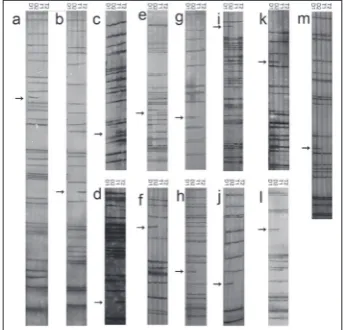
Alterations in gene expression in autotetraploids
ac-tivated in autotetraploids. In all, 0.51% of the tran-scripts showed altered expression in leaves (Table 1). Of the 2033 transcripts that were detected in flowers, 9 transcripts were silenced in autotetraploids and 4 transcripts were activated in autotetraploids. In all, 0.64% of the transcripts showed altered expression in flowers (Table 1).
Alterations in rapid DNA methylation in autotetraploids
The MSAP technique was performed by incorporating a pair of isoschizomers, HpaII/MspI, which possess differential sensitivity to cytosine methylation at a CCGG site. The MSAP band patterns were compared between the diploid and the autotetraploid samples to detect cytosine methylation changes at CCGG sites throughout the genome. In the absence of
methyla-tion changes, the autotetraploid lines were expected to have the same MSAP patterns as the diploid par-ent. Any deviation from this expected additivity was considered to be the result of an alteration in meth-ylation pattern related to genome doubling, in which the autotetraploid plants significantly differed from the diploid parent plants. In the autotetraploid and diploid B. rapa, 1798 and 1636 clear and reproducible bands were amplified, respectively, from leaves of ma-ture plants and from flowers using 48 pairs of EcoRI + HpaII/MspI selective primer combinations (Fig. 2).
Five major groups were identified according to methylation status in the autotetraploids and the diploids, as shown in Table 2. The first group (group A) contains additive band patterns between the au-totetraploids and the diploids, among which 1270 and 1160 nonmethylation bands (A1), 120 and 103 hemi-methylation bands (A2), and 383 and 338 full
Table 1. Summary of cDNA-AFLP analysis in autotetraploids and their diploid progenitor.
Organ transcriptsTotal
Expression changes in autotetraploids
Silence (%) Novel (%) change (%)Total
Leaves 1966 7 (0.36) 3 (0.15) 10 (0.51) Flowers 2033 9 (0.44) 4 (0.20) 13 (0.64) Total 3999 16 (0.40) 7 (0.18) 23 (0.58)
Fig. 1. Lanes showing differential banding in flowers between diploid and autotetraploid Brassica rapa detected by cDNA-AFLP analysis. Arrows indicate transcriptional changes as follows a:
arrow indicates gene silencing in autotetraploid samples; b-e: ar-rows indicate gene activation in autotetreaploid samples; f-m:
arrows indicate gene silencing in autotetreaploids. D1 – diploid sample 1; D2 – diploid sample 2; T1 – autotetraploid sample 1; T2 – autotetraploid sample 2.
Fig. 2. Examples of MSAP analysis in flowers of diploid and auto-tetraploid of Brassica rapa. Arrow indicates methylation changes.
a, b: Additive DNA methylation patterns; c: arrow indicates C2 MSAP band pattern listed in Table 2; d: arrow indicates B1 MSAP band pattern listed in Table 2; e: arrow indicates B2 MSAP band pattern listed in Table 2; f: arrow indicates C1 MSAP band pattern listed in Table 2; g: Arrow indicates D1 MSAP band pattern listed in Table 2; h: Arrow indicates D2 MSAP band pattern listed in Table 2; i: Arrow indicates E1 MSAP band pattern listed in Table 2; j: Arrow indicates E2 MSAP band pattern listed in Table 2; c:
Arrow indicates E3 MSAP band pattern listed in Table 2. D1H: diploid sample 1 EcoRI-HpaII lane; D1M: diploid sample 1 EcoR
I-MspI lane; D2H: diploid sample 2 EcoRI-HpaII lane; D2M: diploid sample 2 EcoRI-MspI lane; T1H: autotetraploid sample 1 EcoR
methylation bands (A3) were detected in leaves and flowers, respectively.
Four additional groups of non-additive band pat-terns were observed. Ten and fourteen non-methylat-ed bands from diploid leaves and flowers were found to be hypermethylated in the autotetraploids (group B). Three and four hemi-methylated bands from dip-loid leaves and flowers displayed different methylation status in the autotetraploids (group C). Five and eight fully methylated bands from diploid leaves and flowers showed different methylation status in the autotetra-ploids (group D). Seven and nine novel methylation bands were detected from the diploid parental “00” band pattern in leaves and flowers, respectively (group E). This type of methylation change could be caused by full methylation of both cytosine residues or full methylation of the external cytosine to another meth-ylation status, rather than by sequence mutation at non-CCGG to CCGG sites. In all, 25 of 1798 (1.39%) CCGG sites displayed altered DNA methylation states in leaves, and 35 of 1636 (2.14%) CCGG sites dis-played altered DNA methylation states in flowers.
Methylation changes in autotetraploids were caused by either hypermethylation or demethyl-ation. A band appearing in the MspI lane or HpaII lane indicated possible demethylation alteration and
vice versa; a band missing in the MspI lane or HpaII lane indicated possible hypermethylation alteration. It should be noted that if internal CCGG site(s) exist in the MSAP fragments, the methylation states cannot be calculated according to the above rationale [34]. How-ever, most studies have indicated that internal CCGG site(s) in MSAP fragments occur infrequently [29,35]. In this study, the B, C1 and D1 groups indicated hy-permethylation changes, and the C2, D2 and E groups indicated demethylation changes. Thus, 14 bands were hypermethylated and 11 bands were demethylated in leaves, and 22 bands were hypermethylated and 13 bands were demethylated in flowers. It is interesting that the diploid genome methylation CCGG sites (10 and 14 in leaves and flowers, respectively) and diploid genome non-methylation CCGG sites (8 and 12 in leaves and flowers, respectively) had equal ability to undergo methylation status shifts during the process of genome doubling.
Molecular characterization of fragments showing changes in DNA methylation and gene expression
Transcript-derived fragments (TDFs) and MSAP-isolated fragments (MIFs) showing alterations in the flowers of the autotetraploids were cloned and se-quenced. The homologies of the MIFs and TDFs to
Table 2. Frequencies of MSAP band patterns and cytosine methylation alterations in various autotetraploid and diploid organs.
Group MSAP band patterns* Organs Total Methylation
status**
Diploid Autotetraploid
HpaII MspI HpaII MspI Leaves Flowers
Methylation additive
A1 + + + + 1270 1160 2430 U
A2 + - + - 120 103 223 Hemi
A3 - + - + 383 338 721 Full
Methylation non-additive
B1 + + - + 1 2 3 Hyper
B2 + + - - 9 12 17 Hyper
C1 + - - - 2 3 5 Hyper
C2 + - + + 1 1 2 De
D1 - + - - 2 5 7 Hyper
D2 - + + + 3 3 6 De
E1 - - - + 1 2 3 De
E2 - - + - 2 3 5 De
E3 - - + + 4 4 8 De
Subtotal 25 35 60
Total 1798 (1.39%) 1636 (2.14%) 3434 (1.75%)
*+ Band present, - band absent; HpaII: fragments obtained after digestion with EcoRI-HpaII; MspI: fragments obtained after digestion with EcoRI-MspI
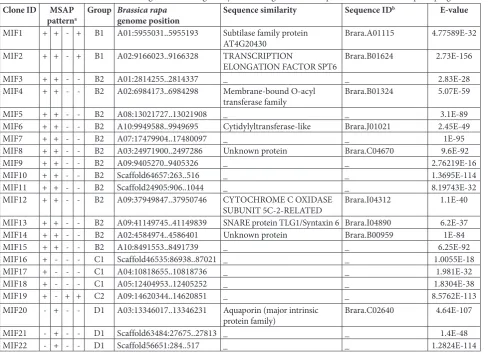
Table 3. Molecular characterization of fragments showing different expression in autotetraploids according to cDNA-AFLP analysis
Clone ID Expression
pattern* Brassica rapa genome position Sequence similarity Gene ID E-value
TDF1 + - A01:9398979..9399170 Unknown protein Brara.A01680 7E-92 TDF2 + - A01:7946545..7946814 MAC/Perforin domain Brara.A01437 5.829E-48 TDF3 + - A09:41306531..41306737 Dip2/Utp12 Family (Utp12); Brara.I04927 3.625E-36 TDF4 + - A09:25416622..25418926 RNA recognition motif Brara.I02677 4.8E-32 TDF5 + - A04:8387546..8387672 4.1.1.39 – Ribulose - bisphosphate
carboxylase Brara.D00895 2.091E-57 TDF6 + - A05:3372571..3372625 26S proteasome regulatory complex,
ATPase RPT4 Brara.E00605 3.991E-18 TDF7 + - A02:12599412..12599477 Osativa_PAC2_0_323_peptide Orysa|LOC_Os03g29360.1 7.651E-27 TDF8 + - A06:19246913..1924701 RING/FYVE/PHD ZINC FINGER
SUPERFAMILY PROTEIN Brara.F02259 1.004E-47 TDT9 + - A04:25417714..25417802 MuDR family transposase - 4.776E-32 TDF10 - + A05:14408003..14410191 SWIM zinc finger (SWIM) // MULE
transposase domain Brara.E00513 1.1E-36 TDF11 - + A08:9090224..9090343 Unknown protein Brara.H00700 8.615E-56 TDF12 - + A10:10953706..10953906 PTHR11977//PTHR11977:SF47 -
VILLIN Brara.J01154 1.341E-33
TDF13 - + A03:25417714..25417802 C2H2-type zinc finger Brara.C00672 4.776E-32 * Band pattern in cDNA-AFLP gels as follows: diploid lane, autotetraploid lane; + band present, - band absent
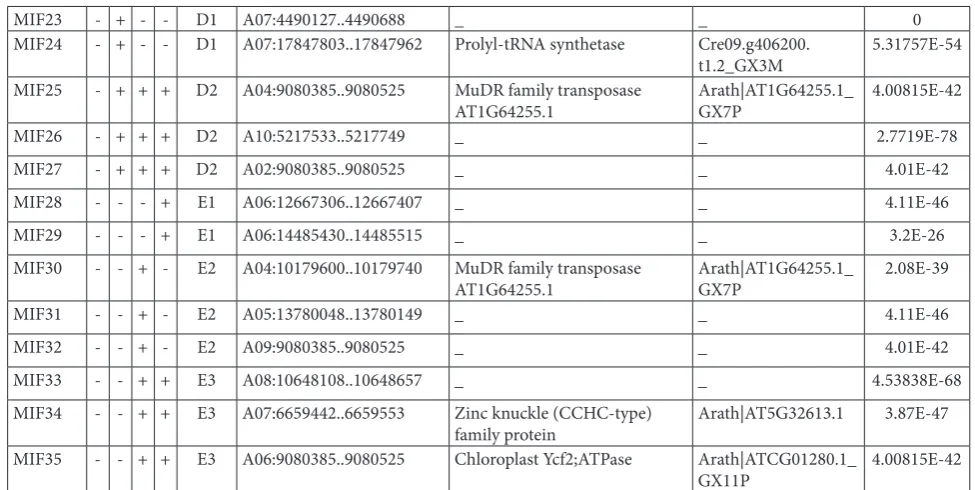
Table 4. Molecular characterization of fragments showing methylation changes in autotetraploids relative to their diploid progenitors.
Clone ID MSAP
patterna Group Brassica rapa genome position Sequence similarity Sequence ID
b E-value
MIF1 + + - + B1 A01:5955031..5955193 Subtilase family protein
AT4G20430 Brara.A01115 4.77589E-32 MIF2 + + - + B1 A02:9166023..9166328 TRANSCRIPTION
ELONGATION FACTOR SPT6 Brara.B01624 2.73E-156
MIF3 + + - - B2 A01:2814255..2814337 _ _ 2.83E-28
MIF4 + + - - B2 A02:6984173..6984298 Membrane-bound O-acyl
transferase family Brara.B01324 5.07E-59
MIF5 + + - - B2 A08:13021727..13021908 _ _ 3.1E-89
MIF6 + + - - B2 A10:9949588..9949695 Cytidylyltransferase-like Brara.J01021 2.45E-49
MIF7 + + - - B2 A07:17479904..17480097 _ _ 1E-95
MIF8 + + - - B2 A03:24971900..2497286 Unknown protein Brara.C04670 9.6E-92
MIF9 + + - - B2 A09:9405270..9405326 _ _ 2.76219E-16
MIF10 + + - - B2 Scaffold64657:263..516 _ _ 1.3695E-114 MIF11 + + - - B2 Scaffold24905:906..1044 _ _ 8.19743E-32 MIF12 + + - - B2 A09:37949847..37950746 CYTOCHROME C OXIDASE
SUBUNIT 5C-2-RELATED Brara.I04312 1.1E-40 MIF13 + + - - B2 A09:41149745..41149839 SNARE protein TLG1/Syntaxin 6 Brara.I04890 6.2E-37 MIF14 + + - - B2 A02:4584974..4586401 Unknown protein Brara.B00959 1E-84
MIF15 + + - - B2 A10:8491553..8491739 _ _ 6.25E-92
MIF16 + - - - C1 Scaffold46535:86938..87021 _ _ 1.0055E-18
MIF17 + - - - C1 A04:10818655..10818736 _ _ 1.981E-32
MIF18 + - - - C1 A05:12404953..12405252 _ _ 1.8304E-38
MIF19 + - + + C2 A09:14620344..14620851 _ _ 8.5762E-113 MIF20 - + - - D1 A03:13346017..13346231 Aquaporin (major intrinsic
the Brassica rapa genome sequence were detected via Phytozome 12. Among the 13 TDFs, two transposase-like proteins were detected (TDF9 and TDF10) (Table 3). The molecular characterizations of the MIFs are listed in Table 4. Of the 35 sequenced MIFs, 14 se-quences showed similarity to known annotated genes in Brassica rapa (Table 4). MIF10, MIF25 and MIF30 had similarity to known retroelement sequences.
DISCUSSION
This study provides a comprehensive portrayal of ge-nome doubling effects in autotetraploid B. rapa. No genetic alteration was detected in autotetraploid B. rapa using an AFLP approach. Approximately 0.58% and 1.7% of fragments showed changes in expression and changes in DNA methylation, respectively. This may underestimate genetic alterations in autotetra-ploids; because genome doubling increases the level of genomic redundancy and AFLP is a dominant marker, some recessive alterations may be masked by the dom-inant alleles. AFLP-derived cDNA-AFLP and MSAP approaches may underestimate gene expression and DNA methylation alteration in autotetraploids. Only
approximately 0.02% of sites in the genome, 0.06% of cytosine sites in the genome and 4.2% of the to-tal transcript fragments were analyzed, compared to whole genome sequencing, and thus some variation underlying genome doubling is missed. However, MSAP and AFLP can still provide insight into genetic and epigenetic changes in plant biology [36,37].
Gene expression alterations in autopolyploids
About 0.58% of gene expression changes occurred in autotetraploid B. rapa. This result is consistent with a previous study in amphihaploid and amphidiploid B. napus [29], trigenomic allohexaploid Brassica cari-nata × Brassica rapa [6] and autopolyploid Pasalum notatum [22], which confirmed that genome doubling per se could induce small but distinct gene expression alterations during polyploid formation.
The proportion of alterations in genome doubling-induced gene expression varied among autopolyploids. Approximately 1.2% to 7.2% of gene expression chang-es were detected in Isatis indigotica [21], Paulownia fortune [24], Eragrostis curvula [23] and rice [27]. In maize [20], potato (Solanum phureja) [25] and
Arabi-MIF23 - + - - D1 A07:4490127..4490688 _ _ 0
MIF24 - + - - D1 A07:17847803..17847962 Prolyl-tRNA synthetase Cre09.g406200.
t1.2_GX3M 5.31757E-54 MIF25 - + + + D2 A04:9080385..9080525 MuDR family transposase
AT1G64255.1 Arath|AT1G64255.1_GX7P 4.00815E-42
MIF26 - + + + D2 A10:5217533..5217749 _ _ 2.7719E-78
MIF27 - + + + D2 A02:9080385..9080525 _ _ 4.01E-42
MIF28 - - - + E1 A06:12667306..12667407 _ _ 4.11E-46
MIF29 - - - + E1 A06:14485430..14485515 _ _ 3.2E-26
MIF30 - - + - E2 A04:10179600..10179740 MuDR family transposase
AT1G64255.1 Arath|AT1G64255.1_GX7P 2.08E-39
MIF31 - - + - E2 A05:13780048..13780149 _ _ 4.11E-46
MIF32 - - + - E2 A09:9080385..9080525 _ _ 4.01E-42
MIF33 - - + + E3 A08:10648108..10648657 _ _ 4.53838E-68 MIF34 - - + + E3 A07:6659442..6659553 Zinc knuckle (CCHC-type)
family protein Arath|AT5G32613.1 3.87E-47 MIF35 - - + + E3 A06:9080385..9080525 Chloroplast Ycf2;ATPase Arath|ATCG01280.1_
GX11P 4.00815E-42
a. banding pattern in MSAP gels as follows (+, band present; -, band absent): diploid EcoRI-HpaII lane, diploid EcoRI-MspI lane; autotetraploid
EcoRI-HpaII lane, autotetraploid EcoRI-MspI lane
b. _ indicates no annotated function for the isolated fragments
dopsis [19], almost no ploidy-dependent changes in gene regulation were detected. A study in an autopoly-ploid sunflower series [26] reported that gene expres-sion varied among different autopolyploid individuals.
Cytosine methylation changes in autopolyploids
MSAP alterations, either from genetic variation or from methylation status, shift the marker locus. AFLPs are typically interpreted as genetic variation. In this study, the MSAP deviation from Mendelian expectation is much higher than that of the AFLP markers. This indicated that most DNA methylation changes in the autotetraploids were caused by a meth-ylation status shift in the pre-existing CCGG sites. Compared to genetic and gene expression changes detected in this study, DNA methylation changes are a major consequence in autotetraploid B. rapa. A simi-lar phenomenon was also detected in amphihaploid and amphidiploid B. napus [29]. Studies in trigenomic allohexaploid Brassica carinata × Brassica rapa indi-cated that genomes per se could induce half of the methylation changes in the conversion from triploid to hexaploid [6]. The DNA methylation-sensitive en-zymes used in the MSAP assay are biased towards DNA methylation at CGG and CCG sites, while DNA methylation changes at CG, CHG and CHH sites are not detected by the MSAP assay.
Studies in Cymbopogon [17] and Eragrostis cur-vula [15] autopolyploids reported that autopolyploidy caused increased cytosine methylation. Variation in DNA methylation during the tetraploid–diploid version reverted during the diploid–tetraploid con-version in Eragrostis curvula [15]. A cross between dandelion ploidy levels triggered de novo methylation variation [14].A study in Phlox drummondii provided evidence for an increase in DNA methylation changes through subsequent generations [9]. Stochastic chang-es among individuals were observed in Solanum [16]. However, no methylation changes were detected in watermelon with differing ploidy [18]. The above data supported the hypothesis that variation in cytosine methylation might be a major consequence during genome doubling in polyploids.
Epigenetic landscape changes can affect gene ex-pression. The role of epigenetic changes during poly-ploid formation and dipoly-ploidization is still not
com-pletely clear. Furthermore, the DNA methylation status of newly formed species appears to change consistently through several early generations [9]. All these stud-ies focused on signal cytosine methylation polymor-phisms (SMP), which may not be linked to genotype per se. Future work should analyze differentially meth-ylated regions (DMR) during genome doubling [38].
Acknowledgments: We are grateful to the anonymous reviewers
for their critical reading and constructive suggestions on improv-ing the quality of this manuscript. This work was performed with financial support from the National Natural Science Foundation of China (No. 31370258), Hubei Province Talent Youth Founda-tion (to Yanhao Xu) and the Yangtze Youth Fund (2015cqr16).
Author’s contribution: Y. Xu designed and performed the experi-ments, analyzed the data and wrote and finalized the manuscript. G. Chen developed the materials, performed the experiments and wrote the manuscript. W. Zhang analyzed the data. J. Wang devel-oped the project concept and designed the experiments.
Conflict of interest disclosure: The authors declare no conflicts of interest.
REFERENCES
1. Soltis DE, Soltis PS, Schemske DW, Hancock JF, Thompson JN, Husband BC, Judd WS. Autopolyploidy in angiosperms: have we grossly underestimated the number of species? Taxon. 2007;56(1):13-30.
2. Soltis DE, Soltis PS. Polyploidy. recurrent formation and genome evolution. Trends Ecol Evol. 1999;14(9):348-52. 3. Parisod C, Holderegger R, Brochmann C. Evolutionary
con-sequences of autopolyploidy. New Phyto.2010;186(1):5-17. 4. Madlung A, Wendel J. Genetic and epigenetic aspects of
polyploid evolution in plants. Cytogenet Genome Res. 2013;140(2-4):270-85.
5. Comai L. The advantages and disadvantages of being poly-ploid. Nat Rev Genet. 2005;6(11):836-46.
6. Xu Y, Zhao Q, Mei S, Wang J. Genomic and transcriptomic alterations following hybridisation and genome doubling in trigenomic allohexaploid Brassica carinata × Brassica rapa. Plant Biol. 2012;14(5):734-44.
7. Raina S, Parida A, Koul K, Salimath S, Bisht M, Raja V, Kho-shoo T. Associated chromosomal DNA changes in polyploids. Genome.1994;37(4):560-4.
8. Eilam T, Anikster Y, Millet E, Manisterski J, Feldman M. Genome size in natural and synthetic autopolyploids and in a natural segmental allopolyploid of several Triticeae species. Genome.2009;52(3):275-85.
9. Dar TH, Raina SN, Goel S. Molecular analysis of genomic changes in synthetic autotetraploid Phlox drummondii Hook. Biol J Linn Soc.2013;110(3):591-605.
11. Weiss H, Maluszynska J: Chromosomal rearrangement in autotetraploid plants of Arabidopsis thaliana. Hereditas. 2001;133(3):255-61.
12. Santos JL, Alfaro D, Sanchez-Moran E, Armstrong SJ, Frank-lin FC, Jones GH. Partial diploidization of meiosis in autotet-raploid Arabidopsis thaliana. Genetics. 2003;165(3):1533-40. 13. Ozkan H, Tuna M, Galbraith D: No DNA loss in autotetra-ploids of Arabidopsis thaliana. Plant Breed.2006;125(3):288-91. 14. Verhoeven KJ, Jansen JJ, van Dijk PJ, Biere A. Stress‐induced
DNA methylation changes and their heritability in asexual dandelions. New Phytol. 2010;185(4):1108-18.
15. Ochogavía AC, Cervigni G, Selva JP, Echenique VC, Pessino SC. Variation in cytosine methylation patterns during ploidy level conversions in Eragrostis curvula. Plant Mol Biol. 2009;70(1-2):17-29.
16. Aversano R, Caruso I, Aronne G, De Micco V, Scognamiglio N, Carputo D. Stochastic changes affect Solanum wild species following autopolyploidization. J Exp Bot.2013;64(2):625-35. 17. Lavania UC, Srivastava S, Lavania S, Basu S, Misra NK, Mukai Y. Autopolyploidy differentially influences body size in plants, but facilitates enhanced accumulation of secondary metabo-lites, causing increased cytosine methylation. The Plant J. 2012;71(4):539-49.
18. Wang C-G, Hui L, Xue Z-Y, Chen C-B, Gu Y, Sun D-L, Song W-Q. Marker-based analysis of genome structure and DNA methylation in a watermelon (Citrullus lanatus) ploidy series. Bot Stu.2009;50:389-402.
19. Wang J, Tian L, Lee H-S, Wei NE, Jiang H, Watson B, Mad-lung A, Osborn TC, Doerge R, Comai L. Genomewide non-additive gene regulation in Arabidopsis allotetraploids. Genet-ics.2006;172(1):507-17.
20. Riddle NC, Jiang H, An L, Doerge R, Birchler JA: Gene expression analysis at the intersection of ploidy and hybrid-ity in maize. Theor Appl Genet. 2010,120(2):341-53. 21. Lu B, Pan X, Zhang L, Huang B, Sun L, Li B, Yi B, Zheng S, Yu
X, Ding R. A genome-wide comparison of genes responsive to autopolyploidy in Isatis indigotica using Arabidopsis thaliana
Affymetrix genechips. Plant Mol Biol Rep. 2006;24(2):197-204.
22. Martelotto LG, Ortiz JPA, Stein J, Espinoza F, Quarin CL, Pessino SC: A comprehensive analysis of gene expression alterations in a newly synthesized Paspalum notatum auto-tetraploid. Plant Sci. 2005;169(1):211-20.
23. Cervigni GD, Paniego N, Pessino S, Selva JP, Díaz M, Span-genberg G, Echenique V: Gene expression in diplosporous and sexual Eragrostis curvula genotypes with differing ploidy levels. Plant Mol Biol. 2008;67(1-2):11-23.
24. Zhang X, Deng M, Fan G: Differential transcriptome analy-sis between Paulownia fortunei and its synthesized autopoly-ploid. Int J Mol Sci. 2014;15(3):5079-93.
25. Stupar RM, Bhaskar PB, Yandell BS, Rensink WA, Hart AL, Ouyang S, Veilleux RE, Busse JS, Erhardt RJ, Buell CR. Phe-notypic and transcriptomic changes associated with potato autopolyploidization. Genetics. 2007;176(4):2055-67. 26. Church SA, Spaulding EJ. Gene expression in a wild
autopoly-ploid sunflower series. J Hered. 2009;100(4):491-5.
27. Wu J, Shahid MQ, Guo H, Yin W, Chen Z, Wang L, Liu X, Lu Y. Comparative cytological and transcriptomic analysis of pollen development in autotetraploid and diploid rice. Plant Repro. 2014;27(4):181-96.
28. Gaeta RT, Pires JC, Iniguez-Luy F, Leon E, Osborn TC. Genomic changes in resynthesized Brassica napus and their effect on gene expression and phenotype. Plant Cell. 2007;19(11):3403-17.
29. Xu Y, Zhong L, Wu X, Fang X, Wang J: Rapid alterations of gene expression and cytosine methylation in newly synthe-sized Brassica napus allopolyploids. Planta. 2009;229(3):471-83.
30. Szadkowski E, Eber F, Huteau V, Lodé M, Coriton O, Jenc-zewski E, Chevre A. Polyploid formation pathways have an impact on genetic rearrangements in resynthesized Brassica
napus. New Phytol.2011;191(3):884-94.
31. Albertin W, Brabant P, Catrice O, Eber F, Jenczewski E, Chèvre AM, Thiellement H. Autopolyploidy in cabbage (Brassica oleracea L.) does not alter significantly the pro-teomes of green tissues. Proteomics. 2005;5(8):2131-9. 32. Bachem CWB, van der Hoeven RS, de Bruijn SM,
Vreug-denhil D, Zabeau M, Visser RGF. Visualization of differential gene expression using a novel method of RNA fingerprinting based on AFLP: Analysis of gene expression during potato tuber development. Plant J. 1996;9(5):745-53.
33. Xiong LZ, Xu CG, Saghai Maroof MA, Zhang Q. Patterns of cytosine methylation in an elite rice hybrid and its parental lines, detected by a methylation-sensitive amplification poly-morphism technique. Mol Gen Genet. 1999;261(3):439-46. 34. Portis E, Acquadro A, Comino C, Lanteri S: Analysis of
DNA methylation during germination of pepper (Capsicum
annuum L.) seeds using methylation-sensitive amplification
polymorphism (MSAP). Plant Sci. 2004;166(1):169-78. 35. Cervera MT, Ruiz-Garcia L, Martinez-Zapater JM.
Analy-sis of DNA methylation in Arabidopsis thaliana based on methylation-sensitive AFLP markers. Mol Genet Geno. 2002;268(4):543-52.
36. Wang Y, Rong H, Xie T, Jiang J, Wu J, Wang Y. Comparison of DNA methylation in the developing seeds of yellow- and black-seeded Brassica napus through MSAP analysis. Euphyt-ica2016;209(1):157-69.
37. Gautam M, Dang Y, Ge X, Shao Y, Li Z: Genetic and Epigen-etic Changes in Oilseed Rape (Brassica napus L.) Extracted from intergeneric allopolyploid and additions with Orycho-phragmus. Front Plant Sci. 2016;7:e65078.
38. Schmitz RJ, Schultz MD, Urich MA, Nery JR, Pelizzola M, Libiger O, Alix A, Mccosh RB, Chen H, Schork NJ. Patterns of population epigenomic diversity. Nature. 2013;495(7440):193.
Supplementary Material:
Table S1. AFLP, MSAP and cDNA-AFLP adapters, primers and