in Europe
Strategies,
Policies and Measures
Eurydice and Cedefop Report
Tackling
Early Leaving
Tackling Early Leaving
from Education and
Training in Europe:
Strategies,
Policies and
Measures
This document is published by the Education, Audiovisual and Culture Executive Agency (EACEA, Education and Youth Policy Analysis).
Please cite this publication as:
European Commission/EACEA/Eurydice/Cedefop, 2014. Tackling Early Leaving from Education and Training in Europe: Strategies, Policies and Measures. Eurydice and Cedefop Report. Luxembourg: Publications Office of the European Union.
ISBN 978-92-9201-637-1 doi:10.2797/33979
This document is also available on the Internet (http://eacea.ec.europa.eu/education/eurydice). Text completed in November 2014.
© Education, Audiovisual and Culture Executive Agency, 2014. Reproduction is authorized provided the source is acknowledged.
CONTENTS
Table of Figures
4
Codes, Abbreviations and Acronyms
5
Main Findings
7
Introduction
17
Chapter 1: Defining and Measuring Early Leaving from Education and Training
21
Chapter 2: Factors Contributing to Students Leaving
the Education and Training System Early
35
Chapter 3: Strategies, Policies and Measures Against Early Leaving
51
Chapter 4: Governance and Cross-Sector Cooperation in the Area of Early Leaving
67
Chapter 5: The Role of Education and Career Guidance in Tackling Early Leaving
81
Chapter 6: Early Leaving from Vocational Education and Training
103
References
127
Glossary
137
National Information Sheets
143
Figure 1.1: Percentage of early leavers from education and training, 2009-2013,
and national targets as compared with the EU headline target 24
Figure 1.2: National definitions of early leavers, 2013/14 27
Figure 1.3: Sources used for production of national data on early leaving (other than Eurostat LFS), 2013/14 28
Figure 1.4: Level of ELET data aggregation, 2013/14 30
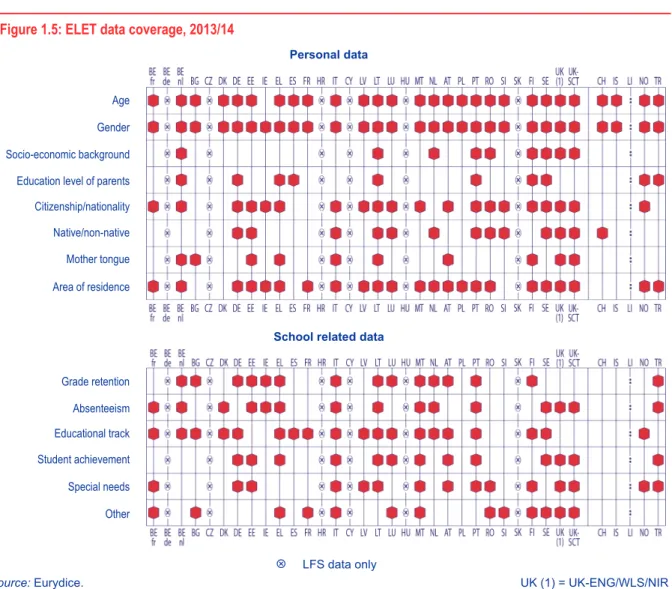
Figure 1.5: ELET data coverage, 2013/14 32
Figure 1.6: Frequency of ELET data analysis, 2013/14 33
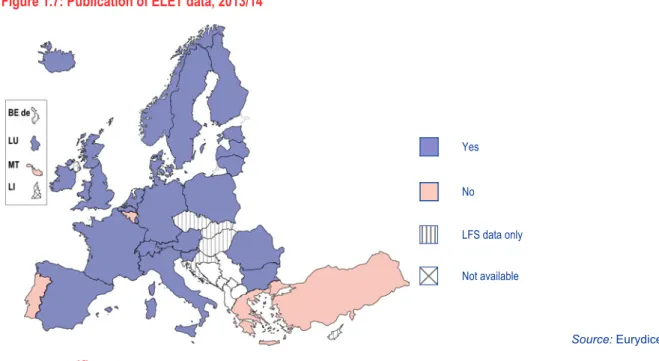
Figure 1.7: Publication of ELET data, 2013/14 34
Figure 2.1: Percentage of children (aged 0-17) at risk of poverty or social exclusion
by highest education level of their parents (1997 ISCED 0-2, 3-4 and 5-6), 2013 37
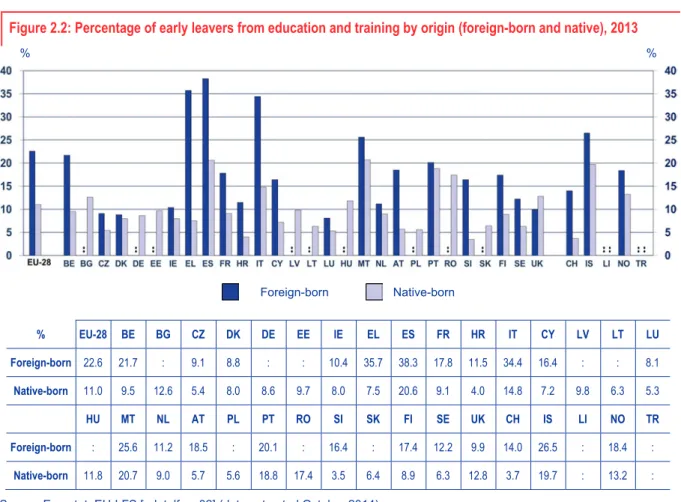
Figure 2.2: Percentage of early leavers from education and training by origin (foreign-born and native), 2013 39
Figure 2.3: Percentage of early leavers from education and training by sex, 2013 41
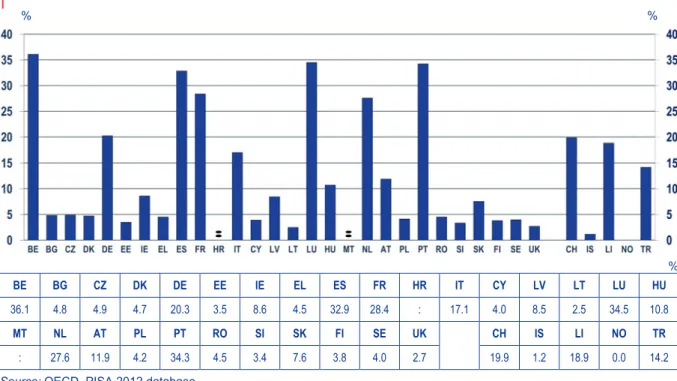
Figure 2.4: Percentage of students reporting that they have repeated a grade
at least once in primary, lower secondary or upper secondary school, PISA 2012 44
Figure 2.5: Percentage of students reporting that they had attended pre-primary education (ISCED 0),
for more than one year, PISA 2012 47
Figure 2.6: Employment rates of 15-24 year olds by levels of education (2011 ISCED 0-2, 3-4 and 5-8), 2013 49
Figure 3.1: Strategies for tackling early leaving from education and training, 2013/14 53
Figure 3.2: Policies and measures for tackling or contributing to reducing ELET, 2013/14 57
Figure 3.3: Targeting groups at a high risk of leaving education and training early, 2013/14 64
Figure 4.1: Cross-government cooperation on ELET:
policy areas working with education at central/top-level, 2013/14 68
Figure 4.2: Creation of a central/top-level coordinating body to tackle ELET, 2013/14 71
Figure 4.3: Professionals involved in tackling ELET at school and community level, 2013/14 73
Figure 4.4: Monitoring and evaluating the effectiveness of cooperation in tackling ELET, 2013/14 76 Figure 5.1: Education and career guidance as a prevention and/or
intervention measure for addressing ELET in primary and general secondary education, 2013/14 83 Figure 5.2: Provision of education and career guidance
in primary and general secondary education (ISCED 1, 2 and 3), 2013/14 86
Figure 5.3: Main objectives for education and career guidance
in primary and general secondary education, 2013/14 88
Figure 5.4: Education and career guidance taught as a compulsory topic, by age,
according to top-level steering documents for primary and general secondary education, 2013/14 91 Figure 5.5: School staff responsible for education and career guidance at primary (ISCED 1),
general lower secondary (ISCED 2) and general upper secondary education (ISCED 3) levels, 2013/14 96
Figure 5.6: Education and career guidance as a compensation measure to tackle ELET, 2013/14 101
Figure 6.1: Summary of alternative indicators used to understand ELVET in selected countries 105 Figure 6.2: Drop-outs can be seen as a subset of early leavers within a given youth population 108
CODES, ABBREVIATIONS AND ACRONYMS
Country codes
EU/EU-28 European Union NL The Netherlands
BE Belgium AT Austria
BE fr Belgium – French Community PL Poland
BE de Belgium – German-speaking Community PT Portugal
BE nl Belgium – Flemish Community RO Romania
BG Bulgaria SI Slovenia
CZ Czech Republic SK Slovakia
DK Denmark FI Finland
DE Germany SE Sweden
EE Estonia UK The United Kingdom
IE Ireland UK-ENG England
EL Greece UK-WLS Wales
ES Spain UK-NIR Northern Ireland
FR France UK-SCT Scotland
HR Croatia CH Switzerland
IT Italy IS Iceland
CY Cyprus LI Liechtenstein
LV Latvia ME Montenegro
LT Lithuania MK* former Yugoslav Republic of Macedonia
LU Luxembourg NO Norway
HU Hungary RS Serbia
MT Malta TR Turkey
* ISO code 3166. Provisional code which does not prejudge in any way the definitive nomenclature for this country, which will be agreed following the conclusion of negotiations currently taking place on this subject at the United Nations
(http://www.iso.org/iso/country_codes/iso_3166_code_lists.htm [accessed 25.9.2014]).
Statistical codes
Abbreviations and acronyms
AES Adult Education Survey (Eurostat)
BIBB Federal Institute for Vocational Education and Training (Berufsbildung) Bundesinstitut für
Cedefop European Centre for the Development of Vocational Training CVET Continuing vocational education and training
ELET Early leaving from education and training
ELVET Early leaving from vocational education and training Eurostat Statistical Office of the European Union
EU-LFS European Labour Force Survey (Eurostat)
EU-SILC European Union Statistics on Income and Living Conditions (Eurostat) IEA International Association for the Evaluation of Educational Achievement ISCED International Standard Classification of Education
IVET Initial vocational education and training
LLP Lifelong Learning Programme
OECD Organisation for Economic Co-operation and Development
PIAAC Programme for the International Assessment of Adult Competencies (OECD) PIRLS Progress in International Reading Literacy Study (IEA)
PISA Programme for International Student Assessment (OECD) PUM Project learning for young adults
TALIS Teaching and Learning International Survey (OECD)
UOE Unesco/OECD/Eurostat
VET Vocational education and training
MAIN FINDINGS
This report looks at the subject of early leaving from education and training (ELET) from different angles, providing an overview of some of the main issues involved. It highlights the high costs for society of students leaving education and training early as well as the consequences for the individual. A higher level of education, on the other hand, can lead to a series of positive outcomes for the individual as well as society related to employment, higher salaries, better health, less crime, higher social cohesion, lower public and social costs and higher productivity and growth.
European countries have committed to reducing the proportion of early leavers to less than 10 % by 2020 (1). In June 2011, education ministers agreed on a ‘framework for coherent, comprehensive, and evidence-based policies’ to tackle early leaving (2). And since then a working group bringing together policy makers and practitioners from across Europe has looked at examples of good practice across Europe and has promoted an exchange of experiences on this issue (3). Last but not least, in the context of the European Semester, country specific recommendations issued to some Member States identify reducing early leaving as a policy priority area (4).
The report should be seen in this policy context. It aims to add value to Member States' individual efforts as well as to the European Commission's endeavours in this area by monitoring developments in the design and implementation of evidence-based and comprehensive strategies to combat early leaving and support student learning. As this report is a joint Eurydice/Cedefop publication, the first five chapters have a main focus on general education, whereas the last chapter looks in greater detail at early leaving from the perspective of vocational education and training (ELVET). This summary provides a synopsis of the main findings by chapter.
The analysis shows that the factors related to early leaving are closely intertwined with other educational and social issues, and it is hardly possible to discuss all of them in one report. It is fair to say that all the issues examined in this publication can be further expanded on, and therefore this report provides only a glimpse of the state of play in national efforts to address early leaving.
The report confirms that early leaving represents a complex challenge at individual, national and European levels. Young people who leave education and training early are often both socially and economically disadvantaged compared to those who stay on and gain the necessary qualifications to help them succeed in life. To address this situation it is vital to recognise that while early leaving is, on the surface, an issue for education and training systems, its underlying causes are embedded in wider social and political contexts. Early leaving is fundamentally shaped by countries' broader policies for the economy, employment, social affairs, health and so on. Improvements in educational attainment and employment levels of young people therefore also rely on improvements in the socio-economic climate – on higher economic growth, measures to combat poverty and improve health, and the effective integration of migrants and minorities into society. Only a comprehensive approach to tackling early leaving, therefore, can be effective and sustainable.
Monitoring early leaving from education and training
There is general agreement that valid and up-to-date data on early leavers can help to develop focused policies. The most recent Eurostat data, presented in chapter 1, shows that in the majority of European countries the rate of early leavers has decreased over the last years, and EU countries are collectively heading towards the benchmark goal by 2020 if the current trend continues. More than half
(1) http://eur-lex.europa.eu/legal-content/EN/TXT/PDF/?uri=CELEX:52009XG0528(01)&from=EN
(2) Council Recommendation of 28 June 2011 on policies to reduce early school leaving, OJ C 191, 1.7.2011.
(http://eur-lex.europa.eu/LexUriServ/LexUriServ.do?uri=OJ:C:2011:191:0001:0006:en:PDF). (3) http://ec.europa.eu/education/policy/strategic-framework/expert-groups_en.htm#schools
of the countries examined have reached the headline target of less than 10 % early leaving, and around one third of all countries have reached their own national targets, often set at a more ambitious level than the EU headline target. Some countries such as Spain, Malta and Portugal, despite having rates above 10 %, have made significant improvements over the last years. In order to achieve the target, all countries which still have relatively high rates of early leavers need to maintain the pace of change in the coming years, and those that have seen an increase in their rates should redouble their efforts to reverse this trend.
Most countries have developed their own national definition of early leavers, in addition to the EU definition, that frames the policy debate of the country in this area and forms the basis of specific national data collections. The Czech Republic, Cyprus, Latvia, Hungary, Malta, Romania and Slovakia are the only countries where the EU definition is the main one used to describe ELET.
The findings in chapter 1 show that all countries/regions, except for Belgium (German-speaking Community), Czech Republic, Croatia, Cyprus, Hungary, Romania, Slovakia and the United Kingdom (Northern Ireland), have national data collections on early leaving, in addition to the data gathered for the EU Labour Force Survey. In most of them, data collections are based on student registers or databases. Although these may not have been developed with the objective of measuring early leaving, they can be used to monitor absenteeism and thereby provide an early warning system to alert schools and authorities when to intervene to help individuals at risk of early leaving. They can also be used to evaluate the effectiveness of policies to address the challenge of early leaving. However, the report shows that across most European countries, analyses of early leaving are based on data aggregated at the top/national level, and in only around half of them based on data aggregated at local and school level, making it difficult to obtain a picture of the specific situation in local communities and schools. Moreover, the majority of countries carry out data analysis only once a year, which may not be enough to monitor the current situation and/or the impact of on-going measures.
Finally, although many countries produce statistical data on early leavers, relatively few of them gather qualitative information that can help understanding the reasons why students leave education and training early and what they do afterwards. France, Malta and the United Kingdom (Scotland) are amongst those few countries that routinely conduct surveys of students after they have left education and training prematurely. However, hearing the views of the students affected, or those of the other stakeholders involved, may provide an important source of information for on-going measures or for future policy debate relating to early leaving.
Factors contributing to early leaving
Leaving education and training early is a complex issue and the causes vary from student to student. The second chapter of the report shows that family and/or migrant background, gender and socio-economic circumstances as well as factors related to the education and training system are only some
Main Findings
Statistics also show that foreign-born students are more likely to leave education and training early. Indeed, students with a migrant background generally face greater challenges in accessing and participating in education than those born in the country of residence. This can be due to language and/or cultural barriers, socio-economic segregation, limited access to sufficient learning support, etc. However, it is important to keep in mind that data on migrant populations inherently have their limitations. Data on foreign-born early leavers supplied to Eurostat by the national statistical authorities have low reliability for twelve countries, and for eleven other countries the most recent data is not available because of a very small sample size. Therefore, the numbers of foreign-born early leavers are inaccurate in these countries, and this is without even mentioning non-registered/irregular migration, which is impossible to account for. Finally, there are no comparable data available for second generation migrants at EU level.
As shown by this report, coming from a migrant/minority background or being a male should not be seen as defining factors with respect to early leaving. The socio-economic situation of students appears to exert the stronger influence on the probability of leaving education and training early than other factors. Difficult family situations such as unemployment, low household income and low levels of parental education, can have a direct and lasting effect on students' school career, their attitudes towards learning, their educational achievement; and this can consequently lead to their decision to leave education and training early. This is also one of the main reasons why cross-government and cross-sector cooperation to ensure the coordination of the different services supporting the multiple needs of disadvantaged families is so crucial (see Chapter 4).
A number of factors relating to the education system that influence early leaving rates have also been discussed in chapter 2. The negative aspects include grade retention, the socio-economic segregation of schools and early tracking based on academic selection. However, there are also positive factors that can lower the risk of early leaving, such as participation in high quality early childhood education and care and well-managed transition processes from primary to secondary level, and lower to upper secondary level, and from school to work. Flexible pathways in upper secondary education can also have a positive effect in preventing or reducing early leaving. Finally, factors such as local labour market conditions can act as 'pull' or 'push' factors in the early leaving process, which highlights the complex relationship of the early leaving phenomenon with employment. It also underlines the important role of education and career guidance in supporting students to make appropriate choices for themselves (see Chapter 5).
Strategies, policies and measures against early leaving
As shown in chapter 3, across Europe, around a third of countries/regions (5) have a national strategy in place that has as one objective to reduce early leaving from education or training, or they are in the process of adopting one. In six countries/regions – Belgium (Flemish Community), Bulgaria, Spain, Malta, the Netherlands and Austria – they correspond closely to the concept of a comprehensive strategy as defined by the Recommendation of the Education Council. In the other countries they have been developed independent of it. Nevertheless, they all cover some of the most important characteristics of a comprehensive strategy, such as a focus on monitoring early leaving, prevention, intervention and compensation measures as well as cross-sector cooperation.
The breadth of the approach is crucial in effectively combating early leaving. The report shows that strategies should be all-inclusive, addressing the multiple and interrelated factors leading to student
(5) Belgium (Flemish Community), Bulgaria, Germany, Ireland, Spain, Malta, the Netherlands, Austria, Poland, Romania, the
disengagement that ultimately lead young people to leave education and training early. At the same time, countries are putting emphasis on the most immediate and pressing national concerns, as for example, in Belgium (Flemish Community), Malta and the Netherlands where the comprehensive strategies have a strong focus on prevention measures or in Austria where compensation measures are a central element.
Some challenges have also been reported by countries in establishing an effective strategy, such as: ensuring collaboration between different policy areas and stakeholders and, in particular, in encouraging schools to link with outside bodies or agencies (Ireland); adapting strategies to the different socio-economic circumstances or to the disparities between early leaving rates in regions or localities within the country (Spain); and creating sustainable structures that can guarantee the continuity of actions when the term of the strategy comes to an end (Norway).
Finally, the Recommendation of the Education Council on comprehensive policies to reduce early leaving emphasises that the effectiveness and efficiency of any strategic action should be rigorously evaluated to inform progress and future developments. An example of this can be found in Belgium (Flemish Community) where evaluation is an umbrella action across the whole strategy.
While not all European countries have a national strategy, they all have policies and measures to combat early leaving, which, in many cases, give equal weight to the three types of measure mentioned in the Recommendation i.e. prevention, intervention and compensation. This report makes a distinction between the recent policies/measures that have been developed specifically to tackle early leaving, and general, on-going policies/measures that are neither part of a comprehensive strategy or been introduced to address this issue specifically, but can nevertheless contribute to eliminating it. This distinction is used to highlight which reforms affecting the issue of early leaving are recent and which are longstanding. Countries such as the Czech Republic, Poland, Slovenia and Slovakia, for example, have long-standing, general policies/measures, so this may partly explain why they traditionally have low rates of students leaving education and training early.
The areas where most countries have policies/measures in place that contribute to reducing early leaving are: improving access to and the quality of ECEC, and increasing the flexibility and permeability of educational pathways. As the analysis of factors that have an impact on early leaving has shown, actions in both areas are essential in tackling it. Education and career guidance is another area that has been reported by the majority of countries as an essential measure to combat early leaving (see Chapter 5). In contrast, few countries/regions have recent or on-going policies in place to reduce grade retention (6) or restrict socio-economic segregation in schools (7). Not all European countries are equally concerned by these issues. Regarding grade retention, for example, the findings presented in chapter 2, reveal lots of variation between countries in their rates of students who have repeated at least one school year. However, as the report's analysis has shown, both grade retention and school segregation represent some of the main obstacles for making progress in tackling early leaving and should therefore receive adequate attention in all countries where they could be
Main Findings
and promote inclusion. Likewise, the school heads' awareness of the problem of early leaving and commitment to addressing it is essential to make improvements in this area.
Furthermore, the report shows that all countries have policies/measures targeting groups at high risk of early leaving, such as disadvantaged students, those from a migrant or minority (especially Roma) background and students with special educational needs. Even though the policies/measures targeting these groups may not have all been specifically developed to tackling early leaving, but are rather intended to improve attainment levels more generally among these students, they are still in line with the Recommendations of the Education Council on early leaving.
Education and career guidance as a key measure against early leaving
Education and career guidance, considered in chapter 5 of this report as a practice to support students' choice of education and career path, has been identified by the large majority of European countries as one of the key measures to address early leaving. In most of them, guidance is an important element in prevention, intervention and compensation activities.
It is a common practice of education systems, even where guidance is not seen as a measure to tackle early leaving, to include guidance as a general aim and principle of the educational process, and schools are attributed a primary role in guidance provision. The main objectives of guidance include providing students with support, informing them about the choices open to them and developing the skills they need to make decisions about future education and work.
The analysis shows that in most countries, education and career guidance is addressed mainly to secondary students; in 16 countries/regions, it is not offered by schools at primary level (9). It is, nevertheless, important that children are guided and supported from the early years to be able to develop their aspirations and be supported in their educational choices.
Education and career guidance is traditionally delivered through school-based guidance services, which often deal with individuals who are in need of support or may already be at risk of leaving education and training early. However, a great number of countries are now including guidance in the curriculum. This arrangement makes it accessible to all students and supports its use as a prevention measure. Both forms of provision have therefore important functions for making guidance a more effective tool for addressing early leaving.
Where education and career guidance is included in the curriculum, three main approaches are used in the classroom: it may be taught as a separate subject; integrated within one or more subjects (social sciences, entrepreneurship or citizenship education); or distributed throughout the curriculum as a cross-curricular topic. European countries report that they suggest a broad approach to education and career guidance, which links the different forms of provision and uses a wide range of methods. In this perspective, schools in most countries organise guidance also through extra-curricular activities.
The type of staff responsible for guidance provision is directly related to the way guidance is organised in schools. Where guidance is an integral part of the curriculum, it is mainly delivered by teachers. Where it is provided by school-based services, guidance specialists such as guidance counsellors, psychologists or social workers are usually in charge. The great majority of European countries report that it is non-specialised teachers who play the most significant role in the provision of guidance, independent of its form. Accordingly, a number of countries/regions report a lack of high quality
(9) Belgium (French Community), Germany, Ireland, Greece, France, Croatia, Cyprus, the Netherlands, Austria, Poland,
guidance (10). This is confirmed by findings from the OECD's TALIS survey showing that around 42 % of European teachers need professional development in student career guidance and counselling. Moreover, only a third of countries report that the staff responsible for guidance receive training during their initial education in the skills needed to deal with the groups at risk of early leaving (11). In order to guarantee high quality guidance services for this particular at-risk group, schools could further investigate the need for appropriate professional training opportunities.
Finally, education and career guidance also plays an important role for those who have already left education and wish to re-enter the system. The report demonstrates that most European countries consider guidance to be a compensation measure and an essential part of the policies to provide opportunities for early leavers. Thus, guidance is delivered mainly through second-chance education programmes or at the point when students re-enter mainstream education. It is also offered by specialist guidance services, through youth guarantees, and in some cases it is project-based.
Why cross-government and cross-sector cooperation is essential
Reducing early leaving requires strong governance arrangements to manage the relationships across the relevant policy areas ('horizontal cooperation') as well as between national, regional, local and school levels ('vertical cooperation').
Chapter 4 shows that cooperation on policies/measures related to early leaving between the various ministries/departments or between the different policy areas is already part of the institutional set-up in many countries. In others, cooperation is less systematic. The level and extent of this kind of cooperation depends a lot on countries' political and institutional structures. Enhancing cooperation at central/top level and between various policy areas is key to ensuring the development and implementation of successful measures to combat early leaving.
Formalising cooperation, for example, by means of a coordinating body, is a way to enhance synergies across government departments and between different levels of authority, schools and other stakeholders. Coordinating bodies could strengthen the commitment to reducing early leaving, improve the process of monitoring and evaluation as well as identification of areas for further work. Although, only four countries/regions have established a formal coordinating body as part of their comprehensive strategy for tackling early leaving (Belgium (Flemish Community), Spain, Malta and the Netherlands), the reported initial positive outcomes of their work could serve as an example for other countries.
Multi-agency partnerships can facilitate effective coordination among local stakeholders who work together to address the basic needs of individual students at risk of early leaving; they can therefore provide holistic support to these young people. In many countries various professionals are involved at school and community level. The question that remains to be answered is to what extent these agencies really work together; do they provide a joined-up service or do they provide a fragmented approach, with professionals only responding to students needs if they fall within their own area of
Main Findings
Effective cross-government and cross-sector cooperation requires clearly defined roles and responsibilities for the various stakeholders. Although, monitoring and evaluating the effectiveness of cooperation can help to clarify these issues and support collaboration, this currently only happens in a systematic way in the Netherlands, Finland, the United Kingdom (Scotland) and Switzerland. The findings in these countries/regions show that a lot of time and effort needs to go into developing knowledge and understanding of other partners (institutional culture, language, practices, etc.) as well as into building trust to overcome barriers to cooperation. This process is a prerequisite if a sense of shared ownership is to be developed.
Cooperation between the different policy areas and stakeholders is also a key element of the youth guarantee schemes and similar programmes. In Finland, for example, an evaluation of the implementation of the youth guarantee, bringing together the main actions to combat early leaving, shows that a multi-professional approach and multi-sector cooperation has helped to improve the planning of services to better meet young people’s needs. In this sense, youth guarantees may serve as an example for strengthening cooperation between the stakeholders involved in the strategies, policies and measures to tackle early leaving.
The role of VET in tackling early leaving
In chapter 6 of this report, the issue of early leaving is investigated also through the lenses of the specific phenomenon of early leaving from vocational education and training (ELVET). Understanding the role of VET in reducing early leaving implies analysing both the dropout phenomenon and the potential of VET to attract, retain and reintegrate young people in education and training. Both aspects represent innovative and challenging areas of investigation.
There is no common measure of ELVET currently available across Europe. The currently available underlying data behind the EU indicator on early leaving does not allow for a breakdown by the type of programme from which young people have left prematurely, whether this is from VET or otherwise. To better understand the phenomenon, many European countries employ a range of other approaches to data collection in order to prevent and remedy early leaving. Two main alternative indicators are used. First, measures of the non-retention (or non-completion) of students are used to provide information on the level and rate of ELVET. Second, reflecting labour market concerns of having a qualified workforce, indicators of non-attainment of a certain qualification are adopted in many countries/regions to capture the proportion of the student population that has failed to obtain the relevant VET certificate. One piece of evidence form the available data is that countries with a relatively weak VET system tend to have a higher problem of early leaving, likely due to the lack of sufficiently attractive non-academic programmes. In addition, the analysis of national measurements suggests possible discrepancies between those that drop-out to change course or school, and those leaving education and training altogether. Cedefop estimates based on the OECD-PIAAC dataset support the view that VET can play a key role in facilitating alternative pathways and re-entry into education and training. Indeed, almost 30 % of the young people who have unfinished qualifications at upper secondary level would not be classified as early leavers because they either: (a) had already attained an upper secondary qualification (12.6 %); or subsequently went on to attain an upper secondary qualification (16.3 %). Of those young drop-outs that go on to achieve upper secondary education (or higher), roughly 1 in 4 (24 %) went on to achieve sufficient educational attainment. Of these, 62 % achieved this through VET.
When it comes to policies, analysis shows a large number of different approaches and styles countries have adopted to address early leaving from VET. One of the uniting features is the ever-growing
recognition of the need to ensure individualised pathways for VET students. A student-centred, individualised approach to learning, for example through guidance, mentoring, individual learning plans or case management, has always been a core feature of compensatory ELVET measures – but it is increasingly also a feature of mainstream VET programmes and used also as a way of preventing the incident of ELVET. The competence-based approach is another characteristic endorsed by ELVET policies. The emphasis on what learners can do as a result of training (outcome) rather than on the number of courses/hours of learning they have undertaken (inputs) is particularly important for early leaving actions in VET.
VET in itself is considered to be a measure in the ELET arena, not least because many early leavers from both general and vocational education choose VET if/when they return to learning. Thus VET systems accommodate large numbers of learners who have either dropped out or decided to change their studies from one course, provider or type of learning to another. Of course, VET is typically chosen by young people who prefer VET specific pedagogies as a way of learning, such as work-based learning and other kinetic and labour market focussed pedagogies. Thus VET pedagogies indeed have a central role in the area of early leaving even if VET in itself does not always get the attention that it needs and deserves in national/regional early leaving strategies.
A number of success factors and challenges for EVET policies have been identified in this context. First, ELVET should be addressed through a combination of individual, school and system specific actions, requiring both early leaving specific measures and broader VET improvement policies. A greater coordination and collaboration among bodies, schools and relevant agencies can largely improve cost-efficiency of ELVET policies, reducing duplication of activities, conflicting or competing policies and fragmented responsibility.
Second, early leaving has been centred on ‘second chance’ and ‘catch up’ programmes for a long time, while addressing disengagement at the earliest stages possible is crucial for successful policies. In particular, the most effective preventive approach is one that is based on a concept of a continuous support, starting from the early intervention, continuing throughout studies and includes follow up in case of truancy, drop out and transition. Targeted case management is particularly successful when it comes to students who are at risk of dropping out of a VET school/college or at risk of leaving an apprenticeship prematurely.
There is evidence of under-investment in ELVET policies especially in comparison to the general education sector even if the VET sector in most countries hosts a much larger share of students from disadvantaged backgrounds. In particular, evidence suggests the importance of investing (i) on improving the skills and capabilities of VET teachers and trainers to identify at risk students, and (ii) on enhancing the employability skills of VET students before sending them to placements.
Finally, the lack of data and long-term follow-up on the effectiveness of different VET measures means that it can be extremely difficult to assess what type of ELVET measures work ‘better’ than others. Capacity building, knowledge of 'what works', and thereby the capacity to select and prioritise
Main Findings
Positive developments can be noted in the progress made across all European countries in reducing the proportion of early leavers. Countries like Spain, Italy, Malta, Portugal and Romania, with high rates of early leavers (above the headline target), have developed a strategy and/or a coordination body for tackling early leaving in recent years. In parallel, three of these countries have recently made significant improvements.
Furthermore, all countries have in place a wide range of recent and on-going policies and measures for tackling early leaving, even the ones with very low early leaving rates. It is obvious, however, that certain things can be further improved. In some countries, large disparities still exist between the early leaving rates of migrant and non-migrant students as well as between male and female students, even though both migrant background and gender are not determining factors for early leaving but socio-economic status has a much stronger impact. Moreover, high levels of grade retention and low participation rates in ECEC coincide in a few countries, such as Spain, Portugal and Turkey, with high proportions of early leavers, and this is one reason why these issues remain a general concern. In addition to the issues identified and analysed in this report, countries have reported several other factors that may have had an impact on their rates of early leavers, such as the implementation and generalisation of VET programmes in secondary education; the identification of schools needing priority intervention; the extension of compulsory schooling; and the creation of a national expectation that young people should finish school. These issues could not all be analysed in detail in this report, however, they do deserve further investigation.
School autonomy is another issue to be further explored with regard to early leaving. Looking at Eurydice (2012) data on school autonomy in selecting new teachers, it appears that, in contrast to countries with low early leaving rates, a number of those with high rates have no autonomy in this area. This may hinder them in selecting highly qualified teachers who are committed to the schools' aims and objectives, including tackling early leaving. But there are also many other factors related to autonomy, for example, the freedom of schools to determine the curriculum content of optional subjects as well as the opportunities students have to select the subjects that interest them in secondary education. Needless to say, school autonomy can only be beneficial for addressing early leaving if it allows educational content and processes to be better adapted to students’ needs.
Last but not least, the funding of policies and measures for tackling early leaving has only been briefly discussed here. What the report shows is that the availability of additional funding is not a prerequisite for strategic action to address early leaving. However, it can act as a lever, for example in the case of the Netherlands where schools receive performance-related funding for contributing to the reduction of early leaving. Therefore this issue, too, is one that should be further explored in future debates on strategies, policies and measures to tackle early leaving in Europe.
INTRODUCTION
Early leaving from education and training (ELET) is a serious issue in many EU countries and has attracted the attention of many researchers, policy-makers and educators. Although the situation varies across countries and the underlying reasons for students leaving early are highly individual, the process leading up to it includes a number of common elements: learning difficulties, socio-economic problems, or a lack of motivation, guidance or support.
Early leaving is highly challenging, not only for young people, but also for societies. For many, early leaving will lead to reduced opportunities in the labour market and an increased likelihood of unemployment, poverty, health problems and reduced participation in political, social and cultural activities. Furthermore, these negative consequences have an impact on the next generation and may perpetuate the occurrence of early leaving.
Education and training systems play a crucial role in addressing early leaving from education and training. They must attempt to cater for the diverse needs of young people today. Dealing with the underlying causes of early leaving has thus become a central issue across Europe. EU countries have committed to reducing the proportion of early leavers to less than 10 % by 2020 (1). In June 2011, education ministers agreed on a ‘framework for coherent, comprehensive, and evidence-based policies’ to tackle early leaving (2). And since then a working group bringing together policy makers and practitioners from across Europe has looked at examples of good practice across Europe and has promoted an exchange of experiences on this issue (3). Last but not least, in the context of the European Semester, country specific recommendations issued to some Member States identify reducing early leaving as a policy priority area (4).
The report should be seen in this policy context. It supports the Europe 2020 agenda on reducing early leaving from education and is a direct follow-up to the Council recommendation on policies to reduce early school leaving. It aims to add value to Member States' individual efforts as well as to the European Commission's endeavours in this area by monitoring developments in the design and implementation of evidence-based and comprehensive strategies to combat early leaving and support student learning. The most recent initiatives at national and sub-national levels will also be highlighted in the report. The report builds on the work already done by the Commission's working group, in particular its final report on ‘Reducing early school leaving’ (5).
Objectives and scope of the report
The report provides an up-to-date picture of the recent policies and measures implemented in European countries related to reducing early leaving from education and training. In this report, the term early leaving from education and training is used rather than early school leaving, in accordance with the terminology currently used by Eurostat. It refers to all forms of leaving not only schools but also vocational education and training before the end of upper secondary level.
Several key areas are addressed in the report: data collection and monitoring, strategies and policies against early leaving focusing on prevention, intervention and compensation and including appropriate measures targeting groups at increased risk of early leaving, and governance and cross-sector cooperation. As the availability of high quality education and career guidance has been identified by the majority of European countries as an essential measure for tackling early leaving, the report
(1) http://eur-lex.europa.eu/legal-content/EN/TXT/PDF/?uri=CELEX:52009XG0528(01)&from=EN
(2) Council Recommendation of 28 June 2011 on policies to reduce early school leaving, OJ C 191, 1.7.2011.
(http://eur-lex.europa.eu/LexUriServ/LexUriServ.do?uri=OJ:C:2011:191:0001:0006:en:PDF). (3) http://ec.europa.eu/education/policy/strategic-framework/expert-groups_en.htm#schools
(4) http://ec.europa.eu/europe2020/making-it-happen/country-specific-recommendations/index_en.htm
provides an extensive mapping of its status in curricula for primary and secondary education. It also highlights the role of education and career guidance in measures for prevention, intervention and compensation.
This report is a joint Eurydice/Cedefop publication. While chapters 1 to 5 have a main focus on general education, chapter 6 looks in greater detail at early leaving from the perspective of vocational education and training (ELVET). It analyses the problem of dropout from VET as well as the potential of VET to attract, retain and reintegrate young people into education and training. While many of the fundamental issues in relation to early leaving are similar in both general education and VET, the scale of these issues can vary between the two sectors and there are also some challenges that are specific to vocational programmes.
Structure
The report consists of six chapters:
Chapter 1: Defining and measuring early leaving from education and training
Chapter 2: Factors contributing to students leaving the education and training system early Chapter 3: Strategies, policies and measures against early leaving
Chapter 4: Governance and cross-sector cooperation in the area of early leaving Chapter 5: The role of education and career guidance in tackling early leaving Chapter 6: Early leaving from vocational education and training
The subsequent national information sheets provide a concise overview of some important aspects related to early leaving from general education and from vocational education and training. The information is structured around six topics:
ELET rate and national target
Definition(s)
National data collection
Strategy, policies and measures
Cross-sector cooperation
Education and career guidance
The glossary at the end of the report defines all the specific terms used in the report.
Introduc tion
The reference year for the information is 2013/14. All EU Members States are covered as well as Iceland, Norway, Switzerland and Turkey.
Three sources of information were used to compile chapters 1-5: questionnaires administered through the Eurydice network, research literature and statistical data.
1. The questionnaires on early leaving strategies, policies and measures in European countries/regions were completed by national experts and/or the national representative of the Eurydice network. The responses were largely based on official documents issued by central/top level education authorities.
Given the nature of the topic, the policies and measures concerning compulsory and post-compulsory school systems (ISCED 1, 2 and 3) have been considered. Taking into account the 'preventive' nature of some of the measures, policies concerned with early childhood education and care (ISCED 0) have also been taken into account where relevant.
2. Research literature was analysed to provide insights into the causes of early leaving, its effects and possible remedies. The literature review is not exhaustive, but presents some of the most widely cited papers, largely but not exclusively, in the English language. The report of the Commission’s working group was instrumental in establishing a framework for the most effective strategies and approaches to combat early leaving.
3. The statistics on early leaving from education and training as well as other related subjects are mainly based on data from Eurostat's Labour Force Survey (LFS) and the European Union Statistics on Income and Living Conditions (EU-SILC) as well as data from OECD's Programme for International Student Assessment (PISA, 2012).
Cedefop chapter
The chapter by Cedefop (the European Centre for the Development of Vocational Training) is based on preliminary results from an on-going study on ‘The role of VET in reducing early leaving from education and training’ initiated by Cedefop in 2013 (6). The full study will be published in 2016. The methodology combines the following elements:
1. A secondary analysis of the Eurostat Adult Education Survey (AES) and OECD's Programme for the International Assessment of Adult Competencies (PIAAC) micro-data.
The AES and PIAAC international surveys contain variables on dropping out from education and training. These variables were used to construct more detailed indicators about the phenomenon of early leaving than the EU indicator based on the Labour Force Survey.
The PIAAC dataset allows a distinction to be made between the early leavers who did not start upper secondary education and training and those who started but did not complete ISCED 3a, b or c studies.
The AES dataset allows a distinction to be made between early leavers from VET and early leavers from general education. However, the sample sizes are such that a country level analysis is only possible in a small number of countries.
2. A primary data collection covering eight countries (Belgium (both French and Flemish Communities), Denmark, Germany, France, Croatia, Italy, Austria and Portugal).
(6) This chapter makes use of findings of the analysis carried out by ICF GHK under Cedefop's service contract No
The primary data collection was carried out in a sample of countries that have average or above EU average rates of early leaving (with the exception of Croatia and Austria that have a below EU average rate). The countries were selected to represent a variety of VET systems as well as providing geographical diversity. The sample was also constructed to cover several countries that have specific national monitoring systems for early leaving.
In the selected countries, 402 individuals were interviewed on the factors associated with early leaving, the policy measures in place, the application of data collection systems, and the use of data to inform practice. The profiles of the interviewees were: national and regional/local policy-makers and education authorities, national stakeholders, heads of schools and training centres, VET teachers and trainers, companies providing apprenticeships, guidance personnel, second chance programmes, experts and other public authorities (public employment service, social services, etc.).
3. Desk research and a literature review.
The literature review informed the analysis of factors associated with early leaving. Over 70 articles, reports and evaluations were reviewed. The desk research and literature review also informed the initial mapping of over 300 VET policies relating to prevention, intervention or compensation. These were categorised and further information was collected through desk research on a sample of examples. The literature review and desk research covered the EU-28 Member States as well as Switzerland, Iceland, Liechtenstein, Montenegro, the former Yugoslav Republic of Macedonia, Norway, Serbia and Turkey.
CHAPTER 1: DEFINING AND MEASURING EARLY LEAVING FROM
EDUCATION AND TRAINING
This chapter introduces the subject of early leaving from education and training (ELET) (1), with a focus on general education. The first section shows that early leaving has costs and consequences for the individual, in terms of a higher risk of unemployment, social exclusion and poor health, and for society through increased public expenditure, for example on social welfare as well as the intergenerational transmission of educational and socio-economic attainment.
In the second section, the early leaving rates in European countries are provided as well as information on national quantitative targets for reducing early leaving. It shows that in recent years considerable improvements have been achieved in most European countries to reduce the rate of early leavers, and several countries have revised their national targets to more ambitious levels. However, there is room for improvement in a number of countries that are still far from the EU headline target as well as for the EU-28 as a whole.
The third section of this chapter maps the different definitions of early leaving from general education at national level (see Chapter 6 on indicators on early leaving from VET). Most European countries have their own specific national definitions, which are used in addition to the definition used by Eurostat in the context of the Labour Force Survey data collection on ELET. These national definitions are important as they are often linked to the data collection tools used to measure the scale of early leaving from education and training in a country.
The third section also presents information on countries' national data collection systems on early leaving from general education: the different data collection tools used in European countries, the responsible authorities, data aggregation and content, frequency of data analysis. Being one of the prerequisites for understanding the scale and the reasons for early leaving as well as for ensuring effective measures to tackle it, national data collection systems on this subject are still being developed and continually improved in many European countries.
1.1. Problems associated with leaving education and training early
A considerable body of research exists that highlights the benefits of extended participation in education. More or better education can lead to a series of positive outcomes related to employment, higher salaries, better health, less crime, higher social cohesion, lower public and social costs and higher productivity and growth. Conversely, inadequate education as result of early leaving has high costs for the individual, for society and for the economy (Psacharopoulos, 2007; Belfield, 2008; Nevala et al., 2011).
Despite of the importance of this subject, only a limited amount of research has been conducted across Europe into the costs for society of leaving education and training early, and/or the consequences for individuals (2). In the context of these national reports, early leaving means either not having completed compulsory education or not having completed upper secondary school (see Section 1.3 and the National Information Sheets for an overview of all national definitions of ELET).
(1) In this report the terms 'early leaving from education and training' and 'early school leaving' are used interchangeably and
refer to all forms of leaving education and training before the end of upper secondary level.
(2) Countries/regions reporting on existing national research on this subject include Belgium (Flemish Community), Germany,
Consequences for the individual
European reports have shown that, at the level of the individual, leaving education and training early creates a higher risk of unemployment, jobs with less employment security, more part-time work, and lower earnings (Nesse, 2010; European Commission, 2011a). In 2013, the unemployment rate amongst early leavers across the EU was 41 % (European Commission, 2014) compared to an overall youth unemployment rate of 23.5 % (3). Young people who leave education and training early are also less likely to participate in lifelong learning, which – given future skill requirements – will further restrict their opportunities in the labour market (European Commission, 2011a). Consequently, early leavers tend to depend more often on social welfare programmes and are at a higher risk of poverty and social exclusion (Belfield, 2008).
According to a study conducted by Steiner (2009) in Austria, those leaving education and training early face a risk of unemployment that is twice as high as for upper secondary level graduates. Furthermore, when early leavers manage to find a job, their risk of being in low-level occupations is four times higher. A French study by Gasquet & Roux (2006) that followed up early leavers found that a third of them did not have a job in the seven years after leaving school. Another study carried out in France shows that the risk of unemployment among early leavers during the three years after leaving is strongly increased for women and migrants (Bernard & Michaut, 2013).
Research carried out in Belgium (Flemish Community) demonstrates that there is a strong relationship between the level of education and the earning capacity of individuals. People with lower qualifications earn less during their lifetime career and their income increases less in comparison with those with higher qualifications. Those with lower levels of education generally also have less secure jobs as employability is closely related to the level of qualifications held (Elchardus, 2012). The link between educational attainment and employability has also been highlighted in a Greek study (Rousseas & Vretakou/Hellenic Pedagogical Institute, 2006).
Other reported outcomes are that early leavers are less likely to be 'active citizens' in the sense that they participate less in elections and other democratic processes (Nesse, 2010; Rousseas & Vretakou/Hellenic Pedagogical Institute, 2006). Moreover, early leaving also reduces people's opportunity to actively participate in social and cultural activities (Rousseas & Vretakou/Hellenic Pedagogical Institute, 2006).
Finally, early leavers may be more prone to poor physical and mental health (Belfield, 2008) and may run a higher risk of anti-social behaviour and criminal activity (ibid.; Nevala et al., 2011). According to the Audit Commission’s 2010 report 'Against the Odds', in the United Kingdom (England) young men who are not in education, employment or training (NEET) are three times more likely to be depressed and are five times more likely to have a criminal record than their peers who had been in education, employment or training throughout their late teens. A Swedish state official report (Utbildningsdepartementet, 2013) mentions a number of both short- and long-term negative effects of
Chapter 1: Defining and Meas uring Early Leav ing from Educ ation and Training
Consequences for society and the economy
Related to these individual consequences is the social and economic impact of early leaving from education and training. Inadequate education means that young people do not have the skill level demanded in today's economies, which are based on knowledge-intensive means of production (Nevala et al., 2011). Higher occurrence of unemployment, in turn, means lower economic growth and tax revenues, on the one hand, and higher unemployment and welfare payments, on the other. To this, higher costs of public services such as health care and social services are added (Nesse, 2010). The impact of leaving education and training early can also carry across generations. Under-educated parents may not be able to afford to provide quality education services for their children, which consequently puts the children themselves at a greater risk of leaving school early (Psacharopoulos, 2007; Nesse, 2010). A Spanish study commissioned by the Ministry of Education revealed that the choices made in the past by the parents in relation to their own educational level determine, to a great extent, the choices subsequently made by their children. In this respect, early leaving tends to be a vicious circle transmitted across generations (Calero Martínez, J & al., 2011).
There have been attempts to calculate the costs of early leaving taking into account its impact on individuals' employment and income as well as other elements such as public expenditure on social welfare, health care and criminal justice. However, the results show large variations and are not comparable due to different calculation methodologies.
For example, a French report by the General Inspection of the Ministry of Education (Armand, Bisson-Vaivre & Lhermet, 2013) estimates the cost of each student leaving education and training early to be between EUR 220 000 and EUR 230 000 through his/her lifetime.
In a study carried out in Finland, the cost to society of an individual not in education, employment or training has been roughly estimated to be over EUR 40 000 per year. Social subsidies covering living and housing costs are estimated at EUR 10 000 and the loss of net contribution to the economy from work and taxes are estimated at approximately EUR 33 000. These costs will be cumulative if the stay out of education and employment is prolonged (Leinonen, 2012).
Based on research carried out in England by York University (Coles et al., 2010), the Scottish Government estimates that the cost of a single cohort of young people within the Scottish context failing to make the transition into regular employment to be in the region of GBP 2 billion (ca. EUR 2.5 billion, not taking into consideration opportunity costs).
A European-wide study into the cost of NEETs, i.e. young people who are not in employment, education or training, estimates that in 2011 the annual loss to Member States due to labour market disengagement among young people was EUR 153 billion, corresponding to 1.2 % of GDP in Europe (Eurofound, 2012).
The available research thus highlights the urgency of gaining a better understanding of the problem in order to reduce early leaving. Although prevention might be costly in itself, as it involves changes in education systems as well as in related policy areas, the social and economic benefits will largely outweigh the costs to society, not to mention the benefits for individuals in terms of personal and economic well-being (European Commission, 2011a; Nevala et al., 2011).
1.2. ELET rates and national targets across Europe
Looking at the most recent ELET rates (Eurostat, 2013; see Figure 1.1) great disparities become apparent across European countries. In the EU-28, the rates vary from 3.9 % in Slovenia to 23.6 % in Spain, with an EU average of 12.0 %. Other European countries with rates above 20.0 % are Malta and Iceland; and Turkey recorded an ELET rate of 37.5 % in 2013 (see also Chapter 6 on rates of early leaving and drop-out based on PIAAC data).
Compared to figures from 2009, ELET rates have decreased in most countries. In more than half of European countries, ELET rates are currently below the Europe 2020 headline target of 10 %. In Croatia, Hungary, Poland, Romania, Slovakia and Sweden, however, ELET rates have slightly increased since 2009; yet, in 2013, the rates in Croatia, Poland, Slovakia and Sweden remained below 10 %. Another 15 countries (4) have ELET rates lower than 10 %. Some countries, despite having rates above 10 %, have made significant improvements since 2009. This is the case in Spain, Malta and Portugal where there has been a decrease of more than 6 percentage points in ELET rates.
Figure 1.1: Percentage of early leavers from education and training, 2009-2013, and national targets as compared with the EU headline target
% %
2009 2013 National targets EU2020 headline target
% EU-28 BE BG CZ DK DE EE IE EL ES FR HR IT CY LV LT LU 2009 14.2 11.1 14.7 5.4 11.3 11.1 13.5 11.7 14.2 30.9 12.2 3.9 19.2 11.7 14.3 8.7 7.7 2013 12.0 11.0 12.5 5.4 8.0 9.9 9.7 8.4 10.1 23.6 9.7 4.5 17 9.1 9.8 6.3 6.1 Targets <10.0 9.5 11 5.5 10 10 9.5 8 9.7 15 9.5 4 16 10 10 9 10 HU MT NL AT PL PT RO SI SK FI SE UK CH IS LI NO TR 2009 11.2 27.1 10.9 8.7 5.3 30.9 16.6 5.3 4.9 9.9 7 15.7 9.1 21.3 : 17.6 44.3
Chapter 1: Defining and Meas uring Early Leav ing from Educ ation and Training
Explanatory note
The indicator is based on the percentage of the population aged 18-24 with at most lower secondary education (ISCED levels 0, 1, 2 or 3c short) and who were not in further education or training during the last four weeks preceding the survey.
EU target: The Europe 2020 headline target is to reduce the rates of early leaving from education and training to below 10 %.
National targets: These have been defined in the National Reform Programmes (NRPs) or more recent policy developments by the EU-28 countries (updated on 3/3/2014)
http://epp.eurostat.ec.europa.eu/portal/page/portal/europe_2020_indicators/documents/Europe_2020_Targets.pdf
Country specific notes
France: Break in time series in 2013.
Luxembourg: Break in time series in 2009.
United Kingdom: No target set in the National Reform Programme as setting per se was not in line with national policy. See
https://www.gov.uk/government/uploads/system/uploads/attachment_data/file/298427/Balance_Of_Competence_-_Consultation_Document.pdf
Switzerland, Iceland, Liechtenstein, Norway and Turkey: As non-EU countries, these countries were not required to submit NRPs and/or set national targets on ELET.
Reducing ELET rates is an essential objective of the Europe 2020 Strategy. One of the headline targets of this Strategy is to reduce the EU average rate to less than 10 % by 2020 (5). This and other EU headline targets have been translated into national targets, reflecting the different social and economic circumstances of each Member State. National Reform Programmes (NRPs) (6) submitted by the Member States each year to the European Commission show the progress made in attaining these national targets.
All countries, with the exception of the United Kingdom, set their national quantitative targets for reducing ELET in their National Reform Programmes. Most countries are aiming at less than 10 % of early leavers, and some decided on more ambitious targets. The Czech Republic, Ireland, the Netherlands, Slovakia and Finland set their national targets at, or below, 8 %. Countries with targets of 5 % and below are Croatia, Poland and Slovenia where ELET rates have traditionally been low. The national targets in countries with higher rates, such as Bulgaria, Spain, Italy and Romania, are above 10 %.
In some cases, countries have national targets that are higher than their actual ELET rates. In Austria, for example, this was the case in April 2011 when the national targets were first introduced (7); and the reason is that between 2006 and 2009 the ELET rate fluctuated (plus/minus 10 %). In Sweden, the overall register-based statistics indicate that the survey-based Swedish Labour Force Survey, and thus also the Labour Force Survey on which Eurostat’s data is based, underestimates, to a certain extent, the proportion of young people who have not completed upper secondary education. This is probably linked to the fact that those who have not completed upper secondary education have a somewhat lower response rate to the survey than those who have completed it. Consequently, the actual proportion of 18-24 year-olds not having completed upper secondary education and who are not currently in education is likely to be somewhat higher (8).
Some countries, such as Latvia and Malta, have revised the national targets set in 2011, or are currently in the process of revising them. This is due to the progress achieved in reducing ELET rates and/or to reaching the initial quantitative targets. Consequently, more ambitious targets have been set by these countries in order to meet the objectives of Europe 2020. Other countries have not made any changes to their initial national targets. In Denmark, for example, no new ELET target has been set but efforts are being focused on ensuring that more young people achieve ISCED 3 education or training. (5) http://ec.europa.eu/europe2020/europe-2020-in-a-nutshell/targets/index_en.htm (6) http://ec.europa.eu/europe2020/europe-2020-in-your-country/index_en.htm (7) http://ec.europa.eu/europe2020/pdf/targets_en.pdf (8) http://www.government.se/content/1/c6/23/92/30/08801d23.pdf
Although the UK declined to set targets for reducing ELET as part of its NRP, England, Wales and Scotland have made specific commitments for reducing the rates of young people 'not in education, employment, or training' (NEETs). England aims to achieve full participation of 16-17 year olds by 2015. In Wales, the number of NEETS aged 16-18 should be reduced to 9.0 % by 2017. Scotland committed itself to reduce the level of early leavers to 10 %. In Northern Ireland, there is an aspiration that young people will have access to and avail themselves of training opportunities.
Similarly, some other countries have set their own national or regional targets related to their national data collections on early leavers from education and training. For instance, Belgium's Flemish Community has set up a regional target of reducing the ELET rate to 4.3 % by 2020 with an interim target of 5.7 % by 2016. Lithuania, in their recently approved National Education Strategy 2013-2022 (9) has established a national target of maintaining the ELET rate below 8 % by 2022.
1.3. National definitions and ELET data collection systems
Although leaving education and training early is a widespread challenge, there is no general consensus on how it is defined. Early leaving is considered in some countries to denote leaving education before completing upper secondary education, whilst in others it is leaving school before completing compulsory education or without obtaining a qualification such as a school leaving certificate.
The term Early Leaving from Education and Training (ELET) has been coined at EU level. Early leavers are defined as 18-24 year-olds with only lower secondary education or less who are no longer in education or training (10). Early leaving can therefore be distinguished from 'drop-out', which refers to discontinuing an on-going course, e.g. dropping out in the middle of the school term (European Commission, 2011a; see Chapter 6 on indicators on early leaving from VET).
It is important to note that the way early leaving is defined in countries is often linked to the data collection process and this, in turn, can have an effect on the policies being developed to prevent or reduce it. A focus on drop-out may, therefore, result in increased efforts to prevent it and to intervene as early as possible. Focusing on the number of young people who have not completed upper secondary education, on the other hand, may trigger measures that aim to help them re-enter education or training to complete their studies (European Commission, 2013a). Tackling early leaving at this stage can be more difficult as compulsory full-time education ends before the end of upper secondary education in all European countries, except the Netherlands and Portugal (Eurydice, 2013). In order to understand why young people leave education and training early, it is moreover important to see early leaving not only as a status or educational outcome but as a process of disengagement that occurs over time (Lyche, 2010). Chronic absenteeism and exclusion from school can be among the symptoms, or may even be the cause of students leaving early (Neild et al., 2007). However, there are more signs which indicate that students may be at risk. Warning signs may occur as early as in