RESPONSE TO INTERVENTION: IMPACT ON SPECIAL EDUCATION REFERRALS AND ELIGIBILITY
Melissa Cox Parnell
A dissertation submitted to the faculty at the University of North Carolina at Chapel Hill in partial fulfillment of the requirements for the degree of Doctor of Philosophy in School
Psychology in the School of Education.
Chapel Hill 2016
Approved by: Rune J. Simeonsson
Sandra Evarrs Steven E. Knotek
ABSTRACT
Melissa C. Parnell: Response to Intervention: Impact on Special Education Referral and Identification Rates
(Under the direction of Rune J. Simeonsson, Ph.D.)
The Responsiveness to Instruction (RtI) model was originally intended as a means of
data-driven intervention, not disability identification (Gersten & Dimino, 2006; Ikeda, 2012); however, under intense scrutiny and a realization that students’ needs were not being met, the federal government, in 2004, introduced the RtI model (IDEIA, 2004) as an alternate means
for learning disabilities identification (Education Evolving, 2005). While research has been conducted regarding the essential components of the RtI model and the importance of
implementation fidelity, limited research has examined the impact of the RtI model on the referral and identification of children suspected of having a disability. To that end, the present study compared the impact of the RtI model with that of a standard model on the
proportion of children referred for special education, the number of children found eligible for special education, and the incidence of learning disabilities.
Two school districts in the southeastern region of the United States provided extant data sets, and proportions were calculated for referrals to special education, eligibility for special education, and the incidence of learning disabilities. Results supported the
overall reduction in referrals were inconclusive. Higher overall eligibility proportions were
found when the RtI model was employed, but there was no difference in the proportion of students found eligible under the category of learning disability between schools
implementing the RtI model and those using the standard model. These findings have implications for special education policy and practice, including resource conservation, earlier student intervention, and the conceptualization of disabilities identification and data
To God be the glory as this chapter of my journey comes to a close. I thank Him for favor I did not deserve, for the strength to endure, and for the blessing of my unrelenting and self-sacrificing support group. To my husband, Lee, this journey would not have been possible without you. You believed in me when I did not believe in myself and encouraged me when I
was ready to quit. Thank you for the gift of time and for your patience as I pursued this degree. You are a precious gift, far greater than I deserve. To my mother, Kathy, you are the
epitome of all that is right in this world. Thank you for giving generously of yourself and of your time, for wiping my tears when the stress was more than I thought I could bear, and for giving me the confidence to pursue this process. Your sacrifices and enduring love mean far more than words could ever express. To my father, Lloyd, you have always encouraged me to strive beyond my expectations, and you have never doubted my ability to accomplish the goals I set. Without your love, support, and refusal to believe that I would be any less than successful, I may have left this road long ago. Your love and devotion gave me the courage
to persevere. To my mother-in-law, Debby, and my father-in-law, William, the countless times you took care of my children, fed my family dinner, and encouraged me to keep going
were pivotal in this process, and I thank you. To my other family and friends, thank you for enduring through my insane schedule, for lending a listening ear, and for intervening prayer.
I am thankful to have each of you in my village. And, finally, to my three children, Joshua, Joseph, and Laura Kathryn, you are my motivation for all I do. Thank you for the many ways
ACKNOWLEDGEMENTS
Thank you to each of my committee members who dedicated considerable time, effort, and energy in helping me complete this process over the past few years. Through this
experience my understanding of data and of the research process has grown. I would like to especially thank the school psychology faculty for your support of me as a wife and mother. I entered the program with great doubt as to whether or not my desire to balance my growing
family with doctoral pursuits would be feasible. My initial skepticism was met with avid support and genuine care. Thank you for allowing me to put my family first on this journey.
Dr. Simeonsson, your continual support and mentorship have been pivotal in my ability to complete this process. In the interest of candor, completing the dissertation has been my greatest fear; the one thing that I thought would hinder the pursuit of my doctorate
from coming to fruition. You have encouraged me since the first day of my first course at UNC-CH that research was certainly not beyond my grasp, and you have taught me the skills
to become successful. Thank you for imparting knowledge in such a way that made it palpable and easy to apply. Your time, energy, and dedication to this project exceeded my expectations, and your value as my primary advisor is immeasurable.
Dr. Evarrs thank you for your support and guidance in my applied training and practice, and for your guidance and feedback on this dissertation. I greatly appreciated your
timely reminders and organization, and I found your editorial feedback invaluable.
enrolled would bring. Your response is one that I have not forgotten, and I think it speaks to
the heart of the program. You rhetorically asked, “How can we be in the school of education and not support mothers?” You assured me being a student did not mean sacrificing my
family, and you encouraged me to try. Thank you for continually encouraging and supporting me throughout this program, and for encouraging me to broaden my practice with
consideration of systems level intervention and the concept of social entrepreneurship.
Dr. Mankowski, thank you for your mentorship during my internship experience, and for so graciously offering to serve on my dissertation committee. You came to my rescue
when I was in need, and your extensive knowledge of neuropsychological assessment and the application of those assessments to intervention and treatment planning have augmented my clinical skill set tremendously.
Dr. Mason, thank you for agreeing to serve on my committee. Your vast knowledge of the field and history of learning disabilities has proved an indispensable asset. Thank you
for your thoughtful feedback on the drafts of my document, particularly your insights in the literature review. I am so grateful to have you on my committee.
Dr. Rhone, thank you for serving on my proposal committee. Your knowledge as a
school psychologist currently implementing RtI in the public schools was critical in helping to shape my understanding of this subject. Thank you for your time, dedication, and feedback.
Lastly, I would like to acknowledge the friends that I have made along the way, both in my cohort and through my applied experiences. Your advice, support, and camaraderie have made the stress of this arduous journey worthwhile. Thank you for always being a
this experience. Friendship formed amidst mutual respect, shared experiences, and frequent
TABLE OF CONTENTS
LIST OF TABLES………. xi
LIST OF FIGURES………... xii
CHAPTER I: INTRODUCTION………... 1
Study Overview………. 1
CHAPTER II: LITERATURE REVIEW……….. 6
European Developments……… 6
American Emergence………. 8
Mental retardation……….. 9
Perceptual, perceptual-motor, and attention functions……….. 10
Psycholinguistic Functions……… 14
Impetus for Change……… 17
Parent movement………....18
Federal government implements discrepancy model………. 20
Discrepancy model………. 21
History and definition……… 21
Federal definition………... 23
Discrepancy model criticisms……… 24
Response to Intervention……… 28
RtI as a diagnostic model………... 33
RtI and incidence of learning disabilities………... 36
Continued Confusion………. 38
Study Purpose and Rationale………. 39
Research questions………. 39
CHAPTER III: METHOD………. 41
Participants………. 41
School District RtI History……… 41
Extant Data Set………...43
District Level Interviews……… 45
Procedures……….. 45
Data Analysis………. 52
CHAPTER IV: RESULTS………. 55
Interview Findings………. 55
Summary Data………... 58
District Overall Data……….. 61
Elementary Level Referral Data……… 64
Elementary Level Eligibility Data………. 69
Elementary Level Incidence of LD……… 73
CHAPTER V: DISCUSSIONS………. 77
Research Question One……….. 77
Research Question Three………... 81
Limitations………. 82
Implications……… 85
APPENDICES………... 90
LIST OF TABLES
Table 1 – School District Demographics………... 42
Table 2 – Implementation Year Compared to Chronological Data Set………. 44
Table 3 – Explanation of Referral Proportions……….. 46
Table 4 – Explanation of Eligibility Proportions………... 48
Table 5 – Explanation of Incidence of Learning Disabilities……… 48
Table 6 – Values used for Significance Test of Hypothesis One……….. 53
Table 7 – Summary Data on Enrollment, Referral, and Eligibility by Implementation Year for School Districts……… 59
Table 8 – Number of Students Enrolled, Referred, Eligible, and Eligible LD across Elementary Schools in District 1……… 60
Table 9 – Number of Students Enrolled, Referred, Eligible and Eligible LD across Elementary Schools in District 2……… 61
Table 10 –Z-scores for Tests of Significance between District 1 and District 2 Referral Proportions across Years of Implementation……… 65
Table 11 – Z-scores for Tests of Significance of Eligibility Proportions between Year of Implementation across all Elementary Schools……….. 70
Table 12 – Z-scores for Tests of Significance of Incidence Proportions between Years of Implementation across all Elementary Schools……… 74
LIST OF FIGURES
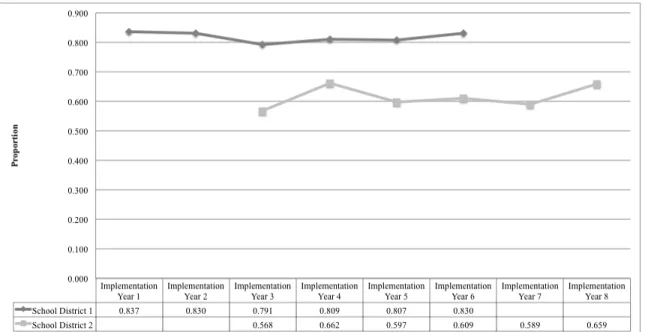
Figure 1 – Overall Proportion of Students Referred for each District
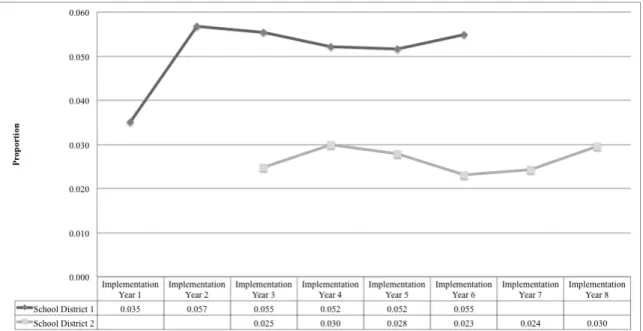
across Years of Implementation………. 62 Figure 2 – Overall Proportion of Students Eligible for Special Education
for each District across Years of Implementation... 63 Figure 3 – Overall Incidence of Learning Disabilities for each
District across all Referral Sources for Years of Implementation………. 63 Figure 4 – Total Elementary Referral Proportion for each District
across Years of Implementation………. 65
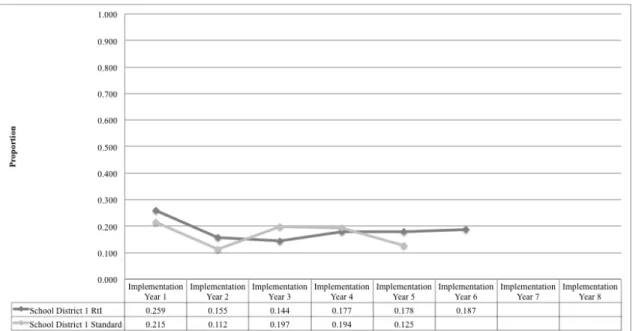
Figure 5 – Referral Proportions for RtI and Standard Elementary
Schools in District 1 across Years of Implementation………... 66
Figure 6 – Referral Proportions for RtI and Standard Elementary
Schools in District 2 across Years of Implementation………... 67
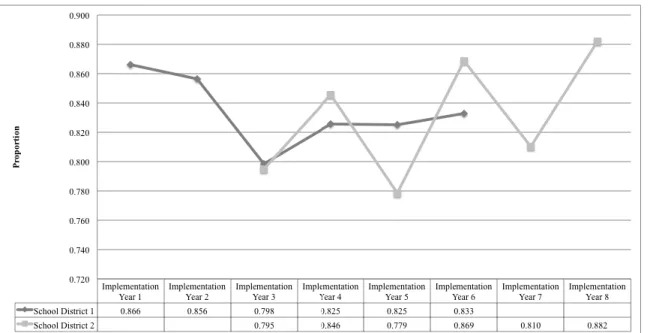
Figure 7 – Total Elementary Eligibility Proportions for each
District across Years of Implementation……… 69
Figure 8 – Eligibility Proportions for RtI and Standard Elementary
Schools in District 1 across Years of Implementation………... 71 Figure 9 – Eligibility Proportions for RtI and Standard Elementary
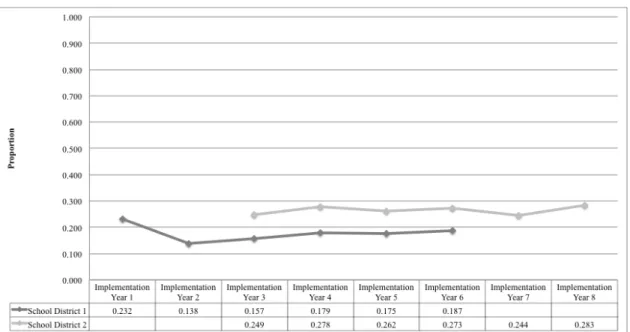
Schools in District 2 across Years of Implementation………... 71 Figure 10 – Total Incidence of LD for RtI Elementary and Standard
Elementary Schools across both Districts for Years of Implementation………... 74 Figure 11 – Incidence of LD for RtI and Standard Elementary
Schools in District 1 across Years of Implementation………... 76 Figure 12 – Incidence of LD for RtI and Standard Elementary
CHAPTER I: INTRODUCTION
Anecdotal observations support the presence of learning disabilities as far back as the 1800s, when, in 1822, Franz Joseph Gall detailed his theory of an association between brain
injury and cognitive dysfunction (Hallahan & Mercer, 2002). Other early theories and etiological explanations included brain impairment, perceptual irregularities, and
psycholinguistic deficits, all of which have contributed to our present understanding of this
construct. While the heritage of advocacy and research with regards to learning disabilities is quite substantial, the learning disabilities construct continues to elude professionals across
both research and applied settings. Acknowledgement of learning deficits in the context of intact sensory capacities and average to above cognition is real and undisputed. However, the underlying etiological factors contributing to those behavioral manifestations and the
corresponding methods of assessment are no better defined and operationalized today than they were 44 years ago when the federal government first included learning disabilities as an
area of educational classification.
Prior to the passage of PL 94-142 in 1975, all students with educational delays, regardless of etiology or differences in presentation, were subsumed under the auspices of
mental retardation or mental defectiveness within American educational settings (Binet & Simon, 1914; Kirk & Johnson, 1951; Hallahan & Cruickshank, 1973). Included within this
sensory impairments, and those whose variation in functioning would today constitute a
learning disability.
Despite an early awareness of heterogeneity of students served in the early American
educational systems, it was not until the early 1960s, in the context of significant parental advocacy, that professionals began the task of differentiating among the various academic, cognitive, sensory, and developmental profiles that were included in the mentally deficient
category (Hallahan & Cruickshank, 1973). A growing body of research documented what parents had been saying for some time, that there were, in fact, children who manifested
significant delays in specific areas, who were, in terms of functioning, qualitatively different from those with significant global delays. Two primary schools of thought regarding those children emerged, with one focused on the role of perceptual, perceptual-motor, and
attentional problems in the expression of learning disabilities, while the other focused on the psycholinguistic nature of learning disabilities.
Samuel Kirk first coined the term learning disabilities at a parent conference in 1963 (Hallahan & Cruickshank, 1973), defining the construct as “disorders in development, in language, speech, reading, and associated communication skills needed for social interaction”
(Kirk, 1975, p. 9). It was not until 1975, with significant pressure from parent advocates and in the context of a lack of pedagogical knowledge in how to best instruct children with
learning disabilities, that the federal government recognized learning disabilities as an independent disability for which special education services might be appropriate with the passage of the 1975 Education for All Handicapped Children Act that learning disabilities
learning disability as area of special education eligibility came the need for an operational
definition and diagnostic criteria.
One of the most well-known models for identifying learning disabilities, and one that
is perpetuated today, is the discrepancy model. First introduced by Marion Monroe in the 1930s and later reintroduced by Bateman in 1965, the discrepancy model posits that a learning disability is manifested when there is an appreciative difference between cognitive
aptitude and academic performance (Bateman, 1965). Though Bateman (1965) cautioned that the model was both tentative and premature, the federal government swiftly incorporated it
into the law as the primary means of identification. The model was a temporary means to provide diagnostic clarity amidst definitional ambiguity. The federal government expressed no intention of maintaining the model long-term, and government agencies were charged
with pursuing research that might augment understanding of the learning disabilities construct, as well as the most appropriate methods of assessment and diagnosis (Colker,
2011). Research has since revealed significant and inherent flaws with this model, including a wait-to-fail perspective, reactivity, and a lack of specificity with regards to the underlying construct (i.e., learning disabilities) the manifested discrepancy was presumed to represent
(Connecticut, 2010; Fletcher et al., 1994; Vellutino, Scanlon, & Lyon, 2000).
Criticisms of the discrepancy model, research demonstrating the beneficial role of
early intervention, and the rise of prevention initiatives resulted in an educational climate that was ready for change and focused on the importance of early problem identification and resolution (Lyon & Fletcher, 2001; Griffin, 2009). Another model was simultaneously
gaining popularity due to its documented success at improving student learning. The
data-driven and focused on multiple levels of intervention that varied in intensity from systems to
classroom to small group and to individual student levels (Education Evolving, 2005). Data collection and analysis is an integral part of the model, and one aspect of data collection
relates to individual student performance in the context of tailored interventions. Students who are not meeting established goals are deemed to need more intensive levels of intervention (Tilly, 2008).
The RtI model was originally intended as a means of data-driven intervention, not disability identification (Gersten & Dimino, 2006; Ikeda, 2012); however, under intense
scrutiny and a realization that students’ needs were not being met, the federal government, in 2004, introduced the Responsiveness to Instruction (RtI) model (IDEIA, 2004) as an alternate means to learning disabilities identification (Education Evolving, 2005). The model’s
data-driven decision-making process regarding when a child’s rate of learning was insufficient held promise for more accurately identifying students with learning disabilities. An added
benefit was the capacity of the model to both provide intervention to the students who needed it sooner than traditional wait-to-fail approaches and to reduce the burgeoning rates of
learning disabilities identification (Fuchs and Vaughn, 2012).
Though alluring, the aforementioned early claims are yet to be substantiated. Much research to date has focused on the essential components of a successful RtI model, the
importance of implementation fidelity, and stakeholder perceptions of the model (Fuchs & Vaughn, 2012; Harlacher & Silere, 2011; Reschly, 2005). The model was touted as a less ambiguous, and therefore, more accurate, means of identifying students with learning
the proportion of students referred to and found eligible for special education would decrease,
as was suggested by Fuchs & Vaughn (2012). However, to date, there has been little
scientific inquiry regarding the model’s impact on the proportion of students referred to and
CHAPTER II: LITERATURE REVIEW
Any consideration of the current state of learning disabilities would be incomplete
without an overview and appreciation for the evolution of this construct. Such an overview must take into account historical underpinnings and theoretical foundations, but would be grossly incomplete without delving into the definitional changes that have been central to the
conceptual development of the term. In tandem with definitional differences are the corresponding differences and concerns regarding the ways in which learning disabilities
have been evaluated and identified. European Developments
Franz Joseph Gall, credited as the father of phrenology, documented what is likely the
earliest acknowledged case of learning disabilities in the early 1800s. While Gall did not use the term learning disability, he identified an association between soldiers’ frontal lobe brain
injuries with their later development of what today would be called Broca’s aphasia. In his published work, entitled Sur les Fonctions (1822), Gall detailed his theory of the association between brain injury and cognitive dysfunction, identifying three major neurological
divisions with specific functions, including movement and sensation, the soul, and intellect (as cited in Hallahan & Mercer, 2002). Though Gall’s notion of phrenology was misguided
Several other European physicians noted observations of behavioral dysfunction that
were thought to correspond to brain localization, including Paul Broca and Carl Wernicke. Broca was a French surgeon, with expertise regarding the brain (Turkington & Harris, 2006).
In 1861 Broca published a paper documenting his findings with a patient referred to as “Tan” due to his ability to produce only this word (Benjamin, 2009). Though Tan lacked any ability to produce language, he demonstrated intact intellect and language comprehension. That is,
he could understand both spoken words and written material. Based upon his observations of patients with manifestations similar to Tan, as well as numerous post-mortem autopsies on
individuals who demonstrated expressive aphasia while alive, Broca asserted that the left frontal regions of the brain were the center for speech. This area of the brain is referred to as Broca’s area in recognition of his contribution to identifying the localization of this area
(Benjamin, 2009; Turkington & Harris, 2006).
In a similar vein, Wernicke, a Polish physician, identified the left temporal portion of
the brain that is associated with receptive aphasia (Turkington & Harris, 2006). In 1874 Wernicke published a book documenting his observation of ten patients with documented brain injury and resulting language difficulties. While Wernicke’s patients were similar to
Broca’s in terms of brain injury and linguistic dysfunction, Wernicke’s patients differed from those of Broca in two key ways. First, Wernicke’s patients suffered lesions and brain injury
in the left temporal lobes of the brain, whereas Broca’s patients suffered injury to the frontal lobe. Wernicke’s patients could both read and produce language; however, they
demonstrated difficulties in comprehension, or understanding the meaning of words and
In 1877 Adolph Kassmaul, a German physician, introduced the concept of acquired
word blindness in adults with otherwise normal intelligence who had lost the ability to read (as cited in Hallahan & Mercer, 2002). Almost twenty years later, in 1896, John
Hinshelwood and W. Pringle Morgan expanded this line of thought to include congenital word blindness with children. Despite their implication of brain differences, the belief of visual processing deficiencies as playing a causative role in learning difficulties became
dominant until disproved by later research that supported verbal deficits as the etiological foundation of reading difficulties (as cited in Hallahan & Mercer, 2002).
American Emergence
The United States demonstrated an interest in the conceptualization and measurement of their European colleagues’ brain-based observations beginning in the early 1900s, and
investigations were primarily conducted with persons with mental retardation. The American concept of learning disabilities stemmed from the research of German immigrants Alfred
Strauss and Heinz Werner with patients with mental retardation, as well as the work of Samuel Orton and Samuel Kirk. From such research emerged differentiation of exogenous and endogenous brain dysfunction (Strauss & Lehtinen, 1947), as well as an understanding of
the differences between mental retardation and an inability to learn in the absence of either sensory deficits or mental retardation. Multiple theories of learning disabilities have arisen
(Binet & Simon, 1914; Kirk & Johnson, 1951; Hallahan & Cruickshank, 1973), with the two primary schools of thought either focusing on a theoretical orientation toward perceptual, perceptual-motor, and attention difficulties (Goldstein, 1936; Strauss & Werner, 1938, 1942;
1925, 1937). Despite differences between the two schools of thought, the history of learning
disabilities, particularly within the United States, has had a predominantly
neuropsychological slant, though behavioral underpinnings are interspersed throughout.
Mental retardation. In the late 1800s and early 1900s children with learning
differences, regardless of the etiology or manifestation of those differences were collectively labeled as deficient or defective (Binet & Simon, 1914; Kirk & Johnson, 1951). In the words
of Will Monroe (1897)
An army of children – deaf, blind, mentally deficient, idiotic, epileptic, neglected,
abandoned, incorrigible, and delinquent- for the want of a better, larger term are conveniently classed defectives. Most of them, burdened with the inherent sins of a vitiated ancestry, are what they are simply because they are what they were made. (p.
220)
Monroe (1897) went on to make the case that it was the job of society to educate “these
helpless little misfits (p. 220)”, so that a “defective child…may outgrow its defect (p. 220)”. Monroe’s (1897) insight was well ahead of his time, as he wrote and practiced during an era in which such children were often ostracized and shunned, in anticipation of Darwinian
evolution ridding society of these less adapted individuals.
Great change occurred over the next fifteen years in the United States, and by 1912
there were 81 institutions for individuals with mental deficiency and 150 special education classes in New York City (Cornell, 1915). Eugenics laws limiting the rights of “feeble-minded (p. 422)” individuals, such as those sanctioning their sterilization and involuntary
Alfred Strauss, Heinz Werner, and Samuel Orton, amidst a climate of societal change and
professional growth brought on by the end of World War I and the beginning of World War II (Benjamin, 2009), would begin to demonstrate that certain subgroups of children with
mental deficiencies possessed capacities that separated them from those that were “mentally dull”.
Perceptual, perceptual-motor, and attention functions. The role of perceptual abilities in learning disabilities was founded upon the work of Kurt Goldstein, a physician who documented a number of problem behaviors, including hyperactivity, meticulousness,
background confusion, and concrete thinking, among World War I veterans who had suffered a brain injury (Goldstein, 1936, 1939). Goldstein viewed the brain through a gestalt approach, rather than in terms of localization, and his documentation illuminated the resilient capacity
of a brain-injured person to autonomously compensate for dysfunction (Goldstein, 1936). Goldstein’s observations were influential in the later works of Heinz Werner, Alfred Strauss,
and William Cruickshank, all of whom utilized Goldstein’s work as the foundation for their inquiries into the mitigating role of perceptual abilities in the manifestation of learning differences.
Alfred Strauss and Heinz Werner, two German scientists, immigrated to the United States, seeking refuge from the results of Hitler’s rise to power in Germany. Strauss and
Werner were both offered positions at the Wayne County Training School in Northville, Michigan, where they sought to investigate the existence of Goldstein’s observations of adult patients in pediatric patients with similar neurological backgrounds. Although Strauss’s
Werner focused on “children who exhibited less profound intellectual impairment (Hallahan
& Cruickshank, 1973, p. 60)” classified into two groups, exogenous and endogenous. Exogenous subtypes were thought to result from neurological impact, whereas
endogenous subtypes were from biological and familial origins (Hallahan & Cruickshank, 1973). A child was considered to manifest symptoms of exogenous mental retardation in one of two scenarios, either there was no family history of mental retardation in the context of a
positive history of prenatal, perinatal, or postnatal disease resulting in brain damage or based upon behavioral characteristics that Goldstein’s previous research had found to be associated
with brain injury, including hyperactivity, impulsivity, and distractibility (Bradley, Danielson, & Hallahan, 2013).
Despite criticism regarding the “possible circularity of forming their groups on the
basis of symptoms that were very similar to the ones on which they were then attempting to differentiate the children” (Bradley, Danielson, & Hallahan, 2013), the work of Strauss and
Werner changed the nature of services for children with mental retardation. In the words of Hallahan and Kauffman (1976):
It is important to point out here that up until this time mental retardation was
perceived as a relatively homogenous state. Consequently no differential or individual educational or psychological programming was initiated on their behalf. Dispelling
the long-standing notion that there were no individual differences among the retarded, the work of Werner and Strauss, therefore, had revolutionary impact. (p.6)
Through their work with children at Wayne County, Werner and Strauss found that
point gains on tests of intellect (Bradley, Danielson, & Hallahan, 2013). They concluded that
highly stimulating environments, while beneficial for those with endogenous mental
retardation, were less than optimal for the exogenous group whose core symptoms included
hyperactivity, distractibility, and impulsivity (Bradley, Danielson, & Hallahan, 2013). The results of Werner and Strauss’s investigations, as well as those of other
researchers, provided a preponderance of evidence that supported the notion of
perceptual-motor differences in children with exogenous mental retardation (Strauss & Werner, 1938; Strauss & Werner, 1942; Werner & Bowers, 1941; Werner & Strauss, 1939a, 1941). The
work of Strauss and Kephart (1940), later expounded upon by Strauss and Lehtinen (1947), demonstrated that exogenous children could be differentiated from endogenous children on the basis of certain personality traits, such as disinhibition, impulsivity, and social ineptitude
that characterize the behavioral deficits currently associated with hyperactivity in children. It was from the work of Werner and Strauss that a definition of learning difficulties
first emerged. Their definition was based on observable behaviors that were theorized to underlie brain dysfunction. The definition, identified as the Strauss Syndrome, introduced the idea of minimal brain dysfunction to describe children who showed a pattern of impairment
that persisted in the absence of mental retardation, hearing impairment, and emotional disabilities (Strauss, 1943). Werner (1937) suggested a functional analysis approach to
understanding the relationship between brain dysfunction and a child’s problem-solving approach, contending that a thorough knowledge of both normal child development and the progression of mental deficiency were essential. In 1939(b) Werner and Strauss expanded
Strauss and Werner’s concept of minimal brain dysfunction, while highlighting the
neurological basis for children’s intellectual and behavioral deficits, also illuminated the idea that “academic achievements can best be understood in terms of the mental processing
operations that underlie the achievement rather than as simple achievement test scores (Torgesen, 1986, p. 402).” In other words, Strauss’s brain-based understanding of learning differences contributed to the idea that the way in which a person’s brain processes the
information it receives has a profound impact on the outcomes obtained through typical evaluations. A person’s performance on a measure of achievement could not be viewed
simply in terms of its quantitative value, but also in terms of the information such performance unveiled regarding underlying cognitive constructs.
William Cruickshank, an understudy of Werner and Strauss, endeavored to replicate
the findings of Strauss and Werner with children of normal intelligence. He first demonstrated, through his personal work and that of the graduate students whom he
supervised, that children with cerebral palsy demonstrated psychological characteristics, including perceptual, perceptual-motor, and selective attention deficits, similar to those identified in students with exogenous mental retardation by Strauss and Werner (Dolphin &
Cruickshank, 1951a, 1951b, 1951c, 1952). Cruickshank’s findings provided support for the notion that brain-injured children with average and above intellect can manifest
psychological difficulties; however, “the need for a conceptual transition to the assessment of children of normal or near-normal intelligence who, while displaying behavioral
characteristics often associated with brain damage, could not assuredly be assumed to have
In the late 1950s Cruickshank, Bentzen, Ratzeburg, and Tannhauser (1961) initiated a
pilot study to evaluate the impact of Strauss and Lehtinen’s 1947 recommendations with children of normal to near normal intelligence. The study results were promising because
they demonstrated the effectiveness of the instructional methods and provided
recommendations for environmental modifications. While Strauss and Lehtinen focused on instructional recommendations, Cruickshank’s understanding of attention dysfunction led
him and his colleagues to become proponents of the idea of controlling the learning environment. His former student, Norris Haring and colleagues demonstrated the utility of
behavioral modification techniques, particularly those that controlled and taught the child to control the extraneous stimuli in the environment (Nolen, Kunzelmann, & Haring, 1967).
Newell Kephart, like Cruickshank, was a student of Strauss and Werner. Kephart
viewed learning through an evolutionary lens, believing that adaptations necessary for survival are acquired through learning (Kephart, 1960). Moreover, it was Kephart who
theorized, based on Brown and Campbell’s servomechanistic model of perceptual development and an understanding of efferent nerve conduction, that one’s perceptions cannot be separated from one’s motoric response (Hallahan & Cruickshank, 1973). Hence,
Kephart conceptualized learning disabilities as one of perceptual-motor differences, wherein the percepts cannot be separated from the resulting actions.
Psycholinguistic functions. Samuel Orton was a neuropathologist practicing in the same 1930s era as Strauss and Werner; however, whereas Strauss and Werner focused attention on perceptual-motor differences, Orton was concerned with the linguistic impact of
work” (Orton, 1925, p. 582). Eighty-eight students were referred to Orton’s clinic, with
fourteen experiencing considerable reading difficulty. Of the 88 students 15 were found to have intellectual functioning near, within, or above the average level (Orton, 1925). His
research further supported the notion that many students were erroneously identified as mentally retarded, despite measures of cognitive aptitude that were within the average range and beyond (Orton, 1925).
In 1939 Orton speculated the prevalence rates of reading disabilities to be approximately ten percent of the total population, and he developed a theory of dyslexia
wherein he emphasized the negative impact that occurred as a result of the simultaneous processing of visual information by both hemispheres of the brain; an inheritable trait he identified as mixed cerebral dominance. Mixed dominance was used to explain the
occurrence of letter reversals, confusion of palindromes, reading from right to left, and mirror reading. Orton also termed the phrase strephosymbolia as a more descriptive label for the
deficits associated with word blindness (Orton, 1925).
Based upon his research, Orton disagreed with existing instructional techniques that relied heavily on whole word instruction and sight reading, instead advocating for “thorough
repetitive drill on the fundamental of phonic association with letter forms (Orton, 1925, p. 614)” that are a part of today’s phonics instruction. He later added the importance of sound
blending in the remediation of reading disabilities, and he was a proponent of multisensory instruction. Orton suggested pairing kinesthetic with auditory by requiring children to trace letters while sounding them out (Orton, 1937). Orton’s work was influential in the careers of
Grace Fernald, like Orton, stressed the importance of multisensory instruction and
remediation; however, Fernald, in contrast to Orton, advocated a whole word approach to multisensory reading instruction (Fernald, 1943; Fernald & Keller, 1921). Fernald and Keller
(1921) were responsible for the development of the visual-auditory-kinesthetic-tactual (VAKT) of reading instruction, which prescribes five stages of problem word identification and multisensory instruction.
Marion Monroe, also a student of Orton who assisted with his 1925 clinic, conducted research comparing the methods of Orton, Fernald, and Keller. Monroe focused her work on
children with reading disabilities and multisensory intervention, as did Orton and Fernald; however, Monroe engaged in a process of systematic investigation that provided empirical support for the psycholinguistic theory (Monroe, 1932). A second contribution of Monroe
was the development of diagnostic reading tests that could be used to inform instructional strategies and techniques (Hallahan & Mercer, 2002). Her model of diagnostic-prescriptive
teaching, included analyzing error patterns in student’s reading to develop profiles that were used to inform instructional strategies. Monroe also first introduced the idea of measurable discrepancies between cognitive aptitude and academic performance, a term commonly
referred to as the discrepancy model (Hallahan & Mercer, 2002).
Perhaps one of the most influential persons in the evolution of the concept of learning
disabilities in America, and a proponent of the psycholinguistic approach, was Samuel Kirk. Kirk was a psychologist who exemplified the notion of the scientist-practitioner model in psychology long before the development of such a formal label. Kirk’s career began as an
1957; Kirk & Kolstoe, 1953), and he had a particular interest in early childhood and
development (Kirk, 1982; Kirk & Elkins, 1975). Kirk’s professional endeavors and research afforded him a prominent and respected position in the learning disabilities landscape,
representing the interests of both parent groups and the federal government. Kirk is credited as providing the lexical label of learning disabled to describe perceptually handicapped children, he was influential in the development of federal recognition and a definition of
learning disabilities, and he had a vested interest in the development and continuation of the Head Start program (Isser & Kirk, 1977; Kirk, Isser, & Elkins, 1977).
Around 1970 Kirk developed the Illinois Test of Psycholinguistic Abilities (Kirk, McCarthy, & Kirk 1968), designed to be a definitive test for learning disabilities. The ITPA was designed to focus on profiles of intra-individual differences with regards to
psycholinguistic abilities, making it much more amenable to instructional recommendations and planning. Kirk was opposed to categorical labels, such as brain injured and perceptually
disabled children, instead focusing on the intra-individual strengths and weaknesses of the children with whom he worked (Hallahan & Cruickshank, 1973).
Impetus for Change
In the 1960s and 1970s, parents, keenly aware that their children with perceptual disabilities presented with unmet educational needs, began organizing and advocating for
their children who were previously thought of as having mild mental retardation or minimal brain injury. At the same time research was accumulating which demonstrated differentiating characteristics between subtypes of mental retardation (Hallahan & Cruickshank, 1973), as
advocacy, the need for federal recognition of learning disabilities arose in the form of the
development of a national advisory committee and the inclusion of a definition of learning disabilities in the Education for All Handicapped Children Act (EAHCA).
Parent movement. In early 1963 the parents of children with perceptual handicaps convened a conference in Chicago. They sought to explore the challenges faced by such students, as well as potential solutions. One of the most influential speakers at the convention
was Samuel A. Kirk, and it was at this meeting that he made the case for and first introduced the term learning disabled to describe “children who can see and hear and who do not have
marked general intellectual deficits, but who show deviations in behavior and in
psychological development to such an extent that they are unable to adjust in the home or to learn by ordinary methods in school (Hallahan & Cruickshank, 1973, p. 4-5).”
In his address Kirk reviewed previous attempts to describe this group of children, highlighting the dichotomy of previous terms. Kirk argued that one term concerned etiology,
typically suggestive of a cerebral dysfunction, while the other focused on the behavioral manifestations of such dysfunction. Then, based upon his understanding of the purpose of the parent meeting, Kirk rationalized that since the purpose of the parents was “not to conduct
research on behavior and the brain, but to find effective methods of diagnosis, management, and training of the children (Hallahan & Cruickshank, 1973, p. 5)”, their focus should be on
behavioral manifestations and not biological etiology. Moreover, it was the charge of “research workers, neurophysiologists and physiological psychologists, to attempt to correlate the biological malfunctions with behavioral manifestations (p.5, Hallahan &
Kirk (1963) was eloquent in his explanation of the ways in which traditional
classification labels, such as brain injured, mentally retarded, aphasic, and so forth were useless with regards to the management of the disease process or remedial training. In his
words (as cited by Hallahan & Cruickshank, 1973)
I have felt for some time that the labels we give children are satisfying to us but of little help to the child himself. We seem to be satisfied we can give a technical name to a
condition. This gives us the satisfaction of closure. We think we know the answer if we can give the child a name or label – brain injured, schizophrenic, autistic, mentally
retarded, aphasic, etc. As indicated before, the term “brain injury” has little meaning to me from a management or training point of view. It does not tell me whether the child is smart or dull, hyperactive or under-active. It does not give me any clues to
management or training. The terms cerebral palsy, brain injured, mentally retarded, aphasic, etc., are actually classification terms. In a sense they are not diagnostic if by
diagnostic we mean an assessment of a child in such a way that leads to some form of treatment, management, or remediation. (p. 5)
Kirk (1963) maintained that scientific labels lead to diagnostic confusion, while behavioral
descriptions yield conceptual clarity. From such logic, he introduced the term learning disabilities to describe a group of children who have disorders in the development of
language, speech, reading, and associated communication skills needed for social interaction (as cited in Hallahan & Cruickshank, 1973).
Kirk’s understanding of learning disabilities was limited to psycholinguistic skill and
aptitude, and did not include mathematics, as do contemporary definitions. Similar to
and those with mental retardation. Kirk (1963) rationalized that the purpose of identification
was to guide intervention, and, because “methods of management and training (p.6)” already existed for these groups, they need not be included in the diagnostic label (as cited in
Hallahan & Cruickshank, 1973). Following Kirk’s address, the group organized itself as the Association for Children with Learning Disabilities and began to advocate on the behalf of children with learning disabilities (Hallahan & Cruickshank, 1973).
While Kirk’s intent was upon describing the behavior of the children presenting with disabilities in learning, the term he coined gained in popularity and momentum, giving rise to
the type of categorical label Kirk so eloquently advised against (Hallahan & Cruickshank, 1973). Though steeped in theory, the conceptualization of learning disabilities lacked the professional rigor and expertise that was observed in the evolution of mental retardation
diagnosis and treatment (Hallahan & Cruickshank, 1973). Moreover, despite empirical
support for characteristic differences between students with mental retardation and those with
learning disabilities, much of what was known or theorized about learning disabilities had stemmed from research with individuals with mental retardation and brain injury. Given the pressure of the parent organizations advocating on behalf of students with perceptual learning
differences, the growing popularity and acceptance of its existence, and the need for a
concerted response to address the needs and interests of students, the diagnosis and treatment
of learning disabilities became a premature focal point for educators, administrators, and policy makers alike (Hallahan & Cruickshank, 1973).
handicapped children, the federal government’s pursuit of a common definition to guide
school-based identification considered a greater variety of explanatory approaches. In 1968 (U.S. Office of Education) the federal government defined specific learning disabilities and
recognized it as a category for special education as follows:
Children with special learning disabilities exhibit a disorder in one or more of the basic psychological processes involved in understanding or in using spoken or written
languages. These may be manifested in disorders of listening, thinking, talking, reading, writing, spelling or arithmetic. They include conditions which have been
referred to as perceptual handicaps, brain injury, minimal brain dysfunction, dyslexia, developmental aphasia, etc. They do not include visual, hearing or motor handicaps, mental retardation, emotional disturbance, or environmental disadvantage. (p. 34)
The description provided more specificity regarding what a learning disability was not, thereby producing a lack of operationally defined parameters upon which to base a learning
disabilities classification (Kavale, 2002). As a result, practitioners and policy makers sought to identify observable behaviors upon which a learning disabilities classification might be made (Kavale, 2002).
Discrepancy Model
History and definition. In 1965 the discrepancy model previously espoused by Monroe in the 1930s, was reintroduced by Barbara Bateman as a means for the identification of learning disabilities. Bateman (1965) identified learning disabilities “as disorders in symbolic language functions (i.e., reading, speaking, writing, spelling, arithmetic) which are
model in which the purpose of assessment was to identify specific areas of difficulty, with
the intent of prescribing appropriate remediation (Bateman, 1965). Bateman (1965) was rather clear regarding the “apparent mild chaos (p. 1)” of the field of learning disabilities,
later stating that her attempts toward an integrated theoretical model were both tentative and potentially premature.
Samuel Kirk led the 1968 National Advisory Committee on Handicapped Children
(NACHC), a committee tasked with refining the learning disability term (Hallahan & Cruickshank, 1973). The NACHC provided a small change in the definition, adding the
adjective specific, in an attempt to “emphasize that ‘the learning failure was not a generalized problem like [mental retardation] but rather one predicated on the possession of only a
discrete number of deficits’” (Colker, 2011, p. 87). The implication was, for example, that a
student may have difficulties in math, but not reading or writing. Kirk’s model, based upon differential diagnosis and functional assessment, continued to emphasize the utility of the
discrepancy model for identification purposes; however, it was not until the 1994 publication of APA’s Fourth Edition of the Diagnostic and Statistical Manual of Mental Disorders (DSM-IV, 1994) that the aforementioned discrepancy was operationalized.
The DSM-IV (2004) defined a learning disability as a discrepancy in which the individual’s achievement on individually administered, standardized academic measures was
“substantially below” his level of intelligence. While this notion of a significant discrepancy was not new, the manual went on to operationalize the meaning of substantially below as “a discrepancy of more than 2 standard deviations between achievement and IQ (p. 49)”, while
earlier cautions and Congressman Lehman’s assertion that “no one really knows what a
learning disability is (Colker, 2011, p. 88)”, the discrepancy model was incorporated as the federal definition of a learning disability in 1975 EAHCA legislation.
Federal definition. The U.S. Office of Education adopted specific learning disability as an area of special education classification in 1968, relying on the definition Kirk espoused at the 1963 parent advocacy meeting in Chicago as “a group of children who have disorders
in development, in language, speech, reading, and associated communication skills needed for social interaction” (Kirk, 1975, p. 9). In 1975 the U.S. Congress adopted the Education
for All Handicapped Children Act (EAHCA), a landmark federal legislation that mandated an education for all children, regardless of disability. The government, fearing a steep and overwhelming increase in the number of students identified for and able to receive special
education services under the learning disability category, implemented temporary caps such that the number of students identified with a learning disability in any one state “could not be
more than one-sixth of all the children classified as disabled within a state (Colker, 2011, p. 88).”
Congressman Lehman, a key supporter of the EAHCA, supported the government
issued cap “until the diagnosis and definition become more clear because ‘no one really knows what a learning disability is’” (Colker, 2011, p. 88). Indeed, the congressional
definition provided a lengthy description of the symptoms typically associated with a learning disability, as well as an array of exclusionary criteria, but failed to delineate
guidelines for diagnosis. Instead, congress included a tentative and provisional definition of
definition of learning disabilities found within the federal regulations has remained relatively
stable, and was heavily influenced by Barbara Bateman’s (1965) discrepancy model.
The government’s most recent definition of learning disabilities, influenced by ideas
of both neuropsychological and information processing paradigms, defines a learning disability as “a disorder in one or more basic psychological processes involved in understanding or in using language, spoken or written, that may manifest itself in an
imperfect ability to listen, think, speak, read, write, spell, or to do mathematical calculations (U.S. Department of Education, 2004)”. The definition has remained relatively stable since
its inception in 1968, and excludes circumstances in which the primary cause of the learning difficulty is attributable to sensory deficits, motor disabilities, mental retardation, or
emotional disturbance, as well as those situations in which difficulties are attributable to
environmental, cultural, or economic disadvantages (U.S. Department of Education, 2004). The discrepancy model remained the primary identification model for more than thirty years,
despite a growing body of research undermining the basic tenets of this model, and the practitioner’s diagnostic focus included psychological processing and perceptual functioning (Fletcher et al., 1994; Siegel, 1990; Stanovick, 2005; Stuebing et al., 2002; Vellutino,
Scanlon, & Lyon, 2000).
Discrepancy model criticisms. One complaint regarding the discrepancy model is with regard to the discretion allotted to individual states in determining classification criteria. Indeed, differences in the ways in which individual states have interpreted and
operationalized the federal regulations over time have resulted in inconsistent diagnostic
Under the discrepancy model, seven states specify that there must be at least a 1.5
standard deviation variation between achievement and aptitude…New Mexico uses the 1.5 standard deviation rule for children in grade seven through twelve. The State
of Washington uses a 1.55 standard deviation discrepancy test. Minnesota and Wisconsin insist on a 1.75 standard deviation discrepancy. North Carolina [and Alabama] requires…only one standard deviation…Florida only requires 1.0 standard
deviation discrepancy for students aged seven to ten but requires 1.5 standard deviations for students aged eleven and above. (p. 97)
Colker (2011) goes on to say that, in addition to the differences in required standard
deviations among states, there also exists variance in the ways in which those discrepancies are calculated. Reschly and Tilly (1998) documented that learning disabilities prevalence
rates varied from 2.73 to 9.43 percent across the fifty states. The authors concluded that “these variations in prevalence are more likely to be related to unique state-by-state practices
regarding how children and youth with mild disabilities are identified as disabled than to real differences in student populations” (p. 21).
Indeed, a range of approaches continues to be applied across states with respect to the
discrepancy model. For example, Montana defines a severe discrepancy as a “50% or higher probability of a two standard deviation discrepancy between cognitive ability and
achievement in one or more of the areas identified [in the regulations] when adjusted for regression to the population mean (ARM 10.16.3019B)”. In Utah special education teams must report a 93% confidence level that a discrepancy between IQ and achievement exists
The reality exists that a student may be considered learning disabled by the standards
of one state and not be considered disabled according to a different state’s guidelines, particularly given considerable differences in the classification rate of learning disabilities
among individual states. For example, in Iowa 37,038 of the 61,418 or 60.26% of all students identified with a disability were classified as learning disabled. In contrast, 13,587 of the 87,977 or 13.5% of children identified with a disability in Kentucky were identified with a
learning disability (Colker, 2011). One can be certain that there is a low probability that Iowa’s population is more learning disabled than that of Kentucky. Rather, the more likely
hypothesis might be that the way in which these states determine classification for a learning disability are quite different, with Kentucky utilizing a much more stringent model than the one employed in Iowa.
A second criticism deals with individual student learning and the notion that students struggling with reading benefit from similar remedial strategies whether or not an
IQ-achievement discrepancy exists (Connecticut, 2010). Moreover, traditional discrepancy
practices may be biased toward Caucasian middle- and upper-income students (Fletcher et al., 2007; Speece, Case, & Molloy, 2003), and it may be the case that minority students, who
perform more poorly on traditional measures of aptitude, may be underrepresented in the learning disabilities population due to an insufficient discrepancy (Ysseldyke & Marston,
1999). Further, evidence suggests that testing for an IQ-achievement discrepancy often does not provide instructionally useful information and may, in fact, contribute to inadequate remedial efforts (Aaron, Joshi, Gooden & Bentum, 2008; Vaughn, Levy, Coleman, & Bos,
A third criticism pertains to the wait-to-fail bias inherent in the model. Although
children at risk for later reading failure can be reliably identified as early as the first grade (Juel, 1988; Torgesen, 2004), under the discrepancy model the majority of children identified
with a learning disability are first classified as such in the third or fourth grade (Lyon, Fletcher, Fuchs, & Chhabra, 2006). Thus, children initially struggling in the first grade must wait an average of two to three years, until such time as their achievement is sufficiently
delayed to warrant a discrepancy-based classification, despite research which demonstrates that remedial efforts at younger ages are more robust than those applied at a later time
(Fletcher et al., 1998; Fletcher et al., 2002; Gresham, 2002; Speece, 2002; Torgesen, 2004; Torgesen et al., 2001). Torgesen (2004) commented on interventions with late elementary children, noting that impairments in reading fluency, a major effector of reading success, are
often intractable for children with moderate to severe reading fluency delays, a necessary and unfortunate precursor toward assessment and intervention within a discrepancy model.
A fourth and significant criticism is with regard to the considerable measurement error inherent in the ability-achievement discrepancy (Reschly & Ysseldyke, 2002). As Restori, Katz, and Lee (2009) point out, “empirical evidence demonstrating the reliability
and validity of the IQ-achievement discrepancy model for identifying SLD is virtually non-existent” (p. 134). Moreover research by Kavale and Forness (1984) found no consistent
aptitude profile among students identified with a learning disability. A number of
discrepancy models (i.e., accomplishment quotient, formula-based, grade-level deviation, expectancy formula) have been proposed, and all are marked by questionable reliability and
Response to Intervention.
Congress addressed the aforementioned complaints regarding the discrepancy model in the 2004 reauthorization of the federal IDEA (1990) mandates by including an alternative
approach defined as responsiveness to scientific-based instruction (IDEIA, 2004). While the Responsiveness to Intervention (RtI) model was not specifically identified, it was the adopted model of many local education agencies, including the North Carolina Department of Public
Instruction (Braden & Joyce, 2008). As such, it will be the model around which the current review is focused, and RtI will refer not only to a specific implementation model, but also to
the responsiveness to scientific-based instruction agenda in general.
While federal regulations implemented RtI as a means of learning disabilities identification, the RtI model, as it was originally developed, was never intended as such
(Gersten & Dimino, 2006; Ikeda, 2012). Rather, as Ikeda (2012) eloquently explains, “RTI evolved out of a paradigm in which assessment data were used to support instructional
interventions rather than diagnose disabilities” (p. 274). Moreover, the inclusion of RtI, intended to provide further guidance and specification regarding the definition and characteristics of a learning disability, in its implementation created confusion and a
widening of classification practices amongst states (Gersten & Dimino, 2006; Ikeda, 2012). RtI History. The RtI model has theoretical underpinnings similar to those applied within a public health framework. Within the public health setting exists an idea of universal, selected, and indicated actions with the intended goal of risk assessment and disease and disorder prevention (Simeonsson & Pan, 2013). Similarly, RtI approaches student needs from
educational contexts for the purpose of systematically identifying and addressing academic
and behavioral problems through a tiered service delivery system (Education Evolving, 2005). RtI was not applied to educational settings until the late 1990s (Texas Council for
Developmental Disabilities, 2008); however, psychologists theorized the application of a prevention/intervention model in education as early as the 1970s, and the current educational framework is founded on Bergen’s earlier consultative model (Texas Council for
Developmental Disabilities, 2008). The problem-solving model alone, however, lacked systematic data collection upon which to evaluate hypotheses and interventions (Tilly, 2008).
Thus, continued educational and psychological research lead to the development of an improved problem-solving model that was steeped in hypothesis development and revisions based upon data collection and analysis, or, the RtI model (Texas Council for Developmental
Disabilities, 2008).
RtI initially emerged within the educational arena due to concerns with the ways in
which students’ academic and behavioral needs were addressed, often inadequately, as well as the over-identification of students as learning disabled (Lyon & Fletcher, 2001; Griffin, 2009). It was meant to allow students access to necessary interventions based upon individual
need (Buffum, Mattos, & Weber, 2010; Ikeda, 2012), and has been described as a multi-tiered system of data collection, analysis, and intervention (Tilly, 2008). Given its loose
association with the multi-tiered nature of public health prevention frameworks, the RtI educational model’s guiding premise focused on the prevention of learning and behavioral disabilities, through a multi-tiered, problem-solving model that was thought to be both more
Upon implementation in the schools, however, RtI became not only a means of
intervention, but a method of identifying disabilities as well (Education Evolving, 2005). Moreover, it was purported that implementation of the RtI model would afford the added
benefit of reducing special education referrals, a goal the federal government had been trying to obtain since EAHCH’s inception in 1975, particularly reducing the incidence rate of learning disabilities (Fuchs & Vaughn, 2012). However, as Ikeda (2012) notes, “‘Sorting’
kids through tiered level of intervention, so that ‘the truly LD’ are identified, is not the point of RTI…This is the real power of RTI: having ambitious goals, implementing rigorous
instruction, and using data to judge effect” (p. 276).
RtI intervention model. Within an RtI model the primary or universal tier provides the same preventative strategies and screenings to the entire student population (Education
Evolving, 2005), and it is expected that 80 to 90 percent of students’ educational needs will be sufficiently provided for at this level (Tilly, 2008). For example, all students may receive
45 minutes of a district-approved, research-based literacy curriculum within their regular education setting. The curriculum is universal, in that it is provided to all students, and it is preventative in that it teaches children the literacy skills essential for reading success (Tilly,
2008). In addition to a universal curriculum, all students are screened at the primary or universal level in an effort to identify those who may be at-risk for some type of academic
failure. Universal screenings typically consist of short, approximately one-minute fluency probes that are administered to all students within a grade, school, district, and so on. Student performance on such measures is compared to criterion norms to determine whether they are
2005; Fuchs, 2004; Fuchs & Fuchs, 2007; Johnson, Mellard, Fuchs, & McKnight, 2006; Tilly,
2008).
The second tier within the RtI model typically contains five to ten percent of a total
student population (Shapiro, 2008; Tilly, 2008). When this percentage is greater than five to ten percent, then changes to the universal prevention may be indicated. Students found to be at-risk of academic failure, based upon their performance on the universal screening
measures administered as a part of the universal assessment plan are administered diagnostic assessments to further delineate areas of pronounced difficulty. Following these diagnostic
assessments, students are grouped into small groups according to their area of need. Evidence-based interventions are matched to observed student deficits, and only those students demonstrating academic risk receive the indicated intervention. The focused
instruction will likely be provided in smaller groups of three to six students in the general education classroom. This tier may be considered preventative in that it teaches children the
academic skills essential for remediating their difficulties and preventing the full-blown manifestation of a disability. Progress monitoring data is collected for all students receiving selected intervention, typically with a fluency probe similar to those used for universal
screening. The progress monitoring data is reviewed on a regular basis, and instructional initiatives are adjusted accordingly. Students who demonstrate limited progress at this level
are then referred to the third tier of response (Fuchs & Fuchs, 2007; Johnson, Mellard, Fuchs, & McKnight, 2006).
The third tier within the RtI framework is typically composed of one to five percent
assessment to further delineate the nature of their academic difficulties and determine the
possibility of an underlying disability. Intervention is provided at this level as well, though typically on an individual basis or in groups of two to three students with similar deficits.
Student’s progress is monitored similar to the monitoring described in tier two.
While the goal of RtI is to both identify students who are struggling with learning sooner than would occur with traditional referral and assessment methods, and then to
provide intervention more rapidly than conventional wait-to-fail approaches (Fuchs & Vaughn, 2012), the implementation of RtI, in terms of screening, prevention, and
intervention has been inconsistent (Reschly, 2005). There is both a lack of consistency with regards to the components that are deemed essential and necessary to include within an RtI model (Colorado Department of Education, n.d.; Kansas Multi-Tier Systems of Support, n.d.),
as well as the ways in which those components are operationalized and implemented. This lack of agreement upon what constitutes the core components of the model, as well as
inconsistent implementation of those components has resulted in considerable variation. A synthesis of the literature on the implementation of RtI suggests that, at its most basic level, the core components of an RtI model may include data-based decision making,
universal screening, frequent progress monitoring, and multilevel intervention and instruction (Fuchs & Fuchs, 2007; Harlacher & Siler, 2011; Stollar et al., 2008). However, it is difficult
to separate these ideas from their indirect counterparts, including the need for professional development and staff buy-in within the context of a collaborative, team-based approach to planning, data analysis, and intervention implementation. Care must also be given to resource
that all components must be implemented with a high degree of fidelity using evidence-based
practices (National Center on Response to Intervention, 2010).
Harlacher and Siler (2011) completed a qualitative analysis of available literature
pertaining to RtI to delineate the various factors that may be related to a successful RtI model. Their results outlined thirteen factors associated with successful RtI implementation,
including professional development, staff buy-in, leadership, time for collaboration, broad
ownership, resources/infrastructure, accountability for using practices, family involvement, proactive navigation of barriers, clarity of utilized language, clear policies and procedures,
collaboration with pre-service training, and time for implementation. Of the thirteen, Harlacher and Siler (2011) found that the most often referenced components included professional development (55%), staff buy-in (50%), leadership (45%), time for
collaboration (45%), and broad ownership (40%). Stollar et al. (2008) highlighted additional considerations, including focusing on systems change, comprehensive and systematic
implementation with on-going technical assistance and support, and planning for sustainability.
RtI as a diagnostic model. The transition of the RtI model from intervention to diagnostic occurred in response to the government’s need to more consistently and accurately identify students with learning disabilities (Gresham, VanDerHeyden, & Witt, 2005). For 44
years the learning disabilities definition had remained relatively close to resembling the definition espoused by Kirk at the 1963 parent convention (Education Evolving, 2005), and government officials were increasingly aware of the inherent flaws of the