SOCIAL CAPITAL AND COMMUNITY HEALTH CLUBS IN HAITI
Jason Rosenfeld
A dissertation submitted to the faculty at the University of North Carolina at Chapel Hill in partial fulfillment of the requirements for the degree of Doctor of Public Health in the Department of Health Policy and Management in the
Gillings School of Public Health.
Chapel Hill 2019
Approved by:
Leah Frerichs
Pam Silberman
Geni Eng
William Story
iii ABSTRACT
Jason Rosenfeld: Social Capital and Community Health Clubs in Haiti (Under the direction of Leah Frerichs)
One challenge facing WASH programs is that water and sanitation infrastructure are generally collective goods, while WASH behaviors involve individual responsibilities nested within collective norms. Social capital is theorized to facilitate collective action and enhance the diffusion of WASH-related behavioral interventions by enhancing social cohesion and collective action.
We used a mixed methods study to assess the relationship between social capital and a Community Health Club (CHC) program. We conducted a secondary analysis of data from a quasi-experimental evaluation of a CHC program in Haiti and held six focus groups with program participants and implementers. We used multi-level linear regression models to determine the impact of the intervention on WASH knowledge, behaviors and social capital, and the influence of social capital on changes in WASH knowledge and behaviors. We used inductive and deductive methods to analyze qualitative data where participants identified and described the factors that influenced perceived changes in WASH behaviors and collective action.
v
To my amazing wife and children who supported me throughout this journey. Thank you for all your patience, love and encouragement…
ACKNOWLEDGEMENTS
I would first like to thank Dr. Leah Frerichs for her patience and mentorship throughout this endeavor. I never would have completed this work without your consistent encouragement and thoughtful insights. Next, I would like to thank my director, colleague and friend, Dr. Ruth Berggren, for not only encouraging me to pursue this degree, but also for providing the necessary time and support to complete this degree while working full-time. To my colleagues in Haiti, Marie Ruthza Flavienne Vincent and Jude Francois, you inspire me. My passion for community health comes in part from your leadership and desire to see all Haitians lifted out of poverty through health education and community empowerment. To Blondel Joseph, Jacob Michel, Pierre Christelle Ciceron and Makenzy Bouloute, thank you for helping me collect the data for this research. Each of you was a vital member of this research team from whom I learned so much. To my colleagues at the Center for Medical Humanities & Ethics, thank you for three years of support and understanding as I worked to complete this program. Last, but certainly not least, to all of the CHC members, facilitators and supervisors in Haiti, thank you for your dedication to the
vii
TABLE OF CONTENTS
LIST OF TABLES ... xi
LIST OF FIGURES ... xii
LIST OF ABBREVIATIONS ...xiii
LIST OF DEFINITIONS ... xiv
CHAPTER 1: BACKGROUND ... 1
Water, Sanitation and Hygiene (WASH) ... 1
Effects of Inadequate WASH ... 2
WASH Strategies ... 3
Tragedy of the WASH Commons ... 5
Social Capital ... 6
Social Capital and Health ... 7
Social Capital and WASH ... 8
Community Health Clubs ... 9
Theory ... 10
Implementation ... 11
Study Context ... 13
Research Question ... 14
Specific Aims... 14
CHAPTER 2: LITERATURE REVIEW ... 15
Literature Review 1: Social Capital and WASH ... 15
Methods ... 15
Results ... 16
Synthesis ... 18
Methods ... 19
Results ... 20
Synthesis ... 25
CHAPTER 3: METHODS ... 27
Conceptual Model ... 27
Study Methods ... 28
Quantitative Methods: Aims 1 and 2 ... 29
Secondary Database ... 29
Secondary Analysis Methods ... 36
Data Sharing & Management ... 40
Qualitative Methods: Aim 3 ... 40
Research Assistant Training and Pre-Testing Procedures ... 41
Sampling Procedures ... 41
Principle Themes & Discussion Procedures ... 43
Analysis ... 46
Institutional Review Board ... 48
CHAPTER 4: RESULTS ... 49
Quantitative Results ... 49
Study Demographics ... 49
Hypothesis 1a... 52
Hypothesis 1b ... 52
Hypothesis 2... 56
Qualitative Results ... 56
Sample Demographics ... 56
Major Themes ... 57
Social Capital & CHCs ... 63
Conceptual Framework ... 71
ix
WASH Behaviors ... 75
Social Capital... 76
Qualitative Results ... 79
CHCs and Social Capital ... 79
Social Capital and CHC Participation ... 82
Social Capital, WASH Knowledge and Behaviors ... 83
Social Capital and Collective Action ... 85
Combined Results ... 86
Limitations ... 88
CHAPTER 6: PLAN FOR CHANGE ... 90
Recommendations ... 90
CHC Specific Recommendations ... 91
International WASH Research ... 97
Plan for Change ... 99
Establish Urgency ... 100
Build Coalition ... 103
Create a Vision ... 104
Communicate the Vision ... 105
Empower Others to Act ... 106
Short-Term Wins ... 107
Consolidate Improvements ... 108
Institutionalize Change ... 109
APPENDIX 1: COMMUNITY HEALTH CLUB MEMBERSHIP CARD ... 111
APPENDIX 2: SAMPLE IMAGES FROM THE COMMUNITY HEALTH CLUB TOOLKIT ... 113
APPENDIX 3: DESCRIPTION OF CHC PARTICIPATORY ACTIVITIES ... 116
APPENDIX 5: DATA DICTIONARY ... 120
APPENDIX 6: HYGIENE INDEX ... 126
APPENDIX 7: CATPCA RESULTS... 127
APPENDIX 8: QUALITATIVE SAMPLING TABLES ... 128
APPENDIX 9: CLUB MEMBER FOCUS GROUP DISCUSSION GUIDE ... 129
APPENDIX 10: CLUB FACILITATOR FOCUS GROUP DISCUSSION GUIDE ... 133
APPENDIX 11: CLUB COORDINATOR & MANAGER FOCUS GROUP DISCUSSION GUIDE ... 137
APPENDIX 12: EXAMPLE THEMATIC MATRIX ... 142
APPENDIX 13: QUALITATIVE CODE BOOK ... 143
xi
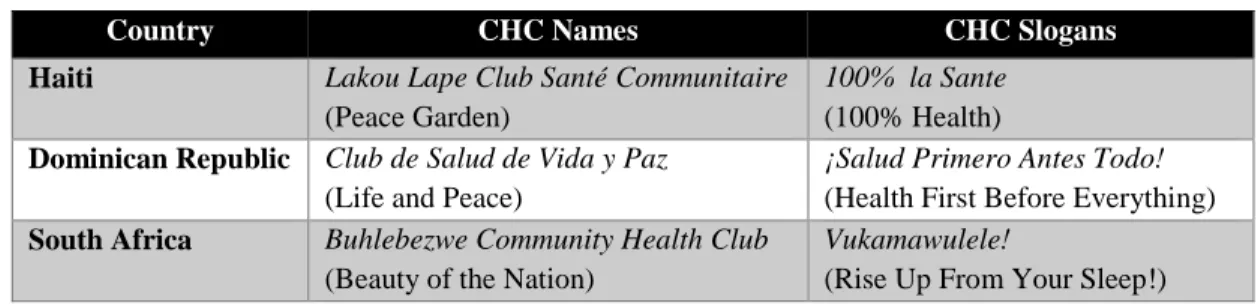
Table 1: Examples of CHC names & slogans ... 12
Table 2: Social capital & WASH literature review search terms ... 15
Table 3: Social capital and WASH literature review inclusion & exclusion criteria ... 16
Table 4: CHC literature review search terms ... 19
Table 5: CHC literature review inclusion and exclusion criteria ... 19
Table 6: CHC sampling strategy for facilitator and member discussions ... 43
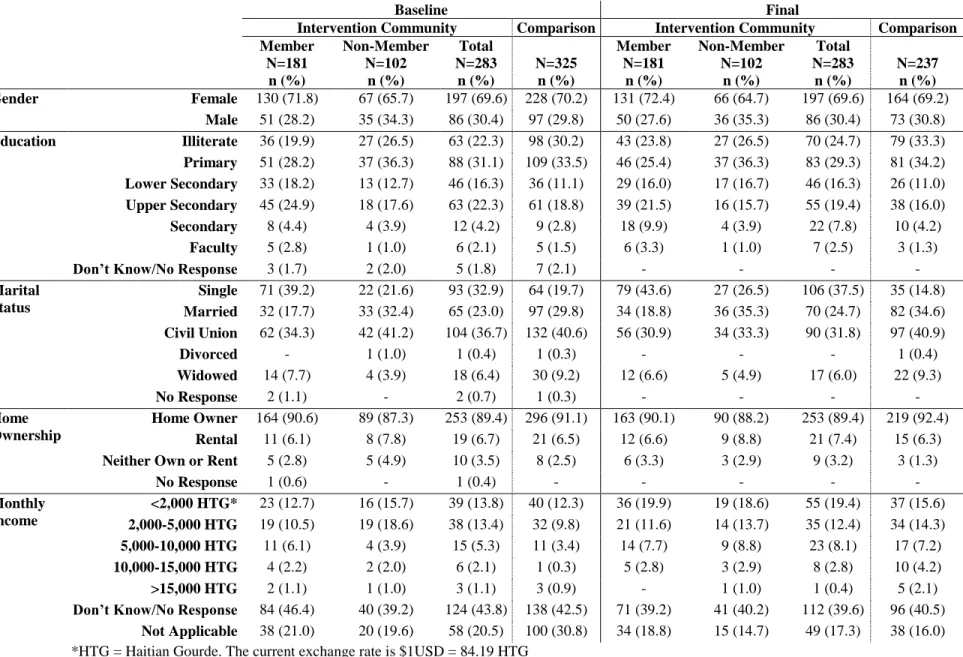
Table 7: Baseline and final study demographics by respondent type and intervention status – categorical variables ... 50
Table 8: Baseline and final study demographics by respondent type and intervention status - continuous variables ... 51
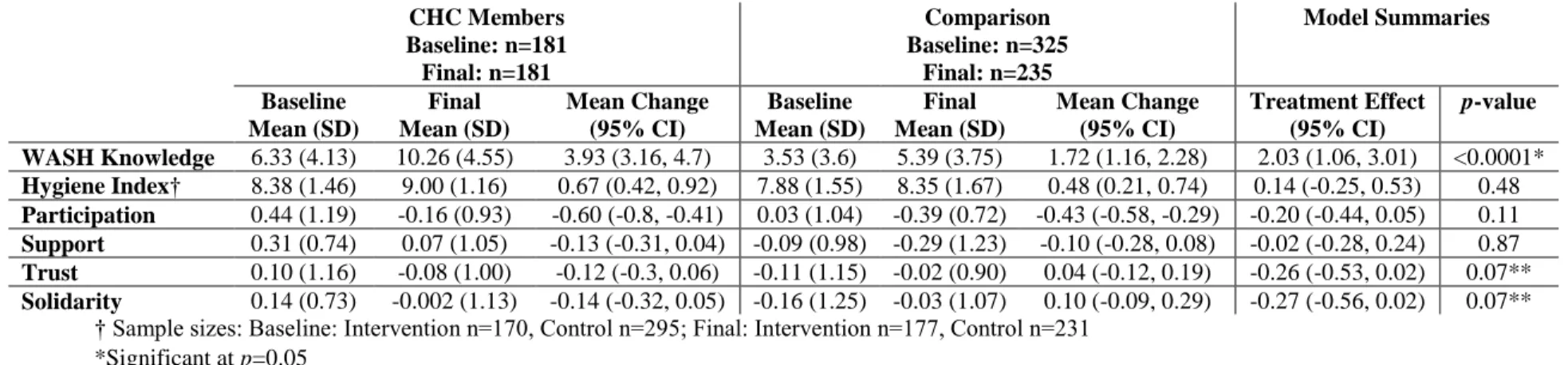
Table 9: Average baseline and final scores for dependent variables, mean change from baseline to final for dependent variables, and regression model summaries for H1a (Full Intervention v Comparison) ... 53
Table 10: Average baseline and final scores for dependent variables, mean change from baseline to final for dependent variables, and regression model summaries for H1a (CHC Members vs Comparison)... 53
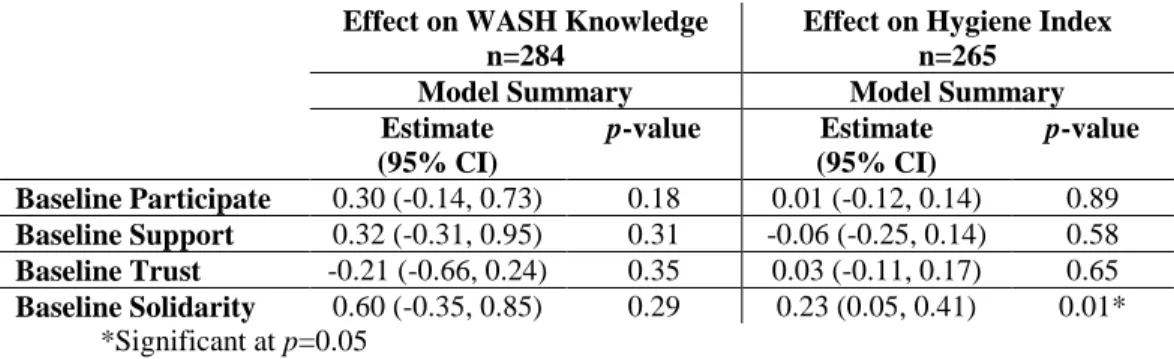
Table 11: Regression model summaries for H1b (Full Intervention v Comparison) ... 54
Table 12: Regression model summaries for H1b (CHC Members v Comparison)... 54
Table 13: Regression model summaries for H1b with interaction (Full Intervention v Comparison) ... 55
Table 14: Regression model summaries for H1b with interaction (CHC Members v Comparison) ... 56
Table 15: Focus group discussion participant demographics ... 56
Table 16: Major qualitative themes, descriptions and representative quotes ... 57
Table 17: Recommendations for CHC program implementation, monitoring and evaluation, and global WASH research priorities ... 90
LIST OF FIGURES
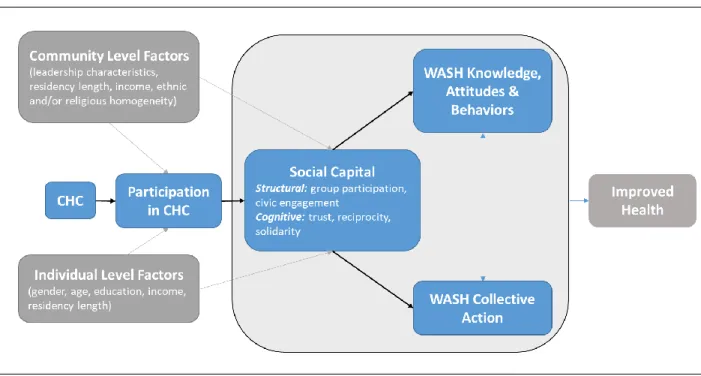
Figure 1: Conceptual model describing the relationship between social capital and WASH knowledge, attitudes, and practices and WASH collective action in
the CHC model. ... 27
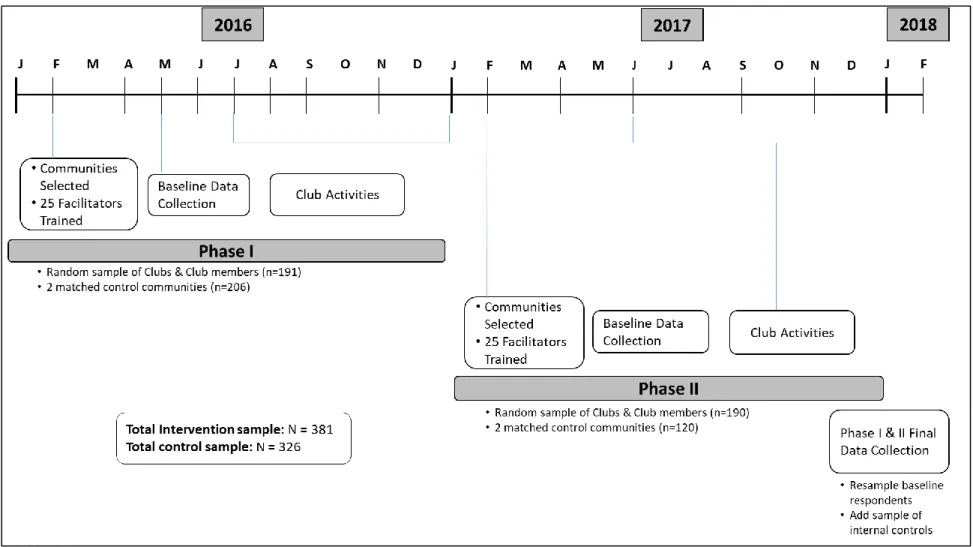
Figure 2: CHC program & evaluation design (2016-2017) ... 30
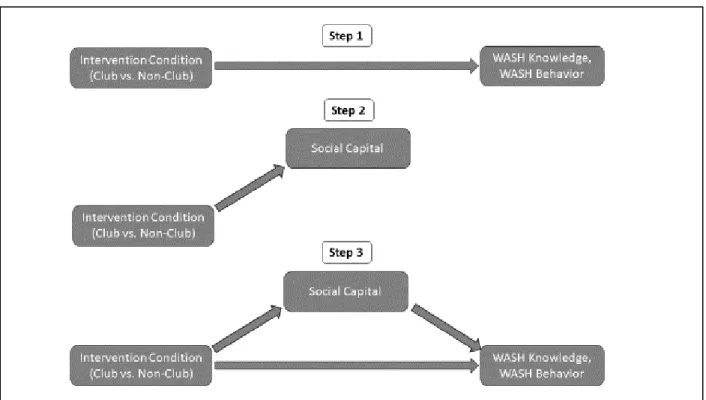
Figure 3: Relationship between variables in mediation analysis ... 39
Figure 4: Sequential qualitative data collection process ... 42
Figure 5: Annotated behavior over time graph from CHC member discussion about defecation behaviors ... 66
xiii
CATPCA Categorical Principle Component Analysis
CHC Community Health Club
CLTS Community Led Total Sanitation
CMHE Center for Medical Humanities & Ethics
DINEPA Direction Nationale de l’Eau Potable et de l’Assannisement (National Directorate for Drinking Water and Sanitation)
JMP Joint Monitoring Program
KAP Knowledge, Attitudes and Practices
PAHO Pan American Health Organization
PHAST Participatory Hygiene and Sanitation Transformation
MDG Millennium Development Goals
SDG Sustainable Development Goals
SOCAT World Bank Social Capital Tool
UNC University of North Carolina
UNICEF United Nations International Child Education Fund
USAID United States Agency for International Development
UT Health SA University of Texas Health Science Center at San Antonio
WASH Water, Sanitation and Hygiene
LIST OF DEFINITIONS
Collective Efficacy: the belief individuals within a group or community have about the extent they can control and
influence things or take coordinated and interdependent action on issues that affect their neighborhoods. Conceptually similar to social capital, and oftentimes considered as a dimension of social capital
Community Engagement: more than active participation in a program or intervention, includes involvement in
intervention design or implementation
Least Developed Country: low-income countries confronting severe structural impediments to sustainable
development that are vulnerable to economic and environmental shocks and have low levels of human assets
Millennium Development Goals (MDG): eight goals with a target date of 2015 that formed the blueprint for
international health and development programs agreed to by all the world’s countries and all the world’s leading development institutions.
Social Capital: a public good that is a by-product of social relationships and can generate positive externalities
facilitating cooperation for achieving mutual goals. Social capital includes the tangible (financial, social, material) and intangible (trust, norms, knowledge/information) resources that individuals and groups have access to through their social networks. Is comprised of the concepts listed below:
Bonding Capital: the network ties between people with common social identities and serves as a source of
help and support. This can be operationalized as links between members of the same church, year of study at school or socio-economic status.
Bridging Capital: the weaker, horizontal ties connecting people to different social networks, identities and
characteristics. This can be operationalized as linkages or connections with people or groups outside of your church membership.
Cognitive Social Capital: describes the quality of the relationships via trust and reciprocity
Collective Action: where people join together to achieve a common, collective objective; action that a
xv organization and a government ministry.
Social Cohesion: the extent of connectedness and solidarity among groups. The absence of latent social
conflict and the presence of strong social bonds
Structural Social Capital: related to social participation (civic engagement) and organizational affiliation
Sustainable Development Goals (SDG): the set of 17 goals as part of a new sustainable development agenda, and a
continuation of the progress made under the MDGs, that call for action by all countries, poor, rich and middle-income to promote prosperity while protecting the planet.
WASH Collective Action: Individual and collective WASH practices, including hand washing, drinking water
storage, defecation practices, kitchen hygiene practices and environmental management.
WASH Knowledge, Attitudes, and Practices (KAP): knowledge about WASH disease transmission (i.e., diarrhea,
CHAPTER 1: BACKGROUND
Water, Sanitation and Hygiene (WASH)
Global access to clean water and safe sanitation has improved significantly since 1990, when the World Health Organization (WHO) and the United Nations Children Fund (UNICEF) began tracking global statistics (WHO & UNICEF, 2017). In 1990, global access to improved water sources (i.e., sources that are protected from contamination by nature of its construction or through active intervention), and improved sanitation facilities (i.e., facilities that hygienically separate human excreta from human contact) stood at 76% and 54%, respectively (WHO/UNICEF, 2015). In 2010, world leaders agreed to the Millennium Development Goals (MDG), which accelerated progress in the water, sanitation and hygiene (WASH) sector. As of 2015, 91% of the global population had access to an improved water source and 68% had access to improved sanitation facilities (WHO/UNICEF, 2015). We now have the Sustainable Development Goals (SDG), which seek to attain the goals of universal access to basic water (improved source with less than 30 minute collection time), sanitation (improved facilities that are not shared with other households), and hand washing services (hand washing facility with soap and water, available on premises) (WHO & UNICEF, 2017). Although our collective achievements under the MDGs were impressive, 844 million people remain without access to basic drinking water sources and 2.3 billion people remain without access to basic sanitation services, 892 million of whom continue open defecation (WHO & UNICEF, 2017). Furthermore, progress has been uneven, with least developed countries lagging behind and a growing disparity between urban and rural communities.
2
communities have greater accessibility than rural communities to safe water sources (81% versus 40%) and sanitation facilities (37% versus 22%) (WHO & UNICEF, 2017). Natural disasters such as the 2010 earthquake, which destroyed water and sanitation infrastructure in Port-au-Prince and the surrounding communes, and Hurricane Matthew in 2016, which devastated the southern portions of the island, are partially responsible for this situation (Gelting, Bliss, Patrick, Lockhart, & Handzel, 2013).
Effects of Inadequate WASH
The impact of inadequate WASH is significant, affecting individual and collective health status,
educational attainment, and economic growth. Approximately 4.2% of global morbidity is attributable to inadequate WASH, the majority of which is associated with infectious diarrhea, which disproportionally affects children under the age of five (Pruss-Ustun et al., 2014; Prüss-Üstün, Bos, Gore, & Bartram, 2008). In fact, diarrheal diseases kill more children under the age of five each year than HIV/AIDS, tuberculosis and malaria combined (Boschi-Pinto, Velebit, & Shibuya, 2008). In Haiti, lack of access to safe drinking water combined with high rates of open defecation after the earthquake contributed to the severity and rapid spread of a cholera epidemic. The epidemic began in October 2010 and resulted in 809,262 suspected cases and 9,568 reported deaths through the end of 2017 (Pan American Health Organization/World Health Organization, 2017). But the burden of WASH-related diseases goes beyond diarrhea (Cairncross et al., 2010; Fewtrell et al., 2005; Luby et al., 2004) and include acute respiratory infections (Luby et al., 2005), malnutrition (Clasen et al., 2014; Dangour et al., 2013; Humphrey, 2009; Ngure et al., 2014) and neglected tropical diseases (Freeman et al., 2013) such as trachoma (Stocks et al., 2014) and parasitic infections (Clasen et al., 2014; Esrey, Potash, Roberts, & Shiff, 1991).
This burden of disease has long-term effects on the human and economic potential of entire countries. The United Nations Development Program estimates that 443 million school days are lost every year, with
also affects cognitive function and school performance (Korpe & Petri, 2012; A. Lin et al., 2013; Ngure et al., 2014). Further, women and girls not only bear the majority of the time and energy burden associated with water and household sanitation, contributing to limited attainment of education and lost economic opportunities, but they also face the risk of violence during the long treks collecting water or when seeking privacy to answer nature’s call (Pearson & McPhedran, 2008; Sorenson, Morssink, & Campos, 2011).
Inadequate human development in turn contributes to lower economic growth. The per capita GDP growth of poor countries with improved access to water and sanitation is much higher than that of equally poor countries without improved access (3.7% and 0.1%, respectively) (Hutton & Bartram, 2008). Finally, both households and health systems share the economic costs of this disease burden. The health costs amount to an estimated $340 million for households lacking water supply and sanitation and $7 billion for national health systems (Hutton & Haller, 2004). Unfortunately, these health and economic costs disproportionately affect poor and vulnerable households, reinforcing a vicious cycle of poor health, poverty, and underdevelopment.
WASH Strategies
4
are obvious, WASH promotion interventions typically aim to do one or more of the following: 1) empower individuals, school children and/or entire communities with knowledge; 2) enable a change in behavior (including appropriate use and maintenance of sanitation facilitates; safe disposal of feces; proper hand washing; clean water use and storage and control flies and other insect vectors); 3) create demand for services; 4) facilitate the
establishment of supply chains for water or sanitation; and 5) improve the planning and implementation of hygiene and sanitation projects (Brown, Cavill, Cumming, & Jeandron, 2012; Carr & Strauss, 2001; Peal, Evans, & van der Voorden, 2010). Billions of dollars have been invested in technical solutions to WASH. However, much less has been invested in health promotion approaches that address the social and institutional barriers to effective WASH programs (Esrey et al., 1991; Fewtrell et al., 2005).
Tragedy of the WASH Commons
One of the unique challenges of WASH programs is that water and sanitation infrastructure are generally collective goods, while WASH behaviors are a combination of individual responsibilities nested within collective norms, values and culture (Dreibelbis et al., 2013). This can lead to what has been characterized as the ‘tragedy of the commons’ where individuals behave in narrow, self-interested ways related to their use, investment in, and protection of collective goods (Hardin, 1968; Kähkönen, 1999; McGranahan, 2015; Winters, Karim, &
Martawardaya, 2014). In other words, communities are unable or fail to take collective action, where people join together to achieve a common, collective objective (Olson, 1965). For water, individuals have little incentive to contribute to the construction, operation and maintenance of water services because it can be difficult to exclude or penalize those who do not contribute to or participate in the construction or operation of a water point. This issue has a slight twist with sanitation. The incentives for individuals to construct a latrine are low if the rest of a community continues to openly defecate, since the risk for exposure to fecal matter will remain the same (McGranahan, 2015). Finally, WASH behaviors are not determined solely by individual, rationale choice, but rather shaped and
constrained by a complex mixture of individual, social, and environmental factors (Jeyakumar & Ghugre, 2017; WASHplus, 2016; Webb et al., 2006). As a result, one individual alone might find it difficult to change their hand washing or defecation practices unless the wider community applies social pressure, sanctions or stigmatizes individuals in an effort to force behavioral deviants to adhere to a common healthy practice.
6
which experts have yet to agree upon a standard definition (Bourdieu, 1986; Coleman, 1988; Putnam, 1995). It is broadly agreed that social capital is a by-product of social relationships and that it is a public good that can generate positive externalities, which facilitate cooperation for achieving mutual goals (Eriksson, 2011; Kawachi, Kennedy, Lochner, & Prothrow-Stith, 1997; Schuller, Baron, & Field, 2000). Like human and physical capital, social capital is theorized as a communal asset that can be accrued or lost and can generate future benefits (Ostrom & Ahn, 2007). However, social capital also has the potential to create negative consequences, including exclusion of outsiders (homogenous groups that exclude those outside the boundaries of their ethnic, religious, or economic descriptors), excess claims on and expectations of group members (overburdening members of the group by asking them to do too much), restrictions on individual freedoms (demands for conformity can lead to a loss of individual freedom), and downward leveling norms (a belief that things cannot change, resulting in reduced expectations and
maintenance of the status quo) (Portes, 1998).
The empirical literature is split into those who treat social capital from a network perspective (structural social capital) and those who define the concept from a social cohesion (cognitive social capital) perspective (Harpham, Grant, & Thomas, 2002; Kawachi et al., 2010). Although there is widespread agreement that both approaches are necessary, the majority of research on social capital and public health has emphasized the social cohesion approach (Spencer Moore, Shiell, Hawe, & Haines, 2005). The network perspective of Bourdieu and Coleman emphasizes the resources that are embedded within an individual’s social network (Carpiano, 2008). This perspective refers to an individual’s actions and behaviors, in particular the composition and extent of engagement in group and social network membership, and the resources embedded within those networks (Harpham et al., 2002). The literature operationalizes structural social capital as group membership and social networks, which itself is comprised of bonding, bridging and linking capital. Bonding capital describes the network ties between people with common social identities and serves as a source of help and support. Bridging capital describes the weaker ties connecting people to different social networks, identities and characteristics, while linking capital describes the bridging ties between power hierarchies (Harpham et al., 2002).
resources available to the group like trust, reciprocity, and other norms (Kawachi et al., 2010; Putnam, 1995). The social cohesion perspective emphasizes the contextual influences of the collective exerted on the individual (Kawachi & Berkman, 2000). Putnam (1995) theorized that communities with greater stocks of generalized trust, civic engagement, and reciprocal norms would be more likely to have positive economic, political and social outcomes. If structural capital is what people do, then cognitive social capital describes how people feel (Harpham et al., 2002).
Social Capital and Health
Social capital has been a key concept in public health and social epidemiology for 20 years (Moore & Kawachi, 2017). In general, the evidence suggest that individuals with more social capital have better health and live longer (Kawachi, Subramanian, & Kim, 2008; Murayama, Fujiwara, & Kawachi, 2012). The results of a recent meta-analysis suggest that there is a strong, positive association between social capital and self-rated health and mortality (Gilbert, Quinn, Goodman, Butler, & Wallace, 2013). Further, social capital has been empirically linked to a number of health and health-related outcomes, including improved child development and well-being (Keating, 2000), improved mental health (Bullers, 2001; Kawachi & Berkman, 2001; Lin, Ye, & Ensel, 1999), lower violent crime rates (Hagan, Merkens, & Boehnke, 1995; Sampson, Morenoff, & Earls, 1999), reduced mortality (Kawachi et al., 1997), and higher perceived well-being and self-reported health status (Ellaway & Macintyre, 2000; Helliwell, 2003; Kawachi, Kennedy, & Glass, 1999; Raphael et al., 2001; Sevigny, Belanger, & Sullivan, 1999).
8
social control); through reciprocity exchanges; and diffusion of innovations and information via social networks (Kawachi et al., 2010). Higher levels of social capital are thought to facilitate collective action by lowering the costs associated with such action and by reducing the problem of free riding, or obtaining a benefit at the expense of others (Cameron, Olivia, & Shah, 2015; Casey, Glennerster, & Miguel, 2012). Social capital also facilitates the transmission of knowledge about other’s behaviors and reduces problems of opportunism, thereby enhancing the effectiveness of behavior change programs (Cameron et al., 2015).
However, the mechanisms by which social capital influences health outcomes appear to differ depending upon the level at which social capital is measured: individual or collective. Social capital is theorized to influence health outcomes at an individual level through social influence, social engagement and exchanges of social support, while at a communal level social capital is theorized to influence health outcomes through collective socialization, collective efficacy and informal social control (Berkman & Glass, 2000; Cohen, Underwood, & Gottlieb, 2000). Two systematic reviews have noted that the strongest associations are between individual measures of social capital and health, while the relationship between collective or community social capital and health are inconclusive (Islam, Merlo, Kawachi, Lindström, & Gerdtham, 2006; Kawachi et al., 2008). More research is required to understand the mechanisms and elucidate the connections between health outcomes and social capital as measured at the individual and collective levels.
Social Capital and WASH
levels of social capital in a community, prior to the implementation of a WASH intervention, have been documented to effect the success of WASH interventions (Cameron et al., 2015; Isham & Kahkonen, 2002; Kähkönen, 1999).
The relationship between social capital and WASH has important implications for how to select communities for interventions and intervention design in communities with low social capital. This is especially important for least developed countries where levels of social capital might be low due to social disruptions and population displacements caused by reoccurring disasters and a culture of dependency fomented by decades of poorly designed development interventions. Since some evidence has suggested that pre-existing levels of social capital are necessary for the eventual success of community-based WASH programs, there may be a low probability of success in communities where social capital is low or non-existent (Bisung et al., 2014; Cameron et al., 2015; Isham & Kahkonen, 2002; Isham & Kähkönen, 1999). Thus, some have argued that communities with high social capital should be prioritized over those with low social capital or that community-building activities must be implemented prior to the WASH intervention (Cameron et al., 2015; Isham & Kahkonen, 2002). However, communities with the lowest social capital may have the most need and preparatory community-building activities may take too long or be ineffective if not well integrated with WASH. The Community Health Club model is a community-based WASH program based upon social capital theory, which the originators of the model claim was designed to overcome these challenges.
Community Health Clubs
The Community Health Club (CHC) model is a participatory, community-based WASH promotion
program developed and field-tested by the ZimbabweAHEAD organization from 1994 to 1997. CHCs are voluntary,
10
on WASH knowledge and behaviors (Azurduy, Stakem, & Wright, 2007; Brooks, Adams, Bendjemil, & Rosenfeld, 2015; Niaone, Bendjemil, Rosenfeld, & Berggren, 2016; Rosenfeld & Taylor, 2015; Waterkeyn & Waterkeyn, 2013).
Theory
CHC theory and practice has been described in more detail elsewhere (Brooks et al., 2015; Waterkeyn, 2006; Waterkeyn & Waterkeyn, 2013; Waterkeyn & Cairncross, 2005). CHCs provide a forum for experiential learning, discussion, and problem solving that is rooted in Paolo Freire’s concepts of conscientisation, the process of
becoming a critical thinker, and praxis: 'reflection and action upon the world in order to transform it’ (Freire, 1970). The model draws upon multiple behavioural theories, including the Health Belief Model, the Theory of Reasoned Action and Planned Behaviour, and Social Learning Theory, and is set within the conceptual frameworks of participatory development and social capital (Waterkeyn & Waterkeyn, 2013; Waterkeyn & Cairncross, 2005).
The model recognizes that knowledge is necessary for WASH behaviour change, but not sufficient. CHCs provide a venue for people to explore their individual and collective knowledge using participatory health education techniques. These techniques allow people to engage with new ideas, comparing these ideas with current knowledge and practice. This process of self-discovery, rather than transfer of knowledge through expert advice, is essential to the creation of new knowledge. However, appealing to individual rationale through cognitive learning and
knowledge creation does not often lead to behaviour change. The CHC model theorizes that social pressure and group conformity are more potent forces of change, and therefore seeks to stimulate behavior change through a calculated use of group dynamics.
use social pressure, social support, and social action to facilitate changes in and maintenance of new communal norms and values. As the peer group changes wider social norms and practices, it becomes easier for each individual to change their behaviors to match those of the wider social group. Through participation in this group and the dynamics that the group creates, individuals are able to expand their social networks, increase real and perceived trust of their neighbors and wider community, and create new norms of reciprocity and social engagement. The group is then able to utilize informal social control to ensure adherence to newly established practices. In this way, it is possible for communities to change long-standing communal norms and practices within a six-month period, rather than over generations.
Implementation
Trained peer facilitators are responsible for forming CHCs and leading the health education sessions. For a socially intensive model like CHCs, it is necessary that the individual responsible for leading discussions and building group consensus is a peer and neighbour. The only criteria that community leaders are given when choosing peer facilitators is that the individuals should be literate, well known and respected members of the community. Oftentimes, community leaders choose individuals who already serve their community as trained community health workers, but this is not a requirement. The most successful facilitators are those that are near peers to the majority of the CHC members, removing potential power differentials. Further, peer facilitators are typically more effective conduits of information than more distal health professionals and community health workers. After community selection, the peer facilitators complete a one-week training course on CHC theory, basic facilitation techniques, and the participatory WASH curriculum.
12
additional learning techniques commonly used in the WASH curriculum. See Appendix 3 for a full list and description of these activities
The members enter into a social contract where they expect each other to attend every meeting for the entire six months. This ensures that everyone has complete knowledge at the conclusion of the program, but is also essential to achieving behavior change. At the conclusion of each meeting, CHC members agree upon one new practice that they have learned and will implement before the next meeting. This homework, or recommended practice (see Appendix 1), is an essential part of the behaviour change process. Three simple to execute and observable practices commonly adopted by CHC members include storing drinking water in buckets with a tight fitting lid, placing a homemade hand washing facility, with soap, outside the home or near the latrine, and
constructing an outdoor rack to dry pots and dishes. Therefore, members are encouraged to attend every meeting not only to ensure complete knowledge, but also to ensure everyone has a voice in the selection of new practices. The program builds social accountability into the design, as the CHC members, with support from the peer facilitators, are encouraged to conduct household visits and record behavioural changes using a simple to use household checklist.
Table 1: Examples of CHC names & slogans
Country CHC Names CHC Slogans
Haiti Lakou Lape Club Santé Communitaire (Peace Garden)
100% la Sante (100% Health) Dominican Republic Club de Salud de Vida y Paz
(Life and Peace)
¡Salud Primero Antes Todo! (Health First Before Everything) South Africa Buhlebezwe Community Health Club
(Beauty of the Nation)
Vukamawulele!
(Rise Up From Your Sleep!)
importance of health, health equity, collective action, and social cohesion. This social identity is essential to the success of the program and provides the catalyst for much of the social change that occurs through the CHC model.
The model was designed as a longitudinal program, where a variety of health topics and activities can be introduced once the CHC is formed. As the CHC members learn to work together, building confidence in their ability to create consensus and solve local problems, they are eager to continue their learning and take on additional, oftentimes more complicated challenges in their community. Only those members that successfully complete prior phases or health topics are eligible to continue with subsequent curricula or program phases. CHC members agree to this criterion to reduce the threat of ‘gate crashers’, or those who wish to participate in the intervention only to receive material goods. The first phase or topic is typically the six-month WASH curriculum. Thereafter, most CHCs move into WASH infrastructure provision. However, since the model aims to encourage communities to explore self-supply of water and sanitation infrastructure or to advocate with service providers, WASH
infrastructure provision oftentimes begins before the six-month WASH curriculum is completed. Thereafter, CHCs move on to other self-identified and prioritized topics and activities, which have included income generation and livelihoods, food and nutrition, HIV prevention and social support, and reproductive and sexual health.
Study Context
CHCs have been implemented in Haiti since 2012, through a partnership between the Center for Medical Humanities & Ethics (CMHE) at the University of Texas Health San Antonio (UT Health SA) and the Eco-Eau et Jeunesse (Water & Youth) Haiti (EEJ) organization. Together, these organizations have created the Lakou la Santé foundation, a non-profit registered in Haiti dedicated to the dissemination and evaluation of the CHC model in Haiti. The goal of this program is to address the unnecessary burden of preventable morbidity and mortality in
impoverished Haitian communities by creating community-based social structures equipped with the knowledge, skills and capacity to develop partnerships, sustain health gains and manage community development initiatives. To date, Lakou la Santé has trained over 150 peer facilitators across six communes in Haiti, including Port-au-Prince, Croix de Bouquets and Mirebalais, resulting in the formation of over 130 CHCs, benefiting an estimated 33,000 people.
14
WASH in order to understand the relationships between community engagement, social capital and program outcomes. We explored the effect of CHCs on social capital, and whether pre-intervention social capital altered the intervention’s impact on WASH knowledge, behaviors and collective action. We used quantitative and qualitative methods to improve our understanding of the pathways through which social capital is created by CHCs and to determine whether social capital influences knowledge and behavioral outcomes, and if so, in what ways. Specifically, this study aimed to answer the following research question and specific aims.
Research Question
What are the relationships between social capital and a Community Health Club (CHC) program in Haiti focused on water, sanitation and hygiene?
Specific Aims
Identify the effect of the CHC program on community member social capital and WASH knowledge and
behaviors after a one-year intervention.
a. Hypothesis 1a (H1a): Intervention respondents will have significantly greater increases in social capital, WASH knowledge, and WASH behaviors after a one-year intervention than respondents in comparison communities.
b. Hypothesis 1b (H1b): Intervention respondents will have significant increases in WASH knowledge and behaviors, independent of baseline social capital, after a one-year intervention.
Examine the mediation effects of social capital on CHC participant’s WASH knowledge and behaviors.
a. Hypothesis 2 (H2): Social capital will partially mediate the effect of the intervention on respondent WASH knowledge and behaviors.
Describe participant and implementer perceptions of how social capital influences community engagementCHAPTER 2: LITERATURE REVIEW
We conducted two separate literature reviews, with different purposes. The purpose of the first review was to explore the empirical evidence describing the relationship between social capital and WASH infrastructure management or behavioral interventions. We designed the second review to describe the CHC model and the empirical evidence of the model’s impact on WASH outcomes and social capital. We describe the methods, results and a synthesis of findings for each review.
Literature Review 1: Social Capital and WASH
Methods
We conducted a review of the social capital and WASH literature using the PubMed, Global Health, Web of Science and PsychInfo electronic databases. We identified additional studies and manuscripts through expert recommendations and by mining the citations of relevant articles discovered through the database search. The search terms for our database search strategy are provided in Table 2.
Table 2: Social capital & WASH literature review search terms
Concept Key Words/Search Terms
Social Capital "social capital" OR "Social Capital" AND
Water, Sanitation & Hygiene (WASH)
"water" OR "sanitation" OR "hygiene" OR "WASH" OR "WaSH" OR "WatSan" OR "WATSAN" OR "water and sanitation"
Table 3 provides the inclusion and exclusion criteria for this review. For social capital, studies that focused on or referenced specific dimensions or constructs, such as trust or social networks, were not included. Only those manuscripts that used social capital as a key word, even if they only analyzed specific constructs, were included. Further, the review of the WASH literature focused specifically on drinking water and sanitation (toilets or latrines) infrastructure or behavior change interventions or programs, and hygiene practices, interventions or programs. Finally, only manuscripts describing research from developing or low and middle-income countries were included in this review. Therefore, in the Global Health database, the search was narrowed to only include ‘developing
16 Reference social capital specifically, not a single
dimension or construct such as trust or networks
Reference a single dimension or construct associated with social capital
Drinking water and sanitation infrastructure or behavior programs or interventions AND hygiene practices, interventions or programs
Water resource management, irrigation schemes or environmental resource management programs and interventions
Developing or low and middle-income countries Developed or high-income countries Provide empirical evidence of a relationship between
social capital and WASH collective action or behaviors
Theoretical discussion or theoretical modeling, without empirical evidence
Books, book chapters, peer reviewed literature, white papers or grey literature
Published in any language other than English
Published in English
Results
The primary search strategy yielded 515 citations, with an additional four (4) citations obtained from expert recommendations and citation mining of relevant manuscripts. After removing duplicates, 505 records remained, which we reviewed by title, abstract and keywords for inclusion/exclusion criteria. This resulted in the exclusion of 486 records, and we completed full text review of 29 records. We excluded an additional 20 records after full text review. Nine (9) articles met the inclusion criteria and were included in this review.
Drinking Water Infrastructure
A World Bank study found that communities in Indonesia with active village groups and associations (i.e., structural social capital – group membership) were more likely to participate in the design of water systems and to implement communal monitoring mechanisms (Isham & Kahkonen, 2002). Further, communities with high levels of social capital prior to implementation of a drinking water system were more engaged in the design, construction, operation, and maintenance of community-based water projects, improving the overall impact of such projects. Prokopy and Thorsten (2008) found that social capital was positively associated with participation in a rural water supply program in Peru, but that bonding social capital was more important than bridging social capital. A similar finding was reported in a study from Nepal, where the authors determined that both bonding and bridging social capital were associated with a community’s success in securing external funding for community-based water projects (Shrestha, 2013). Finally, the results of a study from Ethiopia suggested a possible relationship between social capital and water point governance, but offered no definitive evidence (Person et al., 2017). While all six domains of social capital measured by Person et al (2017) had a positive association with water point governance, only the information and communication domains were statistically significantly associations. The authors found no observable relationship between social capital and water point functionality (e.g. is the water point currently working as designed; how long has the water point been working properly).
Water & Sanitation Infrastructure
In an early review of successful water and sanitation service delivery programs, the evidence indicated that the existence of other, non-water and sanitation related, groups or networks combined with mutual trust amongst users, aided collective action (Kähkönen, 1999). Importantly, a community’s pre-existing social networks, norms, trust and interaction amongst neighbors were important factors related to the overall performance of water and sanitation systems. Bisung et al (2014) set out to establish whether social capital was a pre-condition for environmental collective action in a community-based water and sanitation program in Kenya. This study found group membership and trust were significantly associated with participation in WASH collective action. The authors concluded that social capital might be necessary, but not sufficient for improving access to water and sanitation. Sanitation and Hygiene Behaviors
18
high pre-existing social capital were successful in stimulating behavioral changes due to their ability to apply social sanctions. Further, the authors noted that the intervention successfully generated social capital, but only in those communities with high levels of pre-existing social capital. Another study explored the relationship between social capital and selection of key WASH behaviors (Bakshi et al., 2015). After controlling for a range of variables, the authors reported a significant, positive relationship between social capital and use of a sanitary latrine, and wearing sandals at home, but no impact on hand washing with soap after defecation.
Synthesis
The literature describing the relationship between social capital and WASH programs is small. Interest in the relationship between social capital and the effectiveness of WASH programs began with the World Bank in the late 1990’s in response to the growing evidence base that social capital contributes to sustainable development. Although limited, the available literature demonstrates that social capital, which facilitates social cohesion and collective action, plays an important role in various aspects of WASH programs and infrastructure delivery systems. Importantly, pre-existing levels of social capital, most importantly membership in community groups and
generalized communal trust are important pre-requisites to successful WASH programs. In fact, three of the nine papers in this review recommended that WASH program planners either avoid or develop pre-WASH
implementation interventions for communities with low levels of social capital. Only one paper contradicted this recommendation and urged WASH practitioners not to overlook communities with low social capital.
individual behaviors as well as adoption of behavioral interventions like water treatment (Bisung & Elliott, 2014; Wood, Foster, & Kols, 2012).
Literature Review 2: Community Health Clubs
Methods
Table 4: CHC literature review search terms
Concept Key Words/Search Terms
Community Health Club "Community Health Club" OR "Health Club" AND
Water, Sanitation & Hygiene (WASH)
"water" OR "sanitation" OR "hygiene" OR "WASH" OR "WaSH" OR "WatSan" OR "WATSAN" OR "water and sanitation"
We conducted a review of the CHC literature using the PubMed, Global Health, Scopus and Google Scholar electronic databases. We identified additional studies and manuscripts through expert recommendations and by mining the citations of relevant articles discovered through the database search. The search terms for our
database search strategy are provided in Table 4.
Table 5: CHC literature review inclusion and exclusion criteria
Inclusion Criteria Exclusion Criteria
Reference CHCs specifically Papers, documents, or citations that duplicated or reported data that had been previously reported or presented
CHC Intervention was focused on water, sanitation and hygiene
Focus of the CHC intervention was on a topic other than WASH
Developing or low and middle-income countries Developed or high-income countries Provide empirical and/or anecdotal evidence of
the impact of a CHC intervention on WASH or social outcomes
Peer reviewed literature, white papers, grey literature, conference proceedings and papers, dissertations, and advocacy pieces
Published in English
20 Results
The search strategy yielded 155 citations, and after removing duplicates, 149 records remained. We reviewed the title, abstract and keywords of the 149 records against our inclusion criteria, which resulted in the exclusion of 102 records. Thus, a total of 47 records underwent full text review, and 28 records were excluded. Nineteen (19) articles met the inclusion criteria and were included in this review. The final 19 articles included a mixture of peer reviewed articles, conference and working papers, and advocacy documents. Five of the articles were either peer reviewed research articles (Brooks et al., 2015; Sinharoy et al., 2017; Waterkeyn & Waterkeyn, 2013; Waterkeyn & Cairncross, 2005; Whaley & Webster, 2011) or conference papers and/or proceedings
(Maksimoski & Waterkeyn, 2010; Rosenfeld, 2008; Waterkeyn, Matimati, & Muringaniza, 2009; Waterkeyn, Okot, & Kwame, 2005; Waterkeyn & Rosenfeld, 2009). Four sources were doctoral or masters theses (Munyoro, 2016; Ncube, 2013; Rwagitare, 2016; Waterkeyn, 2006), three were advocacy papers (Beesley & Feeny, 2016b, 2016c; Beesley, Feeny, Thomas, & Mathiabu, 2016), and two were working papers or program reports (Azurduy et al., 2007; Rosenfeld & Taylor, 2015). The 19 sources reported on outcomes in six categories: (1) WASH behavior, (2) WASH knowledge, (3) WASH collective action, (4) health, (5) social, and (6) cost-effectiveness.
Behavior
Fifteen (15) of the nineteen studies in this review reported behavioral outcomes. Thirteen (13) of these studies reported quantitative results, while two (2) provided qualitative or anecdotal evidence. In general, the papers reported behavioral outcomes focused on five behavioral dimensions: sanitation, drinking water, hand washing, environmental management, and kitchen hygiene. In the first study of CHCs in Zimbabwe, Dr. Waterkeyn measured differences between intervention and control households on 20 observable WASH behaviors in two districts
Two additional studies provide quantitative data about the impact of CHCs on WASH behavior in Zimbabwe. Ncube (2013) reported a 30-40% increase in observably clean yards, toilets and water taps. The study also reported that 92% of CHC members could demonstrate correct hand washing behavior (pouring water over their hands rather than a shared, common bowl) compared to 35% of control respondents. Whaley and Webster’s (2011) study compared short term and sustained outcomes of a CHC intervention to a CLTS intervention. In terms of short-term outcomes, the study reported a significantly greater reduction in open defecation and use of handwashing facilities in CHC compared to CLTS communities. Conversely, households in the CLTS communities were more likely to have a latrine and to share that latrine with their neighbors than CHCs. In terms of long-term outcomes, there was no difference in sustained behavioral changes for households in CHC and CLTS communities; however, the study found that CHC households were more likely to have sustained the use of a hand washing facility (37% versus 2%).
Outside of Zimbabwe, there is also evidence of WASH behavioral changes from South Africa, Rwanda, Uganda and Haiti. In two studies from South Africa, change across a range of behaviors was also observed. Waterkeyn & Rosenfeld (2009) measured a 36% average change on 12 observable WASH indicators in rural South Africa. In urban South Africa, Maksimoski & Waterkeyn (2010) created a summative behavioral score for 10 observable behaviors, which the authors categorized as low, medium and high. At baseline, 58.4% of all respondents were categorized as medium. At mid-point, 79.2% of CHC households were categorized as high compared to 36.9% of non-CHC households. Further, households reporting that they did not openly defecate increased by 75.6% (Maksimoski & Waterkeyn, 2010). In Uganda, CHC members achieved 159% and 146% coverage of pot racks in two Internally Displaced Camps after three months, and after six months almost 12,000 latrines had been
22
defecation than members, while members with latrines were significantly more likely to have a clean and sealed sanitation facility (Brooks et al., 2015).
Two papers provided qualitative and anecdotal evidence of the impact of the CHC intervention on WASH behaviors and practices. In Sierra Leone, the authors used program documents and observations to report that members had constructed clotheslines and pot racks, began drinking water from safe sources, and that members had cleaner environments than before the intervention (Azurduy et al., 2007). In the Democratic Republic of Congo, the authors of three advocacy papers reported that CHC members had stopped practicing open defecation, had begun using improved hand washing practices, and had begun constructing latrines, pot racks and rubbish pits (Beesley & Feeny, 2016b, 2016c; Beesley et al., 2016).
Knowledge
The second most common outcome reported in the literature was WASH knowledge. Of the seven (7) studies that measured WASH knowledge, the majority measured respondent’s knowledge about the transmission or prevention of common WASH diseases (e.g., diarrhea, skin diseases, intestinal parasites, and malaria) and
recommended WASH behaviors (e.g., hand washing, drinking water storage, composition of a home-made oral rehydration solution). One study measured respondent’s knowledge about the symptoms of common WASH diseases. Five (5) of the seven studies measured respondent knowledge quantitatively, while two provided qualitative or anecdotal evidence. Only one study explored the relationship between WASH knowledge and behaviors.
Waterkeyn and Waterkeyn (2013) explored the relationship between respondent’s level of knowledge and WASH behaviors. The authors found that 80% of CHC respondents with ‘full knowledge’ (correct responses on all nine knowledge questions) practiced 10 recommended behaviors, compared to 17% with ‘some knowledge’ and 6% with ‘no knowledge. Further, half of non-CHC respondents with ‘full knowledge’ practiced the 10 recommended behaviors.
In a study from Zimbabwe, 65% of CHC respondents had ‘good’ WASH knowledge; in contrast, 65% of non-CHC respondents had ‘poor’ WASH knowledge (Ncube, 2013). In the Dominican Republic, CHC respondent’s scores on a five item composite knowledge index (scores ranging from 0-23 points) increased significantly from 5.82 at baseline to 8.41 post intervention, and CHC respondent post intervention scores were significantly higher than non-CHC respondent post intervention scores (8.41 versus 6.56) (Rosenfeld & Taylor, 2015). Further, a study from Haiti found that CHC graduates were significantly more likely to have high knowledge scores (71.2%) compared to non-CHC respondents (4.1%) at the conclusion of the WASH curriculum (Brooks et al., 2015). This study from Haiti also found that education and age influenced the average knowledge scores for non-CHC respondents, whereas the mean knowledge scores for CHC graduates were consistently higher, regardless of education and age.
Two studies reported an impact of the CHC intervention on knowledge using qualitative data and anecdotal evidence. Munyoro (2016) provided quotes from intervention participants who described how the intervention increased their knowledge and understanding about WASH diseases such as diarrhea, and the
importance of personal hygiene, hand washing and safe drinking water practices. Finally, a program report authored by Azurduy et al (2007) discussed that CHC members were able to list all of the topics that they learned.
Collective Action
24
technical support, to improve communal water points incrementally; including improvements to spring water catchment and the creation of a simple gravity fed piped water system. Finally, CHCs in the Democratic Republic of Congo, with the technical support of an external NGO, worked together to construct more accessible safe water points in their villages (Beesley & Feeny, 2016b, 2016c; Beesley et al., 2016).
Health
Five papers reported an impact on health outcomes, only one of which provided verifiable, empirical evidence. In the Rwandan randomized control trial, the researchers found that there was no difference between the three study arms in health (diarrhea) and anthropomorphic outcomes (height for age, length for age, and weight for height) in children under one, two and five years (Sinharoy et al., 2017). Conversely, but anecdotally, three advocacy papers described a CHC program in the Democratic Republic of Congo using CHC member reports and stories, which suggested an overall improvement in health for everyone, as well as a reduction in preventable diseases such as diarrhea and intestinal parasites (Beesley & Feeny, 2016b, 2016c; Beesley et al., 2016). Similarly, Azurduy et al (2007) anecdotally reported that there was a general reduction in maternal and child mortality as a result of the CHC intervention.
Social
that CHC members would work together and help each other. Similar results have been reported outside of Zimbabwe. In post-conflict Sierra Leone, Azurduy et al (2007) describe how CHCs created communal unity and a collective spirit, which resulted in an increase in decision-making by women and the formation of additional communal groups focused on income generation and social support. In Haiti, Brooks et al. (2015) reported an increase in social bonding through the CHCs, which facilitated behavioral changes and led to collective action.
Cost
Finally, two papers attempted to describe the cost or cost-effectiveness of a CHC program. In Waterkeyn’s thesis (2006), the author used program data to report the intervention achieved impact on WASH knowledge and behaviors (reported above) at a cost of $0.35 per beneficiary, or an average of $4 per household per year. In
Rwanda, the authors had program coordinators and supervisors qualitatively rate the cost-effectiveness of the classic and lite arms of the intervention. After study participants reviewed the overall costs of implementing the classic and lite arms, they then reflected upon their knowledge of the impact each arm had on knowledge, behaviors and health outcomes. The majority of key informants described the classic arm as qualitatively more cost-effective than the lite version.
Synthesis
This review found evidence, although of variable quality, that the CHC model has an impact on WASH and social outcomes. The most commonly reported and consistent evidence focused on WASH knowledge and
behaviors. Although the authors of the only experimental study reported limited behavioral impacts, all quasi-experimental and qualitative designs reported significant changes in WASH knowledge and behavior in CHC households. Compared to knowledge and behavior, there is minimal evidence of the intervention’s impact on health and social outcomes. Only one study rigorously evaluated health outcomes and found no evidence that the
intervention reduced the incidence of diarrhea in children under five years of age. All other information about health outcomes was anecdotal or qualitative. Similarly, all information identified through this review about the impact of CHCs on collective action, social capital and other social outcomes was anecdotal or qualitative. There is clearly a need for additional research into the health and social impacts of the CHC intervention.
26
CHAPTER 3: METHODS
Conceptual Model
Figure 1: Conceptual model describing the relationship between social capital and WASH knowledge, attitudes, and practices and WASH collective action in the CHC model.
28
organizations as the four main forms of social capital that mediate health outcomes. Additionally, cognitive forms of social capital are labeled as social cohesion and antecedents to social capital.
In our proposed framework, engagement or participation in a CHC intervention is influenced by both individual and community level factors. The individual factors include gender, age, education, income, and residency length. The community factors include communal leadership characteristics, median length of residency, median income, and ethnic composition. Once individuals choose to participate in a CHC program, they begin to generate social capital. Depth of engagement in CHC activities influences individual social capital. This includes participation in collective activities outside of the regular weekly meetings or accepting a leadership role within a CHC. Subsequently, increased social capital facilitates the attainment of improved WASH knowledge, behaviors, and collective action around water, sanitation and other environmental management activities. WASH knowledge, behaviors and collective action are mutually reinforcing and improve individual health outcomes. This framework assumes that both structural and cognitive forms of social capital are important, but we did not generate hypotheses about their relative impact on WASH knowledge, behaviors and collective action prior to initiating this research. Finally, the literature has found that pre-existing levels of social capital are essential to the success of WASH programs (Bisung et al., 2014; Cameron et al., 2015; Isham & Kahkonen, 2002; Isham & Kähkönen, 1999). The argument is that the amount of social capital in a community might influence participation as communities with greater trust, group participation and social cohesion might be more willing to participate. However, we hypothesize that this is not important within the context of the CHC model since the model generates social capital. We do not dismiss the role that social capital plays in program initiation and success, but theorize that it is a combination of social capital, individual demographic, and community level factors that influence participation in CHC
interventions. The CHC model’s approach to community mobilization and education is appealing and engaging, which is sufficient to overcome low baseline levels of social capital.
Study Methods
approach that involves the collection, analysis, and integration of both quantitative and qualitative data (Creswell & Creswell, 2017). The core assumption of mixed methods research is that the combination of quantitative and qualitative methods provides a more complete understanding of a research problem or phenomena than either alone. Mixed methods research is relatively new, originating around the late 1980s and early 1990s from work of
individuals in fields as varied as evaluation, education, sociology and health sciences (Creswell & Creswell, 2017).
For the mixed methods design, we first conducted a secondary analysis of quantitative data from a program evaluation that assessed the impact of a CHC intervention in Haiti on WASH knowledge, behavior and social capital. We used this data source to assess whether the CHC intervention stimulated changes in social capital, and WASH knowledge and behaviors, as well as whether social capital mediated changes in WASH knowledge and behavior. We then collected primary data using qualitative focus group discussions to describe and explain the mechanisms or pathways by which the CHC intervention facilitated the observed changes in social capital, and WASH behaviors and collective action, and to explore how social capital mediates changes in WASH behaviors and collective action. Importantly, we utilized the quantitative results to drive the development of our qualitative questions and sampling plan.
Quantitative Methods: Aims 1 and 2
Secondary Database
Haiti CHC Program
Figure 2: CHC program & evaluation design (2016-2017)
members per CHC) from June 2017 to February 2018 (Figure 2). This two year CHC program was implemented in 35 communities across 4 communes.
Program Evaluation Design
Both phases of this program were evaluated using a quasi-experimental study design with a pre- and post-intervention survey in a random sample of post-intervention and matched comparison communities. Comparison communities were matched by community size and distance from intervention communities. It was not possible to match communities on WASH variables (e.g. drinking water access, sanitation access, defecation practices, hand-washing practices) or social capital variables due to a lack of data. Baseline data were collected in June 2016 for Phase I and June 2017 for Phase II. Post-intervention data for both phases were collected between March and April 2018. See Figure 2 for a description of the program and evaluation timeline. The evaluation protocol was submitted for review by the UT Health San Antonio IRB, which determined this study to be non-regulated research since the purpose was program evaluation (HSC20170570N).
Sampling
The sample size for this evaluation was designed to obtain results that were representative of the population and used a proportional approach to the standard sample size formula. With a confidence interval set at t=1.96 (95% confidence interval) using a reduced centered normal rate, the estimated proportion of the population set to p=0.5 (the proportion of CHC members per community was unknown at baseline) and the margin of error set at e=10%, the minimum sample size per commune was determined to be 96 people. Therefore, a target sample of 100 CHC member households per intervention commune was established per study phase, with a matched
respondent/household in two comparison communities (one per commune). CHCs were randomly sampled from each commune, proportional to the distribution of CHCs per commune. Within each CHC, a random sample of registered CHC members was taken, proportional to the total population of that CHC. Four comparison
communities, one per commune and two per Phase, were also selected based upon distance from the intervention communities and relative size.
32
each of the randomly sampled member’s household. If a CHC member or head of household was not at home during the initial visit, the evaluation team returned once, after which that household was dropped from the study.
Replacements were not included. For the comparison communities, systematic random sampling techniques were followed, whereby the evaluation team would begin in the southwest corner of a community and visit every nth household until the required sample was collected.
In total 707 people were sampled at baseline, including 381 intervention respondents (Phase I = 191; Phase II = 190) and 326 comparison respondents (Phase I = 206; Phase II = 120). All baseline respondents were resampled in March 2018 for the final evaluation. In total, 694 of the 707 respondents sampled at baseline were revisited during final data collection, with 521 respondents agreeing to participate (284 intervention and 237 comparison
respondents). Loss to follow-up was 26% (26% for the intervention sample and 27% for the comparison sample), with 10% of respondents having moved or died, 9% refused to participate, 5% were unavailable, and 2% were not located. Appendix 4 provides a complete description of the study sample, disaggregated by intervention status, respondent type, commune and community.
Inclusion & Exclusion Criteria
For the intervention communities, study participants were either 1) male or female CHC members over the age of 18 years (Member), or if the Member was unavailable or under the age of 18 years, 2) male or female heads of household over the age of 18 years where a CHC member resided (Non-Member). In the comparison
communities, study participants were male or female heads of household over the age of 18 years.
Data Collection Procedures
Data were collected by a team of six Haitian graduate research assistants (RAs), supervised by a professional evaluation consultant from Port-au-Prince. At baseline, the RAs collected data over two, 2-week periods (May/June 2016 and May/June 2017). RAs collected post-intervention data over a five-week period (March 10 to April 12, 2018). The RAs conducted the surveys in person at each respondent’s household as structured interviews and direct observations of key areas of the household (described below). Upon completion of the
household survey deployed via android tablets equipped with the Open Data Kit (ODK) research toolkit, an open-source suite of tools for mobile data collection. The evaluation consultant exported all survey data from ODK to Microsoft Excel for data management.
Measures
The survey (Appendix 5) included demographic variables, questions and direct observations measuring WASH knowledge, attitudes, norms and behaviors, and a series of social capital measures. The following is a summary of the major variables we used for the first two aims of this study, and a more detailed description of the WASH knowledge, WASH behaviors and social capital variables follows.
Respondent: categorical variable. Measures whether a respondent was a member of a CHC, a resident of a household were a CHC member resided, or a comparison respondent.
Time: categorical variable. Variable indicating whether data were collected at baseline or final.
WASH Knowledge Score: continuous variable. A measure of a respondent’s WASH knowledge, as calculated from the number of correct responses a respondent provides to four basic WASH questions. (Appendix 5)
Hygiene Index Score: continuous variable. A measure of a respondent’s preventive WASH behaviors, as calculated from 16 structured observations (Appendix 6).
Group Membership/Participation Score: continuous variable. A dimension of structural social capital computed as a standardized factor score representing each respondent’s group membership and participation (Appendix 7).
Social Support Score: continuous variable. A dimension of cognitive social capital computed as a standardized factor score representing each respondent’s perceptions about how they and their neighbors support each other (Appendix 7).