ScholarWorks
Walden Dissertations and Doctoral Studies Walden Dissertations and Doctoral StudiesCollection
2016
The Effects of a Reading Comprehension
Intervention Package on Increasing Third Grade
Students' Comprehension Skills
Marilyn P. Card
Walden University
Follow this and additional works at:https://scholarworks.waldenu.edu/dissertations
Part of theElementary and Middle and Secondary Education Administration Commons, and the
Elementary Education and Teaching Commons
This Dissertation is brought to you for free and open access by the Walden Dissertations and Doctoral Studies Collection at ScholarWorks. It has been accepted for inclusion in Walden Dissertations and Doctoral Studies by an authorized administrator of ScholarWorks. For more information, please [email protected].
Walden University
College of Social and Behavioral Sciences
This is to certify that the doctoral dissertation by
Marilyn Card
has been found to be complete and satisfactory in all respects, and that any and all revisions required by
the review committee have been made. Review Committee
Dr. Timothy Lionetti, Committee Chairperson, Psychology Faculty Dr. Medha Talpade, Committee Member, Psychology Faculty
Dr. Sandra Harris, University Reviewer, Psychology Faculty
Chief Academic Officer Eric Riedel, Ph.D.
Walden University 2016
Abstract
The Effects of a Reading Comprehension Intervention Package on Increasing Third Grade Students’ Comprehension Skills
by
Marilyn P. Card
MS, Walden University, 2006
BS, University of Maryland University College, 2005
Dissertation Submitted in Partial Fulfillment of the Requirements for the Degree of
Doctor of Philosophy School Psychology
Walden University June 2016
Abstract
Increasing students’ reading comprehension involves the use of targeted strategies and effective instruction. Previous research has shown that instruction in individual skills such as vocabulary acquisition, reading fluency, writing, and story mapping help
increases students’ reading comprehension. However, few studies have explored combining these skills and their cumulative effects, if any, on reading comprehension. The purpose of this quasi-experimental secondary analysis study was to examine the effects of adding a reading comprehension instruction package (RCIP), which includes vocabulary acquisition, reading fluency, and writing, to instruction in story mapping alone. Constructivist theory was used as the theoretical framework for this study. Purposeful sampling was used to recruit 8 students with low reading achievement as indicated by their performances on the Florida Comprehensive Assessment Test. The single-case, multiple-probe design across subjects was used to intermittently collect data, which were the correct responses per 3 minutes using the Curriculum Based Measure-Reading Maze. The data were visually analyzed by looking at data points and trend lines
directionality using the percentage nonoverlapping data along with the Cohen’s d effect
size. Although this study showed mixed results and were not statistically significant, it could still contribute to positive social change. The findings have a small to medium effect size impact on students' reading comprehension; 3 out of 4 students who completed the study surpassed their expected goal. The results from this study may provide teachers with tools for improving the foundational reading skills of struggling readers, thus enabling their students to succeed in school and become productive members of society.
The Effects of a Reading Comprehension Intervention Package on Increasing Third Grade Students’ Comprehension Skills
by
Marilyn P. Card
MS, Walden University, 2006
BS, University of Maryland University College, 2005
Dissertation Submitted in Partial Fulfillment of the Requirements for the Degree of
Doctor of Philosophy School Psychology
Walden University June 2016
Dedication
I, Marilyn Card, would like to dedicate this most important piece of my academic career to my children, Tiffany, James, and Nicholas Card. My children have been my strength; their love and support have been the foundation to my success, allowing me to have that significant knowledge and power to make a difference, not just in our lives, but in the lives of others as well. Thank you very much, my children, for everything you have done to make my life easier, for doing what you all need to do to be successful in life, symbolizing strengths, knowledge, love, trust, and most of all respect. I also would like to dedicate my work to my mother, Sionita Pontecilla, who has been there for me, for better or for worse, for all the times she has put up with me, and most importantly, caring for me like a wonderful mother would care for her child.
Acknowledgments
I would like to acknowledge Timothy Lionetti, Ph.D., Medha Talpade, Ph. D., and Sandra Harris, Ph.D. Thank you very much, Dr. Lionetti, for all your patience and
everything you have done to help me grow, and for working very hard, side-by-side, with me during this dissertation process. Thank you very much, Dr. Talpade, for all your support, for helping me in this process and for being there when most needed; I
appreciate your feedback and guidance! Thank you very much Dr. Harris, for being a part of my academic success and for pushing me to be the best! I would like to thank all of my family members, Nicholas, James, Tiffany, Sionita Pontecilla, Arbella Pontecilla, Jimbo Evangelista, Evelicia Bergfield, and George Card. Thank you to my long-time friends, Carolyn and Robert Kellsey, Rosalba Mada, Laurie Roggoff, Ashley Keebaughan, Elsie Besa, Miranda Mack, Consuelo Sanchez, and Niurka Ruiz. A special thanks to my mentors, Nawal Aboul-Hosn and Dahlia Kaplan. Above all, I would like to simply say, thank you very much, God, for giving me strength, compassion, and knowledge and the ability to forgive and still help others despite so many struggles in my life. Most
importantly, thank you very much for giving me chances to live life and overcome all the obstacles allowing me to complete my dissertation process. Thank you very much, God!!
i
Table of Contents
List of Tables ...v
List of Figures ... vi
Chapter 1: Introduction to the Study ...1
Background on Reading Comprehension ...3
Fluency, Vocabulary Acquisition, Writing, and Story Mapping ... 3
Statement of the Problem ...6
Purpose of the Study ...10
Research Questions and Hypotheses ...11
Research Question 1 ... 11
Research Question 2 ... 12
Research Question 3 ... 12
Research Question 4 ... 13
Nature of Study ...13
Independent and Dependent Variables ...15
Theoretical Framework ...16
Importance of Prior Knowledge... 17
Learning is Contextual ... 19
Learning as an Active Process ... 20
Definition of Terms...22
Assumptions and Limitations of the Study ...24
ii
Limitations ... 24
Scope of the Study ...25
Significance of the Study ...26
Implications for Social Change ...28
Summary ...29
Chapter 2: Literature Review ...32
Introduction ...32
Literature Search Strategy...34
Theoretical Foundation ...35
Literature Review on Reading Comprehension ...41
Reading Instruction ... 41
Reading Comprehension and the RCIP ... 42
RCIP Variables That Influence Reading Comprehension ...45
Vocabulary Acquisition ... 45
Reading Fluency ... 47
Writing ... 49
Story Mapping ... 51
Rationale for Implementing the RCIP With Vocabulary, Fluency, Writing, and Story Mapping ...53
Importance of Assessing Reading Comprehension ...54
Summary ...55
iii
Introduction ...57
Research Design and Approach ...58
Single-Case Experimental Design (SCED) ... 59
Rationale for Using the Multiple-Probe Design (MPD) ... 61
Curriculum-Based Measurement (CBM) ... 61
Setting and Sample ... 63
Procedures ...65 General Procedures ... 65 Data Collectted... 66 Data Analysis ... 69 Research Question 1 ... 74 Research Question 2 ... 75 Research Question 3 ... 75 Research Question 4 ... 76 Intervention Procedures ...76 Intervention Settings ... 76 Intervention Materials ... 77 Intervention Treatments ... 78
Instruments and Scoring ... 90
Reliability and Validity of the Instrument ...91
Threats to Internal Validity ...92
iv
Measures Completed to Protect Participants’ Rights...96
Summary ...97
Chapter 4: Results ...100
Introduction ...100
Collected Data ...100
Treatment and/or Intervention Fidelity ...103
Results 104 Summary ...124
Chapter 5: Discussion, Conclusions, and Recommendations ...128
Introduction ...128
Interpretation of the Findings...134
Limitations of the Study...138
Recommendations ...140
Implications of Social Change ...141
Conclusion ...142
References ...144
Appendix A: FCRR Worksheets ...167
Appendix B: Task Analysis ...188
v List of Tables
Table 1. Cohen d and the PND Effect Size…... 106
Table 2. CB BM-Maze: Number of Correct Responses Per 3 Minutes... 109
Table 3. JL BM-Maze: Number of Correct Responses Per 3 Minutes... 112
Table 3. KC BM-Maze: Number of Correct Responses Per 3 Minutes... 115
Table 5. AH BM-Maze: Number of Correct Responses Per 3 Minutes... 118
Table 6. JC BM-Maze: Number of Correct Responses Per 3 Minutes... 120
vi List of Figures
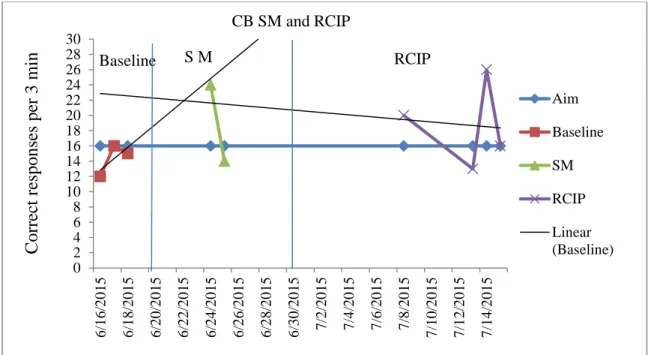
Figure 1. CBstory mapping and RCIP results... 108
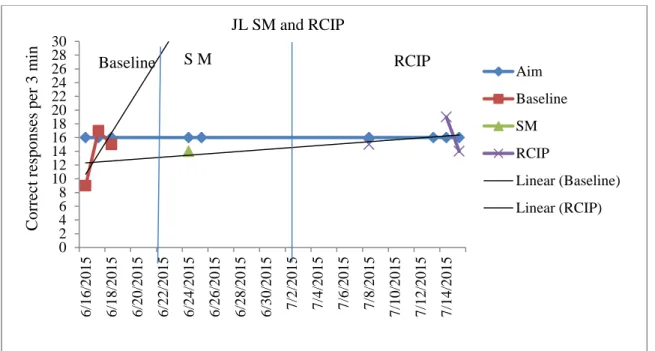
Figure 2. JL story mapping and RCIP results... 111
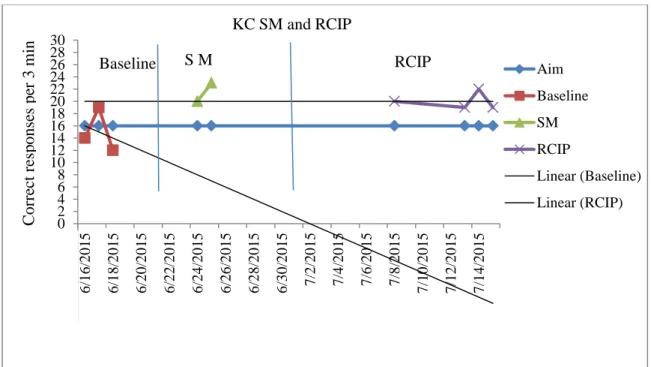
Figure 3. KC story mapping and RCIP results... 114
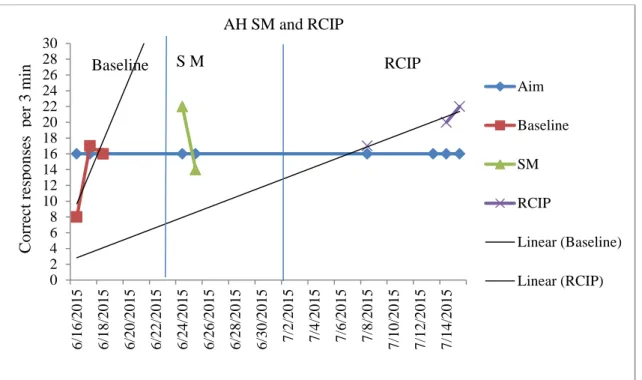
Figure 4. AH story mapping and RCIP results ... 117
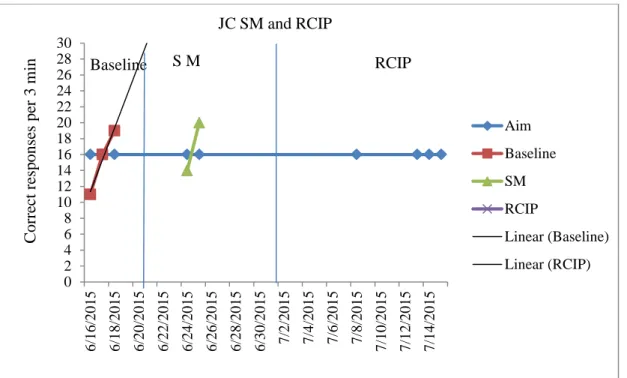
Figure 5. JC story mapping and RCIP results... 119
Chapter 1: Introduction to the Study
Reading comprehension is the process of forming and understanding the meaning from written text. Sencibaugh (2007) indicated that reading comprehension requires individuals to associate meaning with words, recognize and recall specific details, make inferences, and draw and predict outcomes. These skills are typically underdeveloped in individuals who have reading difficulties or reading deficiencies (Boulineau, Fore, Hagan-Burke, & Burke, 2004). The National Center for Learning Disabilities (NCLD; 2014) surveyed 1,980 adults in the United States and found that 84% of adults who responded to the survey believed learning disabilities were a growing concern in the United States. The results showed 53% of the respondents believed that children at the first- to fourth-grade level had learning disabilities. In addition, the NCLD reported that the respondents identified reading comprehension as the primary concern for individuals with reading problems. Based on the result of NCLD’s surveys, primary grade level (such as the third grade) students are the best candidates for this study. Researchers have
continually looked for an effective instructional method to improve reading comprehension (Gill, 2008; Sencibaugh, 2007). In addition, Rapp, van den Broek, McMaster, Kendeou, and Espin (2007) recognized the importance of designing and implementing a multicomponent intervention to help struggling readers increase their comprehension skills.
Rapp et al. (2007) recommended using interventions that incorporate multiple strategies, which have been shown to be more effective in promoting reading
the use of multiple interventions to increase reading comprehension (e.g., Begeny & Silber, 2006; Rapp et al., 2007). Therefore, in this study, an intervention with multiple strategies was implemented: the Reading Comprehension Intervention Package (RCIP), which consists of vocabulary acquisition, reading fluency, writing, and the story-mapping technique. The RCIP is a process of teaching students how to build strategies to help them increase their reading comprehension skills.
Story mapping is a tool that used individually and in conjunction with the RCIP. In addition, treatment in which the RCIP components were combined with the story-mapping technique was examined. I hypothesized that the results would identify a process that could be used to impact students’ reading comprehension skills. The results of this study might help teachers identify tools that can be used to improve the
foundational reading skills of struggling students. Acquiring these skills could be the key to students succeeding academically, and that academic success might help them become productive members of society. Additionally, the results from this study could be used to advocate for, or promote, actions that subsequently lead to social change such as
increasing students’ reading comprehension, hence leading to decreased drop out. In this chapter, I provide a background on reading comprehension, vocabulary acquisition, reading fluency, writing, and story mapping. The (a) statement of the problem, (b) research questions and hypotheses, (c) independent and dependent variables, (d) nature and purpose of the study, (e) theoretical framework guiding the study, (f) definition of terms, (g) assumptions and limitations, (h) scope of the study, (i) significance of the
study, (j) implications for social change, and (k) the summary are also discussed in this chapter.
Background on Reading Comprehension Fluency, Vocabulary Acquisition, Writing, and Story Mapping
Antoniou and Souvignier (2007) and the NCLD (2014) reported that
approximately 80% of students with learning disabilities have difficulty with reading, notably with comprehension of written text. Hock and Mellard (2005) suggested that students require many skills in order to understand reading materials presented to them. Over the years, many strategy-driven interventions have been studied to determine whether they improve reading comprehension. According to Antoniou and Souvignier, the use of cognitive and metacognitive techniques has been shown to be effective in increasing reading comprehension. Antoniou and Souvignier further emphasized the need for strategies that focus on developing decoding skills and reading fluency in conjunction with improving metacognitive strategies to increase the reading comprehension of
individuals who have reading problems. Shuy, McCardle, and Albro (2006) explained that metacognitive strategies provide students with ways to understand fully what they can read. Klauda and Guthrie (2008) indicated that providing intervention that focuses on increasing fluency has a positive impact on comprehension.
Furthermore, past research has shown that reading fluency and vocabulary acquisition increase reading comprehension (M. W. Collins & Levy, 2008; Klauda & Guthrie, 2008; Proctor, Dalton, & Grisham, 2007). Additionally, understanding text requires adequate vocabulary knowledge, which is predictive of the ability to read.
Continued exposure to vocabulary generates a semantic network for increasing reading comprehension (M. W. Collins & Levy, 2008; Klauda & Guthrie, 2008; Proctor et al., 2007). Proctor et al. (2007) also indicated that vocabulary acquisition helps a child increase reading speed, especially if writing tasks are involved (McCurdy, Skinner, Shriver, & Watson, 2008; Proctor et al., 2007).
Writing requires the ability to access prior information and word knowledge, and that, in turn, improves reading comprehension (McCurdy et al., 2008). Moreover,
research has indicated that writing skills aid in reading comprehension (McCurdy et al., 2008; Proctor et al., 2007). Alkhawaldeh (2011) indicated that reading and writing are correlated and that the two skills appear to affect one another. Writing is frequently used in academic settings, and, in most cases, it can be a good way of organizing thoughts and knowledge. When organizing thoughts, the use of story mapping within reading
instruction can increase children’s reading comprehension and writing skills, thereby increasing their understanding of materials read (Li, 2007). Li (2007) also observed that students with learning disabilities often have problems grasping the text structure and incorporating story elements when trying to write an organized story.
Li (2007) explained that if a child can learn to map a story while reading and writing, the child can learn how to organize and link ideas into categories. Parodi (2007) explained that writing and reading have a complementary connection when organizing thoughts, and this connection improves students’ thinking processes. Parodi also
and writing, they should focus on promoting students’ development in general using cognitive processes such as story mapping.
Story mapping is an effective instructional strategy for increasing reading comprehension (Sencibaugh, 2007). Story mapping is a graphic organizer, or visual presentation of a story, in which the main components such as characters, settings, goals, problems, solutions, and outcomes are portrayed (Li, 2007). Students can use a graphic organizer to learn how to generate and structure a paragraph, which can help them develop and present their thoughts in an organized manner (Montelongo, Herter,
Ansaldo, & Hatter, 2010). The visual presentation used in story mapping helps students organize their thoughts and better understand what they have read.
Understanding written text requires various reading strategies. Combined instructional reading strategies may help students improve their reading comprehension skills. Bui and Fagan (2013) and Rapp et al. (2007) suggested that when developing an instruction solely for reading comprehension, combining vocabulary acquisition, reading fluency, writing, and story mapping may result in relative gains in reading
comprehension when compared to the gains achieved with individual strategies. Gill (2008) emphasized that specific instruction for teaching students reading comprehension skills must be developed. She noted that research showed how comprehension skills can be taught effectively, but teachers may not seek out this information, or they may feel overwhelmed by the information available. In addition, Sencibaugh (2007) noted the importance of developing and promoting reading instructional strategies to help students improve their overall reading skills. Sencibaugh and Gill indicated that using multiple
strategies had been identified as helpful in increasing individuals’ reading
comprehension. However, I did not find many research articles that addressed the impact of using multiple strategies on gains in reading comprehension when implemented in combined instruction.
Previous research has addressed topics such as vocabulary acquisition, reading fluency, writing, and story-mapping strategies that have been shown to be effective in increasing reading comprehension (Fagella-Luby, Schumaker, & Deshler, 2007; Klauda & Guthrie, 2008; McCurdy et al., 2008; Proctor et al., 2007). However, the effects of individual strategies were addressed in those studies. Therefore, this study was used to examine whether the process of implementing the story mapping along and the RCIP, which addresses vocabulary acquisition, reading fluency, and writing, and adding them to the story-mapping technique, would have significant main effects on increasing the third grade students’ reading comprehension skills. Additionally, this study was used to identify if there are interaction effects or differences between the RCIP and the story mapping alone. Overall, this study is needed to provide a tool for teachers that may be used to increase the reading comprehension skills of struggling readers, and thus, would make a positive contribution to social change.
Statement of the Problem
Rampey, Dion, and Donahue (2009) reported results from the National Assessment of Educational Progress (NAEP) scores that revealed approximately one third of U.S. students could read below basic level, and others are at or above the proficient level. Kim, Linan-Thompson, and Misquitta (2012) reported that despite
advances in developing effective practices to increase students’ reading comprehension, the NAEP (2011) found between 2002 and 2009, reading problems in reading
comprehension continued to persist for lower-performing students. Persampieri, Gortmaker, Daly, Sheridan, and McCurdy (2006) indicated that the number of students who have reading problems is overwhelming as reported in the NCES. In addition, many students in the United States who have reading problems are at risk for becoming
dropouts, academic failures, and are less productive in the society (Arcia, 2006;
Persampieri et al., 2006). Arcia (2006) conducted a study in the reading achievement of students who were suspended and expelled. Results showed that students who have been suspended from school many times have delayed reading achievement and might become school dropouts (Arcia, 2006). Furthermore, as cited in Adult Literacy Service in 2004, in the United States, approximately 40 million adults are illiterate, which affects the
economy due to lower productivity (Persampieri et al., 2006).
Furthermore, the Committee on the Prevention of Reading Difficulties in Young Children (1998) as cited in National Early Literacy Panel (NAEP, 2008) reported that approximately 3.5%, or over 2 million, U.S. school children have a reading disability. It has been estimated that roughly 80% of students have learning disabilities (NAEP) Approximately 26% of eighth-grade students cannot read at a basic level according to the National Center for Education Statistics (Rampey et al., 2009). Problems attaining basic literacy skills have been persistent (Begeny & Martens, 2006); therefore, this study was conducted to determine if RCIP, which may have an impact on increasing students’
reading comprehension skills, could be used to reduce reading problems in the United States.
Begeny and Martens (2006) indicated many students in the United States perform below grade level in reading, and reading comprehension seems to be a factor in this low-level performance. Reading comprehension is essential in reading (Karasakaloglu, 2012). Students with good reading comprehension skills have control of their learning. Several researchers (Begeny & Silber, 2006; Rapp et al., 2007) have emphasized the importance of designing reading comprehension instruction that has multiple strategies.
Karasakaloglu (2012) noted that struggling readers using multiple strategies can apply them flexibly in daily reading. Cutting and Scarborough (2006) emphasized the important role of reading comprehension and that effective interventions are needed to help students increase their ability to comprehend text materials. Mahdavi and Tensfeldt (2013)
reported that there has been little research to identify the best strategies to increase the comprehension skills of young children with learning disabilities. Most studies pertaining to reading comprehension were conducted with older students rather than younger ones. Students in grades K to 3 have been identified as having a higher number of learning disabilities than any other grade (Mahdavi & Tensfeldt, 2013; Rampey et al., 2009).
Karasakaloglu (2012) emphasized that educators should proceed from simple to complex material to help students increase reading comprehension. Multiple strategies must be taught when scaffolding is used to teach students to comprehend reading materials. Over time, teachers must remove the scaffolds so that students can practice
scaffolding, students should become independent readers able to manage and control their learning environments (Marcell et al., 2010). However, researchers have not identified effective reading comprehension strategies designed for younger children or instructional tools that would help students become independent readers, especially for those who have
learning disabilities(Berkeley, Scruggs, & Mastropieri, 2010; Hayati & Shariatifar, 2009;
Klinger, Urbach, Golos, Brownell, & Menon, 2010).
Effective instruction is needed to optimize the children’s abilities to comprehend what they read (Proctor et al., 2007). Mariotti (2010) indicated that a good vocabulary is a basic component of reading comprehension. Promoting strong vocabulary acquisition is, therefore, necessary to acquire strong reading skills. Gill (2008) indicated that teachers need to design instruction specifically geared toward teaching reading comprehension skills. Gill emphasized that reading comprehension instruction has been the biggest challenge for educators and has the biggest impact on poor readers. If reading skills do not improve, students are more likely to drop out of school, and the failure of many children to become proficient readers would continue, particularly among those with learning disabilities (De Koning & van der Schoot, 2013; McNamara, Ozuru, Best, & O’Reilly, 2007).
The National Reading Panel Report contained suggestions to implement research on reading instruction that focuses on multiple strategies or a combination of different reading instruction methods (National Institute of Child Health and Human Development [NICHD], 2000). Effective instructional strategies could lead to more progress in helping students increase their reading comprehension skills (NICHD, 2000). The U.S.
Department of Education urged educators to find ways to help students improve their reading skills, particularly in comprehending what they read (Persampieri et al., 2006). Van Norman and Wood (2008) suggested that when teaching and helping students how to read, providing reading comprehension instruction explicitly is important. Explicit
instruction helps students learn to grasp techniques that are systematic and consistent and enables the establishment of routine tasks needed to comprehend what they read. In my dissertation study, the RCIP, which has multiple reading strategies and multiple
instructional components, was the intervention used to promote the development of reading comprehension skills in areas such as vocabulary acquisition, reading fluency, writing, and story mapping.
As research has shown, if students can read quickly, they develop a wide range of vocabulary, thus promoting proficient acquisition of language. Students who are able to write their thoughts in meaningful sentences using a story map experience greater academic success (Karasakaloglu, 2012; Rapp et al., 2007). Therefore, my study was used to examine whether implementing the story mapping alone, and the RCIP, which consists of vocabulary acquisition, reading fluency, and writing, and then adding the story-mapping technique would have a main effect on increasing students’ reading comprehension skills. This study was also designed to determine if interaction effects or significant differences occur between the story mapping alone and the RCIP.
Purpose of the Study
This study was a secondary analysis in which the school oversaw the intervention. The data were collected by the chosen school for the purpose of examining the effect of
the RCIP and the story mapping. The purpose of this study was to investigate whether implementing the story mapping alone and the RCIP, combined with story mapping, increases students’ reading comprehension. I examined whether there were significant interaction effects and difference in students’ reading comprehension due to the
implementation of story mapping alone, and the RCIP intervention. For this quantitative study, a single case quasi-experimental design focused on using the multiple probe design (MPD) across subjects was employed.
Research Questions and Hypotheses
Four research questions were formulated to guide this study. They were answered employing hypothesis testing.
Research Question 1
What is the main effect of implementing RCIP as an instructional strategy on students’ reading comprehension as measured by the CBM-Reading Maze?
H10. Implementing RCIP as an instructional strategy, which consists of
vocabulary acquisition, reading fluency, writing, and story mapping instruction, has no statistically significant main effects on students’ reading comprehension as measured by the CBM-Reading Maze.
H1a. Implementing RCIP as an instructional strategy, which consists of
vocabulary acquisition, reading fluency, writing and story mapping instruction, has statistically significant main effects on students’ reading comprehension as measured by the CBM-Reading Maze.
Research Question 2
What is the main effect of implementing story mapping alone on students’ reading comprehension?
H20. Implementing the story mapping alone as an instructional strategy has no
statistically significant main effects on students’ reading comprehension as measured by the CBM-Reading Maze.
H2a. Implementing story mapping alone as an instructional has statistically
significant main effects on students’ reading comprehension as measured by the CBM-Reading Maze.
Research Question 3
What are the interactive effects of implementing the instructional strategies of RCIP and story mapping on students’ reading comprehension?
H30. Implementing RCIP and story mapping as instructional strategies, which
consist of vocabulary enhancement, reading fluency, and writing, has no statistically significant interaction effects on students’ reading comprehension as measured by the CBM-Reading Maze.
H3a. Implementing RCIP and story mapping as instructional strategies, which
consist of vocabulary enhancement, reading fluency, and writing, has statistically significant interaction effects on students’ reading comprehension as measured by the CBM-Reading Maze.
Research Question 4
What are the differences in students’ reading comprehension scores when implementing the RCIP compared to story-mapping instruction alone?
H40. There are no statistically significant differences in students’ reading
comprehension, as measured by the CBM-Reading Maze, when implementing the RCIP, which consists of vocabulary acquisition, reading fluency, writing and story mapping instruction, when compared to implementing story-mapping instruction alone.
H4a. There are statistically significant differences in students’ reading
comprehension, as measured by the CBM-Reading Maze, when implementing the RCIP, which consists of vocabulary acquisition, reading fluency, writing and story mapping, when compared to implementing story-mapping instruction alone.
Nature of Study
This study is quasi-experimental in nature. According to Choo, Eng, and Ahmad (2011), a quasi-experimental study involves a non randomized control group, which allows manipulation of variables, but does not invoke the principles of random selection, random assignment, and use of a control group. In addition, a quantitative method employing a single case quasi-experimental design utilizing the MPD was used to
examine the effects of the story-mapping technique and the RCIP on third-grade students’ reading comprehension. A purposeful sample of eight third-grade students from a
metropolitan area in Central Florida was recruited. The primary selection criterion was that the participants have Level 2 or lower reading scores on the FCAT, as defined in
Florida Statute 6A-6.054 K-12 Student Reading Intervention Requirements (Florida Department of Education, 2012/2013).
The CBM-Reading Maze was first used to obtain baseline data on the participants’ reading comprehension skills. Thereafter, the students’ progress was measured intermittently during the study. The first measurement was taken at the end of the story-mapping intervention. A second measurement was taken after the delivery of each instructional component of the RCIP. The single-subject MPD was used to collect data during both the baseline instruction (i.e., story mapping) and at the completion of instructional components of the RCIP. The MPD assisted in determining if there were significant increases in participants’ reading comprehension when story mapping was implemented in combination with RCIP. For this study, a single-case experimental design (SCED) was used. The SCED was organized in a manner that provided a sequence of data; repeated measures within and between subjects were employed to facilitate
comparisons, which allows for controlling threats to internal validity (Wendt, 2009). The SCED is a repeated-measure method used to assess participants’ responses at different times during the duration of the story mapping alone and the RCIP interventions. The SCED facilitates a comparison of students’ performances during the baseline condition and the treatment phases (R. H. Horner et al., 2005). The data to assess the participants’ reading comprehension were collected using the Reading Maze. The CBM-Reading Maze was used in conjunction with the AIMSweb software, which generated a reading comprehension score and graphs. The outcome scores are in the graph and were
monitored for continued progress during the study. The AIMSweb is further explained in Chapter 3.
Independent and Dependent Variables
The independent variables are the components of RCIP and story mapping. The story-mapping instruction was implemented first, and then the RCIP. The RCIP was presented by first implementing the vocabulary acquisition and writing, followed by building reading fluency and writing. The CBM-Reading Maze was administered to collect data based on the number of correct responses per 3 minutes. The MPD was used to collect data intermittently during baselines, at the end of the story-mapping instruction, and after each implementation of the instructional components of the RCIP. The collected baseline and treatment conditions (e.g., story mapping and the RCIP) data from the CBM-Reading Maze is the outcome scores for dependent variables. The outcome scores were quantified using nonparametric measures such as the percentage of non overlapping data (PND) when assessing the changes in students’ reading comprehension skills. The PND was used to calculate the effectiveness of the story mapping alone and the
instructional components of the RCIP. Visual analysis was possible by graphing the scores. In addition, the PND is scaled from zero to 100%, given that scores less than 50% are considered unreliable or ineffective treatment, 50% to 70% are questionably or minimally effective, 70% to 90% are fairly effective or moderately effective, and 90% or higher are highly effective (Campbell, 2004; Wendt, 2009). The percentage score is calculated by dividing the total number of points earned by the amount of data collected, and then multiplying by 100 (Bui & Fagan, 2013). The PND was identified using the
highest baseline point and counting the number of interventions that are above it.
Additionally, the Cohen’s d effect size was used in conjunction with the PND when
visually analyzing the results of this study. More information on calculating the effect size is available in Chapter 3.
Furthermore, Sullivan and Fein (2012) reported the effect sizes that Glass V measured to find out the differences between groups. Glass V effect sizes denoted the following percentage of non overlapping data: 0% as no difference; 15% as small effect size; 33% as medium effect size; 47%, 55%, 71%, and 81% as large effect size. If data overlap completely (100%), then there is no difference in the effect of intervention or treatment. Moreover, Sullivan and Fein explained the absolute effect size, which is “the difference between the average or mean, outcomes in two different intervention groups” (p. 279). For this study, the PND, the Glass V effect sizes, and absolute effect size were used to determine the effectiveness of the story mapping technique and the RCIP.
Following is a discussion of the theoretical framework upon which this study was based. Theoretical Framework
The theoretical framework for this study is the constructivist theory of cognitive psychology, which focuses on how the processes of understanding and activating prior knowledge influence learning (Kintsch, 2005). In accordance with constructivist theory, Kintsch (2005) suggested that when individuals exhibit analytical problem solving, they learn to read fluently and build their automatic understanding of the information
presented. The constructivist model places emphasis on connecting or integrating how students understand and organize new information (Espin, Cevasco, van den Broek,
Baker, & Gersten, 2007). Teaching students to understand what they read and how to organize the new material could be useful when activating their background knowledge, in which their cognitive processes were being used. Individuals’ cognitive processes increase as their awareness of their mental processes such as perception, reasoning, and judgement increase (Kintsch, 2005). The constructivist theory is relevant to this study based on the following three principles:
1. The role of prior learning is important in acquiring new knowledge. Prior
knowledge is required to develop reading skills and comprehension.
2. Learning is contextual: One learns in relationship to what one already
knows or believes.
3. Learning is an active process, as is reading comprehension.
Importance of Prior Knowledge
Prior knowledge is necessary for acquiring new knowledge and for developing the skills that aid reading comprehension. According to constructivist theory, individuals integrate their prior knowledge with new knowledge. When new information is
presented, students need to access their prior knowledge in order to make connections to the new material, allowing them to foresee the meaning of what they have been reading. Prior knowledge is essential because it helps in pre reading activities as well as in other reading activities involved in the RCIP. The RCIP is related to the theory of
constructivism because the intervention requires students to use multiple skills in order to construct knowledge and derive meaning. The multiple strategies involved in the RCIP include teacher-led questioning (i.e., question-and-answer [QAR] sessions), making
predictions and inferences, self-questioning, peer reading strategies, silent reading and reading aloud, self-monitoring, graphing, using the dictionary, paraphrasing, and summarizing. These strategies have been shown to be effective in increasing students’ reading comprehension skills, and they were used for constructing, integrating, and accessing prior knowledge when each instructional component (vocabulary acquisition, reading fluency, writing, and story mapping) was introduced during the implementation of the RCIP (Karasakaloglu, 2012; Liang, Peterson, & Graves, 2005; Marcell et al., 2010; Rapp et al., 2007).
Additionally, prior knowledge is essential in reading, particularly when trying to understand text materials. Hayati and Shariatifar (2009) emphasized that when teaching language skills involving reading, activation of relevant knowledge is needed. When relevant knowledge is activated, students can relate to their reading. In the RCIP, students are exposed to different sequences to complete a task, requiring them to use their
knowledge of previously learned materials and integrate it into new knowledge
(Kolić-Vehovec, Zubković, & Pahljina-Reinić, 2014). In the RCIP, students construct different tasks involving multiple strategies. Activating prior knowledge is important to understand
fully the reading text materials. Kolić-Vehovec et al. (2014) added that students need
reading strategies. The suggested strategies included metacognitive knowledge, which has been shown to be effective because relevant background knowledge must be activated, which in turn increases self-monitoring skills. Self-monitoring skills are included in the RCIP as one of the processes for helping students increase reading comprehension. When students use self-monitoring, they validate their personal
experience, which lets them make connections with the text materials, thus activating their prior knowledge (Kolić-Vehovec et al., 2014). Further, research has shown that the story mapping word web helps students make connections when integrating and
constructing the new information because they access their prior knowledge (Bui & Fagan, 2013). Bui and Fagan (2013) suggested that a meaning within the content is governed by the text, the reader, and by students activating their prior knowledge. Constructivist theory emphasizes that understanding the idea helps readers build their own understanding while reading the text materials.
Learning is Contextual
People learn relative to what they already know or believe. Constructivist theory holds that individuals form their knowledge by setting goals, building coherence, and explaining information using different strategies (Rapp et al., 2007). Rapp et al. (2007) indicated that when building coherence, a person must apply his or her prior knowledge and establish goals to increase comprehension performance. When understanding written material, the exact nature of building coherence is based on how it is read, and the perceptions obtained from reading. Understanding the nature of coherence is important. Coherence is an important factor in how individuals learn and understand how and why events occur in a consistent manner (Rapp et al., 2007).
Individuals gain a better understanding of information when using multiple comprehension strategies instead of just one because learning is contextual (Gill, 2008; Rapp et al., 2007; Sencibaugh, 2007). Using multiple strategies has been shown to help struggling readers effectively increase their reading comprehension (Bui & Fagan, 2013;
Karasakaloglu, 2012; Shuy et al., 2006). Shuy et al. (2006) explained that metacognitive strategies allow students to understand fully what they read. Hock and Mellard (2005) suggested that increasing reading comprehension requires many skills. Having students learn different strategies allows them to navigate the content of the text, thus teaching and helping them increase their capacity to learn to read (Bui & Fagan, 2013; Rapp et al., 2007). The use of multiple strategies has been identified as the biggest influence on increasing comprehension skills in which students acquire background clues about the key concepts in the text (Bui & Fagan, 2013). For example, students using story mapping are making connections based on their prior understanding of the reading text when they apply those connections to the newly learned materials. The multiple strategies involved in story mapping and the RCIP such as prediction, making inferences, organizing, and summarizing, all help students develop the coherence needed to increase their
understanding of the reading text. Constructivist theory specifies that readers build their own meaning while reading. Employing multiple strategies in the process of their reading allows them to learn relationships based on what they already know (Brenna, 2013; Bui & Fagan, 2013; Cantrell, Almasi, Carter, Rintamaa, & Madden, 2010).
Learning as an Active Process
According to constructivist theory, learning is an active process, as is reading comprehension (Kintsch, 2005). The RCIP contains multiple components with different strategies to increase reading comprehension. Using the RCIP, students are actively engaged in their learning process by constructing, integrating, and using multiple strategies (e.g., pre reading, repeated reading, silent and reading aloud, questions and
answers, use of a dictionary, making predictions and inferences, summarizing), which has been proven effective in helping increase reading comprehension skills (Bui & Fagan, 2013; Karasakaloglu, 2012; Phillips, 2008; Rapp et al., 2007). Constructivist theory can be applied to the instructional components of RCIP. For example, when acquiring vocabulary, students learn new words and learn to construct new ideas or knowledge based on the meanings of these words. Students learn to associate words with their life experiences by creating meaning, which leads to a better understanding of new words presented to them. Karasakaloglu (2012) emphasized that in reading, students make sense of the meaning of a word by associating and constructing the information within the text. Karasakaloglu also emphasized that teachers should provide instructional strategies that range from simple to complex in order to encourage students to be more in control of their learning operations. Hence, having students involved in their learning process is important, particularly when seeking meaning in text materials, so that they can learn to integrate and construct ideas related to the information presented to them (Espin et al., 2007). Therefore, when learning to read, students should be engaged in different activities using multiple strategies to enhance their reading comprehension skills (Gill, 2008). Naseri and Zaferanieh (2012) suggested using a variety of strategies to process information increases individuals’ reading comprehension skills by encouraging them to apply critical thinking. When different cognitive processing strategies are used,
individuals tend to continue applying critical thinking, thus giving them opportunities to investigate the information they are trying to understand. Snape and Fox-Turnbull (2011) suggested that learning can be achieved through students’ interaction with reading
material. When students interact and participate in the learning process, they become active learners. They learn to facilitate critical thinking, solve problems, and work collaboratively to enhance the learning process; in short, they learn to become
independent readers (Snape & Fox-Turnbull, 2011). As with the constructivist approach, learning is an active process that helps students acquire knowledge and perform at a higher academic level (Phillips, 2008).
Definition of Terms
Curriculum-based measurement (CBM): CBM is also called a general outcome measure of students’ performances of basic skills and is designed to precisely and proficiently identify academic growth in reading and written expression as well as mathematics and spelling (Christ & Silberglitt, 2007).
Reading comprehension: The decoding and language comprehension skills that individuals use to communicate and understand ideas and relationships within the text or a passage (Takala, 2006).
Reading Comprehension Intervention Package (RCIP): RCIP is a multiple-component, instructional process with different instructional strategies that are used to focus on strategic and content approaches to reading comprehension. I developed the RCIP used in this study based on instructional components suggested by many
researchers. This RCIP has multiple strategies and components of reading and writing (e.g., vocabulary acquisition, reading fluency, and writing in addition to the story mapping technique). Research has shown that developing or designing effective
recognition, decoding, story retelling, pre reading strategy, and implementing reading comprehension strategies before, during, and after reading (Berkeley et al., 2010; Brenna, 2013; Bui & Fagan, 2013; Gill, 2008; Klinger et al., 2010; Liang et al., 2005; Van Keer & Vanderlinde, 2010). In addition, in designs of instruction for reading comprehension, the delivery of instruction must be explicit and direct and include an explanation, modeling, guided practice cooperative learning, and multiple strategies (Cantrell et al., 2010; Gregory & Cahill, 2010; Mahdavi & Tensfeldt, 2013; NICHD, 2000). Multiple strategies such as self-monitoring, identifying the main idea, story map, scaffolding, which is gradually removed to ensure independent learning, discussion, making
predictions and inferences, activating background knowledge, using a graphic organizer, active participation, and QAR are all researched-based strategies (Brenna, 2013; Kim et al., 2012; Marcell et al., 2010; Rapp et al., 2007; Sencibaugh, 2007). The identified strategies are organized and discussed in Chapter 3.
Reading fluency: The ability to read accurately with automaticity (Berninger, Abbot, Vermeulen, & Fulton, 2006; Cates, Thomason, Havey, & McCormick, 2006).
Story mapping: A visual representation and organization of material that consists of sequentially identifying characters, setting, goals, problems, solutions, and outcomes (Boulineau et al., 2004; Li, 2007; Takala, 2006).
Vocabulary: The ability to decode and understand words (Nash & Snowling, 2006). Vocabulary is a function of receptive and expressive language (McCallum, Sharp, Bell, & George, 2004).
Writing: A system that represents letters or symbols forming sounds and words, which are stored in long-term memory for later recall (Sparks, Javorsky, Patton,
Ganschow, & Humbach, 2008). In the RCIP, students wrote down the meaning of words and summarized what they read.
Assumptions and Limitations of the Study Assumptions
In this study it was assumed that the remediation teacher (RT) administered the RCIP protocol competently in the classroom. It was also assumed students would be willing to volunteer for, and engage in, the intervention process. The school oversaw this study as an extra intervention for students, and it was assumed the study was
implemented with fidelity. In addition, it was assumed that any stresses experienced by the participants affected performance, which may have affected the outcome of the study. It was assumed that participants had some reading skills that they could complete the tasks when implementing the story mapping and the RCIP. It was assumed that the classroom environment would be the same as the school setting, and that delivery of the intervention was consistent (Fagella-Luby et al., 2007).
Limitations
There are several potential limitations that apply to this study. First, I had no control of whether participants participated or withdrew from this study because the study involved a secondary analysis. The school oversaw the implementation of this study, and they provided the de-identified dataset for analysis. The number of participants may be insufficient for conducting the data analysis. However, research has shown that three to
eight participants is sufficient when conducting a single case experimental design (Gillis & Butler, 2007). The time spent on the instruction may not have been appropriate or long enough to affect reading comprehension effectively. The participants received the
remediation reading routine for 30 minutes (Florida Center for Reading Research [FCRR], 2010). The time may have been too short or too long, causing them to feel incapable of doing the assigned intervention. The FCRR suggested the number of
minutes per day allocated to RCIP should be 10 minutes, 20 minutes, or 30 minutes when providing reading intervention. Thirty minutes was chosen because it seemed appropriate for small group reading in this study.
Other limitations may include that due to a small sample size, the results may not be representative of the school population of children who meet the study criteria. In addition, the internal validity of the SCED may cause serial dependence; “subsequent assessment may be influenced by earlier one” (Wong, 2010, p. 288).
Scope of the Study
I used a quasi-experimental quantitative method and single-subject MPD with eight participants. The participants in this study were third-grade students who scored at Reading Level 2 or below, based on their FCAT scores. The effect size for this study was based on information obtained from Lipsey and Wilson’s (1993) meta-analysis of effect size for reading instruction strategies for elementary students. Research has shown that when conducting studies with the quasi-experimental, single-case experimental design, three to eight participants are sufficient to detect a large effect size (Gillis & Butler, 2007). Researchers also have shown that the SCED commonly requires fewer participants
(Rassafiani & Sahaf, 2010; Wong, 2010). Typically, a small sample is used when researchers implement multiple interventions using the SCED to examine the definite outcome of the effectiveness of the treatment condition (Tankersley, Harjusola-Webb, & Landrum, 2008). Wong (2010) suggested that the SCED can be first used with a small sample when implementing new interventions. Hence, this study contained eight
participants recruited using purposeful sampling to account for potential attrition effects. As a study using single-subject design, strong internal validity was possible due to
repeated measures. It should be noted, however, that Stagliano and Boon (2009) indicated that small sample size limits generalizability of the results. External validity may also be questionable due to small sample size.
Significance of the Study
Researchers have shown that large numbers of students in the United States have been diagnosed with reading problems (Boulineau et al., 2004; Kaplan & Walpole, 2005). The purpose of this study was to quantitatively examine whether implementing story mapping and RCIP as independent interventions positively impacted students’ reading comprehension skills. In addition, the study was used to examine whether combining the RCIP with story-mapping, instructional strategies increased students’ reading
comprehension (Kolić-Vehovec et al., 2014).
The impact of the RCIP on reading comprehension was the phenomenon of interest in this study. Although I could not find literature about past studies that discussed the use of RCIP, vocabulary acquisition, reading fluency, writing, and story mapping have been associated with increases in children’s reading comprehension skills (Douglas,
Ayres, Langone, & Bramlett, 2011). Vocabulary acquisition, in conjunction with the use of cognitive and metacognitive techniques, effectively helps students increase their reading comprehension. Lo, Cooke, and Pierce Starling (2011) reported that reading fluency was a strong predictor of reading comprehension. Douglas et al. (2011) reported that the graphic organizer, which is identical to story mapping, is an effective tool for increasing reading comprehension. Berninger et al. (2006) discussed the connections between written language and reading comprehension. Despite the findings from studies in which it was demonstrated that singular strategies effectively improve reading
comprehension, little research has been conducted on combined multiple strategies with regards to the implementation of the RCIP in increasing students’ reading comprehension skills, especially for those students in the primary grade levels (Gill, 2008; Mahdavi & Tensfeldt, 2013; Rapp et al., 2007; Sencibaugh, 2007).
Wooley (2008) also suggested that different approaches to teaching reading comprehension are needed in order to help struggling readers, especially those with learning disabilities. The RCIP is a multicomponent instructional strategy that includes instruction in different reading skills such as vocabulary acquisition, reading fluency, writing, and story mapping. I developed the RCIP based on the suggestions of many researchers. They suggested that using multiple strategies is essential when developing effective instruction to increase reading comprehension skills. In my study, as a result of implementing the RCIP, students learned how to construct, integrate, and learn the different strategies (e.g., question and answer, collaboration, organization, prereading, repeated reading, postreading, making inferences and predictions, word searching,
finding meaning and main ideas, modeling, explaining, paraphrasing, clarifying,
graphing, self-monitoring, reading silently, reading aloud, retelling, providing explicit or direct instruction, summarizing, scaffolding, activating background knowledge,
independent learning, graphic organizer, and guided instruction) that relate to critical thinking and effective use of those strategies improved comprehension skills (Bui & Fagan, 2013; Gill, 2008; Gregory & Cahill, 2010; Kim et al., 2012; Mahdavi & Tensfeldt, 2013; Marcell et al., 2010; NICHD, 2000; Rapp et al., 2007; Sencibaugh, 2007).
Implications for Social Change
Social change in this study refers to identifying a process that could be used to help students increase their reading comprehension. This study could be a resource to help teachers provide students with tools that are foundational to becoming productive members of society. Results could be an added contribution to the current literature, leading to social change by assisting educators in the improvement of instruction in reading comprehension.
In addition, use of the RCIP as an instructional strategy might lead to improved grade point average (GPA) and a decrease in the number of high school dropouts, in turn enabling more students to become productive members of society. Increasing the reading skills of students might help them find jobs more easily later in life. They might also contribute to greater productivity by the general population, thereby increasing economic growth (Pennington, Ault, Schuster, & Sanders, 2010).
The RCIP may provide students opportunities to read frequently and organize their thoughts, thereby leading them to fully comprehending text materials. The RCIP is a
multimodal comprehension strategy; it may help deepen students’ understanding when reading text (Brenna, 2013). Moreover, it is hoped that the study participants will benefit from their participation and develop skills needed to become proficient readers. Finally, because the published research in reading comprehension instruction for younger children is limited, the RCIP could be an important addition to the literature about this population.
Summary
Studies have been conducted to investigate strategies for improving reading comprehension, yet a large number of students in the United States continue to have low level skills in reading (Kim et al., 2012). Educators and researchers have expressed the need for developing effective interventions to help students increase their reading
comprehension skills (Antoniou & Souvignier, 2007; Rapp et al., 2007). The Department of Education (DOE) has urged educators to find ways to reduce the number of children identified with reading problems, particularly in reading comprehension. Improving students’ reading comprehension skills has been a goal of the DOE to help reduce the number of students referred to special education (Antoniou & Souvignier, 2007). Researchers have shown that developing the individual components of reading, such as decoding skills, leads to increases in children’s reading comprehension skills (Antoniou & Souvignier, 2007). However, I found no literature that has addressed the use of multiple strategies such as combining vocabulary acquisition, reading fluency, writing, and adding them to the story-mapping technique to improve reading comprehension. Rapp et al. (2007) explained that a multicomponent intervention strategy may address the different types of reading problems. The multiple intervention strategies that employ
multiple approaches may be more powerful in helping students increase their reading comprehension than using one single intervention (Begeny & Silber, 2006; Bui & Fagan, 2013; Mahdavi & Tensfeldt, 2013). Gaps in the literature concerning effective instruction for reading comprehension continue to exist.
Additionally, there is a gap in the literature regarding the empirical evidence of students’ relative gains in reading comprehension resulting from combined instructional strategies. The purpose of this secondary analysis, quasi-experimental study was to implement the RCIP, which consists of instruction in vocabulary acquisition, reading fluency, writing, and story mapping, with single subject design. Purposeful sampling was used to generate the sample for this study. The participants were individuals who tested at Reading Level 2 or below. The MPD across subjects was used to collect data using the CBM-Reading Maze.
This study was designed to answer four research questions:
1. What is the main effect of implementing RCIP as an instructional strategy
on students’ reading comprehension as measured by the CBM-Reading Maze?
2. What is the main effect of implementing story mapping on students’
reading comprehension?
3. What are the interactive effects of implementing the instructional
strategies of RCIP and story mapping on students’ reading comprehension?
4. What are the differences in students’ reading comprehension when implementing the RCIP compared to story-mapping instruction alone? Chapter 2 contains descriptions of research on reading comprehension. In addition, the theoretical framework for the study is further explained, addressing how instruction in the following areas affects reading comprehension: vocabulary acquisition, reading fluency, writing, and story mapping. The literature review contains a summary of interventions, assessments, implications of the study on reading comprehension, and a discussion of the literature related to differing methodologies used to help students increase their reading comprehension. In Chapter 3, the methodology for this study is discussed, including descriptions of participants, settings, procedures, instrumentation, threats to internal validity, data collection and analysis, and ethical measures taken to protect participants.
Chapter 2: Literature Review Introduction
Berninger et al. (2006) emphasized that “phonological awareness, alphabetic principle and phonological decoding, and fluency training” are important in building comprehension skills (p. 334). The National Reading Panel (NRP) noted the importance of including these skills in reading instruction to increase children's reading abilities (NICHD, 2000). The NAEP (2011) showed that fourth-grade students have lower scores in basic reading skills than expected for their grade level. Begeny and Martens (2006) reported that 37% of fourth-grade students were reading below grade level. Without effective reading skills, children are likely to experience deficits in their reading comprehension (NAEP, 2011).
Kaplan and Walpole (2005) reported that there are a number of studies
documenting the extent of reading comprehension problems in the United States and that between 4% to well above 60% of American children in public schools have poor reading comprehension skills. The National Center for Education Statistics stated in 2009 that “only 33% of fourth-grade and 32% of eight-grade students were reading at a proficient level or above” (as cited in Neddenriep & Hale, 2010, p. 1). The DOE has urged
educators to provide instruction that more effectively increases comprehension skills (Persampieri et al., 2006; Rapp et al., 2007). Reading problems among students in the educational system are often a result of comprehension problems; therefore, effective instruction in reading comprehension is needed (Begeny & Silber, 2006; Rapp et al., 2007).
There are a number of negative outcomes for individuals who do not develop adequate reading comprehension skills. Studies have shown that students who have reading problems are more likely to drop out of high school. Hence, they become less productive in society (Apthorp, 2006; McCurdy et al., 2008). Ongoing reading problems justify the need for developing reading comprehension interventions that enable students to develop skills and routinely practice what they learn (Cantrel et al., 2010).
Many researchers have suggested developing instruction that consists of multiple strategies in order to help individuals improve their reading comprehension skills (Block, Paris, Reed, Whitely, & Cleveland, 2009; Brenna, 2013; Bui & Fagan, 2013; Cantrell et al., 2010; Gregory & Cahill, 2010). Although there are many studies on reading
comprehension, there have been few studies about improving children’s reading comprehension skills using multiple approaches to teaching reading strategies.
Furthermore, few studies have focused on reading comprehension strategies for younger children (Gregory & Cahill, 2010; Mahdavi & Tensfeldt, 2013; Proctor et al., 2007). Therefore, the need to develop reading comprehension instruction with multiple strategies persists.
The remainder of this chapter contains discussions of the strategy used to conduct the literature review, the theoretical foundation for this study, and the variables of interest in this study such as vocabulary acquisition, reading fluency, reading comprehension, writing, and the story-mapping technique. These variables are discussed as they relate to improving individuals’ reading comprehension skills. Additionally, the rationale for implementing the RCIP, the importance of assessment methods using the
curriculum-based measurement-reading maze, the summary, and a transition to Chapter 3 will be presented.
Literature Search Strategy
The information for this literature review was obtained from the Walden University Library using multiple databases such as EBSCOhost, PsycINFO,
PsycARTICLES, PsycBooks, SocIndex Full Text, Mental Measurement Yearbook, and Academic and Search Premier. The majority of the peer-reviewed journal articles selected for the literature review was published between the years 2004 and 2014; however, a seminal study on the National Reading Report from the NICHD (2000) was included due to its significant value in emphasizing the need for research on instructional strategies designed to increase reading comprehension. The study by Rosenshine and Meister (1993) is also a seminal work and shows the importance of providing multiple-strategy instruction to increase reading comprehension. Another seminal study by D. Horner and Baer (1978) on the multiple probe design (MPD) was included because these authors developed the design. The keywords and topics used to collect peer-reviewed
journal articles for this dissertation included reading comprehension intervention,
graphic organizer, cognitive psychology theory, constructivism, constructivist model, response to intervention, multitiered system of support, curriculum-based measure, Florida reading research, Florida reading benchmark, words read correctly per minute, vocabulary and reading comprehension, repeated reading, story mapping, reading fluency, reading comprehension, writing, single-subject design, multiple baseline design,
Theoretical Foundation
The theoretical orientation for this study is grounded in cognitive psychology, which focuses on constructivism. Cognitive psychology is a discipline that focuses on how people gather knowledge or information, and how they acquire knowledge (Lu & Dosher, 2007). Cognitive psychology describes how people use their mental cognition with regard to “perceiving, learning, remembering, thinking, reasoning, and
understanding” a concept (Lu & Dosher, 2007, p. 2769).
The constructivist theory is a cognitive theory that is relevant for this study because it pertains to mental representation, cognition, and application of prior
knowledge. The constructivist model highlights the idea that individuals construct their knowledge by setting goals, building coherence, and explaining information (Rapp et al., 2007). In addition, because the constructivist model focuses on mental representation of individuals’ background knowledge, the premise of the model emphasizes the importance of individuals connecting their understanding about how events are organized (Antoniou & Souvignier, 2007; Block et al., 2009; Cantrell et al., 2010; Lu & Dosher, 2007; Rapp et al., 2007).
In addition, constructivism focuses on connecting and integrating individuals’ background knowledge to newly learned information; multiple strategies are needed to process the information. Researchers have recommended the application of multiple strategies when developing reading comprehension instruction (Bui & Fagan, 2013; Gregory & Cahill, 2010; Kim et al., 2012; Mahdavi & Tensfeldt, 2013; Marcell et al., 2010). Possessing multiple strategies, particularly when using evidence-based reading
strategies, increases students’ critical thinking, which can lead to improved comprehension skills (Marcell et al., 2010).
Students were given multiple strategies to help them understand what they read. Some of the strategies used for this study consist of using a dictionary to look for the meanings of unknown words, rereading the sentences to get a better understanding of the whole context, writing a sentence or word meaning for better understanding, and
answering questions from the story-mapping technique. When reading, the participants use and develop cognitive strategies in order to learn and process the information
(McNamara, 2007). Furthermore, students get involved in many tasks when they read and write. They make inferences and access their prior knowledge about the reading materials (Ghelani, Sidhu, Jain, & Tannock, 2004). During the RCIP instructional time, students integrate what they have learned by using different strategies (e.g., prereading, repeated reading, postreading, making inferences, QAR, summarizing) to increase their reading comprehension skills. Johnston, Barnes, and Desrochers (2008) emphasized the
importance of integrating information to improve reading comprehension skills. Hence, the constructivist theory serves as a foundation for implementing the RCIP because students use their metacognition skills to build their own meaning and understanding of the events in the text materials.
Understanding events within the reading text materials requires mental
representation and cognition, which allow readers to develop relationships between prior knowledge and unlearned materials. This can be facilitated through the use of story mapping in which individuals answer questions (e.g., what, where, when, why, and how)