A CASE STUDY OF TWO EXPERIENCED SCIENCE
TEACHERS’ USE OF PRACTICAL
BY
KABELO SITOLE
(476826)
A Research Project submitted to the Faculty of Science,
University of the Witwatersrand, Johannesburg, in partial
fulfilment of the requirements for the degree of
MSc (Sci. Ed).
Supervisor
Dr Mpunki Nakedi
DECLARATION
I declare that this research report is my own, unaided work. It is being submitted for the degree of Masters in Science Education in the University of the Witwatersrand,
Johannesburg. It has not been submitted before for any degree or examination in any other University, nor has it been prepared under the guidance or with the assistance of any other body or organization or person outside the University of the Witwatersrand, Johannesburg.
______________________ K. S. Sitole
Abstract
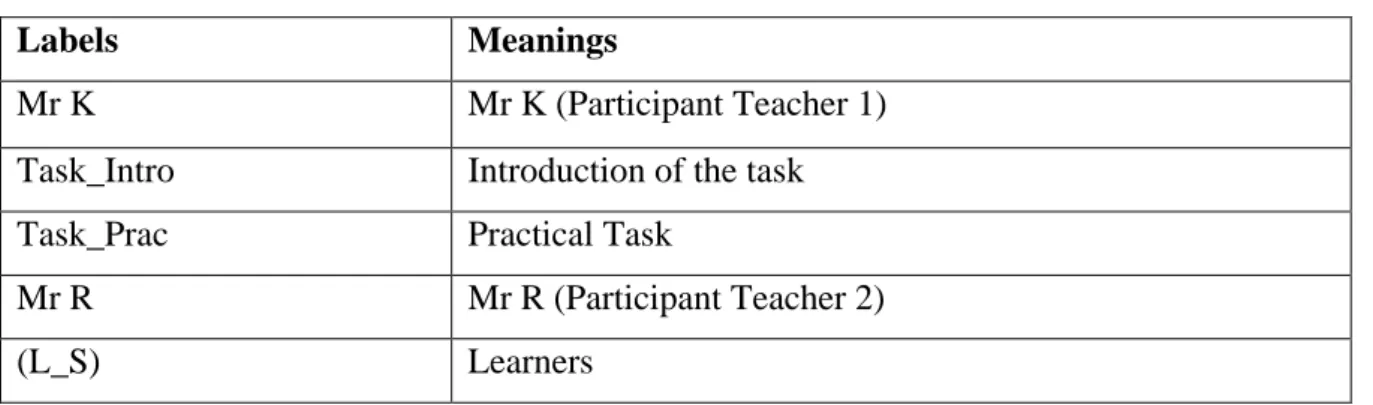
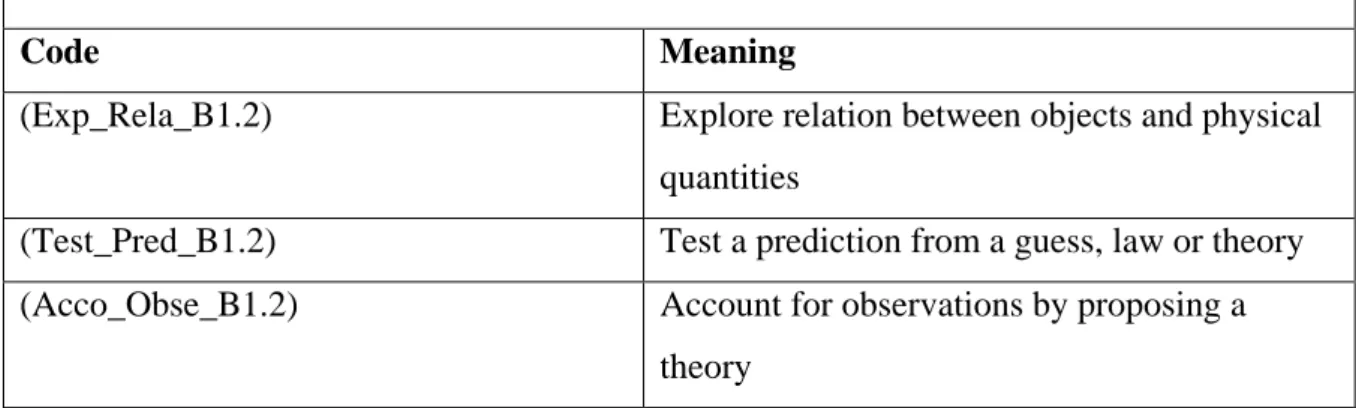
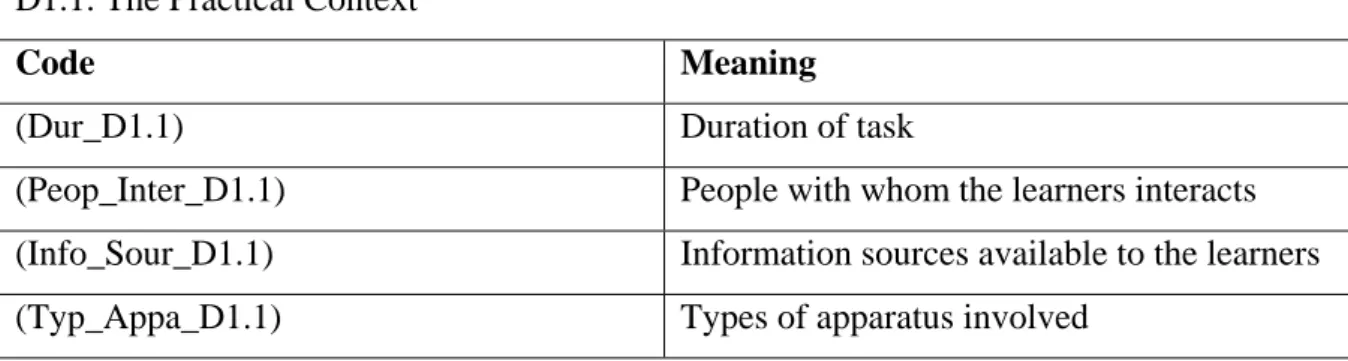
This research project was a case study that investigated how two experienced science teachers, who were undertaking self-studies to improve the use of practical work in their classrooms as part of their BSc Hons research projects, actually developed their strategies for effective use of practical work. This study explored the effectiveness of practical work by analysing 6 ‘typical’ science lessons i.e. introduction, practical session and consolidation lessons in two schools around Gauteng in South African. The research design took a form of classroom observations through audio and video recordings and also interview and
questionnaires schedules with the two participant teachers. Abraham and Millar (2008) argued that many science teachers do not implement practical work effectively when teaching in their classrooms and most learners fail to relate what they do in practical work to other aspects of their learning.
This research project hoped to find an answer to main research question:
How effective are the two participating teachers’ strategies of using practical work to promote conceptual and procedural understanding?
The data analysis used a model of effectiveness on the work done by Millar, Marechal and Tiberghien (1999) and Tiberghien (2000). The two teachers focus in these observed lessons was to promote and develop conceptual and procedural understanding. This study found that practical work in some cases was effective in getting the learners to do what was intended for them to do with objects and materials e.g. apparatus, but the was less evidence of the
effectiveness of practical work in getting the learners to use the intended scientific ideas from the data they collected and also little evidence of them showing the understanding of what they were intended to understand e.g. cognitive challenge of linking the observables to ideas. The study revealed that learners get more procedural understanding and less conceptual understanding in a given practical activity. The study also revealed that teachers faced a lot of challenges when implementing the use of practical work in their classroom e.g. time
constraints, minimum availability of resource, less CAPS training etc. and these challenges often hinders the use of practical work as part of the learning and teaching of science. This study further recommended that the department of education do more to support the teachers in their implementations of certain teaching strategies e.g. practical work and that the use of practical work be considered at the fore-front of learning and teaching of science.
ACKNOWLEDGEMENTS
I would like to thank most importantly my supervisor, Dr. Mpunki Nakedi who has provided me with support, suggestions, constructive comments, advice without hesitation all of which provided strong backing for this Masters Research project.
I would also like to thank Professor M. Rollnick who through the National Research
Foundation (NRF) supported this study. I would like to thank the participants (Mr R and Mr K) of this study for their patients and support during the data collection process. I would like you to also thank my Masters friends Aviwe Sondlo, Maletsau Mphahlele, Climant Khoza and Thabo Mkhaliphi for the support and motivation that they have given me throughout the study. And finally I would like to thank my family for the support that they gave me
Table of Contents
DeclarationAbstract
Acknowledgements
Chapter 1: Background of the Study
1.1.Introduction 3 1.2. Context 3 1.3. Problem Statement 5 1.4. Rationale 6 1.5.Purpose Statement 7 1.6. Research Questions 7 1.7. Conclusion 8
1.8. Preview of following Chapters and Structure of the Report 8 Chapter 2: Literature Review and Conceptual Framework
2.1. Introduction 9
2.2. Historical use of Practical work 9
2.3. What is practical work? 10
2.4. The Schooling Curriculum and Nature of Practical Work in South Africa 11
2.5. Teacher’s Perspectives on Practical Work 15
2.6. Conceptual Understanding in Practical Work 16
2.7. The three levels of Representation 17
2.8. Practical Work for Procedural knowledge 18
2.9. Importance of Practical Work 19
2.10. Problems with Practical Work 20
2.11. Assessment and Evidence in practical work 21
2.12. Social Constructivist and Cognitive theory 25
2.13. Conclusion 29
Chapter 3: Research design and Methodology.
- 3.1. Introduction 30
- 3.2. Research Design& Methodology 31
- 3.3. Data Collection Instruments and methods 31
- 3.4. Classroom Observation 31
- 3.6. Interview 32
- 3.7. Questionnaires 33 - 3.8. Sampling Method 35
- 3.9. Ethics Consideration 35 - 3.10. Anonymity & Confidentiality 36
- 3.13. Conclusion 38 Chapter 4: Discussion of Results 4.1. Introduction 41
4.2. Interviews and Questionnaires schedule analysis. 41
4.3. Interviews 45
4.4. Introduction to Classroom Observation 53
4.5. Analysis of data 54
4.6. Discussion of Results 55
4.6.1 What Learners do with Objects and Materials (Level 1: O) 55
4.6.2 What Learners do with Ideas (Level 1: i) 63
4.6.3 What Learners learn about Observables (Level 2: O) 70
4.6.4 What Learners learn about Ideas (Level 2: i) 74
4.6.5 Conclusion for Observations 76 4.7. Main Conclusion 77
Chapter 5: Conclusion 5.1. Introduction 78 5.2. Research Questions 78 5.3. Discussions and Summary of Findings 78
- 5.3.1. What in their perspective; are some of the factors that hinder the use of practical work in science classrooms? 79
- 5.3.2. How are their professed aims for doing practical work aligned with what actually transpire during the actual classroom implementation? 80
- 5.3.3. What strategies do they use to promote conceptual understanding and procedural knowledge in their learners? 81
- 5.3.4. How are the two science teachers relating the content learnt in science classroom to the practical work done? 82
- 5.4. Conclusion 84
5.5. Implications for the Curriculum 85
5.7. Limitations 86
5.8. Suggestions of Future studies 86
5.9. References 87
List of Tables
Table 1: A 2X2 effectiveness matrix for practical work 27
Table 2: Table showing codes and their meaning 34
Table 3: Profiling of practical task: intended learning objectives codes and their meaning 39
Table 4.1: Profiling of practical task: Cognitive structure of the task codes and their meaning 40
Table 4.2: Profiling of practical task: Cognitive structure of the task codes and their meaning 41
Table 5: Profiling of practical task: level and nature of learner involvement 41 Table 6: Profiling of practical task: The practical context 42 List of Figures
Figure 1: Three levels of representation 19
Figure 2: Model of the process of design and evaluation of a practical task 29 Figure 3: Practical work: linking two domains (from Tiberghien, 2000) 30 List of Appendixes
Appendix 1- Learners consent letter 97
Appendix 2- Teachers consent letter 99
Appendix 3- Principle, SGB, HOD consent letter 101
Appendix 4- Ethics Letter 103
Appendix 5- Observation schedule template 104
Appendix 6- Interview schedule 106
Appendix 7- Questionnaire schedule 107
A Case study of two experienced science
teachers’ use of practical work
3
Chapter 1 Overview and Background
Introduction
In the past few years, the South African schooling curriculum has experienced changes which called for a need to put more emphasis on practical work. According to Abraham and Millar (2008) practical work is central to the effectiveness of science education for both teachers and scientists. Several studies have revealed that practical work is not serving its purpose in science classrooms (Hodson, 1990; Bennett, 2003) and that there is a lack of meaningful use of practical work by teachers (Hodson, 1990; Stoffels, 2005; Perkins-Gough, 2007).
Abraham and Millar (2008) argued that most learners fail to relate what they do in practical work to other aspects of their learning. This research project is a case study which was aimed at investigating how two experienced science teachers, who were undertaking self-studies to improve their use of practical work as part of their BSc Hons research projects, actually developed strategies for its use in practice.
Context and Background of the Study
In educational research the context at which the research will be conducted is important. This research project was performed in two secondary schools around the Johannesburg district of Gauteng. In the South African context, the use of practical work has had its share of
challenges, as endless curriculum changes unfolded since 1994. The curriculum change entailed more inclusive education for learners which resulted in the formulation of the outcome based education (Rogan, 2004). In addition, these curriculum changes have had an impact on the use of practical work in science classrooms. The current situation in South Africa sees practical work as being part of the learning and teaching of science, but it is not formally examinable.
South African schools are currently using the Curriculum and Assessment Policy Statement (CAPS) as part of the schooling curriculum. The CAPS document considers practical work in a form of practical experiments, investigations, demonstrations and projects (Department of Education, 2011). These activities are aimed at developing skills such as problem solving and scientific inquiry, which includes skills such as observation, analysis, drawing
4
“integrated with theory to strengthen the concepts being taught” (DoE, 2011, p11). This suggests that the main emphasis of the CAPS for science is on the use of practical work and need to integrate it with the theory, to ensure better understanding of concepts.
Rogan and Grayson (2003) argued that South Africa is in danger of falling into a trap of designing educationally sound policies, but failing to focus on how these should be effectively implemented. The use of practical work has always been an integral part of engaging learners to concrete learning experiences in science classrooms (Hofstein & Lunetta, 1982). Hodson (1990) traces its use as far back as 1883. In South African schools, despite the goals and objectives outlined in the CAPS document, implementation of practical work has been a challenge for many teachers. According to Ramnarain (2011), South African schools, lack autonomy in their use of practical work resulting in teachers using
demonstrations and cookbook approaches which relegates learners’ participation to mere following of teachers’ instructions. This study highlights how the implementation of CAPS is actually problematic for some teachers and schools.
The study by Nakedi, Taylor, Mundalamo, Rollnick and Mokeleche (2012) argues that the change from national curriculum statements (NCS) to CAPS was not only a draw back to the apartheid curriculum, but has also pushed the education system into confusion, because the syllabus was changed without being sign posted. In this study, Nakedi et al. (2012) examined the NCS curriculum documents and examination papers to see if there were any congruency between successive documents regarding the weighting and conceptualisation of the LOs. The study revealed that there was a retreat from the original vision of weighting skills (LO1) and relevance (LO3) equally with content (LO2) which resulted in privileging of content oriented science at the expense of inquiry oriented and contextualised science. They further argue that the retreat from these two internationally recognised best practices in the teaching and learning of science has now been cemented by the introduction of CAPS document, a move which has served to subvert the heritage and retard the progress which was already registered within the science education/schooling community.
In South African schools, some science classrooms are lacking the laboratory equipment for performing practical tasks while other schools do have the equipment (Makgato & Mji, 2006). The focus of this study was on how effective the two experienced practicing science teachers use practical work in their classrooms as they undertook self-studies and how they perceived the nature of practical work in their classrooms.
5
Problem Statement
Although much research has been done on the use, role, purpose and effectiveness of practical work in other countries, little is known about the effectiveness of practical work in the South African schooling context. The study by Mudau (2007) found that there are attempts to conduct practical work in this country and that there is a need to link
understanding of practical work and teacher practices. Makgato (2007) on the other hand argues that the lack of appropriate practical experiments in most South African schools results in poor performance in Physical Sciences.
The ideal situation regarding the use of practical work is that it makes science real for learners. Abraham and Saglam (2010) argued that practical work makes physical
phenomenon real to learners because it encourages observations, recording, using scientific methods and promoting problem solving skills. In addition, Kipnis and Hofstein (2007) assert that practical work has been recognised as an instructional strategy that is effective in science teaching and learning. At the same time, if used properly by learners it can improve
understanding of science. It is argued that effective use of practical work can help learners to develop understanding of science, acquiring of hands-on skills as well as appreciation of science as evidence-based (Abraham & Millar, 2008).
According to Hodson (1990) however, use of practical work in most classrooms is confused, ill-conceived and unproductive. Vhurumuku (2004) on the other hand points to the fact that laboratory strategies used, activities and the nature of interaction in practical work are still far from being understood. In the same breath, the concern raised by Abrahams and Millar (2008) was that for many children the activities and what goes on in the laboratory often contributes little to their learning of science. These studies (Hodson, 1990; Abraham & Millar, 2008) suggest that the use of practical work in many schools is not productive and learners do not benefit from it as intended by their teachers.
The other group of studies (Collete & Chiapetta, 1989; Bennett, 2003) points to teacher expertise in using practical work effectively in their classrooms. The argument by Bennett (2003) is that views of teachers about practical work may or may not reflect their actual practice in classrooms. Moreover the consequence of not using practical work effectively and as intended is that most learners fail to relate what they do in practical work to other aspects of their learning (Abrahams & Millar, 2008). As a result, this research project was aimed at investigating the potential of practical work in promoting conceptual and procedural
6
understanding in science classrooms by tracing the efforts of two experienced science teachers, who undertook self-studies to improve their use of practical work.
Purpose Statement
The purpose of this research was to investigate how two experienced science teachers, undertaking self-studies to improve use of practical work in their classrooms, actually developed their strategies for its effective use. This research proposed to give insights on the usefulness and effectiveness of practical work for learners’ understanding by linking the content learnt in science classrooms to the practical tasks done. In addition, it aimed to explore how science teachers’ views about the use of practical work in their daily teaching routines as well as their views of the nature of practical work, shifted, as they engaged in self-studies.
Research Questions
In considering the research problem, the main question of this study was: How effective are the two participating teachers’ strategies of using practical work to promote conceptual and procedural understanding? The main question was investigated by seeking answers to the following sub-questions:
1. What perceptions do the teachers hold about use of practical work in teaching science?
1.1 What views do they hold about the nature of science?
1.2 What in the participating teachers’ perspectives are some of the factors that hinder the use of practical work in science classrooms?
1.3 How are the two science teachers relating the content learnt in their science classrooms to the practical work done?
2. What strategies do they use to promote conceptual understanding and procedural knowledge in their learners?
3. How are their professed aims for doing practical work aligned with what actually transpire during the actual classroom implementation?
The research questions outlined above were in such an order where they first addressed what teachers’ views were regarding aspects of practical work and its use in classrooms. For the
7
sub-question, teachers had to give their perspectives regarding factors that hindered their use of practical work, which were captured through interviews and questionnaires. These factors in a way were going to influence their practice. The second, third and last questions looked at the practical aspects of the teachers’ use of practical work, these aspects would be guided or influence by the factors stated in the first research question. This implied that these questions looked at what teachers said or their views versus what they actually did in practice. This also helped me in linking what they said and be able to align that with their actual classroom practices through video and audio observations. These observations gave me first hand proof of what the teachers and their learners did during practical activities.
The first research question looked at the teachers’ perspectives of the factors that hindered the use of practical work. In answering this research question, data from both the pre and post interviews and questionnaires (see appendix 6 & 7) were used in answering this question. The teachers in the interviews and questionnaires were asked about the factors that they perceived as hindering their use of practical work. To check for the validity of their view, the teachers were given pre-interviews and pre-questionnaires and their views in these two were compared with their views in the post-interview and post-questionnaires
The second research question looked at their aims and how they align to what they do in practice. This question was answered using the pre- interviews and pre-questionnaires, peer engagement sessions as well as their classroom observation data. Firstly, their aims were capture through the interviews and questionnaire and also through their pre-planning during the peer engagement meeting audio recordings, where they discussed what they will be doing during the practical sessions. There was an alignment in the aims as outlined from the data; secondly the alignment of their aims to their actual practice was retrieved from the classroom observations through audio and video recordings. These were used to see whether what the teachers said in their pre-interviews and questionnaires, peer engagement session aligns with what they do in their respective classrooms. Chapter 4 discusses these alignments in detail. The third research question looked at the practical aspects of teachers’ use of practical work, with the focus on the strategies that teachers used in promoting conceptual and procedural understanding. The data that was used to answer this question was retrieved from the peer engagement session audio recordings, pre and post-interviews and questionnaires as well as the classroom observations. The peer engagement session audio recordings gave me an idea of the teachers plans prior to the observations which included their strategies. The pre and
8
post-interviews and questionnaires also gave me their prior views of how they promote conceptual and procedural understanding. On the other hand, the classroom observations gave first-hand evidence of the strategies that the teachers actually chose to use to try to promote the learners conceptual understanding and procedural knowledge. For the fourth and last question, data was drawn from the classroom observation audio and video recordings as well as the pre-interviews and pre-questionnaire. The interviews and questionnaire, had questions that required the teachers to express their views of how they relate content taught in classrooms and their actual practices. For more details on the questions outlined above and how they were answered refer to chapter 4.
Rationale
A lot of research has been done with the focus on the effectiveness of practical work in developing countries (Abraham & Reiss, 2012; Abraham & Millar, 2008, Millar, 2004), on the other hand effective use of practical work in the South African context within the
framework of recent curriculum changes, is still not yet been investigated. There are several studies (Rogan & Grayson, 2003; Rogan, 2004; Mudau, 2007; Singh, 2014) that were
conducted based on practical work implementations and use in South African schools but use of practical work in promoting conceptual and procedural understanding has not yet been investigated, a gap in the research field which this present study hoped to contribute to its address.
According to the CAPS document, the teaching of science in the curriculum should include the understanding of how scientific enquiry is performed, the kinds of reasoning that scientists use in linking data and explanations, the types of claims scientists make and the roles that the scientific community take in checking knowledge claims (DoE, 2011). The expectation of CAPS is that learners must be able to conduct experiments, investigations, demonstrations and projects as part of their assessment. These activities are meant to promote scientific enquiries and encourage learners to be aware of their environment and be equipped with skills of investigation (DoE, 2011). This suggests that according to CAPS, practical work in science teaching plays a central role.
Despite what is written in the CAPS document, the implementation regarding the promotion of conceptual and procedural understanding is yet to be seen in the South African schooling context. This research project aimed to provide insights on the potential effective use of practical work in South African schools. The project focused on two experienced practicing
9
science teachers, who undertook self-studies to improve the use of practical work in their classrooms. Furthermore, this project aimed to raise awareness of issues around the potential impact of practical work as a tool in the teaching and learning of science in schools. It was also hoped that the study would provide teachers with alternative strategies on how practical work can be used for effective learning and teaching in science classrooms.
What made me interested in this field of study of practical work was that at school we never performed practical task and even when our teacher tried it did not work out. I always believed that learning through seeing is the best way of learning. When I got the opportunity to do research, immediately I thought of practical work, I wanted to know in depth how it works and how it could be used to help learners and teachers. This particular research project I wanted to explore how teachers teaching the same grades use practical work in their
classroom and how I would one day make use of it in my teaching. Conclusion
This chapter used the relevant literature to discuss the background of the study in terms of the research context, problem statement, purpose statement, and the rationale for doing this study. This chapter was aimed at giving a prelude to what this study was all about. The next chapter will review the literature and culminate with the conceptual framework that informs this study.
Preview of the Chapters that follow giving the structure of the report
In Chapter 2, I reviewed literature related to the questions and therefore the significance of this study. I reviewed literature on the historical use of practical work, its different
definitions, purposes and types as conceptualised by different scholars, I then moved on to consider literature on the South African schooling curriculum and how it positions practical work, and then on science teachers’ perspectives on practical work, its effectiveness, and then ultimately to the problems associated with its implementation in most schools. The chapter ends by discussing the conceptual framework adopted in this study.
Chapter 3 outlines the research design and methodology that were employed in this study. This study had to adopt a suitable research design to investigate how effective is practical work in some science classrooms. The chapter discussed and justified the actual research design employed in the study, the data collection method and tools, sampling technique, data
10
analysis, issues of rigor, validity and reliability as well as issues of confidentiality and ethics consideration.
Chapter 4 discusses analysis and interpretation of data using the adopted analytic framework and moves on to present the findings of this study.
In Chapter 5, the reflections and conclusion of the study were outlined and a discussion on how the research questions were answered. The limitations, recommendations and
11
CHAPTER 2: Literature Review and
Conceptual Framework
Introduction
In this chapter, literature which is significant to this study was reviewed. This includes review of literature on the historical use of practical work and the different definitions of adopted by different scholars, the schooling curriculum and nature of practical work in South Africa, literature on teachers’ perspectives about practical work. Further on, literature on the use of practical work in promoting learners’ conceptual understanding and procedural
knowledge as well as on problems of assessing practical work and the concepts of evidence were all reviewed. This chapter culminates with a discussion of the conceptual and analytical frameworks adopted in this study.
Historical use of Practical Work
Practical work is not a new teaching approach in science classrooms but it has been used in the past. Lock (1988) saw practical work as a waste of time, and this was because teachers did not understand its role as an effective tool for the teaching and learning of science. Practical work is not a new approach to the teaching of science and Gee and Clackson (1992) traces its use as far back as 1850’s. Hodson (1990) argued that since 1883 science instruction was expected to be given as experiments by the Education Department in New Zealand, UK and Australia. According to Hofstein and Lunetta (1982) science classroom laboratory have been used for a long time in engaging learners in concrete learning experience.
The use of practical work in science classrooms had its own challenges. For decades until now, teachers have always had a challenge in using practical work effectively, because of not understanding its nature as a teaching and learning tool. According to Hodson (1990), most teachers used practical work unthinkingly because they did not know the main purpose of practical work in the learning and teaching of science. Unfortunately, several studies suggest that this problem still persist to recent years (Stoffels, 2005; Abrahams & Millar, 2008). In South African schools, practical work has been used in the past and has had its own share of problems. The study done by Muwanga-Zake (1998) found that most textbooks in South
12
African schools do not outline the aims of practical exercise or processes of science which the practical work has to develop. Muwanga-Zake (1998) further argued that experiments used in classrooms scarcely relate to learner’s real lives and environment or challenge the learners practically and intellectually.
What is Practical Work?
Even though practical work is defined differently by many authors, it is generally seen as an integral part of science teaching and learning. Practical work is viewed by many scholars (Millar, 2004; Rollnick, 2003; Millar et al., 1999) as any learning and teaching activity which at some point involves learners observing or manipulating objects and materials. Several authors like (Hodson, 1998; Tsai, 2003) viewed practical work as laboratory based work that comprises of experimentations and that gives learners laboratory-based experience. This suggests that experiments were also recognised as kinds of practical work and that when learners engage in practical work, they gain experience based on what they dealt with in the experiment.
According to Lunetta, Hofstein and Clough (2007) laboratory activities are learning experiences where learners engage with secondary data or materials in observing and understanding their natural world. Stoffels (2005) views practical work as the teaching and learning situations that offer learners an opportunity to engage in an investigation of some kind and argues that it must include hands-on and minds-on learning opportunities to assist learners in developing various process skills. This suggests that practical work should be used to enable learners to use their minds and their hands in developing skills such as observation, questioning, collecting of data, manipulating objects, recording data etc. Stoffels (2005) further.
According to Hofstein and Namman (2007) types of practical work include projects, investigations, inquiries, projects or field trips. The above argument suggests that practical work comes in a variety of forms, but these forms should include learners doing things on their own. Several studies (Kask & Rannikmäe, 2006; Ottander & Grelsson, 2006; White, 1996) argued that inquiry based learning through experimental work develops learner’s process skills. Donnelly (1998) argued that practical work includes individuals/small groups doing laboratory work and this does not include teacher demonstrations, suggesting that
13
teacher demonstrations are not considered as practical work because practical work must involve the individual or group of learners doing things on their own and with little guidance.
Pekmez, Johnson and Gott (2005) on the other hand, viewed practical work as the movement that influence it, meaning that practical work can be viewed as discovery learning where learners’ thinking is developed. This suggests that if a learner discovers something, he is learning and the discovery is influenced by the movements occurring during his observation in the practical tasks. Various authors in these sections defined practical work differently, some with similar ideas.
The Schooling Curriculum and Nature of Practical Work in South Africa
Since 1994, the South African schooling curriculum has undergone multiple changes towards learner inclusive type of education which gave rise to outcome based education (Rogan, 2004). The change in the curriculum from outcome based education (OBE) to revised national curriculum statements (RNCS) then to national curriculum statements (NCS) and then currently to curriculum and assessment policy statement (CAPS) has had its own share of challenges and has caused confusion amongst many teachers, since these curriculum policies had different goals and outcomes. In the year 1997, the South African government introduced Curriculum 2005 (C2005) in GET and FET phases. C2005 had three distinct features i.e. OBE, learner centeredness and integrated approach to knowledge that presented a shift in the curriculum where teaching could be understood (Chisolm et al., 2000). There were a lot of criticisms regarding this curriculum, with Jansen (1999) arguing that it would not succeed because it was driven by political agenda that is lacking of classroom life realities.
CAPS as the current curriculum consider practical work in forms of practical experiments, investigations, demonstrations and projects aimed at developing learners’ skills of problem solving and scientific inquiry which include observation, analysis, drawing conclusions and data collection (DoE, 2011). According to CAPS, practical work has to be “integrated with theory to strengthen the concepts being taught” (DoE, 2011, p11). The introduction of the CAPS document meant that there were more regulated learning programs than there has previously been and the workbooks were central, this resulting in less responsibility on teachers interpretation of the curriculum outcomes (Singh, 2014).
14
The CAPS document supports the use of practical work, part of formal assessment in the document for practical work is broken down into three parts/units i.e. the section of ‘practical activities’ including experiments or projects and practical demonstrations that are used in strengthening concepts, basic ‘experiments’ which refer to outlined instructions that learners can following obtaining results need for verifying theories and finally ‘practical
investigation’ which require learners to go through basic scientific processes (DoE, 2011). According to the CAPS document, the teaching of science in the curriculum should include the understanding of how scientific enquiry is conducted, the kinds of reasoning that scientist use in linking data and explanations, the types of claims scientists make and the roles that the scientific community take in checking knowledge claims (DoE 2011). The expectation is that learners must be able to conduct experiments, investigations, demonstrations and projects as part of their assessment and these activities are meant to equip learners with skills of
investigation and encourage them to be aware of their environment (DoE, 2011). In the CAPS document the assessment standards and learning outcomes of the NCS were replaced by themes and topics, were learning areas are called subjects (The Oxford Team, 2012). Despite the goals and objectives of the CAPS document, its implementation has been a challenge. This suggests that the implementation of the CAPS document was problematic for most teachers.
Furthermore, Ramnarain and Fortus (2013) found that the introduction of the revised
curriculum meant that South African physical sciences teacher taught the content which was supposed to be in the examination, skipping other relevant content in the document, due to the overload of content. The implementation of the curriculum was affected by many factors one of which was overload of content. The study by Dlamini (2008) on the exploration of how Natural science and Life science teachers address scientific investigations prescribed by the CAPS policy document in their classrooms showed that most teachers used teacher-centered approaches instead of using open inquiry. The study further showed that there was a gap between the Department expectations and the teaching that goes on in the classroom. These studies show some of the challenges that teachers face in the implementation of the CAPS document and other curriculums and it is worth tracing them back from considerations of how shifts happened from NCS to CAPS.
The NCS curriculum had its own problems, the problem with the implementation of NCS was that most teachers in South African schooling were not able to translate and understand
15
what was in the NCS by unpacking it into practice (Nakedi, 2014). It is important to note that NCS had to accept the same principles as that of C2005. As depicted by Ngema (2011), the main aim of OBE was to use outcomes driven curriculum to ensure shifts from the teacher-centred approaches to learner-teacher-centred approaches. In the physical sciences, the curriculum was driven by three learning outcomes and according to DoE (2003) it is argued that these three learning outcomes (Learning outcome 1, 2 & 3) and their assessment standards are equally important. Unfortunately, what is written in the policy documents and the actual teaching practices regarding these outcomes, are totally different. As illustrated in the study by Nakedi, Taylor, Mundalamo, Rollnick & Mokeleche (2012), in 2005 the grades 10-12 exam guideline showed that 30% weight was on LO1, while LO2 had 40% and LO3 had 30%. This suggests that in reality the weighting of these LOs was not equally distributed in physical sciences and favouring LO2 which continued the historical pattern of emphasizing content, at the expense of the other two LOs. Given the nature of LO1, this has implications for the use of practical work in this country. (
Nakedi et al. (2012) further argued that the examinations are not suitable in assessing the first and third learning outcomes (LO1 & LO3). In the examination LO1 and LO3 are assessed through two practical investigations and a research project weighting 10% and 5%
respectively (Nakedi et al., 2012). Furthermore, these research projects were a pen-and-paper exercise (Nakedi et al., 2012). This suggests that practical work in South African schools is often theory-based rather than practically-based, meaning what is written in the official documents is not practiced in classrooms.
The main problem was that what the NCS described as the ‘scope’ of LO1 was not
implemented in classroom practice, the skills for LO1 according to the NCS are that learners have to develop and use the study of physical sciences similar to those used in science by scientist (Nakedi et al., 2012). On contrary, the exam guideline on the other had the
Assessment Standard 1 (AS1) suggesting that the learners must solve problems using two or more steps of calculations (Nakedi et al., 2012). This suggests that what was written in the NCS and the actual implementation were contradictory and that LO1 was not aligned to AS1 as they should be. Teacher’s role according to LO1 was that they should enable the
development of skills by helping learners in carrying out open-ended investigations (Nakedi, 2014). According to Yoon and Kim (2010) one of the crucial disciplines to position learner’s development of skills is through inquiry-based practical work. In order for teachers to
16
understand the role of process and content, they need to understand inquiry-based instruction (Chiapetta & Adams, 2004) as outlined by LO1.
According to Nakedi et al., 2012 the change from NCS to CAPS was not only a changed back to the apartheid curriculum but it had pushed the education system into confusion when the syllabus was changed without the changes being sign posted. It is further argued that the NCS had a framework that was built in through a lot of work and expertise, the introduction of CAPS meant this framework was totally lost (Nakedi, 2014). It is argued that the reason for the change in curriculum from NCS to CAPS was to lessen the administrative load that teachers had and ensuring that there was guidance and also consistency for teachers when teaching (DoE, 2011). Furthermore, Singh (2014) argued that the curriculum change from NCS to CAPS was meant to adjust what teachers teach and not how to teach e.g. teaching methods. According to Singh (2014) the manner in which the CAPS document is organised in content format rather than learning outcomes format was prone to the traditional teaching methods rather than OBE methods. These sections have discussed the schooling curriculum and nature of practical work in South Africa; the next sections discuss teachers’ perspectives on practical work.
Teacher’s Perspectives on Practical Work
These sections discuss teachers’ views and perspectives about practical work from several studies. A study by Hatting, Aldous and Rogan (2007) based on the factors that influence the quality of practical work in South African science classrooms, revealed that practical work was conducted in classrooms but little was known about the factors for its implementations. The study further revealed positive attitude and dedication of teachers and their learners in implementing practical work but that there was no evidence of effective practice of practical work in science schools. The study also showed that teachers had challenges in making practical work an effective learning and teaching strategy, the study finding also indicated that the utilisation of practical work is not determined by resources (Hatting et al., 2007). For example, a school can have laboratories but not perform practical work and there are other schools that do not have or have poorly resourced laboratories but the teachers are motivated to find ways of doing practical work. Another study conducted by Dlamini (2008) on the exploration of the teaching of scientific investigations in Natural and Life science teachers, the findings showed that most teachers used teacher-centred approaches instead of open inquiry in scientific investigations. The study further showed that there was a gap between
17
the Department expectations and the teaching that goes on in the classroom. This suggests that teachers are aware of practical work, but they do not use it effectively and as expected by the department.
A study by Kim and Chin (2011) on the views that pre-service teachers had regarding practical work’s inquiry orientation in the classroom found that the teachers’ understanding was narrow when it came to inquiry and practical work. The study further argued that the process of inquiry does not seem be done enough in everyday science classroom (Kim & Chin, 2011). The factors that teachers faced in practicing inquiry based teaching were due to lack of teacher knowledge, lack of time, poor facilities, overloaded content and skills and experience (Kim & Chin, 2011). The study finally suggested that teachers’ contexts be examined for the development of inquiry-based practical work.
Finally, a study by Pekmez et al. (2005) on teachers understanding of the purpose and nature of practical work, found that the teachers regarded practical work as being beneficial in science classroom, but gave different reasons. These sections discussed teachers’ views and perspectives on practical work from several studies. The section that follows considers issues related to use of practical work in promotion of conceptual understanding.
Conceptual Understanding in Practical Work
Johnstone (1982) argued that Chemists refer to chemical phenomenon at three levels of representation which are sub-microscopic, macroscopic and symbolic level of representation and that these are directly related to each other. The sub-microscopic level of representation refers to the descriptions of how properties and behaviors of the sub- atomic particles, atoms and molecules affect the bulk properties. The macroscopic level of representation deals with observable chemical phenomena; these refer to the bulk properties of phenomena as
experienced in daily occurrences i.e. change in colour of a substance. And finally the
symbolic level of representation, this level is the scientist’s short hand or coding and is used to communicate the link between the microscopic and macroscopic levels of representations. Examples of symbolic representations include algebraic, pictorial, physical and
computational forms such a chemical symbols, formulae and equations, graphs, reaction mechanisms, analogies and model kits.
18
In the learning and teaching of chemistry, learners are often moved through the three different levels of representations i.e. microscopic, sub-microscopic and symbolic. Figure 1: Three levels of representation
The diagram below (figure 1) above retrieved from Treagust et al. (2003) was used by the participant teachers in moving the learners through the three levels of representations. Treagust et al. (2003) argues that most chemists refer to phenomena in chemistry at three different levels of representation i.e. macroscopic, symbolic and sub-microscopic, suggesting that chemistry is easily represented through these three levels of representation.
In dealing with the topics that the participant teachers were teaching, they had to try and move the learners through these levels. The macroscopic level is the observable chemical phenomena in learner’s everyday lives (Treagust et al., 2003). The microscopic level of representation; this level dealt with the movement of particles such as electron, molecules and atoms (Treagust et al., 2003). In this level learners often deal with things that they do not see. Finally, the symbolic representation is argued to construct mental image, and these may include equations (Treagust et al., 2003). This level is what learners can relate with the macroscopic level e.g. chemical equation, graph, algebra behind a concept, model kits etc. for better understanding.
It is argued that most teachers assume that learners can easily transfer from one level to another (Johnstone, 1982). When doing practical work, learners are faced with phenomena at these three levels and normally require mediation to make links for clear understanding. In engaging with practical task, learners must be able to link abstract concepts with what they see in reality in order for them to fully understand certain scientific phenomenon. Practical
19
work if done accordingly becomes effective. According to Collete and Chiapetta (1989) the effectiveness of practical work depends highly upon teacher’s philosophy. This suggests that if teachers have limited knowledge and do not understand the nature of practical work, their use of practical work will not be effective. On the other hand, if teachers understand the nature of practical work and use it appropriately as part of their teaching, they can use it effectively to assist learners to make links between the content they learn in their theory lessons to the practical task done in laboratory sessions.
Several studies (Abraham and Millar, 2008; Psillos and Niedderer, 2002) argue for use of practical work in promoting understanding of scientific concepts and also enable the learners to engage with ideas built behind the phenomenon and the practical aspects of experiments. In the next section I consider literature on the use of practical work in promoting procedural knowledge.
Practical Work for Procedural Knowledge
Practical work is viewed as the learning and teaching activity that involves learners at some point interacting or manipulating objects that they are studying (Millar, 2004). The learners get a chance to collect, analyse and make conclusions based on their data. The processes that are mentioned above are underpinned by procedural knowledge which Gott and Duggan (1996) refer to as concepts of evidence. They further argue that concepts of evidence form a knowledge base that is linked to substantive conceptual base which is in the heart of science. This suggests that a teacher should be aware that there is a knowledge linked to open
investigations which needs to be taught because it does not come automatically when
engaging learners in practical work. In scientific investigations learners are required to plan a course of action, collect necessary data and reach conclusions in one way or another (Garnett, Garnett & Hackling, 1995). The problems of the practical activity are required to be devised by the learners.
Importance of Practical Work
If practical work is used accordingly, the following arguments will show the results and suggest why it is importance in science classrooms. Practical work helps learners to develop their understanding of science, appreciate that science is based on evidence and acquire hands-on skills that are essential if learners are to progress in science (Abraham & Millar, 2008). According to Yoon and Kim (2010) practical work is a useful in that it can be used to
20
situate learners towards scientific inquiry and develop process skills. Practical work is also seen as promoting scientific understanding (Psillos & Niedderer, 2002), the understanding includes learning of concepts, model and the development of scientific inquiry abilities. Millar (2004) argued that the importance of practical work is accepted, but it is crucial that the departments of education and curriculum developers ensure that it supports learning and teaching in order to see its purpose. Hodson (1990) argued that knowing what learners do in laboratory gives an education value to practical work.
The views about the use of practical work in science education are different with opposing stand points resulting in its effectiveness not clearly being discussed in practice. Abraham and Saglam (2010) argued that practical works’ aims is to promote simple scientific methods of thinking, while Tamir (1976) argued that practical work along with concepts
conceptualization are helpful in developing positive attitudes towards science. Other authors (Woolnough & Allsop, 1985; Kempa, 1986) see practical work as being central and playing a role in science education. Several authors (Abraham & Millar, 2008; Millar et al., 1999; Gunstone & Champagne, 1990) see practical work as being an essential part for learning and teaching physics and also promoting conceptual change. Practical work is also seen by Psillos & Niedderer (2002) as influencing epistemological understanding. The following sections discuss some of the problems with practical work; these problems can result from teachers not using practical work correctly.
Problems with Practical Work
There are several factors leveled at why practical work is a challenge in most schools with the main reason being lack of resources. Hofstein and Lunetta (1980) stated that poor laboratory facilities become barriers to individual laboratory work and teachers resorted to teacher demonstration. Other studies point to factors beyond resources arguing that if practical work is not used effectively, it can result in various problems during its implementation. Many studies (Millar & Abrahams, 2008; Hart, Mulhall, Berry, Loughran & Gunstone, 2000, Berry & Mulhall, 1999) reported that for most children the activities and what goes on in the laboratory often contributes little to their learning of science resulting in their lack of
understanding of the purpose of practical task. This suggests that the use of practical work in many schools is not productive and learners do not usually benefit from it as intended. Pointing to issues in the use of practical work in teaching, Gott & Duggan (1996) argued that
21
the role of practical work is being ill-defined in science education. Cheung (1992) argued that the spread of the use of practical and laboratory work in science teaching may not necessarily be related to achievements in science. In another study Woolnough & Allsop (1985) assert that in most cases, practical activities used in teaching have nothing to do with what
practicing scientists do. As early as the 1990s, Hodson had pointed out that most teachers use practical work unthinkingly and that their approach was more hands-on rather than minds-on. In his study of Zimbabwean teachers, Vhurumuku (2004) contended that, for most teachers and learners, there is still a long way in understanding the laboratory strategies used, activities and the nature of interactions in practical work.
Some studies argue that teachers are often the reason why practical work has problems and in her study, Bennett (2003) argued that teacher’s views about practical work may or may not reflect their actual classroom practices. Perkins-Gough (2007) points out those teachers in most cases give emphasis to procedures when doing practical tasks instead of the outcomes of the task. In another study, Ottander and Grelsson (2006) found that teachers stress the
importance of practical work in their classrooms, but their objectives were not enhancing scientific inquiry since they did not regards inquiry as important. Furthermore, Hodson (1990) contended that a number of teachers think that mere use of practical work results in the acquisition of skills and that this was not the case.
In another study, Tan (2008) argued that laboratory tasks are designed such that learners follow the procedure step by step, rather than making their own meanings and decisions. Abrahams & Millar (2008) caution that further problems regarding practical work may arise due to learners not understanding the instructions and procedures in situation where apparatus are inadequate, resulting in not being able do what the teacher intended. This can result in learners getting wrong results and missing the point of the whole practical session. In the same study, they also point to the teacher’s lack of content knowledge and learners’ attitudes toward science as possible barriers to effective use of practical work. Hodson (ibid) further argued that unlike the common perceptions, learners’ interests are not increased by practical work. Abrahams & Millar (2008) further argue that most learners fail to relate what they do in practical work to other aspects of their learning.
Assessment and Evidence in practical work
The use of practical work has its own problems, purposes and importance, this section looks at another important aspect of practical work i.e. assessment and evidence. These two aspects
22
will help shed light on what are some of the issues related to how teachers assess their learners as they engage in practical activities and how learners would go about producing evidence after completing a particular practical task. This is important since at any point in time, different things can be observed in a given practical task depending on the focus e.g. process skills, practical abilities and communicative abilities.
The experimental stages like formulating problems, designing and planning procedure, setting up the experiment, conducting measurements and observations as well as
interpretation and evaluation of experimental data in science can be assessed through tests and examinations (Kempa, 1986), these stages relate to the procedural aspect of practical work. In a practical task, teachers can assess learners’ practical abilities and skills in a given task; these skills are crucial for any investigative process and enable first-hand experience of some scientific phenomenon of a particular relationship (Kempa, 1986). In a typical
classroom, a learner can be assessed on what they have observed provided that they explain the ‘science’ behind their observation and with regards to this, Kempa (1986) argued that assessment in the cognitive domain occurs when learners explain their observations and phenomenon in terms of scientific laws, models and theories. This suggests that teacher can therefore identify whether the learners’ observations are in line with the intended content or not by focusing on the quality of their explanations.
Kempa (1986) argued that an integral part of science education is in setting of educational goals associated with practical skills and abilities. Furthermore, Gott & Duggan (2002) contends that teachers need to be considerate when assessing learners in practical tasks, because learners’ performances may vary due to different factors i.e. context, procedural complexity etc. To deal with these complexities associated with assessment of practical work, Kempa (1986) suggests that teachers should use check lists that are detailed and specific to the performance criteria when assessing learners’ practical skills.
According to Gott and Duggan (2002) understanding science requires an understanding of evidence and therefore in assessing the learners, teachers need to consider what evidence the learners present after a given practical task. It is argued that practical work as a learning and teaching strategy can be used to teach about ideas of evidence and has a key role in this provided that the purpose of the practical task is clear (Gott & Duggan, 1996). Gott and Duggan (1996) argue that developing experimental skills in practical work can be approached best by recognising that it is underpinned by a unique knowledge base which is different from
23
substantive knowledge and is linked to understanding of scientific evidence. They further contend that at the time, this knowledge base of concepts of evidence had been excluded in most science curriculums, leading to a hole that causes science teachers’ confusion around the role and purpose of practical work being left (Gott & Duggan, 1996).
Gott and Duggan (2002) further pointed out that in a practical task, evaluating the validity of evidence needs to take into consideration the design, data manipulation and measurements which are part of that evidence. In their study, Lubben and Millar (1996) contend that learners’ overall performance during practical tasks is determined by their understanding of the importance of empirical evidence and its use in drawing conclusions. They further argue that evidence is crucial in that it enables one to understand and appreciate science and its contributions in crucial debates in the society. This suggests the importance of teachers in promoting the need for their learners to provide evidence when they engage in practical activities and during classroom discussions.
It is important for teachers to note that ‘good’ results that are obtained during practical work do not necessarily indicate good practical skills from learners (Kempa, 1986) because
learners can get ‘good’ results by merely following teacher’s instructions. Integration of these critical aspects in assessing practical work can ensure successful and meaningful use of practical work in schools. The following sections discussed the research paradigm underpinning this study.
Research Paradigm and Theoretical Perspective
In this section constructivism as a general learning theory and then its cognitive and social perspectives are discussed as theoretical perspectives that informed this study.
Social Constructivism and Cognitive theory
Practical work is based on the theory of constructivism. Learners in engaging with practical work have to make sense of their discourse and experience and use it to construct meaning (Singh, 2014). This research project used the constructivism theory as the research paradigm. According to Brooks and Brooks (1993) constructivism is a theory about knowledge and learning, not a theory about teaching. This theory explains how knowledge is constructed and how learning occurs and therefore has implication for teaching but it is not necessarily a theory about the teaching of science or any other discipline. The constructivist theory views knowledge as being constructed rather than created or discovered in the mind (Andrew,
24
2012). This theory relates to the study because in this study the teachers and their learners were developing an understanding through use of practical work.
Learning that results in knowledge construction, begins with a problem or scenario and Cooperstein and Kocevar-Weidinger (2004) argue that constructivist learning often starts with a case, a question or a problem. This is therefore in line with use of practical work where learners are given problems in a form of a practical task. In this study, the aim was to trace this knowledge construction in terms of how the teachers used practical work to support this knowledge construction in their classrooms.
According to cognitive theory, learning begins in the mind of an individual and learning is viewed as being provoked by situations and as a non-spontaneous process (Piaget, 1964). This suggests that without any external situation, learning does not take place. The theory includes the interaction between an individual mental components and information processed through these networks which are complex (Grider, 1993). This theory was crucial in the course of the study, in that it helped in analysing the classroom observation that took place. When learners come into classrooms, they already have conceptions and ideas that are not scientifically correct (Duit, 2003). These pre-conceptions that learners come with into classrooms can lead to the learners having misconceptions, which can hinder the teaching of new concepts by teachers. Learning involves learners changing these initial conceptions, referred to as the notion of conceptual change (Posner, Strike, Hewson & Gertzog, 1982). Hart et al. (2000) argued that conceptual change in practical work occurs when learners reconstruct their thinking as they discuss and reflect on what they were observing. This can enable the teacher to change their conceptions through learning and understanding.
The notion of conceptual change is mainly influenced by the learner’s prior
knowledge/concepts (Duit, 2003). It becomes hard for some learners to change their existing conceptions about a particular topic, because learners tend to believe that their pre-concepts are always true. Therefore, teachers need to find ways and strategies that will enable the learners to easily change their conceptions, by making science to come ‘alive’ and demonstrating what they are teaching about instead of being abstract all the time. Also, conceptual change requires that teachers appreciate that these ideas that their learners construct in their minds can often hinder the grasping of new ideas. In this study, cognitive theory was useful in justifying how the learners construct meaning in the classroom and how practical work can be used to facilitate conceptual understanding.
25
The conceptual framework
As proposed by several studies (Hodson, 1998; Abraham & Millar, 2008; Stoffels, 2005) practical work has been defined differently, with different purposes and aims. With that being said, it would not make sense to look at the effectiveness of practical work as a whole, rather, one has to consider specific task of practical work to determine its effectiveness. This
research project employed the model of the process of design and evaluation of practical task proposed by Millar et al. (1999) as the conceptual framework Figure 2. This model considers the effectiveness of practical task rather than practical work in general.
This model has four stages which are concerned with the design and evaluation of practical task, starting from Box A: Teachers objectives (what teachers intend learners to do), this can be a specific aspect of scientific knowledge. Once the specific aspect of knowledge has been decided, the next step Box B: Design features of task (what learners actually do, what is available for them), this might be the practical task that will enable the learners to achieve the objective in Box A and it also considers what apparatus learners are given in order for them to perform the intended task (Abraham & Millar, 2008).
The next stage of the model Box C: What learners actually do, this deals with what the learners do as they undertake the task that is given to them. This stage is important in that it will determine what happens in box D (Abraham & Millar, 2008), the learners might not understand the instructions given to them and they might not have the necessary apparatus to perform the intended task, so they might not do what is intended or they might do what is intended (Abraham & Millar, 2008). The final stage (Box D) deals: What learners actually learn, this stage is concerned with what learners learn after they have undertaken the task given to them (Abraham & Millar, 2008). This model enabled me to analyse the practical task given by the participant teachers. Furthermore, it allowed me to consider and evaluate
matches between what the teacher intended learners to do and what the learners actually did, this will result in the effectiveness of the task being at Level 1 (Abraham & Millar, 2008). This model further enabled me to be able to see whether what the teacher intended the learners to learn and whether it actually happened, which therefore would result in the effectiveness of the task being at Level 2 (Abraham & Millar, 2008).
26
Figure 2
In addition to using this model of the process of design and evaluation of a practical task, I used the domains of knowledge as proposed by Tiberghien (2000) i.e. the domain of objects and observables (o) and the domain of ideas (i) Figure 3.
Figure 3
In schools, some of the practical task given to learners deal only with` one domain i.e. domain of observables (Abraham & Millar, 2008), while others deal with both the domains. The domain of observables (o) deals with the ability of the learners to observe the phenomena as the teacher has intended, use the objects and materials given to them to undertake the task as intended by their teachers. The domain of ideas (i), deals with whether the learners think about their actions and observations using the ideas that the teachers has intended them to use (Abraham & Millar, 2008). The two levels of effectiveness in figure 1 combined with the model in figure 2 leads to the analytical framework called the 2x2 effectiveness matrix of practical work as shown in Table 1, which was retrieved from the Abraham and Millar (2008) study was used.
27
This table combines the two levels of effectiveness from figure 2 and the domains of
knowledge, these are used in determining where the teacher and their learners lie in terms of how they engage in practical tasks and how effective is the practical task. Level 1 of
effectiveness can either be in domain (o) the domain of observable and/or domain (i) the domain of ideas in terms of what learners do, while level 2 of effectiveness can either be in domain (o) the domain of observable and/or domain (i) the domain of ideas in terms of what learners actually learn (Abraham & Millar, 2008). The model of the process of design and evaluation of practical task proposed by Millar et al. (1999) and the 2x2 effectiveness matric for practical work in table 1 were used in the analysis of the raw data. I was able to check at which levels of effectiveness the participating teachers were working. This scheme of analysis also enabled me to analyse the teacher’s practical tasks with regards to how the learners engaged with the given tasks and how the teacher mediates the process.
Conclusion
This chapter reviewed literature on practical work and its aspects i.e. definition, historical perspective, the schooling curriculum and nature of practical work in South Africa, teachers’ perspectives on practical work, practical work for conceptual understanding, practical work for procedural understanding, effectiveness and the aspects of assessment and evidence in practical work. The chapter further discussed the conceptual and analytical framework that was used in the data analysis process i.e. constructivism and the model for evaluating the effectiveness of practical tasks by Millar et al. (1999). The next chapter will discuss the research design and methodology.
28
Chapter 3: Research Design and
Methodology
Introduction
This chapter outlines the research design and methodology employed during the course of the study. In this study a suitable research design had to be adopted to investigate how effective practical work is in some science classrooms. This chapter discussed and justified the actual research design, methods and tools for data collectionemployed in the study, as well as how data was analyzed as well as issues of rigor, validity and reliability and ethical considerations associated with the study.
Research Design & Methodology
This research project employed a case study approach. Stake (2006) argued that the nature of qualitative studies enabled them to study experiences of real cases operating in real situations. According to Opie (2004), a case study is the research of in depth interactions of single instances in an enclosed system. Cohen, Manion and Morrison (2002) consider a case study as an approach where researchers observe the characteristics of an individual unit, a school, a class, a child or community. Cohen et al. (2002) further argues that the purpose of a case study is to use observations to probe deeply and analyse intensively multifarious phenomenon that form part of the life cycle of units in an attempt to establish generalisations about a wider population to which the unit belongs
It is argued that “the focus of a case study is on real situations, with real people in an
environment often familiar to the researcher” (Opie, 2004, p74). Hence this study, which was aimed at exploring potential use of practical work in teaching, focused on investigating how two experienced science teachers undertaking self-studies to improve the use of practical work in their classrooms employed a case study approach. The approach of this study is qualitative since human participants were involved i.e. teacher’s views regarding their use of practical work needed to be captured. This approach was useful in getting the actual practices of the teachers as they engage in practical tasks with their learners.
29
The research design determines the type of instruments employed in a study (Opie, 2004). For this study a qualitative research approach was chosen and was employed. This approach enabled me to observe the practical tasks that the learners were engaging in, observe the availability or lack of resources in laboratories and also get teachers perceptions about the nature of practical work in their classrooms. It is argued that a research design outlines the data collection procedures including the data analysis procedure followed (McMillan & Schumacher, 2006).
Hatch (2002) argued that qualitative researchers collect as much of detailed specifics from research settings as possible and then look for patterns of relationship among the collected specifics. The aim of this study was to collect data based on teachers’ use and views about practical work, which resulted in looking for relationships and patterns amongst the collected data. A variety of qualitative research instruments were used in this study i.e. classroom observations through audio and video recordings, practical observation schedule, interviews and questionnaires, these sections discussed the merits of using these instruments.
Classroom Observation
The classroom observations in this study were done through audio and video recordings. This was done to ensure a comparison between the teachers’ views and their actual classroom practices while working with their learners. Observations imply that the researcher had to go to the study site i.e. schools, a classroom, a community meeting space, a staff room and observe what is going on at that site (Bertram & Christiansen, 2014). I therefore went to the teacher’s classrooms to observe how they implemented and used practical work in their respective classrooms. The advantage of using observation is that the researcher obtains first-hand data (Bertram & Christiansen, 2014). This influenced my choice of this type of tool, since I wanted to get first hand data of the potential of use of practical work in some of typical South African classroom settings.
According to Creswell (2012), observation is a process where open-ended first-hand
information is gathered by observing places and people at the research site. This suggests that when you observe a scenario, you get first-hand information from your sources of
information.
Classroom observations were used in an attempt to capture the practices of both the teachers and their learners. In this research project I assumed a non-participant observer role and as