University of Huddersfield Repository
Kontogiorgos, Vassilis
Polysaccharide Nanostructures
Original Citation
Kontogiorgos, Vassilis (2014) Polysaccharide Nanostructures. In: Edible Nanostructures: A Bottomup Approach. Royal Society of Chemistry, London, UK, pp. 4168. ISBN 978184973 8958
This version is available at http://eprints.hud.ac.uk/id/eprint/23495/
The University Repository is a digital collection of the research output of the University, available on Open Access. Copyright and Moral Rights for the items on this site are retained by the individual author and/or other copyright owners. Users may access full items free of charge; copies of full text items generally can be reproduced, displayed or performed and given to third parties in any format or medium for personal research or study, educational or notforprofit purposes without prior permission or charge, provided:
• The authors, title and full bibliographic details is credited in any copy; • A hyperlink and/or URL is included for the original metadata page; and • The content is not changed in any way.
For more information, including our policy and submission procedure, please contact the Repository Team at: [email protected].
Chapter X
Polysaccharide Nanostructures
Vassilis Kontogiorgos
Department of Biological Sciences, University of Huddersfield, HD1 3DH, UK
Table of Contents
X.1 Introduction ... 3
X.2. Polysaccharide sources and composition ... 6
X.3 Polysaccharide conformations ... 8
X.4 Structuring using polysaccharides - High moisture regime ... 11
X.5 Structuring using polysaccharides - Low moisture regime ... 19
X.6 Conclusions ... 25
X.1 Introduction
Polysaccharides are carbohydrate polymers where sugar units are linked
together through glycosidic linkages. In living organisms polysaccharides are the
structural polymers that provide support (e.g., cellulose in plants or chitin in
arthropods) or the sources of energy for plant development (e.g., starch).
Polysaccharides are routinely used in the food industry, most frequently as thickeners,
stabilizers of dispersions (emulsions, foams) or structuring agents of water and air.
Thickening solutions and stabilizing dispersions against creaming are two of the most
common industrial applications of polysaccharides. These functional properties are
used to create formulations with reproducible flow properties not only during
processing but also during the specified shelf life of the product. The viscosity of a
polysaccharide solution exhibits a remarkable increase above the critical polymer
concentration (c*). Polysaccharides normally show Newtonian or pseudoplastic flow
behavior at concentrations below or above c*, respectively. As is evident,
concentration along with other factors is critical and can be used to control the
functionality of polysaccharides. Common polysaccharides that are used to enhance
viscosity include xanthan, galactomannans, starches or cellulose derivatives. Apart
from thickening solutions and conferring desirable textural properties,
polysaccharides can be also used in more technologically demanding applications that
require structuring of water, air or emulsifying a hydrophobic compound. They can be
used for partial or total replacement of fat in reduced fat formulations by structuring
water in the form of a gel. The textural and functional characteristics of the gelled
structure should be comparable to those of fat. This is a particularly difficult task
properties of fats and hydrocolloids. Of particular importance in fat replacement is the
melting behavior of the gel that should resemble that of fat i.e., a melting point that is
close to the body temperature (~37 oC) with a sharp melting transition so as to impart
mouth-melting characteristics in the structure. Another important feature would be the
structural stability of the gel in order to provide the desirable shelf life to the product.
Quality losses are usually manifested by the presence of a thin layer of water that is
expelled out of the structure. This is known as syneresis and is due to rearrangements
of the microstructure with time. Syneresis not only results in losses of visual qualities
but in most cases in accompanied by losses in texture of the product. Some
polysaccharides that are used as fat replacers are polydextrose, microcrystalline
cellulose, maltodextrins, and modified starches. As discussed later, mixed
polysaccharide systems or mixtures of a polysaccharide with a protein solution could
provide in some cases superior structuring of water. Air structuring using
polysaccharides is another functionality that is exploited in the baking industry and
specifically in gluten-free formulations. Hydrophobically functionalized cellulose
derivatives (e.g., methylcellulose (MC) or hydroxypropylmethylcellulose (HPMC))
are used in applications where thermoreversibility of the gel is required. These
polysaccharides self assemble on heating by means of weak reversible hydrophobic
interactions, which lead to gel formation. In gluten-free formulations, the leavening
agent (e.g., bicarbonate) creates CO2 bubbles in the dough, which makes it rise. The
polysaccharide network that forms on heating during baking (see Figure X.3 for
mechanism) not only entraps CO2 but also provides structural rigidity to the newly
formed microstructure. On cooling, the gel reverses to the sol state and the
polysaccharide now acts as water management agent. Formulations of deep fried
to prevent oil migration and structure disintegration during frying at high
temperatures. 1 Finally, stabilization of flavor oils (e.g., limonene) is also possible
with the use of appropriate polysaccharides. In this case, the polysaccharide should be
able to create fine emulsions without enhancing viscosity of the solution. This can be
achieved by polysaccharides that have been properly functionalized so as to arrange at
the oil-water interface. A typical polysaccharide with this functionality is gum arabic
that is able to create fine emulsions with minimum increase in viscosity even at
concentrations as high as 20%. 2
Understanding structure formation mechanisms demands departure from the
traditional approach of analytical and chemical descriptions of polysaccharides and
utilization of concepts from materials science. Such an approach is imperative as
research in the last two decades shows that many aspects of food ingredient
functionality can be controlled by the interaction of distinct structural elements at
various length scales rather than simply by their chemical characteristics. 3 The
mesoscopic scale plays central role in engineering food structure that for all practical
purposes ranges from a 1 nm to 1 µm, although the exact boundaries are not well
defined. 4 At this scale the properties of the material cannot be described adequately
by continuum mechanics because interactions among discrete particles come into play.
4, 5 The interplay between attractive vs. repulsive forces and molecular mobility
dictates the stability of the material. Usually, the system is considered stable when the
energy barrier between the particles is larger than the thermal fluctuations. 6 Such
stability may refer, for instance, to stability against flocculation in emulsions, phase
separation in mixed biopolymer systems, gelation in single biopolymer solutions or
stabilization of biopolymer matrices below their glass transition temperature. As
re-organization through various relaxation mechanisms. 7 Consequently, stability
refers to “kinetic stability” emphasizing that the system is arrested at a temporarily
stable molecular arrangement that usually matches the technological requirements of
the material. Typical examples of such behavior are the α-relaxation in biopolymer
glasses in the vicinity of glass transition temperature or the enhancement of
inter-chain interactions in gels. The loss of stability in the former example is manifested
with the loss of the structural integrity of the material as it enters the rubbery state. In
the latter case, syneresis occurs with expulsion of water from the structure
accompanied by significant changes in the mechanical properties of the gel.
The physicochemical responses that influence the functionality and industrial
performance of polysaccharides are controlled by the fine structure of the chains at
molecular level. The objective of this chapter is to outline how structure is created and
controlled in a wide range of polysaccharide-based systems that are utilized in food
applications.
X.2. Polysaccharide sources and composition
Polysaccharides can be obtained from plants with minimal processing (e.g., rice
or potato starch) or as a result of processing of agricultural wastes (e.g., pectin). Other
sources include extraction from algae (e.g., alginates, carrageenan), processing of
by-products of the shellfish industry (e.g., chitin), or from microbial fermentation (e.g.,
xanthan, gellan). It should be noted that extraction from natural sources or culture
media results inevitably in the presence of proteins that depending on their content
may affect to a various degree the properties of the polysaccharide extract.
Irrespectively of the protein content in the extract the fine structure of the isolate
pH, salt concentration, temperature, choice of solvent for precipitation or drying
technique (e.g., freeze drying vs. spray drying) can modify the molecular
characteristics of polysaccharides. Modifications may include changes in molecular
weight and its distribution, presence and extent of branching and extend of
functionalization (e.g., methyl, acetyl etc). In many cases the isolated polysaccharide
has totally different chemical and physical properties than at its source. A typical
example is pectin where although extraction procedures are optimized to tailor the
isolates having various highly specific functional properties, the structure within the
plant cell wall is still largely unknown. 8
Although in nature there are numerous monosaccharides, the number of those
comprising the polysaccharides is relatively small (Table X.1). Common sugar units
include glucose and mannose that form the backbone of some of the most important
commercial polysaccharides. Other sugars or sugar acids such as galactose, xylose,
arabinose or galacturonic, guluronic and mannuronic acids are commonly found in
industrially relevant polysaccharides (Table X.1). However, the type of linkages,
isomeric forms, functionalization of sugars as well as branching and periodicity of the
monomers in the backbone result in great structural diversity. Slight structural
modifications usually change the functionality of the polysaccharide. These
modifications are, for example, methylation or acetylation at various positions,
presence of sulfate or other functional groups or differences in the anomeric type of
monosaccharides that make up the polysaccharide (Table X.1). A notable example is
that of amylose and cellulose that both consist of glucose. Glycosidic linkages
between glucose units in amylose are α-D-(1→4) whereas in cellulose are β-D-(1→4)
resulting in totally different functional properties not only within the plant (structural
at the molecular level has also implications to the higher level of structure. For
example cellulose chains are able to assemble and form fibrous semi-crystalline
structures with unique mechanical properties whereas amylose is a flexible chain that
has the ability to form crystals under certain conditions (e.g., in bread staling). By
further varying the linkage type and anomeric form between glucose units a range of
different polysaccharides can be obtained with various functional properties (Table
X.1).
Table X.1 around here
X.3 Polysaccharide conformations
Polysaccharide structuring starts at the molecular level where they are generally
encountered with either ordered or disordered conformations.9 A polysaccharide
forms when several monosaccharide units, usually more than 20, are connected
together via glycosidic linkages. Polysaccharides are commonly divided into
homopolysaccharides or heteropolysaccharides based on the number of different
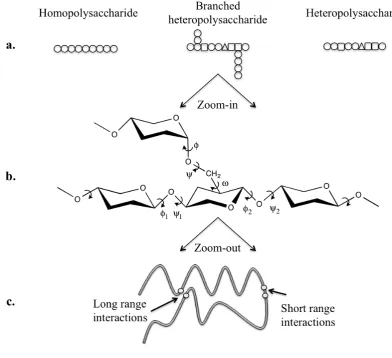
sugars in the structure (Figure X.1a). Homopolysaccharides contain a single sugar
unit on the backbone (e.g., amylose) whereas heteropolysaccharides more than one
(e.g., pectin). The sequence of sugar residues in the chain forms the primary structure
of the polysaccharide. For example, in homopolysaccharides that contain only one
sugar residue the primary structure would consist of a sequence of the same sugar unit
(Figure X.1a). In heteropolysaccharides the repeating motif may be a disaccharide or
longer segment (e.g., in carrageenan or gellan) resulting in more complex primary
structures (Figure X.1a and Table X.2). Further classifications are possible, for
examples of repeating patterns of common polysaccharides that are used in industrial
applications.
Table X.2 around here
The sugar units have the ability to rotate around the glycosidic linkage with two
torsion angles (φ, ψ) (Figure X.1b). Although the pyranose ring also shows flexibility,
its effect on the conformation of polysaccharides is negligible when compared to the
effect of the rotations around the glycosidic bonds. 10 Therefore, the conformations
that affect the interactions of polysaccharides at the molecular level can be understood
by studying the conformations of disaccharides. Figure X.1b shows the different
possible torsion angles in a polysaccharide. Angle φ is located between the anomeric
carbon and the oxygen of glycosidic linkage of the first monomer and ψ between the
oxygen of glycosidic linkage and the non-anomeric carbon of the second monomer.
Introduction of branching at C6 gives one more possible angle of rotation (ω) about
the C-5 and C-6 bond (Figure X.1b). The conformation of a polysaccharide chain can
be specified by the relationship between the φ, ψ torsion angles. Because of the ability
of sugar monomers to rotate about the linkages, polysaccharides may adopt secondary
structures. When φ1 = φ2 and ψ1 = ψ2 (and all the subsequent φ, ψ sets in the chain) the
chains adopts a helical conformation in the solid state. However, in solutions φ1 ≠φ2
and ψ1 ≠ψ2 and the chains generally tend to adopt random coil conformations. 10 The
most stable conformation is usually the one that results in the lowest energy, as some
are not allowed due to steric hindrances. These steric hindrances are short range
between neighboring residues or long range by sugar units that are remote in chain
but near in space (Figure X.1c). The long-range interactions result in excluded
volume effects that depend on the quality of the solvent (ionic strength, pH). As a
idealized conformations (secondary structures): random coil (e.g., pullulan), ribbons
(e.g., cellulose) or helices (e.g., κ-carrageenan).9, 11, 12 Interactions of polysaccharide
chains at the molecular level depend most commonly on the quality of the solvent. In
good solvent, interactions between solvent and chain-segments are favorable resulting
in extended conformations and high solubility. In poor solvents interactions of chain
segments with themselves are favored resulting in aggregation. At a specific
temperature called θ-temperature, the long-range interactions no longer influence the
conformations of the chains and the short-range interactions become predominant
(Figure X.1c). The interplay between the interactions of polysaccharide and solvent
molecules determines if the biopolymer will be able to form stable structures at
greater length scale, most commonly gels. In the case where polysaccharides are
charged the situation becomes more complex as charges also affect chain
conformation. To control these interactions it is possible to manipulate a range of
factors such as concentration, temperature, polydispersity, ionic strength and pH, or
addition of crosslinkers such as calcium cations as in the case of low methoxylated
pectins or alginates. It is very important to understand how the various factors depend
on each other as deviations from optimum conditions usually influence the ability of
the polysaccharide chains to associate into a three-dimensional network.
Figure X.1 around here
It is evident from the above discussion that polysaccharide structures do not fit
into a simple description due to the multitude of factors that need to be controlled
simultaneously. Various experimental techniques are available to study conformations
at various length scales such as X-ray diffraction, light scattering, small angle X-ray
scattering, NMR or atomic force microscopy (AFM). AFM is one of the few
generates images by sensing the surface of the molecule with the aid of a sharp probe.
Because this technique minimizes sample preparation it is possible to image
polysaccharides in a “near native” state of the macromolecule. 13 Images that were
obtained using AFM under various experimental conditions (Figure X.2) illustrate the
great diversity in chain conformations of polysaccharides. Xanthan 14, κ-carrageenan
15 or pectins16 (Figure X.2a, b and c) form elongated structures whereas gellan (Figure
X.2d) forms short rods 17 each one of them corresponding to polysaccharide-specific
conformations. On the other hand, intrachain aggregation in β-glucan 18 dispersions is
evident by the presence of large aggregates with linear chains protruding away of the
structure (Figure X.2e). This is a typical behavior when intrachain interactions are
strong. Finally, arabic gum 19 shows globular structures as a result of the presence of
protein moieties on the polysaccharide backbone (Figure X.2f). It should be stressed
that these images represent the conformations of polysaccharides under the specific
conditions that were used to capture them and they tend to change depending on the
composition of aqueous medium. However, they demonstrate the complexity that is
involved in polysaccharide structuring at nanometer length scales.
Figure X.2 around here
X.4 Structuring using polysaccharides - High moisture regime
A bottom-up approach to structuring requires the biopolymer chains to assemble
and form well-defined “building blocks” at nanoscale level that may interact and
further develop to a macroscopic structure at higher length scales. The macroscopic
structure is usually “soft” due to the characteristic mechanical properties of the
resulting material (e.g., low yield point, viscoelasticity). Such structuring occurs via
and van der Waals interactions, steric and excluded volume effects. The aggregated
system represents a minimum energy structure or equilibrium phase and exhibits short
range, localized ordering in contrast to the long-range atomic order of crystals. 20 The
previously mentioned forces that are responsible for the ordering between molecules
are both attractive and repulsive and the balance between them determines the
stability of the structure. Repulsive interactions in polysaccharides in aqueous solvent
are mostly due to steric and excluded volume effects. 21 Excluded volume is the
volume that one part of a long chain cannot occupy when it is already occupied by
another part of the same chain. Furthermore, when atoms in a chain are too close to
each other their electron clouds overlap a situation resulting in steric repulsion. Both
events influence the polysaccharide conformation and its ability to form
macrostuctures. Attractive forces are the result of van der Waals interactions and
hydrogen bonding that stem from dipole-dipole interactions. These forces are
important in gel formation of polysaccharides particularly if we consider the
multitude of hydroxyl groups in polysaccharide chains that are available to interact
with water or with each other. Ionic forces predominate when polysaccharides are
charged. This occurs very frequently when monomers have reactive groups available
such as carboxyl or sulfate (e.g., carrageenan, pectin or alginate). Bridging of adjacent
chains and subsequent gel formation is frequently mediated by the presence of cations
(e.g., Ca++, K+). Finally, the hydrophobic effect is important when polysaccharides are
functionalized with hydrophobic groups such as methyl, acetyl, propyl etc. (e.g.,
cellulose derivatives or pectin). This confers to polysaccharides new properties such
as gel formation on heating or ability to arrange at interfaces and act as emulsifiers.
At this juncture, we should stress an important difference between polysaccharides
Self-assembling of polysaccharides is not as easy as in small amphiphilic molecules
(e.g., mono- or di- glycerides, surfactants) or proteins, because dispersions of
polysaccharides in aqueous solutions exhibit very low interfacial tension conferring
water solubility to the molecule. To contrast them with casein micelles, the most
characteristic self-assembled food nanostructure, the specific balance of the
hydrophobic to hydrophilic amino acids not only allows formation of the
nanostructure but also helps retaining the individual character of micelles. In
polysaccharides, self-assembling requires modifying the chemistry of the monomers
by introducing appropriate functional groups. For biomedical applications and
drug-delivery, self-assembled polysaccharide nanostructures are currently being used in a
wide range of applications. These are mostly based on chitosan or dextran derivatives
and various glycosaminoglycans. 22, 23 In such applications, the polysaccharide
nanoparticle is usually required to deliver a specific functionality to cells or tissues
but is not required to build macroscopic superstructures. In these cases the
individuality of the nanoparticles should be retained and aggregation phenomena must
be avoided. On the contrary, food structuring with polysaccharides requires creation
of structures up to the macroscopic length scale with specific mechanical properties
and technological functionality. Therefore, the individual character of the nanoparticle
is rarely required in food structuring applications and association at atomic or
mesoscale require further aggregation to create a three dimensional macrostructure,
namely, a gel. Gelation involves attractive interactions among polysaccharide chains,
which convert the solution into a three-dimensional metastable viscoelastic “soft”
solid occupying the same volume as the solution. As discussed above, polysaccharide
chains in water will interact with each other (inter-chain interactions), with
interactions). Interchain interactions usually lead to gel formation whereas intrachain
interactions result in aggregation of the polysaccharide and precipitation. In gels
formed by neutral polysaccharides, the length scale is controlled to some extend by
the mesh size of the network. Similarly to semi-dilute polymer solutions the mesh size
can be adjusted by the polysaccharide concentration affecting directly their
mechanical properties. In gels formed by charged polysaccharides, mesh size can be
also adjusted by carefully tuning pH and ionic strength or by addition of crosslinking
ions. 3, 24 pH influences in most cases the degree of dissociation of the carboxyl group
of uronic acid residues whereas in chitin and chitosan pH influences the dissociation
of the amino group. When the pH is above the pK of the charged group, repulsive
interactions maintain the chains in extended conformations. Ionic strength can also be
used to tailor the interactions and conformations in polyelectrolytes. Charged
polysaccharides at low salt concentrations (low ionic strength) tend to adopt extended
conformations as electrostatic repulsion keeps charged groups apart. Electrostatic
screening provided by counterions at higher concentrations (usually 0.1 M NaCl)
contracts chains to more compact conformations affecting solubility and the ability to
gel. 25, 26
Gels are classified depending on the nature of their interactions into covalently
crosslinked, entanglement or physical networks. 27 In food systems, the most
predominant gels are those that are formed via physical interactions. Interactions at
the molecular level involves the creation of structures with short-range order such as
helices, “egg boxes”, ion assisted bridging or junction zones. Depending on the
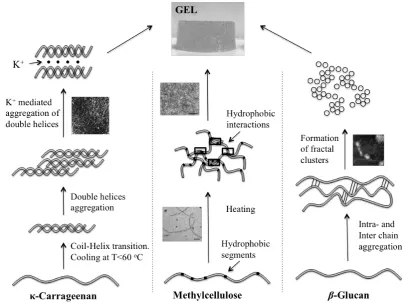
strength of these interactions gelation may be reversible or irreversible. Figure X.3
illustrates three different mechanisms of gel formation using representative examples
-Carrageenan gelation mechanism initiates with helix formation and ion-assisted
crosslinking of the helices. 28 In κ-carrageenan solution, above ~60 oC, chains are in
random coil conformation. Cooling below ~60 oC induces a coil-to-helix transition
and κ-carrageenan coils are able to form double helices. Aggregation proceeds with
formation of hydrogen bonding between helices, which in turn enable formation of a
weak three-dimensional network. The introduction of potassium cations in the
solution allows crosslinking of helices owing to the presence of sulfate groups.
Mechanical properties of the final gel depend not only on the molecular properties of
κ-carrageenan that is used to create the gels (e.g., sulfate content, molecular weight,
polydisperisty etc.) but also on the concentration of K+, ionic strength and pH of
solution. As is evident, in this case there are several parameters available that can be
used to fine-tune the structure and the properties of the gel. Other polysaccharides that
gel by means of coil-helix transition include gellan, agar and curdlan. Hydrophobic
interactions among polysaccharides can be also exploited to create gels for food
applications as in the case of hydrophobically modified celluloses (e.g.,
methylcellulose (MC), hydroxypropylmethylcellulose (HPMC)). Polymer chains of
MC solutions are in disordered conformation at room temperature. On heating, MC
chains are capable of interacting with each other to form thermally reversible gels. 29
The mechanism of gel formation is based on the extent of hydrophobic interaction
among MC chains that associate to form a fibrilar gel. 30 As temperature increases,
hydrophobic interactions strengthen and chains are able to assemble and form the gel.
This gel is thermally reversible and the sol form is recovered as temperature drops
below the critical temperature for association. In consequence, the degrees of freedom
to control characteristics of the network are the molecular weight and its distribution
gelation that is commonly encountered in proteins is displayed by mixed linkage
(1→3)(1→4)-β-D-glucan. This polysaccharide exhibits random coil conformation in
hot aqueous solutions. In this case, gel formation progresses by interactions of at least
three consecutive cellotriosyl residues that result in conformational ordering with
inter- and intra- chain associations, at chain segmental level. 31 Such interactions lead
to formation of a fractal network of particular aggregates that has been described
using scaling concepts. 32 Particulate aggregates interact mainly with hydrogen
bonding creating fractal clusters resulting in the gelled structure. The particulate
nature of β-glucan gels has been recently reinforced by AFM imaging 18 (Figure X.2f)
and particle tracking microrheology 33 revealing microheterogeneities during
microstructural evolution of the network. Controlling gelation for this type of gel
usually requires tailoring the molecular properties of β-glucan chains to specific
molecular weight and cellotriosyl-to-cellotetraosyl ratio. Particulate gels are most
commonly encountered in proteins where denaturation under specific conditions
allows aggregation of the particles producing colloidal-type, usually irreversible,
networks. It is evident that in all cases manipulations are directed towards influencing
the interactions at the molecular level and affect the conformational properties of the
chains.
Figure X.3 around here
Microstructure engineering in polysaccharide systems can be also achieved by
varying the processing conditions during gel formation. Application of shear is a
pathway to create new microstructures and should be applied during the
conformational ordering process resulting in fluid gels. 34 In that case, the
polysaccharide solution is sheared while it undergoes conformational transition
The gel particles grow to a specific droplet size and stability is obtained if the
particles are kept below the gel melting temperature so that re-aggregation is
prevented. 35 In order to control the formed microstructures a range of tools is
available that can be used such as cooling rate, strength of shear field or concentration
and type of polysaccharide. These factors control the droplet size distribution, their
shape and the interactions among the droplets that in turn affect the stability and
mechanical properties of the fluid gels. 34 Microstructures can be also fabricated
starting from mixtures of phase-separated biopolymers when at least one component
is able to gel. 36, 37 In that case shear field with simultaneous cooling can be used to
fabricate the droplet. Shear forces deform the droplet and cooling induces gelation
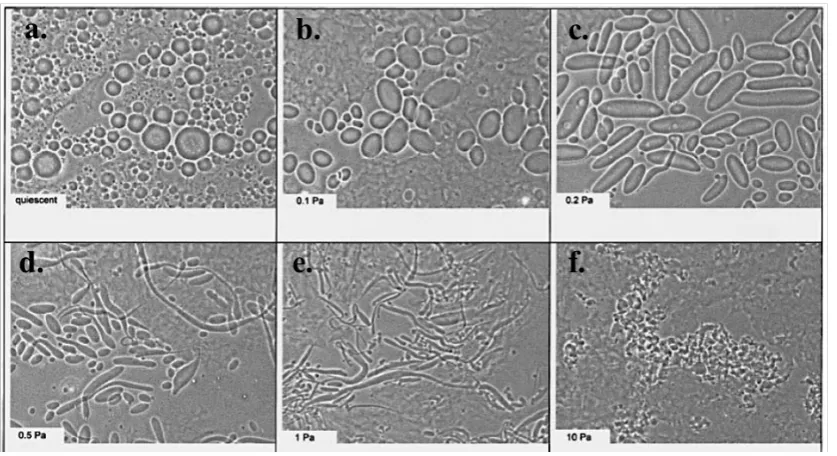
that kinetically arrests the formed droplets. An example of the effect of the shear field
on the morphology of fluid gels can be seen with gellan–κ-carrageenan mixtures
(Figure X.4). From a-f the strength of shear field increases with concomitant changes
in the particle morphology. For instance, at low shear droplet coalescence takes place
before gelation and the particles are bigger (Figure X.4b) than the fluid gel created at
quiescent conditions (Figure X.4a). At higher shear rates the particles become
elongated (Figure X.4c-e) and beyond a specific value the particles obtain
non-specific morphology (f). 36 Fluid gels can be used to improve rheological properties of
various products in food and personal care industries and control the release of
nutrients in the gut to improve satiety.
Figure X.4 around here
Mixing two different biopolymer species can also achieve microstructure
manipulation and tuning of gel properties. In most cases mixtures include two
different polysaccharides or a polysaccharide and a protein. Mixing two biopolymers
classified into two groups depending on the nature of interactions between the
biopolymer species. Interactions are either segregative or associative and lead to
phase separation or creation of complexes, respectively. Phase separation creates
phases that are enriched in one of the two biopolymers whereas complexation creates
complexes that are either soluble or insoluble. The demixing of the biopolymer
species depends on the interplay of the interactions between the biopolymer species
consisting the mixture, as described previously. Phase separation primarily depends
on the concentration of the biopolymers in the mixture and on the structural
characteristics of the chains (e.g., molecular weight, charge etc). Below a
concentration threshold the two biopolymers co-exist whereas beyond the threshold
value they phase-separate. The phase behavior is better understood with the use of
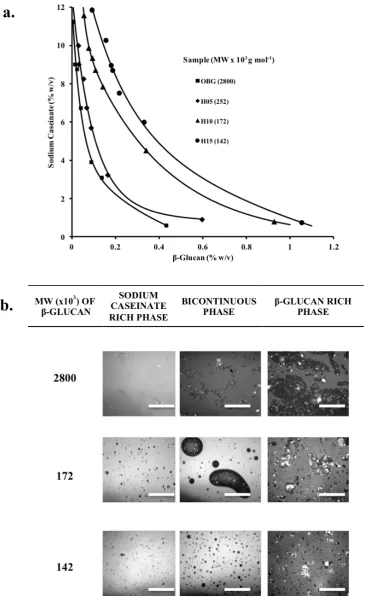
isothermal phase diagrams of biopolymer mixtures. 38 Figure X.5a illustrates the
phase diagram of mixtures of sodium caseinate with β-glucan varying in molecular
weight. Solid line represents the binodal, which sets the boundaries of the compatible
(below the curve) and the incompatible (above the curve) regions. Compatibility
generally increases as molecular weight of the polysaccharide and nominal
concentration of biopolymers in the mixtures decrease. This is a general behavior that
is observed in protein polysaccharide mixtures and influences the stability and
rheology of the systems. 37-39 These system properties can be adjusted by modifying
the concentration and molecular characteristics of consisting biopolymers, solvent
quality or temperature. The phase behavior also plays a dramatic role on
microstructure of phase-separated mixtures (Figure X.5b). It is evident that as β
-glucan molecular weight decreases a remarkable change in the morphology of the
mixtures occurs. The coarse β-glucan-enriched microphases, in the high molecular
decreases, a situation that influences rheology and textural properties of the mixtures.
40 Furthermore, a remarkable change in the continuity of the mixtures occurs as
polysaccharide concentration increases (from left to right). 40 Mixtures where sodium
caseinate is the continuous phase progressively change to β-glucan continuous
systems passing from its bi-continuous counterparts. When such a mixture is gelled
under the appropriate conditions as a result of microstructure manipulation the
thermal and mechanical properties vary greatly. 41 At this stage the gels will have
distinct mechanical properties depending on the continuity of the system. We can
distinguish three classes where the gel is a) A continuous, b)
biopolymer-B continuous or c) bi-continous. The three gels will have completely different
rheological, thermal and microstructural properties. 42 Gels that involve synergistic
interactions between polysaccharides can be also created in a similar manner.
Interaction creates gels with properties distinct from those that were created in the
absence of the second polysaccharide. For example, mixtures of galactomannans with
carrageenans create firmer gels compared to those without galactomannans.
Furthermore, interactions between xanthan and galactomannans lead to gelation
although neither of the single solutions is able to gel alone. 26 Mixed polysaccharide
systems have been explored extensively in the literature for various applications such
as reduction of fat and calories, control of texture and mouthfeel of various food
formulations or simply reduction of cost of existing formulations. 42
Figure X.5 around here
X.5 Structuring using polysaccharides - Low moisture regime
The previous discussion focused on the behavior of polysaccharides in solution
polysaccharides may form disordered or short-range ordered structures. The typical
level of solids in such a gelling system depends on the chemical properties of the
polysaccharide but in most cases is in the range of 0.5-2%. However, in low moisture
systems that contain biopolymers, water fails to hydrate them adequately. This
restricts molecular mobility and conformational rearrangements and the structure of
the material is distinct from its high-moisture counterparts. We can normally
distinguish two solid states in polysaccharide systems, that is the crystalline and the
amorphous. In most cases, branching and chemical heterogeneity restricts
crystallization. However, some polysaccharides either in their native state or under
appropriate sample preparation conditions may give distinct X-ray diffraction patterns
revealing formation of structures with long-range order. On the other side of the
spectrum, amorphous solid state lacks long-range order and polysaccharide chains are
in a completely disordered state. In that case, glass transitions dominate the
physicochemical and mechanical responses of the systems. At this point we should
mention that this solid state is not encountered in lipid systems.
Studying long-range order of polysaccharides is a difficult task, as they cannot
provide large crystals for X-ray diffraction studies. Furthermore, powder diffraction
X-ray patterns are difficult to interpret due to the molecular complexity and
polycrystalline nature of the structures. Polycrystalline materials are those that are
composed of aggregated small crystals of different size and orientation. In
polysaccharides and some synthetic polymer systems these materials also include
amorphous regions in their structure. Typical polysaccharides that acquire a
polycrystalline character during their biosynthesis are starch 43, cellulose 44, 45 and
chitin. 46 In cellulose and chitin for instance, acid hydrolysis of the amorphous regions
chitin crystals at various length scales. These materials find applications in food and
pharmaceutical industries as fat substitutes, texture modifiers, tablet binders or
additives that reinforce polymer composites. Starch granules present another example
of the ability of sugar polymers to form complex crystalline structures controlled by
the molecular composition of the material. Maize starch powder X-ray diffraction
patterns, for example, show the crystalline and non-crystalline regions of the structure
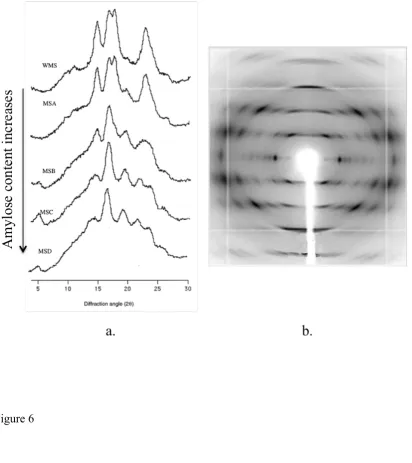
(Figure X.6a). 47 Furthermore, increasing in amylose concentration in the granule
decreases the crystallinity of starch, which is attributed mostly to the formation of
double helices of amylopectin. 48 To overcome some of the difficulties that are posed
by the absence of well-defined single polysaccharide crystals, fiber X-ray diffraction
may be used to study the molecular orientation of polysaccharides. In that case, a
fiber is prepared that consists of oriented microcrystalline and amorphous regions 10, 49
the extent of which depends on the particular architecture of the polysaccharide
(Figure X.6b). 50
When crystalline solids melt form liquids and with subsequent temperature
reduction, the liquid may crystallize again. Crystallization can be frequently delayed
or inhibited, depending on the cooling rate of the liquid solution. When such a liquid
solution is cooled below its melting point, it enters a supercooled state. With further
reduction of temperature in the absence of crystallization, the viscosity of the liquid
increases significantly and eventually undergoes a glass transition. The formed
amorphous solid-state structure is called “glass”. Biopolymer solutions on cooling
rarely crystallize (e.g., amylose recrystallization) but glass formation often plays an
important role in the physical stability and textural properties of the food matrix.
Glasses in food systems may be obtained by either removal of water (e.g.,
below a specific temperature. What happens microscopically at the glass transition is
that on the time scale of observation the translational and rotational motions of the
atoms or the molecules that give rise to the viscous flow have ceased. Below glass
transition temperature (Tg), during the measurement period, the atoms are vibrating
only about their equilibrium positions. The resulting glassy system is expected to be
stable below Tg whereas above Tg, the difference between Tg and the storage
temperature T (T-Tg) controls the rate of physical and chemical changes. 51 It was
stated earlier that below the glass transition molecular motions, albeit restricted,
persist. This mobility is mainly local and restricted to atom or bond vibrations, or
reorientation of small groups. 51-53 Sub-Tg relaxations are named according to their
position relative to the main α-relaxation (glass transition), which is due to
cooperative motions of the molecules or polymer chains. At lower temperatures, β-
and γ- relaxations take place and are linked to rotation of lateral groups (such as -OH
or -NH) or to changes in conformation of the main chain in the case of biopolymers.
Melting and glass transition events can be followed by differential scanning
calorimetry that distinguishes between first (melting) and second (α-relaxations) order
transitions. Typically, melting of crystals appears as a well-defined endothermic peak
whereas glass transition manifests by shifting the heat capacity baseline. Identifying
and distinguishing between the two transitions pinpoints processing and storage
requirements of polysaccharide based structures. Thermal properties are ultimately
controlled by the fine structure of the polysaccharide but also by the water content of
the system. For instance, starch gelatinization and glass transition temperature varies
with water content which affects the functional characteristics of the material (Figure
X.7). At high water contents the major endothermic peak (~70 oC) is assigned to
about 110 oC is assigned to the melting of amylose-lipid complexes (Figure X.7a). 54
With reduction of moisture content below 30% the gelatinization peak disappears, as
starch granule cannot absorb water and hydrate. As water content is further lowered
(<18%) glass transition events of the amorphous regions of starch granule appear on
heating (Figure X.7b).55, 56 These move to higher temperatures as the plasticization
effect of water (see below) is diminished with water content decrease. Other relevant
events that can be followed using calorimetry include gel “melting” and protein
denaturation temperature. In the case of gels, melting is not a typical first order
transition since there is no actual crystalline structure present. Rather, it refers to the
“detachment” of the contact points (e.g., junction zones) with increase in temperature.
Figure X.7 around here
The microstructure of glasses depend on the kinetics of glass formation or in
other words on the rate that the system arrives at its pseudoequilibrium (rate of
cooling or water removal). High cooling rates (or fast water removal) arrest the
system at a more disordered (more “open”) state than slower cooling rates (or slow
water removal). Such a process results in structures that are not in thermal equilibrium
with their surroundings. Due to the low temperature motions or with storage near to
the α-relaxation temperature (usually between Tg and the temperature where β
-relaxations occur), the thermodynamic properties such as enthalpy, entropy and
volume will tend to evolve towards their equilibrium values, a process that is called
physical ageing. Ageing affects significantly the properties of the glassy materials and
preparation of the glassy phase and storage should be carefully controlled, as
microstructure and glass transition of biomaterials are interdependent. 57 Because of
physical aging, the material is subject also to microstructural rearrangements that may
dynamics of the material undergoing a glass transition the fragility parameter m is
introduced 58 to distinguish systems in which relaxation mechanisms (e.g., viscosity)
are highly dependent on temperature above Tg (m between 100-200, “fragile”) from
those that are less dependent (m between 16-100, “strong”). 59, 60 Such a classification
has important implications in various technological processes that may allow tailoring
the technological performance of polysaccharide matrices. Variations in parameter m
between two glassy polysaccharide structures may result in significant changes in
stability as the rate of relaxation mechanisms i.e., the speed by which the system
approaches equilibrium, is influenced significantly in the vicinity of Tg. Furthermore,
various processes that involve fast removal of water (e.g., extrusion, flaking) or rapid
cooling (e.g., confectionary industry) may benefit from the understanding of
relaxation mechanisms of the materials that are utilized in the formulations. Several
polysaccharide systems are reported as “strong” indicating moderate dependence of
relaxation mechanisms on temperature. For example, in pullulan,61 chitosan and
chitosan blends 62 or pullulan-starch blends 63 fragility parameter m varies between
30-96 depending on the molecular weight and the moisture content of the materials.
Glass transition temperature depends on the molecular weight of the
polysaccharide and the presence of low molecular weight compounds, called
plasticizers. 59 The most common plasticizer for polysaccharide matrices is water but
other small molecules can also show plasticization effects (e.g., glucose, sorbitol or
glycerol). Plasticizers increase the free volume of the system thus increasing the
molecular mobility of the chains. The result of increased molecular mobility is that
the glass transition occurs at lower temperatures than it would in the absence of a
plasticizer (Figure X.7b). Consequently, by intelligent manipulation of the water
Furthermore, engineering of novel materials such as edible film coatings 64, 65 or
encapsulation matrices 66 can be also achieved. Edible films are mostly prepared from
polysaccharides although proteins can be also used as starting materials. Such a film
is a low-moisture polysaccharide system that comes into direct contact with the
surface of the food. Films provide a barrier to moisture loss or uptake and control gas
exchange of food with the environment (e.g., O2 or CO2). They can be also used to
control microbial growth when antimicrobial compounds are introduced. It is easy to
realize that the properties of films have a profound dependence on the plasticization
effect of water that may migrate from food or the atmosphere to the film. This
plasticization may reduce the glass transition temperature to the storage temperature
of the product thus altering the effectiveness of the film. Encapsulation of active
ingredients such as flavour, colour or nutrients is also accomplished by the use of
polysaccharides. This technology allows protection of the encapsulated material form
oxidation, losses due to evaporation, light or interactions with food ingredients.
Encapsulation usually proceeds with immobilization of the desirable component into
a glassy polysaccharide matrix. In the operating environment (e.g., mouth, stomach or
intestines) the active component will be released in a controlled manner from the
matrix to provide its functionality (e.g., flavor or nutrient release). Similarly to the
edible films the capacity of the encapsulating matrix to stabilize the ingredients
depends on the properties of the glassy polysaccharide matrix and the plasticization
effect of water.
X.6 Conclusions
The evolution of structure formation has been reviewed for a range of
number of monosaccharides they have the capacity to form a wide range of structures.
The interactions among the chains are those that primarily control how the structure
will evolve and stabilize. Depending on the water content of the systems it is possible
to distinguish two regimes where polysaccharides can form completely different
structures with distinct physical and mechanical properties. In the high moisture
systems polysaccharides are able to form gels making it possible to structure water or
air. On the opposite extreme where moisture content is low, glassy state and the
related relaxation phenomena control the structural stability of the material whereas
some native materials also show structures with long-range order. The greatest
drawback for materials based on polysaccharides is their metastable nature i.e., their
sensitivity to structural evolution in time. In food applications it is usually manifested
by a limited shelf life stability and changes in functional properties during storage.
Further work should focus on exploring how to limit the kinetic processes that
influence these changes so as to provide novel polysaccharide materials with
X.7 References
1. C. Primo-Martin, T. Sanz, D. W. Steringa, A. Salvador, S. M. Fiszman and T. van Vliet, Food Hydrocolloids, 2010, 24, 702-708.
2. O. G. Phillips and A. P. Williams, Handbook of hydrocolloids, Woodhead, Oxford, 2009.
3. J. Ubbink, A. Burbidge and R. Mezzenga, Soft Matter, 2008, 4, 1569-1581. 4. D. Frenkel, Physica A, 2002, 313, 1-31.
5. T. C. Lubensky, Solid State Communications, 1997, 102, 187-197. 6. E. Dickinson, Soft Matter, 2006, 2, 642-652.
7. R. G. M. Van Der Sman, Advances in Colloid and Interface Science, 2012,
176-177, 18-30.
8. B. R. Thakur, R. K. Singh, A. K. Handa and M. A. Rao, Critical Reviews in Food Science and Nutrition, 1997, 37, 47-73.
9. W. C. Steve and W. Qi, in Food Carbohydrates, CRC Press, Editon edn., 2005. 10. V. S. R. Rao, P. K. Qasba, P. V. Balaji and R. Chandrasekaran, Conformation
of carbihydrates, Harwood Academic Publishers, Amsterdam, 1998.
11. S. E. Harding, K. M. Varum, B. T. Stokke and O. Smidsrod, in Advances in Carbohydrate Analysis, ed. C. A. White, JAI Press, Greenwich, Editon edn., 1991, vol. 1.
12. D. A. Rees, Polysaccharide shapes, Chapman and Hall Ltd, London, 1977. 13. V. J. Morris, in Modern Biopolymer Science, eds. S. Kasapis, I. T. Norton and
J. B. Ubbink, Academic Press, San Diego, Editon edn., 2009, pp. 365-397. 14. T. A. Camesano and K. J. Wilkinson, Biomacromolecules, 2001, 2, 1184-1191. 15. S. Ikeda, V. J. Morris and K. Nishinari, Biomacromolecules, 2001, 2,
1331-1337.
16. V. J. Morris, A. P. Gunning, A. R. Kirby, A. Round, K. Waldron and A. Ng,
International Journal of Biological Macromolecules, 1997, 21, 61-66.
17. S. Ikeda, Y. Nitta, B. S. Kim, T. Temsiripong, R. Pongsawatmanit and K. Nishinari, Food Hydrocolloids, 2004, 18, 669-675.
18. J. K. Agbenorhevi, V. Kontogiorgos, A. R. Kirby, V. J. Morris and S. M. Tosh,
Int J Biol Macromol, 2011, 49, 369-377.
19. S. Ikeda, T. Funami and G. Zhang, Carbohydrate Polymers, 2005, 62, 192-196.
20. R. Kelsall, W. I. Hamley and M. Geoghegan, Nanoscale Science and Technology, John Wiley & Sons, Ltd, Chichester, 2005.
21. M. Rubinstein and R. H. Colby, Polymer physics, Oxford University Press Inc., New York, 2003.
22. S. Boddohi and M. J. Kipper, Advanced Materials, 2010, 22, 2998-3016. 23. Z. Liu, Y. Jiao, Y. Wang, C. Zhou and Z. Zhang, Advanced Drug Delivery
24. P. de Gennes, Scaling concepts in polymer physics, Cornell University Press, Ithaca, New York, 1979.
25. O. Smidsrød and A. Haug, Biopolymers, 1971, 10, 1213-1227.
26. M. Djabourov, K. Nishinari and S. B. Ross-Murphy, Physical gels from biological and synthetic polymers, Cambridge University Press, Cambridge, 2013.
27. G. M. Kavanagh and S. B. Ross-Murphy, Progress in Polymer Science (Oxford), 1998, 23, 533-562.
28. L. Piculell, Current Opinion in Colloid & Interface Science, 1998, 3, 643-650. 29. R. Bodvik, A. Dedinaite, L. Karlson, M. Bergstrom, P. Baverback, J. S.
Pedersen, K. Edwards, G. Karlsson, I. Varga and P. M. Claesson, Colloids and Surfaces A: Physicochemical and Engineering Aspects, 2010, 354, 162-171. 30. J. R. Lott, J. W. McAllister, S. A. Arvidson, F. S. Bates and T. P. Lodge,
Biomacromolecules, 2013, 14, 2484-2488.
31. A. Lazaridou and C. G. Biliaderis, Journal of Cereal Science, 2007, 46, 101-118.
32. V. Kontogiorgos, H. Vaikousi, A. Lazaridou and C. G. Biliaderis, Colloids and Surfaces B, 2006, 49.
33. T. Moschakis, A. Lazaridou and C. G. Biliaderis, Journal of Colloid and Interface Science, 2012, 375, 50-59.
34. P. W. Cox, F. Spyropoulos and I. T. Norton, in Modern Biopolymer Science, eds. S. Kasapis, I. T. Norton and J. B. Ubbink, Academic Press, San Diego, Editon edn., 2009, pp. 199-224.
35. I. T. Norton, D. A. Jarvis and T. J. Foster, International Journal of Biological Macromolecules, 1999, 26, 255-261.
36. B. Wolf, R. Scirocco, W. J. Frith and I. T. Norton, Food Hydrocolloids, 2000,
14, 217-225.
37. I. T. Norton and W. J. Frith, Food Hydrocolloids, 2001, 15, 543-553. 38. V. B. Tolstoguzov, Food Hydrocolloids, 2003, 17, 1-23.
39. V. B. Tolstoguzov, Nahrung, 2000, 44, 299-308.
40. J. K. Agbenorhevi, V. Kontogiorgos and S. Kasapis, Food Chemistry, 2013,
138, 630-637.
41. V. Kontogiorgos, C. Ritzoulis, C. G. Biliaderis and S. Kasapis, Food Hydrocolloids, 2006, 20, 749-756.
42. S. Kasapis, Critical Reviews in Food Science and Nutrition, 2008, 48, 341-359. 43. S. Perez, M. P. Baldwin and J. D. Gallant, in Starch: Chemistry and Technology, eds. J. BeMiller and R. Whistler, Academic Press, London, Editon edn., 2009, pp. 149-192.
44. A. C. O'Sullivan, Cellulose, 1997, 4, 173-207.
45. P. Zugenmaier, Progress in Polymer Science, 2001, 26, 1341-1417.
46. J.-B. Zeng, Y.-S. He, S.-L. Li and Y.-Z. Wang, Biomacromolecules, 2011, 13, 1-11.
47. N. W. H. Cheetham and L. Tao, Carbohydrate Polymers, 1998, 36, 277-284. 48. H. F. Zobel, Starch - Stärke, 1988, 40, 1-7.
49. T. Yui and K. Ogawa, in Polysaccharides: structural diversity and functional versatility, ed. D. S., Marcel Dekker, New York, Editon edn., 2005, pp. 99-122.
51. D. Champion, M. Le Meste and D. Simatos, Trends Food Sci Tech, 2000, 11, 41-55.
52. G. Roudaut, D. Simatos, D. Champion, E. Conteras-Lopez and M. Le Meste,
Innovative Food Science and Emerging Techonologies, 2004, 5, 127-134. 53. G. Roudaut and D. Champion, Food Biophysics, 2011, 6, 313-320.
54. H. Liu, L. Yu, F. Xie and L. Chen, Carbohydrate Polymers, 2006, 65, 357-363. 55. K. J. Zeleznak and R. C. Hoseney, Cereal Chemistry, 1987, 64, 121-124. 56. J. Perdomo, A. Cova, A. J. Sandoval, L. Garcia, E. Laredo and A. J. Muller,
Carbohydrate Polymers, 2009, 76, 305-313.
57. S. Kasapis, Food Hydrocolloids, 2012, 26, 464-472.
58. C. A. Angell, R. D. Bressel, J. L. Green, H. Kanno, M. Oguni and E. J. Sare,
Journal of Food Engineering, 1994, 22, 115-142.
59. M. Le Meste, D. Champion, G. Roudaut, G. Blond and D. Simatos, Journal of Food Science, 2002, 67, 2444-2458.
60. B. Borde, H. Bizot, G. Vigier and A. Buleon, Carbohydrate Polymers, 2002,
48, 83-96.
61. A. Lazaridou, B. C. G. and V. Kontogiorgos, Carbohydrate Polymers, 2003,
52, 151-166.
62. A. Lazaridou and C. G. Biliaderis, Carbohydrate Polymers, 2002, 48, 179-190. 63. C. G. Biliaderis, A. Lazaridou and I. Arvanitoyannis, Carbohydrate Polymers,
1999, 40, 29-47.
64. F. Debeaufort, J. A. Quezada-Gallo and A. Voilley, Critical Reviews in Food Science and Nutrition, 1998, 38, 299-313.
65. A. Sorrentino, G. Gorrasi and V. Vittoria, Trends in Food Science and Technology, 2007, 18, 84-95.
Figure 2
[image:32.595.89.492.417.720.2]Figure 6
[image:35.595.89.506.593.735.2]