THE EFFECT OF WORK ENVIRONMENT AND ORGANIZATIONAL COMMITMENTS TO
PERFORMANCE WITH WORK SATISFACTION AS A MEDIATION VARIABLE IN AGAM DISTRICT
1
Ichwan Syahdat
1
Master of Manajemen Study Program of STIE”KBP” of Padang
2
Researcher in Rc-Institut, Lecturer Universitas Negeri Padang, & STIE AKBP
ARTICLE INFO ABSTRACT
This study aims to determine and analyze the influence of work environment on the performance of extension agents, the influence of organizational commitment on the performance of extension agents, the influen
organizational commitment on work satisfaction of extension agents, the influence of job satisfaction on performance of extension agents, the influence of job satisfactio
environment with the performance of extension agents and the influence of job satisfaction as a mediation between organizational commitment and the performance of extension agents. The sample in this study were 70 people fro
the census method because the number of instructor is only 70 people who filled out the questionnaire. The type of data used is primary data, the method of data collection uses a questionnai
analysis techniques consist of data description test, classical assumption test, simple, multiple and multilevel regression analysis and hypothesis testing. The
environment influences the performance of extension agents, organizational commitment influences the performance of extension agents, work environment influences the job satisfaction of extension agents, organizati
influences the performance of extension agents, job satisfaction influences the work environment with performance of extension agents and job satisfaction have an effect
organizational commitment and the performance of extension agents. This research suggests that to improve the performance of extension agents, a more conducive work environment is needed, an increase in organizational commitment and
Copyright©2019, Ichwan Syahdat and Rodi Chandra.
unrestricted use, distribution, and reproduction in any medium,
INTRODUCTION
Agricultural development depends on an understanding of development itself and from specific skills possessed by people who carry out various jobs and activities in agriculture development. Resilient agricultural Human Resources (HR) with professional, independent, innovative, creative and global insight who are capable of being facilitators, moti
regulators of agricultural businesses and able to build a highly competitive agribusiness system, are expected to succeed in agricultural development (Subejo, 2013). Based on the Law of the Republic of Indonesia Number 16 of 2006 concerning the Agricultural, Fisheries and Forestry Extension System (SP3K) it was stated that to further enhance the role of the agriculture, fisheries and forestry sectors, qualified, reliable and managerial, entrepreneurial and business organization human resources are needed so that actors of agricultural, plantation and forestry development are able to build businesses from upstream to downstream that are highly competitive and able
ISSN: 0975-833X
Article History:
Received 19th June, 2019
Received in revised form
11th July, 2019
Accepted 16th August, 2019
Published online 30st September, 2019
Citation: Ichwan Syahdat and Rodi Chandra. 2019.
satisfaction as a mediation variable in agam district agriculture agency Key Words:
Performance of Extension Agents, Work Environment,
Organizational Commitment, and Job Satisfaction.
*Corresponding author: Rodi Chandra
RESEARCH ARTICLE
THE EFFECT OF WORK ENVIRONMENT AND ORGANIZATIONAL COMMITMENTS TO
PERFORMANCE WITH WORK SATISFACTION AS A MEDIATION VARIABLE IN AGAM DISTRICT
AGRICULTURE AGENCY
Ichwan Syahdat and
2, *Rodi Chandra
Master of Manajemen Study Program of STIE”KBP” of Padang
Institut, Lecturer Universitas Negeri Padang, & STIE AKBP
ABSTRACT
This study aims to determine and analyze the influence of work environment on the performance of extension agents, the influence of organizational commitment on the performance of extension agents, the influence of the work environment on work satisfaction of extension agents, the influence of organizational commitment on work satisfaction of extension agents, the influence of job satisfaction on performance of extension agents, the influence of job satisfactio
environment with the performance of extension agents and the influence of job satisfaction as a mediation between organizational commitment and the performance of extension agents. The sample in this study were 70 people from the Agam District Agriculture Agency. The sampling technique is the census method because the number of instructor is only 70 people who filled out the questionnaire. The type of data used is primary data, the method of data collection uses a questionnaire with a Likert scale. The test of research instruments is validity and reliability test. Data analysis techniques consist of data description test, classical assumption test, simple, multiple and multilevel regression analysis and hypothesis testing. The results of the study found that the work environment influences the performance of extension agents, organizational commitment influences the performance of extension agents, work environment influences the job satisfaction of extension agents, organizational commitment influences the job satisfaction of extension agents, job satisfaction influences the performance of extension agents, job satisfaction influences the work environment with performance of extension agents and job satisfaction have an effect
organizational commitment and the performance of extension agents. This research suggests that to improve the performance of extension agents, a more conducive work environment is needed, an increase in organizational commitment and an improvement in increased job satisfaction.
. This is an open access article distributed under the Creative Commons
medium, provided the original work is properly cited.
Agricultural development depends on an understanding of skills possessed by people who carry out various jobs and activities in agriculture development. Resilient agricultural Human Resources (HR) with professional, independent, innovative, creative and global insight who are capable of being facilitators, motivators and regulators of agricultural businesses and able to build a highly competitive agribusiness system, are expected to succeed in Based on the Law of the Republic of Indonesia Number 16 of 2006 concerning the Agricultural, Fisheries and Forestry Extension System (SP3K) it was stated that to further enhance the role of the agriculture, fisheries and forestry sectors, qualified, reliable and managerial, entrepreneurial and business organization human e needed so that actors of agricultural, plantation and forestry development are able to build businesses from upstream to downstream that are highly competitive and able
to participate in preserving forests and the environment in line with the principles of sustainable development.
Regencies that carried out the SP3K policy was Agam District, which is a district with extensive agricultural land ownership in West Sumatra with a total area of 222,870 ha. To increase the agricultural productivity in Agam, agricultural extension workers are needed. As for implementing the SP3K policy, the Regional Government of Agam
extension workers in each sub
following Table 1. Based on Table 1 above, it can be
the number of extension workers in Agam District Agriculture Agency is just a few, where 1 (one) extension staff will take care of 3,183.86 ha of agricultural land. In addition to the number of extension workers as many as 70 people is not comparable with the number of villages that are as many as 82 villages. Based on Law Number 16 of 2006 and Government Regulation (PP) Number 41 of 2007, each village must have an agricultural extension agents of at least one extension worker.
International Journal of Current Research Vol. 11, Issue, 09, pp.7153-7159, September, 2019
DOI: https://doi.org/10.24941/ijcr.36637.09.2019
2019. “The effect of work environment and organizational commitments to performance with work
agriculture agency”, International Journal of Current Research, 11, (0
Available online at http://www.journalcra.com
THE EFFECT OF WORK ENVIRONMENT AND ORGANIZATIONAL COMMITMENTS TO
PERFORMANCE WITH WORK SATISFACTION AS A MEDIATION VARIABLE IN AGAM DISTRICT
Master of Manajemen Study Program of STIE”KBP” of Padang
Institut, Lecturer Universitas Negeri Padang, & STIE AKBP
This study aims to determine and analyze the influence of work environment on the performance of extension agents, the influence of organizational commitment on the performance of extension agents, ce of the work environment on work satisfaction of extension agents, the influence of organizational commitment on work satisfaction of extension agents, the influence of job satisfaction on performance of extension agents, the influence of job satisfaction as mediation between the work environment with the performance of extension agents and the influence of job satisfaction as a mediation between organizational commitment and the performance of extension agents. The sample District Agriculture Agency. The sampling technique is the census method because the number of instructor is only 70 people who filled out the questionnaire. The type of data used is primary data, the method of data collection uses a re with a Likert scale. The test of research instruments is validity and reliability test. Data analysis techniques consist of data description test, classical assumption test, simple, multiple and results of the study found that the work environment influences the performance of extension agents, organizational commitment influences the performance of extension agents, work environment influences the job satisfaction of extension onal commitment influences the job satisfaction of extension agents, job satisfaction influences the performance of extension agents, job satisfaction influences the work environment with performance of extension agents and job satisfaction have an effect as a mediation between organizational commitment and the performance of extension agents. This research suggests that to improve the performance of extension agents, a more conducive work environment is needed, an
an improvement in increased job satisfaction.
Commons Attribution License, which permits
to participate in preserving forests and the environment in line s of sustainable development. One of the Regencies that carried out the SP3K policy was Agam District, which is a district with extensive agricultural land ownership in West Sumatra with a total area of 222,870 ha. To increase in Agam, agricultural extension workers are needed. As for implementing the SP3K policy, the Regional Government of Agam District has agricultural extension workers in each sub-district as shown in the Based on Table 1 above, it can be seen that the number of extension workers in Agam District Agriculture Agency is just a few, where 1 (one) extension staff will take care of 3,183.86 ha of agricultural land. In addition to the number of extension workers as many as 70 people is not able with the number of villages that are as many as 82 villages. Based on Law Number 16 of 2006 and Government Regulation (PP) Number 41 of 2007, each village must have an agricultural extension agents of at least one extension worker.
INTERNATIONAL JOURNAL OF CURRENT RESEARCH
If the proportion of extension agents in Agam District is observed, it can conclude that it is far from ideal so that the effectiveness of counseling that carried out will automatically decrease. This is related to the performance and responsibility of an instructor. This will lead to less optimal the performance of agricultural extension workers in helping farmers to increase agricultural productivity. The description of the performance of agricultural extension workers can be measured using 9 (nine) performance indicators according to Law No. 16 of 2006 concerning the Agricultural, Fisheries and Forestry Extension System (SP3K Law). The following table 2 shows the description of the performance of agricultural extension agents in Agam District using a sample of 30 farmers. Based on Table 2 above it can be concluded that the performance of Agam District agricultural extension workers is quite good. This means that there still needs to be improvement in the 9 (nine) performance indicators that are used to increase the agricultural productivity of Agam District. At present the productivity of the agricultural sector in Agam is still one of the most important sectors in contributing to the total productivity of the area in Agam District as shown in the following Table 3. In Table 3 above, it can be seen that the productivity of Agam District’s agricultural sector has continued to increase since 2014 up to 2017. However, the increase in agricultural sector productivity is smaller than the total productivity of the region. This reflects that the performance of agricultural, fisheries, forestry and food security counseling still needs the serious attention. Performance, according to Hasibuan (2007) is a result of work that achieved by someone in carrying out the tasks that assigned to him based on skills, experience, sincerity and time. Based on the opinion above, it can be said that performance is the success of the employee/apparatus in carrying out a work that is in accordance with the duties and responsibilities that assigned to him. Regarding the performance of extension agents, based on preliminary observations by the authors to the Agam District Agriculture Agency, it was shown that the performance of extension agents in the Agam District Agricultural Agency was still low. The indications of the low performance were many factors that influenced it. But based on observations and estimates, the cause of the low performance of extension agents in Agam District Agriculture Agency is on work environment factors, job satisfaction and organizational commitment.
The extensive agricultural land that must be handled by each extension agent creates a work environment that does not support the performance of extension agents. The results of the Diana (2013) study found that the work environment had a positive and significant effect on the performance of Bapeda Lhoksumawe employees and the study of Zainul and Taufik (2014) also found that the work environment had a positive and significant effect on the performance of PD. PAM Lumajang employees. In addition to work environment variables, the variable job satisfaction also affects the performance of agricultural extension agents. The research
results of Hidayat (2011) and Kristianto et al. (2012) show that
there is a significant effect of job satisfaction on employee performance. Another variable that influences performance is organizational commitment. The amount of commitment that employees have will have an impact on the performance of the employees concerned. The low commitment that employees have in carrying out their work within the organization will have an impact on low performance. Employees who have low commitment lack the sense of responsibility to carry out their
work. Previous research has proven that organizational commitment variables influence employee performance (Susanty et al, 2013; Madhuri, et. Al, 2014; Okto et al., 2014; Fu & Deshpande, 2014).
LITERATURE REVIEW
PerformanceL Performance is the work of quality and
quantity that achieved by an employee in carrying out his duties in accordance with the responsibilities given to him (Mangkunegara, 2009). While Nawawi (2007) defines performance as someone's achievement in a particular field or skills, in carrying out their duties or his work that was delegated from the boss effectively and efficiently. Furthermore, he revealed that performance is the ability possessed by an individual in doing something work, so that his work performance is seen in achieving goals. From the definition above it can be concluded that performance is the ability of someones’s work to be manifested in the behavior displayed. Appreciation of understanding and ability to behave in accordance with expectations can be identified as a factor of work, high or low work ability can be seen from what has been achieved and achievements obtained in a job. Mc. Clelland in Mangkunegara (2009) argues that according to him there are 6 (six) characteristics of employees who have high achievement motivation; First, having high personal responsibility. Second, dare to take risks. Third, have realistic goals. Fourth, have a comprehensive work plan and strive to realize its goals. Fifth, take advantage of concrete feedback in all work activities that they do. Sixth, look for the opportunities to realize a programmed plan.
Work environment: The work environment is to show the
things that are around the work of employees in the office. The conditions of the work environment are created by the leader so that the work atmosphere created depends on the pattern created by the leader. The work environment in the office can be like: task structure, job design, leadership patterns, patterns of cooperation, willingness to work facilities, rewards (reward system) (Cokroaminoto, 2007).
Job satisfaction: Job satisfaction is a pleasant or unpleasant
emotional state with how employees view their work (Handoko, 2013). Job satisfaction reflects a person's feelings for his job. This is evident in the employee's positive attitude towards work and everything faced in his work environment. According to Robbins (2008) job satisfaction is a general attitude towards someone work, which shows the difference between the number of awards received by workers and the amount they believe they should receive. Based on the opinions of experts regarding job satisfaction, it can be concluded that job satisfaction is an expression of someone feelings for their work in the form of pleasant or unpleasant emotional states, expected and received rewards and employee attitudes towards their work and condition.
Organizational Commitment: According to Hasibuan (2007)
A strong trust in organizational goals and values, b) readiness and willingness to mobilize hard work for the benefit of the organization, and c) a strong desire to maintain strong relationships with the organization.
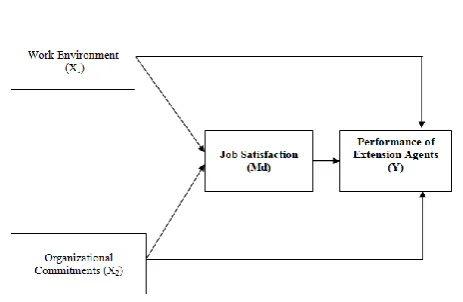
[image:3.595.47.279.118.269.2]CONCEPTUAL FRAMEWORK
Figure 1. Conceptual Framework
RESEARCH METHODS
This study belongs to the research on causality. The population of this study were all agricultural extension workers of the Agam District Agriculture Agency, amounting to 70 people. The sampling technique in this study is using the census method that is the sampling method by determining the number of samples equal to the population (population equal to the sample). The data analysis technique used in this study is descriptive analysis by looking at the level of achievement of respondents, simple regression analysis, multiple regression analysis and multilevel regression analysis. Then, doing the hypothesis test by using the F test and t test.
RESULTS AND DISCUSSION
To test the instrument it is necessary to use validity and reliability tests. Next, the normality test and classic assumption test consist of normality test and homogeneity test. From the results of the above tests found valid data, reliable and normal and meet requirements of classical assumptions. From the descriptive results of statistical research variables it was found that the performance variable had an average score of3.87 with a total achievement of respondents 77.5%. Can be concluded in an overall variable performance instructor is quite good. Furthermore, the average score of the work environment variable is 3.44 with the total achievement of the respondents 68.8%. It can be concluded in general that the working environment variables are quite good. The organizational commitment variables have an average score of 3.53 with a total achievement of respondents of 70.6%. It can be concluded that organizational commitment is quite good. Job satisfaction variables have respondents 71% with an average score of 3.55. It can be concluded that the variable of agriculture extension agents’ job satisfaction is also quite good.
Model I Multiple Regression Results: The results of data
analysis for the first phase of hypothesis testing can be seen in the following table. Based on the results of data analysis, multiple regression equations can be made as follows:
Y = α + β1 X1+ β2 X2 + e
Y = 10,287 + 0,248 X1 + 0,440 X2
The coefficient values in the multiple regression equation above can be interpreted as follows:
The value of Fcount is 32,721 with a significance value of
0,000. Significance value is smaller than alpha
(
0
,
05
). Thus it can be interpreted that the resultingmodel is a valid predictor in predicting the value of the dependent variable.
The value of R2 (R square) is 0.506, it can be interpreted
that the total influence of the work environment and organizational commitment on the performance of extension agents is 50.6%, while the remaining 49.4% is influenced by other variables not included in this research model.
The regression coefficient of the work environment
variable (X1) is 0.248 which is positive with a
significance value of 0,000. The significance value is smaller than alpha (0,000 <0,05). Thus, the first
hypothesis (H1) which states that "Work environment has
a significant positive effect on the performance of extension agents in Agam District Agricultural Agency" is accepted.
Variable regression coefficient of organizational
commitment (X2) is 0.440 which is positive with a
significance value of 0.000. The significance value is smaller than alpha (0,000 <0,05). Thus, the second
hypothesis (H2) which states that "Organizational
commitment has a significant positive effect on the performance of extension agents in Agam District Agricultural Agency" is accepted.
Model II Multiple Regression Results: The results of data
analysis for phase II hypothesis testing can be seen in the following table. Based on the results of data analysis, multiple regression equations can be made as follows:
Md = α + β1 X1+ β2 X2 + e
Md = 35,645 + 0,175 X1 + 0,469 X2
The coefficient values in the above equation can be interpreted as follows:
The value of Fcount is 11,596 with a significance value of
0,000.Significance valueissmallerthan alpha(0,05).
Thus, it can be interpreted that the resulting model is a valid predictor in predicting the value of the dependent variable.
The value of R2 (R square) is found to be 0.266 which
means that the total influence of the work environment and organizational commitment on job satisfaction is 26.6%, whereas the remaining 73.4% is influenced by other variables not included in this research model. .
The regression coefficient of the work environment
variable (X1) is 0.175 with a significance value of
0.046. The significance value is smaller than alpha
(0.046 <0.05). Thus, the third hypothesis (H3) which
states that "Work environment has a significant positive effect on job satisfaction of extension agents in Agam District Agricultural Agency" is accepted.
Variable regression coefficient of organizational
commitment (X2) is 0.469 with a significance value of
Table 1. The Number of Extension Staff, The Number of Villages and The Comparison with Agricultural Land in Agam District in 2017
No Kecamatan The Number of
Village
The Number of Extension Staff (people)
The Tital of Agricultural Land (ha)
The Comparison
1 TanjungMutiara 3 6 20.573 3.428,83
2 LubukBasung 5 9 27.840 3.093,33
3 AmpekNagari 4 3 26.869 8.956,33
4 Tanjung Raya 9 5 24.403 4.880,60
5 Matur 6 3 9.369 3.123,00
6 IV Koto 7 2 6.880 3.440,00
7 Malalak 4 3 10.441 3.480,33
8 Banuhampu 7 5 2.485 497,00
9 Sungai Pua 5 6 4.429 738,17
10 AmpekAngkek 7 6 3.066 511,00
11 Canduang 3 3 5.229 1.743,00
12 Baso 6 4 7.030 1.757,50
13 TilatangKamang 3 2 5.607 2.803,50
14 KamangMagek 3 6 9.960 1.660,00
15 Palembayan 6 4 34.981 8.745,25
16 Palupuh 4 3 23.708 7.902,67
Total 82 70 222.870 3.183,86
[image:4.595.61.551.315.530.2]Source: Agam District Agriculture Agency, 2018
Table 2. The Description of Agam District Agricultural Extension Performance
No Extension Indicator Performance Answer Criteria TCR Criteria
SB B C K TB (%)
B B
1 The arrangement of agricultural extension programs in accordance with the
needs of farmers (Regency / City BPP)
3 13 10 4 0 70,0 Quite Good
2 The arrangement of agricultural extension work plans in their respective
work areas
4 9 3 12 2 60,7 Less Good
3 The availability of regional map data for the development of site-specific
technology in accordance with the superior commodity regions
7 3 16 4 0 68,7 Quite Good
4 The dissemination of agricultural technology information evenly and
according to the needs of farmers
5 16 7 2 0 76,0 Quite Good
5 The development of empowerment and independence of farmers, farmer
groups, business groups / associations and formal businesses (cooperatives and other formal businesses)
4 16 6 3 1 72,7 Quite Good
6 The realization of a mutually beneficial business partnership between
farmers and entrepreneurs.
4 22 3 0 0 80,7 Good
7 The realization of farmers' access to financial institutions, information on
agricultural production and marketing facilities
4 6 13 7 0 64,7 Less Good
8 Increased productivity of superior commodity agribusiness in each work
area
5 17 6 2 0 76,7 Quite Good
9 Increased income and welfare of farmers in each region 5 16 6 3 0 75,3 Quite Good
The Averages 71,7 Quite Good
Source: Primary Data Processed Results, 2018
Table 3. Agricultural Sector Productivity and Regional Total Productivity of Agam Regency in 2014 - 2017 (Rp. 000,000)
No Business Field 2014 2015 2016 2017
1 Agriculture 20.79 18.77 22.01 26.32
2 Mining and Excavation 136.62 - - -
3 Processing Industry 14.26 72.86 84.83 25.18
4 Electricity, Gas and clean water 66.72 - - -
5 Building 13.96 82.77 99.04 -
6 Trade, hotel and restaurant. 13.10 33.27 39.47 25.47
7 Transportation and communication 10.81 42.29 49.49 -
8 Finance, leasing and company services 53.38 15.89 18.21 8.82
9 Services 16.15 24.83 28.43 35.80
Regional Total Productivity 17.78 22.90 26.76 29.39
Source: Agam District Government in 2018
Table 4. Model I Regression Test Results
Dependent variable Independent variable Regression Coefficient t count Significance
The Performance of Extension Agents (Y)
Permanent (a) 10,287
Work Environment (X1) 0,248 4,363 0,000
Organizational Commitment (X2) 0,440 4,607 0,000
F count = 32,721 F sig. = 0,000 RSquare = 0,506
[image:4.595.104.504.564.671.2] [image:4.595.88.519.710.779.2]The significance value is smaller than alpha (0.002
<0.05). Thus, the fourth hypothesis (H4) which states
that "Organizational commitment has a significant positive effect on job satisfaction of extension agents in Agam District Agricultural Agency" is accepted.
Model III Simple Regression Results: The results of data
analysis for stage III hypothesis testing can be seen in the following table.
Based on the results of data analysis, the regression equation can be made as follows:
Y = α + β Md + e Y = 14.85 + 0.467Md
The coefficient values in the multiple regression equation above can be interpreted as follows:
The job satisfaction variable (Md) regression coefficient
is 0.467 with a significance value of 0.000. The significance value is smaller than alpha (0,000 <0,05).
Thus, the fifth hypothesis (H5) which states that "Job
satisfaction has a positive significant effect on the performance of extension agents in Agam District
Agricultural Agency" is accepted.
The value of R2 (R square) is found to be 0.336 which
means that the total effect of job satisfaction on the performance of extension agents is 33.6%, whereas the remaining 66.4% is influenced by other variables not included in this research model.
The Results of Multilevel Regression Analysis: The results
of multilevel regression data analysis for testing the fourth stage of the hypothesis can be seen in the following table. To find out whether the work environment has an effect on the performance of extension agents in Agam District Agricultural
Agency through job satisfaction as an intervening variable, the interpretation is carried out as follows:
Work environment (X1) has a significant effect on the
performance of extension agents (Y) with the regression coefficient value is 0.248 with a significance level of 0,000 (the first requirement is met).
The work environment (X2) has a significant effect on
job satisfaction (Md) with the regression coefficient value is 0.175 with a significance level of 0.046 (the second requirement is met) (Table 4).
Job satisfaction (Md) has a significant effect on the
performance of extension agents (Y) with a regression coefficient value of 0.467 with a significance value of 0,000 (the third requirement is met) (Table 5).
After entering the mediation variable (Md) into the research model, it is known that job satisfaction acts as a partial intervening variable because the work environment was significant (before entering the Md variable) to remain significant after entering the Md variable into the regression equation, but decreasing the coefficient regression from 0.248 to 0.207. This can be interpreted that job satisfaction as a partial mediating relationship between the work environment and the performance of extension agents. Thus, the sixth
hypothesis (H6) which states that "Work environment has a
significant effect on the performance of extension agents in Agam District Agricultural Agency through job satisfaction as an intervening variable" is accepted. Furthermore, to find out whether organizational commitment has an effect on the performance of extension agents in the scope of Agam District Agriculture Agency with job satisfaction as an intervening variable in the scope of Agam Agriculture Office, interpretation is carried out as follows: Organizational
commitment (X2), has a significant effect on the performance
Table 5. Model II Hypothesis Test Results
Intervening Variable Independent Variable Regression Coefficient t count Significance
Job Satisfaction (Md) Permanent (a) 35,645
Work Environment (X1) 0,175 2,032 0,046
Organizational Commitment (X2) 0,469 3,247 0,002
F count = 11,596 F sig. = 0,000 R Square = 0,266
[image:5.595.73.508.76.146.2]Source: Appendix 7, Results of Primary Data Processing, 2019
Table 4.6. Model III Hypothesis Test Results
Dependent Variable Mediation Variable Regression Coefficient t count Significance
The Performance of Extension Agents (Y)
Permanent (a) 14,850
Job Satisfaction (Md) 0,467 5,731 0,000
F count = 32,846 F sig. = 0,000 R Square = 0,336
Source: Appendix 7, Results of Primary Data Processing, 2019
Table 4.7. Multilevel Regression Test Results
Dependent Variable Independent Variable and Mediation Level 1 Level 2
Regression Coefficient Sig. Regression Coefficient Sig.
The Performance of
Extension Agents (Y)
Permanent (a) 10,287 - 1,836 -
Work Environment (X1) 0,248 0,000 0,207 0,000
Organizational Commitment (X2) 0,440 0,000 0,329 0,001
Job Satisfaction (Md) - - 0,237 0,003
R2 0,506 0,569
Change in R2 0,063
[image:5.595.74.505.194.255.2]of extension agents (Y) with a regression coefficient value of 0.44 with a significance level of 0,000 (the first requirement is
met). Organizational commitment (X2) has a significant effect
on job satisfaction (I) with the regression coefficient value is 0.469 with a significance level of 0.002 (second requirement is met) (see table 4). Job satisfaction (Md) has a significant effect on the performance of extension agents (Y) with a regression coefficient value of 0.467 with a significance value of 0,000 (third requirement is met) (see Table 5). After entering the intervening variable (Md) into the research model, it is known that job satisfaction acts as a mediationpartial variable (partial mediation) because organizational commitment was significant (before entering the Md variable) to remain significant after entering the Md variable into the regression equation, but decreasing the coefficient regression from 0.44 to 0.329. This can be interpreted that job satisfaction as mediation is partially (partial mediation) the relationship between organizational commitment and the performance of extension agents. Thus,
the seventh hypothesis (H7) which states that "organizational
commitment has a significant effect on the performance of extension agents in Agam District Agricultural Agency through job satisfaction as an intervening variable” is accepted. The number of the influence of the work environment and organizational commitment on the performance of extension agents in the scope of Agam District Agricultural Agency
through the variable job satisfaction (Md) is 56.9% (R2 =
0.569). In other words there is an increase in the influence of the work environment and organizational commitment on the performance of extension agents by 6.3% or from 50.6% to 56.9%.
Conclusion
The working environment has an effect on the
performance of extension agents in Agam District Agriculture Agency.
Organizational commitment affects the performance
of extension agents in Agam District Agricultural Agency.
The working environment influences the work
satisfaction of extension agents at the Agam District Agricultural Agency.
Organizational commitment affects the work
satisfaction of extension agents at Agam District Agricultural Service.
Job satisfaction has an effect on the performance of
extension agents in Agam District Agricultural Agency.
Job satisfaction has an effect as a mediation between
the work environment and the performance of extension agents in the Agam District Agricultural Agency.
Job satisfaction influences as a mediation between
organizational commitment and the performance of extension agents at the Agam District Agricultural Agency.
Suggestion
In an effort to improve the performance of extension
agents, the quality of work of extension agents can be increased by providing the training to extension agents such as achievement motivation training and providing clear job descriptions to the extension agents so that
eventually the extension agents will have expertise in doing work and so on creating the quality of work that expected and can complete the work according to the target / schedule
The efforts that need to be made by the head of Agam
District Agricultural Agency are to improve the work environment in order to support the improvement of the performance of extension agents. The effort that needs to be done is to create a clean work environment.
The effort that needs to be done by the head of Agam
District Agriculture Agency is to improve organizational commitment so that it can support the improvement in the performance of extension agents. In order to increase the organizational commitment of employees to Agam District Agriculture Agency in the future, it is necessary to increase affective commitment and continuous commitment, such as creating emotional attachments between employees and agencies, where employees will feel part of the family, feel lost leaving Agam District Agriculture Agency and feel hardto leave his job at the Agam District Agricultural Agency so that transfers from one agency to another seemed to be unethical for employees.
To improve the work satisfaction of the Agam District
Agricultural Agency extension agents in the future, it can be done by providing the promotion to the extension agents who have good achievements to be promoted to a better position.
REFERENCES
Arikunto, Suharsimi. 2006. Prosedur Penelitian: Suatu Pendekatan Praktek. Penerbit Rineka Cipta, Jakarta. Arishanti, 2012. Pengaruh Budaya Organisasi Dan Komitmen
Organisasional Terhadap Kepuasan Kerja Karyawan,
Proceeding PESAT (Psikologi, Ekonomi, Sastra,
Arsitektur, &Sipil) Universitas Gunadarma-Depok, 3:A44-A52.
Cokroaminoto 2009. Membangun Kinerja Karyawan Melalui Perbaikan Lingkungan Kerja, Artikel Psikologi Industri Organisasi. (tidak diterbitkan)
Dessler, Gery. 2007. Manajemen Sumber Daya Manusia. 10th
ed. Jilid 1. PT. Indeks. Jakarta.
Diana Khairani Sofyan (2013), Pengaruh Lingkungan Kerja Terhadap Kinerja Kerja Pegawai BAPPEDA, Malikussaleh Industrial Engineering Journal Vol.2 No.1, Lhoksumawe, Aceh.
Diana Pramudya Wardhani 2017. Pengaruh Lingkungan Kerja Dan Motivasi Kerja Terhadap Kinerja Profesi Kepolisian Dengan Kepuasan Kerja Sebagai Variabel Intervening (Studi Kasus Pada Kepolisian Resort Ponorogo), Thesis,
Surakarta: Pascasarjana Universitas Muhammadiyah
Surakarta.
Fu, Weihuidan Deshpande, Satish P. 2014. The Impact of Caring Climate, Job Satisfaction, and Organizational Commitment on Job Performance of Employees in a China’s Insurance Company. Journal Business Ethics, No 124, pp 339-349
Ghozali, Imam. 2014. Ekonometrika. Teori, Konsep dan Aplokasi dengan IBM SPSS 22. Semarang: Universitas Diponegoro.
Gibson, Ivancevich, Donnely. 2001. Organization, Richard. D.
Greenberg, J. dan Baron, R.A. 2003. Behaviour in Organizations, Understanding and Managing The Human Side of Work. New Jersey: Prentice Hall International. Handoko, THani. 2013. Manajemen Personalia dan Sumber
Daya Manusia. BPFE Yogyakarta, Yogyakarta.
Hasibuan, Melayu S.P 2007. Manajemen Sumber Daya Manusia. Edisi Revisi Jakarta: Bumi Aksara.
Hidayat 2011. Pengaruh Dimensi Kepuasan Kerja Terhadap Kinerja Karyawan Pada PT. Centralindo Medika. Jurnal Mitra Ekonomi dan Manajemen Bisnis, Vol.2, No. 1, April 2011, 50-61 ISSN 2087-1090.
Kristianto, D. et al., 2011. Pengaruh Kepuasan Kerja terhadap Kinerja Karyawan dengan Komitmen Organisasional sebagai Variabel Intervening (Studipada RSUD Tugurejo Semarang).
Madhuri, et. al. 2014. The effect of organizational commitment and job satisfaction on employee’s job performance. International Journal of Art & Humanity Science. Vol. 1, Issue 2, Sept-Oct. Pp. 20-23
Mangkunegara, Anwar Prabu. 2009. Manajemen Sumber Daya Manusia Perusahaan. Bandung: PT. Remaja Rosdakarya. Mas’ud, Fuad 2004. Survei Diagnosis Organisasi: Konsep dan
Aplikasi. Semarang: Badan Penerbit Universitas
Diponegoro.
Mulyadi, Deddi dan Veithzal Rivai. 2007. Kepemimpinan dan Perilaku Organisasi. Rajawali Pers: Jakarta.
Nawawi, Hadari 2007. Manajemen Sumber Daya Manusia Dalam Organisasi, Gramedia, Jakarta
Okto, A.P., Bambang, S., dan Hamiday, N.U (2014). Pengaruh Motivasi Kerja dan Komitmen Organisasional terhadap Kinerja Karyawan. Jurnal Administrasi Bisnis. Vol. 7 No. 2.
Riduwan. 2007, Skala Pengukuran Variabel-Variabel
Bandung: Alfabeta Robbins, Stephen P 2008. Perilaku
Organisasi: Konsep, Kontroversi, Aplikasi. Alih Bahasa oleh Adyana Pujaasmaka, Jakarta. PT. Prenhalindo. Robbins, Stephen P dan Judge, T.A 2007. Perilaku Organisasi.
Penerbit Salemba Empat, Jakarta.
Simamora, Hendri2005. Manajemen Sumber Daya Manusia. Edisi Ketiga, STIE YPKN. Yogyakarta.
Simanjuntak, Payaman J. 2005. Manajemen dan Evaluasi Kinerja. Jakarta: FE UI
Siregar, Syofian 2010, Statistika Diskriptif Untuk Penelitian, PT. Raja Grafindo Persada, Jakarta.
Subejo. 2013. Bunga Rampai Pembangunan Pertanian dan Pedesaan. UI Press. Jakarta. p.169-172.
Sudjana1996.Teknik Analisis Regresi Dan Korelasi,Tarsito, Bandung.
Sugiyono, 2012. Metode Penelitian Kuantitatif dan Kualitatif dan R & D. Cetakan Ketujuh. Bandung: Alfabeta.
Susanty, A., Miradipta, R., Jie, F. 2013. Analysis of the effect of attitude toward works, organizational commitment, and job satisfaction, on employees job performance.Eropean Journal of Business and Sosial Sciences.
Sutrisno, Edy. 2009. Manajemen Sumber Daya Manusia. Jakarta: Kencana.
Umar Husein. 2013. Metode Penelitian Untuk Skripsi dan Tesis Bisnis. Raja Grapindo Persada: Jakarta.
VeronikaAgustinidan Harry Murti. 2013. Pengaruh Motivasi terhadap Kinerja Pegawai dengan Variabel Pemediasi Kepuasan Kerja pada PDAM Kota Madiun. Thesis, Madiun: Universitas Katolik Widiyamandala.
Zainul Hidayat& Muchamad Taufiq, 2012. Pengaruh Lingkungan Kerjadan Disiplin Kerjaserta Motivasi Kerja Terhadap Kinerja Karyawan Perusahaan Daerah Air Minum (PDAM) Kabupaten Lumajang, Jurnal WIGA Vol. 2 No. 1, Maret 2012 ISSN NO 2088-0944