AUGUST 2012
Prepared on behalf of the Vascular Society of Great Britain and Ireland
by
The Abdominal Aortic Aneurysm Quality Improvement Programme Team
Authors
Miss Roxanne Potgieter BSc Hons Project Manager
Miss Helen Hindley BSc Hons Data Manager
Mr David Mitchell MA MBBS MS FRCS
Chair Audit & Quality Improvement Committee, VSGBI. AAAQIP Project Director
Mrs Julia McCleary Project Assistant
We are grateful to the following for their contribution to this report and to the delivery of this programme:
Professor Ross Naylor (President VSGBI) Mr Peter Lamont (Past President VSGBI)
Mr Mike Wyatt Professor Julian Scott Mrs Sara Baker Professor Matt Thompson Mr Simon Parvin Mr Peter Barker
Mr Ian Loftus Dr Adam Pichel (VASGBI) Mr Vince Smyth Dr Davis Thomas (BSIR)
Vascular Society of Great Britain and Ireland (VSGBI) The VSGBI is a registered charity founded to relieve sickness and to preserve, promote and protect the health of the public by advancing excellence and innovation in vascular health, through education, audit and research. The VSGBI represents and
provides professional support for over 600 members and focuses on non-cardiac vascular disease, including disease of the
peripheral arteries, veins and lymphatics. Copyright
The entire contents of this report (August 2012) are copyright to the Vascular Society of Great Britain and Ireland. This document contains information derived from the National Vascular Database of the Vascular Society. Apart from research purposes or private study, criticism or review, no part of this document may be used in any form, or by any means, electronic, digital, mechanical, photocopying, recording or otherwise, without the written permission of the publisher.
Copyright © Vascular Society of Great Britain and Ireland
Published: August 2012
ISBN: 978-0-9564149-4-6
CASE STUDIES
Mr Paul Bachoo; Aberdeen Royal Infirmary
Mr Jon Bentley; Berkshire Consultancy
Mr Paul Blair; Royal Victoria Hospital
Mr Mark Gannon; Heart of England Hospital
Mr Nandan Haldipur; Doncaster Royal Infirmary
Mr Louis Lau; Belfast City Hospital
Mr Brian Lewthwaite; AAA Patient
Mr Ian Loftus; St George’s Vascular Institute
Mr Deryk McNeill; AAA Patient
Ms Mary Miles; Medway Maritime Hospital
Mr Darren Morrow; Norfolk and Norwich University Hospital
Mr John Nevill; AAA Patient
Mr Arun Pherwani; North Staffordshire
Mr Charles Prior; AAA Patient
Mrs Kate Rowlands; University Hospital Wales
Dr Sumayer Sanghera; Sheffield Vascular Institute
Ms Sally Standley; NHS East and Midlands SHA
Ms Helen Stannett; Medway Maritime Hospital
Dr Davis Thomas; Northampton General Hospital
Mr Peter Traves; AAA Patient
Mr Kevin Varty; Addenbrooke’s Hospital
Mr Douglas Williamson; AAA Patient
The Vascular Society of Great Britain and Ireland
At Royal College of Surgeons 35-43 Lincoln’s Inn Fields London
WC2A 3PE
Registered Charity No 1102769
www.aaaqip.com
TABLE OF CONTENTS
AUTHORSHIP 1
TABLE OF CONTENTS 2
ACKNOWLEDGEMENTS 3
FOREWORDS 4
GLOSSARY AND DEFINITIONS 5
EXECUTIVE SUMMARY 6
1 INTRODUCTION 7
2 BACKGROUND 8
3 METHODS AND IMPLEMENTATION 10
4 IMPROVING PATIENT EXPERIENCE
National AAA Patient Groups
Measuring Patient Experience
Patient Centred Changes To The AAA Care Pathway
15 15 17 28
5 AAA CARE PATHWAY: CHANGES IN CLINICAL PRACTICE
Clinical Practice Prior To The AAAAQIP
Outline AAA Care Pathway
Regional Implementation Of AAA Care Pathway
38 38 39 41
6 REGIONAL IMPLEMENTATION AND CASE STUDIES
Regional Implementation
Case Studies
54 54 56
7 RECORDING OUTCOME DATA
The National Vascular Database
Traffic Light Standards For Data Contribution
Changes In Data Contribution
AAA Mortality Data
AAA Data Validation
Turn Down Audits
Length Of Stay
63 63 64 65 69 70 74 77
8 KEY LESSONS FROM IMPLEMENTING A QUALITY IMPROVEMENT
PROGRAMME 79
9 SUMMARY AND CONCLUSION 84
10 AAAQIP TEAMS 86
11 REFERENCES 91
ACKNOWLEDGEMENTS
The Abdominal Aortic Aneurysm Quality Improvement Programme (AAAQIP) was funded through the Health Foundation and the ‘Closing the Gap through Clinical Communities’ programme.
The AAA QIP team would like to thank over 1000 clinicians that took part in the programme and made it a success. We thank the many patients and relatives who have voluntarily taken part in our focus groups, and have helped develop communication strategies and assessment tools. We are grateful for their written and oral contributions about the care that they have received in the NHS.
We are indebted to our Partner Organisations, Cardiac and Stroke Networks and Commissioning teams from around the U.K. Their support and hard work has helped to embed change within the vascular community. We are beginning to see improved outcomes for patients with AAA.
We would also like to thank:
• The clinical staff who volunteered their time to set up and run our patient focus groups. • Regional Leads who volunteered to drive quality improvement for AAA care in their region. • The Health Foundation for funding this quality improvement programme and for their ongoing
training, direction and support.
• Berkshire Consultancy and their leadership development consultants for their interactive sessions and guidance on engaging clinicians.
• The Vascular Society of Great Britain and Ireland’s Audit and Quality Improvement Committee for their support and collaboration.
• All individuals who have provided written case studies of their experiences. In Collaboration with our Partner Organisations:
Vascular Anaesthesia Society of Great Britain and Ireland
FOREWORDS
The Vascular Society’s national quality improvement programme was borne out of recognition that outcomes for abdominal aortic aneurysm surgery in the UK were not as good as they should be and improvements needed to be made. By taking up the mantle to improve clinical standards, mortality rates have fallen by as much as two thirds.
The quality improvement programme, which sets out core recommendations for care
delivery and service organisation, is an excellent example of collaboration across the health sector. It shows that transparent, publicly reported clinical outcome measures help create a better surgical service and, of course,
improved results for patients.
I congratulate the vascular surgeons on their commitment to achieving best practice across the UK. The development of clinical
communities in the regions that will work together to deliver improvements in care – and the pledge to engage patients at each and every stage – marks the way forward.
The College shares this drive for excellence in surgical practice and the focus on improving clinical outcomes for patients. The
recommendations laid out by the Vascular Society will help guide clinical teams,
commissioners and hospital managers to focus on one of our most important challenges - to work together to bring the quality and standard of care for all patients up to that currently being experienced by those treated in the highest performing hospitals.
Professor Norman Williams
President of the Royal College of Surgeons of England
The elective repair of an abdominal aortic aneurysm (AAA) is designed to prevent the future risk of mortality from ruptured
aneurysm. In order for the individual patient to derive maximum benefit, elective surgery must carry the lowest possible risk of death. The recognition by the Vascular Society in 2008 that there was scope for reduction in mortality in the UK for elective surgery for AAA was timely, as it coincided with proposals to implement a National Aortic Aneurysm Screening Programme.
The identification of the problem, the development of a methodology to improve results and ensuing early figures showing very significant reduction in mortality, represents exactly the effectiveness of the work which surgical organisations undertake for the benefit of patients. A regional approach, combined with monitoring and feedback of results, reflects a vast amount of work carried out by the Society, vascular surgeons and their teams. The amalgamation of the effective application of advanced technologies facilitated by team working, combined with the recognition that a sharing of effective strategies and working to common standards enables significant improvement in outcomes, is an excellent example to the profession of how collaboration can deliver significant change resulting in a real benefit to our patients.
David Tolley PRCSEd
President of the Royal College of Surgeons of Edinburgh
GLOSSARY AND DEFINITIONS
GLOSSARY
AAA Abdominal Aortic Aneurysm
BSIR British Society for Interventional Radiology CQUIN Comissioning for Quality and Innovation
DFPNI Department of Finance and Personnel Northern Ireland
EVAR Endovascular Aneurysm Repair (a graft placed under X ray guidance, usually via the groin arteries)
HES Hospital Episode Statistics
MDT Multi Disciplinary Team
NAAASP National Abdominal Aortic Aneurysm Screening Programme
NVD National Vascular Database
ONS Office of National Statistics
OPCS Operating Procedure Code Supplement (version 4.4 used) OR Open Aneurysm Repair (the traditional open surgical approach)
PDSA Plan Do Study Act
PEDW Patient Episode Database for Wales PROMs Patient Reported Outcome Measures
RAP Regional Action Plan
SMR01 Scottish Morbidity Record
SVN Society of Vascular Nurses
VASGBI Vascular Anaesthesia Society of Great Britain & Ireland VSGBI Vascular Society of Great Britain & Ireland
DEFINITIONS
National Vascular Database (NVD)
The NVD is a web based data entry system that aims to collect data on all index vascular procedures. It is housed in a secure NHS server. Data can be entered in real time by users. The NVD is funded largely by subscription from the membership and its sister organisations (BSIR and VASGBI). In addition it receives funding through HQIP for the Carotid Intervention Audit. The VSGBI supports clinicians encouraging 100% of cases to be entered onto the NVD. https://nww.nvdonline.nhs.uk/ The NVD is also linked to the National AAA Screening Programme Database so that screened patients can be tracked from their invitation to attend screening through to outcome following intervention.
Hospital Episode Statistics (HES)
EXECUTIVE SUMMARY
The 2008 report from the European Registry Group compared outcomes between European countries in key vascular procedures. The UK was clearly identified as an outlier for mortality after elective repair of
Abdominal Aortic Aneurysm (AAA). The reported mortality was 7.5% compared to a European average nearer 3.5% (Vascunet 2008). This report prompted a period of reflection by the vascular surgical community and the recognition of the need for improvement. A quality improvement framework was developed by the VSGBI in 2009. This identified core standards for care delivery and service organisation, and set a target to reduce mortality after elective repair to 3.5% or less by 2013. In late 2009, the Vascular Society was successful in obtaining a grant from the Health Foundation to run a national programme with the aim of reducing elective AAA mortality and implementing best practice.
The grant award allowed the formation of a team to deliver a National Quality Improvement Programme (AAAQIP). At the outset it was realised that local ownership of the programme would be the key to success, and a regional approach was adopted. Delivery of the AAAQIP involved joint collaboration from the
Vascular Anaesthesia Society, the British Society of Interventional Radiology, the Society of Vascular Nurses, local Cardiac and Stroke Networks, Commissioners and significant patient input both through focus groups and as influencing voices in regional meetings. This report provides details of how the AAAQIP was
delivered, describes key findings and makes recommendations for future practice within the UK. It should be read by clinical teams, managers and commissioners.
KEY FINDINGS AND RECOMMENDATIONS
Findings1 There is significant variation in care delivery for patients with AAA across the UK.
2 There is variation in team working with a lack of clarity about multi-professional decision making. 3 The provision of information to patients with AAA is variable and can be improved.
4 Data quality is improving but not all units are reaching an acceptable standard for clinical audit Recommendations
1 Patients with AAA should only receive treatment for their condition in units that meet high standards for care delivery.
2 Vascular units require adequate facilities and equipment to enable the delivery of high quality care. 3 Vascular units should be able to show evidence of robust team working by specialists providing care. 4 Vascular teams should describe a clear pathway of care for their patients. They should seek to adopt
best practice where information is available.
5 The pathway of care should be subject to regular audit and improvement.
6 Vascular teams should incorporate training into quality improvement. Training should involve not just new team members, but also be used to refresh established teams.
7 Good quality communication is a key part of high quality care. Clinical teams should ensure that patients receive written information at each phase of care (assessment, intervention and recovery) and that this is accompanied by verbal support.
8 Patients should be given clear information to allow them to make informed choices about the care that they require. This should include the ability to choose their intervention (where options for treatment choice exist) and the option not to proceed to intervention.
9 Clinical teams should seek patient feedback about their service quality. This should be used to improve services.
10 Units providing care have a duty to record all interventions in national clinical audit. They should continually monitor their performance against national standards.
1
INTRODUCTION – Professor A Ross Naylor, President,
The Vascular Society
The Vascular Society of Great Britain and Ireland is pleased to publish the key findings and recommendations of the Abdominal Aortic Aneurysm Quality Improvement Programme; a highly successful collaboration between the Vascular Society, the Health Foundation and the ‘Closing the Gap Communities Programme’.
The catalyst for this project was a 2008 report which suggested that the operative mortality rate following elective abdominal aortic aneurysm (AAA) repair in the United Kingdom did not compare favourably with our European and Australasian counterparts. The goal of the Quality Improvement Programme (QIP) was to halve the mortality rate to 3.5% by 2013.
In March 2012, the Vascular Society published a report entitled “Outcomes after Elective Repair of Abdominal Aortic Aneurysm”, which showed that the mean mortality rate in the UK had fallen to 2.4%; i.e. well below the threshold set by the QIP programme for it to be deemed a success.
Today’s report details a huge amount of information regarding the mechanics underpinning the regional implementation of the AAA QIP programme. It highlights how patients, commissioners, nurses,
surgeons, anaesthetists and many others interacted positively in order to identify new
pathways/processes of care that would optimise outcomes and enhance patient well-being. Many of these positive experiences have now been translated into clinical practice elsewhere.
We have identified ‘good points’; most notably that collaboration through multi-disciplinary team working can contribute towards a significantly reduced operative risk. However, we can also identify areas of practice where there is room for improvement. These include, improving data-quality submission, ensuring that centres with (still) less than optimal outcomes can learn from practices elsewhere, and that we should target greater effort and resources towards improving the information given to our patients and their families during what is otherwise a very stressful time.
On reading the report, I was repeatedly struck by the same message from our patients and public representatives. As surgeons, we like to think that we offer a high-quality (and safe) service, but we sometimes pay insufficient attention towards patients and families fears regarding aspects of care. This includes discharge procedures, transfers to other hospitals and follow-up arrangements. I had never really appreciated that quite a proportion of our patients remain worried that the graft or stent used successfully in their operation might leak in the future. Our information sheets have changed
considerably as a consequence of what has been learnt during this project.
2
BACKGROUND
Local Problem and Context
Between 4% and 8% of older men are affected by an Abdominal Aortic Aneurysm (AAA). Every year, in England and Wales, about 7000 men die from a ruptured AAA [Vascunet 2008, Jimenez and Wilson 2005]. Most AAAs do not produce symptoms. They can rupture without warning, causing sudden collapse or death of the patient. A ruptured AAA carries a mortality of about 75%. Clinical trials have demonstrated that screening and intervening to treat larger AAAs reduces aneurysm related mortality [Ashton et al., 2002; Lindholt et al., 2006]. This evidence led to the introduction of a National Abdominal Aortic Aneurysm Screening Programme (NAAASP) to identify and treat at risk aneurysms prior to rupture [NAAASP 2010].
Screen detected and non screen detected aneurysms may be treated by either open surgery (OR), or by endovascular repair (EVAR) involving the insertion of a stent graft through the groin. Both
operations carry a risk of death. For a screening programme to be effective it is necessary to reduce the associated peri-operative mortality to a minimum. Reports of high mortality rates in UK AAA surgery have been available for a number of years [Bayly et al. 2001, NCEPOD 2005]. The 2008 Vascunet report was the final catalyst for change.
Reflection on these poor results prompted action by the VSGBI to formulate a plan to improve the quality of care offered to patients. Following multi-professional discussion involving patients and clinicians, a quality improvement framework was produced in 2009 and adopted by the VSGBI membership. This committed vascular teams to improving the outcome of interventions for elective AAA, reducing mortality to 3.5% or less by the end of 2013.
Baseline Measures
Approximately 4000 aneurysms per annum are treated in the UK by elective repair. A 4% reduction in mortality represents an absolute reduction in peri-operative deaths of 160 per annum.
At the start of the AAAQIP in 2009, there was evidence in the National Vascular Database of
considerable variation in data contribution and mortality rates. Previous organisational surveys carried out by the VSGBI (as part of the carotid intervention audit) have identified significant variation in team numbers and clinical practice between centres. One particular area of concern at the outset of the AAAQIP was a lack of consistent professional working. There was no clear standard for multi-disciplinary team decision making, and no formal standards for risk assessment of patients.
For patients to be confident that they are receiving high quality care, it is necessary for the VSGBI to be able to demonstrate that interventions are being delivered consistently. This requires the following 4 key quality challenges to be addressed in order for vascular units to standardise practice to ensure high quality care:
• Poor death rates
• Poor data entry to national clinical audit • Inconsistent team working
• Lack of patient input to care provision
Change in the first two challenges can be measured fairly straightforwardly. The second two areas are less easy to measure and require a culture change in team behaviour.
Aims
The AAAQIP seeks to address the high peri-operative AAA mortality rate in the UK, through the standardisation of care delivery, moving towards best practice in all units. This involves the implementation of 5 key aims:
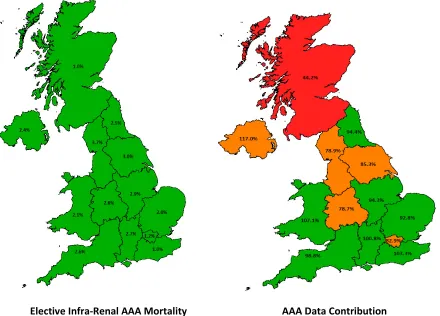
1. To reduce the elective mortality for infrarenal AAA repair in the UK to 3.5% by 2013.
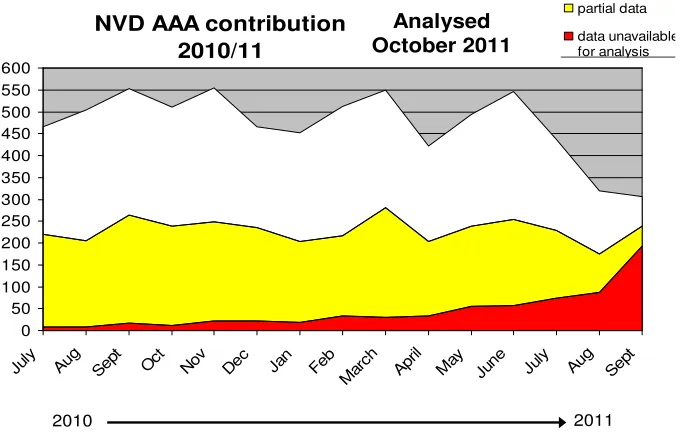
2. Increase data contribution onto the National Vascular Database (NVD) from 65%-90% by April 2012. To encourage convergence of Hospital Episode Statistics (HES) and NVD data by improving both clinical audit data entry and clinician involvement in coding.
3. Standardise the management of patients through the AAA care pathway in regions throughout the U.K.
4. Engage and collaborate with patients to improve informed consent, communication throughout the care pathway and patient satisfaction.
3
METHODS AND IMPLEMENTATION
1.
PATIENT ENGAGEMENT
Patients, carers and the wider public have a significant role to play in implementing QI changes. They were involved at all levels of the project, helping to design improvements in communication and care delivery. Their personal experiences of the patient pathway provided a strong narrative to emphasise the importance of clinical quality improvement to clinicians. A network of patient groups was built around the UK to explore patient experiences and to identify areas for improvement. The early outputs from this group work resulted in significant development of written information for patients both pre-operatively and following AAA repair. The patient groups were also involved in helping to develop Patient Reported Outcome Measures (PROMs) for assessment of the quality of care.
Patients additionally attended regional meetings to provide clinicians with face to face accounts of patient experiences. A national patient representative attended the meetings and advised on the evolution of the programme.
2.
BEST PRACTICE PROTOCOLS
Reducing harm to patients can be achieved by reducing variation in care delivery [Nolan 2000]. Identifying standards of practice helps to draw a consensus about what constitutes vascular team working for clinicians involved in AAA treatment. The development of the AAA Quality Improvement Framework specified the components of a vascular team and reduced ambiguity about team working.
i.
Framework for Improving the Results of Elective AAA Repair
(2009)
ii.
Elective AAA Safe for Intervention Checklist
One of the QIF standards was that pre-operative care should involve formal risk assessment and correction of adverse clinical features to reduce the risk of intervention. Evidence for best clinical practice was available from the EVAR 1 trial which demonstrated that the 30-day mortality following elective AAA surgery was 4.8% for open surgery and 1.6% for endovascular aneurysm repair, with an overall mortality rate of 3.2% [Greenhalgh et al, 2004]. This was based on a protocol for pre-operative work up including assessment of cardiac, respiratory, and renal function, with defined indications for surgery. The QIP met with Professor Greenhalgh and agreed to adopt a modified version of the EVAR trial protocol to provide clinicians with a “safe for surgery” checklist (Appendix B). It was reviewed and adopted for use by the VSGBI and VASGBI. The document forms a preliminary checklist to highlight patients in whom attention should be given to improving fitness prior to intervention for their AAA. It also helps to identify those patients at very high risk who may be better cared for without intervention. It was advised that all patients being considered for abdominal aortic aneurysm surgery should be assessed against this checklist prior to being brought forward for AAA repair.
This checklist is designed to be easy to use and allow any member of the team to perform an initial assessment of significant risk factors affecting outcomes. It divides patients into groups, denoted safe (green), caution (amber) and unsafe (red). It is used to flag up the need for further assessment and optimisation in the amber and red category before proceeding. It should be used to inform choices around further investigation and discussion at the MDT.
iii.
Multi-Disciplinary Team (MDT) Proforma
As part of the process of improving care, the evidence from other specialities, especially in cancer care, is that formal assessment is best done as a team. MDTs provide more consistent decision making and improve progress along the pathway [Junor et al. 1994]. We believe that this should involve surgeons, anaesthetists, radiologists and vascular nurses in pre-hospital care as a minimum standard. The MDT functions to ensure that all risk factors are identified and minimised prior to intervention. It also provides for shared decision making, this is particularly important for complex problems and to help guide decision making for patients with borderline fitness.
iv.
AAA Pre-Operative Care Bundle
Making clinical processes consistent and reliable reduces error and harm to patients. The systematic quality improvement approach through ‘care bundles’ was used to create error-free processes that deliver high-quality, consistent care and use resources efficiently [Fulbrook and Mooney 2003]. The AAA pre-operative care bundle (Appendix B) was developed. The care bundle groups together best practice guidelines to help standardise practice and improve patient outcome.
Each element in the bundle acts to ensure a vital intervention is undertaken to reduce the risk from AAA repair and improve patient safety.
The first bundle outlines the essential guidelines for AAA patients proceeding to intervention. These include:
1. Patients should undergo standard pre-operative assessment and risk scoring. (Complete AAA Pre-Operative Safe for Intervention Checklist).
2. Patients should be risk assessed by a Vascular Anaesthetist prior to listing for intervention. 3. Patients should be reviewed by a Multi-Disciplinary Team that includes a Vascular Surgeon, Vascular Interventional Radiologist and a Vascular Anaesthetist as a minimum requirement. (Complete MDT Proforma).
4. Patients agreed for intervention should undergo CT angiography to assess their suitability for OR or EVAR.
5. Patients should be given evidence based written information about their condition and the proposed treatment.
3.
QUALITY IMPROVEMENT METHODOLOGY
Care Bundles and AAA care pathways were tested through Plan, Do, Study, Act (PDSA) Cycles.
The core principle of this model is empowerment of local teams of staff to develop and undertake small scale testing of our care bundles and make local amendments to ensure full implementation into practice.
• Testing a change in the real work setting. • Small rapid scale testing.
• Minimises resistance.
• Indicates whether proposed change will work in environment in question.
• Provides opportunity to refine change as necessary before implementing on a broader scale.
Plan, Do, Study, Act (PDSA) Cycles
RECOMMENDATION
Step 1: Plan
- Plan the test or observation, including a plan for collecting data.
- State the objective of the test.
- Make predictions about what will happen and why.
- Develop a plan to test the change. (Who? What? When? Where?
What data need to be collected?) Step 2: Do
- Try out the test on a small scale.
- Carry out the test.
- Document problems and unexpected observations. - Begin analysis of the data.
Step 3: Study
- Set aside time to analyze the data and study the results.
- Complete the analysis of the data - Compare the data to your predictions. - Summarize and reflect on what was learned.
Step 4: Act
- Refine the change, based on what was learned from the test.
- Determine what modifications should be made. - Prepare a plan for the next test.
The PDSA cycle allows for small repeated rapid tests of change. Typically the first cycle would be one patient. Subsequently, after modification if
necessary, the change would be tested in a small number and in varying circumstances. This would be followed by larger numbers building confidence in the team to make a permanent change to practice.
4.
REGIONAL COLLABORATIVES
The QIP is delivered using a regional approach. The focus is on engaging clinical communities at a regional and local level whilst providing a consistent set of standards nationally.
The process for delivering the programme is to hold regional meetings to which local teams come. The meetings are designed to be inclusive of both clinicians, patients, managers and commissioners. Each meeting has an initial information giving section during which national audit data is fed back. This allows teams to see how they are performing against national benchmarks and permits regional comparison of performance. This data supports the case for change. Teams then break out into discussion groups and discuss the patient pathway, communication and data, using national standards documents as guides.
Each element in the AAA care pathway was covered:
1. Patient consultation: Information leaflets and consent forms. 2. The decision to treat: pre-operative screening and risk scoring. 3. MDT: Who should be involved in the decision to treat?
4. Intra-operative care: team composition, processes and facilities. 5. Post-operative and discharge care.
6. Measurement of outcomes and patient experience.
Moderators for each area of discussion feedback to the collective group following the discussion, drawing out themes for development, highlighting
QI LEARNING
Key Factors for Successful QI Implementation: 1. Participation from all key stakeholders; vascular surgeons, radiologists, anaesthetists, nurses, managers, patients, C&S Networks and SHA/ Commissioning teams.
2. A minimum of 3 team members within each unit to carry out an intervention.
3. Agreed national standards to provide a focus to standardise practice.
4. Allow regional and unit flexibility for integration of the standards and adoption of protocols. This flexibility improves ownership of processes.
5. Share current practice and agree ideal best practice for the region (meetings and via WWW).
6. Letting improvement work develop over time (i.e. arranging follow up meetings with clear targets for
progress).
6. Trusts/teams test ONE best practice protocol/
intervention initially (i.e. there is collective focus on one important task).
7. Regional lead to gather engagement and keep up momentum.
8. Local leads within each unit to drive QIP
interventions.
9. Follow up meetings to report back on progress, share outcomes and learning.
gaps in care and identifying areas of consensus. Clinical teams are then introduced to the IHI model for improvement with emphasis on PDSA cycles.
The final part of the initial day is for clinical teams to choose an area for intervention in their practice and to devise a plan to test this using PDSA cycles. A date is chosen to meet again, providing a deadline for reporting.
Subsequent meetings are used to allow teams to feedback on progress and share the knowledge and learning gained. Information is shared and a further meeting planned. The third meeting is used to try and embed local developments and to create a sense of shared purpose. Teams are invited to commit to meeting without the on-going support of the QIP central team.
5.
DATA COMMUNICATION
We recognise that there is significant variation in both clinical behaviour and measurement of outcomes, and that standardising care delivery and contribution to national audit were the key issues facing the QIP. Without accurate measurement of outcomes and performance it is not possible to determine acceptable levels of care. We developed a measurement strategy to improve contribution to national clinical audit through regular feedback coupled, with VSGBI approved contribution standards. It is through these standards that progressive improvement can be measured over time, at both a national and local level. Complete and up to date clinical data ensures any areas for improvement can be highlighted. Improving data entry also provides higher quality information about NHS AAA services for patients.
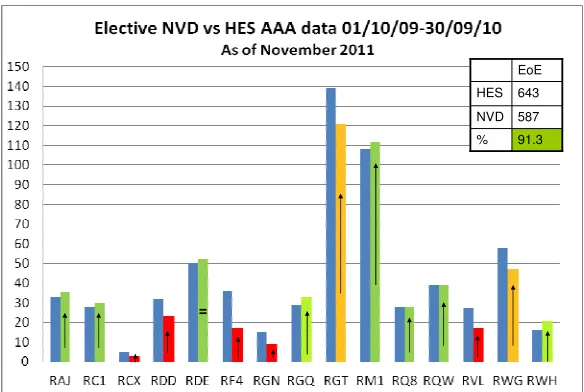
The process used by AAAQIP to improve data contribution onto the National Vascular Database (NVD), focussed on providing information to clinical teams. A direct unit comparison of NVD and HES data for each unit is reported quarterly (Appendix A). The data are sent to Vascular and Clinical Governance Leads within each Trust performing AAA surgery in the UK. Trusts are asked to validate the data between the two datasets, enter missing cases onto the NVD and correct any coding errors. A Traffic light system, introduced through the Vascular Society, is used to provide clarity about unit performance against national standards.
At the outset of the AAAQIP there was a clear statement of intent to publish unit identifiable data in the future. We then provided each vascular unit with data from the NVD and corresponding HES data for a two year time period. Units were given three opportunities to validate their data and to correct any omissions in the NVD. This aimed to encourage units to develop a robust process for data contribution and improved data quality to enable the reliable reporting of patient outcomes and highlight potential areas for improvement. The first report was published in March 2012.
RESOURCES
Framework for Improving the Results of Elective AAA Repair (2009):
http://www.vascularsociety.org.uk/library/quality-improvement.html Elective AAA Safe for Intervention Checklist:
http://www.vascularsociety.org.uk/library/quality-improvement.html Multi-Disciplinary Team Proforma:
http://www.vascularsociety.org.uk/library/quality-improvement.html AAA Pre-Operative Care Bundle:
http://www.vascularsociety.org.uk/library/quality-improvement.html HES Vs. NVD AAA MailOut Distribution Contact List:
http://www.aaaqip.com/aaaqip/2012/07/who-receives-the-nvdvhes-data-feeds-in-your-hospital.html
HES Vs. NVD AAA Contribution Regional Graphs:
4
IMPROVING PATIENT EXPERIENCE
1. NATIONAL AAA PATIENT FOCUS GROUPS
A key part of the AAAQIP is to improve communication with our patients undergoing care for AAA. We recognised that we needed to develop measurement through a PROM. It was rapidly apparent that a validated PROM was beyond the immediate scope of this programme. We began work with a single patient group in Bristol, sponsored through the Avon, Gloucestershire & Wiltshire Cardiac and Stroke Network. The value of grouped patient input to our communication was immediately apparent, and we began encouraging other hospital teams to form patient groups to develop a more widespread input into our communication strategy.
Organisation
The aim of regionally held AAA patient focus groups was to gain insight into patient experiences and views to inform our Quality Improvement
Programme. Based on the findings, we worked in collaboration with patients to design and develop remedial changes in the care pathway, with particular reference to ensuring high quality communication.
AAA patient focus groups were convened in seven locations in the U.K: Bristol, Newcastle, Leeds, Manchester, Aberdeen, Cardiff and London. The meetings followed a set structure developed centrally, exploring patients' experiences of AAA repair (diagnosis, information and communication, recovery and follow up) as well as patient views on decision making, MDT working, centres of excellence and outcome data.
A facilitator (Consultant Surgeon or Vascular Nurse) and note taker were used to ensure as accurate recording of proceedings as possible.
Two to three successive meetings were typically held in each region building on from initial findings. These included patient feedback on newly
developed patient information leaflets, the development of an AAA Patient Reported Outcome Measure (PROM) as well as exploring patient
preferences for risk information.
Patient Group Findings
Summary of Key Findings:
1. It is felt that ultimately patients themselves should make the decision to proceed or not with surgery.
2. There is agreement that clinicians must move away from ageism. “Not chronological age but fitness factors.” The following factors were considered to reflect factors for fitness:
i. Mental health
ii. People being able to look after themselves iii. Patients’ outlook/attitude to life
iv. Quality of life is very important
3. Patients particularly value their surgeon’s explanations, but also found explanations by vascular nurses, or anaesthetists very reassuring. 4. Percentages/statistics have less meaning. Patients would rather know
about functioning after surgery.
QI LEARNING
The Value in Regional and Local Patient Focus Groups:
Seven regional patient groups were set up around the U.K. This proved to be beneficial as it has
provided local clinicians with direct contact with patients and stories of their experiences. As well as this, it highlighted local issues and areas for improvement. Regional groups additionally
allowed the comparison of patient experience around the U.K in order to make national
5. Information should be in different formats: written information to digest as well as verbal reassurance.
6. Drawings to explain an AAAs and descriptions particularly on ‘coming round’ (recovering from anaesthesia) is valued.
Recovery Information: A wordle chart showing what patients feel is important.
7. General consensus among patients that not enough post-operative information is provided, “Nothing was provided to give confidence in recovery”. The effects of EVAR & OR procedures are underestimated. Clinical teams need to give more realistic information.
8. All patients wish to be seen in clinic post-operatively, even if just for a quick check of their scar at 6 weeks. Patients felt it achieved a degree of closure, even for those on EVAR follow up programmes, “It is so important to know the operation has been successful”.
9. Benchmarks for patients post surgery would be very useful. Whilst they were generally happy with information provided in hospital, the group members frequently commented how isolated they felt after discharge.
10. A telephone point of contact to a named individual in the vascular service post discharge was felt to be beneficial.
This chapter details more specific findings from patient experience surveys and demonstrates how these findings led to changes in the care pathway.
RECOMMENDATION
2. MEASURING PATIENT EXPERIENCE
Inpatient Picker Survey Findings
Mr Arindam Chaudhuri, Mr Patrick Chong, Mr Mustafa Kadam and Mr Benjamin Tan.
Understanding patients’ experience of care is essential in making a complete assessment of service quality. This can only be achieved by asking the patients themselves. It is important to adopt systematic and effective ways to ask patients about their experiences, and use this information to shape and improve the way healthcare is delivered.
The Adult Inpatient Questionnaire from the Picker Institute was used to capture most recent inpatient experiences of AAA patients in the National Health Service. The questionnaire reflects the priorities and concerns of patients and is based upon what is most important from the patient's perspective. The quality of care is captured over 9 domains from admission, doctors as well as discharge and overall experience of care. The questionnaire was developed through consultation with patients, clinicians and trusts through the Picker Institute.
The survey can be used to:
• Improve services based on patient feedback. • Track changes in patients’ experience over time.
• Provide evidence to support local quality improvement initiatives. • Evaluate success of service improvements.
Survey Methodology
Bedford, Derby and Frimley Park Hospital took part. Patients were provided with the questionnaire in hospital post-operatively or via post. Patient participation was voluntary and all answers provided were treated as entirely confidential.
Patient Cohort
82 patients responded; there were 64 men and 6 women (12 missing data). The median age of patients was 76 ranging from 112 to 60. 76% had elective repair and 24% emergency. 45% patients underwent open repair, 41% underwent endovascular repair and 7% fenestrated endovascular repair with 5 patients missing this data.
Results
DOCTORS AND OVERALL CARE AND TREATMENT
Beforehand, did a member of staff explain the risks and benefits of the operation or procedure in a way
you could understand?
0 10 20 30 40 50
Yes, completely Yes, to some extent No Responses N u m b e r o f P a ti e n ts
Do you think the hospital staff did everything they could to help control your pain?
0 10 20 30 40 50
Did you have confidence and trust in the doctors treating you? 0 20 40 60 80
Yes, always Yes, sometimes No
Responses N u m b e r o f P a ti e n ts
Overall, how would you rate the care you received? 0 10 20 30 40 50
Excellent Very good Good Fair Poor Responses N u m b e r o f P a ti e n ts
DOMAIN OF CARE % PATIENTS (YES ALWAYS)
ADMISSION TO HOSPITAL
When you were told you would be going into hospital, were you given enough notice of your date of admission?
100%
WARD
Were the visiting times convenient for your friends and family? 83%
DOCTORS
If you ever needed to talk to a doctor, did you get the opportunity to do so? 61%
NURSES
Did you have confidence and trust in the nurses treating you? 83%
CARE AND TREATMENT
Were you involved as much as you wanted to be in decisions about your care and treatment? 74% Did a doctor or nurse explain the results of the tests in a way that you could understand? 71%
LEAVING
Did hospital staff tell you who to contact if you were worried about your condition or treatment after you left hospital?
84%
OVERALL
Are you confident that the hospital is keeping your personal information / health records secure and confidential?
92%
Overall, most patients rated the care they received to be excellent. Scores were higher pre-operatively with the majority of patients being given sufficient notice prior to surgery, being involved in decision making and having high confidence in their doctors. On the ward, pain was well controlled, upon leaving patients were given a contact number and the majority had confidence that the hospital was keeping their personal information secure. Pre-operative information giving and explanations of tests was found to be good mirroring the AAAQIP national patient group findings. Fewer patients reported always being able to talk to a doctor.
DISCHARGE FROM HOSPITAL
On the day you left hospital, was your discharge delayed for any reason?
0 10 20 30 40 50 Yes No Responses N u m b e r o f P a ti e n ts
Did a member of staff tell you about medication side effects to watch for when you went home?
0 5 10 15 20
Yes, completely Yes, to some extent No Responses N u m b e r o f P a ti e n ts
Did a member of staff tell you about any danger signals you should watch for after you went home?
0 5 10 15 20 25
Yes, completely Yes, to some extent No
Responses N u m b e r o f P a ti e n ts
Before you left hospital, were you given any written or printed information about what you should or
should not do after leaving hospital?
DOMAIN OF CARE % Patients
DOCTORS
Doctors: talked in front of patients as if they were not there. 26%
NURSES
Nurses: talked in front of patients as if they weren't there. 24%
OPERATIONS AND PROCEDURES
Surgery: not told how to expect to feel after operation or procedure. 15%
LEAVING HOSPITAL
Discharge: did not feel involved in decisions about discharge from hospital. 10%
Discharge: was delayed. 41%
Discharge: not given any written/printed information about what they should or should not do after leaving hospital.
28%
Discharge: not fully told side-effects of medications. 24% Discharge: not fully told of danger signals to look for. 28% Discharge: family not given enough information to help. 22%
Patients reported that hospitals performed less well during discharge from hospital. This included 41% of patients having a delayed discharge. Poor performance was also indicated in the information given upon discharge. This included a lack of information on how to expect to feel following surgery, medication side effects, and danger signs during recovery and what patients should/should not do upon returning home. Again, these findings were replicated in our national patient focus groups. As a result of these findings, the AAAQIP developed new recovery patient information leaflets as well as standards for information giving at discharge and these are detailed later in this chapter.
PATIENT FUNCTIONING AND QUALITY OF LIFE (QoL) FOLLOWING SURGERY. Patient Reported Problems after Surgery
0 5 10 15 20 25 30 35
Walking Washing/ Dressing
Usual Activities
Pain Anxious/ Depressed
Response
N
u
m
b
e
r
o
f
P
a
ti
e
n
ts
A large proportion of patients reported having problems after surgery particularly walking and
performing usual activities. Fewer patients reported feeling anxious or depressed. This maps to findings from regional interventions where patients reported less anxiety post operatively as they no longer had a ‘ticking time bomb’ inside them.
Patient Comments
Patient’s comments revealed that patients were satisfied when they received timely communication pre-operatively as well as post pre-operatively about the success of their operation. The main patients’
complaints were about the quality of food served within the hospitals. Unappetizing
meals.
The speed at which my sister was informed of the success of
the op (good points). Yes, the clinical team were very kind
and thorough. Also the anaesthetist was excellent in his care for me during the operation.
Patient Story: My Ruptured AAA.
Ruptured AAA patientPrior to Repair of my Ruptured AAA
I was 63, and had been a producer of post-grad medical teaching films, mostly in cardiology and pharmacology. I enjoyed excellent vision for my age and overall good health, about 6ft 1inch and 200lbs never having been a hospital in-patient before. I am a non-smoker and non-drinker and I had been enjoying a healthy diet of mainly home grown produce for at least ten years.
Emergency Care
On 13 Oct 2009 I was alone at home on an island in the River Thames. At about lunch time I noticed an unusual ache in my lumber back region and thought I must have strained a muscle somehow. I was taken to casualty the local hospital and doctors tried to diagnose my problem.
In the late evening, maybe about 11pm, I started to become more conscious as the sedation was wearing off, I recall there was a shift change, a new doctor appeared and I was able to talk to him. I remember telling him that my own father has died of a ruptured AAA when he was 66 back in 1973 and I asked if this could be what was happening to me. He quickly arranged an ultrasound scan and my aorta was found to be 8cm dilated and ruptured. I had not been able to discuss this with the previous doctors probably because of excessive sedation and my resulting incoherent thought and speech. Once correctly diagnosed, I was sent by emergency ambulance to a central hospital and my family were telephoned and told to go there urgently, which they did. I remember very little else from that night except telling my family that I loved them and warned them that I thought I may not survive this. Very fortunately for me there was an excellent vascular team on call and I was operated on overnight. They made a 15” full midline incision from sternum to pubic bone and I had a straight graft inserted in my aorta. The surgeons and ICU staff were excellent. Particularly towards my family, keeping them well informed and making sure they knew what was going on and what risks and complications there could be at every stage.
After my Operation
I was in ICU for three weeks and during most of that time I was presumably deliberately kept unconscious, as there is very little I recall of where I was and what was going on. But I do know I suffered renal failure, I had a stroke (R, cerebral hemisphere) with Left side hemiplegia, hypoxia post op, I had a tracheostomy followed by a chest infection.
While all this was going on I was experiencing terrifying ICU deliriums. Whilst I understand these are hardly a medical priority considering all of the other issues I was suffering, they are the ones that have remained with me and are probably responsible for any Post Traumatic Stress I subsequently
experienced. These should not be dismissed as unimportant.
After three weeks I was moved to a vascular ward and gradually became more aware of my body and its condition. I felt the physios were excellent and within a few days I was walking a few steps along the ward corridor with the aid of a stick. I still had areas of paraesthesia on my upper legs but this was minor. I was made to feel I was special as I was one of the few that had survived this ordeal.
understand. This was a big step backwards for my recovery. So I then had a new team of doctors, of nurses and physios who did not at first fully understand what I had just been through.
My Recovery at Home
I had an awful journey back home in a cold ambulance van after a 2 hour wait in the hospital transport dept. There were no wheelchairs available so I had to walk to the ambulance and climb the steps to get in it which was very difficult.
Once at home again this is where my recovery really began. I had tremendous support at first from the community physios and local care team providing me with equipment to get in and out the bath, and bed to use toilet even a special chairs to sit at the table and a wheelchair for when I visited the doctor. We bought an exercise bicycle and my community physio visited twice a week. With a routine of quite strenuous daily exercise the paraesthesia went and soon I was walking with just a stick for support and I was shown the techniques to how to climb stairs and get out of bed without having to use my
abdominal muscles.
After a couple of months of tremendous support from the community physios the visits suddenly stopped and it was at that stage that I realized we would be on our own from then on. This made me anxious as I had no individual to contact other than my GP. When I did try to contact my GP by phone I could only get a locum who had no understanding of my condition.
Probably the most difficult thing for me do deal with was the absence of specialised advice from that moment on. I felt I needed someone to talk to who knew about what I had been through and could give good advice. Even on the telephone. My partner felt that too.
My long term drug regime included Dipiridimole, Amlodapine, Aspirin, Ranitidine and Simvastatin. After discussion with my GP she reduced the Amolapine dose from 10mg to 5mg and stopped the Dipiridimole all together. That stopping of Dipiridimole made a big improvement to my general awareness and quality of life (QoL).
I have a continuing anxiety that the implant may leak. This is only relieved during the immediate period following an ultrasound scan when I get confirmation there is no endoleak. I have spoken to my GP about this but she can only refer me to the surgical team. My original surgeon has now retired and I have tried to make contact with the vascular team but so far failed to do so. The sonographer told me that if I am ever worried about the implant or feel there is an endoleak then I can ask for a extra scan at any time as there is someone always on duty in their department but when I have tried to do this I am told it has to be ordered by the surgical team. And they are very difficult to contact. It is very frustrating.
I still need to walk with a stick in most situations. I cannot lift anything of significant weight without pain from my abdominal muscles or even bend down without feeling faint. I am extremely “doddery” when compared to how I was before and my accuracy in taking measurements for example, which I regard as a good test, has deteriorated markedly. I am very forgetful as my short term memory is clearly damaged and I am in many ways, what I would call “slow witted” compared to how I was before. I assume all of this is associated with hypoxia at the time of the AAA rupture
I have been asked to write this account in the hope it may be of value to other patients in the future. I just point out that what my family were told - that having survived the initial surgery I should be able to live a normal life - is not really true, there are many many reasons why this has not been the case.
I may recover further although at the time of writing this it is almost two years post op. WHAT MIGHT HAVE BEEN IMPROVEMENTS FOR ME?
The difficulties of being transferred to another hospital before I was discharged should not be underrated. Not only was it confusing for staff but very disconcerting for me as I lost contact with all of my team of professionals whom I had come to respect and rely on and who knew what I had been through.
My QoL was increased substantially when my GP took me off Dipiridimole in the first year post op. This drug made me lethargic and mentally subdued.
I do not think that one appointment at outpatients each year, and one scheduled GP visit a year is enough to monitor my condition. I would like more regular ultrasound scans as I become very anxious about endoleaks. My partner and I felt as of we had been cast adrift and left without support.
Improvement Case Study:
Collaboration with Patients to Develop Tailored Patient
Information
University Hospital Wales: Working with AAA patient to refine patient information.
Mrs Kate Rowlands; Vascular Nurse Specialist
My involvement with the AAAQIP began in the summer of 2010, when I was asked to help organise the first patient group in Wales. I felt that this would be an exciting opportunity to gain more insight into patients’ experiences and perspectives of having AAA surgery. This also came at a time when I had been planning to update our own patient information. The patients had either had open surgery or endovascular repair (EVAR) for their AAA, with the latter group being the larger due to the increasing numbers now suitable for EVAR.
For the group in Cardiff, our aim was to discover more about the patient experience, by facilitating a semi-structured discussion within the group, allowing the group to talk about their experience of discovering their aneurysm, their pre and the post- operative time and their recovery once home. Discussion naturally touched on the communication and information they received, or that they needed. Most patients had discovered they had an aneurysm through an incidental finding.
The initial meeting was attended by 5 patients and 1 spouse, who had had either an open or endovascular repair. It was evident that most of the patients were eager to talk about their experience, with some having unresolved questions about their recovery, despite in some cases it being over a year since their surgery. Whilst feeling prepared for the operation they felt less prepared for their recovery at home, and still had
unanswered questions, and anxiety about their recovery, and whether their stent or graft was still in place. Difference in follow-up between the open surgery and EVAR patients raised questions within the group, which were explained, and reinforced throughout the session.
Interestingly, in this first meeting the Consultant Vascular Surgeon joined for the second half, and although prior to this the group had been discussing their experiences, at this point the patients began asking specific questions concerning their operation and health that they had been clearly been waiting to ask for some time. A clear outcome from this initial meeting was that the patients wanted more information concerning their recovery at home. As a consequence, we developed a recovery leaflet, for open surgery and EVAR, which would be sent to the group to review, and fed back at a second meeting. Two formats of information leaflets were designed; a combined leaflet with the updated pre-operative information and recovery information, along with the leaflet containing just the recovery information.
Subsequent feedback on the leaflets was positive, but the group again highlighted the need for verbal reassurance and information from the vascular surgeon both post- operatively and at the follow –up appointment.
Suggestions to improve the leaflets included:
• Information on the risk of having a low mood after the operation.
• Inclusion of a diary in the leaflet to document queries and questions that can then be asked at the follow up appointment.
In June 2011, a further group was held for EVAR patients, and their partners who were sent the final updated leaflet prior to the day.
There were a few issues that became apparent:
• The varying experiences were often related to co morbidity.
• Some felt they had been ‘lucky’ to have their aneurysm found, while others discussed theconcern of living with a small, but growing aneurysm.
• Many stressed the importance of having reassurance both during the procedure, and after, to know that the stents or grafts had ‘stayed in place’.
• All gave positive feedback about the updated leaflets.
• Spouses expressed a need for written information as they often missed information given verbally to the patient.
For me, the patient group discussions highlighted the need for clear and understandable verbal and written communication, and it appears to have a direct affect on patients’ experiences of their AAA intervention and reported outcomes. Communication breakdown can lead to patients remaining troubled for several months or years after their surgery. It is possible that healthcare professionals may well be underestimating the importance of on- going communication, for all patients including those patients whose surgery has been clinically successful.
3. PATIENT PREFERENCE FOR RISK INFORMATION
Miss Roxanne Potgieter, Mr David Mitchell, Ms Kate Humphries, Mr Paul Bachoo, Mr George Peach, Mr Vince Smyth, Mr Tim Lees, Ms Lelsey Wilson, Ms Jane Todhunter, Ms Jackie Trant and Saranjeet Brar.
Patient feedback from all seven focus groups held as part of the AAAQIP consistently revealed that patients felt that they were not receiving the right amount and type of information. Clinical teams reported that they were uncertain about the information leaflets they should be presenting to patients. They also were uncertain how to give appropriate advice about the risks of interventions and how to best describe those risks numerically. Therefore, the AAAQIP sought to investigate patient preferences for written information whilst undergoing AAA repair.
Methodology
A postal survey of patients was carried out in seven Trusts around the UK. We compared the AAAQIP and EIDO patient information leaflets, using a visual analogue score over six domains. Patient
participation was voluntary and all answers provided were treated as entirely confidential. A patient group was held alongside this at Manchester Royal Infirmary, using semi-structured focus group methodology.
Patient Cohort
82 responses were received from patients with a median age of 75 (68-78). There were 70 men and 11 women. 82% had elective repair and 12% emergency. 63% underwent EVAR and 33% open repair. 2% were surveillance patients. 7 men and 3 women participated in the focus group.
Results
TYPES OF INFORMATION
Types of Information: Median Importance Ratings
0 2 4 6 8 10 Return to Normal
Recovery: Whats Pts Can /Can't Do Danger Signs in Recovery Anaesthesia Complications AAA Surgery Complications General Complications Treatment Options
T
y
p
e
s
o
f
In
fo
rm
a
ti
o
n
Patient Responses ImportantMost Least
Important
0 20 40 60 80 N u m b e r o f P a ti e n ts
Yes No Missing
Is there anything you do not understand in the leaflets?
Median Rating: Amount of Information Contained Within Each Leaflet
0 2.5 5 7.5 10 Recovery from Surgery
Impotence Numbers and Statistics Complications of AAA Surgery Treatment Options T y p e s o f In fo rm a ti o n Patient Reponses EIDO AAAQIP
Not Enough Too Much
Age Related Patient Preferences for Information
0 2.5 5 7.5 10 Return to Normal AAA Surgery Complications General Complications T y p e s o f In fo rm a ti o n Patient Responses 80-89 60-69
Least Important Most Important
Gender Preferences for Information
0 2.5 5 7.5 10
Return to Normal Recovery: Whats Pts Can/
Can't Do Anaesthesia Complications Treatment Options T y p e s o f In fo rm a ti o n Patient Responses Female Male
Least Important Most Important
AAAQIP vs. EIDO INFORMATION LEAFLETS
87% of patients reported no problems with understanding the information contained within both leaflets.
Patients felt the right amount of information was provided in both leaflets with median scores of 5 and 6 on a 0-10 visual analogue scale.
Patient Comment:
INDIVIDUAL DIFFERENCES AND PREFERENCES FOR INFORMATION
Older patients were less concerned about receiving information than younger patients. As you would expect, 60-69 years old patients wanted more information on returning to normal than 80-89 year olds.
Female patients wanted more information than male, particularly around returning to normal and what patients can and can’t do following surgery.
Patient Reported Risk Factors and Preference for Information
0 2.5 5 7.5 10 Return to Normal
Recovery: Whats Pts Can/ Can't Do Danger Signals General Complications Ty p e s o f In fo rm at io n Patient Responses
Ri sk F (4) Ri sk F (3) Ri sk F (0)
Most Important Least Important Risk Factors 0 10 20 30 40 50 60 Hyper-tension Hyper- cholest-erolaemia Angina Claud-ication
Stroke Diabetes Smoker
Comorbidities N u m b e r o f P a ti e n ts
AAA PATIENT FOCUS GROUP FINDINGS
A separate patient focus group indentified that different patients liked different leaflets. • Patients wanted different information at different stages:
1. Surveillance patients wanted information about their disease.
2. Pre-operative patients wanted information about the procedure that they were about to undergo.
3. Ward patients wanted to know about what would happen in hospital care and then what to expect after discharge home.
• The information leaflets were felt to have too many numbers and patients wanted more a positive slant on risks.
• There were also felt to be too many categories of risk, patients just want an overall success rate and any particular risks that are high for them.
• Post discharge expectations were poorly covered in existing information.
The meeting itself was popular; the patients all expressed a wish to have had more time to discuss the operation than they felt they got in the busy clinic.
AAA PATIENT COMMENTS
RECOMMENDATIONS
1. Clinical teams need to provide context sensitive written information to patients. The information must be appropriate to the stage of care.
2. Risks associated with interventions need to be explained in broad terms and then a member
of the team needs to provide time and support to explain individual risks to patients
3. Information should be presented positively and be personally relevant to the patient.
“Personally & with hindsight, I would have liked more information on the possible effect of open surgery on the performance/return to normality of bowel function, which has been a difficulty for me in an otherwise classic recovery. It was put to me after the operation that "bowels" that have been in place for 86 years are disturbed and they naturally "don't like it" and can take time to return to normality - a comment we can't take issue with!”
“I had a huge amount of bruising around my groin and upper thigh area after surgery which was scary as I was not aware that this could happen.”
“There is no mention of bruising, which in my case was extensive. Also the timescale for ultrasound to check for leakage could be made clearer.”
4. PATIENT CENTERED CHANGES TO THE AAA CARE PATHWAY
A consistent theme that has emerged nationally is that AAA patients feel they do not receive enough post operative information, in particular what to expect. Many patients report that they face
unexpected consequences from AAA surgery. This leads to anxiousness about their recovery. Vascular clinicians taking part in our regional action plans consistently reveal that they are unsure about what information patients receive, when to provide it, and particularly what the patient gets out of the information.
The AAAQIP strategy that aims to:
1. Standardise the process of providing patient information and obtaining consent.
2. Address the lack of post operative recovery information that has been identified nationally. 3. Ensure patients are fully informed upon discharge (including the impact of complications,
medication, pain relief and follow up).
4. Ensure patients are provided with a point of contact post-operatively to address concerns. 5. Integrate telephone follow up to address patient and carer issues early in the post-operative
period.
The Importance of Communication and Patient Information
Fulfilment of expectations is a strong predictor of patient experience [Jackson et al, 2001]. High quality communication helps to set expectations appropriately so that patients are mentally prepared for their operation.
High Quality Patient Information:
• Enables patients to participate in decisions about their health and health care.
• Clarifies treatment options, highlighting risks and benefits and any areas of uncertainty. • Encourages patients to take responsibility for maintaining their health.
• Clarifies what the hospital can and cannot provide.
• Reinforces verbal information as part of the process of informed consent. • Reduces patient anxiety and improves patient outcomes.
Communication with patients should be of a high quality both pre-, peri and post-operatively. This ensures patients are fully informed and able to make an appropriate choice about intervention, as well as receiving information about what to expect during the pre-, peri-operative and recovery phases of their care.
Part of the AAAQIP is focussed on addressing the gaps in communication. The aim is to place the patient at the centre of the care pathway. Part of this process is developing specifically tailored patient
KEY
Surveillance Protocols Fit Unfit Pt Centred Protocols Discharge
AAA Patient Focus Group
Discharge
Outpatient Appointment
<5.5cm
Surveillance
>5.5cm / Symptoms
Pre-operative Care
MDT Review
Admission & Intervention
Discharge from hospital Complications/
Variance from Agreed Milestones
Consultant Led Review
Out-patient discharge/ EVAR
Surveillance Surveillance
Information Leaflet
Treatment Options Information Leaflet
Patient Consultation-Obtain Consent
Recovery Information Leaflet
Outpatients
Post-operative
Care
Inpatient
Episode
Criteria/ Nurse Led Discharge
Telephone Follow Up
Information for Surveillance Patients
Both AAA patients and carers reported that they found it difficult to take in all the information presented to them during their patient consultation. They felt patients should be provided with information in a staged process appropriate to their current treatment plan. Surveillance patients in particular do not want excessive information on surgical treatment options and risks when their AAA is not currently at a size for intervention.
Patient preference for information at this stage includes:
• What is an AAA? • Symptoms.
• Do I need an operation? • The surveillance process.
• The chances of a small AAA rupturing.
• Impact of a small AAA on quality of life. Do I need to take things easy? • Practical implications such as driving.
• Health advice. • What to look out for.
• Sources of further information.
Patients also revealed that they find it difficult to track the changes in size of their AAA and this can lead to anxiety. As a result, a place to record the size of their AAA at each scan as well as the dates of follow up scans was integrated into the AAAQIP surveillance patient information leaflet.
Information for Patients Proceeding to Intervention
AAA patients found existing patient information leaflets to be too risk orientated and defensive. A lot of statistics were presented that were not found to be helpful. These were often in different formats leading to confusion. Patients within our focus groups prefer risk information presented positively and in a consistent manner. Diagrams are useful to help explain what an AAA is.
Patient preference for information at this stage includes:
• What is an AAA? • Causes and Symptoms. • The chance of rupture.
• *Treatment options (Medical Treatment/ Open Repair/ Endovascular Repair).
• To include risks, impact on QoL and practical implications for returning to work and driving. • Overview of most common risks associated with AAA surgery.
• Health advice. • What to look out for.
• Sources of further information (both local and nationally available).
Patient Consultation and Consent
NICE guidelines (NICE technology appraisal guidance 167 - Endovascular stent–grafts for the treatment of abdominal aortic aneurysms, 2008) published on endovascular repair indicate that the decision on whether EVAR is preferred over open repair should be made jointly by the patient and the clinical team, taking into account aneurysm morphology, patient age, fitness for surgery and general life expectancy, also the short and long term benefits and risks of the procedures including aneurysm related mortality and operative mortality.
The QIP recommends that teams develop a communication strategy that uses high quality written information backed up by consistent verbal explanations. Risks and benefits of any proposed
intervention need to be explained in clear and consistent language. Not all patients understand medical language and estimates of risk, so these should be explained in plain language to avoid misinterpretation (i.e. risk should be expressed as a number out of 10 or 100, rather than a percentage). It is also
important to give the risks of not undergoing intervention to allow patients to be fully informed. Patients should be told about the need for pre-operative assessment and that they may need formal tests (e.g. CPEX) or to see a Vascular Anaesthetist. They should be reassured that this is a normal part of care. During these investigations, patients should ideally be able to talk to