MANAGEMENT
MANAGiNG FOR DEVELOPMENT RESULTS
ORGANiSATiONAL AND iNSTiTUTiONAL DEVELOPMENT
PRiVATE SECTOR FOR DEVELOPMENT
FACiLiTATiNG PROCESSES
MDF BOARD OF DIRECTORS
Herman Snelder Director Hans Rijneveld Director
MDF BOARD OF ADVISERS
Poul Bakker
Independent Consultant
Eindhoven, the Netherlands
Lem van Eupen
General Manager Radio Netherlands Training Centre
Hilversum, the Netherlands
Peter Knorringa
Professor of Private Sector & Development
The Hague, the Netherlands
Nadira Mirza
Deputy Dean, Senior Lecturer Head of AccessWidening Participation School of Lifelong Education and Development,
University of Bradford, UK
Klaas Molenaar
General Director Triodos Facet BV
Zeist, the Netherlands
Kees Zevenbergen Director ConsultInq
Maasbommel, the Netherlands
1
if you open all your antennas to capture news about management and organisation you certainly will get overwhelmed with the loads of new methods, approaches and ideas with regard to more effective management in a developing context.
but as henry Mintzberg (2007) in his recent book “Managing” states: “after many years of seeking the Holy Grails, it is time to recognise that managing is neither a science nor a profession; it is practice, learned primarily through experience, and rooted in context.”
this verdict perfectly matches with the MDF approach to learning, which is based on experiences, on the sharing of ideas and of course on enhancing new insights and methods of working. in other words:
we are aware of the trends but we are pursuing the balance between theory and practice. thus:
shorter courses and fewer days for consultancies?
As long as we can deliver quality.
Distance learning?
Also: Face to face training andPersonal sharing of real life experiences.
Distance control through indicators?
Also: More Trust and understanding of realities.
MDF puts the professional at the centre of its activities and it vouches for innovation, for community involvement, and for sound working relations. trust is the underlying condition for performance!
we aspire to strengthen professionals, organisations and networks for a more equitable world and this is reflected in our services: courses, workshops, advice and consultancies.
we welcome you to join us on our courses in the netherlands, in one of our branches or at your premise. please contact us with your specific request.
as the picture shows Mike Zuyderduyn will join the management team in the course of 2011. we welcome him on board.
‘balance between trends
and proven practices’
Herman Snelder
& Hans Rijneveld
Directors MDF
partners:
about MDF
4
Vision on learning
6
ConsultanCy serViCes
8
exaMples oF ConsultanCies
9
tailor-MaDe Courses anD workshops
10
exaMples oF tailor-MaDe Courses
11
publiCations by MDF
13
MDF learning traCks
14
open entry Courses praCtiCal inForMation
16
guiDe to the training prograMMe
18
Course Calendar and fees
19
1. ManageMent
24
personal effectiveness 26
leadership and people Management 27
strategic planning 28
project and programme Management 29
human resources Management in an international Context 30 Financial Management for non-Financial Managers 31
knowledge Management for Development 32
Management Course for Development practitioners 33
2. Managing For DeVelopMent results
34
Managing for Development results 36
writing winning proposals 37
outcome Mapping 38
Monitoring & evaluation and learning 39
project Cycle Management Course 40
gender Mainstreaming in projects and programmes 41
3. organisational anD institutional DeVelopMent
42
institutional Development and organisational strengthening 44 organisational Development for advisers and Consultants 45
international advisory trail, intake period 46
international advisory Course 47
Creativity in organisational problem solving 48
leading organisational Change 50
local government Capacity Development 51
4. priVate seCtor For DeVelopMent
52
Value Chain Concept 54
Value Chain Facilitation 55
Value Chain Finance 56
result Measurement for sustainable private sector Development 57
5. FaCilitating proCesses
58
training of trainers 60
group Facilitation 61
active network Management Courses overview 62 advocacy and policy influencing: how it works 64 advocacy and policy influencing: improving your practice 65
Competency based learning 66
labour Market and active learning in education 67
MDF branChes
68
MDF brussels
69
MDF eastern & southern aFriCa
70
MDF south asia
71
MDF inDoChina
72
MDF aFrique Centrale
73
MDF latin aMeriCa
74
MDF west aFriCa
75
MDF paCiFiC inDonesia
76
MDF neDerlanD
77
inDex
78
4
About MDF
proDuCts anD serViCes
MDF provides courses, workshops, facilitations and consultancy services for individuals and organisations. our services are especially designed to strengthen the managerial and organisational capacity required to perform effectively (to achieve set objectives) and efficiently (at optimum costs).
in addition to the open-entry courses of our regular programme, MDF offers tailor-made courses and workshops. these workshops and courses are often multi-disciplinary and geared to the specific needs of our clients. we also adapt our open-entry courses to meet specific needs. MDF regularly assists organisations in the design of new strategies and organisational development plans, as well as with the implementation, monitoring and evaluation of these plans. MDF has a wide experience in evaluating large programmes in different areas.
MDF brings together current management theories and tools with practical experience in development programmes and projects worldwide. our approach to training, as well as to consultancy, is of a practical nature, rich in visual elements and with a high degree of participation.
staFF
MDF staff members are specialists in their particular field and are both trainers and consultants. as our staff is involved with both types of activities, they maintain a close link between theory and day-to-day practices in the field. we believe that this way of working enriches the training courses and keeps our staff always at the forefront of emerging development ideas and best practices.
MDF employs about 110 staff members and in addition calls upon experts from its satellite network and its pool of affiliated consultants. all MDF experts are professionals who create good and sincere working relations with the course participants and our clients in the field.
Clients
MDF delivers its services to a wide variety of clients. they include donor organisations, co-funding agencies, national and regional government organisations, universities and higher education institutes, international and national non-governmental organisations, and consulting firms. MDF has carried out assignments in africa, asia, latin america, and Central and eastern
MDF Training
&
Consultancy is a worldwide operating organisation. Since 1984,
the year we started as ‘Management for Development Foundation’, we aim to
contribute to improved management of organisations working for development
through training and consultancies. MDF has regional offices in Sri Lanka, Brussels,
Tanzania, Vietnam, D.R. Congo, Ghana, Indonesia, a representative office in Latin
America (Colombia) and an independent office in Ede to serve the Dutch market.
Mdf provides services in the areas of:
strategy & planning Monitoring & evaluation organisational learning leadership and Management result-based management
Change management organisational analysis Capacity development institutional development human resources management
networking and lobbying higher education Management sector analysis
55
• transparency, honesty and openness. in many settings we deal head-on with sensitive issues, addressing rather than circumventing them. inter-cultural sensitivity, excellent communication skills and a sense of humour help us lift barriers
• professionalism in our attitude to our work; creativity in the methods and solutions we recommend • Visual in capturing the essence of debates and
options, crisp and clarifying in summarising new agreements and outstanding issues while avoiding vague descriptions or jargon
• quick in noticing and debating new experiences and trends, translating them into best practices, tools and new services
• linking up with international advisers with complementary know-how, such as public health or private sector development
europe and, of course, in the netherlands and belgium. Course participants are from all different professional levels (from junior to senior) and diverse cultural backgrounds (from north, east and south).
CharaCteristiCs oF MDF
the principles incorporated in all our services encompass fundamental values such as the interest and willingness to learn and share ideas with others, the possibility to simplify complex matters and the fact that experience and wisdom are available within networks, organisations and individuals. we reach consultancy objectives through combining our professional knowledge and experience with those of our clients. Very often MDF thereby serves as a facilitator in a didactic learning process, while at other moments we contribute our expertise and guidance. the active involvement of our clients in diagnosis, planning and change has the double benefit of mobilising commitment and making optimal use of existing information and views.
working with our many, culturally diverse clients we have learned what it takes to improve the performance of individuals, organisations and networks. we wish to distinguish ourselves by the following characteristics:
• inclusiveness through working closely together with our clients and stakeholders, and generally encouraging a participatory approach. this implies our focus on building lasting relationships with clients and other stakeholders
a selection of our clients:
• hivos
• irish Development Cooperation • Ministry of Finance kenya • nuffic
• oxfam novib • sDC • spark
• stichting woord en Daad
• train4Dev • unesCo
• 27 universities and higher education institutes in rwanda, ethiopia, indonesia, ghana, guatemala
• wilde ganzen • wwF • ageh
• btC
• Dutch Ministry of Foreign affairs • Caribean Development bank • Cbi
• Cordaid
• european Commision • gtZ
6
Vision on learning
Facilitation of learning is at the core of our business. In our view
learning goes beyond the availability of information or of the transfer
of knowledge. This was already acknowledged by Confucius around
450 B.C.: Tell me, and I will forget. Show me, and I may remember.
Involve me, and I will understand. MDF trainers are therefore committed
to facilitate your learning process through highly interactive courses
and consultancies.
you’re iMportant to us
at MDF we emphasise that ‘’our world is about people’’. we therefore enjoy working with people from different cultures and with diverse professional backgrounds. they have at least one thing in common: our participants are professionals seeking to further enhance their knowhow and skills. everyone has unique experiences and ideas that are valuable to share and to test. that is why we value your committed participation in our training so much. this enables an eager climate of learning and the learning from peers.
our approaCh is appreCiatiVe
in our training we take your competence into account. we value what you already know and your
competencies. we build onto these and explore how you can do even better. the challenge is to find out what ‘’even better’’ means within your context. our professionalism includes that we offer you the newest insights. and we assist you individually where needed. we firmly believe that local people understand regional situations best. what we offer is our international experience in the application of methods, processes and tools that have proven their practicality. but tools alone do not make a carpenter! hence our training is not a one-way, technical knowledge transfer session, but a dialogue between local knowledge and international expertise. we believe it is this combination that solves problems most effectively.
at MDF we firmly believe that if you are eager to learn, it is our responsibility to stimulate, challenge and inspire you in different ways to develop.
therefore we investigate your personal learning needs and desires. it is our ambition to cater for these and tailor our courses as much as possible. we evaluate during the course whether we are still on track and if needed we will adapt methods and modules.
it’s all about people…
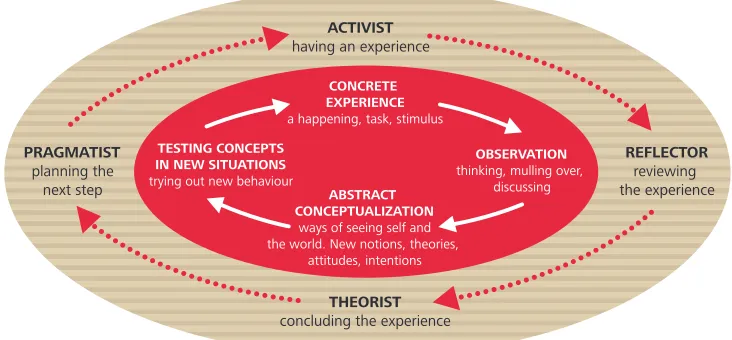
anD learning styles
we acknowledge that people have different learning styles. in our training courses you can be sure that we make use of a large variety of interactive learning methods. some are preferred by you, some by others. you may experience exercises, presentations, case- studies, real life cases, role- plays, reading, debates, visuals, films, focused discussions, assessments, simulations… a rich variety of methods.
7
it’s all about people, also baCk hoMe
training is not an end in itself. learning for change does continue after the course. that is where it is put to use. with the actual application of learning behavioural change takes place. therefore at the end of each course you make an individual action plan to enable you to apply the learning in your work environment. For a number of courses we offer coaching and assess changes in performance some three months after the course.
it’s all about trainers who know
the FielD anD stay up to Date
we execute consultancy missions abroad and translate these experiences in case studies, articles and other training materials. this way MDF staff remain up-to-date to the realities you might face. we explore new articles and scientific research on management and organisations, to ensure our training and learning experiences are cutting edge. we study the latest developments in facilitation of learning and base the design of our training courses more and more on what research tells us about the working of the brain and how to use this in learning.
ACTIVIST
having an experience
CONCRETE EXPERIENCE
a happening, task, stimulus
ABSTRACT CONCEPTUALIZATION
ways of seeing self and the world. New notions, theories,
attitudes, intentions
PRAGMATIST
planning the next step
TESTING CONCEPTS IN NEW SITUATIONS
trying out new behaviour
OBSERVATION
thinking, mulling over, discussing
REFLECTOR
reviewing the experience
THEORIST
concluding the experience
Figure 1. Kolb’s Learning Cycle with adaptation to add Honey and Mumford’s Learning Styles (after Dearden et al 1999)
Blended learning and beyond
already for a number of years MDF uses blended learning in the international advisory trail. blended learning is a learning approach where various complementary delivery modalities are used that combine learning in a face-to-face classroom setting together with distant learning methods. blended learning allows for a more gradual and natural way to learn, where the intense classroom learning period is preceded by on-line personal training needs assessments and succeeded by a mix of learning options like: practising newly acquired insights and techniques and getting feedback from your mentor, access to learning platforms with reference materials, the exchange of experiences with co-participants and trainers and e-coaching. it reaches you, as participant, the option of learning ‘just-what-you-need’ in the 'way-that- fits-you best' both in time and in place.
in 2011, we are taking blended learning beyond the international advisory trail into four of our core courses: project & programme Management (PPM, page 29), institutional Development & organisation strengthening (IDOS, page 44), local governance Capacity Development (LGCD, page 51) and Managing for Development results (MfDR, page 36). all the required additional facilities will be available on line via
www.e-mdf.nl. we look forward to meeting you in person and in virtual.
also join us on linkedIn and Twitter!
enrol to our network of professionals and friends, inspire others by sharing your experiences and knowhow, acquire fresh insights that enrich your actions.
8
Consultancy Services
ConsultanCy serViCes
Clients often request us to advise them on issues regarding management and organisation. we increasingly execute evaluation assignments for small and large programmes covering one organisation or a multitude of implementing organisations worldwide. we are engaged in long term programmes focused on improving higher education institutes or universities in the south, mostly in collaboration with other Dutch universities or technical institutes. we have embarked on interim management issues whereby an MDF staff member assists a development organisation for a specific period of time. we are frequently asked to coach senior managers.
our type of consultancy services varies from facilitation of partner dialogues and technical advice via evaluation, interim management to coaching. on the next pages we present a number of examples of consultancies we have provided recently. this will give you an impression of the variety of our services; content wise as well as the diverse country settings.
if you are considering to ask for assistance or to carry out evaluations you can contact us either through
[email protected] or by calling us. we will ensure you will get the right adviser who will first discuss your needs and then draft a proposal. once agreed upon the terms of reference and the proposal the work will commence. From our side we will monitor quality by internal peer review and we will ask your assessment by filling out an evaluation form after the assignment has been completed.
exaMples
strengthening organisations and management
Technical Cooperation Facilitation programme, Kenya
MDF is leading partner for the consortium that implements the technical Cooperation Facilitation programme in kenya. the programme provides long-term technical assistance to the nao office and finances short term consultancies for capacity building on request of line Ministries and public agencies in kenya.
Gender network mid term review in Bangladesh
review of the effectiveness of a national gender network in bangladesh in changing gender related discrimination through influencing government policy making at national, regional and local level and through right to information campaigns.
World Bank published handbook on Public-Private-Partnerships
Development of a chapter on M&e of public-private dialogue processes for a world bank published handbook, including practical guidelines to measure the progress of public-private-partnerships.
Regional restructuring of international conservation organisation in Africa
regional restructuring and transition process for an international conservation organisation of seven offices in southern africa. organisational strengthening of regional and country offices was needed to respond effectively to changing national and international policy changes.
strengthening Higher education Institutes and universities
Labour market and Active Learning in Tanzania
9
Examples of consultancies
MDF developed a participatory labour market survey for six occupational areas, trained teachers and students to use the methods and introduced main findings in the curriculum design and assessment methodologies. the surveys were finalised by an impressive feedback workshop with six employers groups.
Institutional support for universities in Indonesia
MDF delivered institutional support for strengthening the capacity of universities in indonesia in modern curricula development, external relationship building and guidance on how to respond to local labour market demands.
Management and Institutional support for universities in Guatemala
Management and institutional support for
strengthening the capacity of universities in guatemala in the design and implementation of curricula for local environmental management, external relationship building, effective use of iCt in education and guidance on how to respond to local labour market demands.
Marketing strategy and corporate style in Rwanda
with a newly established legal higher education institute a compelling corporate style and marketing strategy have been developed: knowledgeable, open and stylish. based on this desired image, the marketing strategy was discussed and incorporated in the daily routine of all staff involved.
evaluation of projects and programmes
Evaluation Tsunami programme support
MDF evaluated unesCo's interventions to gain insight into the strategic aspects of working in post-conflict and disaster situations in three countries following the completion of the tsunami programme support.
Evaluation of Capacity Development by Netherlands’ based organisation
MDF was asked to evaluate changes in capacities of beneficiary organisations in tanzania, the Democratic republic of Congo and Madagascar and the impact on
their target groups. the main question of the evaluation was how the netherlands’ based organisation had supported capacity development and what can be learned from their approach and performances.
Mid Term Review of Capacity Development Initiative
this is a network of about 100 members. a number of members use the Capacity Development initiative. halfway this programme it is being reviewed to be improved. this Mid term review was an essential step to provide the results so far with practical
recommendations for the next phase.
Interim management, facilitation and coaching
Interim and change management in INGO’s in Netherlands, Belgium, Germany
preparing and implementing new strategic choices, redefining the products and services, work processes, structure and job profiles, as well as developing social plans and people’s management in change processes.
Coaching of director of Netherlands’ based organisation
regular support and coaching has been provided to address all sorts of questions regarding the strategy of the organisation, the restructuring, change issues and the personal style of the manager.
Seminars on food security and trade issues in Bolivia, Kenya and Brazil
Facilitate seminars on food security and trade issues for national policy officers to integrate rights language into trade agreements in bolivia, kenya and brazil.
Active Network Management in the Netherlands
10
Tailor-made courses
and workshops
In addition to our regular courses offered in the Netherlands and through our branch
offices, we increasingly develop training courses tailor-made to the needs of our
clients. The needs of individual organisations and their staff often demand that
training packages reflect their unique context in order to be of immediate value to
the organisations and its people.
tailor-made training courses are able to ensure that the individual organisation or group of organisations can critically reflect on the value added of each tool or approach to address their specific set of challenges. this way they can take best advantage of appearing opportunities. tailor-made training courses often challenge our trainers to go that extra mile to get into the heart of the matter, the road that may not be found in any standard book or training manual.
on the next pages we present a number of examples of tailor-made trainings we have conducted recently. this will give you an impression of the variety of courses provided; content wise as well as the diverse country settings.
praCtiCal inForMation
the initiative for these types of assignments lies with you, as client. based on the expertise required, the time available, the staff involved and our availability we select an appropriate trainer to support you. the duration of the courses and workshops depends on your wishes, the complexity of the projects or programmes and the number of participants. Courses can be conducted in english, French, spanish, portuguese, bahasa indonesia or Dutch. each of our regular courses can be adapted to meet your specific needs.
should you wish to know more about what is possible, please let us know so that we can get to know you and your context better and work out the best solution together. you can expect personalised feedback to become even better in what you do.
11
Examples of Tailor-made courses
ManageMent
Core management skills training of health managers in Latin America
Delivery of training courses for managers of an international health organisation in latin america on situational and strategic management, leadership, human resource, finance and external positioning.
Managing For DeVelopMent results
Logical Framework Approach, Health sector, the Netherlands
this training was organised to be able to compare the results of various projects and included all project staff to improve the way of planning and implementing projects. the results of the training were not only that all the staff members now work according the same approach, but also that they speak the same ‘project’ language. the training enhanced the collaboration between the project staff members. the organisation afterwards installed two staff members to support colleagues with their project planning and implementation.
Proposal Writing and M&E for an international organisation in the Netherlands
MDF conducted two training sessions for project/ programme officers. the first course about the project Design covered topics such as the introduction to planning methodologies including outcome mapping and Most significant Change. this was followed by step by step design of programmes using logframe approach and writing skills. the second training in M&e covered the design of monitoring systems using result-based framework and evaluation for learning.
Project Cycle Management Course for project managers of Business Start-up Centres, Macedonia
MDF conducted a training course for programme and project managers on project Cycle Management, including assets of personal skill development. topics included were monitoring & evaluation of projects, relation between responsibilities, information needs and key-indicators for monitoring, use of logical framework and personal management skills on management, negotiation, communication and conflict.
12
Examples of Tailor-made courses
Capacitating local governorates for decentralised service delivery in Egypt
MDF facilitated a training programme for the Ministry of water in egypt which was part of the national water resource plan reform initiative. the course aimed at capacitating local governorates to facilitate decentralised service delivery.
Institutional Assessment Training
for EC staff at headquarters and delegations
training courses on institutional assessment for Capacity Development for eC staff at headquarters and at delegations to explore how best eC can support national capacity development processes while ensuring local ownership.
facilitating Processes
Competency based curricula and learning processes in Bolivia
MDF provided courses on the principles and tools for the implementation of competency based curricula and learning processes for four universities in guatemala and for vocational education in bolivia.
Marketing for the creative industry, Mozambique
the creative industries, museums and cultural houses, had developed a strategy for the coming years bringing to the market excellent services and products. the training focussed on how to sell these to clients and stakeholders and attract others and trigger them to use these services and products. the course about Marketing supported 12 organisations to set up a marketing strategy and plan; to develop marketing campaigns and materials; and to test them. and marketing is not the responsibility of the marketing unit alone, but of all staff members.
Planning and Managing a Development Project from a Distance, the Netherlands
MDF is implementing a training programme for small or starting (voluntary) organisations and initiatives in the netherlands that support local partners in the south. this two day course gives practical knowledge and applicable tools to plan and implement a successful project with local partners in the south. topics include planning and implementing a project in collaboration with the local partner; manage project funding without becoming ‘a policeman’; effective collaboration and communication with the local partner.
E-course: Project Cycle Management, Universities in Guatemala
the pCM e-course existed of 8 weekly online sessions of 3 hours with 150 participants, following the regular pCM course sequence and content. participatory project identification, preparatory steps and logframe formulation, budgeting, design of monitoring and evaluation system, and integral project appraisal. the sessions existed of presentations and short assignments presented online and discussed with co-students. between the sessions, participants developed their own ‘micro-project’, using all steps of the project cycle. this ‘home work’ was partly presented during sessions, partly guided individually by the facilitator.
organisational and Institutional development
Strengthening local government entities in various districts: Uganda
Councillors and government staff received training on policy formulation, decision making, hrM, procurement of services, contract management and sustainable environmental management.
Training on sector wide management of Education: Zambia
13
publiCations by MDF
Publications by MDF
Tango for Organisations
the toolkit and a CD-roM explains in detail when and how to use about 40 tools for institutional Development and organisational strengthening, illustrated with real life examples.
isbn: 90-808685-1-5
HRM in Capacity Development Projects for Higher Education
the main outcomes of the two seminars organised in January and June 2009 by the platform for international education (pie), human resource Management in Capacity Development projects for higher education are now available in a comprehensive booklet. the booklet can be ordered (€ 7,50 euro) via the pie secretariat:
[email protected] Break the Ice, Energise
the booklet contains over 60 energisers. you can find ideas and activities that will get your participants up and running, cooperate to solve puzzles, or simply get to know each other a little better. price: € 20.
isbn: 978-90-808685-2-6
14
MDF Learning tracks
learning traCk For leaDers
MDF offers a comprehensive learning process for (aspiring) leaders / people managers in organisations working in the current context of international development cooperation. the learning trajectory addresses essential personal and technical competencies of people managers. the track starts with the personal effectiveness course. you become more aware of and be better able to manage your personal strengths and weaknesses while interacting with others through increased social awareness and empathy. then you will join the leadership and people Management course. in this course you will become more conscious of your leadership style and you will learn to successfully encourage and enable performance of your team. thirdly, the strategic planning course will introduce you to a systematic approach by which you can give strategic direction to your team / organisation.
learning traCk For aDVisers
The courses MDF offers are interrelated and build upon each other.
This allows you to follow a cluster of courses for an all-round learning
experience. You can put courses together as personal learning tracks
or as a combination for a particular group of clients. Some examples:
Organisational Development for Advisers and Consultants Institutional Development
and Organisational Strengthening
International Advisory Trail
Personal Effectiveness Leadership and People management Strategic Planning
15
learning traCk For Managers
Personal Effectiveness Project and Programme
management
Human Resources Management Financial Management Knowledge Management
Active Network Management Facilitation
Active Network Management Leadership
Active Network Management Accountability Active Network
Management Dynamics
the trajectory for project or programme managers starts with the personal effectiveness course.
this course focuses on essential personal management tools and cross-cultural teamwork. the project and programme management courses contain all subjects related to phases of project life, from analysis to evaluation, as well as personal management skills. For senior managers we have developed a series of training workshops on a variety of management for learning organisations with topics such as human resource Management in an international context, Financial Management and knowledge Management teach you how to deal with specific aspects of management in more detail.
aCtiVe networking ManageMent
this two weeks course is build up by four modules of 2 – 3 days. it starts with analysing the dynamics of networks, their life cycle and the role of different members. the second module is about facilitation of networks and how to stimulate and enable its members. Managing and leading a network as a facilitator is the topic of the next nodule, followed by accountability of networks towards its constituencies. you can follow each of them separately or follow the whole trail and get 20% discount.
Follow one of the learning tracks within
one year and receive 10% discount on the
16
Course Fee anD aCCoMMoDation
the course fee covers tuition fee, course materials, lunch and diner during course days during course days, and where applicable study visits, health and third party liability. For courses longer than two weeks, MDF offers weekend excursions free of charge. MDF conducts all the training courses within this brochure at its international learning Centre ‘De bosrand’, located in ede, the netherlands. the centre has adjoining hotel facilities, a business centre with computers including internet, e-mail facilities and a number of recreation facilities. if you wish to book accommodation through MDF, costs will be € 80 per night (including breakfast). the accommodation costs will be added to the course fee on the invoice. please indicate on the registration form, whether you will make use of the accommodation or not.
registration anD payMent
to register, please go to our website, select the course you want follow and fill in the registration form online. you can also request the registration form by letter, telephone, fax or e-mail. in any case your registration should be followed by a letter of confirmation from your sponsoring agency. as soon as this letter is received, MDF will confirm your provisional registration. you will receive an invoice for the course fee, and we should receive the payment before the course starts. only after receipt of the payment, your participation is guaranteed and your hotel accommodation can be booked.
please start the visa application procedure in time (it takes at least three weeks to get one). Check with the embassy of the kingdom of the netherlands in your country for the exact procedure.
MDF reserves the right to withhold a fee for
administrative and other costs for cancellations prior to the start of a course. a suitably qualified replacement may attend the course instead of the registered person without extra charge. MDF also reserves the right to cancel a course if too few participants have registered.
Open Entry Courses
Practical Information
hotel De bosranD
De bosrand has been a centre of international activity since 1988. as an international learning centre we provide a good environment for our guests. our hotel has all the features to make any training or meeting a success; spacious surroundings, comfortable rooms, restaurant services and nine fully equipped conference rooms. our enthusiastic staff is delighted to welcome you and to make your stay with us a pleasant experience.
our location ensures that you will enjoy your visit. weather permitting: be sure to also enjoy the splendour of national park De hoge Veluwe.
after a long day in the training or conference room, you probably want to relax for a bit. enjoy dinner in our restaurant and spend a quiet evening on our terrace or in our bar. prefer exercise? our hotel can arrange a tennis court and offers miles of nature trails in the woodlands for walks and cycling. if you’d rather stay indoors, we also offer a billiards pool table, board games and darts. you can keep in touch with your home base from our internet Café with fast and complimentary internet access.
17
17
Fellowships
individual participation in MDF courses and training programmes may be financed by donor or fellowship organisations. Most participants, however, are supported by their own organisations’ project funds earmarked for training. participants who do not have access to these project funds may obtain funding or fellowships through one of the many assistance programmes operating in their country, from bilateral agencies (netherlands, germany, etc.) or international agencies, such as the eC Delegations, Fao, ilo, unesCo and unDp. MDF itself has no funds for financing participants and we regret that we cannot assist you in obtaining sponsorships.
in 2011 a limited number of fellowships are available for eight MDF courses through the netherlands sponsored Fellowship programme (nuffic nFp). these courses are:
• international advisory Course;
• Management Course for Development practitioners; • project Cycle Management Course;
• Monitoring & evaluation and learning;
• gender in Mainstreaming in projects and programmes; • Competency-based learning;
• labour Market and active learning in education.
the nFp target group consists of mid-career professionals who are already in employment and who are nationals and working in one of 61 selected countries. Candidates who wish to apply for a nFp fellowship should:
1. First apply to MDF for admission to the course through the online registration procedure on our website and by submitting to us a concise CV and motivation letter.
2. three months before the application deadline, candidates can apply for a nFp fellowship through the nuffic website. here MDF will indicate whether you meet our MDF criteria for participation in the specific course.
For further information on nFp fellowships and procedures see: www.mdf.nl/sponsorships.
we wish to inform you that the chance of being awarded a nuffic fellowship is about 10%.
Course inForMation on www.MDF.nl
the code is indicated at the bottom of each course page.
18
Guide to
the Training Programme
MDF has clustered its courses in five main topics and themes:
• Management
• Managing for Development results
• organisational and institutional Development • private sector for Development
• Facilitating processes
in order to guide you through our training programme easily, each cluster has an individual colour and a short introductory text. this is followed by a number of questions to help you finding the course meeting your specific needs and interests. each course will be introduced to you through a one page course description.
iCon DesCription
at the bottom of each page containing a course description, you will find icons that provide you with practical details. please beware of below descriptions of each icon to make optimal use of the useful information provided.
DURATION OF THE COURSE COURSE FEE COURSE CODE
# OF PARTICIPANTS
LANGUAGE
Go to cluster 1,
Management
Go to cluster 2,
Managing for Development Results
Go to cluster 5,
Facilitating Processes
Go to cluster 3,
Organisational and Institutional Development
Would you like to learn about management methods and skills that help you to achieve project or programme objectives?
Would you like to learn how to analyse and support changes in organisations and institutions?
Would you like to know more about result based management and acquire the right skills to ensure effective and efficient portfolio management?
Would you like to facilitate people and organisations to reach a common understanding through discussions, negotiations and learning processes?
Go to cluster 4,
Private Sector for Development Would you like to involve the private sector in development efforts, want
to learn more about value chains and facilitate value chain processes?
19
Go to cluster 1,
Management
Go to cluster 2,
Managing for Development Results
Go to cluster 5,
Facilitating Processes
Go to cluster 3,
Organisational and Institutional Development
Would you like to learn about management methods and skills that help you to achieve project or programme objectives?
Would you like to learn how to analyse and support changes in organisations and institutions?
Would you like to know more about result based management and acquire the right skills to ensure effective and efficient portfolio management?
Would you like to facilitate people and organisations to reach a common understanding through discussions, negotiations and learning processes?
Go to cluster 4,
Private Sector for Development Would you like to involve the private sector in development efforts, want
to learn more about value chains and facilitate value chain processes?
Course Calendar and Fees
in the Netherlands 2011
1.
MANAGEMENT
Pg Course duration Period Course fees
26 Personal effectiveness new 3 days 2 - 4 May 2011 2 - 4 november 2011
€ 1.320
27 leadership and People Management 1 week 27 June - 1 July 2011 7 - 11 november 2011
€ 1.980
28 strategic Planning new 3 days 30 May - 1 June 2011 14 - 16 november 2011
€ 1.320
29 Project and Programme Management
2 weeks 3 - 14 January 2011
22 august - 2 september 2011
€ 3.130
30 Human resources Management in an International Context
1 week 6 - 10 June 2011 21 - 25 november 2011
€ 1.980
31 financial Management for non-financial Managers
1 week 3 - 7 January 2011 20 - 24 June 2011
€ 1.980
32 Knowledge Management for development
4 days 18 - 21 april 2011 13 - 16 December 2011
€ 1.650
33 Management Course for development Practitioners
4 weeks english:
7 March - 1 april 2011
english & French:
19 september - 14 october 2011
20
Course Calendar and Fees
in the Netherlands 2011
2.
MANAGING FOR DEVELOPMENT RESULTS
Pg Course duration Period Course fees
36 Managing for development results
4 days 18 - 21 april 2011 22 - 25 november 2011
€ 1.650
37 Writing Winning Proposals 4 days 12 - 15 april 2011
29 november - 2 December 2011
€ 1.650
38 outcome Mapping 4 days 12 - 15 april 2011
13 - 16 December 2011
€ 1.650
39 Monitoring & evaluation and learning
2 weeks 23 May - 3 June 2011
28 november - 9 December 2011
€ 3.550
40 Project Cycle Management Course 4 weeks 7 March - 1 april 2011 5 - 30 March 2012
€ 5.440
41 Gender Mainstreaming in Projects and Programmes new
21
3.
ORGANISATIONAL AND INSTITUTIONAL DEVELOPMENT
Pg Course duration Period Course fees
44 Institutional development and organisational strengthening
2 weeks 23 May - 3 June 2011 5 - 16 December 2011 21 May - 1 June 2012
€ 3.250
45 organisational development for advisers and Consultants
2 weeks 6 - 17 June 2011 4 - 15 June 2012
€ 3.550
46 International advisory Trail, intake period
1 week 27 June - 1 July 2011 25 - 29 June 2012
€ 2.500
48 International advisory Course 6 weeks 23 May - 1 July 2011 21 May - 29 June 2012
€ 7.500
49 Creativity in organisational Problem solving new
1 week 20 - 24 June 2011 € 1.980
50 leading organisational Change new
1 week 11 - 15 april 2011 € 1.980
51 local Government Capacity development
22
4.
PRIVATE SECTOR FOR DEVELOPMENT
Pg Course duration Period Course fees
54 Value Chain Concept 1 week 21 - 25 March 2011
3 - 7 october 2011
€ 2.250
55 Value Chain facilitation 4 days 11 - 14 January 2011
7 - 10 June 2011
€ 1.850
56 Value Chain finance 4 days 17 - 20 January 2011
13 - 16 June 2011
€ 1.850
57 result Measurement for sustainable Private sector development new
1 week 28 March - 1 april 2011 10 - 14 october 2011
€ 2.250
Course Calendar and Fees
23
5.
FACILITATING PROCESSES
Pg Course duration Period Course fees
60 Training of Trainers 1 week 11 - 15 april 2011
22 - 26 august 2011
€ 1.980
61 Group facilitation 1 week 6 - 10 June 2011
12 - 16 December 2011
€ 1.980
62 active network Management Courses overview
2 weeks 13 - 24 June 2011 14 - 25 november 2011
€ 4.000
active network Management - dynamics
active network Management - facilitation
active network Management - leadership
active network Management - accountability
3 days
2 days
3 days
2 days
13 - 15 June 2011 14 - 16 november 2011 16 - 17 June 2011 17 - 18 november 2011 20 - 22 June 2011 21 - 23 november 2011 23 - 24 June 2011 24 - 25 november 2011
€ 1.500
€ 1.000
€ 1.500
€ 1.000
64 advocacy and Policy Influencing: How it works
1 week 18 - 22 april 2011 € 1.980
65 advocacy and Policy Influencing: Improving your practice
1 week 28 november - 2 December 2011 € 1.980
66 Competency Based learning 2 weeks 7 - 18 november 2011 € 3.550
67 labour Market and active learning in education
24
1
Course guide
Personal Effectiveness
go to page 26 Do you want to improve
your personal management skills and become more
effective?
Project and Programme Management
go to page 29 Are you an experienced
professional interested in management methods?
Management Course for Development Practitioners
go to page 33 Do you want an extensive
overview of project and programme management through theory and practice?
Knowledge Management for Development
go to page 32 How to create and manage
knowledge and know-how in your organisation?
Strategic Planning
go to page 28 Do you want to learn methods
and skills to develop strategic plans: systematic and
comprehensive?
Human Resources Management in an international context
go to page 30 Would you like
to improve the management of your staff?
Leadership and People Management
go to page 27 Are you a starting
professional interested in different aspects of
management?
Financial Management for Non-Financial Managers
go to page 31 Do you want to grasp financial
25
MANAGEMENT
25
Personal Effectiveness
go to page 26 Do you want to improve
your personal management skills and become more
effective?
Project and Programme Management
go to page 29 Are you an experienced
professional interested in management methods?
Management Course for Development Practitioners
go to page 33 Do you want an extensive
overview of project and programme management through theory and practice?
Knowledge Management for Development
go to page 32 How to create and manage
knowledge and know-how in your organisation?
Strategic Planning
go to page 28 Do you want to learn methods
and skills to develop strategic plans: systematic and
comprehensive?
Human Resources Management in an international context
go to page 30 Would you like
to improve the management of your staff?
Leadership and People Management
go to page 27 Are you a starting
professional interested in different aspects of
management?
Financial Management for Non-Financial Managers
go to page 31 Do you want to grasp financial
management issues?
26
ENG
6-16 3 days
www.MDF.nl/pe-nl
Course outline
day 1
• taking stock: where are you now and where do you want to go? • personal strengths and weaknesses
day 2
• insight into your behaviour and behaviour of others
• effective communication
day 3
• personal effectiveness in an international environment • personal action plan
Are in spite of your good intentions, the
outcomes of your actions not always what you
intend it to be? Then personal effectiveness
is something that you may need to work on.
Especially if an international environment puts
great demands on you.
Manage your personal
strengths and weaknesses
partiCipants
this course is aimed at every manager/professional who wants to gain better insight into his/her behaviour and the effect of his/her behaviour on the work environment. you have at least five years of work experience in an international environment and you feel that insight into your behaviour will allow you to make better use of your own capacities.
Course obJeCtiVes
we work on the basis of your experiences as well as the experiences of fellow participants. throughout the course you work on the foundation of an extensive personal assessment report. this provides you with an insight into your qualities and pitfalls, and into your style of communication and cooperation. we mix this insight into your behaviour together with a small amount of theory. based on this we practice with different kinds of behaviour and reflect on its effect on the context in which you work. after the course you are aware of your personal strengths and weaknesses, and you know how to improve your effectiveness in your (international) work environment.
training perioD
2 - 4 May 2011 2 - 4 november 2011€ 1.320 PE
Personal Effectiveness
27
€ 1.980 ENG
1 week 6-16
www.MDF.nl/lpM-nl
Course outline
Monday
• leadership and people Management defined • key competencies of a people manager
Tuesday
• effective communication in an intercultural context
• giving and receiving feedback
Wednesday
• your personal core qualities, challenges and pitfalls • how to handle conflict?
Thursday
• performance Management • how to coach people?
friday
• improving teamwork
• next steps in developing your competency
partiCipants
you are, or aspire to be, a professional in a middle to upper management position wanting to manage the people you work with more effectively. are you that (aspiring) people manager, be it in an international project or programme, directing, supporting and supervising others? and are you motivated to reflect on your leadership style and hone your people management skills by exploring new ways of working? then this lpM-course provides you with a unique learning opportunity management skills by exploring new ways of working? then this lpM-course provides you with a unique learning opportunity.
Course obJeCtiVes
at the end of this course you will be aware of your own qualities, challenges and pitfalls in leading and managing individuals as well as teams. based on modern concepts of leadership and people management you have explored more effective ways of getting things done. this course will give you ample opportunity to bring theory into practice through role plays and case studies. the course will encourage self-reflection through group discussions and through personal feedback from the trainers.
Successful people managers are able to
recognise and mobilise the talents of the
people they work with. Your ability to lead and
inspire individuals and teams towards optimal
performance is a crucial factor in reaching the
desired personal and organisational goals.
training perioD
27 June - 1 July 2011 7 - 11 november 2011LPM
Leadership and People Management
Create results by
putting people first
learnInG
TraCK for
28
ENG 6-16
www.MDF.nl/sp-nl
Course outline
Wednesday
• strategic thinking and planning in current development context • Conceptual Framework: Matching
ambitions with needs and abilities. • elements of a strategic planning document
(vision, mission and development priorities) • Designing a strategic planning process
Thursday
• envisioning – creating a collective dream • Context assessment – identifying
comparative advantages
• Defining Core service and target group matrix
friday
• Capacity assessment • strategic orientation • Formulation and use of the
strategic planning document
partiCipants
you are a senior manager or an organisation adviser (or aspiring to be) engaged in the design, facilitation or leading of strategic planning processes. participants are eager to learn about methods and tools whilst honing their skills to approach strategic planning in a systematic and comprehensive manner.
Course obJeCtiVes
at the end of the course you are: • Familiar with concepts of strategic
thinking and planning
• able to design and manage a comprehensive strategic planning process, including the key steps of envisioning, context and capacity assessment • Capable to formulate a complete mission
(including core service/ target group selection) • better able to document the outcomes
of a strategic planning processes in a public strategic planning Document.
Shaping and leading strategic refl ection and
planning processes remains an essential task
of senior management of every self-respecting
organisation. Strategic questions are essential
to ascertain organisational relevance and
sustainability. Do you regularly ask yourself and the
organisation what to do, or even what not to do?
The art of knowing what
(not) to do
training perioD
30 May - 1 June 2011 14 - 16 november 2011€ 1.320 3 days
SP
Strategic Planning
learnInG
TraCK for
29
ENG 6-16
www.MDF.nl/ppM-nl
Course outline
Week 1
• project and programme Cycles • roles and tasks of the Manager
• Current trends in Development Cooperation • Context and stakeholder analysis
• Facilitating Multiple stakeholder Meetings • theory of Change
• identifying results • negotiation skills
• linking programmes and projects • risk assessment
• Designing indicators
• activity and result-based budgeting • presentation skills
• appraisal of projects
Week 2
• implementing partner organisations • assessing (partner) organisation Capacity • supporting Capacity Development • Coaching and advisory skills • Monitoring the project/programme • performance Management
• (Distant) Communication and Feedback • programme evaluation and learning • Conflict Management and Mediation • programme Management simulation game • personal action plan
Course obJeCtiVes
at the end of the course you are:
• Familiar with a systematic approach towards programme and project design and management in consultation with multiple stakeholders
• understanding why and how to build and maintain relations with implementing and strategic partners • better able to design and use monitoring and
evaluation systems that link progress at project and programme levels
• More confident about your personal skills when managing or guiding the work of others.
partiCipants
you are a project or programme manager, coordinating, guiding and/or leading development interventions. you carry direct managerial responsibilities or facilitate the implementation executed by others (often at distance). you have three to five years experience dealing with project/ programme interventions and are interested in expanding your management toolbox and strengthening your management skills.
Improve project and
programme performance
Leading project teams or steering programme
alliances means facing many managerial
challenges. This Project and Programme
Management course will equip you with
systematic tools and hone your personal
management skills to successfully face these
diverse challenges.
training perioD
3 - 14 January 201122 august - 2 september 2011
€ 3.130 2 weeks
PPM
Project and Programme Management
30
€ 1.980 ENG
1 week 5-16
www.MDF.nl/hrMi-nl
Course outline
Monday
• hrM in an international context • hrM function in the organisation • role of the hr manager • introduction hrM model
Tuesday
• performance management system • Job profiles
• Competencies
Wednesday
• Communication and feedback • staff planning
Thursday
• review of staff performance • appraisal of staff performance • staff motivation
friday
• Coaching of staff
• Developing an individual hrM plan
Performance is about people
partiCipants
you are a manager or project / programme coordinator responsible for human resources, a staff member of a human resource or personnel department or an adviser involved in developing of, or advising on human resources for development organisations or projects in an international setting.
Course obJeCtiVes
this course will have expanded your knowledge of systems and tools for human resource Management (hrM) in development organisations. you understand the different strategies, systems and approaches towards performance management and learn about the more strategic role of the hr manager in the organisation. you will have practiced your personal skills needed in hrM such as communication, cross-cultural understanding, staff motivation, coaching and developing clear job profiles linked to the organisations’ objectives. you will leave the course with proposals to improve hrM within your own organisation and you will have improved your own skills to execute this strategy.
People are the most valuable asset of your
organisation. Tapping into that asset is a real
challenge. How to motivate staff to perform
at their best? How to create the optimum
environment to enhance employees and their
capacities? Especially in an international context,
this is easier said than done. Therefore, effective
HRM must be tailored to your organisation, its
cultural values and its available human resources.
training perioD
6 - 10 June 2011 21 - 25 november 2011HRMI
Human Resource Management
in International Context
learnInG
31
€ 1.980 ENG
1 week 6-20
www.MDF.nl/FM-nl
Course outline
Monday
• what is Financial Management? • project cycle and project funding • assessing proposals
Tuesday
• resource allocation and budgeting • appraising a budget
• Disbursement • Cash planning
Wednesday
• Cost accounting
• Justification of expenditure • exposure visit
Thursday
• Financial ratios
• understanding financial statements • Financial reporting
friday
• auditing and internal control • improving financial management • individual action plans and presentations
partiCipants
you are a manager, adviser or desk officer involved in planning and implementing development
interventions, or you are involved in the management of development organisations. you are responsible for (certain areas of) financial management relating to your organisation, its programmes or projects, but you don’t have a specific financial background. you would however like to be able to appraise financial information for decision making purposes.
Course obJeCtiVes
this course provides you with a foundation of sound financial management essentials. you will learn the terminology and be introduced to financial management techniques and tools to make a basic analysis of financial performance relating to projects, programmes or your organisation. you will also learn how to integrate financial management into the monitoring & evaluation system in your project or organisation. throughout the course, you will be invited to identify the specific needs for further capacity development on financial management within your area of interest.
Development organisations are under
pressure to prove their effectiveness and
to prove their accountability has become a
constant companion in their mission. Proper
management and thorough reporting of
fi nances is fundamental in maintaining
relationships with funding agencies,
governments and other stakeholders.
training perioD
3 - 7 January 2011 20 - 24 June 2011FM
Financial Management for
Non-Financial Managers
Understand the financial
consequences of your decisions
32
ENG 6-16
www.MDF.nl/kMD-nl
Course outline
day 1
• what is knowledge?
• knowledge management concepts • the value of knowledge
management for development
day 2
• Developing a knowledge management strategy • tools for knowledge management
• the human factor in knowledge management • Motivating knowledge behaviour
day 3
• tools for knowledge management (continued) • technology for knowledge management:
it systems and social media
day 4
• Developing a knowledge management strategy (continued)
• individual action plans and presentations
partiCipants
you are a project manager, team leader, human resource professional, knowledge manager or consultant that would like to understand the tools and methodology for managing knowledge flows within your own or other organisations. you may also be a professional in any field that simply wants to gain insight into the differences between raw data, information and knowledge. you are also looking ahead and want to learn how to set up systems to make efficient and effective use of that knowledge.
Course obJeCtiVes
at the end of the course:
• you will understand what knowledge and knowledge management is and what it can mean for you • you will know the uniqueness and relevance of
knowledge management for development • you will be able to start a participatory process to
develop a knowledge management strategy • you will gain insight in the importance and adoption of
effective technology to support knowledge processes • Finally, you will gain ideas how to stimulate staff
in your organisation to become active actors in knowledge processes
Knowledge Management is about having the
right information at the right place and at the
right time. It captures, fi lters and assimilates
organisational knowledge and streamlines it for
maximum utilisation of organisational goals.
It is critical for effective and effi cient operations
in the development fi eld.
Make efficient use of knowledge
within your network
training perioD
18 - 21 april 2011 13 - 16 December 2011€ 1.650 4 days
KMD
Knowledge Management
for Development
33
6-16 ENG /
FR
www.MDF.nl/pMC-nl
Course outline
Week 1
• Contemporary aid issues • project planning • Management roles
Week 2
preparing for implementation • Design of the project • negotiating skill
Week 3
implementation and performance Management, with the use of organisational assessment and teambuilding
Week 4
Monitoring and evaluation of staff and project results
Course obJeCtiVes
this 4-week course is based on the butterfly framework (see page 10) of competences, developed by MDF training and consultancy showing a metaphor of the performance of a manager.
the course introduces you to the different roles and tasks of a manager in the life cycle of a development intervention. you will be able to apply a set of methods and tools that allows you to manage in a more successful and transparent manner. you will become familiar with contemporary aid and financing modalities and become aware of the context in which you operate. you learn to analyse the capacity of your organisation and manage change based on your development results. you will make a field trip to relate practical classroom learning with reality.
partiCipants
you are a manager, coordinator or head of department of a government or non-governmental organisation. you have at least three years professional work experience in projects or programmes related to development cooperation.
Become a successful manager
in development
The debates on Aid are changing and infl uence
how your stakeholders perceive your activities
and results. Consequently, managerial
responsibilities and tasks become even more
multi-faceted. This course will equip you with
essential management tools and strengthens
your skills to become a successful manager
training perioD
english: 7 March - 1 april 2011
english and French: 19 sep - 14 oct 2011
€ 5.440 4 weeks
PMCe-f PPMAe-f
Management course for
Development Practitioners
2
Course guide
34
Managing for Development Results
go to page 36
Do you want understand the result-based management approach?
Gender Mainstreaming in Projects and Programmes
go to page 41
How do you plan and monitor change in the actual gender gap?
Monitoring & Evaluation and Learning
go to page 39
Would you like to improve your monitoring and
evaluation skills?
Outcome Mapping
go to page 38
Do you want to learn a new methodology to plan and monitor with your partners?
Project Cycle Management Course
go to page 40
Would you like to improve management of your portfolio of
projects?
Would you like to learn how you can write a winning project
proposal?
Writing Winning Proposals
35
MANAGING FOR
DeVelopMent results (MfDr)
35
Managing for Development Results
go to page 36
Do you want understand the result-based management approach?
Gender Mainstreaming in Projects and Programmes
go to page 41
How do you plan and monitor change in the actual gender gap?
Monitoring & Evaluation and Learning
go to page 39
Would you like to improve your monitoring and
evaluation skills?
Outcome Mapping
go to page 38
Do you want to learn a new methodology to plan and monitor with your partners?
Project Cycle Management Course
go to page 40
Would you like to improve management of your portfolio of
projects?
Would you like to learn how you can write a winning project
proposal?
Writing Winning Proposals
go to page 37
36
ENG 6-16
www.MDF.nl/MFDr-nl
Course outline
Tuesday
What is Result-based Management?
• international Consensus on aid effectiveness • aid approaches and Financing Modalities • MfDr milestones, definitions and interpretation
Wednesday
Shared Goals and Strategies
• Dialogue on results
• align programming, monitoring, and evaluation with results • result chains as important tool
Thursday
Evidence-based decision-making and learning
• key performance indicators as important tools • use results information for learning
and decision making
friday
Organisational culture and leadership
• Manage for, not by, results. a culture of learning • leadership
• action planning, evaluation and closure
Development and international cooperation
are co