IJPT | January 2011 | vol. 10 | no. 1 | 11-16
IJPT 10: 11-16, 2011
R
REESSEEAARRCCHHAARRTTIICCLLEE
Botulinum Toxin Injections or Application of Splints:
Impact on Spasticity, Range of Motion and Function
of Upper Extremity in Chronic Stroke Patients
A. SHAMILI, M. AMINI, B. FOROUGH, R. KAZEMI and M. QORBANI
For author affiliations, see end of text.
Received April 3, 2010; Revised August 29, 2010; Accepted October 8, 2010
This paper is available online at http://ijpt.iums.ac.ir
ABSTRACT
Spasticity or increase in muscle tone is one of the problems following stroke. Due to this increase in muscle tone, patients are confronted to problems in motor control and difficulties in activities of daily living and complications such as shortness and contracture. The aim of this study is to compare the effects of using splint or botulinum toxin injection on spasticity, range of motion and upper extremity function in a 3-month period. The method of this research study was a two comparison design, done in rehabilitation clinics in Tehran. At first, 50 patients with chronic stroke were selected and based on the inclusion criteria, a total of 28 stroke patients after completing the consent forms were entered to intervention groups of splint or botulinum toxin injection and they were followed up about 3 months. At last, 18 patients completed the study. Goniometery was the method to measure range of motion, and Modified Ashworth scale was used to examine the spasticity and the upper extremity function was scored based on Fugl-Meyer assessment. All outcome measures improved in each group, but the differences between two groups were not significant (p value > 0.05). In this study, the effects of botulinum toxin injection and Volar-Dorsal Wrist/Hand Immobilization splint were not significantly different between the interventions in a 3-month follow-up.
Keywords:Stroke, Botulinum toxin, Splint, Upper extremity, Spasticity
Stroke is known as the third cause of death. Incidence rate of stroke in Iran is nearly two times higher than that in Europe and the average age of the disease is about 10 years Lower [ 1]. One of the complications after cerebrovascular accident is spasticity or muscle hypertonicity that is determined with increase in speed-dependent resistance against passive tension and the intensive stretch reflexes. After stroke, due to the rise of muscle tone, increased reflex activity and reduced inhibitory control patients are confronted to problems in motor control and these problems also lead to difficulties in activities of daily living and complications such as shortness and contracture [ 2]. The most recovery of neuromuscular system may occur within the 6 months after the accident. Long term recovery period of these systems may be associated with problems such as spasticity, Rigidity and defects in motor functions such as synkinesis (involuntary movements in other parts, while moving another extremity). Neurolysis, denervation with chemicals and casting techniques are considered as
treatment methods to resolve these complications [ 2, 3]. Alongside current spasticity preventions such as stretch, exercise and positioning, treatment options include oral anti-spasm drugs, blocking by phenol, baclofen and botulinum toxin local injections [ 4]. Oral antispasmodic medications often have limited and short-term effects and lead to complications such as weakness, dizziness and dry mouth [ 5, 6]. Neurolysis by injecting phenol or alcohol effectively reduces spasticity [ 7, 8], but is followed by severe pain. Invasive method of intrathecal baclofen injection leads to severe reactions such as nausea, vomiting and headache [ 9, 10]. Botulinum Toxin (Botox or Dysport) as a degenerative chemical drug with reversible clinical effects is another way to reduce muscle spasticity in stroke patients. Botulinum toxin causes a neuromauscular block in acetylcholine release, thereby preventing neuromuscular transmission and muscle contraction and many studies have reported the effects of this drug on spasticity [ 11- 15]. There are lots of controversies in this regard. Hesse, Bhakta and their colleagues studied the impact of botulinum toxin
Table 1. Characteristics of the 2 study groups
Variable Botox (n=9) Splint (n=9)
Age (years) 48.77 ± 10.43 52 ± 10.41
Sex (women/men) 7/2 4/5
Time since stroke (months) 34.11 ± 31.07 29.22 ± 13.90
Mean MMSE 25.88 ± 4.28 27.44 ± 2.69
Mean MAS 2.88 ± 1.26 2.77 ± 1.20
FMA 23.22 ± 13.47 23.22 ± 12.93
Values are mean ± SD of each variable. MMSE: Mini Mental Status Exam. MAS: Modified Ashworth scale. FMA: Focal Muscular Atrophies
on spasticity and concluded that the injection of botulinum toxin is a safe and effective method for reducing disability in spastic patients [ 16, 17]. Splints are therapeutic devices which prevent contracture and spasm progression. It has been reported that any bad application of splint can cause deformity and may worsen the spasm [ 18, 19]. Therefore, the proper use and wearing of splint by the patients should be checked by a therapist. Two groups of orthoses for the treatment of spasticity are:
PATIENTS AND METHODS
1- progressive orthoses: that is applied to improve the range of motion in affected joints by increasing the amount of slow stretch created in the joint. This orthoses can be used to modify or prevent spasm, particularly if the spasm remains after injection of botulinum toxin.
2- Serial orthoses: work as progressive orthoses but the difference is they are prescribed as a brace, which gradually increase the range of motion.
This study was designed in two groups in rehabilitation clinics throughout Tehran. Fifty patients with chronic stroke were selected by a non-randomized simple method and according to the inclusion criteria, a total of 28 stroke patients after completing the consent forms entered to the study and were put in splint or botulinum toxin injection group. Of these, 18 patients completed the study. Twenty patients participated till the end of the first month and nine patients were missed due to discordance and absence in the assessment sessions. One patient died from a second stroke just before the final assessment. Inclusion criteria for the study were: at least one year after the stroke, age between 20 to 64, score above 22 on the cognitive test of Mini Mental Status Exam (MMSE), no other neurological diseases, having a maximum spasticity score of 3 on the Modified Ashworth scale (MAS), the ability to sit at least 10 minutes independently on the edge of the bed and not receiving botulinum toxin or similar splints while entering the study. If any of the patients had the following situations, he/she would be excluded from the research: occurrence of orthopedic lesions in the upper extremity, occurrence of any other neurological disease, or absence in post-test evaluation. In this study, we used a type called volar-dorsal
static (immobilization) splint that works through application of serial static force [ 3]. Because of the specific structure of this splint, the patient is able to touch objects on the palm, and this is considered as an advantage over other splints. Since the use of splint and injections of botulinum toxin have their particular costs for many families, thus efficiency and comparison of these interventions are important to resolve patient`s problems. Hill explained that the method of extremity casting was more effective than conventional methods such as passive range of motion exercises and static stretching and splinting [ 20]. But another study by Cusick, Novak and Lannin in 2007 has been reported different results such as weakness due to immobilization condition in the casting method [ 21]. Most of the studies didn’t show accurate effects of splints in reducing spasticity because of methodological limitations such as lack of inappropriate assessment and lack of control groups. Lai and colleagues in 2009 studied the effects of botulinum toxin injection accompanied by occupational therapy, and also examined the use of a dynamic splint along with those two interventions and reported contracture reduction and range of motion improvement [ 22]. In this study, through monthly clinical evaluations, the efficacy of botulinum toxin drug and splinting were examined in chronic stroke patients.
To make the desired splint, initially positive patterns were made in two sizes of men and women for the left or right hand. Then, all splints were fabricated based on the patterns. Splints immobilized the wrist in 10 degrees of extension, thumb in hyper-abduction and fingers in zero, so the angles of splint were the same for all patients. Before the initiation of the interventions [splinting or botulinum toxin injection], active and passive range of motion of elbow, wrist and metacarpophalengeal joints were assessed. Other outcome measures were elbow and wrist spasticity and upper extremity function. Goniometery was the method to measure range of motion, and Modified Ashworth scale was used to examine the spasticity and the upper extremity function was scored based on Fugl-Meyer assessment. The complete initial data were gathered and recorded.
Afterwards, the patients recieved botulinum toxin injections or splints for 3 months. In this work, volar-dorsal wrist/hand immobilization splint and botulinum toxin drug type A was surveyed. Dosage for each
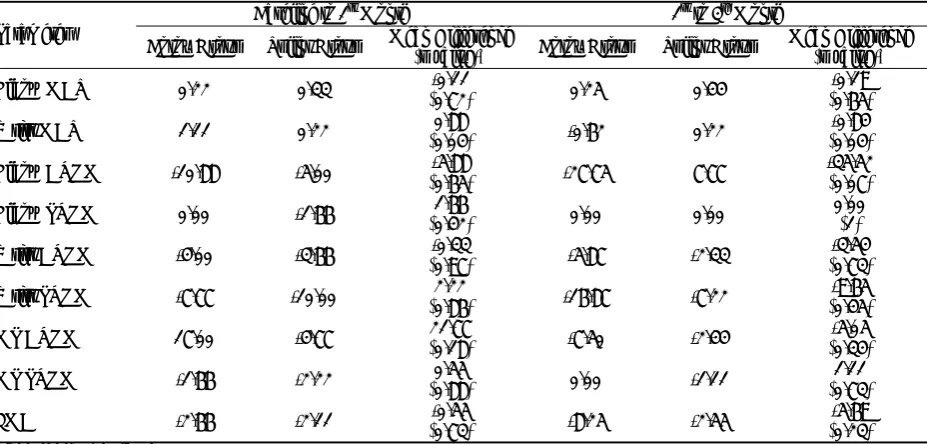
Table 2. Between-group differences in change scores for spasticity and active/passive range of motion and function Baseline to 1st Month 1st to 3rd Month Parameter
Botox Group Splint Group Mean Difference (p value)* Botox Group Splint Group Mean Difference (p value)*
Elbow MAS 0.22 0.33 (0.72) -0.11 0.25 0.44 (0.65) -0.19
Wrist MAS 1.11 0.22 (0.04) 0.88 -0.62 0.22 (0.04) -0.84
Elbow AROM -10.88 -5.00 (0.65) -5.88 -27.75 7.77 -35.52 (0.07)
Elbow PROM 0.00 -1.66 (0.42) 1.66 0.00 0.00 0.00 (1)
Wrist AROM -4.00 -3.66 (0.97) -0.33 -5.87 -2.33 (0.73) -3.54
Wrist PROM -7.77 -10.00 (0.86) 2.22 -16.87 -7.22 (0.45) -9.65
MP AROM 17.00 -4.77 (0.18) 21.77 -7.50 -2.44 (0.34) -5.05
MP PROM -1.66 -2.22 (0.88) 0.55 0.00 -1.11 (0.73) 1.11
FMA -2.66 -2.11 (0.73) -0.55 -8.25 -2.55 (0.23) -5.69 *independent sample t test.
muscle was 50-150 IV based on the bulk of muscles (FCR, FCU, Pronator Teres, FDP, FDS, FPL, Palmaris Longus). Patients in the splint group were clarified to wear these splints 2 hours a day and all the night (6 to 8 hours) about 3 months. Re-evaluation at the end of each month for both groups was performed. At the end of the first month, 20 patients (11 in splint group and 9 in botulinum toxin group) and finally at the end of the third month, 17 patients (9 in splint group and 8 in botulinum toxin group) were present for the assessment. In this 3-month period, the patients were called and reminded to use the splint. It should be noted that all patients were also participating in a routine occupational therapy program three times a week during the study.
We calculated the descriptive and analytic statistics using the software SPSS, version 17. To investigate whether one of the groups changed more than the other group at the end of 1st month and at the end of 3rd month, we calculated change scores for each group and compared them by using an independent sample t test. We also used analyses of variance (ANOVAs) with repeated measures with a between-subject factor at 2 levels(2 groups) and a within-subject factor at 3 levels (time: baseline,1st month, 3rd month).The interaction of group and time served to determine the efficacy of the each therapy on the outcome measures. Significance was set at p < 0.05.
RESULTS
Table 2 shows the between-group comparisons of the change scores for upper limb motor function, elbow and wrist spasticity level, active/passive range of motion of elbow, wrist and metacarpophalengeal joints from the beginning to the end of first month and between the ends of 1st to end of 3rd month.
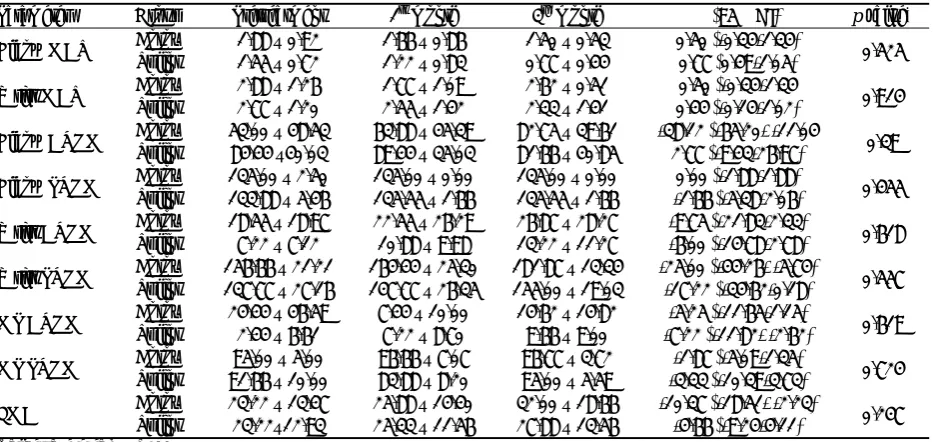
Table 3 presents the motor recovery, spasticity and range of motion of patients at baseline, end of first and at the end of third month. According to the results contained in Table 3, all variables in both groups have been improved to some extent but the difference between two groups was not significant in any outcome.
DISCUSSION
Results of this study show that using volar-dorsal wrist/hand immobilization splint or botulinum toxin injection accompanied with routine occupational therapy program improves most of the outcomes, but the difference between two groups was not significant in 3 months. A reason for this lack of significance can be the low sample size. To get better results, more cases would be needed. In addition, low reliability and low sensitivity of MAS test to show the changes could be of another limitation [ 23]. This test in addition to spasticity assessment, also evaluates thixotropy and fixed muscle contracture, thus using MAS as an ideal spasticity examination would be controversial. It seems electrophysiological assessments like Mmax/Hmax tests be good criterion for measuring spasticity. A study in 2005 by Pizzi and colleagues have showed that using a volar splint about 3 months reduced spasticity and this improvement was only seen with neurophysiological tests and the MAS results were not significant [ 24]. The data in Table 2 shows that either during the first month or during the second and the third months, the impact on wrist spasticity was significantly different between groups. Spasticity of the wrist was significantly reduced Mean age of the patients was 48.77 in drug injection
group and 52.55 in the splint group. The average time passed since stroke was 34.11 months in the botulinum toxin injection group and 29.22 in the splint group. Mean cognitive scores (MMSE) was 25.88 in injection group and 27.44 in the splint group. In addition, the patients were in a similar status according to spasticity level and function scores (Table 1).
during the first month in botulinum toxin injection group, although this improvement didn’t remain in the next 2 months and the intensity of spasticity increased again while in the splint group, the spasticity improved at the same period. Thus, it is presented that trend of spasticity reduction in splint group has been consistent during three months of study but botulinum toxin injection trend has been a different process so that at first there was a period of a great reduction in the severity of spasticity and after the first month this outcome gradually increased again. This could indicate that effect of botulinum toxin injection on spasticity is short-term and temporary. So, according to the ascending improvement of spasticity in the splint group and the unstable trend of spasticity improvement in the group of botulinum toxin injections, it can be said that perhaps the time (3 months) was not enough to get more definite results comparing the interventions impacts. We hope that future research will pursue this issue.
Table 3. Motor Recovery, Spasticity, and Passive/Active Range of motion scores of patients at baseline, 1st Month, and 3rd Month
Parameter Group Pretreatment 1st month 3rd month Δ (95% CI)
p value*
Botox 1.88 ± 0.92 1.66 ± 0.86 1.50 ± 0.53 0.50 (-0.34-1.34) Elbow MAS
Splint 1.55 ± 0.72 1.22 ± 0.83 0.77 ± 0.44 0.77 (0.49-1.05) 0.525 Botox 2.88 ± 1.26 1.77 ± 1.09 2.62 ± 0.51 0.50 (-0.34-1.34
Wrist MAS
Splint 2.77 ± 1.20 2.55 ± 1.42 2.33 ± 1.41 0.44 (-0.14-1.02) 0.914 Botox 53.00 ± 48.53 63.88 ± 45.39 82.75 ± 39.61 -38.12 (-65.20- -11.04
Elbow AROM 0.39
Splint 84.44 ±40.03 89.44 ± 35.03 81.66 ± 40.85 2.77 (-9.43-26.97) Botox 135.00 ± 2.50 135.00 ± 0.00 135.00 ± 0.00 0.00 (-1.88-1.88)
Elbow PROM Splint 133.88 ± 5.46 135.55 ± 1.66 135.55 ± 1.66 -1.66 (-5.38-2.06) 0.455
Botox 18.55 ± 18.97 22.55 ± 26.29 26.87 ± 28.27 -9.75 (-21.83-2.33)
Wrist AROM Splint 7.22 ± 7.12 10.88 ± 9.98 13.22 ± 11.27 -6.00 (-14.78-2.78) 0.618
Botox 156.66 ± 21.21 164.44 ± 25.30 181.87 ± 13.34 -25.00 (-44.26- -5.74)
Wrist PROM Splint 137.77 ± 27.16 147.77 ± 26.35 155.00 ± 19.03 -17.22 (-34.62-0.18) 0.557
Botox 24.44 ± 46.59 7.44 ± 10.00 14.62 ± 14.82 -5.25 (-11.65-1.15)
MP AROM Splint 2.44 ± 6.61 7.22 ± 8.70 9.66 ± 9.00 -7.22 (-11.82- -2.62) 0.619
Botox 95.00 ± 5.00 96.66 ± 7.07 96.77 ± 3.72 -1.87 (-5.09-1.35)
MP PROM Splint 91.66 ± 10.00 83.88 ± 8.20 95.00 ± 5.59 -3.33 (-10.39-3.73) 0.724
Botox 23.22 ± 13.47 25.88 ± 14.40 32.00 ± 18.66 -10.37 (-18.51- -2.23)
FMA Splint 23.22±12.93 25.33 ± 11.56 27.88 ± 13.56 -4.66 (-9.24-4.11) 0.247
Values are mean ± SD.
Abbreviations: CI, confidence interval; Δ, mean change at 3rd Month from baseline. *ANOVA for repeated measures.
Kirazli and colleagues in 1998 concluded that injecting botulinum toxin in spastic soleus muscles has significant reduction in the muscle’s spasticity in the second and fourth weeks, but this decrease was not seen at the end of weeks 8 and 12 [ 25]. In another study by Eduardo, the results were different from our study and spasticity continued to diminish even up to 32 weeks after injection of the botulinum toxin and these changes were significant [ 26]. Changes in active and passive wrist ROM showed a similar recovery in both groups but the change differences between two groups were not significant, perhaps due to low number of patients. In Wallen`s study among 4 groups of cerebral palsy children [botulinum toxin injection, botulinum toxin injection along with occupational therapy, occupational therapy, and control] similar effects on upper extremity
were reported [ 27], but in contrast to our work, Eduardo reported that range of motion may improve up to 32 weeks after injection of the botulinum toxin. The advantages of that research seems to be evaluation of isolated muscles and adjusting injection doses based on the need of each muscle [ 26]. Active ROM of metacarpophalengeal joints had little changes in both groups but the differences compared between two groups were not evident. Although trend of this changes was gradually and continuously improving in patients who used the splint, but injection of botulinum toxin in the first month clearly decreased active range of motion that can be caused by temporary poisoning and weakening effect of this drug on muscles. This active ROM reduction was modulated perhaps due to the time went by the end of third month. Changes in passive joint range of motion of metacarpophalengeal joints were not evident either within or between groups, and these results were predictable due to complete passive range of motion in most patients at the baseline. Upper extremity function as well as other variables didn't show significant difference between interventions at the end of treatment, although the improvement process within each group gradually increased, and recovery changes of both interventions in the first month were nearly the same but in the botulinum toxin injection group continued to increase more quickly. The slow trend of recovery in the injection group could be as a result of early effects of botulinum toxin that weakens the muscle. Obviously, the function of upper limb is associated with range of motion and muscle tone, therefore a lack of significant results in the tone and range of motion, can be an explanation to not having significant functional improvements. Research in 2000 by Gracise and colleagues has shown that upper limb
function will improve in certain tasks. Gracise explains this improvement with regard to better perception of the senses and reduced spasticity and increased range of motion in some joints of the affected hemiplegic side as an outcome of using of a Garment [ 18]. Katz and colleagues in a study showed a strong correlation between spasticity and hand function [ 28]. Although the scales such as the MAS give little clinical information, and have low validity and low sensitivity to changes but they are still being used in many researches [ 23]. In a case report by Shun-fen sun, it was concluded that botulinum toxin injection accompanied with any other treatment such as CIMT, improves spasticity of upper limb [ 29]. So if splinting and botulinum toxin are given simultaneously, we may get better results. Though a higher sample size, further time of intervention or follow-up and using neurophysiological assessment tools alongside other clinical tests is recommended.
In conclusion, the effects of botlunium toxin injection and volar-dorsal wrist/hand immobilization splint were not significantly different between groups in a 3-month follow-up. Botulinum toxin injection greatly reduced spasticity in short term but after a period, the spasticity appeared again. Botulinum toxin injections accompanied by occupational therapy seems to act beneficially like other usual treatments, although the possible advantages over other methods should be re-examined.
REFERENCES
1. Azarpazhooh MR, Etemadi MM, Donnan GA, Mokhber N, Majdi MR, Ghayour-Mobarhan M, Ghandehary K, Farzadfard MT, Kiani R, Panahandeh M, Thrift AG. Excessive incidence of stroke in Iran: evidence from the Mashhad Stroke Incidence Study (MSIS), a population-based study of stroke in the Middle East. Stroke 2010; 41:e3-10.
2. Starsky AJ, Sangani SG, McGuire JR, Logan B, Schmit BD. Reliability of Biomechanical spasticity measurements at the elbow of people post stroke. Arch Phys Med Rehabil 2005; 86:1648-54.
3. Hsu J, Michael JW, Fisk J. AAOS Atlas of orthoses and Assesstive Devices. 4. Philadelphia. Mosby. Inc, an afflicate of Elsevier Inc 2008; pp: 191-200.
4. Ozcakir S, Sivrioglu K. Botulinum toxin in post stroke spasticity. Clin Med Res 2007; 5:132-8.
5. Gallichio JE. Pharmacologic management of spasticity following stroke. Phys Ther 2004; 84:973-81.
6. Chou R, Peterson K, Helfand M. Comparative efficacy and safety of skeletal muscle relaxants for spasticity and musculoskeletal conditions: a systematic review. J Pain symptom Manag 2004; 28:140-75.
7. McCrea PH, Eng JJ, Willms R. Phenol reduces hypertonia and enhances strength: a longitudinal case study. Neurorehabil Neural Repair 2004; 18:112-6.
8. Jang SH, Ahn SH, Park SM, Kim SH, Lee KH, Lee ZI. Alcohol neurolysis of tibial nerve motor branches to the gastrocnemius muscle to treat ankle spasticity in patient with hemiplegic stroke. Arch Phys Med Rehabil 2004; 85:506-8.
9. Meythaler JM, Guin-Renfroe S, Brunner RC, Hadly MN. Intrathecal baclofen for spastic hypertonia from stroke. Stroke 2001; 32:2099-109.
10. Francisco GE, Boake C. Improvement in walking speed in post stroke spastic hemiplegia after intrathecal baclofen therapy: a preliminary study. Arch Phys Med Rehabil 2003; 84:1194-99.
11. Woldag H, Hummelshein H. Is the Reduction of Spasticity by botulinum toxin a beneficial for the Recovery of motor function of arm and hand in stroke patients? Eur Neurol 2003; 50:165-71.
12. Wang HC, Hsieh LF, Chi WC, Lou SM. Effect of intramuscular botulinum toxin injection on upper limb spasticity in stroke patients. Am J Phys Med Rehabil 2002; 81:272-8.
13. Bakheit AM, Thilmann AF, Ward AB, Poewe W, Wissel J, Benecke R, et al. A randomized, double-blind, placebo-controlled, dose-ranging study to compare the efficacy and safety of three doses of botulinum toxin type A (Dysport) with placebo in upper limb spasticity after stroke. Stroke 2000; 31:2404-6.
14. Bakheit AM, Pittock S, Moor AP, Wurker M, Otto S, Erbguth F, Coxon L. A randomized, double-blind, placebo-controlled study of the efficacy and safety of botulinum toxin type A in upper limb spasticity in patients with stroke. Eur J Neurol 2001; 8:559-65.
15. Smith SJ, Ellis E, White S, Moore AP. A double-blind placebo-controlled study in botulinum toxin in upper limb spasticity after stroke or head injury. Clin Rehabil 2000; 14:5-13.
16. Bakhta BB, Cozens JA, Bamford JM, Chamberlain MA. Use of botulinum toxin in stroke patients with severe upper limb spasticity. J Neurol Neurosurg Psychiat 1996; 61:30-5.
17. Hess S, Friedrich H, Domasch C. Botulinum toxin therapy for upper limb flexor spasticity: preliminary results. J Rehab Sci 1992; 5:98-101.
18. Gracies JM, Marosszeky JE, Renton R, Sandanam J, Gandevia SC, Burke D. Short-term effects of dynamic lycra splints on upper limb in hemiplegic patients. Arch Phys Med Rehabil 2000; 81:1547-55.
19. Gossman MR, Sahrmann SA, Rose SJ. Review of length-associated change in muscle. Experimental evidence and clinical implications. Phys Ther 1982; 62:1799-808.
20. Hill J. The effects of casting on upper extremity motor disorders after brain injury. Am J Occup Ther 1994; 48:219-24.
21. Lannin NA, Cusick A, McCluskey A, Herbert RD. Effects of splinting on wrist contracture after stroke: a randomized controlled trial. Stroke 2007; 38: 111-6.
22. Lai JM, Francisco GE, Willis FB. Dynamic splinting after treatment with botulinum toxin type-A: a randomized controlled pilot study. Adv Ther 2009; 26: 241-8.
23. Starsky AJ, Sangani SG, McGuire JR, Logan B, Schmit BD. Reliability of biomechanical spasticity measurements at the elbow of people poststroke. Arch Phys Med Rehabil 2005; 86:1648-54.
24. Pizzi A, Carlucci G, Falsini C, Verdesca S, Grippo A. Application of a volar static splint in poststroke spasticity of the upper limb. Arch Phys Med Rehabil 2005; 86:1855-9.
25. Kirazli Y, On AY, Kismali B, Aksit R. Comparison of phenol block and botulinus toxin type a in treatment of spastic foot after stroke: a randomized double-blind trial. Am J Phys Med Rehabil 1998; 77:510-5.
26. Cardoso E, Pedreira G, Prazeres A, Ribeiro N, Melo A. Does botulinum toxin improve the function of the patient with spasticity after stroke? Arq Neuropsiquiatr 2007; 65:592-5. 27. Wallen M, O'Flaherty SJ, Waugh MC. Functional outcomes of
intermuscular Botulinum toxin type A and occupational therapy in the upper limbs of children with cerebral palsy: A randomized controlled trial. Arch Phys Med Rehabil 2007; 88:1-10.
28. Katz RT, Rovai GP, Brait C, Rymer WZ. Objective quantification of spastic hypertonia: correlation with clinical findings. Arch Phys Med Rehabil 1992; 73:339-47.
29. Sun SF, Hsu CW, Sun HP, Hwang CW, Yang CL, Wang JL. Combined botulinum toxin type A with modified constraint-induced movement therapy for chronic stroke patients with upper extremity spasticity: a randomized controlled study. Neurorehabil Neural Repair 2010; 24:34-41.
CURRENT AUTHOR ADDRESSES
A. Shamili, MSc student of Occupational Therapy, Tehran university of Medical Sciences. Tehran, Iran.
M. Amini, MSc student of Occupational Therapy, Iran University of Medical Sciences, Tehran, Iran. E-mail:
[email protected] (Corresponding author)
B. Forough, Associate Professor of Physical Medicine and Rehabilitation, Iran University of Medical Sciences, Tehran, Iran. R. Kazemi, Medical Doctor, Tabassom Stroke Rehabilitation Centre,
Tehran, Iran.
M. Qorbani, Instructor of Epidemiology, Golestan University of Medical Sciences, Gorgan, Iran.