University of New Orleans University of New Orleans
ScholarWorks@UNO
ScholarWorks@UNO
University of New Orleans Theses and
Dissertations Dissertations and Theses
8-8-2007
Development of conduct problems in girls: Testing theoretical
Development of conduct problems in girls: Testing theoretical
models and examining the role of puberty
models and examining the role of puberty
Cedar W. O'Donnell
University of New Orleans
Follow this and additional works at: https://scholarworks.uno.edu/td
Recommended Citation Recommended Citation
O'Donnell, Cedar W., "Development of conduct problems in girls: Testing theoretical models and examining the role of puberty" (2007). University of New Orleans Theses and Dissertations. 574.
https://scholarworks.uno.edu/td/574
This Dissertation is protected by copyright and/or related rights. It has been brought to you by ScholarWorks@UNO with permission from the rights-holder(s). You are free to use this Dissertation in any way that is permitted by the copyright and related rights legislation that applies to your use. For other uses you need to obtain permission from the rights-holder(s) directly, unless additional rights are indicated by a Creative Commons license in the record and/ or on the work itself.
Development of conduct problems in girls: Testing theoretical models and examining the role of puberty
A Dissertation
Submitted to the Graduate Faculty of the University of New Orleans in partial fulfillment of the requirements for the degree of
Doctor of Philosophy in
Applied Developmental Psychology
by
Cedar W. O’Donnell
B.S. University of Victoria, 1998 M.S. Acadia University, 2002
Acknowledgement
I would first like to thank Dr. Paul Frick for his excellent mentoring and support over the
years. His critical feedback on this dissertation has been invaluable. I would also like to thank
him for his continued input and dedication to the UNO Applied Developmental Program, as the
recovery process after Hurricane Katrina has been arduous. I would also like to specially thank
Dr. Persephanie Silverthorn, without her this project would not have been possible. Furthermore,
I would like to thank my dissertation committee members, Dr. Leighton Stamps, Dr. Mary
Williams-Brewer, Dr. Gerald LaHoste, and Dr. Keith Cruise for all of their useful comments and
suggestions regarding this project. Also, I would like to thank the Greater New Orleans
Ratepayers Scholarship and the LSU System President’s Hurricane Relief Fund, which
facilitated my doctoral studies. My thanks go also to the staff of the Psychology Department and,
finally, I would like to thank my parents and my grandmother for their love and support during
Table of Contents
List of Tables ...v
List of Figures ... vi
Abstract... vii
Introduction...1
Conduct Problems and Age of Onset...2
Conduct Problems in Girls...10
Transitional Stress and Pubertal Timing...17
Statement of Problem and Theoretical Model...20
Method ...25
Participants...25
Procedure...25
Measures...26
Results...38
Data Cleaning and Descriptive Statistics...38
Hypothesis One: Model Differences...43
Hypothesis Two: Role of Puberty...46
Hypothesis Three: Role of Early Pubertal Timing...51
Discussion...55
Limitations of Study...61
Summary and Implication...63
References...67
List of Tables
Table 1: Pathways to Antisocial Behavior ...9
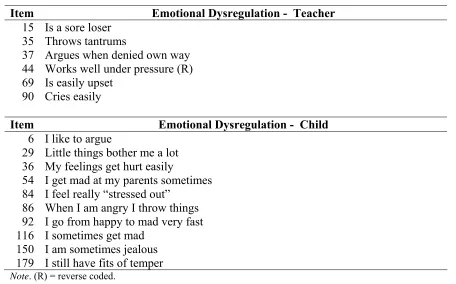
Table 2: Items on the BASC Emotional Dysregulation Scale ...33
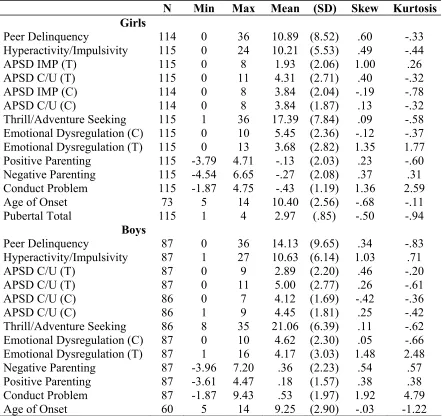
Table 3: Descriptive Statistics of Main Study Variables by Gender ...38
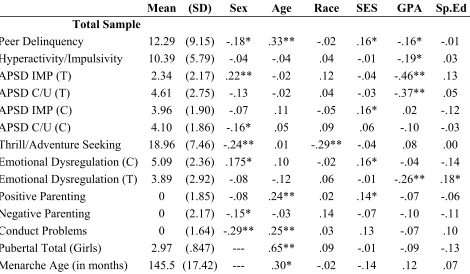
Table 4: Descriptive Data on Study Variables and Correlations with Demographic Variables 40 Table 5: Total Sample Correlations among Study Variables...41
Table 6: Correlations by Gender among Study Variables ...42
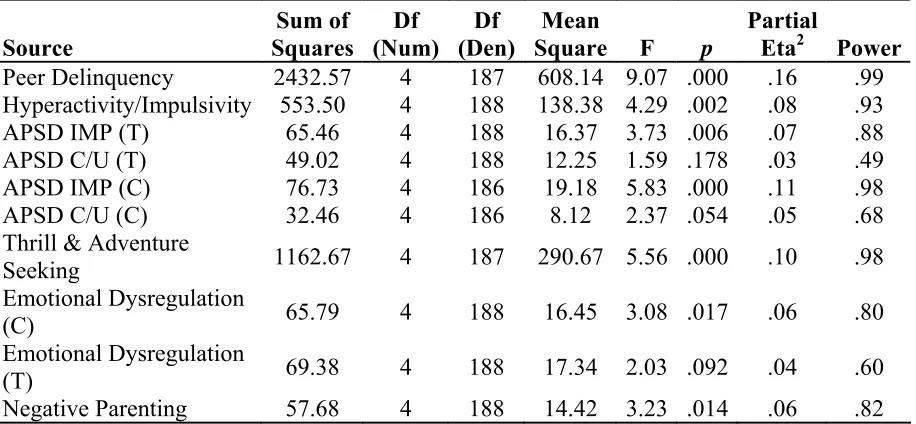
Table 7: One-way Analyses of Variance ...44
Table 8: Pair-wise Comparisons of Means and Standard Deviations across Groups ...46
Table 9: Multiple Regression Analyses Testing the Mediational Role of Deviant Peers...47
Table 10: Multiple Regression Analyses Testing the Mediating Role of Deviant Peers between Puberty and Conduct Problems, while Controlling for Age ...48
Table 11: Multiple Regression Analyses Testing the Moderating Role of C/U Traits and Emotional Dysregulation on Girls’ Pubertal Status and Conduct Problems ...49
Table 12: Multiple Regression Analyses Testing the Moderating Role of Emotional Dysregulation on Girls’ Pubertal Status ...50
Table 13: Multiple Regression Analyses Testing the Moderating Role of C/U Traits and Emotional Dysregulation on Girls’ Pubertal Status and Conduct Problems, Controlling for Age...51
Table 14: One-way Analyses of Variance ...53
List of Figures
Figure 1: Differential Predictions of Gender-by-Group Interactions ...22
Figure 2: Predicted Interaction of Pubertal Development by Risk Factor ...23
Figure 3: Predicted Interaction of Pubertal Timing by Risk Factor ...24
Figure 4: Conduct Problem Group Means on Study Variables...46
Abstract
In an attempt to understand girls’ involvement conduct problems, this dissertation first reviews
two existing theoretical approaches that provide an explanation for the development of conduct
problems. Specifically, the available literature on the development and correlates of conduct
problems in boys suggests the subtypes of conduct disorder represent two developmental
trajectories. The adolescent-onset pathway is associated with deviant peers and few
characterological problems, where as the childhood-onset pathway is associated with emotion
regulation deficits, negative parenting, callous and unemotional traits, and neurological deficits.
Research also suggests a gender-specific model, the delayed-onset model, for the development of
conduct problems in girls. Following this theoretical review, differential predictions made by the
competing theoretical models are tested in a community sample of school-aged girls and boys.
Participants were 202 children (87 males and 115 females) in grades 5-9. The students ranged in
age from 10 to 17 years old (M = 13.16). Similar to the total student body, the ethnic breakdown
of the sample was as follows: African-American (60%), Caucasian (24%), Hispanic (6%), and
Other (5%). Data was also collected from the students’ parents and teachers. Results indicated
that girls conduct problems did not follow either model in a consistent manner. Specifically,
onset conduct problem girls, childhood-onset conduct problem boys, and
adolescent-onset conduct problem boys differed from non-conduct problem children but did not differ
significantly amongst themselves on study variables (e.g., deviant peer association,
hyperactivity/impulsivity, emotional dysregulation, callous/unemotional traits). However, results
suggest that gender-specific risk factors should be taken into account when developing
theoretical models for girls' conduct problems. For example, early pubertal maturation is a
with emotion regulation problems to place girls at high risk for deviant behavior. Finally,
implications for prevention and intervention as well as future research are discussed.
KEYWORDS: conduct problems, girls, development, puberty, pubertal timing, theory,
Introduction
Despite the universal acknowledgement that boys engage in more serious forms of
violence and crime than girls, aggressive and antisocial behavior in girls has recently moved to
the forefront of research, policy, and programming agendas (Odgers & Moretti, 2002). This is
largely due to increasing rates of violent offending among girls. Between 1993 and 2004, arrests
of girls have generally increased more (or decreased less) than arrests of boys in most offense
categories. Of particular concern are violent crimes. While male juvenile arrest rates for
aggravated assault and simple assault fell from the mid-1990s through 2002, rates for girls have
remained near their highest levels (Snyder, 2004, 2006). Between 1993 and 2004, increases
were seen in the areas of aggravated assault (a 7% increase in girls versus a 29% decrease in
boys; Snyder, 2004) and simple assault (31% increase versus 1% decrease; Snyder, 2006). As a
result of the recent rise in female aggression and delinquency, there has been a concurrent
increase in interest in understanding the development, incidence, and prognosis of aggressive,
violent, and antisocial behavior in girls.
The extensive body of research on antisocial behavior currently available has largely
been conducted on male samples (Loeber, 1982; McCord, 1979; Moffitt, 2003). This literature is
consistent in implicating multiple risk factors in the development of antisocial behavior in youth.
These risk factors include cognitive and neuropsychological deficits, personality traits,
dysfunctional parenting, low socio-economic status, history of abuse, substance use, and deviant
peers to name a few (Farrington, 2002; Frick & Morris, 2004; Loeber, 1991; Moffitt & Caspi,
2001; Patterson, Reid, & Dishion, 1992a; Raine, Reynolds, Venables, & Mednick, 1997).
However, research examining the development of antisocial behavior in girls is more limited and
manner for both boys and girls. The focus of this dissertation is to examine this assumption. This
study will review the literature on the existing developmental models for conduct problems and
aggression in boys and examine how well this research appears to generalize to girls. It will
then review a gender-specific, competing theoretical model to explain the development of
antisocial behavior in girls and outline a study to test predictions made from these competing
models.
Conduct Problems and Age of Onset
Research on the development of antisocial behavior in boys suggests that there are
several distinct pathways through which boys develop behavior problems. Current research
suggests that an early-onset of conduct problems is one of the strongest predictors of continued
antisocial behavior into adulthood; these children are at greater risk for continued offending and
have a poorer prognosis than those who begin engaging in conduct problems in adolescence
(Frick & McCoy, 2001; Hinshaw, Lahey, & Hart, 1993; Moffitt, Caspi, Dickson, Silva, &
Stanton, 1996). Thus, subtypes (childhood- or adolescent-onset) of conduct disorder have been
adopted by the Diagnostic and Statistical Manual of Mental Disorders 4th Edition – Text
Revision, where onset is determined by at least one symptom prior to age 10 (DSM-IV-TR;
American Psychiatric Association, 2000). This distinction was based on a number of longitudinal
studies suggesting coherence of etiology, symptoms, course, and prognosis. Specifically, a
number of longitudinal studies have identified two developmental trajectories determined by
onset of severe antisocial behavior either in childhood or adolescence (1993b; Moffitt & Caspi,
2001; Moffitt et al., 1996; Moffitt, Caspi, Harrington, & Milne, 2002).
Adolescent-Onset Type
and is thought to be a function of a “maturity gap” (Moffitt, 1993a; Moffitt et al., 2002). Moffitt
(1993a) describes this maturity gap as the difference between physical maturity and societal
maturity often seen in industrialized societies. Specifically, adolescents reach physical maturity
as early as 13 years old, yet they are not considered adults until after 18 or 21 years of age. This
differential in domains of maturity is believed to act as a risk factor for engaging in status
offenses, which in turn engenders feelings of independence and “adultness.” In fact, it can be
noted that some level of delinquent behavior may be viewed as normative, as some studies
suggest that only a small percentage of adolescents report engaging in no delinquent or illegal
activities at all (Krueger, Caspi, Moffitt, White, & Stouthamer-Loeber, 1996). However, youths
with adolescent-onset conduct disorder are believed to represent an exaggeration of a normal
developmental process of identity formation, of which rebellion is an indicator, and affiliate with
deviant peers (youth with childhood-onset conduct disorder). Antisocial behavior is first modeled
by deviant peers then rewarded and reinforced by its consequences, which are viewed by youths
as indicators of maturity: break-down of parental relationships, challenging authority, appearing
older (by engaging in status offenses), and tempting fate (Moffitt, 1993a). However, youth with
adolescent-onset conduct problems are more likely to engage in minor conduct problems (such
as substance use, vandalism, and sexual activity) and are less likely to engage in felonies and
violent behavior, compared to the childhood-onset group (Moffitt, 1993a; Moffitt et al., 2002).
Moreover, because their pre-delinquent development was relatively normal and healthy (positive
parental relationships and no family maladjustment or personality disturbances), the majority of
young people who become adolescent-onset delinquents are able to desist from crime when they
adopt conventional adult roles (careers, marriage, children, etc.; Moffitt, 1993a; Moffitt et al.,
consequences of delinquency: incarceration, a criminal record, substance abuse, teen parenthood,
injury, or lack of education.
Childhood-Onset Type
In contrast, youth in the childhood-onset type, are characterized by more aggression,
higher rates of cognitive and neuropsychological dysfunction, more disturbances in their
autonomic nervous system functioning, and more severe problems of impulse control [often
leading to high rates of Attention Deficit Hyperactivity Disorder (ADHD) diagnoses], than
children in the adolescent-onset subtype (Kamphaus & Frick, 2002). Moffitt (1993b) suggests
that inherited or acquired neuropsychological variation (initially manifested as difficult
temperament, subtle cognitive deficits, or hyperactivity) acts as a risk for difficult behavior early
in life. This difficult behavior is then exacerbated by a high-risk social environment such as,
inadequate parenting, disrupted family bonds, or poverty (Moffitt & Caspi, 2001; Moffitt et al.,
1996; Moffitt et al., 2002; Patterson et al., 1992a). The sequence of transactions between difficult
child behavior and environmental risk accumulates across development gradually leading to a
disturbance in character, with hallmark features of physical aggression and antisocial behavior.
In contrast to the adolescent-onset of delinquent behaviors, which is considered relatively
temporary and near normative, childhood-onset conduct problems are proposed to be persistent
and pathological, reflective of a characterological disturbance (Moffitt & Caspi, 2001).
This distinction between early- and adolescent-onset pathways to conduct problems has
been supported in a number of studies (for a review, see Moffitt, 2003). For example, Piquero
and Brezina (2001) found that adolescent-onset delinquency is characterized by involvement in
rebellious but not aggressive delinquency. Further, rebellious delinquency is accounted for by the
also found that verbal performance on the WISC was negatively correlated with measures of
early-onset offending (violent and non-violent criminal offending, and serious offending). In
another study Simons, Wu, Conger, and Lorenz (1994) found differential predictors of
delinquency between early- and late-starters. Specifically, for late-starters, quality of parenting
predicted affiliation with deviant peers, which in turn was associated with criminal justice
involvement. For early-starters, quality of parenting predicted oppositional/defiant behavior. This
behavioral orientation, in turn, predicted affiliation with deviant peers and involvement with the
criminal justice system. Further, possession of an oppositional/defiant orientation interacted with
type of peer group; that is, criminal justice system involvement was highest among youths who
were oppositional/defiant and who had deviant friends (Simons et al., 1994).
However, research indicates childhood-onset conduct problem youth are not a
homogenous group and further distinctions can be made in terms of the types of dysfunctional
processes that may be operating. That is, there may be multiple developmental pathways to
childhood-onset conduct problems, with each trajectory involving interactions of different
correlates. This developmental psychopathology approach to childhood-onset conduct problems
arose from evidence that childhood-onset conduct disorder could be divided into two subgroups
characterized by different temperament or personality profiles. One subgroup centers on
problems in emotional regulation as a defining characteristic to identify one sub-type of conduct
disordered youth; the other subgroup focuses on specific affective deficits (i.e., the presence of
callous-unemotional traits) as the major defining characteristic of a severe childhood-onset
subtype.
childhood-onset conduct disorder also exhibit severe problems of hyperactivity, impulsivity, and
attention (HIA) and can be diagnosed with ADHD (Frick, Barry, & Bodin, 2000; Hinshaw,
1987). While there is clear evidence that comorbid ADHD and conduct problems designates a
severe group of conduct problem children at high risk for persistent antisocial behavior, recent
research suggests that a primary problem within this group with both ADHD and conduct
problems involve problems with emotion regulation. That is, children who have difficulties
regulating their emotions are characterized high rates of negative emotional reactivity, low
frustration tolerance, reactive aggression, and a propensity to react with high levels of negative
emotion to aversive stimuli (Frick & Morris, 2004; Little, Jones, Henrich, & Hawley, 2003).
These children also exhibit regulatory deficits in both inhibitory and attention control (as
evidenced by high levels of HIA problems), and thus may be over-represented in children with
conduct disorder as well as ADHD (Barkley, 1997; Dodge, Lochman, Harnish, Bates, & Pettit,
1997; Shields & Cicchetti, 1998; Waschbusch, 2002).
Children with problems in emotion regulation have a temperamental style characterized
by high levels of negative reactivity, which is associated with and predictive of conduct
problems (Morris et al., 2002; Rothbart & Ahadi, 1994). Furthermore, their aggressive and
antisocial behavior is strongly associated with dysfunctional parenting practices and with deficits
in verbal intelligence (Loney, Frick, Clements, Ellis, & Kerlin, 2003; Wootton, Frick, Shelton, &
Silverthorn, 1997). They also tend to have a hostile attribution style, resulting in a propensity to
be highly reactive to emotional and threatening stimuli and respond aggressively to provocation
in social situations (Crick & Dodge, 1996). Furthermore, there is a wealth of literature indicating
children with deficits in emotion regulation have: an early-onset of conduct problems, poor
persistence, poor adult adjustment, a higher rate of adult antisocial behavior, and are rejected by
peers (Farrington, 1991; Farrington, Loeber, & Van Kammen, 1990; Frick, O'Brien, Wootton, &
McBurnett, 1994; Loeber, Brinthaupt, & Green, 1990; Lynam, 1996, 1998; McBurnett &
Pfiffner, 1998; Walker, Lahey, Hynd, & Frame, 1987).
Callous-Unemotional Traits and Conduct Problems
On the other hand, callous-unemotional (C/U) traits refer to a general lack of
emotionality, as well as a lack of guilt over misdeeds and a lack of empathy toward others (Frick
et al., 2000). Christian, Frick, Hill, Tyler, and Frazer (1997) have found that the presence of C/U
traits identified a more severe group of conduct problem children than those with emotion
regulation problems but no C/U traits. That is, those high on C/U traits showed higher rates of
police contact, parental diagnoses of Antisocial Personality Disorder, and a greater variety of
oppositional defiant and conduct disorder symptoms (Christian et al., 1997). Caputo, Frick, and
Brodsky (1999) found that, not only were C/U traits associated with early-onset of antisocial
behavior, high levels of C/U traits differentiated violent sex offenders from other violent
offenders and non-violent offenders. Research has also demonstrated that children with C/U
traits show several distinct characteristics from those without C/U traits. For example, the
presence of C/U traits is associated with reduced electrodermal responses to distress cues and
threatening stimuli (Blair, 1999), as well as deficits in moral reasoning (Blair, Jones, Clark, &
Smith, 1997). Other research has suggested that C/U traits are associated with a reward-dominant
response style (O'Brien & Frick, 1996) and with higher levels of fearlessness (Barry et al., 2000).
C/U traits have also been found to be negatively associated with anxiety (Forth, Kosson, & Hare,
intelligence than among those children with emotion regulation problems (Loney, Frick, Ellis, &
McCoy, 1998; Wootton et al., 1997).
While Moffit and others have shown clear distinctions between adolescent- and
childhood-onset conduct problems, the above two bodies of research suggest further distinctions
can be made within the childhood-onset trajectory. Two distinct developmental pathways to
childhood-onset conduct problems have been proposed and each is associated with
developmental deficits (Frick & Morris, 2004). First, problems in emotional regulation
(including impulsivity, frustration, angry outbursts, and negative reactivity) can place a child at
risk for developing severe conduct problems and reactive aggression. Specifically, emotional
dysregulation can impair the development of executive functions, social cognitive skills, social
adjustment and peer associations, and may result in coercive parental relationships (Crick &
Dodge, 1996; Dodge & Frame, 1982; Frick & Morris, 2004; Kochanska, 1997; Patterson et al.,
1992a). Second, callous-unemotional traits are associated with low emotional reactivity, which
can place a child at risk for problems in conscience development, insensitivity to parental
sanctions, and a reward-dominant response style that utilizes aggression instrumentally (Frick et
al., 2003b; Frick & Morris, 2004; Kochanska, 1997). See Table 1 for a summary of the
differential correlates and mechanisms under each pathway.
In summary, conduct problems in boys follow several distinct trajectories;
adolescent-onset offending has been linked to processes of social mimicry and peer influence whereas
childhood-onset offending patterns have been linked to pathological social, individual, or family
conditions (Moffitt, 1993a). Furthermore, childhood-onset offending can be further differentiated
into processes involving either problems in emotion regulation or deficits in conscience
Table 1
Pathways to Antisocial Behavior
Childhood-onset
Callous-Unemotional Traits Problems in Emotion Regulation
• Cold and callous interpersonal style
• Both reactive and proactive aggression
• Thrill and adventure seeking
• Reward dominant response style
• Low emotional reactivity
• Negative associations with anxiety
• Negative emotional reactivity
• Emotional dysregulation
• Poor impulse control
• High rates of family dysfunction
• High rates of reactive aggression
• Deficits in verbal intelligence
• Hostile attribution style
• Associated with anxiety
Developmental Mechanism Developmental Mechanism
Low emotional reactivity leads to problems in conscience development, insensitivity to parental sanctions, and a reward-dominant response style that utilizes aggression instrumentally. The transactions between difficult child behavior and environmental risk accumulate across development gradually leading to a disturbance in character, with hallmark features of physical aggression and antisocial behavior.
Problems in emotional regulation are exacerbated by a high-risk social environment involving inadequate parenting, disrupted family bonds, and poverty. The transactions between difficult child behavior and environmental risk accumulate across development gradually leading to a disturbance in character, with hallmark features of physical aggression and antisocial behavior.
Adolescent-Onset Delayed-onset
• Rebellious personality style
• Low rates of aggression
• Low rates of neuropsychological dysfunction
• Low rates of family dysfunction
• High rates of internalizing disorders
• Crimes symbolizing adult privilege
• Lack of violent offenses
Same as childhood-onset pathways
Developmental Mechanism Developmental Mechanism
Changes in biological maturity and rebelliousness increase associations with deviant peers. Antisocial behavior is modeled by deviant peers, then rewarded and reinforced by its consequences.
trajectories apply equally well to the development of antisocial behavior in boys and girls, there
is currently a lack of research on these causal pathways and their differential developmental
correlates in girls. In fact, there is relative lack of research examining conduct problems in girls
in general. The following section will review the available research on conduct problems in
female samples before outlining an alternative, gender-specific developmental pathway for girls.
Conduct Problems in Girls
The main reason usually cited for the scarcity of studies investigating antisocial behavior
in girls is that there are fewer delinquent and antisocial girls than boys (Robins, Tipp, &
Pryzbeck, 1991). Generally, conduct disorder is more prevalent in boys than girls, with a
reported ratio of boys to girls of 4:1 (Silverthorn & Frick, 1999). However, it is important to note
several significant developmental changes in girls regarding this sex ratio. Keenan and Shaw
(1997) report that during the first five years of life, there are almost no sex differences between
boys and girls in most types of behavioral dysfunction. However, after age four, the rate of girls’
behavior problems decreases while the rate of behavioral problems for boys either increases or
stays the same. This leads to the male predominance of behavioral problems seen throughout
childhood. Numerous studies have indicated that the sex ratio between girls and boys narrows in
adolescence, due to an increase in the number of girls engaging in antisocial behaviors
(particularly non-aggressive and oppositional behaviors; Offord et al., 1987). Furthermore, the
ratio of male to female crime drops from 4:1 to 2:1 when self-report measures of delinquency are
used instead of official statistics (McCabe, Rodgers, Yeh, & Hough, 2004). When using
self-report information, girls are as likely as boys to self-report drug use, school related offenses, property
destruction, and violent crimes against family members (McCabe et al., 2004).
antisocial behavior between girls and boys during the school-age years. Some are based on the
assumption that there are true gender differences in the prevalence of the causal factors that lead
to antisocial behaviors. However, many of these explanations also suggest that, while it may be
less common, when a girl has a predominately male disorder, she has a more severe
manifestation (Eme, 1992). This is supported by research indicating that conduct disorder in
girls is a very serious and impairing mental health problem. For example, girls with conduct
disorder are at higher risk than boys for comorbid internalizing conditions, co-occurring
substance abuse, and sexual promiscuity (Keenan, Stouthamer-Loeber, & Loeber, 2005).
Research also suggests that girls with conduct problems come from very dysfunctional
backgrounds and have serious problems in adjustment, both concurrently and later in
development. For example, Fergusson and Woodward (2000) found that girls with conduct
problems were significantly more likely a) to come from socially disadvantaged family
backgrounds characterized by young motherhood, limited maternal education, and single
parenthood; b) to be raised in families characterized by high levels of early punitive parenting,
physical punishment, parental change, or parental conflict; c) to report higher rates of comorbid
attention problems; d) to perform less well on tests of intelligence; and e) to be raised by parents
with problems with offending, alcohol, and substance use (Fergusson & Woodward, 2000).
Furthermore, girls with antisocial behavior problems are at increased risk for early mortality,
educational under-achievement, criminal offending, psychiatric difficulties, social service
involvement, marital dysfunction, teenage pregnancy, sexual victimization, and partner violence
(Fergusson & Woodward, 2000). Furthermore, there are significantly higher rates of physical
and sexual abuse among antisocial girls compared to both the general population and antisocial
However, other explanations have assumed that the causal factors for antisocial behavior
are equally prevalent in boys and girls but that girls manifest gender specific forms of antisocial
behavior or that they are subject to gender specific differences in socialization. Research on
gender differences suggest that some risk factors may have gender-specific impacts, or may
interact with other risk factors in gender-specific ways (Odgers & Moretti, 2002). For example,
Keenan and Shaw (1997) suggest the different prevalence in conduct problems may be due to
caregivers encouraging more prosocial and internalizing behaviors (e.g. shyness) in their
school-aged daughters than in their sons. Other researchers have found that boys and girls may engage
in different types of conduct problems and aggression. When compared with girls, boys show
higher levels of overt behaviors: cruelty, bullying, destructiveness, weapon carrying and
initiating fights (O'Keefe, Carr, & McQuaid, 1998). However, this gender difference decreases
when more covert behaviors are examined, such as lying and running away (O'Keefe et al.,
1998). Other studies have found that while boys report more overt aggression than do girls, girls
and boys report similar levels of relational aggression (Crick, 1996). Overt aggression involves
harm to others through physical means, where as relational aggression involves harming others
through purposeful manipulation or damage to social relationships (Crick, 1996). Alternatively,
antisocial tendencies may manifest in girls as other pathological behaviors, such as somatization
symptoms (Lilienfeld, 1992). Still other authors have proposed that it may not be the type of
behaviors that are different in boys and girls, but simply that the rate and severity of conduct
problems is lower in girls and thus, same-sex norms are essential (Zoccolillo, 1993).
While these studies do explain gender differences in prevalence rates, they do not
adequately explain why some girls do engage in similar antisocial behaviors as boys, nor do they
explained in any theoretical model of the development of conduct problems for girls.
A number of researchers have argued that the two trajectory model for boys outlined
above applies equally well to the development of antisocial behavior in girls, with most girls
following the adolescent-onset trajectory (Fergusson & Horwood, 2002; Moffitt & Caspi, 2001).
However, there has not been compelling evidence that the two-trajectory model explains both the
male predominance of severe antisocial behaviors throughout much of childhood and the
changes in sex ratios of conduct problems across development (Silverthorn & Frick, 1999).
Furthermore, there is evidence that girls with conduct problems have similar risk factors as
childhood-onset boys, despite being more likely to have an adolescent-onset of antisocial
behaviors. To address these issues, Silverthorn and Frick (1999) suggest a single developmental
pathway to conduct problems for girls: a delayed-onset (see Table 1 for a summary of the
correlates and developmental mechanism involved).
The Delayed-onset Model
Under the delayed-onset modelgirls with conduct problems share the same risk factors
associated with childhood-onset conduct problem boys. That is, as noted previously, antisocial
girls have been shown to come from dysfunctional family environments, have cognitive and
neurological dysfunction, and show very poor adult outcomes. However, girls do not begin to
exhibit conduct problems until the onset of puberty. Silverthorn and Frick (1999) propose a
number of reasons for this delay: first, girls may be reinforced and socialized by parents to
express their problems through internalizing behaviors rather than externalizing behaviors in
childhood (Keenan & Shaw, 1997). Second, girls may be socialized to adhere to gender
stereotypes, where they are discouraged from showing aggressive behaviors (Underwood, 2003).
elementary school tend to receive more praise, less negative attention and higher grades
(Silverthorn, Frick, & Reynolds, 2001). Alternatively, while dysfunctional parenting and deviant
peers are risk factors for delinquent behavior, positive parental and social relationships may act
as particularly salient protective factors for girls.
The delayed-onset model generates several predictions:
1. First, it maintains that while some girls may begin their offending in childhood, the
majority of girls’ conduct problems will not begin until they reach puberty.
2. The model further asserts that conduct problem girls (regardless of age-of-onset) will
be more similar to childhood-onset, rather than adolescent-onset boys, in terms of
familial dysfunction, cognitive and neuropsychological deficit, temperamental
vulnerabilities, and interpersonal callousness.
3. Finally, it proposes that there will be no group of conduct problem girls who are
analogous to adolescent-onset boys.
The delayed-onset model has generated a number of studies investigating these
hypotheses with mixed results. In support of the delayed-onset model, Silverthorn, Frick, and
Reynolds (2001) found that adjudicated girls almost always showed an adolescent onset to their
severe antisocial behavior but were more similar to childhood-onset boys than adolescent-onset
boys in predisposing factors (e.g., dysfunctional family environments, cognitive and/or
neuropsychological dysfunction). Specifically, childhood-onset boys and delayed-onsetgirls had
similar numbers of ODD symptoms, similar rates of C/U traits and poor impulse control, and
similar variety of crime scores (Silverthorn et al., 2001).
McCabe, Rodgers, Yeh, and Hough (2004) also tested several predictions related to the
significantly more likely to have childhood-onset conduct disorder than females, close to half of
females with conduct disorder also met the criteria for the childhood-onset subtype. McCabe et
al. (2004) also concluded that risk factors (such as parent antisocial behavior, parental
monitoring, maltreatment history, and parent mental illness) appeared to differentiate between
childhood-onset and adolescent-onset groups in a similar way among males and females. This is
similar to findings by Tolan and Thomas (1995) who found that early onset (before age 12)
relates to higher rates of more serious acts over a longer period of time for boys and girls, but
that the contribution is small once psychosocial predictors are considered.
Fergusson and Horwood (2002) examined gender related variations in offending
trajectories from adolescence to young adulthood. For all analyses, conducted (total offenses,
property offenses, and violent offenses) there was evidence of early-onset chronic offending and
adolescent-onset offending for both males and females. What distinguished males and females
was not the presence or absence of an early-onset pathway, but rather the fact that far fewer
females followed this pathway (with female chronic violent offending being particularly rare).
Fergusson and Horwood (2002) found that the majority of female offending (21%) followed an
adolescent-limited trajectory, characterized by low rates of conduct problems during middle
childhood, a moderate risk of offending in early adolescence, rising to a peak at around the age
of 13 years, and declining to a lower risk from age 17 years onward.
White and Piquero (2004) found that 23% of their African-American, female offender
sample evidenced an early-onset of delinquent behavior. However, they did find that late-onset
female offenders were similar to early-onset male offenders on 9 out of 10 risk factors. What is
interesting is that early-onset female offenders were significantly higher than late-onset female
abilities. Furthermore, with the exception of adult offending, female late-onset offenders showed
similarities on all risk factors to male late-onset offenders. However, it should be noted that
White and Piquero (2004) used an onset age of before or after 13-years to designate childhood-
or adolescent-onset. Using this age could conceivably place a number of adolescents in the
childhood-onset group.
While there is some evidence in the above studies supporting the delayed-onset model
(Silverthorn & Frick, 1999; Silverthorn et al., 2001), there is considerable discrepancy in the
literature regarding the average age of onset of conduct problems, as well as the severity, and the
persistence of the problems for girls (Fergusson & Horwood, 2002; McCabe et al., 2004).
Furthermore, the two-trajectory model that can be seen in boys has not been clearly
demonstrated for girls. While childhood-, adolescent-, or delayed-onset may offer useful
distinctions for conduct problems for girls, most of the studies investigating these trajectories
have not incorporated key temperamental differences (such as C/U traits or deficits in emotion
regulation) into their studies. More research is needed investigating whether these individual
differences have utility for designating distinct trajectories and subtypes of conduct problem
girls. It is also important to note that pubertal timing could explain the considerable confusion
regarding the childhood-/adolescent-onset distinction for girls. That is, girls may be classified as
“childhood-onset,” based on their chronological age, but developmentally may be more
appropriately classified as “adolescent-onset” if they have an early-onset of puberty. Further,
although the timing of puberty has been documented as a risk factor for conduct problems in
girls, research on developmental pathways to conduct problems has not typically considered the
Transitional Stress and Pubertal Timing
There is a significant body of research indicating that the onset of puberty is a salient risk
factor for conduct problems in girls (Buchanan, Eccles, & Becker, 1992; Caspi & Moffitt, 1991;
Ge, Conger, & Elder, 1996; Simmons & Blyth, 1987). Puberty is a pivotal transition event in the
life course; a biological event embedded within cultural, social, and personal significance. The
observed increase in female conduct problems during adolescence has led to several theories to
explain the role of puberty in the development of conduct problems in girls. The most common
cause for the association is that puberty is a disruptive experience that may give rise to
psychological disturbance. This stressful change hypothesis posits that girls experiencing the
transition to puberty will manifest higher levels of distress and behavior problems than pre- or
post-pubertal girls (Simmons & Blyth, 1987). This theory rests on the assumption that puberty is,
in of itself, a stressful transition and girls will experience the greatest emotional disturbance at
the onset of menarche, as it is the most discrete event associated with physical maturation and
fertility (Ge et al., 1996).
However, it has been suggested that the psychological and behavioral implications
associated with differences in the timing of puberty may be more consequential for girls’
development than puberty itself (Caspi & Moffitt, 1991). Two alternative hypotheses (off-time
and early timing) are based on research indicating that pubertal timing has a greater influence on
emotional and behavioral problems than the simple occurrence of the transition to puberty
(Buchanan et al., 1992). The off-time hypothesis predicts that both early and late maturing girls
will experience more emotional and behavioral difficulties than their on-time maturing peers (Ge
et al., 1996). This theory is based on the belief that being off-time can have negative
benefit of those social and institutional structures that support and smooth the way for girls who
are on-time (Caspi & Moffitt, 1991). In contrast, the early timing hypothesis posits that girls who
mature early would manifest the most emotional and behavioral problems because they have not
had adequate time to acquire, integrate, and consolidate the adaptive coping skills necessary to
traverse adolescence (Ge et al., 1996). Early maturation may also have negative consequences
for girls because precocious puberty may trigger an insidious series of social comparisons by
peers at a developmental period that is already characterized by heightened vulnerability (Caspi,
Lynam, Moffitt, & Silva, 1993). In addition, early-maturing girls may be vulnerable to
peer-pressure, because others attribute greater social maturity to them than is warranted by their
chronological age (Eichorn, 1975). There have been several tests of the early timing hypothesis.
For example, longitudinal studies have indicated that early maturing girls are at risk for more
negative moods and behaviors, conduct problems in school, lower academic success, substance
abuse, norm violations, sexually precocious behavior, interactions with deviant peers, and
antisocial behavior than girls who mature on-time or late (Simmons & Blyth, 1987; Stattin &
Magnusson, 1990; Susman, Dorn, & Schiefelbein, 2003).
Longitudinal studies that have tested these three competing theories have not found
support for either the stressful change hypothesis or the off-time hypothesis. In two different
studies using planned comparisons, late maturing girls manifested significantly fewer emotional
and behavioral problems than their early- and on-time maturing counterparts, contrary to both the
stressful change and off-time hypotheses (Caspi & Moffitt, 1991; Ge et al., 1996). However,
among the three maturing groups, early maturing girls manifested the highest levels of emotional
and behavioral distress across adolescence; supporting evidence for the early timing hypothesis.
depression anxiety, hostility, and somatization) than their on-time or late maturing peers (Ge et
al., 1996). It is also important to note that, while girls who matured early experienced more
adjustment problems than other girls, this was only true for early maturing girls who had a
history of behavioral or emotional problems (particularly antisocial, anxious-withdrawn, and
HIA problems; Caspi & Moffitt, 1991; Ge et al., 1996). Early-maturing girls with a history of
childhood behavioral problems also experienced more adjustment difficulties than their
early-maturing peers without a history of behavior problems. They also experienced more behavior
problems than their on-time maturing peers with a history of childhood behavior problems. It is
interesting to note that early-maturing girls with no history of childhood behavioral problems
experienced fewer difficulties in adolescence than girls who matured on-time with a history of
behavior problems. These results suggest an interaction between childhood behavioral problems
and early-onset of puberty for predicting problems in adolescence, including conduct problems
(Caspi & Moffitt, 1991).
Considering the above evidence suggesting that early pubertal timing may be an
important risk factor for conduct problems in girls, any gender-specific developmental model of
conduct problems should incorporate early pubertal timing. However, the delayed-onset model
only incorporates the onset of puberty and seems to follow most closely with the stressful change
hypothesis. That is, under the delayed-onset model, only those girls who have preexisting risk
factors similar to childhood-onset boys are at risk for developing severe conduct problems. The
onset of conduct problems is then associated with the onset of puberty, regardless of the timing
of maturation.
Moffit’s adolescent-onset trajectory also would be most consistent the stressful change
with conduct problems, the effect of puberty is indirect; that is, the association between puberty
and conduct problems is mediated by involvement with delinquent peers (Caspi et al., 1993).
Thus, the onset of puberty is associated with involvement with deviant/older older peers, which
is then in related to conduct problems.
The early-onset hypothesis seen in Ge, Conger, and Elder (1996), and Caspi and Moffitt
(1991) would require a modification to both existing theoretical models. It suggests that while
early-onset of puberty may be a stressful pubertal transition, it does not generate uniform
behavioral reactions among girls; rather, it accentuates pre-transition differences between them.
Thus, those girls who have preexisting vulnerabilities (such as C/U traits and/or emotion
regulation problems) and who also have an early-onset of puberty are at particularly high risk for
severe conduct problems.
More research is needed to investigate the role of puberty and pubertal timing in the
development of conduct problems in girls, and how these factors contribute to the developmental
models discussed above.
Statement of Problem and Theoretical Model
In summary, the most well-established developmental taxonomy in the study of conduct
problems and aggression is the distinction between childhood- and adolescent-onset antisocial
behaviors. While Moffit and Caspi (2001) maintain that this classification applies equally well to
males and females, Silverthorn and Frick (1999) proposed a modification for girls that involves a
“delayed-onset” trajectory. However, a limited number of studies have investigated whether the
childhood-onset and adolescent-onset trajectories exist for girls, or whether the development of
antisocial behavior in girls follows a gender-specific pathway.Thus, in an attempt to understand
two competing theoretical models.
According to Moffit (1993a) and others (such as Fergusson & Horwood, 2002), the
processes involved in the development of conduct problems are similar for both boys and girls.
That is, there are three developmental pathways in both boys and girls: childhood-onset with
emotion regulation problems, childhood-onset with C/U traits, and an adolescent-onset. This
model maintains that very few girls will have a childhood-onset of conduct problems and most
girls will start their conduct problems in adolescence. Moreover, adolescent-onset girls will have
fewer contextual and dispositional risk factors than childhood-onset girls, and their conduct
problems will be primarily due to associations with deviant peers.
According to the “delayed-onset” model proposed by Silverthorn and Frick (1999), and
similar to Moffit’s model, girls generally do not develop conduct problems until adolescence.
However, unlike Moffit’s model, girls with conduct problems will have a similar profile of risk
factors to that of childhood-onset boys, despite the adolescent-onset to their conduct problems.
That is, they will have problems in emotion regulation, come from dysfunctional family
environments, have lower verbal IQ, problems in impulse control, a hostile attribution bias, C/U
traits, thrill seeking, and higher expectations of positive outcomes for aggression (associated
with more instrumental, as well as reactive aggression). It is important to note that while both
models predict the existence of two groups of conduct problem girls based on age-of-onset
(childhood or adolescent) with few girls falling in the childhood-onset group, they have different
predictions regarding the adolescent-onset group. According to the delayed-onset model, there
will be no group of girls analogous to the adolescent-onset group of conduct disordered boys,
who do not show significant levels of the above mentioned risk factors.
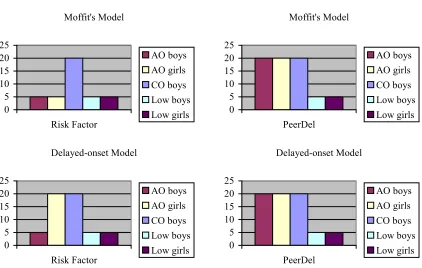
Delayed-onset Model 0 5 10 15 20 25 PeerDel AO boys AO girls CO boys Low boys Low girls Moffit's Model 0 5 10 15 20 25 PeerDel AO boys AO girls CO boys Low boys Low girls
predictions made by the delayed-onset model, specifically:
Hypothesis One: Model Differences (see Figure 1)
Moffit’s Model: Adolescent-onset girls will differ from youth without conduct problems on
deviant peers, adolescent-onset girls will not differ from childhood-onset boys on this
variable. Adolescent-onset girls with conduct problems will differ on other individual risk
factors from childhood-onset boys with conduct problems. Adolescent-onset girls will not
differ from adolescent-onset boys or youth without conduct problems on these factors.
Figure 1
Differential Predictions of Gender- by-Group Interactions
Note. AO = adolescent-onset; CO = childhood-onset
Delayed-onset Model: Adolescent-onset girls will differ from youth without conduct
problems on deviant peers, adolescent-onset girls will not differ from childhood-onset boys
on this variable. Adolescent-onset girls with conduct problems will differ on other individual
risk factors from youth without conduct problems and from adolescent-onset boys with
conduct problems; they will not differ from childhood-onset boys with conduct problems.
The role of puberty will also be examined. Moffit’s model maintains that the majority
of girls with conduct problems follow the adolescent-onset trajectory. However, the association
between puberty and conduct problems is indirect and the onset of puberty is associated with
involvement with deviant/older older peers, which is then related to conduct problems. On the
other hand, the delayed-onset model suggests that only those girls who have preexisting risk
factors similar to childhood-onset boys are at risk for developing severe conduct problems. The
onset of conduct problems is then associated with the onset of puberty, regardless of the timing
of maturation, for girls who possess key risk factors.
Hypothesis Two: Role of Puberty
Moffit’s Model: For girls, the association between puberty and conduct problems will be
mediated by involvement with delinquent peers.
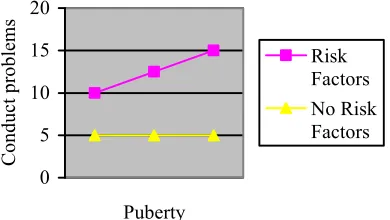
Delayed-onset Model: For girls, C/U traits and/or emotion regulation problems will moderate
the association between puberty and conduct problems (see Figure 2).
Figure 2
Predicted Interaction of Pubertal Development by Risk Factor
0 5 10 15 20
Puberty
C
ondu
ct
pr
obl
em
s
Risk Factors No Risk Factors
Finally, early pubertal maturation has been shown to put girls at risk for norm violations,
antisocial behavior. Thus, the role of early pubertal timing will also be examined. First, an
“alternative hypothesis” will be offered for the role of puberty in Hypothesis Two; that is,
pubertal timing (not just the onset of puberty) may interact with preexisting risk factors in the
development of conduct problems. If the early-timing hypothesis is supported, it represents a
modification of both existing theoretical models. That is, those girls who have preexisting
vulnerabilities (such as C/U and/or emotion regulation problems), who also have an early onset
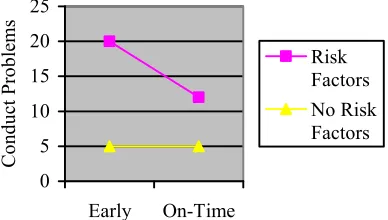
of puberty, are at particularly high risk for severe conduct problems (see Figure 3) and thus:
Hypothesis 3: Role of Early Pubertal Timing
a. There will be an interaction between early maturation and girls with preexisting
vulnerabilities. That is, C/U traits and/or emotion regulation problems will moderate
the association between early maturation and conduct problems.
b. Early-maturing girls with preexisting vulnerabilities will have more behavior
problems than early maturing peers without preexisting vulnerabilities, and on time
maturing peers with preexisting vulnerabilities.
c. Early-maturing girls with no preexisting vulnerabilities will have fewer conduct
problems than on-time maturing girls with preexisting vulnerabilities.
Figure 3
Predicted Interaction of Pubertal Timing by Risk Factor
0 5 10 15 20 25
Early On-Time
C
on
duc
t P
robl
ems
Method
Participants
Participants were 5th - 9th grade public school children in the New Orleans metropolitan
area, their parents, and their teachers. The measures included in this study were collected as part
of a larger data collection procedure. Two schools agreed to participate in a study of the timing
of puberty and adjustment. Of the 670 eligible children at the two schools, 53% of parents
responded to the invitation to participate and two-thirds of respondents consented to the study.
Thirty-three students were absent the day of data collection; therefore, the final sample included
202 children (87 males and 115 females), which is approximately 35% of the eligible total
student body. The students ranged in age from 10 to 17 years old (M = 13.16). Similar to the
total student body, the ethnic breakdown of the sample was as follows: African-American (60%),
Caucasian (24%), Hispanic (6%), and Other (5%). Data on the 202 participants was also
collected from 103 parents and 29 teachers (6 males and 23 females). The teachers’ ethnicity was
59% Caucasian and 41% African-American. The parents’ ethnicity was African-American
(58%), Caucasian (26%), Hispanic (7%), and Other (6%).
Procedure
This dissertation involved the secondary data analysis of data collected under the
Louisiana Board of Regents Support Fund R&D, Research Competitiveness Subprogram (RCS)
LEQSF (2000-03)-RD-A-45.
In this study, an invitation to participate in the study was sent home to the
parents/guardians of all children in grades 5 through 9 at the target schools. Only students who
received permission from their parents were allowed to participate. Data were collected from the
procedures explained to them, and were asked if they would like to participate. All participants
were informed that they could withdraw from the study at any time. After child assent was
obtained, questionnaires were handed out in packets. The instructions for each measure were
read aloud and a time limit was set for the completion of each measure. After completion of the
student packets, each child received a $5.00 gift certificate to McDonald’s Restaurant.
Individual teachers were contacted and asked to complete questionnaires on each
participating student. The packets of questionnaires were left in the teachers’ mailboxes at school
and were collected within a three-week period. All teachers received a $50.00 Wal-Mart gift
certificate upon completion of the questionnaires. Additionally, all teachers were entered into a
raffle to win a $100.00 Wal-Mart gift certificate and, if they returned the forms early, they were
also entered into an additional “early-bird” raffle to win a $75.00 Wal-Mart gift certificate.
Parents were given questionnaire packets to fill out on their child and received a gift
certificate upon completion of the questionnaires.
Measures
Background Information
Background information was collected from children, parents and teachers. The
questionnaires measured general information about the child. This included age, gender, grade,
SES, ethnicity, household, and education history (skipped or repeated a grade, special classes,
etc.). The parent questionnaire had items pertaining to the child’s psychiatric history and the
teacher questionnaire had items pertaining to how long the teacher had known the student and
the student’s current grade in that teacher’s class. The questions were either open-ended (school,
age, and teacher) or forced choice (grades, ethnicity, income, and household members).
The SRD is a 46-item structured interview that assesses the number and types of
delinquent behavior in children. The SRD was developed from a list of all offenses reported in
the Uniform Crime Report with a juvenile base rate of greater than 1% (Elliott et al., 1985). For
each of 36 delinquent acts (e.g., destroying property, stealing, carrying weapons, selling drugs,
hitchhiking, physical fighting, rape, alcohol and drug use, arrest) the youth is asked (a) whether
or not he or she has ever engaged in the stated problem behavior, (b) the number of times the act
has occurred, (c) the age at which he or she first engaged in the behavior, and (d) whether or not
he or she has friends who have engaged in the behavior (see Peer Delinquency subscale). This
measure assesses for the occurrence and frequency of specific types of delinquent acts, including
Drug Offenses (9 items), Violent Offenses (8 items), Property Offenses (7 items), and Status
Offenses (4 items). The General Delinquency scale, which totals the type of delinquent acts, was
used in the Conduct Problems composite scale. The Peer Delinquency and General Delinquency
scales were computed by taking the mean of the items multiplied by the total number of items
(36 in this case), which prorated any missing items. Internal consistency for the General
Delinquency scale in this sample was excellent (total scale α = 0.88; girls only α = 0.85; boys
only α = 0.87).
Youth’s Inventory-4 (YI-4) and Adolescent Symptom Inventory-4 (ASI-4; Gadow &
Sprafkin, 1997; Gadow & Sprafkin, 1999)
The YI-4 and ASI-4 are youth-, parent-, and teacher-report scales designed to screen for
the presence of common DSM-IV-TR diagnoses found in adolescents. The YI-4 consists of 128
items, the parent version has 120 items, and the teacher version has 81 items that screen for the
presence of ADHD, Conduct Disorder (CD), Generalized Anxiety Disorder (GAD), Oppositional
purposes of this study, only those sections dealing with CD and the hyperactive/impulsive
symptoms of ADHD were used. Each symptom on the YI-4 and the ASI-4 is rated on a 4-point
scale based on the frequency of its occurrence, ranging from “Never” to “Very Often.”
Attachments to the YI-4 and parent-report ASI-4 were also included in this study, where youth
and parents were asked to indicate how old they were (or their child was) the first time they
engaged in any of the CD symptoms.
Individual items on the YI-4 and ASI-4 were scored using the symptom severity method.
Item scores were summed to generate a symptom severity score for each category (Gadow &
Sprafkin, 1999). By using this method, it is possible for a youth to receive a score for CD
indicating symptoms of high severity, but who may not have a clinically significant symptom
cutoff score for that category. The symptom severity scores were used in the Conduct Problem
composite scale. In order to account for any missing items, scales were computed by taking the
mean of the items multiplied by the total number of items. Subscales were created using the
higher score for each item from the three informants (parent, teacher, or child), as recommended
by Piacentini, Cohen, and Cohen (1992). The correlations between the raters were not significant
for the CD subscale (p > 0.05). For the ADHD (Hyperactivity/Impulsivity) subscale, child and
teacher ratings were correlated (r = 0.19, p < 0.01), teacher and parent ratings were correlated (r
= 0.41, p < .001), and child and parent ratings were not significantly correlated (r = 0.05, ns).
Test-retest reliability of the YI-4 symptom severity scores has been shown to be moderate
to high for most symptom categories, with correlations ranging from 0.35 to 0.92 over periods
of two to four months in clinic referred samples of youth, aged 11-18 (Gadow et al., 2002).
Internal reliability of the YI-4 symptom categories is also sufficient, with alphas ranging from
used in this study was satisfactory. Chronbach’s alpha coefficients on the YI-4 were as follows:
ADHD scale = 0.87 (boys = 0.88 and girls = 0.87); and CD scale = 0.91 (boys = 0.93 and girls =
0.75). Chronbach’s alpha coefficients on the teacher-report ASI-4 were as follows: ADHD scale
= 0.95 (boys α = 0.95 and girls α = 0.95); and CD scale = 0.74 (boys α = 0.76 and girls α = 0.73).
Chronbach’s alpha coefficients on the parent-report ASI-4 were as follows: ADHD scale = 0.94
(boys α = 0.94 and girls α = 0.94); and CD scale = 0.74 (boys α = 0.71 and girls α = 0.77).
Conduct Problems
Conduct problems were defined as delinquent behaviors (as measured by the General
Delinquency scale of the SRD) and conduct disorder symptoms (as measured by YI-4 and
ASI-4). An aggregate “Conduct Problem” variable was created. To form this composite, the General
Delinquency and Conduct Disorder (highest rater) subscales were converted to z-scores and
summed. Z-scores are used in order to account for differences in variance among the scales so
that each scale contributes equally to the composites. The correlation between the General
Delinquency and Conduct Disorder subscales was r = 0.44, p < .001.
Age of Onset of Conduct Problems
Research on rater reliability of age of onset has demonstrated that adolescents are
accurate informants. For example, in a clinic-referred sample of adolescents, both parent report
and adolescent self-report showed similar median age of onset for antisocial behaviors; however,
adolescent self-report was better than parental report at predicting external criteria (e.g. severity
of impairment; Lahey, Gordon, Loeber, Stouthamer-Loeber, & Farrington, 1999). Additionally,
Farrington and colleagues (1991) report that self-report will access behaviors that may have not
parent-report ASI-4 and the self-report YI-4.
There has been little consistency in the literature concerning the operational definition of
childhood- versus adolescent-onset. In various studies, childhood-onset has been defined as: the
first CD symptom or first police contact occurring at age 9 or younger; behavior problems at age
11 or younger; or CD symptoms at 9 or younger (American Psychiatric Association, 2000;
Moffitt et al., 1996; Silverthorn et al., 2001). On the other hand, adolescent-onset has been
defined at various ages as well: the first CD symptom or police contact occurring at age 12 or
older; behavior problems at age 15 or older; or CD symptoms at age 10 or older (American
Psychiatric Association, 2000; Moffitt et al., 1996; Silverthorn et al., 2001). This study utilized
the criteria for childhood and adolescent onset that is indicated in the DSM-IV-TR (American
Psychiatric Association, 2000). Specifically, childhood-onset was defined as onset of at least one
symptom of conduct disorder prior to age 10, as indicated on the ASI-4 or YI-4.
Adolescent-onset was defined as the absence of any conduct disorder symptoms prior to age 10.
Antisocial Process Screening Device (APSD; Frick & Hare, 2001)
The APSD is a 20-item measure of antisocial behavior in children and includes child,
parent, and teacher rating forms. Each item is rated on a 3-point scale as either 0 (not at all true),
1 (sometimes true), or 2 (definitely true). The APSD was modeled after the Psychopathy
Checklist-Revised (PCL-R), which assesses psychopathic traits in adults (Hare, 1991). Frick,
Bodin, and Barry (2000) conducted a factor analysis in a large community sample of children (n
= 1136) and found that the APSD can be divided into three distinct factors: (1) poor impulse
control (IMP), (2) narcissistic personality features (NAR), and (3) callous and unemotional traits
(C/U). The IMP and C/U scales are relevant to the hypotheses in this study. The impulsivity
an impulsive interpersonal style. The C/U scale consists of 6 items (e.g., “does not show
emotions,” “is not concerned with the feelings of others”) measuring a callous and unemotional
interpersonal style. The C/U scale has been shown to identify a distinct subgroup of children
with conduct problems that are more severe than other children with conduct disorder (Christian
et al., 1997). The C/U scale has also identified children with conduct problems who show
characteristics consistent with the construct of psychopathy (Loney et al., 2003).
Child self-report, parent-report, and teacher-report ratings on the APSD were used to
measure antisocial features of our sample. Internal consistency for the teacher-report APSD
scales was modest (total sample C/U α = 0.74; boys C/U α = 0.75; girls C/U α = 0.73; total
sample IMP α = 0.71; boys IMP α = 0.66; girls IMP α = 0.73). Furthermore, two items on the
C/U scale (#19 and #20) had item-total correlations below r = 0.20. However, these items were
retained in analyses. Research has indicated that while deleting these items may increase the
reliability of the scale, it reduces its convergent validity with external criteria (Poythress et al.,
2006). The internal consistency for the parent-report scales was also modest (total sample C/U α
= 0.67; boys C/U α = 0.68; girls C/U α = 0.66; total sample IMP α = 0.70; boys IMP α = 0.74;
girls IMP α = 0.66). All item-total correlations were above r = 0.20; thus all items were retained.
Internal consistency for the self-report was poor (C/U = 0.30; IMP = 0.50). Parent- and
teacher-report correlations for the C/U and IMP scales were low to moderate (r = 0.23 and r = 0.28, p <
0.05, respectively). Ratings from parents and teachers were combined using the higher score for
each item from either informant, as recommended in the APSD manual (Frick & Hare, 2001) and
elsewhere (Piacentini et al., 1992).
Sensation Seeking Scale for Children (SSS-C; Russo et al., 1993)
The scale consists of three subscales: (1) Thrill and Adventure Seeking (TAS), (2) Drug and
Alcohol Attitudes (DAA), and (3) Social Disinhibition (SD). Children are asked to rate their
preference for or against sensation seeking behaviors, choosing between items such as, “I’d
never do anything that’s dangerous” and “I sometimes like to do things that are a little scary.” In
this study only the 12-item TAS subscale was used. Analogous to the adult version, the TAS
subscale is most appropriate for measuring the fearlessness component of callous and
unemotional traits (Frick et al., 2003b). Internal consistency for the TAS subscale in this sample
was sufficient (total sample α = 0.79; boys α =0.68; girls α = 0.82).
Behavioral Assessment System for Children (BASC; Reynolds & Kamphaus, 1993)
The BASC is a multi-method, multidimensional behavior rating scale designed to
evaluate a broad range of both adaptive and maladaptive behaviors in children ages 2 ½ to 18
years of age. The BASC includes a self-report scale (SRP), a teacher rating scale (TRS), and a
parent rating scale (PRS). The TRS and PRS have 138 and 126 items, respectively, which are
descriptions of observable positive and negative behaviors. The SRP has 186 items, which are
descriptions of positive and negative personality traits, thoughts, attitudes, and feelings. Items are
answered on a Likert-type scale, where 0 = Never, 1 = Sometimes, 2 = Often, and 3 = Almost
always.
For this study, teacher- and self-report was used, as the parent-report BASC was
available for only half of the sample. First, items on the BASC were coded to form subscales
measuring problems in emotion regulation. To form the Emotional Dysregulation scale, items
were identified that were similar to those used on other scales of emotional dysregulation,
particularly items referring to susceptibility to emotional arousal, irritability, and negative