Scholarship@Western
Scholarship@Western
Electronic Thesis and Dissertation Repository
12-16-2014 12:00 AM
Hydrolytic Depolymerization of Lignin for the Preparation of
Hydrolytic Depolymerization of Lignin for the Preparation of
Polyols and Rigid Polyurethane Foams
Polyols and Rigid Polyurethane Foams
Nubla Mahmood
The University of Western Ontario
Supervisor
Prof. Dr. Chunbao (Charles) Xu The University of Western Ontario
Graduate Program in Chemical and Biochemical Engineering
A thesis submitted in partial fulfillment of the requirements for the degree in Doctor of Philosophy
© Nubla Mahmood 2014
Follow this and additional works at: https://ir.lib.uwo.ca/etd
Part of the Other Chemical Engineering Commons
Recommended Citation Recommended Citation
Mahmood, Nubla, "Hydrolytic Depolymerization of Lignin for the Preparation of Polyols and Rigid Polyurethane Foams" (2014). Electronic Thesis and Dissertation Repository. 2614.
https://ir.lib.uwo.ca/etd/2614
This Dissertation/Thesis is brought to you for free and open access by Scholarship@Western. It has been accepted for inclusion in Electronic Thesis and Dissertation Repository by an authorized administrator of
(Thesis format: Integrated Article)
by
Nubla Mahmood
Graduate Program in Chemical and Biochemical Engineering
A thesis submitted in partial fulfillment of the requirements for the degree of
Doctor of Philosophy (PhD)
The School of Graduate and Postdoctoral Studies The University of Western Ontario
London, Ontario, Canada
ii
Abstract
This doctoral study was aimed to produce bio-polyols from Kraft lignin (KL) and hydrolysis lignin (HL) via depolymerization and utilize the lignin-derived bio-polyols in the preparation of bio-based rigid polyurethane (BRPU) foams at high percentage of bio-contents (50-70 wt.%). This study demonstrated that depolymerization is a practical and effective approach to unleash the potential of utilization of lignin, of complex structures and low reactivity/functionality, for bioproducts and biomaterials.
Depolymerization of KL was realized in alkaline medium using water alone as a solvent or employing water-ethylene glycol (EG) mixture via a low pressure (<150 psig) proprietary process, both effective for producing low molecular weight depolymerized KL (DKL). The KL depolymerization process conditions were optimized. BRPU foams were prepared by incorporating DKL via two routes: (1) direct utilization of DKL by replacing 50 wt.% of sucrose polyol and PPG400 and, (2) oxypropylation of DKL to make a single polyol feedstock for the foam preparation.
Similarly, HL was effectively depolymerized employing water alone or water-ethanol (50:50, v/v) mixture with or without catalysts, or employing EG as a solvent under acidic conditions via a low pressure (<150 psig) process. The obtained depolymerized HL (DHL) products were also used as bio-polyols for the preparation of BRPU foams via two routes: direct replacement or oxypropylation.
iii
Keywords
iv
Co-Authorship Statement
Chapter 2: Depolymerization of lignins and their applications for the preparation of
polyols and rigid polyurethane foams (Literature review)
Authors: Nubla Mahmood, Zhongshun Yuan, John Schmidt, Chunbao (Charles) Xu
Status: To be submitted to Renewable and Sustainable Energy Reviews
Experimental work and data analysis were performed by Nubla Mahmood. Chunbao (Charles) Xu and Zhongshun Yuan provided consultation regarding experimental work and interpretation of results. The manuscript was written and revised by Nubla Mahmood, and reviewed by Zhongshun Yuan, Chunbao (Charles) Xu and John Schmidt.
Chapter 3: Production of polyols via direct hydrolysis of Kraft lignin: Effects of process
parameters
Authors: Nubla Mahmood, Zhongshun Yuan, John Schmidt, Chunbao (Charles) Xu
Status: Published in Bioresource Technology
Experimental work and data analysis were performed by Nubla Mahmood. Chunbao (Charles) Xu and Zhongshun Yuan provided consultation regarding experimental work and interpretation of results. The manuscript was written and revised by Nubla Mahmood, and reviewed by Zhongshun Yuan, Chunbao (Charles) Xu and John Schmidt.
Chapter 4: Production of polyols via direct hydrolysis of Kraft lignin: Optimization of
process parameters
Authors: Nubla Mahmood, Zhongshun Yuan, John Schmidt, Chunbao (Charles) Xu
Status: Accepted for publication in Journal of Science and Technology for Forest Products
and Processes (J-FOR)
v
interpretation of results. The manuscript was written and revised by Nubla Mahmood, and reviewed by Zhongshun Yuan, Chunbao (Charles) Xu and John Schmidt.
Chapter 5: Preparation of bio-based rigid polyurethane foam using hydrolytically
depolymerized Kraft lignin via direct replacement or oxypropylation
Authors: Nubla Mahmood, Zhongshun Yuan, John Schmidt, Chunbao (Charles) Xu
Status: To be submitted to Journal of Polymer Science Part A: Polymer Chemistry
Experimental work and data analysis were performed by Nubla Mahmood. Chunbao (Charles) Xu and Zhongshun Yuan provided consultation regarding experimental work and interpretation of results. The manuscript was written and revised by Nubla Mahmood, and reviewed by Zhongshun Yuan, Chunbao (Charles) Xu and John Schmidt.
Chapter 6: Hydrolytic depolymerization of hydrolysis lignin: Effects of catalysts and
solvents
Authors: Nubla Mahmood, Zhongshun Yuan, John Schmidt, Chunbao (Charles) Xu
Status: To be submitted to Bioresource Technology
Experimental work and data analysis were performed by Nubla Mahmood. Chunbao (Charles) Xu and Zhongshun Yuan provided consultation regarding experimental work and interpretation of results. The manuscript was written and revised by Nubla Mahmood, and reviewed by Zhongshun Yuan, Chunbao (Charles) Xu and John Schmidt.
Chapter 7: Valorization of hydrolysis lignin for polyols and its direct incorporation in
rigid polyurethane foams
Authors: Nubla Mahmood, Zhongshun Yuan, John Schmidt, Chunbao (Charles) Xu
Status: Published in Journal of Science & Technology for Forest Products and Processes
(J-FOR), special biorefinery issue
vi
interpretation of results. The manuscript was written and revised by Nubla Mahmood, and reviewed by Zhongshun Yuan, Chunbao (Charles) Xu and John Schmidt.
Chapter 8: Hydrolytic depolymerization of hydrolysis lignin for the preparation of
bio-based rigid polyurethane foam: Effects of process parameters
Authors: Nubla Mahmood, Zhongshun Yuan, Matthew Tymchyshyn, John Schmidt, Chunbao
(Charles) Xu
Status: To be submitted to Bioresource Technology
Experimental work and data analysis were performed by Nubla Mahmood. Chunbao (Charles) Xu and Zhongshun Yuan provided consultation regarding experimental work and interpretation of results. The manuscript was written and revised by Nubla Mahmood, and reviewed by Zhongshun Yuan, Chunbao (Charles) Xu, Matthew Tymchyshyn and John Schmidt.
Chapter 9: Low pressure depolymerization of hydrolysis lignin for the preparation of
bio-based rigid polyurethane foam
Authors: Nubla Mahmood, Zhongshun Yuan, John Schmidt, Chunbao (Charles) Xu
Status: To be submitted to Journal of Materials Chemistry
Experimental work and data analysis were performed by Nubla Mahmood. Chunbao (Charles) Xu and Zhongshun Yuan provided consultation regarding experimental work and interpretation of results. The manuscript was written and revised by Nubla Mahmood, and reviewed by Zhongshun Yuan, Chunbao (Charles) Xu and John Schmidt.
Chapter 10: Low pressure hydrolytic depolymerization of Kraft lignin for the
preparation of bio-based rigid polyurethane foam
Authors: Nubla Mahmood, Zhongshun Yuan, John Schmidt, Chunbao (Charles) Xu
vii
viii
Acknowledgments
I would like to express my deepest gratitude to my supervisors, Dr. Charles (Chunbao) Xu and Dr. John Schmidt, for their support and guidance throughout my PhD studies. Dr. Xu has always motivated me to continue to endeavor new ideas and has been incredibly supportive for providing any kind of help for experimentation. Most of all, I truly appreciates his inspiring outlook on life and his genuine interest in his students. Dr. John Schmidt has always provided me with an industrial aspect of current research work to improve it further. I would also like to express my deepest appreciation to Dr. Zhongshun (Sean) Yuan for providing his expert advice regarding data analysis, experimentation and for his patience while reviewing manuscripts. I would also like to thank Flora (Fang Cao) for her support for some sample analysis. I would also like to thank Catlin Marshall, Francisco Javier Sanchez Careaga, Yongsheng (Ryan) Zhang, Shuna Cheng, Shanghuan Feng, and Majid Hamidi for their friendship and helpful discussion on some aspects of my research projects.
ix
Table of Contents
Abstract ... ii
Co-Authorship Statement... iv
Acknowledgments... viii
Table of Contents ... ix
List of Tables ... xvii
List of Figures ... xxi
List of Abbreviations and Symbols... xxvi
Dedication ... xxx
Chapter 1 ... 1
1 Introduction ... 1
1.1 Background and motivation ... 1
1.2 Depolymerization of lignin ... 3
1.3 Lignin derived polyols and polyurethane foams ... 5
1.4 Research objectives ... 6
1.5 Thesis organization ... 9
1.6 References ... 11
Chapter 2 ... 15
2 Literature Review ... 15
2.1 Lignin as a potential source of chemicals and materials... 15
2.2 Lignin sources, types and extraction methods ... 17
2.2.1 Sources of lignin ... 17
2.2.2 Types of lignin and their extraction methods ... 18
2.2.3 Lignin applications in polymer and materials industries ... 23
x
2.3.1 Global market and typical properties of rigid PU foams ... 24
2.3.2 Preparation of rigid PU foams and its essential raw materials ... 25
2.4 Lignin depolymerization via multiple routes ... 28
2.4.1 Lignin depolymerization with acid catalysis ... 29
2.4.2 Lignin depolymerization with metallic catalysis ... 30
2.4.3 Ionic liquid assisted lignin depolymerization ... 31
2.4.4 Sub- or supercritical fluid assisted lignin depolymerization ... 31
2.4.5 Lignin depolymerization with base catalysis ... 31
2.4.6 Lignin depolymerization via oxidative route ... 34
2.4.7 Lignin depolymerization under low pressure ... 34
2.4.8 The global trend of lignin application in PUs ... 35
2.4.9 Lignin application in the preparation of PUs ... 36
2.4.10 Depolymerized lignin application for PU foam preparation ... 38
2.5 Concluding Remarks ... 41
2.6 References ... 43
Chapter 3 ... 53
3 Production of polyols via direct hydrolysis of Kraft lignin: Effects of process parameters ... 53
Abstract ... 53
3.1 Introduction ... 54
3.2 Materials and Methods ... 56
3.2.1 Materials ... 56
3.2.2 Kraft lignin hydrolysis experiments ... 57
3.2.3 Product characterization... 58
3.3 Results and Discussions ... 60
xi
3.3.2 Effects of reaction time ... 62
3.3.3 Effects of NaOH to lignin mass ratio (pH effect) ... 64
3.3.4 Effects of substrate (KL) concentration ... 65
3.3.5 Characterization of depolymerized lignin/polyols ... 66
3.4 Conclusions ... 73
3.5 References ... 75
Chapter 4 ... 79
4 Production of polyols via direct hydrolysis of Kraft lignin: Optimization of process parameters ... 79
Abstract ... 79
4.1 Introduction ... 80
4.2 Experimental ... 82
4.2.1 Materials ... 82
4.2.2 Hydrolysis of Kraft lignin (KL) ... 82
4.2.3 Statistical experimental design ... 83
4.2.4 Analysis/characterization of polyols/DKL ... 83
4.3 Results and discussions ... 84
4.3.1 Single factor analysis at a time ... 84
4.3.2 Response surface experiments using rotatable central composite design (CCD) ... 85
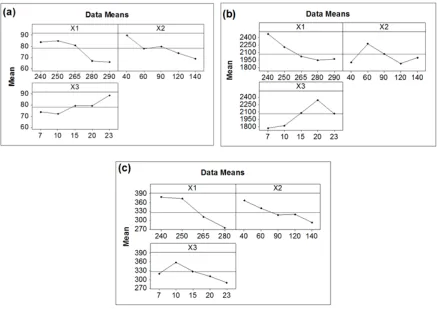
4.3.3 Main effect plots ... 90
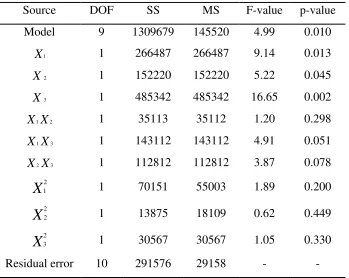
4.3.4 Analysis of variance (ANOVA) and response surface/contour plots ... 92
4.3.5 Optimized process conditions ... 98
4.4 Conclusions ... 99
4.5 References ... 101
xii
5 Preparation of bio-based rigid polyurethane foam using hydrolytically depolymerized
Kraft lignin (DKL) via direct replacement or oxypropylation ... 104
Abstract ... 104
5.1 Introduction ... 105
5.2 Experimental ... 106
5.2.1 Materials ... 106
5.2.2 Depolymerization of KL ... 107
5.2.3 Oxypropylation of DKL ... 108
5.2.4 Preparation of DKL based BRPU foam ... 108
5.2.5 Characterizations of DKL, oxypropylated DKL and BRPU foams ... 109
5.3 Results and discussions ... 110
5.3.1 Physical properties ... 113
5.3.2 Mechanical properties ... 116
5.3.3 Thermal properties ... 117
5.3.4 Morphology... 119
5.4 Conclusions ... 121
5.5 References ... 122
Chapter 6 ... 125
6 Hydrolytic depolymerization of hydrolysis lignin: Effects of catalysts and solvents 125 Abstract ... 125
6.1 Introduction ... 126
6.2 Methods... 128
6.2.1 Materials ... 128
6.2.2 Depolymerization of hydrolysis lignin ... 129
6.2.3 Product characterization... 130
xiii
6.3.1 Effects of solvent type on non-catalytic HL depolymerization ... 131
6.3.2 Effects of alkaline catalyst on HL depolymerization ... 133
6.3.3 Effects of acidic catalyst on HL depolymerization ... 135
6.3.4 Characterization of the depolymerized HL products ... 136
6.4 Conclusions ... 140
6.5 References ... 142
Chapter 7 ... 146
7 Valorization of hydrolysis lignin for polyols and its direct incorporation in rigid polyurethane foams ... 146
Abstract ... 146
7.1 Introduction ... 147
7.2 Experimental ... 149
7.2.1 Materials ... 149
7.2.2 Hydrothermal depolymerization of HL ... 150
7.2.3 Rigid polyurethane foam (RPUF) sample preparation ... 150
7.2.4 Analytical methods ... 151
7.3 Results and discussions ... 151
7.3.1 Depolymerized HL (DHL) ... 151
7.3.2 Rigid PU and BPU foams ... 153
7.3.3 Rigid PU foam formulation using PPG400 and glycerol... 154
7.3.4 RPUF formulation using sucrose polyol ... 157
7.4 Conclusions ... 159
7.5 References ... 161
Chapter 8 ... 164
8 Hydrolytic depolymerization of hydrolysis lignin for the preparation of bio-based rigid polyurethane foam: Effects of process parameters ... 164
xiv
8.1 Introduction ... 165
8.2 Materials and methods ... 168
8.2.1 Materials ... 168
8.2.2 Depolymerization of hydrolysis lignin ... 169
8.2.3 Oxypropylation of DHL ... 169
8.2.4 Rigid polyurethane (PU) foam preparation... 170
8.2.5 Product characterization... 171
8.3 Results and discussions ... 172
8.3.1 Depolymerization of HL: Effects of process parameters ... 172
8.3.2 Oxypropylation of DHL ... 177
8.3.3 Rigid polyurethane foam (RPUF) from oxypropylated DHL ... 180
8.4 Conclusions ... 187
8.5 References ... 189
Chapter 9 ... 193
9 Low pressure depolymerization of hydrolysis lignin for the preparation of bio-based rigid polyurethane foam ... 193
Abstract ... 193
9.1 Introduction ... 194
9.2 Materials and methods ... 197
9.2.1 Materials ... 197
9.2.2 Hydrolytic depolymerization of HL... 198
9.2.3 Oxypropylation of DHL ... 199
9.2.4 Polyurethane foam preparation ... 200
9.2.5 Product characterization... 200
9.3 Results and discussions ... 202
xv
9.3.2 Oxypropylation of DHL ... 208
9.3.3 Rigid polyurethane (RPU) foam ... 211
9.4 Conclusions ... 217
9.5 References ... 219
Chapter 10 ... 223
10Low pressure hydrolytic depolymerization of Kraft lignin for the preparation of bio-based rigid polyurethane foam ... 223
Abstract ... 223
10.1Introduction ... 224
10.2Methods... 228
10.2.1 Materials ... 228
10.2.2 Kraft lignin depolymerization ... 229
10.2.3 Oxypropylation of DKL ... 230
10.2.4 Polyurethane foam preparation ... 231
10.2.5 Product characterization... 231
10.3Results and discussions ... 233
10.3.1 Depolymerization of KL under acid vs basic medium ... 233
10.3.2 Effects of addition amount of catalyst ... 235
10.3.3 Effects of reaction temperature ... 238
10.3.4 Effects of reaction time ... 240
10.3.5 Effects of KL substrate concentration... 241
10.3.6 Effect of type of polyalcohols on KL depolymerization ... 242
10.3.7 Chemical analyses of DKLs... 244
10.3.8 Rigid polyurethane foam (RPU foam) ... 246
10.4Conclusions ... 255
xvi
Chapter 11 ... 262
11Conclusions ... 262
Chapter 12 ... 271
12Future work ... 271
Appendix A: Copyright License Agreements ... 272
xvii
List of Tables
Table 2-1 Chemical composition of the hydrolysis lignin (HL) used (Yuan et al., 2012) ... 22
Table 2-2 Typical properties of commercial rigid PU foams (BASF, 2010; ENERLAB, 2012; INSTA-PANELS, 2012; BING, 2006) ... 24
Table 3-1 Proximate & ultimate analysis of original Kraft lignin (KL) ... 57
Table 3-2 Relative integrals of 1H-NMR spectra signals of aliphatic/phenolic acetates in the acetylated KL and various DKLs (The DKLs were obtained from the experiments at 250 and 300 °C for various lengths of time) (Other experimental conditions are: NaOH/lignin mass ratio of ≈0.27-0.28, and 20 wt.% substrate concentration) ... 71
Table 3-3 Hydroxyl No. of the KL and various DKLs (The DKLs were obtained from the experiments at 250 and 300 °C for various lengths of time) (Other experimental conditions are: NaOH/lignin mass ratio of ~0.28, and 20 wt.% substrate concentration) ... 72
Table 3-4 Elemental compositions of the KL and two typical DKL products obtained at 250 °C/120 min and 300 °C/60 min (Other reaction conditions: 20 wt.% substrate conc. and NaOH to lignin ratio of 0.28 (w/w)) ... 73
Table 4-1 Experimental levels of both coded/actual values of independent variables ... 85
Table 4-2 The 23 full factorial and central composite design for experiments along with actual/predicted responses ... 86
Table 4-3 Regression equations obtained for responses Y1, Y2and Y3... 89
Table 4-4 ANOVA for responses (Y1, Y2 and Y3) at 95% CI ... 92
Table 4-5 ANOVA for response surface quadratic model at 95% CI for polyol’s yield ... 93
Table 4-6 ANOVA for response surface quadratic model at 95% CI for Mw of polyols ... 95
xviii
Table 4-8 Comparison of predicted and experimental values of responses (Y1, Y2 and Y3) ... 99
Table 5-1 Physical characteristics of all chemicals used ... 106
Table 5-2 Mw, hydroxyl numbers and viscosity of the bio-polyols feedstock ... 110
Table 5-3 Physical characteristics of 2 reference and 3 DKL-based BRPU foams ... 113
Table 5-4 Mechanical properties of all RPU foams... 116
Table 5-5 Thermal conductivity of all RPU foams ... 117
Table 6-1 Yields of products (DHL and SRs) and Mw of DHL (Other reaction conditions: 250 oC, 1h, water-EtOH ratio 50/50 (v/v), substrate (HL) concentration ~ 20% (w/v) and initial reaction system pressure ~ 2000 kPa) ... 132
Table 6-2 GC-MS analysis of DHL obtained from HL depolymerization at the best operating conditions ... 137
Table 6-3 Relative signals of 1H NMR spectra signals of aliphatic/phenolic acetates in acetylated DHL and hydroxyl numbers of DHL... 139
Table 6-4 Elemental analysis of HL and DHL (at 250 oC for 1h with 20% substrate concentration in water-ethanol mixture) ... 140
Table 7-1 Physical properties of the chemicals ... 149
Table 7-2 Characteristics of DHL ... 152
Table 7-3 Physical, mechanical and thermal characteristics of the PPG400 & glycerol-based PU foams ... 155
Table 7-4 Physical, mechanical and thermal characteristics of the sucrose polyol-based PU foams ... 157
xix
Table 8-2 Characteristics of DHL and oxypropylated samples ... 177
Table 8-3 Physical, mechanical and thermal properties of reference and BRPU foams ... 181
Table 8-4 Thermal characteristics of RPUF from oxypropylated samples ... 184
Table 9-1 Chemical (d.b.)a and elemental composition (d.a.f.)b of hydrolysis lignin (HL) (Yuan et al., 2012) ... 198
Table 9-2 Physical Characteristics of the Chemicals ... 198
Table 9-3 Characteristics of DHL and oxypropylated DHLs ... 209
Table 9-4 Physical and mechanical properties of BRPU foams ... 212
Table 9-5 Thermal conductivity of reference and BRPU foams ... 216
Table 10-1 Physical Characteristics of the Chemicals ... 229
Table 10-2 Yields of DKL and SR’s for KL depolymerization in acidic and basic medium (Other reaction conditions: 250 oC, 1 h, 20 wt.% substrate concentration, EG/KL ratio of 4.0 (w/w) and 2 wt.% catalyst addition) ... 234
Table 10-3 Effects of mole % of NaOH on yields of SRs and DKL (Other reaction conditions: 1 h, substrate concentration: 20 wt.% and EG/KL ratio of 4.0 (w/w)) ... 236
Table 10-4 Effects of reaction temperature on the yields of DKL and SR and Mw’s of DKL (Other reaction conditions: 1 h, KL substrate concentration of 20 wt.%, EG/KL ratio of4.0 (w/w)) ... 238
Table 10-5 Effects of varying KL (w/w) substrate concentration on the products yields and Mw of DKL (Other reaction conditions: 250 oC, 60 min, and 128 mole% of NaOH) ... 242
xx
Table 10-8 Physical and mechanical properties of reference and BRPU foams ... 251
xxi
List of Figures
Figure 1-1 Proposed approaches for producing bio-polyols from KL for BRPU foams ... 8
Figure 1-2 Proposed approaches for producing bio-polyols from HL for BRPU foams ... 8
Figure 2-1 Representative substructure of lignin, reprinted (adapted) with permission from (Forsythe et al., 2013). Copyright © (2013) Royal Society of Chemistry. ... 16
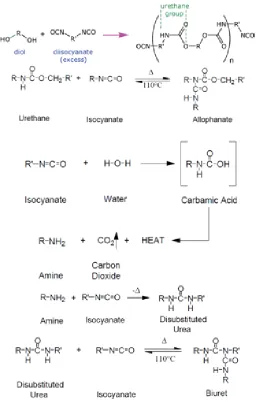
Figure 2-2 Main and side reactions in polyurethane production (Tu, 2008) ... 26
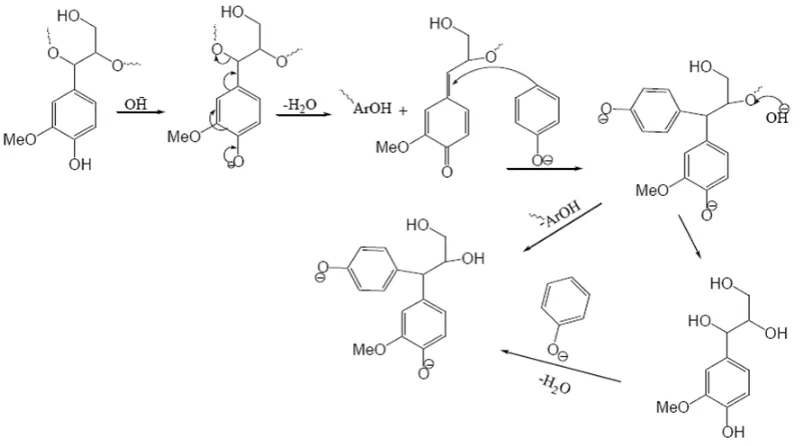
Figure 2-3 Hydrolytic depolymerization mechanism of alkaline lignin catalyzed by NaOH in water-ethanol medium with phenol capping agent, reprinted (adapted) with permission from (Yuan et al., 2010). Copyright © (2010) Elsevier. ... 33
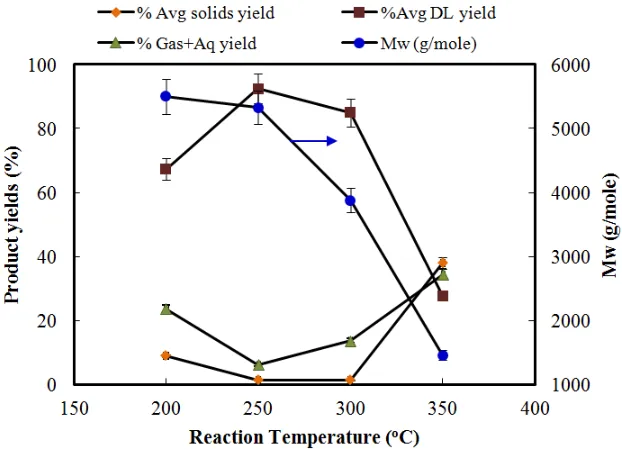
Figure 3-1 Product yields and Mw of DKLs at various reaction temperatures (oC) (Reaction
time: 45 min; 20 wt.% substrate concentration; NaOH/lignin mass ratio ≈0.27-0.28) ... 61
Figure 3-2 Product yields and Mw of DKLs vs. reaction time at 250 oC (other reaction
conditions: 20 wt.% substrate conc.; NaOH/lignin mass ratios ≈0.27-0.28) ... 63
Figure 3-3 Product yields and Mw of DKLs vs. reaction time at 300 oC (other reaction
conditions: 20 wt.% substrate conc.; NaOH/lignin mass ratios ≈0.27-0.28) ... 63
Figure 3-4 Products yields and Mw of DKLs at various NaOH/lignin mass ratios (Reaction
temperature: 250 oC; Reaction time: 120 min; 20 wt.% substrate concentration ... 65
Figure 3-5 Products yields and Mw of DKLs at various substrate concentrations (wt.%)
(Reaction temperature: 250 oC; Reaction time: 120 min; NaOH/lignin ratio ≈0.27-0.28) ... 66
Figure 3-6 1H NMR spectra of acetylated KL ... 70
Figure 3-7 1H NMR spectra of acetylated DKL at 250 oC, 1h at 20 wt.% substrate
concentration ... 71
xxii
Figure 4-2 H NMR spectra of acetylated DKL (250 C, 120 min and 10 wt.% KL
concentration) ... 89
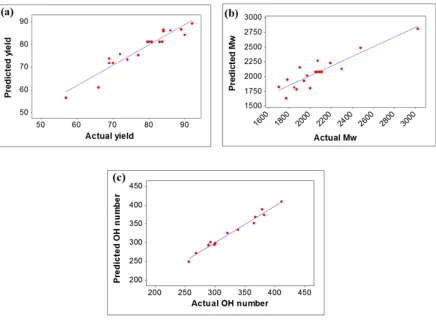
Figure 4-3 Actual vs predicted values of (a) Y1 (%yield of DKL/polyols), (b) Y2 (Mw of
polyols) and (c) Y3 (aliphatic-hydroxyl number of polyols) ... 90
Figure 4-4 Main effect plots for (a) % yield, (b) Mw and, (c) aliphatic-hydroxyl number in
actual units ... 92
Figure 4-5 Surface (a) and contour (b) plots of % yield of DKL/polyols ... 95
Figure 4-6 Surface (a) and contour (b) plots of Mw(g/mole) of DKL/polyols ... 96
Figure 4-7 Surface (a) and contour (b) plots of aliphatic-hydroxyl number (mgKOH/g) of DKL/polyols ... 98
Figure 4-8 (a, b, c) Overlaid contour plots; (d) response optimizer plot ... 99
Figure 5-1 1H NMR spectra of acetylated KL ... 111
Figure 5-2 1H NMR spectra of acetylated DKL ... 112
Figure 5-3 1H NMR spectra of acetylated oxypropylated DKL ... 112
Figure 5-4 FTIR spectra of KL, DKL, the oxypropylated-DKL and the reference polyols (PPG400 polyols and sucrose polyols) ... 115
Figure 5-5 DSC profile for the oxypropylated DKL-based BRPU foam ... 118
Figure 5-6 TGA and DTG of reference and BRPU foams ... 119
Figure 5-7 SEM images of sucrose (A) and PPG400 (B) derived reference foams ... 120
Figure 5-8 SEM images of bio-based rigid PU foams (DKL-sucrose-50, (B) DKL-PPG-50 and, (C) DKL50-PO50 ... 120
xxiii
Figure 6-2 H NMR spectra of acetylated DHL ... 139
Figure 7-1 FTIR spectra of the HL (original) and depolymerized HL (DHL) ... 153
Figure 7-2 FTIR spectra of BPU foams with 50 wt.% replacement of PPG400 and sucrose polyol respectively by DHL ... 154
Figure 7-3 PU foams with 100% PPG400 and glycerol (left) and bio-PU foams with 50% replacement of PPG400 with DHL (right) ... 155
Figure 7-4 Pictures of the PU foams with 100% sucrose polyol (left) and the bio-PU foams with 50 wt.% replacement of sucrose polyol with DHL (right) ... 158
Figure 8-1 Effects of reaction temperature on yield and Mw of DHL from HL
depolymerization (Other reaction conditions: 60 min, 20% (w/v) substrate concentration, EtOH/water ratio of 1.0 and initial-system pressure: 2.0MPa) ... 174
Figure 8-2 Effects of reaction time on yield and Mw of DHL (Other reaction conditions: 250
oC, substrate concentration ~20% (w/v), and initial system pressure: 2MPa) ... 175
Figure 8-3 Effects of HL concentration (w/v) on yield and Mw of DHL (Other reaction
conditions: 250 oC, 60 min, and initial system pressure: 2MPa) ... 176
Figure 8-4 FTIR analysis of sucrose polyol, HL, DHL and oxypropylated DHLs ... 178
Figure 8-5 1H NMR spectra of acetylated DHL ... 179
Figure 8-6 1H NMR spectra of acetylated DHL50PO50 ... 179
Figure 8-7 1H NMR spectra of acetylated DHL70PO30 ... 180
Figure 8-8 BRPU foams from DHL50PO50 (left) and DHL60PO40 (right) ... 182
Figure 8-9 SEM images of DHL50PO50 (top), DHL60PO40 (middle) and DHL70PO30 (bottom) at varying percentages of physical blowing agent ... 183
xxiv
Figure 8-11 Degradation curve and the rate of weight loss of reference foam and BRPU foams containing 50 wt.% bio-contents ... 187
Figure 9-1 Effects of temperature on yields of products and Mw (Other reaction conditions:
60 min, HL loading of 20% (w/w)),and H2SO4: 2% (w/w)) ... 203
Figure 9-2 Effects of varying reaction time on yields of products and Mw (Other reaction
conditions: 200 oC, HL loading: 20% (w/w)) and H2SO4 of 2% (w/w)) ... 205
Figure 9-3 Effects of varying HL substrate loading on yields of products and Mw (Other
reaction conditions: 200 oC, 1 h and H2SO4 of 2% (w/w)) ... 206
Figure 9-4 Effects of varying acid loading on yields and Mw (Reaction temperature: 200 oC,
reaction time: 60 min, EG/HL ratio: 4.0 (w/w)) ... 208
Figure 9-5 1H NMR spectra of acetylated DHL ... 209
Figure 9-6 1H NMR spectra of acetylated DHL50PO50 ... 210
Figure 9-7 1H NMR spectra of acetylated DHL60PO40 ... 210
Figure 9-8 FTIR spectra of sucrose polyol, HL, DHL and oxypropylated DHLs ... 211
Figure 9-9 SEM image of BRPU foam prepared with DHL50PO50 ... 214
Figure 9-10 FTIR spectra BRPU foams at 50 wt.% and 60 wt.% bio-contents ... 215
Figure 9-11 Degradation TGA curves and rate of weight loss curves of reference foam and BRPU foams from DHL50PO50 and DHL60PO40 ... 217
Figure 10-1 GPC curves of the original KL and the obtained DKL product from the KL
depolymerization in acidic or alkaline medium (Other reaction conditions: 250 oC, 1 h, 20
wt.% KL substrate concentration, EG/KL ratio of 4.0 (w/w) and 2 wt.% catalyst addition) 235
xxv
Figure 10-3 Effects of reaction time on yield and molecular weight of DKL (Other reaction
conditions: 250 oC, KL substrate concentration of 20 wt.%, EG/KL ratio of 4.0 (w/w) and
128 mole% of NaOH) ... 241
Figure 10-4 Effects of various solvents on yield and Mwof DKL (Other reaction conditions:
250 oC, 60 min, KL substrate concentration of 20 wt.%, EG/KL ratio of 0.40 (w/w) and 128
mole% of NaOH) ... 243
Figure 10-5 Overall EG balance of the system ... 244
Figure 10-6 1H NMR spectra of acetylated KL ... 247
Figure 10-7 1H NMR spectra of acetylated DKL ... 248
Figure 10-8 1H NMR spectra of acetylated DKL50PO50 ... 248
Figure 10-9 1H NMR spectra of acetylated DKL70PO30 ... 249
Figure 10-10 FTIR spectra of KL, DKL and oxypropylated DKL samples ... 250
Figure 10-11 Thermal stability and the rate of weight loss of BRPU foams under nitrogen atmosphere ... 254
xxvi
List of Abbreviations and Symbols
ANOVA- Analysis of Variance
Aq- Aqueous
ASTM- American Society for Testing and Materials
ATR- Attenuated Total Reflectance
BRPUF- Bio-based Rigid Polyurethane Foam
C- Carbon
CCD- Central Composite Design
CH2Br2- Dibromomethane
d.a.f. - Dry Ash Free
d.b. - Dry Basis
DBTDL- Dibutyltin Dilaurate
DHL- Depolymerized Hydrolysis Lignin
DKL- Depolymerized Kraft Lignin
DL- Depolymerized Lignin
DMSO-d6 – Dimethyl Sulfoxide-d6
DSC- Differential Scanning Calorimetry
DTG- Derivative Thermogravimetric Analysis
EG- Ethylene Glycol
xxvii F- Functionality
FC- Fixed Carbon
FTIR- Fourier Transform Infrared Spectroscopy
GC/MS- Gas Chromatography/Mass Spectrometry
GC-TCD- Gas Chromatography/Thermal Conductivity Detector
GPC- Gel Permeation Chromatography
GPC/HPLC- Gel Permeation Chromatography/High Performance Liquid Chromatography
H- Hydrogen
1H NMR spectra- Proton Nuclear Magnetic Resonance Spectrometry
H2O- Water
H2SO4- Sulfuric Acid
HL- Hydrolysis Lignin
IR- Infrared
ITAC- Integration of Protons of Total Acetate Groups
KL- Kraft lignin
KOH- Potassium Hydroxide
MC- Moisture Content
MDBM- Moles of Dibromomethane
MDI- 4, 4/-diphenylmethane diisocyanate
xxviii MS- Mean Square
MTOH- Moles of Total –OH
Mw- Weight Average Molecular Weight
N- Nitrogen
NaOH- Sodium Hydroxide
O- Oxygen
OH number- Hydroxyl Number
OHAliphatic- Aliphatic –OH
OHPhenolic- Phenolic –OH
OHTotal- Aliphatic –OH
PDI- Polydispersity Index
PG- Propylene Glycol
PO- Propylene Oxide
PPG- Poly(Propylene Glycol)
PUF- Polyurethane Foam
RPUF- Rigid Polyurethane Foam
RSM- Response Surface Methodology
SEM- Scanning Electronic Microscope
SR- Solid Residues
xxix S-Sulfur
TEA- Triethanol Amine
TEDA- Triethylene Diamine
Temp- Temperature
Tg- Glass Transition Temperature
TGA- Thermogravimetric Analysis
THF- Tetrahydrofuran
UV- Ultraviolet
VM- Volatile Matter
WAC- Weight of Acetylated Sample
WDBM- Amount of Dibromomethane
α- Level of Significance
xxx
Dedication
To the most important people in my life:
my husband Mahmood
my daughter Eshal
Chapter 1
1
Introduction
1.1 Background and motivation
Bio-based fuels, chemicals and materials are gaining increasing attention due to the worldwide increased concerns over declining non-renewable fossil resources, climate
changes, energy security and sustainability of economy (McGowan, 1991; Hall et al.,
1992). Agricultural and forestry residues, wastes and byproducts are of top most interest
because of their low cost and abundant availability (Sricharoenchaikul, 2009). As the
demand continues to grow, new and better methods must be developed to utilize bioresources for fuels, chemicals and materials.
Lignocellulosic biomass represents a renewable and low-cost alternative source for the
production of low sulfur/nitrogen containing fuels and chemicals (Connor & Piskorz,
1994). Lignocellulosic biomass is composed of hemicellulose, cellulose, and lignin. Depending on the biomass species, lignin comprises around 15-30% of lignocellulosic biomass dry weight and has higher energy content of 9000-11000 Btu/lb compared to that
of cellulose, which is estimated to be around 7300-7500 Btu/lb (Nimani, 2011; Effendi et
al., 2008). Overcoming the recalcitrance of lignocellulosic biomass is a key step in the
production of fuels and chemicals (Brodeur et al., 2011). Although much of the public
attention has been paid towards the production of industrial bioproducts (fuels, bio-based chemicals and biomaterials) derived from biomass, still it has to go a long way to achieve economically viable production of these industrial bioproducts. The following criteria: availability, economics, public acceptability, environmental emissions, national security, technology and versatility, must be addressed in developing innovative
technologies to replace petroleum-derived products with bioproducts.
Lignin molecule is composed of 3D phenyl propanol units (monomers) (Tejado et al.,
2007), namely guaiacyl alcohol (G), syringyl alcohol (S), p-coumaryl alcohol (H) and is
the most abundant and natural source of phenolic compounds (Amen-Chen et al., 2001).
and paper industry at an estimated annual production rate of 50Mt (Lora & Glasser, 2002). Being a by-product stream of Kraft pulping process, black liquor contains
typically 30-34% of lignin on dry solid weight basis (Araújo, 2008). Currently majority
of the lignin produced in pulp/paper mills is combusted for heat/power generation in recovery boilers. The large amount of lignin produced in the pulping process is problematic as almost 60-70% of North America’s pulp/papers mills have a bottleneck in their recovery boilers capacity, which limits their productivities. Thus a significant proportion of lignin can be removed to debottleneck the recovery boilers without
effecting heat production of a mill (Pandey and Kim, 2008). Today, roughly only 1-2% of
KL is isolated for other value-added applications such as for chemicals (Lora & Glasser,
2002). Thus, there is a remarkable opportunity in isolating KL from black liquor specifically for the production of various value-added bio-chemicals and biomaterials. Hydrolysis lignin (HL) is another type of lignin left as a residue or by-product from enzymatic hydrolysis of lignocellulosic biomass in cellulosic ethanol plants after
separating carbohydrates (cellulose and hemicelluloses) from the whole biomass (Yuan et
al., 2012). In fact, these days the following have becoming the driving forces for the utilization of lignin for chemicals and materials: (1) ease of availability of lignin, a special case exists in 60-70% of North American Kraft mills which have an operation bottleneck in recovery boilers, (2) availability of sulfur free lignins (HL or organosolv lignin, OL), (3) the steadily increasing market demand for natural and sustainable products, and (4) the development of biorefinery technologies, etc.
In the recent years, there is an intensive research carried out to seek for technical routes to valorization of KL for various high value bio-chemicals, biofuels and biomaterials (Cheng, 2011).Meanwhile, extensive research was also undertaken in the former Soviet Union to explore applications of HL for biomaterials, which was not very successful and majority of HL was still disposed because the required modifications were too expensive
or materials synthesized from HL did not function well. A common challenge for
utilization KL and HL for chemicals and materials is related to lignin’s lower reactivity
in materials, especially for HL lignin with more complex structure where lignin and cellulose are crosslinked with each other.
1.2 Depolymerization of lignin
Although with much lower reactivity, even crude lignin can be directly used for the synthesis of biomaterials such as based phenol formaldehyde (PF) resins and bio-based polyurethane (PU) foam as insulation materials, due to the presence of phenolic
and hydroxyl groups (aliphatic and aromatic) in its structure as the reactive sites (Cheng,
2011; Cateto et al., 2008).However, the percentage replacement for petroleum phenols or polyols by crude lignin is not normally more than 30 wt.% for the synthesis of bio-based PF or PU foam. Further increasing the replacement ratio, would lead to markedly deteriorated properties of the products. On the other hand in HL, lignin and cellulose are cross-linked and is unable to dissolve in any solvent therefore, it cannot be directly incorporated in the PF or PU foam’s structure. Because of lignin’s special phenyl propanol structure linked by the aryl-alkyl ether linkage, depolymerization of KL or HL into oligomers and aromatic chemicals would be a viable route for increasing their percentage replacement for petroleum-based feedstock in the preparation of bio-based PF adhesives, PU foams and other biomaterials such as bio-epoxy resins, etc. without sacrificing properties of the prepared biomaterials in comparison with the
petroleum-based products (Khitrin et al., 2012; Cheng, 2011).
Various lignin depolymerization routes have been reported in literature, mainly classified into two major categories: biochemical processes and thermo-chemical processes. Biochemical processes are very slow and complex, requiring enzymes to breakdown lignocellulosic materials normally with an aim of producing ethanol and other chemicals
via hydrolyzing cellulose into glucose (Pandey and Kim, 2011). Thermo-chemical
(400-800 oC), thus with high energy consumption but the oil yields from lignin are
commonly only 20-40 wt.% (Pandey and Kim, 2011).
The bio-oils/bio-crudes resulting from pyrolysis/high pressure liquefaction of lignocellulosic biomass are complex mixtures of oxygen containing compounds in the form of phenols and benzene derivatives, aliphatic and aromatic alcohols, esters and carboxylic acids and hydroxyketones, all contributing to high oxygen contents of oils (Appell et al., 1970; Minowa et al., 1998; Qu et al., 2003). These oxygenated hydrocarbons contain also an appreciable proportion of water both from the original
moisture and as a reaction product (Bridgwater, 2003; Czernik and Bridgwater, 2004).
Depending on the biomass origin and process conditions (temperature, residence time, heating rate and catalyst used) total contents of oxygen varies in bio-oils, like 35-50 wt.% for pyrolysis oil and 20-30 wt.% for bio-crudes from high pressure liquefaction process (Bridgwater, 1994; Furimsky, 2000; Xu and Etcheverry, 2008). There are some limitations associated with pyrolysis oils due to high oxygen content which results in high viscosity, low heating value, thermal and chemical instability, and corrosivity (due
to the presence of organic acids), etc. (Bridgwater, 1996; Yaman, 2004).
Depolymerization of lignin/lignocellulosic biomasses can produce multitude of products depending on the processing methods and conditions. It can be carried out via employing
various solvents such as water, alcohols (Xu and Etcheverry, 2008), ethylene glycol
(Miller et al., 1999) etc., catalysts (alkalis such as NaOH, KOH, K2CO3 etc.; acids like
HCl, H2SO4, H3PO4 etc.; metals and non-metals, etc.), temperatures, pressures etc. From
an economic perspective, use of lignin as a source of biophenols/polyols in chemicals market is promising. The de-polymerized lignin products are darker in color (almost black) and scarcely retain the molecular characteristics of native lignin, because of the structural modifications like condensation, dehydration, rearrangement and intra &
intermolecular hydrogen bonding during the depolymerization process (Lundquist, 1976).
1.3 Lignin derived polyols and polyurethane foams
Polyol, a polyhydroxy compound, is an important building block of polyurethanes (PUs). PU is a polymeric material containing a huge amount of urethane group, which results from the addition polymerization reaction between -NCO group from polyisocyanate, and hydroxyl groups from polyols (i.e., polyether and polyesters). PU’s are versatile engineering materials which find a wide range of applications because their properties
can be readily tailored by the type and composition of their components (Hakim et al.,
2011). PUs has found a wide range of applications such as insulation, construction, coatings agents, adhesives, sealants, elastomers, and resins, etc. Polyols are traditionally produced from petroleum where, polyether and polyester are two major types of polyols consumed in the global polyols market. In 1994, nearly 90% of 1.8 million metric tons of polyurethanes consumed in the United States were based on polyethers, 9% on polyesters
and 1% on other specialty polyols (Tu, 2008).However, the production of polyols from
petrochemicals is not only costly but has adverse effects on the environment. Research in recent years has focused on alternative, non-petroleum based polyols that are less costly, renewable and eco-friendly.
Rigid polyurethane (RPU) foams have the lowest thermal conductivity among all foamed
polymers used commercially (Kacperski and Spychaj, 1999). They have been widely
utilized in the appliance and construction industry because of their excellent and unique combination of thermal insulation and mechanical properties. RPU foams constitute more than 50% of total polyurethane foam consumption in China and Mexico, which are important manufacturing sites for refrigerators and freezer. RPU foams are conventionally made with petroleum-based polyols. However, with the dwindling non-renewable petroleum resources, extensive research has been concentrating on developing
bio-based polyols (biopolyols) and PU products from renewable sources (Hu et al.,
2012).
of various operation parameters on hydrolytic de-polymerization of KL and their optimization were comprehensively studied. The depolymerized KL (DKL) obtained at optimized reaction conditions was employed as a bio-polyol for the preparation of BRPU foam replacing 50 wt.% of petroleum-based polyol and sucrose polyol. Hydrolytic polymerization is a high pressure process therefore; a new low-pressure lignin de-polymerization process was developed in this research for the dede-polymerization of KL
employing a polyalcohol-water mixture (under low pressure ≤ 150 psig) under alkaline
medium. The new low-pressure lignin de-polymerization process resulted in DKL products of a high yield and low molecular weight. The obtained DKL, although in solid form, can be transferred into liquid polyols via oxypropylation in a unique medium that consists of a mixture of glycerol, acetone and KOH. Using DKL as bio-polyols BRPU foams were realized up to 70 wt.% bio-contents. On the other hand, HL was also depolymerized/liquefied employing hot-compressed water-ethanol mixture as a solvent (a high-pressure process) in acidic and alkaline media. Similarly, low-pressure depolymerization of HL lignin was also performed in water-ethylene glycol (EG) under low pressure (<150 psig). The resulting depolymerized HL products (DHLs) were also incorporated in the preparation of BRPU foams by direct replacement for polypropylene glycol (PPG400) or sucrose polyols, or using oxypropylated DHL, first transferred to liquid polyols before being used, for the preparation of BRPU foams. Replacing petroleum-based polyols with bio-polyols derived from renewable resources would have a deep impact on the polyurethane industry.
1.4 Research objectives
Kraft lignin (KL) and hydrolysis lignin (HL) are the abundantly available residual streams from pulp and paper industry and cellulosic ethanol industry, respectively. The overall objective of this work is to depolymerize KL and HL into DKL and DHL
products of a lower Mw and appropriate hydroxyl number, and utilize DKL or DHL as
Specific research objectives of this PhD project are to,
(1) Depolymerize KL and HL for the production of depolymerized KL (DKL) and depolymerized HL (DHL) with the following characteristics:
i. High yield (≥ 70 wt.%),
ii. Low molecular weight (Mw≈1000-2000 g/mole),
iii. Moderately high hydroxyl number.
(2) Oxypropylation of the obtained DKL and DHL, in solid form, using propylene oxide (PO) to produce liquid bio-polyols.
(3) Prepare BRPU foams utilizing DKL or DHL as bio-polyols either via their direct incorporation to substitute for up to 50 wt.% of petroleum-based polyols or sucrose polyols or using their oxypropylated samples up to 70 wt.% bio-contents.
Figure 1-1 Proposed approaches for producing bio-polyols from KL for BRPU foams
1.5 Thesis organization
This PhD thesis is organized to consist of 12 chapters. Chapter 1 is a general introduction on the background, motivations and objectives. Chapter 2 is a comprehensive literature review on the state-of-the-art of the lignin depolymerization and preparation of polyols/polyurethane foams.
Chapter 3-4 are two manuscripts based on the hydrolysis of Kraft lignin (KL) employing water alone as a solvent under alkaline conditions. In Chapter 3, the effects of process parameters were studied, while the process optimization was studied in Chapter 4.
Chapter 5 is a comparative study for the preparation of bio-based rigid polyurethane (BRPU) foams employing depolymerized KL (DKL) obtained from Kraft lignin (KL) depolymerization at the optimized reaction conditions. Three BRPU foam preparation routes were investigated and compared, i.e., (1) directly replacing PPG400 polyols, (2) directly replacing sucrose polyols and, (3) producing a single polyol feedstock by oxypropylation of DKL. In comparison with reference RPU foams from pure PPG400 or sucrose polyol, the prepared BRPU foams were investigated for their physical, mechanical and thermal properties.
Chapter 6 is a comparative study on HL depolymerization employing water and water-ethanol mixture under catalytic (acidic and basic) and non-catalytic conditions.
prepared BRPU foams were analyzed in terms of their physical, mechanical and thermal properties and compared with reference foam.
Chapter 10 presents a comprehensive study on low-pressure hydrolytic depolymerization of KL to obtain the best operating conditions, and utilizing the oxypropylated DKL to employ as a single polyol feedstock for the preparation of BRPU foams with 50-70 wt.% bio-contents. The prepared BRPU foams were analyzed in terms of their physical, mechanical and thermal properties and compared with reference foam.
1.6 References
Amen-Chen, C., Pakdel, H., Roy, C., 2001. Production of monomeric phenols by
thermochemical conversion of biomass: A Review. Bioresource Technology 79(3),
277-299.
Appell, H.R., Wender, I., Miller, R.D., 1970. Conversion of urban refuse to oil, Bureau of
Mines solid waste program, technical progress report-25, 1-5.
Araújo, J. D. P., 2008. Production of vanillin from lignin present in the Kraft black liquor
of the pulp and paper industry. PhD Dissertation.
Bridgwater, A.V., 1994. Catalysis in thermal biomass conversion. Applied Catalysis A:
General 116, 5-47.
Bridgwater, A.V., 1996. Production of high grade fuels and chemicals from catalytic
pyrolysis of biomass. Catalysis Today 29, 285-295.
Bridgwater, A.V., 2003. Renewable fuels and chemicals by thermal processing of
biomass. Chemical Engineering Journal 91, 87-102.
Brodeur, G., Yau, E., Kimberly, B., Collier, J., Ramachandran, K. B., Ramakrishnan, S., 2011. Chemical and physicochemical pretreatment of lignocellulosic biomass.
Enzyme Research, DOI: 10.4061/2011/787532. A Review.
Cateto, C. A., Barreiro, M. F., Rodrigues, A. E., 2008. Monitoring of lignin-based
polyurethane synthesis by FTIR-ATR. Industrial Crops and Products 27, 168-174.
Cheng, S., 2011. Bio-based phenolic resins and adhesives derived from forestry residues
and lignin. PhD thesis, Lakehead University.
Czernik, S., Bridgwater, A.V., 2004. Overview of applications of biomass fast pyrolysis oil. Energy & Fuels 18, 590-598.
Effendi, A., Gerhauser, H., Bridgwater, A.V., 2008. Production of renewable phenolic
resin by thermochemical conversion of biomass: A review. Renewable and
Sustainable Energy Reviews 12(8), 2092-2116.
Furimsky, E., 2000. Catalytic hydrodeoxygenation. Applied Catalysis A: General 199,
147-190. A Review.
Hakim, A.A.A., Nassar, M., Emam, A., Sultan, M., 2011. Preparation and characterization of rigid polyurethane foam prepared from sugar-cane bagasse
polyol. Materials Chemistry and Physics 129, 301-307.
Hall, D. O., Rosillo-Calle, F., de Groot, P., 1992. Biomass energy. Energy Policy 20,
62-73.
Hu, S., Wan, C., Li, Y., 2012. Production and characterization of biopolyols and polyurethane foams from crude glycerol based liquefaction of soybean straw.
Bioresource Technology 103, 227-233.
Kacperski, M., Spychaj, T., 1999. Rigid polyurethane foams with poly(ethylene
terephthalate)/Triethanolamine recycling products. Polymers from Advanced
Technologies 10(10), 620-624.
Khitrin, K.S., Fuks, S.L., Khitrin, S.V., Meteleva, D.S., 2012. Lignin utilization options
and methods. Russian Journal of General Chemistry 82(5), 977-984.
Kücük, M.M., Demirbas, A., 1997. Biomass conversion processes. Energy Conversion
and Management 38(2), 151-165.
Lora, J.H., Glasser, W.G., 2002. Recent industrial applications of lignins: A sustainable
alternatives to non-renewable materials. Journal of Polymers and the
Lundquist, K., 1976. Low molecular weight lignin hydrolysis products. Applied Polymer
Symposium 28, 1393-1407.
McGowan, F., 1991. Controlling the greenhouse effect: the role of renewables. Energy
Policy 111-118.
Miller, J.E., Evans, L., Littlewolf, A., Trudell, D.E., 1999. Bath microreactor studies of lignin and lignin model compound depolymerization by bases in alcohol solvents.
Fuel 78, 1363–1366.
Minowa, T., Kondo, T., Sudirjo, S.T., 1998. Thermochemical liquefaction of Indonesian
biomass residues. Biomass and Bioenergy 4(5/6), 517-524.
Nimani, L., 2011. Lignin depolymerization and conversion. Wisconsin Bioenergy
Summit. Retrieved from http://www.slideshare.net/
lnimani/lignin-depolymerization-andconversion-15269049.
Pandey, M.P., Kim, C.S., 2008/2011. Lignin depolymerization and conversion: A review
of thermochemical methods. Chemical Engineering and Technology 34(1), 29-41.
Qu, Y., Wei, X., Zhong, C., 2003. Experimental study on the direct liquefaction of
Cunninghamia lanceolata in water. Energy 28, 597-606.
Sricharoenchaikul V., 2009. Assessment of black liquor gasification in supercritical
water. Bioresource Technology 100, 638-643.
Tejado, A., Pena, C., Labidi, J., Echeverria, J.M., Mondragon, I., 2007. Physico-chemical characterization of lignins from different sources for use in phenol-formaldehyde
resin synthesis. Bioresource Technology 98, 1655-1663.
Tu, Y. C., 2008. Polyurethane foams from novel soy based polyols, PhD thesis.
Xu, C., Etcheverry, T., 2008. Hydro-liquefaction of woody biomass in sub- and
Yaman, S., 2004. Pyrolysis of biomass to produce fuels and chemical feedstocks. Energy
Conversion and Management 45, 651-671.
Yuan, Z., Browne, C.T., Zhang, X., 2012. Biomass fractionation process for bioproducts,
World patent WO2011057413A1. Retrieved November 2014 from
Chapter 2
2
Literature Review
2.1 Lignin as a potential source of chemicals and
materials
Approximately 92% of organic chemical products are currently produced from fossil
fuels (mainly petroleum oil and natural gas) (Bennett, 2012). For a hundred years or
more, oil and natural gas have supplied fuel and other raw chemicals to support economic growth. The ever-increasing rates of petroleum usage and the consequent depletion of its reserves as well as the increased environmental concerns over the use of fossil fuels have intensified the needs for seeking alternative and sustainable resources for energy and chemicals production. In the last two decades, attention has focused towards creating biofuels (such as cellulosic ethanol – a second generation biofuels) from lignocellulosic residues. However more attention shall be placed on producing new value-added biochemicals and biomaterials through “biorefinery” approaches using non-food bioresources such as forestry/agricultural processing wastes such as sawdust, bark, forestry harvesting residues, byproducts (lignin) from pulp/paper mills and various crop
residues (Deutschmann and Dekker, 2012; Sricharoenchaikul, 2009).
In nature, lignin is the second most abundant natural polymers after cellulose. Agricultural residues are typically comprised of 10-20 wt.% lignin, 40 wt.% cellulose and rest being the hemicelluloses, while forestry biomass contains almost 20-35 wt.% lignin,
30-40 wt.% cellulose and 20-30 wt.% hemicelluloses (S′anchez, 2009).Lignin presents a
complex three dimensional structure that includes a variety of functional groups, namely
hydroxyl, methoxyl, carbonyl and carboxyl moieties (Fang et al., 2008). Hydroxyl groups
and the aromatic/phenolic rings are the most characteristic functions in the lignin, which determine its reactivity and constitute the reactive sites to be exploited in macromolecular
chemistry (Cateto et al., 2009).
linkages: condensed linkages (e.g., 5-5 and β-1 linkages) and ether linkages (e.g., α-O-4
and β-O-4) (Chakar and Ragauskas, 2004).The percentage of ether linkages in soft- and
hardwood lignin are 56% and 72%, respectively (Pu et al., 2008).Aryl ether linkages can
be more easily cleaved by lignin depolymerization/liquefaction processes, producing
de-polymerized lignin or phenolic bio-crude oils (Yuan et al., 2010) that are potential
sources for the production of bio-fuels, bio-chemicals and biomaterials.
Figure 2-1 Representative substructure of lignin, reprinted (adapted) with permission
2.2 Lignin sources, types and extraction methods
2.2.1 Sources of lignin
The major industrial source of lignin (Kraft lignin and lignosulfonates) is the pulp and paper industry, and annually, more than 50 million metric tons of lignin is produced by this industry. However, utilization of lignin as a fuel is not economically rational due to its relatively low heating value, and the money equivalent of using lignin as a fuel is only
0.18 US$/kg (Vishtal and Kraslawski, 2011; Lebo et al., 2001). Thus, lignin has
traditionally been viewed as a waste material or used predominantly as a solid fuel for
heat generation in the recovery boilers in pulp/paper mills (Stewart, 2008). In North
America, Lignotech produces about 120,000 tonnes/yr of lignosulfonate by purchasing sulfite liquors from nearby mills. Worldwide, about 1.06 million tonnes of lignosulfonates are produced annually, again primarily from sulfite black liquor and are used as dispersants for dyes, pesticides, cement, asphalt and a variety of other
applications (Bozell et al., 2007).Crude lignin is also generated as a waste stream in the
organosolv deligninfication process and the steam explosion process for cellulosic ethanol production.
However, nowadays sulfate or Kraft pulping accounts for 80% of the world’s chemical pulp production and 50-55 million metric tons of lignin are produced annually in the form of black liquor; the liquid phase remaining after alkaline pulping has dissolved lignin (Borges da Silva, 2009). Black liquor is conventionally burned in recovery boilers to regenerate pulping chemicals and produce steam and electricity for mill operations. While most KL is thus not available for isolation, a special case exists in the 60-70% of North American Kraft mills that have production bottlenecks due to the thermal capacity of their recovery boilers. An interesting solution to this problem is to extract some of the lignin in black liquor by precipitation. In North America alone, the potential of
precipitated lignin was estimated at 1.5 Mt/year (Schmidt and Laberge, 2008) and nearly
1 million tons per year worldwide (Lora and Glasser, 2002).The removed lignin can be
Because of lignin’s special phenyl propanol structure and aryl-alkyl ether bonding, lignin from Kraft pulping mills can be a good source of polyols. Polyols are the polymers have multiple hydroxyl groups in their structure and are one of the essential raw materials for
polyurethane (PU) production (Demharter, 1998).Although due to much lower reactivity,
even crude lignin can be directly incorporated into PU formulations due to the presence of aliphatic and aromatic hydroxyl groups in its structure as the reactive sites, replacing
<30 wt.% of petroleum-based polyols (Cateto et al., 2008) or into phenol-fromaldehyde
(PF) resins/adas at a phenol replacmenet ratio of <30-50 wt.% (Cheng et al., 2012).
Polyols can be polyether or polyester polyols (Tu, 2008),with the most critical properties
being equivalent weight and hydroxyl number/functionality. Petroleum derived polyols are typically used, but the rising petroleum prices and sustainability concerns have shifted attention towards based polyols such as sucrose polyol and lignin-derived
bio-polyols (Bueno-Ferrer et al., 2012; Borges da Silva et al., 2009).
2.2.2 Types of lignin and their extraction methods
Lignin from tress, plants, and agricultural crops with different chemical composition and properties can be obtained by using several extraction methods. Two types of lignin have been produced from lignocellulosic materials, sulfur-containing lignin and sulfur-free lignin, via commercial chemical pulping processes and cellulosic ethanol production processes. Commercial chemical pulping processes mainly produce sulfur-containing lignin such as lignosulfonates (LS) and Kraft lignin (KL).The sulfur-free lignin, including soda, organosolv, and steam-explosion, oxygen delignification and hydrolysis lignin are mainly from either the pulping processes or cellulosic ethanol plants.
2.2.2.1
Kraft lignin
Almost 80% of chemical pulping lignin comes from the widely used Kraft process (EI
Mansouri and Salvadó, 2006).Lignin can be extracted from the black liquor through acid
precipitation approaches using H2SO4, CO2 or by some electrochemical methods. For
example, the following experimental procedure for lignin extraction from black liquor
was proposed by Olivares et al. (1988).The black liquor normally with pH>13 was first
filtrate was further acidified to pH~ 2.0, followed by final filtration, washing and drying to get highly pure lignin. This procedure is advantageous since it allows recycling of a
solution rich in Na+ and SO4-2 to the Kraft process. KL contains a small number of
aliphatic thiol groups that give the isolated product a characteristic odor (Lora and
Glasser, 2002). Ideally, an effective pretreatment method should have following characteristics: low energy demand, low operational/capital cost, high removal of hemicellulose and lignin, easy operation, producing no or very limited amounts of sugar
and lignin degradation products, etc. (Galbe and Zacchi, 2007). The researchers at
FPInnovations developed a proprietary process, LignoForce System™, aiming to address
the problem related with lignin poor filterability reported by many researchers previously
due to a high filtration resistance (Kouisni et al., 2012). In the LignoForce process, the
black liquor (BL) is oxidized under controlled conditions before the acidification step of conventional lignin recovery processes. Based on the results reported, BL oxidation improves the filterability of the acid-precipitated lignin by providing suitable conditions with respect to pH (leads to a lower pH) and temperature (leads to a higher temperature) for lignin colloid agglomeration, leading to the formation of particles of a size and size distribution that are easy to filter and wash. Based on the results obtained in laboratory studies, a lignin demonstration plant was designed and built by FPInnovations at the Resolute – Thunder Bay mill for the production of 12.5 kg/h of high-quality lignin.
The KL can also be sulphonated to introduce –SO3H group on the lignin unit, and in fact
currently commercial KL is mainly sold in the sulphonated form or as lignin amines
(Borges da Silva et al., 2009).Figure 2-2 illustrates the structural characteristic of Kraft
Figure 2-2 Structural characteristic of Kraft pine lignin (a) and lignosulfonate lignin (b),
reprinted (adapted) with permission from (Zakzeski et al., 2010). Copyright © (2010)
American Chemical Society.
2.2.2.2
Hydrolysis lignin
Hydrolysis lignin (HL) – a byproduct from pretreatment processes in cellulosic ethanol plants, is expected to produce in a large quantity if the many proposed projects for cellulosic sugar-based chemicals or ethanol are realized. FPInnovations researchers (Yuan et al., 2012) patented a biomass fractionation process for producing value-added
products from a lignocellulosic biomass, such as wood-derived sugar and hydrolysis
this invention has little degradation, resembles the native lignin. The obtained lignin was named as hydrolysis lignin (HL), composed mainly of lignin (56-57 wt.%), unreacted cellulose and mono & oligosaccharides. The chemical composition (d.a.f) of HL is given in Table 2-1. Compared to the traditional industrial lignins, HL is not extensively studied (Liitiä et al., 2014). The presence of high contents of residual carbohydrates cause problems in HL applications. A lot of chemical modifications of hydrolysis lignin have been attempted to improve HL’s reactivity and properties. These include amination, alkylation, carboxylation, halogenation, nitration, oxyalkylation, sulfonation, sulfomethylation, silylation, phosphorylation, polycomplexes, and metal complexing, etc. (Monica, 2005; Vishtal and Kraslawski, 2011; Rabinovich, 2010). Possible uses of HL after extensive modifications could range from soil additives to dispersants for environment protection, soil quality improvement, crop farming, live stock farming, leather processing, or recycling of valuable chemicals by waste water treatment, etc. Unfortunately, a majority of the hydrolysis lignin was simply disposed without use as either the required modifications were too expensive or the material did not function well enough, which are the same problems that today’s researchers are facing while looking
for valorization of hydrolysis lignin (Monica, 2005).
The Department of Energy, under the National Biomass Initiative, has funded research into processes for efficient production of sugars from biomass. Although there is not much on utilization of the hydrolysis lignin, NREL is working with collaborators trying
to convert this lignin to gasoline additives though thermal treatments (Monica, 2005).
The USDA also funds biorefinery research, but hydrolysis lignin is not in their current publications. Most published articles by far are from either former members of the Soviet Union or from Japan. The proposed uses for this material after chemical modifications
typically involve agricultural products (Monica, 2005), sorbents (Keane and Ghoshal,
2001), resins (Matsushita and Yasuda, 2003; Yasuda and Asano, 2000), and some limited
dispersing applications (Monica, 2005). These factors, jointly with lack of efficient
Lignin can also be prepared from organosolv pretreatment following organic-solvent based procedures. The effects of pretreatment on lignocellulosic materials are shown in
Figure 2-3 (Mosier et al., 2005).
Figure 2-3 The effect of pretreatment on lignocellulosic materials, reprinted (adapted)
with permission from (Mosier et al., 2005). Copyright © (2005) Elsevier.
Table 2-1 Chemical composition of the hydrolysis lignin (HL) used (Yuan et al., 2012)
Lignin a wt.% 56.7
Carbonhydrates a wt.% 29.8
Ash a wt.% 1.2
Others, wt.% 12.3
Carbon b, wt.% 62.8
Hydrogen b, wt.% 6.1
Nitrogen b, wt.% 4.0
Others b, wt.% 28.3
a On dry basis
2.2.3 Lignin applications in polymer and materials industries
Kraft lignin (KL) comprises almost the whole market of commercially available lignin. Beside the traditional use as energy source and in leather tanning, lignin is now used for
food stabilization (Boeriu et al., 2004), due to its antioxidant and antifungal,
anti-carcinogenic properties (Lu et al., 1998). Lignin was also employed for the production
various other products (Gosselink et al., 2004), however, they were still expensive.
Lignin itself is by-product from pulping or cellulosic ethanol processes therefore; it must be used in a way that can enhance the profits of these processes, and it is more promising for the applications where the brown/dark coloration it imparts does not affect the applications. The promoting factor for utilizing lignin as a raw material for polymeric
synthesis can be summarized as follows (Cui et al., 2008): lignin is a (1) renewable and
abundant raw material that constitutes about 15-30% of the wood and 12-20% of other annual plants; (2) material with intrinsic biodegradability which is expected to be transmitted to polymers where lignin is incorporated; (3) material with various reactive points that can be used in a wide range of chemical reactions; (4) byproduct of the pulp industry available in a large quantity. HL has only been utilized as a sorbent, resin and dispersant applications. The utilization of HL as polyols for the preparation of foams has not been reported in the literature. For applications of HL, it is also necessary to depolymerize HL cost effectively and efficiently to enhance lignin reactivity.
2.3 Polyurethane (PU) and rigid PU foams
Since the invention of polyurethanes by Professor Otto Bayer in 1937, the utilization of polyurethanes is ubiquitous. These polymers have found applications in a wide range of
products, from thermal insulation to medical implants (Chian and Gan, 1998).