ABSTRACT
SEEGER, FRIEDERIKE. Humanizing the Educational Experience: The Role of Faculty Mentoring Relationships in the College Experience of First-Generation, Low-Income Students (Under the direction of Dr. Susan Barcinas).
First-generation, low-income (FGLI) students, who make up a rising share of the undergraduate student population, face numerous barriers that negatively affect their success in college (Engle & Tinto, 2008) and graduate at significantly lower rates than their more
advantaged peers (Pell Institute, 2016). Students from low socio-economic backgrounds who do not graduate from college are often worse off financially, having accumulated student loans without having the extra earning power that a degree would provide (Engle & Tinto, 2008), thus perpetuating the cycle of poverty. Interactions with institutional agents, particularly mentoring relationships with faculty, can play an important role in the success of FGLI students (Gallup-Purdue, 2014; Museus & Neville, 2012; Parks-Yancy, 2012; Schreiner et al., 2011). How do FGLI students engage with faculty and what do they value the most in their faculty mentors? The purpose of this descriptive qualitative study is to provide a detailed understanding of how FGLI students experience and make meaning of influential faculty mentoring relationships.
. Using Crisp et al.'s (2017) integrated framework of Mentoring Undergraduate Students
The findings of this study indicate that FGLI students most often select and are positively influenced by mentors who exemplify the following: someone in whom they see themselves, someone who makes them feel like they matter and belong, someone who nurtures their
"dream,” and someone who they want to be like. Mentors were often perceived as role models as a result of their personal qualities and professional accomplishments, which was particularly evident in relationships between female minority students and female faculty mentors who shared their identity as women of color.
The FGLI students who participated in this study not only highly valued the mentoring relationships they built with their professors, but described the positive influences these
relationships had on their academic, personal, and professional development. Although the study largely validates Crisp et al.'s (2017) conceptual framework, it illuminates the complexity of mentoring needs and experiences of FGLI students and identifies aspects of the framework that are particularly relevant to this student population. The findings of this study warrant an
Humanizing the Educational Experience: The Role of Faculty Mentoring Relationships in the College Experience of First-Generation, Low-Income Students
by
Friederike Seeger
A dissertation submitted to the Graduate Faculty of North Carolina State University
in partial fulfillment of the requirements for the degree of
Doctor of Philosophy
Educational Research and Policy Analysis
Raleigh, North Carolina 2018
APPROVED BY:
_______________________________ _______________________________ Dr. Susan Barcinas Dr. Audrey Jaeger
Committee Chair
_______________________________ _______________________________
DEDICATION
In loving memory of my late husband, Darryl J. Gless (1945 - 2014) who was an inspiration to me and the countless students he mentored. You will always remain the most important role model in my life.
BIOGRAPHY
Friederike Seeger spent her childhood in the small town of Bergen in the East German state of Saxony. After graduating from high school in Hoyerswerda in Germany, she moved to
Milwaukee, Wisconsin to work as an Au Pair before starting her undergraduate studies. She attended the University of Wisconsin - Milwaukee as an international student, where she received a Bachelor of Arts degree in economics. During her work at the university's Center for International Education, she found her passion for international education. This led her to pursue a Master of Arts in International Education at the School for International Training (now SIT Graduate Institute) in Brattleboro, Vermont. Following her graduate studies, Friederike moved to Chapel Hill, North Carolina to work as the Director of Burch Programs and Honors Study
ACKNOWLEDGMENTS
This dissertation would not have been possible without the generosity and kindness of numerous people who supported me during this process.
▪ To my parents, Bernd and Stefanie Seeger: thank you for instilling in me a love for learning, curiosity about the world around me and a sincere interest in the experiences of others. Thank you for your lifelong support and belief in me!
▪ To my "American Family" in Milwaukee: Brigette, Riley, and Gabrielle Breitenbach: this journey started with you! Writing this dissertation made me realize how different my life would have turned out had you not trusted me with the care for your children and
convinced me to study in the US. I will forever be grateful for your continued love and friendship.
▪ To my daughter, Elena "Leni" Gless: you are my life's joy and inspiration! Thank you for helping me see beauty in the seemingly small things in life. I will always treasure the memories of you finding flowers for me in our garden, your joy of climbing trees, and the collection of your delightful drawings that brightened up the stressful times of this
journey. One important benefit of taking my time to finish this dissertation is that, at age 4, you may just be old enough to remember my graduation!
▪ To my partner, Alexis Maklakoff, for his support and patience during the writing process and the many wonderful memories we made during our travels. Thank you for always believing in me and for brightening my days with your cheerful presence!
▪ To my friend Deirdre O'Malley for her never-ending love and support throughout this journey. You are my role model in more ways than one and having you by my side made all the difference. Thank you for your frequent and invaluable advice, for gently pushing me when I needed it, and for watching Leni when I needed to write during school
holidays. Your presence in my life has been invaluable and I will always be grateful for your friendship.
▪ To the countless friends and colleagues without whose support and encouragement this work would not have been possible. There is not enough room to do everyone justice. Special thanks goes to Donna LeFebvre for always checking in with me, for being there for me when things were difficult and for cheering me on during this process and to Don Gabriel, for his logistical support during the writing process.
▪ To the twelve study participants who generously shared their complex and often difficult life stories with me: The thoughtfulness and level of depth with which you reflected on my questions enrich my study in extraordinary ways. Thank you for teaching me about your world. I am honored and grateful that you shared your experiences and inspired by your resilience and potential.
▪ To my dissertation committee, Dr. Lance Fusarelli, Dr. Audrey Jaeger, and Dr. Paul Umbach: thank you for contributing your time and expertise to this study. I am grateful to have had the opportunity to learn from you during my time at NCSU and truly appreciate your support during my prolonged graduate school experience.
▪ To the SPU Promise program staff for their dedication to the success of low-income students from diverse backgrounds. You are truly inspiring and it was a true privilege to work with you.
▪ To SPU faculty who mentor students: you are making a significant and lasting difference in the lives of the students you mentor. This study demonstrates the value and meaning of your efforts. Your dedication to learning about your students and helping them succeed is beyond inspiring!
TABLE OF CONTENTS
LIST OF TABLES ... xi
LIST OF FIGURES ... xii
CHAPTER 1: INTRODUCTION ... 1
Background of the Study and Research Problem ... 2
Purpose of the Study ... 8
Research Question ... 9
Overview of Theoretical Framework ... 9
Significance of the Study ... 12
Theoretical Significance ... 13
Practical Significance... 13
Overview of Methodological Approach ... 14
Chapter Summary and Organization of the Study ... 16
CHAPTER 2: REVIEW OF THE LITERATURE ... 17
First-Generation, Low-Income Students at U.S. Colleges and Universities... 18
Financial Constraints ... 19
Lack of Academic Preparation... 20
Limited College Knowledge and Lack of Support ... 21
Work and Family Obligations ... 22
Social Integration and Cultural Adaptation ... 24
The Nature of Student-Faculty Interactions ... 26
Faculty Roles ... 26
Forms of Interactions ... 27
Frequency and Quality of Interactions ... 30
Mentoring Undergraduate Students ... 33
Student Characteristics... 34
Educational Context ... 38
Relationship Features ... 45
Types of Developmental Relationships ... 48
Forms of Support ... 50
Impact on Students' Experiences and Outcomes ... 56
Intermediate Outcomes ... 56
FGLI Students at SPU and the SPU Promise... 68
Demographics and Characteristics ... 70
Financial Support ... 70
Academic and Personal Support ... 71
Interactions with Faculty and Mentoring ... 72
Impact on College Completion and Performance ... 74
Summary ... 76
Chapter Summary ... 76
CHAPTER 3: METHODOLOGY ... 77
Researcher's Paradigm, Role, and Subjectivity... 77
Research Design... 80
Research Question ... 83
Site Selection and Sampling Criteria ... 83
Site Selection ... 83
Sample Selection ... 84
Data Collection ... 88
Interviews ... 88
Document Analysis ... 91
Field Notes and Self- Reflective Journal ... 92
Data Analysis ... 93
Issues of Rigor ... 95
Trustworthiness ... 95
Credibility ... 96
Transferability ... 96
Dependability ... 97
Confirmability ... 97
Ethical Considerations ... 98
Limitations and Delimitations... 100
Chapter Summary ... 103
CHAPTER 4: FINDINGS... 104
Participant Characteristics ... 106
Challenges and Barriers to Success ... 107
Predisposition to Mentoring ... 114
FGLI Students' Engagement with their Mentors ... 117
Motivations to Engage with Faculty Mentors ... 117
The Nature of the Mentoring Relationship ... 126
Mentor Characteristics and Competencies... 133
Mentor Background and Roles ... 133
Competencies and Characteristics of Effective Mentors ... 134
Mentor Abilities and Actions ... 146
Being Accessible ... 146
Sharing Life Experiences and Adversities ... 148
Providing Encouragement and Support ... 150
Affirming and Nurturing the “Dream” ... 153
Challenging ... 156
Forms of Support ... 159
Psychosocial and Emotional Support... 160
Career Development Support ... 163
Academic Subject Knowledge Support ... 168
Degree Completion Support ... 171
The Value and Meaning of Mentoring Relationships ... 174
Academic Achievement and Intellectual Development ... 176
Personal Development ... 178
Professional Development ... 184
Role Modeling ... 186
Chapter Summary ... 191
CHAPTER 5: DISCUSSION OF FINDINGS ... 193
Summary of Findings ... 193
Key Findings ... 194
A Mentor in Whom They See Themselves ... 195
A Mentor Who Makes Them Feel Like They Matter and Belong ... 206
A Mentor Who "Nurtures Their Dream" ... 216
A Mentor Who They Want to Be (A Role Model) ... 221
Considering the Faculty Perspective ... 226
Implications for Policy and Practice ... 228
Faculty Selection ... 232
Rethink Formal Mentoring Programs ... 236
Implications for Theory ... 239
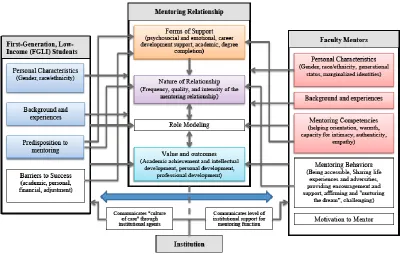
Expanded Framework on the Mentoring Needs and Experiences of FGLI Students ... 242
Recommendations for Further Research ... 250
The Faculty Perspective ... 251
The Mentoring Needs of FGLI Students ... 253
The Role of Race and Gender in Mentoring Relationships ... 254
The Role Model Function of Mentoring ... 255
Chapter Summary ... 256
REFERENCES ... 260
APPENDICES ... 279
Appendix A – Framework Alignment ... 280
Appendix B – Participant Questionnaire ... 281
LIST OF TABLES
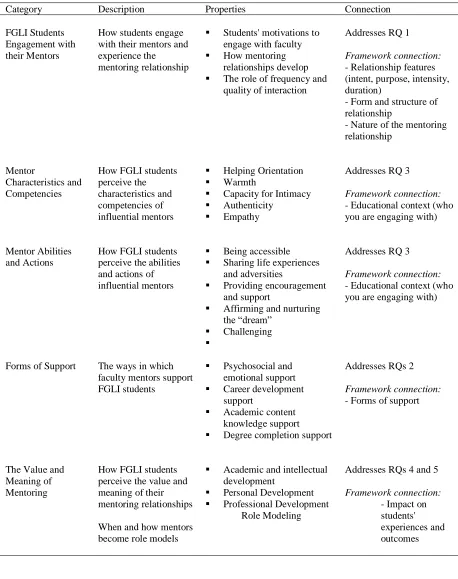
Table 1. Participant Demographics ... 107 Table 2. Descriptions and Properties of Mentoring Categories and How They Connect to the
LIST OF FIGURES
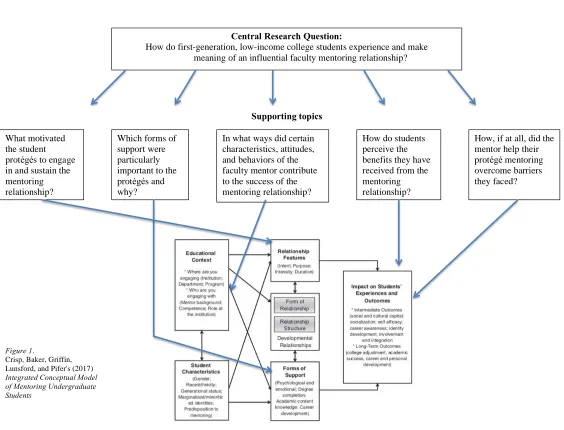
Figure 1. Crisp, Baker, Griffin, Lunsford, and Pifer's (2017) Integrated Conceptual Model of Mentoring Undergraduate Students. ... 11
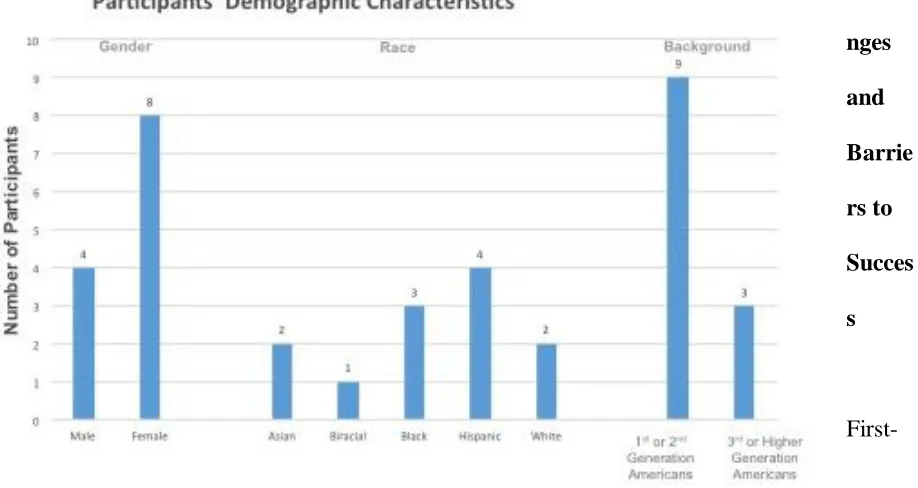
Figure 2. Participants' demographic characteristics. ... 107
CHAPTER 1: INTRODUCTION
This research study makes an important contribution to the mentoring literature by examining the nature of first-generation, low-income (FGLI) students' mentoring relationships with college faculty and to illustrate the influence of these interactions on students' development and overall college experience. By focusing on positive and constructive relationships, this interpretive qualitative study explores motivations for FGLI students' engagement with faculty and describes students' perceptions of specific characteristics, attitudes, and behaviors of faculty mentors. It also identifies various types of support faculty members provide that positively contribute to their college experience. Using Crisp, Baker, Griffin, Lunsford, and Pifer’s (2017) integrated conceptual model of Mentoring Undergraduate Students, the study highlights the voices of FGLI students who represent an increasing share of the undergraduate student population and whose success is vital to the competitiveness of our economy.
This chapter starts with an introduction to the topic of student-faculty interactions in general and mentoring relationships in particular with a special focus on FGLI students. The research problem that follows highlights the impetus for the study. The purpose statement outlines how the research question will address the problem. An overview of the theoretical framework that guides the study precedes a discussion of the significance of the study to the literature on the success of students from disadvantaged backgrounds and outlines practical applications of the findings to major stakeholders. The chapter concludes with an overview of the methodological approach followed by a discussion of the study’s limitations and
Background of the Study and Research Problem
This study examined the mentoring experiences of successful FGLI students at
Southeastern Public University (SPU) who are part of the SPU Promise, a need-based financial aid program. The SPU Promise covers the full demonstrated financial need for students whose family income falls within 200% of the poverty line through a combination of scholarships, grants, and work-study. Many SPU Promise Scholars are minority students and first-generation college students who struggle, both academically and socially, in their transition to college. This study fills a gap in the literature on the role of mentoring in the persistence and success of FGLI students. Furthermore, it responds to the need of grounding empirical studies on mentoring in theory by employing an integrated theoretical framework specific to mentoring college students.
Graduation rates for FGLI students significantly lag behind those of their more advantaged peers (Pell Institute, 2016; Schreiner et al., 2011; Soria & Stebleton, 2012). While 57% of continuing-generation students obtain a bachelor's degree within six years, only 21% of first-generation students whose parental income falls within 150% of the federal poverty line obtain an undergraduate degree in six years. This represents a staggering 36% gap in degree attainment between the two student cohorts (Pell Institute, 2016). Not having obtained a college degree not only results in lower earning potential (Baum, Ma, & Payea, 2013), but often leaves students worse off financially having accumulated student loans without having the extra earning power that a degree would provide (Engle & Engle, 2008), thus perpetuating the cycle of
poverty. Societal benefits of college-educated citizens include higher tax contributions, more civic engagement, and increased opportunities for their children (Baum, Ma, & Payea, 2013). The current dismal rate of degree attainment for FGLI students poses a problem that must be urgently addressed because it not only adversely affects some of the most disadvantaged students, but society as a whole (Museus & Quaye, 2009; Museus, Yi, & Saelua, 2017; Schademan & Thompson, 2016).
adequate support to succeed in college. As a result, colleges and universities are increasingly finding ways to expand and enhance existing support systems to create a coordinated culture of care that facilitates the success of all students (SPU Student Success Conference, 2017).
A Gallop-Purdue University study found that the types of experiences students have in college matter significantly more to their engagement at work and their general well-being than the type, size, or selectivity of the institution they attended (Gallup-Purdue, 2014). Having had a professor who made them feel excited about learning was the single most important factor (63%) for personal and professional success for the over 30,000 college graduates who participated in the study. Students who had "a professor who cared about them as a person, one who made them excited about learning, and had a mentor who encouraged them to pursue their dreams" were more than twice as likely to be engaged at work and experience a higher well-being (p. 5). The strong potential impact of faculty on students warrants a closer examination of how these relationships evolve and how students perceive faculty impact on their success in college and beyond.
Largely missing from the literature, however, is the role of faculty, who have the most frequent and consistent contact with students and thus can significantly impact students' experience and success (Bensimon, 2007; Stage & Hubbard, 2007). While the impact of K-12 teachers and school administrators on students' success is well documented, literature guiding the role of the higher education practitioner is largely absent (Bensimon, 2007). In her study of the life histories of ten successful low-income community college transfer students at elite
self-efficacy, etc. - affects how students experience their education" (p. 444). This study seeks to change that by focusing on the role faculty play in students' development and success in college.
The importance of faculty in students' success in college is widely accepted and
supported in the higher education literature (Baker & Griffin, 2010; Bensimon, 2007; Chickering & Gamson, 1987; Cole & Griffin, 2013; Crisp et al., 2017; Pascarella, 1980; Schreiner et al., 2011; Umbach & Wawrzynski, 2005). However, while basic aspects of students' experiences with faculty inside and outside the classroom are well documented in national surveys such as the National Survey of Student Engagement (NSSE), very few empirical studies have explored the nuances and meanings of these relationships for FGLI students' success in college (Levine & Nidiffer, 1996; Schreiner et al., 2011). Levine & Nidiffer's (1996) study of 24 successful FGLI students finds that for 22 of the students, mentors had a significant role in their success. This connection is supported by more recent qualitative studies that focus on the role of institutional agents on the persistence and success of students from disadvantaged backgrounds, which find that high-risk students often credit their success to a person who has been a mentor and
significantly influenced their trajectory (Pak, Bensimon, Malcolm, Marquez, & Park, 2006, as cited in Bensimon, 2007; Schreiner et al., 2011). Faculty mentors not only advance students' intellectual development, but also help them gain the much-needed self-confidence to believe that success is indeed possible (Schreiner et al., 2011), which is especially important for FGLI students.
Walpole, 2008) despite the fact that they are the most likely to benefit from interactions with faculty (Finley & MacNair, 2013; Kuh, 2008; Lundberg, 2003, as cited in Schreiner et al., 2011). While research on the underlying reasons for the low levels of student-faculty interactions outside the classroom is scarce, some studies found that many students may, "develop an understanding of the purpose and process of contacting faculty members outside of class" only later in their college career (Cox et al., 2010, p. 769, citing data from the National Survey of Student Engagement, 2008). Studies on first-generation students' interactions with faculty have found that their lower levels of self-confidence and self-efficacy may make them feel intimidated by and uncomfortable seeking interactions with faculty (Cole & Griffin, 2013; Cox et al., 2010; Padgett et al., 2012; Schademan & Thompson, 2016). Academic under-preparation and lower levels of social and cultural capital may contribute to preventing first-generation students from building supportive relationships with faculty that could be very beneficial to their success in college.
empirical studies that explore how supportive relationships contribute to the persistence of high-risk students (Demetriou, 2014; Schademan & Thompson, 2016; Schreiner et al., 2011). This gap in literature is amplified by the fact that the voices of high-risk students are almost completely absent in the discourse on student success and retention.
Colleges and universities must intensify their efforts to increase degree attainment of their most vulnerable students by creating effective policies, structures, and practices that help them succeed in college. The literature is emphatic about the positive impact that out of
classroom interactions, and particularly mentoring relationships, have on students' success (Cole & Griffin, 2013; Crisp et al., 2017; Kuh, 2009, 2016; Kuh et al., 2006; Pascarella, 1980;
Pascarella & Terenzini, 2005). This impact increases for high-risk students, including first-generation, low-income, and minority students (Lundberg, 2003; Schreiner et al., 2011) who face significant obstacles to completing their college degrees and graduate at a much lower rate compared to their more advantaged peers (Pell Institute, 2016; Schreiner et al., 2011; Soria & Stebleton, 2012). Given the importance of these students to the competitiveness of our economy and the function of our society, higher education institutions have to find constructive ways to ease the barriers FGLI students face in both accessing and completing college degrees.
Mentoring provides a vehicle to help FGLI students navigate their often difficult journey through college. This suggests that facilitating faculty mentoring is one effective strategy
role they play in their success. Although exploring why students' substantive interactions with faculty outside of the classroom are so rare would provide valuable insight, understanding how successful FGLI students experience and benefit from mentoring relationships will provide institutions with critical information on how to better leverage the value of institutional agents to student success.
Purpose of the Study
FGLI students, who make up a rising share of the undergraduate student population, face numerous barriers that negatively affect their success in college (Engle & Tinto, 2008). While the literature on student success and student-faculty interactions consistently supports the value of academic and social integration (Cole & Griffin, 2013), including frequent and substantive interactions with faculty, surprisingly few studies have analyzed the experiences of one of the most vulnerable student populations, FGLI students, with mentoring and its impact on their success (Schademan & Thompson, 2016; Schreiner et al., 2011). Given the increasing
importance of FGLI students as consumers of higher education and contributors to our nations' economy, higher education institutions must be able to develop and implement interventions that increase degree attainment for this vulnerable group of students based on research that illustrates the lived experience of these students.
The purpose of this study is to provide a detailed understanding of first-generation, low-income students' perceptions of mentoring relationships with faculty and to examine the
role that a transformative mentoring experience plays in FGLI students' often challenging journey through college will not only help faculty and administrators recognize the value of investing time and energy in supporting underrepresented students. Such understanding will also help institutions recognize the value of mentoring in student retention and success and help shape institutional policy.
Research Question
In order to address the research problem and purpose, this study asks the following research question:
How do first-generation, low-income college students experience and make meaning of an influential faculty mentoring relationship?
In order to answer the research question, I explored the following supporting topics in alignment with Crisp et al.'s (2017) integrated framework on Mentoring Undergraduate Students:
a. What motivated student protégés to engage in and sustain the mentoring relationship?
b. Which forms of support were particularly important to the protégés and why? c. In what ways did certain characteristics, attitudes, and behaviors of the faculty
mentor contribute to the success of the mentoring relationship?
d. How do students perceive the benefits they have received from the mentoring relationship?
e. How, if at all, did the faculty mentor help their protégé overcome barriers they faced?
Overview of Theoretical Framework
(2017) finds that "theory is inconsistently integrated into research on undergraduates’
Figure 1. Crisp, Baker, Griffin, Lunsford, and Pifer's (2017) Integrated Conceptual Model of Mentoring Undergraduate Students.
context, which includes the background and competencies of the mentor. Understanding the characteristics, attitudes, and behaviors of mentors that are particularly valuable to FGLI students is a central focus of this study.
Students' insight on the various forms of support they receive from their faculty mentor is critical for examining the role that mentoring relationships play in the success of FGLI students. Forms of support include psychosocial and emotional support, degree completion support, academic subject knowledge support, and career development support (Crisp et al., 2017). The value of these various types of support to FGLI students' success was particularly interesting to examine. The model captures the influence of these forms of supports while recognizing how the nature of the mentoring relationship impacts the students' experience and outcomes. Despite having been developed very recently and having not yet been tested, Crisp et al.'s (2017) framework of Mentoring Undergraduate Students was highly applicable and relevant to my study because it incorporates the most essential components of mentoring relationships. My study provided an opportunity to test the comprehensiveness of this model and offered suggestions on how to make it more relevant to the experience of FGLI students.
Significance of the Study
FGLI students often need considerable support on their path through college. Given the importance of faculty mentors and student engagement, understanding the lived experience of SPU Promise students with faculty mentors will provide valuable insight into how and why students interact with faculty and what aspects of their relationships are most beneficial to their success in college. The study not only makes a unique contribution to the mentoring literature by adding the experience and voice of FGLI students, but also aims to outline meaningful
Theoretical Significance
Although the literature on student success, student-faculty interactions, and mentoring is vast and has grown in recent years, very little is known about the mentoring experiences of first-generation, low-income (FGLI) students outside of formal mentoring programs. The findings of this study reduce the gap in knowledge about how this group of students views the role of mentoring relationships and the qualities of their mentors in their journey through college. This study aimed to make a unique and important contribution to the literature by providing
compelling stories of how faculty make a difference in the college success of FGLI students. By employing an integrated theoretical framework specific to mentoring college students, this study responded to the lack of studies on student-faculty interactions and mentoring that are grounded in theory.
Practical Significance
In addition to filling a significant gap in the literature, this study offers practical
implications for students, faculty, administrators, and policy makers. One of the primary goals of this study was to help students, administrators, faculty mentors, and faculty who are not
mentoring students to understand the value that mentoring relationships can have on FGLI students' success. Students, who often avoid engaging with faculty outside the classroom, need to understand and recognize the benefits of investing time to get to know and develop strong
Perhaps the most important contribution of this study may be to administrators at the university under examination as well as to higher education institutions in general. The study was designed with the objective that its findings will contribute to improving the existing mentoring program for low-income students at SPU and those who are part of the SPU Promise. On a broader level, the results of this study can help colleges and universities recognize the potential of mentoring on the level of degree attainment among high-risk students, ideally leading them to consider incentivizing mentoring by making it part of the formal reward system. Students' insights into the characteristics, attitudes, and behaviors of mentors that were
particularly impactful to their development and success may lead to the establishment or improvement of faculty training programs designed to increase mentor competence as well as consideration of adjusting hiring policies for new faculty to assess mentoring abilities and competencies (see Johnson, 2003). In addition to informing institutions of higher education and their agents, this study also has the potential to inform education policy. Although unlikely in the current political climate, the results of this study may validate the many benefits of federally funded TRIO programs, many of which include mentoring components, and the important contribution they could make to the retention of high-risk students if they are expanded to serve more students.
Overview of Methodological Approach
This qualitative study employed a basic interpretive qualitative design to examine how first-generation, low-income students experience and make meaning of their mentoring
worldview, this form of inquiry allowed me to not only examine how students experience substantive interactions with a faculty mentor, but also explain how they perceive and interpret the benefits of the mentoring relationship to their success in college. Qualitative methods are best suited to answer the questions this study poses, especially considering the prevalence of
quantitative studies in the literature on mentoring and student-faculty interactions (Cox &
Orehovec, 2007; Crisp et al., 2017), many of which rely on data from large national surveys such as the National Survey of Student Engagement (NSSE). The qualitative design of this study added the missing voices of first-generation, low-income students and thus provides a more nuanced and complete picture of the complex nature of mentoring relationships.
In-depth interviews with twelve students who were part of SPU’s SPU Promise and became the first in their families to graduate in May 2017 were conducted. In addition to interviews, which serve as the main form of data collection for this study, I also analyzed documents related to mentoring, wrote extensive field notes, and maintained a reflective journal as complementary data sources. Interview questions were aligned with the research questions and the theoretical framework. The data was analyzed using appropriate methods and levels of rigor, thus ensuring trustworthiness and credibility of the study.
Chapter Summary and Organization of the Study
This chapter provides an overview and rationale for the study, which examined how FGLI students experience mentoring relationships and the implications these relationships have in helping these students succeed in college. Given the many barriers FGLI students face to college completion, understanding what elements of support and qualities of mentors they view as particularly valuable provided important insights for institutional agents tasked with the retention of high-risk students. The following chapter discusses the scholarly literature on
CHAPTER 2: REVIEW OF THE LITERATURE
The purpose of this qualitative interpretive study is to provide a detailed understanding of first-generation, low-income students' mentoring relationships with faculty and to examine the influence of mentoring on students' development and overall college experience. Using Crisp et al.'s (2017) integrated conceptual model of Mentoring Undergraduate Students, the study will highlight influential mentoring experiences of FGLI students who just became the first in their families to graduate and the perceived value of mentoring to their college experience. This chapter reviews the literature and theoretical frameworks relevant to the mentoring experiences of first-generation, low-income students enrolled at U.S. colleges and universities. The study responds to a gap in the literature that points to a lack of qualitative mentoring research that is grounded in theory and a need for studies that examine mentoring experiences for
underrepresented students who make up a growing number of college students but graduate at much lower rates (Crisp et al., 2017).
the gaps and intended contributions of this study.
First-Generation, Low-Income Students at U.S. Colleges and Universities For students from low socioeconomic groups whose parents did not earn a bachelor’s degree, the path through college is significantly more difficult than for their more advantaged peers (Engle & Tinto, 2008). Low-income, first generation college students are more likely to belong to racial and ethnic minority groups (Atherton, 2014; Choy, 2001; Hurtado, 2007; Terenzini, Springer, Yaeger, Pascarella & Nora, 1996), more often have family or work obligations (Demetriou, 2014; Engle & Tinto, 2008), and are more likely to be non-native English speakers (Engle & Tinto, 2008). These characteristics likely make FGLI students feel less connected to and accepted by the campus culture. The resulting lack of campus engagement and social integration can negatively affect their college persistence and degree attainment (Atherton, 2014; Demetriou, 2014; Engle & Tinto, 2008; Stephens et al., 2012).
seven times more likely to obtain a bachelor's degree than those who start at a two-year institution (Engle & Tinto, 2008).
Low graduation rates are often the result of a myriad of barriers that first-generation college students from low-income families and students from other disadvantaged backgrounds continue to have to overcome once admitted to college (Engle & Tinto, 2008). The most
prevalent obstacles FGLI students confront include financial constraints, lack of academic preparation, unfamiliarity with higher education, family and work obligations, lack of social engagement, and issues of cultural adaptation (Demetriou, 2014; Engle & Tinto, 2008). These barriers will be discussed in the following section to highlight important elements that influence the college experience of the students who will be the focus of this study.
Financial Constraints
While a significant financial constraint is only one of many barriers to college persistence for FGLI students, it is perhaps the most significant obstacle, which permeates into many aspects of students' lives that influence success in college. First-generation college students are
disproportionately more likely to come from low-income families than their
of four. Given the cost of higher education, Pell grants rarely cover the cost of attending college, requiring students to obtain additional financial aid or work while in college (Eagan et al., 2015).
Low-income families without college experience often have little knowledge of the cost of attending college (Choy, 2001) and are highly debt-averse (Engle & Tinto, 2008). As a result, many FGLI students to enroll in less expensive community colleges regardless of their abilities and academic qualifications for more prestigious four-year institutions (Demetriou, 2014). Since studies have shown that high-risk students are more likely to persist at four-year institutions (Engle & Tinto, 2008), FGLI students are at risk of further increasing their financial
disadvantages if the many obstacles they face keep them from earning a degree and leave them with loans without the extra earning power that a degree would provide (Engle & Tinto, 2008). A lack of financial resources combined with debt aversion also means that many FGLI students have to work at least part-time to able to afford college, taking away time from academic and social engagement with negative impacts on persistence (Choy, 2001; Demetriou, 2014; Engle & Tinto, 2008). Stephens et al., 2012,). While the SPU scholarship covered the financial need of the study participants and thus reduced the financial constraints that typically burden FGLI students, issues of poverty nevertheless affected the participants' families.
Lack of Academic Preparation
financial resources, limiting the numbers of honors, AP, and IB classes offered (Demetriou, 2014) and tend to produce students who have lower GPAs and test scores (Atherton, 2014; Choy, 2001). First-generation college students who often lack parental support and guidance in their choice of a high school curriculum (Choy, 2001) would particularly benefit from their high school's investment in helping them develop academic and study skills in order to prepare them for college (Engle & Tinto, 2008). Enrolling in advanced mathematics courses is a particularly strong predictor of academic persistence in college (Choy, 2001; Engle & Tinto, 2008), but one that fewer FGLI students take advantage of than their more advantaged peers (Engle & Tinto, 2008). Being less likely to have access to a rigorous high school curriculum, limited access to academic support, and not having parents who can provide guidance and advocacy contributes to the disproportionate academic under-preparation of FGLI students. It not only makes their academic adjustment to college more challenging, but often leads them to doubt their academic abilities (Atherton, 2014; Engle & Tinto, 2008) which may account for the increased levels of stress, anxiety, and depression they experience (Demetriou, 2014).
Limited College Knowledge and Lack of Support
Demetriou, 2008). Having lacked resources and academic preparation in high school can negatively impact students' awareness and knowledge of resources for academic and non-academic support in college (SPU Student Success Report, 2014), which, in turn, can be detrimental for college success and persistence.
Without the benefits of their parents' experiences navigating the higher education landscape, FGLI students not only have a more difficult time getting into college (Perna, 2015), but also face significant adjustment challenges once in college (Choy, 2001; Engle & Tinto, 2008; SPU Student Success Report, 2014; Stephens et al., 2012). For most first-generation and/or low-income college students who have not been exposed to the cultural capital necessary to successfully decode the many unwritten rules, norms, and expectations at higher education institutions (SPU Student Success Report, 2014; Stephens et al., 2012), their background constitutes a serious obstacle to their adjustment to institutions that were primarily designed for students from middle-class backgrounds (Stephens et al., 2012). The lack of information, knowledge and support that students need to navigate the higher education landscape makes many first-generation and/or low-income students unsure of how to act, question whether they belong at the university and thus miss out on some aspects of the full college experience (Housel & Harvey, 2009; Stephens et al., 2012).
Work and Family Obligations
Many FGLI students not only lack parents who can assist them with college applications or help them navigate through challenges once they are in college, but they also have
a heavier workload than is conducive to their studies. Significant debt aversion makes FGLI students more likely to work instead of taking out loans (Engle & Tinto, 2008). Working on or off-campus in order to finance their education and, in some cases, support their families, means less time spent on campus, which generally adversely affects social integration and persistence (Engle & Tinto, 2008). Although some studies have found that working up to 20 hours per week increases persistence (Pascarella & Terenzini, 2005), many FGLI students work considerably more in order to pay for college (Engle & Tinto, 2008).
In addition to financial pressures that often result in a considerable number of hours spent earning money, many FGLI students have a deep sense of obligations to their families (SPU Student Success Report, 2014; Stephens et al., 2012). An analysis of academic appeal letters of SPU first-generation college students who were on academic probation revealed a myriad of obstacles related to difficult family circumstances (SPU Student Success Report, 2014). For African-American FGLI students in particular, grandparents often play a more prevalent role in their lives and sometimes take on the role of the parent (SPU Student Success Report, 2014). As a result, students feel indebted and responsible to provide care and financial support, which can significantly distract from their focus on academics. Students who are heavily involved in
caregiving roles for family members tend to return home on weekends leaving less time spent on campus to allow for social integration (Engle & Tinto, 2008) and, depending on the severity of their family circumstances, possibly adding to feelings of guilt for leaving, stress, and anxiety (SPU Student Success Report, 2014).
1992, p. 56, as cited in Engle & Tinto, 2008, p. 21). Relationships with family and friends may become strained as students become more independent and adjust to their new environment (SPU Student Success Report, 2014). Such expected outcomes of intellectual and personal development can put additional stress on FGLI students for whom these differences are likely more pronounced. At the same time, the risk of failure is especially high for these students. Former Dean of SPU pointed out that many SPU Promise Scholars deal with the "'Chosen One' syndrome" carrying the hope of their parents and community on their shoulders (SPU Promise Review, 2010). Not being able to admit to their families that "your future doctor just flunked introductory chemistry" (SPU Promise Review, 2010), these students try to persist in courses that are particularly difficult, often with adverse effects on their GPAs and self-confidence.
Social Integration and Cultural Adaptation
(Kezar, Walpole, & Perna, 2014). Engaging on campus and with faculty, which can be considered a higher-order need on the road to "achieving one's potential", might elude low-income students who are often plagued with financial worries and "can only engage in this higher-level activity after the most basic, but essential needs are met" (Kezar, Walpole, & Perna, 2014, p. 241).
The cultural context at American universities primarily reflects middle-class values and norms emphasizing independence over interdependence (Stephens et al., 2012) making it more difficult for FG and FGLI students to feel welcome and included in the campus community. An empirical study by Stephens, Fryberg, Markus, Johnson, and Covarrubias (2012) on the
experiences of working-class students and campus culture finds that "the American university culture reflects the pervasive middle-class norms of independence that are foundational to
American society" (p. 1193). Using four different studies, their research confirms the hypothesis that "first-generation students underperform because interdependent norms from their mostly working-class backgrounds constitute a mismatch with middle-class independent norms
The Nature of Student-Faculty Interactions
Before analyzing the literature on mentoring, the broader field of student-faculty
interaction offers relevant insights into what sets mentoring apart from other types of interactions students have with their professors. Since few students are able to form mentoring relationships with faculty (Cox & Orehovec, 2007), other types of student-faculty interactions offer important insights into students' engagement with institutional agents that are relevant to this study. Faculty Roles
Faculty members not only serve as instructors, but also take on a variety of additional supportive roles for students that go beyond academic learning. While Snow (1973) and Wilson (1974) identified six traditional faculty roles of instructor, educational advisor, career advisor, friend, counselor, and campus citizen (Cole & Griffin, 2013), Baker & Griffin (2010) condense faculty roles into three categories with increasing depth of interaction: advisors, mentors, and "developers" (p. 3). This categorization is reflective of recent studies that go beyond Snow’s and Wilson's traditional faculty roles and "include measures like faculty helpfulness, faculty concerns for teaching, and faculty concerns for student development" (Cole and Griffin, 2013, p. 565). The nuances of faculty roles and the influence that the nature of the student-faculty relationship has on students' development are particularly relevant to this study.
Perhaps the most traditional role faculty members take on is the important role of academic advisor, assisting students with course selection, identification of appropriate majors, and the fulfillment of major and general requirements (Baker & Griffin, 2010). In addition to teaching, advising constitutes "expected role behavior" for faculty (DeAngelo, Mason &
research, which falls within the institutions' expectations of the faculty members (especially in STEM fields), but does not automatically assume that faculty "engage in meaningful and productive mentorship relationships" with their advisees (DeAngelo et al., 2016, p. 323). Advising, while an important means to share critical information with students and help guide their studies, requires a comparatively low level of commitment and engagement with students compared to higher-order roles such as mentoring (Baker & Griffin, 2010).
Although the lines between different types of support faculty provide for students are often blurred, mentoring is generally considered the highest form of engagement (Cox & Orehovec, 2007; Jacobi, 1991). The concept of mentoring, however, lacks a unified definition (Crisp et al., 2017; Crisp & Cruz, 2009; Jacobi, 1991). For the purpose of this study, mentoring refers to a "process by which persons of a superior rank, special achievements, and prestige instruct, counsel, guide, and facilitate the intellectual and/or career development of persons identified as protégés” (Blackwell, 1989, p. 9). While many faculty members who serve as mentors do so through formal mentoring programs or as faculty advisors for undergraduate research projects (Crisp et al., 2017), this study will focus on mentoring relationships that have developed naturally. Literature on mentoring relationships and the role of the faculty mentor will be discussed in detail later in this chapter.
Forms of Interactions
Students' interactions with faculty can come in many forms. They can take place inside or outside of the classroom, be formal or informal in nature, focus on academics or personal
include questions about course material, assignments or research projects, skill development, or feedback on academic performance (Anaya & Cole, 2001; DeAngelo et al., 2016; Endo & Harpel, 1982; Kuh & Hu, 2001; Lundberg & Schreiner, 2004). These interactions fall within a faculty member’s expected set of duties and constitute "expected role" behavior (DeAngelo et al., 2016). While they positively impact students' academic success, formal interactions do not require a prolonged and in-depth engagement with students.
In contrast, informal student-faculty interactions have a more significant impact on personal and academic development (Cole & Griffin, 2013; Endo & Harpel, 1982; Pascarella, 1980). Informal interactions primarily take place outside the classroom and include more personal interactions that are not limited to the student's academic and intellectual development (Anaya & Cole, 2001; Cole & Griffin, 2013). The differentiating element is a higher investment of time and a more student-centered approach that engages with "students’ emotional and cognitive well-being" (Cole & Griffin, 2013, p. 564). The positive outcomes of this form of interaction on various aspects of student success have been studied mostly quantitatively using national surveys such as the National Survey of Student Engagement (NSSE) or the College Student Experiences Questionnaire (CSEQ) (see Kuh & Hu, 2001; Lundberg & Schreiner, 2004; Umbach & Wawryzinski, 2005).
interaction, and mentoring (p. 350). These interactions generally do not happen separately, but rather "occur along a fluid, contextually influenced continuum" (p. 350). While the two lowest forms of contact, disengagement and incidental contact, occur most frequently, functional interaction is generally related to academic or institutional matters (p. 353). Functional interaction often serves as a gateway to more in-depth engagement if the student and faculty member connect on a personal level (Cox & Orehovec, 2007).
The two highest forms of interactions in their typology are personal interactions and mentoring, which both fall within the realm of informal interactions and occur less frequently than lower order types of interactions (Cox & Orehovec, 2007). Mentoring is considered the "highest end on a continuum of helping relationships" (Jacobi, 1991, p. 511) and will be
discussed in detail later in this chapter. However, not all informal interactions can be considered mentoring relationships even if they generally assume a degree of personal caring and in-depth engagement (Baker & Griffin, 2010; DeAngelo et al., 2016). Crisp et al.'s (2017) review of the mentoring literature, which will be discussed in subsequent sections of this chapter, points out that many empirical studies do not differentiate mentoring from other forms of constructive student-faculty interactions (p. 32). This study will highlight these distinctions.
long-term positive impact on academic learning. Support and encouragement from faculty, on the other hand, positively impacts student learning (Cole & Griffin, 2013). Faculty support and encouragement beyond the classroom includes psychosocial and emotional support and is an identifying element of a mentoring relationship (Crisp et al., 2017; Jacobi, 1991; Kram, 1988; Nora & Crisp, 2007) and will be discussed in detail in subsequent sections.
Frequency and Quality of Interactions
The frequency and quality of students' interactions with faculty outside of the classroom positively affect student outcomes (Anaya & Cole, 2001; Campbell & Campbell, 1997; Cox & Orehovec, 2007; Cox et al., 2010; Lundberg & Schreiner, 2004; Pascarella, 1980). However, students tend to avoid engaging with faculty beyond formal interactions in the classroom and often have minimal contact (Cole & Griffin, 2013; Cox & Orehovec, 2007). Even more
concerning is that first-generation students and students from lower social classes are even less likely than their more advantaged peers to have frequent and meaningful interactions with faculty (Kim & Sax, 2009; Pike & Kuh, 2005). Although Lundberg and Schreiner (2004) found that Native American and African American students interacted more frequently with faculty than other racial groups, they did not believe that racial differences contribute to our
understanding of relationships between students and faculty.
first-generation students, in which the authors find that students are "underprepared to interact with faculty upon entering college" (p. 261). This has a negative impact on their interactions with faculty as well as their academic learning (Cole & Griffin, 2013).
Faculty behaviors can also influence the frequency of student-faculty interactions (Cole & Griffin, 2013; Cox et al., 2010; Kim & Sax, 2009). Faculty members are more likely to initiate contact with high-achieving students, possibly at the expense of excluding first-generation and minority students who face barriers to academic success (Cole & Griffin, 2013). Students are likely to seek out faculty who provide cues that they are open to engaging with students outside of the classroom (Cole, 2007; Cox et al., 2010). These "accessibility cues" refer to teaching styles and in-class behaviors through which professors communicate that they are open to out of class interactions including "active learning strategies, problem-solving activities, not feeling bored in class, challenging a professor’s idea in class, and working on a group project facilitated by the faculty" (Cole & Griffin, 2013, p. 579).
Testing Wilson et al.'s (1974) hypothesis of professors' in-class behaviors that signal a readiness to interact with students outside the classroom, Cox et al. (2010) find that they do not reliably predict the frequency of interactions. Their quantitative study of factors that influence the frequency, with which faculty members interact with students outside the classroom, finds that "faculty behaviors are not the biggest predictors of their likelihood to engage students outside of class", but that instead, students' predispositions to out-of-class interactions might be the driving force (Cox et al., 2010, p. 786). Students' predispositions to interactions with faculty are at least in part influenced by their backgrounds and characteristics, including gender, race, ethnicity and generational status (Crisp et al., 2017). Predispositions to mentoring are
While the frequency of interactions with faculty is important, frequent interactions alone are not enough but must consist of high-quality interactions to positively contribute to student outcomes (Lundberg & Schreiner, 2004, p. 563). Different types of interactions are often indicative of the quality of the relationship. While all constructive interactions with faculty can hold value for students, mentoring relationships differ from interactions with an academic advisor. They are characterized by an emotional commitment and "are rooted in a mentor’s long-term caring about a student’s personal and professional development" (Baker & Griffin, 2010, p. 4). However, quality interactions are not solely limited to those relationships that involve a high level of time and personal commitment.
Lundberg & Schreiner's (2004) study on the influence of student-faculty interactions on student learning across seven racial and ethnic groups demonstrates the value of frequent and substantive interactions with faculty as "strong predictors of learning for every racial group" (p. 559) supporting previous studies (Kuh & Hu, 2001; Pascarella & Terenzini, 1991; Tinto, 1993). The study found only small differences in frequency and satisfaction of students' interactions with faculty across different racial groups and conclude that race does not play an important role in understanding relationships between students and faculty. While students' satisfaction with their relationships with faculty varied by ethnic group, the quality of these relationships was "the only variable that significantly predicted learning for all the racial/ethnic groups" and was particularly strong for non-White students (p. 555). These findings confirm the importance of high-quality interactions with faculty for students from disadvantaged backgrounds who may need additional support.
2004; Pascarella, 1980). Aside from the most frequent forms of student-faculty interactions, which focus on transmitting academic subject knowledge inside the classroom and academic advising, mentoring students is generally not an expected responsibility of faculty (DeAngelo, 2016). All student-faculty interactions that take place outside of the classroom and go beyond discussing course content and assignments are considered developmental relationships that fall along the "mentoring relationship continuum" (Johnson, 2016, p. 41).
Mentoring relationships, which are at the center of this study, are considered the highest form of student-faculty interactions outside the classroom (Jacobi, 1991), but are also the least frequent (Cox & Orehovec, 2007; DeAngelo et al., 2016). A student-faculty relationship that falls high on the mentoring relationship continuum entails "a stronger working alliance, higher levels of social support, and transformational collegiality" (Johnson, 2016, p. 41). The remainder of this literature review will analyze studies on this rare form of student-faculty interactions.
Mentoring Undergraduate Students
Although the lines between different types of support faculty provide for students are often blurred, mentoring is generally considered the highest form of engagement (Jacobi, 1991; Cox & Orehovec, 2007, DeAngelo et al., 2016). The concept of mentoring, however, lacks a unified definition (Crisp et al., 2017; Crisp & Cruz, 2009; Jacobi, 1991). For the purpose of this study, mentoring refers to a "process by which persons of a superior rank, special achievements, and prestige instruct, counsel, guide, and facilitate the intellectual and/or career development of persons identified as protégés” (Blackwell, 1989, p. 9). These relationships are "bonded,
Jacobi, 1991).
The most recent review of the mentoring literature by Crisp et al. (2017) builds on earlier reviews by Jacobi (1991) and Crisp and Cruz (2009) and provides a comprehensive analysis of the multi-faceted concept of mentoring. While their work identifies an increasing number of studies that confirm the value of mentoring to student success, it also points to a lack of use of theory in mentoring research and a lack of theoretical frameworks that focus on mentoring. To fill this gap in the literature, the authors developed an integrated conceptual framework of mentoring undergraduate students (see Figure 1). The following section of this chapter discusses the literature on mentoring, which is the central focus of this study. The study applies Crisp et al.'s newly developed conceptual framework of mentoring undergraduate students as a
framework to discuss important studies that collectively provide a comprehensive understanding of mentoring and its outcomes (see Appendix A for an alignment between the study and the original framework).
Student Characteristics
Since college students have an impact on their environments (and vice versa), the relationships they build with faculty cannot be assessed without taking their backgrounds into consideration (Crisp et al., 2017). Elements of their identity, including gender, race, and generational status, may influence their receptiveness and approach to engaging in meaningful relationships with faculty (Crisp et al., 2017).
also are more likely to "receive various forms of academic and psychosocial support from faculty and gain access to research opportunities" than their male counterparts (Cole & Griffin, 2013, p. 567). In addition, female students are more likely to receive mentoring in their senior year (Fuentes et al., 2014). While some researchers have suggested that pairing students with same-sex mentors is important, mentors and protégés do not have to share the same gender for the relationship be effective (Crisp et al., 2017). However, in STEM fields and other male-dominant fields, female students may particularly benefit from having access to female mentors who can serve as role models (Crisp et al., 2017).
Race and ethnicity. Previous studies suggest that race and ethnicity can impact the way mentoring relationships develop and play out (Cole & Griffin, 2013; Fuentes, Ruiz Alvarado, Berdan, & DeAngelo, 2014). A student’s cultural background may impact the way they prefer to interact with faculty (Lundberg & Schreiner, 2004). Wilson's (1997) study finds that Native American students found their interactions with faculty most effective if the professors were caring and genuine and shared aspects of their lives with the students (Lundberg & Schreiner, 2004). Fuentes et al.’s (2014) study of the relationship between students' early contact with faculty and mentoring in their senior year finds that African-American students have more frequent contact during their first year in college, but are not necessarily more likely to have mentors later in their academic career.
relationships can be effective and successful (Cole & Griffin, 2013; Crisp et al., 2017). While Griffin's (2013) study of mentoring relationships between black professors and black students showed the mentor's mother-like investment in the student success, Crisp et al. (2017) identified studies on cross-racial mentoring relationships including American Indian students (Ward et al., 2014) and African-American students (Reddick & Pritchett, 2015) which were effective. While many studies have found that students tend to seek out same race mentors, race does not play an important role in understanding relationships between students and faculty (Lundberg &
Schreiner, 2004).
Generational status. First-generation college students not only have fewer substantive interactions with faculty members than students whose parents have a college degree (Crisp et al., 2014; Kim & Sax, 2009), but also approach these relationships differently. Unlike their continuing-generation peers, first-generation college students are less integrated into the campus culture and often have lower levels of confidence due to their lack of social and cultural capital, and "may experience anxiety about approaching professors for help" (Mekolichick & Gibbs, 2012, p. 40). They tend to have lower expectations about developing mentoring relationship in college (Crisp et al., 2017) and are less likely to fully understand and articulate the type of support they need (Baker & Griffin, 2010).
more likely to have mentoring relationships by their senior year. In addition to various
background characteristics that played a role, which are discussed below, students who had not yet decided on a major in their first year, and those with higher GPAs were more likely to interact with faculty (Fuentes et al., 2014). However, the study also found a negative association of not having declared a major at the end of first year and their level of mentoring at the end of their senior year, which reflects Weidman's (1989) theory that "students who are academically integrated are more likely to experience positive socialization outcomes" (Fuentes et al., 2014, p. 300).
Students from racial and ethnic minority groups have different needs and expectations of their relationships with college faculty. While Native American and African American students have frequent interactions with faculty compared to other racial groups (Lundberg & Schreiner, 2004), Asian and Asian-American students are least likely to interact with faculty (Fuentes et al., 2014; Lundberg & Schreiner, 2004). Cultural differences not only affect the frequency of
interactions, but also influence the types of support students look for in their interactions with faculty. Having faculty mentors who provide encouragement and support is especially important for Hispanic students (Hu & Ma, 2010) and Native American students (Ward et al., 2014). For African-American students, professors' high expectations combined with a belief in their academic abilities is most motivating (Lundberg & Schreiner, 2004; Steele, 1997).
expertise and the tangible educational and professional benefits that the mentoring relationship provides, including professional qualifications. In contrast, continuing-generation students expected their mentors' to be accessible and advocate on their behalf while placing higher value on the personal and professional development opportunities that result from a mentoring
relationship (Mekolichick & Gibbs, 2012). Educational Context
The educational context in which the mentoring relationship takes place, including the type of higher education institution and the department or program, matters as much as the background, competence, and status of the faculty mentors a student is engaging with (Crisp et al., 2017). Many mentoring relationships develop within structured mentoring programs including orientation, first-year experience and retention programs, undergraduate research experiences, or national programs designed to uplift underrepresented students such as the Ronald E. McNair Scholarship aimed at preparing first-generation students from ethnic minority groups for doctoral programs (Crisp et al., 2017). For students whose mentoring relationships with faculty have developed naturally outside organized programs that facilitate access to mentors, broader explicit and implicit institutional priorities will impact the climate in which mentoring takes place (Crisp et al., 2017; DeAngelo et al., 2016).
frequent and substantive interactions between students and faculty (Crisp et al., 2017) to large public research universities where students that have the lowest levels of interactions with faculty (Pascarella, 1980). To students, regardless of the type of institution, faculty and staff are institutional agents whose support and concern are "indicative of the college or university's commitment to them" (Schreiner et al., 2011, p. 333)
Despite the well-documented benefits of mentoring to students and faculty, the institutional culture of most colleges and universities provides few incentives for faculty to devote time to mentoring (DeAngelo et al., 2016; O'Meara & Braskamp, 2005). Tenure and promotion reviews emphasize research productivity and teaching, leaving little time for many faculty members to engage in "extra-role behaviors" that, like mentoring undergraduate students, are not part of the expected workload for faculty (Davis & Jacobsen, 2014; DeAngelo et al., 2016). Despite lacking institutional support, DeAngelo et al.'s (2016) study of the role institutional environments play in engaging faculty in mentoring finds that faculty members' motivations to engage in mentoring are often driven by their personal background and
experience. Especially faculty who were first in their family to go to college and faculty of color are often motivated to support students with similar backgrounds (DeAngelo et al., 2016), despite the additional strain it may put on them.
undergraduate students in tenure and promotion reviews (Jaschick, 2015), faculty members will be more motivated to engage with students in meaningful ways outside the classroom (DeAngelo et al., 2016). Making mentoring a valued and measurable part of the faculty workload not only increases student success and the quality of educational experience, but also has the potential to provide faculty with "a sense of intrinsic reward" contributing to job satisfaction (DeAngelo et al., 2016, p. 330).
The faculty mentor. Despite the importance of the institutional context in which the mentoring relationship takes place, it is the mentor herself who has the ultimate impact on the mentoring relationship. Mentoring relationships are reciprocal and "rooted in a mentor’s long-term caring about a student’s personal and professional development" (Baker & Griffin, 2010, p. 4). The experience and background of the mentor, including their race, gender, and generational status can determine how faculty members approach mentoring (Johnson, 2016). In addition to the faculty mentors' personal background, their skills, competencies and commitment to a prolonged supportive relationship with a student significantly impacts its effectiveness (Crisp et al., 2017; Johnson, 2003, 2016).
predominant characteristics of faculty members. If faculty members gravitate towards students who are rising stars and resemble themselves instead of students who are most in need of support, FGLI students can find it difficult to build mentoring relationships that help them
succeed. This aligns with Crisp et al.'s (2017) observation that students of color may have limited access to faculty mentors due to their own preference to form mentoring relationships with professors who share their own backgrounds.
Minority faculty and female faculty members share a disproportionate burden of mentoring minority students (Baker & Griffin, 2010; Griffin, 2013; Cole & Griffin, 2013; Umbach, 2006) since their representation in the professoriate has not kept up with the increasing diversity of the undergraduate student body (Baker & Griffin, 2010; Crisp et al., 2017).
Following the principle of homophily, faculty from racial minority groups at PWIs or those who may have been the first in their families to go to college may be more motivated to engage with and become invested in mentoring students who share their personal experience as it relates to their underrepresented characteristics (Baker & Griffin, 2010; Cole & Griffin, 2013; DeAngelo et al., 2016).