Western Kentucky University Western Kentucky University
TopSCHOLAR®
TopSCHOLAR®
Masters Theses & Specialist Projects Graduate School
Spring 2020
Positive Behavior Intervention and Support: Barriers and
Positive Behavior Intervention and Support: Barriers and
Facilitators to Implementation
Facilitators to Implementation
Kendall Blanche Jarboe
Western Kentucky University, [email protected]
Follow this and additional works at: https://digitalcommons.wku.edu/theses
Part of the Education Commons, and the Psychology Commons
Recommended Citation Recommended Citation
Jarboe, Kendall Blanche, "Positive Behavior Intervention and Support: Barriers and Facilitators to Implementation" (2020). Masters Theses & Specialist Projects. Paper 3173.
https://digitalcommons.wku.edu/theses/3173
This Thesis is brought to you for free and open access by TopSCHOLAR®. It has been accepted for inclusion in Masters Theses & Specialist Projects by an authorized administrator of TopSCHOLAR®. For more information,
POSITIVE BEHAVIOR INTERVENTION AND SUPPORT: BARRIERS AND FACILITATORS TO IMPLEMENTATION
A Specialist Project Presented to
The Faculty of the Department of Psychology Western Kentucky University
Bowling Green, Kentucky
In Partial Fulfillment
Of the Requirements for the Degree Specialist in Education
By Kendall Jarboe
ACKNOWLEDGMENTS
I would like to thank Dr. Ochs for her guidance and patience throughout the researching and writing process. Thank you for reading countless drafts and giving me valuable feedback! Thank you to Dr. Pope-Tarrence and Dr. Applin for providing support and feedback during this process as well.
I would also like to thank the best classmates in the world! I could not have persisted through the long days and nights of reading, writing, and revising without my favorite school psych friends, Kate Ferries and Colleen Robinson.
Lastly, I would not have accomplished my goals thus far without the support and love from my parents, siblings, family, friends, and Taylor, who probably deserves an honorary award in school psychology at this point!
CONTENTS Introduction ... 1 Method ... 11 Procedure ... 11 Results ... 13 Discussion ... 37 References ... 41
LIST OF TABLES
LIST OF FIGURES
1. Adapted from Response to Intervention: Policy Considerations and Implementation
(Batsche et al. 2005)...4
2. From: Moher, D., Liberati, A., Altman, D. G. The PRISMA Group (2009). Preferred Reporting Items for Systematic Review and Meta-Analyses...12
POSITIVE BEHAVIOR INTERVENTION AND SUPPORT: BARRIERS AND FACILITATORS TO IMPLEMENTATION
Kendall Jarboe May 2020 50 Pages
Directed by: Sarah Ochs, Jacqueline Pope-Tarrence, Janet Applin
Department of Psychology Western Kentucky University PBIS is a comprehensive prevention framework utilized in schools to teach positive, prosocial behaviors and to prevent problem behaviors from developing. Although PBIS has been introduced in many schools in the U.S., almost 75% of public schools have not yet implemented PBIS. Despite evidence suggesting PBIS improves behavior and academic achievement in students of all ages and is associated with positive long-term outcomes, many public schools still refrain from exploring implementation of school-wide or district-wide positive behavior supports (Reinke, Herman, & Stormont, 2013). In order to improve the efficiency and fidelity of implementation, it is imperative to understand the variables that facilitate or hinder successful implementation.
A systematic review of the literature shows that there are many common barriers and facilitators that schools may experience when attempting to implement a PBIS system for the first time. These barriers and facilitators vary based on a variety of factors, like communication, leadership, school size, staff buy-in and participation, and organization of the PBIS system. Implications, limitations, and future directions are discussed.
Introduction
School districts across the United States utilize a multi-tiered system of supports (MTSS), in order to identify and provide individualized interventions to students who are struggling with academic or behavioral problems. This structure follows a public health framework by focusing on prevention and intervention strategies based on needed level of risk and support (Bradshaw et al., 2014; Smolkowski et al., 2017; Sugai et al., 2000). This tiered model first appeared in schools when the Response to Intervention (RTI) framework was conceptualized to prevent and address academic concerns. Following the wide-spread use of academic RTI, the same general framework was used to prevent and address behavioral problems at both the school-wide and individual level. Behavioral RTI, known as positive behavior interventions and supports (PBIS), when now coupled with academic RTI is referred to as a general MTSS model.
Multi-Tiered Systems of Supports (MTSS) Model
MTSS is an evidence-based model that uses data-based problem-solving
techniques to incorporate academic and behavioral instruction into intervention (Gamm et al., 2012). With all MTSS models, as need or risk increases, the level of data
collection and intervention support also increases. It is expected that around 85% of students will adequately respond to the supports provided through universal,
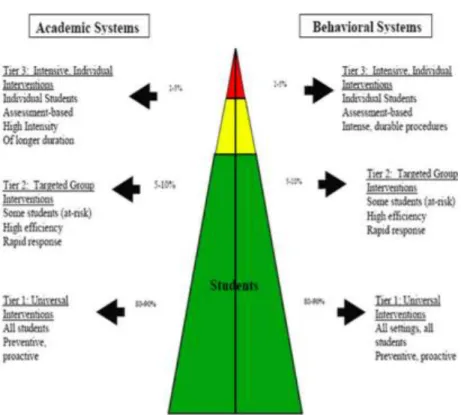
preventative strategies and 15% will require more targeted, individualized supports (Reinke et al., 2014). Within this model are three tiers of increasing support. The first tier focuses on universal prevention, the second on targeted group intervention, and the third on targeted, individual assessment and intervention. It is expected that most students will respond to the instruction and support provided within the general
curriculum of tier 1 and require no additional support. The remainder of students will likely require more intensive and individualized supports to be successful. These students would then “move up” the tiers until they adequately respond to the
instruction/environment. Documentation of assessments and interventions used within the varying tiers of support can be used to guide decision making for instruction, intervention, or eligibility for special education.
Data gathered through MTSS can contribute to comprehensive special education evaluations to demonstrate that academic and behavioral interventions have been
attempted but unsuccessful (Coffey & Horner, 2012). The need to document attempted interventions comes from the reauthorization of the Individuals with Disabilities Education Act in 2004 (IDEA, 2004). This was done to ensure that schools were held accountable for trying a variety of approaches to help students that were struggling either academically or behaviorally and that the students were not just failing due to poor teaching or lack of intervention attempts. Some common evidence-based
interventions that are implemented are Repeated Reading (RR), Cover, Copy, Compare (CCC), small group social emotional learning instruction, and the Coping Cat
curriculum for anger or anxiety problems, to name a few (Burns, Riley-Tillman, & Rathvon, 2017).
Both RTI and PBIS have a foundation in applied behavior analysis (Anderson & Kincaid, 2005; Carr et al., 2002; Sugai & Horner, 2009). Applied behavior analysis (ABA) employs various strategies to induce positive behavior change. The three-term contingency, stimulus-response-reinforcing consequence, is the most fundamental component of the ABA framework and is used by PBIS as well. This contingency states
that there is a setting event (stimulus) for every behavior (response) and that a
consequence happens as a result of the behavior occurrence. Other fundamental ABA methods such as shaping, prompting, and reinforcement contingencies are used to encourage positive behaviors and reduce the occurrence of negative behaviors. Another ABA assessment technique, functional analysis, is used to determine the function of a behavior and then plan interventions based on that function. Like functional analysis, both RTI and PBIS use data to guide decision making. Like RTI, PBIS uses a multi-tiered system for identifying where students fall in regard to their behavioral support needs.
Response to Intervention (RTI)
Academic RTI originated from the need to identify, prevent, and intervene on academic challenges as early as possible using diverse strategies, including
scientifically-based research. This model promotes the use of various interventions that address a continuum of support needs. Key features of RTI are early intervention, universal screening and progress monitoring, data-based decision making, as well as evidence-based instruction and interventions. There is heavy emphasis placed on prevention, problem solving, and fidelity of implementation. The most common universal strategies used in RTI include prevention initiatives and assessment of all students using screeners to identify those who may need more support. Early empirical support for RTI was primarily academic, but researchers and practitioners quickly began applying this model to the behavioral needs of students. Figure 1 shows the interaction of academic and behavior intervention systems within RTI (Batsche et al. 2005). The PBIS framework adopted all of the same core features and was created to identify,
prevent, and intervene with behavioral problems by providing a continuum of interventions and supports.
Figure 1. Adapted from Response to Intervention: Policy Considerations and Implementation (Batsche et al. 2005).
Positive Behavior Interventions and Support (PBIS)
PBIS is a comprehensive prevention framework utilized in schools to teach positive, prosocial behaviors and to prevent problem behaviors from developing. Both educational and systems change methods are used within the framework to enhance school climate and minimize the occurrence of problem behaviors (Carr et al., 2002). According to the National Center for Education Statistics (NCES), there were 98,817 public schools in the U.S. during the 2009-2010 school year. As of August 2017, PBIS was being implemented in 26% (26,316) of all public schools and in all 50 states (Positive Behavioral Interventions & Supports, 2017).
Within PBIS specifically, each tier provides evidence-based intervention strategies matched to students’ needs based on where they fall on the continuum of severity and intensity. Tier 1 includes a schoolwide discipline plan which outlines expected behaviors, Tier 2 introduces standardized interventions, and Tier 3 is used to create individualized behavior support plans. The needed level of support is determined by collecting data on each individual students’ responsiveness to provided supports (i.e., progress monitoring) (Batsche et al., 2005). Perhaps the most important aspect of
identifying and placing students on the continuum is the monitoring of student progress, or lack thereof. Data should be collected routinely on progress and responsiveness to interventions in order to determine in which tier a student will be placed.
Tier 1 focuses on prevention by creating high quality learning environments for students and staff school-wide (i.e., universal). Practices within this prevention level focus on all settings, both inside and outside the classroom. This requires putting rules and expectations in place within the hallways, cafeteria, gym, bus, and elsewhere. Three to five positively stated behavioral expectations are typical for most schools. In addition to preventative methods, Tier 1 is used to build a foundation of social and behavioral support for students, which requires that everyone in the building participate. Tier 1 should include elements of direct teaching of social skills, like incorporating classroom lessons on friendship and social emotional learning, as well as continuous progress monitoring, opportunities for practicing skills, encouragement and recognition when skills are used, and reteaching as needed (PBIS Foundational Blueprint, 2015).
Students who fall within Tier 2 of the model are selected for targeted behavioral interventions because they exhibit high risk behaviors and/or are not responding to the
universal prevention strategies from Tier 1. Evidence of lack of response may come from data showing no reduction in the rate or intensity of the problem behaviors that are occurring, an increase in those behaviors or their severity, or more severe behaviors occurring. In addition to practices already in place within Tier 1, Tier 2 includes interventions that are more focused and intensive and often are oriented around small-group instruction. At this intermediate level, all supports should increase: practice with social skills, adult supervision, opportunities for positive reinforcement, and level of precorrection.
Finally, Tier 3 is used to provide the most intensive behavioral interventions when the strategies used in the primary and secondary levels are not effective enough. Tier 3 aims to reduce the intensity of problem behaviors through individualized behavior plans. At this stage, plans and implementation become very comprehensive. Teams consider all variables that may affect the students’ performance: behavioral, academic, mental health, physical, social, and contextual variables (Crone et al., 2010). Formal data collection, like a functional behavior assessment (FBA) can assist the team in formulating an individualized behavior plan that features wraparound supports. These supports may involve the family or community resources.
Why PBIS Works
Utilization of a PBIS framework allows school staff to improve overall
behavioral and academic outcomes in students. Research suggests that student academic achievement is positively correlated with the fidelity of PBIS implementation (Pas & Bradshaw, 2012). This suggests that when staff spend more time correctly implementing PBIS procedures within the school, there is less time spent dealing with problem
behaviors. In turn, there are longer periods of academic engagement within classrooms during the school day and less down time for students to engage in problem behaviors. Multiple studies show that poorly managed classrooms result in students receiving less academic instruction (Luiselli, Putnam, Handler, & Feinberg, 2005). These students are more likely to experience long-term negative outcomes within academic, behavioral, and social domains (Weinstein, 2007, as cited in Reinke, Herman, & Stormont, 2013). When too much time is spent transitioning due to lack of teacher organization or preparation, students may get bored or restless increasing the likelihood of problem behaviors occurring.
Various randomized control trials have provided evidence of positive outcomes due to universal strategies used in PBIS. Studies have documented that student office discipline referrals (ODRs) and suspensions decreased and overall school climate improved when PBIS strategies were implemented in schools (Bradshaw et al., 2008, 2009, 2010; Horner et al., 2009; Luiselli et al., 2005; Pas & Bradshaw, 2012; Simonsen et al., 2012). Taylor-Greene et al. (1997) found a 42% reduction in ODRs following the implementation of PBIS in a study conducted in a rural middle school. In addition, the Maryland Statewide PBIS Initiative documented reductions in suspension rates in elementary and middle schools after the implementation of PBIS (Barrett et al., 2008). Other studies surveyed school staff and found that teachers in schools utilizing PBIS reported that their students needed fewer specialized support services and had fewer behavior problems (Bradshaw, Waasdorp, & Leaf, 2012; Pas & Bradshaw, 2012; Waasdorp et al., 2012). Additionally, schools in Illinois and Hawaii that implemented PBIS were perceived as safer environments by teachers and staff members based on
factors like space, sensitivity to cultural differences, adult supervision, and fairness of school rules (Horner et al., 2009).
An indirect relationship has been found between a positive behavior framework and academic achievement (Bradshaw et al., 2010; Childs et al., 2010; Horner et al., 2009; Oyen & Wollersheim-Shervey, 2018; Simonsen et al., 2012). Schools utilizing PBIS have seen increased achievement in various core academic areas due to increased time spent engaged in academic content. The more positive and structured a school climate is, the more time teachers can spend teaching high-quality curriculum and in turn, active student engagement and achievement increase (DiPerna, Volpe, & Elliot, 2002; Ota & DuPaul, 2002).
Implementation processes
Implementing PBIS within a school building is an intensive process requiring extensive planning, staff training, and team building. From initial planning to full implementation, the process for implementing a new PBIS model is time consuming, taking two to four years or sometimes longer to fully implement (Fixsen et al., 2007; Sugai & Horner, 2009). PBIS teams typically include 6-10 staff members and an administrator (Bradshaw, Mitchell, & Leaf, 2010). Perhaps the most vital step in the planning phase is obtaining buy-in from all stakeholders, like teachers, administration, and other support staff. It is recommended to have at least 80% of staff and
administration interested and motivated to implement the program or else it will likely fail before being introduced to students (Coffey & Horner, 2012; PBIS.org, 2015; Tyre et al., 2012). Staff and administration buy-in can be assessed in several ways. Measures are available that assess staff awareness of behavioral needs within the school annually
and at multiple points throughout the school year, like the Self-Assessment Survey (SAS; Sugai et al. 2000) and the Team Implementation Checklist, Version 3.1 (TIC; Sugai, Lewis-Palmer, & Rossetto Dickey, 2011). Other assessments are available to guide implementation and technical assistance, like the Multi-Tiered Action Plan (MAP; Illinois PBIS Network, 2011) and the Phases of Implementation Tool (PoI; Illinois PBIS Network, 2012) which can be found on www.pbisillinois.org. There are a number of other tools available to assess implementation quality and help guide planning and decision making at all levels of implementation.
Once a school is ready and committed to initiate PBIS, a number of processes must follow. After the commitment is made, the school can initiate the subsequent phases of implementation: Exploration, Installation, Initial Implementation, and finally Full Implementation. First, the exploration phase is needed so that a commitment to adopting the program can be made and school-wide behavioral needs, existing local data, and resource availability can be assessed. After this information gathering stage, the team can move forward with the installation phase. Here, a leadership team creates an infrastructure to support implementation by developing procedures and plans
regarding resource allocation and operational procedures. Next is initial implementation where the system is implemented with extensive support and monitoring from the leadership team. At this stage, the focus is mainly on acquiring the basic skills to provide behavioral supports and work out logistical issues related to assimilating those supports into the school’s climate. Issues that present themselves during implementation can be addressed to improve effectiveness and efficiency before full implementation takes place. Full implementation then follows, with system-wide execution of PBIS. The
whole process typically takes a few years. Once a school has demonstrated fidelity of implementation in providing behavior supports and interventions on a day-to-day basis, sustainability becomes the most important aspect of the program. Research suggests initial implementation and sustainability are often the phases that will have the most impact on a school’s ability to utilize PBIS effectively (Bambara et al. 2012; Coffey & Horner, 2012; Kincaid et al. 2007; Lohrmann et al. 2008, 2013; McIntosh, 2013; Reinke et al. 2014).
Statement of Problem
Although PBIS has been introduced in many schools in the U.S., almost 75% of public schools have not yet implemented PBIS. Despite evidence suggesting PBIS improves behavior and academic achievement in students of all ages and is associated with positive long-term outcomes, many public schools still refrain from exploring implementation of school-wide or district-wide positive behavior supports (Reinke, Herman, & Stormont, 2013). Research on the organization and sustainability of PBIS practices suggests that various factors regarding planning, stakeholder buy-in, coaching, and technical supports play an important role in implementation (Coffey & Horner, 2012; Kincaid et al., 2007). In order to improve the efficiency and fidelity of implementation, it is imperative to understand the variables that facilitate or hinder successful implementation. The purpose of this literature review was to identify,
summarize, and synthesize studies that examine barriers and facilitators to implementing and sustaining PBIS systems.
Method Procedures
This specialist project completed a systematic review of existing, peer-reviewed literature regarding barriers and facilitators to implementation of school-wide positive behavior intervention and support. Electronic library databases EBSCOhost, ERIC (ProQuest), and Web of Science were used to identify published, peer-reviewed articles and dissertations using the keywords in the following combinations: SWPBIS or school-wide positive behavior support and implementation or sustainability, PBIS or positive behavior interventions and support and implementation or sustainability, PBS or positive behavior support and implementation or sustainability, MTSS or Multi-tiered systems of support and implementation or sustainability. Within EBSCOhost, the following
databases were selected: Academic Search Complete, ERIC, PsycARTICLES, PsycINFO, Psychology and Behavioral Sciences Collection, and Sociological
Collection. Studies found to be peer reviewed and published between 2000 and 2018 were included. Articles were narrowed based on inclusionary criteria using the Preferred Reporting Items for Systematic Reviews and Meta-Analyses (Moher, Liberati, &
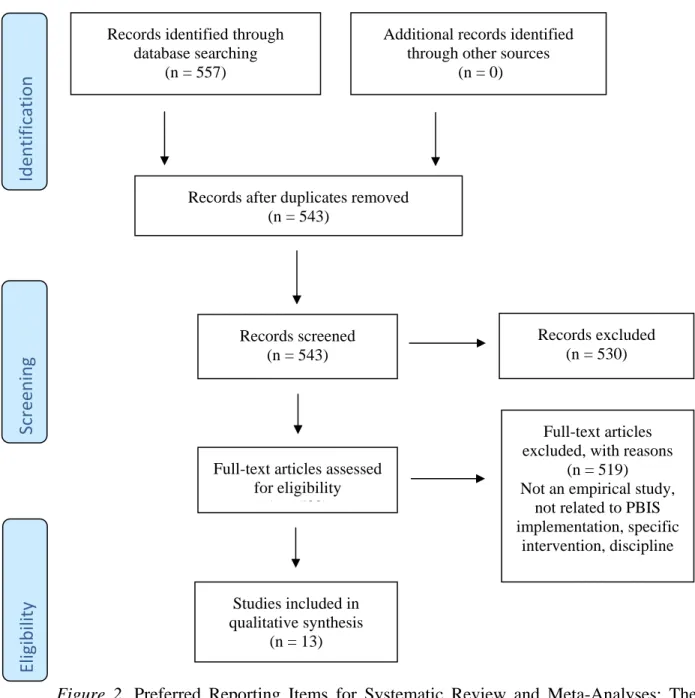
Figure 2. Preferred Reporting Items for Systematic Review and Meta-Analyses: The PRISMA statement (Moher, Liberati, Tetzlaff, & Altman, 2009).
Records identified through database searching (n = 557) Screening Eligib ility Identifica tio n
Additional records identified through other sources
(n = 0)
Records after duplicates removed (n = 543)
Records screened (n = 543)
Records excluded (n = 530)
Full-text articles assessed for eligibility
(n = 532)
Full-text articles excluded, with reasons
(n = 519) Not an empirical study,
not related to PBIS implementation, specific intervention, discipline Studies included in qualitative synthesis (n = 13) (n = 17)
Results
Results from the literature review were presented by reviewing findings about both barriers and sustaining factors (i.e., facilitators) and their impact on the
implementation of PBIS. Table 1 summarizes the articles reviewed. Thirteen articles were identified for a complete review and broken into three categories: surveys, interviews, and literature reviews. Of the 13 articles reviewed, 8 used a survey
methodology, and 5 used interviews. Of the articles reviewed under surveys, 2 examined facilitators, 3 examined barriers, and 3 examined both. As for interviews, 1 examined facilitators, 2 examined barriers, and 2 examined both.
Table 1
Studies Examining PBIS Barriers and Facilitators
Study Total N (staff) School Procedure
Bambara,
Nonnemacher, &
Kern (2009) 25
Elementary,
Middle, High Interviews Chitiyo & Wheeler
(2009) 21 2 Elementary, 1
Middle, 1 High Survey Flannery, Sugai, &
Anderson (2009) 43 1 High Survey
George, Cox, Minch, & Sandomierski (2018)
7 Elementary,
Middle, High Interviews Goodman-Scott,
Hays, & Cholewa
(2018) 6 1 High Interviews
Horner et al. (2014) 7 Elementary,
Table 1
(continued) Kincaid, Childs, Blasé, & Wallace
(2007) 70
Elementary,
Middle, High Survey Lohrmann,
Forman, Martin, &
Palmieri (2008) 14
Elementary,
Middle, High Interviews Lohrmann, Martin,
& Patil (2013) 18 Middle Interviews
McIntosh, Mercer, Hume, Frank, Turri, & Mathews (2013)
217 Elementary,
Middle, High Survey Pas, Waasdorp, &
Bradshaw (2015) 1,056 37 Elementary Surveys
Tyre & Feuerborn
(2017) 1,210 25 Elementary, 8
Middle, 3 High Survey Tyre, Feuerborn, &
Woods (2018) 97 3 Elementary, 4
Middle, 2 High Survey
Surveys
Eight surveys relating to PBIS implementation practices were reviewed. In most studies, the surveys were completed by only one or two district representatives. While the representatives were typically district or building leaders in PBIS implementation, it is difficult to discern how all faculty and staff members truly feel about using PBIS practices in their schools based on survey results.
Kincaid, Childs, Blasé, and Wallace (2007) described the barriers and facilitators found during implementation of Florida’s Positive Behavior Support Project. Kincaid et
al. collaborated with the National Implementation Research Network (NIRN) to collect data from participating schools that had been implementing PBIS for at least one year. Following completion of the Benchmarks of Quality assessment (Kincaid, Childs, & George, 2005), 26 schools were assigned to either a High or Low implementation group. Interviews were conducted in a structured group setting and participants from each of the schools were asked two open-ended questions: 1) What have been the barriers to implementing SWPBIS in your school or district? and 2) What has facilitated the implementation of SWPBIS at your school or in your district? Responses were sorted based on whether they were generated by a High or Low implementing group, then common themes were identified. Both the High and Low implementing groups rated issues of staff buy-in as the most critical barrier, followed by use of data,
implementation and reward system issues, and time. Additionally, the High implementing groups identified district support, communication, team trainings, funding, and use of data as the biggest facilitators for implementation and Low implementing groups identified staff buy-in, plan implementation, district and PBS project support, and team membership as facilitators. The High implementing group’s most commonly perceived barriers were: misconceptions about PBIS, training and professional development, and data issues. The Low implementing groups identified issues related to team functioning and communication, and reward systems as their main barriers to implementation. Given the overlap in identified barriers and facilitators, it is clear that system-level supports are crucial for quality implementation. The same themes that facilitate high implementation also hinder districts experiencing low
Chitiyo and Wheeler (2009) surveyed 21 teachers (19 general education, 2 special education) from a school district in southern Illinois regarding PBIS implementation within their school district. The district included two elementary schools, one middle, and one high school. Chitiyo and Wheeler created a 24-item questionnaire of PBIS components identified as effective by PBIS literature and asked participants to rate each item based on difficulty (1= least difficult, 7= most difficult). It also included 3 open-ended items that asked participants to recount specific problems they had experienced, which areas required technical assistance, and what they would do differently if they were able to redo implementation. Items were classified into four categories: specific skills, techniques, shared values, and other areas. 40 questionnaires were sent out and 21 were completed and returned.
When asked about specific skills related to PBIS implementation, conducting Functional Behavior Assessments (FBAs) were found to be the most difficult (M = 4.19) followed by using functional assessment data to formulate hypotheses (M = 4.10). Teachers did not find understanding fundamental PBIS principles to be difficult (M = 2.76). With regard to techniques, teaching alternative replacement behaviors (M = 4.70) was rated highest by participants, followed by the use of instructional antecedents to prevent challenging behavior (M = 4.05). Within the shared values domain,
collaborating with families (M = 4.36) and staff (M = 4.43) were rated highest by participants. Other areas reported to be difficult were time constraints (M = 5.29), large class sizes (M = 4.95), and availability of resources (M = 4.95).
Sixteen teachers completed the open-ended responses and reported the following as problems they have faced: time constraints, inadequate training, a lack of consistency
among staff, a lack of available resources, and inadequate administrative and parental support. Many respondents stated they required technical assistance in data collection and recording, soliciting administrative support, and monitoring intervention
implementation. When asked what they would do differently during implementation, teachers stated they would get more input from the administration, get more staff buy-in prior to implementation, make interventions more individualized, implement more staff training, and use more behavior management tools during interventions.
Flannery, Sugai, and Anderson (2009) distributed surveys to members of PBIS teams in high schools across the United States. Forty-three surveys were returned from 12 states and represented a fairly equal amount of urban, suburban, and rural areas. Fifty-five percent of the schools had been implementing PBIS for less than two years, and 68% had been implementing for at least 3 years. The Survey of Positive Behavior Support Implementation in High Schools was developed for the study and consisted of five main areas of interest: school demographics, staff participation and support, expectations and types of acknowledgements, leadership team membership, and priorities for the year’s action plan. The instrument sought to identify facilitators and barriers within PBIS implementation using open-ended questions for respondents to complete.
Findings suggest one of the top barriers for high school PBIS is receiving and maintaining support from school faculty and staff. Over half of the respondents indicated that they received support from less than the recommended 80% of
administrators and staff members. Without the proper commitment, many cited issues with adequate time for program development, a lack of implementation consistency,
insufficient time for participation, and conflicting opinions regarding the appropriateness and value of PBIS programming. Multiple respondents provided strategies for
combating these difficulties based on their own experiences. Commonly stated strategies included having active administrative support, frequent opportunities for staff training, the use of experts from within and outside of the school to offer training and explain PBIS benefits, and regular sharing of data regarding implementation and its effects. A number of respondents discussed the difficulty of generating student involvement in implementation. Most stated that they initiated implementation with their youngest students first and were careful to ensure students were represented on the school-wide PBIS team.
All schools participating in PBIS had established an acknowledgement/reward system and set of expectations for students including respect and responsibility. In addition to the five common areas surveyed, respondents were asked more generally about what they have found to be facilitators and barriers to implementation. Two broad themes emerged from the responses: administrative support and data-based decision making. Administrative support was regarded as critical for changing staff perceptions, ensuring that PBIS remained a priority, and making sure that all staff involved were frequently updated on PBIS progress. Additionally, administrative support was important for ensuring time for the leadership team to meet and that staff were given opportunities for professional development activities. Many respondents indicated that sustained PBIS implementation required a system for efficient data entry that could be reviewed frequently. It was noted that regular review of data was used to guide decision
making based on the program needs and at least one team member was required to be trained in data-based decision making.
McIntosh, Mercer, Hume, Frank, Turri and Mathews (2013) sought to identify factors associated with sustainable PBIS implementation. Respondents from 217 schools across 14 states completed the School-wide Universal Behavior Support Sustainability Index: School Teams (SUBSIST; McIntosh, Doolittle, Vincent, Horner, & Ervin, 2009) to assess which variables emerged as most important for sustaining implementation. Forty-three percent of participants were PBIS school team facilitators, 32% were school administration, 12% were school team members, 9% were external or district coaches, and 4% did not specify their role. On average, schools had been implementing PBIS for 5 years. The majority (69%) were elementary schools, followed by middle (24%) and high schools (5%), with an average enrollment of 560 students.
SUBSIST is a survey that looks at critical features that either help or hinder PBIS sustainability. Respondents rate each item on a 4-point scale ranging from not true to very true based on the extent to which they feel the critical features are present in their schools. Participants were gathered via two methods. Schools with evidence of at least 5 years of implementation were invited to participate in the study, and state PBIS
coordinators were contacted and asked to forward study information to schools they thought may be interested in participating. Schools who chose to participate were then identified as being a sustaining or non-sustaining school based on results of the
following measures: The School-wide Evaluation Tool (SET; Sugai, G., Horner, R. H., & Lewis-Palmer, T. (2001), the School-wide Benchmarks of Quality (BoQ; Kincaid, Childs, & George, 2005), the PBIS Support Self-Assessment Survey (SAS; Sugai et al.,
2000) and the Team Implementation Checklist (TIC; Sugai, Todd, & Horner, 2001). Based on these assessments, 64% of participating schools were identified as sustaining schools.
Researchers predicted that school-level factors like school priority for PBIS implementation and team use of data, and district-level factors like district priority and capacity building (technical assistance and professional development) would be related to sustainability. Based on survey results, data-based decision making was noted as the most important aspect of team functioning, as it showed the strongest relationship with sustained implementation (r= .79, p < .05). It is noted that a large portion of existing literature recognizes staff buy-in, administrator support, and general funding as vital factors, but within the current study, school and district priority did not appear to be significant independent contributors to sustainability.
Horner et al. (2014) discussed the implementation experiences of seven states, all of which have been successful in establishing SWPBIS practices in at least 500 schools within their state. Horner et al. sought to identify variables that were perceived as important by implementers for initial and large-scale implementation with fidelity. Respondents included state PBIS coordinators and at least one of their staff members from Colorado, Florida, Illinois, Maryland, Missouri, North Carolina, and Oregon. A total of 20 participants were interviewed and given the State Implementation and Scaling Survey (SISS; Horner et al. 2010) to complete regarding their states’ SWPBIS practices. Data were gathered between September 2010 and March 2011.
The SISS utilized a matrix with items based on the Fixsen et al. (2007) stages of implementation on one axis and the core elements of the PBIS Implementation Blueprint
implementation model on the other. Items on the electronic survey asked about the composition, role and impact of the leadership teams at the exploration, initial implementation, and sustainability stages. Common themes were identified and a follow-up interview was conducted with each state coordinator to confirm imformation reported on the survey and themes identified by researchers.
Results revealed a number of descriptive patterns and common themes between the states. State responses showed the stages of implementation occurred in a cyclical sequence, rather than linear. The exploration stage was repeated as implementation moved from school to school across districts. Installation and initial implementation time frames varied, but a common theme was identified in that only once a state was implementing SWPBIS in 100-200 schools did they learn how to revise implementation processes. For example, changes like shifting from external to internal trainers, from a single source to multiple sources of funding, and from fair to policy-level support did not occur until a state had some familiarity with SWPBIS implementation. Additionally, SWPBIS became easier and less expensive as each district gained the capacity to train, coach, and evaluate on their own, making the dissemination of implementation practices across other districts more feasible over time.
The role of Blueprint elements varied from state to state slightly, but also revealed common themes. While a few states began implementation with a defined leadership team or local contracted specialists, others relied on districts to collaborate and gain initial state support. All seven states eventually had a functioning leadership team, but they were not always formally established or supported by state policy. For some states, it was not until SWPBIS became part of improvement planning goals that
individual states recognized a need for and provided a formal way to assess implementation and growth.
Each state began initial implementation with the help of state advocates who guided each stage. All seven states reported special education sources like IDEA and state grants as the main source of funding. Funding expansion occurred in different ways across states. Some received more funding based on the documentation of SWPBIS feasibility and success, while others had funds expanded once there were local trainers available so that widespread SWPBIS adoption was more cost-effective. Each state had a strong history of training school teams in educational innovations, but through a small group of local trainers or hired external trainers. No state had experience in investing in long-term building- and district-level trainers, coaches, and evaluators. All participating states noted that being able to establish a widespread training and coaching capacity across large geographic areas was a vital factor in scaling up implementation.
Initially, evaluation was focused solely on the core features of SWPBIS in place. As they experienced success and focused more on high-quality Tier 2 and 3
implementation, adequate evaluation measures became a priority. Once an evaluation infrastructure was established, larger scaling of SWPBIS implementation occurred. All seven states indicated that the availability and use of evaluation data was an important factor in broader implementation practices. The availability of behavior expertise at individual schools determined how quickly districts were able to move through the implementation stages. Some states reported that investing in localized behavior experts early on in implementation improved their pace as they moved toward sustained
and feasibility were documented before SWPBIS was expanded to more schools and districts. While the number of pilot schools varied, each state noted that initial success in demonstration schools was an important factor considered when the state determined how much to invest in the expansion of SWPBIS.
Responses from the SISS and respondent interviews show that while there are state-to-state variations in large-scale implementation, common themes still emerged. All states began with a pilot group of schools and trainers, and were only able to scale up implementation once feasibility and effectiveness was demonstrated within positive student outcomes. Schools became more efficient and knowledgeable regarding
SWPBIS practices once there was adequate local behavior support. The state leadership team was a vital resource throughout all stages of implementation and had to be willing to assume an ever-changing role within each new stage. Lastly, detailed evaluation processes were necessary for determining implementation fidelity and student outcomes.
Pas, Waasdorp, and Bradshaw (2015) examined how contextual factors influence SWPBIS implementation in classrooms. Data were collected from 1,056 teachers
employed in 37 elementary schools and teacher-, classroom-, and school-level factors that were associated with implementation variability were identified. Participating schools were examined within a randomized controlled trial design that included data across four years. Schools were matched according to baseline demographics and 21 schools were given treatment and 16 were in the comparison condition. Within the treatment group, SWPBIS teams consisting of 5-6 members were created and trained by the SWPBIS Maryland State Leadership Team. Support and technical assistance were provided on-site on a monthly basis. Researchers hypothesized that student behavior,
class size, teacher perceptions of the school environment, and school-level indicators of both support and disorder would be associated with SWPBIS implementation. In addition, researchers hypothesized poorer baseline implementation in disruptive classrooms, and that teachers with a more positive perception of school climate would experience better initial implementation.
Classroom teachers from each participating school were given the Effective Behavior Support Survey (EBS; Sugai et al. 2000), a 12-item scale measuring use, quality, and perception of SWPBIS strategies. Teachers were instructed to indicate whether each scale item was “in-place” within their classrooms based on a 0-2 scale (0 = not in place, 1 = partially in place, 2 = in place). The 37 item Organizational Health Inventory (OHI; Hoy & Feldman, 1987) was administered to teachers to assess five aspects of school functioning: teacher affiliation, academic emphasis, collegial leadership, resource influence, and institutional integrity. Baseline levels of student disruption were examined using the Teacher Observation of Classroom Adaptation-Checklist (TOCA-C; Koth et al. 2009). Student’s aggressive and disruptive behaviors were assessed using a Likert scale (1 = never to 6 = always). Implementation was assessed annually using the School-wide Evaluation Tool (SET; Horner et al. 2004; Sugai et al. 2001). In addition, class size, school, and teacher demographics were examined. Results indicated a significant negative relationship between teacher grade level taught and their perception of the classroom environment on the EBS scale. These results suggest a higher quality level of SWPBIS strategies were being used with younger children than older elementary students. Teachers with less favorable
suggesting they likely had more room for improvement in SWPBIS strategy use than those with more favorable baseline perceptions. Several school-level variables were positively related to teacher SWPBIS implementation strategies over time. These included high student-to-teacher ratio, higher percentage of African American students, and higher SET score at baseline. In both comparison and treatment schools, student discipline appeared to hinder classroom implementation, meaning they may require more assistance and supports in order to implement higher quality positive behavioral strategies. Results showed that treatment schools with higher suspension rates at baseline showed greater growth in implementation over time, suggesting a possible protective nature of SWPBIS. Higher levels of growth in the treatment group implies that SWPBIS training and implementation has positive effects at the teacher-,
classroom-, and school-level. Results showed a larger number of positive effects at the school-level, which supports the idea that school-wide buy-in and quality
implementation is needed to effect positive behavior change.
Tyre and Feuerborn (2017) identified school staff members who were opposed to SWPBIS practices and reported their concerns. The sample included 36 schools from nine districts in western Washington that had been engaged in SWPBIS for at least one year. In total, 1,210 responses were gathered from twenty-five elementary schools, eight middle schools, and three high schools. Sixty-seven percent of respondents were
certified teachers, 17% were classified staff, 8% were certified support staff, 3% were administrators, and 4% were other various staff members. Data were collected using an online survey called the Staff Perceptions of Behavior and Discipline survey (SPBD; Feuerborn, Tyre & King, 2014. The SPBD was created to assess staff beliefs about
behavior and discipline and their overall perceptions of SWPBIS practices and supports. Respondents were asked to report their level of support for SWPBIS, and those who disagreed with the initiative were selected for further questioning.
Responses from nonsupportive staff were initially coded with one word or phrase that captured the content and then assigned to a category based on the ten emergent themes. Responses were then recoded to find patterns and inconsistencies in the data. The following common themes were identified: consistency, climate and stress, administrator support, implementation, philosophical, systemic resources, stakeholder support, misunderstandings of PBIS, priority, and other. Of the 1,210 staff members who responded to the survey, 44 were found to disagree with SWPBIS initiatives within their schools. Twenty-one of the disagreeing respondents worked in elementary schools, 16 worked in middle schools, and 7 worked in high schools. Seventy-five percent of the nonsupportive staff members were certified teachers and support staff, 16% were classified staff, and 9% were administrators or held other roles. The average experience of nonsupportive staff was 7.9 years. Based on results from the SET, 80% of the
nonsupportive respondents were employed at low-implementing schools. Respondents were asked to self-assess their level of knowledge of SWPBIS. Twenty percent reported limited knowledge, 45.5% reported basic knowledge, and 34% reported a high level of knowledge.
Responses indicated common themes based on job role, school level, and implementation level. Consistency in implementation was the most prominent theme to emerge. Staff members were concerned that all colleagues may not implement behavior supports in the same way. Climate and stress concerns were the next most common
theme, with general concerns relating to adult treatment of students and a lack of relationship building between staff and students. Thirteen respondents expressed concerns about administrative supports, noting that they wanted to see administrators hold others accountable for implementation and enforce existing school discipline policies. A quarter of respondents, especially elementary school staff members, showed concern for implementation fidelity. They discussed gaps in implementation at their schools and stated that core SWPBIS components were not being implemented correctly. Ten respondents raised philosophical concerns regarding behavioral expectations. These concerns were mostly from middle and high school teachers working in low-implementing schools. Respondents noted that reinforcement lacked meaning and diminished students’ intrinsic motivation. Other staff members were concerned that SWPBIS was not sufficient to change student behavior. Eight
respondents reported a lack of resources such as time and funding as a concern. Others noted limited opportunities for collaboration and professional development as a
troubling aspect of implementation. A number of middle school teachers reported an overall lack of implementation support in their schools and stated that students did not buy-in to SWPBIS, partly due to insufficient student voice in creating behavioral expectations. Seven respondents suggested a lack of understanding of the overall SWPBIS framework within their schools. Some stated that there was an incorrect perception that there were no consequences for behavioral violations. Three staff members reported that positive behavior supports were simply not a priority at their school.
Tyre, Feuerborn, and Woods (2018) explored staff concerns about SWPBIS implementation. Nine schools in western Washington were asked to give their opinion of SWPBIS implementation using the Concerns-Based Adoption Model (CBAM). Four of the participating schools, an elementary school, high school, and two middle schools, were in the planning phase of implementation. These schools were from two districts, one rural and one suburban. The remaining five schools had been implementing SWPBIS procedures for one or two years and consisted of a rural and a suburban district, and consisted of two elementary schools, two middle schools, and one alternative high school.
An online survey was sent out to school staff asking the open-ended question “When you think about School-Wide Positive Behavior Interventions and Supports, what concerns do you have? Please be frank and answer in complete sentences.”
Based on the Concerns-Based Adoption Model, people progress through stages where their concern for procedure or system changes as their level of awareness of the procedure increases. Identification of the stages allows leaders to understand current concerns and to adapt supports as needed. Survey responses were read and coded two times. First, for one of the following concern phases from the CBAM: unrelated, self, task, and impact, then again for one of the six stages of concern: informational, personal, management, consequence, collaboration, or refocus.
Results of survey responses indicate many respondents had similar concerns. Task-related concerns were the most frequent concerns indicated by both planning and implementing schools. Concerns were based upon management, organization,
concern regarding consistency of implementation among all staff members.
Implementing schools reported more impact-related concerns than planning schools. Most responses indicated a concern for their own impact on students when using SWPBIS procedures. Following impact, collaboration was noted as the next greatest impact-related concern. Seven percent of respondents indicated time to collaborate in large and small groups would be helpful in order to troubleshoot problems and share successes. A small number of self-related concerns were reported, largely from planning schools. This is likely due to their lack of experience using SWPBIS practices and an underdeveloped knowledge of the overall framework. Results of the study indicate that concerns shift from task-related to impact-related as SWPBIS providers gain more experience. Survey responses indicate that staff members from planning and
implementing schools would benefit from collaboration with others to problem-solve and share SWPBIS experiences. Supports must be provided at every level of
implementation in order to train staff and understand their current needs.
Interviews
Five interview-based studies were reviewed. The interview format allowed respondents to provide more in depth information regarding their school or district PBIS practices. In addition to naming specific barriers and facilitators to implementation, respondents were able to discuss the overall viewpoint of PBIS that their staff members held, what they found to be most helpful and important in initial implementation, and what areas they felt were vital for ongoing, sustainable implementation. Based on the coding of responses, it appears that respondents across the studies held similar viewpoints of PBIS implementation.
Lohrmann, Forman, Martin, and Palmieri (2008) documented SWPBS technical assistance service providers’ perspectives about factors that influenced school staff resistance toward Tier 1 practices. Participants were recruited through the Association of Positive Behavior Support 2004 conference programming, by searching relevant
journals to identify those publishing SWPBS content, through state department of education funded SWPBS web sites, and by recommendation from national leaders in the field. Fourteen educational consultants from 10 states were chosen and participated in three semi-structured interviews to discuss their background, beliefs, and experiences about SWPBS. Interviews were coded line-by-line by researchers and summaries were created for each participant. As common themes were found in participants’ interviews, data were grouped into barrier conditions and strategies used to promote cooperation in overall implementation.
The five common barriers found were: lack of administrative direction and leadership, staff skepticism about the need for universal intervention, hopelessness about change, philosophical differences with SWPBS, and staff that feel disenfranchised. Participants reported they often attempted to acknowledge reasons for resistance, empathize with school personnel, and think about the resistance the same way they approach problem behaviors in students using a function-based approach. Intervention strategies included coaching administration direction and leadership, building a case for change, showing staff that change is possible, finding a conceptual common ground, and making staff feel a part of the intervention effort. Although the study only included 14 participants, it is notable that most had implementation experiences similar enough that common themes emerged in the interview transcripts. Awareness of barriers a school is
likely to face can help facilitate preventative measures for schools initially implementing SWPBS in the future.
Bambara, Nonnemacher, and Kern (2009) utilized semi-structured interviews to determine perceptions of experienced PBS team members regarding PBS strategies for students with disabilities. Participants were sought out by contacting directors of state-wide PBS organizations in six states from the eastern U.S. Directors nominated persons they believed to be knowledgeable and experienced members of PBS teams. Parents who had experience with PBS regarding their children were sought out as well, to capture the ideas of multiple types of stakeholders. Participants were asked what they perceive to be primary barriers and facilitators for implementing PBS practices in schools. The final sample (n = 25) included external and internal PBS facilitators, administrators, teachers, and parents.
During the interview process, participants were asked to describe their training or experiences with PBS, how they generally develop PBS plans for students, and barriers and facilitators they have experienced during implementation. Responses were coded to identify similar experiences between participants. Authors used responses to generate five major themes regarding implementation: school culture, administrative support, structure and use of time, professional development and support for practice, and family and student involvement. Ninety-two percent of participants mentioned the importance of a positive school climate. Without a positive environment with maximum staff buy-in, changing long-held beliefs and values of team members was difficult and hindered PBS sustainability. Eighty percent of participants reported that educating the entire community on the importance of PBS was helpful. Conversely, 40% of participants
noted that experiencing success in PBS strategies created more willingness in school personnel to continue implementation practices. Participants believed that universal strategies promoted a common understanding of effective behavior management and implicated the importance of prevention within their schools. Eighty-four percent of participants indicated that building principals play a large role in implementation. Without administration understanding and leadership, building and district-level buy-in is likely to suffer. Time constraints were mentioned as a barrier by 88% of participants. Busy school schedules allow little time for collaboration, professional development, and technical assistance within the school. Approximately half of participants (48%)
reported that PBS-related activities created a burden for school personnel, especially when no adjustments were made to teachers’ schedules to manage activities. This led to feelings of being overburdened and spread too thin for many teachers. Additionally, most participants (76%) reported that the general PBS process was often viewed as too time and labor consuming by many staff members. 92% of participants cited adequate, ongoing professional training as an essential practice. In many schools, there were too few staff members properly trained and able to implement PBS practices. Finally, 72% of participants discussed family involvement as an essential practice to sustain PBS. Parents are important stakeholders in the PBS process and can help provide consistency in behavior interventions between home and school. These findings relate to numerous other studies that name administration support, staff buy-in, and professional
development as core features of successfully implementing schools.
Lohrmann, Martin, and Patil (2013) recruited eighteen PBIS coaches (9 internal and 9 external) from middle schools to participate in interviews to investigate how lack
of staff and administrator buy-in of universal interventions can lead to problems. Semi-structured interviews inquired about the participants’ background, current school, and their role in PBIS implementation. Additionally, a second interview section allowed the coaches to discuss their observations and perceptions regarding staff resistance and what strategies they used to combat that resistance. Interview transcripts were coded and summarized and common themes were recorded. Some themes presented by the coaches were a poor understanding of PBIS by staff, the need for firsthand experience of success using PBIS, the idea that implementation was not worth the effort, and that middle school students should know what is expected of them and should not need to be reinforced for acceptable behaviors. In general, internal and external coaches described very similar barriers to implementation regarding staff and administration. Notably, participants reported that resolving common issues took 3 to 5 years, so a main focus was to target their own efforts to sustain implementation long enough to be effective. Administration appeared to be the most important factor for implementation, with coaches reporting that some barriers were resolved only when a new principal was hired. The findings revealed the importance of having both internal and external coaches to help guide and support implementation, especially when faced with resistance from school staff and administration. Some strategies outlined for combating negative staff perceptions were keeping PBIS as a priority in meetings and professional development times, promoting staff involvement, building a positive climate within school staff, and making implementation as easy as possible. In this study, it appears that promoting a positive environment and encouraging staff along the way was key to sustaining universal implementation.
George, Cox, Minch, and Sandomierski (2018) identified common practices associated with successful PBIS implementation in six successful districts.
Semi-structured interviews with district staff revealed common features that staff attributed to their districts’ success. Themes were found regarding leadership, coaching, data
collection, and communication. Participating schools were selected for the study based on evaluation data from school enrollment, PBIS implementation checklists, schoolwide Benchmarks of Quality measures, and outcome data summaries from the Florida PBIS: MTSS project. Thirty-three districts met criteria during the initial phase. In phase 2, six districts met criteria to be considered high-implementing and had positive student outcomes. These six districts were then chosen to participate and their PBIS District Coordinators were interviewed. Participants’ perceptions and experiences noted in the interviews were coded and categorized into themes.
The interviews revealed eight major themes related to district support: the district coordinators’ involvement, coaches, district teaming, internal implementation drivers, leadership buy-in and support, district data infrastructure, direct support to schools, and communication. The district coordinator serves as a liaison between the state and local school team and is in charge of disseminating information and maintaining positive relationships between stakeholders. Many respondents’ noted a need for the district coordinator to be enthusiastic and knowledgeable in order for PBIS to be successful. Coaches, both internal and external to the school district, provide support, training and technical assistance to ensure high fidelity of implementation at both the schoolwide and classroom level. District teaming was deemed important by respondents as well. Many found that having a diverse team of stakeholders influenced district PBIS activities.
Team member participation was stated to be necessary to integrate PBIS into existing district improvement efforts. District goals and priorities must be aligned in order for PBIS programming and implementers to be supported daily. Respondents discussed a need for leadership buy-in and support for activities related to ongoing action planning, communication, and monitoring of district implementation.
Another common theme, district data infrastructure was cited as well. Participants described the importance of having efficient data systems for behavior, discipline, and PBIS implementation. Input on the data system from the district
coordinator, coaches, and administrators is important. Skilled data interpreters were vital members of the district team and ensured data was being used to properly address the schools’ needs. Direct support for school staff was another common sentiment from participants. Opportunities for frequent, engaging trainings and professional
development was stated to be important for maintaining a high level of implementation fidelity. Finally, respondents discussed a need for a common language regarding PBIS initiatives so that all stakeholders were able to communicate effectively. Having
monthly meetings and specific goals allowed teams to stay on track with implementation and maintain the initiative’s momentum.
Goodman-Scott, Hays, and Cholewa (2018) conducted a qualitative single-case study to document PBIS implementation in an urban high school with 65% of students from economically disadvantaged households. Participants (1 principal, 4 teachers on the PBIS team, and 1 school counselor) were interviewed by the primary author using open-ended questions regarding implementation, outcomes, and staff roles. Interviews were recorded and later coded to identify patterns and major themes. Additionally,
school records, documents, and PBIS assessment and implementation tools were examined to verify the accuracy of participants’ statements. Results showed the school had a high level of PBIS implementation, 94%, as measured by the Schoolwide
Evaluation Tool (SET). Staff outcomes revealed there were fewer in-district transfers and teacher retention improved. Student outcomes identified a 650% increase in student science fair participation, improved enrollment in advanced math and science courses, and increased state standardized test scores. During the 2013-14 school year, over 85% of students only required tier one interventions and only one student in the school had three or more office discipline referrals (ODRs). Participant interviews revealed five main themes for implementation: the importance of administrative leadership, using proactive PBIS practices, creating consistency, building community, and integrating the school counselor into PBIS activities. Notably, administrator involvement had the most influence on the implementation of PBIS practices. Participants noted that
administrators helped the PBIS leadership team to get stakeholder feedback, create a sense of community, and make PBIS visible throughout the school community. This case study shows that consistency is a key factor in sustaining a school-wide behavior policy beyond middle school. High schools face more significant challenges when implementing PBIS, typically due to larger population, priority of teaching academic content over behavior procedures, and less sense of community with staff.
Discussion
A systematic review of the literature shows that there are many common barriers and facilitators that schools may experience when attempting to implement a PBIS system for the first time. These barriers and facilitators vary based on a variety of factors, like school size, staff buy-in and participation, and organization of the PBIS system.
The reviewed studies revealed that a number of PBIS components are integral to beginning and sustaining implementation over time. The fact that many components were found to be barriers as well as facilitators shows just how important they are to the entire PBIS process. Respondents who had experienced implementation success
typically had administrative support, financial resources, adequate staff buy-in,
professional development opportunities, or technical support to assist in implementing their PBIS system (Bambara et al., 2009; Flannery et al., 2009; Goodman-Scott et al., 2018; Horner et al., 2014; Kincaid et al., 2007; McIntosh et al., 2013; Pas et al., 2015). Respondents who were struggling with implementation lacked most of these resources and supports (Chitiyo & Wheeler, 2009; Lohrmann et al., 2008; Tyre & Feuerborn, 2017; Tyre et al., 2018). For schools that are planning or initially implementing PBIS, it may be helpful to focus on core components like staff buy-in, resources, and consistency in order to build a foundation for program success. Proper planning and allocation of staff and resources were key components in the studies reviewed (Bambara et al., 2009; Kincaid et al., 2007; McIntosh et al., 2013; Pas et al., 2015). Outcomes from the
literature show that once PBIS gains support and staff members become more involved and comfortable with the practices, overall support increases and implementation
improves (Bambara et al., 2009; Kincaid et al., 2007; Lohrmann et al., 2008; Pas et al., 2015).
Based on the studies examined, assessing how the school staff perceives PBIS practices is an important aspect of implementation, especially during the initial planning and implementation period (Bambara et al., 2009; Flannery et al., 2009; Kincaid et al., 2007; Lohrmann et al., 2008; McIntosh et al., 2013; Pas et al., 2015). Similarly, many participants in the studies reported positive experiences when staff were adequately trained and comfortable with beginning interventions on their own (Chitiyo & Wheeler, 2009; Lohrmann et al., 2013; Tyre & Feuerborn, 2017). As progress is made in
implementing PBIS practices and challenging behaviors are reduced, staff tend to gain a more favorable view of PBIS.
In studies examining high school implementation, upper grade-level
implementation appears to be similar to implementation within elementary and middle schools, with only a few changes to the rewards systems and level of student
involvement (Flannery et al., 2009; Pas et al., 2015; Tyre & Feuerborn, 2017). For any school or grade level, PBIS practices should be tailored to fit the school culture and student body in order to gain buy-in from all parties. Schools that welcome change and can adapt to new contexts and needs appear to be more likely to sustain implementation and build their capacity for PBIS practices (Flannery et al., 2009; Horner et al., 2014; McIntosh et al., 2013; Pas et al., 2015).
Overall, leadership was reported to be the most important factor regarding PBIS sustainability since administration often influences the level of buy-in from teachers and determines how much funding, resources, and support will be allocated to PBIS efforts.
Many teachers and PBIS team members stressed the importance, and often lack of, administrative support and other logistical factors related to implementation like staff buy-in, resource availability, and adequate collaboration between staff members and parents (Chitiyo & Wheeler, 2009; George et al., 2018; Kincaid et al., 2007; Tyre et al., 2018). In schools with poor administrative support, leadership was most often cited as a barrier, while those with adequate support saw it as a facilitator (Bambara et al., 2009; George et al., 2018; Goodman-Scott et al., 2018; Lohrmann et al., 2008; Tyre & Feuerborn, 2017).
Common barriers named in the studies tend to surround the culture and organization of the school. In some studies, respondents to initial surveys reported widespread SWPBIS support within their schools, while others expressed oppositional perspectives (Kincaid et al., 2007; McIntosh et al., 2013). Negative responses often come from general misconceptions about SWPBIS or a lack of knowledge and
experience with the practices. Several logistical factors were frequently cited, suggesting that without proper timelines for training and professional development, implementation can appear to be a daunting, or even useless task (Bambara et al., 2009; George et al., 2018; Lohrmann et al., 2013; Chitiyo & Wheeler, 2009; Horner et al., 2014; Kincaid et al., 2007; Pas et al., 2015). Schools may benefit from allowing staff members adequate opportunities for professional development and collaboration with each other. It is vital to ensure that staff buy-in, technical support, and proper team training is established early on or else plan implementation and sustainability will suffer.