CLINICAL EVALUATION AND PATCH TESTING IN
HAND ECZEMA
Dissertation Submitted in
fulfillment of the university regulations for
MD DEGREE IN
DERMATOLOGY, VENEREOLOGY AND LEPROSY (BRANCH XII A)
THE TAMILNADU DR.M.G.R.MEDICAL UNIVERSITY,
CHENNAI.
CERTIFICATE
Certified that this dissertation entitled
“CLINICAL EVALUATION
AND PATCH TESTING IN HAND ECZEMA
” is a bonafide work done byDR.M.S.DEEPA, Post Graduate Student of the department of Dermatology, Venereology and Leprosy, Madras Medical College, Chennai – 600 003, during the academic year 2007 – 2010. This work has not previously formed the basis for the award of any degree.
Prof.Dr.D.PRABHAVATHY, MD.DD,
Professor and Head of the Department, Department of Dermatology and Leprology,
Madras Medical College, Chennai-600003.
Prof. Dr. J.MOHANASUNDARAM, M.D., Ph.d., D.N.B.,
Dean,
SPECIAL ACKNOWLEDGEMENT
ACKNOWLEDGEMENT
I am gratefully indebted to Prof. Dr. D.Prabhavathy MD., DD., Professor and Head Department of Dermatology and Leprosy for her invaluable guidance, motivation and help through out the study.
I express my gratefulness to Prof. Dr. V. Somasundaram MD., DD., Professor and head Department of Occupational dermatology and Contact dermatitis for his constant motivation and guidance.
I am very grateful to Prof. Dr. S.Jayakumar MD., DD., Additional Professor, Department of Dermatology for his invaluable guidance and help.
I sincerely thank Prof. Dr.C.Janaki MD., DD., Additional Professor, Department of Dermatology for her priceless support. I express my sincere gratitude to Prof. Dr.R.Aruna Devi MD., DD., Professor of Leprosy, Department of Dermatology for her support. I wish to thank Prof. Dr.N.kumar MD., DV., DMRD, Additional Professor Institute of Venerology for his constant support.
I thank Dr.Manjula MD., DNB., Assistant Professor , Department of Occupational Dermatology and contact dermatitis for her kind support and guidance.
Department of Dermatology for their kind support and encouragement.
I thank Dr.Hameedulla MD., DD., Dr.Afthab Jamila Wahab MD., DD., Dr.Thirunavukarasu MD., DD., Assistant professors, Department of Occupational Dermatology and Contact dermatitis for their constant support.
My sincere thanks to Dr.V.Thrunavukarasu MD., DV., Dr.K.Venkateswaran MD., DV.,Dr.P.Mohan MD., DV., Dr.S.Arun Kumar MD., DV., Dr.S.Kalaivani MD.,
DV., Dr.S.Prabakar MD(DVL)., Dr.Ahamed Sheriff MD (DVL)., Assistant Professors Institute of Venerology for their help and suggestions.
CONTENTS
Sl.No. Title Page No.
1. INTRODUCTION 1
2. REVIEW OF LITERATURE 2
3. AIM OF THE STUDY 40
4. MATERIALS AND METHODS 41
5. OBSERVATION & RESULTS 46
6. DISCUSSION 57
7. SUMMARY 65
8. CONCLUSION 67
ANNEXURES
BIBLIOGRAPHY
PROFORMA
INTRODUCTION
Hand eczema is a descriptive diagnosis for dermatitis largely confined to the hands, and it does not make any presumption about the etiology. 1 It may be endogenous
or exogenous (allergic or irritants) in origin. 1 Most of the cases of hand eczema have a
multifactorial etiology, 1 wherein the eczema is caused and perpetuated by exogenous
factors in individuals who are susceptible to such processes due to endogenous factors.
1,2 Identification and avoidance of the external contactants is of paramount importance
in appropriate management of hand eczema. As clinical differentiation between chronic allergic and irritant hand eczemas is often difficult, patch testing becomes an important diagnostic tool for identification of the allergen/allergens responsible for the eczema. 3
Patch testing is a well established method of diagnosing allergic contact dermatitis. Patients with a history and clinical picture compatible with contact dermatitis are re-exposed to suspected allergens under controlled conditions to verify the diagnosis.
REVIEW OF LITERATURE
Hand eczema
Historical back ground
It may be considered curious to single out eczema of the hands as being worthy of special study. In his long treatise of eczema, Hebra 4 devoted less than a page to the
eczema of hands and feet, and this is in morphological terms. Fox5 stated that eczema in
these sites “is chiefly remarkable for the peculiar tenacity and persistence of the vesicles” and mentioned grocer’s and baker’s itch, but little else. Radcliffe – Crocker6
emphasized the role of external irritants.
The recognition of hand eczema as a region of peculiar interest has come about gradually during this century and increasingly so in the last 50 years. There are several reasons for it. The most important was the rapid growth of industrialization in the west, especially enormous growth and development in dye and chemical industries. This led to an increase in realization of the importance of irritant and allergic dermatitis. In the increasingly complex environment of 20 th century the house wife too, encountered new causes of hand dermatitis.
and a greater degree of medical attention.
Hand eczema is one of the commonest occupational health problems encountered in dermatology. It affects 1 % of adults7, with a male: female ratio of 2:1.8 The lifetime
prevalence varies between 5-7 % and 16.7% for women and between 5.2% and 9.5% for men.9
The incidence and causative factors vary from region to region, from rural to urban areas and from non industrialized areas to industrialized areas. Climate and occupation play an important part in determining the incidence. Women of child bearing age have a high incidence due to greater contact with soaps, detergents, vegetables, spices, etc. The incidence is high among certain occupational groups engaged in wet work such as hairdressers, cooks, domestics, nurses and print workers.10
Pathogenesis
Hand eczema is multifactorial in etiology. A unifying feature in most cases is an underlying disruption in the stratum corneum, altering its barrier function. Transepidermal water loss increases with barrier disruption and is exacerbated by additional exposure to water.11
Understanding the Characteristics of the Hands and the Barrier Function ofthe
1. Characteristics of the hands:
The palms have a peculiar skin structure; it is related to the fact that the hands are the body part most frequently exposed to external stimuli. The stratum corneum of the palms consists of approximately 50 layers, and is much thicker than the skin on other parts of the hands (about 15–20 layers). Also unlike the facial skin, the stratum corneum has no hair follicles and sebaceous glands. In areas where hair follicles are present, the super surface lipid membrane overlying the stratum corneum is predominantly produced by the sebaceous glands associated with hair follicles, while in the palms and soles the membrane is composed exclusively of lipid produced by metabolism of epidermal cells. The super surface lipid membrane is well developed in the face, whereas the membrane on the palm is thinner, which is compensated for by a thick stratum corneum. Additionally the back of the fingers, distal phalanx has no hair follicles and that the nail margins and fingertip have the same properties as the palms and finger-pulps.
2. Barrier function of the stratum corneum
It has been shown that homeostasis of barrier function of the stratum corneum is maintained primarily by three factors;
1) Surfacelipid
2) Intrinsic hydrophobic lipid of the stratum corneum such as ceramide.
Among these factors, ceramide has recently emerged as an important contributor to the moisture retention. Ceramide is the hydrophobic lipid that bridges the gap between the horny cells and forms the barrier that keeps water from passing through. The substance is supplied by a structure of the epidermal cell called a lamellar granule (or Odland body), and the process of its metabolism and production is under investigation.
The so-called natural moisturizing factors are thought to bind with water within the horny cells and play a role in enhancing the flexibility of the keratin. This factor originates from the keratohyaline granules of the epidermal cells, which are the soluble amino acids produced by degradation of fillagrin. In the cosmetic industry, great importance is placed on this factor. When the super surface lipid membrane and lipids such as ceramide between the horny cells are removed by artificial cause, internal water is lost from the stratum corneum (trans-epidermal water loss [TEWL]) and the way is left open for chemical stimuli or external substances including allergens and microorganisms to invade the body, leading to susceptibility to inflammation and allergic sensitization. Itchscratching also occurs (itch-scratch cycle) promoting entry and inflammation. The body part most vulnerable to the influences that permit this sequential process is the hand.
The most common clinical presentations of hand eczema are atopic hand dermatitis, pompholyx, and contact dermatitis (irritant contact dermatitis [ICD], allergic contact dermatitis [ACD]).12 The diagnosis of hand dermatitis is determined by a review
as the hands, and a thorough overview of the patient's daily activities with emphasis on occupation and hobbies. Irritant contact dermatitis usually is diagnosed by the absence of a positive patch test result; however, patch testing is essential in confirming a clinical diagnosis of ACD by identifying the allergens to which the patient has been sensitized.
Classification
1. Based on etiological factors:
Endogenous:
Atopic dermatitis Discoid eczema Pompholyx
Hyperkeratotic eczema
Exogenous:
Irritant contact dermatitis
Allergic contact dermatitis
Systemic allergens – drugs, metals
Dissemination from a focus
Infective dermatitis involving hands and feet.
2. Based on Morphologic pattern:
Recurrent focal palmar peeling
Hyperkeratotic palmar eczema Finger tip eczema
Ring eczema
Housewives eczema (Wear and tear dermatitis) Apron eczema
Discoid eczema
Chronic acral dermatitis Gut eczema
Other patterns ( e.g patchy vesiculosquamous)
3. Based on duration of symptoms: Acute
Chronic
Acute on chronic
Atopic dermatitis:
The most common site of atopic dermatitis is the hand in adults. Atopic adolescents and young adults develop hand eczema when exposed to school work, hobbies or occupational contacts. Meding et al reported that 22% of hand eczema patients were atopic.16 Predisposing factors for developing hand eczema in atopics are,
dorsal aspect of hand and fingers where it is seen as patchy vesicular rash that is itchy and irritable.18 Wet work is the most important factor causing or aggravating hand
eczema in atopics. Although atopic eczema resolves by puberty, it may recur as hand eczema in adults. Diagnosis is usually ascertained through history of atopy, distribution of lesion and occasionally raised IgE levels.
Irritant contact dermatitis
Contact irritants are the commonest exogenous cause of hand eczema.19 Acute
irritant contact dermatitis results from contact with usually a strong reactive acidic or alkaline chemical, presents with erythema, edema, vesiculation and exudation. Chronic irritant dermatitis is caused by either the repetitive or cumulative effect of a variety of minor damaging factors. Chapping is predominantly seen on the back of the hands, while fissuring is seen on the palmar aspect.
Allergic contact dermatitis:
Allergic contact dermatitis is an exogenous cause for hand eczema. Contact allergens produce hand dermatitis in individuals who are already sensitized to these antigens through two types of immunological responses. One is through the delayed type of hypersensitivity reaction (Type IV), as seen with chromium, nickel and rubber allergies. The second one is the immediate type of hypersensitivity reaction (Type I), that occurs as sudden itchy eruption of the hands following ingestion of sea food in sensitized individuals. Suman 20 et al reported 67 % of hand eczema was due to allergic
due to oral ingestion of nickel or chromium. The commonest allergens are nickel, chromium, vegetables and natural rubber latex
Hyperkeratotic palmar eczema:
Prolonged and repeated contact with certain agents can induce a reaction pattern on palmar skin manifesting as thickening, scaling and fissuring particularly involving tips, palmar surface of fingers and palms of one or both the hands associated with itching and pain. Such lesions termed as hyperkeratotic palmar eczema can occur either due to physical factors like dryness and friction, irritant reaction or allergic reaction. 21
Patterns of distribution of the lesions as a result of allergic contact dermatitis depend largely upon the causative agents pertaining to the habits, activities and occupation of an individual providing valuable clues for establishing the cause by patch testing. 22 This
condition needs to be differentiated from psoriasis.
Finger tip eczema:
allergic contact dermatitis. Patch testing is useful in identifying the etiology.
Ring eczema:
This form of hand eczema starts under a ring but frequently spreads to adjacent side of third finger or palm. It is more common in women, often starting after marriage or the arrival of child, but it may affect men. The onset is usully in third decade, but can be earlier in women wearing metal rings. This form of eczema is considered to be an irritant reaction to the concentration of soap and detergents under the rings. Patch test usually gives a low yield, except for nickel, but this is common in women of this age and it is usually irrelevant unless associated with metal use.
Dyshidrotic Eczema ( Pompholyx):
Dyshidrotic eczema is a recurrent or chronic relapsing form of vesicular palmoplantar dermatitis of unknown etiology. Dyshidrotic eczema is also termed pompholyx, which derives from cheiropompholyx, which means "hand and bubble" in Greek. The etiology is multifactorial, it is considered a reaction pattern caused by various endogenous conditions and exogenous factors. Dyshidrotic eczema affects individuals aged 4-76 years; the mean age is 38 years. After middle age, the frequency of dyshidrotic eczema episodes tends to decrease. The male-to-female ratio for dyshidrotic eczema is 1:1.
Exogenous factors (eg, contact dermatitis to nickel, balsam, cobalt; sensitivity to ingested metals; dermatophyte infection; bacterial infection) may trigger episodes.23
the stratum lucidum of the epidermis.24 The binding of these haptens to tissue receptor
sites may initiate pompholyx. Emotional stress and environmental factors (eg, seasonal changes, hot or cold temperatures, humidity) may exacerbate dyshidrosis. In some patients, a distant fungal infection can cause palmar pompholyx as an id reaction. As many as 50% of patients with dyshidrotic eczema have reportedly had personal or familial atopic diathesis (eczema, asthma, hayfever, allergic sinusitis). 25 Isolated reports
describe other possible causative factors, such as aspirin ingestion, oral contraceptives, cigarette smoking, and implanted metals, among others. 25
A 3-year prospective study of the causes of dyshidrotic eczema (pompholyx) in 120 patients found causes of pompholyx related to contact exposure (67.5%), including cosmetic products (31.7%) and metals (16.7%); interdigital-plantar intertrigo (10%); and internal causes (6.7%), with an additional 15% with undiagnosed (idiopathic) causes, probably related to atopic factors. 26
Apron eczema:
The term was coined by Calnon. It is a localized eczema extending from the proximal part of two or more fingers and the metacarpophalangeal joints to the contiguous part of palm in a semicircular fashion. More common in women. Calnon desribed this entity as an endogenous eczema.
Discoid hand eczema:
elsewhere in the body, but localized to the hands and fingers, usually to the back. One or more round nummular lesions develop and remain fixed to the site. They may be exudative or scaly. Intervening skin remains normal. The patches are resistant to treatment. When they recur, they do so in the same site. These features distinguish this type from the more common patchy form of hand eczema. Affects both the sexes, young atopics are more susceptible. The relevance of any positive patch test that is found is difficult to establish.
House wives eczema (wear and tear dermatitis):
It is one of the commonest type of hand eczema encountered. It is a chronic or cumulative irritant dermatitis caused by household work contactants such as washing soap, soda detergents, and cleansers. A variety of physical factors such as friction, trauma, cold and heat, play a part. Atopics are more vulnerable. It commonly occurs on the palmar surface of fingers, interdigital spaces, palms, and dorsal aspect of fingers, particularly knuckles. The skin of affected area is dry, and may show superficial fissures. May be associated with finger tip or ring eczema.
Other Diseases Mimicking Hand Eczema:
Palmar Psoriasis:
Thick hyperkeratotic scaly plaques with painful fissuring can occur in psoriasis, this may resemble chronic hand eczema. Psoriatic plaques elsewhere on the body, on the soles etc. will clinch the diagnosis. When it is limited to the palms, a biopsy may be required for definite diagnosis.
Tinea manum or ring worm of the hands:
Itchy anular scaly skin patches involving both the palms and back of hands (sometimes limited to one side) can cause confusion in diagnosis of hand eczema. Scraping the scales and examination under microscope after dissolving in potassium hydroxide 10% solution will clinch the diagnosis of fungal infections of the hand.
Candidal intertrigo:
Commonly seen in housewives and hair dressers, candidal infection of the finger web spaces may look similar to contact dermatitis. Satellite lesions in the periphery and a positive potassium hydroxide microscopy will help in differentiating the yeast infection from hand eczema.
Scabies:
Distribution is on the web spaces with severe itching on the night. Commonly seen in paediatric age group. Scraping from the lesion demonstrates the mite.
dermatitis, pompholyx, and contact dermatitis (irritant contact dermatitis [ICD], allergic contact dermatitis [ACD]). The diagnosis of hand dermatitis is determined by a review of the patient's medical history, a physical examination including other body sites as well as the hands, and a thorough overview of the patient's daily activities with emphasis on occupation and hobbies. Irritant contact dermatitis usually is diagnosed by the absence of a positive patch test result; however, patch testing is essential in confirming a clinical diagnosis of ACD by identifying the allergens to which the patient has been sensitized.
Treatment
Acute stage:
In acute stage of hand eczema rest and bland applications are advised. Hands should be soaked in Burrow’s solution ( aluminium acetate 1%) or potassium permanganate solution ( diluted 1:8000). Large bulla if present may be aspirated using a sterile syringe. Systemic antibiotics should be administered if secondary infection develops. As the eruption subsides soaks should be discontinued an zinc cream or oily calamine lotion can be substituted. In a few severe cases, a course of oral steroids may be justified. Topical steroids are useful in subacute stage of hand eczema.
Chronic stage :
1.Avoidance of irritants :
Education of the patient to the possible dangers is of paramount importance and printed advice sheets are helpful. Barrier creams and gloves can be tailored to individual needs.
2.Emollients:
Emollient should be applied frequently as a thin smear rubbed gently into the skin. The choice of emollient will vary with the patient. Some people will benefit from a greasy preparation and others will prefer a cream based preparation.
3.Topical steroid:
Topical steroids should be used sparingly and in the weakest potency. Even though the palms are thick, the epidermis can be rendered thin and fragile by potent topical steroids. In unresponsive cases use of potent steroid under occlusion may be considered. Intermittent use of potent steroid may prevent relapse.
4.Other measures:
Patch testing:
History:
The principle of patch testing is to reproduce, in a clinical setting, a min-model of allergic contact dermatitis using allergens suspended in a vehicle at non irritant concentrations.27,28
Patch test was first employed in 1847 by Staedler by blotting paper method to test idiosyncrasy. Collins, an ophthalmologist, in 1889, applied atropine patches to his patients who were developing adverse reaction after instillation of atropine. However, Jadassohn has been rightly called the father of patch test as he first scientifically established the role of patch test in dermatitis medicamentosa. Later on Sulzberger contributed much by working on and highlighting the importance and standardization of patch testing, which represents one of the most important advances in clinical dermatology during the twentieth century.30
Sulzberger and Wise 30 in 1931 commented that in allergic contact dermatitis
patch test should be employed, for it and it alone, can aid in the quest of the etiologic factor and in the study of the dermatitis. Colman in 1982 warned that the greatest abuse of patch testing is failure to use the test.31 In 1986 Fisher concluded that properly applied
Contact dermatitis is a disabling problem which can be identified by careful history, clinical examination, correlation of history and findings and finally patch testing.
Patch test consists of standard series of statistically common allergens and is of value when the contact dermatitis is suspected to an offending agent which cannot be pinpointed at. When performed and interpreted clearly it is a scientific proof of the allergic state. If the allergic state can be correlated with positive patch test then the validity of the test is relevant. Negative test does not mean contact dermatitis is ruled out as the patient may not be allergic to common sensitizers. If products which are nonirritant are suspected, repeated open applications tests can be performed. Although patch test is artificial and does not duplicate clinical exposure it is an important tool to find the contactant rather than by clinical trial and error.
other series of allergens or individual standardised chemicals that have been selected by the dermatologist. Several series have been developed for patients that present with dermatitis on specific sites of the body (e.g.,'face series', 'foot series'), and for those with certain occupations (e.g., 'hairdressers series', dental series') or other risk factors ('shoe series', 'cosmetic series').
Indian standard series
Approved by CODFI (Contact and Occupational Dermatoses Forum of India) and manufactured/supplied by Systopic Laboratories, New Delhi.
LIST OF CODFI ANTIGENS (INDIAN STANDARD SERIES)
S.NO. Compund Conc. % Veh.
01 Control 100 pet
02 Potassium Dichromate 1.0 pet 03 Neomycine Sulphate 20.0 pet 04 Cobalt Chloride 5.0 pet
05 Benzocaine 5.0 pet
06 4-Phenylenediamine base (PPD) 1.0 pet
07 Parabens 9.0 pet
- Methyl-4-hydroxybenzoate 3.0 - Ethyl-4-hydroxybenzoate 3.0 - Propyl-4- hydroxybenzoate 3.0 - Butyl-4- hydroxybenzoate 3.0 - Benzyl-4- hydroxybenzoate 3.0
08 Nickel Sulphate 5.0 pet
09 Colophony 10.0 pet
10 Epoxy resin 1.0 pet
11 Fragrance mix 8.0 pet
-Cinnamic Alcohol 1.0 -Cinnamic aldehyde 1.0
-Hydroxycitronellal 1.0 -Amylcinnamaldehyde 1.0
-Geraniol 1.0
-Eugenol 1.0
-Oakmoss absolute 1.0
13 Chlorocresol 1.0 pet
14 Wool Alcohols 30.0 pet
15 Balsam of Peru 10.0 pet
16 Thiuram Mix 1.0 pet
-Tetramethylthiuram monosulfide(TMTM) 0.25 -Tetramethylthiuram disulfide (TMTD) 0.25 -Tetraethylthiuram disulfide (TETD) 0.25 -Dipntamethylenethiuram disulfide 0.25
17 Ethylene Diamine Dihydrochloride 1.0 pet 18 Black rubber mix 0.6
-N-isopropyl –N- phenyl-4-phenylenediamine 0.1 -N-cyclohexyl –N- phenyl-4-phenylenediamine 0.25 -N,N-diphenyl-4-phenylenediamine 0.25
19 Formaldehyde 1.0 aq.
20 polyethylene Glycol 400 100 aq 21 Plant Antigens
ALLERGENS AND THEIR OCCURRENCES IN OUR ENVIRONMENT
1. Chromium (Potassium Dichromate)
Chromium is the fourth most common material in the earth’s crust.32 It is
probably more accurate to use the term chromate, because chromium is unique in that the metal itself does not sensitize, but rather its salts.33 Hexavalent chromate is the most
powerful sensitizing chromate because of its solubility and capacity to penetrate the skin. Fregert et al pointed out the advantage of converting hexavalent chromium in cement to an insoluble trivalent form via the addition of ferrous sulphate.34
There are many causes of chromate allergy other than cement, including chrometanned leather, anti – rust, paint, timber preservative, the wood pulp industry, ash either from burnt wood in general or matches with chromate in the match head, coolants and machine oil. Welding, dye industry, chromium plating, bleaches, detergents etc. 33
Chromium compounds have been recognized for their primary irritant as well as for their potent sensitizing properties. In men the chromates are the most frequent industrial sensitizer, the commonest source being cement in the building industry. The chrome salt is an accidental contaminant of cement and is not an `additive’ in the usual sense. The role of chromium in foods in the production of chromate dermatitis is highly controversial. 32 Chromium may cause air borne contact dermatitis.
2. Neomycin Sulphate
components, neomycin B (78-88%) and neomycin C (10-16%). The third component present only in small amounts (2-5%) is the degradation product neamine (neomycin A). it is still one of the most commonly used topical antibiotics for treating varying cutaneous infections. It is used either as such or in combination with a corticosteroid depending upon the pathology of the disease. Hypersensitivity to neomycin is likely to be missed due to the relatively mild dermatitis it produces and secondly because of its frequent use in combination with topical steroids which suppresses its allergic action. It is a known potent sensitizer all over the world. The reported incidence varies from 2.5-6% and even more 35, 36, 37 In India the reported incidence is much higher due to its testing
in selected group of patients rather than routine testing in all patients. 38,39,40,41 There are
also various reports of cross sensitivity with the neomycin group of antibiotics; it cross reacts with framycetin, gentamicin, kanamycin, tobramycin, streptomycin and bacitracin. 42
3. Cobalt Chloride
Cobalt is frequently combined with nickel as a contaminant and the two metals always occur together. Cobalt is a contaminant of cement, and in cement dermatitis sensitivity to cobalt as well as chromate may occur. 43, 44 Cobalt dermatitis may occur in
those involved in the manufacture of polyester resins and paints, hard metals used for cutting and drilling tools, and in the manufacture and use of cement. It may also occur in produces of pottery, ceramics, metal alloys, glass carbide and pigments.
are sensitized by nickel, which always contains an impurity of cobalt. It is a matter of debate whether nickel – cobalt combined allergy is due to independent sensitization or cross sensitization.45 Depending on the source of the contact, the pattern of cobalt
dermatitis is in many cases identical with that of either nickel or chromate dermatitis. Dental plates and fillings may release sufficient amounts of cobalt to cause stomatitis or vesicular hand eczema in sensitive patients. A more wide spread disseminated or nummular eruption may also occur.
4. Benzocaine :
Benzocaine is a p-aminobenzoic acid derivative used as a local anaesthetic. It is a common and potent sensitizer. It is usually applied in the orifices of the body and to raw intertriginous areas, which renders sensitization easier. It can cross react with other compounds. 25% of benzocaine sensitivity patients react to paraphenylene diamine and paramminobenzoic acid esters used in sunscreening agents. 46 It also cross reacts with
procaine, sulphonamides and certain dyes. 47, 48 In order to detect more patients sensitive
to topical anaesthetics it is necessary to test with other “Caine” anaesthetics. 49,50
5. Formaldehyde :
polymerized plastics, working fluids, medicaments, fabrics, cosmetics and detergents. 51
Shampoos may contain formaldehyde. Because they are quickly diluted and washed off, only exquistively formaldehyde consumers develop dermatitis of the scalp and face. Formaldehyde dermatitis from textiles is rare today because manufacturers have improved the fabric finish treatment and reduced the amount of formaldehyde residues in new clothing. 51 Garments made from 100% acrylic, polyester, linen, silk,
nylon and cotton are generally considered to be formaldehyde free. 52 The frequency of
formaldehyde positive patch tests in eczema patients is around 3% to 4% 53
6. p-Phenlenediamine (PPD):
p-Phenlenediamine (PPD) is a colourless compound that acts as a primary intermediate in hair dyes. It is oxidized by hydrogen per oxide and then polymerized to a colour within the hair by a coupler. Most cases of contact allergy to PPD occur due to contact with hair dyes, in either the client or hair dressers. 54 Once the hair is dyed and
polymerized, it has been said to be nonallergic; however cases are occasionally seen in which people react to other persons dyed hair. This may be due to the dyeing not being carried out properly, leaving unploymerized hair dye. 54
Patients with PPD allergy may cross react with benzocaine, procaine, sulphonamide, PABA sunscreens, azo and aniline dyes, anthraquinone and antihistamines. 55 Immediate type hypersensitivity to PPD, with extension urticarial
7. Parabens:
Parabens are alkyl esters of p-hydroxybenzoic acid. They are quite soluble in fats and are effective preservatives for cosmetics drugs and foods. In addition, many parentrally administered medications, especially those in multidose packages, also contain parabens as preservatives. Parabens are known to produce contact hypersensitivity but are not strong sensitizers. 57 In India the incidence in a selected
group of patients was over 5%. 58 Paraben sensitive leg ulcer patients can often use
paraben preserved cosmetics on normal skin without adverse effect. 59
8. Nickel Sulphate:
Nickel is ubiquitous in the environment and constitutes about 0.008% of the earth’s crust. Humans are constantly exposed although in variable amounts. Metal nickel as well as nickel salts give rise to contact allergy, metallic nickel only after corrosion. The corrosiveness of sweat, saliva and other body fluids to nickel and nickel alloys is a primary importance. 60 The commonest cause of sensitization is ear piercing, 61 particularly if there is a history of irritation at the time of piercing. Nickel sensitive
patients with vesicular hand eczema worsen after an oral challenge with a diet naturally high in nickel. 62
the soil in which it is grown, fungicides used on it and the equipment used in handling the food. 63 Nickel allergy does not seem to increase the change of developing other
allergies64 with the exception of cobalt, copper and pallidium since these metals are
commonly associated with nickel.
9. Colophony (Rosi):
Colophony (rosin) is a widespread, naturally occurring material, which is the residue left after distilling off the volatile oil from the Oleoresin obtained from trees of the family Pinanceae. This yellow resin is used in the production of varnished, printing inks, paper, soldering fluxes, adhesive, polish, waxes, cosmetics (mascara, eye shadow), topical medicaments, and is a component of dental impression material and periodontal packings. Cross reactions between rosin, balsam of peru, oil of turpentine, wood tar, pine resin and spruce resin may occur. 65 The allergencity of colophony can be reduced
by chemical modification i.e., by hydrogenation of the non aromatic double bonds in the resin.
10. Epoxy Resin:
Epoxy resin compounds should therefore contain little or no low molecular weight epoxy resin. The higher the molecular weight, the less sensitizing the compound is. once epoxy resin becomes hardened, its sensitizing capacity becomes markedly reduced, but so called cured resins can contain uncured molecules and so have been known to sensitize. 67 Epoxy resins are used as adhesives and in paints, requiring great hardness
and durability, for instance, in ships, in electrical insulation, as an additive to cement for quick bonding and strength. A negative patch test to epoxy resin does not necessarily mean that the patient is not allergic to the epoxy product which they have been using, for the following reasons.
• There may be some other epoxy resin in the compound
• They may be allergic to some other compound in the resin, for instance, dyes, filers, plasticizers etc.
• They may be allergic to the hardner 67
11. Fragrance Mix:
Fragrance and flavour substances are strong smelling organic compounds with characteristic, usually pleasant odors. 68 Fragrances are ubiquitous and used in perfumes
and perfumed products. They are found not only in cosmetics but also in detergents, fabric softners and other household products. Flavours are used for the flavouring of toothpastes, food and beverages. Perfume allergy evaluation may be difficult. A complete perfume compound consists of from 10 to more than 300 basic components selected from over 5000 raw materials, which can be divided into the following. 68, 69
• 500 natural products isolated from various parts of plants, e.g., blossoms, buds, fruit, peel, seeds, leaves, bark, wood, roots or resinous exudates ;
• 5 animal products and their extracts (ambergris from the sperm whale, musk Tonkin from the testes of musk deer, castoreum from breaver glands, beeswax absolute from beeswax, and civet from glands of civet cat)
• Over 4000 synthetic fragrances
photosensitizers) adds to the investigator’s frustration. 70
Screening with individual fragrances is impractical and time consuming and may give rise to multiple positive reactions and the excited – skin syndrome. Therefore, a perfume screening mix for patch testing has been developed to increase the ability to detect perfume allergy. 71 The current fragrance mix consists of light ingredients, each at
a concentration of 1% : cinnamaldehyde, Cinnamyl alcohol, Eugenol, alpha amyl cinnamaldehyde, hydroxyl citronellal, geraniol, isoeugenol and oak moss absoluate, with sorbitan sesquioleate as emulsifier. It has shown to be a valuable screening agent for perfume dermatitis. 72
12. Mercaptobenzothiazole (MBT):
Although a component of the mercaptomix, it is included in the standard series at 2% w/w on its own since the mix failed to detect 30% of patients who were MBT allergic when compared to simultaneous testing with 1% MBT, and 12 of 24 individuals who reacted to 2% MBT did not react to the mix.73 According to Cronin, 74 Women who
react to MBT have probably been sensitized by gloves or shoes, but in men the sensitization is probably by foot wear. Among numerous, other sources of contact with MBT are rubbers containing MBT and rubber handles, masks, elastic bands, tubing, elasticated garments and artificial limits. 75 MBT may be present in a variety of
13. PEG – 400
Poly ethylene glycol is a mixture of glycols. The lower molecular weights from 200 to 700 are liquids, while the higher weights 1000 to 6000 are solids. PEG of varying molecular weights are used extensively as vehicles in topical medicaments, suppositories, shampoos, detergents, hair dressing, insect repellents, cosmetics, tooth pastes and contraceptives.
In industry the PEG are used as solvents for nitrocellulose, as plasticizers for glue and casein, and as wetting agents in epoxy hardners. The low molecular poly ethylenes from 200 to 400 may cause allergic contact urticaria and eczema. The higher polyethylenes are not sensitizers. 77
14. Chlorocresol (4- Chloro – m – Cresol):
It is an efficient bactericide used as a preservative. In veterinary medicine it is used as in pesticides and fungicides. Chlorocresol dermatitis may occur from corticosteroid creams in which it is used as a preservative. It is also used in topical antiseptics, pharmaceutical products, protein shampoo, baby cosmetic, cooling fluids, adhesives and glues, inks, paints etc. it cross reacts with 4-chloro – 3 – xylenol (Dettol). It has a low sensitizing potential and is an infrequent sensitizer. 78
Lanolin is a natural product from sheep fleece and consists of a complex mixture of esters and polyesters of high molecular weight alcohols and fatty acids. The composition varies from time to time and place to place. Wool alcohols are a complex mixture of alcohols derived from hydrolysis of the oily, wavy fraction of sheep fleece. The general incidence of lanolin allergy is low. Lanolin allergy is most common among leg allergy patients. 79The use of lanolin extends from topical preparations to polishes,
anti – corrosives, printing ink and paper constituents. The allergens in lanolin are unknown but are probably present in its alcoholic fraction. Their allergen city is increased by the simultaneous presence of detergent. Removal of the free fatty alcohols and detergents from lanolin reduced the hypersensitivity by 99% in selected lanolin sensitive patients. 80
16. Balsam of Peru:
Balsam of Peru is the natural resinous balsam which exudes from the trunk of the Central American tree Myroxylon pereirae after scarification of the bark. It consists of essential oil and resin, and is thus of the oleoresin type. The composition varies, and standardization is based on physical characteristics and the identification of some major chemical constituents. Balsam of peru contains 30-40% of resins of unkown composition, while the remaining 60% - 70% consists of well known chemicals: benzyl benzoate, benzyl cinnamate, cinnamic acid, benzoic acid, vanillin, farnesol and nerolidol.
reacting with, materials, contained in balsam of peru and other natural resins. Positive patch tests with one or more of these substances are often an indication of perfume allergy. The high incidence of perfume allergy is attributed to the widespread use of perfumes in cosmetics, topical preparation and household products. Systemic reactions following ingestion of balsams in eczema patients may result in flare – ups of their dermatitis. 81 The International Fragrance Association recommends that balsam of peru
should not be used as a fragrance ingredient due to its sensitizing properties. 82 Another
interesting phenomenon regarding perfume allergy is the quenching phenomenon described by Opdyke. 83 The sensitizing properties of Cinnamaldehyde, Citral and
PHenylacetaldehyde were inhibited by eugenol, limonene and phenyl ethyl alcohol respectively. The mechanism behind quenching of sensitization is not known. The quenching effect seems to operate at two levels : Induction and Elicitation.It may exert its effect through blockade of antigen – presenting cells or by physicochemical mechanisms. 84,85 A product use test is important in the evaluation of a patient with
suspected perfume allergy because of false positive patch test reactions. Generally, the composition of perfumes is complex, and the ingredients are not known to the investigator. The patient may tolerate some and not other perfumed products.
17. Thiuram Mix:
The thiuram mix used in this series contains the following four compounds, each at a dilution of 0.25%.
• Tetra methyl thiuram disulphide (TMTD)
• Tetra methyl thiuram monosulphide (TMTM)
• Dipenta methylene thiuram disulphide (PTD)
These chemicals are used in the vulcanization of rubber as accelerating agents. They increase the rate of cross – linking by sulphur between the hydrocarbon chains of the uncured rubber and may also donate some sulphur to the reaction. In the fully cured product, unreacted accelerators remain. Some of these may migrate over time on to the surface of the finished article, together with other chemicals. 86 The use of thiurams is
ubiquitous in the rubber industry. The compound are encountered in rubbers for both industrial and domestic use.
Different manufacturers have preferences for particular thiurams which they use for particular applications. This fact probably explains geographical variations in the incidence of sensitivity to components of the mix. 87 Gloves are the commonest cause
of rubber dermatitis, and the allergen is usually a thiuram. Release of thiuram from rubber gloves into sweat may vary between brands. 88 In individuals who are sensitive to
thiurams the use of polyvinyl chloride plastic gloves, shoes with leather or polyurethane soles, and clothing elasticated with lycra (a polyurethane elastomer) may be required where indicated to reduce personal exposure to the allergens. 86 Thiurmas have found
aldehyde, which causes skin irritation, erythema and urticaria. In the form of Antabuse, TETD is used to treat alcoholism. TETD has been used to treat vesicular hand eczema in nickel sensitive individuals. 89 A wide spread eczematous reaction may develop after the
systemic administration of TETD to previously sensitized individuals. 90
18. Ethylenediamine dihydrochloride:
It is a colourless strongly alkaline caustic liquid used as a stabilizer in topical preparations. It has other uses, and dermatitis has been described due to it from the following sources :Floor polish remover 91 Epoxy hardner 92 and Coolant oil. 93 Its use
19. Black Rubber Mix:
• N-isopropyl – N – phenyl – 4 phenylenediamine (IPPD) 0.1%
• N – cyclohexyl – N- phenyl – 4- phenylenediamine (CPPD) 0.25%
• N, N-diphenyl – 4 – phenylenediamine (DPPD) 0.25%
These amines are used as antioxidants and antizonants in the production of rubber. They prevent rubber from drying or cracking by preventing oxidation by atmospheric oxygen or by decreasing the effect of ozone.95 These substances are used widely in
AIM
1. To determine the causes of hand eczema among the patients attending out patient department of Dermatology during the period of August 2007-September2009.
2. To report occupations frequently associated with hand dermatitis.
3. To indicate which substances were the more common allergens among individuals evaluated by patch testing for hand dermatitis.
4. To determine the predominant age group affected by hand eczema.
5. To estimate the underlying atopy association in patients with hand eczema
6. To determine the common site of involvement.
MATERIALS AND METHODS
One hundred patients presenting with hand eczema were selected from out patient Department of Dermatology at Madras Medical College, Chennai during the period of August 2007- September 2009. A detailed history was recorded with particular emphasis to occupation, types of agents handled during daily activities, and a thorugh clinical examination was done to document the distribution patterns and types of lesions. KOH examination of scrapings from the lesions was carried out in all the patients to rule out dermatophytosis and scabies.
Patch testing was done in all cases utilizing the Indian standard series approved by CODFI (Contact and Occupational Dermatoses Forum of India) and manufactured/supplied by Systopic Laboratories, New Delhi. The standard patch testing technique using aluminium chambers was done and reactions were interpreted as recommended by International Contact Dermatitis Group (ICRG).
Patch testing with the plant antigens was done in suspected individuals. All the housewives were patch tested with 8 % solution of the soap used by them and with onion and garlic paste freshly prepared. Oils and other liquid contactants were used as such in suspected individuals.
Test site:
Chambers were applied upon clinically normal upper back of the patient who had no active dermatitis anywhere upon the body. The patch tests were applied in strips of 10 units i.e., two vertical columns of 5 units, starting from left scapular region to the right scapular region avoiding the vertebral column. The number and exact positions of patch with names of antigens were recorded.
Exposure time:
All the patients were told to return at 48 hrs and advised to avoid bath, exposure to sunlight and dislodgement of the patches. When the patches were removed, the test sites were marked with gentian violet. For soaps the contact time was 24 hrs.96
Time of reading:
The readings were taken 30 minutes after the removal of patches at 48 hrs. For soaps reading was taken at 24 hours.
Interpretation of reactions:
Reactions were graded according to the recommendations of ICDRG ( International Contact Dermatitis Research Group ).
? : doubtful reaction, faintly macular erythema only.
papules.
++ : strong ( vesicular) positive reaction, erythema, infiltration, papules, vesicles.
+++ : extreme positive reaction, bullous reaction
- : negative reaction
IR : irritant reaction.
Exclusion criteria
Care was taken not to patch test those:
With active disease
On steroids
On antimetabolites
False positive patch test reaction:
Excessive concentration
Impure substance
Irritant vehicle
Excess allergen applied
Current/ recent dermatitis in the patch test site
Current dermatitis at a distant site
Pressure effect of hard materials
Adhesive tape reactions
Artifact
Angry back.
False negative patch test reaction:
Insufficient concentration
Insufficient amount applied
Poor occlusion of patches
Patches applied at the wrong sites
Inappropriate vehicles
Readings performed too early
Substance degraded
Pretreatment of patch test site with topical steroid
UV irradiation of patch test site
Adverse reactions to patch test:
Flare up of dermatitis
Pigmentary changes ( hypo or hyperpigmentation) or
Keloid at test site
Bacterial infection
Viral infection
Active sensitization
OBSERVATION AND RESULTS
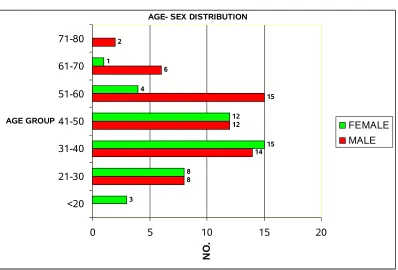
[image:48.612.61.459.240.510.2]A total of 100 patients with hand eczema were included in the study.
FIGURE - 1
AGE SEX DISTRIBUTION
AGE- SEX DISTRIBUTION
8 14 12 15 6 2 3 8 15 12 4 1
0 5 10 15 20
<20 21-30 31-40 41-50 51-60 61-70 71-80 AGE GROUP N O . FEMALE MALE
FIGURE – 2
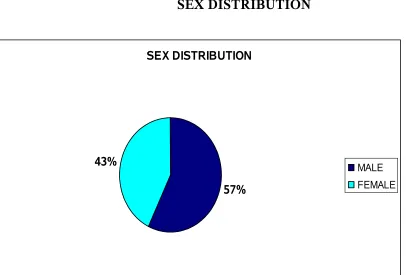
SEX DISTRIBUTION
SEX DISTRIBUTION
57%
43% MALE
FEMALE
FIGURE – 3
HISTORY OF ATOPY
HISTORY OF ATOPY
16%
84%
YES NO
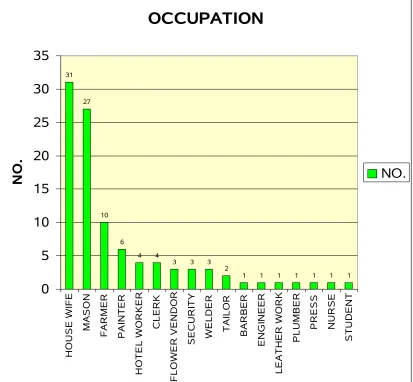
FIGURE – 4 OCCUPATION
OCCUPATION
31 27 10 6 4 43 3 3 2
1 1 1 1 1 1 1
0 5 10 15 20 25 30 35 H O U S E W IF E M A S O N F A R M E R P A IN T E R H O T E L W O R K E R C L E R K F L O W E R V E N D O R S E C U R IT Y W E L D E R T A IL O R B A R B E R E N G IN E E R L E A T H E R W O R K P L U M B E R P R E S S N U R S E S T U D E N T N O . NO.
FIGURE - 5
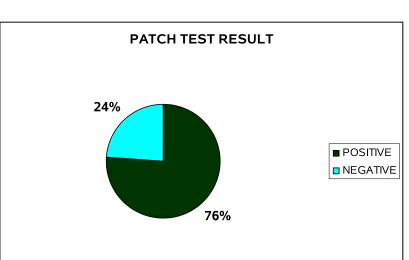
PATCH TEST RESULT
PATCH TEST RESULT
76% 24%
POSITIVE NEGATIVE
FIGURE – 6
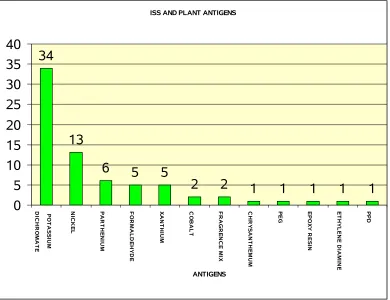
ISS AND PLANT ANTIGEN SENSITIVITY
ISS AND PLANT ANTIGENS
34
13
6 5 5
2 2 1 1 1 1 1
0 5 10 15 20 25 30 35 40 P O T A S S IU M D IC H R O M A T E N IC K E L P A R T H E N IU M F O R M A L D E H Y D E X A N T H IU M C O B A L T F R A G R E N C E M IX C H R Y S A N T H E M U M P E G E P O X Y R E S IN E T H Y L E N E D IA M IN E P P D ANTIGENS
TABLE - 1
AGE - SEX DISTRIBUTION OF PATIENTS WHO TESTED POSITIVE
AGE GROUP
MALES
n=53
FEMALES
n=47
PATCT TEST +
n=76
TOTAL
n = 100
≤ 20 3 2 3
21-30 8 8 15 16
31-40 14 15 21 29
41-50 12 12 20 24
51-60 15 4 12 19
61-70 6 1 5 7
71-80 2 1 2
FIGURE – 7
IRRITANT REACTION TO SOAP AMONG HOUSEWIVES
IRRITANT REACTION TO SOAP AMONG HOUSE WIVES
65% 35%
POSITIVE NEGATIVE
FIGURE – 8
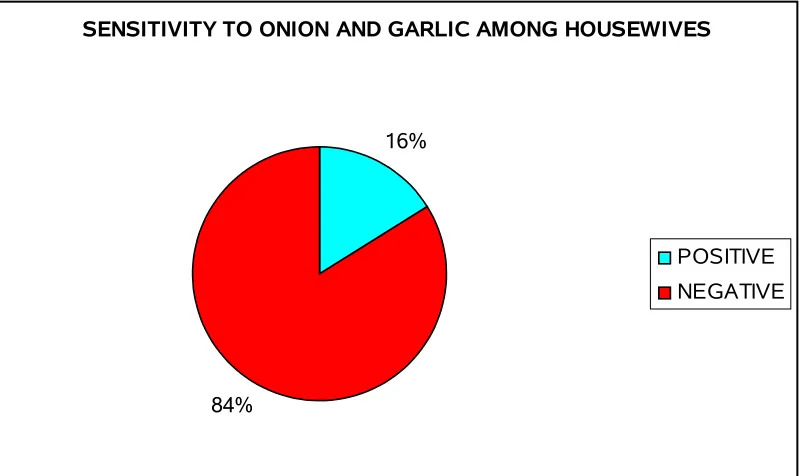
SENSITIVITY TO ONION AND GARLIC AMONG HOUSEWIVES
SENSITIVITY TO ONION AND GARLIC AMONG HOUSEWIVES
16%
84%
POSITIVE NEGATIVE
FIGURE – 9
SITES OF INVOLVEMENT
SITES OF INVOLVEMENT
51%
45%
4%
PALM
DORSUM & PALM DORSUM
Among the 100 cases of hand eczema 51 % had palmar involvement, 45% had dorsal & palmar involvement and 4 % of patients had dorsal involvement.
FIGURE - 10
MORPHOLOGICAL TYPES OF
HAND ECZEMA
69
12 11
5 2 1
0 10 20 30 40 50 60 70 80 W E A R & T E A R D E R M A T IT IS H Y P E R K E R A T O T IC F IN G E R T IP P O M P H O LY X R .F .F .P A P R O N E C Z E M A
DISCUSSION
A total of 100 patients were included in the study, out of which 76% showed positivity in patch testing in concurrence with the studies done earlier which ranges from 50% to 92.5% . Minocha 97 et al., reported 56.5% contact sensitivity among the patients
with palmar hyperkeratotic dermatitis.Templet 98 et al., reported 54.4 % among patients
with hand eczema. Huda 99 et al., reported 92.5% positivity among patients with hand
dermatitis. Kishore 100 et al., reported 82.5% positivity among hand eczema. Laxmisha 101 et al., reported 52.5% positivity among patients with hand eczema.
Majority of our patients belong to 31-50 yrs age group and the mean age of patients who showed positive results was 44.23 which is in concurrence with other studies. 100,102 The mean age of men and women who showed patch test positivity were
48.58 and 39.14 respectively. Women showed positive patch test at an earlier age, this could be because of the earlier sensitization to allergens like nickel, cobalt and fragrance mix used in artificial jewelries and cosmetic products.
Among the 100 patients studied 57 (57%) were males and 43 (43%) were females, the ratio being 1.32:1 which is contrary to most studies where the incidence was higher in females.97,98,103 This could be because of high number of semiskilled construction
workers in our study group. Kishore 100 et al., and Laxmisha 101 et al., reported male
predominance in their study group.
study group 16% of patients were atopics. Suman and Reddy reported history of atopy in 36% of their patients with hand eczema. 8104Laxmisha 101 et al., had reported that only
one out of 36 patients had atopy history in their study group.
Occupation has significant bearing on hand eczema because of exposure to various contactants at workplace. 105.106 In fact, occupational hand eczema comprises
90% to 95% of all occupational skin diseases in Denmark. 105 Among the various
occupational groups, housewives formed the majority and accounted for 31% of total cases in our study, which is in concordance with other studies.97,100,104 This can be
explained on the basis of their coming in contact with agents of wide variety during day-to day routines of household work of cooking, washing, cleansing and milking, feeding of animals particularly by housewives of rural background in India. Masons constituted second major group (27%) which is higher when compared to Laxmisha 101 et al ., and
Suman and Reddy 104 who has reported 14% masons in their study group. This could be
because of the growth in construction industry in our region. The other occupational groups encountered in our study were, farmers (10 %), painters (6 %), hotel workers (4 %), clerk (4 %), flower vendors (3 %), security (3 %), welder (3 %), tailor ( 2 %), barber (1 %), mechanical engineer (1%), leather worker ( 1 %), plumber ( 1 %), press (1 %), nurse ( 1 % ) and student (1 %). The contact with water, which is hypotonic, and the dissolution of the surface lipids by detergents or solvents, may be the reason for a higher incidence of contact allergy in people involved in the above occupations.
of a large number of construction workers in our study group. Chromates are present in cements, leather, matches, bleaches, yellow paints, varnishes, certain chromates containing glues, soap, and detergents.107 Chromates are part of earth's crust, and traces
of chromates are present in practically all raw materials. 107 Similar findings were
reported by Laxmisha 101 et al., and Kishore 100et al.,
The next common allergen was nickel sulphate i.e., 17.10 % (13), with a female predominance ( 84.61 %). Majority of the patients with nickel allergy were house wives as they are exposed to utensils, door handles, knobs, artificial jewelry etc. Nickel is ubiquitous in the environment and constitutes about 0.008% of the earths crust. Nickel in metal and salt form gives rise to contact allergy, metallic nickel only after corrosion.108 The corrosiveness of sweat, saliva and other body fluids to nickel and
nickel alloys is of primary importance. Similar findings have been reported in various studies. 103,109,110
Among those positive patients the common sensitizer in males was potassium dichromate (70.73%) and in the females it was nickel sulphate (31.42 %).
some thiophenes and benzofuran derivates possess not only phototoxic activity, but also sensitizing properties. Clinical manifestations vary from generalized eczema (20-30%), eczema of hands and face (24%), hand (36-44%), or facial eczema (11-28%). 110 Bajaj 111
et al., reported that 2 patients out of 71 cases of parthenium dermatitis presented with hand eczema ( 2.81%). Singhal 112 et al., have found hands and/or feet dermatitis to be
the most frequent sites affected.
Out of 6 patients with parthenium positivty 5 showed positive reaction to xanthium. This could be because of cross sensitivity. One patient showed positivity to chrysanthemum , he was a flower vendor and occupational exposure could be the reason for the eczema. Xanthium strumarium is a weed belonging to compositae family with sesquiterpene lactone as the sensitizer. Parthenium hysterophorus and X.. strumarium have shown a high rate of cross-sensitivity in Indian patients,113 whereas the
prevalence of cross reaction with chrysanthemum is generally low.114,115
Sensitivity to formaldehyde was seen in 5 (6.57 %) patients. Formaldehyde is a ubiquitous sensitizer industrially, domestically and medically. The frequency of formaldehyde positivity in eczema patients is around 3 - 4%. 116 Among the five positive
patients 3 were hotel workers, one was a paramedical personnel and the other one was a painter. One patient showed epoxy resin sensitivity and two patients showed fragrence mix sensitivity along with formaldehyde positivity.
painter with PEG sensitivity. Cobalt and nickel are present in cement and allergy to these metals can occur in the construction workers. However isolated occupationally relevant allergy to these metals from cement without concomitant allergy to chromate is very rare. It is because cobalt and nickel are present in insoluble form that has very low sensitization potential.21 Thus, allergy to these metals is usually secondary in the setting
of damaged skin incurred upon by the existing chromate allergy. Greater the clinical severity of chromate allergy more is the chance of sensitization from cobalt and nickel.
117
Fragrence mix positivity was seen in 2 ( 2.63%) patients and these patients showed formaldehyde sensitivity also. In India the use of perfumes and fragrances are on the rise. We feel that in the near future more people with allergy to fragrence mix may be detected.
One patient (1.31%) showed sensitivity to Poly ethylene glycol (PEG). The patient was a painter. PEG is used as a solvent, plasticizer and wetting agent. Occupational exposure could be the reason for the sensitivity in this patient, who also showed sensitivity to Cobalt.
Ethylenediamine dihydrochloride sensitivity was seen in one patient who was a leather worker. Occupational exposure could be the reason for his sensitivity. This patient showed positive reaction to potassium dichromate also.
One patient showed sensitivity to PPD. This patient was a barber who handles hair dyes regularly during his work and this could be the reason for his hand eczema.
One patient was a plumber and he showed sensitivity to the glue used in his daily work. Patch testing was done with the glue as such and the nature of substances in the glue could not be determined.
Among the 31 house wives patch tested with soaps and detergents 20 ( 64.51%) showed irritant reaction, among these 20 patients 9 patients did not show sensitivity to any other allergens. Chronic irritant dermatitis to the soaps and detergents could be the reason for the hand eczema in these patients. Detergents as a major cause of hand dermatitis among house wives has been reported in various studies.108,118
Garlic and onion has been reported as the most common sensitizer among the vegetables in hand dermatitis seen in house wives by various authors.103,118,119 In our
study 5 out of 31 house wives had sensitivity to onion and garlic. All the patients had finger tip eczema, which is the pattern seen in hand dermatitis due to vegetables.
morphological picture, followed by hyperpigmentation, fissuring, and lichenification. Similar observation has been reported by Suman and Reddy.104 Among the various
SUMMARY
This study was undertaken using Indian standard series, plant antigens in suspected individuals, soaps, detergents, onion and garlic in housewives for patch testing patients with hand eczema.
Majority of patients belonged to 31-50 yrs age group. The mean age of patients who showed patch test postivity was 44.23. Hand eczema was predominantly seen in men in our study. Male : Female ratio was 1.32:1. Women showed positive patch test at an earlier age than men.
History of atopy was seen in 16 % of patients with hand eczema. Among the various occupational groups housewives formed the majority comprising 31 % followed by masons (27%).
Patch test was positive in 76 % of patients with hand eczema.
The most common sensitizer in our study group was potassium dichromate, constituting 44.73 % (34), followed by nickel sulphate 17.10 % (13). Among those positive patients the common sensitizer in males was potassium dichromate (70.73%) and in the females it was nickel sulphate (31.42 %).
(1.31% ), and PPD (1.31% ).
Out of 6 patients with sensitivity to parthenium 5 showed positive reactions to xanthium. Among the 2 patients with cobalt sensitivity one showed positive reaction to chromate and the other patient showed sensitivity to PEG. Fragrence mix positivity was seen in 2 patients and these patients showed formaldehyde sensitivity also.
Among the 31 house wives patch tested with soaps and detergents 20 ( 64.51%) showed irritant reaction, among these 20 patients 9 patients did not show sensitivity to any other allergens. Sensitivity to onion and garlic was seen in 5 house wives.
The predominant site of involvement were palms ( 51 %), dorsum & palm ( 45 %) and only dorsal involvement in 4%. Dry, scaly skin was the most common morphological picture, followed by hyperpigmentation, fissuring, and lichenification.
CONCLUSION
BIBLIOGRAPHY
1. Holden CA, Berth-Jones J. Eczema, lichenification, prurigo and erythroderma. In: Burns T, Breathnach S, Cox N, Griffiths C, editors. Rook's Textbook of Dermatology, 7 th ed. Oxford: Blackwell Science; 2004. p. 17.1-17.55.
2. Li LF, Wang J. Contact hypersensitivity in hand dermatitis. Contact Dermatitis 2002;47:206-9.
3. Rietschel RL, Fowler JF Jr. Hand dermatitis due to contactants: Special considerations. Fisher's Contact Dermatitis. 5 th ed. Philadelphia: Lippincott Williams and Wilkins; 2001. p. 261-78.
4. Hebra F. On Diseases of Skin. New Sydenham Society.London 1868. chap 19.
5. Fox T. Skin diseases. 3rd ed., Henry Renshaw.London 1873.chap 10.
6. Radcliffe – Crocker. Diseases of skin.3 rd ed.,H.K.Lewis London, 1903, 147.
7. Meding B, Järvholm B. Hand eczema in Swedish adults - changes in prevalence between 1983 and 1996. J Invest Dermatol. 2002 ;118:719-23.
8. Agrup G. Hand eczema and other hand dermatoses in South Sweden. Acta Derm Venereol. 1969;49:73-84.
10. Coenraids PJ, Smit H. dermatoses. In: McDonald JC editor. Epidemiology:work related diseases. 2nd ed. London:BMJ Books;2000.p.175-94.
11. Perry AD, Trafeli JP. Hand dermatitis: review of etiology, diagnosis, and treatment. J Am Board Fam Med. 2009 ;22:325-30.
12. Bikowski JB. Hand eczema: diagnosis and management. Cutis. 2008 ;82:9-15.
13. Nanko H. treatment of house wives hand eczema. J Jap Med Ass.2004;47:44-51.
14. Tagami H. stratum corneum as skin barrier. Journal of the Japanese society of dermatology 1998;108:713-717.
15. Hamanaka S. Skin glycolipids and their function. Journal of the Japanese society of dermatology. 2002;112:107-115.
16. Meding B. Epidemiology of hand eczema in an industrial city. Acta Derm Venereol.1990;153:1-43.
17. Rystedt I. Hand eczema inpatients with history of atopic manifestations in childhood. Acta Derma Venereol.1985;65:305-12.
18. Lee HJ, Ha SS, Ahn WK. Clinical evaluation of atopic hand dermatitis. Paediatr Dermatol. 2001;18:102-6.
20. Suman M, Reddy BS. Pattern of contact sensitivity in Indian patients with hand eczema. J Dermatol. 2003 ;30:649-54.
21. Burton J L, Rook A, Wilkinson D S. Eczema, lichen simplex, erythroderma and prurigo. In : Textbook of Dermatology (Rook A, Wilkinson D S, Ebling F J G, et al, eds), 4th edn. Bombay : Oxford University Press, 1987; 367 – 418
22. Pasricha J S. Contact dermatitis in India, 2nd ed. New Delhi : Offsetters, 1988.
23. Stuckert J, Nedorost S. Low-cobalt diet for dyshidrotic eczema patients. Contact Dermatitis. 2008;59:361-5.
24. Thierse HJ, Gamerdinger K, Junkes C, Guerreiro N, Weltzien HU. T cell receptor (TCR) interaction with haptens: metal ions as non-classical haptens. Toxicology. 2005;209:101-7.
25. Lofgren SM, Warshaw EM. Dyshidrosis: epidemiology, clinical characteristics, and therapy. Dermatitis. Dec 2006;17:165-81.
26. Guillet MH, Wierzbicka E, Guillet S, Dagregorio G, Guillet G. A 3-year causative study of pompholyx in 120 patients. Arch Dermatol. Dec 2007;143(12):1504-8.
27. Por A, Ket NS. Investigative techniques in contact dermatitis. In : Ket NS, Goh CL, editors. The Principles and Practice of Contact and Occupational Dermatology in the Asia-Pacific Region. World Scientific: New Jersey; 2001. p. 47-57.