EFFECTIVENESS OF BREAST FEEDING AND MATERNAL HOLDING ON PAINFUL RESPONSES AMONG TERM NEONATES UNDERGOING
HEEL LANCE FOR NEWBORN SCREENING AT KMCH COIMBATORE.
Reg. No. 301415451
A DISSERTATION SUBMITTED TO THE TAMILNADU
Dr. M. G. R. MEDICAL UNIVERSITY, CHENNAI, IN PARTIAL
FULFILMENT OF REQUIREMENT FOR THE DEGREE OF
MASTER OF SCIENCE IN NURSING
CERTIFICATE
This is to certify that the Dissertation entitled “A COMPARATIVE STUDY TO
ASSESS THE EFFECTIVENESS OF BREAST FEEDING AND MATERNAL HOLDING ON PAINFUL RESPONSES AMONG TERM NEONATES UNDERGOING HEEL LANCE FOR NEWBORN SCREENING AT KMCH, COIMBATORE” is submitted to the faculty of nursing, THE TAMILNADU Dr. M. G. R. MEDICAL UNIVERSITY, CHENNAI, by Reg. No. 301415451 in partial fulfilment of requirement for the degree of Master of Science in Nursing. It is the bonafide work done
by her and the conclusions are her own. It is further certified that this dissertation or any
part thereof has not formed the basis for award of any degree, diploma or similar titles.
Prof. DR. S. Madhavi, M.Sc. (N), Ph.D.,
Principal,
KMCH College of Nursing,
Coimbatore – 641014
EFFECTIVENESS OF BREAST FEEDING AND MATERNAL HOLDING ON PAINFUL RESPONSES AMONG TERM NEONATES UNDERGOING
HEEL LANCE FOR NEWBORN SCREENING AT KMCH COIMBATORE.
APPROVED BY DISSERTATION COMMITTEE ON DECEMBER 2015
1.
RESEARCH GUIDE:
Prof. DR. S. Madhavi, M.Sc. (N), Ph.D., Principal,
KMCH College of Nursing,
Coimbatore – 641014
2. CLINICAL GUIDE :
Prof. DR. Mariammal Pappu M.Sc.(N),Ph.D., (BS) Head of the Department
Department of Pediatric Nursing
KMCH College of Nursing,
Coimbatore - 641014
3. MEDICAL GUIDE :
Dr. Ashwath. D., DCH., M.D., D.N.B.,
Consultant in Pediatrics & Neonatology
Kovai Medical Center & Hospital Ltd.,
Coimbatore -641014
A DISSERTATION SUBMITTED TO THE TAMIL NADU Dr. M. G. R. MEDICAL UNIVERSITY CHENNAI, IN PARTIAL
FULFILLMENT OF REQUIREMENT FOR THE DEGREE OF MASTER OF SCIENCE IN NURSING
ACKNOWLEDGEMENT
I place my deep sense of admiration to God Almighty for his grace, blessing, guidance and support which strengthened me in the research process and sustained me
throughout this endeavor.
First and foremost I offer my sincere gratitude to our Chairman Dr. Nalla G. Palaniswami, M.D.,AB (USA), Chairman And Managing Director, Kovai Medical Center And Hospital and our Trustee Dr. Thavamani D. Palaniswami M.D.,AB (USA),
Managing Trustee, Kovai Medical Center And Hospital for giving me an opportunity to
undertake my Post Graduation programme in this esteemed institution.
I grab this occasion to express my deep sense of gratitude to Prof. DR. S. Madhavi, M.Sc. (N), Ph.D., Principal, KMCH College of Nursing, who was my Research guide who had supported throughout my study with her valuable knowledge in
research and in statistics.
I am extremely thankful to Prof. (Mrs.) Sivagami .R. M, M.Sc. (N)., Vice Principal KMCH College of Nursing for her generous support, encouragement and timely advice to fulfil this work.
Words are inadequate in offering my thanks to Prof. DR. Mariammal Pappu, M.Sc. (N), Ph.D., (BS) HOD of Pediatric Nursing KMCH College of Nursing, my clinical guide for her expert advice, extensive guidance and consultation, continued help
and encouragement right from the selection of the problem to the conclusion of this study.
I take immense pleasure in thanking my Medical guide
Dr. Ashwath. D.,
DCH., M.D., D.N.B.,
Consultant in Pediatrics & Neonatology, for his guidance anddirection for this study.
I wish to record my gratitude to Prof. (Mrs.) N. B Mahalakshmi, M.Sc. (N)., Mrs. R. Sasikala M.Sc. (N) Asso. Prof., Mrs. Alice Rani M.Sc. (N) Assist. Prof., and Pediatric nursing faculty, who have not only served as my superiors but also encouraged sincerely throughout my dissertation process.
I express my sincere gratitude to Mrs. Jane Ebenezer, Nursing supervisor, and
all the staff nurses in post natal wards, who helped me to complete my study successfully.
I am exceedingly thankful to Mrs. Vennila., Statistician, KMCH College of Pharmacy, for her guidance in statistical analysis and interpretation of data during the
study.
Thanks also goes to Mr. Damodharan, Chief Librarian and Assistant Librarians,KMCH College of Nursing for their whole hearted help and assistance in search of references to update the content. I would like to extend my sincere thanks to the
King of Kings for the professional quality of the computer work to complete the form of my study.
A most sincere thanks to Mrs. A. Buvaneswari, M.A., M.Phil, Assistant Professor who edited my study in the present form, which express what it originally mean.
Above all I am so deeply indebted to my parents, brothers and sisters, my husband Mr. Anoop Kurien Abraham and all of my family members for permitting me to undertake this post graduate program, for their help, motivation, prayer, economic
and moral support and unconditional love and cooperation throughout my study without
that my dream would never have come true. My special thanks also goes to my
TABLE OF CONTENTS
CHAPTER CONTENTS PAGE NO
I INTRODUCTION 1-8
NEED FOR THE STUDY 2
STATEMENT OF THE PROBLEM 5
OBJECTIVES OF THE STUDY 5
OPERATIONAL DEFINITIONS 5
HYPOTHESIS 6
ASSUMPTIONS 6
CONCEPTUAL FRAMEWORK 7-8
II REVIEW OF LITERATURE 9-14
III RESEARCH METHODOLOGY 15-20
RESEARCH DESIGN 15
VARIABLES UNDER THE STUDY 15
SETTING OF THE STUDY 16
POPULATION OF THE STUDY 16
SAMPLE SIZE 16
SAMPLING TECHNIQUE 17
CRITERIA FOR SAMPLE SELECTION 17
DEVELOPMENT AND DESCRIPTION OF THE TOOL 18
DEVELOPMENT OF INTERVENTION 18
VALIDITY AND RELIABILITY OF THE TOOL 19
PILOT STUDY 19
PROCEDURE FOR DATA COLLECTION 19
METHOD OF DATA ANALYSIS 20
IV DATA ANALYSIS AND INTERPRETATION 21-43
V
DISCUSSION, SUMMARY, CONCLUSION, IMPLICATIONS, LIMITATIONS AND RECOMMENDATIONS
44-53
ABSTRACT 54
REFERENCES 55-60
LIST OF TABLES
TABLE NO TITLE PAGE NO
1. Distribution of Demographic variables of Neonates 22
2. Description of mean Physiological parameters of pain in both
groups 28
3. Description of pain scores in Breast feeding group 32
4. Description of pain scores in Maternal holding group 33
5. Description of Level of pain among Neonates 34
6. Description of duration of cry according to their age in
Breastfeeding group 36
7. Description of duration of cry according to their age in
Maternal holding group 36
8. Comparison of pain scores of Behavioral parameters among
Neonates undergoing heel lance in both groups 37
9. Comparison of pain scores of Physiological parameters among
Neonates undergoing heel lance in both groups 38
10. Comparison of mean pain scores among breast feeding and
Maternal holding groups 40
11. Comparison of Neonate’s duration of cry according to their age
in Breast feeding group 41
12. Comparison of Neonate’s duration of cry according to their age
in Maternal holding group 41
13. Association between the Neonate’s demographic variables and
the pain scores in Breast feeding group 42
14. Association between the Neonate’s demographic variables and
LIST OF FIGURES
FIGURE NO FIGURES PAGE NO
1. Conceptual framework- Modified Gate Control Theory
By Melzack And Wall (2012) 8
2. Distribution of Neonates according to the Age in
Breastfeeding group 23
3.
Distribution of Neonates according to the Age in
Maternal Holding group 23
4. Distribution of Neonates according to the Gestation in
Breastfeeding group 24
5. Distribution of Neonates according to the Gestation in
Maternal Holding group 24
6. Distribution of Neonates according to the Sex in
Breastfeeding group 25
7. Distribution of Neonates according to the Sex in
Maternal Holding group 25
8. Distribution of Neonates according to the Birth weight
in Breastfeeding group 26
9. Distribution of Neonates according to the Birth weight in
Maternal Holding group 26
10. Distribution of Neonates according to the Mode of
delivery in Breastfeeding group 27
11. Distribution of Neonates according to the Mode of
delivery in Maternal Holding group 27
12. Distribution of Heart rate among the Breastfeeding group
before and after heel lance. 29
13. Distribution of Heart rate among Maternal holding group
before and after the heel lance 29
14. Distribution of Saturation among the Breastfeeding
15. Distribution of Saturation among Maternal holding
group before and after heel lance. 30
16. Description of mean Heart rates in both groups before and
after heel lance 31
17. Description of mean Saturation in both groups before and
after heel lance 31
18. Description of Pain level among neonates who
underwent heel lance. 34
19. Distribution of pain scores of neonates in Breastfeeding
and Maternal holding group 35
20. Distribution of duration of cry in Breastfeeding and
Maternal holding group 35
21. Comparison of mean scores of Behavioral cues of pain
among Breastfeeding and Maternal holding groups 39
22. Comparison of mean scores of Physiological cues of pain
among Breastfeeding and Maternal holding groups 39
23. Comparison of mean pain scores among the
LIST OF APPENDICES
SL NO TITLE
I Demographic characteristics of the Neonates
II Premature Infant Pain Profile by Stevens (1996)
III Observational Performa for assessing Duration of cry in Neonates
IV Copy of permission letter to conduct the study
V Copy of Ethical clearance letter to conduct study
VI Copy of certification for content validity
1
CHAPTER I
INTRODUCTION
Neonates admitted to the hospital may encounter pain as a result of diagnostic
or therapeutic interventions or as a consequence of a disease process. Neonates cannot
verbalize their pain experience sorely on others to recognize, assess and manage their
pain. Even if not expressed through cognizant memory, neonates may bear prompt or
long term consequences, if presented to painful trauma for lengthy periods. Neonates
will have hormonal, physiological and behavioural responses when presented to
noxious stimuli. By identifying behavioural and physiological responses to pain,
adequate pain management can be given. Tools that help the clinical assessment of pain
are guarantee consistency between clinicians. Pain is considered as the 5th vital sign.
(Kendrick. A., Twomey. B., 2016).
Pain is difficult to measure and even more perplexing when its sufferers are very
young or preverbal. This is particularly factual of newborn infants, both full and
preterm. For years, health-care providers in the United States have cared for infants
without viewing pain as one of the significant threats or difficulties in making treatment
decisions, this was not because anyone wanted to harm babies. Superficial observations
agreed that pain medications had some threats along with their benefits, and that infants appeared to forget pain anyway. (Giboney P. G., 2004).
An observational study was conducted in paediatric teaching hospital with a
strategy of pain assessment during a heel lance procedure. The study included 20
neonates who underwent heel lance. The behavioural dimensions like facial
expressions, body movements, crying characteristics and the physiological measure of
heart rate were assessed. The study concluded that the neonate were responsive to three
behavioural dimension and heart rate during the heel lance. (Harrison. D., 2003).
Neonates are at risk of Neuro-developmental impairment as a result of preterm
birth (i.e., the least and sickest) are most likely to be open to the maximum number of
painful stimuli in the NICU. In spite of the fact that there are major gaps in our
knowledge regarding the most effective way to avoid and let go pain in neonates,
verified and safe therapies are currently been used for routine minor yet painful
procedures. Every health care team caring for neonates need to implement an effective
2
minimizing the number of painful procedures performed, and successfully using
pharmacologic and non-pharmacologic remedies to eliminate pain. (Patracia. E. et.al. 2016).
Randomized clinical trial was done to assess the efficacy of breast-feeding with
maternal holding as compared with maternal holding without breastfeeding in relieving
painful responses during heel lance in full-term neonates. 128 full-term newborn in 4
to 6 days of life were included in the study. The neonates were randomly assigned into
2 equivalent groups, they were either breast-fed with maternal holding or were held in their mother’s lap without giving breastfeeding. The painful responses were measured
simultaneously. 2 neonatal nurses were blinded to the purpose of the study. Outcome
was measured with the Premature Infant Pain Profile scale. Independent t test showed
significant differences (t =−8.447, P = .000) in pain scores. Breastfeeding with maternal
holding group had less score than the other. (Obeidat, H. M., & Shuriquie, M. A., 2015).
The study was conducted to evaluate the effectiveness of breastfeeding in
reducing procedural pain in neonates. Data on appropriate results were extracted and
the effect size was estimated and reported as relative risk difference and measured mean
difference. Neonates who were in the breastfeeding group had statistically significantly
less increase in the heart rate, reduced amount of crying time and reduced duration of
crying compared to no intervention group. (Shah. P. S., 2006).
To minimize procedural pain in neonates a study was done by utilizing
breastfeeding as an intervention. The study demonstrated that breastfeeding ought to be
utilized to minimize the pain in neonates. The main aim was to compare the
breastfeeding with control group. The breastfeeding group had essentially less
increment in the heart rate, lessened extent of crying time and diminished time of crying
compared with the non-breastfeeding group. (Prakash, Lucia, Vibuti Shah, 2007). NEED FOR THE STUDY
Every newborn and premature baby feels pain. Children remember pain, and
may avoid forthcoming medical care because of painful experiences in a hospital.
Untreated pain suffered early in life can have deep and long-lasting effects on social
and physical development, and can cause permanent changes in the nervous system that
3
parents, family, and caregivers, and caring for a child with chronic pain can cause the
family emotional and financial stress. Prolonged pain may have a better prognosis if treated early in life than if it is allowed to persist into adulthood. Children’s pain isn’t
treated sufficiently, even though we do have the ability to treat or prevent most pain.
Most pain can be either prevented, treated, or at least reduced using inexpensive
medications, emotional, and/or physical techniques. In spite of this, utmost children in
the world do not receive adequate treatment. (International Association for the Study of Pain-IASP, 2012).
In a Cochrane survey, the scientists included 11 concentrates on analyzing the
impacts of breastfeeding or breast milk on intense procedural pain; the most reduced
neonatal facial score (2.3 versus 7.1), most reduced cry span (5 versus 49), and
diminishing in parasympathetic tone (–2 versus 1.2). Bottle feeding was indicated
preferable impacts over alternate interventions, however was not as successful as breastfeeding. Breastfeeding amid heel prick testing was observed to be the best
strategy for painful relief. (Shah, Aliwalas, Shah, 2009).
The feasibility of breastfeeding in decreasing pain in babies experiencing blood
collection for newborn screening was done in the year 2008. The study comprised of
60 full term infants, 31 in the experimental group and 29 in the control group. The
experimental group was breastfed 5 minutes prior, amid, and for 5 minutes after the
blood collection procedure. Neonates in the control group were held in moms' arms yet
not fed or given a soother. Sucking recurrence was just assessed in the experimental
group. Compared and the control group, the experimental group had essentially lower,
Neonatal Facial Activity Coding System and rest wake state scores and heart rates
changes. In the experimental group sucking recurrence was most astounding amid the
initial 5 minutes of breastfeeding before the technique. The distinctive periods of the
strategy were assessed independently; the breastfeeding intercession secured the period
from 5 minutes before the blood collection until the end of recuperation; rest wake state
was completely surveyed and the sucking recurrence in the experimental group was
evaluated amid the method. The study presumed that breastfeeding was successful in
4
Non- pharmacological treatments (excluding breast milk, sucrose, and music) were
examined to determine the efficacy for pain reactions after an acutely painful procedure.
13 different types of non-pharmacological measures were commonly investigated. 51
randomized controlled trials were included involving 3396 participants. There was
sufficient evidence to recommend kangaroo care, sucking related interventions, and
swaddling or facilitated tucking, rocking or holding interventions for both pain
reactivity and immediate pain regulation. (Pillai. R., Nicole, Kara, et.al, 2012).
Pain assessment was evaluated by DAN scale (Douleur Aigue Nouveau ne scale).
200 healthy neonates were assessed during heel lance. 100 were in experimental and
100 in control group. The experimental group was breastfed. The findings reveal that
the pain score were significant in the two groups; the researcher found that
breastfeeding is having an analgesic effect. (Uga. E, Candriella. M., 2008).
Breastfeeding provides pain relief for newborn babies undergoing painful procedures. There are different forms of non-pharmacological strategies that may be used to reduce pain
in babies, such as holding, swaddling them, sucking on a pacifier, or giving sweet solutions
(such as sucrose or glucose). Studies have been done in full-term babies and they have
shown that breastfeeding is effective by demonstrating that it reduces babies' crying time
and reduces different pain scores that have been validated for babies. Breast milk given by
syringe has not shown the same efficacy as breastfeeding itself. (Herbozo, Aliwalas. et.al, 2012)
A neuroimaging study was conducted to evaluate the effectiveness of maternal
5
During the clinical posting in postnatal wards, the researcher found that
neonates are undergoing number of painful procedures like venipuncture, collection of
blood samples and heel lancing. Heel lancing was mainly done for newborn screening
test and it was done routinely for neonates according to their parent’s willing. There are
different types of non- pharmacological measures which can be effectively used to
reduce pain among neonates while exposed to painful procedures. So the researcher had
chosen two non- pharmacological measures such as Breast feeding and maternal
holding to find the effectiveness in reducing pain among Neonates.
STATEMENT OF THE PROBLEM
A comparative study to assess the effectiveness of Breastfeeding and Maternal
holding on painful responses among term Neonates undergoing heel lance for Newborn
screening at KMCH, Coimbatore.
OBJECTIVES OF THE STUDY:
The objectives of the study:
Assess the painful responses among Neonates undergoing heel lance in Breastfeeding and Maternal holding groups.
Compare the pain scores among Neonates with Breastfeeding and Maternal holding.
Associate the Neonate’s demographic variables with the level of pain who were on Breast feeding during heel lance.
Associate the Neonate’s demographic variables with their level of pain who were on Maternal holding during heel lance.
OPERATIONAL DEFINITIONS
: Painful responses: unpleasant sensory and emotional response associated with tissue damage during the heel lance expressed as behavioral and physiological
cues assessed by premature infant pain scale.
6
Breastfeeding: refers to the neonates who were breastfed and held in their mother’s lap while their mothers are seated reclining on a comfortable chair and
the neonate is observed for PASS (Positioning, attachment, sucking and
swallowing).
Maternal holding: refers to neonates who are held in their mother’s arms with heel exposed at the time of heel lance.
HYPOTHESIS
H1: There is a significant difference in the pain response of Neonates on Breastfeeding than the Neonates on Maternal holding during heel lance.
ASSUMPTIONS
Neonates can experience pain.
Breastfeeding is the process itself leading to the activation of endogenous opioid through orogustatory stimulation and it contains tryptophan which has
7
CONCEPTUAL FRAME WORK
Gate control theory was described by Melzack and Wall in 1965. The theory has been revised in the year 2012. This theory explain about a pain- modulating system
in which a neural gate present in the spinal cord can open and close thereby modulating
the perception of pain.
The three systems located in the spinal cord act to influence perception of pain,
mainly
The substantia gelatinosa in the dorsal horn,
The dorsal column fibers, and
The central transmission cells
o The noxious impulses are influenced by a “gating mechanism.”
o Stimulation of the large- diameter fibers inhibits the transmission of pain, thus “closing the gate.” and the stimulation of smaller fibers, thus opens the gate. o Gate is opened by
Physical factors - Bodily injury
Emotional factors - Anxiety & Depression
Behavioral factors - Attending to the injury and concentrating on
the pain o Gate may be closed by:
Physical pain - Analgesic remedies
Emotional pain - Being in a ‘good’ mood
Behavioral factors – Concentrating on things other than the injury.
In the present study, the neonates experience pain because of bodily injury
which opens the gate in both groups, but the concept of behavioral factors were
emphasized as breast feeding while heel lance, the breast milk activates the endogenous
opioid which contain nociceptive effects on pain. So pain is not perceived. So the
newborn in breastfeeding group showed stable physiological parameters and reduced pain scores and cry. In maternal holding, as the neonate are held in their mother’s arm
while heel lance, only smaller fibers are stimulated and the behavioral factors mainly
emphasizes on not concentrating on pain. So gate is opened and pain is perceived. They
showed increased heart rate, reduced saturation prolonged cry and increased pain
8
Figure No. 1.MODIFIED GATE CONTROL THEORY BY MELZACK AND WALL (2012)
GATE
OPENED
Breast milk contains endogenous opioids tryptophan
stimulating the large diameter fibers. Gate is closed.
Maternal holding is the form of not concentrating on pain which stimulates smaller fibers. Gate is not closed. Pain is perceived.
INCREASED PAIN HEART RATE ACCELERATED SATURATION DROPPED PROLONGED CRY (<2days 124.08 sec, >2days 139.07 sec)
DECREASED PAIN HEART RATE NOT ACCELERATED SATURATION NOT DROPPED
REDUCTION IN CRY (<2days 31.79 sec, >2days 31.38 sec)
FACTORS
PHYSICAL: Bodily injury (Heel lance) BEHAVIORAL:
Concentrating on pain
OUTCOME Breastfeeding is superior in pain
control than maternal holding during heel lance
DEMOGRAPHIC VARIABLES
Age
Gestation
Sex
Birth weight
9
CHAPTER II
REVIEW OF LITERATURE
Review of literature is an essential part of any research study, it familiarizes the investigator with previous investigations related to one’s field of interest, the various
methods and procedures which can be perused. It also provides an opportunity to
localize the related information and interest. Thus it offers general guidelines for the
execution of the research studies. (Polit and Hungler, 1999). The extensive review of
literature has been done and it is organized according to the following headings:
Section A: Studies related to effectiveness of Breastfeeding during painful procedures. Section B: Studies related to effectiveness of Maternal holding during painful procedures.
Section C: Studies related to painful perception in Neonates.
Section A: Studies related to effectiveness of breastfeeding during painful procedures.
Breast-feeding is a common way of promoting bonding and affection between
neonates and mothers. A study was conducted to assess the effectiveness of
breast-feeding on procedural pain amid term neonates in Chennai. The cues evaluated were
facial expression, pattern of breathing, arms, legs and nature of cry on 60 term neonates.
Breast-feeding before procedural pain amid term neonates and their intensity of pain
perception was reduced. Nurses can inculcate the breast-feeding practices before
painful procedures amid neonates as evidence based practice for evaluating the
immense developmental outcome. (Judie. A., Jasmine. C., 2011).
Effectiveness of breastfeeding during neonatal immunization injections showed
pain reduction in infants. 60 infants in experimental group and 60 infants in control
group were selected for the study. Pain responses of infants during and after
immunization were observed. Infant’s heart rate and length of crying for both groups
were calculated. Findings discovered that the crying time was lesser in breastfed group
than in the control group with a statistically significant difference in the duration of
crying during and after immunization. (Razek, A. A., & El- Dein, N. A. 2009).
A sample of 101 term neonates was randomly allocated to breastfeeding during
10
revealed that breastfeeding provides long term analgesic effect for heel lance compared
with oral sucrose in term neonates. The main aim of this study was to compare the
efficacy of breastfeeding and orally provided sucrose solution in diminishing pain
response during heel lance blood procedure. Scores were lower in the breastfeeding
group (3.0) than in the sucrose group (8.5). (Fenestrelle. S. 2008).
A sample of 102 term neonates requiring a venous blood sampling was used for the
study. NIPS were used and neonate’s heart rate, saturation level and duration of crying
were noted. The crying time in seconds was less in both sucrose i.e. 9.56+ or -12.96
and breastfeeding 28.62+ or -33.71 than the control group. No difference was assessed
between sucrose and breastfeeding group. (Efe, Savaseer, 2007)
The pain relieving effect of breastfeeding during immunization shots in healthy
neonates showed effectiveness in reducing pain. 66 healthy were randomized to be
breastfed before, during, and after the shot or to be given the shot according to routine clinic procedure (no breastfeeding). The heart rate and saturation levels were almost the
same in both groups. They concluded that breastfeeding, holding, and skin-to-skin
contact significantly reduced crying. (Efe, Ozer, 2007)
Effect of breast feeding on pain, a clinical trial design was done in 130 newborns.
Samples were allotted randomly in two groups, the breastfeeding group, feeding was
initiated two minutes before injection and continued for 45 seconds. In the control
group shot was made without breast feeding. Pain assessment was performed and the
results showed that in the breastfeeding group of newborns got 4 points and no one got
more than 7 points. The control group got 8 points and no one got less than 3 points.
The mean of pain severity in case group was 3.5 and in control group were 6.7 and it
show significant difference. They concluded that breastfeeding can significantly reduce
pain in newborn. Hence they propose that this is the easy method generally for all
painful procedure to prevent the development of possible permanent emotional effects
in newborns. (Modares. M., Rahim. V. S. F. 2007)
38 neonates were participated in a cross over design where each neonate served as
his/her own control. Median pain scores when neonates were being breastfed were
compared with those when neonates were not being breastfed. The results revealed that
the median pain score of the neonates when breastfed were 1.5 and 4 when not
11
and non-breastfeeding groups. Breastfeeding should be the first choice analgesic during
painful procedures in neonates. (Osinaike, B.B., Oyedeji, A. O., et al. 2007)
A randomized control trial was conducted on 180 newborns to assess the efficacy
of breastfeeding during venipuncture. Newborns were mainly divided into 45 in four
groups. During venipuncture 45 newborns were breastfed, 45 were held in their mother’s arm without breastfeeding, 45 were given 1 ml sterile water as placebo and
rest of the newborns were given 30% sucrose solution followed pacifier. Video
recording was done and the results revealed that breast feeding and glucose plus pacifier
group had less scores compared to other groups. (Carbajal, R., Veerapan, S., et.al. 2003).
Section B: Studies related to effectiveness of maternal holding during painful procedures.
Effects of skin-to-skin contact with the mother during heel prick of 59 stable
preterm infants were randomly assigned, 31 in intervention and 28 in control group. In
intervention group the infants were set aside 15 minutes in skin-to-skin contact prior,
throughout heel prick, and in control group infants underwent regular care. All infants
were assessed for change in facial action, behavioral state, crying, and heart rate.
Skin-to-skin contact stimulated reduction in behavioral actions and less physiological
increase during process. It is suggested that skin-to-skin contact be used as a
non-pharmacological intervention to relieve acute pain in stable early infants born 30 weeks
gestational age or older. (Castral, T., Warnock, F., et al. 2008)
A prospective study was conducted on skin to skin contact to assess the
analgesic effect in healthy newborns. 30 newborn infants were subjected randomly to
either being held by their mothers in whole body, skin to skin contact or to no
intervention throughout a heel lance procedure. Result showed that crying and
grimacing were reduced by 82% and 65%, respectively, and heart rate was also reduced
among newborns in experimental group. Results revealed that skin to skin contact is
remarkably strong intervention against the pain experienced throughout heel stick in
newborns. (Gray, L., Watt, L., Blass, E., 2000).
62 preterm neonates at 28 to 36 weeks' gestational age who were expected to
stay in the NICU for at least 2 venous sampling procedures were selected for paternal
12
before and throughout the procedure with the neonate’s mother or with the father, and
with the other parent in the following session. The Premature Infant Pain Profile and
time for heart rate back to normal were the primary outcomes. The result showed at 30
and 60 seconds after the heel lance, infants in maternal Kangaroo Care displayed
considerably lower scores on the Premature Infant Pain Profile than when in paternal
Kangaroo Care. The differentiation in time to return to KC heart rate before the heel
lance was significant, with the time in maternal Kangaroo Care than in paternal KC.
Results showed that the mothers were slightly more effective than fathers in decreasing
pain response. (Johnston, C., Campbell, Filion, F., 2011).
A study was done in 100 full-term infant pain responses while getting a vitamin
K injection. Infants were randomized to both receive KC for 10 minutes and remain in
a quiet room in the nursery throughout the procedure. NIPS scores were significant.
The infants who received KC got less pain scores. (Kashaninia, Sajedi, Rahgozar, Noghabi, 2008).
A randomized case control clinical trial was conducted to assess the efficacy of
Kangaroo Care to diminish vaccination pain in newborns. 60 newborns were subjected
randomly to case and control groups. Case group received 30 minutes of skin to skin
contact and control group were put wrapped in a blanket aside the mothers. Researchers
revealed that Kangaroo Care may be used to diminish pain intensity in newborns
undergoing painful procedures. (Saeidi. R., Asnashari. Z., et.al, 2011).
A study was conducted on 24 premature infants in NICU to compare the
physiological and behavioral pain cues during heel prick. The intervention chosen by
the researcher was skin ti skin contact. The first group got skin to skin contact prior 3
hours with heel prick and followed by also in an incubator. Second group had incubator
care and heel prick before skin to skin contact. The physiological and behavioral cues
showed reduction in pain scores. (Susan, M., Robert, B., 2005).
A randomized controlled double masked crossover trial was conducted on 50
neonates to assess the effectiveness of kangaroo care in short duration of 15 min in
decreasing pain while heel prick. Outcome was measured using premature infant pain
profile. The findings revealed that the short duration of kangaroo care had benefits in
reducing pain in neonates. (Nimbalkar, S. M., Chaudhary, N. S., et.al. 2013). Section C: Studies related to painful perception in neonates
Newborn infants who are exposed to a sequence of painful and stressful
13
response to pain and exaggerated physiological response to stress. Pain and stress have
been shown to induce significant physiological and behavioral reactions in newborn
infants, even those born prematurely. There is now evidence that these early events not
only induce acute changes, but that permanent structural and functional changes may
also result.(Kate Melville, 1999).
A prospective study was conducted on 180 newborns who underwent heel lance
for newborn screening. Newborns were allocated in 6 groups such as control with no
intervention, non- nutritive sucking, holding by mother, oral sucrose solution, oral
formula feeding and breast feeding, the study revealed that newborns who were
breastfed or received oral formula feed had a great reduction in pain scores.
(Weissman, A., Aranovitch, M., et.al. 2009).
A study was conducted among 70 newborn for observing the pain response to a
heel lancing procedure. The study concerned video-recording the neonates and decision
made by 28 mothers and 17 fathers of other young children. The finding revealed that
facial movement and cry was the influential factor for pain ratings been made. Study
concluded that the distinct facial movement using NFCS connected with the adult
rating. (Grunau, et.al 2004)
A study was conducted from 1999 to 2009, to evaluate the PIPP feasibility
reliability and validity. 14 studies were focused construct validation. Feasibility was
assessed in 4 studies and 2 studies addressed clinical utility. Out of 48 studies 2 studies
were having high methodological quality. So the PIPP was continued to be reliable,
valid measure of acute pain. More research with health professionals is necessary to
better support the feasibility and clinical utility of this measure. (Stevens. B., Johnston, C., et.al. 2010)
A study was conducted on the development and primary validation of Premature
Infant Pain Profile. The main objective of the study was to develop and validate a
measure for assessing pain in premature infants that could be used by both medical
experts and researchers. By using a prospective and retrospective design the Premature Infant Pain Profile was formulated and validated. Indicators of pain were identified
from medical expert and the articles reviewed. Indicators were retrospectively tested
using 4 accessible information sets. Infants of different gestational ages undergoing
14
the measure. The largest data set was used to develop the PIPP. The development
process included shaping the factor structure of the data, developing indicator and
indicator measures and establishing internal consistency. The left over three data sets
were utilized to establish construct validity. The PIPP was a newly developed pain
assessment measure for premature infants with establishment of content and construct
validity. The expediency and feasibility for using the PIPP in clinical practice will be
15
CHAPTER III
METHODOLOGY
This chapter details the research design, setting of the study, populations of the
study, sample size, sampling technique, criteria for sample selection, description of
tools, validity and reliability, data collection procedures and statistical analysis.
RESEARCH DESIGN
Research design adopted for the present study was Randomized Control Trial
post- test only design.
The diagrammatic representation of the design as follows
E X
1O
1R
C X
2O
1R- Randomization
E- Breastfeeding group
C- Maternal holding without breastfeeding group.
O1- Observation of behavioral and physiological cues of pain in both group during heel
lance
X1- Breastfeeding during heel lance
X2- Maternal holding during heel lance
VARIABLES UNDER THE STUDY
In this study the independent variables were Breastfeeding and Maternal
holding and dependent variables were Behavioral and Physiological responses of pain
16
SETTING OF THE STUDY
This study was conducted in post natal wards in KMCH, Coimbatore. KMCH
is an 800 bedded NABH accredited multispecialty hospital with excellent health care
delivery system for the patients and has various specialties like Cardiology, Neurology
Orthopedics, Interventional Radiology, Pediatrics, Obstetrics and Gynecology,
Oncology etc. Out of 800 beds, 60 beds are allotted for obstetric cases that include
antenatal wards, postnatal wards and labor room separately. Approximately 150
deliveries are conducted every month. Nearly 90 mothers undergo normal delivery and
60 of them undergo caesarean section. In KMCH, heel lance is done to screen
Congenital Hypothyroidism, Galactosemia, Phenylketonuria, Congenital Adrenal
Hyperplasia and G6PD deficiency.
POPULATION OF THE STUDY
The population of the study was all term neonates from birth to 28 days who are
subjected to heel lance.
SAMPLE SIZE
Sample size for the study was 80 Neonates, 40 in Breastfeeding group and 40
17
SAMPLING TECHNIQUE
Permuted Block randomization method was adopted to select the samples for
this study.
Maternal holding group
Breastfeeding group
Maternal holding group
Breastfeeding group
CRITERIA FOR SAMPLE SELECTION
Inclusion criteria
Both male and female term neonates
Neonates with Apgar score at one and five minutes ranging from 7 -10.
Neonates who were exclusively breastfed.
Neonates who were subjected to heel lance for Newborn screening.
Exclusion criteria
Neonates who are critically ill.
Neonates with congenital malformation.
20
20 Total enrolled eligible
sample 80
20
18
DEVELOPMENT AND DESCRIPTION OF THE TOOL
Premature Infant Pain Profile (PIPP) developed by Stevens Johnston et al., in
the year 1996 was adopted for the study. Only demographic variables of neonates were
prepared by the researcher.
The tool consisted of three sections.
Section A: Demographic variable
Section B: Premature Infant Pain Profile
Section C: Duration of cry
Section A: The demographic variables of the neonates include Age, Sex, Gestational age, Birth weight and Mode of delivery.
Section B: Pain assessment tool consist of Premature Infant Pain Profile (PIPP). The scale consist of 2 categories with 4 sub- indicators of varying levels of responses to
painful stimuli scoring from 0 to 3. Maximum score is 21 and minimum score is 0-6.
Behavioral cues which includes behavioral state, brow bulge, eye squeeze and Nasolabial furrow.
Physiological cues which includes heart rate and oxygen saturation
INTERPRETATION OF
SCORING:-Less than 6 : minimal or no pain
6 to 12 : moderate pain
More than 12 : severe pain
The higher the score the greater the level of pain among the neonates undergoing heel
lance.
Section C: Observation Performa to evaluate the duration of cry in Breastfeeding and Maternal holding groups.
DEVELOPMENT OF INTERVENTION
The main interventions are;
GROUP I (Breastfeeding):Neonates undergone heel lance were breastfed and held in their mother’s lap while their mothers, seated reclining on a comfortable
19
sucking and swallowing), and allowed to suck for 10 seconds before heel lance
and were continued to suck till the procedure is finished.
GROUP II (Maternal holding: Neonates were held in their mother’s arms with heel exposed at the time of heel lance.
VALIDITY AND RELIABILITY OF THE TOOL
Content validity of the tool was obtained by submitting the framed tool to the
subject experts in the field of neonatology medicine and nursing. The inter rater reliability of the PIPP tool was 0.94 - 0.98.
PILOT STUDY
Pilot study was conducted for assessing the feasibility of the main study. The
sample size was 12 neonates, out of which 6 neonates in Breastfeeding group and 6
neonates in Maternal holding group. The sample selected for the pilot study was not
included in main study. Split half method was done to identify the feasibility of the
original study.
PROCEDURE FOR DATA COLLECTION
An ethical clearance was obtained from the ethical committee members of
KMCH; and also the permission was obtained from the chairman and the consultant
neonatologist of KMCH. The demographic data were collected from the records.
Permuted block randomization was used to recruit the neonates to ensure equality and
to reduce bias in breastfeeding and maternal holding groups. Here the samples were
selected into 4 sets at a time in randomly selected block sizes to ensure a balanced
allocation. 80 samples were divided into 4 sets and the researcher randomly selected
the samples for the study. All neonates were awake at the time of the procedure. The
investigator assessed the baseline heart rate and saturation of the neonates before
procedure by using Ohmeda trusat pulse oxymeter for 15 seconds. Breastfeeding
neonates were observed for PASS for at least 5 minutes before heel lance and the
mothers were instructed to continue breast feeding during the procedure till the
procedure finishes. Heel lance procedure was done with a Quikheel lancet, a onetime
use instrument with standardized 1.00 mm incision depth. The investigator measured
the variation in the heart rate and saturation and duration of cry by observing the pulse
oxymeter which is attached to the neonate’s opposite leg on the great toe during heel
lance for 30 seconds. Same way the neonates in control group were mummified and
20
measured the variation in the heart rate and saturation and duration of cry by observing
the pulse oxymeter during heel lance. In both group the pain were measured by using
the PIPP scale and by participatory observation technique.
METHOD OF DATA ANALYSIS
The investigator analyzed the data obtained by using descriptive statistics such
as mean, percentage calculations and inferential statistics such as t – test and association
of demographic variables with level of pain with chi- square. The statistical information
21
CHAPTER IV
DATA ANALYSIS AND INTERPRETATION
This chapter deals with the description of the study subjects, analysis and
description of data collected to assess the effectiveness of Breastfeeding and Maternal
holding on painful response in neonates undergoing heel lance. The findings were based
on descriptive and inferential statistics and represented in figures, tables and text in this
chapter. The findings are as follows:
SECTION A - Description of demographic variables of neonates in both groups
SECTION B - Description of physiological parameters among both groups
SECTION C - Description of painful scores among neonates in both groups
SECTION D – Description of duration of cry according to their age in both
groups
SECTION E - Comparison of pain scores among neonates in both groups
SECTION F – Comparison of neonate’s duration of cry according to their age
in both groups
SECTION G - Association of neonate’s demographic variables with pain score
22
SECTION A
[image:32.595.94.525.178.556.2]DESCRIPTION OF DEMOGRAPHIC VARIABLES OF NEONATES IN BREASTFEEDING AND MATERNAL HOLDING GROUPS
Table-1: Distribution of demographic variables
(N= 80)
S.No Characteristics
Breastfeeding group n = 40
Maternal holding group n =40
Frequency (%) Frequency (%)
1.
Age
< 2 days
>2 days 19 21 47.5 52.5 25 15 62.5 37.5 2. Gestation 36-38 weeks 38-40 weeks 22 18 55 45 26 14 65 35 3. Sex Male Female 18 22 45 55 23 17 57.5 42.5 4. Birth weight 2.5-3.5 kg
3.5- 4.5 kg
34 6 85 15 35 5 87.5 12.5 5.
Mode of delivery
Normal delivery LSCS 13 27 32.5 67.5 19 21 47.5 52.5
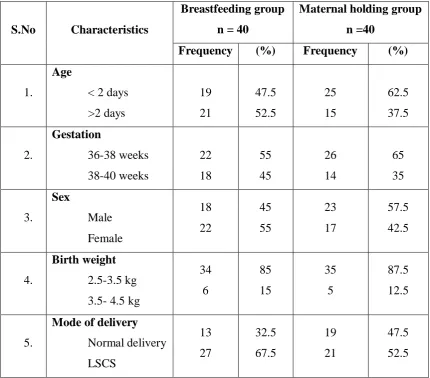
Table 1, provides a summary of demographic characteristics of neonates in the
breastfeeding and maternal holding groups. Based on the neonate’s age, it reveals that,
44 neonates (55%) belongs to < 2 days of age and 36 neonates (45%) belongs to > 2
days of age. According to their gestational age, 48 neonates (60%) were of 36- 38 weeks
of gestation and 32 neonates (40%) were of 38-40 weeks of gestation. Regarding the
sex of the neonates, out of 80 neonates, 41neonates (51.2%) were male and 39 neonates
(48.8%) were female. According to the birth weight of the neonates, 69 neonates
(86.3%) was between 2.5- 3.5kg. Most of the neonates 48 (60%) were delivered by
23
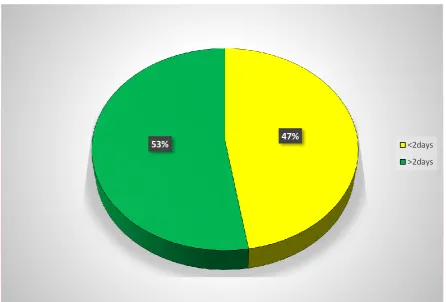
[image:33.595.107.554.68.370.2]Figure No: 2 Distribution of Neonates according to the Age in Breastfeeding group
Figure No: 3 Distribution of Neonates according to the Age in Maternal Holding group
47%
53% <2days
>2days
62% 38%
<2 days
24
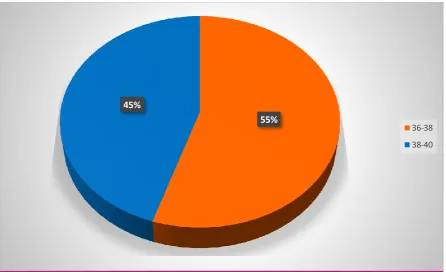
Figure No: 4 Distribution of Neonates according to the Gestation in Breastfeeding group
Figure No: 5 Distribution of Neonates according to the Gestation in Maternal Holding group
55% 45%
36-38
38-40
65% 35%
36-38
[image:34.595.108.556.434.718.2]25
Figure No: 6 Distribution of Neonates according to the Sex in Breastfeeding group
Figure No: 7 Distribution of Neonates according to the Sex in Maternal Holding group
45% 55%
male
female
57% 43%
male
[image:35.595.107.560.427.724.2]26
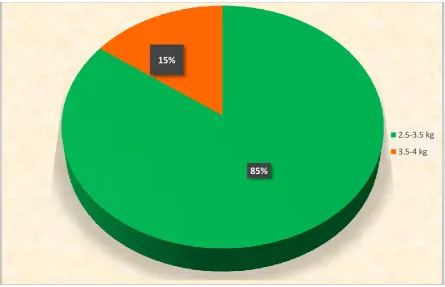
Figure No: 8 Distribution of Neonates according to the Birth weight in Breastfeeding group
Figure No: 9 Distribution of Neonates according to the Birth weight in Maternal Holding group
85% 15%
2.5-3.5 kg
3.5-4 kg
87% 13%
2.5-3.5
[image:36.595.109.548.416.690.2]27
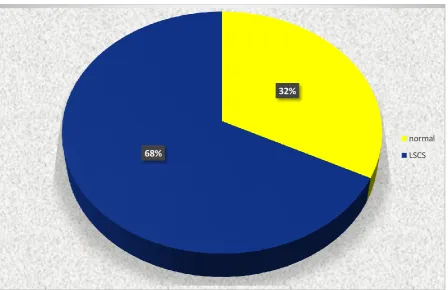
Figure No: 10 Distribution of Neonates according to the Mode of delivery in Breastfeeding group
Figure No: 11 Distribution of Neonates according to the Mode of delivery in Maternal Holding group
32%
68%
normal
LSCS
47% 53%
normal
28
SECTION B
[image:38.595.110.524.220.493.2]DESCRIPTION OF PHYSIOLOGICAL PARAMETERS AMONG BOTH GROUPS UNDERGOING HEEL LANCE
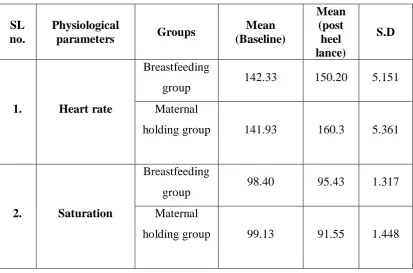
Table -2 Description of mean of physiological parameters of pain in both groups. (N=80)
SL no.
Physiological
parameters Groups
Mean (Baseline)
Mean (post heel lance)
S.D
1. Heart rate
Breastfeeding
group 142.33 150.20 5.151
Maternal
holding group 141.93 160.3 5.361
2. Saturation
Breastfeeding
group 98.40 95.43 1.317
Maternal
holding group 99.13 91.55 1.448
The above table shows that the mean heart rate of the neonates in the
breastfeeding and maternal holding groups before the heel lance were 142.33 and
141.93 respectively. The mean saturation of the neonates were 98.40 and 99.13 among
breastfeeding and maternal holding groups before heel lance. After heel lance, the mean
heart rate of the neonates in the breastfeeding group was 150.20 and that of maternal
holding group was 160.3.The mean saturation of the neonates in the breastfeeding
29
Figure No.12. Distribution of Heart rate among the Breastfeeding group before and after heel lance.
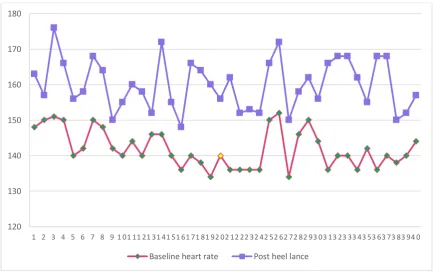
Figure No.13. Distribution of Heart rate among Maternal holding group before and after the heel lance.
120 125 130 135 140 145 150 155 160 165
Baseline heart rate Post heel lance
120 130 140 150 160 170 180
1 2 3 4 5 6 7 8 9 1 01 11 21 31 41 51 61 71 81 92 02 12 22 32 42 52 62 72 82 93 03 13 23 33 43 53 63 73 83 94 0
[image:39.595.107.542.435.707.2]30
Figure No. 14. Distribution of Saturation among the Breastfeeding group before and after heel lance.
Figure No. 15. Distribution of Saturation among Maternal holding group before and after heel lance.
88 90 92 94 96 98 100 102
1 2 3 4 5 6 7 8 9 1 01 11 21 31 41 51 61 71 81 92 02 12 22 32 42 52 62 72 82 93 03 13 23 33 43 53 63 73 83 94 0
Baseline saturation Post heel lance
75 80 85 90 95 100 105
1 2 3 4 5 6 7 8 9 1 01 11 21 31 41 51 61 71 81 92 02 12 22 32 42 52 62 72 82 93 03 13 23 33 43 53 63 73 83 94 0
31
Figure No.16. Description of mean heart rates in both groups before and after heel lance.
Figure No. 17. Description of mean saturation in both groups before and after heel lance.
130 135 140 145 150 155 160 165
HEART RATE HEART RATE
142.33
150.2
141.93
160.3
Breastfeeding group Maternal holding group
98.4
95.43 99.13
91.55
86 88 90 92 94 96 98 100
Saturation Saturation
[image:41.595.112.542.417.668.2]32
SECTION C
[image:42.595.109.544.171.551.2]DESCRIPTION OF PAIN SCORES OF NEONATES IN BREASTFEEDING AND MATERNAL HOLDING GROUPS
Table- 3 Description of pain scores in Breast feeding groups
(N= 40)
Sl.No Demographic Variables
Breastfeeding Group Mild or No Pain Moderate
Pain Severe Pain 1. Age
< 2 days
> 2 days
18
19
1
2
0
2. Gestational age
36-38 weeks 38-40 weeks 21 16 1 2 0 3. Sex Male Female 18 19 0 3 0
4. Birth weight
2.5-3.5 kg 3.5-4.5 kg 31 6 3 0 0
5. Mode of delivery
Normal delivery LSCS 14 23 0 3 0
The above table shows that the pain scores of the neonates in the breastfeeding
group in relation with their demographic variables. While categorizing the age of the
neonates 18 had mild pain and 1 neonate hade moderate pain in < 2 days of age and in
>2 days of age, 19 had mild pain and 2 had moderate pain. In gestational age, 21
neonates had mild pain and one neonate had moderate pain in 36-38 weeks of gestation
and 16 neonates had mild pain and rest two had moderate pain in 38-40 weeks of
gestation. 18 male neonates had mild pain and 19 female neonates had mild pain and 3
of them had moderate pain. Neonates who belonged to 2.5 -3.5 kg 31 of them had mild
33
ranging from3.5-4.5 kg. 14 neonates had mild pain who had normal delivery and in
[image:43.595.108.553.133.487.2]LSCS 23 had mild pain and 3 of them had moderate pain.
Table-4 Description of pain scores in Maternal holding groups
(N= 40)
Sl.no Demographic Variables
Maternal Holding Group Mild or No
Pain Moderate Pain Severe Pain 1. Age
< 2 days > 2 days
0 7
1 18 14 2. Gestational age 36-38 weeks 38-40 weeks
0 4
5 22 9 3. Sex Male Female
0 5
4 19 12 4. Birth weight 2.5-3.5 kg 3.5-4.5 kg
0 8
2
26 4
5.
Mode of delivery
Normal delivery LSCS
0 6
1
14 19
The above table shows that the pain scores of the neonates in the maternal
holding group in relation with their demographic variables. While categorizing the age
of the neonates 7 had moderate pain and 18 neonate had severe pain in < 2 days of age
and in >2 days of age, 1 had moderate pain and 14 had severe pain. In gestational age,
4 neonates had moderate pain and 22 neonate had severe pain in 36-38 weeks of
gestation and 5 neonates had moderate pain and 9 had severe pain in 38-40 weeks of
gestation. 8 male neonates had moderate pain and 26 had severe pain, 2 female neonates
had moderate pain and 4 of them had moderate pain. Neonates who belonged to 2.5
-3.5 kg 8 of them had moderate pain and 26 had moderate pain and 2 had moderate pain
and 4 had severe pain in birth weight ranging from3.5-4.5 kg. 6 neonates had moderate
pain, 14 had severe pain who had normal delivery and in LSCS 1had moderate pain and
34
Table 5- Description of level of pain among neonates
Sl.no Category Breastfeeding Maternal holding Frequency (%) Frequency (%) 1 Mild or no pain
(less than 6) 37 92.5 0 0
2 Moderate pain
(6-11) 3 7.5 9 22.5
3 Severe pain
(more than 12) 0 0 31 77.5
The above table shows the description of pain level among neonates who
underwent heel lance. In breastfeeding group 37 (92.5%) of the neonates had mild or
no pain, 3 (7.5%) of them had moderate pain and in maternal holding group 9 (22.5%)
of the neonates had moderate pain and 31 (77.5%) came under the category of severe
pain.
Figure No. 18. Description of level of pain among neonate who underwent heel lance.
0 5 10 15 20 25 30 35 40
Mild or no pain
Moderate pain
Severe pain 37
3
0 0
9
31
Breastfeeding group
35
Figure No.19. Distribution of pain scores of neonates in breastfeeding and maternal holding group
Figure. No. 20 Description of duration of cry in Breastfeeding group and Maternal holding group
0 2 4 6 8 10 12 14 16 18
1 2 3 4 5 6 7 8 9 10111213141516171819202122232425262728293031323334353637383940
Breastfeeding group Maternal holding group
0 20 40 60 80 100 120 140 160 180 200
1 2 3 4 5 6 7 8 9 10111213141516171819202122232425262728293031323334353637383940
D ur at io n o f cr y in sec o nds Samples
[image:45.595.106.541.433.686.2]36 SECTION D
DESCRIPTION OF DURATION OF CRY ACCORDING TO THEIR AGE IN BOTH GROUPS
Table 6 Description of duration of cry according to their age in Breastfeeding group
(N=40)
Sl. No Age
Breastfeeding Group 10-30 seconds 30-50
seconds >50 seconds
1. <2 days 11 6 2
2. >2 days 14 4 3
From the above table the duration of cry according to their age in breastfeeding
group revealed that in < 2 days of age 11 neonates cried in range of 10-30 seconds, 6
in 30-60 seconds and 2 neonates in>50 seconds. In > 2 days of age 14 neonates cried in
range of 10-30 seconds, 4 in 30-60 seconds and 3 neonates in>50 seconds.
Table 7 Description of duration of cry according to their age in Maternal holding group
(N=40)
Sl. No Age
Maternal holding Group 60-80
seconds
80-100 seconds
>100 seconds
1. <2 days 3 5 17
2. >2 days 1 0 14
From the above table the duration of cry according to their age in breastfeeding
group revealed that in < 2 days of age 3 neonates cried in range of 10-30 seconds, 5 in
30-60 seconds and 17 neonates in>50 seconds. In > 2 days of age 1 neonates cried in
37 SECTION E
[image:47.595.108.521.223.618.2]COMPARISON OF PAIN SCORES AMONG NEONATES UNDERGOING HEEL LANCE IN BREAST FEEDING AND MATERNAL HOLDING GROUP
Table-8 Comparison of pain scores of behavioral parameters among neonates undergoing heel lance in both group
(N= 80)
Sl.No Behavioral
parameters Groups Mean S.D ‘t’ Value
1. Behavioral state
Breastfeeding
group 1.10 0.709
6.605** Maternal holding
group 2.43 0.844
2. Brow bulge
Breastfeeding
group .35 0.533
14.907** Maternal holding
group 2.10 0.496
3. Eye squeeze
Breastfeeding
group .78 0.423
17.670** Maternal holding
group 2.62 0.490
4. Nasolabial furrow
Breastfeeding
group .20 0.405
16.153** Maternal holding
group 1.88 0.404
**P<0.01
From the above table, the‘t’ value for the behavioral state was 6.605 significant
at p<0.01, brow bulge 14.907 significant at p<0.01, eye squeeze 17.670 significant at
p<0.01 and Nasolabial furrow were 16.153 significant at p<0.01 respectively It
indicates that there is a significant difference in the behavioral cues of neonates among
38
Table- 9 Comparison of pain scores of physiological parameters among neonates undergoing heel lance in both groups.
(N= 80)
Sl.no Physiological
parameters Groups Mean S.D ‘t’ value
1. Heart rate
Breastfeeding
group .90 .379
10.743** Maternal
holding group 2.18 .594
2. Saturation
Breastfeeding
group .80 .464
15.353** Maternal
holding group 2.35 .483
**P<0.01
From the above table, the computed‘t’ value for the heart rate and saturation are 10.743 significant at p<0.01 and 15.353 significant at p<0.01 respectively. It indicates
that there exist a significant difference in the physiological cues of neonates among the
39
Figure No.21. Comparison of mean scores of behavioral cues of pain among breastfeeding and maternal holding groups
Figure No. 22. Comparison of mean scores of physiological cues of pain among breastfeeding and maternal holding groups
0 0.5 1 1.5 2 2.5 3
Behavioral state
Brow bulge
Eye squeeze
Nasolabial furrow
m
ea
n
s
co
res
Breastfeeding group Maternal holding group
0 0.5 1 1.5 2 2.5
Heart rate Saturation
0.9 0.8
2.18
2.35
m
ea
n
s
co
res
[image:49.595.109.543.385.641.2]40
Table-10 Comparison of the mean pain scores among breast feeding and maternal holding groups
(N=80) Group Mean S.D ‘t’ value
Breastfeeding group 4.10 1.959
27.136** Maternal holding
group 13.60 1.033
**P<0.01
In the above table, the ‘t’ value for the pain score between the breastfeeding and
maternal holding group is 27.136 which is greater than the table value and is significant
at (P<0.01). It means that there exist a difference between the breastfeeding and
maternal holding group in the pain score. The mean pain score of breastfeeding and
maternal holding groups are 4.10 and 13.60 respectively. It indicates that babies in the
breastfeeding group demonstrated less pain responses with breastfeeding than the
children in the maternal holding group.
Figure No. 23. Comparison of mean pain scores among the breastfeeding and maternal holding group
0 2 4 6 8 10 12 14
4.1
13.6
41 SECTION F
COMPARISON OF NEONATE’S DURATION OF CRY ACCORDING TO THEIR AGE IN BOTH GROUPS
Table: 11 Comparison of neonate’s duration of cry according to their age in breastfeeding group
(N = 40)
Age Mean
(seconds) SD “t” value
<2 days 31.79 13.903
.434
(NS) >2 days
31.38 13.775
(NS- Non- Significant)
The above table shows the comparison of mean duration of cry in neonates
according to their age in breastfeeding group. Neonates < 2 days had 31.79 mean
duration of cry and > 2 days had 31.38 mean duration of cry. The computed paired
value .434 was not significantly at p<0.01 levels. This establish that there is no
significant difference between the duration of cry and age in breastfeeding group
Table: 12 Comparison of neonate’s duration of cry according to their age in maternal holding group
(N = 40)
Age Mean
(seconds) SD “t” value
<2 days
124.08 30.245
4.093**
>2 days 139.07 24.671
** p<0.01
The above table shows the comparison of mean duration of cry in neonates
according to their age in maternal holding group. Neonates < 2 days had 124.08 mean
duration of cry and > 2 days had 139.07 mean duration of cry. The computed paired
value 4.093 was significant at p<0.0levels. This establish that there is a significant
42 SECTION G
[image:52.595.99.537.223.599.2]ASSOCIATION BETWEEN THE NEONATES DEMOGRAPHIC VARIABLES AND THEPAIN SCORES IN BOTH GROUPS
Table -13 Association between the neonates’ demographic variables and the pain scores in breastfeeding
(N=40)
* P<0.05, NS- Non significant
Above table shows the association between the neonates’ demographic
variables and the pain scores in breast feeding. The chi- square value for birth weight
in breastfeeding group is 16.92 and mode of delivery is 4.90 which indicates
significance at p<0.05 level. It shows there is no association between the neonates’
demographic variables and the pain scores except birth weight and mode of delivery.
S.N Characteristics Frequency df Chi- square
1. Age <2 days >2 days 19 21
1 0.10
(NS) 2 Gestation 36-38 weeks 38-40 weeks 22 18
1 0.40
(NS) 3 Sex Male Female 18 22
1 0.40
(NS) 4 Birth weight 2.5-3.5 kg 3.5-4.5 kg 34 6
1 16.92*
5
Mode of delivery
Normal delivery
LSCS
13
27
43
Table-14 Association between the neonates’ demographic variables and the pain scores in maternal holding
(N=40)
* P<0.05, NS- Non significant
Above table shows the association between the neonates’ demographic
variables and the pain scores i