ORAL FILM OF SITAGLIPTIN PHOSPHATE BY SOLVENT CASTING METHOD
A Dissertation submitted to
THE TAMIL NADU Dr. M.G.R. MEDICAL UNIVERSITY CHENNAI - 600 032
In partial fulfillment of the requirements for the award of the Degree of MASTER OF PHARMACY
IN
PHARMACEUTICS Submitted by SHOBANA.M
REGISTRATION No. 261611002
Under the guidance of
Mr.R.PARTHIBARAJAN, M. Pharm., Professor
Department of Pharmaceutics
CHERRAAN'S COLLEGE OF PHARMACY COIMBATORE-641039
TAMILNADU.
(Affiliated to the Tamilnadu Dr.M.G.R medical university, Chennai)
Approved by The Govt. of Tamilnadu, Chennai All India Council for Technical Education, New Delhi Recognized by pharmacy council of India, New Delhi
521. Siruvani Main Road, Telungupalayam, Piruvu, Coimbatore 641039 Phone: 2311066, 2346194, 2343380 Fax: 0422-2341066
E-Mail:[email protected]
CERTIFICATE
This is to certify that the Dissertation entitled “FORMULATION AND EVALUATION OF FAST DISSOLVING ORAL FILM OF SITAGLIPTIN PHOSPHATE BY SOLVENT CASTING METHOD” submitted to The Tamilnadu Dr. M.G.R Medical University, Chennai, is a bonafide project work of
M.SHOBANAReg No: 261611002 carried out in the department of Pharmaceutics, Cherraan’s College of Pharmacy, Coimbatore for the partial fulfillment for the degree
of Master of Pharmacy under my guidance during the academic year 2016-2018.
This work is original and has not been submitted earlier for the award of any
other degree or diploma of this or any other university.
Place: Coimbatore
Date:
Mr.R.Parthibarajan, M.Pharm,
Professor
Department of Pharmaceutics
Cherraan’s College of Pharmacy
(Affiliated to the Tamilnadu Dr.M.G.R medical university, Chennai)
Approved by The Govt. of Tamilnadu, Chennai All India Council for Technical Education, New Delhi Recognized by pharmacy council of India, New Delhi
521. Siruvani Main Road, Telungupalayam, Piruvu, Coimbatore 641039 Phone: 2311066, 2346194, 2343380 Fax: 0422-2341066
E-Mail:[email protected]
CERTIFICATE
This is to certify that the Dissertation entitled “FORMULATION AND
EVALUATION OF FAST DISSOLVING ORAL FILM OF SITAGLIPTIN PHOSPHATE BY SOLVENT CASTING METHOD” submitted to The Tamilnadu Dr. M.G.R Medical University, Chennai, is a bonafide project work of
M.SHOBANAReg No: 261611002 carried out in the Department of Pharmaceutics, Cherraan’s College of Pharmacy, Coimbatore for the partial fulfillment for the degree
of Master of Pharmacy under the guidance of Mr.R.PARTHIBARAJAN, M.Pharm., Professor, Department of Pharmaceutics, Cherraan’s College of Pharmacy, Coimbatore, during the academic year 2016-2018.
Place: Coimbatore
Date:
Dr. P.Selvam, M.Pharm, Ph.D.,FNABS, FISNS
Principal
Cherraan’s College of Pharmacy
This is to certify that the dissertation work entitled
“FORMULATION AND EVALUATION OF FAST DISSOLVING ORAL FILM OF SITAGLIPTIN PHOSPHATE BY SOLVENT CASTING METHOD” submitted by M.SHOBANAReg.no: 261611002 to The Tamilnadu Dr. M.G.R medical university, Chennai, in the partial fulfillment for the degree of
Master of Pharmacy in Pharmaceutics is a record of bonafide work carried out by
the candidate at the department of Pharmaceutics, Cherraan’s College of
Pharmacy, Coimbatore and was evaluated by us during the academic year
2016-2018.
The research work embodied in this work “FORMULATION AND
EVALUATION OF FAST DISSOLVING ORAL FILM OF SITAGLIPTIN PHOSPHATE BY SOLVENT CASTING METHOD” was carried out by me in the department of Pharmaceutics, Cherraan’s college of Pharmacy, Coimbatore
under the direct supervision of Mr.R.Parthibarajan, M.Pharm., Professor Department of Pharmaceutics Cherraan’s College of Pharmacy, Coimbatore-39.
The dissertation submitted to The Tamilnadu Dr. M.G.R Medical
University, Chennai, for the award of degree of Master of Pharmacy in
Pharmaceutics during the academic year of 2016-2018.
Place: Coimbatore
I submit my sincere thanks to our Chairman Mr. K .C. PALANISAMY
chairman, Cherraan’s foundation trust, for providing all the facilities to carry out
this thesis work.
My sincere gratitude to my beloved Principal, Dr.P.Selvam M.Pharm, Ph.D, FNABS, FISNS, Department of Pharmaceutical chemistry Cherraan’s College of pharmacy for his kindly support for my project work and for his
encouragement and also providing all facilities in this institute to the fullest
possible extent enabling me to complete this work.
With the immense pleasure and pride, I would to take opportunity in
expressing my deep sense of gratitude to my beloved guide,
Mr.R.PARTHIBARAJAN, M.Pharm., Professor & Department of Pharmaceutics Cherraan’s college of pharmacy under whose active guidance,
innovate ideas, constant inspiration and encouragement of the work entitle
“FORMULATION AND EVALUATION OF FAST DISSOLVING ORAL FILMS OF SITAGLIPTIN PHOSPHATE BY SOLVENT CASTING METHOD ” has been carried out.
I convey my gratitute to Mr.J.Karthikeyan, M.Pharm, Professor, Department of Pharmaceutics for his support and valuable advice for my project
work.
It is my pleasure to express my honourable thanks to Mrs.Rubina Reichal, M.Pharm,(Ph.D)., Associate Professor, Department of Pharmaceutics for sharing her valuable knowledge.
I express my sincere thanks to Mrs.M.Sangeetha, M.Pharm., Department of Pharmaceutical chemistry cherraan’s college of pharmacy for her support for
I duly bound to all our teaching, non-teaching staffs,librarians and lab assistants of Cherraan’s college of pharmacy for their valuable help and co-operation.
I am giving greatful thanks to all my friends for their help during my project.
I express my heartful gratitude to the Almighty, for giving me the right way to achieve the good for my project.
Last but not least, a great thank’s from my heart to my beloved Family members. They are my living God, as who guided me in the rightful way to achieve all my activities. They gave me the incredible effort to become a
successful person for bright future in this world. Thank’s a lot.
M.SHOBANA
SYMBOL ABBREVIATION
Gm Gram
W/W Weight/weight
Min Minutes
µg Microgram
MI Milli litre
Nm Nano meter
°C Degree centigrade
UV Ultra violet
Cm Centi meter
SEM Scanning electron microscope
RPM Rotations per minute
OTFs Oral thin films
FT-IR Fourier transmitted infra-red spectroscopy
HPMC Hydroxyl propyl methyl cellulose
KBR Potassium bromide
DSC Differential scanning calorimeter
HCL Hydrochloric acid
PEG Poly ethylene glycol
S NO TITLE PAGE NO
1 INTRODUCTION 1
1.1 SALIENT FEATURE OF FAST DISSOLVING DRUG
DELIVERY SYSTEM
1
1.2 FAST DISSOLVING FILMS 4
1.3 FORMULATION CONSIDERATION 5
1.4 PROPERTIES OF THE ORAL FILMS 9
1.5 OVERVIEW OF ORAL MUCOSA 10
1.6 METHODS OF PREPARATION OF FAST
DISSOLVING FILMS
11
1.7 EXCIPIENTS GENERALLY USED IN
PREPARATION OF FAST DISSOLVING FILMS
14
1.8 EVALUATION OF FILMS 15
1.9 TASTE MASKING TECHNIQUES 16
1.10 APPLICATION OF ORAL STRIPE IN DRUG
DELIVERY
17
1.11 DIABETES MELLITUS 19
2 AIM AND OBJECTIVE 21
2.1 AIM 21
2.2 OBJECTIVE 21
3 PLAN OF WORK 22
4 LITERATURE REVIEW 23
5 DRUG PROFILE 38
6 EXCIPIENTS PROFILE 42
6.1 HPMC 42
6.2 PROPYLENE GLYCOL 44
6.3 POLY ETHYLENE GLYCOL 46
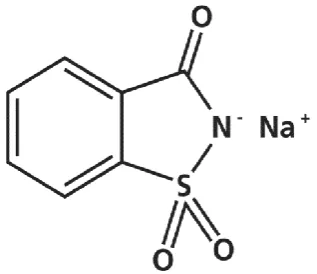
6.5 SACCHARIN SODIUM 50
7 METHODOLOGY 52
7.1 MATERIALS AND METHODS 52
7.2 PREFORMULATION STUDIES 53
7.3 FORMULATION DEVELOPMENT OF
SITAGLIPTIN PHOSPHATE ORAL FILM
55
7.4 EVALUATION OF ORAL FILM 56
8 RESULTS AND DISCUSSIONS 60
8.1 PREFORMULATION STUDIES 60
8.2 CALIBRATION CURVE OF SITAGLIPTIN
PHOSPHATE
61
8.3 FT-IR STUDIES 62
8.4 EVALUATION PARAMETERS 69
8.5 WEIGHT VARIATION 71
8.6 DRUG CONTENT AND ASSAY 72
8.7 IN-VITRO DISSOLUTION 74
8.8 IN-VITRO DRUG RELEASE PROFILE DATA OF
MARKETED FORMULATION
85
8.9 COMPARISON OF IN-VITRO DRUG RELEASE OF
MARKETTED FORMULATION AND
FORMULATION 3
86
8.10 STABILITY STUDIES 87
8.11 SEM ANALYSIS 88
8.12 DISCUSSION 90
9 SUMMARY AND CONCLUSION 92
S NO TITLE PAGE NO
1 Comparison between oral fast dissolving films and
oral disintegrating tablets
5
2 Properties of the oral film 9
3 Examples of marketed oral thin films 13
4 List of excipients 14
5 Oral hypoglycemic agents 20
6 List of Materials 52
7 List of Equipments 52
8 Formulation trials 55
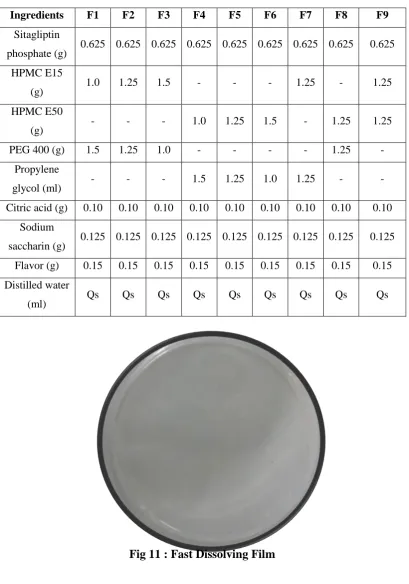
9 API characterization – Sitagliptin phosphate 60
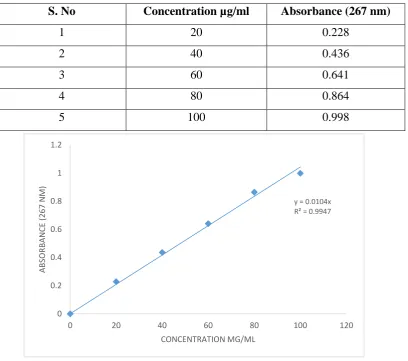
10 Standard graph of Sitagliptin phosphate 61
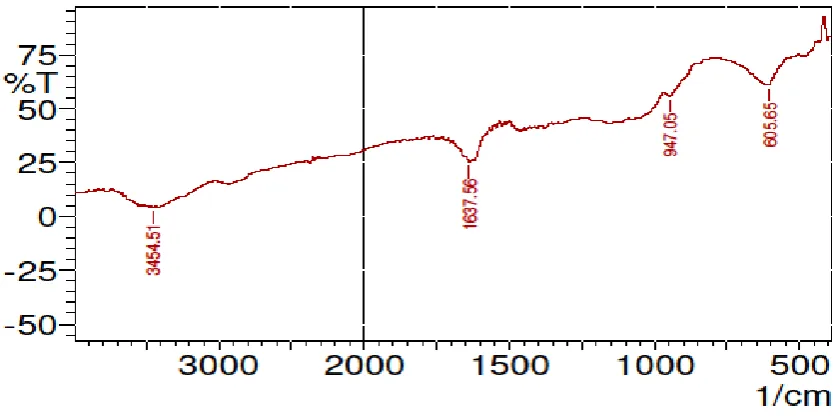
11 IR spectra of Sitagliptin phosphate 63
12 IR spectra of HPMC E15 64
13 IR spectra of HPMC E50 65
14 IR spectra of Sitagliptin phosphate +HPMC E15 66
15 IR spectra of Sitagliptin phosphate +HPMC E50 67
16 IR spectra of Sitagliptin phosphate +HPMC
E15+HPMC E50
68
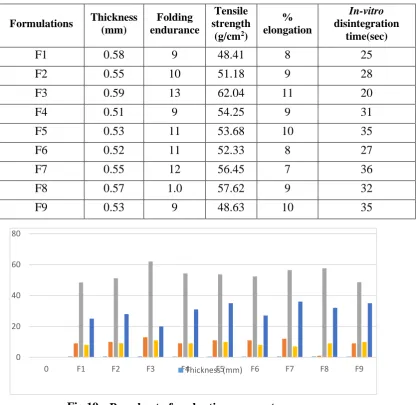
17 Evaluation parameters 70
18 Weight variation 71
21 In-vitro dissolution of F2 76
22 In-vitro dissolution of F3 77
23 In-vitro dissolution of F4 78
24 In-vitro dissolution of F5 79
25 In-vitro dissolution of F6 80
26 In-vitro dissolution of F7 81
27 In-vitro dissolution of F8 82
28 In-vitro dissolution of F9 83
29 In-vitro dissolution of F1-F9 84
30 In-vitro drug release profile data of marketed
formulation
85
31 Comparison of in-vitro drug release of marketed
formulation and formulation 3
86
S NO TITLE PAGE NO
1 Various layers of oral mucosa 10
2 Diagram of solvent casting method 11
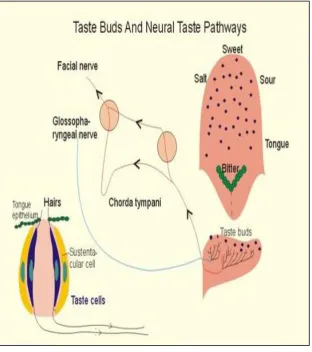
3 Taste buds and neural taste pathways 16
4 Plan of work 22
5 Structure of Sitagliptin phosphate 39
6 Structure of HPMC 43
7 Structure of Propylene glycol 45
8 Structure of PEG 47
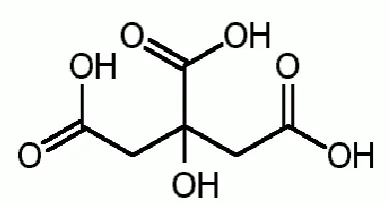
9 Structure of citric acid 49
10 Structure of sodium saccharin 51
11 Fast Dissolving Film 55
12 Standard graph of Sitagliptin phosphate 61
13 IR spectra of Sitagliptin phosphate 63
14 IR spectra of HPMC E15 64
15 IR spectra of HPMC E50 65
16 IR spectra of Sitagliptin phosphate +HPMC E15 66
17 IR spectra of Sitagliptin phosphate +HPMC E50 67
18 IR spectra of Sitagliptin phosphate +HPMC E15+HPMC E50
68
19 Bar chart of evaluation parameters 70
22 In-vitro dissolution of F1 75
23 In-vitro dissolution of F2 76
24 In-vitro dissolution of F3 77
25 In-vitro dissolution of F4 78
26 In-vitro dissolution of F5 79
27 In-vitro dissolution of F6 80
28 In-vitro dissolution of F7 81
29 In-vitro dissolution of F8 82
30 In-vitro dissolution of F9 83
31 In-vitro dissolution of F1-F9 84
32 In-vitro drug release profile data of marketed formulation
85
33 Comparison of in-vitro drug release profile data of marketed formulation and formulation 3
86
34 SEM images of formulation 3 88
Cherraan’s College of Pharmacy 1
1 INTRODUCTION
1Oral administration is the most popular route due to ease of ingestion, pain
avoidance, versatility (to accommodate various types of drug candidates), and
most importantly, patient compliance also, solid oral delivery systems do not
require sterile conditions and are, therefore, less expensive to manufacture.
Several novel technologies for oral delivery have recently become available to
address the physicochemical and pharmacokinetic characteristics of drugs, while
improving patient compliance. Electrostatic drug deposition and coating, and
computer assisted three dimensional printing (3DP) tablet manufacture have also
recently become available.
Fast dissolving drug delivery systems were first developed in the late 1970s as an
alternative to tablets, capsules, and syrups for pediatric and geriatric patients who
experience difficulties in swallowing traditional oral solid dosage forms. The
novel technology of fast dispersing dosage forms is known as fast dissolve, rapid
dissolve, rapid melt and quick disintegrating tablets. However, the function and
concept of all these dosage forms are similar.
By definition, a solid dosage form that dissolves or disintegrates quickly in the
oral cavity, resulting in solution or suspension without the need for the
administration of the water, is known as an oral fast-dispersing dosage form.
Difficulty in swallowing (dysphagia) is common among all the age groups,
especially in elderly, and is also seen in swallowing conventional tablets and
capsules. Dysphagia is associated with many medical conditions, including stroke,
Parkinson’s, AIDS, thyroidectomy, head and neck thyroid therapy, and other
neurological disorders, including cerebral palsy. The most common complaint was
tablet size, followed by surface, form and taste. The problem of swallowing tablet
was more evident in geriatric and pediatric patients, as well as travelling patients
who may not have ready access to water.
1.1 Salient feature of fast dissolving drug delivery system
Cherraan’s College of Pharmacy 2
uncooperative.
2. Require no water.
3. Overcomes unacceptable taste of the drugs.
4. Can be designed to leave minimal or no residue in the mouth after
administration and also provide a pleasant mouth feel.
5. Ability to provide advantages of liquid medication in the form of solid
preparation.
6. Cost effective.
1.1.1Need for fast dissolving drug delivery systems
Fast dissolving drug delivery systems can improve acceptance and compliance in
patients with dysphasia. Similarly, from market point of view, introduction of
FDDS will assist life cycle management of drug especially if the drug is patent
protected.
1.1.2 Dysphasia
Dysphasia, or difficulty in swallowing, is common all age groups. According to a
study dysphasia is common in about 35% of the general population, as well as an
additional 30-40% elderly and 18-20% of all persons in long term care facilities.
Common complaints about the difficulty in swallowing tablet due to size, surface,
form and taste of tablets. Geriatric and pediatric patients and travelling patients
who may not have ready access to water are in the need of easy swallowing of
dosage forms. These studies show an urgent need for a dosage form like FDDS
that make tablets disintegrate in the mouth without chewing or additional water
intake and thus improve patient compliance.
1.1.3 Market view
The need for noninvasive delivery systems continues due to poor patient
compliance with existing delivery regimens, limited market size for drug
companies and drug uses, coupled with high costs of disease management.
fast-Cherraan’s College of Pharmacy 3
dissolving/disintegrating products. As a drug entity reaches the end of its patent
life, it is common for pharmaceutical manufacturers to develop a given drug entity
in a new and improved dosage form. A dosage form allows the manufacturer to
extend the market exclusivity, while offering its patient population a more
convenient dosage form or dosing regimen. In this regard, fast
dissolving/disintegrating formulations are similar to many sustained release
formulations that are now commonly available. An extension of market
exclusivity, which can be provided by a fast dissolving/disintegrating dosage
form, leads to increased revenue, while also targeting underserved and
under-treated patient population.
1.1.4 Advantages
These rapid dissolving films offer several advantages like,
1. Due to the presence of large surface area, films provide rapid
disintegrating and dissolution in the oral cavity.
2. Convenient dosing.
3. Fast disintegration or dissolution followed by quick effect which is
desirable in some cases such as pain.
4. Oral dissolving films can be administered without water, anywhere,
anytime.
5. Suitability for geriatric and pediatric patients, who experience difficulties
in swallowing mentally ill, the developmentally disable and the patients
who are un-cooperative, or are on reduced liquid intake plans.
6. No risk of choking.
7. Oral dissolving films are flexible and portable in nature so they provide
ease in transportation, during consumer handling, storage and enhanced
stability.
8. Beneficial in cases such as motion sickness, acute pain, allergic attack or
coughing, where an ultra rapid onset of action required.
Cherraan’s College of Pharmacy 4
ensured from each strip of the film.
10. The oral or buccal mucosa being highly vascularized, drugs can be
absorbed directly and can enter the systemic circulation without
undergoing first pass hepatic metabolism. This advantage can be exploited
in preparing products with improved oral bioavailability of molecules that
undergo first pass effect.
11. The sublingual and buccal delivery of a drug via thin film has the potential
to improve the onset of action, lower the dosing, and enhance the efficacy
and safety profile of the medicament.
12. Improved patient compliance.
13. Life cycle management.
14. Difficulties caused from swallowing tablets are circumvented, that is
especially advantageous for pediatric and geriatric patients are in diseases
with nausea or vomiting.
1.2 FAST DISSOLVING FILMS2
Oral films are the newer technologies in the manufacturing of oral disintegrating
dosage forms. They are thin elegant films of edible water soluble polymers of
various sizes and shapes like square, rectangle or disc. The stripes may be flexible
or brittle, opaque or transparent. They are designed to provide rapid disintegration
on the tongue without the need for the water. Fast disintegrating films (FDF s)
have a large specific surface area for disintegration. The films alleviate the
danger/fear of chocking, easy to handle and administer, maintain a simple and
conventional packing that is east to manufacture thus overcoming the short fails of
oral fast disintegrating tablets. A major limitation of these dosage forms is low
drug loading capacity and limited taste masking options.
Fast disintegrating film is a thin film of 1-10 mm thickness, with area of
1-20 cm2 of any geometry. Drugs can be incorporated upto a single dose of about
15 mg. The immediate dissolution in saliva is due to special matrix made from
Cherraan’s College of Pharmacy 5
application. However, on wetting the wet tack and muco adhesiveness properties
of the system are designed to secure the film the site of application. Flexibility and
strength of films are selected to facilitate manufacturing process and process like
rewinding, die cutting and packing.
Fast disintegrating film is placed on the patient tongue are mucosal tissue, which
gets instantly wetted by saliva. The film hydrates rapidly and adheres onto the site
of application. It then rapidly disintegrates and dissolves to release drug for oral
mucosal absorption, or for gastric absorption on swallowing.
Table 1: comparison between oral fast dissolving films and oral disintegrating tablets
Oral dissolving films Oral disintegrating tablets
It is a film It is a tablet
Greater dissolution due to large surface area
Lesser dissolution due to less surface area
Better durable than oral disintegrating tablets
Less durable as compared with oral films
More patient compliance Less patient compliance than films Low dose can only be incorporated High dose can be incorporated
No risk of chocking It has a fear of chocking
1.3 FORMULATION CONSIDERATION3
Active pharmaceutical ingredient
Film forming polymer
Plasticizer
Sweetening agent
Saliva stimulating agent
Flavoring agent
Coloring agent
1.3.1 Active pharmaceutical ingredient
A typical composition of the film contains 1-25% w/w of the drug. Variety of
Cherraan’s College of Pharmacy 6
best candidates to be incorporated in OFDFs. Multivitamins upto 10% w/w of dry
film weight was incorporated in the films with dissolution time of less than 60
seconds. It is always useful to have micronized API which will improve the
texture of the film and also for better dissolution and uniformity in the OFDF.
Many APIs, which are potential candidates for OFDF technology, have bitter
taste. This makes the formulation unpalatable especially for pediatric preparations.
Thus before incorporating the API in the OFDF, the taste needs to be masked.
Various methods can be used to improve the palatability of the formulation.
1.3.2 Film forming polymers
The primary use of all thin film oral dosage forms relives on the disintegration in
the saliva of the oral cavity, the final film that is used must necessarily be water
soluble. In order to prepare a thin film formulation that is water soluble, excipients
or polymer must be water soluble with low molecular weight and excellent film
forming capacity. It should be non-toxic, non-irritant and devoid of leachable
impurities. It should have good wetting and spread ability property. It should not
be very expensive and readily available. Microcrystalline cellulose was also used
to decrease the disintegration time and improve the dissolution of the drug from
the films. Examples of polymers are
❖ Guar gum ❖ Xanthum gum ❖ Acacia
❖ Tragacanth
❖ Polyethylene oxide
❖ Sodium carboxy methyl cellulose ❖ Hydroxyl propyl methyl cellulose ❖ Polyvinyl alcohol
1.3.3 Plasticizer
Plasticizer helps to improve the flexibility of the strip and reduces the brittleness
Cherraan’s College of Pharmacy 7
the polymer and also the type of solvent employed in the casting film. Examples
of plasticizers are
❖ Glycerol
❖ Propylene glycol ❖ Polyethylene glycol ❖ Dimethyl phthalate ❖ Diethyl phthalate ❖ Dibutyl phthalate ❖ Triacetin
❖ Castor oil
1.3.4 Sweetening agents
Sweeteners have become the important part of the formulation intented to be
disintegrated or dissolved in the oral cavity. Generally sweeteners are used in the
concentration of 3-6% w/w. both natural and artificial sweeteners are used in the
formulation of these fast dissolving films. Polyhydric alcohols such as such as
sorbitol, manitol, and isomalt can be used in combination as they additionally
provide good mouth feel and cooling sensation. However it should be noted that
they use of natural sugars in such preparation need to be restricted in people who
all are on diet or in the case of diabetic patents. Due to this reason, the artificial
sweeteners have gained more popularity in food and pharmaceutical preparations.
The first generation of the artificial sweeteners are
❖ Saccharin ❖ Cyclamate ❖ Aspartame
1.3.5 Saliva stimulating agents
The purpose of using the saliva stimulating agents is to increase the rate of
production of saliva that would aid in the faster disintegration of the rapid
dissolving stripes formulations. Generally acids which are used in the preparation
Cherraan’s College of Pharmacy 8
❖ Citric acid
❖ Malic acid
❖ Lactic acid
❖ Ascorbic acid
❖ Tartaric acid
These agents are used along are in combination between 2-6 % w/w of the stripes.
1.3.6 Flavoring agents
Preferably upto 10 % w/w flavors are added in the OFDF formulations. The
acceptance of oral disintegrating or dissolving formulation by an individual is
largely depends on the initial flavor quality which is observed in first few seconds
after the product has been consumed and the after taste of the formulation which
lasts for at least about 10 min. The geriatric population like mint or orange flavors
like fruit punch, raspberry etc. it can be selected from synthetic flavor oils,
oleoresins peppermint oil, cinnamon oil, spearmint oil, oil of nutmeg are the
examples of flavor oils while vanilla, cocoa, coffee, chocolate, and citrus are
fruity flavors. Apple, raspberry, cherry, pineapple are few examples of fruit
essence type.
1.3.7 Coloring agents
FD&C approved coloring agents are used (not exceeding con centration levels of
1 percent; w/w) in the manufacturing of orally fast dissolving films. Eg titanium
Cherraan’s College of Pharmacy 9
[image:30.595.101.521.121.536.2]1.4 PROPERTIES OF THE ORAL FILMS4
Table 2: Properties of the oral films PROPERTY FLASH
RELEASE MUCOADHESIVE MELT RELEASE MUCOADHESIVE SUSTAINED RELEASE
Area (cm2) 2-8 2-7 2-4
Thickness
(µm) 20-70 50-500 50-250
Structure Film single layer
Single or multilayer
system Multilayer system
Excipients Soluble, highly hydrophilic polymer Soluble, hydrophilic polymer Low/non soluble polymer
Drug phase Solid solution Solid solution/suspends drug particle
Suspension or solid
solution
Application Tongue (upper plate)
Gingival or buccal
region
Gingival (or other
region of oral cavity)
Dissolution Maximum sixty second
Disintegration in few
minutes, forming gel Maximum 8-10 hours
Site of action Systemic or
Cherraan’s College of Pharmacy 10
1.5 OVERVIEW OF ORAL MUCOSA5
The oral mucosa is composed of an outer layer of stratified squamous epithelium.
Below this lies a basement membrane, a lamina propria followed by the sub
mucosa as the innermost layer. The epithelium is similar to stratifies squamous
epethelia found in the rest of the body in that it has a mitotically active basal cell
layer, advancing through a number of differentiating intermediate layers to the
[image:31.595.114.494.253.589.2]superficial layers, where cells are shed from the surface of the epithelium.
Cherraan’s College of Pharmacy 11
1.6 METHODS OF PREPARATION OF FAST DISSOLING FILMS6
One or combination of the following process can be used to manufacture the
mouth dissolving films.
1. Solvent casting
2. Semisolid casting
3. Hot melt extrusion
4. Solid dispersion extrusion
5. Rolling
1.6.1 Solvent Casting Method
In solvent casting method water soluble are dissolved in water and the drug along
with other. Excipients are dissolved in suitable solvent then both the solutions are
mixed and stirred and finally casted into the petri plate and dried.
Fig 2: Diagram of solvent casting film system 1.6.2 Semisolid casting
In semisolid casting method firstly a solution of water soluble film forming
polymer is prepared. The resulting solution is added to a solution of acid insoluble
polymer (e.g cellulose acetate phthalate, cellulose acetate butyrate), which was
Cherraan’s College of Pharmacy 12
plasticizer is added so toast a gel mass is obtained. Finally the gel mass is casted
into the films or ribbons using heat controlled drums. The thickness of the film is
about 0.15-0.5 inches. The ratio of the acid insoluble polymer to film forming
polymer should be 1:4. Both mixtures are mixed to form homogenous viscous
solution degassed under vaccum. Bubble free solution is coated on non-treated
casting film coated film is sent to aeration drying oven. Film is cutting into
desired shape and size.
1.6.2 Hot melt extrusion
In hot melt extrusion method firstly the drug is mixed with carriers in solid form.
Then the extruder having heaters melts the mixture.
Finally the melt is shaped into films by the dies. There are certain benefits of the
hot melt extrusion.
o Fewer operation units
o Better content uniformity
o An anhydrous process
1.6.3 Solid dispersion extrusion
In this method immiscible components are extruded with drug and then solid
dispersions were prepared. Finally the solid dispersions are shaped into films by
means of dies.
1.6.5Rolling method
In rolling method a solution or suspension containing drug is rolled on a carrier.
The solvent is mainly water and mixture of water and alcohol. The film is dried on
Cherraan’s College of Pharmacy 13
Table 3: Examples of marketed oral thin films Brand name Manufacturer/
distributor API (strength) Uses
Eme film
Delvin
formulations pvt
ltd
Ondansetron 4 mg Nausea & vomiting
Listerine cool
mint pocket
packs
Pfizer Mint crystals Mouth freshner
Niquistin stripes Omega pharma ltd Nicotine 2.5 mg Anti smoking
Zupelnz stripes Monosol Rx Ondansetron 8 mg Ondansetron
Spiromont Monosol Rx Montelukast 10 mg Asthma& allergy
Sildenafil citrate
film
Alpha pharma
health care Sildenafil 50 mg Erectile function
Tadalafil stripes Alpha pharma
health care Sildenafil 20 mg Erectile function
Vitamin D3 Zim laboratories Calciferol 2,000 I.U
Calcium
supplement
Benadryl MC Neil consumer
health care
Diphenhydramine
25 mg Antihistamine
Cherraan’s College of Pharmacy 14
1.7 EXCIPIENTS GENERALLY USED IN PREPARATION OF FAST DISSOLVING FILMS6
Table 4: List of excipients
Ingredients/purpose Examples % (W/W)
Water soluble polymers
Cellulose ethers (HPMC, HEC,HPC, and
MC), PVC, PVA, gelatin, pullulan,
kollicoat IR, tragacanth gum, guar gum,
chitin, etc.,
40-50
Plasticizers Glycerol, PG, PEG 0-20
Disintegrants Pre gelatinised starch, MCC, crosspovidone, soluble starch
0-40
Preservatives Salts of edetate ( di sodium EDTA) 0.01-1
Saliva stimulating agent Citric acid, lactic, malic, succinic,
ascorbic, adipic, fumaric and tartaric acid.
2.5-6
Cooling agents Mono methyl succinate 0.2-0.4
Surfactants Mono& di glycerides of FA, poly oxy ethylene sorbitol esters
0.5-15
Stabilizing agents Xanthan gum, locust bean gum and carrageenan
0.1-2
Emulsifying agents
Triethanolamine stearate, Qt.ammonium
compounds, acacia, gelatin
0.01-0.7
Thickening gents MC, CMC 0.01-5
Binding agents Starch 0.01-2
Sweetening agents
Sucralose, aspartame, acesulfame K,
Cherraan’s College of Pharmacy 15
1.8EVALUATION OF THE FILMS6
1.8.1 Thickness
The film thickness was measured using a micrometer screw gauge at five points
on the film to ensure the uniformity of the film thickness. The mean thickness was
calculated from the five points.
1.8.2 Folding endurance test
Folding endurance values reflect the strength of the film prepared.
1.8.3 Weight variation
Ten films were randomly selected and their average was obtained. Individually
films were weighed and compared with the average weight for the deviation.
1.8.4 Drug content
Drug content determination of the films is to ascertain whether the required
amount of drug loaded in the polymer or not.
1.8.5 Disintegration test
To find out actual time required for disintegration of the film.
1.8.6 Fourier transform infrared spectroscopy studies(FT-IR)
FTIR spectral measurements are useful to find out the interaction between the
polymer, excipients and drug if any.
1.8.7 Differential scanning calorimeter studies (DSC)
DSC studies are useful to know the thermal stability of the drug and loaded film.
1.8.8 In-vitro dissolution test
Dissolution study was carried out by using a UV spectrophotometer.
1.8.9 In-vitro disintegration test
2ml of water was placed in a petriplates with a film on the surface of water. The
Cherraan’s College of Pharmacy 16
1.9.0 SEM ANALYSIS
The morphological study of oral film was done by the scanning electron
microscopy at definite magnification (SEM).
1.9 TASTE MASKING TECHNIQUES7
It is estimated that there are about 10,000 taste buds on the tongue, roof of the
mouth, cheeks, and throat, and each bud has 60-100 receptor cells. These receptor
cells interact with molecules dissolved in the saliva and produce a positive or
negative taste sensation. Many drugs are unpalatable and unattractive in their
natural state. Physiological and physicochemical approaches have been used to
prevent drugs from interacting with taste buds, and thus eliminate or reduce
[image:37.595.153.466.358.710.2]negative sensory response.
Cherraan’s College of Pharmacy 17
Acids evoke sourness, because H+- receptors in the taste bud. Saltiness is produced by the anions of the inorganic salts. The cl- receptor is particularly effective in registering saltiness. Our taste buds at the base of the tongue also have
bitter-receptors stimulated by many long chain organic compounds. Many
alkaloids (quinine, caffeine, and nicotine) also taste bitter. Sweet receptors are
stimulated by sucrose, glucose, lactose, maltose, glycerol, alcohol, aldehyde,
ketones and organic chemicals. FDDFs disintegrating/dissolve in the saliva and
the drug in FDDFs remain in the oral cavity until it is swallowed. Hence, for a
drug with bitter taste, taste making becomes critically important in the formulation
for maximal patient acceptability. Traditional tablet formulations generally do not
address the issue of taste masking, because it is assumed that the dosage form will
not dissolve until passing the oral cavity.
Oral films also called oral wafers in the related literature are a group of flat films,
which are administered into the oral cavity.
1.10 APPLICATION OF ORAL STRIP IN DRUG DELIVERY7
Oral mucosal delivery via buccal, sublingual and mucosal route by the use of
OTFs could become a preferential delivery method for therapies in which rapid
absorption is desired, including those used to manage pain, allergies, sleeping
difficulties and central nervous disorders.
Dissolvable oral thin films (OTFs) evolved over the fast few years from the
confection and oral care markers in the form of breath stripes and become a novel
and widely accepted form by consumers for delivering vitamins and personal care
products.
1.10.1 Topical applications
The use of dissolvable films may be feasible in the delivery of active agents such
Cherraan’s College of Pharmacy 18
1.10.2 Gastro retentive dosage systems
Dissolvable films are being considered in dosage forms for which water-soluble
and poorly soluble molecules of various molecular weights are contained in a film
format. Dissolution of the films could be triggered by the pH or enzyme secretions
of the gastrointestinal tract, and could be potentially used to treat gastrointestinal
disorders.
1.10.3 Diagnostic devices
Dissolvable films may be loaded with sensitive reagents to allow control release
when exposed to a biological fluid or to create isolation barriers for separating
Cherraan’s College of Pharmacy 19
1.11 DIABETES MELLITUS8, 9
A group of disease characterized by high levels of blood glucose resulting from
defects in insulin protection, insulin action or both.
Diabetes mellitus can be classified into two types,
1. Type 1 diabetes
2. Type 2 diabetes
1.11.1 TYPE I DIABETES10, 11
Type 1 diabetes was previously called insulin dependent diabetes mellitus
(IDDM) or juvenile-onset diabetes. It develops when the body as immune system
destroys pancreatic beta cell, the only cells in the body that make the hormone
insulin that regulates the blood glucose. This form of diabetes usually strikes
children and young adults, although disease onset can occur at any age. It may
account for 5-10% of all the diagnosed cases of diabetes.
Risk factors for type 1 diabetes may include auto immune, genetic and
environmental factors.
TREATMENT
Insulin therapy.
1.11.2 TYPE II DIABETES12, 13
Type 2 diabetes was previously called noninsulin dependent diabetes mellitus
(NIDDM) or adult onset diabetes mellitus. It may account for about 90%-95% of
all diagnosed cases of diabetes. It usually beings as insulin resistance, a disorder
in which the cells do not use insulin properly. As the need for insulin rises, the
pancreas gradually loses its ability to produce insulin.
Type 2 diabetes associated with old age, obesity, family history of diabetes,
history of gestational diabetes. Impaired glucose metabolism, physical inactivity,
Cherraan’s College of Pharmacy 20
Type 2 diabetes increasingly being diagnosed in children and adolescence.
TREATMENT
[image:41.595.104.501.191.443.2]Oral hypoglycemic medications.
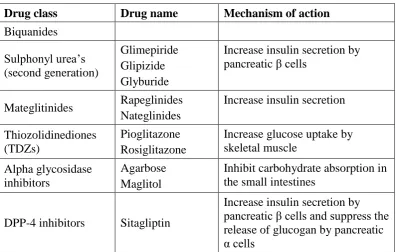
Table 5: Oral hypoglycemic agents14
Drug class Drug name Mechanism of action
Biquanides Sulphonyl urea’s (second generation) Glimepiride Glipizide Glyburide
Increase insulin secretion by pancreatic β cells
Mateglitinides Rapeglinides Nateglinides
Increase insulin secretion
Thiozolidinediones (TDZs)
Pioglitazone Rosiglitazone
Increase glucose uptake by skeletal muscle
Alpha glycosidase inhibitors
Agarbose Maglitol
Inhibit carbohydrate absorption in the small intestines
DPP-4 inhibitors Sitagliptin
Increase insulin secretion by pancreatic β cells and suppress the release of glucogan by pancreatic α cells
Among all the oral hypoglycemic agents for type 2 diabetes mellitus DPP-4
inhibitors plays an important role in diabetes mellitus.
Gliptins represent a novel class of agents that improve beta cell health and
suppress glucogan, resulting in improved post-prandial and fasting hyperglycemia.
The function by augmenting the cretin system (GLP-1 and GIP) preventing their
Cherraan’s College of Pharmacy 21
2. AIM AND OBJECTIVE
2.1 AIM
The aim of the present study is to formulate and evaluate the Sitagliptin phosphate
fast dissolving oral film by using solvent casting method.
2.2 OBJECTIVE
The objective of the proposed work is
2.2.1 To prepare fast dissolving oral films of Sitagliptin phosphate by using
different concentrations of film forming polymers and plasticizers.
2.2.2 The formulations are developed and evaluated for pre-compression
parameters such as Solubility, Melting point, Heavy metal content, FT-IR
studies and post-compression parameters such as Weight variation,
Thickness, Folding endurance, Tensile strength, percentage elongation,
Drug content, Assay, Disintegration time, dissolution test and SEM
analysis.
2.2.3 To improve the patient compliance.
Cherraan’s College of Pharmacy 22
3. PLAN OF WORK
Fig4: Plan of Work
Literature review
Aim and objective
Drug Profile
Excipients Profile
Preformulation studies
Solubility, Melting Point, Heavy Metal Content, FTIR Studies
Preparation of oral Films
Evaluation of oral film
Weight variation, Thickness, Folding endurance , tensile strength, percentage elongation, drug content, assay, disintegration time, dissolution
test, SEM Analysis
Cherraan’s College of Pharmacy 23
4. LITREATURE REVIEW
Nishi Thakur et.al2 prepared ‘Overview “A novel approach of fast dissolving
films and their patients”. Fast dissolving drug delivery systems have started
gaining fame and acceptance as new drug delivery systems. Which aim to
enhance safety and efficacy of a drug molecule by formulating it into a
conventional oral dosage form for administration and to achieve better patient
compliance. Fast dissolving drug delivery the film is placed on the top or the
floor of the tongue. When put on the tongue, this film dissolves instantaneously,
releasing the drug which dissolves in the saliva. Some drugs are absorbed from
the mouth, pharynx and esophagus as the saliva passes down into the stomach.
In such case is enhancing drug bioavailability, no risk of chocking, provide good
mouth feel. Fast dissolving drug delivery system to overcome this problem
difficulty in swallowing tablets/capsules etc. This review article overview the
advancement in the oral dosage forms application, formulation consideration,
method of preparation, evaluation, marketed product and patented technologies
of oral fast disintegrating films.
Arun arya et.al5 were reviewed ‘Fast dissolving oral films: An innovative drug
delivery system and dosage form’. Dissolvable oral thin films (OTFs) evolved
over the past years from the confection and oral care markets in the form of
breath strips and become a novel and widely accepted from by consumers for
delivering vitamins and personal care products. Companies with experience in
the formulation of polymer coatings containing active pharmaceutical
ingredients (APIs) for transdermal drug delivery capitalized on the opportunity
Cherraan’s College of Pharmacy 24
G. Kadhe and R.E. Arasan et.al8 studied as attempt to describe the advances
drug delivery of oral hypoglycemic agents, particularly the immediate release
formulations of sitagliptin phosphate.
Shelen M colham et.al9 studied The primary prevention of cardiovascular
disease with atorvastatin in type 2 diabetes in the collaborative Atorvastatin
diabetes study.
Jigisha patel et.al10 studied the Dyslipidaemia in diabetes mellitus. The study
revealed that statics improved cardiovascular out comes in people with diabetes
mellitus. Atorvastatin 10mg daily significantly reduced cardiovascular events at
3.9 years in people with type 2 diabetes without cardiovascular disease.
Salim Bastaki et.al14 were studied The diabetes mellitus is a metabolic disorder
resulting from a defect in insulin secretion, insulin action, or both. Insulin
deficiency in turn leads to chronic hyperglycemia with disturbances of
carbohydrate, fat and protein metabolism. As the disease progresses tissue or
vascular damage ensures leading to serve diabetic complications such as
retinopathy, neuropathy, nephropathy, cardiovascular complications and
ulceration. Thus diabetes covers a wide range of heterogeneous diseases.
Wale kiran K et.al17 were formulated ‘Formulation and development and
in-vitro evaluation of immediate release tablet of sitagliptin phosphate
monohydrate. This investigation undertaken with an aim to develop
pharmaceutically equivalent, stable, cost effective and quality improved
formulation of sitagliptin phosphate monohydrate immediate release tablets.
Wet granulation method was adopted to prepare the sitagliptin phosphate
monohydrate immediate release tablets by using micro crystalline cellulose,
lactose as diluents, crosspovidone and sodium starch glycolate as super
Cherraan’s College of Pharmacy 25
Tablets were prepared and evaluated for hardness, friability, weight variation,
content uniformity, and disintegration time and in-vitro drug release.
Abbaraju prasanna Lakshmi et.al18 was prepared ‘Formulation and
evaluation of taste masked orally disintegrating tablets of sitagliptin phosphate
monohydrate’. The unpleasant taste of sitagliptin phosphate monohydrate with
mannitol by co-grinding method and formulate oral disintegrating tablet by
direct compression method. Drug-mannitol complxes were taken in 1:1, 1:1.5
and 1:2 ratio and tested for in vitro and in vivo bitter masking capacity of
mannitol, drug content and molecular property. Different super disintegrants
like crosscarmellose sodium, sodium starch glycollate and crosspovidone was
used as disintegrating agents. The prepared tablets were characterized for tensile
strength, wetting time, water absorption ratio and in vivo disintegration time.
Desai P et.al26 were formulated ‘Formulation and evaluation of fast dissolving
film of Domperidone’. Domperidone is a specific blocker of dopamine receptors
solvent casting method was used for preparation of fast dissolving film. Various
film forming polymers were evaluated for selection of suitable polymer.
Different polymers like maltodextrin, PVA and different grades of HPMC like
HPMCE5 LV, HPMC E15 LV and HPMC E3 LV were used in the study for
selection of polymers. Amongst them HPMC E3 LV, HPMC E5 LV was
selected as film forming polymers and propylene glycol was used as plasticizer.
For solubility enhancement inclusion complex from β cyclodextrin was prepared
by kneading method. Films were evaluated for physical and mechanical
properties, drug content, disintegration time, in vitro dissolution study. Prepared
films showed satisfactory physical and mechanical properties. Drug-excipients
interaction study (IR), differential scanning calorimetry (DSC), drug content,
Cherraan’s College of Pharmacy 26
optimized film formulation which has 35.33 sec disintegration time, tensile
strength 2.180 N/cm2, drug release 75.26% after 15 min. accelerated stability studies on the promising formulations indicated that there were no significant
changes in drug content, in vitro disintegration time, tensile strength, in vitro
dissolution and surface pH.
Buchi N.Nalluri et.al27 was prepared ‘Development and evaluation of mouth
dissolving films of sumatriptan succinate for better therapeutic efficacy’.
Sumatriptan succinate (SUM) to enhance convenience and compliance to the
elderly and pediatric patients for better therapeutic efficacy. Film former,
HPMC along with film modifier/solubilizing agent, PVPK 30 and sodium lauryl
sulphate (SLS) were used to formulate MDFs. The MDFs were prepared by wet
film applicator technique and were evaluated for in-vitro dissolution
characteristics, in vitro disintegration time, and their physic-mechanical
properties. MDFs with 13% (w/w) of HPMC E15. MDFs with PVP K 30 and
SLS gave superior dissolution properties when compared to MDFs with SLS.
Overall, SUM MDFs showed good mechanical properties like tensile strength,
folding endurance and% elongation and dissolution properties. These results
suggest that the HPMC is an excellent film former which gives rapid drug
release.
P. Narayana raju et.al28 were prepared ‘Formulation and evaluation of fast
dissolving films of Loraditine by solvent casting method’. Rapidly dissolving
films of loratidine were developed using low viscosity grades of HPMC as film
forming polymers. HPMC is a water soluble synthetic polymer which was used
as film former form many years. The films of loratidine were prepared by
solvent casting method using Di-chloromethane and methanol as solvents. The
prepared films were evaluated for drug content, weight variation, thickness and
Cherraan’s College of Pharmacy 27
taste masking was achieved by use of sweeteners, flavors and citric acid. Type
of flavor significantly affected the taste masking property. The in-vitro and in
vivo disintegration time of the optimized formulation was found to be below 29
seconds and 24 seconds respectively. The prepared films exhibited good
integrity and thickness. In vitro dissolution studies were performed as per the
FDA dissolution guidelines for about 10 minutes, the optimum formulation
released complete drug within 4-6 minutes. DSC and FT-IR studies showed no
drug polymer integration.
Komaragiri sasi deepthi et.al29 was investigated ‘Formulation and
characterization of Atenolol fast dissolving films’. Atenolol is a β selective
adrenergic antagonist used as antihypertensive agent. Films were prepared using
film forming polymer like HPMC E5 (F1-F8) and tween 80 is added to the
formulation from F5-F8 by solvent casting technique with the help of PEG 400
as plasticizer and glycerine as sweetening agent. FT-IR analysis was performed
to study the interaction between the drug and polymer. The films were evaluated
for weight variation, surface pH, folding endurance, drug content, dissolving
time, disintegration time, and in-vitro dissolution studies. Based on the
evaluation parameters F4 containing drug: polymer (1:4) ratio showed optimum
performance and marked increase in releasing of drug 92.34%, though F8
formulation has maximum drug release as it has less tensile strength. It can be
concluded in the study that mouth dissolving film can be potential novel drug
dosage form for poorly water soluble drugs.
Pavani.S et.al30 prepared ‘Formulation development and evaluation of taste
masked oral disintegrating films of Atenolol’. Atenolol is β1- selective
adrenergic blocker and widely used in the treatment of hypertension and angina
pectoris. It has a bioavailability of 40-50%. The main objective of the study was
Cherraan’s College of Pharmacy 28
better dissolution rate by improving the bioavailability of the drug and providing
quick onset of action there by enhancing patient compliance. Oral disintegrating
films prepared by solvent casting method using film forming polymer HPMC
E15 in different ratios. The prepared films were evaluated for the drug content,
weight variation, film thickness, disintegration time and in-vitro dissolution
studies and taste mask studies on healthy human volunteers. Among all, the
formulation F3 containing HPMC E15 (drug : polymer of 1:2) was found to be
the best formulation which releases 99.89% of the drug within 20 minutes and
disintegration time is 15.3 sec.
Raghavendra rao et.al31 were developed ‘Design and development of fast
dissolving thin films of losartan pottasium’. The fast dissolving films of losartan
potassium were prepared by solvent casting method using film forming polymer
HPMC 15 and 50 cps and PEG is used as a plasticizer. The electron microscopy
showed that the films are clear, colorless with smooth surface and little pores,
without any scratches on the films. All the films prepared were evaluated for
physical appearance and surface texture, weight uniformity of films, thickness
of the films, folding endurance, surface pH, drug content uniformity and in-vitro
disintegration time of films. All the results were found to be satisfactory. The
t50% and t90% values decrease with increase in the concentration of SSG, CCS and
CP. The rapid increase of in dissolution of losartan potassium with the increase
in CCS. Among all the film formulation FA2 and FA8 (6% CCS, HPMC 15 and
50 cps) were found to be promising and showed a disintegration time of 36 and
32 seconds, respectively and 50% of drug released in 9.74 and 8.19 minutes, and
90 5 of drug release in 18.00 and 17.12 minutes respectively. Based on the
above results it can be concluded that the fast dissolving oral film of losartan
potassium may produce the rapid action there by enhance the absorption by
Cherraan’s College of Pharmacy 29
Talele swati G et.al32 was prepared ‘Formulation and evaluation of mouth
dissolving film of Almotriptan malate’. The present study was aimed to
formulate and evaluate mouth dissolving films of almotriptan malate using
polymers HPMC E-15 and HPMC E-4 and gelatin as the film forming agents.
Formulation batches formulated using 32 full factorial designs. The fast
dissolving oral films were designed using optimal design and numerical
optimization technique was applied to find out the best formulation. PEG 400
was incorporated as plasticizer to improve flexibility of films. Aspartame as
sweetener. Sodium starch glycolate used as disintegrant. An attempt was made
to prepare mouth dissolving films of almotriptan with the purpose of developing
a dosage form for quick onset of action. The films were prepared by solvent
casting method. The formulated mouth dissolving films were evaluated for
physical characteristics such as uniformity of weight, thickness, folding
endurance, drug content, surface pH, percentage elongation and tensile strength
and gave satisfactory results. The formulation were subjected to disintegration,
in-vitro drug release. The FTIR studies revealed that no physicochemical
interaction between excipients and drug. Melt in mouth films of almotriptan
containing single polymer HPMC E-15 showed best results, in terms of tensile
strength (1.76±0.11), percentage elongation (36.63±0.288%), folding endurance
(>300), in-vitro disintegration time (26.01±0.11 sec), surface pH (6.20±0.001),
thickness (0.096±0.011 mm) and percentage content uniformity (97.23±0.091).
satisfactory dissolution profile was obtained with maximum release of 96% of
drug within 120 sec. The stability studies showed that there was no appreciable
change in parameters when stored at three different temperatures.
Kranthi kumar.v et.al33 developed ‘Formulation and evaluation of carvedilol
fast dissolving sublingual films’. Carvedilol, a nonselective β blocker is an
antihypertensive drug which has oral bioavailability of 25-35% with
Cherraan’s College of Pharmacy 30
investigated the possibility of developing carvedilol fast dissolving sublingual
films allowing fast, reproducible drug dissolution in the oral cavity, thus
bypassing first pass metabolism to provide rapid onset of action of the drug. The
fast dissolving films were prepared by solvent casting method. Low viscosity
grade of HPMC E3 and HPMC E5 were used as film forming polymers. In this
study tween 80 was used as solubilizing agent as well as plasticizer. All the film
formulations F1-F9 were evaluated for their thickness, weight variation, tensile
strength, percentage elongation, folding endurance, in-vitro disintegration, drug
content, in-vitro drug release and ex-vivo permeation studies. Disintegration
time showed by the formulations was found to be in range of 25-50 sec.
Formulations F7 was chosen as the best formulation which showed 96.65 %
in-vitro drug release within 5 minutes and 62.36% ex-vivo drug permeation within
60 mins. The film showed an excellent stability at least for 45 days when stored
at 40°c and 75% relative humidity.
Deepthi et.al34 was prepared ‘Formulation and evaluation of fast dissolving oral
films of Zolmitriptan’. The present study was aimed to formulate and evaluate
fast dissolving oral films of Zolmitriptan using sodium alginate, xanthan gum
and sodium starch glycolate, guar gum. The suitable plasticizer and its
concentration were selected on the basic of flexibility, tensile strength and
stickiness of the film. The films are prepared by solvent casting method and
characterized by UV, FTIR studies. The films were evaluated for disintegration
time, Folding endurance, Tensile strength, Mouth dissolving time, Thickness,
content uniformity and in-vitro dissolution studies. The F5 formulation has
given 98.5% drug release within 6 minutes and has a tensile strength of 1.80
MPa.
Ali MS et.al35 was formulated ‘Formulation and evaluation of fast dissolving
Cherraan’s College of Pharmacy 31
majority of the drug is absorbed through buccal/oral mucosa into systemic
circulation avoiding first pass metabolism. Diazepam is an antiepileptic drug
which is normally administered by intramuscular route or as rectal suppository
in acute conditions of seizure emergencies. Oral films were prepared by solvent
casting method using HPMC E3, E5, and HPMC E15 as a film formers and
propylene glycol, PEG 400 as plasticizers and evaluated for mechanical
properties, disintegration and in-vitro drug release. The optimized (F4A)
formulation (HPMC E5 and PEG 400) exhibited drug release of 99.89 %in 15
minutes which was significantly high when compared to marketed tablet valium
(68.81 %).
Alka tomar et.al36 was formulated ‘Formulation and evaluation of fast
dissolving oral film of Dicyclomine as potential route of buccal delivery’. The
aim of the study is to formulate and evaluate the (FDOF) of an anticholinergic
drug (Dicyclomine) and improved bioavailability of drugs as compared to
conventional solid oral dosage forms. Oral films were prepared by using HPMC,
PVA, Eudragid RL-100, combination of two polymers and other excipients.
Films were prepared by solvent casting method. Films were evaluated for
mechanical properties, morphology study, swelling properties, disintegration
time, dissolution time, and in-vitro drug release. X1 formulation shows
maximum in-vitro drug release 93.88%, following first order kinetics (r2 =0.9915). The release exponent ‘n’ was found to be for X1 is 0.4487, which
appears to indicate that the drug release was controlled by first order release.
Anjum pathan et.al37 developed ‘Formulation and evaluation of fast dissolving
film oral film of Promethazine hydrochloride using different surfactant’. The
aim of the present study is to formulate and evaluate the fast dissolving oral film
of promethazine hydrochloride. Promethazine hydrochloride as a strong
Cherraan’s College of Pharmacy 32
bioavailability of drugs as compared to conventional solid oral dosage forms.
The films were prepared HPMC E15 as a film base synthetic polymer and PEG
400 as a plasticizer by solvent casting method. SLS and MCC used as surfactant
in different concentration. Sucrose used as sweetening agent and strawberry as a
flavoring agent. Films were found to be satisfactory when evaluated for
thickness, weight variation, in-vitro drug release, folding endurance, drug
content and disintegration time. The surface pH of the all films was found to be
neutral or minor charge. Films in-vitro drug release studies also done by using
dissolution apparatus. The in-vitro drug release in optimized formulation F2 was
found to be 14.36% in 2 min. the optimized formulation F2 also showed
satisfactory pH, drug content (97.41±0.54), effective in vitro drug release
(96.03±0.68% in 16 min), disintegration time of 9 seconds and satisfactory
stability. The promethazine hydrochloride fast dissolving oral film was
formulated. The given film disintegrates within 9 seconds which release drug
rapidly and gives action.
Kamalesh upreti et.al38 designed ‘Formulation and evaluation of mouth
dissolving films of Paracetamol’. In the resent study, mouth dissolving films of
paracetamol were prepared by solvent casting method. Several formulations
were developed by varying polymer (HPMC) and plasticizer (glycerol)
concentrations. Sweetening and flavoring agents were also added to make the
formulation palatable. The films were evaluated for thickness, folding
endurance, weight variation, disintegration time, dissolution time and drug
content. In the present study, each mouth dissolving film was 2×3 cm in size and
contained 125 mg paracetamol (PCM). Thickness of the films were
approximately 2mm. the strip disintegrated completely within 4 mins. In-vitro
dissolution studies were carried out in distilled water as well as in simulated
Cherraan’s College of Pharmacy 33
within 30 min. The prepared stripes seem to be an attractive alternative to
conventional marketed formulations.
Mital.s.panchal et.al39 formulated ‘Formulation and evaluation of mouth
dissolving film of Ropinirole hydrochloride by using pullulan polymers’. The
films of ropinirole hydrochloride were prepared by using polymers such as
pulllan and PEG 400 as plasticizer, by a solvent casting method. Formulation
batches were formulated with the help of 32 full factorial designs. The fast dissolving oral films were prepared using optimal design and numerical
optimization technique was applied to find out the best formulation. The
formulated mouth dissolving films were evaluated for physical characteristics
such as uniformity of weight, thickness, folding endurance, drug content,
surface pH, percentage elongation and tensile strength and gave satisfactory
results. The formulation were subjected to disintegration, in-vitro drug release
tests and stability study. The FTIR and DSC studies revealed that no
physicochemical interaction between excipients and drug. A marked increase in
the % drug release was exhibited by mouth dissolving films of Ropinirole
hydrochloride containing pullulan as a polymers at 60 sec., when compared to
other polymer films. Mouth dissolving film of Ropinirole hydrochloride
containing as pullulan showed 99.48±0.18% drug release at 60 sec. mouth
dissolving films of Ropinirole hydrochloride containing pullulan showed better
tensile strength (9.67±0.064g/mm2), percentage elongation (21.59±0.29 %), folding endurance (88.00 1.00 no. of folds), in-vitro disintegration time
(20.33±0.57 sec), surface pH (6.60±0.10 pH), thickness (0.07±0.01 mm) and
percentage content uniformity (99.53±0.37 %). Stability studies revealed that
optimized formulation was stable. Mouth dissolving films of Ropinirole
hydrochloride can be considered suitable for clinical use in the treatment of
parkinson’s disease and rest leg syndrome, where a quicker onset of action for a