Theses Thesis/Dissertation Collections
7-21-2017
Manner of Death and Willingness to Nullify in a
Euthanasia Case
Daniel Bell
Follow this and additional works at:http://scholarworks.rit.edu/theses
This Thesis is brought to you for free and open access by the Thesis/Dissertation Collections at RIT Scholar Works. It has been accepted for inclusion in Theses by an authorized administrator of RIT Scholar Works. For more information, please [email protected].
Recommended Citation
Manner of Death and Willingness to Nullify in a Euthanasia Case
A Thesis
by
Daniel Bell
Submitted in partial fulfillment of the requirements for the degree of Master of Science in
Experimental Psychology
Department of Psychology
College of Liberal Arts
Rochester Institute of Technology
Rochester, NY
Committee Approval:
John E. Edlund, Associate Professor Date
Department of Psychology, Thesis Advisor
Jason D. Scott, Associate Professor Date
Department of Criminal Justice, Committee Member
Brian P. Barry, Associate Professor Date
Acknowledgements
I would like to thank my thesis advisor, Dr. John Edlund, and my committee members,
Dr. Jason Scott and Dr. Brian Barry, for their continued feedback, support, and suggestions
throughout this process. I would also like to thank Dr. Marc Roelands and Dr. Joachim Cohen
from Vrije University in Brussels, Belgium for providing the Attitudes Toward Euthanasia
measure used in this thesis. Finally, I would like to thank my friends and family who have
Table of Contents
Acknowledgements ... 3
Abstract ... 8
Manner of Death and Willingness to N ullify in a Euthanasia Case ... 9
Withholding Care ... 9
Euthanasia ... 9
Acceptability of Euthanasia ... 11
Juries ... 12
Juror Stereotypes... 14
Jury N ullification ... 16
Manner of Death ... 19
Study 1 ... 22
Method ... 22
Participants... 22
Materials... 23
Design and Procedure ... 26
Results ... 26
Discussion ... 28
Study 2 ... 29
Method ... 30
Design ... 30
Materials... 30
Procedure ... 31
Results ... 31
Sentence ... 32
Verdict... 34
Exploratory Analyses ... 34
Discussion ... 35
General Discussion ... 36
References ... 41
Figures... 52-60
Appendix A – Study 1 Euthanasia Methods ... 61
Appendix B – Euthanasia Q uestionnaire Items ... 63
Appendix C – Right-Wing Authoritarianism Scale ... 66
Appendix D – Religiosity Measure... 68
Appendix E – Demographic Survey ... 69
Appendix F – Informed Consent Document ... 70
Appendix G – Debriefing Form ... 72
Appendix H – Study 2 Case Vignette and Jury Instructions ... 73
List of Tables
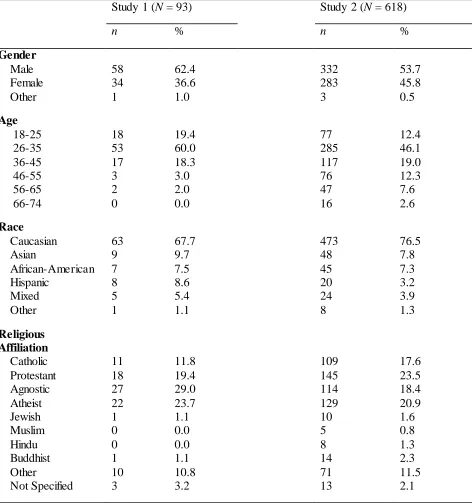
1 Participant Demographics from Study 1 and Study 2 ... 50
List of Figures
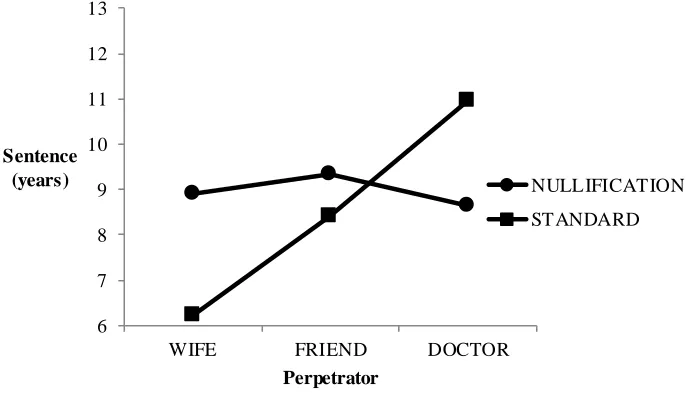
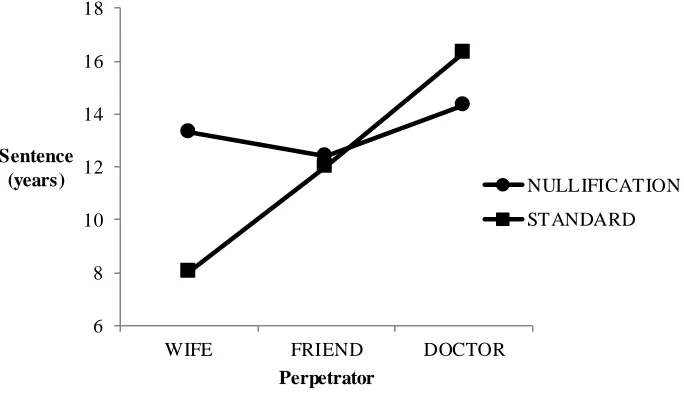
1 Mean sentences for perpetrator separated by instructions in lethal injection ... 52
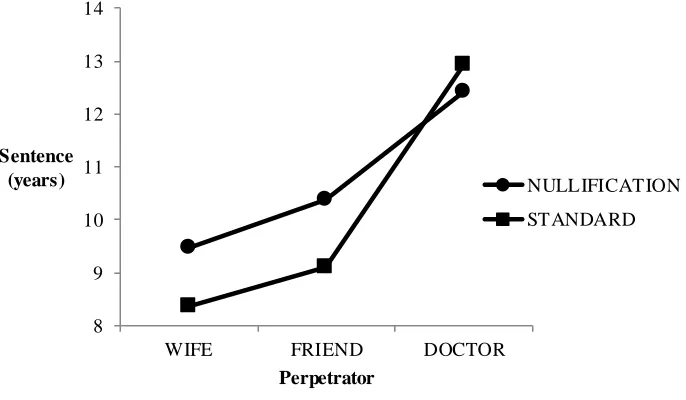
2 Mean sentences for perpetrator separated by instructions in bag smother conditions ... 53
3 Mean sentences for perpetrator separated by instructions in head smash conditions ... 54
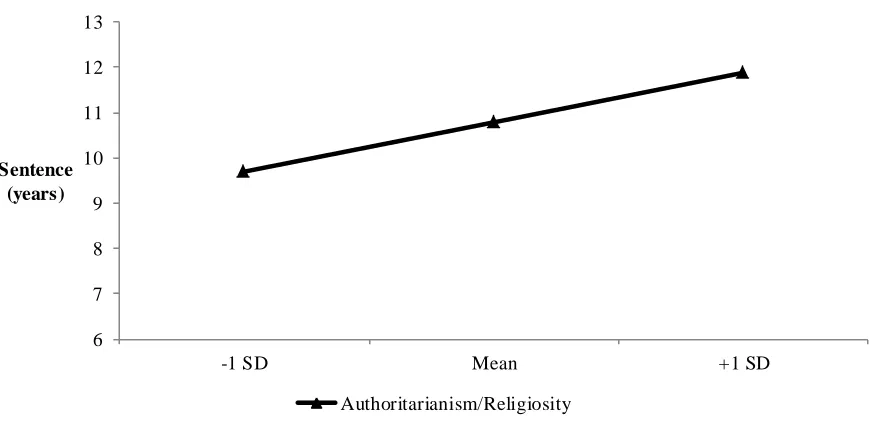
4 Regression line for sentence based on authoritarianism and religiosity ... 55
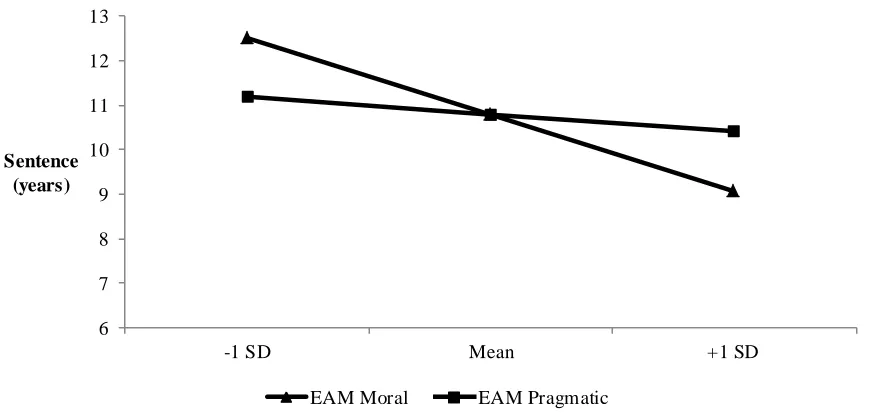
5 Regression lines for sentence based on the moral and pragmatic factors of the Euthanasia Attitudes Measure ... 56
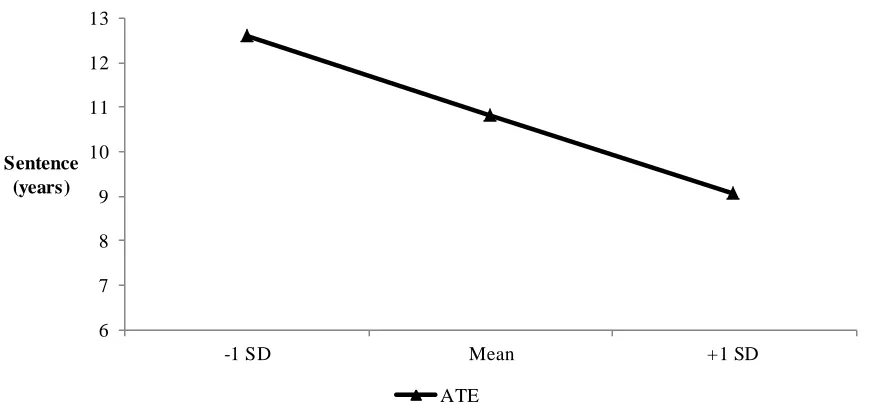
6 Regression line for sentence based on the Attitudes Toward Euthanasia measure ... 57
7 Frequencies of guilty/not guilty verdicts for each euthanasia method ... 58
8 Frequencies of guilty/not guilty verdicts for each perpetrator ... 59
Abstract
Jurors are subject to many biases that hinder their ability to make objective decisions and
nullification may occur when the jury believes the law is unfair or immoral. In a case involving
euthanasia, a defendant may not be viewed as having committed a crime if it was done out of
mercy and a jury may be more likely to choose to nullify as a result. However, nullification can
encourage jurors to make decisions based on their attitudes and subjective interpretations of
events. One unexplored potential influence on euthanasia attitudes and the decision to nullify
may be the manner of death. It is also unknown how the public views euthanasia when it is
performed by a physician compared to a family member or friend. Two studies were performed
to fill these gaps. First, opinions of and reactions to 17 different manners of death in euthanasia
cases were examined in a sample of the general public. This study found varying ratings of the
17 euthanasia methods, and the methods of “lethal injection”, “bag smother”, and “head smash”
were selected for further examination in Study 2. In the second study, participants from the
general public acted as mock jurors in a euthanasia case that varies by manner of death,
perpetrator, and presence of nullification instructions. The results of Study 2 revealed significant
effects of method and perpetrator on sentence, with a case involving a wife and lethal injection
receiving the lowest sentences. It was found that jurors were most likely to nullify in a case that
provided nullification instructions and involved a wife using lethal injection for euthanasia. This
finding suggests that different circumstances of a euthanasia case will affect jurors’ propensity to
focus on personal sympathies and interpretations. Limitations and future directions are discussed.
Manner of Death and Willingness to Nullify in a Euthanasia Case
Euthanasia in basic terms refers to ‘‘the intentional termination of a patient’s life by
someone other than the patient at the patient’s own request” (Shekar & Goel, 2012, p. 628).
Rulings in euthanasia cases vary on a case-by-case basis, but most acts of euthanasia require the
explicit approval or request of a patient to die (e.g., Cruzan v. Director, Missouri Dept. of
Health, 1990). A distinction should be made, however, between withholding care and euthanasia,
which differ in their method and legality.
Withholding Care
Withholding care refers to a withdrawal of medical treatment with the intention of letting
the patient’s underlying disease cause a natural death (Christakis & Asch, 1995). The intention of
a natural death is what distinguishes withholding care from euthanasia, which involves a
deliberate act to directly cause death (e.g., giving a lethal injection). Withholding care is legal in
the United States and most other countries and can be made based on exhaustion of interventions
and a patient’s inability to respond to treatments (Efstathiou & Walker, 2014). However,
withdrawal of care generally requires voluntary consent of the patient or his/her caregiver and is
enacted with the counsel of a physician. One especially influential case in decisions to withhold
care comes from that of Karen Quinlan, a young woman who was in a vegetative state after
taking a dose of diazepam and alcohol (In re Quinlan, 1976). Her parents requested she be
removed from her ventilator but were initially denied. However, the decision was eventually
overturned due to Quinlan’s lack of recovery and inability to make decisions.
Euthanasia
Euthanasia refers to deliberately causing death and entails the use of lethal substances or
request of a patient, is illegal in most of the United States, with the exceptions of California,
Oregon, Vermont, and Washington. The term “physician-assisted suicide” has some overlap with
the description of euthanasia. At a patient’s request, physicians provide the knowledge and/or
means for ending one’s own life (Csikai, 1999). Like euthanasia, physician-assisted suicide is
illegal in most states, with the exceptions of California, Colorad0 Montana, Oregon, Vermont,
Washington, and Washington DC.
Outside of the United States, euthanasia is illegal in Australia, China, India, New
Zealand, and the United Kingdom, among others. The only countries in which euthanasia is
completely legal include Belgium, Colombia, Luxembourg, and the Netherlands. Euthanasia is
also legal in Canada, but only in the form of what the country terms “physician-assisted dying”.
By definition, Canadian law permits physician-assisted dying for terminally ill patients whose
deaths are “reasonably foreseeable” (Wells, 2016). In Japan, there are no laws that explicitly
allow or forbid euthanasia, but the country does have “death with dignity” laws that affect
end-of-life care (Kai, 2010).
Euthanasia may also be referred to as “mercy killing”, and some family members choose
to commit this act themselves, without going through a physician. Typically such cases occur
among older married couples and are usually committed by the husband, with the justifications
of the spouse’s poor health and a compassionate relief of suffering (Canetto & Hollenshead,
2000). Although this type of euthanasia is illegal and considered murder, offenders may not
necessarily be convicted. This outcome can best be seen in the case of brothers George and
Lester Zygmaniak (Maguire, 1974). After a motorcycle accident, George was left paralyzed from
the neck down and asked his brother Lester to end his suffering. Lester agreed, and shot George
and George was initially charged with first-degree murder, a jury acquitted him on grounds on
temporary insanity. The judge and jury argued that the trauma of George’s ordeal, as well as his
love for his brother, rendered him incapable of making a rational decision and that he should not
be tried for murder.
Acceptability of Euthanasia
Attitudes on the ethicality of euthanasia vary and can be affected by individual factors.
Religiosity is negatively associated with acceptance rates of euthanasia, with more religious
individuals being more opposed to it (Bevacqua & Kurpius, 2013). Differe nt denominations of
Christianity have shown different rates of acceptance, with Protestants being more accepting
than Catholics (Verbakel & Jaspers, 2010). Western cultures value patients’ rights to make their
own decisions about end-of-life care, but eastern cultures attribute more importance to other
factors. Some Chinese individuals, for example, place value on the Confucian idea of familial
piety and consider it important enough to not euthanize family members (Lee, Kleinbach, Hu,
Peng, & Chen, 1996). Arab Muslims and Arab Christians also tend not to support ending a
patient’s life, even if the person was not consciously aware, and prefer to let the patient die at
home in the care of family (McCormick, 2011). Support for euthanasia is higher when it involves
an elderly patient compared to a younger patient (Stolz et al., 2015). However, opinions on
euthanasia do not seem to vary by age, with high school students and middle-aged respondents
showing similar levels of acceptance (Allen, Chavez, DeSimone, Howard, & Johnson, 2006).
The right-to-die movement, which seeks to change laws with regard to patients’ autonomy in
choosing to die, currently sits at 84% approval among Americans (McCormick, 2011).
before considering assisted suicide, such as having an established relationship with the patient
(Cohen, Fihn, Byoko, Johnson, & Wood, 1994).
Juries
Cases involving euthanasia often require rulings from juries, who are expected to be
impartial and make objective analyses of evidence (Costanzo & Krauss, 2012). Although juries
are influenced by the strength of evidence in a case, they are not well-equipped to evaluate
complex information and are susceptible to basing their decisions on sympathy, heuristic
reasoning, and attribution errors (Bornstein & Greene, 2011). For example, when juries are
evenly split between verdicts, they will more often choose acquittal over conviction (MacCoun
& Kerr, 1988). Jurors who favor acquittal must only establish a reasonable doubt while those
who favor conviction must attempt to remove all doubt, an endeavor that requires more mental
resources. Acquittal occurs more often when the idea of reasonable doubt is broadly defined,
leaving the interpretation up to the jury. However, research suggests that clear definitions that
require high thresholds of doubt can diminish this bias (Devine, Clayton, Dunford, Seying, &
Price, 2001).
Outside observers tend to compare the jury decision-making process to a mathematical or
computational model (Costanzo & Krauss, 2012). Jurors are assumed to view evidence
objectively and shift their views based on the weight of the evidence. However, research
suggests that juries subscribe more to a “story model” of decision making, in which they place
more weight on the background and motives of the defendant (Devine et al., 2001). Jurors will
construct their “story” as the trial progresses and choose a verdict that best fits with the narrative
2012). This model suggests that jurors bring biased information into their decisions based on
both their personal beliefs and outside sources.
To help juries interpret complex aspects of a case, courts may include testimony from an
expert in a particular field. Expert witnesses who provide highly complex testimonies instill
jurors with more confidence in the expert’s side of the case, but only if the expert demonstrates
strong credentials, such as advanced degrees and extensive experience in research (Cooper,
Bennett, & Sukel, 1996). In other words, if the expert’s testimony is too complex to understand,
jurors will attempt to reduce mental effort needed to understand the testimony and only consider
the expert’s credentials. This research found that more jurors (91%) sided with the expert’s side
of the case when he gave a complex testimony with strong credentials compared to an expert that
gave a complex testimony with weak credentials (64%).
Juries are negatively affected by biases from outside the courtroom setting, but research
has also shown that events during the trial can create biases. Hart (1995) has shown that jurors
can be influenced by their perceptions of the judge’s predilection in a case. Jurors will make their
decisions based on what they believe the judge’s expectations are, even when told to disregard
the judge’s views and make their own decisions. Jurors can also have unrealistic expectations of
their own abilities, believing that the likelihood they will make a wrongful conviction/acquittal is
only 5-10% (Arkes & Mellers, 2002). However, it is estimated that about 18% of jury verdicts
are inaccurate (Spencer, 2007). Despite being susceptible to these common biases, jurors are
often unaware of their severity.
As a standard practice, judges provide jurors with instructions, which are drafted to
explain the role of the jury and guide decision-making. These instructions should be easily
has consistently shown that jurors only understand about half of the instructions they receive
(Charrow & Charrow, 1979; Reifman, Gusick, & Ellsworth, 1992; Weiner et al., 2004). Jurors
are permitted to ask judges for clarification of specific words or phrases, but are not always
aware of this option (Miles & Cottle, 2011). Reifman et al. (1992) has shown that jurors who
receive clarification for instructio ns demonstrate greater comprehension (67%) compared to
jurors who only receive basic repetition of instructions (45%). Miles and Cottle (2011) suggest
that overall comprehension of jury instructions can be improved if judges are encouraged to both
clarify ambiguous statements and provide a teaching role for pertinent legal terms and
definitions.
Juror Stereotypes
Many people have similar mental images of a criminal’s physical and social
characteristics and entering a trial with these stereotypes in mind can affect decision-making.
Specific characteristics may come to mind when thinking of a criminal, such as a
twenty-year-old lower-class African-American male committing an auto theft (Smalarz, Madon, Yang, Guyll,
& Buck, 2016). This quick formation of a criminal profile is an example of theavailability
heuristic (Tversky & Kahneman, 1973), which relies on recall of the most salient or immediately
retrievable pieces of information. Information that is easily recalled is assumed to be more
important than what is not recalled and people will use this information to make biased
assumptions about a larger set of events (e.g., assuming all criminals are violent).
People rely on the availability heuristic as a mental shortcut that allows them to think of
the most immediate examples of criminal and racial stereotypes. These stereotypes may only be
representative of a small subset of criminals, but people will use them as a basis for judgment
commit certain crimes (e.g., Quillian & Pager, 2001). As a salient example, a Pittsburgh news
anchor was fired for a controversial Facebook post in the wake of a shooting that killed six
people. With no actual suspects, she claimed the perpetrators were likely “young black men”
who had “multiple siblings from multiple fathers” and have had previous run-ins with the law
(Bowerman, 2016).
Physical characteristics associated with a tough or rule-breaking disposition can also
enhance jurors’ willingness to convict a defendant. In a mock jury experiment, Funk and
Todorov (2013) found that the presence of a facial tattoo activates criminal stereotypes and leads
to a higher belief that the defendant will reoffend; however, the presence of a tattoo does not
affect the length of the sentence given. People possessing more Afrocentric facial features, such
as dark skin, wide noses, and full lips, also tend to receive longer sentences. (Blair, Judd, &
Chapleau, 2004). The authors surmise that judges use Afrocentric traits to infer negative
stereotype information about an inmate. However, an inmate did not necessarily have to be black
for this effect to occur; within their racial group, white inmates with more Afrocentric features
were given longer sentences than those with less Afrocentric features.
Research suggests that the general public also makes biased assumptions about a
criminal’s personality and social status. For example, criminals are often viewed as destructive
toward society, cold, untrusting, antisocial, manipulative and having a low social status or a low
paying job (Côté-Lussier, 2016; MacLin & Herrera, 2006). These social traits are also associated
with an overall dirty appearance, including poor hygiene, dirty clothes, and unkempt facial hair
(MacLin & Herrera, 2006).
Jurors who see a more stereotypical criminal defendant, as described above, are more
However, when jurors encounter exceptions to these stereotypes, they experience increased
agitation and frustration due to having their stereotypical views contradicted (Förster, Higgns, &
Strack, 2000). Jurors will try to resolve the inconsistency between their stereotypes and the
disconfirming evidence they encounter and may give a guilty verdict regardless of the
incongruity. Rather than hand out a not-guilty verdict and disconfirm their own stereotype, jurors
may instead give a guilty verdict in order to avoid cognitive dissonance. Choosing the not-guilty
verdict would create two contradictory beliefs in the juror’s mind, leading to mental stress or
discomfort. In order to relieve this discomfort, jurors will try to explain away disconfirming
information and will even subtype the disconfirming individual (i.e., believe this person is
simply an exception) in order to maintain their initial beliefs (Kunda & Oleson, 1995).
Jury Nullification
Jury nullification is an acquittal of a defendant by a jury in disregard of the judge’s
instructions and the evidence found (Rubenstein, 2006). Some jurors may opt for nullification on
the grounds that while a defendant may be lawfully wrong, he is not morally wrong (Costanzo &
Krauss, 2012). Jurors may recognize a crime has been committed from a legal standpoint, but
they choose to ignore their most basic expectations (i.e., to be impartial) and rule on their
opinions of right and wrong. However, few people outside of the courtroom are aware of jury
nullification, and judges will try to ensure jurors are not aware of this power (Rubenstein, 2006).
Potential jurors who know of nullification can be removed during the voir dire process and
defense attorneys can be held in contempt of court if they argue for nullification.
However, people may still learn of nullification through informal channels and end up
serving on a jury. Rubenstein (2006) argues that when only a small proportion of jurors know of
this power, nullification begins to occur arbitrarily and is not necessarily being used in the most
involve a juror who knows of its existence. Judges may have little or no control over what cases
are affected by nullification, so its application becomes uneven.
Although judges will not make jurors aware of the existence of nullification, it can
theoretically occur in any trial (Rubenstein, 2006). Recently, New Hampshire passed a bill that
requires jurors to be instructed about nullification in all cases (Volokh, 2016). Similar practices
could be implemented in other states, but courts fear that indiscriminate allowance of jury
nullification can encourage jurors to act on bias and prejudice, even if no actual nullification
occurs (Rubenstein, 2006). For example, defendants who commit crimes against unsympathetic
victims may be treated more leniently than the evidence allows (Horowitz, Kerr, Park, & Gockel,
2006). For these reasons, jurors are typically not encouraged to exercise their power to nullify.
Even if no nullification instructions are present, the language in standard instructions
may make jurors more likely to acquit. Some states have differences in the specific wording used
when instructing jurors. Arizona jury instructions frequently use phrases beginning with “You
must…” (www.federalevidence.com) while similar phrases in Vermont jury instructions begin
with “You should…” (www.justice.gov). Although subtle, this difference in wording may affect
juries’ willingness to nullify. Vagueness of language in jury instructions can also be an issue.
When instructions identify qualities like “unreasonable behavior” as a basis for determining
guilt, the jury can apply any kind of moral interpretation to this term and potentially choose to
acquit if they don’t deem a behavior unreasonable (Lee, 2016).
When nullification does become a factor, morally ambiguous cases may receive more
sympathetic treatment while clear cases of wrongdoing may be dealt with more severely. Such a
decision is highly likely to occur in euthanasia cases. Meissner, Brigham, and Pfeifer (2003)
participants with either standard jury instructions or one of two types of nullification instructions.
The standard instructions described criteria for burden of proof, presumption of innocence, and
reasonable doubt. The two nullification instructions (mild and radical) differed in the degree to
which jurors were made aware of the power to nullify, with the mild instructions being more
subtle. Cases also varied in the manner of death (gunshot or unplugging a respirator) which were
meant to convey differing levels of violence. Results indicated that participants were more likely
to rely on sympathy and emotion to make their decisions. Additionally, participants were less
likely to find the perpetrator guilty if the method was less violent. They were also less likely to
reach a guilty verdict with either of the nullification instructions as opposed to the standard
instructions, but there were no significant differences between the mild and radical nullification
instructions.
In another study, Horowitz (1988) exposed participants to different case vignettes and in
some conditions, gave explicit jury nullification instructions. In a case involving euthanasia, the
defendant was treated more leniently, while a defendant who killed a pedestrian in a
drunk-driving case was treated more harshly. In this experiment, nullification instructions encouraged
jurors to look at evidence as secondary or irrelevant; they instead considered the defendants’
intent and situation when choosing a verdict, basing their decisions on sympathy or anger. In
more extreme cases, awareness of jury nullification can cause jurors to ignore laws they simply
do not agree with. Compared to normal jurors, highly authoritarian jurors, who also tend to be
more close-minded and less accepting of outgroups, rely much more on their personal feelings
and biases when aware of jury nullification (Kerwin & Shaffer, 1991).
One well-known euthanasia case is that of Dr. Jack Kevorkian, a pathologist who assisted
awareness of end-of-life practices and sympathy toward terminal patients in severe pain
(Schneider, 2011). However, public opinion on Kevorkian is polarized. Some supported his push
for patients’ rights to die and did not agree with the convictions he received (Morris, 1997).
Others condemned his push for physician-assisted suicide as furthering his desire to experiment
on dying patients (Kenny, 2000).
Dr. Kevorkian was tried for murder by its legal definition in five separate trials.
However, most of his victims were patients who were in excruciating pain due to terminal
illnesses and had asked for his assistance in ending their lives. He had only provided the means
of allowing patients to end their own lives, with the exception of Thomas Youk, who was the last
person Kevorkian assisted. Kevorkian administered a lethal injection directly instead of simply
providing the means for suicide and videotaped himself doing it. This act led to him serving
eight years in prison for second degree murder. However, in three previous trials Kevorkian was
acquitted despite having formal murder charges brought against him (Lessenberry, 1996).
Manner of Death
As stated previously, there is a distinction between euthanasia and withholding care, with
euthanasia requiring an action that explicitly causes death. However, there are many different
methods available to commit euthanasia; a patient can receive a gunshot to the head, be
smothered, or receive a lethal injection. These methods communicate different levels of
aggressiveness and violence and are likely to elicit different reactions in those not directly
involved in the act. Achille and Ogloff (1997) found that people consider lethal injection to be
less acceptable than withholding care, but no research has systematically compared acceptance
of other methods (e.g., smothering). Meissner et al. (2003) compared the methods of gunshot and
method, which the authors interpreted as a less aggressive method, was associated with lower
ratings of guilt.
Opinions on killing methods used in euthanasia can be analogous to those used in capital
punishment. Due to the Eighth Amendment’s prohibition of the use of “cruel and unusual
punishment”, many states opt for lethal injection, which is seen as the most humane method of
execution (Harrison & Melville, 2007). Public opinion on capital punishment had grown steadily
more conservative between 1972 and the 1990s, but has since become more liberal as of 2010
(Mulligan, Grant, & Bennett, 2013). Public support for capital punishment is trending toward
lower levels, but these views can change based on specific factors of a case. For example, people
are more supportive of capital punishment in a child murder case (Dunn, Cowan, & Downs,
2006) or in especially brutal cases that involve multiple victims (Falco & Freiburger, 2011).
Additionally, Dunn et al. (2006) found that people were equally willing to give the death penalty
in child murder cases regardless of the method used (i.e., shooting or smothering), suggesting
that the age of the victim carries more weight than murder method when giving verdicts.
Nullification and euthanasia are commonly studied for their relation to dispositional
factors such as authoritarianism, but not with the exact manner of death. Considering the
positive support for euthanasia when appropriate, juries should be willing to nullify in euthanasia
cases, although opinions could be worsened with the presence of more violent manners of death.
Euthanasia cases often involve a husband killing his wife, but it is unknown if people will react
differently to an act of euthanasia performed by a child compared to a spouse.
Two studies were performed in order to fill these gaps. The first was meant to acquire
opinions on different situations and methods of euthanasia and/or mercy killing. The second
case varied by manner of death, executor of euthanasia, and the types of instructions received.
Kerwin and Shaffer (1991) and Meissner et al. (2003) found that the presence of nullification
instructions led participants to make decisions based more on sympathy and emotion, so it was
expected that the presence of nullification instructions in the present study would result in more
not guilty verdicts and shorter sentences. Meissner et al. (2003) incorporated both mild and
radical nullification instructions but found no differences between the two with regard to number
of not guilty verdicts. Therefore, the present study included standard instructions and only one
version of nullification instructions.
It was expected that participants would react less harshly toward acts of euthanasia
performed by family members or friends as opposed to a physician. Schoonman, van Thiel, and
van Delden (2013) exposed participants to hypothetical scenarios in which a patient asked their
son, friend, or non-physician professional for the means to end their own life (assisted suicide).
Support for this decision was highest when the son was asked and lowest when the friend was
asked. Although the professional received middling levels of support, this may be due to
participants perception that a professional would have more knowledge of and be better suited to
providing assisted suicide information compared to a friend. The present study incorporates acts
of euthanasia meant to directly cause death as opposed to providing the means to the patient. As
such, the physician was expected to receive the lowest level of support due to such an act being
highly unfitting of their role as a doctor.
Based on the results of Meissner et al. (2003), which suggested that less violent manners
of death (i.e., unplugging a respirator) led to a lower likelihood of guilty verdicts, participants
were also expected to respond less harshly to less aggressive manners of death, such as lethal
Study 1
There is minimal research examining general opinions on different methods of
euthanasia. Thus, this study was intended to provide a baseline level of participants’ opinions on
these methods. Previous research (e.g., Achille & Ogloff, 1997; Meissner et al., 2003) suggests
that the most acceptable manners of death are those that cause minimal pain. Research has also
shown that some methods are viewed with equal weight in specific circumstances (e.g.,
smothering/shooting in a child murder case). Additionally, one method may be viewed more
negatively depending on the situation; lethal injection is seen as the most acceptable method of
capital punishment, but not of euthanasia (Harrison & Melville, 2007). Although this method is
viewed less positively in euthanasia cases (Achille & Ogloff, 1997), it is expected to elicit the
highest level of acceptance in this study.
There are no studies comparing acceptance rates of more aggressive methods of
euthanasia, such as smothering and shooting, but based on the assumption that people are most
accepting of methods that cause minimal pain, it is expected that, for example, a smothering
would be seen as less acceptable than shooting; a smothering can take minutes and be perceived
as causing a great deal of pain, whereas a gunshot to the head can be perceived as a quick and
painless death. Measures of authoritarianism and religiosity were also collected due their
negative relationship with acceptance of euthanasia. Results from this study were used to create
the materials and inform the hypotheses of Study 2.
Method
Participants. Participants were recruited via Amazon Mechanical Turk (MTurk) to
participate in this study. MTurk is a crowdsourcing online marketplace that allows respondents
to complete Human Intelligence Tasks (HITs), such as surveys and other tasks, in exchange for
come from the United States and India (Ipeirotis, 2010). HITs containing a link to the study on
Qualtrics were posted to the site. Those who completed the study were compensated with 1
USD, which was funded through a research grant.
A total of 101 participants completed this study. Eight participants were non-United
States residents and were excluded from analyses, leaving a total of 93 participants with an age
range of 21-60 (M = 31.6, SD = 7.7). Participants consisted of 58 men, 34 women, and one
participant who did not specify a gender. Races consisted of 67.7% Caucasian, 9.7% Asian, 7.5%
African American, 8.6% Hispanic, 5.4% mixed race, and 1.1% other. Table 1 shows participant
demographics from both Study 1 and Study 2.
Materials.
Euthanasia methods. Participants were shown 17 brief narrative summaries describing
different methods (e.g., gunshot, poison) used to euthanize a patient who had been hospitalized
(Appendix A). The narrative was written in passive voice so as to not identify a specific culprit
and used gender-neutral language. Each method was written in a few sentences describing how
the act is carried out and what physiological effects it has on the patient. Participants were then
asked to rate their agreement with statements that each method fits three traits (i.e., humane,
aggressive, painful) on a 5-point Likert scale (1 = strongly disagree; 5 = strongly agree).
Euthanasia questionnaire. Participants responded to a series of 18 statements asking for
their opinions on euthanasia and end-of-life decisions. Select items were taken from the
Euthanasia Attitudes Measure (EAM; Cohen, Van Weasemael, Smets, Bilsen, & Deliens, 2012)
and the Attitudes Toward Euthanasia Measure (ATE; Roelands, Van den Block, Geurts, Deliens,
scale (1 = strongly disagree; 5 = strongly agree). Specific items that appeared in the study can
be seen in Appendix B. Cronbach’s alpha for the total combined measure was .94.
The EAM (Cohen et al., 2012) consists of 20 items asking for participants’ opinions on
end-of-life decisions (items 1-9), euthanasia law (items 10-14), and legal/procedural safeguards
of euthanasia (items 15-20). For the purposes of this study, only items 1, 2, 3, 6, 9, 15, 16, and 19
were included. The remaining items were designed to be answered by physicians and were
excluded on the basis that they would not be applicable to the current study, which is examining
opinions of the general population. The final scale consisted of eight items.
The ATE (Roelands et al., 2015) contains items asking for opinions on euthanasia,
divided into several sections. Section 9, which is given to participants who indicate that
euthanasia is sometimes acceptable (as opposed to always or never), is included in the present
study. This section contains 10 items ( = .96) asking for agreement with euthanasia in various
conditions and scenarios. The remaining items were designed to be answered by medical
students with some knowledge of medical procedures and laws and were excluded from the
present study.
The eight items of the EAM yielded a Cronbach’s alpha of only .71, so principal
components analyses were run. Results indicated two distinct factors of the EAM (Eigenvalues =
3.29 and 1.76), hereafter referred to as “moral” and “pragmatic ” factors, so each factor was also
analyzed separately. The items that contribute to the pragmatic factor address medical protocols
(e.g., “In order to give advice as a second physician in a euthanasia request, one has to have
followed special training”) while those contributing to the moral factor seem to measure factors
of emotion and right vs. wrong (e.g., “Everyone has the right to decide about their life and
Items 1 through 4 contributed to the moral factor (Eigenvalue = 3.29) and items 6 and 7
contributed to the pragmatic factor (Eigenvalue = 1.76). However, Items 5 and 8 were indicated
as belonging to two different factors between Study 1 and Study 2 (and these items were
crossloaded across the factors), so these items were excluded from analyses, leaving four items
in the moral factor and two items in the pragmatic factor (all scale items can be seen in Appendix
B). It total, three different euthanasia attitudes variables were analyzed: the ATE and the moral
and pragmatic factors of the EAM. Cronbach’s alpha levels of the two factors were .85 and .68,
respectively.
Right-Wing Authoritarianism Scale. The Right-Wing Authoritarianism Scale (RWA;
Altemeyer, 1990) is a 30-item measure designed to examine right-wing authoritarianism
(Appendix C). Altemeyer defines this construct as a combination of authoritarian submission
(i.e., submission to society’s authorities), authoritarian aggression (i.e., aggression towards
others based on authority), and conventionalism (i.e., adherence to social conventions established
by authority). Participants respond to a series of statements and rate their agreement with each
statement on a nine-point Likert scale from -4 to +4 (-4 = very strongly disagree, 0 = neutral, +4
= very strongly agree). Reliability ratings range from .77 to .97 across several samples, and
validity values range from .51 to .81. For the present study and sample (N = 93), reliability was
= .96. Scores on the RWA were aggregated across all 30 items. Higher levels of authoritarianism
are associated with more punitive sentencing in criminal trials (Narby, Cutler, & Moran, 1993).
In the present study, high scores on the RWA may be associated with less acceptance of
euthanasia, even when nullification instructions are given.
Religiosity Measure. The Religiosity Measure (RM; Lewis & Bates, 2013) is a three-item
beliefs (Appendix D). Each item is measured on a four-point Likert scale (1 = not at all, 4 =
very). Higher aggregate scores on this measure indicate higher levels of religiosity.
Demographic survey. At the end of the study, participants completed a demographic
survey (Appendix E) and provided information on gender, age, and race. Participants were also
asked to indicate their religious affiliation, country of origin, as well as the state or province (if
applicable), due to international differences in laws and opinions regarding euthanasia.
Design and Procedure. A within-subjects design was used in which each participant
responded to a series of 17 descriptions of euthanasia methods. Reverse counterbalancing was
used to control for order effects. Each participant viewed each method once. After reading an
informed consent document (Appendix F) and providing their consent, participants responded to
the 17 narrative descriptions of euthanasia methods. They were instructed to read each method
and imagine it was performed on a patient who was terminally ill and in a great deal of pain and
rated each method on levels of humanity, brutality, and painfulness. Finally, they completed the
adapted euthanasia questionnaire, Right-Wing Authoritarianism Scale, Religiosity Measure, the
demographic survey, and read a debriefing form (Appendix G).
Results
When analyzing ratings of humanity, brutality, and painfulness of manners of death, an
aggregate mean rating of all three constructs was calculated individually for each method. Higher
ratings of brutality and painfulness were taken to indicate more negative opinions of the manner
of death. Ratings of humanity were reverse-coded because lower ratings of humanity indicate
more negative opinions. Specific manners of death to include in Study 2 were chosen based on
the methods that received the most extreme, least extreme and median ratings of these three
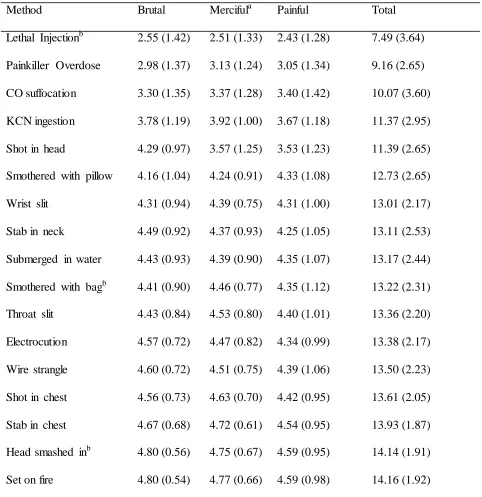
and pain, ranged between 7.49 and 14.16, out of a maximum of 15. A principal components
analysis was performed on 17 factors (the euthanasia methods) and results indicated only one
factor (Eigenvalue = 9.07) that accounted for over half the variance.
Lethal injection was rated as the most acceptable method (M = 7.49). The median of
these mean values belonged to “submerged in water” (M = 13.17) and the highest value belonged
to “being set on fire” (M = 14.16). However, as these methods were hypothetically being
performed in a hospital setting, the methods of being drowned or set on fire were not considered
realistic or practical. The second-highest rated method, “head smashed in” (M = 14.14), was
instead selected as the least acceptable method. Likewise, the bag smother method (M = 13.22)
was the next highest rated method after “submerged in water” and was chosen for its more
realistic application in a hospital environment. The final methods chosen for use in Study 2
included lethal injection (high acceptance), bag smother (moderate acceptance), and head smash
(low acceptance). Mean and SD values for all methods can be seen in Table 2. Method ratings
were not significantly predicted by the ATE (b = .007, SEb = .015, = .046, p = .663) or the
EAM moral factor (b = -.012, SEb = .043, = -.03, p = .779). However, the EAM pragmatic
factor was a significant predictor (b = .405, SEb = .094, = .411, p < .001), such that higher
ratings were predicted by higher scores on the pragmatic factor of the EAM. Right-wing
authoritarianism (b = -.002, SEb = .004, = -.053, p = .611) and religiosity (b = .054, SEb =
.052, = .106, p = .310) also did not significantly predict method ratings. Men gave
significantly lower ratings of euthanasia methods (M = 11.92, SD = 1.72), than women (M =
Discussion
Consistent with hypotheses, participants gave the lowest mean ratings of brutality and
pain and the highest rating of mercifulness to lethal injection. This finding is also consistent with
previous research that has found that lethal injection is one of the most acceptable methods of
euthanasia (Achille & Ogloff, 1997). As such, this method was used in Study 2 as the “high
acceptance” euthanasia method.
Only the EAM pragmatic factor was found to be a significant predictor of method ratings,
although it is unclear why. Because the scenarios were written with very little context,
participants were possibly able to interpret them more objectively. Additionally, because these
items deal with more pragmatic factors of euthanasia, they may have been a more valid
predictor. The ATE was also found not to be a significant predictor of method ratings. This
measure specifically asked for opinions on euthanasia in a hospital setting, so participants may
have interpreted the questionnaire and the method ratings differently. Despite the intended
vagueness of the euthanasia descriptions, participants may have interpreted each one with a
specific scenario in mind, which could have affected the results.
Women were found to give higher ratings than men, which could be taken to mean that
women find euthanasia less acceptable in general compared to men. This finding seems to be
consistent with previous research that found men to be more supportive of legalizing euthanasia
(Leppert et al., 2013). In the present study, higher ratings could be taken to indicate lower
support for these specific methods as men and women showed no difference in general
euthanasia attitudes. This finding may also be due to differences in how men and women interact
with and relate to others. Women are more likely to form emotional attachments than men and it
families (Dickinson & Tournier, 1993), suggesting female physicians have a more nurturing
attitude toward patients. This effect seems to appear in the present study, with female
participants giving higher ratings to the methods, indicating less favorable opinions.
Study 2
No research has examined differences in jurors’ opinions on euthanasia performed by a
family member or a physician. The case of the Zygmaniak brothers (Macguire, 1974) seems to
have been viewed as a sympathetic act of mercy performed by a family member. A similar act
performed by a physician may be viewed more negatively as it may be seen as highly
inappropriate and unprofessional for a doctor to perform. Public support for physician-assisted
suicide sits at 64%, but specific circumstances of the case can cause this acceptance to fluctuate
(Emanuel, Onwuteaka-Philipsen, Urwin, & Cohen, 2016). Rates of acceptance for non-standard
euthanasia methods performed by physicians (e.g., smothering) are unknown. Meissner et al.
(2003) examined the methods of gunshot and unplugging a respirator and found less favorable
reactions to the more aggressive method (gunshot) but no known study has examined a wide
range of different methods such as smothering. It was also hypothesized that jurors would be
more likely to nullify a case of euthanasia performed by a family member compared to a
physician.
Because real jurors are not necessarily aware of or given explicit awareness of
nullification (Rubenstein, 2006), some conditions contained nullification instructions. Other
conditions instead provided generic instructions. It was expected, based on Kerwin and Shaffer
(1991) and Meissner et al. (2003) that conditions that contain nullification instructions would
lead to more instances of nullification and reduced sentences. As in Study 1, measures of
demonstrate high levels of authoritarianism (Kerwin & Shaffer, 1991) and/or religiosity
(Bevacqua & Kurpius, 2013).
Method
Participants. The recruitment of participants for Study 2 was identical to that Study 1;
participants completed the study online through MTurk and only completed one of several
possible conditions. Those who participated in Study 1 did not participate in Study 2.
Participants in this study were compensated with 1 USD from a research grant. Participants
received a link to the study on Qualtrics and were randomly assigned to one of the 18 conditions.
A total of 676 participants participated in this study. Fifty-six of these participants were
non-United States residents and were excluded from analyses. Additionally, one participant was
excluded for providing nonsense data (e.g., entering the same value for all attitude measure
items) and another was excluded after a technical malfunction caused two versions of the
vignette to appear. Analyses were thus performed with a total of 618 participants with an age
range of 18-74 (M = 37.0, SD = 12.0). Participants consisted of 332 men and 283 women. Three
participants did not identify with a specific gender. Participant races consisted of 76.5%
Caucasian, 7.8% Asian, 7.3% African American, 3.2% Hispanic, 3.9% mixed race, and 1.3%
other.
Design. Conditions varied by manner of death (most extreme/least extreme/median), type
of defendant (wife/friend/doctor), and type of instructions (general/nullification) to create a 3 x 3
x 2 factorial design.
Materials.
Case vignette.Participants read a case vignette detailing the case of an elderly man who
burns and is later euthanized by his wife, friend, or doctor using one of three methods. The act is
witnessed by an orderly, who reports it as a crime and results in the wife, friend, or doctor
appearing as a defendant in court. The vignette is followed by a paragraph describing either a
jury’s power to nullify or a jury’s general role and expectations in a court case. Participants
assumed the role of a juror tasked with providing a guilty/not guilty verdict and recommending a
sentence.
Instructions. All participants received instructions (Appendix H) describing the general
roles and expectations of a jury, which described the concepts of presumption of innocence,
burden of proof, and reasonable doubt. It also provided a clear statement of the defendant’s name
and the crime she is being tried for. The final paragraph of these instructions differed depending
on condition; some participants read a brief description of the existence of and protocol for jury
nullification (nullification instructions) or a general statement of adhering to the law and not
allowing personal biases to interfere with decision- making (standard instructions).
Attitude measures.Participants completed the same measures of euthanasia attitudes,
right-wing authoritarianism, and religiosity that were used in Study 1. As in Study 1, the
euthanasia attitudes measures were separated into the ATE and Factors 1 and 2 of the EAM and
analyzed separately. Cronbach’s alpha values were .97, .84, and .72, respectively. Reliability
ratings for authoritarianism and religiosity were = .96, and .95, respectively.
Demographic survey. Participants also completed the same demographic survey present
in Study 1. Information on gender, age, race, country, religious affiliation, state, and province of
origin were collected (Appendix E).
Procedure. Participants read through an informed consent and clicked “I agree” in order
instructions and were instructed to read both carefully. Participants were given as much time as
they needed to read these materials, but they were not able to proceed to the next section until at
least one minute (vignette) or three minutes (instructions) had passed. This design was
implemented to prevent participants from skipping the vignette and instructions altogether. As a
manipulation check, participants answered five factual questions about the vignette in order to
ensure they thoroughly read it (Appendix I).
On the next screen, participants were asked, based on the facts of the case, what verdict
they would give the defendant (guilty or not guilty), and how many years they would suggest for
incarceration, with a minimum of 5 years and a maximum of 25. They were also asked in an
open-ended response to explain their rationale for their verdict (Appendix I). Participants then
completed the euthanasia questionnaires, RWA, RM, and the demographic survey. On the final
screen, participants read a debriefing statement and were thanked for their participation.
Results
Sentence.
Analyses of the sentence variable only included participants who gave a guilty verdict (n
= 479). A 3 (manner of death: injection, bag smother, head smash) x 3 (perpetrator: wife, friend,
doctor) x 2 (instructions: standard, nullification) factorial ANOVA revealed that there were
significant differences in the length of sentences depending on the vignette, with the wife
receiving shorter sentences (M = 8.97 , SD = 6.71) compared to the friend (M = 10.28 , SD =
6.64) or doctor (M = 12.95 , SD = 7.49), F(2, 461) = 11.01 , p < .01, partial-ƞ2
= .046. There were
also significant differences in sentence based on the euthanasia method, with the injection
method receiving shorter sentences (M = 8.64, SD = 6.19) than the bag smother (M = 10.47, SD
.056 . Participants who received nullification instructions gave longer sentences (M = 11.21, SD
= 7.35) than those who received standard instructions (M = 10.45, SD = 6.97) but this difference
was not significant, F(1, 600) = 1.46 , p = .228 , partial-ƞ2
= .003 . There was a significant 2-way
interaction between the perpetrator and the instruction variables (F(2, 461) = 4.54 , p = .011,
partial-ƞ2
= .019). Means are graphed in Figures 1-3.
Tukey’s HSD post-hoc tests were run to clarify significant differences in sentencing
between groups based on the perpetrator and euthanasia method variables. The doctor received
significantly longer sentences when compared to both the wife (p < .001) and the friend (p =
.001), but there was no significant difference between the wife and friend (p = .196). The head
smash method received significantly longer sentences than both the injection (p < .001) and bag
methods (p = .003) and there was a significant difference between the injection and bag methods
(p = .049), with the bag method receiving longer sentences.
Linear regression analyses were used to test for significant predictors of sentence length.
Sentences were significantly predicted by right-wing authoritarianism (b = .022, SEb = .007, =
.153, p = .001) and religiosity (b = .327, SEb = .099, = .149, p = .001), such that higher scores
on these variables were associated with longer sentences. Regression lines are plotted in Figure
4. Regarding euthanasia attitudes, sentence length was significantly predicted by the ATE (b =
-.200, SEb = .026, = -.292, p < .001) and the EAM moral factor, such that longer sentences were
associated with lower scores on the euthanasia attitude measures (b = -.570, SEb = .077, =
-.287, p < .001). The EAM pragmatic factor was not a significant predictor. Regression lines are
plotted separately for the two factors of the EAM (Figure 5) and the ATE (Figure 6).
It was also found that women gave longer sentences on average (M = 8.74, SD = 7.99)
.313. Participants were collapsed into two groups based on religious affiliations of
Catholic/Protestant (n = 254) and Agnostic/Atheist (n = 243). There was a significant difference
in sentence length between the two groups, with Catholic/Protestant participants giving longer
sentences (M = 9.46, SD = 8.09) than Agnostic/Atheist participants (M = 7.40, SD = 7.48), t(495)
= 2.95, p = .003.
Verdict.
Overall, more participants gave guilty verdicts (n = 479) than not guilty verdicts (n =
139). A binary logistic regression revealed significant main effects of method, perpetrator, and
instructions. As predicted, participants gave more not guilty verdicts when the injection method
was used (47%) compared to the bag smother (39%) and head smash (14%), b = 1.349, SEb =
.285, Wald (1 df) = 22.429, p < .001. Participants also gave more not guilty verdicts when the
perpetrator was a wife (46%) compared to a friend (29%) or doctor (25%), b = .711, SEb = .248,
Wald (1 df) = 8.234, p = .004. Participants reading nullification instructions also gave more not
guilty verdicts (66%), b = .855, SEb = .208, Wald (1 df) = 16.955, p < .001. There were no
significant two-way or three-way interactions. Across all eighteen conditions, participants gave
the most not guilty verdicts in the wife/injection/nullification condition (48%; n = 19). Data is
displayed in Figures 7-9.
Exploratory Analyses.
Although not a main variable of interest, the legal status of assisted suicide in a
participant’s state of residence may have influenced their results. As of now, assisted suicide is
legal in California, Colorado, Montana, Oregon, Vermont, Washington, and Washington DC.
Participants were categorized as either being from a “legal” state (the above listed states; n =
sentences (M = 7.72, SD = 7.48) than those from illegal states (M = 8.50, SD = 7.79), but this
difference was not significant, t(616) = .976, p = .331. There was also no significant difference
between verdicts, indicating that both groups gave similar rates of verdicts, χ2
(1) = .394, p =
.530.
Discussion
As predicted, shorter sentences and fewer guilty verdicts were given to perpetrators with
a closer relationship to the patient (wife/friend) than the doctor. Conditions incorporating lethal
injection also yielded the lowest sentences and fewest guilty verdicts than conditions using other
methods. Contrary to hypotheses, nullification instructions yielded higher sentences than
standard instructions. Although this difference was not significant, there was a significant
interaction between the instructions and perpetrator, suggesting that the presence of nullification
instructions alone did not greatly affect participants’ sentencing decisions and depended on the
specific perpetrator. These results suggest that nullification is more likely to occur when the
perpetrator has a close relationship with the patient, uses a non-aggressive method of euthanasia,
and if the jury is provided nullification instructions.
Consistent with past research, higher scores of authoritarianism and religiosity were
significantly associated with longer sentences. However, these results only occurred when
analyzing participants who gave guilty verdicts. When including participants who gave not guilty
verdicts (i.e., sentences of 0 years), these significant correlations disappear. It is possible that
people who are highly authoritarian and/or religious are more likely to give guilty verdicts in
euthanasia cases.
The lack of significant results between legal/illegal states may be due to the uneven
Further, no data was collected assessing participants’ familiarity with their state’s assisted
suicide laws. It is likely most participants were unaware of the specific laws in their states and
their decisions were not affected by them. However, this possibility cannot be examined in the
current study. Future researchers may wish to obtain a more balanced sample and assess
participants’ familiarity with their state’s laws.
General Discussion
Participants’ decisions seemed to be most affected by the method and perpetrator in the
vignette. More acceptable methods (i.e., injection) yielded the lowest sentences and the least
acceptable method (i.e., head smashed in) yielded the longest sentences. This finding is
consistent with prior research that has found that methods such as lethal injection, which
communicate low levels of pain, are seen as more humane ways of killing a person. This finding
is also supported by results from Study 1. Lethal injection yielded the lowest ratings of pain and
brutality and the highest rating of mercifulness.
Participants gave fewer guilty verdicts and shorter sentences to the wife compared to the
friend or doctor. This finding suggests that the perceived closeness of the relationship between
perpetrator and victim played a role in participants’ decisions. A spousal relationship implies
stronger feelings of love and care than a relationship between two friends. Conversely, a
doctor/patient relationship should imply a more detached and professional relationship. Thus, an
act of euthanasia performed by a doctor on the basis of personal feelings should be seen as
highly unprofessional and inappropriate. Indeed, participants gave the doctor the highest
sentences with reasons such as “she should have known better!”
Exploratory factor analyses suggested two factors in the EAM, so participants may have
sympathetic and moral aspects of euthanasia and the pragmatic factor contained items dealing
with medical protocols. The moral factor was found to be a significant predictor of sentence
length in Study 2 but not of the method ratings in Study 1, with the reverse being true for the
pragmatic factor. The inclusion of nullification instructions in Study 2 may have led participants
to make decisions based on emotion and sympathy, so the moral factor seemed to be a more
valid predictor of sentence length. Nevertheless, the EAM is not necessarily the most useful
measure of euthanasia attitudes. Because an exploratory factor analysis showed two distinct
factors, it may be measuring two different variables. Future studies should include measures that
focus on a specific factor of euthanasia attitudes.
The presence of nullification instructions yielded a significant difference in verdicts, but
not sentence length. Participants may simply have not read the instructions closely or even
ignored the instructions. Manipulation check items were not used to assess if participants
comprehended the instructions. However, manipulation checks were implemented for the
vignette and all participants used in analyses gave responses indicating they read and understood
the vignette. As these instructions immediately followed the vignette, it is likely participants paid
a similar level of attention to them.
The bag smother method was chosen as a moderately aggressive method compared to the
injection and head smash methods based on it having the median total rating score among the 17
methods. However, many method ratings, including the bag smother method, were skewed
toward the upper anchor of the scales. In order to select a more moderate manner of death, a
better method may have been to average the lowest and highest ratings and select the method that
This study is limited in that it did not test for gender effects. The patient was always male
and the perpetrator was always female. Female offenders are often treated more leniently than
males when receiving sentences (Goulette, Wooldredge, Frank, & Travis, 2015) so it’s likely that
such gender differences would exist in euthanasia cases. In extreme cases, jurors may even be
more willing to nullify a euthanasia case involving a female offender. The victim’s age may have
also affected participants, such that they were more likely to nullify or give shorter sentences
because the victim was elderly. Some participants may have based their decisions on a rationale
of the patient being old and close to death anyway. Cases involving younger victims will likely
receive harsher sentences and fewer instances of nullification.
Because data were collected through Amazon Mechanica l Turk, participants could only
complete the studies individually. While the present study offers better verisimilitude than most
other juror studies in that participants comprised a diverse range of ages and occupations, Study
2 may have benefitted from collecting data from groups in order to increase external validity.
However, meta-analyses of mock jury studies showed only marginal differences in several
variables. Saks and Marti (1997) found no differences in the rate of correct verdicts between
6-person and 12-6-person juries. However, larger juries spent more time deliberating and were more
likely to contain members of minority groups. When comparing student and non-student jurors,
Bornstein et al. (2017) found no significant differences in rates of verdicts and only marginally
significant differences in sentencing.
Nevertheless, the present data do not necessarily represent real juries who may spend a
great deal of time deliberating before reaching a verdict. The average completion time for Study
2 was just under 16 minutes, a significantly lower amount of time compared to the hours of