Adaptation and Specialization in the
Evolution of Bacterial Metabolism
The Harvard community has made this
article openly available.
Please share
how
this access benefits you. Your story matters
Citation Leiby, Nicholas. 2014. Adaptation and Specialization in the Evolution of Bacterial Metabolism. Doctoral dissertation, Harvard University.
Citable link http://nrs.harvard.edu/urn-3:HUL.InstRepos:12274296
Terms of Use This article was downloaded from Harvard University’s DASH repository, and is made available under the terms and conditions applicable to Other Posted Material, as set forth at http://
Adaptation and Specialization in the
Evolution of Bacterial Metabolism
A dissertation presented
by
Nicholas Leiby
to
The Committee on Higher Degrees in Systems Biology
in partial fulfillment of the requirements
for the degree of
Doctor of Philosophy
in the subject of
Systems Biology
Harvard University
Cambridge, Massachusetts
© 2014 Nicholas Leiby
Dissertation*Advisor:*Professor*Christopher*Marx* Nicholas*Leiby* * *
Adaptation and Specialization in the Evolution of Bacterial Metabolism
Abstract
Specialization is a balance of evolutionary adaptation and its accompanying costs. Here
we focus on the Lenski Long-Term Evolution Experiment, which has maintained
cultures of Escherichia coli in the same, defined seasonal environment for 50,000
generations. This dissertation explores the extent and means by which metabolic
specialization occurs over an extended period in the same environment.
Chapter 1 provides an overview and introduction of the problem.
In Chapter 2 we investigated the acquired dependence on citrate for optimal growth of
some of the adapting populations. Earlier work uncovered that one of the adapting
populations gained the ability to utilize citrate as a sole carbon source. We showed that
in addition to this population, three other lineages evolving in parallel began to rely on
citrate as a chelator of iron for optimal growth on glucose. This specialization seemed to
have occurred through loss of function, most consistent with the accumulation of
mutations in iron transport genes that were obviated by abundant citrate.
In Chapter 3 we examined changes in fitness of the evolving populations on carbon
sources other than the glucose on which they adapted. We demonstrated that declines in
performance were much less widespread than suggested by previous results, and
surprisingly accompanied by improvements on a variety of substrates. Strains with
higher mutation rate exhibited significantly more declines, and these were ameliorated
*
mainly result as a consequence of adaptive tradeoffs, but rather due to the gradual
accumulation of disabling mutations in unused portions of the genome.
In Chapter 4 we tested the ability of Flux Balance Analysis models to predict evolved
changes in central metabolism. We measured metabolic fluxes for evolved populations
from the Lenski experiment, and compared them along with datasets from two other
experiments to flux predictions. We found that improved growth largely derived from
increased rate of substrate use. Flux predictions were more accurate for two
experiments initiated with relatively sub-optimal ancestors, whereas ancestors near the
Table of Contents
CHAPTER 1: UNDERSTANDING THE MECHANISMS UNDERLYING
SPECIALIZATION 1
REFERENCES 6
CHAPTER 2: MULTIPLE LONG-TERM, EXPERIMENTALLY-EVOLVED POPULATIONS OF ESCHERICHIA COLI ACQUIRE DEPENDENCE UPON CITRATE AS AN IRON CHELATOR FOR OPTIMAL GROWTH ON GLUCOSE 7
INTRODUCTION 9
RESULTS 15
DISCUSSION 26
CONCLUSIONS 29
MATERIALS AND METHODS 30
REFERENCES 34
CHAPTER 3: METABOLIC EROSION PRIMARILY THROUGH MUTATION ACCUMULATION, AND NOT TRADEOFFS, DRIVES LIMITED EVOLUTION OF
SUBSTRATE SPECIFICITY IN ESCHERICHIA COLI 39
INTRODUCTION 40
RESULTS 43
DISCUSSION 58
MATERIALS AND METHODS 68
REFERENCES 73
CHAPTER 4: THE ABILITY OF FLUX BALANCE ANALYSIS TO PREDICT EVOLUTION OF CENTRAL METABOLISM SCALES WITH THE INITIAL
DISTANCE TO THE OPTIMUM 79
INTRODUCTION 81
RESULTS 91
DISCUSSION 104
MATERIALS AND METHODS 110
REFERENCES 120
SUPPLEMENTARY MATERIAL 125
Chapter 1
Understanding the mechanisms underlying specialization
Nicholas Leiby1,2
1 Organismic and Evolutionary Biology, Harvard University, Cambridge, MA, USA, 2 Systems Biology Graduate Program, Harvard University, Cambridge, MA, USA
Microbes evolve quickly. To successfully control them in medicine and engineer them in industry, we need a predictive understanding of microbial evolution. Ideally, we could anticipate the adaptive genetic and phenotypic changes that occur in response to a given environment, on what time scale they occur, and with what degree of repeatability.
While the same mutations responsible for adaptive improvement in one
environment may provide benefit in alternative environments, we do not expect this to generally be the case. If there were no cost for improvements, there would be a single optimum genotype regardless of environment. Instead we expect adaptive improvements to one condition lead to costs in others. These costs may result from antagonistic pleiotropy, where the same mutations causing adaptive improvements in one environment are harmful in another. Antagonistic
neutral selective effect in the evolutionary environment have a detrimental effect in an alternative environment. Mutation accumulation is an opportunity cost- an absence of purifying selection resulting in the degradation of unused functions.
These adaptive costs force organisms into one of two general groups- specialists and generalists. Specialists have a high fitness in a narrow range of niches, but not necessarily in others. Generalists maintain a moderate level of fitness across a broad range of environments. Tradeoffs and mutation accumulation prevent the rise of ‘Darwinian Demons’ [1] or super generalists- a single genotype that is optimally fit across all environments. These processes are fundamental to
specialization and the rise and maintenance of global biodiversity. However, the relative role and mechanisms of tradeoffs and mutation accumulation are poorly understood.
Our lack of understanding of specialization exists in part because it is challenging to study. The relative contributions of natural selection, random events, and constraints to adaptation and divergence are not easily separable, and the divergence of evolving populations may merely reflect their adaptation to
Fortunately, a model exists that allows us to test fundamental assumptions about specialization. In Richard Lenski’s Long-Term Evolution Experiment (LTEE) [2], 12 parallel populations of Escherichia coli have been passaged daily in minimal glucose batch cultures for 26 years and ~58,000 generations of growth. Samples were frozen periodically, and they can be revived to study the populations at a given time or to rewind and replay evolution (e.g., [3-5]). Fitness of the evolved strains in the adaptive environment increased on average by approximately 80% in 50,000 generations [6], and the LTEE strains have been evolving in the same consistent environment for such a long time that we would expect specialization to that environment to have occurred.
One environmental condition that drives microbial evolution and specialization is carbon source availability. In the LTEE, strains were propagated in glucose
minimal media. One hypothesis is that evolution in this environment would yield
adaptive improvements to glucose growth resulting in tradeoffs in the ability to use other carbon sources. In fact, this has been observed in specific cases, where adaptive improvement occurred at the cost of transport of non-glucose sugars such as maltose [7], or where portions of the ribose operon were deleted [8].
twelve parallel populations [9], including the above examples of maltose and ribose [7,10].
A previous study attempted to assess the relative roles of mutation accumulation and tradeoffs behind the costs of adaptation in the Lenski LTEE [11]. This study used an assay of respiration as a proxy for fitness on a wide range of carbon sources, and tested performance of the evolved strains at different time points up to 20,000 generations. It found that the strains significantly reduced function across a wide range of substrates, that these reductions occurred in parallel across many or all strains, and that these reductions occurred early on in the course of evolution- in the timeframe associated with rapid increases in fitness in the evolutionary environment. The authors concluded that these findings were most consistent with antagonistic pleiotropy. A further feature of the LTEE allowed the authors of this study to assess the extent of costs associated with mutation accumulation. A number of the parallel populations had acquired a ‘mutator’ phenotype caused by mutations to DNA repair genes, causing an increase in their mutation rate of approximately 100-fold [11,12]. If mutation accumulation played an important role in adaptive costs, it was expected that these mutator strains would have reduced catabolic function on more substrates than the non-mutators. However, after 20,000 generations, no significant
Much has changed in the 13 years since the publication of this previous study. One of the LTEE populations acquired the novel ability to catabolize citrate as a sole carbon source [13], a finding that made the experiment widely famous. Another population was found to harbor a stable phenotypic polymorphism maintained in a negative frequency-dependent fashion. One of these
subpopulations optimized its growth on the glucose in the media, while the other became a cross-feeder that cannibalizes resources and lysed cells in stationary phase [14-16]. Two more populations acquired the mutator phenotype [3,9], and those that were already mutators by the time of the previous study have had another 30,000 generations to accumulate mutations.
This dissertation is a collection of 3 published journal articles that revisit the story of specialization in the LTEE. In chapter 3 I examine the roles of mutation accumulation and tradeoffs in specialization to the glucose carbon source niche. I
find that, contrary to previous thinking, the costs of adaptation are driven largely by mutation accumulation. In chapter 2 I examine a different form of
specialization- the narrowing of niche breadth based on an acquired dependence to a supplied environmental resource. In chapter 4 I discuss some of the
References(
1.! Law!R!(1979)!Optimal!life!histories!under!ageAspecific!predation.!Am!Nat!114:! 399–417.!
2.! Lenski!RE,!Rose!MR,!Simpson!SC,!Tadler!SC!(1991)!LongAterm!experimental! evolution!in!Escherichia)coli.!I.!Adaptation!and!divergence!during!2,000! generations.!Am!Nat!138:!1315–1341.!doi:10.1086/285289.!
3.! Blount!ZD,!Barrick!JE,!Davidson!CJ,!Lenski!RE!(2012)!Genomic!analysis!of!a! key!innovation!in!an!experimental!Escherichia)coli!population.!Nature!489:! 513–518.!doi:10.1038/nature11514.! 4.! Bennett!AF,!Lenski!RE!(2007)!An!experimental!test!of!evolutionary!tradeAoffs! during!temperature!adaptation.!Proc!Natl!Acad!Sci!USA!104!Suppl:!8649– 8654.!doi:10.1073/pnas.0702117104.! 5.! Herron!MD,!Doebeli!M!(2013)!Parallel!Evolutionary!Dynamics!of!Adaptive! Diversification!in!Escherichia!coli.!PLoS!Biol!11:!e1001490.! doi:10.1371/journal.pbio.1001490.! 6.! Wiser!MJ,!Ribeck!N,!Lenski!RE!(2013)!LongATerm!Dynamics!of!Adaptation!in! Asexual!Populations.!Science!342:!1364–1367.!doi:10.1126/science.1243357.! 7.! Travisano!M,!Lenski!RE!(1996)!LongAterm!experimental!evolution!in! Escherichia)coli.!IV.!Targets!of!selection!and!the!specificity!of!adaptation.! Genetics!143:!15–26.! 8.! Cooper!VS,!Schneider!D,!Blot!M,!Lenski!RE!(2001)!Mechanisms!causing!rapid! and!parallel!losses!of!ribose!catabolism!in!evolving!populations!of!Escherichia) coli!B.!J!Bacteriol!183:!2834–2841.!doi:10.1128/JB.183.9.2834.! 9.! Barrick!JE,!Yu!DS,!Yoon!SH,!Jeong!H,!Oh!TK!(2009)!Genome!evolution!and! adaptation!in!a!longAterm!experiment!with!Escherichia)coli.!Nature!461:! 1243–1247.!doi:10.1038/nature08480!Asup.!
10.! Pelosi!L,!Kühn!L,!Guetta!D,!Garin!J,!Geiselmann!J,!et!al.!(2006)!Parallel!changes! in!global!protein!profiles!during!longAterm!experimental!evolution!in!
Escherichia!coli.!Genetics!173:!1851–1869.!doi:10.1534/genetics.105.049619.! 11.! Cooper!VS,!Lenski!RE!(2000)!The!population!genetics!of!ecological!
12.! Sniegowski!PD,!Gerrish!PJ,!Lenski!RE!(1997)!Evolution!of!high!mutation!rates! in!experimental!populations!of!E.)coli.!Nature!387:!703–705.!
13.! Blount!ZD,!Borland!CZ,!Lenski!RE!(2008)!Historical!contingency!and!the! evolution!of!a!key!innovation!in!an!experimental!population!of!Escherichia) coli.!Proc!Natl!Acad!Sci!USA!105:!7899–7906.!doi:10.1073/pnas.0803151105.! 14.! Rozen!DE,!Philippe!N,!Arjan!de!Visser!J,!Lenski!RE,!Schneider!D!(2009)!Death!
and!cannibalism!in!a!seasonal!environment!facilitate!bacterial!coexistence.! Ecol!Lett!12:!34–44.!doi:10.1111/j.1461A0248.2008.01257.x.!
15.! Rozen!DE,!Schneider!D,!Lenski!RE!(2005)!LongAterm!experimental!evolution! in!Escherichia)coli.!XIII.!Phylogenetic!history!of!a!balanced!polymorphism.!J! Mol!Evol!61:!171–180.!doi:10.1007/s00239A004A0322A2.!
16.! Rozen!DE,!Lenski!RE!(2000)!LongAterm!experimental!evolution!in!Escherichia) coli.!VIII.!Dynamics!of!a!balanced!polymorphism.!Am!Nat!155:!24–35.!
Chapter 2
Multiple long-term, experimentally-evolved populations of
Escherichia coli acquire dependence upon citrate as an iron
chelator for optimal growth on glucose
Nicholas Leiby1,2, William R. Harcombe2, and Christopher J. Marx2,3,*
1Systems Biology Graduate Program, Harvard University, Cambridge, MA, USA, 2Department of Organismic and Evolutionary Biology, Harvard University, Cambridge, MA, USA, 3Faculty of Arts and Sciences Center for Systems Biology, Harvard University, Cambridge, MA, USA.
*Corresponding Author
This chapter was originally published in BMC Evolutionary Biology. I
performed all of the experiments and analysis for this work, with the exception of those for Figure 2.3, which were performed in part by William Harcombe. I was also the primary author of the manuscript.
strains have specialized to rely on citrate after 50,000 generations. We show that in addition to the citrate-catabolizing strain, three other lineages evolving in parallel have acquired a dependence on citrate for optimal growth on glucose. None of these strains were stimulated indirectly by the sodium present in disodium citrate, nor exhibited even partial utilization of citrate as a carbon source. Instead, all three of these citrate-stimulated populations appear to rely on it as a chelator of iron. The strains we examine here have evolved specialization to their environment through apparent loss of function. Our results are most consistent with the accumulation of mutations in iron transport genes that were obviated by abundant citrate. The results present another example where a subtle decision in the design of an evolution experiment led to unexpected evolutionary outcomes.
Introduction
Evolutionary adaptation to a new environment leads to changes that improve function and increase fitness, but it may also result in the deterioration of functions not needed in that selective environment. These declines in function that accompany adaptation – tradeoffs – are often considered inevitable costs or constraints of adaptation [1]. Tradeoffs can either result from antagonistic
environments [2]. Instead, there are usually ‘generalist’ organisms that perform adequately in a variety of environments that can coexist with ‘specialist’
organisms that occupy smaller niches but with greater effectiveness.
Critical to the emergence of specialization is the constancy of an environment [3]. By occupying the same environment for an extended period of time, the
advantage of maintaining fitness in alternate environments is not realized. Organisms may thus be expected to become increasingly specialized to their current, static environment. The most obvious form of specialization is a decline in the ability to utilize resources or exist in conditions that were not experienced during adaptation. Many such examples have been observed during laboratory evolution whereby organisms evolved to narrow or shift their range of preferred temperatures [4], carbon sources [5,6], host organisms [7], or even laboratory water supply [8]. Alternatively, organisms can lose the ability to grow well in the
absence of a resource that is currently available. Although we are unaware of an experimental demonstration of a novel change to dependence upon a supplied resource, this has been dramatically and repeatedly observed for microbes infecting hosts. These microbes commonly lose the ability to synthesize a substantial number of components essential for growth because these are available in the host environment, such as the cytoplasm [9] or mouse gut [10].
One of the most prominent examples of prolonged adaptation to a single
arabinose-negative strain REL606 (populations A-1 to A-6) or the otherwise isogenic arabinose-positive derivative, REL607 (A+1 to A+6). These have evolved since 1988 in Davis-Mingioli (DM) minimal media [12] batch cultures containing glucose as a growth substrate. Over 50,000 generations, the fitness of the evolved strains in the evolutionary environment has increased substantially, and in fact continues to do so [13]. In line with the expectation of a generalist-specialist tradeoff, evolving strains have also specialized for aspects of their static environment. Evolved isolates have lower fitness in some alternative
environments [4, 5, 14, 15], despite the fact that many individual mutations were generally beneficial across environments [16].
Perhaps the most surprising adaptive change to have occurred during the LTEE was the huge increase in fitness of one population due to evolving the ability to metabolize citrate, the “inert” metal chelator present in DM minimal medium. Disodium citrate (which we will hereafter refer to as citrate) was included in the evolutionary growth media as a historical artifact of the media’s original
formulation for penicillin enrichment of auxotrophs [12, 17]. The common use of citrate in minimal media formulations owes to its ability to serve as a chelator of Fe (III). Indeed, no direct addition of iron is made to DM minimal media. Given the quite low level of glucose used in the LTEE (25 mg/L = 0.14 mM),
strain to grow on citrate during the aerobic conditions of the LTEE therefore initially rendered this organic acid an unavailable secondary resource. Incredibly, after 31,000 generations – and by just one of the 12 replicate populations (A-3) – the ability emerged to a utilize citrate as a sole carbon source during aerobic growth [18]. Interestingly, this was not even the first time E. coli has acquired the ability to aerobically utilize citrate. Cit+E. coli K12 had previously been observed to arise spontaneously [19] or via the high expression of the anaerobic citrate transporter on multi-copy plasmids in E. coli B [20].
Besides the remarkable story of novel aerobic utilization of citrate, it is unclear whether any of the LTEE lines may have changed in terms of use of citrate as an iron chelator. Bacteria commonly have multiple acquisition systems for various metals, particularly iron, which is required for aerobic respiration due to the hemes found in cytochromes. The acquisition of iron is particularly challenging
for microbes because of the low solubility of the Fe (III) species that is available at neutral pH in oxygenated environments. Consequently, metals are often growth limiting in nature in environments ranging from the open ocean [21], to host infections [22]. In the context of infections, iron is sequestered by high-affinity eukaryotic proteins, and the pathogenesis of many infectious diseases relies on the ability of bacteria to strip iron from their host.
of iron down-regulate iron uptake genes when supplies are adequate. Under conditions of iron deprivation, these same regulators simultaneously up-regulate iron acquisition systems while down-regulating proteins requiring iron [23, 24]. One mechanism to obtain iron is to secrete and reabsorb small molecules called siderophores that chelate extracellular Fe (III), as well as the transporters to utilize them. E. coli also has the ability to take up Fe (II), and a transport system to directly capture Fe (III) from host proteins like transferrin or lactoferrin, or from heme [25].
There is precedent for selection acting upon metal acquisition during experimental evolution. Growing Methylobacterium at low levels of cobalt repeatedly selected for transposition events upstream of a single cobalt
transporter, leading to increased uptake rates [26]. Interestingly, the selective effect of these mutations was dependent upon both the carbon source and the growth rate of cells. Additionally, there have been mutations in metal acquisition as a social trait. Genotypes of Pseudomonas aeruginosa that fail to produce siderophores have emerged during adaption in laboratory conditions, as well as over the course of infection in the lungs of cystic fibrosis patients [27, 28]. Because excreted siderophores become public goods, in well-mixed
Here we investigated whether other strains from generation 50,000 of the Lenski LTEE have evolved to become dependent on citrate for their performance
growing on glucose. There are four non-exclusive hypotheses for the dependence of glucose growth of each population upon citrate. H0: The null hypothesis is that there is no significant stimulation (or perhaps even inhibition), H1: As disodium citrate is the sole source of sodium in the LTEE media, there may be stimulation by sodium ions in a manner independent of citrate itself, H2: Evolved strains use – at least partially – citrate as a growth substrate (e.g., the Cit+ A-3 population), and H3: Evolved strains have come to rely upon citrate to chelate iron present in the media.
We found that the ancestors and most of the evolved populations were largely insensitive to the presence of citrate (H0). In contrast, however, three lineages in addition to the Cit+ A-3 population have evolved increased growth rate and yield in the presence of citrate. In no case was this was due to sodium ions (H1). Unlike the Cit+ A-3 (H2), however, these lineages neither grew on citrate directly nor incorporated isotopic label from citrate during growth on 100% U-13C-glucose. In contrast, these three lineages were at least partially rescued by the direct addition of Fe (II). These data are consistent with H3: these three populations have
reduction in citrate-independent glucose growth rather than the gain of growth on citrate as a carbon and energy source.
Results
Evolved strains acquired dependence on citrate
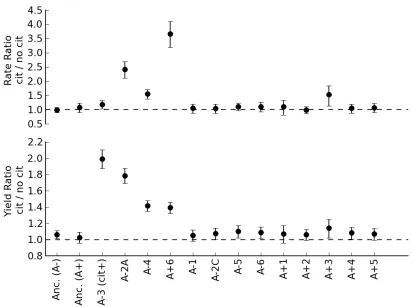
In order to test for acquired dependence upon citrate (i.e., rule out H0), we compared growth rate and yield on glucose either with or without citrate for the ancestors and 12 clonal isolates from the 50,000 generation LTEE populations (Figure 2.1). Growth rate is known to be strongly correlated with fitness in batch cultures in general, and in the LTEE in particular [30]. Yield, while not a
Figure 2.1: Dependence of growth on glucose upon the presence of citrate for the ancestors and evolved strains. The ratio and error for growth parameters was calculated by fitting a log-linear model with the
The Cit+ A-3 population was seen to grow faster and to a much higher final yield in the presence of citrate, as previously reported [18]. The growth rate of the ancestor REL606 was neither significantly decreased nor enhanced by the
addition of citrate (P=0.71, two-tailed Welch’s T test unless stated otherwise), but there was a very slight, but significant increase in yield (P=0.0001). This
Disodium citrate dependence is not driven by sodium
One possible explanation for the effect of citrate could be stimulation by the
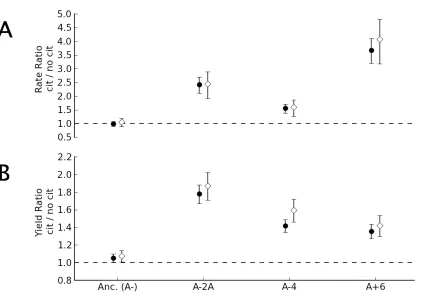
Figure 2.2: Dependence of growth on glucose is due to citrate itself rather than the coincidental addition of sodium. The ratio and error for growth parameters was calculated by fitting a log-linear model with the
strain:media interaction terms and block as the dependent variables. Both the relative (A.) growth rate and (B.) yield on glucose for the three lineages that were strongly stimulated by the addition of sodium citrate (black circles) can be
Evolved strains are unable to utilize citrate as a carbon source
Given that citrate stimulation of glucose growth was not due to sodium, we next examined whether or not strains could directly metabolize citrate (H2). First, we asked whether any of these three citrate-stimulated strains grow with citrate as a sole carbon source. When cultured in DM containing citrate but no glucose, there was no measurable increase in OD after 24 hours (A-2A P=0.45, A-4 P=0.40, A+6 P=0.72). Thus, unlike the Cit+ A-3 population, none of these isolates appear to be capable of growth on citrate alone.
Although the three citrate-stimulated evolved isolates were found to still be Cit-, this result did not rule out possible co-metabolic use during growth on glucose. To explore this possibility, we determined whether carbon from the citrate was incorporated into biomass during growth on glucose. We grew cells in 100%
U-13C labeled glucose at 1 mM, both with and without unlabeled (i.e., ~99% 12C) citrate, and looked for differential incorporation of 13C into the amino acids of the growing cells under these two conditions. Using gas chromatography-mass
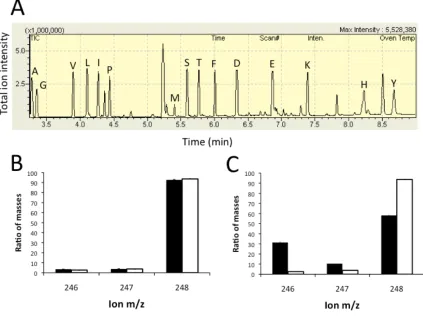
which would dilute the incorporation of 13C from glucose into amino acids. We compared the peaks corresponding to fully-labeled fragments using a Wilcoxon signed-rank test. For the Cit+ A-3 population, there was a significant difference in incorporated label in the presence of unlabeled citrate (P=0.0006), but for the other citrate-dependent strains there was no significant difference (A-2A:
Figure 2.3: GC-MS technique to determine if citrate was incorporated into the amino acids of biomass during glucose growth. Amino acids from cells grown on 100% U-13C-glucose with or without citrate were analyzed via GC-MS. (A.) A representative GC-MS chromatogram of total ion intensity
indicating the presence and separation of derivatized amino acids. (B) Mass spectra for an example fragment (from glycine) when A+6 was grown on glucose with citrate (black) or without (white), and (C) when the citrate-consuming A-3 was grown with and without citrate. For each amino acid, one or more
Figure 2.3, continued: shows the relative amount of fully 13C-labeled fragment
(peak at 248 for the M-57 fragment of glycine) compared to total of all ions for
that fragment (sum of peaks 246 to 248). Across all amino acids, there was not
significant decrease in 13C-labeling from glucose except in the REL-3 line where
unlabelled citrate was clearly incorporated into biomass. Error bars represent
standard deviations of 3 biological replicates.
Citrate dependence is related to its role as an iron chelator
Having rejected hypotheses H0-H2 for the three citrate-dependent strains, we
tested the remaining hypothesis that the effect of citrate is related to its role as a
chelator in iron acquisition (H3). E. coli can take up ferrous iron with the Feo and Efe transporters without the involvement of citrate [25]. We first tested whether
providing sufficient iron (as ferrous iron to 10 µM) in the absence of citrate would
enhance growth on glucose of the three citrate-dependent evolved isolates
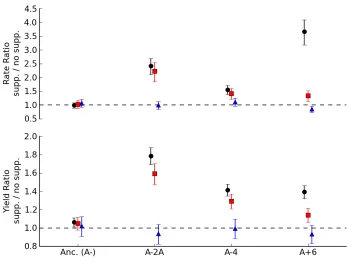
(Figure 2.4). For one of the citrate-dependent strains, A-4, the iron greatly
increased the growth rate and yield to values indistinguishable from that
achieved via citrate (P=0.06 and P=0.11, respectively). A similar effect was seen
for A-2A, where iron increased growth rate and yield to ~90% that achieved by
citrate, a small, but significant difference (P=0.008 and P=5.6x10⁻⁵, respectively).
For the third strain, A+6, the direct addition of iron significantly increased rate
(P=5.6x10⁻⁸) and yield (P=0.0008), but this increase amounted to only ~40% of
One possible explanation for the evolved strains’ acquired dependence upon citrate would be a defect in either production or uptake of iron chelating
Figure 2.4: Direct addition of iron, but not spent medium, stimulates growth on glucose for citrate-dependent evolved lineages. The ratio and error for growth parameters was calculated by fitting a log-linear model with the strain:media interaction terms and block as the dependent variables. Both the relative (A.) growth rate and (B.) yield of the three strains from populations stimulated by sodium citrate (black circles) are at least partially enhanced by direct addition of 10 µM Fe(II) (as ammonium iron sulfate, red squares). In contrast, growth in spent media re-supplemented with glucose (blue triangles) did not stimulate growth. Values represent the mean and 95% confidence
Discussion
Here we report that by 50,000 generations, three strains from the 11 LTEE
populations not previously shown to be dependent on citrate now grow on
glucose in a manner that is strongly dependent on the presence of citrate. Thus,
eight of the populations have retained the ancestral phenotype of marginal - if
any - stimulation by citrate (H0 above) and one has famously become Cit+ and can readily grow on it as a sole carbon and energy source (H2). For the remaining
three populations whose glucose-growth was substantially enhanced by citrate,
our experiments allowed us to reject both the hypothesis that this stimulation
was due to a side-effect of adding sodium (H1) as well as that it was due to
co-metabolism during glucose growth (H2). The remaining hypothesis – citrate as
an iron chelator (H3)– appears to best explain this phenotype, as direct addition
of iron in the absence of citrate stimulated glucose growth.
What physiological mechanism may have caused this evolved dependence on
citrate? The ability of ferrous iron to largely restore the phenotype of rapid
growth on glucose is the strongest evidence for a loss of function in metal
acquisition. The primary iron acquisition system for E. coli under aerobic
conditions is via siderophores [25]. The fact that citrate-dependent strains do not
benefit from growth on media conditioned by their citrate-independent ancestor,
however, suggests that their dependence is unlikely to be due to an inability to
produce or secrete siderophores. The most plausible explanation for their
strains A-2A and A-4 were almost completely rescued by ferrous iron, they appear to have no defects in their systems for direct iron uptake. On the other hand, A+6 was only mildly stimulated by ferrous iron, which would suggest this strain either has additional mutations in genes related to direct ferrous iron transport, defects in global regulators that stimulate up-regulation of iron-acquisition genes under iron starvation [24], and/or another non-iron-related dependency on the presence of citrate. Given the large number of genes involved in iron transport (the ferric uptake regulon alone consists of ~30 iron-transport-related genes [34]), the most useful first step for answering these questions will come from analysis of candidate causal mutations from the genome sequences from these lineages, which are in progress (personal communication, R.E. Lenski & D. Schneider).
At this point, it is not possible to conclude whether the new citrate dependence
during growth on glucose is the result of adaptation or the accumulation of mutations. Previous experiments in the LTEE have suggested that the predominant mechanism for tradeoffs in the evolved strains has been
during the latter period [13]. In general, the respective impacts of mutation accumulation versus antagonistic pleiotropy should be revisited given the increased mutation rate in many of the strains, and the amount of time that has passed.
Though definitive statements cannot be made, mutation accumulation seems like a plausible cause of the observed acquisition of citrate dependence. Iron
transport genes were presumably superfluous in the constant presence of high levels of citrate for 50,000 generations. Additionally, the large number of genes involved in iron uptake would provide a reasonably large mutational target. Finally, all three of the strains that show strong citrate dependence during growth on glucose are amongst those that have also acquired a mutator phenotype;
Conclusions
We have uncovered a second form of interaction with citrate that occurred during
the 50,000 generations of the LTEE: three of the 12 Cit- strains we examine now require its presence as an iron chelator for maximal growth on glucose. This interaction is due to an acquired dependence on citrate to carry out a function that populations have lost, which contrasts with the gain of novel function observed in the Cit+ A-3 population. Unlike the strong selection for the ability of A-3 to catabolize citrate, selection was likely either weak or absent in the loss of citrate-independent glucose performance. In this regard, the constant
environment of the LTEE was perhaps not unlike that encountered along the evolutionary path to intracellular symbionts, whereby specialization emerges not so much from gain of new traits as from the persistent loss of traits rendered unnecessary.
the incredible acquisition of aerobic citrate metabolism, to the dependence on citrate as an iron chelator.
Materials and Methods
Strains and LTEE conditions
Escherichia coli B isolates were obtained from the Lenski LTEE [11] after 50,000 generations. Briefly, 12 populations of E. coli were founded with either the
negative strain REL606 (populations A-1 to A-6) or the arabinose-positive derivative, REL607 (A+1 to A+6). These have been evolved since 1988 in 50 mL flasks containing 10 mL of modified Davis-Mingioli (DM) minimal media
[36] (which we refer to as DM media) with 139 µM glucose (25 mg/L) as a growth
substrate. One liter of DM consists of 7 g potassium phosphate (dibasic
trihydrate), 2 g potassium phosphate (monobasic anhydrous), 1 g ammonium sulfate, 0.5 g disodium citrate, 1mL 10% magnesium sulfate, 1mL 0.2% thiamine (vitamin B1), and a carbon source- here glucose. These populations have been cultured at 37 °C while shaking at 120 rpm, and have been transferred daily via 1:100 dilutions (~6.64 net doublings per day).
REL11336, A-5A: REL11339, A-6A: REL11389, A+1A: REL11392, A+2A: REL11342, A+3A: REL 11345, A+4A: REL11348, A+5A: REL11367, A+6A: REL11370). The A-2A clone is from the ‘large’ lineage that has coexisted with a cross-feeding ‘small’ lineage for tens of thousands of generations [31]. We therefore also examined an A-2C ‘small’ clone (REL11335).
Before growth and GC-MS experiments, acclimation cultures were inoculated from freezer stocks and grown for 24 hours in DM 1 mM glucose without citrate.
Growth Rate and Yield Experiments
To measure growth rate and yield, cultures were grown in 50 mL flasks containing 10 mL of DM minimal media (the same media as the evolution experiment) with 1 mM glucose. In order to avoid extremely low optical
densities, growth assays were conducted at 1 mM, which is higher than the 25 mg/L = 0.14 mM that was used in the “DM25” medium of the evolution
experiment. It is, however, closer to the concentration of glucose in the evolutionary environment than either the 250mg/L or 1000mg/L that has previously been used for physiological assays on these strains [13, 30, 37]. DM+citrate media contained disodium citrate at a concentration of 1.7 mM, as normal. DM+iron was supplemented with ammonium iron sulfate, mixed fresh
the day of the experiment, to 10 µM of Fe (II). Ammonium is already present in
iron sulfate does not meaningfully change its concentration. DM+citric acid was DM supplemented with 1.7 mM citric acid and pH balanced with KOH. Spent media was produced by growing the ancestral strain REL606 in DM 1 mM glucose without citrate for 24 hours, centrifuging to remove the majority of the
cells, and then filtering with a 0.2 µm filter to sterilize. Citrate was omitted in order to ensure that it did not suppress siderophore production. This spent media was supplemented to 1 mM glucose with filter-sterilized 10% glucose solution, and compared to DM without citrate identically supplemented with glucose.
For growth rate experiments, OD600 was measured on a BioRad SmartSpec Plus (Philadelphia, PA) spectrophotometer every hour until there was a detectable increase in OD, then approximately every 30 minutes until stationary phase was reached. Yield was measured as OD600 after 24 hours. Growth rate was calculated with Growth Curve Fitter, an in-house software package that fits exponential curves using points in the log-linear range of observations (N.F. Delaney & CJM, unpublished). To determine growth rates, we subtracted the blank (optical
calculated directly from the data using Welch’s T test. In order to plot the
relationship between the data in an intuitive way as a ratio, the ratio and error for growth parameters was calculated by fitting a log-linear model with the
strain:media interaction terms and block as the dependent variables using R (R-Project software).
GC-MS analysis of incorporation of carbon from glucose versus citrate
Incorporation of 13C was measured as previously described [38]. Strains were
grown with or without citrate in 100 mL of Davis minimal media with 1 mM
U-13C glucose (Cambridge Isotope Laboratories, Andover, MA). At stationary phase,
all cells were pelleted from the media, hydrolyzed overnight in 6 M HCl, and
dried. The dry cell material was then derivatized for an hour at 85 °C with 40 µL
each of dimethylformamide (DMF) and
N-tert-butyldimethylsilyl-N-methyltrifluoroacetamide with 1% tert-butyldimethyl-chlorosilane (TBDMSTFA). The derivatized cell material was injected into a Shimadzu QP2010 GC-MS
(Columbia, MD). The injection source was 230 °C. The oven was held at 160 °C
for 1 min, ramped to 310 °C at 20 °C min-1, and finally held at 310 °C for 0.5 min.
The flow rate was 1 mL min-1 and the split was 10. The column was a 30 m
Rx1-1ms (Restek, Bellefonte, PA). Three biological replicates were run for each isolate (except A-2A in which one run failed).
In all samples the percent of each amino acid that was uniformly labeled with 13-C
fragment that was detected in all biological replicates, the difference in average
percent of uniformly labeled fragment was determined for samples grown with
and without citrate. Finally we used a non-parametric Wilcoxon signed-rank test
to determine whether there was a significant difference in labeling between
treatments.
Authors’ Contributions
NL, WRH and CJM conceived and designed the study. NL and WRH conducted
the experiments and analyzed data. NL, WRH, and CMJ wrote the manuscript.
All authors read and approved the final manuscript.
Acknowledgements
We are very grateful to Richard Lenski and Neerja Hajela for providing us with
the 50,000 generation isolates of the long-term evolved E. coli, and thank members of the Marx laboratory for their helpful comments on the manuscript.
WRH was supported by NIH grant F32GM090760 and NL by NIH grant GM080177.
References
2. Law R (1979) Optimal life histories under age-specific predation. Am Nat 114: 399-417.
3. Kassen R (2002) The experimental evolution of specialists, generalists, and the maintenance of diversity. J Evolution Biol 15: 173-190.
4. Bennett AF, Lenski RE (2007) An experimental test of evolutionary trade-offs during temperature adaptation. Proc Natl Acad Sci USA 104 Suppl: 8649-54.
5. Cooper VS, Lenski RE (2000) The population genetics of ecological
specialization in evolving Escherichia coli populations. Nature 407: 736-9. 6. Lee M-C, Chou H-H, Marx CJ (2009) Asymmetric, bimodal trade-offs
during adaptation of Methylobacterium to distinct growth substrates. Evolution 63: 2816-30.
7. Crill WD, Wichman HA, Bull JJ (2000) Evolutionary reversals during viral adaptation to alternating hosts. Genetics 154: 27-37.
8. O'Keefe KJ, Morales NM, Ernstberger H, Benoit G, Turner PE (2006) Laboratory-Dependent Bacterial Ecology: a Cautionary Tale. Appl Environ Microbiol 72: 3032-3035.
9. Moran NA (2002) Microbial minimalism: genome reduction in bacterial pathogens. Cell 108: 583-6.
10. Giraud A, Matic I, Tenaillon O, Clara A, Radman M, Fons M, & Taddei F (2001) Costs and benefits of high mutation rates: adaptive evolution of bacteria in the mouse gut. Science 291: 2606-8.
11. Lenski RE, Rose MR, Simpson SC, Tadler SC (1991) Long-Term
Experimental Evolution in Escherichia coli. I. Adaptation and Divergence During 2,000 Generations. Am Nat 138: 1315-41.
12. Davis B (1949) The isolation of biochemically deficient mutants of bacteria by means of penicillin. Proc Natl Acad Sci USA 35: 1-10. 13. Barrick J, Yu D, Yoon S, Jeong H, Oh T (2009) Genome evolution and
14. Travisano M, Mongold JA, Bennett AF, Lenski RE (1995) Experimental tests of the roles of adaptation, chance, and history in evolution. Science 267: 87-90.
15. Cooper VS, Schneider D, Blot M, Lenski RE (2001) Mechanisms causing rapid and parallel losses of ribose catabolism in evolving populations of Escherichia coli B. J Bacteriol 183: 2834-41.
16. Ostrowski E a, Rozen DE, Lenski RE (2005) Pleiotropic effects of beneficial mutations in Escherichia coli. Evolution 59: 2343-52. 17. Davis B, Mingioli E (1950) Mutants of Escherichia coli requiring
methionine or vitamin B12. J Bacteriol 60: 17-28.
18. Blount ZD, Borland CZ, Lenski RE (2008) Historical contingency and the evolution of a key innovation in an experimental population of Escherichia coli. Proc Natl Acad Sci USA 105: 7899-906.
19. Hall BG (1982) Chromosomal mutation for citrate utilization by Escherichia coli K-12. Journal of Bacteriology 151: 269-73.
20. Pos KM, Dimroth P, Bott M (1998) The Escherichia coli citrate carrier CitT: a member of a novel eubacterial transporter family related to the 2-oxoglutarate/malate translocator from spinach chloroplasts. J Bacteriol 180: 4160-5.
21. Hopkinson BM, Mitchell BG, Reynolds RA, Wang H, Selph KE, Measures CI, Hewes CD, Holm-Hansen O, Barbeau KA (2007) Iron limitation across chlorophyll gradients in the southern Drake Passage: Phytoplankton responses to iron addition and photosynthetic indicators of iron stress. Limnol Oceanogr 52: 2540-54.
22. West SA, Buckling A (2003) Cooperation, virulence and siderophore production in bacterial parasites. Proc R Soc Lond Biol 270: 37-44. 23. Bagg A, Neilands JB (1987) Molecular mechanism of regulation of
siderophore-mediated iron assimilation. Microbiol Rev 51: 509-18. 24. McHugh JP, Rodríguez-Quinoñes F, Abdul-Tehrani H, Svistunenko DA,
25. Braun V, Killmann H (1999) Bacterial solutions to the iron-supply problem. TIBS 24: 104-9.
26. Chou H-H, Berthet J, Marx CJ (2009) Fast growth increases the selective advantage of a mutation arising recurrently during evolution under metal limitation. PLoS Genetics 5: e1000652.
27. Harrison F, Buckling A (2007) High relatedness selects against
hypermutability in bacterial metapopulations. Proc R Soc Lond Biol 274: 1341-7.
28. De Vos D, De Chial M, Cochez C, Jansen S, Tümmler B, Meyer JM, Cornelis P (2001) Study of pyoverdine type and production by
Pseudomonas aeruginosa isolated from cystic fibrosis patients: prevalence of type II pyoverdine isolates and accumulation of pyoverdine-negative mutations. Arch Microbiol 175: 384-8.
29. Griffin AS, West SA, Buckling A (2004) Cooperation and competition in pathogenic bacteria. Nature 430: 1024-7.
30. Vasi F, Travisano M, Lenski RE (1994) Long-Term Experimental Evolution in Escherichia coli. II. Changes in Life-History Traits During Adaptation to a Seasonal Environment. Am Nat: 432–56.
31. Rozen D, Lenski R (2000) Long-Term Experimental Evolution in Escherichia coli. VIII. Dynamics of a Balanced Polymorphism. Am Nat 155: 24-35.
32. Jadhav RS, Desai A (1994) Role of siderophore in iron uptake in cowpea Rhizobium GN1 (peanut isolate): Possible involvement of iron repressible outer membrane proteins. FEMS Microbiol Lett 115: 185-90.
33. Dale S, Doherty-Kirby A, Lajoie, G, Heinrichs, DE (2004) Role of Siderophore Biosynthesis in Virulence of Staphylococcus aureus:
Identification and Characterization of Genes Involved in Production of a Siderophore. Infect Immun 72: 29-37.
34. Karp PD, Riley M, Saier M, Paulsen IT, Collado-Vides J, Paley SM, Pellegrini-Toole A, Bonavides C, Gama-Castro S (2002) The EcoCyc Database. Nucleic Acids Res 30: 56-8.
36. Carlton B, Brown B (1981) Gene Mutation. In Manual of Methods for General Bacteriology edited by Gerhardt P. Washington DC: American Society for Microbiology: 222-242.
37. Rozen DE, Philippe N, de Visser JA, Lenski RE, Schneider D (2009) Death and cannibalism in a seasonal environment facilitate bacterial coexistence. Ecol Lett 12: 34-44.
Chapter 3
Metabolic erosion primarily through mutation
accumulation, and not tradeoffs, drives limited evolution of
substrate specificity in Escherichia coli
Nicholas Leiby1,2 and Christopher J. Marx1,3,*
1 Organismic and Evolutionary Biology, Harvard University, Cambridge, MA, USA, 2 Systems Biology Graduate Program, Harvard University, Cambridge, MA, USA, 3Faculty of Arts and Sciences Center for Systems Biology, Harvard University, Cambridge, MA, USA.
* Corresponding author
This chapter was originally published in PLoS Biology.
I performed all experiments and analysis for this manuscript, and was its primary author.
Evolutionary adaptation to a constant environment is often accompanied by
specialization and a reduction of fitness in other environments. We assayed the
ability of the Lenski Escherichia coli populations to grow on a range of carbon sources after 50,000 generations of adaptation on glucose. Using direct
measurements of growth rates, we demonstrated that declines in performance
were much less widespread than suggested by previous results from Biolog assays
of cellular respiration. Surprisingly, there were many performance increases on a
observed several other novel gains of function for organic acids that the ancestral
strain only marginally utilized. Quantitative growth data also showed that strains
with higher mutation rate exhibited significantly more declines, suggesting that
most metabolic erosion was driven by mutation accumulation and not by
physiological tradeoffs. These reductions in growth by mutator strains were
ameliorated by growth at lower temperature, consistent with the hypothesis that
this metabolic erosion is largely caused by destabilizing mutations to the
associated enzymes. We further hypothesized that reductions in growth rate
would be greatest for substrates used most differently from glucose, and we used
flux balance analysis to formulate this question quantitatively. To our surprise,
we found no significant relationship between decreases in growth and
dissimilarity to glucose metabolism. Taken as a whole, these data suggest that in
a single resource environment, specialization does not mainly result as an
inevitable consequence of adaptive tradeoffs, but rather due to the gradual
accumulation of disabling mutations in unused portions of the genome.
Introduction
Evolving populations face the fundamental dilemma that there is no single
phenotype that is optimal in all environments. When an evolving population
occupies the same selective environment for an extended period of time, no
advantage is realized by maintaining fitness on resources it no longer encounters.
alternative environments. While these can be synergistic improvements, a
response that decreases fitness in other environments is known as specialization. This prevents the rise of ‘Darwinian demons’: single super-genotypes that are optimized across all conditions [1]. It is critical to understand the origin of specialization because it underlies the origin and maintenance of diversity- it is why ‘the jack of all trades is a master of none’ [2].
Specialization can result from either selective or neutral processes. Antagonistic pleiotropy describes when natural selection favors changes that are beneficial in the current environment but reduce function in other environments.
Alternatively, specialization may result from mutations that decrease fitness in alternative environments that are neutral in the selective environment. These mutations have the potential to either drift or hitchhike to fixation via “mutation accumulation”. As neutral mutations accrue in proportion to the mutation rate, the clearest evidence of mutation accumulation can come from excess
specialization in mutator lineages, which contain defects in mutational repair that can elevate mutation rates ~100-fold [3]. In contrast, where specialization is rapid and occurs in parallel across lineages, a pattern commonly seen for
adaptation itself, this has been cited as support of selection-driven antagonistic pleiotropy [4].
populations were part of the Lenski Long-Term Evolution Experiment (LTEE) [5], in which wild-type E. coli B have been diluted 1:100 daily and re-grown in well-mixed medium containing glucose as the sole usable carbon source. After 20,000 generations (20k), competitive fitness on glucose had increased by ~70%. However, respiration assays in static 96-well Biolog plates (Hayward, CA) [6] suggested dramatic decreases in metabolic performance on alternative
substrates. These declines occurred rapidly and in parallel across populations, coincident with the largest gains in fitness. This was suggested to indicate
selection-driven antagonistic pleiotropy as the main mechanism of specialization. Furthermore, because there was only a weak, non-significant excess of declines by the populations which had become mutators earlier in the experiment [3], this suggested neutral mutation accumulation played little role, if any, in glucose specialization by 20k.
In this study we have readdressed the basis of specialization in the LTEE
populations, motivated by our discovery that the growth rates of isolates in well-mixed media are poorly captured by assays of cellular respiration in static, proprietary media. Given this surprising finding, we analyzed the selected (i.e., glucose) and correlated responses of isolates from both 20k and 50,000
generations (50k) from four perspectives:
(ii) Novel gains of function- Besides the prior example of evolution to catabolize
citrate present in the medium [7], are there any other substrates used by evolved
isolates that are not utilized by the ancestors?
(iii) Role of elevated mutation rate driving mutation accumulation- Will the
30,000 generations that have passed since 20k have lead to sufficient mutation
accumulation for the mutators to exhibit significantly greater decreases in growth
than non-mutators?
(iv) Predictability of catabolic declines- Can we predict which substrates would be
metabolized less effectively based upon the similarity of their use to glucose? Is
there a pattern to this specialization that might suggest a common biophysical
basis behind them for the mutator lineages?
Results
Respiration assays indicated broad declines in function across substrates, including those where adaptation occurred
As a first step to readdressing specialization in the LTEE populations, we sought
to replicate the Biolog respiration results at 20k presented by Cooper and Lenski
[4], as well as extend this analysis to the populations at 5ok. Despite changes in
the Biolog assay itself since the previous study, we recovered a similar pattern for
The validity of Biolog assays as a proxy for strain improvement came into question after finding decreases for the very substrates on which selection occurred. (Figure 3.1A). Despite abundant evidence of improvement from competitive fitness assays [4] and growth rates [8], respiration on glucose
consistently decreased over the course of the experiment. Furthermore, although one lineage in the A-3 population evolved to utilize as a carbon source the citrate included in Davis Minimal (DM) medium [7], it produced a statistically
Figure'3.1:!Biolog'measurements'are'a'poor'proxy'for'growth'performance.'A)'
Biolog!AUC!as!measured!for!the!D=glucose!on!Biolog!plates.!The!evolved!strains!have!
a!lower!AUC!value!than!the!ancestor!on!glucose,!the!carbon!source!available!during!
evolution!(P<0.0001,!Welch’s!two!sample!T=test).!The!mean!AUC!for!the!20k!and!
50k!isolates!on!glucose!are!not!statistically!different.!B)!Scatter!plot!showing!the!
measurement!of!function!as!Biolog!AUC!vs.!growth!rate!on!all!substrates,!for!all!
strains!at!20k!and!50k!generations!as!well!as!the!ancestors.!The!regression!shown!is!
for!substrates!after!removal!of!categorical!disagreements!(growth!without!
respiration!or!respiration!without!growth,!167/702!in!total).!
!
!
Growth rates reveal a balance of decreased and increased performance across
substrates
Given that the selective substrates with known fitness improvement had
decreased cellular respiration, we turned to direct measurements of growth rates across a wide panel of substrates using a robotic growth analysis system [9,10]. By measuring growth rate we capture the demographic metric best-correlated with competitive fitness in the evolutionary environment [11]. As the LTEE was performed in shaken, fully-aerated flasks, these well-mixed 48-well plates were a closer match to the evolutionary environment than unshaken 96-well plates, as unshaken plates commonly exhibit sub-exponential growth due to oxygen limitation [10]. While Biolog uses a proprietary minimal media, for the growth rate measurements we used the same Davis Minimal (DM) media as the LTEE experiment. We omitted citrate, however, as this choice allowed us to include the
Cit+ A-3 population in our analysis. We chose carbon sources based upon the substrates for which significant, parallel decreases were previously observed via respiration assays [4], as well as citrate and several sugars on which growth tradeoffs were previously measured after 2,000 generations [12].
categorical disagreements, and a smaller number of instances of growth without
respiration (11 strain/substrate combinations), Biolog respiration values were a
poor predictor of growth rate (R2=0.18, linear regression F-test(1,499)=108.8).
Growth rate data across substrates revealed a surprising degree of correlated
gains in performance (Figure 3.2). Indeed, at 20k, there were actually more
correlated increases in rate than decreases (165 vs. 99, respectively, P<0.0001 for
binomial two-sided test with null of random gains and losses). By 50k, the picture
had reversed, now with more decreases than increases (167 vs. 119, P=0.005,
Figure'3.2:!Relative'growth'rates'across'a'variety'of'growth'substrates'for'
evolved'strains'from'20k'(A)'or'50k'generations'(B).!Heatmaps!indicate!the!log!
ratio!of!growth!rates!relative!to!the!average!of!the!two!ancestors!on!that!carbon!
source.!White!indicates!a!growth!rate!equal!to!that!of!the!ancestor!average,!red!
faster,!and!blue!slower.!The!growth!rates!are!plotted!on!a!log!scale!with!the!limits!of!
the!color!range!set!for!twice!as!fast!and!half!as!fast!as!the!ancestor!average.!An!‘x’!in!
a!box!indicates!that!no!growth!was!observed!for!that!combination!of!strain!and!
Gains of function on alternate carbon sources
In addition to many quantitative improvements of growth rates, there were
several examples where isolates acquired the ability to grow on substrates that the ancestral strain could not utilize over the 48 hour time-course of the growth experiments. Only one such example was previously known: the aforementioned gain of citrate utilization by the A-3 population [7]. We found that this strain also gained the ability to grow within 48 hours on three C4-dicarboxylate tricarboxylic acid cycle intermediates (succinate, aspartate, and malate). Three other 50k isolates from different replicate populations gained the ability to use this same set of three C4 dicarboxylate intermediates, as well as fumarate.
Mutator strains suffered greater declines in growth on alternative substrates
affected by the absence of citrate even though they cannot use it as a carbon source [13], we also tested the growth rate of the 50k strains on alternative substrates supplemented with 1.7 mM sodium citrate, as in LTEE growth media. Although the reductions in growth rate relative to the ancestor were ameliorated in some cases by the addition of citrate, the mutator strains still suffered
significantly more growth rate decreases than the non-mutators (P=0.003, Pearson’s chi-squared test).
Parallelism of metabolic decreases
Given the trend of both increased and decreased growth rate on alternative carbon sources, we assessed the degree of parallelism with which metabolic erosion occurred. We segmented the data by substrate and asked how many evolved strains decreased in growth rate or cellular respiration on each substrate. We took as a null expectation that decreases in metabolic function are equally as likely as increases, and plotted the observed pattern against this null distribution (Supplementary Figure 3.3).
In no case do our observations of metabolic decreases closely match the null distribution. As previously, cellular respiration was reduced for nearly all strains on all substrates. The observed average number of strains with reduced
respiration on a substrate was 11.3 at 20k and 12.8 at 50k, 5.3 out of 12 and 6.3 out of 13 more strains than would be expected given the null distribution
5.3 strains reduced in growth rate on each substrate, in fact 0.7 fewer strains than expected given the null distribution (P=0.01). However, this average somewhat masks the bimodal pattern seen in the distribution, with some substrates
showing nearly no strains reducing growth rate and others nearly all. At 50k, an average of 8.3 strains lost function on each substrate, 1.8 more than expected (P<<0.0001). Clearly there is some parallelism in decreases in growth rate, but it is worth emphasizing that the substrates used in this study were those for which widespread, parallel losses in cellular respiration were previously observed.
Metabolic similarity between substrates was a poor predictor of correlated
evolved responses
We asked whether the correlated changes in performance on alternative
substrates could be predicted based on the similarity of the catabolic network for growth on that compound compared to that for glucose. There are two rationales that would support this hypothesis. First, there are more loss-of-function
mutations available for a non-glucose substrate if it uses many unique enzymes, and we might expect to see metabolic specialization scale with mutational target size under mutation accumulation. These mutations may either simply be
declines, or possibly even synergistic gains, relative to a very differently used
substrate. A rough approximation of the similarity between different substrates is
to simply group them as sugars or ‘non-sugars’ that require gluconeogenesis for
anabolism. To frame this more quantitatively, however, we also used
genome-scale metabolic models to make predictions about specialization.
In order to approximate internal metabolic states we used Flux Balance Analysis
(FBA) to generate predicted flux patterns for each compound [14]. This approach
generates a vector of internal flux values that describes the relative flow through
every reaction in a cell were it to optimize biomass production per substrate
molecule. Although selection in batch culture largely acts upon rate, biomass
production per unit substrate has been shown to effectively capture the growth of
the LTEE ancestor on glucose, and 50k evolved strains deviated only slightly
from this pattern [15]. We therefore compared FBA-derived flux vectors using a
number of metrics to determine their degree of dissimilarity to the flux vector for
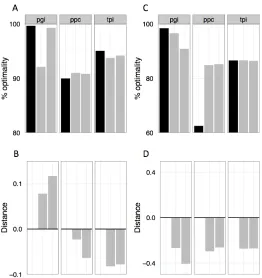
Figure'3.3:!Substrate'dissimilarity'does'not'predict'metabolic'erosion.!A)'A!
simple!categorization!of!substrates!as!sugars!and!non=sugars!finds!that!the!
correlation!between!relatedness!to!glucose!and!evolved!metabolic!changes!is!the!
opposite!from!what!is!hypothesized.'B)!The!FBA=predicted!mutational!target!size!
does!not!correlate!with!decreases!in!growth!rate.!C)!Hamming!distance!between!
FBA=generated!flux!vectors!for!carbon!sources!partially!predicts!ancestral!growth!
rate.!Black!dots!indicate!the!growth!rate!of!the!2!ancestral!strains.!!268!reactions!
were!predicted!as!necessary!for!optimal!metabolism!on!glucose.!!D)!Hamming!
distance!between!a!substrate!and!glucose!does!not!correlate!with!increases!or!
Figure'3.3,'continued:'the!ancestor,!with!all!ratios!greater!or!less!than!e2!binned!at!
the!axis!limit.!For'C=D,!purple!dots!are!mutator!strains,!orange!dots!are!non=
mutators.!Larger!dots!at!the!axis!extrema!indicate!more!overlapping!points,!and!the!
shading!between!purple!and!orange!indicates!the!different!proportions!of!mutators!
and!non=mutators!at!that!limit.'For!B=D,!substrates!with!the!same!x!axis!values!were! plotted!with!a!slight!offset,!and!the!true!value!is!listed!in!the!axis!label.!!!
We first tested whether evolved decreases in growth rate scaled with mutational target size. There is no expected behavior under this hypothesis for increases in growth rate, so we limited our analysis to combinations of strains and substrates for which growth rate had decreased. By identifying the reactions necessary for optimal growth on alternative substrates that are not necessary for growth on glucose, and determining the number of coding nucleotides necessary for those reactions, we were able to approximate the number of available mutations that would decrease growth rate on a substrate. Contrary to our hypothesis, we found no significant relationship between mutational target size and reduction in growth rate (P=0.15, linear regression F-test(1, 146)=2.1) (Figure 3.3B).
vector of predicted fluxes for an alternative compound and that of glucose. Contrary to our hypothesis, we found no significant relationship between metabolic similarity to glucose and correlated responses (P=0.26, linear
regression F-test(1, 323)=1.27), and any relationship measured was in fact in the opposite direction as predicted (Figure 3.3D). As a confirmation that Hamming distance between flux vectors for alternative substrates is biologically relevant, we found that it was a significant predictor of some of the variance in the relative growth rate of the ancestor (P=0.0001, R2=0.26, linear regression F-test(1, 48)=17.2) (Figure 3.3C). Alternative metrics to Hamming distance performed similarly poorly in predicting patterns of tradeoffs (Supplementary Table 3.4). These data suggest that the similarity of overall flux patterns is a surprisingly poor predictor about which substrates would experience correlated increases or decreases in performance.
Growth for mutator strain was more sensitive to temperature than for
non-mutators
Linking the mutator-driven metabolic specialization to their vastly elevated mutation rate itself, we hypothesized that their abundance of amino acid
are viewed as likely to be deleterious due to destabilizing proteins [18-20]. We
therefore hypothesized that, if protein destabilization was a dominant factor affecting growth at 37 °C, we could predictably ameliorate these defects by
lowering the growth temperature. Non-mutators will have a small number of
such mutations, but the ~100-fold greater rate of such mutations in the mutator
genomes should make growth more temperature sensitive than for non-mutators.
Figure'3.4:'Temperature'dependence'of'growth'rate'on'alternative'substrates.!
For!all!strain/substrate!measurements,!we!determined!the!relative!change!in!
growth!rate!by!changing!temperature!from!37!°C!to!30!°C.!For!A=B,!Purple!dots!are!
mutator!strains;!orange!dots!non=mutators.!Points!that!fall!outside!of!the!plot!range!
are!plotted!at!the!edge!of!the!graph.!A)!Effect!of!temperature!change!on!20k!isolates!
B)!Effect!on!50k!isolates.!C)'For!50k!isolates,!the!number!of!mutators!and!non=
mutators!that!were!rescued!from!no!growth!at!37!°C!to!growth!at!30!°C.!
Growth rate data supports the hypothesis that mutators have general
temperature-sensitivity. For 50k isolates, growth rate relative to the ancestor at
30 °C was higher than at 37 °C in 98 cases, compared to only 37 cases where it
was reduced relative to the ancestor (P<<0.0001, binomial two-tailed exact test)
(Figure 3.4B). That is, despite the fact that these strains have adapted for 50,000
generations at 37 °C, the ratio of their growth rate to that of the ancestor is higher
at the foreign 30 °C than their native temperature. This general improvement at
the lower temperature was not present for non-mutators (56 improved relative to
the ancestor by moving to 30 °C, 57 worse- P=0.99, binomial two-tailed exact
test), and the difference between mutators and non-mutators was significant
(P=0.0002, Pearson’s chi-squared test). Furthermore, in the cases where evolved
50k isolates completely lost the ability to grow on substrates, when grown at 30
°C these losses were ameliorated more than half the time for mutators (35 of 61),
significantly more than for non-mutators (6 out of 23, P=0.01, Pearson’s
chi-squared test) (Figure 3.4C).
An alternative hypothesis for the elevated temperature sensitivity of mutators is
that the phenotype is directly caused by the mutation in mismatch repair rather
than the accumulation of destabilizing mutations that it caused. For the 20k
isolates, in most cases growth was better relative to the ancestor at the native 37
°C than at 30 °C (119 vs. 75, P=0.002, binomial two-tailed exact test) (Figure
3.4A). There was no significant difference at 20k between this pattern for
significant difference in the number of rescues from complete loss of growth
(P=0.31, Pearson’s chi-squared test), ruling out that mutator status itself
generates temperature sensitivity.
Discussion
Replicate experimentally-evolved populations such as the Lenski LTEE are ideal
for studying the processes leading to specialization. Here we directly measured
growth rates in well-mixed conditions rather than cellular respiration in static
media. This seemingly minor choice generated qualitatively different results,
leading to the opposite conclusions from those previously made about the
mechanisms and patterns of specialization during tens of thousands of
generations of growth on a single substrate.
The earlier report [4] of widespread, parallel tradeoffs after extended growth on a
single compound fit comfortably with the general notion that unused capacities
will tend to degrade after an extended period of disuse. However, the suitability
of cellular respiration assays for growth performance was seriously challenged by
our data. There were many cases of ‘false positives’, with respiration on
substrates that do not support growth, and a weak predictive ability for growth
even after removing these. The parallel decreases in function observed across
compounds in the respiration assay seem to be due to cultures becoming worse at