
Concurrent training: the acute effects of intensity, sequence and frequency of strength and endurance training on running performance
343
0
0
Full text
(2) Concurrent training: the acute effects of intensity, sequence and frequency of strength and endurance training on running performance. Thesis submitted by Kenji DOMA BSpExSc (Hons) In March 2013. for the degree of Doctor of Philosophy In the School of Public Health, Tropical Medicine and Rehabilitation Sciences James Cook University.
(3) Statement of access I, the undersigned author of this work, understand that James Cook University will make this thesis available for use within the University Library and, via the Australian Digital Theses network, for use elsewhere.. I understand that, as an unpublished work, a thesis has significant protection under the Copyright Act and;. I do not wish to place any further restriction on access to this work.. 18th March 2013 Kenji Doma. Date. II.
(4) Statement of sources DECLERATION. I declare that this thesis is my own work and has not been submitted in any form for another degree or diploma at any university and/or institution. Information derived from the published or unpublished work of others has been acknowledged in the text and a list of references is given.. Every reasonable effort has been made to gain permission and acknowledge the owners of copyright material. I would be pleased to hear from any copyright owner who has been omitted or incorrectly acknowledged. The chapters in this thesis that have either been published or are in press have been given permission by the respective Journals and are presented in Appendix 2.. 18th March 2013 Kenji Doma. Date. III.
(5) Statement on the contribution of others including financial and editorial help I declare that all persons whom have provided sufficient contribution to this thesis have been included as co-authors or have been acknowledged in published papers or papers currently under review in peer-reviewed journals.. The author has not received external grants for the studies conducted in this thesis, with all consumables and equipment provided by the Institute of Sport and Exercise Science, James Cook University.. The author has not received editorial assistance for this thesis.. 18th March 2013 Kenji Doma. Date. IV.
(6) Declaration on ethics The studies as part of this doctoral degree were conducted in accordance with the research ethics guidelines of the WORLD MEDICAL ASSOCIATION DECLERATION OF HELINSKI – Ethical Principles for Medical Research Involving Human Subjects (2008), the Joint NHMRC/AVCC Statement and Guidelines on Research Practice (1997) and the James Cook University Statement and Guidelines on Research Practice (2001). The research methodology and protocols of each study in the thesis received clearance from the James Cook University Experimentation Ethics Review Committee (H3536).. 18th March 2013 Kenji Doma. Date. V.
(7) Acknowledgements First and foremost, I would like to thank my principle supervisor, Dr. Glen Deakin, for without his professional guidance and dedicated support, I would not have been able to complete this thesis to my satisfaction. His patience, motivation, enthusiasm and knowledge over these last few years have helped me through my research and writing of this thesis. I would like to express my sincere gratitude to my co-supervisor, Associate Professor Anthony Leicht, for providing me his support and sharing his knowledge and expertise which has no doubt contributed to the quality of this project. My gratitude also extends to my associate supervisor, Ms. Sara Brice, for her assistance with processing the data and sharing her expertise in biomechanics. Also, I would like to thank Dr. Rebecca Sealey for her assistance with data analyses and reviewing my multiple drafts of this thesis. My appreciation also goes to Dr. Robert Crowther for helping me familiarize myself with the biomechanical equipment. I would also like to thank the undergraduate students from the Institute of Sport and Exercise Science, Mr. Jason Wong, Ms. Laura Webb, Ms. Samantha Abraham, Mr. Aaron Hynds, Mr. Keiran Kowalski and Mr. Blair Hunt, for their assistance with data collection. My appreciation is also given to my friends and family who have supported me during the difficulty times. In particular, the Leslie’s who treated me like a family member and let me feel at home. Finally, and definitely not the least, I would like to give my sincere gratitude to my mother, Mrs. Marian Dohma, for providing me the support that any son could wish for. I would like VI.
(8) to thank her for believing in me from the very beginning as I would not have been here today without her.. VII.
(9) Abstract Introduction: Numerous studies have shown that the combination of strength and endurance training (i.e. concurrent training) induces sub-optimal strength and/or endurance adaptations. However, the investigation of the acute effects of strength training on endurance performance is limited. Study 1 examined the effects of intensity– and volume– (i.e. whole body versus lower body only) of strength training with slow eccentric contractions on running economy (RE) (i.e. below anaerobic threshold [AT]) and time-to-exhaustion (TTE) (i.e. above AT) 6 hours post. The purpose of Study 2 was twofold. First, to examine RE during a two-stage incremental protocol that was combined into an endurance training session 6 hours following a strength training session. Second, to examine RE and TTE the day after strength and endurance training sessions have been undertaken on the same day. Study 3 examined the acute effects of the sequence of strength and endurance training on RE, TTE the following day. Study 4 examined the accumulation effects of combining consecutive-day endurance training with alternating-day strength training on RE and TTE over a 6-day period. Methods: For Study 1, fifteen trained and moderately endurance trained male runners undertook high intensity whole body (HW), high intensity lower body only (HL) and low intensity whole body (LW) strength training sessions with fast concentric (one second) and slow eccentric (four seconds) contractions in random order. Six hours following each strength training session, a RE test with TTE was conducted to collect cost of running (C R) and rating of perceived exertion (RPE). For Study 2, twelve trained and moderately trained male runners performed strength and endurance training sessions 6 hours apart with a running performance test conducted the following day. The CR and RPE were collected during the endurance training session whereas CR, RPE and TTE were collected during the running performance VIII.
(10) test. For Study 3, fourteen trained and moderately trained runners performed strength training prior to running sessions (SR) and a running prior to strength training sessions (RS) in randomized order. The strength training and running sessions were performed 6 hours apart. The day following the SR– and RS sequences, a RE test was conducted to collect CR, RPE and TTE. For Study 4, 16 male and 8 female moderately trained runners were randomly allocated into a concurrent training (CON) group or a strength training (ST) group. The CON group undertook strength training sessions on alternating days in conjunction with endurance training sessions on consecutive days over a 6-day period. The strength and endurance training sessions were separated by 9 hours on the first, third and fifth day. One week later, the experimental group performed endurance training sessions for three consecutive days for control purposes. The CR, RPE and TTE were collected during the endurance training sessions. For Chapter 9, knee extensor torque was measured prior to the strength and endurance training sessions. The strength training exercises in Chapter 7, 8, and 9 were performed at a self-selected pace. Results: In Study 1, HW, HL and LW sessions had no effect on RE and the LW session had no effect on TTE (P ≥ 0.05). However, HW and HL sessions significantly reduced TTE (P < 0.05). For Study 2, CR significantly increased during the second stage of the endurance training session (P < 0.05). However, during the running performance test, CR and RPE were significantly increased whereas TTE was significantly decreased (P < 0.05). In Study 3, CR and RPE significantly increased during SR-RE (P < 0.05) although no significant differences were found during RS-RE (P ≥ 0.05). Time to exhaustion was significantly reduced during SR-RE and RS-RE (P < 0.05). In Study 4, the CON group showed a significant reduction in TTE during the experimental days (P < 0.05) although no differences were found during the control days (P ≥ 0.05). Torque was significantly reduced during the experimental days (P < IX.
(11) 0.05). No significant differences were found in CR and RPE between the endurance training sessions (P ≥ 0.05). No significant differences were found in torque for the ST group and during the control days for the CON group (P ≥ 0.05). Conclusion: According to Study 1, a 6 hour recovery period following HW, HL and LW sessions with slow eccentric contractions does not attenuate running performance below AT although affected above AT for trained and moderately trained runners. For Study 2, the findings showed that RE is impaired 6 hours following a strength training session performed at a self-selected pace. Furthermore, strength and endurance training performed on the same day appears to impair running performance the following day. For Study 3, SR-sequence impaired both sub-maximal running performance (i.e. RE) and running performance at maximum effort (i.e. TTE) compared to the RS-sequence which only affected running performance at maximum effort the following day. Subsequently, the accumulation of fatigue appears to be greater during the SR- compared to the RS-sequence. For Study 4, running performance at maximum effort is impaired and torque is consistently reduced with a concomitant increase in rating of muscle –soreness and –fatigue when combining alternatingday strength training with consecutive-day high intensity endurance training. Practical applications: The attenuation in running performance suggests that strength training may compromise the quality of endurance training sessions. In order to minimize potential fatigue during concurrent training, the following recommendations can be given for trained and moderately trained runners: 1. when combining a high– or low– intensity strength training session using slow eccentric contractions with a low to moderate intensity running session, at least a 6-. X.
(12) hour recovery period between each mode of training session should be provided, however; 2. at least a 9-hour recovery period is needed with high intensity self-paced strength training; 3. perform moderate to high intensity endurance training sessions 6 hours prior to high intensity strength training sessions on the same day when undertaking low to moderate running sessions the following day; 4. prescribe high intensity self-paced strength training sessions with high intensity running sessions on alternating days.. XI.
(13) Table of contents Title ....................................................................................................................................... I Statement of access ...............................................................................................................II Statement of sources ........................................................................................................... III Statement on the contribution of others including financial and editorial help...................... IV Declaration on ethics ............................................................................................................ V Acknowledgements ............................................................................................................. VI Abstract ........................................................................................................................... VIII Table of contents ................................................................................................................ XII List of tables .................................................................................................................... XVI List of figures ................................................................................................................. XVIII List of abbreviations ......................................................................................................... XXI Chapter 1 .............................................................................................................................. 1 1.1. Introduction ............................................................................................................ 1. 1.2 Statement of the Problem ............................................................................................. 7 1.3 Aims of the Project ...................................................................................................... 9 1.4 Hypotheses .................................................................................................................. 9 1.5 Significance of the Study ........................................................................................... 10 1.6 Delimitations ............................................................................................................. 11 1.7 Limitations ................................................................................................................ 12 1.8 Format of the thesis.................................................................................................... 12 Chapter 2 ............................................................................................................................ 15 2.1. Physiological Compatibility of Strength and Endurance Training .............................. 15 2.2. Interference in Strength Development with Concurrent Training ............................... 16 2.3. Chronic Mechanisms for the Interference of Strength Development .......................... 18 2.3.1. Genetic and Molecular Adaptation to Concurrent Training ................................. 18 2.3.2. Impaired Hypertrophic Adaptation in Response to Concurrent Training ............. 21 2.3.3. Fibre-type Distribution in Response to Concurrent Training ............................... 26 2.4 Interference of Endurance Development with Concurrent Training ............................ 30 2.5. Acute Mechanisms for the Interference of Endurance Development .......................... 31 XII.
(14) 2.6. Mechanisms for the Acute Detrimental Effects of Strength Training on Endurance Performance .................................................................................................................... 34 2.6.1. Neuromuscular Fatigue....................................................................................... 34 2.6.2. Muscle Glycogen................................................................................................ 40 2.6.3. Muscle Morphology ........................................................................................... 44 2.6.4. Changes in running gait due to fatigue ................................................................ 51 2.6.5 Summary ............................................................................................................. 54 2.7. The Effect of Study Design in Concurrent Training Research ................................... 55 2.7.1. Different Modes of Endurance Exercises ............................................................ 58 2.7.2. Different Intensities of Strength and Endurance Training .................................... 61 2.7.3. Sequence of Mode of Training............................................................................ 65 2.7.4. Duration between the Modes of Training ............................................................ 69 2.7.5. Strength Training Contraction Velocity .............................................................. 75 2.7.6. Duration of the Training Studies ......................................................................... 78 2.7.7. The Accumulation Effect of Strength and Endurance Training ........................... 81 2.7.8. Summary ............................................................................................................ 84 Chapter 3 ............................................................................................................................ 86 3.1 Introduction ............................................................................................................... 86 3.2 Methods..................................................................................................................... 89 3.3 Results ....................................................................................................................... 94 3.4 Discussion ................................................................................................................. 99 3.5 Conclusion ............................................................................................................... 103 Chapter 4 .......................................................................................................................... 105 4.1 Introduction ............................................................................................................. 105 4.2 Methods................................................................................................................... 107 4.3 Results ..................................................................................................................... 112 4.4 Discussion ............................................................................................................... 116 Chapter 5 .......................................................................................................................... 121 5.1 Introduction ............................................................................................................. 121 5.2 Methods................................................................................................................... 122 5.3 Results ..................................................................................................................... 125 5.4 Discussion ............................................................................................................... 128 XIII.
(15) Chapter 6 .......................................................................................................................... 130 6.1 Introduction ............................................................................................................. 130 6.2 Methods................................................................................................................... 133 6.3 Results ..................................................................................................................... 139 6.4 Discussion ............................................................................................................... 143 Chapter 7 .......................................................................................................................... 149 7.1 Introduction ............................................................................................................. 150 7.2 Methods................................................................................................................... 152 7.3 Results ..................................................................................................................... 162 7.4 Discussion ............................................................................................................... 166 7.5 Conclusion ............................................................................................................... 170 7.6 Practical application ................................................................................................. 171 Chapter 8 .......................................................................................................................... 172 8.1 Introduction ............................................................................................................. 173 8.2 Methods................................................................................................................... 175 8.3 Results ..................................................................................................................... 182 8.4 Discussion ............................................................................................................... 188 Chapter 9 .......................................................................................................................... 194 9.1 Introduction ............................................................................................................. 195 9.2 Methods................................................................................................................... 197 9.3 Results ..................................................................................................................... 205 9.4 Discussion ............................................................................................................... 212 Chapter 10 ........................................................................................................................ 217 10.1 Summary ............................................................................................................... 217 10.2 Practical applications ............................................................................................. 223 10.3 Recommendation for future research ...................................................................... 225 10.4 Conclusion ............................................................................................................. 229 References ........................................................................................................................ 231 Appendix 1 – Conference procedings ................................................................................ 279 Appendix A ................................................................................................................... 280. XIV.
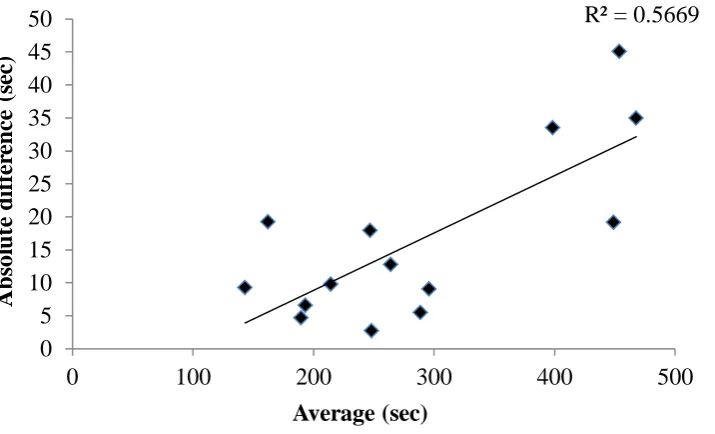
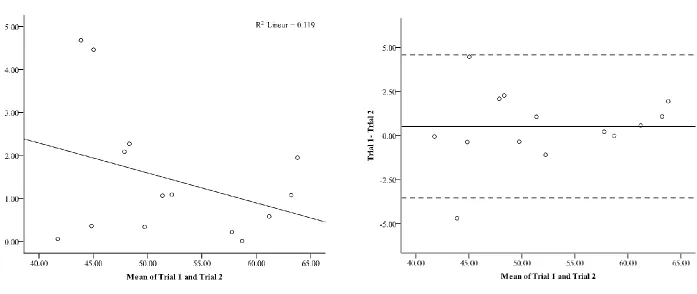
(16) Doma, K., and Deakin, G.B. (2011). The effects of intensity and type of resistance training on muscle force generation capacity immediately and 6 hours post training. Journal of Science and Medicine in Sport, 14(Supplement1), e110............................. 280 Appendix B ................................................................................................................... 282 Doma, K., and Deakin, G.B. (2011). The acute effects of strength training on running economy and lower extremity kinematics. Proceedings of the 8 th Australasian Biomechanics Conference, Institute of Sport, Canberra, Australia. ............................. 282 Appendix C ................................................................................................................... 285 Doma, K., and Deakin, G.B. (2011). Kinematic comparisons between pre- and poststeady state running at various running speeds. Proceedings of the 8 th Australasian Biomechanics Conference, Institute of Sport, Canberra, Australia. ............................. 285 Appendix D ................................................................................................................... 287 Doma, K., and Deakin, G.B. (2011). Investigation of running economy 6 hours post full body and lower body strength training. Journal of Australian Strength and Conditioning, 20(Supplement 1), 94-96. ........................................................................................... 287 Appendix E ................................................................................................................... 296 Doma, K., and Deakin, G.B. (2012). The acute effects of strength training on running performance over two consecutive days. 17th Annual Congress of the European College of Sport Science, Bruges, Belgium, 4-7th July, 2012. .................................................. 296 Appendix F .................................................................................................................... 299 Doma, K., and Deakin, G.B. (2012). The cumulative effects of strength and endurance training on running performance. National Strength and Conditioning Association Conference, Rhode Island, USA, 11-14th July, 2012. .................................................. 299 Appendix G ................................................................................................................... 301 Doma, K., and Deakin, G.B. (2012). The cumulative effects of strength and endurance training sessions on muscle force generation capacity over four days. Journal of Australian Strength and Conditioning, In press. ......................................................... 301 Appendix 2 – Permission for print ..................................................................................... 314 Permission by Elsevier – Journal of Exercise Science & Fitness .................................... 315 Permission by Thieme – International Journal of Sports Medicine ................................. 316 Permission by Taylor & Francis – European Journal of Sports Science .......................... 317 Permission by J-Stage – International Journal of Sport & Health Science ...................... 319 Permission by NRC Research Press – Applied Physiology, Nutrition, and Metabolism .. 320. XV.
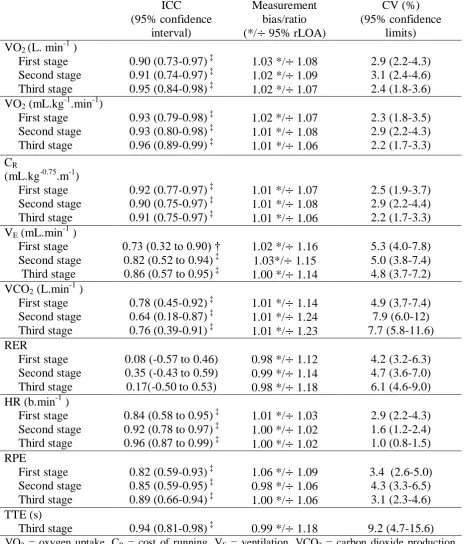
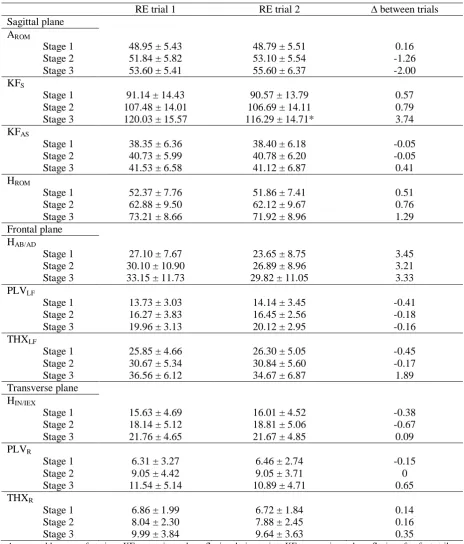
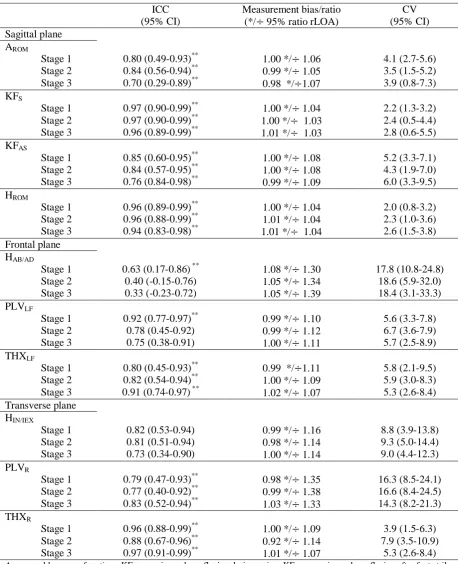
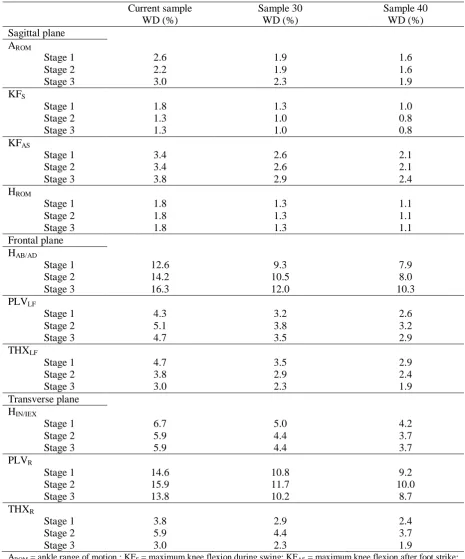
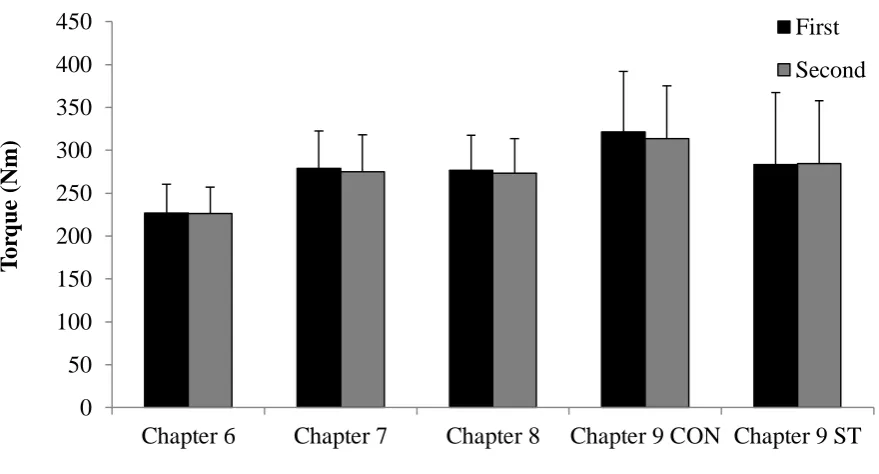
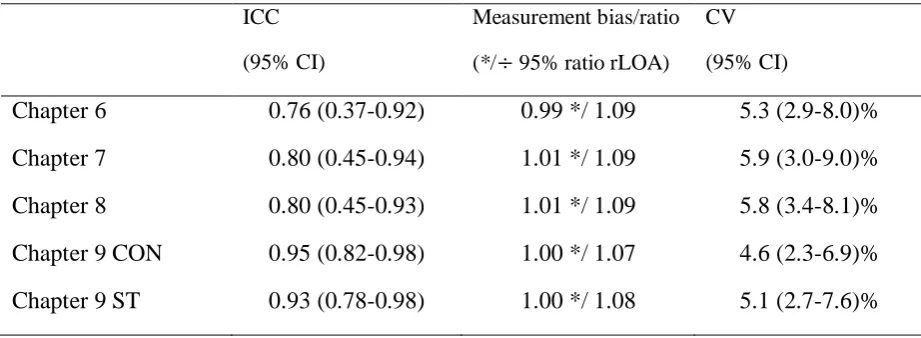
(17) List of tables Table 3.1. Physical characteristics of the trained and moderately endurance trained runners 90 Table 3.2. Physiological variables averaged during the last 5 minutes of each of the first two stages and the last minute of the third (time-to-exhaustion) stage of the running economy (RE) test .............................................................................................................................. 96 Table 3.3. Intra-class correlation coefficients (ICC) (95% confidence interval (CI)), measurement bias/ratio (log-transformed data) */ 95% ratio limits of agreement (rLOA) and typical error of measurement as coefficient of variation (CV) (95% confidence limits) of physiological variables and time-to-exhaustion ................................................................... 98 Table 4.1. The mean ± standard deviation of the physical characteristics of the trained runners and moderately endurance trained participants ...................................................... 108 Table 4.2. The mean ± standard deviation of the angular displacement of the running gait parameters in degrees (°) averaged for ten strides during the three stages of the running economy (RE) trials .......................................................................................................... 113 Table 4.3. Intra-class correlation coefficients (ICC) at 95% confidence interval (CI), measurement bias/ratio (log-transformed data) (*/ 95% ratio limits of agreement (rLOA)) and within-participant coefficient of variation at 95% CI of the running gait parameters between two RE trials ....................................................................................................... 114 Table 4.4. Percentage of the worthwhile differences (WD) for the current sample size (n = 14), hypothetical sizes of 30 (Sample 30) and 40 (Sample 40) calculated in accordance with the ratio limits of agreement of the running gait parameters between two RE trials ............ 115 Table 5.1. Intra-class correlation coefficients (ICC) at 95% confidence interval (CI), measurement bias/ratio (log-transformed data) (*/ 95% ratio limits of agreement (rLOA)) and within-participant coefficient of variation at 95% CI of the two maximal voluntary contraction tests for Chapters 6, 7 and 8 as well as for the concurrent training group (Chapter 9 CON) and the strength training group (Chapter 9 ST) in Chapter 9. ................................ 127 Table 5.2. Percentage of the worthwhile differences (WD) for the hypothetical sizes of 10, 12, 15 and 30 calculated in accordance with the within-participant coefficient of variation for the knee extensor torque for Chapters 6, 7 and 8 as well as for the concurrent training group (Chapter 9 CON) and the strength training group (Chapter 9 ST) in Chapter 9. ................. 128. XVI.
(18) Table 6.1. The type of exercises, intensity, volume and the recovery period between sets (RBS) during high intensity whole body (HW), high intensity lower body only (HL) and low intensity whole body (LW) strength training sessions ........................................................ 138 Table 9.1. The physical characteristics for the concurrent CON) and strength (ST) groups 199 Table 9.2. An example of a training schedule of a participant in the concurrent group during the experimental days in week 6 and control days in week 7.............................................. 201 Table 9.3. The mean ± standard deviation of time to exhaustion (TTE), knee extensor torque (KET), rating of muscle soreness (RMS) and muscle fatigue (RMF) collected prior to the baseline endurance training session (Base-End) and the endurance training sessions during the experimental days (Days 1, 2, 3, 4, 5 and 6, respectively) ............................................ 209 Table 9.4. The mean ± standard deviation of time to exhaustion (TTE), knee extensor torque (KET), rating of muscle soreness (RMS) and muscle fatigue (RMF) collected prior to the endurance training sessions during the control days on Days 1, 2 and 3 and KET, RMS and RMF collected on Day 4 ................................................................................................... 210. XVII.
(19) List of figures Figure 2.1. Continuum of slow to fast muscle fibre type and myosin heavy chain (MHC) isoform alterations in response to training. .......................................................................... 27. Figure 3.1. Bland and Altman Plot of the absolute difference between trials 1 and 2 against the mean of trials 1 and 2 for time-to-exhaustion demonstrating heteroscedasticity ............. 94. Figure 4.1. Bland and Altman Plot of the absolute difference between trials 1 and 2 against the mean of trials 1 and 2 (left graph) and the difference between trials 1 and 2 against the mean of trials 1 and 2 (right graph) of the hip range of motion during the first stage. The centre line of the bottom graph indicates the mean difference between trials 1 and 2 and the upper and lower dashed lines indicates mean difference ± 1.96 times the standard deviation of the difference .................................................................................................................... 111. Figure 5.1. The knee extensor torque collected during the first and second maximal voluntary contraction tests for Chapters 6, 7, and 8 as well as for the concurrent training group (Chapter 9 CON) and the strength training group (Chapter 9 ST) in Chapter 9. ................................ 126. Figure 6.1. The oxygen cost of running (CR), respiratory exchange ratio (RER), heart rate (HR) and rating of perceived exertion (RPE) during the running economy test at baseline (Base-RE) and the running economy tests following high intensity whole body (HW), high intensity lower body only (HL) and low intensity whole body (LW) strength training sessions at Stages 1, 2 and 3............................................................................................................ 141 Figure 6.2. Time-to-exhaustion (TTE) during the baseline running economy test (Base-RE), and the running economy tests following high intensity whole body (HW), high intensity lower body only (HL) and low intensity whole body strength training (LW) sessions ........ 142 Figure 6.3. Torque measured prior to (Pre St) and following (Post St) the high intensity whole body (HW), high intensity lower body only (HL) and low intensity whole body (LW) strength training sessions; prior to (Pre RE) and following (Post RE) the running economy (RE) tests .......................................................................................................................... 143. Figure 7.1. Schematic of the research design including the strength training (St) session, running economy (RE) test and the running (End) session. ................................................ 158. XVIII.
(20) Figure 7.2. The oxygen cost of running (CR) and rating of perceived exertion (RPE) during the stages 1 and 2 of the base running economy test (Base-RE), running session (End) and post running economy test (Post-RE) ................................................................................ 163 Figure 7.3. The angular displacements in degrees (deg) for hip range of motion (H ROM), knee flexion during the swing phase (KFS), knee flexion after foot strike (KFAS) and ankle range of motion (AROM) during Stages 1 (top) and 2 (bottom) for the base running economy test (BaseRE), running session (End) and post running economy tests (Post-RE).............................. 165 Figure 7.4. The torque production measure prior to– (Pre St) and following (Post St) the strength training session, prior to– (Pre End) and following (Post End) the running session and prior to– (Pre RE) and following (Post RE) the experimental running economy test .... 166. Figure 8.1. Schematic diagram demonstrating the progression of the sessions from the baseline running economy test (Base-RE), the strength session (St) and running session (End) and the running economy tests during the strength-running sequence (SR-RE) and runningstrength sequence (RS-RE)................................................................................................ 178 Figure 8.2. A schematic demonstrating the protocol of the running session with solid and dashed lines denoting running and rest, respectively .......................................................... 179 Figure 8.3. The cost of running (CR) for baseline running economy (Base-RE), running economy for the strength-running sequence (SR-RE) and running economy for the runningstrength sequence (RS-RE) during Stages 1, 2 and 3 ......................................................... 183 Figure 8.4. The rating of perceived exertion (RPE) for the baseline running economy (BaseRE), running economy for the strength-running sequence (SR-RE) and for the runningstrength sequence (RS-RE) during Stages 1 (RPE 1), 2 (RPE 2) and 3 (RPE 3) ................. 184 Figure 8.5. The time-to-exhaustion (TTE) recorded for the baseline running economy (BaseRE), running economy for the strength-running sequence (SR-RE) and running economy for the running-strength sequence (RS-RE) ............................................................................. 185 Figure 8.6. The angular displacements of the hip range of motion (H ROM), knee flexion during swing phase (KFS), knee flexion after foot strike (KFAS) and ankle range of motion (AROM) for the baseline running economy test (Base-RE) and running economy tests for the strength-running sequence (SR-RE) and the running-strength sequence (RS-RE) during Stages 1 and 2 ................................................................................................................... 186 Figure 8.7. The torque production at time points prior to– (1) and following (2) the strength training, prior to– (3) and following (4) the endurance training session and prior to– (5) and XIX.
(21) following (6) the running economy test for the SR sequence and prior to– (1) and following (2) the endurance training session, prior to– (3) and following (4) the strength training session and prior to– (5) and following (6) the running economy test for the RS sequence............. 188. Figure 9.1. The discontinuous incremental endurance training session consisting of three stages at 70–, 90– and 110% of the second ventilatory threshold (VT 2), respectively, with time to exhaustion (TTE) during stage three. The dashed lines indicate 2 minute passive recovery periods ................................................................................................................ 203 Figure 9.2. The oxygen cost of running (CR) and rating of perceived exertion (RPE) collected during the baseline endurance training session (Base-End) and during the experimental days (Days 1, 2, 3, 4, 5 and 6, respectively) at Stages 1, 2 and 3 ................................................ 206 Figure 9.3. The oxygen cost of running (CR) and rating of perceived exertion (RPE) during Stages 1, 2 and 3 for endurance training sessions 1, 2 and 3 (End 1, 2 and 3, respectively) during the control days ...................................................................................................... 208 Figure 9.4. The knee extension torque (a), rating of muscle –soreness (b) and –fatigue (c) measured prior to the first, second and third strength training sessions (St 1, St 2 and St 3, respectively) for the concurrent training (CON) and strength training (ST) groups ............ 211. XX.
(22) List of abbreviations AMPK. Adenosine monophosphate-activated protein kinase. AROM. Ankle range of motion. ATP. Adenosine tri-phosphate. Base-End. Endurance training session for baseline. Base-RE. Running economy test for baseline. CI. Confidence interval. CK. Creatine kinase. CON. Concurrent training group. CS. Cycling prior to strength training. CSA. Cross sectional area. CV. Coefficient of variation. DOMS. Delayed on-set of muscle soreness. EIMD. Exercise-induced muscle damage. EMG. Electromyography. END. Endurance training group. End. Running session. ES. Endurance training prior to strength training. FFM. Fat free mass. HAB/AD. Hip abduction/adduction. HL. High intensity lower body only. HROM. Hip range of motion. HW. High intensity whole body. ICC. Intra-class correlation coefficient. KET. Knee extensor torque. KFAS. Maximum knee flexion after foot strike. KFS. Maximum knee flexion during swing phase XXI.
(23) LL. Low intensity lower body only. LW. Low intensity whole body. MFGC. Muscle force generation capacity. MSE. Mean squared error. mTOR. Mammalian target of rapmyasin. MVC. Maximal voluntary contraction. MHC. Myosin heavy chain. P13K. Phosphoinositide-3 dependent kinase. PCr. Phosphocreatine. PGC-1α. Peroxisome proliferator-activated receptor gamma coactivator. PKB. Protein kinase B. PLVLF. Lateral flexion of the pelvis. Post End. Physiological measures collected following the running session. Post RE. Physiological measures collected following the running economy test. Post St. Physiological measures collected following the strength training session. Post-RE test. Running economy test 24 hours post the strength session. Pre End. Physiological measures collected prior to the running session. Pre RE. Physiological measures collected prior to the running economy test. Pre St. Physiological measures collected prior to the strength training session. RE. Running economy. rLOA. Ratio limits of agreement. RMF. Rating of muscle fatigue. RMS. Rating of muscle soreness. RPE. Rating of perceived exertion. RS Sequence. Strength training session 6 hours following a running session. RS-RE. RE test conducted 24 hours following the running session for the RS sequence. SC. Strength training prior to cycling XXII.
(24) S-Cyc. Strength and cycling endurance. SE. Strength training prior to endurance training. SR Sequence. Running session 6 hours following a strength training session. SR-RE. RE test conducted 24 hours following the strength training sessions for the SR sequence. S-Run. Strength and running endurance. ST. Strength training group. St. Strength training session. THXLF. Lateral flexion of the thorax. TTE. Time-to-exhaustion. VO2. Oxygen consumption. VO2max. Maximal oxygen consumption. WD. Worthwhile differences. XXIII.
(25) Chapter 1 1.1 Introduction Incorporating strength and endurance training sessions in the one training regime irrespective of whether the training is performed on the same day or separate days is known as concurrent training (Hickson, 1980). The literature advises health professionals to prescribe strength and endurance exercises in the one training regime in order to improve and sustain health-related fitness (Garber et al., 2011). However, concurrent training may create complications from an athletic standpoint, since endurance training has predominantly been shown to inhibit strength adaptations (Leveritt & Abernethy, 1999). Such physiological incompatibility found with concurrent training is referred to as the “interference phenomenon” (Bell, Syrotuik, & Socha, 1997; Leveritt, Abernethy, Barry, & Logan, 1999).. Chronic and acute hypotheses have been proposed in an attempt to explain the negative effect that concurrent training has on strength performance. The acute hypothesis suggests that the residual fatigue experienced following endurance training reduces muscular contractility, and hence, impairs strength performance (Docherty & Sporer, 2000; Leveritt, et al., 1999). The chronic hypothesis states that the muscle cannot undergo optimal metabolic and morphological adaptations in response to concurrent training because the physiological adaptations induced by endurance training are vastly different and can be antagonistic to strength training (Docherty & Sporer, 2000). Additionally, the chronic interference may be attributed to the attenuation of muscular tension due to the accumulation of acute residual fatigue from preceding endurance exercise that limits the strength stimulus required for 1.
(26) optimal strength development (Leveritt & Abernethy, 1999). In view of the antagonistic effects concurrent training has on physiological adaptations, it is imperative that studies are conducted in order to determine the compatibility of strength and endurance training by understanding the acute residual responses and the subsequent chronic adaptation of both modes of training.. Since the earliest work that has shown attenuation in the development of strength in response to concurrent training (Hickson, 1980), the literature has produced an array of findings. Whilst numerous studies have shown impaired endurance adaptations (Bell, Petersen, Wessel, Bagnall, & Quinney, 1991; Glowacki et al., 2004) a greater number of concurrent training studies have shown attenuation in strength development (Gergley, 2009; Izquierdo, Häkkinen, Ibanez, Kraemer, & Gorostiaga, 2005). It is also worth mentioning that some studies have shown no antagonistic effects on strength (McCarthy, Pozniak, & Agre, 2002; Sillanpää et al., 2008) or endurance adaptations (Häkkinen, Hannonen, Nyman, Lyyski, & Häkkinen, 2003; Mikkola, Rusko, Nummela, Pollari, & Häkkinen, 2007; Millet, Jaouen, Borrani, & Candau, 2002) following concurrent training.. The discrepancies in findings for concurrent training may be due to differences in the study design and/or training protocols (Leveritt, Abernethy, Barry, & Logan, 2003). These include the mode of endurance exercise, variation in the intensity and volume of strength and endurance training, the sequence of strength and endurance training sessions, the recovery period between strength and endurance training sessions and the frequency of training sessions per week. These variations in training methodology are important because the 2.
(27) physiological adaptations that are induced following exercises are dependent on the type and degree of the stimulus applied during the training session (Baar, 2006) as well as the incorporation of recovery post training (Leveritt, et al., 1999). Therefore, identifying the mechanisms associated with the responses from a given selection of strength and endurance exercise would provide evidence for the type of adaptation induced. However, most studies on concurrent training have examined chronic strength and endurance adaptations whilst the investigation of the acute effects has been limited. The few studies that have examined the acute effects of concurrent training have mostly incorporated endurance exercises prior to strength exercises in order to determine the effects of endurance training on subsequent strength performance (Bentley, Smith, Davie, & Zhou, 2000; Bentley, Zhou, & Davie, 1998; Millet, Martin, Lattier, & Ballay, 2003). Consequently, there is limited information available regarding the acute effects that prior strength training has on endurance performance.. In one of the few studies to investigate the effects of strength training on endurance performance, Palmer and Sleivert (2001) reported that running economy (RE) was impaired 8 hours following strength training. However, the RE protocol was limited to a single running speed and only one type of strength training protocol was incorporated. Deakin (2004) examined the impact of high intensity whole body (HW), high intensity lower body only (HL) and low intensity lower body (LL) only strength training on sub-maximal cycling performance three hours post. The author showed a higher physiological cost for cycling performance following high intensity compared to low intensity strength training. Furthermore, whole body strength training showed a greater physiological cost than lower body only strength training.. 3.
(28) The findings by Deakin (2004) suggest that alteration in strength training –intensity and – volume can impact on subsequent endurance performance. However, the endurance performance protocol was limited to cycling. Given that the physiological responses vary between cycling and running (Millet, Vleck, & Bentley, 2009) and that neural recruitment patterns differ according to running speed (Abernethy, Thayer, & Taylor, 1990), the question then is, would various strength training methods affect running performance at varying running speeds? Furthermore, Palmer et al (2001) and Deakin (2004) have confirmed possible detrimental effects that strength training may have on endurance performance. Acute studies thus far have not examined methods of limiting the attenuation of endurance performance following strength training. This could be accomplished by reducing the speed of eccentric contractions, given that fast– compared to slow eccentric contractions have shown to cause greater muscle –damage and –fatigue (Chapman, Newton, Sacco, & Nosaka, 2006). Chapman et al (2008) reported increased excess post exercise oxygen consumption (EPOC) 24 hours following strength training performed with fast concentric (i.e. one second) and slow eccentric (i.e. four seconds) contractions. However, Chapman and colleagues (2008) did not examine the effect of altering the intensity and volume of strength training with slow eccentric contractions and the physiological measures were collected at rest. The effects of systematically varying strength training intensity and volume with fast concentric and slow eccentric contractions on running performance several hours post, at various running speeds, has not been examined. Such an investigation would enhance the understanding of the acute sensitivity that strength training has on endurance performance when manipulating training variables.. 4.
(29) Whilst there are a number of studies that have examined the acute effects of endurance training on strength training performance (Bentley, et al., 2000; Bentley, et al., 1998; Millet, et al., 2003) and strength training on endurance performance (Deakin, 2004; Palmer & Sleivert, 2001), there is limited investigation on the acute effects of altering the sequence of strength and endurance training. The few studies that have examined the sequence of the mode of training have examined chronic adaptations over a period of weeks (Chtara et al., 2008; Gravelle & Blessing, 2000; Silvers & Dolny, 2011). The earliest study examining the effects of altering the sequence between strength and endurance exercises within a concurrent training program was conducted by Collins and Snow (1993). The participants in this study were allocated into groups that performed strength only (ST), endurance only (END), strength followed by endurance training (SE) and endurance followed by strength training (ES). The results showed no difference in one repetition maximum (1RM) and maximal oxygen consumption (VO2max) between SE and ES groups. It was concluded that strength and endurance adaptations were independent to the sequence of the mode of training. However, recent findings by Gravelle and Blessing (2000), Chtara et al (2005) and Chtara et al (2008) showed a significant difference in VO2max and 4 km running time trial performance although no significant differences were shown in 1RM between SE and ES groups following 11-12 weeks of concurrent training. Although Collins and Snow (1993) showed no difference in either strength nor endurance adaptations between SE and ES groups, other studies (Chtara, et al., 2005; Gravelle & Blessing, 2000) have shown that endurance adaptation was affected as a result of the sequence of the mode of training.. If endurance adaptations are affected by the sequence of strength and endurance exercises, do the acute responses throughout the training program reflect these changes? A study carried 5.
(30) out by Drummond and colleagues (2005) examined the acute responses of aerobic and resistance exercise sequence and showed that EPOC was greater when running preceded strength training compared to when strength preceded running. However, the acute effects of training sequence were limited to metabolic measures at rest and the endurance performance measures were unknown. Deakin (2004) examined sub-maximal cycling performance in response to the acute residual effects of altering the sequence of strength training and cycling. The results showed that the physiological cost of cycling was greater when strength training preceded endurance training although unaffected with the reverse sequence. However, running performance measures were not collected and performance measures were limited to physiological responses on the same day. Given that acute responses from a single strength training session have been shown to alter running gait patterns on the same day (Kellis & Liassou, 2009; Paschalis et al., 2007), a combination of strength and endurance training with alterations in their sequences on the same day may cause changes to running kinematics the following day. To date, however, the impact of the sequence of the mode of training on running –performance and –kinematics the following day have not been examined and are aspects of concurrent training that require further research. Such an investigation would demonstrate how the body responds to strength and endurance training sequence over consecutive days which may be useful to explain mechanisms associated with concurrent training adaptation.. When performing strength and endurance training, a process of transient increase and inhibition of physiological phenomena occurs during and following every training session and when repeated over a number of weeks, manifests a specific form of adaptation (Hawley, 2009). Thus, examining the acute effects of strength and endurance training would shed light 6.
(31) on the link between the acute responses and subsequent adaptations. However, the studies that have examined the acute effects of strength and endurance training have been limited to a single training session (Bentley, et al., 2000; Palmer & Sleivert, 2001; Twist & Eston, 2005) or to two training sessions on the same day (Deakin, 2004; Drummond et al., 2000). In order to determine the mechanisms of training adaptation induced and the possible recurring interference in concurrent training, it is essential to systematically examine numerous strength and endurance training sessions during a particular component of a concurrent training program over several days (e.g. a microcycle). Indeed, it has been recommended that beginners and intermediate weight lifters perform strength training sessions two to four times per week (i.e. at least 48 hours of recovery between training sessions) to optimise strength-, power- and strength endurance- adaptations (Kraemer et al., 2002) whereas moderate to high intensity endurance training sessions are commonly prescribed on a daily basis for trained and moderately trained individuals (Faude, Meyer, Urhausen, & Kindermann, 2009). Collectively, would fatigue accumulate over a micro-cycle of a concurrent training program if alternating-day strength training is performed in conjunction with consecutive-day endurance training? To date, such an investigation has not been conducted.. 1.2 Statement of the Problem To date, studies of the acute physiological responses to concurrent training have predominantly examined strength training performance following endurance exercises with limited investigations of the effects strength training exercises have on endurance performance. Studies that have investigated the acute effects of strength training on endurance performance have been limited to a single type of strength training protocol or to 7.
(32) cycling. performance.. Subsequently,. the. influence. that. various. strength training. methodologies (e.g. high versus low, whole body versus lower body only, slow eccentric contraction velocities) have on other types of endurance exercises, such as running, is unknown.. Secondly, most studies investigating the response of altering the sequence of strength and endurance training have examined chronic adaptations following concurrent training. The one study that did examine the acute response by altering the sequence of the mode of training used cycling as an endurance training and performance protocol. Furthermore, the examination of acute responses following strength and endurance training has been limited to physiological measures. In addition, changes in biomechanics as a factor for the impairment of endurance performance have not yet been investigated.. Finally, the majority of the concurrent training studies thus far have focused on the physiological adaptations induced after a given training program. Furthermore, the acute concurrent training studies that have been undertaken have been limited to examining strength and endurance training sessions in a single day. The acute effects of alternating-day strength training with consecutive-day endurance training on running performance have not yet been examined.. 8.
(33) 1.3 Aims of the Project The project was separated into four studies with the following aims: 1.. to examine the acute residual physiological effects of different intensities (high versus low) and volume (whole body versus lower body only) of strength training exercises with slow eccentric contractions on running performance 6 hours post;. 2.. to examine the effect of strength training using self-selected contraction velocities a. on running –performance and –kinematics 6 hours post; b. combining with endurance training, 6 hours apart, and its effect of on running –performance and –kinematics the following day;. 3.. to examine the influence of the sequence of strength training using self-selected contraction velocities and endurance training performed on the same day, 6 hours apart, and its effect on running –performance and –kinematics the following day; and. 4.. to examine the effect of performing strength training using self-selected contraction velocities on alternating days and endurance training on consecutive days on running performance over a 6-day period.. 1.4 Hypotheses It was hypothesised that: 1. strength training with slow eccentric contractions would not affect running performance 6 hours post regardless of variation in strength training methodology (i.e. intensity or volume); 2. strength training using self-selected contraction velocities; 9.
(34) a. would impair running performance and alter kinematics 6 hours post; b. combined with endurance training, despite a 6 hour recovery period, would impair running performance and alter running kinematics the following day; 3. performing strength training using self-selected contraction velocities prior to endurance training, despite a 6 hour recovery period, would impair running performance and alter running kinematics the following day. However, the reverse sequence would not impair running performance or alter running kinematics the following day; and 4. performing strength training (i.e. self-selected contraction velocities) on alternating days and endurance training on consecutive days would impair running performance on a daily basis.. 1.5 Significance of the Study The series of studies will enhance the understanding of the compatibility of strength and endurance training from an acute perspective. For Chapters 6, 7 and 8, concurrent training programs could be produced in order to minimise the “interference phenomenon” whilst maximising endurance adaptations. This could be accomplished by 1) understanding the effect that the intensity and volume of strength training sessions with slow eccentric contractions has on running performance, 2) understanding the effect that the sequence of the mode of training has on running performance, 3) analysing running kinematics which will provide additional information that may explain the mechanisms responsible for changes in running performance as a result of preceding strength and/or endurance training. Chapter 9 is significant because it will complement the above points by demonstrating the relationship 10.
(35) between the day-to-day acute physiological responses following strength and endurance training sessions. Collectively, the findings from the above studies will give coaches information necessary to make adjustments to training programs in order to optimise training stimuli and recovery dynamics and thus maximise training adaptation. In addition, furthering the understanding of the “interference phenomenon” from an acute perspective may enhance the coaches’ ability to monitor their athletes during concurrent training and reduce the prevalence of injuries.. 1.6 Delimitations The current studies were delimited to: 1. trained middle to long distance runners (1500-10,000 m) who were covering at least 50 km.week-1 and moderately trained field-based endurance athletes with various sporting backgrounds (e.g. basketball, cricket and soccer) covering 5-10 km.week-1. Therefore, the findings may not be extrapolated to other population groups (i.e. sedentary or nonendurance athletes); and 2. athletes who are not resistance training; and 3. running performance variables. The extrapolation of the findings to other endurance parameters (e.g. cycling, rowing and swimming) may not be applicable; 4. a number of strength training exercises (i.e. bench press, bench pulls, incline leg press, leg curls and leg extension). The effect of strength training on running performance may not be the same following other strength training exercises; and 5. knee extensor muscle groups for strength indices. Therefore, the extrapolation of the findings to other muscle groups regarding strength indices may not be applicable. 11.
(36) 1.7 Limitations The findings of the current studies were limited by the: 1. volunteers who were not a random sample of the endurance training community; and 2. volunteers with minimum experience in resistance training in order to homogenise the sample; and 3. sample size was limited to accessibility of participants whom met the recruitment criteria during the course of the studies, however, sample size calculations were conducted to justify the sample sizes; and 4. standard technical and biological variability. Every effort was made to control for such fluctuations by calibrating all equipment, requiring participants to wear the same shoes, conducting tests at the same time of the day on the same day/time of the week and controlling training volume and food intake.. 1.8 Format of the thesis The first chapter of this thesis provides a brief introduction of concurrent training and general issues associated with combining strength and endurance training in the one training regime. The second chapter reviews the literature of concurrent training with further in-depth analyses of prior studies on the chronic and acute effects of strength and endurance training. The Chapters 3, 4 and 5 report the reliability of the physiological (Chapter 3) and biomechanical (Chapter 4) components of the running performance test and the maximal voluntary contraction test (Chapter 5) that were used during the four studies (Chapters 6, 7, 8 12.
(37) and 9, respectively) conducted as part of this thesis. Chapters 3 and 4 were written as journal articles and have been accepted for publication. Chapter 5 is substantially shorter since the analyses were limited to a single performance variable. Subsequently, the paper has not been written for publication purposes. Nonetheless, Chapter 5 has been structured in the format of a scientific paper with an introduction, methods, results, discussion and conclusion.. The four studies that make up Chapters 6, 7, 8 and 9, respectively, were conducted to ensure logical progressions from one study to the next. This was made possible by generating pertinent scientific questions and hypotheses according to the key issues identified from previous literature. Furthermore, the methodology of each study was constructed based on findings obtained by the previous research of this thesis. A brief paragraph has been included prior to the introduction in Chapters 7, 8 and 9 to explain the contribution that the previous research had in constructing the following study. The study in Chapter 6 examined the acute effects of intensity– and volume– of strength training on running performance. The study in Chapter 7 examined the effects of combined strength and endurance training on running performance the following day. The study in Chapter 8 examined the acute effects of the sequence of strength and endurance training on running performance the following day. The study in Chapter 9 examined the cumulative effects of strength and endurance training on running performance over a 6-day period. Chapter 10 summarizes the key findings between the four studies (Chapter 6, 7, 8 and 9, respectively), provides the practicality of each finding, explains possible avenues for future research and concludes with a brief paragraph of the key points addressed throughout this. 13.
(38) thesis. Chapters 6, 7 and 8 have been accepted for publication and the Chapter 9 is currently under review by a peer-reviewed journal.. 14.
(39) Chapter 2 2.1. Physiological Compatibility of Strength and Endurance Training The incorporation of strength and endurance training sessions in the one training program is known as concurrent training (Leveritt & Abernethy, 1999). The physiological adaptations induced by strength and endurance training, however, are vastly different and sometimes antagonistic. Studies have empirically shown that one mode of training is more effective in inducing physiological adaptations than when both modes of exercises are performed concurrently (Bell, Syrotuik, Martin, Burnham, & Quinney, 2000; Dolezal & Potteiger, 1998; Gergley, 2009; Glowacki, et al., 2004). Most notably, concurrent training appears to interfere with strength training adaptation to a greater degree than endurance training adaptation (Leveritt, et al., 1999). Nonetheless, scientific articles still advise coaches and health professionals to prescribe strength and endurance exercises simultaneously in a training program to enhance athletic performance (Balabinis, Psarakis, Moukas, Vassiliou, & Behrakis, 2003; Gergley, 2009) and improve health-related fitness (Garber, et al., 2011). Subsequently, conducting research to understand the compatibility between the two modes of exercise would benefit sport and health-related practice. For example, ascertaining the degree of interference in training adaptation as a result of combining strength and endurance training could accelerate recovery during rehabilitation in a clinical setting. In science, determining the mechanisms of the physiological antagonisms during and following concurrent training may allow exercise professionals to structure programs that would minimize interference in training adaptation and optimize performance (Davis, Wood, Andrews, Elkind, & Davis, 2008a; Sale, Jacobs, & Garner, 1990).. 15.
(40) 2.2. Interference in Strength Development with Concurrent Training A vast number of concurrent training studies have shown impaired strength development when strength and endurance exercises are combined simultaneously (Hawley, 2009). The work conducted by Hickson (1980) was one of the first to demonstrate attenuation of strength development as a result of concurrent training. Hickson (1980) examined the effects of combining strength and endurance training compared to adaptations induced when both modes of training were performed independently. The exercise groups were separated into ST and END groups and a concurrent strength and endurance training (CON) group that followed the same training regime as the ST and END groups simultaneously for ten weeks. The results showed that VO2max increased by 25% and 20% for the END group and the CON groups, respectively. However, no differences were found for the ST group. Strength development was consistent throughout the training weeks for the ST group, but no notable increase in strength was found for the END group. The rate of strength development for the CON group was initially similar to that of the ST group, however, declined after 7 weeks. As the CON group trained both modes of exercises 5 d·wk-1, it was suggested that the sheer volume of training may have led to residual fatigue that could have attenuated strength development.. Similar to the study by Hickson (1980), recent concurrent training studies have also shown sub-optimal strength development (Bell, et al., 2000; Chtara, et al., 2008; Dolezal & Potteiger, 1998; Gergley, 2009; Putnam, Xu, Gillies, MacLean, & Bell, 2004). For example, Bell et al (2000) investigated the effect of concurrent strength and endurance training on muscular strength amongst ST–, END– and CON groups. The results showed that leg press and knee 16.
(41) extension 1RM was significantly increased for the ST– and CON groups, however, the strength gains were greater for ST group compared to the CON group.. In light of the above-mentioned studies, it is apparent that concurrent training interferes with strength development. This attenuating effect of concurrent training on strength adaptations has been referred to in literature as the “interference phenomenon” (Docherty & Sporer, 2000). Several hypotheses have been postulated for the physiological interferences that occur in response to concurrent training. The acute hypothesis proposes that residual fatigue caused from the preceding endurance exercise compromises the ability of the muscle to develop tension (Craig, Lucas, & Pohlman, 1991). This subsequently decreases muscular contractility and therefore hinders strength training performance (Leveritt & Abernethy, 1999). The chronic hypothesis states that the skeletal muscle is placed in a state of physiological antagonism with concurrent training. For example, muscle fibre hypertrophy, muscle fibre type transformations, endogenous enzymatic activity, endocrine responses, muscle morphological structure and capillarization induced by endurance training are vastly different to adaptations by strength training (Abernethy, Jurimae, Logan, Taylor, & Thayer, 1994; Abernethy, et al., 1990). These physiological antagonisms in response to strength and endurance exercises may be causing the interference in adaptation when both modes of exercises are combined in the one training regime.. 17.
(42) 2.3. Chronic Mechanisms for the Interference of Strength Development Although concurrent training has been shown to interfere with the development of strength and endurance adaptations, the attenuation in strength appears to be more consistent than endurance adaptations (Docherty & Sporer, 2000; Leveritt, et al., 1999). The physiological mechanisms contributing to the interference of adaptations with concurrent training is still a matter of debate. The accumulation of residual fatigue caused by endurance training from each training session may lead to impaired strength development. However, this acute effect of concurrent training and its impact on chronic adaptation is still under speculation due to the limitation of such investigation. Recent studies have reported that the genetic and molecular responses from strength and endurance training may bridge the gap between the acute responses and the subsequent physiological adaptation that is specific to the mode of exercise and explain the underlying physiological factors for the interference phenomenon (Baar, 2006; Hawley, 2009; Nader, 2006).. 2.3.1. Genetic and Molecular Adaptation to Concurrent Training Even though a single bout of exercise is insufficient in increasing strength and endurance qualities, cellular and molecular alterations that occur over the course of training can induce physiological adaptations in response to cumulative acute effects that is specific to the mode of exercise (e.g. hypertrophy, increased oxidative enzymes and mitochondrial density) (Baar, 2006). The mechanical stimulus produced during muscle contractions causes the initiation of primary and secondary messengers, which mediate the activation and/or suppression of signalling pathways and govern exercise-induced gene expression and protein synthesis (Coffey & Hawley, 2007). In response to exercise, there is a transient increase in messenger 18.
(43) proteins undergoing adaptational changes to a new training threshold (Hawley, 2009). However, due to the shorter half-life of the message compared to the exercise-induced proteins, the transient increase in messenger ribonucleic acid has a more cumulative effect on the protein (Neufer & Dohm, 1993). Subsequently, the accumulation of enhanced exercise induced gene expression and protein synthesis following every training session enables an increased physiological capacity for adaptation (MacLean, Zheng, & Dohm, 2000).. After the performance of strength training, the acute response is primarily protein synthesis which occurs as a result of an increase in the degree of protein synthesis per molecule of ribonucleic acid (Smith, Palmer, & Reeds, 1983; Wong & Booth, 1988). The signalling pathways that regulate protein synthesis in response to resistance training are controlled by proteins such as phosphoinositide-3 dependent kinase (P13k), protein kinase B (PKB), the mammalian target of rapmyasin (mTOR) and the ribosomal protein S6 kinase 1 (Bolster et al., 2003; Hernandez, Fedele, & Farrell, 2000; Nader & Exxer, 2001). In particular, the P13kPKB-mTOR cascade is regulated by effectors of ribosomal protein S6 kinase and eukaryotic initiation factor 4E. Ribosomal protein S6 kinase 1 has been shown to orchestrate the regulation of cell size and protein synthesis (Coffey & Hawley, 2007) with ribosomal protein S6 kinase playing an imperative role in muscle hypertrophy (Bodine et al., 2001; Terzis et al., 2008). Alternatively, the eukaryotic initiation factor 4E activity increases the activation of P13k-PKB-mTOR cascade, leading to an inhibition of the eukaryotic initiation factor 4E capbinding protein (Bolster, et al., 2003). Collectively, the accumulation of protein synthetic reactions in response to muscular contractions over the course of a strength training program induces hypertrophic adaptations and contributes to developing muscular strength (Baar, 2006). 19.
(44) Conversely, the cell signalling mechanisms in response to endurance training are associated with metabolic adaptations. Adenosine monophosphate-activated protein kinase (AMPK) is one of the main enzymes that monitor the intracellular energy level in order to sustain energy homeostasis (Hardie & Sakamoto, 2006). This is made possible by inhibiting the utilization of adenosine tri-phosphate (ATP) and activating the catabolism of carbohydrate and fatty acid in order to restore ATP levels (Hardie & Sakamoto, 2006). Studies have shown that the activation of AMPK inhibits acetyl co-enzyme A carboxylase and malonyl co-enzyme A, which in turn promotes fatty acid oxidation in the skeletal muscle during exercise (Rasmussen & Winder, 1997; Yu et al., 2003). Another metabolic pathway that initiates mitochondrial biogenesis is the activation of nuclear respiratory factor 1 and nuclear respiratory factor 2 which transcripts the genes that encode mitochondrial respiratory chain proteins (Kelly & Scarpulla, 2004). Finally, the peroxisome proliferator-activated receptor gamma coactivator (PGC-1α) activates and regulates the expression of mitochondrial proteins encoded in the nuclear and mitochondrial genomes (Lin, Handschin, & Spiegelman, 2005). Studies have shown that PGC-1α gene and protein can significantly increase in skeletal muscle following exercise (Adhihetty, Irrcher, Joseph, Ljubicic, & Good, 2003; Baar et al., 2002; Mathai, Bonen, Benton, Robinson, & Graham, 2008). The accumulation of these biogenetic changes that occur from repetitive endurance training stimuli contribute to enhancing aerobic capacity (Hardie et al., 2006).. As discussed above, the cell signalling pathways in which to induce strength and endurance adaptations are vastly different. When the effects of gene expression in response to both 20.
(45) strength and endurance exercises were examined, Bolster and colleagues (2002) showed antagonistic effects. The authors investigated whether the translational changes in response to the activation of AMPK affected skeletal muscle protein synthesis. Following the activation of AMPK via injections of 5-aminoimidazole-4-carboxamide 1-β-D-ribonucleoside, results showed a 45% reduction in protein synthesis compared to the control value. Additionally, the protein kinases in mTOR transduction pathway and eIF4E significantly decreased, which demonstrates the molecular mechanisms of the inhibitory effect on protein synthesis. Similarly, Rose and colleagues (2005) examined the phosphorylation of eukaryotic elongation factor, known to inhibit protein synthesis, following cycling exercise at 67% peak oxygen consumption. The results showed a rapid 5-7 fold increase in eukaryotic elongation factor phosphorylation in response to exercise. Given these results, concurrent training would not maximize signalling pathways in order to optimize hypertrophic adaptations since endurance exercises can disrupt the anabolic effect following strength training at a subcellular level. Subsequently, training strength in conjunction with endurance exercises would appear incompatible from a molecular standpoint.. 2.3.2. Impaired Hypertrophic Adaptation in Response to Concurrent Training The recurring interference phenomenon in response to concurrent training may predominantly be due to endurance exercises causing inadequate increases in myofibrillar cross sectional area (CSA) essential for muscular strength development (Leveritt, et al., 1999). The orchestration of cell signalling in response to endurance training can regulate gene expression in specific metabolic pathways that inhibits protein synthesis, and as a result, attenuates the ability of the muscle to increase in CSA (Bolster, et al., 2002; Rose, et al., 21.
Figure

+7

Related documents