METHODOLOGICAL DEVELOPMENTS AND SYNTHETIC APPLICATIONS OF
STRAINED RINGS
AND
ALLYLIC C–H FUNCTIONALIZATION OF HINDERED SUBSTRATES
Thesis by
Nicholas R. O’Connor
In Partial Fulfillment of the Requirements
for the Degree of
Doctor of Philosophy
CALIFORNIA INSTITUTE OF TECHNOLOGY
Pasadena, California
2017
© 2017
Nicholas R. O’Connor
ACKNOWLEDGEMENTS
I should begin by acknowledging my doctoral advisor, Professor Brian Stoltz, for his
constant support over the past five years. Every project I worked on benefitted directly
from his chemical knowledge, creativity, and enthusisam. Most importantly, however,
Brian is extremely understanding, down-to-earth, and relatable, and his treatment of
students as people, not simply workers, significantly increased my enjoyment of graduate
school.
The members of my dissertation committee, Professors Greg Fu, Theo Agapie, and
Sarah Reisman, have all provided valuable advice and insightful questions on my
research and proposals. I am indebted to Sarah for teaching me more chemistry than I’ve
ever learned in three months during Ch 242a in Fall 2011, and for allowing me to TA the
same course the following year. I also wish to thank Dr. Scott Virgil for his constant
assistance with instrumentation and NMR analysis and his (along with his wife Silva’s)
regular invitations to attend performances of the LA Opera.
This thesis would not be possible without the help of Caltech’s fantastic scientific
staff, including Dr. David VanderVelde, Dr. Mona Shahgholi, Naseem Torian, Dr. Mike
Takase, and Larry Henling. I am also grateful to Rick Gerhart and Jeff Groseth for
repairing crucial glassware and instruments, respectively. I also wish to thank the
administrative staff of the Division of Chemistry and Chemical Engineering, particularly
Agnes Tong, Joe Drew, and Alison Ross, for maintining a very well-run department.
I would not have arrived at Caltech without the support and encouragement of my
previous mentors in chemistry. Specifially, I wish to thank Professor Rebecca Hoye, Dr.
laboratories as an undergraduate student. I am indebted to my undergraduate and
graduate student mentors during these experiences, including Dr. Zach Wickens, Dr.
Suttipol Radomkit, and Pakornwit Sarnpitak, for teaching me many of the most basic
techniques in organic chemistry. I also wish to thank Professor Ronald Brisbois for
teaching my first course in organic chemistry and subsequently providing much advice
and encouragement when I chose to pursue graduate studies in the field.
My time in the Stoltz lab has been made unbelievebly educational and (surprisingly?)
entertaining by the graduate students, postdoctoral scholars, visiting scholars, and
undergraduates with whom I have overlapped the past five years. I want to particularly
acknowledge Professor Hosea Nelson, Dr. Kun-Liang Wu, Dr. Allen Hong, Dr.
Guillaume Lapointe, Dr. Jeff Holder, and Professor Wen-Bo Liu for generously spending
their time to help me get started in the lab and for showing me many fundamental aspects
of lab technique and chemical thinking. I must also thank Dr. Christopher Haley, Dr.
Doug Duquette, Dr. Seojung Han, Dr. Gerit Pototschnig, Beau Pritchett, Sam Shockely,
David Schuman, Austin Wright, Lukas Hilpert, and Nina Vrielink for their friendship.
I had the pleasure of overlapping with Dr. Kelly Kim for almost my entire time at
Caltech. Her low-key personality, willingness to listen to me complain, and preference
for a late night schedule all contributed to the rapid formation of our friendship. Despite
the appearance of her desk and fume hood, Kelly is one of the most organized people I’ve
ever known, and I benefitted tremendously from this as she underwent the candidacy
exam, fourth-year meeting, postdoc application, exit proposals exam, and thesis writing
slightly ahead of me. Kelly is also an incredibly easy person to talk to about any issue,
Much of the work presented in this thesis has been conducted with other members of
the Stoltz laboratory, from whom I learned how to conceive and execute plans for
research projects in synthetic organic chemistry. I wish to thank Dr. Alex Goldberg and
Dr. Rob Craig for their significant contributions to the cyclopropane and aziridine
cycloaddition projects, and Dr. Xiangyou Xing for inviting me to join the allylic C–H
oxidation project. None of this work would be possible without their efforts.
I have been extremely fortunate to serve as a mentor to three undergraduates during
my time in the Stoltz lab. These experiences helped me gain teaching and mentoring
techniques and solidified my desire to pursue a career in undergraduate teaching. I
sincerely thank Stephanie Wong, Péter Bolgár, and Moriam Masha for working with me.
Throughout my time at Caltech, I have been lucky to have friends outside the Stoltz
lab, including Dr. Matt Rienzo, Dr. Zach Wickens, Dr. Maddi Kieffer, Dr. Haoxuan
Wang, Professor Raul Navarro, and Dr. Kangway Chuang.
I must thank my family for their encouragement, support, and patience over the past
five years. My decision to pursue a career in a scientific field was likely guided by
interactions with my grandfather, Professor Carl Shiffman, who supported my early
interests in science and later provided useful advice and amusing stories about many
aspects of scientific careers. Finally, I would not have made it through graduate school
without the unwavering support of my mom, who was always willing to provide advice
or encouragement, or simply listen to anything I wanted to talk about.
The work presented in this thesis would not have been possible without the
contributions and assistance of all those listed above. To each of them, as well as to
ABSTRACT
Formal dipolar cycloadditions of cyclopropanes and aziridines are useful methods for
the formation of carbo- and heterocycles. Given our group’s previous interest in this
area, we sought to expand the scope of strained ring cycloadditions by employing
heterocumulenes as dipolarophiles. This thesis describes our development of Lewis acid
catalyzed formal (3 + 2) cycloadditions between donor–acceptor cyclopropanes and
isocyanates, isothiocyanates, and carbodiimides to furnish various five-membered
heterocycles. Enantioenriched cycloadducts can be accessed through a stereospecific
reaction if enantiopure substrates are employed. We also present a method to access
more highly nitrogenated heterocycles by replacing donor–acceptor cyclopropanes with
activated aziridines. These aziridines react smoothly with isothiocyanates and
carbodiimides in the presence of zinc Lewis acids to afford iminothiazolidine and
iminoimidazolidine products in good yields. Our efforts to apply a cyclopropane
cycloaddition toward the total synthesis of the indole alkaloid calophyline A are also
described
In addition, a method for the activation of sterically hindered allylic C–H bonds is
presented. Despite numerous recent advances in the functionalization of allylic C–H
bonds and the general utility of these transformations, reactions of sterically hindered
substrates remain challenging. In this thesis we describe the development of a novel
system for the palladium(II)-catalyzed allylic C–H acetoxylation of
α
-allyl lactams. We
believe the lactam moiety may act as a directing group to aid in the palladation of these
generally unreactive substrates. During optimization, we also discovered enal products
were formed if water was added. These conditions represent the first example of a
transition metal catalyzed C–H oxidation system with tunable selectivity over the extent
PUBLISHED CONTENT AND CONTRIBUTIONS
Craig, R. A., II; O’Connor, N. R.; Goldberg, A. F. G.; Stoltz, B. M. “Stereoselective
Lewis Acid Mediated (3 + 2) Cycloadditions of
N-
H- and
N
-Sulfonylaziridines with
Heterocumulenes”.
Chem. Eur. J. 2014
,
20
, 4806–4813. DOI:
10.1002/chem.201303699
N.R.O. assisted in planning and executing experiements and writing the
manuscript.
Goldberg, A. F. G.; O’Connor, N. R.; Craig, R. A., II; Stoltz, B. M. “Lewis Acid
Mediated (3 + 2) Cycloadditions of Donor–Acceptor Cyclopropanes with
Heterocumulenes”.
Org. Lett.
2012
,
14
, 5314–5317. DOI: 10.1021/ol302494n
N.R.O. assisted in planning and executing experiements and writing the
manuscript.
O’Connor, N. R.; Wood, J. L.; Stoltz, B. M. “Synthetic Applications and Methodological
Developments of Donor–Acceptor Cyclopropanes and Related Compounds”.
Isr. J.
Chem. 2016
,
56
, 431–444. DOI:
10.1002/ijch.201500089
N.R.O. discussed the contents of this perspective review with the other authors
and wrote the manuscript with their input.
O’Connor, N. R.; Xing, X.; Stoltz, B. M. “Palladium(II)-Catalyzed Allylic C–H
Oxidation of Hindered Substrates Featuring Tunable Selectivity Over Extent of
Oxidation”.
Angew. Chem., Int. Ed.
2015
,
54
, 11186–11190. DOI:
10.1002/anie.201504007
N.R.O. assisted in planning and executing experiements and writing the
TABLE OF CONTENTS
Acknowledgements ... iii
Abstract ... vi
Published Content and Contributions ... vii
Table of Contents ... viii
List of Figures ... xv
List of Schemes ... xxix
List of Tables ... xxxiv
List of Abbreviations ... xxxviii
CHAPTER 1
1
Synthetic Applications and Methodological Developments of Donor–Acceptor
Cyclopropanes and Related Compounds in the Stoltz Laboratory
1.1 Introduction ... 11.2 Use of Donor–Acceptor Cyclopropanes as Intermediates in Natural Products Synthesis ... 3
1.2.1 Total Synthesis of K252a ... 3
1.2.2 Synthesis of the Welwitindolinone Carbon Skeleton ... 6
1.2.3 Approach toward the Synthesis of Bielschowskysin………….. ... 8
1.2.4 Synthesis of the Core of the Gagunin Diterpenoids………….. ... 11
1.2.5 Synthesis of ABCD Ring System of Scandine……… ... 13
1.3 Development of Novel Reactions of Transient Donor–Acceptor Cyclopropanes and Cyclobutanes ... 15
1.3.1 Synthesis of Fused Carbocycles by a Tandem Wolff–Cope Rearrangement…… 16
1.3.2 The Acyl-Alkylation of Arynes with β-Ketoesters ... 19
1.4 Summary ... 22
1.5 Notes and References ... 23
CHAPTER 2
31
2.1 Introduction ... 31
2.2 Initial Efforts: Reactions of Donor–Acceptor Cyclopropanes with Isocyanates ... 34
2.2.1 Cycloadditions of Donor–Acceptor Cyclopropanes with Potassium Cyanate and Trimethylsilyl Isocyanate ... 34
2.2.2 Cycloadditions of Donor–Acceptor Cyclopropanes with Alkyl Isocyanates ... 36
2.3 Reactions of Donor–Acceptor Cyclopropanes with Isothiocyanates ... 37
2.3.1 Initial Reactivity and Structural Reassignment ... 38
2.3.2 Optimization and Scope of Cycloadditions with Isothiocyanates ... 39
2.4 Reactions of Donor–Acceptor Cyclopropanes with Carbodiimides ... 41
2.5 Investigations into the Reaction Stereochemistry ... 42
2.6 Proposed Mechanism ... 44
2.7 Conclusions and Future Directions ... 45
2.8 Experimental Section ... 45
2.8.1 Materials and Methods ... 45
2.8.2 General and Miscellaneous Experimental Procedures ... 47
2.8.3 Cyclopropane Characterization Data ... 52
2.8.4 Lactam Characterization Data ... 57
2.8.5 Cyclopropane Characterization Data ... 52
2.8.6 Thioimidate Characterization Data ... 61
2.8.7 Amidine Characterization Data ... 70
2.9 Notes and References ... 77
APPENDIX 1
83
Supplementary Synthetic Information for Chapter 2
A1.1 Introduction ... 83A1.2 Unreactive Cyclopropanes ... 83
A1.3 Problematic Heterocumulenes ... 84
A1.4 Testing for Product Inhibition ... 85
A1.5 Product Derivatizations ... 85
A1.6 Experimental Section ... 85
A1.6.1 Materials and Methods ... 86
A1.6.2 Synthesis of Unreactive Cyclopropanes ... 88
A1.6.3 Synthesis of Mixed Carbodiimide 220 ... 91
A1.6.4 Investigation of Product Inhibition ... 93
A1.4 Notes and References ... 95
APPENDIX 2
97
Application of Cyclopropane Cycloadditions toward the Synthesis of
Tetrahydroisoquinoline Alkaloids and Discovery of a Novel Route to Isoindolines
A2.1 Introduction and Retrosynthetic Analysis ... 97A2.2 Toward the Synthesis of an Intramolecular Cycloaddition Substrate ... 99
A2.3 Revised Retrosynthetic Analysis ... 100
A2.4 Attempted Intermolecular Cycloaddition ... 101
A2.5 Investigation of the Isoindolone Formation ... 103
A2.6 Future Directions ... 106
A2.6.1 THIQ Alkaloid Synthesis ... 106
A2.6.2 Synthesis of Isoindolones ... 106
A2.7 Experimental Section ... 107
A2.7.1 Materials and Methods ... 107
A2.7.2 Preparation of Aryl Halides and Cyclopropanes ... 108
A2.7.3 Synthesis of Styrene 250 via Stille Coupling ... 114
A2.7.4 Proceedure for Attempted Reactions with 2-(chloroethyl)isocyanate ... 115
A2.7.5 Control Reactions with Cyclopropane 252 ... 116
A2.7.6 Reaction of Cyclopropane 264 with Benzyl Isocyanate ... 118
A2.8 Notes and References ... 119
APPENDIX 3
123
Spectra Relevant to Chapter 2
APPENDIX 4
184
X-Ray Crystallography Reports Relevant to Chapter 2
CHAPTER 3
246
Stereoselective Lewis Acid Mediated (3 + 2) Cycloadditions of H- and
N-Sulfonylaziridines with Heterocumulenes
3.1 Introduction ... 2463.2.1 Optimization of the Reaction Conditions ... 248
3.2.2 Exploration of 2-Aziridine and Heterocumulene Substitution ... 249
3.2.3 Effect of Aziridine N-Substitution ... 251
3.2.4 Extension of Heterocumulene Scope ... 252
3.2.5 Cycloaddition of Disubstituted N-Sulfonylaziridines ... 253
3.3 Development of the Stereoselective (3 + 2) Cycloaddition ... 255
3.3.1 Development of a Stereoselective (3 + 2) Cycloaddition ... 255
3.3.2 Exploration of Isothiocyanate Substitution ... 256
3.3.3 Effect of Aziridine N-Substitution of the Transfer of Chiral Information ... 258
3.3.4 Proposed Mechanism of Stereoselective (3 + 2) Cycloaddition ... 258
3.4 Cycloaddition of an Aziridine Dicarboxylate ... 260
3.5 Deprotection of Iminothiazolidine Products ... 260
3.6 Conclusions ... 262
3.7 Experimental Section………….. ... 262
3.7.1 Materials and Methods. ... 262
3.7.2 General Experimental Procedures ... 264
3.7.3 Aziridine Synthesis and Characterization Data ... 268
3.7.4 Iminothiazolidine Synthesis and Characterization Data ... 283
3.7.5 Iminoimidazolidine Synthesis and Characterization Data ... 305
3.7.6 Preparation of Thioxoimidazolidine 343 ... 311
3.7.7 Stereoselective (3 + 2) Cycloaddition with Diphenylcarbodiimide ... 313
3.7.8 Characterization of (3 + 2) Cycloaddition Byproducts ... 313
3.7.9 Deprotection of Iminothiazolidines (S)-292 and (S)-315 ... 314
3.7.10 Experimental Procedures for Control Reactions ... 317
3.7.10.1 Reaction in the Absence of Lewis Acid ... 317
3.7.10.2 Isomerization of Disubstituted Aziridine 333 ... 318
3.7.10.3 Isomerization of Disubstituted Aziridine 330 ... 319
3.7.10.4 Racemization of Aziridine Starting Material (R)-291 ... 320
3.7.10.5 Racemization of Product (S)-292 ... 321
3.7.10.6 Isomerization of trans-Disubstituted Thiazolidine 334 ... 322
3.7.10.7 Isomerization of cis-Disubstituted Thiazolidine 335 ... 322
APPENDIX 5
336
Spectra Relevant to Chapter 3
APPENDIX 6
426
X-Ray Crystallography Reports Relevant to Chapter 3
CHAPTER 4
522
Progress toward the Total Synthesis of Calophyline A
4.1 Introduction ... 522
4.1.1 Isolation and Properties of Calophyline A ... 522
4.1.2 Tantillo’s Biosynthetic Proposal ... 523
4.1.3 Zu’s Total Synthesis ... 524
4.2 Investigation of a Cyclopropane Cycloaddition Route toward the Synthesis of Calophyline A ... 526
4.2.1 Retrosynthetic Analysis ... 526
4.2.2 Attempts to Synthesize Cyclopropanated Indoles ... 527
4.2.3 Discovery of a (3 + 2) Cycloaddition Result and the Design of a New Synthetic Strategy ... 529
4.2.4 Attempts to Form the Calophyline Core by a (3 + 2)/Cyclopropanation/Fragmentation Strategy ... 530
4.3 Investigation of a [4 + 2] Cycloaddition Route toward the Synthesis of Calophyine A ... 534
4.3.1 Retrosynthetic Analysis ... 534
4.3.2 Attempts to Achieve the Desired [4 + 2] Cycloaddition ... 537
4.4 Investigation of a [2 + 2 + 2] Cycloaddition Route toward the Synthesis of Calophyline A ... 542
4.4.1 Synthetic Precedent and Retrosynthetic Analysis ... 543
4.4.2 Exploration of a [2 + 2 + 2] Strategy ... 544
4.5 Future Direction: Consideration of a Bromooxindole Alkylation Route toward the Synthesis of Calophyline A ... 545
4.6 Conclusions ... 547
4.7 Experimental Section ... 547
4.7.1 Materials and Methods ... 547
4.8 Notes and References ... 567
APPENDIX 7
574
Synthetic Summary toward the Total Synthesis of Calophyline A
APPENDIX 8
578
Spectra Relevant to Chapter 4
APPENDIX 9
604
X-Ray Crystallography Reports Relevant to Chapter 4
CHAPTER 5
618
Palladium(II)-Catalyzed Allylic C–H Oxidation of Hindered Substrates Featuring
Tunable Selectivity Over Extent of Oxidation
5.1 Introduction ... 6185.1.1 Enantioselective Synthesis of Quaternary α-Allyl Lactams and Attempted Allylic Functionalization ... 619
5.2 Development of a Novel Palladium(II)-Catalyzed Allylic Acetoxylation Reaction ... 620
5.2.1 Optimization of the Allylic Acetoxylation ... 621
5.2.2 Substrate Scope of the Allylic Acetoxylation ... 622
5.2.3 Synthetic Utility of Allylic Acetates ... 624
5.3 Development of the Allylic Oxidation Reaction to form Enal Products ... 625
5.3.1 Optimization of the Enal Formation ... 625
5.3.2 Substrate Scope of the Enal Formation ... 626
5.3.3 Synthetic Utility of an Enal Product ... 627
5.4 Conclusions and Future Directions ... 628
5.5 Experimental Section ... 629
5.5.1 Materials and Methods ... 629
5.5.2 General Experimental Proceedures ... 631
5.5.3 Substrate Synthesis and Characterization Data ... 635
5.5.4 Procedures for Unsuccessful Allylic Oxidations ... 654
5.5.6 Enal Characterization Data ... 671
5.5.7 Allylic Acetate Derivatization Procedures and Characterization Data ... 677
5.5.8 Enal Derivatization Procedures and Characterization Data ... 683
5.5.9 Mechanistic Investigation Experiments ... 687
5.6 Notes and References ... 689
APPENDIX 10
699
Supplementary Synthetic Information Relevant to Chapter 5
A10.1 Introduction ... 699A10.2 Unsuccessful Substrates in the Allylic Acetoxylation Reaction ... 699
A10.3 Unsuccessful Substrates in the Enal Formation Reaction ... 700
A10.4 Conclusions ... 701
APPENDIX 11
702
Spectra Relevant to Chapter 5
APPENDIX 12
813
X-Ray Crystallography Reports Relevant to Chapter 5
Comprehensive Bibliography ... 828Index ... 859
LIST OF FIGURES
CHAPTER 2
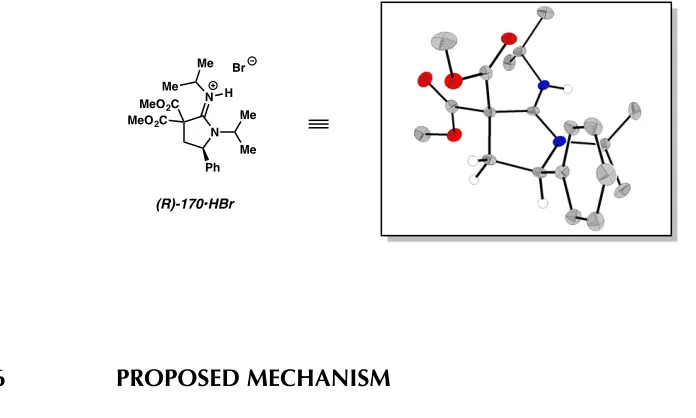
Figure 2.1 Absolute configuration of an amidine product determined by X-ray
crystallography ... 44
APPENDIX 1
Figure A1.1 Unreactive cyclopropanes ... 84Figure A1.2 Problematic heterocumulenes ... 85
APPENDIX 2
Figure A2.1 A) Tetrahydroisoquinoline alkaloids previously synthesized in our laboratory. B) Tetrahydroisoquinoline alkaloids targeted for application of a cyclopropane-isocyanate cycloaddition ... 98Figure A2.2 Cross-coupling partners prepared ... 100
Figure A2.3 Cyclopropanes bearing slightly more electron-withdrawing acceptor groups 107
APPENDIX 3
Figure A3.1 1H NMR (500 MHz, CDCl3) of compound 195 ... 124Figure A3.2 Infrared spectrum (thin film/NaCl) of compound 195 ... 125
Figure A3.3 13C NMR (126 MHz, CDCl3) of compound 195 ... 125
Figure A3.4 1H NMR (500 MHz, CDCl3) of compound 197 ... 126
Figure A3.5 Infrared spectrum (thin film/NaCl) of compound 197 ... 127
Figure A3.6 13C NMR (126 MHz, CDCl3) of compound 197 ... 127
Figure A3.7 1H NMR (500 MHz, CDCl3) of compound 144 ... 128
Figure A3.8 Infrared spectrum (thin film/NaCl) of compound 144 ... 129
Figure A3.9 13C NMR (126 MHz, CDCl3) of compound 144 ... 129
Figure A3.10 1H NMR (500 MHz, CDCl 3) of compound 145 ... 130
Figure A3.11 Infrared spectrum (thin film/NaCl) of compound 145 ... 131
Figure A3.13 1H NMR (500 MHz, CDCl
3) of compound 146 ... 132
Figure A3.14 Infrared spectrum (thin film/NaCl) of compound 146. ... 133
Figure A3.15 13C NMR (126 MHz, CDCl3) of compound 146 ... 133
Figure A3.16 1H NMR (500 MHz, CDCl3) of compound 147 ... 134
Figure A3.17 Infrared spectrum (thin film/NaCl) of compound 147 ... 135
Figure A3.18 13C NMR (126 MHz, CDCl3) of compound 147 ... 135
Figure A3.19 1H NMR (500 MHz, CDCl3) of compound 148 ... 136
Figure A3.20 Infrared spectrum (thin film/NaCl) of compound 148 ... 137
Figure A3.21 13C NMR (126 MHz, CDCl3) of compound 148 ... 137
Figure A3.22 1H NMR (500 MHz, CDCl 3) of compound 149 ... 138
Figure A3.23 Infrared spectrum (thin film/NaCl) of compound 149 ... 139
Figure A3.24 13C NMR (126 MHz, CDCl3) of compound 149 ... 139
Figure A3.25 1H NMR (500 MHz, CDCl3) of compound 158 ... 140
Figure A3.26 Infrared spectrum (thin film/NaCl) of compound 158 ... 141
Figure A3.27 13C NMR (126 MHz, CDCl3) of compound 158 ... 141
Figure A3.28 1H NMR (500 MHz, CDCl3) of compound 158 ... 142
Figure A3.29 Infrared spectrum (thin film/NaCl) of compound 150 ... 143
Figure A3.30 13C NMR (126 MHz, CDCl3) of compound 150 ... 143
Figure A3.31 1H NMR (500 MHz, CDCl3) of compound 159 ... 144
Figure A3.32 Infrared spectrum (thin film/NaCl) of compound 159 ... 145
Figure A3.33 13C NMR (126 MHz, CDCl3) of compound 159 ... 145
Figure A3.34 1H NMR (500 MHz, CDCl3) of compound 160 ... 146
Figure A3.35 Infrared spectrum (thin film/NaCl) of compound 160 ... 147
Figure A3.36 13C NMR (126 MHz, CDCl3) of compound 160 ... 147
Figure A3.37 1H NMR (500 MHz, CDCl3) of compound 161 ... 148
Figure A3.38 Infrared spectrum (thin film/NaCl) of compound 161 ... 149
Figure A3.39 13C NMR (126 MHz, CDCl3) of compound 161 ... 149
Figure A3.40 1H NMR (500 MHz, CDCl3) of compound 162 ... 150
Figure A3.41 Infrared spectrum (thin film/NaCl) of compound 162 ... 151
Figure A3.42 13C NMR (126 MHz, CDCl 3) of compound 162 ... 151
Figure A3.43 1H NMR (500 MHz, CDCl3) of compound 163 ... 152
Figure A3.44 Infrared spectrum (thin film/NaCl) of compound 163 ... 153
Figure A3.45 13C NMR (126 MHz, CDCl3) of compound 163 ... 153
Figure A3.46 1H NMR (500 MHz, CDCl3) of compound 155 ... 154
Figure A3.48 13C NMR (126 MHz, CDCl
3) of compound 155 ... 155
Figure A3.49 1H NMR (500 MHz, CDCl3) of compound 164 ... 156
Figure A3.50 Infrared spectrum (thin film/NaCl) of compound 164 ... 157
Figure A3.51 13C NMR (126 MHz, CDCl3) of compound 164 ... 157
Figure A3.52 1H NMR (500 MHz, CDCl3) of compound 165 ... 158
Figure A3.53 Infrared spectrum (thin film/NaCl) of compound 165 ... 159
Figure A3.54 13C NMR (126 MHz, CDCl3) of compound 165 ... 159
Figure A3.55 1H NMR (500 MHz, CDCl3) of compound 166 ... 160
Figure A3.56 Infrared spectrum (thin film/NaCl) of compound 166 ... 161
Figure A3.57 13C NMR (126 MHz, CDCl 3) of compound 166 ... 161
Figure A3.58 1H NMR (500 MHz, CDCl3) of compound 167 ... 162
Figure A3.59 Infrared spectrum (thin film/NaCl) of compound 167 ... 163
Figure A3.60 13C NMR (126 MHz, CDCl3) of compound 167 ... 163
Figure A3.61 1H NMR (500 MHz, CDCl 3) of compound 168 ... 164
Figure A3.62 Infrared spectrum (thin film/NaCl) of compound 168 ... 165
Figure A3.63 13C NMR (126 MHz, CDCl3) of compound 168 ... 165
Figure A3.64 1H NMR (500 MHz, CDCl3) of compound 154 ... 166
Figure A3.65 Infrared spectrum (thin film/NaCl) of compound 154 ... 167
Figure A3.66 13C NMR (126 MHz, CDCl3) of compound 154 ... 167
Figure A3.67 1H NMR (400 MHz, CDCl3) of compound 170 ... 168
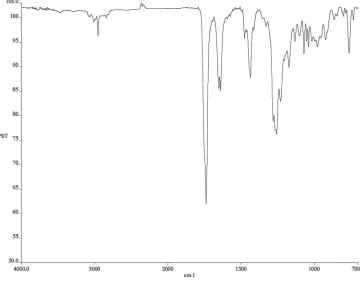
Figure A3.68 Infrared spectrum (thin film/NaCl) of compound 170 ... 169
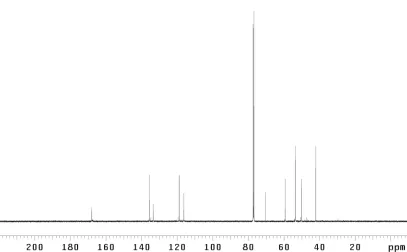
Figure A3.69 13C NMR (101 MHz, CDCl3) of compound 170 ... 169
Figure A3.70 1H NMR (400 MHz, CDCl3) of compound 171 ... 170
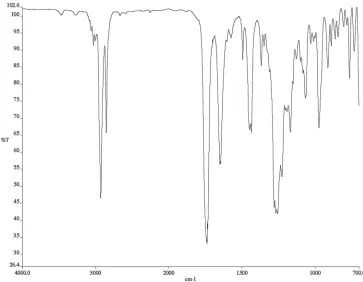
Figure A3.71 Infrared spectrum (thin film/NaCl) of compound 171 ... 171
Figure A3.72 13C NMR (101 MHz, CDCl3) of compound 171 ... 171
Figure A3.73 1H NMR (500 MHz, CDCl 3) of compound 172 ... 172
Figure A3.74 Infrared spectrum (thin film/NaCl) of compound 172 ... 173
Figure A3.75 13C NMR (126 MHz, CDCl3) of compound 172 ... 173
Figure A3.76 1H NMR (500 MHz, CDCl3) of compound 173 ... 174
Figure A3.77 Infrared spectrum (thin film/NaCl) of compound 173 ... 175
Figure A3.78 13C NMR (126 MHz, CDCl3) of compound 173 ... 175
Figure A3.79 1H NMR (500 MHz, CDCl3) of compound 174 ... 176
Figure A3.80 Infrared spectrum (thin film/NaCl) of compound 174 ... 177
Figure A3.81 13C NMR (126 MHz, CDCl3) of compound 174 ... 177
Figure A3.83 Infrared spectrum (thin film/NaCl) of compound 175 ... 179
Figure A3.84 13C NMR (126 MHz, CDCl3) of compound 175 ... 179
Figure A3.85 1H NMR (500 MHz, CDCl3) of compound 176 ... 180
Figure A3.86 Infrared spectrum (thin film/NaCl) of compound 176 ... 181
Figure A3.87 13C NMR (126 MHz, CDCl3) of compound 176 ... 181
Figure A3.88 1H NMR (400 MHz, DMSO-d6, 80 °C) of compound 177 ... 182
Figure A3.89 Infrared spectrum (thin film/NaCl) of compound 177 ... 183
Figure A3.90 13C NMR (101 MHz, DMSO-d6, 100 °C) of compound 177 ... 183
APPENDIX 4
Figure A4.1.1 X-ray crystal structure of thioimidate 155 ... 185Figure A4.2.1 X-ray crystal structure of amidine (R)-170•HBr ... 196
APPENDIX 5
Figure A5.1 1H NMR (500 MHz, CDCl3) of compound 356 ... 337Figure A5.2 Infrared spectrum (thin film/NaCl) of compound 356 ... 338
Figure A5.3 13C NMR (126 MHz, CDCl3) of compound 356 ... 338
Figure A5.4 1H NMR (500 MHz, CDCl 3) of compound 358 ... 339
Figure A5.5 Infrared spectrum (thin film/NaCl) of compound 358 ... 340
Figure A5.6 13C NMR (126 MHz, CDCl3) of compound 358 ... 340
Figure A5.7 1H NMR (500 MHz, CDCl3) of compound 360. ... 341
Figure A5.8 Infrared spectrum (thin film/NaCl) of compound 360 ... 342
Figure A5.9 13C NMR (126 MHz, CDCl3) of compound 360 ... 342
Figure A5.10 1H NMR (500 MHz, CDCl3) of compound 362 ... 343
Figure A5.11 Infrared spectrum (thin film/NaCl) of compound 362 ... 344
Figure A5.12 13C NMR (126 MHz, CDCl3) of compound 362 ... 344
Figure A5.13 1H NMR (500 MHz, CDCl3) of compound 368 ... 345
Figure A5.14 Infrared spectrum (thin film/NaCl) of compound 368 ... 346
Figure A5.15 13C NMR (126 MHz, CDCl3) of compound 368 ... 346
Figure A5.16 1H NMR (500 MHz, CDCl3) of compound 369 ... 347
Figure A5.17 Infrared spectrum (thin film/NaCl) of compound 369 ... 348
Figure A5.18 13C NMR (126 MHz, CDCl3) of compound 369 ... 348
Figure A5.20 1H NMR (500 MHz, CDCl
3) of compound 333 ... 350
Figure A5.21 Infrared spectrum (thin film/NaCl) of compound 333 ... 350
Figure A5.22 13C NMR (126 MHz, CDCl3) of compound 333 ... 351
Figure A5.23 Infrared spectrum (thin film/NaCl) of compound 342 ... 352
Figure A5.24 1H NMR (500 MHz, CDCl3) of compound 292 ... 353
Figure A5.25 Infrared spectrum (thin film/NaCl) of compound 292 ... 354
Figure A5.26 13C NMR (126 MHz, CDCl3) of compound 292 ... 354
Figure A5.27 1H NMR (500 MHz, CDCl3) of compound 296 ... 355
Figure A5.28 Infrared spectrum (thin film/NaCl) of compound 296 ... 356
Figure A5.29 13C NMR (126 MHz, CDCl 3) of compound 296 ... 356
Figure A5.30 1H NMR (500 MHz, CDCl3) of compound 297 ... 357
Figure A5.31 Infrared spectrum (thin film/NaCl) of compound 297 ... 358
Figure A5.32 13C NMR (126 MHz, CDCl3) of compound 297 ... 358
Figure A5.33 1H NMR (500 MHz, CDCl 3) of compound 298 ... 359
Figure A5.34 Infrared spectrum (thin film/NaCl) of compound 298 ... 360
Figure A5.35 13C NMR (126 MHz, CDCl3) of compound 298 ... 360
Figure A5.36 1H NMR (500 MHz, CDCl3) of compound 299 ... 361
Figure A5.37 Infrared spectrum (thin film/NaCl) of compound 299 ... 362
Figure A5.38 13C NMR (126 MHz, CDCl3) of compound 299 ... 362
Figure A5.39 1H NMR (500 MHz, CDCl3) of compound 300 ... 363
Figure A5.40 Infrared spectrum (thin film/NaCl) of compound 300 ... 364
Figure A5.41 13C NMR (126 MHz, CDCl3) of compound 300 ... 364
Figure A5.42 1H NMR (500 MHz, CDCl3) of compound 301 ... 365
Figure A5.43 Infrared spectrum (thin film/NaCl) of compound 301 ... 366
Figure A5.44 13C NMR (126 MHz, CDCl3) of compound 301 ... 366
Figure A5.45 1H NMR (500 MHz, CDCl 3) of compound 302 ... 367
Figure A5.46 Infrared spectrum (thin film/NaCl) of compound 302 ... 368
Figure A5.47 13C NMR (126 MHz, CDCl3) of compound 302 ... 368
Figure A5.48 1H NMR (500 MHz, CDCl3) of compound 303 ... 369
Figure A5.49 Infrared spectrum (thin film/NaCl) of compound 303 ... 370
Figure A5.50 13C NMR (126 MHz, CDCl3) of compound 303 ... 370
Figure A5.51 1H NMR (500 MHz, CDCl3) of compound 304 ... 371
Figure A5.52 Infrared spectrum (thin film/NaCl) of compound 304 ... 372
Figure A5.53 13C NMR (126 MHz, CDCl3) of compound 304 ... 372
Figure A5.55 Infrared spectrum (thin film/NaCl) of compound 305 ... 374
Figure A5.56 13C NMR (126 MHz, CDCl3) of compound 305 ... 374
Figure A5.57 1H NMR (500 MHz, CDCl3) of compound 306 ... 375
Figure A5.58 Infrared spectrum (thin film/NaCl) of compound 306 ... 376
Figure A5.59 13C NMR (126 MHz, CDCl3) of compound 306 ... 376
Figure A5.60 1H NMR (500 MHz, CDCl3) of compound 307 ... 377
Figure A5.61 Infrared spectrum (thin film/NaCl) of compound 307 ... 378
Figure A5.62 13C NMR (126 MHz, CDCl3) of compound 307 ... 378
Figure A5.63 1H NMR (500 MHz, CDCl3) of compound 308 ... 379
Figure A5.64 Infrared spectrum (thin film/NaCl) of compound 308 ... 380
Figure A5.65 13C NMR (126 MHz, CDCl3) of compound 308 ... 380
Figure A5.66 1H NMR (500 MHz, CDCl3) of compound 309 ... 381
Figure A5.67 Infrared spectrum (thin film/NaCl) of compound 309 ... 382
Figure A5.68 13C NMR (126 MHz, CDCl 3) of compound 309 ... 382
Figure A5.69 1H NMR (500 MHz, CDCl3) of compound (S)-338 ... 383
Figure A5.70 Infrared spectrum (Thin Film, NaCl) of compound (S)-338 ... 384
Figure A5.71 13C NMR (126 MHz, CDCl3) of compound (S)-338 ... 384
Figure A5.72 1H NMR (500 MHz, CDCl3) of compound 311 ... 385
Figure A5.73 Infrared spectrum (thin film/NaCl) of compound 311 ... 386
Figure A5.74 13C NMR (126 MHz, CDCl3) of compound 311 ... 386
Figure A5.75 1H NMR (500 MHz, CDCl3) of compound 312 ... 387
Figure A5.76 Infrared spectrum (thin film/NaCl) of compound 312 ... 388
Figure A5.77 13C NMR (126 MHz, CDCl3) of compound 312 ... 388
Figure A5.78 1H NMR (500 MHz, CDCl 3) of compound 315 ... 389
Figure A5.79 Infrared spectrum (thin film/NaCl) of compound 315 ... 390
Figure A5.80 13C NMR (126 MHz, CDCl3) of compound 315 ... 390
Figure A5.81 1H NMR (500 MHz, CDCl3) of compound 316 ... 391
Figure A5.82 Infrared spectrum (thin film/NaCl) of compound 316 ... 392
Figure A5.83 13C NMR (126 MHz, CDCl3) of compound 316 ... 392
Figure A5.84 1H NMR (500 MHz, CDCl3) of compound 317 ... 393
Figure A5.85 Infrared spectrum (thin film/NaCl) of compound 317 ... 394
Figure A5.86 13C NMR (126 MHz, CDCl3) of compound 317 ... 394
Figure A5.87 1H NMR (500 MHz, CDCl3) of compound 318 ... 395
Figure A5.88 Infrared spectrum (thin film/NaCl) of compound 318 ... 396
Figure A5.90 1H NMR (500 MHz, CDCl
3) of compound 323•HCl ... 397
Figure A5.91 Infrared spectrum (Thin Film, NaCl) of compound 323•HCl ... 398
Figure A5.92 13C NMR (126 MHz, CDCl3) of compound 323•HCl ... 398
Figure A5.93 1H NMR (500 MHz, CDCl3) of compound 324 ... 399
Figure A5.94 Infrared spectrum (thin film/NaCl) of compound 324 ... 400
Figure A5.95 13C NMR (126 MHz, CDCl3) of compound 324 ... 400
Figure A5.96 1H NMR (500 MHz, CDCl3) of compound 325 ... 401
Figure A5.97 Infrared spectrum (thin film/NaCl) of compound 325 ... 402
Figure A5.98 13C NMR (126 MHz, CDCl3) of compound 325 ... 402
Figure A5.99 1H NMR (500 MHz, CDCl 3) of compound 326 ... 403
Figure A5.100 Infrared spectrum (thin film/NaCl) of compound 326 ... 404
Figure A5.101 13C NMR (126 MHz, CDCl3) of compound 326 ... 404
Figure A5.102 1H NMR (500 MHz, CDCl3) of compound 327 ... 405
Figure A5.103 Infrared spectrum (thin film/NaCl) of compound 327 ... 406
Figure A5.104 13C NMR (126 MHz, CDCl3) of compound 327 ... 406
Figure A5.105 1H NMR (500 MHz, CDCl3) of compound 329 ... 407
Figure A5.106 Infrared spectrum (thin film/NaCl) of compound 329 ... 408
Figure A5.107 13C NMR (126 MHz, CDCl3) of compound 329 ... 408
Figure A5.108 1H NMR (500 MHz, CDCl3) of compound 331 ... 409
Figure A5.109 Infrared spectrum (thin film/NaCl) of compound 331 ... 410
Figure A5.110 13C NMR (126 MHz, CDCl3) of compound 331 ... 410
Figure A5.111 1H NMR (500 MHz, CDCl3) of compound 324 ... 411
Figure A5.112 Infrared spectrum (thin film/NaCl) of compound 334 ... 412
Figure A5.113 13C NMR (126 MHz, CDCl3) of compound 334 ... 412
Figure A5.114 1H NMR (500 MHz, CDCl3) of compound 335 ... 413
Figure A5.115 Infrared spectrum (thin film/NaCl) of compound 335 ... 414
Figure A5.116 13C NMR (126 MHz, CDCl3) of compound 335 ... 414
Figure A5.117 1H NMR (500 MHz, CDCl3) of compound 336 ... 415
Figure A5.118 Infrared spectrum (thin film/NaCl) of compound 336 ... 416
Figure A5.119 13C NMR (126 MHz, CDCl 3) of compound 336 ... 416
Figure A5.120 1H NMR (500 MHz, CDCl3) of compound 374•HCl ... 417
Figure A5.121 Infrared spectrum (Thin Film, NaCl) of compound 374•HCl ... 418
Figure A5.122 13C NMR (126 MHz, CDCl3) of compound 374•HCl ... 418
Figure A5.123 1H NMR (300 MHz, CDCl3) of compound 343 ... 419
Figure A5.125 13C NMR (126 MHz, CDCl
3) of compound 343 ... 420 Figure A5.126 Infrared spectrum (thin film/NaCl) of compound 376 ... 421 Figure A5.127 1H NMR (500 MHz, CDCl3) of compound 377 ... 422 Figure A5.128 Infrared spectrum (thin film/NaCl) of compound 377 ... 423 Figure A5.129 13C NMR (126 MHz, CDCl3) of compound 377 ... 423 Figure A5.130 1H NMR (500 MHz, CDCl3) of compound (S)-344 ... 424 Figure A5.131 Infrared spectrum (Thin Film, NaCl) of compound (S)-344 ... 425 Figure A5.132 13C NMR (126 MHz, CDCl
3) of compound (S)-344 ... 425
APPENDIX 6
Figure A6.1.1 X-ray crystal structure of thiazolidine (S)-315 ... 427 Figure A6.2.1 X-ray crystal structure of thiazolidine 329 ... 450 Figure A6.3.1 X-ray crystal structure of imidazolidinium 374•(ZnBr3•MeOH) ... 466
Figure A6.4.1 X-ray crystal structure of imidazolidine 343 ... 485 Figure A6.5.1 X-ray crystal structure of oxazolidine 375 ... 503
CHAPTER 4
Figure 4.1 Structure of calophyline A ... 523 Figure 4.2 Crystal structure of tetracycle 429 ... 531
APPENDIX 8
Figure A8.1 1H NMR (400 MHz, CDCl3) of compound 411 ... 579 Figure A8.2 ATR-IR (CDCl3 solution) of compound 411 ... 580 Figure A8.3 13C NMR (101 MHz, CDCl3) of compound 411 ... 580 Figure A8.4 1H NMR (500 MHz, CDCl3) of compound 412 ... 581 Figure A8.5 ATR-IR (CDCl3 solution) of compound 412 ... 582 Figure A8.6 13C NMR (126 MHz, CDCl3) of compound 412 ... 582 Figure A8.7 1H NMR (300 MHz, CDCl
3) of compound 415 ... 583 Figure A8.8 1H NMR (500 MHz, CDCl3) of compound 416 ... 584 Figure A8.9 ATR-IR (CDCl3 solution) of compound 416 ... 585 Figure A8.10 13C NMR (126 MHz, CDCl
Figure A8.12 ATR-IR (neat oil) of compound 419 ... 587 Figure A8.13 13C NMR (126 MHz, CDCl3) of compound 419 ... 587 Figure A8.14 1H NMR (300 MHz, CDCl3) of compound 428 ... 588 Figure A8.15 1H NMR (500 MHz, CDCl3) of compound 429 ... 589 Figure A8.16 ATR-IR (neat solid) of compound 429 ... 590 Figure A8.17 13C NMR (126 MHz, CDCl3) of compound 429 ... 590 Figure A8.18 1H NMR (300 MHz, CDCl3) of compound 457 ... 591 Figure A8.19 1H NMR (300 MHz, CDCl3) of compound 460 ... 592 Figure A8.20 1H NMR (500 MHz, CDCl3) of compound 461 ... 593 Figure A8.21 ATR-IR (neat solid) of compound 461 ... 594 Figure A8.22 13C NMR (126 MHz, CDCl3) of compound 461 ... 594 Figure A8.23 1H NMR (300 MHz, CDCl3) of compound 465 ... 595 Figure A8.24 1H NMR (300 MHz, CDCl3) of compound 488 ... 596 Figure A8.25 13C NMR (126 MHz, CDCl
3) of compound 488 ... 597 Figure A8.26 1H NMR (500 MHz, CDCl3) of compound 500 ... 598 Figure A8.27 ATR-IR (CDCl3 solution) of compound 500 ... 599 Figure A8.28 13C NMR (126 MHz, CDCl3) of compound 500 ... 599 Figure A8.29 1H NMR (500 MHz, CDCl3) of compound 501 ... 600 Figure A8.30 Infrared spectrum (thin film/NaCl) of compound 501 ... 601 Figure A8.31 13C NMR (126 MHz, CDCl3) of compound 501 ... 601 Figure A8.32 1H NMR (500 MHz, CDCl3) of compound 502 ... 602 Figure A8.33 ATR-IR (C6H6 solution) of compound 502 ... 603 Figure A8.34 13C NMR (126 MHz, CDCl3) of compound 502 ... 603
APPENDIX 9
Figure A9.1.1 X-ray crystal structure of tetracycle 429 ... 605
APPENDIX 10
APPENDIX 11
Figure A11.1 1H NMR (500 MHz, CDCl3) of compound 586 ... 703 Figure A11.2 Infrared spectrum (thin film/NaCl) of compound 586 ... 704 Figure A11.3 13C NMR (126 MHz, CDCl3) of compound 586 ... 704 Figure A11.4 1H NMR (500 MHz, CDCl3) of compound 587 ... 705 Figure A11.5 Infrared spectrum (thin film/NaCl) of compound 587 ... 706 Figure A11.6 13C NMR (126 MHz, CDCl3) of compound 587 ... 706 Figure A11.7 1H NMR (500 MHz, CDCl
3) of compound 588 ... 707 Figure A11.8 Infrared spectrum (thin film/NaCl) of compound 588 ... 708 Figure A11.9 13C NMR (126 MHz, CDCl3) of compound 588 ... 708 Figure A11.10 1H NMR (500 MHz, CDCl
3) of compound 589 ... 709 Figure A11.11 Infrared spectrum (thin film/NaCl) of compound 589 ... 710 Figure A11.12 13C NMR (126 MHz, CDCl3) of compound 589 ... 710 Figure A11.13 1H NMR (500 MHz, CDCl3) of compound 590 ... 711 Figure A11.14 Infrared spectrum (thin film/NaCl) of compound 590 ... 712 Figure A11.15 13C NMR (126 MHz, CDCl3) of compound 590 ... 712 Figure A11.16 1H NMR (500 MHz, CDCl3) of compound 592 ... 713 Figure A11.17 Infrared spectrum (thin film/NaCl) of compound 592 ... 714 Figure A11.18 13C NMR (126 MHz, CDCl3) of compound 592 ... 714 Figure A11.19 1H NMR (500 MHz, CDCl
Figure A11.34 1H NMR (500 MHz, CDCl
3) of compound 601 ... 725 Figure A11.35 Infrared spectrum (thin film/NaCl) of compound 601 ... 726 Figure A11.36 13C NMR (126 MHz, CDCl3) of compound 601 ... 726 Figure A11.37 1H NMR (500 MHz, CDCl3) of compound 602 ... 727 Figure A11.38 Infrared spectrum (thin film/NaCl) of compound 602 ... 728 Figure A11.39 13C NMR (126 MHz, CDCl3) of compound 602 ... 728 Figure A11.40 1H NMR (500 MHz, CDCl3) of compound 603 ... 729 Figure A11.41 Infrared spectrum (thin film/NaCl) of compound 603 ... 730 Figure A11.42 13C NMR (126 MHz, CDCl3) of compound 603 ... 730 Figure A11.43 1H NMR (500 MHz, CDCl
3) of compound 604 ... 731 Figure A11.44 Infrared spectrum (thin film/NaCl) of compound 604 ... 732 Figure A11.45 13C NMR (126 MHz, CDCl3) of compound 604 ... 732 Figure A11.46 1H NMR (500 MHz, CDCl3) of compound 531 ... 733 Figure A11.47 Infrared spectrum (thin film/NaCl) of compound 531 ... 734 Figure A11.48 13C NMR (126 MHz, CDCl3) of compound 531 ... 734 Figure A11.49 1H NMR (500 MHz, CDCl3) of compound 537 ... 735 Figure A11.50 Infrared spectrum (thin film/NaCl) of compound 537 ... 736 Figure A11.51 13C NMR (126 MHz, CDCl3) of compound 537 ... 736 Figure A11.52 1H NMR (500 MHz, CDCl3) of compound 538 ... 737 Figure A11.53 Infrared spectrum (thin film/NaCl) of compound 538 ... 738 Figure A11.54 13C NMR (126 MHz, CDCl3) of compound 538 ... 738 Figure A11.55 1H NMR (500 MHz, CDCl3) of compound 539 ... 739 Figure A11.56 Infrared spectrum (thin film/NaCl) of compound 539 ... 740 Figure A11.57 13C NMR (126 MHz, CDCl3) of compound 539 ... 740 Figure A11.58 1H NMR (500 MHz, CDCl3) of compound 540 ... 741 Figure A11.59 Infrared spectrum (thin film/NaCl) of compound 540 ... 742 Figure A11.60 13C NMR (126 MHz, CDCl3) of compound 540 ... 742 Figure A11.61 1H NMR (500 MHz, CDCl3) of compound 541 ... 743 Figure A11.62 Infrared spectrum (thin film/NaCl) of compound 541 ... 744 Figure A11.63 13C NMR (126 MHz, CDCl
Figure A11.69 13C NMR (101 MHz, CDCl
3) of compound 543 ... 748 Figure A11.70 1H NMR (400 MHz, CDCl3) of compound 544 ... 749 Figure A11.71 Infrared spectrum (thin film/NaCl) of compound 544 ... 750 Figure A11.72 13C NMR (101 MHz, CDCl3) of compound 544 ... 750 Figure A11.73 1H NMR (500 MHz, CDCl3) of compound 545 ... 751 Figure A11.74 Infrared spectrum (thin film/NaCl) of compound 545 ... 752 Figure A11.75 13C NMR (126 MHz, CDCl3) of compound 545 ... 752 Figure A11.76 1H NMR (500 MHz, CDCl3) of compound 546 ... 753 Figure A11.77 Infrared spectrum (thin film/NaCl) of compound 546 ... 754 Figure A11.78 13C NMR (126 MHz, CDCl
3) of compound 546 ... 754 Figure A11.79 1H NMR (500 MHz, CDCl3) of compound 547 ... 755 Figure A11.80 Infrared spectrum (thin film/NaCl) of compound 547 ... 756 Figure A11.81 13C NMR (126 MHz, CDCl3) of compound 547 ... 756 Figure A11.82 1H NMR (500 MHz, CDCl
3) of compound 548 ... 757 Figure A11.83 Infrared spectrum (thin film/NaCl) of compound 548 ... 758 Figure A11.84 13C NMR (126 MHz, CDCl3) of compound 548 ... 758 Figure A11.85 1H NMR (500 MHz, CDCl3) of compound 549 ... 759 Figure A11.86 Infrared spectrum (thin film/NaCl) of compound 549 ... 760 Figure A11.87 13C NMR (126 MHz, CDCl3) of compound 549 ... 760 Figure A11.88 1H NMR (400 MHz, CDCl3) of compound 550 ... 761 Figure A11.89 Infrared spectrum (thin film/NaCl) of compound 550 ... 762 Figure A11.90 13C NMR (101 MHz, CDCl3) of compound 550 ... 762 Figure A11.91 1H NMR (500 MHz, CDCl3) of compound 551 ... 763 Figure A11.92 Infrared spectrum (thin film/NaCl) of compound 551 ... 764 Figure A11.93 13C NMR (126 MHz, CDCl3) of compound 551 ... 764 Figure A11.94 1H NMR (500 MHz, CDCl
Figure A11.104 Infrared spectrum (thin film/NaCl) of compound 555 ... 772 Figure A11.105 13C NMR (126 MHz, CDCl3) of compound 555 ... 772 Figure A11.106 1H NMR (500 MHz, CDCl3) of compound 556 ... 773 Figure A11.107 Infrared spectrum (thin film/NaCl) of compound 556 ... 774 Figure A11.108 13C NMR (126 MHz, CDCl3) of compound 556 ... 774 Figure A11.109 1H NMR (500 MHz, CDCl3) of compound 557 ... 775 Figure A11.110 Infrared spectrum (thin film/NaCl) of compound 557 ... 776 Figure A11.111 13C NMR (126 MHz, CDCl3) of compound 557 ... 776 Figure A11.112 1H NMR (500 MHz, CDCl3) of compound 558 ... 777 Figure A11.113 Infrared spectrum (thin film/NaCl) of compound 558 ... 778 Figure A11.114 13C NMR (126 MHz, CDCl3) of compound 558 ... 778 Figure A11.115 1H NMR (500 MHz, CDCl3) of compound 559 ... 779 Figure A11.116 Infrared spectrum (thin film/NaCl) of compound 559 ... 780 Figure A11.117 13C NMR (126 MHz, CDCl
3) of compound 559 ... 780 Figure A11.118 1H NMR (500 MHz, CDCl3) of compound 560 ... 781 Figure A11.119 Infrared spectrum (thin film/NaCl) of compound 560 ... 782 Figure A11.120 13C NMR (126 MHz, CDCl3) of compound 560 ... 782 Figure A11.121 1H NMR (500 MHz, CDCl3) of compound 561 ... 783 Figure A11.122 Infrared spectrum (thin film/NaCl) of compound 561 ... 784 Figure A11.123 13C NMR (126 MHz, CDCl3) of compound 561 ... 784 Figure A11.124 1H NMR (500 MHz, CDCl3) of compound 562 ... 785 Figure A11.125 Infrared spectrum (thin film/NaCl) of compound 562 ... 786 Figure A11.126 13C NMR (126 MHz, CDCl3) of compound 562 ... 786 Figure A11.127 1H NMR (500 MHz, CDCl3) of compound 563 ... 787 Figure A11.128 Infrared spectrum (thin film/NaCl) of compound 563 ... 788 Figure A11.129 13C NMR (126 MHz, CDCl
3) of compound 563 ... 788 Figure A11.130 1H NMR (500 MHz, CDCl3) of compound 564 ... 789 Figure A11.131 Infrared spectrum (thin film/NaCl) of compound 564 ... 790 Figure A11.132 13C NMR (126 MHz, CDCl3) of compound 564 ... 790 Figure A11.133 1H NMR (500 MHz, CDCl
Figure A11.139 1H NMR (500 MHz, CDCl
3) of compound 567 ... 795 Figure A11.140 Infrared spectrum (thin film/NaCl) of compound 567 ... 796 Figure A11.141 13C NMR (126 MHz, CDCl3) of compound 567 ... 796 Figure A11.142 1H NMR (500 MHz, CDCl3) of compound 569 ... 797 Figure A11.143 Infrared spectrum (thin film/NaCl) of compound 569 ... 798 Figure A11.144 13C NMR (126 MHz, CDCl3) of compound 569 ... 798 Figure A11.145 1H NMR (500 MHz, CDCl3) of compound 568 ... 799 Figure A11.146 Infrared spectrum (thin film/NaCl) of compound 568 ... 800 Figure A11.147 13C NMR (126 MHz, CDCl3) of compound 568 ... 800 Figure A11.148 1H NMR (500 MHz, CDCl
3) of compound 570 ... 801 Figure A11.149 Infrared spectrum (thin film/NaCl) of compound 570 ... 802 Figure A11.150 13C NMR (126 MHz, CDCl3) of compound 570 ... 802 Figure A11.151 1H NMR (500 MHz, CDCl3) of compound 571 ... 803 Figure A11.152 Infrared spectrum (thin film/NaCl) of compound 571 ... 804 Figure A11.153 13C NMR (126 MHz, CDCl3) of compound 571 ... 804 Figure A11.154 1H NMR (500 MHz, CDCl3) of compound 572 ... 805 Figure A11.155 Infrared spectrum (thin film/NaCl) of compound 572 ... 806 Figure A11.156 13C NMR (126 MHz, CDCl3) of compound 572 ... 806 Figure A11.157 1H NMR (500 MHz, CDCl3) of compound 573 ... 807 Figure A11.158 Infrared spectrum (thin film/NaCl) of compound 573 ... 808 Figure A11.159 13C NMR (126 MHz, CDCl3) of compound 573 ... 808 Figure A11.160 1H NMR (500 MHz, CDCl3) of compound 574 ... 809 Figure A11.161 Infrared spectrum (thin film/NaCl) of compound 574 ... 810 Figure A11.162 13C NMR (126 MHz, CDCl3) of compound 574 ... 810 Figure A11.163 1H NMR (500 MHz, CDCl3) of compound 576 ... 811 Figure A11.164 Infrared spectrum (thin film/NaCl) of compound 576 ... 812 Figure A11.165 13C NMR (126 MHz, CDCl3) of compound 576 ... 812
APPENDIX 12
LIST OF SCHEMES
CHAPTER 1
Scheme 1.1 Basic reactivity modes of donor–acceptor cyclopropanes ... 2 Scheme 1.2 Retrosynthetic analysis of K252a ... 4 Scheme 1.3 Total synthesis of K252a ... 5 Scheme 1.4 Retrosynthetic analysis of N-methylwelwitindolinone C isothiocyanate ... 6 Scheme 1.5 Synthesis of the carbon skeleton of N-methylwelwitindolinone C
isothiocyanate ... 7 Scheme 1.6 A) Bielschowskysin and a simplified scaffold and B) Retrosynthetic analysis of
bielschowskysin ... 9 Scheme 1.7 Synthesis of donor–acceptor cyclopropane 37 ... 10 Scheme 1.8 Cyclopropane fragmentation ... 11 Scheme 1.9 Retrosynthetic analysis of gagunin E ... 12 Scheme 1.10 Synthesis of the gagunin core ... 13 Scheme 1.11 Retrosynthetic analysis of scandine ... 14 Scheme 1.12 Synthesis of the ABCD ring system of scandine ... 15 Scheme 1.13 Synthetic inspiration for the tandem Wolff–Cope rearrangement ... 16 Scheme 1.14 Selected scope of the tandem Wolff–Cope rearrangement ... 17 Scheme 1.15 Selected scope of the tandem Wolff–Cope–1,3-acyl shift reaction ... 19 Scheme 1.16 16 Unexpected aryne C–C insertion and mechanistic proposal ... 20 Scheme 1.17 Scope of the acyl-alkylation of arynes ... 21
CHAPTER 2
Scheme 2.1 Basic reactivity modes of donor–acceptor cyclopropanes ... 32 Scheme 2.2 Mechanistic rationale for the stereospecific cycloadditions of donor–
acceptor cyclopropanes with aryl donor groups ... 33 Scheme 2.3 A) Proposed reactions of donor–acceptor cyclopropanes with
heterocumulenes and B) Potential synthetic targets containing the 5-aryl
Scheme 2.6 Scope of the iron-mediated cycloadditions of donor–acceptor cyclopropanes with isocyanates ... 37 Scheme 2.7 Initial observation of desired reactivity with allyl isothiocyanate ... 38 Scheme 2.8 Structural reassignment of Li’s products ... 39
Scheme 2.9 Scope of the tin-mediated cycloadditions of donor–acceptor cyclopropanes with isothiocyanates ... 41 Scheme 2.10 Scope of the tin-mediated cycloadditions of donor–acceptor cyclopropanes with
carbodiimides ... 42 Scheme 2.11 Stereochemical investigations of the reaction of enantioenriched cyclopropane
(S)-152 with A) isocyanates, B) isothiocyanates, and C) carbodiimides ... 43 Scheme 2.12 Proposed mechanism of reactions of donor–acceptor cyclopropanes with
isothiocyanates and carbodiimides ... 45
APPENDIX 1
Scheme A1.1 Testing for product inhibition ... 85 Scheme A1.2 Derivatization of the cycloadducts ... 86
APPENDIX 2
Scheme A2.1 Retrosynthetic analysis of 136, 238, and 137 ... 99 Scheme A2.2 Successful cross-coupling of aryl bromide 246 with vinyltributylstannane ... 100 Scheme A2.3 Revised retrosynthetic analysis ... 101 Scheme A2.4 A) Unsuccessful intramolecular cycloadditions. B) A control experiment
with a competent cyclopropane. ... 102 Scheme A2.5 Control experiments with competent dipolarophiles ... 103 Scheme A2.6 Proposed mechanism for the formation of 5-aryl γ-lactam 257 and
isoindolone 258 ... 104 Scheme A2.7 Attempts at isoindolone formation from cyclopropanes with strongly
electron-donating groups ... 105 Scheme A2.8 Proposed synthetic route utilizing a cyclopropane-carbodiimide
CHAPTER 3
Scheme 3.1 Optimization of the reaction conditions ... 249 Scheme 3.2 Substrate scope of the isothiocyanate (3 + 2) cycloaddition ... 250 Scheme 3.3 (3 + 2) cycloaddition with 2-alkylaziridine 310 ... 251 Scheme 3.4 Scope of N-substitution in the isothiocyanate (3 + 2) cycloaddition
reaction ... 252 Scheme 3.5 Substrate scope of carbodiimide (3 + 2) cycloaddition ... 253 Scheme 3.6 Diastereoselective (3 + 2) cycloaddition with aziridine 328 ... 254 Scheme 3.7 Diastereoselective (3 + 2) cycloaddition with aziridine 330 ... 254 Scheme 3.8 (3 + 2) Cycloaddition with aziridine 333 ... 255 Scheme 3.9 Optimization of the stereoselective reaction conditions ... 256 Scheme 3.10 Substrate scope of stereoselective isothiocyanate (3 + 2) cycloaddition ... 257 Scheme 3.11 Scope of N-Substitution in the stereoselective isothiocyanate (3 + 2) ... 258 Scheme 3.12 Proposed general reaction mechanism for the stereoselective (3 + 2)
cycloaddition ... 258 Scheme 3.13 (3 + 2) Cycloaddition with aziridine dicarboxylate 342 ... 260 Scheme 3.14 Desulfonylation and deallylation of iminothiazolidine products 261
CHAPTER 4
Scheme 4.1 Tantillo’s proposal for the biosynthesis of calophyline A ... 524 Scheme 4.2 Zu’s retrosynthesis of calophyline A ... 525 Scheme 4.3 Zu’s total synthesis of calophyline A ... 526 Scheme 4.4 Initial retrosynthetic analysis ... 527 Scheme 4.5 Attempted syntheses of cyclopropanated indoles with two acceptor
groups ... 528 Scheme 4.6 Attempted syntheses of cyclopropanated indoles with one acceptor group .. 529 Scheme 4.7 A) General classes of diazo compounds. B) Qin’s use of a donor–acceptor diazo
Scheme 4.13 Reaction of pyrones (A), pyridazines (B), and thiophene-1,1-dioxides (C) in [4 + 2]/retro [4 + 2] sequences ... 536 Scheme 4.14 Reaction of a cyclobutadienyliron complex in a [4 + 2]/electrocyclic ring
opening sequence ... 537 Scheme 4.15 Attempts to apply an indole-pyridazine [4 +2]/retro-[4 + 2] cycloaddition
toward the synthesis of calophyline A ... 538 Scheme 4.16 A) An attempt to apply an ester-linked indole-thiophene-1,1-dioxide
[4 +2]/retro-[4 + 2] cycloaddition toward the synthesis of calophyline A. B) Attempts to oxidize thiopene-2-carboxylic esters. ... 539 Scheme 4.17 Attempted synthesis of an ether-linked indole-thiophene-1,1-dioxide
cycloaddition substrate ... 540 Scheme 4.18 Unsuccessful intermolecular cycloadditions with 2,5-dibromothiophene-
1,1-dioxide ... 541 Scheme 4.19 Unsuccessful intermolecular cycloadditions with a pyrone diene ... 541 Scheme 4.20 Exploration of an indole-cyclobutadiene [4 + 2]/electrocyclic ring opening
sequence ... 542 Scheme 4.21 An example of a [2 + 2 + 2] cycloaddition engaging the indole C2–C3 bond543 Scheme 4.22 (Retrosynthetic analysis employing a [2 + 2 + 2] cycloaddition ... 544 Scheme 4.23 Investigation of an intramolecular [2 + 2 + 2] cycloaddition toward the
total synthesis of calophyline A ... 545 Scheme 4.24 Reactions of 3-bromooxindoles with malonate nucleophiles ... 546 Scheme 4.25 A potential oxindole alkylation route to calophyline A ... 547
APPENDIX 7
Scheme A7.1 Initial retrosynthetic analysis ... 574 Scheme A7.2 Formation of tetracycle 429 ... 574 Scheme A7.3 Revised synthetic plan ... 575 Scheme A7.4 Attempted (3 + 2) cycloadditions ... 575 Scheme A7.5 Retrosynthesis incorporating a [4 + 2] cycloaddition ... 576 Scheme A7.6 Retrosynthetic analysis employing a [2 + 2 + 2] cycloaddition ... 576 Scheme A7.7 Investigation of an intramolecular [2 + 2 + 2] cycloaddition ... 577 Scheme A7.8 Proposed synthetic route procceing via bromoxindole alkylation product
CHAPTER 5
Scheme 5.1 Enantioselective synthesis of α-quaternary lactams by palladium-
LIST OF TABLES
APPENDIX 4
Table A4.1.1 Crystal data and structure refinement for thioimidate 155 ... 186 Table A4.1.2 Atomic coordinates (x 104) and equivalent isotropic displacement
parameters (Å2x 10³) for thioimidate 155. U(eq) is defined as one third of the trace of the orthogonalized Uij tensor. ... 188 Table A4.1.3 Bond lengths [Å] and angles [°] for thioimidate 155 ... 189 Table A4.1.4 Anisotropic displacement parameters (Å2x10³) for thioimidate 155. The
anisotropic displacement factor exponent takes the form: -2p2[ h2a*2U11 + ... + 2hka*b*U12]. ... 194 Table A4.1.3 Hydrogen coordinates (x103) and isotropic displacement parameters (Å2x10³)
for thioimidate 155 ... 195 Table A4.2.1 Crystal data and structure refinement for amidine (R)-170•HBr ... 197 Table A4.2.2 Atomic coordinates (x 104) and equivalent isotropic displacement parameters
(Å2x 10³) for amidine (R)-170•HBr. U(eq) is defined as one third of the trace of the orthogonalized Uij tensor. ... 199 Table A4.2.3 Bond lengths [Å] and angles [°] for amidine (R)-170•HBr ... 205 Table A4.2.4 Anisotropic displacement parameters (Å2x10³) for amidine (R)-170•HBr. The
anisotropic displacement factor exponent takes the form: -2p2[ h2a*2U11 + ... + 2hka*b*U12]. ... 234 Table A4.2.5 Hydrogen coordinates (x103) and isotropic displacement parameters (Å2x10³)
for amidine (R)-170•HBr ... 240
APPENDIX 6
Table A6.1.1 Experimental details for X-ray structure determination of thiazolidine (S)-315 ... 428 Table A6.1.2 Crystal data and structure refinement for thiazolidine (S)-315 ... 428 Table A6.1.3 Atomic coordinates (x 104) and equivalent isotropic displacement parameters
Table A6.1.5 Anisotropic displacement parameters (Å2x10³) for thiazolidine (S)-315. The anisotropic displacement factor exponent takes the form: -2p2[ h2a*2U11 + ... + 2hka*b*U12]. ... 445 Table A6.1.6 Hydrogen coordinates (x103) and isotropic displacement parameters (Å2x10³)
for thiazolidine (S)-315 ... 448 Table A6.2.1 Experimental details for X-ray structure determination of thiazolidine 329 ... 451 Table A6.2.2 Crystal data and structure refinement for thiazolidine 329 ... 452 Table A6.2.3 Atomic coordinates (x 104) and equivalent isotropic displacement parameters (Å2x 10³) for thiazolidine 329. U(eq) is defined as one third of the trace of the orthogonalized Uij tensor. ... 453 Table A6.2.4 Bond lengths [Å] and angles [°] for thiazolidine 329 ... 455 Table A6.2.5 Anisotropic displacement parameters (Å2x10³) for thiazolidine 329. The
anisotropic displacement factor exponent takes the form: -2p2[ h2a*2U11 + ... + 2hka*b*U12]. ... 462 Table A6.2.6 Hydrogen coordinates (x104) and isotropic displacement parameters (Å2x10³)
for thiazolidine 329 ... 464 Table A6.3.1 Experimental details for X-ray structure determination of imidazolidinium
374•(ZnBr3•MeOH) ... 467
Table A6.3.2 Crystal data and structure refinement for imidazolidinium
374•(ZnBr3•MeOH) ... 469
Table A6.3.3 Atomic coordinates (x 104) and equivalent isotropic displacement parameters (Å2x 10³) for imidazolidinium 374•(ZnBr
3•MeOH). U(eq) is defined as one third of the
trace of the orthogonalized Uij tensor. ... 470 Table A6.3.4 Bond lengths [Å] and angles [°] for imidazolidinium 374•(ZnBr3•MeOH) ... 472
Table A6.3.5 Anisotropic displacement parameters (Å2x10³) for imidazolidinium
374•(ZnBr3•MeOH). The anisotropic displacement factor exponent takes the
form: -2p2[ h2a*2U11 + ... + 2hka*b*U12]. ... 480 Table A6.3.6 Hydrogen coordinates (x104) and isotropic displacement parameters (Å2x10³)
for imidazolidinium 374•(ZnBr3•MeOH) ... 482
Table A6.4.1 Experimental details for X-ray structure determination of imidazolidine 343. .. 486 Table A6.4.2 Crystal data and structure refinement for imidazolidine 343 ... 487 Table A6.4.3 Atomic coordinates (x 104) and equivalent isotropic displacement parameters (Å2x
Table A6.4.5 Anisotropic displacement parameters (Å2x10³) for imidazolidine 343. The anisotropic displacement factor exponent takes the form: -2p2[ h2a*2U11 + ... + 2hka*b*U12]. ... 499 Table A6.4.6 Hydrogen coordinates (x104) and isotropic displacement parameters (Å2x10³) for
imidazolidine 343 ... 504 Table A6.5.1 Experimental details for X-ray structure determination of oxazolidine 375 ... 504 Table A6.5.2 Crystal data and structure refinement for oxazolidine 375 ... 505 Table A6.5.3 Atomic coordinates (x 104) and equivalent isotropic displacement parameters (Å2x
103) for oxazolidine 375. U(eq) is defined as one third of the trace of the
orthogonalized Uij tensor. ... 507 Table A6.5.4 Bond lengths [Å] and angles [°] for oxazolidine 375 ... 509 Table A6.5.5 Anisotropic displacement parameters (Å2x10³) for oxazolidine 375. The
anisotropic displacement factor exponent takes the form: -2p2[ h2a*2U11 + ... + 2hka*b*U12]. ... 518 Table A6.5.6 Hydrogen coordinates (x104) and isotropic displacement parameters (Å2x10³) for
oxazolidine 375 ... 520
APPENDIX 9
Table A9.1.1 Experimental details for X-ray structure determination of tetracycle 429 ... 606 Table A9.1.2 Crystal data and structure refinement for tetracycle 429 ... 606 Table A9.1.3 Atomic coordinates (x 104) and equivalent isotropic displacement parameters (Å2x
103) for tetracycle 429. U(eq) is defined as one third of the trace of the
orthogonalized Uij tensor. ... 608 Table A9.1.4 Bond lengths [Å] and angles [°] for tetracycle 429 ... 609 Table A9.1.5 Anisotropic displacement parameters (Å2x10³) for tetracycle 429. The anisotropic
displacement factor exponent takes the form: -2p2[ h2a*2U11 + ... + 2hka*b*U12]. ... 613 Table A9.1.6 Hydrogen coordinates (x103) and isotropic displacement parameters (Å2x10³) for
tetracycle 429 ... 614 Table A9.1.7 Torsion angles [°] for tetracycle 429 ... 615
APPENDIX 12
Table A12.1.2 Crystal data and structure refinement for diol 555 ... 815 Table A12.1.3 Atomic coordinates (x 104) and equivalent isotropic displacement parameters
(Å2x 10³) for diol 555. U(eq) is defined as one third of the trace of the
orthogonalized Uij tensor. ... 817 Table A12.1.4 Bond lengths [Å] and angles [°] for diol 555 ... 818 Table A12.1.5 Anisotropic displacement parameters (Å2x10³) for diol 555. The anisotropic
displacement factor exponent takes the form: -2p2[ h2a*2U11 + ... +
2hka*b*U12]. ... 823 Table A12.1.6 Hydrogen coordinates (x103) and isotropic displacement parameters (Å2x10³)
LIST OF ABBREVIATIONS
[
α
]D
angle of optical rotation of plane-polarized light
Å
angstrom(s)
Ac
acetyl
APCI
atmospheric pressure chemical ionization
app
apparent
aq
aqueous
Ar
aryl group
atm
atmosphere(s)
Bn
benzyl
Boc
tert
-butoxycarbonyl
bp
boiling point
br
broad
Bu
butyl
i
-Bu
iso
-butyl
n
-Bu
butyl or
norm
-butyl
t
-Bu
tert
-butyl
Bn
benzyl
Bz
benzoyl
c
concentration of sample for measurement of optical rotation
13
C
carbon-13 isotope
/C
supported on activated carbon charcoal
calc’d
calculated
CAN
ceric ammonium nitrate
Cbz
benzyloxycarbonyl
CCDC
Cambridge Crystallographic Data Centre
CDI
1,1’-carbonyldiimidazole
cf.
consult or compare to (Latin:
confer
)
cm
–1wavenumber(s)
COD
1,5-cyclooctadiene
comp
complex
conc.
concentrated
d
doublet
D
dextrorotatory
dba
dibenzylideneacetone
pmdba
bis(4-methoxybenzylidene)acetone
dmdba
bis(3,5-dimethoxybenzylidene)acetone
DBU
1,8-diazabicyclo[5.4.0]undec-7-ene
DCC
dicyclohexylcarbodiimide
DCE
1,2-dichloroethane
de
diastereomeric excess
DIAD
diisopropyl azodicarboxylate
DMAD
dimethyl acetylenedicarboxylate
DMAP
4-dimethylaminopyridine
DMF
N
,
N
-dimethylformamide
DMSO
dimethylsulfoxide
dppp
1,3-bis(diphenylphosphino)propane
dr
diastereomeric ratio
ee
enantiomeric excess
E
trans (entgegen) olefin geometry
EC50
median effective concentration (50%)
e.g.
for example (Latin:
exempli gratia
)
EI
electron impact
ESI
electrospray ionization
Et
ethyl
et al
.
and others (Latin:
et alii
)
FAB
fast atom bombardment
g
gram(s)
h
hour(s)
1
H
proton
HMDS
hexamethyldisilamide or hexamethyldisilazide
h
ν
light
HPLC
high performance liquid chromatography
HRMS
high resolution mass spectrometry
Hz
hertz
IC50
half maximal inhibitory concentration (50%)
IR
infrared spectroscopy
J
coupling constant
k
rate constant
kcal
kilocalorie(s)
kg
kilogram(s)
L
liter or neutral ligand
L
levorotatory
LA
Lewis acid
LD50
median lethal dose (50%)
LDA
lithium diisopropylamide
m
multiplet
M
molar or molecular ion
m
meta
µ
micro
m
-CPBA
meta
-chloroperbenzoic acid
Me
methyl
Mes
mesityl
mg
milligram(s)
MHz
megahertz
min
minute(s)
mL
milliliter(s)
mol
mole(s)
mp
melting point
Ms
methanesulfonyl (mesyl)
MS
molecular sieves
m/z
mass-to-charge ratio
N
normal or molar
NBS
N
-bromosuccinimide
nm
nanometer(s)
NMR
nuclear magnetic resonance
NOE
nuclear Overhauser effect
NOESY
nuclear Overhauser enhancement spectroscopy
o
ortho
[O]
oxidation
p
para
p
-ABSA
para
-acetamidobenzenesulfonyl azide
PCC
pyridinium chlorochromate
PDC
pyridinium dichromate
Ph
phenyl
pH
hydrogen ion concentration in aqueous solution