Abstract
BAKER III, RICHARD FRANCIS. Effect of a Phytase1 (Pichia pastoris expressing a phytase gene from E. coli) on Growth Performance, Phosphorus Bioavailability, and Phosphorus Retention in Broilers Fed a Low Phosphorus Diet. (Under the direction of Dr. Jerry Spears).
Two experiments were conducted to examine the effects of a phytase1 on growth performance, phosphorus bioavailability, and phosphorus retention. In experiment 1, 288 day-old male broilers (Ross 708 strain) with an initial average body weight (BW) of 48.03g were fed one of six dietary treatments: 1) basal diet (negative control; low phosphorus (P) diet; 0.20 % non phytate P), 2) basal diet plus 250 U/kg of phytase, 3) basal diet plus 500 U/kg of phytase, 4) basal diet plus 750 U/kg of phytase, 5) basal diet supplemented with 0.125 % P from monobasic potassium phosphate, and 6) basal diet supplemented with 0.25 % P from
monobasic potassium phosphate (positive control). Treatments for the grower phase remained the same except the basal diet which was formulated to contain 0.15% non phytate P. This change reduced the non phytate P level in all diets by 0.05%. Based on NRC recommendations the non phytate P requirement of broilers decreases from 0.45 to 0.35% at 21 days.On d 28 of the study, three birds from each replicate cage were selected and their right tibias collected. All levels of phytase (250,500, and
1Kemzyme, produced by Kemin Industries Inc. (Des Moines, Iowa), was the phytase enzyme used in
750U) evaluated were effective in increasing P bioavailability from phytate in broilers fed a diet deficient in available P. Phytase increased weight gain and bone ash in a dose dependent manner with the greatest response observed in broilers receiving 750 U of phytase. However, body weight gain and bone ash did not differ significantly among birds supplemented with 500 and 750 U of phytase. Bone ash and gain of birds supplemented with 750 U of phytase were similar to those
observed in birds receiving the diet adequate in available P (0.25% supplemental P). In experiment 2, on day 28 of experiment 1 three birds from each replicate pen in each treatment (excluding Treatment 5), were selected and moved into new, larger pens(105 birds in total). These birds were fed the grower diet from experiment 1. A 72 hour excreta collection was conducted, and percent retained phosphorus was calculated by amount of phosphorus intake/amount of phosphorus contained in excreta. There was an increase (P<0.05) in percent retained phosphorus when birds in the control and phytase supplemented diets were compared to birds receiving no phytase and supplemental phosphorus, however there were no observed differences between the negative control and phytase supplemented diets due to the control diet meeting phosphorus requirements.
Supplemental phytase increased growth performance, phosphorus
Effect of a Phytase1 (Pichia pastoris expressing a phytase gene from E. coli) on Growth Performance, Phosphorus Bioavailability, and Phosphorus Retention in
Broilers Fed a Low Phosphorus Diet
by
Richard Francis Baker III
A thesis submitted to the Graduate Faculty of North Carolina State University
in partial fulfillment of the requirements for the Degree of
Master of Science
Animal Science Raleigh, North Carolina
2013 APPROVED BY:
_____________________________ _____________________________
Dr. William Flowers Dr. Jesse Grimes
______________________________ _____________________________
Co-Chair of the Advisory Committee Co-Chair of the Advisory Committee
Biography
Richard Francis Baker III (Trey) was born in Florence, South Carolina on December 28, 1988 to Richard Francis Baker Jr. and Kathy Marie Baker. Although he was not raised on a farm, he always had an enthusiasm for working with and being around animals. During his tenure at Providence Senior High School he was heavily involved with the lacrosse team, making it all the way to the state championship his senior year. Upon graduation, he attended North Carolina State University located in Raleigh, North Carolina. While in Raleigh, not only did he obtain an excellent college education and experience, but he also met his future wife and best friend Kellie Stanton. After graduating in 2011 with his B.S. in Animal Science, Trey continued his education by enrolling in the Animal Science Graduate Program. Upon completion of his Master’s Degree, Trey will begin exploring career opportunities.
Acknowledgments
I would like to thank my mentor, Dr. Jerry W. Spears, for his excellent guidance, patience, and wisdom he continually provided throughout this
educational experience. Furthermore I would like to thank Dr. Billy Flowers, Dr. Jesse Grimes, and Dr. Shweta Trivedi for serving on my committee.
I would especially like to take a moment to thank Karen “Missy” Lloyd who has played a vital role in the success of my research endeavors. Her knowledge and friendship have been greatly appreciated. Secondly, the friendship and support from Connor Gordon, Adam Tompkins, and Tyler Hull has been a great reassurance throughout my master’s program. I would also like to thank the faculty and staff in the Department of Animal Science and in the Department of Poultry Science at North Carolina State University who have provided me with encouragement and assistance through this process.
Throughout my life I have received unconditional love and support from my family, and throughout my educational endeavors their encouragement has proven to be a key role in my success. Lastly, I want to express my gratitude to my fiancée, Kellie. I know this road hasn’t been what you expected, nor has it been easy. Thank you for your love, patience, and understanding during this hectic time in our lives. I
can’t imagine not having you in my life, and I am excited at the opportunity to spend the rest of my days with you by my side.
Table of Contents
Page
List of Tables ...vii
List of Figures...viii
Literature Review...1
Phosphorus...1
Introduction...1
In Ovo Nutrition...2
Pre & Post Hatch Transition...3
Juvenile-Preadolescent Growth...4
Requirements of Phosphorus...5
Bioavailability of Phosphorus...6
Phytate Phosphorus...7
Introduction...7
Phytate Phosphorus Utilization...9
Phytase...12
Introduction...12
Phytase-Mode of Action...13
Effect on Phosphorus Bioavailability...14
Effect on other Minerals...24
Effect on Digestibility of Protein and Energy...28
Literature Cited...33
Chapter 1. EFFECT OF A PHYTASE (PICHIA PASTORIS EXPRESSING A PHYTASE GENE FROM E. COLI) ON THE GROWTH PERFORMANCE AND BIOAVAILABILITY OF PHOSPHORUS IN BROILERS FED A LOW PHOSPHOROUS DIET...39
Introduction...40
Materials and Methods...41
Results and Discussion...46
Literature Cited...52
Chapter 2. EFFECT OF A PHYTASE (PICHIA PASTORIS EXPRESSING A PHYTASE GENE FROM E. COLI) ON PHOSPHORUS RETENTION IN BROILERS FED A
LOW PHOSPHOROUS DIET...68
Introduction...69
Materials and Methods...70
Results/Discussion...73
Literature Cited...75
List of Tables
Page
Chapter 1
Table 1. Ingredient composition of complete diets...56
Table 2. Chemical Composition of Starter Diet...57
Table 3. Chemical Composition of Grower Diet...58
Table 4. Effect of phytase on feed disappearance in broilers...59
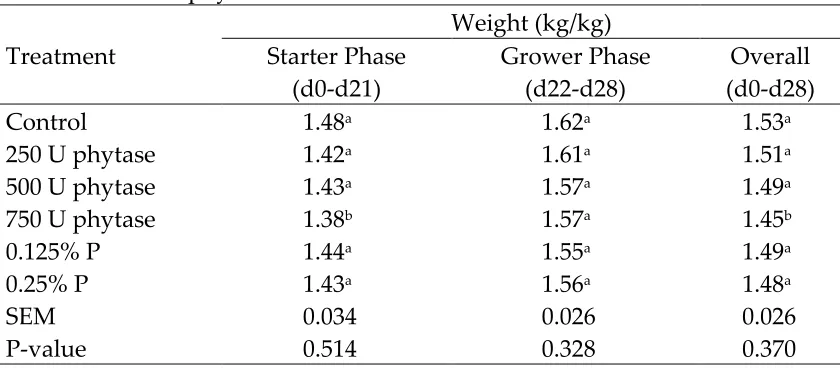
Table 5. Effect of phytase on weight in broilers...60
Table 6. Effect of phytase on gain in broilers...61
Table 7. Effect of phytase on efficiency in broilers...62
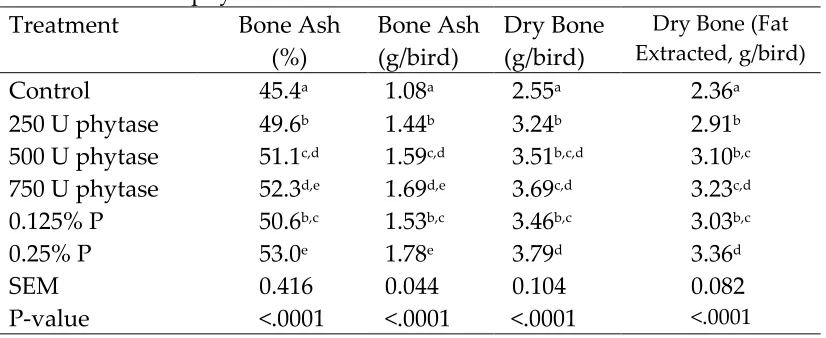
Table 8. Effect of phytase on bone ash...63
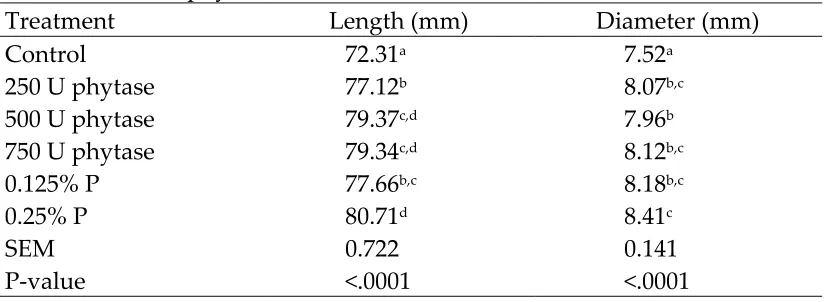
Table 9. Effect of phytase on tibia dimensions...64
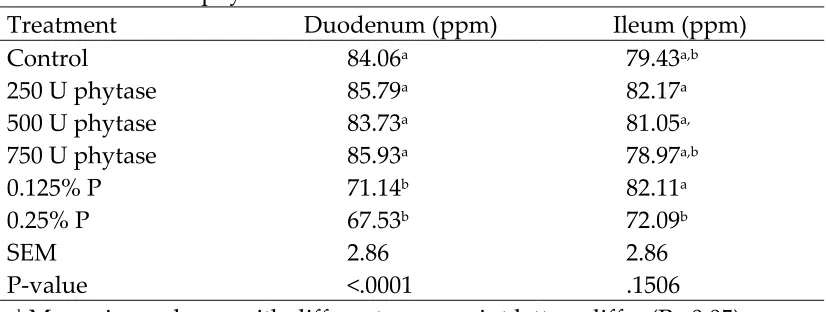
Table 10. Effect of phytase on Intestinal Zinc Levels...65
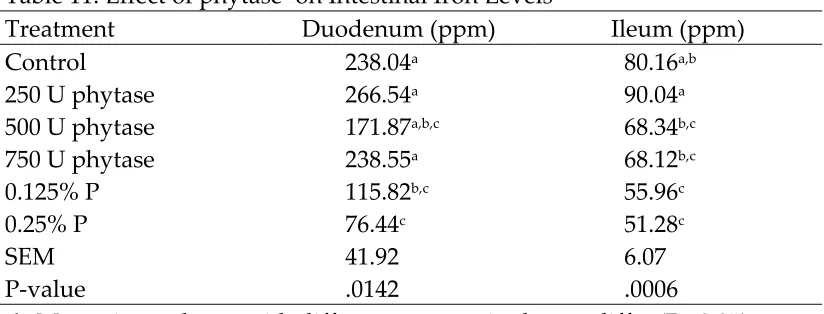
Table 11. Effect of phytase on Intestinal Iron Levels...66
Chapter 2 Table 1. Ingredient composition of complete diets...77
Table 2. Chemical Composition of Grower Diet...78
Table 3. Effect of phytase on phosphorus retention in broilers...79
Table 4. Effect of phytase on phosphorus retention in broilers...80
List of Figures
Page
Chapter 1
Figure 1. Amount of phosphorus released by phytase...67
Literature Review Phosphorus
Introduction
Phosphorus, a macro-mineral, plays a more diverse role in the body than any other mineral and is central to life while being acutely controlled. Phosphorus and calcium are important dietary minerals for all animals, especially in the nutrition of domestic fowl, and are required in greater amounts than any other mineral
elements. Phosphorus is found in every cell of the body, where it is involved in numerous metabolic processes (Moran, 1996). Phosphorus is a component of high-energy phosphate bonds such as ATP, ADP, and creatine phosphate as well as low-energy phosphate bonds like glucose-6-phosphate and glycerol phosphate.
Phosphorus is also a component of phospholipids which play a vital role in membrane construction and is a component of the coenzymes NAD and FAD as well as other metabolic enzymes. Phosphorus also acts as major intracellular buffer in the body and is involved in the acid base balance (Cromwell, 1996a). Levels of calcium and phosphorus, the ratio of Ca:P, and the bioavailability of the phosphorus source are extremely important in young poultry diets (Sullivan, 1996).
Phosphorus and calcium nutrition of broilers and turkeys is dominated by the
needs of the skeleton. Phosphorus and calcium are the basis of rigidity and are involved in bone formation and mineralization; making them the most critical nutrients for bone formation and skeletal growth in chicks, poults, and young pigs. Bone also acts as the mineral reservoir to maintain a continuous supply for all other vital functions. The calcium and phosphorus in the trabecular portion of the bone are in dynamic equilibrium with the body fluids, and are readily mobilized when needed (Moran, 1996). Mobilization of calcium and phosphorus is hormonally controlled by parathyroid hormone, calcitonin, and Vitamin D. Calcium and phosphorus are deposited as tricalcium phosphate [Ca3(PO4)2] which then
undergoes further crystalline changes to form hydroxyapetite [3(Ca3PO4)2•Ca(OH)2] (Cromwell, 1996a). The rate at which bone mineralization may occur is dependent on adequate concentrations of both phosphorus and/or calcium (Kawashima et al., 1988).
In Ovo Nutrition
The first half of embryonic development in poultry is exclusively dependent on the yolk to satisfy phosphorus and calcium needs. The embryo is small and use of these minerals revolves around intermediary metabolism and cell membrane
assembly. The yolk contains about 22% of very finely dispersed density lipoprotein
and 48% granules comprised of phosvitin and lipovitelin, which are derived from 2 vitellogenin. These granules dominate phosphorus and calcium supply. The yolk sac membrane endocytoses these granules, then exports the phosphorus as lipoprotein and calcium in free form into the embryos vascular system. Skeletal mineralization is a high priority because bone rigidity must be in place for effective muscular activities in pipping. Cartilage stabilization appears to occur by mineral aggregates that initially encrust collagen then form a continuum as the organic phase is
reabsorbed. Avian phosphoproteins have a high affinity for collagen and are likely involved in nucleation of the mineralization process. Phosphorus recovered from the yolk appears to be in adequate concentrations but accentuated calcium use for
hydroxyapetite formation necessitate that the shell now act as a source (Moran, 1996).
Pre & Post Hatch Transition
Penetration into the air cell and subsequent pipping of the shell interrupts the chorioallantoic respiration concurrent with initiation of pulmonary function.
Calcium recovery from the shell stops, however skeletal mineralization must
continue in order to support emergence and subsequent mobility after hatching. The calcium-laden spherules that had been accruing in the yolk sac are now mobilized to
provide a continuation of calcium and phosphorus nutrition that progressively diminishes as feed intake and digestive competence increases (Moran, 1985). The skeletal system is largely all cartilage after hatching and is in considerable need of mineralization. The extent of such mineralization is initially widespread, and then ossification rapidly decreases to areas that accommodate body growth. The amount of phosphorus and calcium contributed by the yolk sac upon emergence can vary with hen age, egg size, and maternal phosphorus nutrition (Moran, 1996).
Juvenile-Preadolescent Growth
Body weight accretion after post-hatch adaptations continues to be particularly rapid until the inflection point in development and initiation of adolescence. Knizetove et al. (1995) estimated that the inflection point for broilers and turkeys was 48 and 74 days, respectively (Knizetova et al., 1995). The need for phosphorus and calcium relates to skeletal growth and requirements for both will decrease with age. Tibia measurement with broilers and turkeys throughout live production illustrate their relative increase in size and macro-molecular content are far greater during the post-hatch transition than any subsequent period (Moran, 1996).
Requirements of Phosphorus
Dietary phosphorus and calcium requirements immediate to hatch are
expected to be extensive and difficult to define given the high proportion of skeleton as cartilage and variable amounts of yolk sac. Bailey et al (1996) demonstrated that poults through the first week need a minimum of 0.75% phosphorus with 1.5% calcium to maximize tibia ash. These amounts decrease to 0.55% in the same starting feed when continued for three weeks. When either calcium or phosphorus is
deficient, bone mineralization is impaired resulting in weak and brittle bones. Inadequacies anytime during production are the most apparent with long bones of the leg. Tibiae represent bones under particular stress from body weight and rapid growth after emergence. Phosphorus and/or calcium deficiency results in rickets in meat type fowl shortly after placement, particularly with poults. The tibia suffers in response to low dietary phosphorus more than body weight (Orban and Roland, 1990). The tibia suffers most during early development because of its extensive contribution to the leg elongation; whereas femurs exhibit problems late due to live handling and processing traumas because of its delayed maturation Moran, 1996). Nelson and Walker (1964) suggested that tibia ash is the preferred measurement of the biological availability of phosphorus supplements since it was a more sensitive
criterion than body weight (Korengay and Yi, 1996).
Bioavailability of Phosphorus
Most of the absorption of calcium and phosphorus occurs in the upper gastrointestinal tract, primarily the proximal duodenum. Specific calcium-binding proteins in the gut actively transport calcium across the gut wall; these proteins also seem to facilitate the absorption of phosphorus, although the mechanism is not well understood. The amount of calcium and phosphorus that is absorbed is variable and dependent on a number of variables for example the form in which calcium and phosphorus exist affects absorption. In general, inorganic forms of calcium and phosphorus are better absorbed than organic forms (Cromwell, 1996a). Historically, it was assumed that about one-third of the phosphorus in feedstuffs of plant origin was biologically available to nonruminants. This assumption was based on the fact that, on average, about two thirds of the phosphorus in feedstuffs of vegetative origin is in the form of phytate and considered to be totally unavailable. For pigs and poultry the unavailable phosphorus in feeds was taken into consideration when dietary phosphorus requirements were established. More recently phosphorus requirement for poultry have simply been expressed on the basis of non-phytate phosphorus (Cromwell, 1996b).
Determining the bioavailability of phosphorus in individual feedstuffs was first attempted by Purdue researchers using digestibility procedures (Tonray et al., 1973: Calvert et al., 1978). They measured the apparent digestibility of phosphorus in a diet containing the test ingredient and a procedure was used to mathematically correct for the digestibility of phosphorus in the other dietary ingredients. They suggested that the availability of phosphorus was extremely low in corn (8%) and grain sorghum (2-5%) and slightly higher in barley (17-41%) and soybean meal (27%) (Cromwell, 1996b).
Phytate Phosphorus
Introduction
Phytate, or phytic acid, is an organic form of phosphorus that is common in cereal grains and other seeds. Phytate is also a salt of phytic acid. The chemical name for this organic complex is myo-inositiol 1,2,3,4,5,6-hexakis (dihydrogen phosphate). It is white (pink when irradiated and is crystalline in nature. It consists of an inositol ring with six phosphate groups. Phytate is present in all plants and behaves as a chelating agent. The phytate molecule binds and holds minerals to be released as the growing plant matures. Investigators report that Ca, Co, Cu, Fe, Mg, Mn, Ni, Se, and Zn are minerals that are able to be chelated by phytate. Phytate is also of interest to
researchers due to its ability to bind certain minerals in the digestive tract of animals and prevent their absorption. There have been five physiological roles proposed for phytate in plants: 1) a phosphorus reserve store 2) an energy store 3) a competitor for ATP during its rapid biosynthesis near maturity, whereby metabolism is
inhibited and dormancy is induced 4) an immobilizer of divalent cations needed for control of cellular processes and 5) a regulator of the level of inorganic phosphorus (Harland and Oberleas, 1996).
Phytic acid is the chief storage form of phosphorus in seeds and vegetative storage tissues. In general, phytate phosphorus accounts for 50-80% of total phosphorus in these materials. The phytic acid molecule (phytate) has high phosphorus content (28.2%). Phytic acid (phytate) rapidly accumulates in seeds during the ripening period, accompanied by other storage substances. In mature seeds, phosphorus is present primarily in the form of phytic acid as a complex salt of calcium, magnesium and potassium, and/or with protein. It serves several important physiological functions during dormancy and germination of seed; initiation of dormancy (Gibson and Ullah, 1990), antioxidant protection during dormancy (Graf, 1986) and, storage of phosphorus, high-energy phosphoryl groups and cations for use during germination (Williams, 1970). Phytate exists as different complexes in
different seeds. In corn, phytate is contained primarily in the germ in a water soluble form. In legumes, phytate has been shown to be associated with protein. Soybeans have no specific site of localization of the phytate molecule (Ravindran, 1996).
Phytate Phosphorus Utilization
Phytate phosphorus is either unavailable to, or poorly utilized by, poultry because they lack the phytase enzyme to hydrolyze the phytate and releases the phosphorus (Nelson, 1967; Ravindran et al., 1995). It is well known that phosphoric acid moieties of the phytic acid molecule complex can form complexes with
multivalent cations including calcium, zinc, iron, magnesium, manganese and copper (Maga, 1982; Reddy et al., 1982) and therefore it is another nutritional concern associated with phytate (Ravindran, 1996).
Phytase is an enzyme that cleaves the ortho-phosphate groups from the organic complex. In order to utilize the phosphorus from phytate, monogastric animals must have a source of exogenous phytase, which can either be provided by certain cereal grains (wheat, rye, triticale) or their by-products (wheat bran, wheat middlings) that are high in phytase or by a microbial phytase supplement.
Supplementing diets with microbial phytase is an effective means of improving the utilization of phytate phosphorus in both pigs and poultry.
While the anti-nutritive effect of phytic acid on nutrient utilization has received considerable attention over the years, corresponding information on its influence on animal performance is lacking. In particular there is a need for
information on the extent to which phytic acid may influence animal performance independent of its effect on phosphorus availability. Two studies were conducted to examine the influence of dietary phytic acid levels on; 1) the performance of broilers and weaner pigs fed diets containing recommended levels of available phosphorus, and 2) the responses of broilers and weaner pigs to added phytase (Ravindran et al., 1996).
Four hundred and fifty, seven day old male broiler chicks were used in a 3x3 factorial arrangement of treatments with five replicates (10 chicks/pen) to study the response of three levels of Natuphos phytase (0, 400, and 800 FTU/kg diet) when given in combination with three levels of phytic acid (1.04, 1.32, and 1.57%). The “low” phytic acid diet was based on wheat (which was steam pelleted to destroy intrinsic phytase activity), sorghum and soybean meal, and the “medium” and “high” phytic acid diets were formulated by the inclusion of rice polishings. All diets were formulated to contain 0.45% available phosphorus similar levels of metabolisable energy, crude protein, lysine, and sulfur-containing amino acids. The
calcium: total P ratio was maintained at 1.4:1 in all diets. The diets were consumed
ad libitum from day 7 to 25. Individual body weights and group feed intake were
recorded on day 14, 21, and 25. Body weight gains of the broilers fed on diets
containing recommended levels of available phosphorus were lowered (P<0.001) by increasing dietary phytic acid levels and increased (P< 0.001) by dietary phytase addition. However a phytic acid x phytase interaction (P<0.01) was observed in which there was no response to phytase at the lowest dietary phytic acid level. In general the feed intake followed a similar pattern to that of body weight gains. Feed intake was lowered (P<0.01) at higher dietary levels of phytic acid and was
improved (P<0.05) by added phytase. A phytic acid x phytase interaction indicated that the response to phytase was greater at higher dietary levels of phytic acid. Feed/gain of the broilers was increased (P<0.001) by increasing phytic acid levels. Though the responses were inconsistent across the different phytic acid levels, it appeared that added phytase improved (P<0.08) the feed conversion efficiency. This study provided evidence for the anti-nutritive effects of phytic acid on animal performance. Using diets containing recommended levels of available phosphorus, it was shown that the phytic acid lowers the performance of broilers independent of its effect on the availability of phosphorus. The negative influence of dietary phytic
acid on animal performance was effectively overcome by the provision of supplemental phytase (Ravindran et al., 1996).
Phytase
Introduction
Phytase produced by the fungus Aspergillus ficcum appeared to liberate phosphate from phytate present in the diet during passage of the feed through the gastrointestinal tract in broilers (Nelson et al., 1971). The production of phytase by microbial organisms was patented in 1967 by the International Minerals & Chemical Corporation (Ware, Bluff, and Shieh, 1967). The widespread use of phytase as a feed ingredient started almost 25 years later in the Netherlands, when inexpensive
enzyme preparations became commercially available under the name Natuphos. Modern biotechnology has been utilized to over-express the Aspergillus niger
phytase gene in Aspergillus niger (Beudeker, 1996). Animal trials with this enzyme showed unequivocally that phytase is very effective in pigs as well as in poultry (Simons et al., 1990). About 65% of phosphorus in vegetable raw materials is stocked in the form of phytate; therefore it is of great interest to add phytase to the feeds of monogastric animals due to their inability to degrade phytate. Phytase may not only render phosphorus digestible/available to the animal but also releases other
minerals such as calcium, magnesium, and zinc that are bound to the phytate molecule. There may also be an improvement of the digestibility of protein and starch (Kies, 1996).
Phytase-mode of action
Phytase is a phosphatase. Phosphatases are able to catalyze the hydrolysis of a phosphate-ester. This means that a phosphate group is cleaved off from a
molecule. Many phosphatases exist; some playing an important role in the
metabolism of plants and animals, including man. ATP-ase, the enzyme catalyzing the hydrolysis of ATP to ADP, a main reaction in energy metabolism is one of many examples. Depending on the optimal pH value, phosphatases are called alkaline or acid phosphatases. Phytases are specific types of phosphatases. Phytases are able to catalyze the hydrolysis of one or more phosphate groups from phytate. There are two main types of phytases known: 3-phytase which is mainly produced by microorganism and 6-phytase with is normally found in plants. The 3-phytase initiates the dephosphorylation of phytate at the 3 position while 6-phytase starts at the 6 position. Their modes of action are therefore consequently different. A very instructive model for this process was presented by Shute et al. (1988). They called the mechanism of breakdown of phosphates from the phytate a “ping-pong”
mechanism. A phosphate group is transferred from the substrate to the enzyme, and then from the enzyme to water. It is clear that this process only works in the aqueous solution (Kies, 1996).
Effect on Phosphorus Bioavailability
Corn and soybean meal are the major feed sources in poultry diets in the United States. More than 60% of P in corn and soybean meal is in the form of
phytate (Nelson et al., 1968; Reddy et al., 1982). This phytate P has low P availability (National Research Council, 1994), which leads to the use of inorganic P sources to meet the P requirement of poultry. It has been well documented that microbial phytase is effective in releasing a significant portion of the phytate P present in corn and soybean meal while making it available to broilers (Nelson et al., 1968; Simons et al., 1990; Schoner et al., 1991).
Two of the first experiments (Denbow et al., 1995; Kornegay et al., 1996) with broilers demonstrating the efficacy of phytase were conducted at Virginia Tech University and will be described in detail. These studies were conducted using a low P (.20% nonphytate P) soybean meal-based diet in Trial 1 (Denbow et al., 1995) and a low P (.20% nonphytate P) corn-soybean meal-based diet in Trial 2 (Kornegay et al., 1996). Seven levels of phytase (0, 200, 400, 600, 800, 1,000, and 1,200 U/kg diet) were
added to diets formulated to contain 0.20, 0.27, or 0.34% non-phytate P (or 0.38, 0.45, and 0.52% total P, respectively). These dietary P levels were formulated below the current National Research Council (NRC,1994) recommendations to ensure
maximum responses with phytase additions. In addition to the 21 diets described above, a positive control diet was formulated in Trial 2 to supply the recommended level of 0.45% nP (non-phytate phosphorus) or 0.69% tP (total phosphorus). Since the nP level of 0.15% was thought to be inadequate to sustain the chick life,
inorganic phosphorus was added (0.05%) to increase the nP level to 0.20%; this level of P without phytase, however, was expected to result in some mortality (Potter et al., 1995). The desired levels of nP and Ca in the basal diets were achieved by
varying the levels of defluorinated phosphate and limestone at the expense of corn. The Ca:tP ratio was maintained at 2:1 in all diets, except the positive control that had a ratio of 1.45:1. Since the phytate was supplied only from the soybean in Trial 1 and corn and soybean meal in Trial 2, the dietary content of phytate P was similar in all diets in each trial (0.18% in Trial 1 and 0.24% in Trial 2).
The birds were housed in electronically heated, raised wire-floored starting batteries in an environmentally controlled room. The treatments were then
randomly assigned to four pens of 10 chicks each except the positive control diet
which had eight pens of 10 chicks each. The diets were fed in mash form from 1-21 days of age. Bird had ad libitum access to feed and water at all times. Body weight and feed intake were recorded on a pen basis at weekly intervals. Records of mortality were also maintained.
On d21 in both trials, all surviving chicks were sacrificed by cervical
dislocation. Toe samples were obtained by severing the middle toe through the joint between the second and third tarsal bones from the distal end. Toe ash was
expressed as a percentage of dry weight. In Trial 1 the left tibia was removed from three randomly selected birds per pen and frozen for subsequent analysis. After defleshing, a segment of bone shaft, 5 cm in length, was cut from each central portion of the tibia, and the wall thickness was measured using calipers. An Instron Universal Testing Machine was used for shear force determination. The major and minor diameters of the bone were also measured at the center of the diaphysis prior to shear testing for calculation of shear stress. After the shear test, tibia samples were oven-dried and ashed in a muffle furnace. Tibia ash was expressed as percentage of dry bone weight.
In Trial 1, body weight gains and feed intake were improved (P<0.001) by phytase at all nP levels, but the magnitude of response was greatest at low nP levels
resulting in an nP x phytase interaction (P<0.01). Gain:feed was unaffected by
phytase addition. A high mortality (35-45%) was observed for the 0.20 and 0.27% nP diets without added phytase, but this declined to normal levels with the addition of 200 to 400 U phytase/kg diet. Ash percentage of toes and tibia, and shear force and stress of tibia increased with added phytase.
These responses clearly show that the phytate bound P in soybean meal was made more available to broilers by microbial phytase and the total response was related to the phytase and nonphytate/total phosphorus levels. In Trial 2, phytase additions linearly increased (P<0.01) body weight gain, feed intake, and toe ash percentage at each level of nP with the magnitude of the response inversely related to the level of nP. Above normal mortality was only observed in the 0.20% nP in the diet without phytase. Adding nP linearly increased (P<0.01) body weight gain, feed intake, and toe ash percentage.
The objectives of these trials were: 1) to determine the response of broilers to graded levels of microbial phytase added to soybean meal-based diets or corn-soybean meal-based diets containing three levels of nonphytate P, 2) evaluate several measurements for their usefulness in predicting the responses to P and phytase additions, and 3) to determine P equivalency values of microbial phytase.
The first objective has the greatest relevance for commercial applications and merits additional consideration. The results demonstrated that that supplemental
phytase is effective in improving the availability of phytate-bound P in soybean meal and corn-soybean meal diets for growth and mineralization of broilers. Dietary additions of phytase to soybean meal-based and corn-soybean meal-based diets improved weight gains, toe ash percentage and lowered mortality of broilers. The ash and shear measurements of tibia also closely supported the weight gain data. The response to microbial phytase additions at low P levels in this study agrees with other findings. The improved gains due to supplemental phytase were mediated primarily via increased feed intake, although gain:feed was sometimes improved by phytase. The magnitude of response to added phytase was related to the levels of nonphytate and total P with the greatest response occurring at low nP levels. The wide Ca:tP ratio (2:1) used in this experiment probably reduced the overall response to phytase and inorganic P. Schoner et al. (1993) reported that feeding high levels of Ca with a constant low level of tP (3.5 g/kg) reduced the increases in body weight gain, feed intake, and P and Ca retention resulting from added phytase.
In a more recent study conducted at the University of Arkansas by Manangi and Coon (2008) phytate phosphorus (PP) hydrolysis was examined in response to
dietary phytase. One of the objectives of this study was to determine percentage PP hydrolysis in broilers fed corn-soybean meal-based diets with or without 1,000 FTU phytase/kg in combination with 8 different concentrations of dietary non-phytate phosphorus (NPP), 2 Ca concentrations and a low (fixed) concentration of PP from 21 to 26 d of age.
One-day-old male broiler chicks (Cobb 500) were housed in floor pens and fed a crumbled corn-soybean meal-based starter diet that was formulated to meet or exceed all of their known nutrient requirements (National Research Council, 1994). On d22, chicks of uniform body weight were then placed in individual metabolic cages and provided test diets consisting of 8 concentrations (0.08, 0.13, 0.18, 0.23, 0.28, 0.33, 0.38, and 0.45%) of NPP combined with a fixed concentration (0.5%) of Ca. The Ca added to the basal diets consisted of ground limestone, dibasic,
monohydrate. Sixteen diets were fed and consisted of 8 concentrations of NPP (0.08, 0.13, 0.18, 0.23, 0.28, 0.33, 0.38, and 0.45%) with or without 1,000 FTU/kg phytase. Ten broiler chicks were fed 1 of the 16 test diets. Two percent acid insoluble ash (Celite, Celite Corp., Lompoc, Ca) was added to the feed and used as a digestive marker. Chicks were acclimated to cages and diets, and excreta samples were collected for the last 24-h period during the experiment. The excreta was collected
on trays, frozen (-20⁰C), and freeze-dried before analysis. Birds had unlimited access to feed and water for the duration of the experiment. Feed consumption and weight gains were recorded during the entire 5-d period of this experiment.
Broiler chicks fed diets containing 0.5% Ca and increasing dietary concentrations of dietary NPP from 0.08 to 0.45% without dietary phytase
supplementation exhibited a linear increase in BWG, FI, tP intake, PP intake and NPP intake. The F:G ratio decreased linearly and tP and NPP retention decreased quadratically for chicks fed increasing amounts of NPP. The addition of 1,000 FTU of phytase/kg of dietary NPP resulted in a linear increase in BWG, tP intake, and NPP intake and linear decrease in F:G, tP retention, and apparent PP hydrolysis. The broiler chicks fed phytase and additional NPP produced a quadratic decrease in NPP retention. The orthogonal polynomial contrasts revealed a significant linear interaction of NPP and phytase on NPP intake, tP retention, apparent PP hydrolysis, and NPP retention. These results provide evidence that the efficiency of tP retention was maximal with dietary phytase supplementation compared with broilers fed no added phytase (Manangi and Coon, 2008).
Shirley and Edwards (2003), at the University of Georgia suggested that broilers consuming a tP deficient corn-soybean meal diet can achieve maximum
performance when phytase is supplemented to the diet. They also suggest that current phytase supplementation levels within the poultry industry may need to be reevaluated.
The researchers used a basal corn-soybean meal diet, which contained a calculated metabolizable energy (ME) of 3.123 kcal/g diet and an analyzed 90% dry matter (DM), 22.2% crude protein (CP), 0.88% Ca, and a deficient tP level of 0.46% (phytate P=0.272%). To the basal diet, phytase (Natuphos 5000) was added at 0, 93.75, 187.5, 375, 750, 1,500, 3,000, 6,000 or 12,000 U/kg diet. In addition, dicalcium phosphate was added to the basal diet to create a positive control diet that contained an analyzed 0.70% tP and no phytase.
On the day of hatch, 300 of the Mareks-vaccinated, mixed sex, Cobb x Cobb chicks were wing-banded, weighed, and randomly allotted in groups of 10 chicks per pen with three pens per treatment. Throughout the 16-d experiment, chicks consumed water and mash feed ad libitum, brooded in thermostatically controlled Petersime starter batteries with raised wire floors and provided a 24-h lighting schedule. The starter batteries were kept in an environmentally controlled room (22⁰C). On d 16, two chicks were randomly selected from each pen and weighed; a hepearinized blood sample was obtained by heart puncture. All remaining chicks
were weighed and euthanized via CO2 asphyxiation. The right tibia of each chick was banded for identification and removed for future percentage tibia ash (TA) and tibia ash weight determinations [g/tibia (TAw)]. Excreta was collected from each pen for 24h between d 15 and 16 of the experiment, dried at 75⁰C for 36 h, and ground to pass through a 1-mm mesh screen.
Chicks consuming the control diet (0.70% tP) had a body weight gain (BWG) of 501 g/chick, feed intake (FI) of 594 g/chick, and a gain to feed (G:F) of 0.843 (g:g). Chicks consuming the basal diet without any phytase or supplemental P, had a BWG of 287 g/chick, FI of 381 g/chick, and a G:F of 0.755. When 93.75 U of phytase was supplemented, BWG, FI, and G:F values increased to 354 g/chick, 441 g/chick, and 0.805, respectively. Additional supplementation of 750 U further corrected the tP deficiency of the basal diet as BWG, FI, and G:F increased to 424 g/chick, 505 g/chick, and 0.839, respectively. Increasing levels of phytase to 12,000 U overcame the tP deficiency of the basal diet as BWG, FI , and G:F values became equivalent to the control diet (P<0.05), indicating the overall benefit of higher supplemental phytase levels. Supplementing the basal diet to 0.70 tP eliminated the incidence of P rickets (0%); increased TA to 40%, TAw to 0.568 g/tibia, and plasma P to 6.9 mg/100 mL; and lowered plasma Ca to 11.7 mg/100 mL. A lack of phytase supplementation
to the basal diet elicited a Ca-to-P imbalance, as plasma Ca increased to 13.3 mg/ 100 mL and plasma P decreased to 2.5 mg/ 100 mL. This imbalance not only reduced BWG and FI but also increased P rickets to 80% and reduced TA and TAw to 26% and 0.200 g/tibia, respectively. By supplementing the tP-deficient basal diet with a log-dose of phytase to 12,000 U/kg diet, plasma Ca was reduced to 11.6 mg/ 100 mL, and plasma P was increased to 7.1 mg/ 100 mL. The latter normalization of plasma Ca and plasma P concentrations were associated with a reduction in the incidence of P rickets to 3.3% and increases in TA and TAw to 41% and 0.601 g/tibia, respectively. This result essentially equalized the performance of those broilers consuming the higher levels of phytase to that of broilers consuming the control diet (P<0.05). Chicks fed the positive control diet had a tCa retention, tP retention, and a retained Ca:P ratio of 51%, 47%, and 1.37, respectively, followed by a phytate P
disappearance of 19%, an apparent N retention of 65%, and net apparent
metabolizable energy (AMEn) of 3,232 kcal/kg diet. With the exception of the tCa retentions and phytate P disappearance, nutrient utilizations between the basal diets that were supplemented with 750 U or more of phytase were greater than (P<0.05) or equal to (P<0.05) the positive control diet. When the level of supplemental phytase was graded from 0 to 12,000 U, tCa retention, tP retention, and phytate P
disappearance were significantly improved by approximately 17, 57, and 135%, respectively (P<0.0001), reducing the ratio of retained Ca:P as phytase levels increased. In addition to an increase in mineral utilizations, apparent N retention and AMEn were improved approximately 33 and 6%, respectively.
Therefore, based on this study, higher levels of phytase can be used to improve the overall utilization of phytate P and possibly other nutrients in a tP- deficient diet, thereby equalizing broiler performance to that of boilers fed diets containing supplemental inorganic phosphorus (Shirley and Edwards, 2003).
In 2010, a meta-analysis of phosphorus utilization by broilers receiving corn-soybean meal diets and the influence of microbial phytase was conducted by
Létourneau-Monminy et al. A database consisting of eight publications, reporting 15 experiments with a total of 203 treatments was compiled. The model clearly
illustrated the positive effects of phytase on P utilization by broilers through improvements in growth performance and tibia ash concentration.
Effect on Bioavailability of other Minerals
Phytate being a strong acid can form various salts with the important
minerals such as Ca, Mg, Cu, Zn, Fe, and K, thus reducing their solubility (Erdman, 1979). Nutritionally more important is the fact that maximum binding of Zn-Ca-Cu-
phytate as well as Cu-Ca-phytate occurs at a pH of 6, which is approximately the normal pH of the duodenum, where maximum absorption of divalent cations takes place (Oberleas, 1973). When phytic acid is hydrolyzed by microbial phytase it may release all phytate-bound minerals.
Sebastian et al. (1996) conducted a study in which 180 day old Ross x Indian River broiler chicks were wing-banded and individually weighed. The objective of the study was to determine the efficacy of microbial phytase on apparent availability of Ca, Cu, and Zn. Fifteen birds were assigned to each of 12 pens (6 pens of each sex) and housed in thermostatically controlled Petersime battery brooders with raised wire floors. All birds had ad libitum access to water and feed from day-old to 21d and they received 24 h light/d. Each of three dietary treatments was replicated two times per sex. The experimental design was a completely randomized one with factorial arrangements of treatments. The experimental diets were as follows: 1) corn-soybean meal diet, no enzyme (control); 2) corn-soybean (low-phosphate), no enzyme; 3) corn-soybean (low-phosphate) plus phytase (a commercially available microbial phytase preparation, Natuphos 1000,4 was added at 600 phytase units/kg diet). According to the manufacturer’s instructions, 1 unit of phytase was defined as the quantity of enzyme which sets free µmol of inorganic P/min from 0.0015 mol/L
sodium phytate at pH 5.5 at 37⁰C. Individual body weights of chickens and group feed consumption data were recorded on days 7, 14, and 21.
On the first 3d of weeks 2 and 3 of the experiment, the daily feed
consumption and total fecal output were recorded. A representative sample of excreta and feed from each pen was freeze-dried, ground, and analyzed for mineral content. Calcium, Cu, and Zn were determined by flame atomic absorption
spectrophotometer after wet ashing with HNO3. The difference in the mineral content of the feed consumed and of the feces excreted was used to calculate the apparent availability of minerals.
The treatment effects of phytase supplementation on the apparent availability of minerals were significant (P≤0.05) mostly week 2, whereas effect of sex and the interaction between treatment and sex were not significant for any of the minerals studied. The low-P diet reduced (P≤0.05) Ca retention by 9.1 percent in male chickens at week 2 but the reduction in the females was not significant. Phytase supplementation of the low-P diet increased (P≤0.05) Ca retention by 12.2 percent in males but this increment was not observed in female chickens. The improvement of Ca retention in male birds was expected due to the ability of phytase to liberate Ca from the Ca-phytate complex. The low-P diet significantly reduced (P≤0.05) the
retention of Cu in male chickens but the reduction observed in female chickens was not significant. Phytase supplementation increased (P≤0.05) the retention of Cu by 19.3 percent in male chickens, whereas there was no improvement in female chickens compared to the low-P diet. There was a significant reduction in the retention of Zn in both male and female chicks fed the low-P diet. Phytase supplementation increased (P≤0.05) the Zn retention by 62.3 percent in male chickens and by 44.3 percentage units in female chickens. It is unclear why males performed better than females when supplemented with phytase. These results contradict studies in which phytase supplementation to soybean meal did not improve utilization of Cu (Aoyagi and Baker, 1995) or Zn (Roberson and Edwards, 1994).
Even though phytase supplementation significantly increased the relative retention of Cu compared to the low-P diet without phytase, it failed to reach the level of Cu relative retention obtained in the normal-P diet. The possible explanation for this observation is that the higher availability of Zn as the result of phytase activity induced the intestinal synthesis of metallothionein (Blalock et al., 1988), a cysteine-rich metalloprotein, which binds Zn, Cu, and other divalent cations.
Copper is much more tenaciously bound to metallotheonein than Zn and
metallothionein appears to serve primarily as a negative regulator of Cu absorption (Cousins, 1985).
Effect on Digestibility of Protein and Energy
Phytase may significantly improve the utilization of the essential amino acids in broilers fed soybean meal basal diets (Biehl et al., 1997). Besides ameliorative effects on phosphorus deficiency, microbial phytase has been shown to compensate for dietary protein, essential amino acid and metabolizable energy deficiencies to varying degrees (Namkung and Leeson, 1999).
Two studies conducted by Baker (1996) looked at amino acid utilization in chickens fed supplemental phytase. New Hampshire x Columbian (Experiment 1) or Ross x Hubbard (Experiment 2) crossbred male chicks were used in growth trials. A standard 23% CP methionine-fortified corn-soybean meal diet (3,200 kcal MEn/kg) was fed to the chicks from hatching to day 9 posthatching. Following a 16-h fast, birds on day 10 were individually weighed, wing-banded, and assigned to
experimental diets and battery pens in a manner that ensured each pen would have very nearly the same average initial body weight and weight range. Birds were kept
in batteries with raised wire floors in a temperature-controlled building. Each dietary treatment included three pens of four chicks. Feed and water were supplied
ad libitum consumption, and a 24-h constant light schedule was maintained. Body
weight and feed consumption were measured at the beginning and end of each trial. The basal diet used in the chick growth trials contained 10% CP from soybean meal and 2% protein equivalent from a 2:1 (wt:wt) mixture of glutamic acid and glycine. The diet also contained 0.90% calcium, 0.45% available phosphorus and 15µg/kg of cholecalciferol.
In Experiment 1, New Hampshire x Columbian chicks were fed one of eight experimental diets consisting of (1) deficiency of all four limiting amino acids, with methionine 1st limiting, (2) deficiency of all limiting amino acids except methionine, with threonine 1st limiting, (3) equal deficiency of lysine and valine, (4) no amino acid deficiencies, and (5, 6, 7, and 8) the above treatments repeated in the presence of 1200 units/kg of supplemental phytase. Experiment 2 was similar to Experiment 1 except that commercial broiler-strain chicks were used and only total amino acid deficiency (all four limiting amino acids) or adequacy was tested in the presence and absence of 1200 units/kg phytase.
Feed efficiency was improved (P<0.05) by phytase when diets were 1st
limiting in methionine, 1st limiting in threonine, or 1st limiting in lysine and valine. Based on the results of Experiment 1, phytase may be having a small but significant effect on amino acid digestibility. Moreover, this beneficial effect was evident when amino acids (methionine and threonine) other than lysine were 1st limiting. This finding is important because on might have expected that the phytate present in soybean meal could bind the epsilon amino acid group of protein-bound lysine, which is exposed and charged (+), but that protein-bound amino acids like threonine and methionine (no exposed amino groups) would not be similarly affected.
In another study, conducted by Pirgozliev et al. (2008), one of the objectives was to compare the effects of different dietary concentrations of an Escherichia coli -derived phytase on the apparent metabolisable energy (AME). Four maize—soy diets fed in two phases (starter phase: 0 to 21 d old; grower phase: 21 to 28 d old), were prepared and were supplemented with an evolved E. coli-derived phytase (Quantum: 2500 D, EC 3.1.3.26; Syngenta Biotechnology Inc., Research Triangle Park, NC, USA). Diets were formulated to be nutritionally adequate (NRC, 1994) with the exception of phosphorus (P) (Table 1). The basal diet was supplemented with appropriate quantities of phytase (0, 250, 500 or 2500 phytase units (FTU)/kg diet), respectively. The enzyme was added to the diets in powder form and all diets
were fed as mash. A total of 480 female broiler (Ross 308) chickens, obtained from a commercial hatchery were used. The birds were allocated to 32 floor pens (193 cm x126 cm floor area) from 0 to 28 d of age. Fifteen birds were placed in each pen following recording of their initial weight. The study was designed as a randomized block design, there being 4 blocks of 8 pens, and each treatment was replicated 8 times. Feed and water were available ad libitum throughout the experiment. The starter diet was fed from 0 to 21 d and then the grower diet was fed to 28 d. The experimental facility was equipped with a positive pressure ventilation system to meet commercial recommendations and temperature maintained at 33⁰C at the beginning of the study and reduced gradually to 20⁰C by 20 d of age. The light regime was 23 h light:1 h dark. During week 4 of the experiment, 64 birds were selected, two from each floor pen, and placed in 32 metabolism cages (0.50m x 0.60m floor area, two birds per cage) in a randomized block design. For the following 5 d birds were fed on the respective treatment diets that they had been fed on
previously. Excreta were collected quantitatively for the last 2 d of the feeding period, stored in a freezer at 20⁰C and later freeze-dried. The feed intake for the same period was also measured. The gross energy of each dried excreta sample and the experimental diets was determined using an adiabatic bomb calorimeter (Parr
Instrument Company, Moline, IL, USA). The AME of each of the experimental diets (MJ/kg dry matter), was then calculated.
The intake of AME was improved (P<0.001) by approximately 14 and 18.3% for birds fed on the diets supplemented with 500 and 2500 FTU, respectively, compared to birds fed the unsupplemented diet, the majority of this effect being driven by intake rather than differences in metabolisability.
Phytase has been shown to effectively improve phosphorus absorption in broilers. With leg problems and phosphorus pollution being at the forefront on the poultry industry today, phytase may be the key to solving both issues. Future research efforts should focus on phytase supplementation in low phosphorus diets to bring these two issues to an end.
Literature Cited
Aoyagi, S., and D. Baker. 1995. Effect of microbial phytase and
1,25-dihydroxycholecalceiferol on dietary copper utilization in chicks. Poultry Sci. 74:121-126
Bailey, C.A., S. Linton, R. Brister, and C.R. Creger. 1986. Effects of graded levels of dietary phosphorus on bone mineralization in the very young poult. Poultry Sci., 56:1018-1020
Baker, D.H. 1996. Amino acid utilization in chickens and pigs fed supplemental phytase. Phytase in Animal Nutrition and Waste Management. 485-492. Edited by Michael B. Coelho and E.T. Kornegay. BASF
Beudeker, R.F. 1996. Enzymes in the feed industry: A historic overview. Phytase in Animal Nutrition and Waste Management. 191-196. Edited by Michael B. Coelho and E.T. Kornegay. BASF
Biehl, R.R., J.L. Emmeert and D.H. Baker. 1997. Iron bioavailability in soybean meal as affected by supplemental phytase and α-hydroxycholecalciferol. Poultry Sci. 76:1424-1427
Blalock, T.A., M.A. Dunn, and R.J. Cousins, 1988. Metallothionein gene expression in rats: tissue-specific regulation by dietary copper and zinc. J. Nutr. 118:222-228 Calvert, C.C., R.J. Besecker, M.P. Plumlee, T.R. Cline, and D.M. Forsyth. 1978.
Apparent digestibility of phosphorus in barley and corn for growing swine. J. Anim. Sci. 47:420
Cromwell, G.L. 1996a. Metabolism and role of phosphorus, calcium, and vitamin D3 in swine nutrition. Phytase in Animal Nutrition and Waste Management. 101-110. Edited by Michael B. Coelho and E.T. Kornegay. BASF
Cromwell, G.L. 1996b. Bioavailability of calcium and phosphorus in plant and animal ingredients. Phytase in Animal Nutrition and Waste Management. 173-190. Edited by Michael B. Coelho and E.T. Kornegay. BASF
Denbow, D.M., V. Ravindran, E.T. Kornegay, Z. Yi and R.M. Hulet. 1995. Improving phosphorus availability in soybean meal for broilers by supplemental
phytase. Poultry Sci. 74:1831-1842
Erdman, J.W., Jr. 1979. Oil seed phytates: nutritional implications. J. Am. Oil Chem. Soc. 56:736-741
Gibson, D.M., and A.B.J. Ullah. 1990. Phytase and their actions on phytic acid. Pages 77-92 in: Inositol Metabolism in Plants. D.J.Morre, W.F.Boss and F.A.Loewus, ed. Wiley-Liss, Inc., New York.
Graf, E. 1986. Phytic acid: Chemistry and Applications, Pilatus Press, Minneapolis, MN.
Harland, B.F., and D. Oberleas. 1996. Phytic acid complex in feed ingredients. Phytase in Animal Nutrition and Waste Management. 69-76. Edited by Michael B. Coelho and E.T. Kornegay. BASF
Kawashima, K., C. Owa, and H. Endo. 1988. Direct regulation of bone resorption of chick embryonic femur in organ culture by the change off calcium or
phosphate ion concentration in the medium. J. Pharmacobio-Dyn., 11:763-766 Kies, K. 1996. Phytase-Mode of action. Phytase in Animal Nutrition and Waste
Management. 205-212. Edited by Michael B. Coelho and E.T. Kornegay. BASF Kniztova, H., J. Hyanek, L. Hyankova, and P. Belicek. 1995. Comparative study of
growth curves in poultry. Genet. Se. Evol., 27:365-375
Kornegay, E.T., and Z. Yi. 1996. Evaluation of response criteria for assessing biological availability of phosphorus supplements in broilers and turkeys. Phytase in Animal Nutrition and Waste Management. 1:145-150. Edited by Michael B. Coelho and E.T. Kornegay. BASF
Kornegay, E.T., D.M. Denbos, Z. Yi and V. Ravindran. 1996. Response of broilers to graded levels of Natuphos® phytase added to corn-soybean meal-based diets containing three levels of nonphytate phosphorus. Brit. J. Nutr. 75:839-852 Létourneau-Montminy, M.P., A. Narcy, P. Lescoat, J.F. Berneir, M. Magnin, C.
Pomar, Y. Nys, D. Sauvant, and C. Jondreville. 2010. Meta-analysis of phosphorus utilization by broilers receiving corn-soybean meal diets:
influence of dietary calcium and microbial phytase. The Animal Consortium. 4:11, 1844-1853
Maga, J.A. 1982. Phytate: Its chemistry, occurrence, food interactions, nutritional significance and methods of analysis. J. Agric. Food Chem. 30:1-9
Manangi, M. K., and C. N. Coon. 2008. Phytate phosphorus hydrolysis in broilers in response to dietary phytase, calcium, and phosphorus concentrations. Poultry Sci. 87:1577-1586
Moran, E.T., Jr. 1996. Metabolism and role of phosphorus, calcium, and vitamin D3 in broiler and turkey nutrition. Phytase in Animal Nutrition and Waste
Management. 111-124. Edited by Michael B. Coelho and E.T. Kornegay. BASF Moran, E.T., Jr. 1985. Digestion and absorption of carbohydrates in fowl and event
through perinatal development. J. Nutr., 115:665-674
Namkung, H., and S. Lesson. 1999. Effect of phytase enzyme on dietary nitrogen-corrected apparent metabolizable energy and ileal digestibility of nitrogen and amino acids in broiler chicks. Poultry Sci. 78:1317-1319
National Research Council. 1994. Nutrient Requirements of Poultry. 9th ed. National Research Council. National Academy of Science, Washington, DC.
Nelson, T.S. 1967. The utilization of phytate phosphorus by poultry. A review. Poultry Sci. 46:862-871
Nelson, T.S., T.R. Schieh, R.J. Wodzinski, and J.H. Ware. 1968. The availability of phytate phosphorus in soybean meal before and after treatment with a mold phytase. Poultry Sci. 47:1842-1848
Nelson, T.S., T.R. Sheih, R.J. Wodzinski, and J.H. Ware. 1971. Effect of supplemental phytase on the utilization of phytate phosphorus by chicks. J. Nutr. 101:1289-1294
Oberlas, D. 1973. Phytates. Page 363 in: Toxicants Occurring Naturally in Foods. 2nd ed. National Academy Press, Washington, DC.
Orban, J.I., and D.A. Roland, Sr. 1990. Response of four broiler strains to dietary phosphorus above and below the requirement when brooded at two temperatures. Poultry Sci., 69:440-445
Pirgozliev, V., O. Oduguwa, T. Acamovic, and M.R. Bedford. 2008. Effects of dietary phytase on performance and nutrient metabolism in chickens. Br. Poultry Sci. 49:144-154
Ravindran, V., W.L. Bryden, and E.T. Kornegay. 1995. Phytates: Occurrence, bioavailability and implications in poultry nutrition. Poult. Avain Biol. Rev. 6:125-143
Ravindran, V. 1996. Occurrence of phytic acid in plant feed ingredients. Phytase in Animal Nutrition and Waste Management. 85-92. Edited by Michael B. Coelho and E.T. Kornegay. BASF
Ravindran, V., D.J. Cadogan, M. Cabahug, W. Bryden, and P.H. Selle. 1996. Effects of phytic acid on the performance of poultry and swine. Phytase in Animal Nutrition and Waste Management. 93-100. Edited by Michael B. Coelho and E.T. Kornegay. BASF
Reddy, N.R. and S.K. Salunkhe. 1980. Effects of fermentation on phytate phosphorus and minerals of blackgram, rice and blackgram/rice blends. J. Food Sci.
45:1708-1712
Reddy, N.R., S.K. Sathe, and D.K. Salunkhe. 1982. Phytates in legumes and cereals. Pages 1-91 in: Advances in Food Research. C.O. Chichester, E.M. Mrak, and G.F. Stewart, ed. Academic Press, New York, NY.
Roberson, K.D., and H.M. Edwards. 1994. Effects of 1,25-Dihydroxycholecalciferol and phytase on zinc utilization in broiler chicks. Poultry Sci. 72:2106-2114 Sebastion, S., S.P. Touchburn, E.R. Chavez, and P.C. Lague. 1996. The effects of
supplemental microbial phytase on the performance and utilization of dietary calcium, phosphorus, copper, and zinc in broiler chickens fed corn-soybean diets. Poultry Sci. 75:729-736
Schöner, V.F.J., P.P. Hoppe, and G. Schwarz. 1991. Comparative effects of microbial phytase and inorganic P on performance and on retention of P, calcium, and crude ash in broilers. J. Anim. Physiol. Anim. Nutr. 66:248-255
Schöner, F.J., P.P. Hoppe, G. Schwarz, and H. Wiesche. 1993. Effects of microbial phytase and inorganic phosphate in broiler chickens: performance and
mineral retention at various calcium levels. Journal Anim. Physiol. and Anim. Nutr. 69:235-244. Edited by Michael B. Coelho and E.T. Kornegay. BASF Shirley, R.B., and H.M. Edwards. 2003. Graded levels of phytase past industry
standards improves broiler performance. Poultry Sci. 82:671-680
Shute, J.K., R. Baker, D.C. Billington and D. Gani, 1988. Mechanism of the myo-inositol phosphatase reaction. J. Chem. Soc., Chem.Comm., 422-423
Simons, P.C.M., H.A.J. Versteegh, A.W. Jongbloed, P.A. Kemme, P. Slump, K.D. Bos, M.G.E. Wolters, R.F. Beudeker, and G.J. Verschoor, 1990. Improvement of phosphorus availability by microbial phytase in broilers and pigs. Br. J. Nutr. 64:525-540
Sullivan T.W., 1996. Evaluation of Response criteria for assessing biological availability of phosphorus supplements in poultry. Phytase in Animal
Nutrition and Waste Management. 151-162. Edited by Michael B. Coelho and E.T. Kornegay. BASF
Tonray, B., M.P. Plumlee, J.H. Conrad, and T.R. Cline. 1973. Apparent digestibility of the phosphorus in sorghum grain and soybean meal for growing swine. J. Anim. Sci. 36:669 (abstr.)
Ware, J.H., L. Bluff, and T.R. Sheih, 1967. Preparation of acid phytase US Patent 3,297,548
Chapter 1
Effect of a phytase (Pichia pastoris expressing a phytase gene from E. coli) on the growth performance and bioavailability of phosphorus in broilers fed a low
phosphorous diet1,2
R.F. Baker III, J.L. Grimes, and J.W. Spears3
Department of Animal Science, North Carolina State University, Raleigh, NC 27695-7621
1Use of trade names in this publication does not imply endorsement by the North Carolina Agricultural Research Service or criticism of similar products not
mentioned.
2Appreciation is extended to Karen “Missy” Lloyd, Vickie Hedgpeth, Mike Mann, Jessica Nixon, Caitlin Evan, Ilana Barasch, Carrie Pickworth-Poole, and Jeff Hall for their assistance in sampling and animal care.
3Correspondence: Campus Box 7621; North Carolina State University, Raleigh, NC 27695-7621; (Phone: 919-515-4008; Fax: 919-515-4463; email: [email protected]
Introduction
A major issue facing the broiler industry is maintaining bone integrity while reducing potential environmental pollution from phosphorus (P) (Pillai et al., 2006). In today’s poultry industry, soybean meal and corn based diets are the norm. In these feedstuffs the phytate form of P represents 60-70% of the total P. The phytate P is utilized from 0-50% in poultry depending on age and metabolic adaption in
critical circumstances. Poultry lack significant amounts of endogenous phytase that will hydrolyze phytic acid (Cooper and Gowing, 1983).
In phytase research that was focused on the effect of varying levels of supplemental phytase, there were increases in broiler performance, bone ash, and phytate P utilization with each additional unit or level of phytase. Simons et al. (1990), Schöner et al. (1991), Huyghebaert et al. (2000a), Vogt (1992), Kornegay et al. (1996), and Zhang et al. (2000a), determined that total P utilization could be
improved in a dose-response manner with graded levels of phytase, thereby
reducing total P excretion and in some cases, equalizing broiler performance to that of broilers consuming rations with more available P (Shirley and Edwards, 2003).
The current study was conducted to determine the effect of a commercial phytase (derived from expressing a phytate gene from E. coli in yeast) on growth
performance and phosphorus bioavailability in broilers fed a low-P diet.
Materials and Methods
Animal Care & Handling
Care, handling, and sampling of the chickens were approved by the North Carolina State University Animal Care and Use Committee. Two hundred and eighty-eight day-old male broilers (Ross 708 strain) were used in this study. Chicks were weighed, identified with a numbered neck tag, and randomly assigned to cages. Cages were then randomly assigned to treatments. Each treatment consisted of eight replicates and each replicate contained six birds. Chicks were housed in temperature controlled battery cages (Alternative Design Mfg., Siloam Springs, AR) with a 23:1 light:dark cycle. Diets were consumed ad libitum during the 28-day study. Feed disappearance was determined (by weighing feeders before and after feed was added) weekly by replicate cage. Birds were individually weighed on days 1, 7, 14, 21, and 28. At the termination of the study three chicks per replicate were euthanized by cervical dislocation and the tibia removed for bone ash
determination. Tibias were stored at -20⁰C for later analysis.
Of the three birds euthanized for tibia collection, one bird was selected at
random for collection of the duodenum and ileum. The duodenum and ileum were then cleaned of any digestia. The duodenum was defined as the portion of the small intestine that encircled the pancreas. The ileum was defined as the portion of the small intestine between the Meckel’s diverticuum to the ileocecal junction. The tracts were then opened and mucosal samples were taken by scraping the lining of the tracts with a glass microscope slide. They were immediately frozen for later trace mineral analysis.
Feed
Treatments for the starter phase consisted of: 1) basal diet (negative control; low phosphorus (P) diet; 0.20 % non phytate P), 2) basal diet plus 250 U/kg phytase1, 3) basal diet plus 500 U/kg of phytase, 4) basal diet plus 750 U/kg of phytase, 5) basal diet supplemented with 0.125 % P from monobasic potassium phosphate, and 6) basal diet supplemented with 0.25 % P from monobasic potassium phosphate (positive control). Treatments for the grower phase remained the same except the basal diet was formulated to contain 0.15% non phytate P. This change reduced the non phytate P level in all diets by 0.05%. Based on NRC (1994) recommendations the non phytate P requirement of broilers decreases from 0.45 to 0.35% at 21 days of age.
Ingredient composition of the starter and grower diets is shown in Table 1. The basal diets were formulated to meet or exceed NRC requirements for broilers with the exception of P. The low P starter basal diets were formulated to contain 0.20 % non phytate P, which is approximately 50 % of the NRC recommendation for P (0.45 %). The grower basal diet was formulated to contain 0.15% non phytate P.
All diets were formulated to contain 1.0 % calcium. One base mix of both starter and grower diets were produced. The starter diet base mix contained 1.0% of the total 3.0% fat specified, with the additional 2% fat added to the diet
post-pelleting. The grower diet base mix contained 1.0% of the total 5.0% fat specified, with the additional 4.0% fat added to the diet post-pelleting. Treatment diets were then prepared by mixing 2% of a corn premix with 98% base diet. The corn premix supplied the potassium phosphate specified for each treatment. The diets were pelleted and then crumbled. Pellets were transferred to a mixer and the liquid phytase, diluted with an adequate amount of water, was sprayed onto the pellets with mixing. Diets not receiving post-pellet application of phytase product were handled in the same manner and received an equivalent volume of water in place of
1Kemzyme, produced by Kemin Industries Inc. (Des Moines, Iowa), was the phytase enzyme used in
the current study
diluted phytase product. The remaining fat for each diet was then added to the pellets after the addition of phytase. Diets were consumed ad libitum for 28 days.
The starter diet was fed from day 1-21, and the grower diet was fed from day 21-28. Samples of experimental diets were collected weekly from bags of feed and composited by phase for chemical analysis. Chemical compositions of the starter and grower diets are shown in Tables 2 and 3. Water samples were collected weekly and composited for phosphorus and calcium analysis.
Laboratory Analysis
Tibiae were allowed to thaw for approximately 2.5 hours. The majority of skin and muscle was then removed. The tibiae were then placed in boiling water and allowed to sit for approximately 5 minutes. Upon removal from the boiling water, tibiae were allowed to dry and cool. Once cooled and dry, the remaining skin and muscle was removed, including the cartilaginous end caps. Bones were lipid extracted, dried at 105°C, weighed, and then dry-ashed for 24 hours at 550°C in a muffle furnace. Ash weight was expressed per tibia and as a percentage of dry bone weight. Prior to ashing, length and diameter of each tibia was measured using
digital calipers.
Feed samples were prepared for P and Ca analysis by wet ashing with trace
mineral grade nitric acid. Mucosal scrapings were also wet ashed with nitric acid prior to analyzing for zinc (Zn) and iron (Fe). Phosphorus was determined using the Fiske and Subbarow procedure (Sigma Diagnostics Procedure No. 670). Calcium, iron and zinc were determined by flame atomic absorption spectrophotometry (Shimadzu, AA-6701-F, Kyoto, Japan). Composite samples of diets were analyzed for chemical components, other than P and Ca, at a commercial laboratory (Dairy One Cooperative Inc., Ithaca, NY.)
Statistical Analysis
Data were statistically analyzed using the MIXED procedures of SAS for a completely randomized design. Cage was the replicate, and replicate means served as the experimental unit.
Results and Discussion
Growth Performance
Feed disappearance, expressed as kg/bird, was lower (P<0.05) in birds fed the negative control diet than in broilers fed other treatments (Table 4). Phosphorus deficiency in broilers is known to results in a loss of appetite (Underwood and Suttle, 1999). Feed disappearance over the entire 28-day study was lower (P<0.05) in birds supplemented with 250 or 500 U of phytase than in birds supplemented with 0.25% P. Feed disappearance of birds supplemented with 250, 500, or 750 U of phytase did not differ from birds supplemented with 0.125% P. The results in the current study are in concurrence with previous studies (Denbow et al., 1995; Kornegay et al., 1996; Manangi and Coon, 2008) where phytase supplementation increased feed intake in birds fed low P diets.
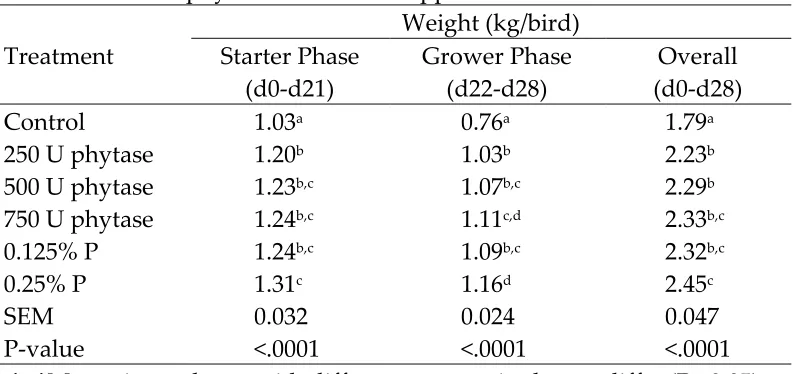
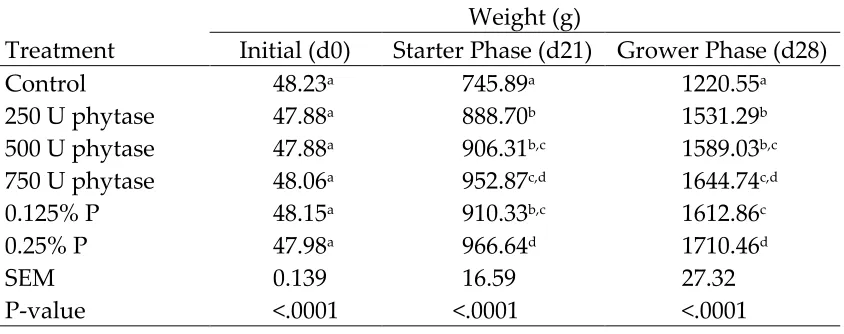
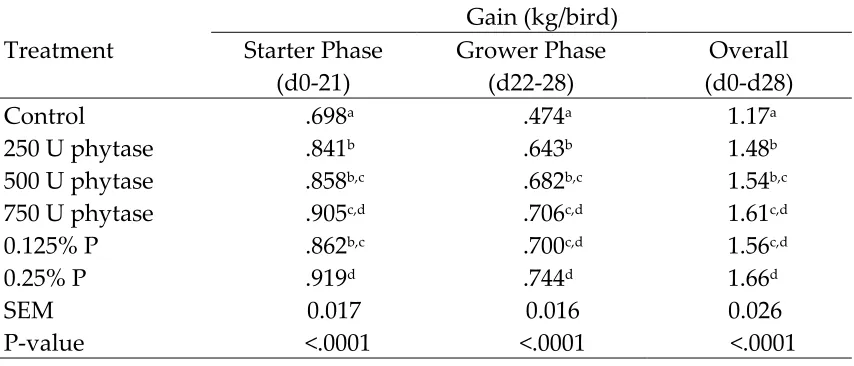
Gain, expressed as kg/bird, was lower (P<0.05) in birds fed the negative control diet than in broilers fed other treatments (Table 6). The reduced weight gain in broilers fed the low P diet can be largely explained by their lower feed intake (Letourneau-Montiming et al., 2010). Gain in birds supplemented with 250 U of phytase was lower (P<0.05) than in birds supplemented with 750 U of phytase during the starter and grower phase. Gain in birds supplemented with 250 U of