University of South Carolina
Scholar Commons
Theses and Dissertations
5-2017
Antimicrobial Biomaterials and Sustainable
Polymers from Renewable Biomass
Mitra Shiran Ganewatta University of South Carolina
Follow this and additional works at:https://scholarcommons.sc.edu/etd
Part of theArts and Humanities Commons, and theChemistry Commons
This Open Access Dissertation is brought to you by Scholar Commons. It has been accepted for inclusion in Theses and Dissertations by an authorized administrator of Scholar Commons. For more information, please [email protected].
Recommended Citation
A
NTIMICROBIALB
IOMATERIALS ANDS
USTAINABLEP
OLYMERSFROM
R
ENEWABLEB
IOMASSby
Mitra Shiran Ganewatta Bachelor of Science University of Colombo, 2011
Submitted in Partial Fulfillment of the Requirements For the Degree of Doctor of Philosophy in
Chemistry
College of Arts and Sciences University of South Carolina
2017 Accepted by:
Chuanbing Tang, Major Professor Qian Wang, Committee Member F. Wayne Outten, Committee Member
Alan W. Decho, Committee Member
D
EDICATIONTo my parents, for their love and support and guiding me
to get the best education possible. I appreciate their life long sacrifices to making the person who I am.
To Nadee, my loving wife, for her immense support and love. None of my accomplishments would be possible without her.
A
CKNOWLEDGEMENTSFirst and foremost, I would like to express my sincere gratitude to my advisor, Dr. Chuanbing Tang. It has been an honor and a privilege to be mentored by such an enthusiastic and knowledgeable person. His passion for polymer science has inspired me to a great extent. I eagerly appreciate his contributions to make my Ph.D. experience diverse, productive and stimulating. I want to appreciate him for the excellent role model he has provided as a successful professor and a caring person. He has made a positive impact on my life.
Besides the exciting research work, I feel thankful to get the chance to work with Dr. Brian Benicewicz while I served as the president and secretary of the ACS Poly/PMSE Student Chapter at USC. I want to mention Julia, Andrew and Zach for working with me to conduct many projects and services. Volunteering with Dr. Linda Shimizu for the K12 outreach program was a great experience for me.
I am very appreciative of the experiences shared and friendships formed with other graduate students, post-docs and visiting scholars during my stay at USC. I want to specially mention the members in Tang Polymer Group. I thank Dr. Yi Yan for being a terrific mentor for me during the early stages of my graduate career. Dr. Jifu Wang made a great platform to work on and I thank him. Dr. Zhongkai Wang was very motivating through his work. I closely worked with Dr. Jiuyang Zhang, Dr. Kejian Yao, Dr. Perry Wilbon and it was a pleasant experience for me. Dr. Jeffery Hayat and Nathen Trenor were my awesome office mates. Thank you Md Anisur Rahman, Meghan E. Lamm and Xinzhou Zhang for being nice friends. Parker S. Singleton and Louis Mercado were excellent undergraduate students who worked with me. I also want to mention Dr. Yali Qiao, Dr. Xiaodong Ying, Dr. Yanming Han, Dr. Yuzhi Xu, Dr. Hui Li, Dr. Christopher Hardy, Paras Pageni, Tianyu Zhu and many others. It is a great pleasure to work with all of you and learn from you. Thanks for all your help and suggestions!
A
BSTRACTIn this dissertation, development of antimicrobial biomaterials and sustainable polymers from renewable biomass is described. In Chapter 1, an overview and recent development about sustainable polymers from renewable biomass, antimicrobial biomaterials and polymerization methods are given. Afterwards, the major research objectives of this doctoral research work are described.
Innovative cationic polymers containing pine resin sourced abietic acid is discussed in Chapter 2. The preparation of cationic compounds is conversed via a combination of Diels-Alder, catalytic esterification, quaternization and subsequent decoration of polycaprolactone that was prepared via ring-opening polymerization (ROP). Furthermore, the antimicrobial activity against a range of bacteria, biocompatibility with mammalian cells and the antimicrobial mechanistic aspects are provided. Chapter 3 is dedicated for sustainable antimicrobial and antibiofilm coatings. They were developed using cationic compounds and polymers grafted on surfaces via copper-catalyzed ‘click’ chemistry (CuAAC) and surface-initiated atom transfer radical polymerization (SI-ATRP). Antimicrobial, antibiofilm and biocompatibility properties of these surfaces were examined.
T
ABLE OFC
ONTENTSDEDICATION ... iii
ACKNOWLEDGEMENTS ... iv
ABSTRACT ... vi
LIST OF TABLES ... XI LIST OF FIGURES ... xii
LIST OF SYMBOLS ...xv
LIST OF ABBREVIATIONS ... xvi
CHAPTER 1GENERAL INTRODUCTION ...1
1.1SUSTAINABLE POLYMERS FROM RENEWABLE BIOMASS ...2
1.2RENEWABLE RESIN ACIDS ...11
1.3BILE ACIDS ...13
1.4ANTIMICROBIAL POLYMERS ...14
1.5POLYMERIZATION TECHNIQUES AND MODIFICATION CHEMISTRIES ...21
1.6RESEARCH OBJECTIVES ...26
1.7REFERENCES ...27
CHAPTER 2 BIO-INSPIRED RESIN ACID-DERIVED MATERIALS AS ANTIBACTERIAL AGENTS WITH UNEXPECTED ACTIVITIES...38
2.1ABSTRACT ...39
2.2INTRODUCTION ...39
2.4RESULTS AND CONCLUSIONS ...53
2.5CONCLUSIONS ...63
2.6REFERENCES ...64
CHAPTER 3 ANTIBACTERIAL AND BIOFILM-DISRUPTING COATINGS FROM RESIN ACID -DERIVED MATERIALS ...70
3.1ABSTRACT ...71
3.2INTRODUCTION ...71
3.3EXPERIMENTAL SECTION ...74
3.4RESULTS AND DISCUSSION ...82
3.5CONCLUSIONS ...94
3.6REFERENCES ...94
CHAPTER 4FACIALLY AMPHIPHILIC ANTIMICROBIAL POLYMERS CONTAINING LITHOCHOLIC ACID IN THE MAIN-CHAIN ...100
4.1ABSTRACT ...101
4.2INTRODUCTION ...101
4.3EXPERIMENTAL SECTION ...104
4.4RESULTS AND DISCUSSION ...107
4.5CONCLUSION ...113
4.6REFERENCES ...114
CHAPTER 5BIOBASED PLASTICS AND ELASTOMERS FROM RENEWABLE ROSIN VIA “LIVING” RING-OPENING METATHESIS POLYMERIZATION ...117
5.1ABSTRACT ...118
5.2INTRODUCTION ...118
5.3EXPERIMENTAL SECTION ...121
5.5CONCLUSIONS ...145
5.6REFERENCES ...146
CHAPTER 6SUMMARY AND OUTLOOK ...151
6.1DISSERTATION SUMMARY ...152
6.2 FUTURE WORK ...152
L
IST OFT
ABLESTable 2.1 Minimum inhibitory concentrations against several bacterial strains, HC50 and
L
IST OFF
IGURESFigure 1.1 A comparison between traditional petrochemical polymers and sustainable
polymers ...4
Figure 1.2 Schematic diagram to illustrate the concepts of sustainable polymers from biomass ...4
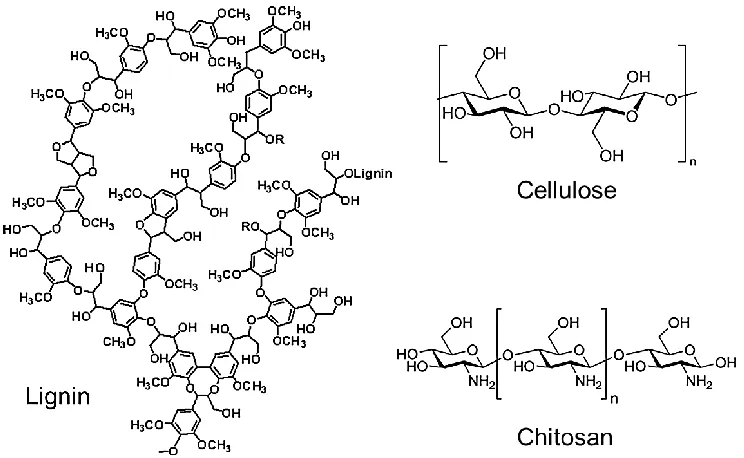
Figure 1.3 Naturally occurring polymers obtained from renewable biomass ...7
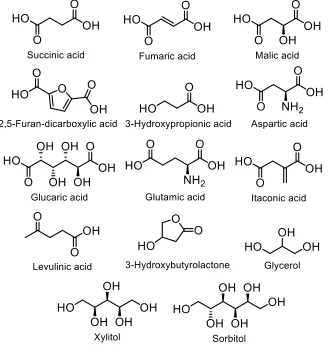
Figure 1.4 Top biomass platform molecules produced from sugars recognized by the US Department of Energy ...8
Figure 1.5 Terpene-based compounds used in sustainable polymers ...9
Figure 1.6 Sustainable polymers derived from biotechnologically derived monomers ....10
Figure 1.7 Copolymerization of limonene oxide and CO2 ...10
Figure 1.8 Pathway of diterpene resin acid biosynthesis in conifers ...11
Figure 1.9 Chemical structures of representative resin acids ...12
Figure 1.10 Chemical structures of representative bile acids ...14
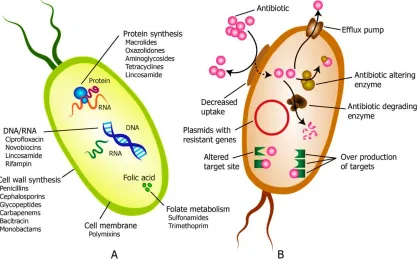
Figure 1.11 An illustration of antibiotic action and microbial resistance ...15
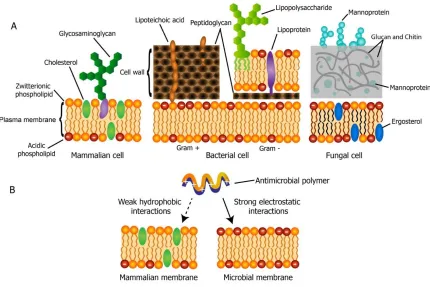
Figure 1.12 Origin of the cell selectivity of cationic antimicrobial macromolecules. ...19
Figure 1.13 ROP of ε-caprolactone and representative ROP catalysts ...22
Figure 1.14 Schematic illustration of ATRP mechanism ...23
Figure 1.15 Grubbs’ catalyst structures ...24
Figure 1.16 Schematic illustration of ROMP mechanism ...25
Figure 1.17 Copper catalyzed azide-alkyne cycloaddition ...26
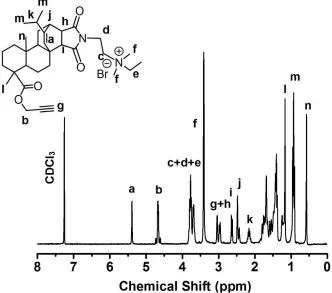
Figure 2.2 1H NMR spectrum of compound 1 in CDCl3 ...45
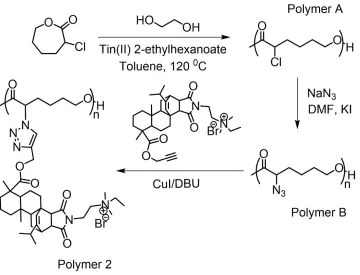
Figure 2.3 Synthesis of resin acid containing polymers ...46
Figure 2.4 GPC trace of polymer A ...47
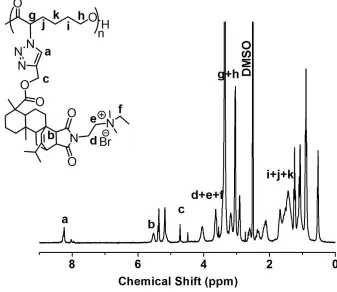
Figure 2.5 1H NMR spectrum of polymer 2 in DMSO-d6 ...47
Figure 2.6 Lipids used for dye-leakage assays and molecular dynamics simulations ...51
Figure 2.7Structures of resin acid derived cationic antimicrobial agents ...53
Figure 2.8 Antimicrobial activities of compound 1 and polymer 2 ...56
Figure 2.9Cytotoxicity of compound 1 and polymer 2 against mouse splenocytes ...58
Figure 2.10Molecular dynamics simulations of the acid format of compound 1 and model lipid bilayer ...60
Figure 2.11 Dye-leakage experiment to evaluate the membrane activity of the cationic compound 1 ...63
Figure 3.1 Illustration of resin acid derived cationic compounds and surfaces ...72
Figure 3.2 Grafting of antimicrobial materials on surfaces ...76
Figure 3.3 Surface characterization results ...85
Figure 3.4 Stained (Live/Dead stain) surfaces after 24 h incubation with bacteria. ...87
Figure 3.5 Antibacterial activity of the modified surfaces after 24 h ...88
Figure 3.6 The amounts of E. coli and S. aureus biofilm biomass accumulated on the surfaces after incubating in the CDC bioreactor ...90
Figure 3.7Comparison of antimicrobial mechanisms of the QA surfaces (left) and pristine surface (right) ...91
Figure 3.8 Amount of HDF cells proliferated on the surfaces ...92
Figure 3.9 Morphology of HDF cells proliferated on the surfaces after 4 days ...93
Figure 4.1 Facially amphiphilic structure of lithocholic acid ...103
Figure 4.2 Synthesis of main-chain cationic polymers from lithocholic acid ...108
Figure 4.4 Polymer nanoparticle characterization ...110
Figure 4.5 Polymer micelle characterization using DLS ...111
Figure 4.6 Polymer critical micellar concentration evaluation using pyrene as a probe .112 Figure 4.7 Antimicrobial activities of polymer P2 ...112
Figure 4.8Release profile of the antibiotic ampicillin in PBS buffer at 37 oC...113
Figure 5.1 Synthesis of dehydroabietic-containing norbornene monomers M1 and M2 and their polymers P1 and P2 ...130
Figure 5.2 1H NMR spectra of monomers and polymers ...131
Figure 5.3 Controlled and living polymerization of M1 ...135
Figure 5.4 Master curve of G’, G”, and tan δ versus reduced angular frequency at the reference temperature T = 180 °C for the HMW homopolymer P1 ...136
Figure 5.5 Temperature dependence of the shift factor (squares) and fit of the Williams-Landel-Ferry equation (dashed curve, C1=6.44058, C2=142.002 K) ...136
Figure 5.6 Representative tensile test data of the homopolymers ...139
Figure 5.7 Synthesis of triblock copolymers by ROMP with sequential monomer addition ...141
Figure 5.8 DSC curves of the polymers ...143
Figure 5.9 Morphological characterization of triblock copolymer P10 ...144
L
IST OFS
YMBOLSMn Number average molecular weight
Đ Dispersity
Me Chain entanglement molecular weight
Tg Glass transition temperature
Tm Melting temperature
Td5 Temperature at 5% weight loss
L
IST OFA
BBREVIATIONSHMW ... High Molecular Weight MDS ... Molecular Dynamics Simulations MIC ... Minimum Inhibitory Concentration MRSA ... Methicillin-resistant Staphylococcus aureus
CHAPTER 1
G
ENERALI
NTRODUCTION1,2
1 Ganewatta, M. S.; Ryu, C. Y.; Tang, C., Introduction, in Sustainable Polymers from
Biomass, Tang C. and Ryu, C. Y. (Eds). Chapter 1, Wiley-VCH Verlag GmbH & Co. KGaA, 2017. Partially reproduced with permission from Wiley. Copyright © 2017 Wiley Ltd.
2 Ganewatta, M. S.; Tang, C., Controlling Macromolecular Structures Towards Effective
1.1Sustainable Polymers from Renewable Biomass
The discovery and development of synthetic polymeric materials in the 20th century can undoubtedly be recognized as one of the best inventions humans made to improve the quality of life. Durability, light weight, diverse properties are just a few reasons why polymeric materials’ presence span from simple water bottles to modern space stations. Outstanding properties of polymeric materials have displaced other materials, such as wood, metal, and glass to a considerable extent. Packaging, construction, transportation, aerospace, biomedical, energy and military are few examples where polymeric materials prevail. Global production of plastic has risen from 204 million tonnes in the 2002 to about 299 million tonnes in 2013.1 Manufacture of non-natural polymers is largely associated with the utilization of essentially non-renewable fossil feed stocks either natural gas or petroleum. Approximately, 5-8% of the world’s oil production is used for plastics production.2 Accompanying environmental problems include but not limited to generation of solid waste that accumulates in landfills and oceans, production pollution and related environmental problems.3
A major underlying issue of plastics is the enormous carbon footprint associated with production as portrayed by producing 1 kg of plastics generates about 3-6 kg of CO2.2
21st century have driven academia, and industry to explore sustainable polymers from renewable biomass as a long-term alternative. In addition, the consumers’ preference as well as governmental landscape has changed in favor of sustainable products for a greener environment. Significant advancements have been made to discover sustainable polymers, cost effective to manufacture and compete or out perform traditional materials in mechanical aspects as well as environmental stand points.4 The valuable contributions to the field by several recent books5, 6 and reviews7-11 broadly discuss about sustainable polymeric materials.
Given the influence of polymers as an indispensable resource for modern society it should be taken as a stern concern for sustainable development. There are varied definitions for sustainability. “Development that meets the needs of the present without compromising the ability of future generations to meet their own needs” is the working definition given by the report Our Common Future, published in 1987 by the World Commission on Environment and Development.12 In most cases, the terms ‘renewable polymers’ and
‘sustainable polymers’ are used with overlapping meanings and without any distinction. Typically, renewable polymers are made from renewable feedstock chemicals. However, to be ideally sustainable those polymers should be more environmentally friendly to produce - denoting less non-renewable chemical or energy use and less pollution emissions and easy to decompose after service lifetime. Development of such polymers from biomass is expected to solve problems associated with the dependence of fossil oil resources as well as water and land pollution by non-degradable polymer waste from consumer products.13,
Figure 1.1 A comparison between traditional petrochemical polymers and sustainable polymers.
The prime aspects of the sustainable materials are to utilize renewable biomass resources for raw materials as opposed to petrochemical sources and incorporate degradability to the novel materials such that sustainable polymers inherit a cyclic life cycle considering the time factor.
As illustrated in Figure 1.2, there is a considerable influence to global carbon cycle by the plastic industry. ‘Fossil sourced’ carbon dioxide release is overwhelming that natural photosynthesis or other natural sinks cannot equilibrate the global ecosystem. However, a transition from fossil based chemicals to the use of non-petrochemical renewable biomass to produce polymers would diminish the involvement to the greenhouse effects since they are low carbon or carbon neutral as well as promote the sustainable utilization of limited fossil oil resources. Unlike, the unevenly distributed fossil oil, natural biomass is available in many geographic areas throughout the world and can be produced locally or regionally without significant technological intervention. Also, their market price fluctuations would be much favorable compared to crude oil resources and can provide a stable supply over a long period.
Last two decades resulted in a great level of scientific advancements that paves paths towards the initial stages of an era of sustainability, carbon neutrality, and independence from petroleum sources for the generation of polymeric materials. Rapid expansion of this field can be visualized by the exponential increase in the number of scientific reports published on sustainable polymers, appearance of dedicated scientific journals and the steady increase of the market share of renewable bio-based material products for example NatureWorks Ingeo™, DuPont™ Sorona®. Although, market share of bio-based polymers is about 2% in 2013 and it is expected reach more than 4% by 2020 with volume increases faster than that of petroleum based polymers.15
decay and sediment. Valuable raw materials for sustainable polymer production are hidden in the biomass. Unfortunately, deployment of biomass for polymeric material production is lagging largely due to the competitiveness of fossil oil counter parts as well as their well-established technologies for polymer industry. In addition, as the global human population grows rapidly, the demand on biomass for food and energy purposes has perceived an escalating interest. Nevertheless, a modern ‘gold rush’ is witnessed in recent years to unlock the true potential of biomass chemicals. Generation of sustainable polymers from agricultural feed stock such as sugar cane, corn, potatoes, and other carbohydrates has limitations due to competing food necessities. Therefore, current focus is shifted towards nonfood and feed renewable biomass and waste resources such as lingo-cellulosic resources, paper mill waste, agricultural waste, and food waste.
lipids.19 Their structural diversity and analogy to plastics makes them good candidates to replace synthetic thermoplastics. With modern technologies, the PHA research has expanded to produce block copolymers and graft polymers using a variety of bacteria including new isolates and metabolically engineered species.
Figure 1.3 Naturally occurring polymers obtained from renewable biomass.
raw biomass into market place chemicals is given by the concept of biorefinery.22 In a biorefinery raw biomass feedstock is processed to generate value added platform chemicals. The products from biorefinery are expected to replace fossil oil based products coming from petrochemical refinery. It is important such method does not compete food based biomass for materials development as the human population keep increasing rapidly.
Figure 1.4 Top biomass platform molecules produced from sugars recognized by the US Department of Energy.
Besides these chemicals, hydrocarbon rich biomass such as terpenes including pinene, limonene, resin acids (Figure 1.5), and furans, as well as fatty acids from vegetable oils, cashew nut shell liquid are promising candidates for sustainable polymer preparation.7,
Figure 1.5 Terpene‐based compounds used in sustainable polymers.
Terpenes are the largest and most abundant class of natural hydrocarbons in nature. Various olefinic terpenes have been incorporated in to polymeric materials. Resin acids are naturally produced by conifer trees and the production is more than 1 million tons annually. This largely overlooked resource is gaining interest as a source for polymer industry. Triglycerides from natural plant oils are a widely abundant source of biomass to produce sustainable polymers and materials. Various types of thermoset polymers have been developed using plant oils.
Figure 1.6 Sustainable polymers derived from biotechnologically derived monomers. Non-hydrocarbon molecular biomass including carbon dioxide (CO2), carbon
disulfide (CS2) and carbonyl sulfide (COS) is useful in the preparation of copolymers with
epoxides that afford C1-based polycarbonate polymers (Figure 1.7). Such polymers could be promising to directly reduce the impact of excessive levels of CO2 produced by burning
of fossil resources. However, the major drawback is the poor activity of the reactants to undergo polymerization. To circumvent that, copolymerization optimization and new catalysts are being investigated.26
Figure 1.7 Copolymerization of limonene oxide and CO2.
of sustainable polymers are required to move on the path to transfer from petrochemical based polymer world to bio-based sustainable polymer world.
1.2Renewable Resin Acids
Rosin is the non-volatile hydrocarbon-rich exudate of pine and other conifer trees produced in large quantities as a chemical and physical defense against herbivore and pathogen attacks.27 Rosin is considered as an abundant source of high-value diterpene resin acids that is produced in quantities greater than 1.2 million tons annually worldwide. Rosin consists primarily of abietic- and pimaric-type resin acids with characteristic hydrophobic cycloaliphatic or aromatic ring structures generally known as hydrophenanthrene rings. Similar to all terpenoids, oleoresin terpene biosynthesis arises from fundamental precursor isopentenyl diphosphate which undergoes isomerization and condensation to produce geranylgeranyl diphosphate, the precursor of diterpenes. Conversion of the precursor to various tricyclic diterpene olefin structures is catalyzed by diterpene synthases followed by three-step oxidation at C18 to produce corresponding diterpene resin acids (Figure 1.8).27, 28
Figure 1.8 Pathway of diterpene resin acid biosynthesis in conifers. AS: abietadiene synthase and P450: multi-substrate P450 oxidase enzymes.
The most abundant resin acid is abietic acid with the empirical formula C20H30O2
antimicrobial,29 anti-inflammatory30 and anticonvulsant31 activities. The presence of carboxyl groups, conjugated double bonds and other functionalities imparts these chemicals a tunable chemical reactivity to obtain derivatives such as salts, esters and maleic anhydride adducts, and hydrogenated or disproportionated resins which are used in a wide range of applications.7 Rosin is traditionally used as ingredients in fine chemicals such as antifouling caulking agent, in inks, adhesives, cosmetics, vanishes, medicines and chewing gums.8
Figure 1.9 Chemical structures of representative resin acids.
Depending on the position of the hydrophenanthrene structure rosin based polymers have been developed as main-chain polymers and side-chain polymers. Main-chain rosin based polymers are prepared via various condensation polymerizations. However, the molecular weights of polymers were low due to many reasons including steric hindrance, monomer impurities, and stoichiometric control.32-36 However, radical polymerization of side-chain rosin-based polymers have evaded such difficulties to produce polymers with control of molecular weight. Rosin-derived vinyl, acrylic, or allyl ester monomers are utilized to produce side-chain rosin-based polymers.35 However, the molecular weights were not enough to have chain entanglements. Hence the polymers appeared as powders and it was not possible to make mechanically robust materials. Rosin is an abundant renewable resource that has shown promise in the field of polymer science. To improve the performance of rosin based polymers, more investigations on the polymerization methods of rosin based new monomers is required.
1.3Bile Acids
Figure 1.10 Chemical structures of representative bile acids.
Bile acids are abundant in nature and accessible as biomass derived chemicals. Hence, they are desirable for the development of novel building blocks for polymeric materials.39 The rigid steroidal nucleus of these bile acids provides tough mechanical properties. In addition, biocompatibility of such molecules confers useful biomaterials. Recent advances have investigated a broad variety of structures with bile acids as repeating units in the polymer backbone, as pendant groups along the polymer chain in block or statistical polymer or chain end-functional polymers.40, 41 Biopolymers containing bile acids in the main chain have been widely prepared using step-growth polymerization via incorporating a variety of linkers, such as esters, amides, triazoles, urethanes, and imines.
42-46 Bile acid containing side-chain polymers have been developed for various applications
such as drug delivery, self-healing materials, and sensing.47, 48 Bile acids are also explored
as antimicrobial surfactants.49 However, bile acids as antimicrobial biomaterials require more attention. Given the amphiphilic nature of the bile acid structure, it is intriguing to see the development of novel biomaterials from these molecules.
1.4 Antimicrobial Polymers
discovery from 1940s to 1960s.50, 51 Molecular targets of pathogens, which are absent or significantly different from human cells such as cell wall, 60S ribosomes, cell membranes, genetic materials and biosynthetic pathways, are utilized to design antimicrobial agents (Figure 1.11A). Environmental pressure from the action of antibiotics combined with short life cycles and lateral gene transfer mechanisms have resulted in rapid appearance of resistant pathogenic populations of microorganisms.52 For example, widespread outbreaks of penicillin-resistant Staphylococcus aureus and methicillin-resistant S. aureus (MRSA) infections occurred just a few years after the introduction of β-lactam antibiotics, penicillin and methicillin.
Figure 1.11 An illustration of antibiotic action and microbial resistance. (A) Typical antibiotic target sites present in bacterial cells. (B) Mechanisms of antibiotic resistance.
prominent issue is the expeditious growth of acquired resistance in bacteria that cause major healthcare crisis. For example, since the introduction of the first β-lactam antibiotics, the number of unique β-lactamase enzymes has grown from zero to over 1000.53 Decades of use and misuse of antibiotics, combined with a forty-year lull in the pipe line of novel antimicrobial agents, have consequences of a global superbug threat that could lead human civilization to a pre-antibiotic era.The devastating nature of the increasing resistance to available antibiotics is a global concern at high priority. Antibiotic resistance seems inevitable. Therefore, it is essential to continuously develop antibiotics with novel modes of action to face the evolving resistance.54
Antimicrobial polymers are a class of novel antimicrobial agents that is fueled by the combined knowledge on antimicrobial peptides (AMPs)55 and polymer disinfectants that have emerged as two distinct fields since the 1980s.56 There are several books, a variety of reviews and highlights on antimicrobial polymers published over the past few years that give broader and diverse perspectives.56-73 There has been a rapid expansion of novel
antimicrobial polymers and related research in the last decade.
It is increasingly recognized that microbial membranes provide an effective target for the development of de novo designed antimicrobial agents. Recent understanding of the innate immunity mediated by macromolecules highlights the importance of short amphiphilic peptides that modulate host defenses against microbial pathogens.74 Also
immune systems.76, 77 Several decades of studies have revealed more than two thousand AMPs with diverse sequences of amino acids and a range of structures. However, all AMPs show a common characteristic: the presence of an amphiphilic structure (in some literature, “amphipathic” is often used). The optimal amphiphilicity, which comes from cationic amino acids (e.g. lysine, arginine) and hydrophobic residues (e.g. isoleucine, valine), enables AMPs to fold into cationic and facially amphiphilic secondary structures. This feature permits AMPs to strongly interact with biological membranes. Interestingly, receptor-mediated antimicrobial activity is generally absent in AMPs. For instance, it was shown that all-D synthetic enantiomer homologous of magainins and cecropins have similar potency to all-L natural peptides.78 This non-specific property has shown to be a class of promising anti-infective agents that are assumed to defer long-term resistance development compared to small molecule antibiotics.
similar to that of AMPs 80. It is interpreted in terms of a sequence of essential processes81: (1) It initiates by the adsorption on microbial cell surface. This utmost important step is also the basis of selectivity towards microbes; (2) Then the polycations diffuse through the cell wall and/or (3) interact with the cytoplasmic membrane; (4) This interaction may irreversibly damage the integrity of the cell membrane; (5) subsequently result in the release of cytoplasmic components including K+ ions, DNA/RNA; and (6) finally lead to cell death. In addition to the membrane disruption by the integration of cationic polymers with lipid membranes, they may also destabilize the membrane surface by displacing divalent cations such as Ca2+ associated with the membrane phospholipids.
Gram-negative bacteria have an additional outer membrane bearing phospholipids and lipopolysaccharides. The lipopolysaccharides impart a strongly negative charge to cell surface. Fungal cell walls are comprised of glycoproteins and polysaccharides, mainly glucan and chitin that are extensively cross-linked together to form a complex network.83
The phosphodiester linkages in these glycoproteins result in additional negative charges to the fungal cell surface.84
Figure 1.12 Origin of the cell selectivity of cationic antimicrobial macromolecules. (A) Illustration of the cross sections of microbial and mammalian cell envelopes. Mammalian cell membrane surface (left) is largely neutral compared to bacterial (middle) or fungal (right) cell membranes. (B) Selective interactions between cell membranes and cationic polymers.
nonspecific in their action on microbes. However, it is unrealistic to expect that microbial pathogens are unable to develop resistance against these macromolecules. It should be noted that there are few reports indicating bacterial resistance development against AMPs and synthetic polymers.86-88 Nevertheless, wide spread and rapid resistance development
towards membrane active, cell lysing antimicrobial macromolecules may be unlikely compared to small molecule antimicrobials mediated with specific receptor sites.89 It has been observed that there is a much greater number of passes required to induce resistance in bacteria against AMPs or synthetic mimics of AMPs under in vitro experiments.90, 91 On the other hand, it is ambiguous how in vivo conditions, where a multitude of defense agents and mechanisms are present in the host organism, may define the microbial adaptations against cationic macromolecules.92 These features may be the reason AMPs have been actively present in biological systems as effective defensive macromolecules in many forms of life for millions of years.
Synthetic mimics of AMPs are rapidly expanding, indicating that AMPs have formed a better platform to develop a class of next generation antimicrobial therapeutics. Several types natural AMPs and mimics of AMPs such as synthetic AMPs,93β-peptides,94,
95 peptoides,96 and AApeptides97 have been developed with comparable or even better
activities than the natural versions. However, in most situations costly synthetic approaches, fast proteolytic degradation, low bioavailability or toxicity limit their widespread clinical applicability.98, 99
conventional antibacterial agents of low molecular weight, polymeric antibacterial agents have advantages such as non-volatilization, inability to permeate the skin, longer circulatory time and reduced residual toxicity to the environment. The general term ‘antimicrobial polymers’ include several classes of materials such as cationic polymers, biocide-releasing polymers and antibiotic-conjugated polymers. Synthetic polymer disinfectants with cationic functionalities that emerged simultaneously with AMPs show strong biocidal activities. These macromolecules usually have cationic functionality such as quaternary ammonium groups, and hydrophobic alkyl moieties and have been mostly derived from poly(styrene)s, poly(vinylpyridine)s, poly(methacrylate)s, etc.72 However,
earlier versions of polycationic biocides showed significant toxicity to human cells. This property could be only in line with their targeted application, which is in the solid state as potent disinfectants or biocidal coatings. Therefore, the improvement of both antimicrobial and biocompatible polymers is essential to enable widespread systemic or topical clinical use of these macromolecules.
1.5Polymerization Techniques and Modification Chemistries
Ring-Opening Polymerization (ROP). ROP is a very important controlled
friendliness and biomedical applications.104 Metal based catalysts, such as tin(II) bis(2-ethylhexanoate) (Sn(Oct)2), aluminum alkoxides and zinc salts have been useful for ROP.
However, metal free ROP have been gaining much attention recently due to their reduced environmental impact. Metal-free ROP have been developed using organic catalysts such as N-heterocyclic carbenes, 4-dimethylaminopyridine and other organic super bases.105 Figure 1.13 gives a typical polymerization of ε-caprolactone to get polycaprolactone and several catalysts that have been useful for ROP.
Figure 1.13 ROP ofε-caprolactone and representative ROP catalysts.
Atom Transfer Radical Polymerization (ATRP). Controlled radical
process of activation with low oxidation transition metal complex (Mtm/L) and the deactivation with the high oxidation state of the complex (X-Mtm+1/L). Although, CuI/L and X-CuII has been widely used as the catalytic system, several other redox-active transition metal complexes (Cu, Ru, Fe, Mo, Os, etc.) have been explored. The equilibrium conditions favor a high concentration of dormant species and low concentration of propagating chain ends resulting a significant decrease of chain termination and transfer. Such a behavior provides significant control over radical polymerization.
Figure 1.14 Schematic illustration of ATRP mechanism.
The initiating alkyl halides can be in solution or anchored on substrate surfaces (nanoparticles, polymer chain ends or pendent groups, one dimensional surfaces, etc.). This provide the ability to grow free polymers chains in solution or grafted from the substrates which is a significant improvement compared to free radical polymerization.120, 121 Such grafting from methods is named as surface initiated ATRP (SI-ATRP) which is important in designing hybrid materials for biomedical applications. 122-124 Furthermore, the active
Ring-Opening Metathesis Polymerization (ROMP). Coordination-polymerization methods such as ROMP allow for the synthesis of linear polymers with high molecular weight. ROMP of cyclic olefins undergo chain-growth polymerization with releasing of the ring strain energy as the driving force.130, 131 A variety of metal alkylidenes
are investigated for ROMP. Tungsten and molybdenum catalysts (Schrock catalysts) typically have rapid initiation rates to produce well defined polymers with control. However, Grubbs’ ruthenium based catalysts are well-known for their stability, functional group tolerance and ease of use for polymerization under mild conditions. Three different generations of Grubbs’ catalysts are given in Figure 1.15.
Figure 1.15 Grubbs’ catalyst structures.
Figure 1.16 Schematic illustration of ROMP mechanism.
Norbornenes, cyclopentenes and cyclooctenes are excellent monomers for ROMP.132 Although the monomer pool for ROMP is relatively limited, linear polymers with special functionalities can be prepared from substituted cyclic olefins. In addition, sequential monomer additions provide a path for the preparation of block copolymers.133 ROMP provides an effective platform for synthesizing polymeric materials with diverse functionalities and architectures.
“Click” Chemistry. Click chemistry defined by K. B. Sharpless in 2001 involves many reactions with properties such as high yields, simple to perform, easy to purify and can be conducted in benign solvents.134 Well-known examples includes copper(I)-catalyzed and strain-promoted azide-alkyne cycloaddition, Diels-Alder cycloaddition, and thiol-ene reaction. Among different click chemistries, copper(I)-catalyzed azide-alkyne cycloaddition (CuAAC) reaction is the most well-studied and widely employed technique to prepare novel polymer materials with various architectures and functional groups.135, 136 During this reaction, organic azides and terminal alkynes combine to produce 1,4-disubstituted 1,2,3-triazoles (Figure 1.17).
Figure 1.17 Copper catalyzed azide-alkyne cycloaddition.
CuAAC is useful to design functional interfaces through post-polymerization modification such as to make graft to polymers to make side chains as well as to link different types of polymers to obtain block copolymers with various architectures.137-139
1.6Research Objectives
Development of sustainable biomaterials and polymers from natural biomass is widely anticipated to reduce the dependence on fossil oil resources. In addition, the emergence of drug-resistant bacteria necessitates the development of new antimicrobial agents. The objectives of this dissertation are blended on those two areas of research. First, antimicrobial biomaterials were developed using hydrocarbon rich biomass. Abietic acid was converted to cationic compound that contain quaternary ammonium group, and it was grafted to an azide substituted polycaprolactone polymer via CuAAC. These cationic materials demonstrated to be effective antimicrobial agents against bacteria including Methicillin-resistant Staphylococcus aureus with low toxicity to mammalian cells. Mechanism of action was determined using molecular dynamics simulations and dye-leakage assays. Sustainable antimicrobial and antibiofilm coatings were developed using the cationic compounds and polymers grafted onto glass surfaces via CuAAC and SI-ATRP. Antimicrobial, antibiofilm and biocompatibility properties of these surfaces were examined. Facially amphiphilic main-chain cationic polymers were developed using bile acids for antimicrobial applications.
mechanically robust films from these resin acid polymers were developed. The polymer chain entanglement molecular weight was determined. Furthermore, thermoplastic elastomers were prepared by combining resin acids, and soybean oil derived compounds. Together, these materials show promise for antimicrobial and sustainable polymer development using hydrocarbon rich renewable biomass.
1.7References
1. Walsh, C., Molecular Mechanisms That Confer Antibacterial Drug Resistance. Nature
2000,406, 775-781.
2. Levy, S. B.; Marshall, B., Antibacterial Resistance World-Wide: Causes, Challenges and Responses. Nat. Med. 2004,10, S122 - S129
3. Jambeck, J. R.; Geyer, R.; Wilcox, C.; Siegler, T. R.; Perryman, M.; Andrady, A.; Narayan, R.; Law, K. L., Plastic Waste Inputs from Land into the Ocean. Science 2015, 347, 768-771.
4. Mekonnen, T.; Mussone, P.; Khalil, H.; Bressler, D., Progress in Bio-Based Plastics and Plasticizing Modifications. J. Mater. Chem. A 2013,1, 13379-13398.
5. Belgacem, M. N.; Gandini, A., Monomers, Polymers and Composites from Renewable Resources. Elsevier: 2011.
6. Azapagic, A.; Emsley, A.; Hamerton, I., Polymers: The Environment and Sustainable Development. John Wiley & Sons: 2003.
7. Wilbon, P. A.; Chu, F.; Tang, C., Progress in Renewable Polymers from Natural Terpenes, Terpenoids, and Rosin. Macromol. Rapid Commun. 2013,34, 8-37.
8. Yao, K.; Tang, C., Controlled Polymerization of Next-Generation Renewable Monomers and Beyond. Macromolecules 2013,46, 1689-1712.
9. Babu, R.; O’Connor, K.; Seeram, R., Current Progress on Bio-Based Polymers and Their Future Trends. Prog. Biomater. 2013,2.
10. Gandini, A., The Irruption of Polymers from Renewable Resources on the Scene of Macromolecular Science and Technology. Green Chem. 2011,13, 1061-1083.
11. Holmberg, A. L.; Reno, K. H.; Wool, R. P.; Epps III, T. H., Biobased Building Blocks for the Rational Design of Renewable Block Polymers. Soft Matter 2014, 10, 7405-7424.
on Environment and Development. Oxford University Press, Oxford 1987.
13. Mecking, S., Nature or Petrochemistry?-Biologically Degradable Materials. Angew. Chem. Int. Ed. 2004,43, 1078-1085.
14. Okada, M., Chemical Syntheses of Biodegradable Polymers. Prog. Polym. Sci. 2002, 27, 87-133.
15. Drawz, S. M.; Bonomo, R. A., Three Decades of Β-Lactamase Inhibitors. Clin. Microbiol. Rev. 2010,23, 160-201.
16. Field, C. B.; Behrenfeld, M. J.; Randerson, J. T.; Falkowski, P., Primary Production of the Biosphere: Integrating Terrestrial and Oceanic Components. Science 1998, 281, 237-240.
17. Chen, G.-Q., A Microbial Polyhydroxyalkanoates (Pha) Based Bio- and Materials Industry. Chem. Soc. Rev. 2009,38, 2434-2446.
18. Chen, G.-Q.; Patel, M. K., Plastics Derived from Biological Sources: Present and Future: A Technical and Environmental Review. Chem. Rev. 2012,112, 2082-2099. 19. Reddy, C. S. K.; Ghai, R.; Rashmi; Kalia, V. C., Polyhydroxyalkanoates: An Overview.
Bioresour. Technol. 2003,87, 137-146.
20. Bozell, J. J., Feedstocks for the Future – Biorefinery Production of Chemicals from Renewable Carbon. CLEAN – Soil, Air, Water 2008,36, 641-647.
21. Werpy, T.; Petersen, G.; Aden, A.; Bozell, J.; Holladay, J.; White, J.; Manheim, A.; Eliot, D.; Lasure, L.; Jones, S. Top Value Added Chemicals from Biomass. Volume 1-Results of Screening for Potential Candidates from Sugars and Synthesis Gas; DTIC Document: 2004.
22. Cherubini, F., The Biorefinery Concept: Using Biomass Instead of Oil for Producing Energy and Chemicals. Energy Convers. Manage. 2010,51, 1412-1421.
23. Quirino, R. L.; Garrison, T. F.; Kessler, M. R., Matrices from Vegetable Oils, Cashew Nut Shell Liquid, and Other Relevant Systems for Biocomposite Applications. Green Chem. 2014,16, 1700-1715.
24. Holmberg, A. L.; Reno, K. H.; Wool, R. P.; Epps, I. I. I. T. H., Biobased Building Blocks for the Rational Design of Renewable Block Polymers. Soft Matter 2014,10, 7405-7424.
Chem. Int. Ed. 2004,43, 6618-6639.
27. Bohlmann, J.; Keeling, C. I., Terpenoid Biomaterials. Plant J. 2008,54, 656-669. 28. Trapp, S.; Croteau, R., Defensive Resin Biosynthesis in Conifers. Annu. Rev. Plant
Biol. 2001,52, 689-724.
29. Smith, E.; Williamson, E.; Zloh, M.; Gibbons, S., Isopimaric Acid from Pinus Nigra Shows Activity against Multidrug-Resistant and Emrsa Strains of Staphylococcus aureus. Phytother. Res. 2005,19, 538-542.
30. Fernandez, M. A.; Tornos, M. P.; Garcia, M. D.; de las Heras, B.; Villar, A. M.; Saenz, M. T., Anti-Inflammatory Activity of Abietic Acid, a Diterpene Isolated from Pimenta Racemosa Var. Grissea. J. Pharm. Pharmacol. 2001,53, 867-872.
31. Talevi, A.; Cravero, M. S.; Castro, E. A.; Bruno-Blanch, L. E., Discovery of Anticonvulsant Activity of Abietic Acid through Application of Linear Discriminant Analysis. Biorg. Med. Chem. Lett. 2007,17, 1684-1690.
32. Maiti, S., ; Ray, S.; Kundu, A., Rosin: A Renewable Resource for Polymers and Polymer Chemicals. Prog. Polym. Sci. 1989,14, 297-338.
33. Bicu, I., ; Mustata, F., Polymers from a Levopimaric Acid-Acrylic Acid Diels-Alder Adduct: Synthesis and Characterization. J. Polym. Sci. A Polym. Chem. 2007, 45, 5979-5990.
34. DSilvestre, A., ; Gandini, A., In Monomers, Polymers and Composites from Renewable Resources. Elsevier: Amsterdam, 2008; p 67-88.
35. Wang, J.; Yao, K.; Wilbon, P.; Wang, P.; Chu, F.; Tang, C., Rosin-Derived Polymers and Their Progress in Controlled Polymerization. In Rosin-Based Chemicals and Polymers, Zhang, J., Ed. ISmithers: Shawbury, UK, 2012; pp 85-127.
36. Wilbon, P.; Gulledge, A.; Benicewicz, B.; Tang, C., Renewable Rosin Fatty Acid Polyesters: The Effect of Backbone Structure on Thermal Properties. Green Mater.
2013,1, 96-104.
37. Russell, D. W.; Setchell, K. D. R., Bile Acid Biosynthesis. Biochemistry 1992, 31, 4737-4749.
38. Björkhem, I., Chapter 9 Mechanism of Bile Acid Biosynthesis in Mammalian Liver.
New Compr. Biochem. 1985,12, 231-278.
39. Denike, J. K.; Zhu, X. X., Preparation of New Polymers from Bile Acid Derivatives.
Macromol. Rapid Commun. 1994,15, 459-465.
41. Zhu, X.-X.; Nichifor, M., Polymeric Materials Containing Bile Acids. Acc. Chem. Res.
2002,35, 539-546.
42. Kumar, A.; Chhatra, R. K.; Pandey, P. S., Synthesis of Click Bile Acid Polymers and Their Application in Stabilization of Silver Nanoparticles Showing Iodide Sensing Property. Org. Lett. 2010,12, 24-27.
43. Shaikh, V. A. E.; Ubale, V. P.; Maldar, N. N.; Lonikar, S. V.; Rajan, C. R.; Ponrathnam, S., Main-Chain Liquid Crystalline Poly(Ester-Amide)S Containing Lithocholic Acid Units. J. Appl. Polym. Sci. 2006,100, 73-80.
44. Gautrot, J. E.; Zhu, X. X., Main-Chain Bile Acid Based Degradable Elastomers Synthesized by Entropy-Driven Ring-Opening Metathesis Polymerization. Angew. Chem. Int. Ed. 2006,45, 6872-6874.
45. Zuluaga, F.; Valderruten, N. E.; Wagener, K. B., The Ambient Temperature Synthesis and Characterization of Bile Acid Polymers. Polym. Bull. 1999,42, 41-46.
46. Li, W.; Li, X.; Zhu, W.; Li, C.; Xu, D.; Ju, Y.; Li, G., Topochemical Approach to Efficiently Produce Main-Chain Poly(Bile Acid)S with High Molecular Weights.
Chem. Commun. 2011,47, 7728-7730.
47. Hao, J.; Li, H.; Zhu, X. X., Preparation of a Comb-Shaped Cholic Acid-Containing Polymer by Atom Transfer Radical Polymerization. Biomacromolecules 2006,7, 995-998.
48. Jia, Y.-G.; Zhu, X. X., Self-Healing Supramolecular Hydrogel Made of Polymers Bearing Cholic Acid and Β-Cyclodextrin Pendants. Chem. Mater. 2015,27, 387-393. 49. Ye, W.; Li, Y.; Zhou, Z.; Wang, X.; Yao, J.; Liu, J.; Wang, C., Synthesis and
Antibacterial Activity of New Long-Chain-Alkyl Bile Acid-Based Amphiphiles.
Bioorg. Chem. 2013,51, 1-7.
50. Lewis, K., Platforms for Antibiotic Discovery. Nat. Rev. Drug Discov. 2013,12, 371-387.
51. von Nussbaum, F.; Brands, M.; Hinzen, B.; Weigand, S.; Habich, D., Antibacterial Natural Products in Medicinal Chemistry-Exodus or Revival? Angew. Chem. Int. Ed. Engl. 2006,45, 5072-5129.
52. Gillings, M. R., Evolutionary Consequences of Antibiotic Use for the Resistome, Mobilome and Microbial Pangenome. Front. Microbiol. 2013,4, 56-63.
53. Davies, J.; Davies, D., Origins and Evolution of Antibiotic Resistance. Microbiol. Mol. Biol. Rev. 2010,74, 417-433.
from the Infectious Diseases Society of America. Clin. Infect. Dis. 2009,48, 1-12. 55. Zasloff, M., Antimicrobial Peptides of Multicellular Organisms. Nature 2002, 415,
389-395.
56. Palermo, E. F.; Kuroda, K., Structural Determinants of Antimicrobial Activity in Polymers Which Mimic Host Defense Peptides. Appl. Microbiol. Biotechnol. 2010,87, 1605-1615.
57. Henderson, J. M.; Lee, K. Y. C., Promising Antimicrobial Agents Designed from Natural Peptide Templates. Curr. Opin. Solid State Mater. Sci. 2013,17, 175-192. 58. Lienkamp, K.; Madkour, A.; Tew, G., Antibacterial Peptidomimetics: Polymeric
Synthetic Mimics of Antimicrobial Peptides. In Polymer Composites – Polyolefin Fractionation – Polymeric Peptidomimetics – Collagens, Abe, A.; Kausch, H.-H.; Möller, M.; Pasch, H., Eds. Springer Berlin Heidelberg: 2013; Vol. 251, pp 141-172. 59. Muñoz-Bonilla, A.; Cerrada, M.; Fernández-García, M., Polymeric Materials with
Antimicrobial Activity: From Synthesis to Applications. Royal Society of Chemistry: 2013; Vol. 10.
60. Sobczak, M.; Dębek, C.; Olędzka, E.; Kozłowski, R., Polymeric Systems of Antimicrobial Peptides—Strategies and Potential Applications. Molecules 2013, 18, 14122-14137.
61. Takahashi, H.; Palermo, E. F.; Yasuhara, K.; Caputo, G. A.; Kuroda, K., Molecular Design, Structures, and Activity of Antimicrobial Peptide-Mimetic Polymers.
Macromol. Biosci. 2013,13, 1285-1299.
62. Carmona-Ribeiro, A.; de Melo Carrasco, L., Cationic Antimicrobial Polymers and Their Assemblies. Int. J. Mol. Sci. 2013,14, 9906-9946.
63. Kuroda, K.; Caputo, G. A., Antimicrobial Polymers as Synthetic Mimics of Host-Defense Peptides. Wiley Interdiscip. Rev. Nanomed. Nanobiotechnol. 2013,5, 49-66. 64. Li, P.; Li, X.; Saravanan, R.; Li, C. M.; Leong, S. S. J., Antimicrobial Macromolecules:
Synthesis Methods and Future Applications. RSC Adv. 2012,2, 4031-4044.
65. Muñoz-Bonilla, A.; Fernández-García, M., Polymeric Materials with Antimicrobial Activity. Prog. Polym. Sci. 2012,37, 281-339.
66. Siedenbiedel, F.; Tiller, J. C., Antimicrobial Polymers in Solution and on Surfaces: Overview and Functional Principles. Polymers 2012,4, 46-71.
68. Timofeeva, L.; Kleshcheva, N., Antimicrobial Polymers: Mechanism of Action, Factors of Activity, and Applications. Appl. Microbiol. Biotechnol. 2011,89, 475-492. 69. Som, A.; Vemparala, S.; Ivanov, I.; Tew, G. N., Synthetic Mimics of Antimicrobial
Peptides. Biopolymers 2008,90, 83-93.
70. Giuliani, A.; Pirri, G.; Bozzi, A.; Di Giulio, A.; Aschi, M.; Rinaldi, A. C., Antimicrobial Peptides: Natural Templates for Synthetic Membrane-Active Compounds. Cell. Mol. Life Sci. 2008,65, 2450-2460.
71. Gabriel, G. J.; Som, A.; Madkour, A. E.; Eren, T.; Tew, G. N., Infectious Disease: Connecting Innate Immunity to Biocidal Polymers. Mater. Sci. Eng. R-Rep. 2007,57, 28-64.
72. Kenawy, E.-R.; Worley, S. D.; Broughton, R., The Chemistry and Applications of Antimicrobial Polymers: A State-of-the-Art Review. Biomacromolecules 2007, 8, 1359-1384.
73. Tashiro, T., Antibacterial and Bacterium Adsorbing Macromolecules. Macromol. Mater. Eng. 2001,286, 63-87.
74. Hancock, R. E.; Diamond, G., The Role of Cationic Antimicrobial Peptides in Innate Host Defences. Trends Microbiol. 2000,8, 402-410.
75. Nakatsuji, T.; Gallo, R. L., Antimicrobial Peptides: Old Molecules with New Ideas. J. Invest. Dermatol. 2012,132, 887-895.
76. Reddy, K. V. R.; Yedery, R. D.; Aranha, C., Antimicrobial Peptides: Premises and Promises. Int. J. Antimicrob. Agents 2004,24, 536-547.
77. Hancock, R. E.; Sahl, H. G., Antimicrobial and Host-Defense Peptides as New Anti-Infective Therapeutic Strategies. Nat. Biotechnol. 2006,24, 1551-1557.
78. Wade, D.; Boman, A.; Wåhlin, B.; Drain, C. M.; Andreu, D.; Boman, H. G.; Merrifield, R. B., All-D Amino Acid-Containing Channel-Forming Antibiotic Peptides. Proc. Natl. Acad. Sci. USA 1990,87, 4761-4765.
79. Brogden, K. A., Antimicrobial Peptides: Pore Formers or Metabolic Inhibitors in Bacteria? Nat. Rev. Micro. 2005,3, 238-250.
80. Gilbert, P.; Moore, L. E., Cationic Antiseptics: Diversity of Action under a Common Epithet. J. Appl. Microbiol. 2005,99, 703-715.
81. Kenawy, E.-R.; Abdel-Hay, F. I.; El-Shanshoury, A. E.-R. R.; El-Newehy, M. H., Biologically Active Polymers. V. Synthesis and Antimicrobial Activity of Modified Poly(Glycidyl Methacrylate-Co-2-Hydroxyethyl Methacrylate) Derivatives with Quaternary Ammonium and Phosphonium Salts. J. Polym. Sci., Part A: Polym. Chem.
82. Matsuzaki, K., Control of Cell Selectivity of Antimicrobial Peptides. Biochim. Biophys. Acta 2009,1788, 1687-1692.
83. Bowman, S. M.; Free, S. J., The Structure and Synthesis of the Fungal Cell Wall.
Bioessays 2006,28, 799-808.
84. Ruiz-Herrera, J.; Elorza, M. V.; Valentin, E.; Sentandreu, R., Molecular Organization of the Cell Wall of Candida Albicans and Its Relation to Pathogenicity. FEMS Yeast Res. 2006,6, 14-29.
85. Poole, K., Mechanisms of Bacterial Biocide and Antibiotic Resistance. J. Appl. Microbiol. 2002,92, 55S-64S.
86. Yeaman, M. R.; Yount, N. Y., Mechanisms of Antimicrobial Peptide Action and Resistance. Pharmacol. Rev. 2003,55, 27-55.
87. Nizet, V., Antimicrobial Peptide Resistance Mechanisms of Human Bacterial Pathogens. Curr. Issues Mol. Biol. 2006,8, 11-26.
88. Thoma, L. M.; Boles, B. R.; Kuroda, K., Cationic Methacrylate Polymers as Topical Antimicrobial Agents against Staphylococcus aureus Nasal Colonization.
Biomacromolecules 2014,15, 2933-2943.
89. Marr, A. K.; Gooderham, W. J.; Hancock, R. E. W., Antibacterial Peptides for Therapeutic Use: Obstacles and Realistic Outlook. Curr. Opin. Pharm. 2006, 6, 468-472.
90. Pollard, J. E.; Snarr, J.; Chaudhary, V.; Jennings, J. D.; Shaw, H.; Christiansen, B.; Wright, J.; Jia, W.; Bishop, R. E.; Savage, P. B., In Vitro Evaluation of the Potential for Resistance Development to Ceragenin Csa-13. J. Antimicrob. Chemother. 2012,67, 2665-2672.
91. Sovadinova, I.; Palermo, E. F.; Urban, M.; Mpiga, P.; Caputo, G. A.; Kuroda, K., Activity and Mechanism of Antimicrobial Peptide-Mimetic Amphiphilic Polymethacrylate Derivatives. Polymers 2011,3, 1512-1532.
92. Peschel, A.; Sahl, H.-G., The Co-Evolution of Host Cationic Antimicrobial Peptides and Microbial Resistance. Nat. Rev. Micro. 2006,4, 529-536.
93. Fjell, C. D.; Hiss, J. A.; Hancock, R. E. W.; Schneider, G., Designing Antimicrobial Peptides: Form Follows Function. Nat. Rev. Drug Discov. 2012,11, 37-51.
94. Porter, E. A.; Wang, X.; Lee, H.-S.; Weisblum, B.; Gellman, S. H., Antibiotics: Non-Haemolytic β-Amino-Acid Oligomers. Nature 2000,404, 565-565.
96. Chongsiriwatana, N. P.; Patch, J. A.; Czyzewski, A. M.; Dohm, M. T.; Ivankin, A.; Gidalevitz, D.; Zuckermann, R. N.; Barron, A. E., Peptoids That Mimic the Structure, Function, and Mechanism of Helical Antimicrobial Peptides. Proc. Natl. Acad. Sci. U.S.A. 2008,105, 2794-2799.
97. Niu, Y.; Wu, H.; Li, Y.; Hu, Y.; Padhee, S.; Li, Q.; Cao, C.; Cai, J., Aapeptides as a New Class of Antimicrobial Agents. Org. Biomol. Chem. 2013,11, 4283-4290. 98. Yeung, A. Y.; Gellatly, S.; Hancock, R. W., Multifunctional Cationic Host Defence
Peptides and Their Clinical Applications. Cell. Mol. Life Sci. 2011,68, 2161-2176. 99. Ong, Z. Y.; Wiradharma, N.; Yang, Y. Y., Strategies Employed in the Design and
Optimization of Synthetic Antimicrobial Peptide Amphiphiles with Enhanced Therapeutic Potentials. Adv. Drug Del. Rev. 2014,78, 28-45.
100. Nuyken, O.; Pask, S., Ring-Opening Polymerization-an Introductory Review.
Polymers 2013,5, 361.
101. Sutar, A. K.; Maharana, T.; Dutta, S.; Chen, C.-T.; Lin, C.-C., Ring-Opening Polymerization by Lithium Catalysts: An Overview. Chem. Soc. Rev. 2010,39, 1724-1746.
102. Albertsson, A.-C.; Varma, I. K., Recent Developments in Ring Opening Polymerization of Lactones for Biomedical Applications. Biomacromolecules 2003,4, 1466-1486.
103. Odian, G., Ring‐Opening Polymerization. In Principles of Polymerization, John Wiley & Sons, Inc, New Jersey,2004, 544-618.
104. Stridsberg, K. M.; Ryner, M.; Albertsson, A.-C., Controlled Ring-Opening Polymerization: Polymers with Designed Macromolecular Architecture. In
Degradable Aliphatic Polyesters, Springer: 2002; pp 41-65.
105. Kamber, N. E.; Jeong, W.; Waymouth, R. M.; Pratt, R. C.; Lohmeijer, B. G. G.; Hedrick, J. L., Organocatalytic Ring-Opening Polymerization. Chem. Rev. 2007,107, 5813-5840.
106. Matyjaszewski, K.; Davis, T. P., Handbook of Radical Polymerization. John Wiley & Sons: Hoboken, 2002.
107. Matyjaszewski, K., Controlled/Living Radical Polymerization. From Synthesis to Materials. American Chemical Society: Washington, DC, 2006; Vol. 944.
108.Matyjaszewski, K., Advances in Controlled/Living Radical Polymerization, ACS Symp. Ser. American Chemistry Society: Washington, D.C., 2003; Vol. 854.
110. Benoit, D.; Chaplinski, V.; Braslau, R.; Hawker, C. J., Development of a Universal Alkoxyamine for "Living" Free Radical Polymerizations. J. Am. Chem. Soc. 1999,121, 3904-3920.
111. Hawker, C. J.; Bosman, A. W.; Harth, E., New Polymer Synthesis by Nitroxide Mediated Living Radical Polymerizations. Chem. Rev. 2001,101, 3661-3688.
112. Matyjaszewski, K., Atom Transfer Radical Polymerization (Atrp): Current Status and Future Perspectives. Macromolecules 2012,45, 4015-4039.
113. Kamigaito, M.; Ando, T.; Sawamoto, M., Metal-Catalyzed Living Radical Polymerization. Chem. Rev. 2001,101, 3689-3745.
114. Moad, G.; Rizzardo, E.; Thang, S. H., Living Radical Polymerization by the Raft Process. Aust. J. Chem. 2005,58, 379-410.
115. Tsarevsky, N. V.; Matyjaszewski, K., “Green” Atom Transfer Radical Polymerization: From Process Design to Preparation of Well-Defined Environmentally Friendly Polymeric Materials. Chem. Rev. 2007,107, 2270-2299.
116. Hawker, C. J.; Wooley, K. L., The Convergence of Synthetic Organic and Polymer Chemistries. Science 2005,309, 1200-1205.
117. Matyjaszewski, K.; Tsarevsky, N. V., Nanostructured Functional Materials Prepared by Atom Transfer Radical Polymerization. Nat. Chem. 2009,1, 276-288.
118. Ouchi, M.; Terashima, T.; Sawamoto, M., Transition Metal-Catalyzed Living Radical Polymerization: Toward Perfection in Catalysis and Precision Polymer Synthesis.
Chem. Rev. 2009,109, 4963-5050.
119. Moad, G.; Rizzardo, E.; Thang, S. H., Living Radical Polymerization by the Raft Process €“ a Third Update. Aust. J. Chem. 2012,65, 985-1076.
120. Liu, J.; Lian, X.; Zhao, F.; Zhao, H., Intramolecular Atom Transfer Radical Coupling of Macromolecular Brushes. J. Polym. Sci., Part A: Polym. Chem. 2013, 51, 3567-3571.
121. Wright, R. A.; Wang, K.; Qu, J.; Zhao, B., Oil‐Soluble Polymer Brush‐Grafted Nanoparticles as Effective Lubricant Additives for Friction and Wear Reduction.
Angew. Chem. Int. Ed. 2016.
122. Siegwart, D. J.; Oh, J. K.; Matyjaszewski, K., Atrp in the Design of Functional Materials for Biomedical Applications. Prog. Polym. Sci. 2012,37, 18-37.
124. Edmondson, S.; Osborne, V. L.; Huck, W. T. S., Polymer Brushes Via Surface-Initiated Polymerizations. Chem. Soc. Rev. 2004,33, 14-22.
125. Coessens, V.; Pintauer, T.; Matyjaszewski, K., Functional Polymers by Atom Transfer Radical Polymerization. Prog. Polym. Sci. 2001,26, 337-377.
126. Treat, N. J.; Sprafke, H.; Kramer, J. W.; Clark, P. G.; Barton, B. E.; Read de Alaniz, J.; Fors, B. P.; Hawker, C. J., Metal-Free Atom Transfer Radical Polymerization. J. Am. Chem. Soc. 2014,136, 16096-16101.
127. Magenau, A. J. D.; Strandwitz, N. C.; Gennaro, A.; Matyjaszewski, K., Electrochemically Mediated Atom Transfer Radical Polymerization. Science 2011, 332, 81-84.
128. Konkolewicz, D.; Schröder, K.; Buback, J.; Bernhard, S.; Matyjaszewski, K., Visible Light and Sunlight Photoinduced Atrp with Ppm of Cu Catalyst. ACS Macro Lett. 2012, 1, 1219-1223.
129. Pan, X.; Fang, C.; Fantin, M.; Malhotra, N.; So, W. Y.; Peteanu, L. A.; Isse, A. A.; Gennaro, A.; Liu, P.; Matyjaszewski, K., Mechanism of Photoinduced Metal-Free Atom Transfer Radical Polymerization: Experimental and Computational Studies. J. Am. Chem. Soc. 2016,138, 2411-2425.
130. Bielawski, C. W.; Grubbs, R. H., Highly Efficient Ring‐Opening Metathesis Polymerization (Romp) Using New Ruthenium Catalysts Containing N‐Heterocyclic Carbene Ligands. Angew. Chem. Int. Ed. 2000,39, 2903-2906.
131. Bielawski, C. W.; Grubbs, R. H., Living Ring-Opening Metathesis Polymerization.
Prog. Polym. Sci. 2007,32, 1-29.
132. Sutthasupa, S.; Shiotsuki, M.; Sanda, F., Recent Advances in Ring-Opening Metathesis Polymerization, and Application to Synthesis of Functional Materials.
Polym. J. 2010,42, 905-915.
133. Ganewatta, M. S.; Ding, W.; Rahman, M. A.; Yuan, L.; Wang, Z.; Hamidi, N.; Robertson, M. L.; Tang, C., Biobased Plastics and Elastomers from Renewable Rosin Via “Living” Ring-Opening Metathesis Polymerization. Macromolecules 2016. 134. Rostovtsev, V. V.; Green, L. G.; Fokin, V. V.; Sharpless, K. B., A Stepwise Huisgen
Cycloaddition Process: Copper(I)-Catalyzed Regioselective “Ligation” of Azides and Terminal Alkynes. Angew. Chem. Int. Ed. 2002,41, 2596-2599.
135. Sumerlin, B. S.; Vogt, A. P., Macromolecular Engineering through Click Chemistry and Other Efficient Transformations. Macromolecules 2009,43, 1-13.
137. Arnold, R. M.; Huddleston, N. E.; Locklin, J., Utilizing Click Chemistry to Design Functional Interfaces through Post-Polymerization Modification. J. Mater. Chem.
2012,22, 19357-19365.
138. Golas, P. L.; Matyjaszewski, K., Marrying Click Chemistry with Polymerization: Expanding the Scope of Polymeric Materials. Chem. Soc. Rev. 2010,39, 1338-1354. 139. Binder, W. H.; Sachsenhofer, R., ‘Click’ Chemistry in Polymer and Materials Science.
CHAPTER 2
B
IO-
INSPIREDR
ESINA
CID-
DERIVEDM
ATERIALS ASA
NTIBACTERIALA
GENTSWITH
U
NEXPECTEDA
CTIVITIES3
3 Ganewatta, M. S.; Chen, Y. P.; Wang, J.; Zhou, J.; Ebalunode, J.; Nagarkatti, M.; Decho,
2.1Abstract
Methicillin-resistant Staphylococcus aureus (MRSA), a complex of multidrug-resistant Gram-positive bacterial strains, has proven especially problematic in both hospital and community-settings, resulting in increased mortality rates and hospitalization costs. Emergence of resistance even to vancomycin, the standard reference for MRSA treatment, builds up pressure for the search of novel alternatives. We report potent natural resin acid-based cationic antimicrobial compounds and polymers that exhibit surprising antimicrobial activity against a range of MRSA strains, yet are largely non-toxic against mammalian cells. Molecular dynamics simulations and dye-leakage assays with anionic phospholipid membrane mimics of bacteria demonstrate a membrane-lysing effect induced by unique fused ring structures of resin acids that may constitute the principal mechanism of action for selective lysis of bacterial cells over mammalian cells. Our antimicrobial materials are derived from an unlikely yet abundant natural source, and offer a novel alternative to currently-used approaches.
2.2Introduction
of which are life-threatening.10 Currently, vancomycin is the gold-standard approach to treat MRSA infections due to a lower drug acquisition cost and better clinical outcomes even though newer agents with proven efficacy (e.g., linezolid, quinupristin-dalfopristin, daptomycin, and tigecycline) are available.11-13 However, cytotoxicity must be carefully
observed during administration, and many MRSA strains are now having reduced susceptibility to vancomycin.14, 15 Utilization of higher doses of vancomycin to treat infections by MRSA strains with high minimum inhibitory concentrations 9 show increased rates of nephrotoxicity and failures.16 These challenges highlight the need for alternative treatment options having novel mechanisms of action and greater selectivity towards MRSA.17
Herein we show promising anti-MRSA properties of cationic compounds and polymers derived from an unlikely source, the extract of pine-tree resin with a global production of more than one million metric tons annually.18, 19 Pine resin consists of diterpene (C20) resin acids that are largely produced by pine and conifer trees as a part of
2.3Experimental section
Materials
Maleic anhydride, furan, ethyl acetate, ethanol, toluene, N,N -dimethylaminoethylamine (DAEA), abietic acid (85%), propargyl alcohol, triethylamine, p-toluene sulfonic acid (PTS), bromoethane, 2-chlorocyclohexanone, m-chloroperoxybenzoic acid (mCPBA), Sn(II)2-ethylhexanoate(Sn(Oct)2), sodium azide,
copper iodide and 1,8-diazabicyclo[5.4.0] undec-7-ene (DBU) were purchased from Sigma Aldrich. Acetic acid, dichloromethane (DCM), ethyl acetate, ethanol, hexane, methanol, toluene, tetrahydrofuran (THF), N,N-dimethylformamide (DMF) were obtained as ACS grade solvents. Triethylamine was distilled after drying over K2CO3. Propargyl alcohol was
distilled from CaH2 under reduced pressure. Triton™ X-100, Calcein (97%), Sephadex®
G-25 Medium and Peptidoglycan extract from Staphylococcus aureus were obtained from Sigma Aldrich and used as received. The phospholipids phospho-(1'-rac-glycerol)(sodium salt) (DOPG) and 1,2-dioleoyl-sn-glycero-3-phosphocholine (DOPC) were obtained as chloroform solutions from Avanti Polar Lipids, Inc. and used as received.
Characterization
1H NMR (300 MHz) and 13C NMR (75 MHz) spectra were recorded on a Varian
(Phenomenex Co.) with narrow dispersed polystyrene as standards. Mass spectrometry was conducted on a Waters Micromass Q-Tof mass spectrometer, and the ionization source was positive ion electrospray. Transmission electron microscopy (TEM) images were obtained on a Hitachi 8000 transmission electron microscope at an operating voltage of 150 kV. The TEM samples were prepared by placing a drop of sample on carbon-coated copper grids, dried and stained (with RuO4) before observation. Fluorescence kinetic measurements
were performed on a Varian Cary Eclipse fluorescence spectrophotometer with temperature controlled cells. A Zeiss LSM 410 confocal laser scan microscope (CLSM) was used for fluorescent imaging. Zetasizer Nano ZSP, Malvern Instruments Corporate was used for the determination of liposome size and surface charge. Wallac 1420 VICTOR2TM Multilabel Counter (PerkinElmer, Shelton, CT) was used for absorbance measurements.
Synthesis of Resin Acid Derived Antimicrobial Compounds
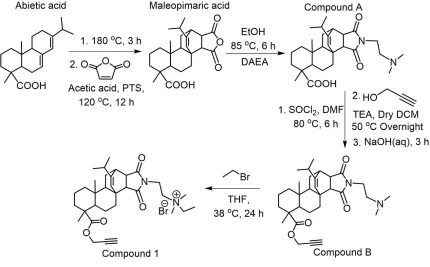
Compound 1 was prepared using a modified synthetic strategy from our previous report.26 The synthetic strategy illustrated in Figure 2.1 allowed us to prepare the compound 1 at large scale without any chromatography purification.
Synthesis of Maleopimaric Acid