Scholarship@Western
Scholarship@Western
Electronic Thesis and Dissertation Repository
7-16-2013 12:00 AM
Secular Trends in Ischemic Stroke Subtypes
Secular Trends in Ischemic Stroke Subtypes
Chrysi Bogiatzi
The University of Western Ontario
Supervisor
Dr. Daniel G. Hackam
The University of Western Ontario
Graduate Program in Epidemiology and Biostatistics
A thesis submitted in partial fulfillment of the requirements for the degree in Master of Science © Chrysi Bogiatzi 2013
Follow this and additional works at: https://ir.lib.uwo.ca/etd
Part of the Neurology Commons, Neurosciences Commons, and the Preventive Medicine Commons
Recommended Citation Recommended Citation
Bogiatzi, Chrysi, "Secular Trends in Ischemic Stroke Subtypes" (2013). Electronic Thesis and Dissertation Repository. 1356.
https://ir.lib.uwo.ca/etd/1356
This Dissertation/Thesis is brought to you for free and open access by Scholarship@Western. It has been accepted for inclusion in Electronic Thesis and Dissertation Repository by an authorized administrator of
(Thesis format: Monograph Article)
by
Chrysi Bogiatzi
Graduate Program in Epidemiology and Biostatistics
A thesis submitted in partial fulfilment of the requirements for the degree of
Master of Science
The School of Graduate and Postdoctoral Studies Western University
London, Ontario, Canada July 2013
Abstract
Background: With an aging population and an increasing prevalence of therapy for atherosclerosis, it might be expected that stroke subtypes would be changing over time.
Limited information exists on the ischemic stroke subtypes in adults in Canada.
Methods: Patients referred to the Urgent TIA Clinic, in London, Ontario, between 2002-2012 were included. Secular trends were analyzed using Poisson regression
with spline trend function. Ischemic stroke subtype classification was validated.
Results: 3,445 consecutive patients (mean age+SD 64.8+14.9) were included.
Cardioembolic strokes/TIAs increased from 21% in 2002 to 56% in 2012, whereas all
other ischemic stroke subtypes decreased (p<0.05). Separate analysis in men and
women showed similar results.
Conclusions: The decrease in atherosclerotic risk factors resulted in fewer
strokes/TIAs caused by large artery atherosclerosis. On the contrary, cardioembolic
strokes/TIAs have increased. This has important implications for more intensive
investigation and treatment to reduce the risk of recurrent embolic stroke/TIA.
Keywords
cerebrovascular disease (MeSH), transient ischemic attack (MeSH), cerebrovascular
stroke, ischemic stroke subtype(s), cardioembolic stroke(s), large artery
atherosclerosis stroke, small vessel disease stroke, lacunar infarction(s) (MeSH),
Co-Authorship
The author of this thesis has designed and conducted two studies and will organize
two manuscripts intended for publication. However, this work could not be completed
without the contribution of the following scientists:
1. Dr. J. David Spence who supervised all steps of both studies and provided
constructive guidance and feedback on a weekly basis,
2. Dr. A. Ian McLeod who supervised all the analysis of both studies and
introduced us to the R statistics and the trend analysis,
3. Dr. Marnin Heisel who provided us with ideas for improving the validation
strategy of SubtyPes of ischAemic stRoKe cLassification systEm (SPARKLE)
and reviewed the final draft of the thesis,
4. Dr. Thapat Wannarong who was trained on using SPARKLE and volunteered
in classifying 275 cases to assess the inter-rater reliability of SPARKLE,
5. Dr. Daniel G. Hackam who supervised and reviewed both studies.
The two manuscripts derived from this Master’s dissertation will be authored by
Dedication
This work is dedicated to my sister Sofia Bogiatzi,
to my parents Ioannis Bogiatzis and Archontoula Thomidou-Bogiatzi
who have been a great influence to me and
who continue to provide me with their love and support.
In memory of Sofia and Dimos Bogiatzis, Chrysi and Georgios Thomidis.
Αφιερώνω εξαιρετικά την πτυχιακή μου
στην αδερφή μου, Σοφία Μπογιατζή
και στους γονείς μου, Ιωάννη Μπογιατζή και Αρχοντούλα Θωμίδου-Μπογιατζή οι οποίοι συνέβαλλαν ουσιαστικά στην διαμόρφωση του χαρακτήρα μου
και συνεχίζουν να με στηρίζουν σε όλα τα βήματα μου.
Acknowledgements
Completion of a thesis dissertation is a long journey, in which we cannot stand
alone. Many people helped me experience my journey in a memorable way.
First and foremost, I would like to express my deepest appreciation to my
co-supervisor, Dr. J. David Spence, who was always available to provide me with
constructive guidance and advice in an enthusiastic and encouraging way. Dr. Spence
has been inspiring me since 2006 to pursue a career in stroke prevention and his rich
clinical/research experience and unceasing interest in learning new things motivated
me to increase my knowledge in cerebrovascular disease.
I would like to especially thank Dr. A. Ian McLeod for mentoring me in trend
analysis and R statistics. Dr. McLeod accepted with great joy my invitation to
participate in this project and during our countless meetings he provided me with the
necessary tools to understand complicated concepts in the whole new world of
statistics. Also, I would like to express my gratitude to Dr. Marnin Heisel, who
provided me with guidance in better designing the validation of SPARKLE and also
helped me clarify many points in the final draft of this document. Finally, I would
like to thank my supervisor, Dr. Daniel Hackam for supervising this work and
providing useful criticism to further improve it.
I would like to thank all staff members at the Stroke Prevention and
Atherosclerosis Research Center (SPARC) for hosting me at their unit and helping me
collect my data. In particular, I would like to express my greatest appreciation to
Karla Solo, Jacquie Filteau and Stephanie Lammers for helping me locate and return
the clinical charts, as well as Dr. Thapat Wannarong who volunteered to become the
second rater to assess the reliability of SPARKLE.
Furthermore, I would like to thank the Department of Epidemiology and
Biostatistics for providing me the opportunity to participate in classes and gain new
knowledge.
Finally, I would like to thank my family and my friends for all their love and
support during this journey of my life.
This work would not have been possible without the important contribution of
Table of Contents
Abstract ... ii
Co-Authorship ... iii
Dedication ... iv
Acknowledgements ... v
List of Tables ... viii
List of Figures ... ix
List of Appendices ... x
List of Abbreviations ... xi
CHAPTER ONE: INTRODUCTION AND LITERATURE REVIEW ... 1
1.1 Overview and Specific Aims of Proposed Research ... 1
1.2 Definition of Cerebrovascular Disease ... 1
1.3 Epidemiology of Cerebrovascular Disease ... 2
1.4 Definition of Stroke/TIA Subtypes ... 4
1.5 Epidemiology of Stroke/TIA Subtypes ... 5
1.6 Ischemic Stroke Subtypes and Risk Factors ... 7
1.6.1 Non-Modifiable Risk Factors for Stroke/TIA ... 8
Age, Sex and Stroke/TIA ... 8
Ethnicity and Stroke/TIA ... 9
1.6.2 Modifiable Risk Factors for Stroke/TIA ... 10
Smoking and Stroke/TIA ... 10
Nutrition, Body Mass Index and Stroke/TIA ... 10
Blood Pressure and Stroke/TIA ... 11
Diabetes Mellitus and Stroke/TIA ... 12
Dyslipidemia and Stroke/TIA ... 13
Cardiac Disease and Stroke/TIA ... 13
1.7 Classification of Stroke/TIA Subtypes... 15
1.8 Relevance of Proposed Research ... 18
1.9 Objectives and Hypothesis of Proposed Research ... 19
1.9.1 Primary Objective ... 19
Hypothesis ... 20
1.9.2 Secondary Objective ... 20
Hypothesis ... 20
1.9.3 Tertiary Objective... 20
Hypothesis ... 20
2.1 Overview of Study Methodology ... 21
2.2 Study Population ... 21
2.3 Data Sources ... 23
2.4 Measurements of Collected Variables ... 24
2.5 Classification System ... 26
Large Artery Atherosclerosis Stroke/TIA ... 28
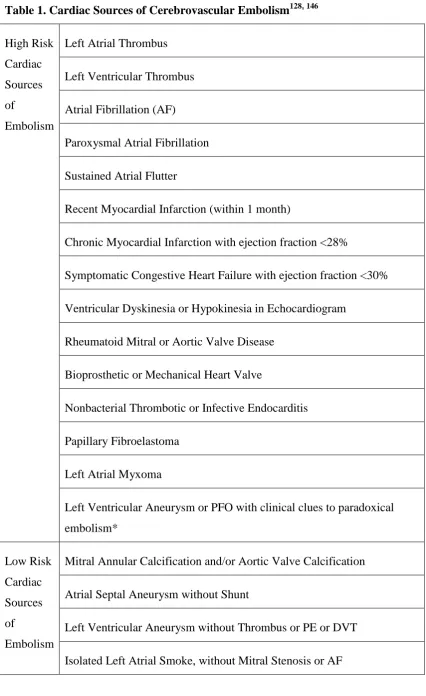
Cardioembolic Stroke/TIA ... 30
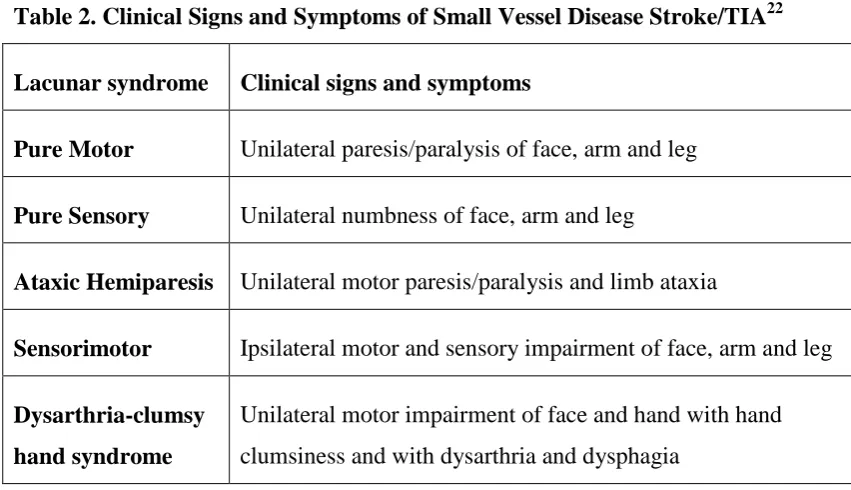
Small Vessel Disease Stroke/TIA ... 31
Other Rare or Unusual Cause of Stroke/TIA ... 32
Undetermined Cause of Stroke/TIA ... 32
2.6 Pilot Study and Results ... 33
2.7 Methodology of Validation and Reliability Study ... 35
2.8 Sample Size Calculation for Validation Study ... 36
2.9 Statistical Analysis ... 37
2.10 Additional Analysis ... 39
2.11 Ethics Approval ... 39
CHAPTER THREE: RESULTS ... 45
3.1 Baseline Population Characteristics and Ischemic Stroke Subtypes... 45
3.2 Secular Trends in Ischemic Stroke Subtypes ... 49
3.3 Baseline Population Characteristics and Stroke/TIA Risk Factors ... 57
3.4 Validation of SPARKLE ... 62
3.5 Additional Analysis in the Validation Study ... 69
3.6 Reliability of SPARKLE ... 70
CHAPTER FOUR: DISCUSSION ... 83
4.1 Summary of Findings in Stroke/TIA Subtypes and Risk Factors ... 83
4.2 Ischemic Stroke Classification System ... 89
Validity of SPARKLE ... 91
Reliability of SPARKLE ... 92
Consistency of Classifying Ischemic Stroke/TIA using SPARKLE ... 93
4.3 Strengths ... 93
4.4 Limitations ... 95
4.5 Implications... 97
4.6 Perspectives – Future Considerations ... 98
4.7 Conclusions ... 100
Reference List ... 101
APPENDIX ... 121
List of Tables
Table 1. Cardiac Sources of Cerebrovascular Embolism ... 40
Table 2. Clinical Signs and Symptoms of Small Vessel Disease Stroke/TIA ... 42
Table 3. Other Defined Rare or Unusual Causes of Stroke/TIA ... 42
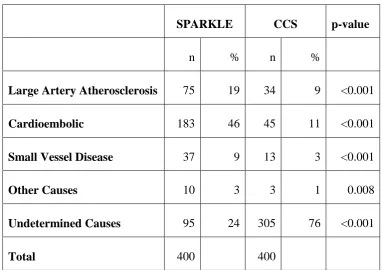
Table 4. Pilot Study Results Comparing Stroke/TIA Subtypes Between SPARKLE and CCS. ... 44
Table 5. Baseline Characteristics of Patients Presenting with Stroke/TIA ... 71
Table 6. Patients with Cardioembolic Stroke/TIA and Atrial Fibrillation ... 73
Table 7. Distribution of Stroke/TIA Subtypes per year. Percentages are presented in parentheses. n(%) ... 74
Table 8. Distribution of Stroke/TIA Subtypes per year in Women. Percentages are presented in parentheses. n(%)... 75
Table 9. Distribution of Stroke/TIA Subtypes per year in Men. Percentages are
presented in parentheses. n(%)... 76
Table 10. Comparison of Risk Factors for Stroke/TIA in Men and Women in all Stroke/TIA Subtypes. ... 77
Table 10. Comparison of Risk Factors for Stroke/TIA in Men and Women in all Stroke/TIA Subtypes (continue from page 77). ... 78
Table 10. Comparison of Risk Factors for Stroke/TIA in Men and Women in all Stroke/TIA Subtypes (continue from page 78). ... 79
Table 10. Comparison of Risk Factors for Stroke/TIA in Men and Women in all Stroke/TIA Subtypes (continue from page 79). ... 80
Table 11. Comparison of Stroke/TIA Subtypes in Men and Women. ... 81
Table 12. Comparison of SPARKLE, CCS and TOAST ... 81
List of Figures
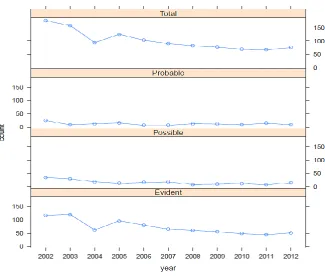
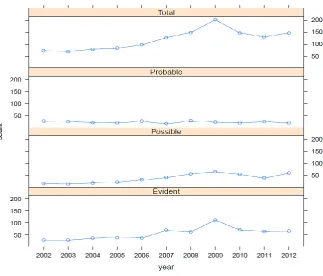
Figure 1. Graphical Illustration of the Counts of “Evident”, “Probable”, “Possible” and “Total” Large Artery Atherosclerosis Stroke/TIA. ... 47
Figure 2. Graphical Illustration of the Counts of “Evident”, “Probable”, “Possible” and “Total” Cardioembolic Stroke/TIA. ... 48
Figure 3. Trend Analysis of All Patients with Stroke/TIA ... 50
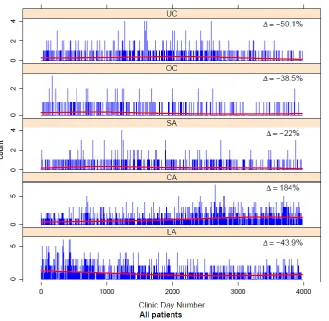
Figure 4. Poisson Regression with Fitted Spline Function of the Counts of Stroke/TIA Subtypes. ... 51
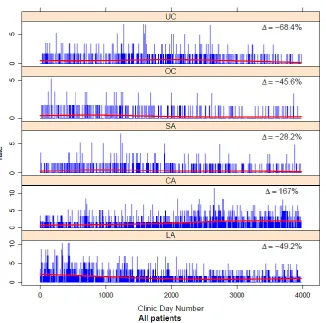
Figure 5. Poisson Regression with Fitted Spline Function Adjusting for the Change at the Population Level of Stroke/TIA Subtypes. ... 52
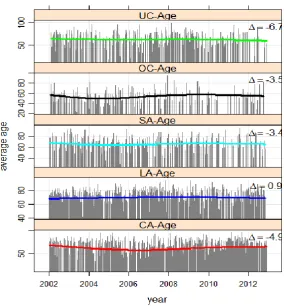
Figure 6. Secular Trends of the Average Age of Stroke/TIA Patients in each
Stroke/TIA Subtype. ... 53
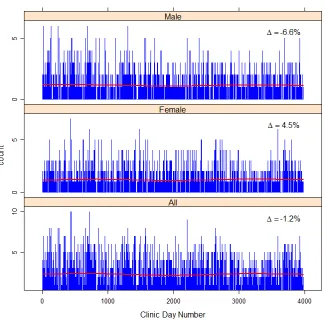
Figure 7. Poisson Regression with Fitted Spline Function in the Counts of Women with Stroke/TIA. ... 54
Figure 8. Poisson Regression with Fitted Spline Function Adjusting for the Change at the Population Level in Women with Stroke/TIA ... 55
Figure 9. Poisson Regression with Fitted Spline Function in Men with Stroke/TIA. . 56
Figure 10. Poisson Regression with Fitted Spline Function, Adjusting for the Change at the Population Level in Men with Stroke/TIA. ... 57
Figure 11. Mean Blood Pressure of Patients with Minor Stroke/TIA Between 2002-2012. ... 58
Figure 12. Mean Total Cholesterol, Triglycerides, HDL Cholesterol and LDL
Cholesterol of Patients with Minor Stroke/TIA Between 2002-2012... 59
Figure 13. Correlation Between Predictors to Assess Collinearity. ... 61
Figure 14. Venn Diagram of the Number of Concordant Cases with Large Artery Atherosclerosis Stroke/TIA Between SPARKLE, CCS and TOAST. ... 63
Figure 15. Venn Diagram of the Number of Concordant Cases with Cardioembolic Stroke/TIA Between SPARKLE, CCS and TOAST. ... 65
Figure 16. Venn Diagram of the Number of Concordant Cases with Other Rare or Unusual Causes of Stroke/TIA Between SPARKLE, CCS and TOAST. ... 66
Figure 17. Venn Diagram of the Number of Concordant Cases with Small Vessel Disease Stroke/TIA Between SPARKLE, CCS and TOAST. ... 67
List of Appendices
APPENDIX A: Stroke/TIA Subtypes in Different Geographic Areas ... 121
Table 1.1 Stroke/TIA Subtypes in North America Using Classification Systems Other Than TOAST 121 Table 1.1 Stroke/TIA Subtypes in North America Using Classification Systems Other Than TOAST (continue from page 92) ... 122
Table 1.2 Stroke/TIA Subtypes in North America Using TOAST Classification System. ... 122
Table 2.1 Stroke/TIA Subtypes in South America Using Classification Systems Other Than TOAST 123 Table 2.2 Stroke/TIA Subtypes in South America Using TOAST Classification System ... 123
Table 3.1 Stroke/TIA Subtypes in Europe Using Classification Systems Other Than TOAST ... 124
Table 3.1 Stroke/TIA Subtypes in Europe Using Classification Systems Other Than TOAST (continue from page 95) ... 125
Table 3.2 Stroke/TIA Subtypes in Europe Using TOAST Classification System ... 125
Table 3.2 Stroke/TIA Subtypes in Europe Using TOAST Classification System (continue from page 96) ... 126
Table 4. Stroke/TIA Subtypes in Africa Using TOAST Classification System ... 127
Table 5.1 Stroke/TIA Subtypes in Arab Countries Using Classification Systems Other Than TOAST. 128 Table 5.2 Stroke/TIA Subtypes in Arab Countries Using TOAST Classification System... 128
Table 6.1 Stroke/TIA Subtypes in Asia Using Classification Systems Other Than TOAST. ... 129
Table 6.2 Stroke/TIA Subtypes in Asia Using TOAST Classification System. ... 130
Table 7.1 Stroke/TIA Subtypes in Oceania Using Classification Systems Other Than TOAST. ... 131
Table 7.2 Stroke/TIA Subtypes in Oceania Using TOAST Classification System. ... 131
Table 8. Stroke/TIA Subtypes Using CCS Classification System ... 132
APPENDIX B: Pilot Study Results ... 133
APPENDIX C: Thames Valley Area Population234, 235 ... 134
APPENDIX D. Comparison of Stroke/TIA Subtypes with Studies Using CCS. ... 135
List of Abbreviations
AF Atrial Fibrillation ASA Atrial Septal Aneurysm
B12 Vitamin B12
BMI Body Mass Index
CAE / CA CArdioEmbolic stroke/TIA CCS Causative Classification System
CT Computed Tomography
DM Diabetes Mellitus
HDL High-Density Lipoprotein cholesterol ICH Intra-Cerebral Hemorrhage
INR International Normalized Ratio
LAA / LA Large Artery Atherosclerosis stroke/TIA LDL Low-Density Lipoprotein cholesterol MI Myocardial Infarction
MRI Magnetic Resonance Imaging OGTT Oral Glucose Tolerance Test
Other / OC Other rare or unusual cause of stroke/TIA PFO Patent Foramen Ovale
PROGRESS Perindopril Protection Against Recurrent Stroke SAH Sub-Arachnoid Hemorrhage
SDB Stroke Data Bank
SPARC Stroke Prevention and Atherosclerosis Research Center
SPARCL Stroke Prevention by Aggressive Reduction in Cholesterol levels SPARKLE SubtyPes of ischAemic stRoKe cLassification systEm
SVD / SA Small Vessel Disease stroke/TIA TCD Trans-Cranial Doppler
TIA Transient Ischemic Attack
TOAST Trial of Org 10172 in Acute Stroke Treatment TPA Total Plaque Area
UND / UC Undetermined cause of stroke/TIA U.S.A. United States of America
Prevention is preferable to cure.
Hippocrates, 460-377 B.C., Father of Medicine
Κάλλιον τό προλαμβάνειν ἤ τό θεραπεύειν.
CHAPTER ONE: INTRODUCTION AND LITERATURE REVIEW
1.1 Overview and Specific Aims of Proposed Research
The current literature suggests that there is a lack of research on the epidemiology of
ischemic stroke subtypes in the Canadian adult population. The specific aims of the
present study are to assess the secular trends of ischemic stroke subtypes and describe
their risk factors using a validated classification system. We performed a retrospective
case series study of patients diagnosed with minor stroke or transient ischemic attack
(TIA) between the years 2002 and 2012 (inclusive). Our results provide evidence that
may help prevent recurrent strokes or TIAs in this high-risk population. In this
chapter, we will review the epidemiology of cerebrovascular disease and ischemic
stroke subtypes, as well as their risk factors, followed by an overview of the
development of previous classification systems of ischemic stroke subtypes.
1.2 Definition of Cerebrovascular Disease
Cerebrovascular disease is a heterogeneous group of medical conditions caused by
disorders of the blood circulation in the brain and nervous system. These disorders
result in either prolonged or transient loss of blood supply to the affected areas of the
brain, leading to necrosis or ischemia of brain tissue, respectively. In the case of
prolonged ischemia, permanent necrosis of brain tissue is commonly referred to as an
infarction or ischemic stroke, whereas transient ischemia is referred to as a TIA.
According to the World Health Organization (WHO), stroke is defined as a syndrome
of “rapidly developing clinical signs of focal (at times global) disturbance of cerebral
function, lasting more than 24 hours or leading to death with no apparent cause other
than that of vascular origin”.1
TIA was initially defined as a cerebrovascular event
with symptoms lasting less than 24 hours,2 whereas the new definition introduced in
2009 by the American Heart Association and American Stroke Association, refers to
an “ischemic event in the brain, spinal cord or retina that leads to neurological symptoms without any acute and permanent tissue necrosis”.3
Stroke and TIA have many subtypes. They can be broadly divided into two
categories; hemorrhagic and ischemic. Hemorrhagic stroke can be caused by a
rupture of the arteries in the brain (resulting in a hemorrhage into brain tissue – for
example, Intra-Cerebral hemorrhage or ICH), or bleeding between the membranes
surrounding the brain (resulting in Sub-Arachnoid Hemorrhage or SAH).4 Ischemic
stroke or TIA can be caused by a broad group of medical conditions, such as
atherosclerosis, cardiac disease, small vessel disease or other unusual causes (for
example, dissection, vasculitis).4 Thus hemorrhagic stroke is the clinical outcome of
excess blood in the brain tissue or the surrounding areas, whereas ischemic stroke or
TIA is the result of limited blood circulation and nutritional supply to particular areas
in the brain. Hemorrhagic strokes account for approximately 13% of all incidents of
cerebrovascular events and ischemic strokes account for 87% of such events.5 The
focus of this thesis will be limited to the study of ischemic strokes or TIAs, as they
represent a large majority of the cerebrovascular disease burden. For the purpose of
this paper, ischemic stroke or TIA will be referred to as stroke/TIA.
1.3 Epidemiology of Cerebrovascular Disease
Cerebrovascular disease is a major health concern worldwide. In the year 2005, 16
million new strokes were reported in patients who had no previous history of stroke,
with 5.7 million patients suffering a fatal stroke.6 The WHO predicts that patients
with first-ever stroke are expected to increase to 23 million, with 7.8 million expected
to die from a stroke by the year 2030 worldwide.7
There is large regional variation in the incidence of stroke. The WHO MONICA
cross-sectional study indicated that Finland, Lithuania and Russia have the highest
incidence of stroke among 18 countries studied.8 In this study, differences in risk
factors were responsible for 42% of the variation in stroke rates in women.8 Therefore,
continual study of risk factors and subtypes of stroke/TIA is necessary over the course
In previous years, stroke was the third most common cause of death and has only very
recently fallen to fourth place overall.9 Currently, in Canada, a stroke occurs every 10
minutes, and at present there are approximately 315,000 stroke survivors who live
with some degree of permanent disability.10, 11 Between the years 1953 and 1978,
there was a decrease by 51% in deaths due to stroke, which has been attributed to
better medical control of blood pressure.12 A similar decrease was recorded in
London, Ontario, between the years 1977 and 1984, when hospital admissions due to
stroke decreased from 500 to 250 per year.13 The decline was almost entirely due to
reduction of ICH and lacunar infarction, with no change in strokes due to large artery
atherosclerosis disease.13 A survey conducted in Middlesex County in Ontario
between the years 1981 and 1982 showed that 92% of hypertensive individuals were
treated for hypertension and 72% had well-controlled blood pressure.14
More recently, between the years 1994 and 2001, there was a 27.6% decline in
hospitalization due to stroke of all causes and a 28.2% decline in stroke-related
mortality throughout the country.15 In 2004, in Canada, 53,629 hospital admissions
and 14,591 deaths occurred due to acute stroke.15 However, an increase in obesity
was observed in the Canadian population from 10% in 1970 to 24.1% in 2007-2009;
as well, an increase in obesity-attributed strokes from 5% in the year 1970 to 11% in
the year 2004 has been documented in other countries.16, 17
Currently, 20% of all cardiovascular deaths are caused by stroke.18 Moreover, Ontario
currently ranks third among the Provinces in the prevalence of cardiovascular risk
factors; residents in Ontario ranked second in smoke-free habits and sixth in physical
activity.19 Ontario residents ranked fourth in terms of healthy body weight, as well as
fruit and vegetable consumption.19 Together these results suggest that there is an
unfavorable alteration in risk factors such as body weight and physical activity.
Consequently, the results of our study can be generalized only to Ontario residents and
cannot be extrapolated to all Canadians. Secular trends in stroke/TIA subtypes and
risk factors should ideally be studied together, to identify areas that require more
intensive prevention strategies. Below we provide definitions and discuss the
1.4 Definition of Stroke/TIA Subtypes
In this section, we provide a brief overview of stroke/TIA subtypes. Based on the
identified etiological mechanism that contributed to any given cerebrovascular event,
stroke/TIA is divided into five subtypes: large artery atherosclerosis, cardioembolic
origin, small vessel disease, stroke/TIA of other determined (unusual or rare) cause,
and stroke/TIA of undetermined etiology.20
Large artery atherosclerosis is defined as the formation of atherosclerotic plaques in the large diameter vessels that supply the brain with blood. These plaques reduce the
delivery of blood to the brain. The decreased blood flow results in ischemia or
necrosis due to decreased oxygenation and nutritional supply to the brain tissue. The
mechanism operates when platelet aggregates form on roughened plaques and parts of
the aggregates or the plaques themselves detach from the arteries, and enter the distal
blood circulation. These emboli can then block the blood circulation in the smaller
diameter vessels. Therefore, large artery atherosclerosis stroke/TIA is the outcome of
the sequence of plaque formation, plaque rupture, thrombus formation on ruptured
plaque, and embolization of thrombus or plaque fragments into the arterial vascular
system supplying oxygenated blood to brain tissue.
In cardioembolic stroke/TIA, a blood clot originates centrally in the heart or aorta and circulates to the brain tissue. In particular, the oxygenated blood from the heart
carries these embolic particles that can potentially cause ischemia or necrosis in any
type of tissue if they block arteries. Moreover, cardioembolic stroke/TIA is typically
caused by cardiac conditions that involve the cardiac rhythm, cardiac valves or the
ability of the heart muscle to contract and send blood to the brain and the rest of the
body (such as post-myocardial infarction, chronic heart failure, or atrial fibrillation).
The third type of stroke/TIA is characterized as small vessel disease (also known as lacunar infarction) where a small area of brain tissue (less than 15mm in diameter on
brain imaging) is necrotic or ischemic.21 Distinct stroke syndromes arise from the
formation of small vessel disease stroke/TIA at particular parts of the brain supplied
by smaller-sized arteries. The five well validated clinical syndromes of small vessel
disease include pure motor hemiparesis, pure sensory stroke, ataxic hemiparesis,
In stroke/TIA classified as “other” determined etiology, unusual or rare medical conditions are present, such as inflammation of the arteries (e.g. vasculitis), dissection
of the arterial wall, disorders of blood cells, or genetic diseases.
Finally, there are strokes/TIAs for which the cause of the presenting event cannot be
identified by investigations performed at the time of the event. These events are
categorized as strokes/TIAs of “undetermined” or “unknown” etiology.
1.5 Epidemiology of Stroke/TIA Subtypes
In this section, we provide a brief overview of the epidemiology of stroke/TIA
subtypes worldwide. The results of a literature review performed for this thesis show
considerable variation in the epidemiology of stroke/TIA subtypes in different
geographic areas (Appendix A).
In Europe and the United States of America (U.S.A.), there is inconsistency between
epidemiological studies assessing the distribution of stroke/TIA subtypes. The largest
study conducted to date, including 5,298 patients, was based in Switzerland during the
years 1979-1987 and 1996-2003 and showed a decrease in large artery atherosclerosis
from 45% to 26%, and an simultaneous increase in cardioembolic strokes from 18% to
28%.23 Similar trends were evident in more recent reports from Spain.24 Yet studies
in other European nations observe that the most common stroke/TIA subtypes are due
to large artery atherosclerosis25-34 or small vessel disease.35-41 One of the largest
studies in the U.S.A., in the years 1982-1985, showed that 73% of patients with
ischemic stroke had large artery atherosclerosis,42 whereas a more recent
population-based study showed that 20% had cardioembolic stroke, which was the most common
subtype.43 Other studies showed the predominance of either large artery
atherosclerosis44 or small vessel disease strokes 45-48 in different areas of the country
with different racial population composition, access to health and management of
stroke risk factors.
In contrast to studies performed in Europe and the U.S.A., early and more recent
studies from South America and Asia show a consistently higher prevalence of small
small vessel disease was prominent in their populations even after stratifying by age.
Small vessel disease has consistently remained the most prevalent stroke/TIA subtype
over many years in Asia, even if there is an overall decreasing trend in this subtype.51
It would be expected that given the trend in decreasing small vessel disease, there will
be a proportional increase in other stroke/TIA subtypes in this population. However,
this has not yet been observed.51 Genetic factors might be responsible for the high
prevalence of small vessel disease in Asians,52 whereas lifestyle and risk factors may
account for this in South Americans.53
It is impressive that differences in the classification systems account for significant
variations in stroke/TIA subtypes within the same country or population. In Patra,
Greece, Polychronopoulos et al33 showed that 37% of patients had large artery
atherosclerosis as the most prominent subtype, whereas Vemmos et al54 in Athens,
Greece, observed a predominance of cardioembolic strokes/TIAs in 31% of patients
for the same period of time. Similarly, Sempere et al41 from Segovia in Spain
demonstrated that 31% of patients had small vessel disease as the most prevalent
subtype, whereas Arboix et al24 showed that in Barcelona, Spain, 28% of patients had
predominantly cardioembolic stroke/TIA. Regional differences in the distribution of
risk factors and misclassification bias may account for the aforementioned differences.
Consequently, it is not possible to provide summary statistics of previous literature for
all stroke/TIA subtypes over the past decades.
There is a burgeoning literature showing that the prevalence and effectiveness of
management of stroke risk factors play the most significant role in the distribution of
stroke/TIA subtypes, even among different ethnoracial groups. Koch et al47 and
Uchino et al55 from the U.S.A., Saposnik et al53 from Argentina, Sharma et al56 from
Singapore and Feigin et al57 from New Zealand demonstrate that patients from
different ethnic groups in a defined geographical area have similar distributions of
stroke/TIA subtypes. The latter might be related to the shared prevalence of risk
factors for stroke/TIA within an area, rather than the genetic predisposition to specific
subtypes of stroke/TIA related to ethnicity.
A recent study from Norway by Ihle-Hansen et al58 showed that small vessel disease
was more frequent than expected. In this study, 31% of patients had small vessel
were shown earlier from the Northern Manhattan Study, U.S.A., where White et al59
showed that between the years 1993 and 1997, equal numbers of patients had
cardioembolic stroke and small vessel disease, each accounting for 20%. This finding
addresses the importance of continual study of risk factors and stroke/TIA subtypes to
develop more intensive prevention strategies as well as considerations related to the
management of acute stroke/TIA.
Currently, there are no studies in a Canadian population in a geographically defined
area assessing stroke/TIA subtypes and their risk factors in all adults, which is what
this present work hopes to address. A previous study showed that cardioembolic
strokes are marginally more prominent in young patients only, but there has been no
report on adults older than 45 years old.60 Moreover, in 2009, 90% of Canadians had
at least one risk factor for cerebrovascular or cardiovascular disease.10 Therefore, a
reference study is needed as a starting point, and more studies are required to
demonstrate the distribution of stroke/TIA subtypes and their risk factors, for the
development of primary and secondary prevention strategies. Below, we will discuss
how risk factors for stroke are associated with stroke/TIA subtypes.
1.6 Ischemic Stroke Subtypes and Risk Factors
According to Fletcher, risk factors are conditions that may lead to a specific disease in
exposed individuals more frequently than in those people who are not exposed.61
Stroke risk factors are divided into non-modifiable (age, sex, genetic predisposition)
and modifiable (e.g., hypertension, diabetes mellitus, obesity).62 A meta-analysis by
Hackam and Spence showed that the use of aspirin, statins, medications for
hypertension, as well as smoking cessation, exercise and Mediterranean diet could
reduce the risk of recurrent stroke by more than 80%, and the number of patients who
would be needed to treat to prevent one stroke in ten years with more intensive
medical treatment was only three.63 Therefore, early identification and treatment of
1.6.1 Non-Modifiable Risk Factors for Stroke/TIA
Age, Sex and Stroke/TIA
Statistics Canada reports that life expectancy is increasing.64 Indeed, life expectancy
in the years 1970-1972 in Canada was 69 years for men and 76 years for women,
whereas in the years 2007-2009, specifically in Ontario, life expectancy increased to
79 years for men and 84 years for women.64 With this change, it is expected that in
the future, there will be an increase in elderly individuals surviving in the general
population65, and this age related phenomenon is expected to contribute to an overall
increased stroke prevalence.66
The risk of each stroke/TIA subtype differs across age groups. Young patients
(age<50) are more likely to have minor cardiac sources of embolism (e.g., patent
foramen ovale, atrial septal aneurysm, etc.),67 whereas the elderly have a higher
likelihood of developing atrial fibrillation (AF) causing cardioembolic strokes.68
Middle-aged individuals are more likely to have large artery atherosclerosis and small
vessel disease and a higher prevalence of hypertension, diabetes mellitus, obesity,
smoking or hyperlipidemia.67, 68 Moreover, individuals who have a high prevalence of
atherosclerotic risk factors may die early; therefore, older survivors have a higher risk
of developing AF and, consequently, cardioembolic strokes/TIAs.68
Overall, men tend to have more strokes than women.69 This difference diminishes in
older age groups, with older women having a higher incidence of clinically severe
first-ever stroke/TIA as compared to men.69 On the one hand, women have a longer
life expectancy65 and older women are more prone to AF, which increases with age
and can lead to cardioembolic stroke/TIA.68, 70 Also, young women have a greater
incidence of low risk cardiac sources of embolism as compared to young men.67 On
the other hand, men have a higher prevalence of atherosclerotic risk factors earlier in
life and tend to have a greater degree of large artery atherosclerosis, small vessel
disease, or undetermined etiology of their stroke/TIA at a younger age than women.68,
70
In summary, very young (age<50) and very old (age>85) women are expected to
experience a first large artery atherosclerosis or small vessel disease stroke/TIA in
middle age.67, 68
Ethnicity and Stroke/TIA
Many studies show different results in stroke/TIA subtypes among different ethnic
groups. It has consistently been shown that Asians and South Americans have a
higher prevalence of small vessel disease, whereas Caucasians are more prone to
cardioembolic and large artery atherosclerosis stroke/TIA.
Differences between ethnic groups within the same country have been reported.
Black patients in the Johannesburg Registry, South Africa, were prone to small vessel
disease more often than white patients, but with a higher rate of undetermined causes
of stroke/TIA.71 In this registry, black patients were approximately ten years younger,
were less likely to smoke and have AF or high cholesterol, and were equally
hypertensive and diabetic compared to whites.71 Similarly, African Americans in the
U.S.A. also tend to be younger at the time of their first stroke/TIA.72 They are more
hypertensive and diabetic compared to whites in the U.S.A., denoting the important
effect of Western diet and lifestyle in the development of hypertension and diabetes in
genetically susceptible races (people of African descent are more likely to carry a
mutation that increases sodium reabsorption from their kidneys; consequently, they
are prone to hypertension with an increase in dietary sodium, a condition known as
Liddle’s syndrome).72
Similar results were shown in the South London Ethnicity and
Stroke study, United Kingdom, where the increased prevalence of obesity, diabetes
and hypertension led to a significant increase in small vessel disease, despite the
decrease of smoking, AF and myocardial infarction, which explained the decrease in
large artery atherosclerosis and cardioembolic strokes/TIAs in black patients (mainly
from the Caribbean) compared to whites.73
Even if these regional differences in risk factors between ethnic groups seem to affect
stroke/TIA subtypes, there is evidence demonstrating the complexity of developing
specific stroke/TIA subtypes. Previous studies have shown that populations in a
geographically defined area share a common distribution of stroke/TIA subtypes
primary prevention strategies towards controlling risk factors related to specific race
characteristics, can reduce the risk of particular stroke/TIA subtypes in more
susceptible populations (for example, appropriate treatment of hypertension in
Africans), eliminating the effect of race on the overall risk of stroke and in particular
stroke/TIA subtypes.74
1.6.2 Modifiable Risk Factors for Stroke/TIA
Smoking and Stroke/TIA
Smoking is an unhealthy behavior that promotes cerebrovascular disease (among other
maladies). One in three men and one in four women die prematurely because of
various diseases caused by cigarette smoking.75 Since the beginning of the
Framingham study, exposure to smoke has been shown to increase the risk of stroke.76
A more recent meta-analysis suggests that there is a probable causal relationship
between smoking and stroke even after adjusting for other risk factors,77 and other
evidence shows that smoking triples the risk of a fatal stroke.78 In Canada, there are
11,000 deaths per year related to heart disease and stroke attributable to smoking and
it is estimated that one million Canadians will die in the next two decades because of
tobacco use.79 There is a dose-response relationship between cigarettes smoked and
the risk of large artery atherosclerosis and small vessel disease, especially in men.80
Nutrition, Body Mass Index and Stroke/TIA
A balanced diet is an important component in stroke prevention. Based on data from
Statistics Canada, fat comprises more than 35% of the daily nutritional intake of more
than 25% of middle-aged Canadians.81 The most appropriate diet to maintain a
healthy lifestyle and reduce the overall risk of stroke is probably the Mediterranean
Diet from Crete, Greece. Keys et al. in 1986 compared 15 groups from different
countries and showed that residents from Crete had lower death rates compared to
study groups except for diet, where inhabitants of Crete had consumed a low protein
diet.82 Analysis of this diet has shown that it is suitable for promotion of a healthy
lifestyle because it is rich in olive oil, legumes, fruits and vegetables and low in meat
and dairy products.83 This diet helps to reduce coronary heart disease, known to be
related to atherosclerosis.83
Increased body weight (obesity) has been related to carotid atherosclerosis, which
significantly increases the risk of stroke/TIA.84 A meta-analysis of more than 2
million participants showed that overweight people had a 22% relative increased risk
of stroke and obese people had a 64% relative increased risk of stroke, even after
adjusting for all other risk factors.85 Evidence shows that there is a linear association
between increasing body mass index (BMI) and increasing risk of stroke in women.86
Moreover, increased BMI has been related to increased risk of all large artery
atherosclerosis, small vessel disease and cardioembolic stroke/TIA subtypes, with a
linear relationship between increasing BMI and increasing blood pressure and
non-HDL cholesterol levels.87
Blood Pressure and Stroke/TIA
Increased blood pressure or uncontrolled hypertension is the most important
modifiable risk factor for stroke. In Canada, a 2009 survey showed that 22% of the
population had hypertension, among which 65% had adequate control of their blood
pressure.88 This was a significant improvement in the control of blood pressure since
the year 1992, when another survey showed that 20% of the population was known to
have hypertension and only 14% achieved a desirable level of blood pressure
control.88 The increase in the control of blood pressure was attributed to the increase
in awareness of the importance of measuring blood pressure and identifying
hypertension by 25.6% and to the increase in appropriate treatment by 44.4% between
the years 1992 and 2009, when the aforementioned studies were conducted.88 This
was also demonstrated by the significantly increasing trend in visits to primary health
care practitioners for control of increased blood pressure.89
Nonetheless, the almost half of individuals inadequately treated for hypertension have
that this risk can be reduced by lowering blood pressure. The Perindopril Protection
Against Recurrent Stroke (PROGRESS) Trial showed that reduction of either systolic
or diastolic blood pressure or both, can reduce the risk of stroke.91 Arboix et al
showed that increased blood pressure is a significant risk factor for both small vessel
disease and large artery atherosclerosis, which is consistent with other observational
studies.92
Diabetes Mellitus and Stroke/TIA
Diabetes Mellitus (DM) is a significant risk factor for stroke. According to Statistics
Canada, approximately 2 million residents in the year 2005 lived with diabetes, and by
the year 2016, diabetics are expected to increase to 2.4 million.93 A meta-analysis of
698,782 stroke patients showed that individuals with diabetes had 2.27 times higher
risk of ischemic stroke.94 Also, based on the 2011 report of the American Heart
Association and American Stroke Association, observational studies show that
diabetes increases the risk of stroke from 1.8 to 6 times.95
There is an association between diabetes and specific stroke/TIA subtypes. Increased
blood glucose had been mostly related to small vessel disease strokes,96-99 but there
are also studies showing a significant role of diabetes in large artery atherosclerosis
ischemic strokes.96, 100, 101 Patients with abnormal Oral Glucose Tolerance Test
(OGTT) and yet no diagnosis of diabetes had increased risk of large artery
atherosclerosis, which indicates that high glucose levels might be involved at the
initial stages of the atherosclerotic process.102 Moreover, patients with diabetes are
more likely to have atherosclerosis of the intracranial large arteries as compared to the
carotid arteries of the neck, and are more likely to have detection of atheroembolic
microemboli particles in ultrasound monitoring of the arteries inside the brain, a
condition that increases their risk of large artery atherosclerosis stroke/TIA.103 Some
studies demonstrate that uncontrolled diabetes is related to increased risk of AF and,
consequently, increased risk for cardioembolic stroke/TIA.100, 104 Overall, there is
evidence showing that diabetes increases the risk of small vessel disease, large artery
Dyslipidemia and Stroke/TIA
High levels of blood lipids involve in the pathophysiology of cerebrovascular disease.
Increased Low-Density-Lipoprotein (LDL) cholesterol and triglycerides are
independent risk factors for stroke,106 whereas high levels of High-Density
Lipoprotein (HDL) cholesterol can significantly reduce this risk.107 Currently in
Canada, almost 40% of residents have increased cholesterol, which translates to
approximately one million Canadians with cholesterol levels above the normal
range.108
Increased levels of LDL cholesterol are related to large artery atherosclerosis and small
vessel disease after adjusting for age and sex, and the relation between LDL and stroke is
significant only for large artery atherosclerosis after further adjusting for HDL cholesterol,
triglycerides, systolic blood pressure, fasting blood glucose, BMI, current alcohol
consumption and smoking, regular exercise and electrocardiogram abnormalities.109 The
Stroke Prevention by Aggressive Reduction in Cholesterol levels (SPARCL) randomized
clinical trial showed that lowering LDL cholesterol could prevent strokes, and that this
relationship was linear.110 Additional results from this clinical trial showed that reducing
LDL cholesterol was associated with a 33% decrease in all types of stroke in patients with
carotid stenosis due to carotid atherosclerosis.111
Cardiac Disease and Stroke/TIA
The most common cardiac disease associated with increased risk of stroke is AF.
Results from the Framingham Study showed that among 5,070 people followed for 34
years, those who developed AF had almost a 20% higher risk of stroke.112 This risk
was age-dependent; the attributable risk of stroke from AF increased from was 1.5%
to 23.5% at age 50-59 and >80 years, respectively.112 Similar results were
demonstrated almost 10 years later in Scotland, where Stewart et al observed
middle-aged individuals over a 20 year period of time and found similar results.113 Krahn et
al showed that in Manitoba, Canada, 7.5% of air-crew male participants developed AF
over the 44-year study period and this risk again increased in relation to increasing
estimates from the Heart and Stroke Foundation, approximately 350,000 Canadians
have AF, which causes approximately 15% of all strokes.116
Myocardial Infarction (MI) preceding a cerebrovascular event is another significant
cardiac condition related to stroke. Patients with MI have a higher risk of stroke in the
month following their heart attack and are more likely to have a fatal stroke; this risk
is reduced and is not significantly different from controls after the first 12 months
following the heart attack.117 Moreover, Wienbergen et al found that 1.2% of 21,330
patients had a stroke following a MI. In this population, age, previous stroke and AF
were significant factors that increased the risk of stroke after a MI.118 This was also
shown in a more recent study in Massachusetts, where 1.4% of patients with MI
experienced a stroke and had an increased prevalence of AF.119
Additional cardiac conditions are related to increased risk of stroke. Paradoxical
embolism is a well-defined cause of stroke.120 This condition refers to the presence of
an arterial and venous blood mixture through a hole in the heart at the level of right
and left cardiac atria that represents a remnant from the embryonic period of life
called a Patent Foramen Ovale (PFO).120, 121 Similar mixture of the arterial and
venous blood circulation can be found in the lungs allowing the transfer of emboli
from venous to arterial circulation.122 This condition results in the access of these
emboli to the brain and all other organs, instead of being cleared by the lungs, which
normally act as a major filter for emboli found in the venous circulation.120 There is
an increased risk of stroke in patients younger than 55 years having one of these two
communication pathways, and even greater risk in patients who have both conditions
present.123 Almost 40% of patients with cryptogenic or unknown stroke have a PFO
versus 10% of normal controls.121 Moreover, a larger diameter of PFO with an
increased level of communication between the two parts of the heart relates to an
increased risk of additional strokes.124
Collectively, the aforementioned risk factors increase the risk of stroke and particular
stroke/TIA subtypes. The knowledge of the distribution of these medical conditions
will help primary care physicians to intensively treat these risk factors and achieve
awareness of the most prevalent stroke/TIA subtypes and risk factors will aid in
implementation of tailored treatment options to decrease the overall burden of
cerebrovascular disease. Therefore, our study results will provide information for
both primary and secondary prevention strategies, given that the collection of clinical
measurements at the time when patients experience their first stroke/TIA represent the
most prominent risk factors that remain untreated.
1.7 Classification of Stroke/TIA Subtypes
In this section, we will discuss in brief the development of past classification systems
of stroke/TIA and a newly developed system for classifying the etiology of stroke/TIA.
Our goal is to provide the background evidence demonstrating the need to modify
previous classification systems with the use of more advanced diagnostic tests and
with an improved understanding of mechanisms of the underlying diseases. Taken
together, we will furnish an informative classification system, to study the distribution
of stroke/TIA subtypes, and inform policy makers to intensify prevention strategies
towards the most predominant ischemic stroke subtypes and related medical
conditions.
The first systematic classification system came from the Harvard Cooperative Stroke
Registry, published in the year 1978 from a single center in Massachusetts, U.S.A.125
According to this classification in its seminal series, 34% of patients had large artery
atherosclerosis, 19% of patients had small vessel disease and 31% of patients had
cardioembolic or unknown cause of stroke/TIA.125 The diagnosis of stroke/TIA
subtypes was mainly based on clinical signs and symptoms, and large vessel
atherosclerosis was a diagnosis of exclusion.125 Patients with cardiac and
atherosclerotic source of embolism, and patients with unknown cause of stroke/TIA
were classified under a single category, named “embolic”.125
At that time, there were
limited diagnostic tests offered for imaging of the brain and the cardiac sources of
embolism.126 Only 3% of patients had Computed Tomography (CT) and the vast
majority had angiography.126 Ultrasound of the heart (echocardiography) was not
With the improvement of diagnostic investigations, the Stroke Data Bank (SDB)
classification system was developed in the following decade, including a multi-ethnic
population from different centers.46 At that time, 97% of patients had CT and
echocardiogram was regularly used,126 but Magnetic Resonance Imaging (MRI) had
just started to develop and was not provided regularly in clinical practice.46 For the
first time, it was noted that the presence of infarcts in different arterial territories and
hemorrhagic transformation of the infarct favor the diagnosis of cardioembolic
stroke.46 Also, it was recognized for the first time that emboli could arise from
atherosclerotic plaques and lead to embolic stroke from large artery atherosclerosis
disease.46 Based on SDB, 9% of patients had large artery atherosclerosis, 27% had
small vessel disease, 19% had cardioembolic, and 45% had unknown cause of
stroke.46 The impressive differences between SDB and Harvard Cooperative Stroke
Registry arise from the more frequent use of CT that classified more cases as small
vessel disease that were previously classified as large artery atherosclerosis due to
differences in definitions of large artery atherosclerosis (stenosis≥90% in angiography
in SDB versus total occlusion or diagnosis of exclusion in Harvard Cooperative Stroke
Registry). Nonetheless, with the absence of MRI, strokes arising from atherosclerotic
basilar artery stenosis could not be differentiated from small vessel disease, resulting
in a decrease in large artery atherosclerosis.46 Also, cases that were previously
classified as large artery atherosclerosis as a diagnosis of exclusion are now classified
as unknown causes of stroke, inflating the number of cases where no cause of stroke
could be identified.46
The use of MRI and the better understanding of mechanisms of cerebrovascular events
led to the development in the year 1993 of the Trial of Org 10172 in Acute Stroke
Treatment (TOAST) classification system.127 The initial goal of this classification
was to better categorize stroke/TIA subtypes in patients participating in clinical trials
assessing new therapies, and has been thereafter used in most epidemiological
studies.127 According to TOAST, patients who had more than one reason to have a
stroke/TIA were classified as “undetermined or unknown etiology of stroke”, and
patients who had the clinical diagnosis of large artery atherosclerosis but stenosis
≤50% were also classified as undetermined cause of stroke.127
This first problem was
resolved in the year 2005 when the Causative Classification System (CCS) of acute
classified according to the most probable cause of the presenting stroke event.128 The
second problem of TOAST led us to develop the SubtyPes of ischAemic stRoKe
cLassification systEm (SPARKLE), which uses an ultrasound-based measurement of
carotid atherosclerosis (total plaque area, TPA)129 for more accurate classification of
large artery atherosclerosis and is used for the classification of ischemic stroke
subtypes in the present study.
In previous classification systems, before SPARKLE, peak velocity of the blood flow
with a stenosis ≥50% has been used as a measure of carotid stenosis and large artery
atherosclerosis disease. However, high measurements of blood flow velocity can be
found in normal vessels with small anatomical diameter or in patients after
endarterectomy.130 Moreover, Iemolo et al showed that women have higher frequency
of apparent stenosis compared to men, who have higher levels of TPA, and men more
frequently have large artery atherosclerosis at a younger age compared to women.130
This study also showed that TPA was a stronger predictor of stroke, death or
myocardial infarction than carotid stenosis. Spence et al showed in the year 2002 that
carotid atherosclerosis, measured by TPA, is a strong predictor of the combined
outcome of stroke, heart attack and death.129 After adjustment for age, sex, blood
pressure, serum cholesterol, smoking, diabetes, homocysteine and treatment of blood
pressure and cholesterol, patients with TPA in the highest quartile (above 1.19 cm2)
had a 3.4 times increased risk of these events as compared to patients in the lowest
quartile (below 0.12 cm2)129; furthermore patients with TPA≥1.19cm2 have a 20%
5-year risk of stroke, death or myocardial infarction.129 Thus TPA was a much stronger
predictor of risk than a Framingham or other risk score based on risk factors and can
be used reliably in all clinical settings (intraclass correlation 0.94).129, 131 Moreover,
the Tromsø study showed that TPA was a strong predictor of stroke,132 and a
meta-analysis by Inaba et al showed that TPA was a stronger predictor of MI than
intima-media thickness.133 More recently, results from the Northern Manhattan Study,
U.S.A., showed again that TPA predicts vascular disease.134 In that study, Kuo et al
showed that traditional risk factors explain only a small portion of TPA and
modification of traditional risk factors is warranted in healthy individuals to decrease
the risk of a vascular event.134 All these studies show that TPA measurements are
widely available and, consequently, we considered it important to incorporate TPA
The last problem that remained unsolved in classification systems before SPARKLE
was the inclusion of particular risk factors in the diagnosis of specific stroke/TIA
subtypes. For instance, the presence of hypertension and diabetes supported the
diagnosis of small vessel disease. However, a systematic review by Jackson et al
showed that diabetes was no longer significant in propensity for small vessel disease,
among classification systems that did not include risk factors in the definition of
stroke/TIA subtypes.135 Similarly, a meta-analysis by Schulz and Rothwell showed
that only hypertension and not diabetes was significantly related to small vessel
disease in population-based studies.136 In this meta-analysis, hospitalized patients had
a higher prevalence of cardioembolic strokes compared to outpatients (28.3% versus
17.8%, p<0.0001), but a much lower prevalence of small vessel disease (14.3% versus
27.5%, p<0.0001), respectively.136 This was not a limitation in the present study,
given that SPARKLE is a classification system free from a priori assumptions of the
role of risk factors in the mechanisms of stroke/TIA subtypes. A detailed description
of SPARKLE is provided in the next chapter.
1.8 Relevance of Proposed Research
To our knowledge, there are no studies analyzing the secular trends of stroke/TIA
subtypes in a Canadian population for patients who have survived a minor stroke/TIA,
other than a study in young patients only, which used the TOAST classification
system. The study of patients with minor stroke/TIA in an ambulatory setting is of
particular interest and should be studied separately from hospitalized stroke/TIA
patients, given that these two populations share different clinical characteristics in
terms of risk factors, stroke/TIA subtype and severity of stroke. Patients who have
suffered only a minor stroke or have recovered completely will have also more to lose
from recurrent stroke. Patients who have experienced a minor stroke/TIA are at much
higher risk of developing an additional and potentially disabling or even fatal stroke,
and they require intensive investigation and secondary prevention strategies, as
compared to healthy individuals. Moreover, the distribution of the risk factors in this
population is changing over time and the pattern of this change will inform primary
health care practitioners as to how particular risk factors are changing to improve
The results of this study will provide evidence on the most common stroke/TIA
subtypes that warrant specialized medical therapy, improving patients’ prognosis and
reducing the cost of health care services. The changing distribution of stroke origins
is of great importance, because patients with cardioembolic stroke/TIA require
different treatments (for example, anticoagulant as opposed to antiplatelet agents) to
prevent recurrent stroke, and require more specialized investigations to detect the
cardiac source of brain embolism.137 A study in Saskatchewan showed that 75% of
stroke patients required hospitalization due to cardiovascular complications.138 This
increased annual health care costs by $24 million (Canadian) in that Province alone.138
We believe that implementation of more intensive prevention strategies as well as
increased identification of the most probable mechanism can help reduce this cost. By
initiating appropriate treatment early, these funds can be redistributed to more
intensive prevention strategies as well as more effective therapies.
At present, there is no up-to-date research in this rapidly changing field in a
geographically-defined Canadian locale in adults with stroke/TIA other than a study
exclusively focused on young patients (age<45).60 Therefore, our retrospective case
series study will provide evidence about the change in risk factors and the secular
trends in stroke/TIA subtypes based on the risk factor-free classification system, with
the ultimate goal of informing and improving the organization of more effective
strategies for primary and secondary prevention. If we indeed find an important
increase in cardioembolic stroke/TIA, the results of our study will assist health care
practitioners to place appropriate weight on the need for specialized cardiac
investigations, and alert them to the need for anticoagulants in a higher proportion of
patients with stroke/TIA.
1.9 Objectives and Hypothesis of Proposed Research
1.9.1 Primary Objective
Has there been any change in the secular trends in stroke/TIA subtypes in patients
Hypothesis
We hypothesize that with more intensive management of atherosclerotic risk factors,
there will have been a decrease in large artery atherosclerosis and small vessel disease
and, as a consequence, an increase in cardioembolic strokes as a proportion of
ischemic strokes. This hypothesis is driven by our anecdotal clinical experience and
requires systematic, scientific confirmation.
1.9.2 Secondary Objective
What is the distribution of risk factors for stroke/TIA in patients with minor
stroke/TIA and separately in each stroke/TIA subtype?
Hypothesis
We hypothesize that there will have been an increase in age of patients presenting
with a first-ever stroke/TIA and an increase in cardioembolic stroke/TIA related to
atrial fibrillation. Also, we hypothesize that there will be a decrease in atherosclerotic
risk factors (hypertension, diabetes mellitus, hyperlipidemia, smoking, etc.) and an
increase in high and low risk cardiac sources of embolism.
1.9.3 Tertiary Objective
How valid and reliable is SPARKLE as compared to TOAST and CCS?
Hypothesis
We hypothesize that SPARKLE will provide a better diagnosis of stroke cases
assigning fewer patients to the undetermined category compared to CCS and TOAST.
CHAPTER TWO: PATIENTS AND METHODS
2.1 Overview of Study Methodology
We performed a retrospective case series study to assess the secular trends in
stroke/TIA subtypes and their risk factors in the Thames Valley area of Ontario. Also,
we used these data to assess the validity and the reliability of the SubtyPes of
ischAemic stRoKe cLassification systEm (SPARKLE). In this chapter, we present the
features of the population from which we retrieved our data and the measurements we
collected. We provide a description of SPARKLE and the pilot study we conducted to
assess the feasibility and the performance of both Causative Classifications System
(CCS) of acute ischemic stroke and SPARKLE, and discuss our methodology of
assessing the validity and the reliability of SPARKLE, and the statistical methods
used for the analysis of our data.
2.2 Study Population
Canada is divided into 13 Provinces and Territories. Most of these regions have their
own stroke network that connects the population to specific centers specialized in
prevention, acute treatment and continued care of patients inflicted by stroke/TIA. In
particular, the Ontario Stroke Strategy divides the Province into 11 geographically
defined areas to cover all residents living in Ontario, accommodating 24 regional
secondary prevention clinics.139 Each of these areas offers health services to patients
who have presented with a stroke/TIA to their nearest community hospital, walk-in
clinic, emergency department or primary care practitioner. Thereafter, those patients
who survive a stroke/TIA and are not directly transferred to rehabilitation services
(patients who had a minor stroke/TIA), receive a referral to a secondary prevention
clinic, where they are provided with expert management, diagnosis and follow-up of
their stroke/TIA.
The Ontario Stroke Strategy was implemented in 2000 and contributed to a significant
increase in stroke symptoms awareness.139 At the same time, in 2000, the Urgent TIA
prevention center that covers referrals from the Thames Valley area that includes the
city of London, Oxford County, Elgin County, Middlesex County, and areas of
Muncee-Delaware Nation and Chippewa of the Thames First Nation. However, the
Ontario Stroke Strategy was established after the year 2002 and, consequently, we
decided to exclude patients referred to the Urgent TIA Clinic during the first two years
of the development of this clinical setting to limit selection bias in our retrieved
patient cases.
Patients were recruited from the Urgent TIA Clinic, in London, Ontario, where they
were referred either to Dr. David Spence or Dr. Vladimir Hachinski or another
attending neurologist. Our data was collected from patients referred to Dr. Spence,
because they were all included in the database of the Stroke Prevention &
Atherosclerosis Research Centre (SPARC). Appointments were assigned to Dr.
Spence or Dr. Hachinski by the Urgent TIA clinic receptionist on the basis of the next
appointment available in a semi-random order and, consequently, there was no
selection bias. As a result, our study population is a representative sample of stroke
survivors who experience a minor stroke/TIA.
Approximately, 4,500 patients were seen in the Urgent TIA Clinic between the years
2000 and 2012. However, in 2000 and 2001 there were only 20 and 123 patients seen
in our clinic, respectively. As mentioned above, we decided to exclude these cases
and compile a database including patients who were diagnosed with stroke/TIA
between the years 2002 and 2012, at the time when the clinic was better established.
Moreover, we decided to proceed with data entry based on paper chart review, to
ensure the minimum possible missing information bias and confirm these information
with data from the SPARC database.
Patients with a first-ever stroke/TIA were included in the study and were classified
based on their medical history, physical examination and laboratory and imaging
investigations. Therefore, the sole inclusion criterion of our study population is:
1. Patients with a confirmed first-ever minor stroke/TIA between the years
Medical history and investigations data were collected at the first clinical visit.
Recurrent events were collected as follow-up strokes or follow-up TIAs.
Clinical information was not collected from patients who were referred to the clinic
and the stroke expert (Dr. Spence) reported the final diagnosis of stroke mimics (for
example, focal seizure, brain tumor, subdural hematoma, syncope, peripheral vertigo
from inner ear diseases, meningioma, brain metastasis, etc.) as well as patients who
did not attend their appointment. Consequently, our exclusion criteria are:
1. Patients with no diagnosis of stroke/TIA,
2. Patients who did not attend their clinic appointment,
3. Patients who were seen for a recurrent stroke/TIA and had their first
stroke/TIA before the year 2002.
We believe that this is the most appropriate strategy to approach our population study,
because eligible patients who access any kind of health care services in the Thames
Valley area, (family physicians, emergency departments or urgent care centers) are
referred to our facility, and hence, a representative sample of the population study has
been created to collect data for our analysis.
2.3 Data Sources
Eligible patients who had a stroke/TIA between the years 2002 and 2012 were
identified through the administrative office of the Urgent TIA Clinic that receives
referrals from all patients with acute stroke/TIA in the Thames Valley area and
confirmed by data from the SPARC database. A graduate physician (Dr. Bogiatzi)
performed the data entry of all variables needed for the classification of stroke/TIA
subtypes (medical diseases related to stroke/TIA). The diagnosis of stroke/TIA
subtype was reported previously by the stroke expert (Dr. Spence) who examined the
clinical cases at the time of their stroke/TIA. The final categorization of patients into
one of the five stroke/TIA subtypes relied on the SPARKLE classification system,
using all available collected information, and was decided in conjunction with the