University of Pennsylvania
ScholarlyCommons
Publicly Accessible Penn Dissertations
2017
Three Essays In Population Process
Romeo Jacky Gansey
University of Pennsylvania, [email protected]
Follow this and additional works at:https://repository.upenn.edu/edissertations Part of theDemography, Population, and Ecology Commons
This paper is posted at ScholarlyCommons.https://repository.upenn.edu/edissertations/2295 For more information, please [email protected].
Recommended Citation
Gansey, Romeo Jacky, "Three Essays In Population Process" (2017).Publicly Accessible Penn Dissertations. 2295.
Three Essays In Population Process
Abstract
This dissertation addresses multiple topics of current population processes, including an impact evaluation of malaria control on child mortality in Tanzania, a study of living arrangements among the foreign-born in the United States, and an investigation of selectivity and the choice of migration destination among African emigrants. The dissertation follows a three-chapter format. The chapters are related to one another by their common focus on policy relevant topics for the health and wellbeing of populations. The first chapter
investigates the specific contribution of malaria control to improvements in the health of children under five in mainland Tanzania by exploiting the timing of scale-up malaria interventions along with the variation in malaria endemicity across the country due to ecology. The analyses are based on birth history and
socioeconomic information from the 2004-2005 and 2009-2010 waves of the Tanzanian Demographic and Health Survey and epidemiological information on malaria prevalence from the National Malaria Control Program. The results suggest that, on average, malaria control interventions have helped avert approximately 17.9 deaths for every 1,000 live births between 2004 and 2010. They also point to significant improvements in children's nutritional health attributable to malaria control.
The second chapter examines living arrangements among the foreign-born in the United States by including all major sending regions of immigrants; by distinguishing between horizontal and vertical extension (coresidence within and across generations); and by accounting for the uneven geographic distribution of immigrants across the country. Drawing on data from the five percent sample of the 2001-2013 waves of the American Community Survey, the chapter shows not only large differentials in the prevalence of extension across immigrant groups, but also substantial variation in the type and predictors of extension, and the extent to which these differences with native whites are explained by socio-demographic composition and housing conditions. Overall, traditional theories of extension do a better job of explaining horizontal than vertical extension, and among relatively disadvantaged immigrant groups (i.e., Mexicans, Latin Americans (excluding Mexicans) and West Indians) than more positively selected groups (i.e., South East Asians, Canadians/ Europeans, and Oceanians). African immigrants often fall in between these two extremes. The chapter also shows that accounting for immigrant concentration in more expensive housing markets explains an important share of the immigrant-native gap in extension, suggesting that previous analyses exaggerated the role of culture in explaining variation in living arrangements.
Degree Type
Dissertation
Degree Name
Doctor of Philosophy (PhD)
Graduate Group
Demography
First Advisor
Irma T. Elo
Keywords
Child Health, Living Arrangements, Malaria, Migration, Program Evaluation
Subject Categories
THREE ESSAYS IN POPULATION PROCESS
Romeo Gansey
A DISSERTATION
in
Demography
Presented to the Faculties of the University of Pennsylvania
in
Partial Fulfillment of the Requirements for the
Degree of Doctor of Philosophy
2017
Supervisor of Dissertation
Irma T. Elo, Professor of Sociology
Graduate Group Chairperson
Hans-Peter Kohler, Frederick J. Warren Professor of Demography
Dissertation Committee
Chenoa Flippen, Associate Professor of Sociology
THREE ESSAYS IN POPULATION PROCESS
c
COPYRIGHT
2017
Romeo Jacky Gansey
This work is licensed under the
Creative Commons Attribution
NonCommercial-ShareAlike 3.0
License
To view a copy of this license, visit
ACKNOWLEDGEMENT
Dissertations are written mostly in the deep spaces of solitude. Yet, behind my
solitude there is the support of the Penn community, whose frontline pillars are my
dissertation committee members. I am indebted to Irma Elo, the Chair of my
disser-tation committee, for her invaluable mentorship from the beginning to the end of my
PhD studies and the completion of my dissertation. Irma has been for me a source of
inspiring scholarship and dedication during the course these past years. She has also
supported me at every step of my PhD studies, whose completion would not have
been possible without her help. I wish further to thank Chenoa Flippen and Petra
Todd, the other members of my dissertation committee, who have generously assisted
me with advice and time. They have shown patience in revising early drafts of this
dissertation.
Elizabeth Frankenberg is an excellent teacher and mentor. She showed me the
way of graduate studies and taught me more about research than I could possibly
express in any way. Duncan Thomas has been incredibly inspiring. His early advice
encouraged me to make the decision to pursue a PhD in Demography. During the
course of the past two years, Samuel Preston has generously advised me.
Students are grateful to faculty and staff for very good reasons. The Population
Studies Center has provided me with a healthy environment for the pursuit of my
academic goals. Michel Guillot has been a warm source of encouragement during
my years at Penn. Tanya Yang and Dawn Ryan have been tremendously helpful in
several ways. Nykia Perez Kibler has been instrumental in teaching me the specifics
of several support tasks for research.
I have the privilege to bear further debts of gratitude. It would be impossible
have had the immense luck to interact. I thank especially Ilka Vari-Lavoisier for her
honesty in revising my drafts, her incredible energy, and her generosity with time. I
also thank warmly Jeylan Erman and Sarah Adeyinka-Skold for their feedback and
kindness. I am grateful to Luca-Maria Pesando for his deep sense of friendship.
Finally, I am thankful to my family for their love and unwavering support.
From various parts of the world, my brothers Renaud and Rudy have helped me sail
through stormy waves and also share joyful moments. My mother, Leocadie, has been
present for me at every decisive moment of my PhD studies and life. They deserve
ABSTRACT
THREE ESSAYS IN POPULATION PROCESS
Romeo Gansey
Irma T. Elo
This dissertation addresses multiple topics of current population processes, including
an impact evaluation of malaria control on child mortality in Tanzania, a study of
liv-ing arrangements among the foreign-born in the United States, and an investigation
of selectivity and the choice of migration destination among African emigrants. The
dissertation follows a three-chapter format. The chapters are related to one another
by their common focus on policy relevant topics for the health and wellbeing of
pop-ulations. The first chapter investigates the specific contribution of malaria control to
improvements in the health of children under five in mainland Tanzania by exploiting
the timing of scale-up malaria interventions along with the variation in malaria
en-demicity across the country due to ecology. The analyses are based on birth history
and socioeconomic information from the 2004-2005 and 2009-2010 waves of the
Tan-zanian Demographic and Health Survey and epidemiological information on malaria
prevalence from the National Malaria Control Program. The results suggest that, on
average, malaria control interventions have helped avert approximately 17.9 deaths
for every 1,000 live births between 2004 and 2010. They also point to significant
improvements in children’s nutritional health attributable to malaria control.
The second chapter examines living arrangements among the foreign-born in the
United States by including all major sending regions of immigrants; by distinguishing
and by accounting for the uneven geographic distribution of immigrants across the
country. Drawing on data from the five percent sample of the 2001-2013 waves of
the American Community Survey, the chapter shows not only large differentials in
the prevalence of extension across immigrant groups, but also substantial variation
in the type and predictors of extension, and the extent to which these differences
with native whites are explained by socio-demographic composition and housing
con-ditions. Overall, traditional theories of extension do a better job of explaining
hori-zontal than vertical extension, and among relatively disadvantaged immigrant groups
(i.e., Mexicans, Latin Americans (excluding Mexicans) and West Indians) than more
positively selected groups (i.e., South East Asians, Canadians/Europeans, and
Ocea-nians). African immigrants often fall in between these two extremes. The chapter
also shows that accounting for immigrant concentration in more expensive housing
markets explains an important share of the immigrant-native gap in extension,
sug-gesting that previous analyses exaggerated the role of culture in explaining variation
in living arrangements.
The third chapter is concerned with emigrant selectivity and the factors that
shape the choice of migration destinations. Using data from the 2009 Ghana survey
of the Migration from Africa to Europe (MAFE) project and data from nationally
representative surveys in the United Kingdom and the United States, this chapter
investigates these issues among emigrants from Ghana. The results point to
posi-tive selection among current emigrants compared to both non-migrants and return
migrants. They further show that return migrants tend to have more favorable
so-cioeconomic characteristics than non-migrants. The results also indicate selectivity
among emigrants by destination such that those who migrate to a destination
fur-ther away are more positively selected. However, these results fail to show any effect
among emigrants to the United Kingdom and the United States. This chapter
of-fers three contributions to the literature on migrant selectivity. First, it focuses on
selectivity among return migrants versus current emigrants and compares emigrants
across destinations. Second, it assesses whether socioeconomic characteristics used
at either the individual or household level influence migrant selectivity. Finally, it
tests empirically two theoretical pathways (neoclassical and network theories) relating
TABLE OF CONTENTS
ACKNOWLEDGEMENT . . . iv
ABSTRACT . . . vi
LIST OF TABLES . . . xiii
LIST OF ILLUSTRATIONS . . . xiv
CHAPTER 1 : Introduction . . . 1
CHAPTER 2 : Role of Malaria Control in Improving Child Health in Main-land Tanzania: Evidence from a Rapid Policy Scale-up . . . . 6
2.1 Introduction . . . 7
2.2 Background . . . 9
2.3 Context and Data . . . 18
2.4 Identification Strategy . . . 26
2.5 Estimation Strategy . . . 30
2.6 Results . . . 36
2.7 Robustness Checks . . . 43
2.8 Threats to validity . . . 46
2.9 Cost-Benefit Analysis . . . 47
2.10 Conclusion . . . 54
2.11 References . . . 56
2.12 Tables . . . 70
2.14 Appendix . . . 83
CHAPTER 3 : Immigration and Household Extension in the United States: New Patterns and Explanations . . . 90
3.1 Introduction . . . 91
3.2 Theoretical Background . . . 93
3.3 Data and Methods . . . 98
3.4 Results . . . 102
3.5 Conclusion . . . 109
3.6 References . . . 113
3.7 Tables . . . 116
3.8 Figures . . . 120
CHAPTER 4 : Emigrant Selectivity and Choice of Migration Destination: Evidence from Ghana . . . 125
4.1 Introduction . . . 127
4.2 Background . . . 129
4.3 Data and Methods . . . 136
4.4 Results . . . 146
4.5 Conclusion . . . 156
4.6 References . . . 160
4.7 Tables . . . 166
4.8 Figures . . . 172
LIST OF TABLES
TABLE 2.1 : Distribution of Children under Five Ever Born to Women by
Year of Birth and Survival Status . . . 70
TABLE 2.2 : Test of Proportional-Hazards Assumption Based on the
Shoen-feld residual . . . 71
TABLE 2.3 : Relationship between measures of child health and
population-adjusted falciparum prevalence (PFPR) in children aged 2 to
10 years . . . 72
TABLE 2.4 : Sample Characteristics by Survey Year and Malaria
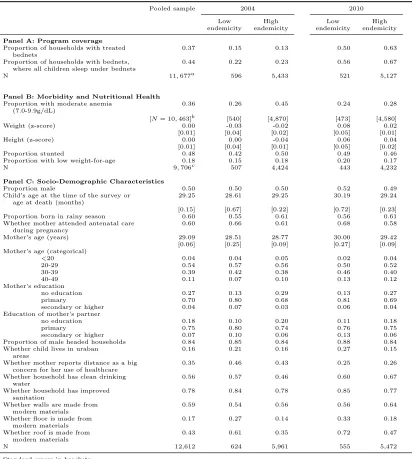
Endemic-ity (Mean or Proportion), Children <5 . . . 73
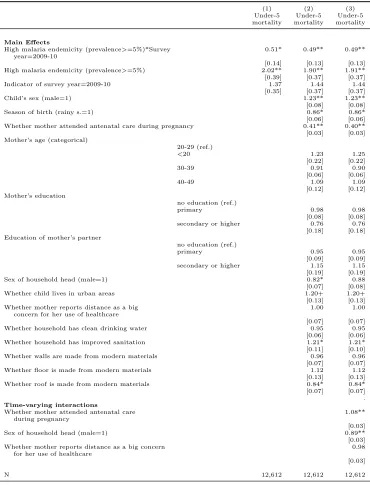
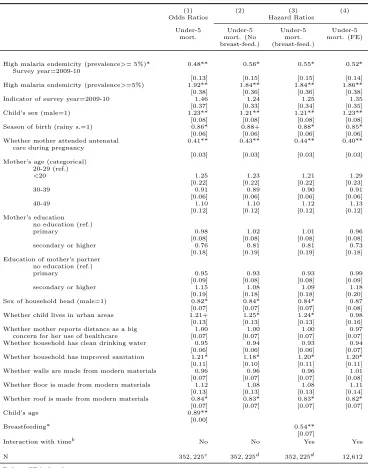
TABLE 2.5 : Hazard Ratios from Cox Regression of Child Mortality,
Chil-dren <5 . . . 74
TABLE 2.6 : Odds Ratios from Logistic Regression of Indicators of Anemia
and Nutritional Health, Children <5 . . . 75
TABLE 2.7 : Hazard Ratios of Cox Regression and Odds Ratios from
Lo-gistic Regression, Extending Previous Models, Children <5 . 76
TABLE 2.8 : Hazard Ratios of Cox Regression and Odds Ratios from Placebo
Regression of Whether Child Has Anemia and Hazard Ratios
from Placebo Cox Regression for Child Mortality, Children <5 77
TABLE 2.9 : Survival Outcomes of Malaria Control between 2000-5 and
2005-10 in Mainland Tanzania . . . 78
TABLE 2.10 :Population Estimates in Mainland Tanzania . . . 78
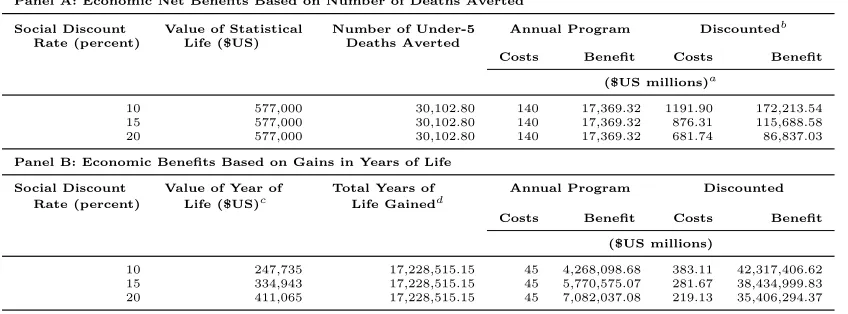
TABLE 2.11 :Economic and Demographic Net Benefits from the Malaria
TABLE 3.1 : Descriptive statistics for non-Hispanic native-born and
foreign-born ages 25+: 50 states and the District of Columbia, ACS
2001-2013 (percentage unless otherwise noted) . . . 116
TABLE 3.2 : Relative risk ratios from multinomial logistic regression
mod-els of extended family living arrangements among non-Hispanic
native-born and foreign-born ages 25+, by type of extension:
50 states and the District of Columbia, ACS 2001-2013 (N=3,382,048)117
TABLE 3.3 : Relative risk ratios from a series of multinomial logistic
re-gression models of extended family living arrangements among
foreign-born ages 25+, by type of extension: 50 states and the
District of Columbia, ACS 2001-2013 . . . 118
TABLE 3.4 : Relative risk ratios from a series of multinomial logistic
re-gression models of extended family living arrangements among
foreign-born ages 25+, by type of extension: 50 states and the
District of Columbia, ACS 2001-2013 (Continued) . . . 119
TABLE 4.1 : Sample Characteristics by Emigration Status - Unless
Oth-erwise Stated, Entries are Percentages (MAFE Ghana 2009,
ages 25-64) . . . 166
TABLE 4.2 : Sample Characteristics by Emigration Destination - Unless
Otherwise Stated, Entries are Percentages (MAFE Ghana 2009,
ages 25-64) . . . 167
TABLE 4.3 : Odds Ratios from Logistic Regression of Whether Household
Member is Currently Living Abroad among Ghanaians ages
25-64, Omitted Category = Non-Migrants+Return Migrants
TABLE 4.4 : Odds Ratios from Multinomial Logit Regression of
Emigra-tion Status among Ghanaians ages 25-64, Omitted Category
= Non-Migrants (2009 Ghana MAFE) . . . 169
TABLE 4.5 : Odds Ratios from Multinomial Logit Regression of
Emigra-tion Status among Ghanaians ages 25-64, Omitted Category
= Emigrants in Europe (2009 Ghana MAFE) . . . 170
TABLE 4.6 : Odds Ratios from Logistic Regression of Whether Emigrants
Move to the United States among Emigrants 25-64, (2009
LIST OF ILLUSTRATIONS
FIGURE 2.1 : Population-Adjusted Mean Prevalence of Malaria among
Chil-dren Aged 2 -10 in Tanzania . . . 80
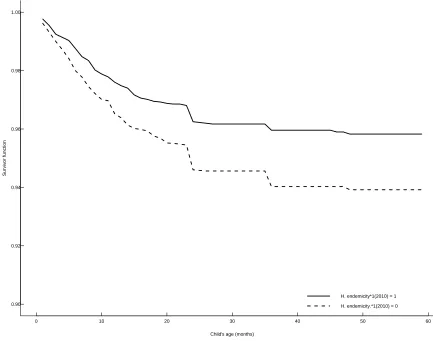
FIGURE 2.2 : Kaplan-Meier Estimates of Survivor among Children under
- 5,Tanzania (2004 and 2010) . . . 81
FIGURE 2.3 : Estimated Survivor: Effects of Malaria Program,Tanzania
(2004 and 2010) . . . 82
FIGURE 3.1 : Relative Risk Ratios of Horizontal Extension by Sending
Re-gion . . . 120
FIGURE 3.2 : Relative Risk Ratios of Vertical Extension by Sending Region 121
FIGURE 3.3 : Fully Adjusted Relative Risk Ratios of Horizontal Extension
by Income and Sending Region . . . 122
FIGURE 3.4 : Fully Adjusted Relative Risk Ratios of Vertical Extension by
Income and Sending Region . . . 123
FIGURE 3.5 : Fully Adjusted Relative Risk Ratios of Extension by
Dura-tion and Sending Region . . . 124
FIGURE 4.1 : Legal Emigration from Ghana to the United Kingdom and
CHAPTER 1 : Introduction
Using a three-chapter design, this dissertation addresses multiple topics of current
population processes pertaining to child health, migration, and living arrangements.
The first chapter is concerned with the impact evaluation of malaria control
interventions in mainland Tanzania, where malaria imposes a high disease burden on
the population, especially on children. Recently, there have been several interventions
that seek to control or eradicate malaria in African countries, after many
experimen-tal pilot studies established the effectiveness of delivery of insecticide-treated bednets,
rapid diagnosis and treatment of malaria cases, and intermittent preventive treatment
among pregnant women (Alonso et al. 1993, Binka et al. 1996, D’Alessandro et al.
1995, Greenwood et al. 1987, Ter Kuile et al. 2003). Since the early 2000’s massive
malaria control interventions have been implemented in Africa. At the same time,
child health has witnessed tremendous improvements in most countries. Yet, the
ex-tent to which malaria control interventions have contributed to these improvements
in child health is not currently known. The main reason for this knowledge gap is
the difficulty in finding plausible counterfactuals in the presence of large-scale health
programs that are implemented at the national level. This chapter addresses this
challenge in mainland Tanzania by exploiting the timing of the dramatic scale up of
interventions related to malaria control combined with the fact that pre-intervention
malaria endemicity depends on ecology (as anopheles mosquitoes cannot thrive at
altitudes above 1,900m (Mohammed et al. 2015, NMCP-MoHSW 2013, Taylor and
Mutambu 1986)) to assess the impact of malaria control on child health. The
counter-factuals are defined as areas that are naturally inhospitable for malaria mosquitoes,
where malaria control activities would virtually have no impact on child health. The
his-tory data and measures of child nutritional health from the 2004-5 and 2009-10 waves
of the Tanzanian Demographic and Health Survey, I estimate the specific
contribu-tion of malaria control to improvements in child mortality, morbidity, and nutricontribu-tional
health controlling for several socioeconomic confounders such as mother’s education
and mother’s age.
The second chapter investigates patterns of living arrangements among the
foreign-born in the United States. It is well established that living arrangements vary
substantially between native-born and foreign-born populations within the United
States, even net of socioeconomic and demographic differences across groups (Glick,
Bean, and Van Hook 1997, Goldscheider and Bures 2003, Van Hook and Glick 2007).
Immigrants’ greater propensity to live in extended households is potentially a source
of concern, as it may signal economic distress or a lack of incorporation into larger
mainstream society (Kamo 2000, Moen and Wethington 1992). A clear understanding
of the nature and source of disparate living arrangements across groups is also a
crit-ical issue in its own right, as they influence all analyses conducted at the household
level; a failure to account for immigrants’ tendency to live in extended households
could result in an underestimation of ethno-racial inequality in a wide variety of
economic outcomes, from household income to homeownership. In spite of the
im-portance of living arrangements to stratification, the literature on the topic suffers
from a number of shortcomings. First, the majority of research on the topic focuses
on Latin American (particularly Mexican) and Asian immigrants. In addition,
re-markable heterogeneity across immigrant groups with respect to human capital and
background characteristics (Borjas 1994, Camarota 2012, Elo et al. 2015, Feliciano
2005, Jasso 2011, Jasso et al. 2004) offers new leverage in the attempt to separate
eco-nomic from cultural sources of disparities in household extension (coresidence) from
often fails to distinguish between different types of extension. As Van Hook and Glick
(2007) have highlighted, the determinants of vertical extension (across generations)
often differ from those of horizontal extension (within generations). Finally, a
com-mon conclusion in the literature on immigrant extension is that much of the residual
difference in living arrangements that remains between the foreign and native born
after accounting for socio-demographic characteristics is attributable to disparate
cul-tural preferences. However, previous studies have failed to consider how the uneven
geographic distribution of groups across the country may also contribute to these
dis-parities. Specifically, immigrant populations tend to be far more highly concentrated
than the native born geographically, and are particularly over-represented in urban
and coastal areas, where the cost of living is higher. It is thus important to take into
consideration not only individual and household level characteristics, but also
differ-ences across groups in local context when assessing variation in extension patterns.
Drawing on data from the 2001 through 2013 waves of the American Community
Survey, I address these gaps in our understanding of immigrant household
exten-sion. First, I estimate up-to-date prevalence rates of extension among native-born
non-Hispanic whites and multiple foreign-born groups (Mexicans, Latin Americans
(excluding Mexicans), West Indians, South East Asians, Asians (excluding South
East Asians), Africans, Oceanians, and Europeans), including the relative
contribu-tion of socio-demographic characteristics to household extension. Second, I assess the
prevalence and predictors of extension separately for horizontal and vertical
exten-sion. Third, I investigate the extent to which variation in local context helps explain
some of the residual differences across groups, net of socio-demographic differences,
evident in previous studies. And finally, I examine variation in the predictors of
ex-tension across immigrant groups, separately for vertical and horizontal exex-tension.
shape the choice of migration destinations. The rapid and sustained increase in
emi-gration from Africa has heightened interest in the selectivity of these flows (Castagnone
et al. 2015, Schoumaker, Flahaux, and Beauchemin 2015, van Dalen, Groenewold,
and Schoorl 2003). Understanding the nature and scope of selective emigration out of
Africa is important for both theoretical and policy reasons, since it is closely related
to the ongoing debates about brain-drain and its consequences for Africa (Anarfi,
Quartey, and Agyei 2010, Docquier and Rapoport 2007, 2012). The outflow of skilled
emigrants is not only thought to deprive African nations from citizens who can make
the most valuable contribution to the development process, but it is also thought to
cause losses in public spending on education as emigrants receive education in their
origin countries before migration (Anarfi, Quartey , and Agyei 2010, Docquier and
Rapoport 2007, 2012). Although selective emigration out of Africa has important
implications for development, it remains relatively understudied. Using data from
the 2009 Ghana survey of the Migration from Africa to Europe project (MAFE),
the British Labor Force Survey (waves 2010-12), and the American Community
Sur-vey (waves 2005-10), this study bridges four gaps in our understanding of selectivity
among emigrants from Africa. First, this study investigates how current emigrants
compare to return migrants and non-migrants in terms of their socioeconomic
charac-teristics. Second, it explores whether emigrants to various destinations differ in their
socioeconomic characteristics. Third, the study examines selectivity by using
alter-native measures of socioeconomic characteristics at either the individual or household
level. Finally, it investigates whether Ghanaian emigrants to the United Kingdom and
the United States base their migration decision on a comparison of earnings across
multiple destinations or whether they rely on the presence of networks to choose their
emigration destinations.
share the commonality that they contribute new empirical knowledge with important
policy implications for the health and wellbeing of populations in both developing
and developed countries. They also utilize various methodological approaches to
CHAPTER 2 : Role of Malaria Control in Improving Child Health in
Mainland Tanzania: Evidence from a Rapid Policy
Scale-up
Abstract
Malaria eradication is a major policy concern in developing
coun-tries, where the disease imposes a high burden on child health. Since
2004, in mainland Tanzania, malaria control interventions have
ex-perienced a rapid scale-up. Between 2004 and 2010, the budget
devoted to malaria control has risen from less than $10 million to
nearly $140 million. Interventions targeting malaria eradication
have mainly consisted of a delivery of insecticide-treated bednets
(ITN). I exploit the timing of this sharp increase in the delivery
of ITN, along with the variation in malaria endemicity across the
country due to ecology, to evaluate the impact of malaria control
interventions on child health with an intent to treat in mainland
Tanzania. My estimates suggest that, on average, malaria control
interventions have helped avert approximately 17.9 deaths for
ev-ery 1,000 live births. In relative terms, they have contributed to
57.7 percent of the reduction in under-five mortality between 2004
and 2010. These interventions have also improved other measures
of child health, such as anemia and stunting, whose odds have been
2.1. Introduction
The extent to which interventions geared toward malaria control have improved child
health is an important concern among policy makers and researchers, as this disease
is thought to impose a high burden on children’s health (Rowe et al. 2007,
Smith-son et al. 2015, Steketee and Campbell 2010, TMIERG 2012, WHO 2014). Many
studies have investigated the impact of national malaria control in African
coun-tries, where Plasmodium falciparum, the dominant parasite strain, is responsible for
high morbidity and mortality, especially among children, who typically do not have
an immune system well developed against malaria (Rowe et al. 2007, Steketee and
Campbell 2010). Most of these studies, relying on an after-before design combined
with a “plausibility argument” (Rowe et al. 2007), have suggested possible large
health benefits attributable to malaria control. For example, many have documented
a downward trend in indicators such as under-five mortality and the prevalence of
anemia associated with scale up malaria control interventions (Rowe et al. 2007,
Smithson et al. 2015, Snow, Trape, and Marsh 2001, Steketee and Campbell 2010,
TMIERG 2012).
Yet, there are three shortcomings in past studies of the impact of national
malaria control on child health. First, they usually fail to provide estimates of the
effect size of health improvements that can unambiguously be related to malaria
con-trol interventions (Rowe et al. 2007). In other words, they often do not quantify
the specific contribution of malaria control to improvements in child health. Second,
these studies do not usually control for confounders such as socioeconomic
charac-teristics of children under study. Third, they do not investigate the contribution of
This paper addresses these shortcomings by using indicators of child nutritional
status and by employing a difference-in-difference strategy. It exploits the timing
of the dramatic scale up of interventions related to malaria control combined with
the fact that malaria endemicity depends on ecology (as anopheles cannot thrive at
altitude above 1,900m (Mohammed et al. 2015, NMCP-MoHSW 2013, Taylor and
Mutambu 1986)) to assess the impact of malaria control on child health in mainland
Tanzania. The malaria control interventions have mainly consisted of vector control
activities, introduced gradually beginning in 2000. Between 2004 and 2006, a voucher
scheme was implemented to provide subsidized insecticide-treated bednets to pregnant
women (Hanson et al. 2008). In 2007, the voucher scheme was expanded to children
under five (Hanson et al. 2008), while, in 2008, a catch-up campaign has provided
more than 9 million bednets at the national level (Bonner et al. 2011). During the
same time period, all-cause under-five mortality has decreased from 112 deaths per
1,000 live births in 2004 to 81 deaths in 2010 (Macro 2011, TMIERG 2012). Likewise,
the prevalence of severe anemia dropped from 11.1 percent to 5.5 percent over the
same time period (Macro 2011, TMIERG 2012).
Using birth history data and measures of child nutritional health from the
2004-5 and 2009-10 waves of the Tanzanian Demographic and Health Survey, I estimate
the specific contribution of malaria control to improvements in health among children
under five. I examine a number of indicators of child mortality, morbidity, and
nutri-tional health and controlling for several confounders. The estimates suggest that, on
average, malaria control interventions have helped avert approximately 17.9 deaths
for every 1,000 live births between 2004 and 2010. In relative terms, the interventions
have contributed to 57.7 percent of the reduction in under-five mortality over this
nutritional health in a significant way.
The remainder of the paper is organized as follows. In Section 2.2, I present
the related literature. Section 2.3 describes the context and the data. Section 2.4
presents the identification strategy, while Section 2.5 is devoted to the estimation
strategy. Section 2.6 presents the results, followed by Section 2.7 that focuses on
issues related to robustness checks. Section 2.8 describes threats to validity and
Section 2.9 provides a cost-benefit analysis of the interventions. Finally, Section 2.10
concludes.
2.2. Background
2.2.1. Malaria Disease
The malaria disease is caused by a parasite, the Plasmodium, which attacks red cells
(erythrocytes) (Clark and Cowden 2003, Centers for Disease Control 2010, Newton
and Krishna 1998, World Health Organization 2000). There are five plasmodium
strains in the history of human malaria around the globe, and different plasmodia
tend to thrive in different geographic areas (Centers for Disease Control 2010, Hall
et al. 2005). The most common strain in Africa is Plasmodium falciparum, which is
transmitted by a genus of mosquitoes named anopheles. In Africa, there are seven
malaria mosquito species, among which anopheles gambae, anopheles arabiensis, and
anopheles funestus are the most common (Hall et al. 2005).
The transmission of Plasmodium goes from anopheles to humans and then goes
back to anopheles, following a two-host dynamic (Buffet et al. 2011, Clark and
Cowden 2003, Centers for Disease Control 2010, Hall et al. 2005). The transmission
human host. After inoculation, the malaria parasites go successively through the liver
and blood.There is usually a window of seven to 30 days between the infective bite
and the first appearance of malaria symptoms (Centers for Disease Control 2010).
These symptoms can only be detected during the blood stage when evolved forms
of sporozoites (merozoites) invade erythrocytes. The transmission cycle loops back
to anopheles when they take a blood meal from a human host containing sexually
differentiated forms of the malaria parasites. Upon the blood ingestion, these forms
of parasites undergo several stages of growth inside the anopheles, lasting between
10 to 21 days, before they reach the stage of sporozoites that may initiate another
transmission cycle (Centers for Disease Control 2010).
Formal diagnosis of malaria relies on parasitemia obtained by microscopy or
by rapid malaria diagnosis tests. However, residents in high malaria prevalence
re-gions, often resort to presumptive malaria treatment in the presence of a few malaria
symptoms, which come as a response of the host immune system to the invasion and
destruction of red cells. Clinically, uncomplicated malaria, the most common case
of malaria in Africa, is associated with fever, a sensation of cold, nausea, vomiting,
weakness, and anemia. In young children, it can also cause seizures (Centers for
Dis-ease Control 2010). Uncomplicated malaria can further be associated with a feeling
of general malaise, headaches, and muscular pains. On the other hand, severe malaria
is associated with organ impairment and conscience impairment (Centers for Disease
Control 2010, Newton and Krishna 1998, World Health Organization 2000). The most
prevalent forms of severe malaria affect the brain and to a lesser extent the kidneys.
The Center for Disease Control recommends that healthcare providers consider severe
malaria a medical emergency, requiring a prompt comprehensive treatment (Centers
2.2.2. Malaria Entomology and Ecology
Ecological and climatic factors are important for mosquito development and survival,
of these, temperature plays a crucial role (Bayoh 2001, Bayoh and Lindsay 2003,
Bayoh and Lindsay 2004, Kirby and Lindsay 2004). Mosquitoes develop from eggs
to adult vectors through several stages, among which the first few are aquatic. The
aquatic development of mosquitoes is optimal under temperatures ranging from 22
to 28◦C (Bayoh 2001, Bayoh and Lindsay 2004). At temperatures below 16 ◦C and
above 34◦C, larvae cannot produce adult mosquitoes (Bayoh 2001, Bayoh and Lindsay
2004). Mosquitoes’ survivorship is the highest under temperatures between 15 to
25◦C, and their survivorship declines sharply as temperature increases (Bayoh 2001).
Temperature also affects the length of each developmental stage of mosquitoes. Under
a tropical climate, the time span from eggs to adult vectors lasts approximately five
to 14 days, while in temperate climates this length is more than 30 days1. Thus, the
likelihood of developing the malaria disease highly depends on seasons and geographic
locations.
2.2.3. Malaria and Child Mortality
Malaria is the third most important cause of death among children under five in
Africa after pneumonia and diarrhea (Black et al. 2010). It is believed that between
16 and 60 percent of deaths occurring to those under five years of age are attributable
to malaria in Africa (Alonso et al. 1993, Alonso et al. 1991, Black et al. 2010,
Greenwood et al. 1987). In the last few decades, research on the role of malaria in
child mortality has generated a substantial literature, encompassing a variety of study
designs. Several studies have relied on cross-sectional analysis of data from verbal
autopsy to investigate the proportion of deaths due to malaria. For instance, using
data collected with a post-mortem questionnaire (verbal autopsy), Greenwood and
colleagues (1987) find that malaria accounts for 25 percent of deaths in children aged
one to four (Greenwood et al. 1987). Yet, this estimate of the contribution of malaria
to child mortality has not convinced everyone, as there is serious concern that it might
be downwardly biased (Rowe et al. 2007, Shanks, Hay, and Bradley 2008, Snow,
Trape, and Marsh 2001, Steketee and Campbell 2010). Shanks and colleagues (2008)
have shown that the downward bias in the estimates of malaria-induced mortality
with verbal autopsy or vital registration data can be as large as the estimates of
mortality themselves, because not only does malaria increase mortality related to
other infectious diseases such as pneumonia (Shanks, Hay, and Bradley 2008), it
also increases the risks of mortality in children through its tendency to cause low
birthweight and pre-term births (Snow, Trape, and Marsh 2001). The research on
malaria-induced mortality based on observational data, grapples with the fact that
the methods to capture the specific contribution of malaria to child mortality often
lack both sensitivity and specificity.
The advent of insecticide-treated bednets (ITN) provides a better means to
investigate the role of malaria in child mortality, and randomized controlled trials
(RCT) of ITN’s have been conducted in many African countries. In two studies on the
impact of the use of ITN on child mortality in the rural Gambia, Alonso and colleagues
(1991 and 1993) find a 60 percent decline in all-cause mortality among children aged
between one and four attributable to a reduction in malaria prevalence (Alonso et
colleagues (1995) show that large scale delivery of ITN has led at most to a 38 percent
decline in mortality among children aged one to nine.
The discrepancies in the findings across these studies are thought to stem from
differences in the uptake of ITN among children under five and in malaria
transmis-sion intensity in the study regions, where transmistransmis-sion intensity varies from low to
moderate (D’Alessandro et al. 1995). The intensity of malaria transmission is often
measured by the entomological inoculation rate, referring to the mean annual or
sea-sonal number of infective bites of malaria mosquitoes. Low to moderate transmission
intensity usually refers to infective bites, ranging between one and 10 per year, while
high transmission intensity is associated with more than 100 infective bites per year
(Binka et al. 1996, D’Alessandro et al. 1995).
To extend these findings, many studies have sought to assess malaria-induced
child mortality in areas with high malaria transmission. These studies estimate the
specific contribution of malaria to child mortality as between 17 and 33 percent across
various settings in Africa (Binka et al. 1996, Nevill et al. 1996, Ter Kuile et al. 2003).
These studies have first demonstrated that the relative contribution of malaria
con-trol to child mortality reduction tends to be inversely proportional to transmission
intensity. This reflects more the fact that mortality is relatively higher in the high
transmission intensity areas compared with the low transmission areas than a
sub-stantive difference in the mortality response to malaria control. The results have also
underscored the fact that cultural factors that are not supportive of a wide adoption of
ITN tend to diminish the contribution of ITN delivery to reducing malaria-induced
mortality. Overall, it can be inferred that despite differences in the magnitude of
malaria-induced mortality from one study to the other, the RCT’s have empirically
Africa.
Because the early evidence of a mortality reducing effect of ITN delivery is
drawn from studies, providing households with free ITN, the results do not answer
the other policy related question of whether ITN delivered at some price would still
positively affect child health. Schellenberg and colleagues (2001) help bridge this gap
in a study in rural Tanzania, where malaria transmission is high, median monthly
household consumption ranges between 77 and 96 $US, and ITN are sold at $5 and
treatment kits at $0.42 (Schellenberg et al. 2001). The authors report that under-five
mortality has declined by 18 percent after the delivery of subsidized ITN’s
(Schellen-berg et al. 2001). Although the study takes place in a low income area, its results
are consistent with findings from prior RCT’s.
The consistent findings of large health benefits from ITN delivery among
chil-dren have supported scale-up malaria interventions across Africa. At the turn of the
millennium, in line with the 2000 Abuja Declaration (Malaria Roll Back World Health
Organization 2000), most national malaria programs have used social marketing with
various schemes to promote the household use of subsidized ITN (MoHSW 2008,
Rowe et al. 2007). The early program goal was malaria control. In subsequent years,
some African countries have shifted to free delivery of ITN and to more ambitious
interventions geared toward malaria eradication (MoHSW 2008). After a decade or so
of massive interventions, the specific contribution of these efforts to improving child
health is not yet clearly understood.
The few studies that aim to assess the impact of national malaria programs
include research by Steketee and Campbell (2010). Reviewing data from more than
30 African countries, Steketee and Campbell (2010) find a downward sloping trend in
consisting of delivery of ITN, indoor residual spraying, malaria case management, and
intermittent preventive treatment of malaria during pregnancy (Steketee and
Camp-bell 2010). They go on to suggest a plausible causal relationship between malaria
control and the decrease in child mortality, whose effect size is conjectured to
ex-ceed a 20 percent reduction in all-cause under-five mortality (Steketee and Campbell
2010).
Another published investigation of the impact of malaria control on child health
is the study by Smithson and colleagues (2015), implemented in mainland Tanzania,
relying on an after-and-before design that uses a “plausibility argument”. In this
study, Smithson and colleagues (2015) assess child health with the following measures:
infant and under-five mortality and prevalence of anemia (Smithson et al. 2015).
The authors compare the levels of these health indicators before and after scale-up
interventions and examine if the patterns of changes are consistent with biological
and ecological mechanisms, whereby a decline in malaria would translate into health
benefits (Smithson et al. 2015). Smithson and colleagues (2015) argue that some
unspecified fraction of the decrease in under-five mortality and of the drop in the
prevalence of severe anemia is attributable to malaria control (Smithson et al. 2015).
In other words, the study has provided no specific estimates of the contribution
of malaria control to the observed improvements in child health, which could have
potentially stemmed from many confounding factors.
2.2.4. Malaria and Child Nutritional Health
In many African countries experiencing high prevalence of malaria, children’s
challenge (De Onis, Bl¨ossner, and Borghi 2012). Poor child nutritional health is a
se-rious public health problem with negative influences on other aspects of child health,
child development, schooling, and later life outcomes (De Onis, Bl¨ossner, and Borghi
2012, Guerrant et al. 2013, Guerrant et al. 2008, Hoddinott et al. 2008). Poor
nutri-tional status can also weaken children’s immunity to infectious diseases (Eswarappa,
Estrela, and Brown 2012, Guerrant et al. 2013).
The idea that malaria and child nutritional status might be related is not new
(Ferreira et al. 2015, Shankar 2000). Several studies have investigated whether
poor nutritional status in children is associated with frequent episodes of malaria
and whether under-nourished children are exposed to a high likelihood of developing
malaria (Ferreira et al. 2015, Shankar 2000). Findings from these studies suggest
that malaria mortality tends to be higher among under-nourished children compared
to their better fed counterparts, but that the incidence and prevalence of malaria do
not seem to vary by nutritional status (Ferreira et al. 2015, Shankar 2000). Although
there is no clear consensus among nutritionists about the clinical relationship between
malaria and malnutrition (Arinaitwe et al. 2012, Deen, Walraven, and Von Seidlein
2002, Ehrhardt et al. 2006, Ferreira et al. 2015, Fillol et al. 2009, Friedman et al.
2003, Mitangala et al. 2013, Nyakeriga et al. 2004, Olumese et al. 1997, Renaudin
1997, Shankar 2000, Van den Broeck, Eeckels, and Vuylsteke 1993), a growing body
of research has suggested that malaria control has led to improvements in child
nu-tritional health (D’Alessandro et al. 1995, Kang et al. 2013, Snow et al. 1991, Ter
Kuile et al. 2003).
In Tanzania, where the dominant parasite, Plasmodium falciparum, is
partic-ularly virulent (Buffet et al. 2011, Charlwood et al. 1997, Clark and Cowden 2003,
reasons to suspect an impact of malaria control on child nutritional health. First,
frequent exposure to malaria may affect child nutritional status through inadequate
ingestion of nutrients. Second, malaria may affect child nutritional health through
availability of resources because more household spending on health due to malaria
may deplete economic resources available to all household members. Malaria may also
reduce people’s ability to engage in economic activities. Hence because of malaria
household members of working ages may earn less. Such an adverse effect of malaria
is likely to be critical for children living in poverty, whose resource constraints are
binding for food consumption.
2.2.5. Contribution to the literature on impact evaluation of malaria control
Past studies seeking to assess the impact of national malaria control on child health
share three shortcomings. First, they fail to provide estimates of the magnitude of
gains in child health that can unambiguously be related to malaria control. Second,
these studies do not often rely on multivariate analysis to control for confounders
such as socioeconomic characteristics of children under study. Finally, they do not
investigate the contribution of malaria control to improvements in child nutritional
health.
I respond to these shortcomings by using a quasi-experimental design that relies
on a difference-in-difference approach with cross-sectional data from multiple waves
of the Tanzanian Demographic and Health Survey and by investigating the impact
of malaria control on child nutritional health. The main contribution of this paper is
to provide estimates of the specific contribution of malaria control to improvements
in child mortality and nutritional health in mainland Tanzania. This novel approach
to measuring the impact of malaria control is described in Section III, following the
2.3. Context and Data
2.3.1. Malaria Epidemiology in mainland Tanzania
In mainland Tanzania, malaria is seasonal or perennial, with transmission intensity
varying from very low to high transmission. Recent estimates indicate that 80
per-cent of the population lives in regions where malaria transmission is stable perennial
to stable seasonal (MoHSW 2008, NMCP-MoHSW 2013). About 16 percent of the
population live in areas with intermittent transmission, and the remaining four
per-cent live in areas that are essentially malaria free (MoHSW 2008, NMCP-MoHSW
2013). Malaria incidence usually peaks during the rainy season, leading to variation
in the burden of malaria across the country as some regions experience two rainy
seasons, whereas others have only one (Macro 2011, Rowe et al. 2007). Plasmodium
falciparum is the dominant parasite strain. The main malaria vectors are anopheles
gambiae (67 percent), anopheles funestus (22 percent), and anopheles arabiensis (9
percent) (Kabula et al. 2011, Sinka et al. 2010). Anopheles arabiensis and
Anophe-les gambiae have the highest entomological inoculation rates. However, recent field
data suggest changes in the relative distribution of malaria mosquitoes in mainland
Tanzania as a result of the ongoing use of insecticides (NMCP-MoHSW 2013). As
far as vectorial capacity, i.e., the proportion of anopheles recorded to be carrying
Plasmodium sporozoites, is concerned, it is the highest among anopheles gambiae (25
2.3.2. Malaria Control Program in Mainland Tanzania
The malaria control interventions have benefited from large increases in funding since
2000 (MoHSW 2008). Prior to 2004, public spending on malaria control was very
low; but from 2004 to 2010, it rose steadily from $6 million to nearly $140 million
(TMIERG 2012). It is important to note that the pace of increase in the budget of
malaria control has not been even over this time period; spending from 2007 to 2010
accounts for approximately 90 percent of the aggregate budget (TMIERG 2012).
Sus-tained high levels of funding, prevailing since 2007, has helped implement in mainland
Tanzania a three-pronged strategy geared toward malaria eradication, consisting of
vector control, case management, and malaria prevention.
Vector Control
Between 2000 and 2010, vector control, mainly consisting of the delivery of long lasting
insecticide-treated bednets (LLIN/ITN), has been the linchpin of malaria control in
mainland Tanzania. Indeed, the delivery of these treated bednets has represented 47
percent of the $450 million devoted to malaria control (TMIERG 2012). The access
of the Tanzanian population to ITN has gone up in a way that mirrors increases in
the budget devoted to malaria control.
In 2004, the Government of Tanzania initiated a phase-in voucher scheme to
make ITN available to pregnant women, which reached a full national coverage by
2006 (Hanson et al. 2008). The voucher scheme entails a top-up payment from
beneficiary women, ranging from $0.21-0.87, in a context where the average monthly
income is approximately $90 (Hanson et al. 2008). In 2007, the voucher scheme was
extended to children under five. Process indicators, however, lagged behind efforts
sleeping under treated nets was 26 percent in 2008 compared to a program target of
60 percen (MoHSW 2008).
In 2008, a catch-up intervention delivered 9 million ITN to children under five
and pregnant women (Bonner et al. 2011). In 2010, another catch-up intervention
delivered 18 million ITN to the same targets (Renggli et al. 2013). These interventions
between 2008 and 2010 have caused a sharp surge in most coverage indicators related
to ITN (TMIERG 2012). The use of nets jumped between 2008 and 2010 from 26
to 56 percent among children under five and from 24 to 62 percent among pregnant
women (TMIERG 2012). Whereas the delivery of ITN has been implemented at the
national level, there have also been other interventions, conducted locally, aimed at
reducing the number of malaria mosquitoes.
Such interventions include indoor residual spraying (IRS) in two regions where
large breeding sites of mosquitoes are easy to target. In 2007, the IRS started in
selected districts in the regions of Kagera and Karagwe in the northwest of the country.
By 2009, it was scaled up to all districts in these two regions. Other vector control
interventions include environmental control and larviciding as part of the integrated
malaria control program implemented in Dar Es Salam. In addition to vector control,
the malaria control program has sought to improve correct diagnosis and treatment
of malaria.
Malaria Case Management
Malaria case management is the second component of the malaria eradication
strat-egy in mainland Tanzania after vector control. It includes appropriate treatment of
malaria cases after correct diagnosis is provided by microscopy or rapid diagnosis tests
rapid treatment of malaria can not only reduce the disease burden of malaria, but can
also help break the transmission cycle, contributing to reducing anopheles’ vectorial
capacity. Unfortunately, laboratory tests seeking to confirm malaria cases have not
yet been widely available in Tanzania, and the treatment of malaria cases often relies
on clinical diagnosis (MoHSW 2008, TMIERG 2012). Malaria cases are managed
ac-cording to the new guidelines of the World Health Organization, recommending the
use of artemisinin combination (ACT) as the first-line therapy for malaria. Quinine is
recommended for severe forms of malaria. Since 2009, ACT drugs have been mostly
available at more or less affordable prices (if not subsided), despite a stock-out in
2010.
Intermittent Preventive Treatment
The third component of the strategy to eradicate malaria in mainland Tanzania
con-sists of malaria prevention. Preventive interventions mainly focus on reducing malaria
cases in pregnant women, as malaria during pregnancy can affect women’s health and
birth outcomes. Malaria prevention in pregnant women has had a historically low
uptake in mainland Tanzania (MoHSW 2008, TMIERG 2012). In 2010, 26 percent
of the pregnant women went through the complete course of prevention, consisting
of two therapeutic doses (MoHSW 2008, TMIERG 2012). This represents a modest
improvement of 5 percentage points since 2004, and still falls short of the national
target of 80 percent (MoHSW 2008, TMIERG 2012). The conflicting directives from
the antenatal health system and the malaria control program may help explain why
most women only take the first therapeutic dose, as there tends to be some confusion
time spacing between the two doses (TMIERG 2012).
2.3.3. Data
I investigate the role of malaria control in improving child health in mainland
Tan-zania, using micro-level data from two waves of the Demographic and Health Survey
(DHS), fielded respectively from October 2004 to February 2005 and from December
2009 to May 2010 (Macro 2005, 2011). These data are collected by the Tanzanian
National Bureau of Statistics with technical assistance from Macro International Inc.;
they are gathered from two independent, nationally representative samples of 9,852
and 9,741 households respectively. In each survey wave, the response rates are above
99 percent at the household level and 96 percent at the level of the individual women,
with slightly higher rates (in an order of magnitude of 0.2) in rural areas compared
to urban ones (Macro 2005, 2011). In most areas of the country, the time period of
the data collection overlaps with the rainy season (when malaria prevalence is high),
which helps measure malaria and its effects on child health. The DHS survey collects
birth histories of all women of reproductive ages (15-49 years), including an indicator
of whether the children born to a given mother are alive at the time of the survey.
It also provides information on the child anthropometric measures and a wealth of
household background characteristics.
I merge district-level data on population-adjusted malaria prevalence among
children aged two to ten in 2000 (retrieved from the report titled “An Epidemiological
Profile of Malaria and its Control in Mainland Tanzania” (NMCP-MoHSW 2013))
to the DHS data. This prevalence measure has been used in many settings as a
2013). It is obtained from a Bayesian hierarchical regression, using data from 2,193
time-surveys at 1,447 distinct locations in Tanzania (NMCP-MoHSW 2013). Data
on malaria prevalence have provided a means to explore likely health responses to
malaria control.
I restrict the DHS sample to the subset of children under five, who have no
missing information on the explanatory variables (presented below). In total, 5.3
percent of children under-five were excluded. Throughout the analysis, the sample
varies in size across health outcomes because some of these outcomes have missing
information. Table 2.1 presents the analysis sample by survival status and year of
birth. Data on child mortality have no missing information, yielding a pooled sample
consisting of 12,612 children under five, which includes 11,677 surviving children. This
sample is slightly unbalanced between the two waves as it consists of 52.2 and 47.8
percent in the 2004 and the 2010 DHS, respectively. The pooled sample pertains to
children, mostly born between 2000-2004 in the 2004 DHS (only 0.7 and 0.4 percent
were born respectively in 1999 and 2005), and to children born between 2005 and
2010 in the 2010 DHS.
For the other measures of child health, the analysis sample is restricted to
children who are alive at the time of the survey. The anemia variable has no missing
data, resulting in a sample of 10,463 children between six and 59 months of ages, there
are missing values in child weight and height. Missing information affects 10.6 percent
of children alive at these ages, yielding a sample of 9,706 children under five for the
analysis of child nutritional health. For robustness checks, I supplement the analysis
with analogous data from the 1999 DHS, consisting of 2,406 children under five, who
are either alive or dead for the analysis pertaining to the under-five mortality. The
between 1999 and 2004, as no program has been implement during this time period.
2.3.4. Dependent Variables
I examine the impact of the malaria control program on four measures of child health.
First, I investigate the impact of malaria control on under-five mortality, which is a key
impact measure recommended by the Roll Back Malaria monitoring and evaluation
board (Rowe et al. 2007, TMIERG 2012). I estimate under-five mortality with the
pooled DHS data among children under five. (section 2.5 on the Estimation Strategy
describes the approach to modeling under-five mortality). Survival information is
provided by the observation time recorded in months and a child’s survival status,
indicating whether a child is alive at the time of the survey and the month of death
for those deceased. Second, I examine the impact of malaria control on the prevalence
of moderate anemia. The level of anemia is closely related to malaria, which destroys
blood red cells and tends to cause anemia in children (Buffet et al. 2011, Clark and
Cowden 2003, Newton and Krishna 1998). Moderate anemia is defined as an
altitude-adjusted level of hemoglobin between 7.0-9.9g/dL. This variable is collected among
children aged 6 to 59 months, who are alive at the time of the interview.
I further investigate the impact of malaria control on stunting and low
weight-for-age because these measures of child nutritional health, especially stunting, are
in-dicative of children’s exposure to infectious diseases (Eswarappa, Estrela, and Brown
2012, Guerrant et al. 2013). I estimate the prevalence of stunting and low
weight-for-age, using the World Health Organization growth charts and recommended cutoffs,
together with anthropometric data from the DHS. Weight and height are available
Following the WHO guidelines, I consider children falling under two standard
devia-tions of their standardized height-for-age or weight-for-age to define stunting and low
weight-for-age, respectively (Macro 2011).
2.3.5. Explanatory variables
Key explanatory variables are related to exposure to malaria dummy pre and
post-intervention periods. These variables are described in section 2.4, which explains the
identification strategy. In addition, I use many proximate determinants of child health
identified in previous research (Alexandre et al. 2015, Behrman and Deolalikar 1988,
Berger, Fahrmeir, and Klasen 2002, Rosenzweig and Schultz 1983, Rosenzweig and
Wolpin 1988, Strauss and Thomas 1998, Trussell and Hammerslough 1983). However,
because I am interested in evaluating the impact of malaria control, the choice of
control variables is guided by the requirement that these variables may not be directly
altered by the malaria control interventions. Thus, the exogenous control variables
include child’s sex; child’s age (recorded in months for the analysis dealing with
anemia and nutritional health); mother’s education (three binary indicators of no
education, primary, secondary or higher); education of mother’s partner (a proxy
for father’s education, measured by the same three binary indicators as for mother’s
education); household head’s sex (male=1); an indicator of whether child lives in an
urban area; and five indicators of living standards, capturing whether a household has
access to clean water, whether a household has access to improved sanitation, whether
the wall, the floor or the roof of the dwelling place is made from modern materials,
respectively. I also use season of birth (rainy season=1), which is constructed from
the month of birth, place of birth, and information on the timing of the dry and rainy
place of residence at the time of the survey, as there is no other information in the
DHS dataset to indicate a child’s place of birth. I further use an indicator of whether
the mother attended antenatal care during pregnancy and an indicator of whether the
mother reported distance as a big concern for the use of healthcare for herself. These
variables aim to capture information about access to healthcare or alternatively the
price factors associated with child health. I use mother’s age, captured by four binary
indicators, to control for the risks related to giving birth at extreme ages (very young
or older ages).
To describe the changes in program uptake between survey waves, two variables
about program coverage are presented. These variables include the proportion of
children sleeping under an insecticide-treated bednet the night before the survey and
a variable at the household level, indicating for each child whether all children in
her/his household sleep under a treated bednet. Because these program coverage
variables are process indicators, they are not used in the multivariate analysis of the
impact of malaria.
2.4. Identification Strategy
The evaluation of large scale health programs is frequently complicated by the fact
that program assignment may not be randomized. To address this difficulty,
re-searchers have often used plausibly exogenous criteria to define the treatment and
control groups with observational data. In this study, the Plasmodium falciparum
parasitemia at the population level, which helps characterize malaria endemicity2,
and the survey years provide the basis for using a difference-in-difference approach
2There is a close correspondence between malaria endemicity and the intensity of malaria
with an intent to treat to identify the impact of malaria control on child health
in mainland Tanzania. I exploit the fact that low malaria endemicity, prevailing
prior to any vector control interventions, in a given area reflects the fact that this
area is inhospitable for malaria vectors. In Tanzania, highlands usually experience
very low malaria endemicity, reflecting the inability of anopheles there to survive or
to contribute to the vector-host transmission, as they are exposed to low average
temperatures (Mohammed et al. 2015, NMCP-MoHSW 2013, Taylor and Mutambu
1986).
In this paper, the intensity of malaria endemicity, before any anthropic
ac-tions, seeking to modify the epidemiological profile of malaria, is measured by the
2000 population-adjusted prevalence of malaria parasites in children aged two to ten3
measured at the district level. Figure 2.1 illustrates malaria endemicity in mainland
Tanzania based on this measure. I define two groups of areas that experience two
distinct regimes of exposure to the malaria disease by using a cutoff of five percent
of the population-adjusted prevalence of Plasmodium falciparum. The choice of this
point value of five percent is motivated by the fact that below this cutoff, malaria
is either absent or hypo-endemic (NMCP-MoHSW 2013). Nine percent of the
chil-dren in the analysis sample live in the low endemicity areas, where the population
adjusted prevalence is below five percent; while the rest of the sample lives in the
high endemicity areas, where the population adjusted prevalence vary from five to
93 percent. Although the range of prevalence in the high endemicity areas is wide,
it reflects thresholds at which malaria can be clinically damaging at the population
level (NMCP-MoHSW 2013).
The low endemicity areas are then considered control areas, whereas the high
3The measure is highly negatively correlated with altitude (Pearson correlation = -0.567; p-value
endemicity areas are the intervention areas. The rationale for this choice is that
the impact of malaria control will be minimal in the areas with very low exposure
to malaria, as cases of malaria are unlikely with malaria being absent or very rare
(sleeping under a bednet in areas with no anopheles, would have no protective role
against malaria). However, depending on the intensity of migration between the high
and low endemicity areas, correct and rapid diagnosis could make a difference in a
child’s health related to malaria. In any case, net in-migration to the areas of low
malaria endemicity would lead to underestimate of the impact of malaria control on
child health. One important thing to note is that the “treatment” is not defined as
being exposed to malaria control interventions. It is rather defined as living in areas,
where after being exposed to the malaria control interventions, households would be
expected to improve their children’s health through the interventions.
The validity of this approach to assess the impact of malaria control rests on the
assumption that there would be no change in the epidemiology of malaria in
main-land Tanzania during the time span between 2004 and 2010 if there were no malaria
control. Put differently, it must be the case that natural conditions did not change
independently in such a way that they would have modified malaria epidemiology over
this time period. Indeed, between 2000 and 2010, the ecological profile of Tanzania
has not changed in a way that would have affected the environmental suitability of
anopheles in Tanzania (NMCP-MoHSW 2013).
The timing of the successive waves of the DHS maps almost perfectly onto the
before and after intervention time period. I consider children under five, in the 2004
DHS to be in the pre-intervention period, while children under five in the 2010 DHS
are considered to be in the post-intervention period. The timing of the 2010 DHS is
few rainy seasons (periods of high transmission intensity) have passed. This allocation
rule, defining the before and after intervention, might be seen as suboptimal because
some children, born between 2004 and 2005, have benefited from some interventions
of the malaria control program, mainly associated with the voucher scheme (Hanson
et al. 2008). However, less than 0.5 percent of the children in the 2004 DHS were born
in 2005. Furthermore, coverage indicators of the malaria control program before 2006,
show that most program interventions have had low coverage at the national level
(MoHSW 2003, 2008, TMIERG 2012). Remember that large scale malaria control
interventions have been implemented from 2006 onward.
With these definitions of intervention and control areas, and of pre and
post-intervention periods, one is equipped to use a difference-in-difference (DD) estimator.
Equation (2.1) below illustrates the DD approach:
Yi =β0+β1(Mi∗Ti) +β2Mi+β3Ti+εi (2.1)
where:
1. Yi is a measure of child health;
2. Mi =1(Child lives in a high malaria endemicity area);
3. Ti = 1(Survey year is 2009-10).
The parameter β1 is of a prime importance in this analysis as it identifies the