World Maritime University World Maritime University
The Maritime Commons: Digital Repository of the World Maritime
The Maritime Commons: Digital Repository of the World Maritime
University
University
World Maritime University Dissertations Dissertations
11-5-2017
Assessment of Vietnam’s capacity and commitment to ratify and
Assessment of Vietnam’s capacity and commitment to ratify and
implement the International Convention on Oil Pollution
implement the International Convention on Oil Pollution
Preparedness, Response and Co-Operation (OPRC), 1990
Preparedness, Response and Co-Operation (OPRC), 1990
Hieu Huu Dao
Follow this and additional works at: https://commons.wmu.se/all_dissertations
Part of the Emergency and Disaster Management Commons, and the Oil, Gas, and Energy Commons
Recommended Citation Recommended Citation
Dao, Hieu Huu, "Assessment of Vietnam’s capacity and commitment to ratify and implement the International Convention on Oil Pollution Preparedness, Response and Co-Operation (OPRC), 1990" (2017). World Maritime University Dissertations. 563.
https://commons.wmu.se/all_dissertations/563
WORLD MARITIME UNIVERSITY
Malmö, SwedenASSESSMENT OF VIETNAM’S CAPACITY AND
COMMITMENT TO RATIFY AND IMPLEMENT
THE INTERNATIONAL CONVENTION ON OIL
POLLUTION PREPAREDNESS, RESPONSE
AND CO-OPERATION (OPRC), 1990.
By
DAO HUU HIEU
Vietnam
A dissertation submitted to the World Maritime University in partial
fulfillment of the requirements for the award of the degree of
MASTER OF SCIENCE
In
MARITIME AFFAIRS
(OCEAN SUSTAINABILITY, GOVERNANCE AND
MANAGEMENT)
2017
ii
DECLARATION
I certify that all the material in this dissertation that is not my own work has been
identified, and that no material is included for which a degree has previously been
conferred on me.
The contents of this dissertation reflect my own personal views, and are not necessarily
endorsed by the University.
(Signature):
(Date):
Supervised by:
Professor Lawrence Hildebrand
World Maritime University
Co-supervised by:
iii
ACKNOWLEDGEMENT
First of all, I would like to thank my distinguished and esteemed supervisor, Professor
Lawrence Hildebrand with kind guidance, valuable advice and various valuable
resources, which helped me much not only to enhance my knowledge on the maritime
file but also to do this dissertation during the studies at the World Maritime University.
I would also like to extend my sincere thanks to my co-supervisor, Dr. Jonas Pålsson,
who enthusiastically supported and guided me throughout the research study.
I am especially indebted to the relevant officers and organizations in Vietnam’s
maritime industry that shared their knowledge, expertise and information.
I sincerely acknowledge the Norwegian Agency for Development Cooperation for
providing me the valuable opportunity and financial support to study at the WMU and
my organization, Vietnam Maritime Administration, for nominating me to apply for
WMU’s M.Sc. program in Maritime Affairs (Ocean Sustainability, Governance and
Management).
I would like to express my gratefulness to all WMU staff as well as to all colleagues
of the class, especially, Ms. Emma C. Metieh Glassco for her assistance.
Finally, I express my profound gratitude to my beloved parents for their unconditional
support, ethical guidance and unbounded love. Furthermore, I would like to express
my special thanks to my wife and my daughter for their encouragement and patience
iv
ABSTRACT
Title of Dissertation: Assessment of Vietnam’s Capacity and Commitment
to Ratify and Implement the International Convention on Oil Pollution Preparedness, Response and Co-Operation (OPRC), 1990
Degree: M.Sc.
The dissertation aims to assess Vietnam’s capacity and commitment to ratify and implement the International Convention on Oil Pollution Preparedness, Response and Co-Operation (OPRC), 1990. The study is based on an evaluation of available data and information in the maritime field and the valuable knowledge of Vietnam’s oil spill experts.
As a result of the development of the international shipping industry, as well as the rapid growth of Vietnam’s economy, the risk of oil spill incidents is increasing nationally and internationally. Moreover, increasing maritime transportation of oil leads to accidental oil spills, which are unpredictable events that may cause serious negative environmental and socioeconomic impacts to affected countries. In response, the International Maritime Organization has adopted the OPRC Convention, entered into force on May 15, 1995. The purpose of the Convention is to minimize the consequences of oil pollution incidents, and to promote international cooperation and mutual assistance in coping with major oil pollution incidents.
Thus, Vietnam needs to review and assess its oil spill response capacity and to ratify and implement the OPRC Convention and other relevant regional cooperation arrangements to combat marine pollution. These actions will enhance Vietnam’s protection of the marine environment.
Lastly, a proposed roadmap, with some recommendations are made to fulfill the provision of enforcement of the OPRC Convention in Vietnam.
v
TABLE OF CONTENTS
DECLARATION ... ii
ACKNOWLEDGEMENT ... iii
ABSTRACT ... iv
TABLE OF CONTENTS ... v
LIST OF TABLES ... viii
LIST OF FIGURES ... ix
LIST OF ABBREVIATIONS ... x
CHAPTER 1 - INTRODUCTION ... 1
1.1.Background ... 1
1.2.Objectives ... 6
1.3.Research Methodology ... 6
1.4.Scope and limitations of the study ... 7
1.5.Structure of the Dissertation ... 8
CHAPTER 2 - OVERVIEW OF OIL POLLUTION PREPAREDNESS, RESPONSE AND CO-OPERATION ... 9
2.1.Overview of the International Convention on Oil Pollution Preparedness, Response, and Co-Operation, 1990 (OPRC) ... 9
2.1.1. The purpose and benefits of the OPRC ... 9
2.1.2. The basic contents of OPRC ... 10
2.2.Introduction to Memorandum of Understanding on ASEAN Cooperation Mechanism for Joint Oil Spill Preparedness and Response ... 12
2.3.Overview on the implementation of oil pollution preparedness and response in Singapore and the Philippines ... 13
2.3.1. Oil pollution preparedness and response of the Philippines ... 14
2.3.2. Oil pollution preparedness and response of Singapore ... 16
2.4.The strengths of Singapore and the Philippines can be applied to Vietnam ... 18
vi
3.1.The potential risks and impacts of oil spills on the marine environment and
socio-economic conditions in Vietnam ... 19
3.2.The current status of oil spill preparedness and response in Vietnam ... 23
3.2.1. Organizational structure ... 23
3.2.2. Response Coordination ... 25
3.2.3. Domestic Legislation and International Agreements ... 31
3.2.4. Equipment, training and exercise ... 35
3.2.5. Finance ... 37
CHAPTER 4 - THE IMPACTS OF RATIFYING AND IMPLEMENTING OPRC TO VIETNAM ... 39
4.1.Arising rights and obligations of Vietnam ... 39
4.1.1. Rights ... 41
4.1.2. Obligations ... 42
4.2.Assessment of Vietnam’s capacity building to meet the requirements of OPRC ... 43
CHAPTER 5 - THE BARRIERS, CHALLENGES AND OPPORTUNITY IN VIETNAM FOR RATIFYING AND IMPLEMENTING OPRC ... 46
5.1.Barriers and challenges ... 46
5.1.1. Oil spill response model ... 46
5.1.2. Collaborative work to implement response ... 47
5.1.3. The current capacity of the specialized agencies in the proposed study of maritime conventions ... 49
5.2.The effectiveness of the ratification and implementation of the OPRC Convention in Vietnam: A SWOT (Strengths, Weaknesses, Opportunities and Threats) Analysis ... 49
CHAPTER 6 - CONCLUSION AND RECOMMENDATIONS ... 53
6.1.Conclusion ... 53
6.2.Proposed roadmap to ratify and implement the OPRC in Vietnam ... 54
REFERENCES ... 57
vii
APPENDIX 1 - LIST OF THE MEMBER STATES OF THE INTERNATIONAL
CONVENTION FOR THE PREPAREDNESS, RESPONSE AND
COOPERATION OF OIL SPILL INCIDENTS, 1990 (OPRC) UP TO 28/7/2017 OF IMO ... 63
APPENDIX 2 - LIST OF INTERNATIONAL CONVENTIONS RELATED TO OIL SPILL INCIDENT RESPONSE TO WHICH VIETNAM IS A MEMBER STATE ... 66
APPENDIX 3 - LIST OF VIETNAM’S LEGAL DOCUMENTS RELATING TO THE PREVENTION OF MARITIME ENVIRONMENTAL POLLUTION... 68
viii
LIST OF TABLES
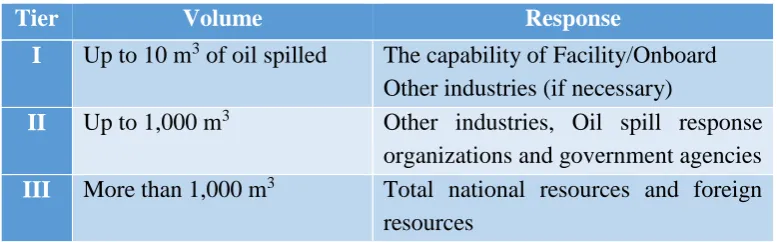
Table 1: The oil spill tier classifications in the Philippines ... 15
Table 2: The different sources of oil spills and frequency of occurrence, with its relative percentage of impact on the marine environment from 1997 to present ... 22
Table 3: Ecologically sensitive areas should be protected when spill occurs ... 28
ix
LIST OF FIGURES
Figure 1: Major crude oil trade flowed in the South China Sea (million barrels per day)
in 2011 ... 3
Figure 2: Map of Vietnam ... 4
Figure 3: Ten Parties of the MOU ... 12
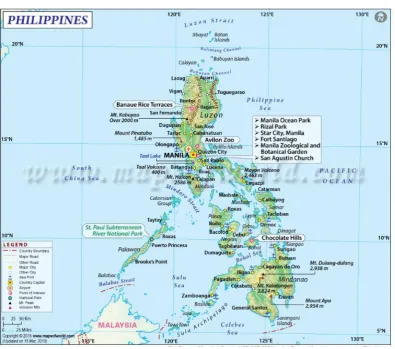
Figure 4: Map of Philippines ... 14
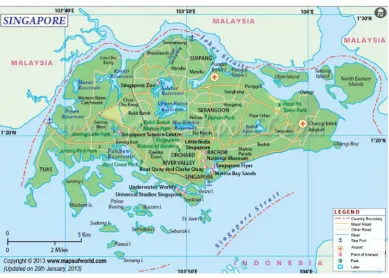
Figure 5: Map of Singapore ... 16
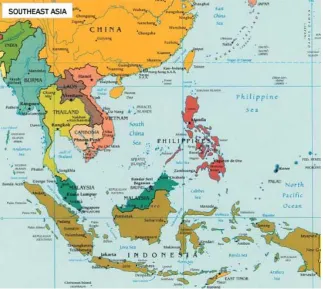
Figure 6: Map of 11 countries in Southeast Asia ... 19
Figure 7: Oil content in some coastal areas of Quang Ninh province in 2009-2010 ... 20
Figure 8: South China Sea oil and natural gas ... 21
Figure 9: Organization chart of oil spill response management in Vietnam ... 24
Figure 10: Oil spill response areas of Vietnam ... 26
Figure 11: Diagram of oil spill incident response process ... 27
x
LIST OF ABBREVIATIONS
ASEAN The Association of Southeast Asian Nations
ATM ASEAN Transport Ministers
BDPP Binh Dinh Province Portal
BUNKER The International Convention for Civil Liability for Bunker
Oil Pollution Damage, 2001
BR Biosphere Reserves
CLC The International Convention on Civil Liability for Oil
Pollution Damage
DO Diesel oil
DWT Deadweight tonnage
EIA U.S. Energy Information Administration
FO Fuel oil
FUND The International Convention on the Establishment of an
International Fund for Compensation for Oil Pollution Damage, 1992
GESAMP The Joint Group of Experts on the Scientific Aspects of
Marine Environmental Protection
IMO The International Maritime Organization
IOPC Funds The International Oil Pollution Compensation Funds
ITOPT The International Tanker Owners Pollution Federation
Limited
LAO PDR The Lao People's Democratic Republic
MARPOL The International Convention for the Prevention of Pollution
from Ships
MEPCOM The Marine Environmental Protection Command
MESCD Marine Environment Survey and Control Department
MONRE Ministry of Natural Resources and Environment of Vietnam
MOT Ministry of Transport of Vietnam
MOU Memorandum of Understanding on ASEAN Cooperation
Mechanism for Joint Oil Spill Preparedness and Response
MPA The Maritime and Port Authority of Singapore
xi
NOSCP The National Oil Spill Contingency Plan
NP National Park
OPRC International Convention on Oil Pollution Preparedness,
Response and Co-Operation, 1990
OPRC-HNS Protocol on Preparedness, Response and Co-operation to
Pollution Incidents by Hazardous and Noxious Substances, 2000
OSRAP The ASEAN Oil Spill Response Action Plan
PCG The Philippine Coast Guard
PEMSEA Partnerships in Environmental Management for the Seas of
East Asia
PM Prime Minister
SACEP South Asian Co-operative Environmental Programme
SWOT The strengths, weaknesses, opportunities and threats
RAMSAR Convention on Wetlands of International Importance
Especially as Waterfowl Habitat
RS RAMSAR Sites
UNCLOS United Nation Convention on the Law of the Sea, 1982
UNCTAD The United Nations Conference on Trade and Development
UNESCO The United Nations Educational, Scientific and Cultural
Organization
USD United States Dollar
VASI The Vietnam Administration for Seas and Islands
VIETSOVPETRO Russia-Vietnam Joint Venture
VINAMARINE Vietnam Maritime Administration
VND Vietnamese Dong
VNIO Institute of Oceanography
WCMRC Western Canada Marine Response Corporation.
WH World Heritage
1
CHAPTER 1 - INTRODUCTION
1.1. Background
Today, maritime transportation plays a very important role in the development of
global economic activities, with 90 percent of world trade transported by sea
(UNCTAD, 2016). Shipping is a key element of the trade chain worldwide, carrying
goods between countries and continents. A nearly third of global maritime trade is in
petroleum fuel, the most important form of energy for many countries. Such high levels
of maritime transport of fuel raises the potential risk of oil spill incidents (IMO, 2011;
UNTAD, 2016).
About 1.3 million tons of oil per year enters the marine environment from a variety of
sources including 46% of natural oil seeps, 37% of operational discharge from ships
and from land-based resources, 12% of accidental spills from ships and 3% of other
sources (GPA, n.d.). Marine oil spills are unforeseen and their impact depends on
several factors including the quantity and type of oil, time of year, characteristics of
the area, weather conditions where the incident occurred, and type of clean-up
measures (ITOPF, 2014). Oil spills, often referred to as “the Black Tide”, usually
inflict significant damage to the marine environment. The destruction caused by
leaking oil from those incidents can be wide and intensive and have ecological impacts
on marine biodiversity and resources such as seabirds, the seabed and plankton as well
as socio-economic impacts on the fishing industry (ITOPF, 2014). Moreover, oil spills
can be widespread and cause major persisting damage to the coastlines of a state, and
possibly neighboring states as well. Clean up and recovery operations from such
emergencies are often very expensive (Clifton, 2014; IOPC Funds, 2015).
Recognizing the serious damage caused by oil incidents, and the importance of marine
pollution prevention from ships, the International Maritime Organization (IMO) has
established several conventions relating to prevention of pollution by oil. These
include the International Convention for the Prevention of Pollution from Ships
(MARPOL), the International Convention on Oil Pollution Preparedness, Response
2
of an International Fund for Compensation for Oil Pollution Damage (FUND 1992),
Civil Liability for Bunker Oil Pollution Damage, 2001 (BUNKER) and Protocol on
Preparedness, Response and Co-operation to Pollution Incidents by Hazardous and
Noxious Substances, 2000 (OPRC-HNS Protocol) (IMO, n.d.). However, these
conventions are particular to different stages of prevention, preparedness and response,
or liability and compensation. To prepare for and respond to oil spill incidents
effectively, OPRC has emerged as a legal framework with the requirements for
developing detailed plans, ensuring the availability of adequate equipment and
assisting other parties in national, regional and international systems (IMO, 1996).
According to the regulations of OPRC, each member country has the responsibility to
build a national system, oil spill contingency plans, reporting of any oil incidents that
happen in their jurisdiction or nearest coastal state and coordinating with other
countries combating oil spill incidents. IMO actively assists cooperation of parties by
providing technical assistance. For example, IMO plays an important role in the
development of the Association of South-East Asian Nations Oil Spill Response
Action Plan (IMO, 1996). OPRC entered into force on May 13, 1995, with the
objective of providing measures with regard to oil spill incidents in national waters
and in cooperation with other countries. According to the newest updated status of the
IMO Conventions on July 31, 2017, ORPC was ratified by 112 countries that account
for over 75.33% of the total world fleet tonnage (IMO, 2017).
The Southeast Asia region contains ten nations namely Brunei Darussalam, Cambodia,
Indonesia, Lao PDR, Malaysia, Myanmar, the Philippines, Singapore, Thailand and
Vietnam. The region’s economic development is rapid, including major shipping trade
routes in the world between the South China Sea and the Indian Ocean, Pacific Ocean,
Europe, Africa, the Middle East, Japan and China with more than 120,000 ships
operating through the water each year. Each year, there is a huge volume of global
natural gas and crude oil, which passes through the South China Sea by maritime
transport; thus, this region is facing the high potential of oil spill pollution, shown in
3
Figure 1: Major crude oil trade flowed in the South China Sea (million barrels per day) in 2011
(Source: Energy Information Administration, 2013).
To address the problems in the Southeast Asia region, the Memorandum of
Understanding (MOU) for Joint Oil Spill Preparedness and Response, which is based
on ORPC 1990, was signed on November 2014 in Myanmar by ASEAN members
(ASEAN, 2014). In addition, several bilateral/multilateral agreements on cooperation
in responding to and preparing for oil spills were also signed among ASEAN countries.
For example, the Joint Statement to prepare and respond to oil incidents in the Gulf of
Thailand was signed by Cambodia, Thailand and Vietnam in 2006 (Nguyen, n.d.) and
the Memorandum of Agreement between Vietnam and the Philippines signed in 2010
(Department of Foreign Affairs of the Philippines, 2010). Hence, these agreements
have enhanced regional and national capabilities concerning prevention, preparedness
4
Figure 2: Map of Vietnam
(Source: mapsofword, n.d.)
Vietnam is a country with approximately 3,260 km of coastline and 1 million km2 of
seawater surface. It also boasts among the richest biodiversity in the world, with nearly
11,000 species of marine animals, seabirds and plants as well as 1.22 km2 of coral reefs
along the coast (Pham, 2013). Its maritime industry has recovered after the economic
crisis in 2008, and continued to reach the objectives of the Master Plan on
Development of Maritime Industry to 2020, aiming for 11.8-13.2 million DWT for the
fleet and 215-260 million tons of the volume of goods transported. Indeed, in 2015,
the total volume of goods through 44 Vietnamese major ports reached more than 427
5
Plan. Moreover, the total size of Vietnam’s shipping fleet was 1,806 ships in 2015 with
4 million DWT, and their average age was approximately 12 years (Vietnam Maritime
Administration, 2016). The rapid development of Vietnam’s marine industry
potentially affects the marine environment and aquatic resources in widespread areas,
as well as economic development and coastal populations. According to the report of
the Vietnam Administration of Seas and Island from 1987 to 2016, approximately 90
oil spill incidents happened in Vietnam. Especially, in the period from 2006 to 2007,
unidentified oil pollution spilled into about 20 coastal provinces, with 1,700 tons of oil
collected (Pham, 2013). For example, in the “My Dinh” incident in Quang Ninh
Province in 2006, 50 tons of diesel oil (DO) and 150 tons of fuel oil (FO) were spilled,
but merely 65 tons were collected; the rest was still at sea. This area is near the United
Nations Educational Scientific and Cultural Organization (UNESCO) World Heritage
Site Ha Long Bay (MONRE, 2013). Furthermore, oil spilled in Binh Dinh Province in
2013. The spill affected more than 13,812 m2 of fishery area, killed numerous fishes
and marine species as well as polluted 7 km of shoreline (BDPP, 2013). These oil spills
could result in serious consequences, if they occurred in sensitive areas such as Ha
Long Bay, Cat Ba, Con Dao and others. The effective operation of the response and
preparedness regime to address oil spill incidents is essential.
Recently, Vietnam has actively ratified many international conventions to enhance
marine environmental protection including the United Nation Convention on the Law
of the Sea (UNCLOS) 1982, BUNKER 2001, the International Convention on Civil
Liability for Oil Pollution Damage, 1969 (CLC 1969) and MARPOL (Mai, 2013). Due
to conflicts over the management of oil spill response among government agencies and
limitation in maritime agencies management capacities, Vietnam is yet to ratified
OPRC 1990, which is an important legal framework for response and preparedness in
combating oil spills. If Vietnam ratifies OPRC 1990 and implements other
international conventions related to combating marine pollution and other regional
cooperation arrangements, it will enhance its protection of the marine environment.
6
as in the region, it is the motivation of this research to review and assess the capability
and commitment of Vietnam to ratify and implement OPRC.
1.2. Objectives
The rapid development in Vietnam’s maritime industry increases the probability and
risk of spills, causing deterioration of the marine environment (MONRE, 2016). In
fact, the Vietnamese government has recognized the problem and actively
implemented essential actions including the ratification of MARPOL, BUNKER and
other conventions. To enhance the operation of addressing oil spills, the purpose of
this research is to review and critically analyze the state of preparation for and
responding to oil spills in Vietnam make recommendations for ratifying the OPRC
Convention. The perspective of this study would enhance the speedy implementation
of the OPRC convention as well as the management of oil spill combat in Vietnam.
To achieve the aims, this study is based on the following objectives:
- To assess the potential risks and impacts of oil spills to Vietnam’s marine
environment;
- To analyze and assess the impact of Vietnam ratifying OPRC, including
social-economic, environmental, and legal regulation aspects;
- To assess and compare the preparedness for and response to oil spills in Singapore
and Philippines, which have ratified OPRC 1990, and are two members of the MOU
in the Southeast Asia Region to provide lessons for Vietnam; and
- To study the barriers and challenges that are keeping Vietnam from ratifying the
OPRC.
1.3. Research Methodology
The study was conducted by using the qualitative approach, which is based on
documents of IMO, books, academic journals, published studies and reliable websites
via the library at the World Maritime University (WMU) from Vietnam. In addition,
interviews were conducted remotely or through face-to-face interviews with relevant
7
Vietnam Maritime Administration and Vietnam Register, but also in others such as the
Vietnam Administration of Seas and Island, Vietnam Environment Administration and
other Oil Spill Response Centers.
Furthermore, to fulfill the requirements of ratification of the OPRC in Vietnam,
specific data and deep knowledge of oil spills in Vietnam and that gained by various
views of Vietnam experts from different organizations, will be presented. Good
practice of the maritime fields and neighboring countries such as Singapore, the
Philippines will also be provided. After that, the collected data and the practice were
analyzed and examined to measure the current capability of Vietnam in comparison
with the regulations of the OPRC Convention.
In addition, a SWOT analysis was conducted to assess Vietnam’s strengths and
weaknesses overall as well as evolving opportunities and threats to ratify and
implement the OPRC Convention including legal, political, social, economic, and
ecological factors related to oil spill response in Vietnam.
1.4. Scope and limitations of the study
This study of the challenges to ratifying OPRC in Vietnam is a wide-ranging topic that
covers not only the marine aspect but also other aspects such as international
cooperation, political mechanisms and the operational response of oil spills in different
organizations including Naval services belonging to the Ministry of Defense, private
companies and oil spill response centers. On the other hand, almost all reports on oil
spill response that belong to government offices are not often updated via the official
documents, webpages, technology and science journals. Consequently, it is very
difficult to access the necessary and relevant information from governmental offices
in Vietnam regarding oil spill response activities. This lack of data could lead to failure
in conducting a thorough and accurate analysis of oil spills in general. Moreover, time
was limited for conducting the research and write up. Therefore, the author
intentionally covers relevant data of response to oil spill activities in Vietnam and
8
1.5. Structure of the Dissertation
The dissertation is comprised of six chapters. Chapter 1 presents the preliminary
aspects of the dissertation with a background of the study. Chapter 2 describes the
overview of oil spills Preparedness, Response and Co-Operation, including the
introduction to the OPRC Convention, the MOU and ASEAN Oil Spill Contingency
Plan. Chapters 3 and 4 analyze and assess Vietnam’s capacity for oil spill preparedness
and response throughout social-economic, environmental and legal aspects to ratify
and implement the OPRC Convention. Chapter 5 gives a critical view of the oil spill
preparedness and response capabilities in Vietnam to reveal the “barriers and
challenges” for ratification and implementation. Chapter 6, the conclusion chapter,
summarizes the dissertation with recommendations to overcome the current gaps and
existing weaknesses relevant to the problems in Vietnam after assessing all
information and data. Finally, it suggests a roadmap for Vietnam to ratify the OPRC
9
CHAPTER 2 - OVERVIEW OF OIL POLLUTION PREPAREDNESS,
RESPONSE AND CO-OPERATION
2.1. Overview of the International Convention on Oil Pollution Preparedness,
Response, and Co-Operation, 1990 (OPRC)
Before the adoption of the International Convention on Oil Pollution Preparedness,
Response, and Co-Operation, 1990 (OPRC), several large oil spills occurred, such as
the “Torrey Canyon” oil spill in the English Channel in 1967, “Amoco Cadiz” in
North West Coast of France in 1978, and “Exxon Valdez” in Alaska in 1989.
Especially, “Exxon Valdez” is one of the most expensive oil spills in history with the
total damage costing about $5 billion. That influenced the decision of the leading
industrial national conference in Paris in July, 1989 (Oliveira, n.d.) that called upon
the International Maritime Organization (IMO) to develop further measures to prevent
marine pollution from ships; that led the IMO Assembly to draft a new convention
(Edwards, 1993).
On November 30th 1990, OPRC was adopted and came into force in May 13th 1995
(IMO, n.d.). The Contracting States to OPRC are required to establish measures for
response to control marine pollution incidents that can be covered in their countries or
in cooperation with other nations. A highlight point of the Convention is the possibility
of supporting and receiving assistance to combat oil pollution incidents from ships and
relevant units such as seaports, oil industries and oil handling facilities (Edwards,
1993; Oliveira, n.d.).
According to the newest status of treaties provided by IMO on May 11, 2017, 112
Contracting States have ratified the OPRC Convention, accounting for 75.33% of the
world fleet (IMO, 2017).
2.1.1. The purpose and benefits of the OPRC
The aim of the Convention is to provide a global legal framework for mutual assistance
and international cooperation on the issues related to combating oil pollution incidents
10
response plans for oil spills, promoting and sharing research results in preparedness
and response to major oil spill incidents, and contributing to building national and
regional capacity for preparing for and responding to oil pollution (Ornitz & Champ, 2002).
In addition, the ratification of the Convention has provided a number of benefits for
the Contracting States. First, the OPRC Convention plays an important role in
promoting the possibilities of cooperation and mutual assistance between national and
regional levels. It also enhances existing national capabilities to conclude bilateral or
multilateral agreements in regards to the preparedness and response to oil pollution
incidents. Second, it provides the possibility of prompt response accessing technical
assistance and the available resources in case of accident. Third, the Contracting
Parties shall provide a framework to prepare for and respond to oil pollution including
national contingency plans, authority responsible and combating equipment. Last is
the establishment of a network for the exchange of research and development
programs, practical experiences and best practices among the Parties in oil spill
response (Ornitz & Champ, 2002; IMO, n.d.)
2.1.2. The basic contents of OPRC
The OPRC Convention is an international legal document that regulates issues related
to oil pollution preparedness, response and cooperation, which underlines the
coordinating role of the International Maritime Organization (IMO) (IMO, n.d.). This
Convention contains 19 Articles, 1 Annex and 10 Assembly Resolutions with the
common parts including preamble, definitions, reporting procedures, international
cooperation, bilateral and multilateral cooperation in preparedness and response,
provisions for amendments, signatures and effective time as well as procedures for
denunciation and depositary and languages used. Some of the major contents of the
Convention are listed as follows:
- All oil tankers of 150 gross tonnage and above and other ships over 400 gross tonnage
shall be required to have or develop a shipboard oil pollution emergency plans, which
11
- The Convention encourages the establishment of national and regional systems to
respond to oil pollution incidents (Article 6) that should include at least the following
elements:
+ The State shall designate a competent national authority for oil pollution response
and a national contact point for receiving and transmitting oil pollution reports (Article
6.1.a)
+ National plan, emergency response stockpiles of equipment for preparedness and
response to oil spill (Article 6.1.b and Article 6.2.a)
+ Rehearsal and training programs for relevant organization (Article 6.2.b)
+ Mechanisms to coordinate the response activities to oil pollution incidents (Article
6.2.d)
+ Information must be shared with IMO or regional bodies on the contingency plans,
response equipment and expertise that can be available to another State when requested
(Article 6.3)
- Encouragement of international cooperation, in case of response to oil pollution, to
mobilize resources as much as possible and carry out related activities quickly. The
contracting parties agree to cooperate to promote and exchange research and
development programs dealing with maritime pollution issues, and provide technical
cooperation and equipment upon request from other states (Articles 7, 8 and 9);
- Promotion of bilateral and multilateral cooperation in preparedness and response to
oil pollution (Article 10);
- IMO shall assist in enhancing the ability of each States or regional arrangement in
terms of oil spill accident preparedness and response, focusing on some main aspects
such as promotion of information services, education and training, supply of technical
services and technical assistance upon the States’ request in case of major oil spill
12
2.2. Introduction to Memorandum of Understanding on ASEAN Cooperation
Mechanism for Joint Oil Spill Preparedness and Response
The Memorandum of Understanding on ASEAN Cooperation Mechanism for Oil Spill
Preparedness and Response (the MOU) was signed by Transport Ministers during the
20th ASEAN Transport Ministers (ATM) Meeting on 28 November 2014. The Parties
of the MOU are 10 Member countries including Brunei Darussalam, the Kingdom of
Cambodia, the Republic of Indonesia, the Lao PDR, Malaysia, the Republic of the
Union of Myanmar, the Republic of the Philippines, the Republic of Singapore, the
Kingdom of Thailand and the Socialist Republic of Vietnam, shown in Figure 3
(ASEAN, 2014).
Figure 3: Ten Parties of the MOU
(Source: ASEAN, n.d.)
The Memorandum of Understanding is based on the provisions of the OPRC
Convention, particularly articles 5, 6, 7 and 10. The areas of cooperation shall be
13
- Implement IMO instruments to prepare, minimize and control oil pollution;
- Establish appropriate measures to prepare for and respond to oil spill incidents;
- Develop a Regional Oil Spill Contingency Plan to coordinate response to oil spills in
the ASEAN region;
- Develop programs and plans to enhance the capacity and capability of ASEAN
members through joint practical exercises or training courses at all levels on oil spill
preparedness, response and cooperation;
- Share and exchange information to enhance researching and studying levels on the
technical and scientific aspects in the field of preparedness and response for oil spill
incidents; and
- Promote partnerships among stakeholders including ASEAN members,
governmental and non-governmental organizations, oil and gas industries and shipping
industries.
According to the requirement of the MOU, there shall be developed a Regional Oil
Spill Contingency Plan that provides a mechanism for mutual assistance among
competent authorities of ASEAN members to coordinate and integrate appropriate
response activities to marine pollution incidents that affect the territorial sea, coast or
the interests of one or many countries. The aim is to organize promptly and effectively
the response to oil spill incidents occurring in the territorial sea of one or more
members in the ASEAN region in terms of preparedness, response and cooperation
(Guevarra, 2015).
2.3. Overview on the implementation of oil pollution preparedness and response
in Singapore and the Philippines
In line with ASEAN's interest in oil spill response activities, Singapore and the
Philippines are parties to both the OPRC Convention and the MOU (Guevarra, 2015).
As one of the largest shipping trade volumes in the world with the total tonnage
handled 593.3 million tons including 221.4 million tons of bulk cargo in 2016,
14
has demonstrated in recent years, commitment to respect its international obligation to
fully implement oil spill response incidents (MPA, n.d., 2016). In 2006, the Philippines
experienced a large oil spill incident (more than 500 tons) and they have closely
cooperated with Vietnam in regard to oil spill response such as bilateral agreements
on search and rescue exercises annually (Dao & Nguyen, n.d). The activities of these
countries, have led to effective implementation of oil pollution preparedness and
response with the consideration of some main aspects such as oil spill response model,
system, plan, collaborative arrangements.
2.3.1. Oil pollution preparedness and response of the Philippines
Figure 4: Map of Philippines
(Source: mapsofword, n.d.)
Since the “M/V Solar 1” oil spill in central Philippines in August 2006, which caused
15
and dive spots, the Philippine government has reviewed their national response at all
levels, including the revision of the National Oil Spill Response Plan (NOSCP), which
was completed in 2008 (ITOPF, 2010; Parker et al., 2009). This comprehensive plan
has introduced government management systems at three Tier levels with the
integration of government agencies and related stakeholders of the oil and gas industry
such as Petron Corporation, the largest oil company in the Philippines. Petron
Corporation has transportation systems, response equipment stores and human
resources throughout this country (ITOPF, 2010).
According to the NOSCP, the Philippine Coast Guard (PCG) is the responsible agency
for organizing oil spill incident response in the country's territorial waters, including
the Marine Environmental Protection Command (MEPCOM) as the contract point of
oil spill response operations and the National Operations Centre for Oil Pollution
(NOCOP) as the national on-scene commander (Parker et al., 2009).
Table 1: The oil spill tier classifications in the Philippines
Tier Volume Response
I Up to 10 m3 of oil spilled The capability of Facility/Onboard Other industries (if necessary)
II Up to 1,000 m3 Other industries, Oil spill response
organizations and government agencies
III More than 1,000 m3 Total national resources and foreign
resources
(Source: Parker et al., 2009)
At the level of a Tier 1 spill, each facility or vessel shall have to carry out self-handling
of oil spills according to their approved plan, and the PCG is involved in government
oversight of the response process. For a Tier 2 spill, a facility or vessel is required to
implement their response plan but the local PCG plays the on-scene commander role.
For a Tier 3 spill, the PCG implements response activities at the national level, calling
for assistance from international resources as needed. Oil spill response facilities and
vessel-16
based dispersant sprayers, transfer pumps, and cleaning and recovery equipment from
Government and oil industry resources (ITOPF, 2010).
Currently, the Philippines has regional and bilateral agreements with ASEAN
countries including Memoranda of Understanding for oil spill response with Thailand,
Indonesia and Vietnam, together with participation in the regional plans and program
such as the Sulawesi Sea Oil Spill Response Network, the ASEAN - OSRAP, Regional
Program for the Prevention and Management of Marine Pollution in the East Asian
Seas with the ASEAN countries (Warner, 2015). Especially, the Philippines ratified
the OPRC Convention on May 6, 2014 to strengthen the legal framework for the
preparedness and response of oil spill pollution (ECOLEX, n.d.).
2.3.2. Oil pollution preparedness and response of Singapore
Singapore is situated close to a main global oil trading shipping route and has one of
the busiest ports in the world (McKinnon, 2011; UNCTAD, 2016).
Figure 5: Map of Singapore
17
The Maritime and Port Authority of Singapore (MPA) is the national maritime agency
responsible for preventing and responding to oil spills in Singapore's territorial waters.
The MPA has developed Marine Emergency Action Procedures (MEAP) for
combating all marine emergencies, including emergency oil spills in all three tiers of
oil spill incidents with the specific role of the National Environment Agency of
Singapore and the relevant agencies as well as response resources in government,
organizations and companies concerned to the plan (SEA ALARM, 2009). For
example, the MPA and ITOPF signed a Memorandum of Understanding (MOU) in
September 2007 to agree to the joint deployment of means and facilities as well as
technical assistance in oil spill incidents from a vessel insured by the International
Group of P & I Clubs (ITOPF, 2009).
There are three tier spill responses in Singapore’s waters. For Tier 1, a local incident
shall be managed by the vessel and terminal’s own capabilities. For Tier 2, an oil spill
incident with a wider extent of pollution is implemented by MPA with the support of
government agencies and relevant stakeholders. For the Tier 3, incidents of national
interest with high spill risk for large-scale impacts is required all local resources and
potentially overseas resources. Singapore's response resources come mostly from
private companies. The oil spill equipment of MPA is provided by the Japanese
Transport Ministry including booms, flexible storage tanks, skimmers and dispersant
spraying equipment. In addition, Singapore’s oil industry spill response units have
collaborated to respond large oil spills in the Asia-Pacific region, establishing the
possibility of response capability in the Malacca and Singapore Straits (ITOPF, 2009).
To deal with an oil spill, Singapore conducts an annual multi-agency Joint Oil Spill
Exercise (JOSE) to check the use of the coordinative oil spill response system,
management strategies and technologies and ensure its seaport remain secure, safe and
clean from shipping activities. Relevant agencies and stakeholders which are involved
in shipping activities such as MPA, Environment Agencies, Ministries of Health and
of Foreign Affairs, Police Force and petroleum companies are required by Singapore
government, to cooperate effectively and efficiently at regional and national level.
18
OPRC/HNS Protocol 2000, Singapore promulgated the Instrument of Accession to the
Protocol in October 2003 to improve the national contingency plan and improve
response to oil spills in Singapore’s water particularly and in the ASEAN region
generally (Warner, 2015).
2.4. The strengths of Singapore and the Philippines can be applied to Vietnam
Based on the oil spill response capacity of the Philippines and Singapore, it points out that these two countries have already assigned the specialized agencies in charge of oil spill response in their respective countries, as Philippines Coast Guard and Maritime Port Authority, respectively, employ the same model with other countries in the world. Both of the countries have developed oil spill response plans for all three levels, including base, regional and national levels (Trinh, 2011). In order to increase the efficiency of mobilizing equipment and save on investment cost, Singapore has signed a contract with ITOPT and the International Group of P & I Clubs, and has cooperated with neighboring countries and international organizations to address oil spills at the national level. In addition, these two countries are members of the OPRC Convention and the ASEAN Oil Spill Response Action Plan (OSRAP), which is also an advantage for all countries in the Southeast Asia Region to organize oil spill incident response exercises in the recent years (Thailand Marine Department, n.d.)
In to order improve the response to oil spills incidents and effectively implement the signed MOU, Vietnam should consider the oil incident response model, plan, annually conduct Joint Oil Spill Exercise of multi-agencies, and ratify the OPRC Convention, as the two countries are carrying out (MONRE, 2015). For instance, the cooperation in coping with oil spill incident is one of the core factor in improving the capacity of national organizations as it relates to, deployment of coordination exercises by stakeholders and government agencies, exchange of experience and best practices including assistance among ASEAN members, the IMO, member States of OPRC Convention and oil spill response organizations (such as the International Group of
P&I Clubs, and International Association of Oil and Gas producers) (ITOPF, 2009;
19
CHAPTER 3 - OVERVIEW OF OIL SPILL PREPAREDNESS AND
RESPONSE IN VIETNAM
3.1. The potential risks and impacts of oil spills on the marine environment and
socio-economic conditions in Vietnam
Vietnam is located within Southeast Asia, which is one of the busiest shipping routes in
the world. Every year, about 70% of imported oil and about 45% of Japan's exports are
transported, and about 60% of imports and exports of China are transported by sea
through the South China Sea. The South China Sea area has important straits for many
countries, including the Strait of Malacca. Therefore, this maritime area is very
important to all countries in and outside the region in terms of strategy, security,
navigation and economy (Mai, n.d.).
Figure 6: Map of 11 countries in Southeast Asia
20
Vietnam is a coastal country with coastlines stretching more than 3.260 km and a dense
system of canals and rivers. There is a high demand for oil and gas consumption and
exploration that potentially increase the risk of oil spills (Pham, 2013). Moreover,
Vietnam’s maritime activity is growing rapidly which has led to an increased risk of
oil spills. Most recently, Vietnam has an estimate of 1,806 ships and the seaport system
which includes 44 ports with a total length of wharf nearly 40 km. In 2015, more than
119,744 ships were arriving at Vietnamese ports with total cargo output of
approximately 259 million tons (VINAMARINE, 2016). The rapid development of
Vietnam in recent years is increasing its demand for energy. However, the primary
source of energy is coal, crude oil and gas, causing serious environmental pollution in
Vietnam. Oil spills being the major threat to the marine environment and coastal areas
in Vietnam, has been caused by shipping activities resulting in collisions, accidental
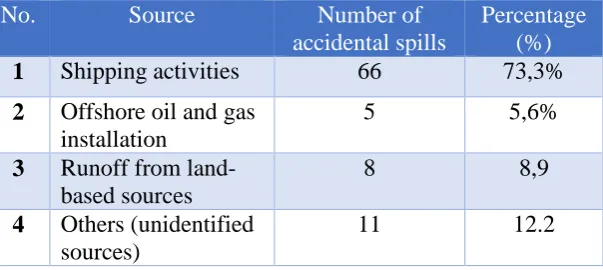
spills, illegal dispose of waste oil and oil leaks during transportation (Table 2)
(MONRE, 2016). According to the report on Marine Pollution Control Plan in Quang
Ninh Province, the oil contents in some coastal areas of Ha Long, Quang Ninh
provinces exceeded the permitted limit of 0.2 mg/l for all oil component such as Cau
Trang, Cai Rong seaports, Van Don coastal area and Ha Long wharf area (MESCD,
2013), shown in the Figure 7.
Figure 7: Oil content in some coastal areas of Quang Ninh province in 2009-2010
(Source: MESCD, 2013)
Moreover, a recent report by the Hai Phong Department of Natural Resources and
21
Hai Phong where the oil content is 0.3-0.6 mg/l, which exceeds the permitted
environmental standards of Vietnam (0.2 mg/l). In the coastal waters of Hai An, Kien
Thuy district in Hai Phong, the average oil content of about 0.6 mg/l is also higher than
the permitted standard of Vietnam (MONRE, 2016).
Oil pollution in Vietnam also derives from oil and gas exploration and exploitation
activities with approximately 1,390 exploration wells and offshore oil and gas fields
distributed in the South China Sea including 340 exploration wells and oil and gas
extraction of Vietnam (Warner, 2015). Oil and gas activities generate not only large
amounts of oil wastewater but also about 5,600 tons of oil sludge each year, as a result
an estimate of one million tons of oil is spilled into the ocean by incidents on oil
platforms (Nguyen, 2010). Oil tankers also lose an estimated 0.7% of oil during
shipping process, according to the synthesized report on the formulation of economic
and technical norms for assessment and determination of environmental damage
caused by oil spills of Pollution Control Department, Vietnam (Pollution Control
Department, 2012).
Figure 8: South China Sea oil and natural gas
22
Table 2: The different sources of oil spills and frequency of occurrence, with its
relative percentage of impact on the marine environment from 1997 to present
No. Source Number of
accidental spills
Percentage (%)
1 Shipping activities 66 73,3%
2 Offshore oil and gas
installation
5 5,6%
3 Runoff from
land-based sources
8 8,9
4 Others (unidentified
sources)
11 12.2
(Source: MONRE, 2016; Pham, 2016)
According to the report by the Vietnam Administration of Seas and Island in 2016, 90
oil spills occurred in Vietnam’s sea and the rivers from 1997 to now but some sources
of oil spills are yet to be identified (Pham, 2016). For instance, in August 2006, a
31,000 DWT vessel, “La Palmas”, carrying 23,000 tons of oil crashed into a berth at
the Saigon Port and spilled more than 1,500 tons of oil into the environment. Moreover,
150 tons of oil leaked from the pipeline of the berth. Despite deploying incident
response, after only 9 hours, the oil spread over an area of 40-50 km downstream of
the Saigon River. Next, due to the influence of the tide, the oil was pushed back 4-5km
upstream of the river from the oil incident. In addition, because of the ineffective and
slow response, after 15 days, the areas were affected by the oil spill covered about
60,000 ha, of which the most severely affected covered 40,000 ha of densely populated
area, which caused serious damage to coastal and marine ecosystems as well as
hampered socio-economic activities in the Saigon River (Khac, 2010). For instance,
aquaculture loss estimated 7 billion VND (~30,800 USD) within the region, which
caused serious damage to vase areas of mangrove forests in Can Gio, as a result, the
livelihood of local residents were affected, and most of tourist activities were
suspended, wherein, approximately 13 days was used to respond to the oil incident
(VINAMARINE, 2015).
At the end of February 2007, the unidentified oil slick was found on the shores of the
23
Thanh Trach district. After ten days, with the increase of density and the delay in
response, tourism activities in the areas of Hai Ninh (Quang Ninh); Nhat Le, Bao Ninh,
Quang Phu (Dong Hoi), had to be suspended. A high number of marine and aquatic
species died and aquaculture operations were affected for more than a year in several
areas of Hai Ninh (Quang Ninh); Nhat Le, Bao Ninh, Quang Phu (Dong Hoi); Da Nhay
(Quang Binh) (DNRE, 2011).
Therefore, oil spills do not only have a negative impact on the environment but also
have impact on economic and social activities as well as human health. The
preparedness and prevention of oil spills need immediate attention that needs to be
addressed not only as a national issue, but also in coordination with other nations in
different regions around the world (Moller & Santner, 1997; Warner, 2015).
3.2. The current status of oil spill preparedness and response in Vietnam
3.2.1. Organizational structure
At present, the National Committee for Search and Rescue, representing the
Government, is the lead agency for the implementation of oil spill response activities
nationwide in accordance with the Decision no. 63/2000/QD-TTg dated 07/06/2000 of
the Prime Minister. This organization shall assume the prime responsibility and
coordinate with the concerned ministries and branches as well as directly mobilize
means and equipment for local oil spill response organizations and centers to address
the oil spills in the entire country (Nguyen, n.d.).
Responsibilities of relevant agencies and units to respond to oil spills are specified in
Chapter V, Decision no. 02/2013/QD-TTg dated 14 January 2013 of the Prime
Minister promulgating the Regulation on oil spill incident response (Decision no.
02/2013/QD-TTg). Specifically, according to Article 37 of the Decision no.
02/2013/QD-TTg, the Ministry of Natural Resources and Environment is responsible
for drafting legal documents on monitoring, risk assessment as well as minimizing the
effects of oil spills, together with coordinating concerned agencies in coping with,
remedying and dealing with the consequences of spills. According to Article 38,
24
standards and technical regulations on prevention, response of oil spill incidents in the
maritime field, and closely monitor oil and gas activities taking place in seaports and
offshore areas and also responsible to coordinate or facilitate effective response to oil
incidents (PM, 2013; VASI, 2017).
Currently, Vietnam has three regional oil spill response centers that are the leading
force in responding to oil spills. The assigned regions are prepared to respond within
the scope of Vietnam under the supervision and command of the National Committee
for Search and Rescue in accordance with Article 44 of the Decision no.
02/2013/QD-TTg (VASI, 2017).
Figure 9: Organization chart of oil spill response management in Vietnam
(Source: VASI, 2017)
The relevant ministries and agencies Local committees Vietnam Government National Commission
Search and Rescue
03 Oil Spill Response Centers
(North, Central, South in Hai Phong, Da Nang
and HCM City)
Office of Resilience (Ministry of Defense) Oil spill incident response service units (private, international) The manufacturing and trading corporation has the possibility of oil spills
(Petrolimex, VietSov Petro)
The production and private companies have the possibility of
oil spills (seaports, private, storage)
Oil Spill
Response
Steering
Committee
25 3.2.2. Response Coordination
Responding to oil spills is conducted at three levels, including local, regional and
national levels. For the local level - level I, the oil spill response is implemented by
socio-economic units with their facilities, equipment and human capacity approved by
the local environment administration. These units organize the timely response and
efficiency of oil spill occurrence within their scope, in regards to their ability and
willingness to participate in a joint operation in responding to the oil spill incident
under a mobilization or command of competent agencies. If these units’ response
capacity is limited, they must be contacted to response service units in the same local.
Regional level responds through three Regional Response Centers (North - Central -
South), which are the core response centers to oil spills of level II or higher in the
assigned area. Particularly, the northern oil spill incident response center is responsible
for responding to the northern provinces of Binh Thuan province, including the entire
sea area of the Gulf of Tonkin with the latitude of 17o10’N (Zone1 and Zone 2).
Similarly, the central oil spill disaster response area includes coastal areas from Quang
Tri to Ninh Thuan, the marine area in the latitude from 17o10’N to 11o20’N (Zone 3
and 4). Finally, the southern oil spill response center covers the southern coastal
provinces from Ninh Thuan to Ca Mau and Kien Giang, from the latitude of 11o20'N
extends to the end of southern (Zone 5 and 6) (Nguyen, n.d.). At the national level, the
National Committee for Search and Rescue is responsible for the coordination of
regional centers, ministries, agencies, relevant stakeholders in coping with oil spills.
For example, in the event of an oil spill that exceeds the national capacity, the National
Committee for Search and Rescue shall propose to the Prime Minister to consider and
26
Figure 10: Oil spill response areas of Vietnam
(Source: VINAMARINE, 2015)
When organizations or individuals cause or detect an oil spill, they have responsibility
for promptly reporting it to the nearest focal point of the port authority or the
Permanent Search and Rescue Agency of the concerned ministries, Regional
Department of Natural Resources and Environment, Regional Oil Spill Response
Center, Provincial People's Committee or Coastal Communications Stations or Naval
Units, Border Guard and Waterway Traffic Police. After receiving the information, the
agency responsible for oil spill response must urgently assess the situation, identify
effective measures and mobilize forces to respond and minimize the negative impact
of the spill on people's lives, health and environment (PM, 2013; VINAMARINE,
27
Figure 11: Diagram of oil spill incident response process
(Source: VINAMARINE, 2015) Propose and develop a
response plan Receive spill information
Notify to:
- The Focal point
- The steering committee
The organization deploys rapid reaction
force to respond Notify, mobilize the
response units
Notify the relevant units involved in the response
Implement emergency response - Response work
- To control oil slicks and to collect oil - Make a field report
- Response the scene
- Regularly report on response work
Cleaning, restoring the environment Post-incident environmental
impact assessment
Review the cost of oil spill response
Carry out compensation and legal proceedings
28
During the response to the oil spill incident at sea, the Steering Committee should
identify areas of ecological importance so as to prioritize the protection to minimize
or reduce the effects of the spill on the environment and the ecosystems of that area
(Nguyen, 2008). Along the coast of Vietnam and the sea area of Vietnam’s
sovereignty, there are 23 areas of sensitive ecosystems, of which 16 areas are a
Maritime Protected Areas (Du, 2011; MONRE, 2017) (Figure 12).
Table 3:Ecologically sensitive areas should be protected when spill occurs
No Name of sea
area Province The title Effects by shipping
1 Vinh Ha
Long
Quang Ninh WH Ship enters the port
2 Dao Tran Quang Ninh MPA Close the maritime route
3 Co To Quang Ninh MPA Close the maritime route
4 VQG Bai Tu
Long
Quang Ninh NP Close the maritime route
5 Cat Ba Hai Phong MPA, NP,
BR
Ship enters the port
6 Bach Long Vi Hai Phong MPA Close the maritime route
7 Xuan Thuy Nam Dinh NP, RS,
BR
Close the maritime route
8 Tien Hai Thai Binh NP Close the maritime route
9 Hon Me Thanh Hoa MPA Close the maritime route
10 Con Co Quang Tri MPA Close the maritime route
11 Hai Van-Son
Tra
Thua Thien Hue-Da
Nang
MPA Close the maritime route;
Ship enters the port
12 Cu Lao Cham Quang Nam MPA, BR Close the maritime route
29
No Name of sea
area Province The title Effects by shipping
14 Vinh Nha
Trang
Khanh Hoa MPA Ship enters the port
15 Nam Yet Khanh Hoa MPA Close the maritime route
16 Nui Chua Ninh Thuan MPA Close the maritime route
17 Hon Cau Binh Thuan MPA Close the maritime route
18 Phu Quy Binh Thuan MPA Close the maritime route
19 Con Dao Ba Ria -
Vung Tau
MPA Close the maritime route
20 Can Gio TP Ho Chi
Minh
BR Ship enters the port
21 Ca Mau Ca Mau NP, BR Close the maritime route
22 Phu Quoc Kien Giang NP, MPA,
BR
Close the maritime route
23 Hoang Sa Da Nang MPA Close the maritime route
30
Figure 12: 16 MPAs have been established in Vietnam
(Source: MONRE, 2017)
Based on the spill incident response process specified in Decision no.
02/2013/QD-TTg, the local incident response steering committee will designate a qualified unit to
conduct environmental quality monitoring and evaluation, in areas affected by the
incident. The areas affected and the monitoring location can vary depending on the
31
damage and determining the level of compensation after the incident. Post-response
activities include environmental assessment, remediation and problem resolution
(Nguyen, n.d.). Specifically, the Steering Committee coordinates with relevant
organizations and agencies to assess the extent of damage that affects the environment,
socio-economic and human health hazard caused in affected areas. It also includes the
impact caused on underground water, soil nutrients, ecosystems, agricultural
production, aquaculture and tourism of the particular incident area of the oil spill
(VASI, 2017).
Based on the assessed damage, the Steering Committee shall direct the remedial work
and prioritize environmental restoration to the original condition. People living within
provincial committees shall assume the prime responsibility to coordinate with
concerned agencies and means owners (causing oil spills) in evaluating and assessing
the damage including setting compensation for damage to life and properties as well
as destroyed natural resources of the environment. These agencies should also
mobilize human resource, means and equipment to cope with the incidents; such
includes surveying, evaluating and identifying damages; resolving the procedures for
compensation and overcoming consequences. Finally, the Steering Committee
response and relevant parties shall organize an evaluation committee meeting intended
to notify the termination of incident response, by adopting appropriate procedures that
include summarizing the activities of the division, as well as reporting and terminating
the operation of the Steering Committee (VINAMARINE, 2015).
3.2.3. Domestic Legislation and International Agreements
a) Domestic legislation
The Constitution of the Socialist Republic of Vietnam in 2013 contains provisions on
the responsibility of environmental protection, which stipulates "organizations and
individuals polluting the environment, depleting natural resources and conducting
activities which result in biodegradation must be dealt with severely and be responsible
for remedying damages" under the Article 63 (VASI, 2017). In addition, Vietnam has
32
marine environment, prevent and respond to oil spills. Some laws and legal documents
have specific provisions on surveillance, incident detection, preparation and response
to oil spills such a system of laws, codes, and other guiding documents that regulate in
relation to environmental protection due to oil pollution (Pham, 2013). For example,
some important domestic rules control the activities of oil spill response, such as the
Law on Environmental Protection, the Maritime Code amongst others (VASI, 2017).
First, the Environmental Protection Law, 2014, has defined the principle of protecting
the environment as “part of the master plan for marine economic development to
minimize negative impacts on the marine environment and increase the efficiency of
marine industry, thereby, preventing and restricting land-based pollution sources and
marine pollution and taking initiative in coordinating and responding to marine
environmental incidents” under the Article 52. This law also provides that
“organizations and individuals operating in the maritime industry as well as mineral
exploitation and exploration, together with means-owners of transporting petrol, oil
and chemicals or other toxic substances must have plans, human resources and
equipment to prevent and respond to environmental incidents”. On the other hand,
rescue and response forces, and marine police forces must be educated, trained and
equipped with means and equipment to ensure responding to environmental incidents
at sea, according to the Article 56 of the Law on Marine Environment Protection.
Henceforth, the Law on Environmental Protection 2014 is considered as one of the
important legal documents in the coverage of marine pollution prevention and
response to oil-related incidents in Vietnam (MONRE, 2016).
In addition to the Law on Environmental Protection 2014, the Maritime Code 2015
stipulates the stringent obligation to protect the marine environment in marine
operations. For example, before Vietnamese ships began operationally, the structure
and equipment must comply with Vietnamese laws as well as international treaties to
which Vietnam is a contracting party of, in regards to maritime safety, maritime
security and the prevention of environmental pollution under the Article 28. Moreover,
seagoing vessels operating in port waters and territorial waters of Vietnam must