World Maritime University World Maritime University
The Maritime Commons: Digital Repository of the World Maritime
The Maritime Commons: Digital Repository of the World Maritime
University
University
World Maritime University Dissertations Dissertations
11-5-2017
Prevention and combat of a spillage after Ghana's oil and gas
Prevention and combat of a spillage after Ghana's oil and gas
discovery: is Ghana ready to face an environmental threat?
discovery: is Ghana ready to face an environmental threat?
John Baker Amissah Glover
Follow this and additional works at: https://commons.wmu.se/all_dissertations
Part of the Emergency and Disaster Management Commons, and the Oil, Gas, and Energy Commons
Recommended Citation Recommended Citation
Glover, John Baker Amissah, "Prevention and combat of a spillage after Ghana's oil and gas discovery: is Ghana ready to face an environmental threat?" (2017). World Maritime University Dissertations. 550. https://commons.wmu.se/all_dissertations/550
WORLD MARITIME UNIVERSITY
Malmo, Sweden
PREVENTION AND COMBAT OF A SPILLAGE
AFTER GHANA’S OIL AND GAS DISCOVERY –
IS GHANA READY TO FACE AN
ENVIRONMENTAL THREAT?
By
JOHN BAKER AMISSAH GLOVER
Ghana
A dissertation submitted to the World Maritime University in Partial Fulfilment of
the Requirements for the Award of the Degree of
MASTER OF SCIENCE
In
MARITIME AFFAIRS
(SHIPPING MANAGEMENT AND LOGISTICS)
2017
ii
iii
ACKNOWLEDGEMENT
I am most grateful to God for giving me the strength and wherewithal to go through this programme of study successfully.
I am also grateful to the Ghana Shippers’ Authority for sponsoring me through the course.
My heartfelt appreciation goes to my supervisor, Professor George Theocharidis, for his insightful advice and help in the production of this Dissertation. The credit goes to him, the mistakes are mine.
To my family Sarah, Christabel, Nancy, Kelvin and Nhyira, thank you so much for your encouragement and moral support. You never failed to bring a smile to my face when it was most needed.
iv
ABSTRACT
Title of Dissertation: Prevention and Combat of a Spillage after Ghana’s
Oil and Gas Discovery – Is Ghana Ready to face an Environmental Threat?
Degree: MSc
The lacuna in international law to regulate the exploitation of crude oil brings into sharp focus the need for exploiting regimes to enact laws and establish measures and procedures to prevent and/or combat a spillage during exploitation activities, in order to forestall the grave damage the product can cause to the environment in the event of a spill. Nation states which exploit crude oil have variously enacted laws to protect their environment, but these appear to be woefully inadequate as the laws have invariably held the exploitation companies liable for preventing accidents, and for combating any spill in order to prevent environmental damage.
Ghana, in 2007, struck oil in commercial quantities, and began commercial exploitation in 2010. Being a relatively new entrant on the oil extraction scene, it is evident that there was not much regulation to protect the environment from extraction activities, and the nation had to contend with regulating the industry after
commercial production had commenced. Again, there was a deficit in laid down procedures to prevent and/or mitigate the effects of a spill should it occur during exploitation. The Deepwater Horizon incident in the Gulf of Mexico re-focused attention on the need to regulate the exploitation industry, to curtail the unbridled influence of the extraction companies in the provision of measures to combat an accidental spill at the drill sites.
As a new entrant on the extraction scene, Ghana also did not have procedures in place to streamline the efforts of agencies who would be called upon to help combat a spill should it occur, and a compensation regime for damage due to a spill is also virtually non-existent. Lines of authority and responsibility for the regulatory agencies are not clear-cut, leading to confusion on who to take charge of combating a spill, and how to go about compensating those affected by a spill.
This dissertation looks at the preparations so far towards addressing these identified shortcomings, and attempts to proffer suggestions to enhance the effectiveness of these preparations, as well as other measures that need to be put in place to protect Ghana’s marine environment from the debilitating effects of a spillage of oil due to exploitation activities.
Due to the very nature of the research, the population for this research was selected from institutions which are actively involved in regulating and exploiting the oil, and those servicing these institutions, as well as responsible institutions for providing security in Ghana’s maritime domain.
v
TABLE OF CONTENTS
DECLARATION ... ii
ACKNOWLEDGEMENT ... iii
ABSTRACT ...iv
TABLE OF CONTENTS ... v
LIST OF TABLES ... vii
LIST OF FIGURES ... viii
LIST OF ABBREVIATIONS... ix
CHAPTER 1 ... 1
1.0 INTRODUCTION ... 1
1.1 Background to the Research ... 1
1.2 Statement of the Problem ... 2
1.3 Aims and Objectives ... 5
1.4 Research Questions ... 6
1.5 Key Assumptions and Limitations of The Study ... 7
1.6 Organisation of the Research ... 8
1.7 Methodology And Data Collection ... 9
1.7.1 Methodology ... 9
1.7.2 Data Collection ... 9
1.7.3 Study Area ... 12
1.7.4 Population Sample ... 13
1.7.5 Data Collection Methods ... 14
1.7.6 Data Analysis ... 14
CHAPTER 2 ... 15
2.0 LITERATURE REVIEW ... 15
2.1 Commercial Oil and Gas Drilling in Ghana ... 15
2.2 What is a Blow Out? ... 18
2.3 What Causes Blowouts? ... 19
2.4 Types of Blowouts ... 21
2.5 Some Deleterious Effects of Blowouts ... 22
2.6 How Can Spillage Due To Blowouts Be Prevented ... 24
vi
2.8 How Can Spillage Due To Blowouts Be Controlled ... 28
2.9 Does The Real Possibility of a Spillage Due To Blowout in Ghana’s Waters Exist? 28 2.10 How Can Pollution From Blowouts Be Combated ... 29
2.11 Current Situation In Terms of Legislation ... 32
2.12 Specific Legislation Protecting the Marine Environment ... 35
2.13 Regulatory Framework for Drilling Operations ... 40
2.14 Legislating Drilling Operations in Ghana ... 43
CHAPTER 3 ... 45
3.0 FINDINGS ... 45
3.1 Introduction ... 45
3.2 Existence of Legal Regime in Ghana to Prevent/Combat a Spillage from Exploitation Activities... 45
3.2.1 The International Scene ... 45
3.2.2 The Ghanaian Situation ... 45
3.3 Existence of Proactive Measures to Prevent and/or Combat a Spillage ... 48
3.4 Existence of National Provision to Engage International Aid in Spill Combat ... 56
3.5 Existence of Compensatory Regime for a Spillage, and Existence of Specific Responsibility/Sanctions for such Regime ... 60
3.6 Incorporation of Local Conditions and Population in Spill Prevention, Combat and Compensation Regime ... 61
CHAPTER 4 ... 62
4.0 CONCLUSIONS AND RECOMMENDATIONS ... 62
4.1 Conclusions ... 62
4.2 Recommendations ... 64
REFERENCES ... 65
vii
LIST OF TABLES
Table 1: Existence of a Law to Prevent/Combat an Oil Spill due to Exploitation Activities ... 46
Table 2: Existence of Designated Institution to Implement the Law ... 46
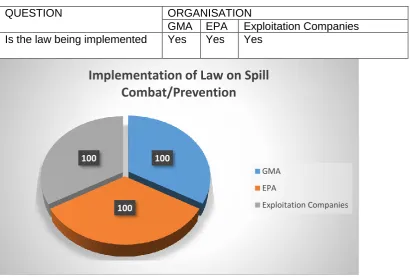
Table 3: Is the Law Being Implemented ... 47
Table 4: Existence of Proactive Measures to Prevent/Combat a Spillage ... 49
Table 5: Do Measures Adhere to Laid Down Procedure ... 49
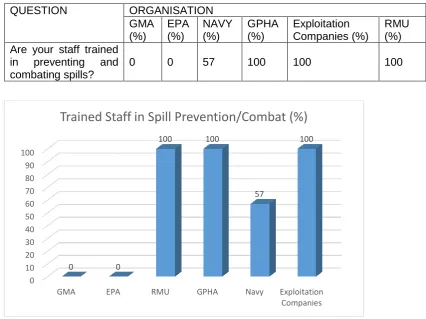
Table 6: Are Stakeholders Trained in Preventing/Combating a Spillage ... 51
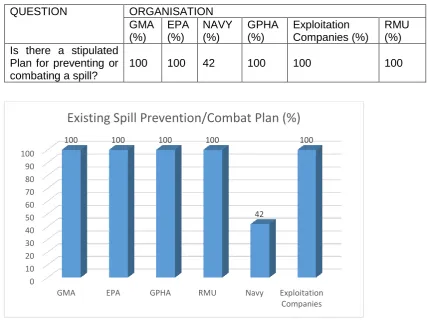
Table 7: Existence of a Stipulated Prevention/Combat Plan for a Spill ... 52
Table 8: Existence of a Designated Lead Organisation in Spill Prevention/Combat ... 53
Table 9: Designated Lead Organisation in Spill Prevention/Combat ... 53
Table 10: Availability of Spill Prevention/Combat Equipment ... 54
Table 11: Organisation of Periodic Drills on Prevention/Combat of a Spill ... 55
Table 12: Existence of national regulation to call in foreign aid in spill combat ... 57
Table 13: Existence of Protocol to solicit foreign aid in spill combat ... 57
Table 14: Existence of Contract for assistance in spill combat ... 58
viii
LIST OF FIGURES
Figure 1: Drill Centre Locations and Associated Flow Lines, Injection Lines and Umbilicals ... 3
Figure 2:Water bodies and farmlands in Nigeria polluted by oil ... 23
Figure 3:View of the Deepwater Horizon oil spill taken from above in June, 2010... 23
Figure 4:An oiled seabird was found dead on the beach at Alaska, November 1997. (NOAA) ... 24
Figure 5 :Image of Ocean Drill BOP being deployed ... 25
Figure 6: Existence of a Law to Prevent/Combat an Oil Spill due to Exploitation Activities .. 46
Figure 7: Existence of Designated Institution to Implement the Law ... 47
Figure 8: Implementation of the Law ... 47
Figure 9: Existence of Proactive Measures ... 49
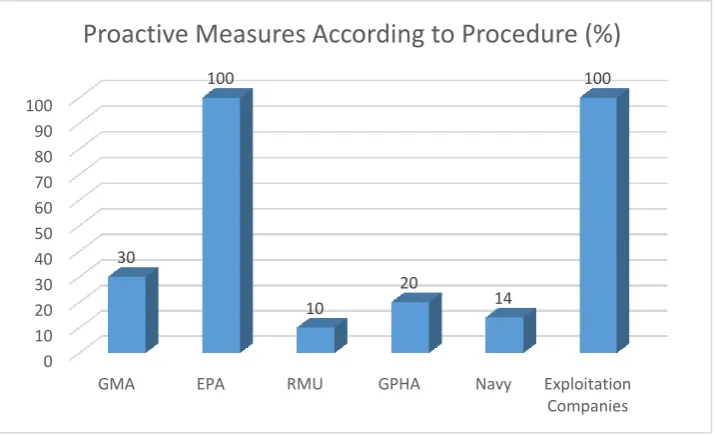
Figure 10: Do Measures Adhere to Laid Down Procedure... 50
Figure 11: Are Stakeholders Trained in Preventing/Combating a Spillage ... 51
Figure 12: Existence of a Stipulated Prevention/Combat Plan for a Spill ... 52
Figure 13: Existence of a Designated Lead Organisation for Spill Prevention and Combat... 53
Figure 14: Designated Lead Organisation for Spill Prevention and Combat ... 54
Figure 15: Availability of Spill Prevention/Combat Equipment ... 55
Figure 16: Organisation of Periodic Drills on Prevention/Combat of a Spill ... 56
Figure 17: Existence of national regulation to solicit foreign aid in spill combat ... 57
Figure 18: Existence of contract foreign assistance in spill combat ... 59
ix
LIST OF ABBREVIATIONS
ALARP As Low As Reasonably Practicable API American Petroleum Institute BALEX Baltic Exercise
BBC British Broadcasting Corporation BOP Blow Out Preventer
CCME Central Command for Maritime Emergencies
CLC International Convention on Civil Liability for Oil Pollution Damage EEZ Exclusive Economic Zone
EHS Environmental Health & Safety EPA Environmental Protection Agency
FEPA Federal Environmental Protection Agency
FUND International Fund for Compensation for Oil Pollution Damage GMA Ghana Maritime Authority
GNPC Ghana National Petroleum Corporation GPHA Ghana Ports & Harbours Authority
HNS International Convention on Liability and Compensation for Damage in Connection with the Carriage of Hazardous and Noxious Substances by Sea
IMCO Inter-governmental Maritime Consultative Organisation IMO International Maritime Organisation
MARPOL International Convention for the Prevention of Pollution from Ships NESREA National Environmental Standards and Regulations Enforcement Agency
OILPOL International Convention for the Prevention of Pollution of the Sea by Oil
OPITO Offshore Petroleum Industry Training Organisation
OPRC International Convention on Oil Pollution Preparedness, Response and Cooperation
x
SDG Sustainable Development Goal TEN Tweneboah, Enyira and Nntome UN United Nations
UNCLOS United Nations Convention on the Law of the Sea UNEP United Nations Environment Programme
1
CHAPTER 1
1.0 INTRODUCTION
1.1 Background to the Research
Crude oil originates from ancient fossilised materials having been converted into oil over millions of years through geochemical processes. It is found in the subsoil of the earth and oceans, and drilled in unrefined form, to be processed into petroleum products for use. Crude oil is useful for various industries, and its products are utilised for both domestic and industrial use. However, due to the very nature of the formation of crude oil, it is exploited from pressurised fields, and unregulated discharge or spillage of crude oil can have dire consequences for the environment into which it is spilled.
Exploration for oil and its exploitation on the African continent began many years ago, and consequently, spillages of oil into the environment, both marine and terrestrial, is no new occurrence. Nigeria, the largest oil exporter in Africa and the 8th largest in the
world (Workman, 2017), is Ghana’s closest neighbour in English speaking West Africa, and has been exploiting oil for over half a century. They have had their fair share (or perhaps more than their fair share) of spillages, some due to accidents, many due to sabotage and ineffective maintenance of equipment, including pipelines. Nigeria is thus a test tube case for Ghana in her quest to regulate the new oil and gas exploitation industry, and to seek to prevent an environmental disaster from happening.
2
encountered non-commercial hydrocarbon shows (Tippee, 1999). Commercial exploitation of oil in Ghana began in December 2010.
1.2 Statement of the Problem
“The discovery of oil in Ghana in commercial quantities in 2007 and the commencement of production in 2010 is expected to have a positive impact on the economy. On the other hand, the discovery raises a number of crucial and critical questions regarding the extent to which relevant policies, regulatory and monitoring mechanisms, and, particularly, environmental measures have been put in place to effectively respond to any eventual oil disaster” (Otoo, 2012).
3
Figure 1: Drill Centre Locations and Associated Flow Lines, Injection Lines and Umbilicals
Due to the fact that the oil is being drilled offshore, any accident which causes a spillage can have disastrous effects, as evidenced in the Deepwater Horizon incident in the Gulf of Mexico in April 2010, and it is imperative that the country guards against such an occurrence. In fact, upon the commencement of commercial drilling of oil in Ghana, “just as the events in the Gulf Coast unfolded, reports had it that KOSMOS, the company exploring oil in Ghana’s Jubilee Field, has spilled 699 barrels of (drill) mud which contains poisonous heavy metals on three occasions that could affect Ghana’s ecosystem” (Egbefome, 2011).
4
pollution, has adopted various conventions, codes and protocols in executing its mandate. However, there is no international regulation specifically protecting the marine environment with regards to exploitation activities, as almost all the conventions, codes and protocols lay emphasis on maritime transportation. It is thus left to individual countries to protect their marine environments when it comes to exploitation of marine resources. With offshore exploitation being so capital intensive, most oil producing nations in Africa are rather “soft” on such regulations as they do not have the wherewithal to engage in exploitation themselves, leading to various pollution incidents with little or no sanctions for the polluting companies, and little efforts to stem the tide.
In Nigeria, “on May 1, 2010, a raptured Exxon Mobil pipeline in Akwa Ibom state spilled more than a million gallons into the delta over 7 days before the leak was stopped. Within days after this spill, thousands of barrels were spilled when the nearby Shell Trans Niger pipeline was attacked by rebels” (Vidal, 2010). These and several other spillages in Nigeria have apparently gone under the radar of the international community with regards to pollution of the environment. “One report compiled by World Wildlife Federation (WWF) UK, the World Conservation Union and representatives from the Nigerian federal government and the Nigerian Conservation Foundation calculated in 2006 that up to 1.5 million tons of oil – 50 times the Exxon Valdez disaster – has been released into the Niger Delta alone over the past half century” (Vidal, 2010).
5
construction from 2000, yet authorities and Exxon, the operators, had done little to curb the wanton destruction – perhaps due to lack of regulation? (Schwartz and Nodem, 2009).
These are but a few examples in Western and Central Africa which should send signals to the Ghanaian authorities to properly put in place measures – including regulations – to ensure that any looming environmental disaster is first and foremost guarded against through preventive measures, or where prevention fails, combated efficiently and in good enough time to prevent massive damage to the environment in which the exploitation is taking place. Much attention has been paid to the discovery of the oil and the use to which the revenue generated from its exploitation could be put, but little attention has been paid to what preventive and combative measures
need to be put in place, by both the drilling companies and the regulatory agencies, to forestall an environmental disaster. This dissertation therefore seeks to draw attention to the urgent need for both regulators and operators in Ghana’s oil fields to put in place regulations and measures to prevent and combat the deleterious effects of a spillage, should it occur.
1.3 Aims and Objectives
Crude oil is an essential commodity in everyday life, and much can be benefited from exploitation of crude oil. However, for some countries, the exploitation has caused as much havoc as it has brought blessing, as it has left the environment damaged and the populace without their traditional source of livelihood. Ghana’s crude oil find in commercial quantities came with much euphoria for the citizens, and much is expected of the government in the utilisation of the revenues to be accrued from its exploitation. However, little thought seems to have been given to the potential disaster looming on the advent of exploitation of crude oil in Ghana’s waters.
6
exploitation regimes, and how effective these measures have been, and attempt to highlight which of these measures may be applicable to the local conditions to reap the most benefits out of them, and address shortfalls in the measures already in place. The report will also seek to solicit the help of the local population in putting in place and implementing such measures, in a bid to ensure protection of the marine environment and sustainability of the source of livelihood of the people.
1.4 Research Questions
The research will seek to answer the following questions in a bid to help prevent and combat a spillage during exploitation activities in Ghana’s oil fields:
Whether Ghana has the legal regime to enforce prevention of environmental damage due to exploitation activities;
Whether Ghana has the legal regime to enforce combating of a spillage due to drilling activities;
Whether proactive measures are actively in place at the drill sites in order to prevent a spillage of grave environmental consequences;
Whether such measures can be effective considering local conditions, and whether they are in use in other exploitation regimes;
Whether measures have been put in place to combat a spillage should it occur, with a view to minimising environmental damage;
Whether such measures can be effective in minimising environmental damage;
Which national provisions have been put in place to engage international help in the event of a spillage likely to cause grave environmental damage;
Whether a compensatory regime has been put in place to facilitate securing international aid in combating a spillage;
Whether specific onus has been laid on parties responsible for financial burden in the event of environmental pollution through a spillage;
7
For the purposes of analysis, these research questions were contracted into the following criterion, in order to elicit the required information to answer the research topic:
Whether Ghana has the legal regime to enforce prevention and/or combating of environmental damage due to exploitation activities;
Whether proactive measures are actively in place at the drill sites to prevent and/or combat a spillage should it occur during exploitation activities;
Whether national provision had been made to call in international aid in combating a spillage should it occur;
Whether a compensatory regime was in place in case of a spillage during exploitation activities, and whether such regime, if established, places specific onus and/or sanctions on any party or organisation;
Whether local conditions and the local population have been factored into any preventive, combative or compensatory regime in place with regards to a spillage during exploitation activities.
1.5 Key Assumptions and Limitations of the Study
The major assumption for this study is that Ghana, as an oil producing nation, will exploit to the fullest extent, the oil reserves found in its Jubilee and Tweneboah, Enyira and Nntome (TEN) fields, and any other oil finds that may be discovered in the future, and that this exploitation will be for commercial purposes, and not only to feed the local oil and gas demands, i.e., it will be exploited for sale, whether refined or in the crude form, on the world market.
The minor assumption for this study is that all responses to questionnaire and interviews will be given by respondents and interviewees as dispassionately as possible, without any bias towards the organisation of the respondent or interviewee, and these responses are given of the respondents’ and interviewees’ own free will, without any duress whatsoever.
8
researcher from dedicating his full time to the research work in the initial stages of the research.
This research would also be limited to actual participants in the extraction of oil and gas in Ghana’s waters, and to regulators who have a direct bearing on this extraction, and the protection of Ghana’s marine environment. Questionnaire would be administered to senior officials of the Ghana Navy, who are entrusted with protecting Ghana’s waters, the Environmental Protection Agency (EPA) of Ghana, and the Ghana Maritime Authority (GMA), as regulatory bodies over Ghana’s marine environment. Questionnaire would also be administered to senior officials of the extraction companies, and offshore supply companies servicing the oil and gas industry. Interviews would be conducted with leaders of local communities directly affected by the activities in the oil fields. Questionnaire would also be administered on lecturers at the Regional Maritime University (RMU), which is entrusted with training local content for the oil and gas industry.
Due to the fact that the industry is a relatively new one in Ghana, there is not much published text regarding exploitation of oil and gas in Ghana, so the researcher would depend a lot on publications from other jurisdictions, as well as opinions of industry experts in Ghana.
Research would be made to ascertain what pertains in other oil producing countries and juxtapose that against what pertains locally, taking into consideration local conditions and those international “best practices” which can be adapted to suit local conditions.
1.6 Organisation of the Research
9
Chapter 2 is a critical review of literature in the area of this study, and examines what others have posited within the scope of the study, as well as industry standards and what pertains within the industry with regards to the problem identified in Chapter 1.
Chapter 3 gives the findings from the data gathering and analysis derived from the data gathered.
Chapter 4 then concludes the research, and proffers recommendations based on the findings from the research.
1.7 Methodology and Data Collection
1.7.1 Methodology
This research will look at what pertains on the global scene with regards to prevention and combat of pollution through exploitation activities at the oil fields, and compare them with what pertains on the local scene, to ascertain the level of local preparedness with regards to prevention and combat of environmental pollution. The research will also look at recommended practices and preventive methods and ascertain to which level same is being implemented. The research will look at what pertains locally which may not be implemented globally but are ideal for local conditions to prevent and combat an environmental disaster.
The research data will be gathered using secondary sources for what pertains on the global scene – in order to have an idea as to what should prevail on the local scene. This research will then use primary sources – primarily questionnaire and interviews – to ascertain what pertains on the local scene, in order to compare it with what has been known to work in other jurisdictions.
1.7.2 Data Collection
10
agreements seem to have partially covered pollution emanating from other sources, apart from the transportation of oil, and pollution from exploitation activities can be covered under these, though not to a great extent.
“As a result of the “Pallas” incident in 1998, Germany set up the Central Command for Maritime Emergencies (CCME) (Havariekommando), which is responsible for monitoring an oil spill and marine pollution response, and for fire-fighting at sea.
After the Bonn Agreement in 1969, signed 2 years after the Torrey Canyon, in which Belgium, Denmark, France, Germany, the Netherlands, Norway, Sweden and the U K signed the Agreement for cooperation in dealing with pollution of the North Sea by oil and other harmful substances, there was a lack of well-coordinated plans for a systematic response to major oil spills, and the division of responsibilities remained unclear.
It took over a decade, up to 1983 when the European Union and other European countries acceded to the Agreement for any proactive preparations to be made towards combat of a spillage, and it was only a few years ago that the division of responsibilities became clear” (World Ocean Review, 2014, p. 43).
These clearly indicate that in order for a pre-emptive and successful combat of a major spillage, definite structures and laws/regulations need to be put in place to ensure a coordinated combating of any pollution which might occur.
11
with regards to responsibilities of nation states, and has it fared any better than the Bonn Agreement?
Under the Helsinki Convention which entered into force in 2000, the states bordering the Baltic Sea, whose waters this Convention seeks to protect, hold an oil spill response exercise every summer, known as the Balex (Baltic Exercise) in a different area of the Baltic every year (World Ocean Review, 2014, p. 43).
These agreements, however, at least lay the framework for further collaboration in the quest to prevent and combat pollution should it occur in the marine environment, be it accidentally or otherwise, though the concentration is on the transportation of the oil, and not the actual drilling.
The London Anti-Dumping Convention – The Convention on the Prevention of Marine Pollution by Dumping of Wastes and Other Matter, 1972 – seeks to “protect the marine environment from waste due to human activities. It has been in force since 1975, and seeks to promote effective control of all sources of marine pollution, and to take practicable steps to prevent pollution of the sea by dumping of wastes and other matter” (IMO, 2017). In 1996, the London Protocol was agreed to further modernise the Convention and eventually replace it, and the Protocol prohibited all forms of dumping, except for possibly acceptable wastes on a so-called “reverse list” (IMO, 2017). The Protocol entered into force in 2006, and spells out prohibitions to dumping including:
“any deliberate disposal into the sea of wastes or other matter from vessels, aircraft, platforms or other man-made structures at sea” (Article 1 (4) (1);
“any abandonment or toppling at site of platforms or other man-made structures at sea, for the sole purpose of deliberate disposal” (Article 1 (4) (4) (IMO, 2017).
12
Protocol therefore only places onus on the operators to prevent actual dumping at sea during their operations.
Apart from these few regional agreements, there is a lack of international regulation when it comes to regulating oil exploitation regimes, especially when compared to regulations regarding the transport of oil. This lack of international regulation is highlighted in the case of developing countries, which, in addition to addressing the economic and governmental challenges that an oil boom brings, also have to contend with the environmental risks and challenges (Moreno, 2009).
“Regions made up of developing countries often do not have the resources and governmental structures required to create and manage a legal framework for the prevention of environmental harm from offshore oil and gas exploration and production activities. This particular scenario is unfolding in the Gulf of Guinea. The countries in the Gulf of Guinea, in an area in the West and Central African coast, are either currently producing offshore or are exploring for offshore oil. However, the region currently lacks a comprehensive environmental protection plan to address offshore oil and gas exploration and production” (Moreno, 2009, pp. 421 – 422).
This calls into sharp focus the need to streamline regulations for the industry, as well as put in place measures and cooperative efforts to combat a spillage should it occur, perhaps along the lines of the Balex and the Bonn Agreement.
1.7.3 Study Area
13
tip of Ghana – though activities since the oil find may soon turn it into a booming oil town, or at least a sizeable settlement. The inhabitants of these towns are mostly fisher folk, engaged in fishing and fish processing (primarily smoking and drying).
1.7.4 Population Sample
Due to the very nature of the data needed for this research, it would have been impracticable to use a large population sample for the research. The sample was therefore restricted to actual participants in the oil exploitation, vis-à-vis the exploitation companies, as well as governmental institutions and agencies involved or likely to be involved in prevention and combat of a spillage should one occur at the exploitation site, and some service providers to the operators at the oil fields. The sample size was therefore restricted to the following organisations:
The Exploitation Companies
The Ghana Navy
The Environmental Protection Agency (EPA)
The Ghana Maritime Authority (GMA)
The Ghana Ports & Harbours Authority (GPHA)
The Regional Maritime University (RMU)
The local population.
Apart from the RMU and the local population, all other organisations would be involved in the prevention and the combat of oil pollution at the oil fields. The RMU, which is the premier institution for training local content for the oil fields, were included because their training would contribute towards prevention of pollution, since some of their trainees would ultimately be involved in the oil fields. The local population was included because activities at the oil fields directly impact on them, and their fishing activities would also impact directly on the operations at the oil fields, therefore they would also be instrumental in the prevention of a disaster at the oil fields – even if only by their absence at the oil fields, which was their traditional fishing grounds.
14
respondents were the Drill Environmental Health & Safety Supervisors (Drill EHS Supervisors) of the respondent companies. Random sampling was made with the local population, which samples included the Assembly Members of each area and chief fishermen of each town/village, as well as some leaders amongst the fishmongers.
1.7.5 Data Collection Methods
Questionnaire were mainly used to collect data for this research, and were administered on the selected respondents. The questionnaire were organisation-specific, to elicit exact data on what each selected organisation’s role was in the prevention and combat of a spillage at the oil fields. Structured interviews were conducted for the local residents, largely due to their level of education, and also in order to have an organised response. An interview was also conducted with the GMA, though based on the same lines as the questionnaire for that organisation.
Secondary data from publications, Conventions and Laws were also used to set the backdrop for determining best practices and regulations regarding protecting the marine environment from pollution due to the exploitation activities, and combating of an oil spill to prevent further environmental damage to the environment. Data was sourced from the IMO, international journals and established organisations in the oil and gas exploration and exploitation fields, as well as reputable sites on the internet, and published books and articles on the subject.
1.7.6 Data Analysis
15
CHAPTER 2
2.0 LITERATURE REVIEW
2.1 Commercial Oil and Gas Drilling in Ghana
Ghana struck oil and gas in commercial quantities in 2007, and commercial drilling begun in 2010. Oil is a potential pollutant of the environment, so it is important to put in place measures to forestall and combat a spill, if one should occur, which cannot be ruled out in any environment where commercial exploitation takes place, due to the potential harm it will cause the environment if left unchecked.
The United Nations Convention on the Law of the Sea, 1982 (UNCLOS 1982), in Article 1 (4), has defines pollution of the marine environment as
“The introduction by man, directly or indirectly, of substances or energy into the marine environment, including estuaries, which results or is likely to result in such deleterious effects as harm to living resources and marine life, hazards to human health, hindrance to marine activities, including fishing, and other legitimate uses of the sea, impairment of quality for use of sea water and reduction of amenities”. (IMO, 1982, p 2).
16
in the Niger Delta in Nigeria was ruptured, and reportedly spilled more than a million gallons of oil into the delta over a week before the leak was stopped (Vidal, 2010).
As noted in the World Ocean Review, 2014,
“Offshore gas and oil production began more than a century ago. With many shallow-water fields already exhausted, these natural resources are now being extracted at ever greater depths. Production rates are higher than ever, while oil pollution is decreasing. However, this (decrease) is largely due to the stringent regulations applicable to shipping: the explosion at the Deepwater Horizon oil rig clearly demonstrated that safety is a long-neglected issue in the oil (extraction) industry” (World Ocean Review, 2014).
Some control measures used to combat oil spills on-shore have been to cap wells and replace pipelines. In Nigeria, much of the spillages on-shore (in the Niger Delta area) has been caused by sabotage or old and leaky pipelines. Thus, for on-shore drilling, prompt and efficient measures put in place to combat spills have been largely effective.
It is much more difficult to control oil spills that occur offshore. Arguably, many of the world’s oil exploitation regimes take place offshore – the Falklands in the United Kingdom, the Atlantic Ocean in the United States and Canada, the Arctic Ocean and the Atlantic Ocean off the Coast of Africa. What pose a difficulty in the management of oil spills offshore are the elements. Offshore, nature is much more difficult to harness, and the actions of the tides and waves, as well as wind and current actions carry any spillage to great distances, thus making its control more difficult and causing more pollution than on-shore spillages. The situation gets worse when the spillage is accidental and comes directly from the source of the oil, as in a blow-out.
17
Amoco Cadiz spilled 223,000 tonnes, the Haven spilled 144,000 tonnes, the Odyssey
spilled 132,000 tonnes, the Torrey Canyon spilled 119,000 tonnes, the Sea Star
spilled 115,000 tonnes, the Prestige spilled 63,000 tonnes, the Exxon Valdez spilled 37,000 tonnes (World Ocean Review, 2014).
It can be seen that though spillages from ships have been the catalysts for Conventions to be adopted, spillages at exploitation sites are far more devastating to the marine environment in terms of quantities spilled. The necessity to address spillages from exploitation sites is highlighted when one considers the fact that “there are currently around 900 large-scale oil and gas platforms around the world” (World Ocean Review, 2014).
To ensure that the marine environment is not unduly polluted and to hasten response to pollution due to oil spillage, the United Nations (UN) and the IMO have adopted various Conventions and Protocols to protect the marine environment by prescribing ways to prevent and combat spills that do occur. However, these conventions, though seemingly adequate in addressing pollution arising from the transportation of oil in various modes, have been woefully inadequate in the area of actual exploitation activities.
The Ghana Shipping Act 2003, (Act 645), was passed to enhance the development of merchant shipping in the country, but failed to cover issues relating to marine pollution, oil pollution liability and compensation regimes, though these aspects are covered in international conventions which Ghana is party to.
Relevant laws with regard to marine pollution in Ghana, before the commencement of commercial exploitation of oil and gas, were the Oil in Navigable Waters Act, 1964, the Environmental Protection Agency Act, 1994, and the Ghana Maritime Security Act in 2004. These laws, however, were deficient in prescribing legislation to regulate exploitation activities in Ghana’s waters which may lead to pollution.
18
the maritime industry. As part of its mandate, it has the duty to ensure in collaboration with such other public agencies and institutions as the Board may determine the
prevention of marine source pollution, protection of the marine environment and
response to marine environment incidents. Due to the paucity of legislation to regulate the marine environment with regards to oil and gas exploration and exploitation, the GMA in October 2010, presented to Parliament the Marine Pollution Bill, amendments to the Ghana Maritime Authority Act and the Ghana Maritime Security Act, and other legislations to regulate the oil and gas industry (http://www.ghanamaritime.org/ind.php?news=1&pndet=23). This paper looks at how adequately or efficiently Ghana’s laws, as well as the established practices and procedures of organisations engaged in Ghana’s oil and gas industry, can prevent and/or combat an environmental damage due to spillage at the actual drill site, and not just in the transportation of the oil.
2.2 What is a Blow Out?
The Illustrated Petroleum Reference Dictionary defines a blowout as an “Out of control gas and/or oil pressure erupting from a well being drilled; a dangerous uncontrolled eruption of gas and oil from a well; a wild well” (Langenkamp, 1985). An A-Z of Offshore Oil & Gas also defines a blowout as “A sudden, violent, uncontrolled escape of gas/water/oil, with mud, at high pressure from a well” (Whitehead, 1983), and goes on to explain that
“blowouts occur when the formation pressure exceeds the hydrostatic head of the drilling fluid, and have caused extensive damage to, and even loss of, drilling rigs and equipment. They are also dangerous to life, and at best cause costly delays in the drilling programme” (Whitehead, 1983).
The Schlumberger Oilfield Glossary defines a blowout as an “uncontrolled flow of formation fluids from a well, the wellbore or into lower pressurized subsurface zones (underground blowout)” (Schlumberger, 2017).
19
nature of the occurrence, a blowout is difficult to bring under control immediately, and would usually spill a lot of the contents of the well before it is brought under control. The Santa Barbara oil spill caused by a blowout on Platform A of Union Oil spilled an estimated 3 million gallons of oil before it was brought under control (Clarke and Hemphil, 2001). For the Deepwater Horizon Oil Spill, also the result of a blowout, an estimated 3.19 million barrels of oil was spilled before the well was finally successfully capped (Ocean Portal, 2017). Many drilling wells now have blowout preventers (BOPs) which are specialized valves to prevent blowouts, or at least give an early enough signal for measures to be taken to prevent blowouts.
Blowouts are different from blow-ups in that blowouts occur during actual drilling operations on the well or pipe, whilst blow-ups occur during transportation of the product by vessel or pipeline, either accidentally, usually caused by fire or a ruptured pipeline, or by controlled explosions to sink a stricken vessel.
2.3 What Causes Blowouts?
The enormous pressure of the rock formations around an oil reservoir is the underlying cause of blowouts (Petro Industry News, 2014).
Oil naturally occurs over a period of millions of years, during which all of the water is compressed and pressurised out of the carbon-based substance (normally life-forms of one type or another) by the layers of sediment that form on top of it. When drilling, this pressure is counteracted by the use of mud around the drilling site, which helps to balance the hydrostatic pressure. If this balance is upset, water, gas or oil can infiltrate the wellbore or even the drill itself – a phenomenon known as a “kick” – and this can quickly escalate into a blowout if not promptly identified and addressed. (Petro Industry News, 2014)
20
The BOP stack usually consists of two sets of Rams and one “annular” preventer. The stack consists of “pipe rams” which are the main means of preventing hydrocarbons from escaping, ‘blind” rams which are used when no drill pipe is in the hole and completely shuts in the well, and “shear” rams which cut away the heavy drill pipe and completely shut in the well. Blowouts can be caused by the use of the wrong set of rams to shut in the well. There are times the pipe rams are not effective to shut in the well, but are used by the drill crew because they mainly train with pipe rams. Blowouts, explosions and serious injuries occur when the BOP’s are closed and the well is supposed to be shut-in. Unfortunately, down hole pressures can exceed the rated pressure of the BOPs. In addition, the BOPs have to be activated to shut-in the well. (North Dakota Oil Lawyers, 2013)
Migration of oil or gas into the drill well or hole may also cause blowouts (North Dakota Oil Lawyers, 2013).
“Trip tanks” are used to measure the amount of drilling mud that is being returned to the surface. If mud volume is increasing at too fast a rate, it is an indication that a blowout may be about to occur. The increased volume of mud means that gas or oil is migrating into the hole, and the well may be about to blow out. When the well is being drilled and the crew is tripping in or out of the hole, mud volume is lost. If that mud is not replaced the down-hole pressure may overcome the mud weight, and a blowout can occur. (North Dakota Oil Lawyers, 2013)
Risking controlling the hydrocarbons that enter the drill well or hole without adequate precautions also cause blowouts (North Dakota Oil Lawyers, 2013).
21
time is money, so they drill underbalanced and lose control of the well. (North Dakota Oil Lawyers, 2013)
The above indicates that the causes of blowouts are all human-induced. The natural setting of the oil itself makes extraction difficult, therefore extra caution and skill needs to be applied in its extraction. However, due to the expensive nature of oil exploitation, companies and individuals may want to avoid as much cost as possible, and thus pay less attention to safety details as they should, giving rise to many of the blowouts which have occurred world-wide. “In its final report, published in December 2011, a US Committee of experts concluded that a series of technical failures and flawed decisions led to the disaster of the Deepwater Horizon” (World Ocean Review, 2014).
This is what the oil industry needs to guard against.
2.4 Types of Blowouts
There are three main types of blowouts identified over the years (Petro Industry News, 2014):
Surface Blowouts: During a surface blowout, the drill string is ejected out of the well, and the force with which the oil or gas escapes from the well may cause damage to the drilling rig, with a fire being the most dangerous and costly. These are the most common types of blowouts, and risk damaging the surrounding terrain in addition to the rig itself (Petro Industry News, 2014).
Underground Blowouts: These are situations where oil or gas escape from a well in high pressure area to a low pressure area (Schlumberger, 2017). This type of blowout may not cause serious damage to the environment immediately, as the flow does not escape above ground. However, it might have effects on other wells in the area due to the change in pressure.
22
2.5 Some Deleterious Effects of Blowouts
Oil spills are very harmful to the environment within which the oil is spilt, in that “the damage caused by such spills is permanent and takes a long time to clean up” (Conserve Energy Future, 2017). Being a hydrocarbon compacted and accumulated over millions of years, oil does not easily mix with the environment within which it is spilled. If oil is spilled on land, it negatively affects the soil in which it is spilled, and renders farmlands and other agricultural lands unusable for those purposes. Oil spilled on land also seeps into rivers and other water bodies and contaminates them such that they can no longer be treated for use by humans, or at the very best, treatment of such water bodies for human consumption becomes very expensive, as the oil contains cancer-causing compounds such as benzene.
The Mingubalak Oil Spill, also known as the Fergana Valley Oil Spill, was caused by a blowout on Well No. 5 in the Mingubalak Oil Field, Fergana Valley, Uzbekistan, on March 2, 1992, and is widely known as the largest accidental terrestrial oil spill (after the intentional burning of Kuwaiti oil fields during the Gulf War). An estimated 285,000 tons (about 88 million gallons) of oil was lost, released into the environment. There was no clean up, and the oil seeped into the ground, and totally destroyed the agricultural sector of the economy. It had a negative effect on wildlife as well, birds were covered with oil which was so heavy it made them unable to fly (Mikucki, 2013).
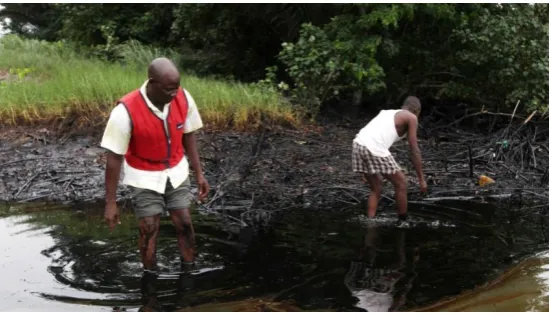
23 Figure 2: Water bodies and farmlands in Nigeria polluted by oil
Source: http://www.aljazeera.com/news/2016/11/shell-sued-uk-decades-oil-spills-nigeria-161122193545741.html
Some residents have claimed that drinking the contaminated water from the rivers and water bodies is “causing strange diseases in the communities, skin diseases, sudden deaths, impotence and low sperm counts (Al Jazeera, 2017).
When oil is spilled into the oceans, it has no less deleterious effects. Marine and aquatic life suffocate because the oil prevents fishes from getting oxygen in the water, killing millions of them and may even threaten some species. Plankton and other aquatic species also die off, hampering the development and growth of fishes and other marine life, which depend on plankton for survival.
24
Marine mammals and aquatic birds such as seagulls and pelicans also feel the negative effects of the spills – their feathers get all oiled up and renders them unable to fly, they do not get enough to eat, and the little they get to eat are contaminated, thus posing a danger to their health as well.
Figure 4: An oiled seabird was found dead on the beach at Alaska, November 1997. (NOAA)
Source: http://response.restoration.noaa.gov/oil-and-chemical-spills/oil-spills/how-oil-harms-animals-and-plants-marine-environments.html
The effect of a spillage on the economy of a community is also negative, in that it renders beaches unusable for recreational activities, mostly because the waters are unusable for recreational activities, as well as the unpleasant odour coming from the dead fishes and other mammals at the contaminated areas. In Ghana, a spillage of mud in 2010 caused the communities to be unable to fish for some weeks because of the contamination (Bedgley, 2012).
Therefore, from a myriad of angles, oil spills caused by blowouts or other activities related to extraction of the oil have negative effects on the environment and inhabitants, with very little positive effects.
2.6 How Can Spillage Due To Blowouts Be Prevented
25
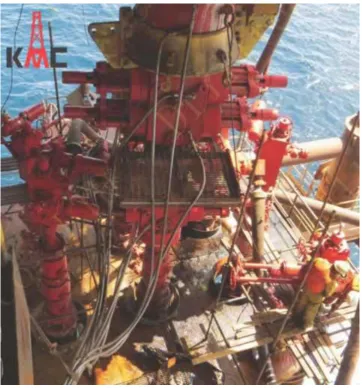
(Langenkamp, 1985). There are several types of BOPs like single ram and double ram preventers. They are mostly monitoring devises on the drill well to monitor the ingress and egress of water and mud from the well and sound an alarm when the rate of ingress or egress exceeds the set rate.
Figure 5: Image of Ocean Drill BOP being deployed
Source: http://www.drilltech.cn/info/Ocean-drilling-BOP-137-1.htm
26
Being able to recognise underground blowouts is also a major pointer to an impending blowout, and immediate corrective action can prevent the underground blowout from escalating into a surface blowout. Due to its very nature, underground blowouts can be difficult to recognise, therefore experience in drilling wells is key in recognising such types of blowouts, in order to take corrective action to prevent it developing into a surface blowout.
Well capping has also been used to prevent blowouts. However, this may only be effective at the early stages of a blowout, if the pressure mounts to a certain degree, capping the well may be too late to prevent a blowout. In the Deepwater Horizon
incident in the Gulf of Mexico, initial attempts at capping the affected well did not yield the desired results because the blowout had degenerated to such an extent that capping the well alone could not prevent it. The well was only successfully capped after 87 days, having released an estimated 3.19 million barrels (Ocean Portal, 2017) to 4.9 million barrels (Ebinger, 2016) of oil into the ocean.
From the Deepwater Horizon blowout “which raised questions about the safety of
deep water drilling, the adequacy of the corporate response to the disaster and of governmental regulation of offshore drilling” (Allin, 2016), lessons can be learnt on preventive measures to be taken in order to prevent blowouts. The lessons learnt point to vigilance in monitoring, and the need to use and maintain proper equipment in order to prevent equipment failure and forestall a blowout. The New Scientist lists 8 failures that caused the Gulf Oil Spill:
Dodgy cement used at the bottom of the borehole, which did not create a seal;
Valve failure at the bottom of the pipe which were designed to stop the flow of oil and gas but failed;
Misinterpretation of pressure tests by the crew;
Not spotting the leak soon enough;
Valve no. 2 failure in the blowout preventer;
An overwhelmed separator which was not designed for the quantity of oil and gas as well as drill mud which were diverted into it;
27
A flat battery which should have enabled the BOP to kick in automatically once control through the main lines were lost due to the explosion (New Scientist, 2010).
Careful attention paid to these pointers can help prevent future blowouts on other rigs.
2.7 Where Have Spillage Due To Blowouts Been Known To Occur
The Deepwater Horizon blowout is the one which wreaked the most havoc in US waters, and arguably the largest accidental oil spill in history, spilling an estimated 5 million barrels of oil into the Gulf of Mexico (Allin, 2016). It was caused by a blowout on the exploratory Macondo 252 well “as the drill hole had been – or was being – cemented to seal the well so that the drill pipe could be removed and the Deepwater Horizon could be moved to a new location” (Allin, 2016). The Deepwater Horizon was drilling oil in the Gulf of Mexico, which oil was located 3.5 km below the sea floor and 7 km below the drilling platform (Allin, 2016). The immediate cause of the blowout was the failure of the cement used to seal the well, and the failure of the BOP, which was designed to cut through the drill casing and seal the well in case of an emergency (Allin, 2016).
Quite recently, in 2015, an oil well owned by Oasis Petroleum Inc. experienced a blowout and was out of control for nearly three days, spilling more than 1,667 barrels of crude oil and 2,000 barrels of brine (Oil Spill Intelligence Report, 2015).
The Ixtoc I exploratory well blew out on June 3, 1979 in the Bay of Campeche in Mexico, and by the time it was brought under control, had spilled an estimated 140 million gallons into the Bay (Congressional Digest, 2010). This blowout has also been recorded as one of the worst oil spills in history.
28
From the foregone, there can be no gainsaying the fact that blowouts which have occurred in history have had very damaging environmental effects on the ecology into which the oil has been spilled. It is also evident that blowouts, due to their very nature, are difficult to bring under control, thus their propensity to spill a lot and cause much environmental damage before they are brought under control – or empty the contents of the well on which the blowout occurred.
2.8 How Can Spillage Due To Blowouts Be Controlled
Due to the very nature of blowouts, they cannot be controlled once they occur. The effects of the blowout is to leave an oil well gushing out its contents into the environment, and the only way any form of control can be implemented to curb greater environmental damage is to cap the wellhead – i.e., seal the well which is gushing out the oil. Unless and until the wellhead is capped, the effects of the blowout cannot be controlled, since the oil gushing out is coming from a pressurised region into a less pressurised one. To cap a wellhead, cement is usually used in varying degrees, and if the well has experienced a blowout, it is normal to cap the wellhead permanently, using blocks of cement which can weigh up to 5,000 tons. Wells which experience blowouts are not usually used again, but subsidiary wells are drilled if the same reserve is to be exploited again.
2.9 Does The Real Possibility of a Spillage Due To Blowout in Ghana’s
Waters Exist?
29
estimated to have in excess of 300 million barrels of oil and 360 billion cubic feet of gas – this field holds Ghana’s major gas reserves (GNPC, 2016).
With the production of oil and natural gas projected into 2033 and beyond (GNPC, 2016), it is evident that the real possibility of a blowout exists in Ghana’s oil and gas exploitation activities. This is buttressed by the fact that the Jubilee Field is located 60 nautical miles offshore, and the TEN and Sankofa Gye-Nyame Fields extend even further, creating the environment for a blowout if extra care and attention is not paid to exploitation activities.
Again, blowouts are accidental occurrences and need to be adequately guarded against, but with oil exploitation taking place in a pressurised environment, especially offshore, blowouts are a real possibility in Ghana’s oil and gas industry.
2.10 How Can Pollution From Blowouts Be Combated
The most basic and urgent demand resulting from a spillage due to blowout is to identify the source of the blowout and take immediate measures to prevent or reduce further spillage. Initial reports of the spillage must be reported to the appropriate authority and a contingency plan immediately activated to prevent major damage to the environment.
30
determine the type of combating to be used to manage the spillage. Spilled oil is normally “carried by the currents and blown by the wind, so immediate measures should be taken to combat the spill to minimise pollution damage to the marine environment” (IMO, 2005, p 51).
One option in combating a spill is to use “containment booms to localise the spillage and prevent the oil from further drifting as skimming devices are used to recover the oil from the sea surface” (IMO, 2005, p 51). Alternatively, other methods such as positioning booms in places where floating oil will naturally collect, either in open waters or more commonly close to shore, ready for recovery using skimmers and pumps (IMO, 2005, p 51). These methods demand that containment booms be readily or easily available at the site of the spillage – i.e., at the drilling site, in order to be immediately deployed to forestall grave environmental damage, and may only be effective for relatively minor spillages. However, for spillages due to blowouts, this method may be inadequate, unless the wellhead can be immediately capped to forestall a major spill.
Spillages from blowouts can also be combated using chemical dispersants. “Wave action and turbulence due to tides and currents causes some of the oil to break down into small droplets which can be carried down into the water column, a process known as dispersion. This process can be enhanced by the application of chemical dispersants” (IMO, 2005, p 101). Dispersants are chemical agents that alter the physical behaviour and properties of oil on the sea surface, thereby enabling penetration of the dispersant into the oil and increasing the rate of droplet formation and assimilation of the oil into the water column.
31
cause to the marine environment. Dispersants may be applied or sprayed from shipboard sources or from light aircraft, and therefore the decision to use dispersants would entail having available or easily available the logistics to deploy them in the event of a spillage.
Another method of combating a spillage is in situ burning, i.e., the intentional burning of the oil on the surface of the water – this method was also initially tried during the
Deepwater Horizon oil spill. Under ideal conditions, this can be an effective way of removing large quantities of oil in a relatively short period of time (IMO, 2005, p 119). In the Deepwater Horizon case, incendiary bombs were initially used to try to set the oil ablaze. However, for in situ burning to be completely successful, the oil needs to be thick – an ideal situation in the event of a spillage due to blowouts – and the thickness maintained during the burning. In actual burning of oil on water surface, as the oil burns, the thickness reduces, and therefore the fire point of the oil, thereby naturally pushing the fire to a natural death. In order to ensure that all the oil is burned, there is the need to maintain the thickness through containment, so the oil can all burn off the surface of the sea. This containment is done through the use of fire-resistant containment booms.
Again, before in situ burning can be utilised, consideration must be given to its effects, i.e., the thick black plume of smoke it will generate, and the residues of materials that remain after the burning has stopped (IMO, 2005, pp 121 – 122). Another initial issue before in situ burning can be considered is that the fire does not flash back to the source of the oil – e.g., the wellhead, which will create an even bigger explosion and catapult the spillage out of control.
32
2.11 Current Situation In Terms of Legislation
The United Nations Convention on the Law of the Sea (UNCLOS), 1982 defines pollution of the marine environment in Article 1(4) as
The introduction by man, directly or indirectly, of substances or energy into the
marine environment, including estuaries, which results or is likely to result in
such deleterious effects as harm to living resources and marine life, hazards
to human health, hindrance to marine activities, including fishing and other
legitimate uses of the sea, impairment of quality of use of sea water and
reduction of amenities (IMO, 1982)
Article 145 of the same UNCLOS also requires that necessary measures be taken to protect the marine environment with respect to pollution from exploration and exploitation activities in the “Area”, which is “the seabed and ocean floor and sub soil thereof, beyond the limits of national jurisdiction” according to Article 1(1) (UNCLOS, 1982). Article 192 of UNCLOS states that “states have the obligation to protect and preserve the marine environment” (UNCLOS, 1982). Article 194(1) requires states to
“individually or jointly, as appropriate, take all measures consistent with the
Convention as are necessary to prevent, reduce and control pollution of the
marine environment from any source, using for this purpose the best
practicable means at their disposal and in accordance with their capabilities,
and to harmonise their policies in this connection” (IMO, 1982).
Article 194 (3) (c) particularly states that measures taken pursuant to dealing with all sources of pollution of the marine environment shall be designed to minimise to the fullest extent possible
“pollution from installations and devices used in exploration or exploitation of
the natural resources of the seabed and subsoil, in particular measures for
preventing accidents and dealing with emergencies, ensuring the safety of
operations at sea, and regulating the design, construction, equipment,
operation and manning of such installations or devices” (IMO, 1982).
33
indirectly, damage or hazards from one area to another, or transfer one type of pollution into another” (IMO, 1982).
Articles 207 and 210 relate particularly to the activities states should take in order to prevent pollution, either from land based sources or from seabed activities, and activities in the area, as well as from dumping, which will harm the marine environment.
In the 1950’s, the world was not yet overly concerned with major oil spills. The precursor of marine pollution prevention conventions was the International Convention for the Prevention of Pollution of the Sea by Oil, 1954 (OILPOL 1954), which mainly dealt with operational discharges from ships (Kuokkanen, Couzens, Honkonen and Lewis, 2016). The OILPOL 1954 was the first well set out international convention on marine pollution, which Ghana ratified and gave effect to by virtue of the Oil in Navigable Waters Act, 1964, Act 235 (Mbiah, 2009). The OILPOL 1954 convention was mainly to deal with ship source pollution, mostly from normal operational discharges, as ships usually just discharged their oily wastes into the oceans at the time of the passage of the OILPOL 1954. The OILPOL 1954 was, however, soon overtaken by events and other developments in the maritime transport industry, and though it went through various amendments and updates in 1962, 1969 and 1971, it was woefully inadequate to address the new challenges in protecting the marine environment from pollution by oil.
34
International Convention on the Establishment of an International Fund for Compensation for Oil Pollution Damage 1971 (FUND 1971), which entered into force on October 16, 1978, and has also been ratified by Ghana (Mbiah, 2009).
However, the CLC 1969 and the FUND 1971 were still not adequate enough to address all the concerns of the international community with regards to the environment. This then led to the development of the most comprehensive instrument to date, the International Convention for the Prevention of Pollution from Ships (MARPOL 73/78), which was designed to supersede the OILPOL 1954, and entered into force on October 2, 1983. Ghana has incorporated the relevant provisions of the MARPOL 73/78 into the Maritime Pollution Act, 2016 and also the Ghana Shipping Act, 2003 (Act 645) (Mbiah, 2009). Ghana has also ratified other International Conventions on protection of the marine environment from pollution, including the International Convention on Oil Pollution Preparedness, Response and Co-operation (OPRC) 1990, which Ghana ratified in 2010 and has incorporated into its laws, including the Maritime Pollution Act, 2016.
Arguably, these appear to be the main international law provisions towards the prevention of pollution of the marine environment through exploitation activities, and their coverage of the subject matter leaves much to be desired.
35
The MARPOL 73/78, the main IMO Convention relating to marine pollution by oil, in Article 1, enjoins states parties to “undertake to give effect to the Convention and Annexes, on order to prevent the pollution of the marine environment by the discharge of harmful substances or effluences containing such substances in contravention of the Convention” (MARPOL 73/78). In relation to pollution through exploration and exploitation activities, however, Article 3 (ii) expressly stipulates that ‘Discharge does not include release of harmful substances directly arising from the exploration, exploitation and associated offshore processing of seabed mineral resources” (MARPOL 73/78). The MARPOL is thus specifically geared towards the transportation of substances that can potentially harm the marine environment, and not necessarily the exploration and exploitation of such substances.
2.12 Specific Legislation Protecting the Marine Environment
Ghana’s closest neighbour in English-speaking West Africa, Nigeria, has been drilling oil for over half a decade, since its first export in 1960, and is the largest exporter of oil from Africa (Nuhu, 1997). According to Daniel Workman, Nigeria was the 8th
36
Ghana and Nigeria are partners in the West Africa Gas Pipeline Project, and have other collaborations regarding supply of oil and gas along the West African coastline. Ghana appears to have contemplated something in the regions of the NESREA in the Marine Pollution Act, 2016, in establishing the Office of the National Coordinator, and the National Contingency Plan. However, Ghana’s Office of the National Coordinator seems to be rather inadequate, as by law, the Office is to coordinate the establishment and execution of a National Contingency Plan, instead of being a full agency responsible for protection of the marine environment with specific regard to exploitation activities.
The NESREA has the task of ensuring compliance with various environmental laws which come under its mandate, with the following being specifically relevant to oil and gas exploitation:
- Environmental Impact Assessment Act - The Land Use Act
- Hydrocarbon Oil Refineries Act - Associated Gas Re-Injection Act - Oil Pipelines Act
- Petroleum Act (ELRI, 2017).
Specifically, the NESREA Act 2007 gives the mandate to the NESREA to regulate the Nigerian environment through 3 sections:
- Section 7 provides the NESREA with the authority to ensure compliance with environmental laws, local and international, on environmental sanitation and pollution prevention and control through monitory and regulatory measures. - Section 8 (1) (k) empowers the Agency to make and review regulations on air
and water quality, effluent limitations, control of harmful substances and other forms of environmental pollution and sanitation.