Art and Design Theses Ernest G. Welch School of Art and Design
Summer 8-12-2014
Art Education in Finland and the United States: A Qualitative
Art Education in Finland and the United States: A Qualitative
Inquiry into Teacher Perceptions
Inquiry into Teacher Perceptions
Lauren E. Knight
Georgia State University
Follow this and additional works at: https://scholarworks.gsu.edu/art_design_theses
Recommended Citation Recommended Citation
Knight, Lauren E., "Art Education in Finland and the United States: A Qualitative Inquiry into Teacher Perceptions." Thesis, Georgia State University, 2014.
https://scholarworks.gsu.edu/art_design_theses/165
A QUALITATIVE INQUIRY INTO TEACHER PERCEPTIONS
by
LAUREN KNIGHT
Under the Direction of Melanie Davenport
ABSTRACT
The purpose of this study was to gain insights into the educational system in Finland,
where art seem to be valued, and America, where it seems to struggle. I first studied how policies
that promote a business-like ideology and standardized testing in schools have impacted art
education in the United States. Then I investigated Finland’s educational system, which does not
rely on standardized testing to monitor student learning and teachers. During my research I
noticed that Finland uses a noncompetitive approach to education, which I assumed was
connected to the art Folk School that originated in Denmark and moved throughout Europe.
Based upon this information, I anticipated that art education was valued more in Finland than in
the United States. I also anticipated that Finland’s educational success had a connection to its
non-competitive system and its inclusion of the arts. In order to explore this idea, I investigated
Finland’s approach to art education by interviewing Finnish professionals in the art education
field.
A QUALITATIVE INQUIRY INTO TEACHER PERCEPTIONS
by
LAUREN KNIGHT
A Thesis Submitted in Partial Fulfillment of the Requirements for the Degree of
Master of Art Education
in the College of Arts and Sciences
Georgia State University
Copyright by Lauren Knight
A QUALITATIVE INQUIRY INTO TEACHER PERCEPTIONS
by
LAUREN KNIGHT
Committee Chair: Melanie Davenport
Committee: Melody Milbrandt
Kevin Hsieh
Electronic Version Approved:
Office of Graduate Studies
College of Arts and Sciences
Georgia State University
DEDICATION
I dedicate this thesis to my family.
For their endless love, support and encouragement.
I am particularly grateful to my fiancé Josh who has kept exemplary patience and support
ACKNOWLEDGEMENTS
I would like to acknowledge my professors Dr. Melanie Davenport, Dr. Melody
Milbrandt and Dr. Kevin Hsieh for their patience, encouragement, and professional guidance
TABLE OF CONTENTS
ACKNOWLEDGEMENTS ... v
LIST OF TABLES ... viii
KEY TERMS ... ix
CHAPTER 1 INTRODUCTION ... 1
1.1 Purpose of the Study ... 1
1.2 Expected Results ... 4
CHAPTER 2 REVIEW OF LITERATURE ... 9
2.1 The Business Model of Education ... 9
2.2 Impact of the Business Model on Arts Education ... 15
2.3 The Stress of NCLB and the De-stressing Effect of Arts Education in Urban Schools ... 21
2.4 A Successful Model of Standardized Testing in South Korea ... 25
2.5 The Danish Inception of Folk School ... 26
2.5.1 National Development By Educating the Folk ... 27
2.5.2 Contrasts and Comparisons of the U.S. and Finnish Approaches ... 32
2.5.3 Finland’s Homogenous Population vs. United States Diverse Population ... 36
2.6 Implications of the Literature Review about the U.S. and Finnish Educational Models ... 37
CHAPTER 4 ANALYSIS ... 44
4.1 Data Analysis and Findings ... 44
4.2 Respondent Data ... 44
4.3 Participant 1 ... 45
4.5 Participant 2 ... 50
4.6 Evaluation of Data ... 53
REFERENCES ... 64
APPENDICES ... 69
Appendix A ... 69
Consent Form ... 69
Appendix B ... 72
Participant 1: Questionnaire 1 ... 72
Appendix C ... 75
Participant 1: Questionnaire 2 ... 75
Appendix D ... 76
LIST OF TABLES
TABLE 1………16
TABLE 2………17
TABLE 3………...……….17
TABLE 4…………..……….18
TABLE 5……….………..18
KEY TERMS
1. No Child Left behind Act 2002 (NCLB) – An act signed into law on January 8, 2002 by
President George Bush, which relies on testing to improve student achievement gap and
teacher accountability.
2. Program for International Student Assessment (PISA) – An exam in reading, math,
and science, given every 3 years since 2000 to approximately 5000 15-year-olds per
nation around the world.
3. Organization for Economic Co-operation and Development (OECD) – Provides a
forum in which governments around the world can work together to share experiences
and pursue solutions to common problems.
4. Folk School (folkehojskoler) – Focused on critical thinking and vocational skills for the
rural population through a non-competitive educational environment of arts and crafts.
5. Race to the Top (RTTT)– A law passed in 2009 by President Barack Obama, which
relies on test scores to evaluate teachers and education administrators.
6. Elementary and Secondary Education Act 1965 (ESEA)– A law passed by President
Lyndon B. Johnson, which funds primary and secondary education, while emphasizing
equal access to education, high standards, and accountability.
7. Improving America’s Schools Act 1994 (IASA)– A reauthorized version of ESEA by
President Bill Clinton, which provides extra help to disadvantaged students and holding
schools responsible for their results at the same level as other students.
8. Texas Assessment of Academic Skills – Was a standardized test which focused on
reading, writing and math, used in Texas from 1991 to 2002, then was replaced in 2003
9. Grundtvigians– Followers of Nikolai Frederik Severin Grundtvig, that established free
schools and Folk School.
10. Center for International Mobility and Cooperation – Provides expertise and services
to promote international cooperation and mobility with emphasis on education, training,
working, life, culture, and young people in the Finnish Society.
11. Finland’s Ministry of Education and Culture – An organization within the Finnish
government that is responsible for developing educational, science, cultural, sport and
youth policies and international cooperation in these fields.
12. Atlanta Federation of Teachers – was founded in 1916, and represents Pre-K through
12th grade teachers; paraprofessionals; higher educational faculty and professional staff;
state and local government employees; nurses and other healthcare professionals.
13. The Rand Corporation – a nonprofit organization that aids in improving policy and
decision making through research and analysis.
CHAPTER 1 INTRODUCTION
In the early 21st century, Finland and the United States seem to have dissimilar
approaches to education in terms of the value placed upon the skill sets that art education
provides. Whereas the United States relies heavily on a business model of schooling with a focus
on annual standardized testing which allows success for some but sets up many to fail as it
marginalizes the arts, Finland's system has a more decentralized authority and produces more
student success in a system that requires less time in school, uses cohort testing sparingly, while
valuing and integrating the arts throughout the curriculum.
1.1 Purpose of the Study
I began this study with the perception that art education in Finland is stronger and has a
higher status than art education in the United States. To investigate my perceptions, I reviewed
below how NCLB came to be and summarize evidence of how it appears to be undermining art
education in the United States public schools. I then explore comparisons drawn from my
investigation of art in the educational system of Finland, where art seems to be valued, and in
America, where it seems to struggle for its very existence in public schools. I look into how
Finland’s approach to education and art differs in an effort to inform contemplation about how
art in American schools might be reprioritized if standardized testing were not central to
schooling in the United States as it is not in Finland. Based on this information I collected from
Finnish art educators, I perceive certain methods for creating pedagogically sound instruction in
the United States that emphasizes the importance of the art education curricula.
I reviewed both quantitative and qualitative studies as a foundation for conducting a set
of interviews with educators familiar with the Finnish educational system. The quantitative
addition, I looked for research showing the positive effects of art education on children and
interdisciplinary instruction, especially for children taking standardized tests. The qualitative
data I gathered include first-person insights of art educators who have experience with the
Finnish educational system, which does not depend heavily upon standardized testing. The
personal reflections of practitioners directly involved are invaluable because they reveal their
perceptions of how policies impact their students. It concerned me to learn during my
investigation that people in power who make policies regarding education, often have no
classroom experience. So, I have thought the voices of actual teachers who could perhaps shed
light on the impact of testing on art education, in the shadows where policy makers or regulators
or administrators tend to have a blind spot. I try to I honor the voices of teachers whose
perspectives are typically not included in much of the discourse pertaining to educational
policies.
Studies suggested that education in Finland values art experiences. It came as a surprise
to me to learn that “Finland has a long term approach to arts in education. Rather than valuing
STEM (science, technology, engineering, and mathematics) over the arts like many Western
countries, Finland considers the arts to be vital and weaves it through their entire education
system” (ianchia, 2011). This is the impetus for me to look more closely at art instruction in
Finland for my research. However, art education in Finland may not be entirely free of
challenges similar to NCLB because there were articles that also suggested that art education in
Finland is fighting for survival. My assumptions were that in Finland art was treated as important
as other subjects and received the same amount of funding as other subjects as well. However,
this assumption proved to be too narrow. One article entitled, Naked model raises eyebrows;
“elimination of teaching art in the country’s second most populous municipality outside of the
Helsinki metropolitan area” (Naked model raises eyebrows; makes statement for art teaching
(2013), p. 1). The demonstration involved a student in the nude posing in the Tampere railway
station while her fellow students sketched her figure, as if they were in class. The protest lasted
15 minutes after a security guard politely asked the nude student to step down. The art teacher,
Pekka Niskanen, sexpressed her advocacy of art and her surprise that others would find it
unimportant when she explained “that it was peculiar that the country’s second largest city
should be ready to draw a line through art teaching, something that is an important part of culture
and education” (Naked model raises eyebrows; makes statement for art teaching (2013), p. 1).
This article made me question if my assumption about Finland maybe was somewhat different
from what really is happening in the country. To calibrate my assumptions with reality is why I
sought insights from teachers working in Finland. I found this article disturbing because it
showed that art education is still being threatened even in a very progressive country.
In a study about teachers of art in Finland, Rasanen (2005) from the University of Turku,
found that “a traditional dichotomy between arts and academic subjects was evident. The
majority identified arts as either the most pleasant or least useful school subjects” (p. 54). This
statement shows that some people in Finland hold similar positions as some testing-focused
administrators in the United States in seeing art as an outlier, which may not contribute to the
goal of academic instruction. This statement also reflected a conflict about the role of art vs.
academic subjects as though art is not academic. That is an assumed ideological difference.
Recognizing the schism between those who embrace art instruction and those who
marginalize it, I aimed to interview Finnish teachers or others with first-hand insights who could
were of interest because some had taught art in the United States and also in Finland. This gave
them unique insights to share into differences and similarities they had seen in both systems.
Their accounts reveal personal experience of strategies and policies in Finland that made their
educational system successful and attractive as a role model for other countries. Ultimately, I
hoped through this study to arrive at an understanding of Finnish approaches that might be useful
and applicable in promoting the value of art education in this country.
1.2 Expected Results
By investigating similarities and differences in these educational systems, I may expose
flaws in both, I but hope also to uncover transferable approaches and identify creative solutions
to some of the problems faced by art teachers in the United States. I hope this paper can make a
difference in the field of art education by shining light on the disadvantages of having a
standardized test-based society that excludes the arts. Art education in America may benefit from
this study if it sheds light on a non-competitive educational system, an ideal in Finnish school
that values teachers and the arts. I perceive that non-competitive education may help students
develop into more successful adults with enhanced abilities to compete or competently live in
common with others in a global world.
In the United States, it seems that art programs are being undermined or destroyed
because they are not deemed important enough to afford a secured budgetary line. Affordability
of art is not the only issue undermining art education, because it seems that schools are rewarded
for focusing on the NCLB agenda while minimizing art. According to Andy Finch (as cited in
Ashford, 2004), senior director of government affairs at Americans for the Arts, “NCLB
provides a disincentive for schools to invest in the arts unless school officials take the time and
United States educational system seems more focused on improving test scores than on
improving children through different disciplines, including art.
For most of my life I was steeped in the dominant narrative of success that justifies a
non-art education with the greatest focus on the competitive outcomes of standardized testing,
but I now have learned about different methods in other countries, like Finland, that do not rely
on testing and the Program for International Student Assessment (PISA) survey, conducted every
three years by the Organization for Economics Cooperation and Development (OECD) that their
children are successful. This will be explained further in the literature review chapter. I
wondered as a younger student if there might be alternatives but for most of my educational
career I knew of no other way. My interest in delving into alternatives models solidified during
my first semester of Graduate school when I was encouraged by my professor to explore
noncompetitive Folk Schools. During the early 20th century, several schools were established in
the United States, which followed this model imported from Scandinavia. By looking at these
schools, I learned there were other models for art education within these schools, centered on the
students, and their personal growth. I couldn’t help thinking that I wish American schools were
like that now, instead of focusing on test scores. As I did more research I was able to trace the
development of non-competitive schools in Europe and in Finland I eventually found a country
that seemed to still followed the methods of the Folk School.
As I will discuss again later in this study, Finland happens to have developed one of the
most successful educational systems in the world. In the “latest PISA survey, in 2009, Finland
placed second in science literacy, third in mathematics and second in reading. The U.S came in
15th in reading, close to the OECD average, which is where most of the U.S.’s results fell,”
maintains a child-centered approach and values art education as an important aspect of a child’s
education. The United States on the other hand, is much more focused on standardized testing
intended to make students competitive with each other instead of working for the development of
the whole child with art being included. Sadly, this competitiveness seems to thrive in the United
States educational system.
I have found that art educators are often seen as not important by their own colleagues of
other subjects. Other teachers see themselves preparing students for the real world and art is seen
as a distraction. This bias against art also flows through students and their parents into the
general population. Many times when I have been asked what am I going to school to study and
for a career, and when I say “art education” I am greeted with a disappointing look and with
disingenuous approval like, “Oh, that’s nice.” The same people often quickly change the subject
and some even ask me why I am not studying something more tangible like technology,
medicine, or some other science that could help me to earn a lot of money. A co-worker of mine
chuckled about how he got in trouble as a student in art class for expressing to the teacher his
disdainful view that art wasn’t important. I feel that any kind of thinking that dismisses art
instruction is blinding itself to an important discipline in a way that demonstrably is hurting our
educational system. This type of thinking reflects a narrative about art that has been
communicated to students and to the public, en masse, about the usefulness and wastefulness of
art. Standardized tests are said to be the ultimate tests of intelligence and ability, so belief in their
value has contributed to this competitive and exclusive culture.
I am interested in investigating Finland’s educational system because they seem to
genuinely value education. The commitment to education demands that Finnish teachers no
of the Finnish education made it a requirement that all teachers must obtain a 5th year master’s
degree. “From then on, teachers were effectively granted equal status with doctors and lawyers”
(Hancock, 2011, pg. 4). I admire that respect for education and educator in Finland, because in
the United States teachers are often less well-educated, are underpaid and they often are treated
as the enemy who cannot be trusted, which will be explained further by Sabol (2008) in the
literature review. Another main reason I wanted to investigate the educational system in Finland
is because art seems to be part of a complete education for students because the arts are
interwoven throughout the Finnish curriculum.
Another interesting aspect of the Finnish education is that it is not based on the belief that
students and teachers must be in school or studying for most of the day. Finnish students spend
less time in class than do American students and yet, they still score much higher on
international tests.
Teachers in Finland spend fewer hours at school each day and spend less
time in classrooms than American teachers. Teachers use the extra time to build
curriculums and assess their students. Children spend far more time playing
outside, even in the depths of winter. Homework is minimal. Compulsory
schooling does not begin until age 7 (Hancock, 2011, pg. 3)
In addition, there are no yearly-standardized tests in Finland, only one biannual test in
high school that determines whether a student should go to a vocational school or a university.
The purpose of the examination is to discover whether pupils have
assimilated the knowledge and skills required by the curriculum for the upper
secondary school and whether they have reached an adequate level of maturity in
candidate to continue his or her studies at university (Ylioppilastutkinto, 2007, pg.
1)
This seems significant to me because Finland has found success with their educational
system without an over-reliance on standardized tests. In the United States, students are tested at
least once a year from the very early grades and all through high school and into college. Even if
one wants to enter certain professions, additional standardized tests must be passed. I hear the
question so often “Why is our educational system failing?” “Why are students scoring low on
standardized tests?” The issues are complex, and involve numerous factors, including poverty,
malnutrition, and other social contexts, as well as funding cuts and even ineffective pedagogical
practices that stem from an ideological investment in standardized testing, which sadly often
result in methods of pedagogy and assessment that do not include art.
In this study I looked more closely at education in Finland, particularly art
education, to derive implications for American teachers and policy-makers. Although large-scale
studies have been conducted, such as international comparisons of test-scores, I gained an
insiders’ perspective into what goes on in the schools, through interviewing two art educators
familiar with the Finnish educational system. As I investigated these teachers’ views on
education in these two countries, I gained insights into successful techniques and was able to
reflect upon whether these techniques were inclusive of and applicable to the arts. In order to
interview these professionals in art education I protected my human subjects by obtaining
Institutional Review Board (IRB) approval, which was approved.In the chapters that follow, I
review the available literature on education in Finland and described the methodology I intend to
CHAPTER 2 REVIEW OF LITERATURE
In this chapter, I will examine how education in the United States educational system
came to adopt the ideology of businessmen, and how this development affected the current status
of art education. In addition, I will investigate the history of Folk School in Europe to understand
more fully the context of art education in Finland in contrast to the United States. Based upon
this, I framed a space for my study to expand upon the work that had been published by others. I
will look at the theme of education-as-business, at the impact of business model of education on
arts education, specifically, and at the impact of this model upon schools. In addition, I will
discuss how art instruction, may ease and counteract the stress induced by testing in ways that
has been observed to improve the performance of students in school. It should be noted that I use
the terms of “art” or “arts” as they appear in source materials since discussions about the arts
overall could be assumed to have implications for visual art as well.
2.1 The Business Model of Education
The displacement of art instruction by an over-reliance on standardized testing may be
related to how schools adopted a corporate model focused on measuring achievement as opposed
to a student-centered model of education that nurtured learning in all disciplines, including art.
Raymond Callahan (1987)1 sees American schools being plagued by “the cult of efficiency,” a
term he uses to describe the “scientific orientation in school administration that stressed
efficiency and economy and created a rigid structure working against educational change and
reform,” (cited in Kridel, 2009, p. 164). Callahan notes that by 1910, there was a growth of
public suspicion against the “management of all public institutions” (Kridel, 2009, p. 165).
When, by 1912, businessmen were being voted into positions the school boards, the schools
1 Callahan, Raymond E. (1987) Education and the Cult of Efficiency. Teaching Education 1(2), pp. 107-‐
became even more subject to criticism. Callahan further notes that, “the actions by educational
administrators in utilizing business and industrial practices helped them to maintain themselves
and even gain status in a business society” (Kridel, 2009, p. 165). This suggests that the school
administration in the United States was influenced by businessmen ideology and that individual
administrators sought to advance their own careers cultivating business relations, which seemed
to result in schools moving away from being child-centered institutions, toward more business
oriented institutions. Callahan examines how these businessmen who came to be in charge of
education did not understand the kind of an education that children needed most and were not
properly educated or trained to make the kinds of decisions that would benefit the children first
and then the schools. These men lost sight of the mission of educating children and approached
the management of “education in a business like, mechanical, organizational way” (Kridel, 2009,
p. 165).
Decades later, the NCLB Act was yet another product of business ideology being forced
into schools. It was created in response to a call for help to fix disappointing results in the school
system, which had been accumulating since 1910 as noted by Callahan (Kridel, 2009). People
who were disconnected from the real issues that were plaguing the schools answered the plea for
help by pushing for the NCLB Act. Following closely on the business model, the NCLB “is
based on stronger accountability for results more freedom for states and communities, proven
education methods, and more choices [besides public schools] for parents” (Kridel, 2009, p.
180). This policy relies on testing and on the punishment of students and teachers who fail to
perform to the expectations imposed by this model and its managerial means of increasing the
success of schools. This model like others before it, promotes the concept that a school is a kind
was explained by Callahan (Kridel 2009). The focus of this model is not how best to develop the
child’s full potential even if that child has other means of demonstrating knowledge rather than
by performing well on standardized tests. According to Kridel (2009), the people who make
decisions about education need to have the kind of education in the humanities and the social and
natural sciences to enable them to understand the great problems of our age, so that they can
make intelligent judgments about the kind and quality of education, which our children need
(p.167)
An early version of NCLB was authorized in 1965 as the Elementary and
Secondary Education Act (ESEA). The ESEA authorized federally funded education programs
that are administered by the states. Then this act was modified in 1994 as the Improving
America’s Schools Act (IASA), which reauthorized the ESEA. The IASA included reforms for
the Title1 program, charter schools (to provide options other than public schools), safe and
drug-free schools, increases in bilingual education. In 2002, this law was reauthorized again in a form
which became known as the NCLB Act. Since President Obama has been in office this law has
been changed to Race to the Top (RTT). Ravitch (2013) explains that one goal of the program is
privatization, that is, to transform failing public schools into business-operated charter schools,
The program contains these key elements: Teachers will be evaluated
in relation to their students’ test scores. Schools that continue to get low-test
scores will be closed or turned into charter schools or handed over to private
management. In low performing schools, principals will be fired, and all or
half of the staff will be fired. States are encouraged to create many more
privately managed charter schools (p. 1)
education, because the RTT increases standardization, centralization, and test-based
accountability in schools. The Elementary and Secondary Education Act of 1965 has
continuously been reauthorized “under a catchy new banner” (Rudalevige, 2003, pg. 1), but with
each successive revision the law has become more and more centered on standardized tests and
treating teachers as the enemy, as if they are the sole cause of students scoring poorly on
standardized tests.
Wagner (2008), sees a paradigm shift in the global workplace that impacts
American schooling in the 21st century. He believes that students obliged to submit to
standardized testing are not being taught the critical thinking skills necessary to help them
survive in the real world. Wagner (2008) contends that the real reason for “the low level of
intellectual work and general lack of curiosity found in classrooms- even in our best high
schools- is that our schools were never designed to teach all students how to think,” (Wagner,
2008, p. xxiii). Schools today are more focused on students getting the right answers on their
standardized tests instead of using critical thinking skills and creativity. I feel that this deficiency
is not related necessarily to poor teaching, but is more directly related to lack of respect and
support for the arts. A lack of training in critical thought is detrimental to the students where
their creativity is not being nurtured or strengthened, and this will hurt them when they become
part of the global workforce where creativity is more in demand than ever. Spohn (2008) argues
that individuals will be improperly prepared for the workforce because “reducing arts education
also undermines a primary purpose of education” which is to train students for an employment
market offering jobs that ”demand creative thinking and problem-solving skills” (p. 9).
A myopic focus on standardized testing gears the curriculum to passing tests and
This creates a disincentive of NCLB by demotivating the students. For instance, it has caused
many students to become uninterested in school because they do not see the connection between
what they are learning and their personal lives or futures. This point has been made by Wagner
(2008) who learned in “a national survey, of 500 dropouts from around the country, about half of
these young people said they left school because their classes were boring and not relevant to
their lives or career aspiration” (p. 114). Wagner’s concern illustrates the point that instruction
has lost touch with the interest and survival needs of the students because teaching has primarily
become focused on test preparation and not on covering subjects that are relevant to students’
lives. In addition, teachers are under pressure to cram information into students so they can
increase test scores bend under that demand due to a fear of being punished by the NCLB’s
policies. Jasmine Evans (2013), writing for Education.com, argues that federal funding is often
reduced in schools producing low-test scores and administrative districts can lose control over
such schools. In her own words, Evans (2013) spells this out as follows:
Under the No Child Left Behind Act, test scores impact how much
funding a school gets from the government, as well as how much autonomy a
school has. Low-performing districts run the risk of state officials taking over
operations and leaving them with little freedom to make independent
decisions (p. 1)
Additionally, this business-model approach to schooling allocates less time for
developing the whole child through extracurricular activities and electives such as art classes.
Many taxpayers and opponents of school spending do not want to pay for what they regard as
unessential courses and activities and argue that students do not need these costly non-essentials,
that elite parents are willing to pay huge tuitions for their children to attend private schools
offering a multi-faceted curriculum that integrates the core academic subjects, usually measured
by testing, into a quality educational program including a wide range of electives and
extra-curricular activities. He writes with candid clarity:
If you are very wealthy, you are able to send your child to a school with
small classes, with lots of electives, with many varied extracurricular activities.
You view all of these as important, which is why you may well spend more than
$30,000 in elite schools such as Phillips Academy Andover (alma mater of
George W. Bush), or Sidwell Friends (where the Obama daughters attend) (para.
10)
Bernstein (2012) believes that less advantaged students and disadvantaged students
deserve a similar quality of education, or at least whatever holistic approach can be offered in a
public school context. Bernstein (2012) challenges educators to stand against such moves, as he
wrote: “If we believe, as does ASCD (an international professional organization with 150,000
members in more than 145 countries) that we should be educating the Whole Child, then
elimination of electives and extra-curricular activities is an unproductive approach to take,”(para.
9). Wagner (2008) concurs with Bernstein’s contention that the so-called non-essential courses
and activities are central to a student’s success in school. One student he talked to transferred
schools “because they had eliminated all the arts from her schedule and these classes were the
reason she was excited to go to school, to begin with” (Wagner, 2008, p. 113). An educational
program that relies on standardized testing creates a tense environment that over-emphasizes test
2.2 Impact of the Business Model on Arts Education
Even though the arts are listed as a core academic subject in NCLB, this policy
nevertheless creates a disincentive for schools to fund art programs. In a case study conducted in
the Ribbon Valley School District of Ohio, Spohn (2008) reports findings about the affects of
NCLB on the schools. “Data from this study indicated that arts teachers and non arts teachers
believe instructional time and classroom practices have been altered in the district to
accommodate NCLB requirements resulting in a loss of both access to and learning in the arts”
(p. 5).
By placing most of the attention on testing, the arts are regulated to the bin of the
nonessential. For example, in middle school and high school, the art and music classes in this
study were cut to make more time for English and math classes since these subjects are included
in testing. In addition, this case study showed that at the Ribbon Valley district, focus was
centered on “fundraising to support tested subjects over arts education,” (Spohn, 2008, p. 7). The
arts programs in this school district used external grants as funding to survive, and those
curricular grants proved very difficult to obtain because the materials needed for art and music
instruction were not deemed necessary by the granting foundations. Spohn (2008) states,
The general consensus among the arts teachers was that it was challenging
to get grants to pay for art or music supplies and instrumental materials such as
instruments, recorded music, workbooks, sound equipment, and batteries for
keyboards because these items do not qualify for grant funds (p. 8)
Spohn’s article shows the inequality of obtaining funding for the arts versus funding
available for the tested subjects. By not allowing art programs the opportunity to obtain the
continue to devalue art programs it will cause students to adopt the same idea that the arts are not
important or relevant to their lives or future.
Furthermore, NCLB harms teachers as well as students. In a case study by Sabol (2010),
3,050 randomly selected art teachers around the country were mailed a questionnaire asking how
they felt NCLB had affected their jobs and the students. Sabol put the data from these surveys
into graphs that I reproduced below. These graphs reveal crucial insights from this study into
what teachers, themselves, thought about the impacts of NCLB. The results revealed the
frustration of art teachers who felt that NCLB had had a negative impact on their teaching
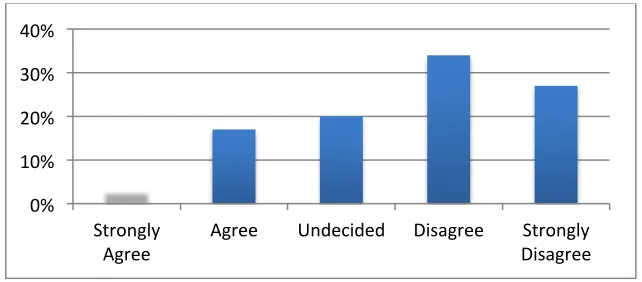
[image:28.612.105.426.347.488.2]careers. A look at Sabol’s charts is most instructive, for example:
Table 1: Question 27: I feel NCLB has made me a better teacher. (Sabol, 2010)
This graph shows that a full 20% of the teacher queried either remained
open-minded, or perhaps, feared answering the question. Of the 20% who agreed with the
statement, only 3% strongly agreed. A 61% majority of those who disagreed with the
statement, and 27% of those teachers strongly disagreed. This means that 7% more,
than the teachers who agreed, registered strong disagreement with the idea that NCLB
had improved them as a teacher. 0%
10% 20% 30% 40%
Strongly
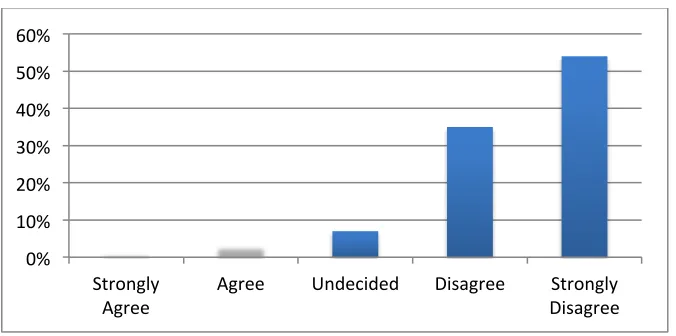
Table 2: Question 28: My Attitude about being an art educator has been
positively affected by NCLB. (Sabol, 2010)
This graph showed that only 30% of the teachers were undecided or agreed.
Among them only 7% agreed and 3% strongly agreed. Teachers’ disagreement with the
statement announced to 70% and of those, 31% strongly disagreed.
Table 3: Question 34: NCLB has had a positive affect on faculty morale. (Sabol, 2010)
According to this graph, 89% of the teachers report that NCLB has had no
positive impact on faculty morale while 4% felt that NCLB had contributed to morale
and 7% indicate indecision. Does this mean that NCLB has been ignored by 89% of the
teachers or does it mean that the morale of that many teachers has declined with the
onset of NCLB? 0% 10% 20% 30% 40% 50%
Strongly Agree Agree Undecided Disagree Strongly Disagree
0% 10% 20% 30% 40% 50% 60%
Strongly
[image:29.612.107.445.400.568.2]Table 4: Question 46: Generally, I feel NCLB has had a positive effect on my art
education program. (Sabol, 2010)
This graph showed that only 9% agreed with this statement and just 1% strongly
agreed. This means that 18% of art teachers were undecided and 72% disagreed with
38% of the art teachers disagreeing and with 34% strongly disagreeing with this
statement.
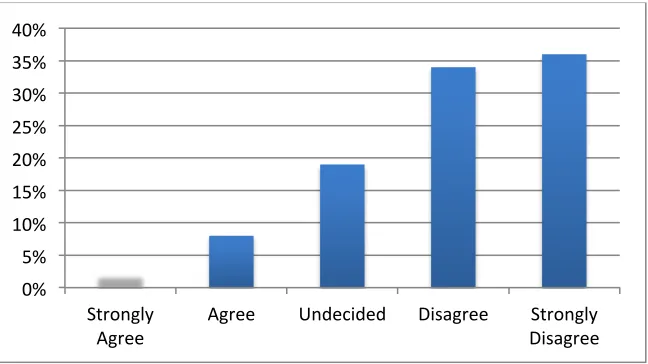
Table 5: Question 26: The status of art education has been improved by NCLB.
(Sabol, 2010)
While 2% strongly agree among the 10% who agree, 10% did not declare their
stance and 80% disagree with this statement. Among the 80% of teachers who 0%
5% 10% 15% 20% 25% 30% 35% 40%
Strongly
Agree Agree Undecided Disagree Disagree Strongly
0% 5% 10% 15% 20% 25% 30% 35% 40%
Strongly
[image:30.612.109.433.476.658.2]disagreed, 36 % strongly disagreed, more than in any other question.
For question number 3, the teachers were allowed to write an open-response about other
things they wanted to discuss. This section of the study generated a strong emotional response
from teachers about how they were affected by NCLB. One teacher wrote…
I am crying as I write this, because after 21 years of successful teaching,
NCLB has destroyed my spirit and my love for teaching, damaged my love of art,
and crushed my love for working with children and helping them learn about art.
By this time you read this, I will have resigned my job and will be seeking work
outside the field of education. My career as a dedicated and concerned teacher is a
victim of [NCLB]. (Respondent 0302), cited in Sabol, 2010, p. 174)
Another teacher wrote:
The people who made this law are destroying the public education
system in our country and the lives of teachers and students who are in it…
and I feel as if they really don’t care. They just don’t get it. Everyone seems
down all the time now because of the pressure we are always under. Even the
kids feel this way. It’s just not right. It’s as if we are being punished for the
problems they have created. We have become their scapegoats! We keep
having charter schools pushed down our throats as if they will solve our
problems, but they won’t solve our problems either. They can choose who
gets in. We can’t. They can get rid of poor students or students with
handicaps. We can’t and don’t want to and they are getting our tax money that
should be used to help our public schools instead of being used to pay schools
making a profit what education is all about? (Respondent 0669, cited in Sabol,
2010, p. 174-175)
This study revealed that participating teachers felt strongly that NCLB had negatively
affected art education programs, as illustrated by the graphs that reflect the answers to these
questions and the written responses of teachers.
Given that just a few of the studied art education teacher agreed, or strongly
agreed, that NCLB had a positive impact on their teaching or programs, their responses
to Sabol’s study imply that some arts teachers may have been working in well-to-do
schools that permitted them to offer art instruction adjunct to or integrated with
instruction in the disciplines that normally are included in standardized testing. At other
schools, the art instruction is likely to have been much more marginal to the tested
curriculum. At the same time, Sabol’s study shows that most arts teachers, now
competing with standardized testing, perceive their art programs, morale and quality of
teaching conditions to be degraded by the implementation of NCLB. Moreover, in at
least two cases, art teachers wrote comments stating that they were driven into
depression or out of teaching by NCLB. They seemed to have lost all hope that NCLB
would ever be art-friendly and one of them even had come to see the advocates of
NCLB as possibly desiring to end public education. Within the open-ended responses,
there were many more responses of the art teachers not discussed here. They indicated
that the teachers and their art programs were negatively affected by NCLB. They
described situations of intense competition between teachers and increased workloads.
They also described an increased number of new teachers, which was brought on by
experienced more often led them to become so discouraged that they would leave
teaching.
2.3 The Stress of NCLB and the De-stressing Effect of Arts Education in Urban Schools
Sabol’s (2010) data charts seem to suggest that art programs do not fare well in
educational systems based on standardized testing. One reason is because teaching to the test
does not emphasize subjects like art that teach critical thinking. What gets the high priority in
such system is an obsession with test scores that create a stress in teachers and students’ live and
have an adverse impact on learning. NCLB also seems to negatively impacts urban schools in
particular, those that were already hurting from limited access to arts programing. The National
Center for Education (2013) released troubling reports on the decline of the arts in public
schools, which demonstrate a number of important facts suggesting that the state of the arts in
schools is a dire one:
• Six percent of public elementary schools (serving 1.3 million students)
don’t offer music, and 17 percent (serving nearly 4 million students)
don’t offer visual arts.
• Nine percent of public secondary schools (serving 800,000 students)
don’t offer music, and 11 percent (serving 1.4 million students) don’t
offer visual arts.
• Ninety-seven percent of public elementary schools (serving 23 million
students) don’t offer any instruction in dance or theater, 88 percent of
public secondary schools (serving18 million students) don’t offer
dance, and about 55 percent of public secondary schools (serving 9
Despite their rejection or their extreme marginalization, art education programs are
crucial to urban education. Students in urban cities face learning difficulties because they more
often are dealing with stressful conditions in school and in their community. These stressful
conditions are not limited to hunger, violence, and homelessness.
Just how stressful can standardized test taking really be? One blog entry by Rachel Levy2
in an article written by a DCPS elementary school teacher who later would resign from her
position in protest of NCLB. That teacher is Olivia Chapman. She comments on the stress of
test-taking time that can seize some schools in a head-lock. In accounting for her observations,
she writes of teachers at her school “feverishly reviewing the pages and pages of rules,
regulations, and routines”; administrators walking from class to class, “wanting to know how
each lesson will contribute to the students’ achievement on the upcoming standardized tests”;
how the school sends flyers home with students “describing the stress that will ensue in the
following weeks and how we will cover up this anguish with a makeshift ‘spirit week,’ pajama
day, crazy sock day, class color day” (Chapman, 2012, para. 1). The teacher does not yet know if
she will quit her job when taking stock of the cesspool of stress that school has emerged since
she was a student. She exclaims: “I’m not sure what’s worse, the testing itself or the preparation
and anxiety built up beforehand”(Chapman, 2012, para. 2). Although her students were just eight
years old, this teacher reports on restrictions that she and other teachers at her school, sanctioned
for alleged cheating, were expected to observe to get the sanction lifted. They were told that,
“allowing students to stand and stretch during testing would absolutely not be tolerated” (para.
4). They also were told, “Absolutely no bathroom breaks during testing unless the child was
showing physical signs of distress” (Chapman, 2012, para. 4) The emphasis placed on this rule
meant that teachers “needed to prevent multiple bathroom trips by determining how badly each
child had to use the restroom” (para 4).Chapman (2012) even reports her fear of reprisal; she
already had been “punished for breaching teat security…scolded for allowing children to read
books after they finished the test, as well as for allowing them to go to the bathroom” (para. 6)
This level of stress causes health problems in humans, especially when it happens
repetitively; and for youth, it can cause failure in school and youth delinquency. In addition to
anxiety, the Final Report of the Illinois Children’s Mental Health Task Force-2003 “revealed that
up to 50% of the city’s urban youth suffer from other emotional illnesses related to the stressors
found in their urban environment” (Creedon, 2011, p. 34).
What has been ignored is the idea that art not only rounds out an academic curriculum
but, according to Creedon (2011), art education also helps to reduce stress that students
experience in their school and home environment, which improves their motivation and success
in school. The arts and music have this ability, because on a physiological level they produce
endorphins in a child. “Endorphin enables students to manage personal stress and enhances their
learning potentials” (Creedon, 2011, p. 34). In addition, the endorphin-enhancing effect of arts
can also helps raise test scores when implemented among other subjects. He describes, for
example, a teacher who, integrated art into 2nd grade students reading program in an attempt to
reduce students’ stress:
Using prints of impressionist paintings, her students created word banks
out of the characters, settings, themes, colors, situations, and weather in the works
of art. Students drew and painted their versions of these words on one side of an
their word cards to write stories about their paintings (Creedon, 2011, p. 35)
This teacher’s efforts to add visual art in her curriculum resulted in the students’ success
in test scores on the Texas Assessment of Academic Skills. The students writing improved from
38% the year before to 88%, and the reading scores improved 28% to 80%. Based on this case
study, it was concluded that, “Integrating arts-based creative processes into teaching and learning
will enhance student mastery of critical content while it also supports the emotional and physical
needs of our children” (Creedon, 2011, p. 36).
Art education has been proven to make students more successful. According to the
Secretary of Education, Arne Duncan (2012), students who are exposed to the arts, “were more
than three times as likely to earn a B.A. as low-income students without those experiences
…[and]… low-income high school students who earned few or no arts credits were five times
more likely not to graduate from high school than low-income students who earned many arts
credits” (as cited in Sauer, 2012, p. 1). Children need art to help them develop into a
well-rounded person. The Rand Corporation (2005) found that students who have had art classes
available to them were able to acquire a deep connection with people and their community. The
students were able to have an open mind and see the world differently.
So far, I have considered the impact of testing on American schools. In Finland, the
educational situation is different than in the United States, and this maybe due to the tradition of
the Folk School in that county. In the following section, I will explore Finland’s approach to
education and the arts further, relating it back to my discussion of art education and NCLB in the
2.4 A Successful Model of Standardized Testing in South Korea
It is important to recognize that some countries that have been successful with models of
education that rely heavily reliant on standardized testing and strict schedules of schooling.
South Korea, an illustrative case of standardized testing and long school days, often is praised for
the academic performance of its students. According to the 2006 Program for international
Student Assessment (PISA) survey, South Korea was ranked first in reading, third, in math (tied
with Hong Kong), and 10th in science (tied with Lichtenstein). South Korea has more than 97%
of students graduating from high school, which is the highest in the world. Lastly, around 100,00
South Koreans now attend highly competitive American universities. Nevertheless, it should be
noted that despite South Korea’s educational success it comes at a costly price. For example,
Hank Pellissier, a freelance writer on education and brain development explained that,
Many South Korean kids are alarmingly unready for university work. The Korea
Times reported that Samuel Kim, a Columbia University scholar, assembled
research revealing that 44% of South Korean students at top U.S universities drop
out. This digit exceeds the [college] dropout rate for students from the United
States (34 %), China (25%), and India (21.5%). A principal reason for the lack of
success is that the rote learning [that minimizes individual expression] in Korean
schools does not prepare students for the creative, active, and self-motivated form
of learning U.S. universities require (p. 3)
Moreover, it has also been found that South Korean students suffer strong from strong
emotional issues due to all of the pressures from school. Students become severely overwhelmed
student suicide rate is among the world’s highest, with 17 out of 100,000 students killing
themselves-” (Pellissier, 2013, p. 3).
The United States has a similar focus on testing and long school day, but the differences
make it seem possibly better than the Korean schools. That could be the case, but I maintain that
Korea and the United States have much to learn from the student centered learning curricula and
pedagogy based on developing of the whole student in Finland; therefore, loosing at those school
systems that produce success with testing are outside the scope of my study.
We so far have considered the impact of testing on American schools and another model
of standardized testing in South Korea that has successful scores, but emotional consequences for
the students. In Finland, the educational situation is different than in the United States, and this
maybe due to the tradition of the Folk School in that country.
In the following section, I will explore Finland’s approach to education and the arts
further, relating it back to my discussion of art education and NCLB.
2.5 The Danish Inception of Folk School
And be we poor and lowly
Yet are we sons of kings
And higher than the eagle
Hope may spread out its wings.
-- Nikolai Frederick Severin Grundtvig (2004)3
In the United State, where the legacy of NCLB still reigns today, there seems to be a loss
of memory about an earlier alternative and perhaps better, way to educate children that is more
child-centered and inclusive. One country whose educational system focuses on nurturing a
student’s creative and critical thinking process in a stress free environment is Finland. This
country is believed to have one of the most successful educational systems in the world
according to the PISA survey. I feel that the educational system in Finland benefits from its
foundation upon what is known among historians of education as the Folk School system.
2.5.1 National Development By Educating the Folk
The Folk School, translated from the Danish word folkehojskoler was designed to feature
the development critical thinking and vocational skills for the rural Danish population. The main
idea of the Folk School was that students should be treated equally even if there is a difference in
ability or social background, while in the process, utilizing different mediums of art. The Folk
School played a role in the establishment of the Nordic States because of the political and social
conditions that supported their development. During the 19th century, Nordic countries of
Denmark, Finland, and Norway were struggling to keep alive their identities while being ruled
by other governing countries. “Denmark was threatened by Germany; Finland was then
politically a part of Czarist Russia; and Norway had been forced into a political union with
Sweden” (The history and philosophy of the Nordic Folk School movement, 2004-2012, para. 3).
As the population of Denmark tried to establish a national identity, it gave birth to the idea of a
Folk School system.
The man primarily responsible for creating and advancing the idea of the Folk School
that was to spread to many European countries was Nikolai Frederik Severin Grundtvig, a
Lutheran pastor, poet, hymn writer, and historian who came to be known as the Father of
sparked the revolutions and changes in governing that was happening all over the western world.
He recognized that a broad based education of the population was the prerequisite for a healthy
democracy” (p. 1). After 1828, Grundtvig resigned from his church and focused his efforts on
articulating his ideas of the Folk School. His ideas became favorable among a group of people
who gave themselves the name Grundtvigians. They believed in his ideas about education
because they valued “self expression and regarded conversation as recreation” (Keane,
Stubblefield, 1994, para. 6). According to Keane and Stubblefield (1994), the Grundtvigians:
Possessed strong egos and had few doubts about their own country and
their role in building it. They did not fear innovation and believed in showing
people what they could do. On the other hand, they were also dependent on one
another, cooperated in common endeavors, and compromised to make the
situation work for others (para. 6)
The concept of the Folk School developed in Denmark around the 1840s after democratic
voting rights were made available to all of the people. Denmark became focused on creating a
nationwide school system that would lead its students into becoming well-rounded citizens who
would contribute in making their community and Denmark better places. In the article The
history and philosophy of the Nordic Folk School movement (2004-2012) it was explained that,
As early as 1895, the Danish parliament decided to offer state grants to the
Folk School. This is an early example of a particular feature of Nordic Political
thinking which persists today and influences much social legislation: if an
initiative taken by private groups for the benefit of the public interest is
considered useful and worthwhile by the state, public authorities will support it,
Years later, Finland seems to have adopted a noncompetitive style similar to Folk School
that make Finland competitive on a global scale because the Finnish students would become
successful through this noncompetitive educational model. Is it possible that the idea of Folk
School is connected to Finland’s non-competitive and child-center educational model?
The main percept undergirding the Folk School is the idea that students should be treated
equally even if there is a difference in ability or social background. The Danish Folk School
developed an educational approach that promoted social intelligence and social change, but
undertook this work of advancement and innovation through the preservation of culture, history,
Folkways, and communities. Unfortunately, these Folk School in Denmark began to change
because the national school system was expanding and including all people, so the Folk School
(previously ethnically specific to Danes and later Finns) came to be seen as obsolete. Most Folk
School now no longer are the primary agencies for educating youth and young adults; instead,
they now are geared toward attracting seniors and mature adults who are searching for an
educational and fun retreat. The classes offered today include art, music appreciation, vocational
training and much more. Yet, there is much to be learned from the Folk School model, both from
its historic and contemporary manifestations.
As noted above Folk Schools were at one point in history popular in the United States.
Olive Dame Campbell founded the John C. Campbell Folk School in 1925 in Brasstown, North
Carolina. Fariello (2007) explains that, “While private schools were available to the wealthy,
these new publicly funded schools were aimed specifically at the ‘folk’- regular working people”
(p. 1) The school was dedicated to her late husband, John C. Campbell, who had started the
research, which lead to the completion of this school. The Russell Sage Foundation employed
living conditions of working people. Campbell was very dedicated on the idea of being a
humanitarian. Campbell and his wife Olive both believed that life throughout the Appalachia
Mountains could be improved through education. They traveled throughout the southern
Appalachia Mountains for several years 1909-1913 gathering research and artifacts.
During this time the Campbells’ were introduced to concept of Danish Folk School.
Fariello (2007) explained that a member of the Southern Education Board and Professor of the
Secondary Education at the University of Tennessee, named Philander P. Claxton brought this
concept to them. He became the United States Commissioner of Education in 1911. Claxton
learned about the Danish Folk High Schools through sending three people to Denmark to study
how Folk School could help the Unites states educational system and economic development in
rural America. These three men were Harold W. Fogt, part of the Bureau’s specialists in rural
education, and L.L. Friend and W.H. Smith, whom were collaborators in the Bureau’s Rural
Educational Division. Claxton believed that the Folk School system could benefit rural
education, especially in the Appalachia Mountains. “The 1909 Country Life Commission Report
claimed rural education was in crisis, and the 1910 Census data reported widespread illiteracy,
particularly in the South” (Keane, Stubblefield, 1994, p. 3). Foght, Friend, and Smith reported
that Folk School should be used as a model to help the Southern Highlands. These reports were
submitted to Claxton in 1913, and published as U.S. Bureau of Education Bulletins in 1914.
Campbell and Olive were very interested in applying the Folk School style into American
schools. But before they could visit Denmark World War I began in Europe in 1914. Then in
1919, Campbell died without being able to finish his research on practicing Danish Folk School.
After her husband’s death Olive spent her time organizing his notes. She was able to
Highlander and His Homeland under his name. “In it she reflected her husband’s strong belief in
the value of Danish-Folk School for the Southern highlands and advocated their establishment”
(Keane, Stubblefield, 1994, p. 3). In 1922, Olive obtained a fellowship from the American
Scandinavian Foundation, which provided her the funds to travel to Europe and study the Folk
School. Her sister Daisy Dame accompanied her, along with a teacher from Pine Mountain
Settlement Schools in Kentucky named Marguerite Butler. These 3 women traveled to Denmark,
Norway, Sweden, and Finland observing and gathering all information they could. They noticed
that the schools were more focused on creating a nurturing relationship between teacher and
student, rather than the strict traditional style of learning in the United States. In 1928 Olive
divulged her observations from Denmark into a book, The Danish Folk School: Its Influence in
the Life of Denmark and the North.
When Olive returned to the United States she started searching for the perfect location
for her school. It was important to Olive that the school has a sense of community not just with
the students that would attend, but with nature as well. “[We are] looking for a natural center…
where creeks come together… a section with agricultural possibilities” (as cited in Fariello,
2007, p. 2). In 1925, it had been decided that Brasstown, NC would be the home to the John C.
Campbell Folk School. After a year of promoting the schools philosophy and curricula the
school began holding classes in regular sessions that began in December and ended in the early
spring. Olive made sure that the schedule of the school was accommodating to the farm families
because of the farming seasons.
When the school first started the main curriculum included forestry, instruction, travel,
history, public health, mechanical drawing, and a large variety of agricultural subjects. Olive
views toward the Folk School. In her book The Danish Folk School she paraphrased Grundtvig
saying, “The humble tasks of farm, shop, and home have a cultural value more fundamental that
that of books. Education should not discredit such labor but should give meaning breadth and
depth. It should link culture of toil and culture of books… It should be enlightened action” (as
cited in Fariello, 2007, p. 4).
In 1930, the school became more diverse in the classes offered by including
craftwork as part of the curriculum. The summer school program was a 10-day program held
every June. In 1932 crafts were officially became part of the schools program. “Drama, song and
dances were equally valued” (Fariello, 2007, p. 5). Even though craftwork was not a focus in the
beginning, it began to play an important role in the schools success.
Despite the high hopes, the South Highlands were not as open to the Danish-type Folk
School. “What Claxton, the Bureau of Education investigators, and Campbell and Olive had
believed to be the educational solution for the Appalachian Mountains proved not to be
transportable,” (Keane, Stubblefield, 1994, p. 4). This is because of lack of financial support and
other educational alternatives that became available for young adults.
My perceptions of the Folk School are based on the Nordic countries and not the United
States because the idea originated in the Nordic Countries.In what follows, let us consider how
Finland’s approach to education and the arts is both similar to and different from American
education today.
2.5.2 Contrasts and Comparisons of the U.S. and Finnish Approaches
The decision of the nation to invest in the teaching profession helped to benefit the
schools in Finland. In 1971, Finland’s government concluded that in order to strengthen its
on the concept of holistic youth development. Actualizing this would require better teachers,
teachers who had job security and time to invest in their work, and a smaller student/teacher
ratio. By 1979, education reformers made it mandatory in Finland for teachers to earn a fifth year
Master’s degree, increase teachers income and reduce class size. Jarvinen (2007) explains…
The basis of the Finnish success story lies in good, highly qualified,
motivated highly qualified and autonomous teachers. Teacher profession is
very popular and valued in Finland. All Finnish teachers have academic
degree; they are highly qualified and valued in their profession (p. 6)
Earning the fifth year degree and increasing teacher wages gave them a professional
status that was equal to Finnish doctors and lawyers. The requirement to obtain the fifth year
degree shows that policy makers as well as the Finnish public in Finland were willing to change
their ideology about education. In the end, the government relinquished some of the control over
schools when town councils in Finland were given power over setting certain school policies.
This permits parents and local neighborhoods to have input into the educational process. As a
result, Finland has no mandated standardized tests, except for one exam that high school seniors
take at the end of the year. Contrary to the case in the United States where schools compete in
many ways academic and athletic, here are no comparison rankings or competition between
regions, schools, or students.
The United States school system is seen as unattractive to Finnish educators. For
instance, Pasi Sahlberg (Tung, 2012), an expert on education and the Director of the Center for
International Mobility and Cooperation in Finland’s Ministry of Education and Culture does not
agree with the reliance on Standardized tests in America. He believes he sees the downside very