Chia-Huei Wu
, Mark A. Griffin and Sharon K. Parker
Developing agency through good work:
longitudinal effects of job autonomy and
skill utilization on locus of control
Article (Accepted version)
(Refereed)
Original citation:
Wu, Chia-Huei, Griffin, Mark A. and Parker, Sharon K. (2015) Developing agency through good work: longitudinal effects of job autonomy and skill utilization on locus of control. Journal of Vocational Behavior, 89 . pp. 102-108. ISSN 0001-8791
DOI: 10.1016/j.jvb.2015.05.004 © 2015 Elsevier
This version available at: http://eprints.lse.ac.uk/62238/ Available in LSE Research Online: July 2015
LSE has developed LSE Research Online so that users may access research output of the School. Copyright © and Moral Rights for the papers on this site are retained by the individual authors and/or other copyright owners. Users may download and/or print one copy of any article(s) in LSE Research Online to facilitate their private study or for non-commercial research. You may not engage in further distribution of the material or use it for any profit-making activities or any commercial gain. You may freely distribute the URL (http://eprints.lse.ac.uk) of the LSE Research Online website.
This document is the author’s final accepted version of the journal article. There may be differences between this version and the published version. You are advised to consult the publisher’s version if you wish to cite from it.
Job Characteristics and Locus of Control 1
Developing agency through good work:
Longitudinal effects of job autonomy and skill utilization on locus of control
Chia-Huei Wu* Department of Management
London School of Economicsand Political Science
Mark A. Griffin School of Psychology University of Western Australia
Sharon K. Parker UWA Business School University of Western Australia
Running head: Job Characteristics and Locus of Control
*Corresponding author: Chia-Huei Wu
Department of Management
London School of Economicsand Political Science Room 4.28, New Academic Building
54 Lincoln's Inn Fields, London, WC2A 3LJ Email:[email protected]
Phone: +44 020 7955 7818
Job Characteristics and Locus of Control 2
Abstract
An internal locus of control has benefits for individuals across multiple life
domains. Nevertheless, whether it is possible to enhance an individual’s internal
locus of control has rarely been considered. The authors propose that the presence of
job autonomy and skill utilization in work can enhance internal locus of control,
both directly and indirectly via job satisfaction. Three waves of data over a four-year
period from the Household, Income and Labour Dynamics in Australia Survey (N =
3,045) were analyzed. Results showed that job autonomy directly shaped internal
locus of control over time, as did job satisfaction. Skill utilization did not play a role
in terms of affecting locus of control, and the indirect effects of both job autonomy
and skill utilization via job satisfaction were weak. This study suggests the
importance of job autonomy in promoting the development of an employee’s
internal locus of control.
Keywords: locus of control, work design, personality development, job autonomy,
Job Characteristics and Locus of Control 3
Developing agency through good work:
Longitudinal effects of job autonomy and skill utilization on locus of control
One of the most important psychological resources that individuals can have is
the belief they have control over their own lives, or an internal locus of control
(LOC, Rotter, 1966). Evidence from meta-analytic studies shows that, compared to
believing that one has little control over one’s own life, individuals high in LOC
have better mental well-being and physical health, have more favourable work
experiences (e.g., perceived higher autonomy and meaningfulness at work) and
fewer negative work experiences (e.g., less role conflict), and they achieve greater
career success (i.e., higher salary, higher organizational level) (Cheng, Cheung,
Macau, Chio, & Chan, 2013; Ng, Sorensen, & Eby, 2006; Wang, Bowling, &
Eschleman, 2010). The importance of LOC in shaping human beings’ life has been
consistently demonstrated in clinical, social, developmental, education and work
psychology for over four decades.
The concept of LOC is widely treated as an enduring dispositional attribute of an
individual that is static over time. However, in fact, Rotter (1954), the originator of
the concept, proposed in his social learning theory (1954) that personality represents
an interaction of the individual with the external environment and thus that LOC can
Job Characteristics and Locus of Control 4
individual’s LOC, or generalized expectancies of being able to influence external
events via one’s actions, are shaped and developed from an individual’s life
experiences (Rotter, 1960). The implication of this reasoning is that it should be
possible for an individual to enhance their LOC if and when the environment
supports personal agency. Such a developmental perspective of LOC is important
because it allows for the possibility that one’s level of internal LOC can change. In
other words, internal LOC is not fixed, but is an attribute that can be developed,
even in adulthood.
This developmental perspective on internal LOC has largely been overlooked in
past studies. The limited set of studies that adopt a development view has yielded
mixed findings. On the one hand, Cobb-Clark and Schurer (2013) found that life
events (e.g., promoted at work or get married) did not predict change in internal
LOC over a period of three years. On the other hand, longitudinal studies reported
by Anderson (1977) and Andrisani and Nestel (1976), showed that higher firm
performance and occupational status, respectively, did enhance business owners’ and
employees’ internal LOC over a two-year period. The inconsistent findings might
reflect the focus of these studies on different aspects of life events or experiences,
which may require different levels of adjustment (Holmes & Rahe, 1967) and thus
Job Characteristics and Locus of Control 5
LOC. In other words, in order to change an individual’s LOC, a sustained and
profound environmental influence is required.
We propose that job characteristics might be an especially important
environmental influence in promoting change in LOC because work is a major
part of adult life, and job characteristics shape one’s values, social roles and
activities on a daily basis (Brousseau, 1983; Frese, 1982). Over time, experiences at
work can be generalized and affect one’s personality by changing one’s patterns of
thinking, feeling and behaving (e.g., Hudson, Roberts, & Lodi-Smith, 2012; Li, Fay,
Frese, Harms, & Gao, 2014). In this study, we focus on the job characteristics of
autonomy, which refers to the latitude to make decisions about day-to-day work
(Hackman & Oldham, 1976), and skill utilization, which refers to using and
developing skills and ability at work (O'Brien, 1982). These two job characteristics
give rise to experiences of self-agency at work, which we argue will reinforce
internal LOC in the long run. As we elaborate below, we propose that job autonomy
and skill utilization will enhance internal LOC both directly and indirectly via job
satisfaction.
Impact of job autonomy and skill utilization on internal LOC
We propose that job autonomy will enhance internal LOC directly because
Job Characteristics and Locus of Control 6
their choices can influence events. In other words, in autonomous jobs, individuals
can make their own decisions about work activities rather than have them imposed
by technology or the supervisor, and will therefore attribute the causality of work
events to internal rather than external factors (Jones & Davis, 1965). High autonomy
jobs also allow employees to set goals according to personal values and interests
(Sheldon & Elliot, 1999), which are stable internal causes. Accordingly, we suggest
that job autonomy will enhance one’s tendency to make an internal attribution when
explaining the causality of work events. Although this influence is situational when
specific work events are interpreted, over a longer time period, we propose this
attribution tendency will be consolidated as a part of one’s self-schema concerning
the link between one’s behavior/attributes and external events (Markus, 1977), thus
resulting in an increase in internal LOC.
Skill utilization focuses on individuals’ sense that they are fully utilizing their
skills and abilities in the job (O'Brien, 1982). Higher skill utilization will enhance
internal LOC because individuals can see that they can rely on their ability and skills,
rather than other unstable factors, to carry out their work. Ability and skill are
internal factors: they are a part of one’s self-identity that defines what an individual
is capable of doing (O'Brien, 1982). Although changeable over time, ability and skill
Job Characteristics and Locus of Control 7
individuals fully use their abilities and skills at work, they are more likely to make
an internal attribution to explain the causality of positive work outcomes. When
such attributions are made repeatedly over time in the course of carrying out one’s
work, these beliefs will be extracted as a cognitive representation of self-schemata
and become an enduring dispositional characteristic. As such, skill utilization can
help to increase internal LOC over a reasonably long time period.
In addition to their direct effects, job autonomy and skill utilization will also
help to enhance internal LOC indirectly via their impact on job satisfaction. Job
autonomy and skill utilization can lead to higher job satisfaction, an overall
appraisal of work experiences that signals work success (Judge & Hurst, 2008)
because they provide opportunities for growth and meaning (e.g., Hackman &
Oldham, 1976) and function as resources at work that help individuals to deal
effectively with job demands (Karasek, 1979). Job satisfaction could thus enhance
one’s internal LOC because people tend to make an internal attribution when
explaining the causality of desirable outcomes (Shepperd, Malone, & Sweeny, 2008),
such as having a feeling of contentment at work.
The present study
We conducted a longitudinal analysis based on data from the Household,
Job Characteristics and Locus of Control 8
examine the hypothesized effects. In order to certify the hypothesized directional
effects, we account for the reciprocal process in which internal LOC shapes job
autonomy, skill utilization and job satisfaction such that people having a higher
internal LOC will tend to request, seek out, or create favorable work environments
and work accomplishment (e.g., Judge, Bono, & Locke, 2000; Wu & Griffin, 2012).
We also consider the reciprocal effect of job satisfaction on job autonomy and skill
utilization as higher job satisfaction can prompt a sense-making process that
influences individuals’ perception of their work environment (Wong, Hui, & Law,
1998). We therefore examine our hypotheses using a longitudinal reciprocal model.
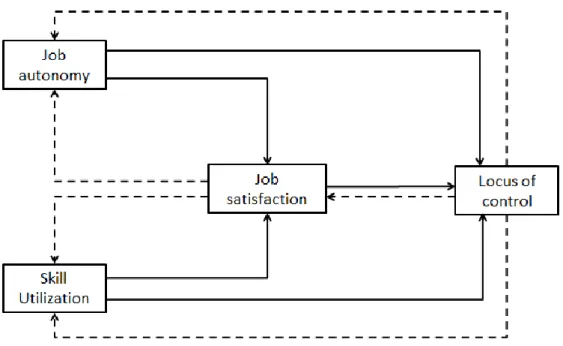
Figure 1 presents the conceptual research model.
We used a longitudinal design involving three waves with all measures assessed
on all occasions. Because internal LOC captures a generalized expectancy that is not
easy to alter, a reasonably long time period is required in order to observe
developmental change. The HILDA Survey provides data from three waves across
four years with two different time lags (one year and three years) to help us explore
the role of time in shaping the associations between our research variables (Gollob
& Reichardt, 1987). As previous studies have indicated that work-related
experiences can shape changes of internal LOC in two years (Anderson, 1977;
Job Characteristics and Locus of Control 9
effects on changes of internal LOC.
Figure 1. The research model
Note: Effects represented by the dash lines are controlled for in order to certify the
hypothesized directional impact represented by the solid lines.
Method
The HILDA Survey
As mentioned earlier, data from the HILDA Survey were used. HILDA is
conducted annually with a nationally representative sample recruited in 2001. We
Job Characteristics and Locus of Control 10
because LOC was only assessed in these years. The HILDA survey is mainly
conducted through face-to-face interviews. Telephone interviews are conducted for a
small proportion of the sample when face-to-face interviews are impossible (please
see Watson & Wooden, 2007, for details). After the interview section, a
self-completion questionnaire is provided by interviewers for the respondents in a
given household, and then it is either collected by interviewers at a later date or
mailed (if telephone interviews were conducted, the self-completion questionnaire is
mailed to respondents). In our study, data for job satisfaction were collected in the
interview section, whereas data for job autonomy, skill utilization and internal LOC
were assessed via the self-completion questionnaire.
Participants in HILDA used in the current study included those who: (a) were
employees (self-employed participants were not included), (b) had complete data
points in the three years, and (c) had complete demographic data on sex, age, and job
type (i.e., full time or part time). On the basis of these three criteria, 3,045 participants
were included in the analysis, of whom 1,557 were male (51.1%) and 1,488 were
female (48.9%). Age in 2003 ranged from 15 to 74 years, with a mean of 38.33 and a
standard deviation of 11.51. In 2003, there were 91 (3%) participants under the age of
18 (aged 15–17), and 12 participants older than 65 (0.3%). We kept these older and
Job Characteristics and Locus of Control 11
during the survey period. Excluding these participants did not change the results.
Measures
Job autonomy and skill utilization. Three items were used to measure job
autonomy: “I have a lot of freedom to decide how I do my own work,” “I have a lot of
say about what happens on my job” and “I have a lot of freedom to decide when I do
my work.” These items have been used in past studies for measuring job autonomy
(e.g., Karasek, 1979). Two items were used to measure skill utilization: “My job often
requires me to learn new skills” and “I use many of my skills and abilities in my
current job.” These two items have been used in past studies for measuring skill
utilization (e.g., Karasek, 1979). Participants used seven-point scales from 1 (strongly
disagree) to 7 (strongly agree) to rate themselves on these items. Cronbach’s alpha
coefficients for the three items of job autonomy were all .80 for all time periods, and
coefficients for the two items of skill utilization were .79, .81, and .80 for Times 1, 2,
and 3, respectively.
We used subjective (perceptual) measures to assess work design. Theoretically,
because subjective interpretations play a central role in shaping attributions and LOC,
we expected subjective measures of job autonomy and skill utilization to be more
proximal than objective measures (Spector & Jex, 1991) and therefore appropriate for
Job Characteristics and Locus of Control 12
participant indicated his or her occupation, for each year we correlated our measures
of job autonomy and skill utilization with an objective skill-level indicator of
occupation based on the ISCO-88 two-digit code (the International Standard
Classification of Occupations). Four levels of skills are classified by the ISCO-88
two-digit code (Elias, 1997). For example, professionals have the highest skill level
(level 4), followed by technicians and associate professionals (level 3), followed by
clerks, service workers, and related occupations (level 2), and finally elementary
occupations (e.g., elementary sales and services; laborers in mining, construction,
manufacturing, transport; level 1). For those individuals whose occupations could be
converted into one of the four levels of skills (n = 2496), job autonomy was positively
related to the ISCO-based skill level (r = .20, .21, and .14 for each year), as was skill
utilization (r = .33, .34, and .34 for each year). Moreover, as skill utilization and
ISCO-based skill level both focus on the skill dimension of jobs, the finding that skill
utilization had a stronger correlation with ISCO-based skill level supports the
discriminant validity of our measures.
Job satisfaction. Job satisfaction was measured by two items for overall job
satisfaction and satisfaction with work itself. Participants used eleven-point scales
from 0 (totally dissatisfied) to 10 (totally satisfied) to rate these items. Cronbach’s
Job Characteristics and Locus of Control 13
Locus of control. Seven items from Pearlin and Schooler’s (1978) study were
used to measure LOC as a general personality characteristic. The items measure “the
extent to which one regards one’s life changes as being under one’s own control in
contrast to being fatalistically ruled” (Pearlin & Schooler, 1978, p.5), which is
consistent with the definition of internal LOC (Rotter, 1966). This measure has been
used to indicate general LOC in several past studies (e.g., Christie & Barling, 2009)
including a meta-analytic study (Wang et al., 2010). Sample items are “I have little
control over the things that happen to me” (reversed item), “What happens to me in
the future mostly depends on me,” and “I can do just about anything I really set my
mind to do.” Participants rated themselves on the items using seven-point scales from
1 (strongly disagree) to 7 (strongly agree). Cronbach’s alpha coefficient for these
items was .83 for each year.
Control variables. We included gender and age as time-invariant control
variable to predict all variables in the analyses and job type (part time vs. full time)
as a time-variant control variable to predict variables assessed in the same year.
Data analysis
Because our goal is to understand whether an individual’s job
characteristics/experiences shape her/his internal LOC over time and vice versa, we
Job Characteristics and Locus of Control 14
LDSM focuses on within-individual change of variables between adjacent time points
and individual differences in such within-individual change, enabling us to examine
development of internal LOC and changes of job characteristics and job satisfaction
for each individual (Little, Bovaird, & Slegers, 2006; McArdle, 2009; Selig &
Preacher, 2009). For example, a LDSM approach creates latent difference scores
between variables measured at adjacent time points and then examines how variables
measured at previous time points (e.g., job autonomy and skill utilization at Time 1)
can shape within-individual changes over two adjacent time points (e.g., changes of
internal LOC from Time 2 to Time 3). Because difference scores are operated as latent
variables, latent-difference scores do not suffer from the issues associated with
measurement error or highly restrictive assumptions when difference scores are
obtained by subtraction (Little et al., 2006).
A LDSM approach is more appropriate than a cross-lagged modeling (CLM)
approach for our research purpose because CLM focuses on rank-order stability at the
inter-individual level and does not consider changes occurring at the within-individual
level nor individual differences around within-individual change. For example,
stability in rank order over time can result from different change mechanisms at the
within-individual level such that “individuals are not changing and therefore
Job Characteristics and Locus of Control 15
all following a similar trajectory, or that individuals are changing but the magnitude of
that change is small relative to the differences among individuals” (Selig & Preacher,
2009, p.149). Although a latent growth curve modeling (LGCM) approach also
focuses on within-individual change and individual differences in such
within-individual change, a LDSM approach is preferred because it considers changes
between adjacent time points rather than changes over the whole time period, which
we value because it helps examine effects of time (i.e., one-year lag and three-year lag)
on the hypothesized change process. Models were estimated using Mplus (Muthén &
Muthén, 2007). Taking into account the non-normality of the data, we used a
maximum likelihood estimator with Satorra-Bentler robust standard errors (the MLM
estimator in Mplus).
Results
Table 1 presents means, standard deviations, and correlations among the
variables. Proportions of intra-individual variances across three waves of job
autonomy (56.2%), skill utilization (50.8%), internal LOC (55.4%) and job
satisfaction (52.8%) were all substantial, supporting our focus on intra-individual
change.
Before examining our hypotheses, we tested the discriminant validity of our
Job Characteristics and Locus of Control 16
intercepts within the same constructs over time. These tests were helpful in ensuring
that the change phenomena upon which we rely in the following longitudinal
analysis relates to changes in constructs (true or alpha change), rather than changes
resulting from scale re-calibration (beta change) or construct re-conceptualization
(gamma change) (Golembiewski, Billingsley, & Yeager, 1976). Results of these
analyses are available from the first author. Below we present analyses for
Job Characteristics and Locus of Control 17
Table 1
Descriptive Statistics of Research Variables (n = 3045) M SD Correlations
1 2 3 4 5 6 7 8 9 10 11 12 13 14 15 16 1. Sex (Female) 0.49 0.50
2. Age (Time 1) 38.33 11.51 .02
3. Job type (Time 1) 1.29 0.46 .38 -.11 4. Job type (Time 2) 1.28 0.45 .39 -.06 .78 5. Job type (Time 3) 1.24 0.43 .36 .07 .53 .59
6. Job autonomy (Time 1) 3.98 1.52 -.09 .15 -.12 -.11 -.05 7. Job autonomy (Time 2) 4.00 1.47 -.10 .11 -.11 -.11 -.06 .64 8. Job autonomy (Time 3) 4.07 1.43 -.10 .03 -.13 -.11 -.08 .50 .55 9. Skill utilization (Time 1) 4.95 1.45 -.04 .08 -.19 -.15 -.11 .26 .18 .10 10. Skill utilization (Time 2) 4.96 1.40 -.02 .08 -.15 -.16 -.12 .18 .22 .11 .60 11. Skill utilization (Time 3) 5.06 1.31 .00 -.02 -.08 -.08 -.17 .13 .12 .19 .44 .48 12. Job satisfaction (Time 1) 7.67 1.61 .03 .09 .01 .02 .05 .30 .18 .13 .22 .15 .12 13. Job satisfaction (Time 2) 7.67 1.58 .02 .08 .01 .00 .02 .21 .27 .16 .15 .24 .10 .50 14. Job satisfaction (Time 3) 7.70 1.51 .04 .12 .00 .02 .03 .19 .18 .30 .13 .14 .24 .37 .42 15. LOC (Time 1) 5.49 1.00 .02 -.06 .01 .01 .00 .14 .13 .14 .12 .10 .12 .20 .18 .19 16. LOC (Time 2) 5.51 0.99 -.01 -.08 -.01 .01 -.03 .11 .16 .13 .08 .11 .11 .15 .20 .17 .59 17. LOC (Time 3) 5.54 1.00 -.01 -.04 -.03 -.02 -.04 .13 .15 .16 .09 .10 .14 .15 .19 .25 .51 .56 Note. | r | > .04, p < .05
Job Characteristics and Locus of Control 18
We analyzed data using latent difference score modeling. We created latent difference
scores of all constructs between Time 1 and Time 2 and between Time 2 and Time 3.
According to McArdle (2009), a latent difference score is created by fixing and freeing
specific estimates for parameters involving variables assessed at two adjacent time points (i.e.,
internal LOC at Time 1 and internal LOC and Time 2). For example, the latent difference
score of internal LOC between Time 1 and Time 2 can be ascertained by specifying (a) the
predictive effect of internal LOC at Time 1 on internal LOC at Time 2 as 1, (b) the factor
loading of internal LOC at Time 2 on the latent difference score of internal LOC as 1, and (c)
the variance of internal LOC at Time 2 as 0. The same rule was applied to create other latent
differences scores.
We allowed each latent difference score to be predicted by the construct’s earlier level to
account for the fact that people with a lower initial level at a given time have more scope for
change than those with a higher initial level. Thus, controlling levels before change provides a
more stringent test of hypotheses involving within-individual changes. As such, internal LOC
at Time 1 was specified to predict the latent difference score of internal LOC between Time 1
and Time 2. Similarly, internal LOC at Time 2 was specified to predict the latent difference
score of internal LOC between Time 2 and Time 3. At the same time, for the same construct,
we allowed the latent difference score between Time 1 and Time 2 to predict the latent
Job Characteristics and Locus of Control 19
changes resulting from the effect of regression to the mean. The same specification rules were
applied to other constructs.
In order to test effects across different constructs over time, we used variables at Time 1
to predict latent change scores between Time 1 and Time 2 and used variables at Time 2 to
predict latent change scores between Time 2 and Time 3. We included correlations between
constructs at Time 1 to acknowledge their cross-sectional relationship and correlations
between latent differences scores of constructs in the same time period to acknowledge
associations between changes of different constructs. This model fit the data well (MLM-χ2 =
112.95, df = 40; CFI = .99; TLI = .98; RMSEA = .024; SRMR = .012). Table 2 presents
estimates of the model.
In terms of the hypothesized direct effects, job autonomy at Time 1 positively predicted
the latent differences score of internal LOC between Time 1 and Time 2 (b = .02; β = .04, p
< .05), and job autonomy at Time 2 positively predicted the latent differences score of internal
LOC between Time 2 and Time 3 (b = .02; β = .04, p < .05). Skill utilization did not predict
the latent differences score of internal LOC between Time 1 and Time 2 (b = .00; β = .00, p
> .05) or between Time 2 and Time 3 (b = .02; β = .01, p > .05). Job autonomy at Time 1
positively predicted the latent differences score of job satisfaction between Time 1 and Time 2
(b = .05; β = .05, p < .01), and job autonomy at Time 2 positively predicted the latent
Job Characteristics and Locus of Control 20
Skill utilization at Time 1 or Time 2 did not predict the latent differences score of job
satisfaction between Time 1 and Time 2 (b = .02; β = .02, p > .05) or between Time 2 and
Time 3 (b = .03; β = .03, p > .05). Job satisfaction at Time 1 did not predict the latent
differences score of internal LOC between Time 1 and Time 2 (b = .02; β = .03, p > .05), but
job satisfaction at Time 2 positively predicted the latent differences score of internal LOC
between Time 2 and Time 3 (b = .03; β = .05, p < .01). These findings suggest again that job
autonomy, but not skill utilization, can have a positive impact in increasing internal LOC via
increasing job satisfaction. However, the indirect effect from job autonomy at Time 1 to
internal LOC at Time 3 via paths involving job satisfaction was very small (indirect effect
= .001, p < .05).
Overall, we found that job autonomy positively predicted an increase of internal LOC
over time. Skill utilization did not have a significant effect on an increase of internal LOC
over time. The proposed indirect effect via job satisfaction was also weak. Results also
suggest that the observed time-lagged effects were similar over the different time intervals. In
other words, the observed predictive effects of job autonomy were neither stronger nor
Job Characteristics and Locus of Control 21
Table 2
Unstandardized/Standardized Estimates of the Predictive Effect of Time-point Variables on Latent Differences Scores
*
p < .05, ** p < .01, *** p < .001
Dependent/Independent variable Job autonomy Skill utilization Job satisfaction LOC
T1 T2 T1 T2 T1 T2 T1 T2
Differences of job autonomy (T2-T1) -.39/-.47*** -- -.02/-.02 .07/.06***
Differences of job autonomy (T3-T2) -.40/-.42*** -- .00/.00 .06/.04**
Differences of skill utilization (T2-T1) -- -.44/.50*** .01/.02 .04/.03
Differences of skill utilization (T3-T2) -- -.48/.48*** -.02/-.02 .07/.05***
Differences of job satisfaction (T2-T1) .05/.05** .02/.03 -.55/-.56*** .14/.09**
Differences of job satisfaction (T3-T2) .05/.04** .03/.00 -.55/-.52*** .12/.07**
Differences of LOC (T2-T1) .02/.04* .00/.00 .02/.03 -.43/-.47***
Job Characteristics and Locus of Control 22
Discussion
This study highlights a developmental perspective in regard to the important
individual attribute of LOC. In line with Rotter’s social learning theory (1954), we
found that an individual’s internal LOC is shaped by their environment and can be
enhanced. More specifically, our findings support the idea that job autonomy
promotes internal LOC. Autonomy is one of the most important characteristics of
work and hundreds of studies have demonstrated its positive association with more
state-like outcomes such as job attitudes and work motivation (Humphrey, Nahrgang,
& Morgeson, 2007). Our study goes further to suggest a more enduring outcome that
arises through the interaction of the individual and their work context: the
development of an internal LOC, or the belief that one has agency over one’s life.
Increasing job autonomy, such as via empowerment programs, self-managing teams,
and similar work design interventions, is thus a strategy for promoting personal
growth. Our findings align with Parker (2014, p. 685), who advocated that enriched
work design has “untapped potential” as a vehicle for adult learning and development.
Skill utilization was not important for enhancing internal LOC, perhaps because
employees might be required or coerced to utilize their skills to do their jobs, without
a sense of volitional control, thereby mitigating any positive effect on internal LOC.
Job Characteristics and Locus of Control 23
when the full set of findings is considered. That is, our longitudinal reciprocal analysis
showed that those with a higher internal LOC tend to increase job autonomy and job
satisfaction over time, which in turn leads to an increase in internal LOC. Moreover,
with standardized path coefficient as an estimate of effect size, our finding reveals that
reciprocal effects between LOC and work characteristics/job satisfaction are of
similar magnitude. In essence, our findings suggest a positive spiral in which
individuals and their work environment can shape each other in a reciprocal and
dynamic process.
One question about our study pertains to the effect size, which is relatively small.
Such small effect size is observed in personality development studies (e.g., Li et al.,
2014). Our examination makes the relatively small effect more noteworthy because
LOC, though changeable, may not be easy to change. Moreover, our longitudinal
study was much more stringent than many empirical studies because we measured
stability and reciprocal effects of variables over time. We suggest that an increase in
internal LOC is practically very important, even a relatively small increase, because
of prior research showing the many positive benefits for well-being, work attitudes
and career success of internal LOC. As such, this small effect size in terms of change
can still be of substantial practical importance, which should be considered separately
Job Characteristics and Locus of Control 24
Our study particularly brings a managerial implication on how to promote
employees’ internal LOC and thus their work attitudes and work success. Instead of
emphasizing an approach to recruit and select people in the workplace who have
higher internal LOC based on a disposition-determined perspective, our investigation
highlights a way to develop employees’ LOC via job design. Specifically, our study
suggests that designing work with high levels of job autonomy will promote a
stronger sense internal LOC among individuals, with potential positive spin off
Job Characteristics and Locus of Control 25
References
Aguinis, H., Werner, S., Abbott, J. A. L., Angert, C., Park, J. H., & Kohlhausen, D. (2010). Customer-centric science reporting significant research results with
rigor, relevance, and practical impact in mind. Organizational Research
Methods, 13, 515-539.
Anderson, C. R. (1977). Locus of control, coping behaviors, and performance in a
stress setting: A longitudinal study. Journal of Applied Psychology, 62,
446-451.
Andrisani, P. J., & Nestel, G. (1976). Internal-external control as contributor to and outcome of work experience. Journal of Applied Psychology, 61, 156-165. Brousseau, K. R. (1983). Toward a dynamic model of job-person relationships:
Findings, research questions, and implications for work system design. Academy of Management Review, 8, 33-45.
Cheng, C., Cheung, S.-f., Macau, U. o., Chio, J. H.-m., & Chan, M.-p. S. (2013). Cultural meaning of perceived control: A meta-analysis of locus of control
and psychological symptoms across 18 cultural regions. Psychological
Bulletin, 139, 152-188.
Christie, A. M., & Barling, J. (2009). Disentangling the indirect links between socioeconomic status and health: The dynamic roles of work stressors and personal control. Journal of Applied Psychology, 94, 1466-1478.
Cobb-Clark, D. A., & Schurer, S. (2013). Two economists' musings on the stability of locus of control. The Economic Journal, 123, F358-F400.
Elias, P. (1997). Occupational Classification (ISCO-88): Concepts, methods, reliability,
validity and cross-national comparability. OECD Labour Market and Social
Policy Occasional Papers, 20, OECD Publishing,
http://dx.doi.org/10.1787/304441717388.
Frese, M. (1982). Occupational socialization and psychological development: An
underemphasized research perspective in industrial psychology. Journal of
Occupational Psychology, 55, 209-224.
Golembiewski, R. T., Billingsley, K., & Yeager, S. (1976). Measuring change and persistence in human affairs: Types of change generated by OD designs. Journal of Applied Behavioral Science 12, 133-157.
Gollob, H. F., & Reichardt, C. S. (1987). Taking account of time lags in causal models. Child Development, 58, 80-92.
Hackman, J. R., & Oldham, G. R. (1976). Motivation through the design of work: Test of a theory. Organizational Behavior and Human Performance, 16, 250-279. Holmes, T. H., & Rahe, R. H. (1967). The social readjustment rating scale. Journal of
Job Characteristics and Locus of Control 26
Psychosomatic Research, 11, 213-218.
Hudson, N. W., Roberts, B. W., & Lodi-Smith, J. (2012). Personality trait
development and social investment in work. Journal of Research in
Personality, 46, 334-344.
Humphrey, S. E., Nahrgang, J. D., & Morgeson, F. P. (2007). Integrating motivational, social, and contextual work design features: A meta-analytic summary and
theoretical extension of the work design literature. Journal of Applied
Psychology, 92, 1332–1356.
Jones, E. E., & Davis, K. E. (1965). From acts to dispositions: The attribution process in social psychology Advances in experimental social psychology (Vol. 2, pp. 219-266). New York: Academic Press.
Judge, T. A., Bono, J. E., & Locke, E. A. (2000). Personality and job satisfaction: The
mediating role of job characteristics. Journal of Applied Psychology, 85,
237-249.
Judge, T. A., & Hurst, C. (2008). How the rich (and happy) get richer (and happier): relationship of core self-evaluations to trajectories in attaining work success. Journal of Applied Psychology 93, 849-863.
Karasek, R. A. (1979). Job demands, job decision latitude and mental strain: Implications for job redesign. Administrative Science Quarterly, 24, 285-306. Li, W.-D., Fay, D., Frese, M., Harms, P. D., & Gao, X. Y. (2014). Reciprocal relationship
between proactive personality and work characteristics: A latent change score approach. Journal of Applied Psychology, 99, 948-965.
Little, T. D., Bovaird, J. A., & Slegers, D. W. (2006). Methods for the analysis of
change In D. K. Mroczek & T. D. Little (Eds.), Handbook of personality
development. Mahwah, NJ: Lawrence
Markus, H. (1977). Self-schemata and processing information about the self. Journal of Personality and Social Psychology, 35, 63-78.
McArdle, J. J. (2009). Latent variable modeling of differences and changes with longitudinal data. Annual Review of Psychology, 60, 577-605.
Muthén, L. K., & Muthén, B. O. (2007). Mplus User’s Guide. Los Angeles, CA:
Muthén & Muthén.
Ng, T. W. H., Sorensen, K. L., & Eby, L. T. (2006). Locus of control at work: A meta-analysis. Journal of Organizational Behavior, 1057-1087.
O'Brien, G. E. (1982). The relative contribution of perceived skill utilisation and
other perceived job attributes to the prediction of job satisfaction. Human
Relations, 35, 219-237.
Parker, S. K. (2014). Beyond motivation: Job and work design for development, health, ambidexterity, and more. Annual Review of Psychology, 65, 661-691.
Job Characteristics and Locus of Control 27
Pearlin, L. I., & Schooler, C. (1978). The structure of coping. Journal of Health and Social Behavior, 19, 2-21.
Rotter, J. B. (1954). Social learning and clinical psychology. Englewood Cliffs, NJ:
Prentice-Hall.
Rotter, J. B. (1960). Some implications of a social learning theory for the prediction of goal directed behavior from testing procedures. Psychological Review, 67, 301-316.
Rotter, J. B. (1966). Generalized expectancies for internal versus external control of reinforcement. Psychological Monographs: General and Applied, 80, 1-28. Selig, J. P., & Preacher, K. J. (2009). Mediation models for longitudinal data in
developmental research. Research in Human Development, 6, 144-164. Sheldon, K. M., & Elliot, A. J. (1999). Goal striving, need-satisfaction, and
longitudinal well-being: The self-concordance model. Journal of Personality and Social Psychology, 76, 482-497.
Shepperd, J., Malone, W., & Sweeny, K. (2008). Exploring causes of the self-serving bias. Social and Personality Psychology Compass, 2, 895-908.
Spector, P. E., & Jex, S. M. (1991). Relations of job characteristics from multiple data sources with employee affect, absence, turnover intentions, and health. Journal of Applied Psychology, 76, 46-53.
Summerfield, M. (Ed.). (2010). HILDA User Manual – Release 9: Melbourne
Institute of Applied Economic and Social Research, University of Melbourne. Wang, Q., Bowling, N. A., & Eschleman, K. J. (2010). A meta-analytic examination of
work and general locus of control. Journal of Applied Psychology, 95,
761-768.
Watson, N., & Wooden, M. (2007). The HILDA Survey and its contribution to economic and social research (so far). The Economic Record, 83, 208-231. Wong, C.-S., Hui, C., & Law, K. S. (1998). A longitudinal study of the job perception–
job satisfaction relationship: A test of the three alternative specifications. Journal of Occupational and Organizational Psychology, 71, 127-146.
Wu, C.-H., & Griffin, M. A. (2012). Longitudinal reciprocal relationships between
core self-evaluations and job satisfaction. Journal of Applied Psychology, 97, 331-342.