CLOUD COMPUTING FOR
INTEROPERABILITY IN HOME-BASED
HEALTHCARE
CL
OUD C
OMPUTING FOR INTEROPERABILITY
IN HOME-B
ASED HEAL
THCARE
Yan Hu
Blekinge Institute of Technology
Licentiate Dissertation Series No. 2014:10
Department of Creative Technologies
2014:10
ISSN 1650-2140 ISBN: 978-91-7295-296-6
ABSTRACT
The care of chronic disease has become a main challenge for healthcare institutions around the world. As the incidence and prevalence of chronic diseases continue to increase, traditional hospi-tal-based healthcare is less able to meet the needs of every patient. Treating chronic disease heavily depends on the patient’s daily behaviors, so pa-tient-centered healthcare is encouraged. To im-prove patients’ quality of life, moving the base of healthcare from hospital to home is imperative. Home-based chronic disease care involves many different healthcare organizations and healthca-re providers. Thehealthca-refohealthca-re, interoperability is a key approach to provide efficient and convenient ho-me-based healthcare services.
This thesis aims to reveal the interoperability iss-ues in the current healthcare system and to point out an appropriate technical solution to overco-me them. We start with collecting perspectives from both healthcare providers and healthcare re-cipients through interviews and online surveys to understand the situations and problems they face. In our research study, we mainly use two current techniques–peer-to-peer (P2P) networks and cloud computing–to design prototypes for sha-ring healthcare data, developing both a P2P-based solution and a cloud-based solution. Comparing these two techniques, we found the cloud-based solution covered most of the deficiencies in healt-hcare interoperability. Although there are diffe-rent types of interoperability, such as pragmatic,
semantic and syntactic, we explored alternative solutions specifically for syntactic interoperability. To identify the state of the art and pinpoint the challenges and possible future directions for app-lying a cloud-based solution, we reviewed the li-terature on cloud-based eHealth solutions. We suggest that a hybrid cloud model, which contains access controls and techniques for securing data, would be a feasible solution for developing a citi-zen-centered, home-based healthcare system. Pa-tients’ healthcare records in hospitals and other healthcare centers could be kept in private clouds, while patients’ daily self-management data could be published in a trusted public cloud. Patients, as the owners of their health data, should then deci-de who can access their data and the conditions for sharing.
Finally, we propose an online virtual communi-ty for home-based chronic disease healthcare–a cloud-based, home healthcare platform. The re-quirements of the platform were mainly deter-mined from the responses to an online ques-tionnaire delivered to a target group of people. This platform integrates healthcare providers and recipients within the same platform. Through this shared platform, interoperability among different healthcare providers, as well as with healthcare recipients’ self-management regimens, could be achieved. Y an Hu 2014:10
Cloud Computing for Interoperability
in Home-Based Healthcare
Blekinge Institute of Technology Licentiate Dissertation Series
No 2014:10
Cloud Computing for Interoperability
in Home-Based Healthcare
Yan Hu
Licentiate Dissertation in
Computer Science
Department of Creative Technologies
Blekinge Institute of Technology
SWEDEN
Psychosocial, Socio-Demographic
and Health Determinants in
Information Communication
Technology Use of Older-Adult
Jessica Berner
Doctoral Dissertation in
Applied Health Technology
Blekinge Institute of Technology doctoral dissertation series
No 2014:03
Blekinge Institute of Technology
SWEDEN
2014 Yan Hu
Department of Creative Technologies
Publisher: Blekinge Institute of Technology,
SE-371 79 Karlskrona, Sweden
Printed by Lenanders Grafiska, Kalmar, 2014
ISBN: 978-91-7295-296-6
ISSN 1650-2140
i
Abstract
The care of chronic disease has become a main challenge for healthcare institutions around the world. As the incidence and prevalence of chronic diseases continue to increase, traditional hospital-based healthcare is less able to meet the needs of every patient. Treating chronic disease heavily depends on the patient’s daily behaviors, so patient-centered healthcare is encouraged. To improve patients’ quality of life, moving the base of healthcare from hospital to home is imperative. Home-based chronic disease care involves many different healthcare organizations and healthcare providers. Therefore, interoperability is a key approach to provide efficient and convenient home-based healthcare services.
This thesis aims to reveal the interoperability issues in the current healthcare system and to point out an appropriate technical solution to overcome them. We start with collecting perspectives from both healthcare providers and healthcare recipients through interviews and online surveys to understand the situations and problems they face. In our research study, we mainly use two current techniques―peer-to-peer (P2P) networks and cloud computing―to design prototypes for sharing healthcare data, developing both a P2P-based solution and a cloud-based solution. Comparing these two techniques, we found the cloud-based solution covered most of the deficiencies in healthcare interoperability. Although there are different types of interoperability, such as pragmatic, semantic and syntactic, we explored alternative solutions specifically for syntactic interoperability.
To identify the state of the art and pinpoint the challenges and possible future directions for applying a cloud-based solution, we reviewed the literature on cloud-based eHealth solutions. We suggest that a hybrid cloud model, which contains access controls and techniques for securing data, would be a feasible solution for developing a citizen-centered, home-based healthcare system. Patients’ healthcare records in hospitals and other healthcare centers could be kept in private clouds, while patients’ daily self-management data could be published in a trusted public cloud.
ii
Patients, as the owners of their health data, should then decide who can access their data and the conditions for sharing.
Finally, we propose an online virtual community for home-based chronic disease healthcare―a cloud-based, home healthcare platform. The requirements of the platform were mainly determined from the responses to an online questionnaire delivered to a target group of people. This platform integrates healthcare providers and recipients within the same platform. Through this shared platform, interoperability among different healthcare providers, as well as with healthcare recipients’ self-management regimens, could be achieved.
iii
v
Acknowledgements
I would like express my sincere thanks to my Supervisor, Professor Guohua Bai, for leading me into the world of academia and giving me constant guidance and supports during my studies. I also would like to thank Dr. Stefan Johansson, Dr. Martin Fredriksson and Prof. Sara Eriksén for their feedbacks and suggestions to my research.
I extend my thanks to the colleagues at Department of Creative Technologies, BTH, particularly to Dr. Veronica Sundstedt, for her kindly support. In addition, I am very grateful to Dr. Kai Petersen and Dr. Samuel Fricker for taking time to discuss with me on my paper work. Finally, I would like to thank my husband Cheng, for his endless supports during these years. Without him, I even have no courage to start my doctoral journey. I also would like to give my thanks to my parents. They are my backbone that supports me forever no matter if successful or failed. Special thanks to my friends those who ever gave me helps and encouragements.
Yan Hu
Karlskrona, Nov. 2014
vii
Preface
This thesis consists of five publications, four of which are papers submitted, peer-reviewed and published in conference proceedings. Paper IV has been peer-reviewed and accepted by Health Informatics: An International Journal, and it will be published in the coming issue. All the publications have been written together with other colleagues from Blekinge Institute of Technology. The included papers have been modified to fit the thesis format, but the content is not changed.
Paper I. Guo, Y., Hu, Y., Afzal, J., & Bai, G. (2011, June). Using P2P technology to achieve eHealth interoperability. In: Service Systems and Service Management (ICSSSM), 2011 8th International Conference on (pp. 1-5). IEEE.
Paper II. Hu, Y., Lu, F., Khan, I., & Bai, G. (2012, December). A cloud computing solution for sharing healthcare information. In: Internet Technology and Secured Transactions, 2012 International Conference for (pp. 465-470). IEEE.
Paper III. Hu, Y., & Bai, G. (2014, January) A cloud model for interoperable home-based chronic diseases
healthcare. In: Computer Applications & Research (WSCAR), 2014 World Symposium (pp. 1-6). IEEE.
Paper IV. Hu, Y., & Bai, G. A systematic literature review of cloud computing in eHealth (2014). Accepted by: Health Informatics: An International Journal.
Paper V. Hu, Y., & Bai, G. (2014, August). Building up a virtual community for home-based chronic diseases healthcare. In Usability and Accessibility Focused Requirements Engineering (UsARE), 2014 IEEE 2nd International Workshop on (pp. 40-43). IEEE.
ix
Contents
1 Introduction ... 1 1.1 Background ... 1 1.2 Problem definition ... 3 1.2.1 Research questions ... 4 1.3 Research methodology ... 5 1.4 Related works ... 6 1.4.1 eHealth strategy ... 6 1.4.2 eHealth interoperability ... 81.4.3 Patient information sharing in Sweden ... 9
1.4.4 Cloud computing ... 10
1.4.5 Cloud computing deployment models ... 12
1.4.6 Comparison of public, private, community and hybrid clouds……….. ... 14
1.4.7 Cloud computing applied in eHealth ... 17
1.4.8 Cloud services for home-based healthcare ... 20
1.5 Contribution ... 21
1.6 Conclusion ... 24
1.7 Future work ... 27
2 Using P2P Technology to Achieve eHealth Interoperability ... 29
2.1 Introduction ... 30
2.2 eHealth Interoperability... 31
2.3 A Case Study in Blekinge County ... 33
2.4 Why Peer-To-Peer ... 34
2.5 Validation to The Proposed Solution - Prototype Design ... 36
x
3 A Cloud Computing Solution for Sharing Healthcare Information . 43
3.1 Introduction ... 44
3.2 Cloud Computing in Healthcare ... 45
3.3 Cloud Computing Service Providers ... 47
3.3 A Proposed Solution in Google App Engine (GAE) ... 48
3.5 Results Analysis and Discussion ... 54
3.6 Conclusion and Future Work ... 59
4 A Cloud Model for Interoperable Home-based Chronic Diseases Healthcare ... 61
4.1 Introduction ... 62
4.2 Challenges in Chronic Diseases Healthcare ... 63
4.3 Online Questionnaire Analysis ... 65
4.4 Cloud Computing Service for eHealth ... 69
4.5 Proposed Solution ... 71
4.6 User Cases ... 73
4.7 Discussion ... 76
4.8 Conclusion ... 76
5 A Systematic Literature Review of Cloud Computing in eHealth ... 79
5.1 Introduction ... 80
5.2 Methods ... 80
5.3 Results ... 82
5.3.1 Discussion of the topics in the reviewed articles... 84
5.4 Discussions ... 86
5.5 Limitations ... 88
5.6 Conclusion ... 88
6 Building up a Virtual Community for Home-Based Chronic Diseases Healthcare ... 89
xi
6.2 Requirements Collection of Community ... 91
6.3 Main Functional Requirements ... 93
6.4 Non-Functional Requirement Issues ... 95
6.5 Prototype Design ... 96
6.6 Discussion and Limitation ... 99
6.7 Conclusion ... 100
1
1
Introduction
1.1 Background
The care of chronic disease has become a main challenge for healthcare institutions around the world. Chronic diseases now are the leading causes of death, according to WHO: “Chronic diseases brought about 63% of all deaths, over 36 million people died from chronic diseases in 2008, and nine million of them were under the age of 60” [1]. Living with a chronic disease has a significant impact not only on a person’s quality of life but also on their family and the current healthcare system. Elderly people living with more than one chronic disease face particular challenges, both medically and socially [2].
Patients who suffer from chronic diseases have to be monitored and receive regular checkups. This is very costly, time consuming and inconvenient for most patients, especially for aged people. At the same time, healthcare spending is continuously increasing due to the high occurrence rate of chronic diseases and lack of healthcare resources [3]. Meanwhile, most of the cases for chronic diseases do not need urgent medical diagnosis and treatments.Usually, lifestyle, diets and metabolism are the main factors that cause most common chronic diseases. Treating chronic diseases depends heavily on the patients’ daily behaviors. Therefore, most conditions of chronic diseases may be alleviated by changing daily behaviors, such as discontinuing the habits of smoking and drinking, implementing and regulating a healthy diet, or increasing physical exercise [4]. By changing chronic disease patients’ healthcare from hospital-based to home-based, it may save a lot of time and resources, and provide more efficient healthcare. The quality of the patients’ lives could be greatly improved by better care for chronic diseases.
Home-based healthcare could enable the care recipients to live independently at home. Healthcare providers could monitor the patients based on their shared daily health data, and provide some clinical suggestions, as well as giving feedback through reports of medical
2
examinations that the patients have undergone. In addition, for home-based healthcare, more people are encouraged to assist with the care, such as family members and other patients with the same symptoms. This patient-centered home-based healthcare will encourage healthcare recipients to care more about their health, and will provide long-term monitoring and healthcare by linking patients to the sharing of health information and by enabling chronic disease self-management activities [5].
Information Communication Technology (ICT) evolution has led to widespread use of wireless personal devices like smartphones, personal computers and other self-monitoring devices. This can provide a solution to help with home-based healthcare. Most of the daily health monitoring and basic treatments can be handled by healthcare recipients themselves at their homes [6]. There are already some commercial or research-based solutions for healthcare self-management. For instance, HealthVault [7], launched by Microsoft, is a web-based PHR system to store and manage health information. A lot of specific third-party applications, such as blood pressure management tools and medical image viewers, as well as hundreds of devices such as blood glucose meters and blood pressure monitors, cooperated with this platform to record health data.
The development of ICT has enabled people to enter a modern digital society. Our quality of life is promoted by the application of ICT in all fields. The use of modern ICT to support the healthcare services and medical informatics called eHealth. The World Health Organization (WHO) defines eHealth as “the cost-effective and secure use of information and communications technologies in support of health and health-related fields, including healthcare services, health surveillance, health education, knowledge and research.” [8] The goal of eHealth is to improve the cooperation and coordination of healthcare, so that improvements in the quality of care and reductions in the cost of care can be achieved at the same time. These obvious benefits have facilitated a rapid development of eHealth in recent years. Most eHealth applications researches around the world are listed below [9][10]:
3
• Electronic Health Record (EHR)
• Personal Health Record (PHR)
• Chronic Disease Management
• Consumer Health Informatics
• Electronic Prescribing
• Telemedicine
• Health Knowledge Management
• Virtual Healthcare Teams
• Mobile-Health or mHealth
• Healthcare Information Systems (HIS)
Chronic disease care involves many healthcare organizations and healthcare providers. Different organizations usually use different healthcare information systems. In this situation, interoperability is a key issue in providing efficient and convenient healthcare services where multiple healthcare information systems are deployed. Both international and national solutions are needed to cover eHealth interoperability gap, as well as to facilitate the sharing of health data accurately and effectively among different healthcare information systems and applications [11]. eHealth interoperability is “the ability of health information systems to work together within and across organizational boundaries in order to advance the effective delivery of healthcare for individuals and communities”[12]. Due to the lack of interoperability among ICT tools and solutions used in healthcare, the healthcare recipients and different care providers sometimes find it difficult to obtain benefits by using the eHealth services [13]. Many studies show that interoperability is a blazing issue in today’s research [13][14].
1.2 Problem definition
Information sharing among different healthcare organizations becomes especially significant when some services are crossing outside one organization. The interoperability problem prevents two applications to communicate and exchange data accurately, effectively and consistently [15]. In the real world, different care providers provide similar or related health services for the same group of care recipients. Services and applications in different organizations are different in concepts, models,
4
vocabulary and so on. Moreover, ICT solutions supplied by different suppliers are also different in terms of technology, structure and design. All these dissimilarities lead to the problem of sharing healthcare data, which is referred to as an interoperability problem [16].
In Blekinge County, citizens are provided free and convenient healthcare services by using ICT tools and solutions. Several ICT-based tools are used in various healthcare centers and hospitals, but due to the absence of appropriate interoperability ICT platforms [17], they are still faced with the problem of coordinating and exchanging valuable patient information. The emergence of 1177 [18] helps most healthcare recipients to communicate with their providers without face-to-face visiting, but there are still several issues it cannot cover, and communication is lagged in some cases.
1.2.1 Research questions
The aim of this thesis is to discover the interoperability problems in current healthcare and find an appropriate technical solution to overcome the problems. The following research questions are formulated as a guide to achieve the research goals.
Q1. What are the main problems of interoperability in current healthcare?
Q2. What are the alternative solutions for healthcare interoperability problems, and in what contexts are they used?
Q3. How can cloud computing be used to achieve interoperability in home-based healthcare?
The research started with a common challenge in current healthcare— interoperability problems. In order to find the details of situations in healthcare interoperability, we collected the perspectives from healthcare providers and healthcare recipients, and defined the different levels of interoperability from others’ work. Based on the problems from Q1, we endeavoured to find all the alternative solutions, and compared the different contexts of the solutions that were feasible. The best solutions for achieving interoperability in home-based healthcare were found through Q2. By analyzing the results of Q1 and Q2, cloud computing was selected as the best technology. We then focused on the cloud computing and tried to come up with a reliable cloud platform to answer Q3.
5
1.3 Research methodology
Research methodology (RM) is a collective process of conducting research in a scientific way [19]. In this thesis, we use mixed research methodology containing both qualitative methods and quantitative methods. The methods we used included interview, online survey, literature review and prototyping.
Interview is a useful method for data collection, with a high response rate and closer judgment of people’s experience, opinion, desire and feelings [19]. We started with interviews of the healthcare providers and healthcare IT professionals to understand the current healthcare systems and the problems they are facing. We used a semi-structured interview with both open-ended and closed-ended questions. The interviewees were selected carefully on the assumption that they were aware of the importance and challenges of eHealth interoperability, as well as of the government policies for eHealth.
Survey is another method that we used to collect data directly from potential users. In this thesis, we used online survey as the main research method to obtain responses from healthcare recipients. The main advantages of online survey are their ease of access for the response group—which has difficulties in face-to-face discussions—their quick response and their low cost [20]. In the thesis, we applied online surveys twice. The first one aimed to analyze current problems and needs in chronic disease care, while the later one involved the collection of requirements for designing a cloud platform for home-based healthcare. According to Dawson [21], literature review is the first step in any research work. It is required since it justifies the importance of a research topic and identifies gaps in the past and current research. It also provides a starting point for other researchers to know how much our research work has contributed to the solution of a particular problem and the relevant literature [19]. Literature review is a basic research method which is used through the whole research process of the thesis. It helps us to gain a deep insight into the defined problems and into others’ work, as well as to find possible solutions to problems in the real world. In this research, a systematic literature review was used to examine existing studies on
6
cloud-based eHealth solutions. It identifies the state of the art and pinpoints challenges and possible directions for applying cloud computing in eHealth.
Prototyping is the process of developing a system or a product by showing the feasibility of an idea. It is widely used in systems development and research [22]. Prototyping is an attractive method for complicated systems where there is no manual process or existing system to help determine the requirements, as well as no method for obtaining quick user feedback with regard to improvements [23]. There are three prototypes developed in this thesis; the first two prototypes were developed for the same scenarios with different technologies, P2P and cloud computing. These prototypes were used to compare these two technologies applied to eHealth interoperability problems in order to find out which was the most appropriate technology. Another prototype was used to clarify the requirements collected from the potential users, as well as for next step user evaluations. Table 1.1 lists different research methods used for answering research questions in this thesis.
Research Method RQ1 RQ2 RQ3
Interview ×
Online Survey × ×
Literature Review × × ×
Prototyping × ×
Table 1.1 Research methods and research questions
1.4
Related works
1.4.1 eHealth strategy
In 2010, European Union published an eHealth Action Plan 2012-2020 [24], which aimed to provide smarter, safer and more patient-centered health services. In accordance with this plan, Sweden has published a National Strategy for eHealth. The previous National Strategy for eHealth focused mostly on the development of ICT in the Swedish healthcare services. However, since then, there have been an increasing number of developmental needs to be coordinated across the entire sector. In order to bring cohesion and efficiency to all health and social care activities, new solutions must also reflect the needs of health authorities, including municipalities, county councils, private and third-sector practitioners.
7
From the recent National Strategy for eHealth [25], there are three main requirements that the eHealth domain must fulfill.
Putting the individual needs first: Modern healthcare must be based
both on the individual’s need for high-quality care interventions and on a professional need for collaboration between different healthcare providers. More and more people nowadays are looking for individual solutions to their problems, taking their own initiatives and making active choices. This requires the healthcare providers to be able to offer services which are designed in accordance with the requirements and wishes of the individual, and use the Internet and social media as communication tools to a much greater degree than previously, in order to increase both accessibility and user-friendliness. The most important prerequisite of high-quality, accessible and secure healthcare and social services is efficient information exchange and cooperation between all providers. Authorized actors having access to the relevant information across organizational boundaries is the key to being able to create a coherent basis for making decisions about health and social care interventions.
National coordination for healthcare services: On the other hand,
healthcare needs coordinated interventions from several different health authorities and practitioners. This increases the need of organizations and staff to have a fast, secure and simple way of being able to share comprehensible, reliable information. It must be possible for care staff to use technical tools as an aid and concrete support in their day-to-day work, support that clearly meets the needs of the organization as well. Apart from the secure and efficient exchange of information between various healthcare providers, healthcare recipients must also be able to access information that concerns them. This throws up major challenges, especially when the necessary information is not only to be exchanged between different service providers but also concerns individuals who are in need of interventions from healthcare services.
Greater focus on e-issues, both nationally and internationally: Good
governance and quality monitoring in healthcare and social services are essential. An important monitoring instrument is accessible, structured and cohesive information that enables open and reliable comparisons. In this way, nowadays private companies and third-sector organizations play an increasingly important role as care practitioners. Moreover, the need for more in-depth and structured international exchanges of experiences is becoming clearer for all eHealth projects as national and international efforts increasingly coincide.
8
1.4.2 eHealth interoperability
According to the European Union eHealth Action Plan [24] and Swedish National Strategy for eHealth [25], on one hand, collaboration among different healthcare organizations at national and international levels is an imperative requirement to reduce costs and save resources. On the other hand, personal needs should be considered first of all when providing healthcare services. These two aspects will be the main trends of future healthcare. To realize these goals, interoperability is the key issue. An appropriate interoperability solution should be proposed to facilitate data sharing accurately and effectively among different healthcare organizations and between healthcare providers and healthcare recipients. In information systems research, there are several classifications of different levels of interoperability [26][27]. In the eHealth domain, the most used interoperability is syntactical interoperability and semantic interoperability [17].
Syntactical interoperability is a lower application-level interoperability, which makes multiple applications with different implementation of languages, execution platforms and interfaces, in order to communicate and exchange data. A lot of different approaches and methods have been made to overcome syntactical interoperability gaps, such as ODBC (Open Database Connectivity) [28], use of XML Web-services [29], Simple object Access Protocol (SOAP) [30] and SQL standards [31]. The syntactic interoperability allows successful data sharing, but it does not ensure that all systems can understand the shared data.
Semantic interoperability means that the data is exchangeable and the content is understandable by both sides. It is the actual meaning of the data that is exchanged. Semantic interoperability helps integrate data from different sources through semantic mediation, and is commonly achieved by informal agreements [32]. Rong Chen [33] mentioned that in the healthcare domain, to achieve semantic interoperability, not only should the structure of records be shared, but also the definitions of clinical meaning (reference terminologies and ontologies) should be established. In order to achieve semantic interoperability, several efforts and standardizations have been made. Among all, Health Level Seven (HL7) International [34] is the main international healthcare informatics
9
interoperability standards organization. It is the seventh layer of the Open Systems Interconnection Reference model – the application layer. HL7 and its members provide a framework and related standards to exchange, integrate, share, and retrieve electronic health information. HL7 standards support clinical practices to manage, deliver, and evaluate healthcare services. HL7 is recognized as one of the most commonly used interoperability standards in the world [34]. Other widely deployed interoperability standards to overcome the eHealth semantic interoperability include the Standard for Systematized Nomenclature of Medicine-Clinical Terms (SNOMED CT)[35] and Digital Imaging and Communications in Medicine (DICOM) [36]. However, in a lot of cases, these standards are not based on real-life experiences and requirements, so the expectation of what can be achieved with these standards is too high [37]. For example, HL7 does not consider that different healthcare information systems have different clinical workflows and operational contexts [37]. The challenge of standardization highlights the interoperability.
1.4.3 Patient information sharing in Sweden
In Sweden, there is a national electronic service called National Patient Overview (Nationell Patientöversikt - NPÖ), which enables healthcare providers to share patient healthcare records with other healthcare providers through computer networks. The purposes of NPÖ are to facilitate cooperation among different healthcare providers in Sweden, as well as giving healthcare recipients access to their own healthcare information [38]. NPÖ does not replace the former patient record; it just makes the information available to more healthcare providers. If patients do not want certain information to appear in the NPÖ, they can block the records and decide who is allowed access to this blocked information. The shared information contains notes and summaries of care, visits and stays. Drugs which the patient was prescribed and the results of examinations and tests are also presented. All this information is shown from the last three years. For the convenience of patients’ movements, a patient can give consent to the so-called cohesive record. Cohesive record means that healthcare providers can share medical records with each other anywhere in Sweden [38].
10
To guarantee the privacy of patient health records, only healthcare providers with a relationship to the patient can access his or her information through NPÖ. Health providers must have valid e-service identifications to access the NPÖ. The patient is asked to agree before anyone is allowed to take note of the information. Every time when someone takes note of the information from a patient’s record, it will be automatically recorded. Therefore, it is possible to retrospectively track who has received the information, where and when it happened [38]. NPÖ assists cooperation among different healthcare providers at the national level. However, it is predominantly a solution for hospital-based healthcare, as the direct beneficiary of this service is the healthcare providers. When shifting to home-based chronic diseases care, NPÖ can provide few rights for healthcare recipients. Also, as home-based healthcare involves other parties like family members and other patients with the same symptoms, how to share data with these parties is another challenge. In addition, NPÖ is only used for sharing healthcare information in Sweden; when people go abroad, it is quite difficult for them to access their healthcare data.
1.4.4 Cloud computing
Nowadays, most elderly people have one or more chronic diseases. This high rate means that most of them need continuous but not urgent healthcare. In Sweden, people mainly visit hospitals or healthcare providers to receive healthcare. Besides visiting, sometimes they use the telephone or internet to commute with providers. When asked about communication troubles with healthcare providers, their answers were varied, but with the responses included troubles such as too long a waiting time, inconvenience for the patient to visit hospitals, and lack of cooperation between healthcare providers [39]. It is therefore more appropriate to adopt an efficient approach to trace and control the patients’ conditions via healthcare services, such as monitoring and recording physiological signals [40] in the home environment. To overcome these challenges, a possible innovation may involve a new eHealth approach developed by ICT.
11
computing, which uses software, infrastructure and platform as services. According to the definition given by the U.S. National Institute of Standards and Technology [41], “cloud computing is a model for enabling ubiquitous, convenient, on-demand network access to a shared pool of configurable computing resources that can be rapidly provisioned and released with minimal management effort or service provider interaction.” Cloud computing is composed of five essential characteristics, three service models, and four deployment models (see Figure 1.1). Unlike traditional computing such as web hosting, cloud computing offers pay-as-you-go services, which gives users the opportunity to pay only for the resources they actually utilize, for a specific time period [42]. Cloud computing offers many advantages, such as economy of scale, availability, management, efficiency, consolidation, cost and energy savings, etc. This helps cloud users to better utilize computing resources and to minimize costs.
Figure 1.1 Cloud computing overview model [41]
Although there are different methods of classification for cloud computing, the cloud service is classified based on the service model “X as services”. The three layers are Infrastructure, Platform and Software, which depend on the type of service being offered.
Infrastructure as a Service (IaaS) is a cloud computing service model where hardware is delivered as off-premise, on-demand services. In this model, the service vendor owns the hardware or technology such as computing power, storage, operating systems, or other infrastructures. The
12
virtual hardware is created by the developer, and all the applications and services are developed based on the virtual hardware. Essentially, an IaaS vendor has created a hardware utility service where the user provisions virtual resources as required.
Platform as a Service (PaaS) provides an application platform, or middleware, as a service on which the developer can create customized solutions within the context of the development tools that the platform provides. These solutions are based on all different types of development languages, application frameworks and so on. It provides the tools and development environment for deploying applications with another vendor’s application.
Software as a Service (SaaS) comprises end-user applications delivered as a service rather than as traditional on-premises software. It offers user interaction with the software which is accessible via the Internet.
1.4.5 Cloud computing deployment models
From the view of a deployment model, cloud systems can be divided into four types: public cloud, community cloud, private cloud and hybrid cloud [41]. Each deployment model’s organizational structure and provisioning location differ from the others. There are differences in utilization style, security level and other characteristics offered by these four deployment models.
Public Cloud: The infrastructure or services of public cloud are
open-provisioned for public use. As defined by NIST, “A public cloud is usually provided, managed, and operated by an enterprise, academic organization, government agency, or some combination of these. The cloud service providers make resources, such as computing capability, storage, application and other resources, available to the general customers through the connections of Internet” [41].
Public cloud services are widely used by many enterprises today. Famous service providers like Amazon, Google and Microsoft provide infrastructures and various applications as services. All these services can be accessed via the Internet by the customers. Other examples, like the dependent cloud service provider Dropbox, provide applications and storages which aggregate cloud infrastructure from Amazon.
Private Cloud: As a design, a private cloud owns the same features as a
public cloud; meanwhile, it removes a number of objections including control over enterprise and customer data, worry about security, and issues relevant to regulatory compliance [43]. In accordance with the
13
definition of NIST, a private cloud is “the cloud infrastructure or services privately provisioned for exclusive using, managing and operating by a single organization. It is usually owned, managed, and operated by the organization, sometimes provided by a third party private cloud provider [41].”
Unlike public cloud services, a private cloud is hosted and protected by a corporate firewall. Thus it endows a private cloud with the same security level as the organization’s internal local area network, and the capacity to deliver an organization’s in-house cloud computing services remotely. In addition, the network is only accessible to a certain authorized group of users. A private cloud increases the possibility to achieve better security over cloud-based assets [44].
Community Cloud: In accordance with the definition of NIST,
community cloud is “the cloud infrastructure or services provisioned for exclusive using, managing and operating by a specific community of organizations that have shared concerns. It is usually owned, managed, and operated by one or more organizations in that community, sometimes provided by a third party provider [41].”
In the model, several organizations which have the same policy and compliance considerations share a cloud infrastructure. The benefits of a shared non-public cloud are available for multiple independent entities without security and regulatory concerns [45]. Besides, cloud infrastructure has a better performance in cutting costs, since a larger group shares it than that which uses a private cloud.
Hybrid Cloud: An organization could build a cloud computing
environment named “hybrid cloud,” where both internal and external cloud resources can be utilized and managed effectively. Hybrid cloud is defined by NIST as “the cloud infrastructure and services are a composition of two or more distinct cloud infrastructures and services which are different entities, but are combined together by techniques [41].” Owing to the potential advantage, provided by the public cloud, of cost efficiency and scalability, the hybrid cloud model needs not host critical applications and data on a third party public cloud. Furthermore, a hybrid
14
cloud can deal with cloud bursting as well. For example, an existing private cloud may require a fallback option to support the peak load when it fails to deal with workload overflow. Thus, users can see through a transparent workload migration between public and private clouds.
1.4.6 Comparison of public, private, community and hybrid clouds
In the four deployment models, each model has its own advantages and drawbacks. In the healthcare domain, deploying a community cloud will bring problems, due to the fact that it involves multiple different organizations. Third party organizations and hospitals have different properties and duties by nature. They have their own different interests beyond a common shared mission and compliance. Accordingly, allocation of accountability and responsibility will be confusing when problems occur for either administration or management. Therefore, the community cloud deployment model will not be considered in our comparison. For the other three cloud deployment models, the comparison will be conducted through analyzing and comparing the following five factors: security and privacy, scalability and capability, customization, costs of setup and maintenance, and legal issues.
Security and Privacy: Security and privacy of healthcare data is one of
the key factors in building the trust of patients. As a public cloud is hosted by a third party enterprise, so the health data will be stored in the servers, which are not fully trustable and are out of control of both the healthcare providers and the recipients. This will increase the potential for sensitive information leakage. The third party storage servers are often the targets of malicious attacks, which will be even worse due to the high value of the sensitive health information. Due to these facts, patients are probably not willing to let their entire health data be stored in public cloud servers. A private cloud is usually hosted by the organization in-house. The health data will be stored in the servers, which are operated by healthcare service providers. Although the disaster tolerance is not good as a public cloud, the threat of outside malicious attack will be far less. In addition, it is more flexible and reliable to implement fine-grained access control mechanisms to protect the privacy of health data. A hybrid cloud is the combination of a private cloud and a public cloud; it hosts sensitive data and workflow in its private cloud part, and can provide the same security and privacy guarantee as a private cloud.
Scalability and Capability: Another important reason for adopting cloud
15
capabilities. Because of the benefits of distributed massive computer clusters, ubiquity and virtualization, a public cloud can provide high performance services with low requirements on user-end computer infrastructure. Compared with the economic reasons, the capability of the development platform is an important factor to adopt a public cloud [46]. Third party eHealth service providers can develop various services, such as historical health analysis, health data mining [47] and Clinical Decision Support System [46], on a public cloud platform. Theoretically, a private cloud can provide the same features as a public cloud. However, due to the private cloud’s own characteristics of smaller scale and limited access, it is unrealistic to make a private cloud function as a platform which needs to host various third party services [43]. This will cut down the potential value of massive health data. If a hybrid cloud hosts shared health information and insensitive services in its public cloud part, it can provide approximately the same scalability and capabilities as a public cloud.
Customization: Different legacy systems are used by different healthcare
providers, and the deployed cloud model needs to be integrated into these systems without impacting the previous workflow. In addition, the specific requirements of security and privacy in healthcare data have high demands regarding authentication, authorization and traceability. Although public cloud providers deliver a set of various services, it is hardly to satisfy the special requirements from different healthcare providers. A private cloud provides the capability to customize services in accordance with particular demands. The hospital can modify the cloud system to be coordinated with other legacy systems, and can even move the legacy systems to a private cloud. A hybrid cloud has the ability to keep the capability of customization, while at the same time migrating appropriate services to the public cloud part. This makes a hybrid cloud even more flexible than a private cloud.
Cost: A public cloud offers a pay-per-usage charging model. Different parties only need to pay for the services they have used. The initial setup costs of hardware, software and bandwidth are covered by public cloud providers. Moreover, the lengthy time consumption and costly long-term maintenance, as well as the update of software and hardware, are no longer bottomless values. However, the legacy hardware has likely cut only a small piece of the total demand. The investment in new hardware and human resources will be very high. The costs of expansion, updates and long-term maintenance will be a burden to an organization which uses a private cloud. Although a hybrid cloud combines the capacity of a private cloud with the on-demand capacity of a public cloud, the investment cost of adopting a hybrid cloud is approximate to that of a
16
private cloud [48]. However, the migration of insensitive data and services to the public cloud part will reduce some of the burden as compared to a pure private cloud.
Legal: At present, a majority of big public cloud providers are from the
US, so most data centers are located in the US. Because of the specialty of health data, it may cause some potential legal risks for other countries to deploy a public cloud in healthcare [49]. Different countries have different laws and regulations on managing patient data, and some nations do not allow sensitive health data to be transferred cross-border. Although big public cloud providers such as Amazon may offer options to allow customers to choose the regions for the storage of data, the choices of region are still limited. A private cloud will be hosted by healthcare organizations, so there will be no concern about the violation of laws or other regulations. As for a hybrid cloud, the sensitive data can be kept in the private cloud part while utilizing the public cloud part to process insensitive data.
Based on the analysis and comparison of the five key factors, it can be summarized that a public cloud is less appropriate than the other two clouds in security and privacy, customization and legal issues. A private cloud is less appropriate than the other two clouds in scalability and cost. By combing a private cloud with a public cloud, a hybrid cloud seems to be the most appropriate cloud deployment model for the objective of sharing health data. We use a quantitative score evaluation method [50] to compare these three cloud models, as shown in the radar chart below.
Figure 1.2 Radar charts of clouds 0 1 2 3 4 Security and Privacy Scalability and… Customizat ion Cost
Legal Public cloud
Private cloud Hybrid cloud
17
1.4.7 Cloud computing applied in eHealth
In order to examine existing research on cloud-based eHealth solutions, a literature review was conducted. The main goal was to identify the state of the art in this area and to pinpoint challenges and possible directions for researchers and application developers, based on the current literature. From the review, we found that the research on cloud computing applied in eHealth started from 2010 [51]. We selected 44 research papers for final review. The topics discussed are quite broad in relation to the use of cloud computing in the eHealth domain. Generally, the topics can be classified into three categories. The following are the discussions of related articles from 2010 until early 2014.
1) Cloud-based eHealth framework design
Since one of the most significant advantages of cloud computing is its huge data storage capacity, six papers proposed cloud-based frameworks for healthcare data sharing. One of the pioneers in this area, Rolim et al. [51] designed a framework for data collection by using sensors attached to medical equipment; the collected data can be directly stored in a cloud, which can then be accessed by authorized medical staff. Some studies [52][53][54] proposed a national-level framework for eHealth based on cloud models. For example, Patra et al. [54] argued that on a national level, their cloud-based solution would provide a cost-effective way to deal with patient information for rural areas. By encouraging people in rural areas to upload their personal healthcare information to the health cloud, the care providers can provide them with more appropriate healthcare services, such as remote diagnosis, supervision and emergency calls.
Other studies related to this category of framework design are more specific as regards application areas, such as the design of a Virtual Research Environment by both Simth et al. [55] and Regola et al. [56], patients’ self-management by Martinovic et al. [57], transition or standardization of data stored in different EHR or PHR systems by Coats et al. [58] and Ekonomou et al. [59], and design of a secure EHR framework [60][61][62][63].
18
High accessibility, availability and reliability make cloud computing a better solution for healthcare interoperability problems. Papers in this category mostly applied cloud technology for healthcare data sharing, processing and management, and can be categorized based on three types of cloud platforms, namely public cloud, private cloud and hybrid cloud. Six papers presented their eHealth applications by using or testing them in public clouds, such as Google App Engine [64], Windows Azure [65][66] and Amazon EC2 [67][68][69]. The application of Wooten et al. [67] provided patient-to-patient support and information sharing within the patient community. The solution proposed by Benharref et al. [66]used the mobile phones of seniors to send the patients’ data automatically to the cloud, and the patients themselves could decide with whom to share the data. Mohammed et al. [68]designed a Health Cloud Exchange (HCX) system which shares healthcare records between services and consumers, and includes some privacy controls.
For applications based on the private cloud, Bahga et al. [70] presented an achievement of sematic interoperability between different kinds of healthcare data, while DACRA [71] built a platform for interoperability on the syntax level. Vilaplana et al. [72] used queuing theory as the basic means by which to model the performance of an eHealth system based on the private cloud. Van Gorp et al. [73] applied virtualization techniques to allow patients to build their own lifelong PHRs. The PHR can then be shared with other stakeholders who are authorized and interested. Wu et al. [74] proposed an approach to EHR data schema composition with a broker-based access control. In order to reduce the cost of adopting EHRs, HP published a cloud-based platform called Fusion [75] for securely managing and sharing healthcare information on a large scale. Other studies also used the private cloud to integrate the EHR systems with other systems, like the healthcare billing system [76] and the national law system [77].
Gul et al. [78] and Chen et al. [79] proposed a shared EHR system based on a hybrid cloud. In the proposed application of Chen et al. [34], the patient’s medical data are stored both in a hospital’s private cloud and in the public healthcare cloud. A mechanism is set up to make sure that the owners of the medical records can decide when their records should be
19
protected in normal or emergency situations. Dixon et al. [80] implemented a community cloud-based exchange of clinical data between two disparate healthcare providers, which was mainly used in chronic disease healthcare.
3) Security or privacy control mechanisms
Healthcare data require protection for high security and privacy. Access control, an effective method to protect data, is widely used in many studies. Liu et al. [81] applied an identity based encryption (IBE) system in the access control of PHR; this identity-based cryptography system can reduce the complexity of key management. Attribute-based encryption (ABE) is one of the most preferable encryption schemes used in cloud computing. For example, Fakhrul et al. [82] implemented cipher text-policy ABE in a security manager module to make it act as an administrative person, ESPAC [83] and Narayan et al. [84] proposed a patient-centric ABE access control scheme, and Aljumah et al. [85] designed an emergency mobile access to PHR cloud-based ABE.
Three studies [86][87][88] combined ABE and IBE to identify access on different levels (normal and emergency);this combined approach can handle more complex situations than a single scheme. Role-based access control is based on ABE, which is an automatic procedure for authenticating healthcare user information and allocating the corresponding role to guarantee all associated operations. Tong et al. [89] introduced a cloud-based privacy-aware role-based access control model for controllability, traceability of data and authorized access to healthcare resources. Sharma et al. [90] developed an advanced role-based scheme, called “task-based control,” to determine whether access should be granted to a healthcare cloud.
Besides access control, several security protection techniques (trusted virtual domains [44], the watermarking method [91], secure index implementation [92], and secret-sharing schemes [93]) were also introduced to maintain the high security and privacy of healthcare clouds.
20
1.4.8 Cloud services for home-based healthcare
As shown above, there are many examples of how to adapt cloud computing technology to eHealth. For home-based healthcare, the main cloud service model is used as a platform for services, and applications of software as services are also widely used.
1) Online software services: Cloud computing services can support
almost any type of medical software applications for healthcare organizations. They also provide real-time software updates as well as online maintenance. Different healthcare providers and recipients can customize different healthcare software applications based on their needs. The infrastructure formed by a large number of connected systems can be shared. This service greatly reduces the software license fees of providers and recipients. They pay for services only when they are in need of services. It also enables the improvement of the healthcare information technology standard. This service reduces the demand for hardware; a laptop equipped with a browser, or a smart phone, is sufficient for quick and efficient access to medical information.
2) Data storage services: Data storage services can help to build a
healthcare information integration platform to integrate different healthcare providers. Thus, necessary medical information resources will be shared between healthcare providers and recipients. For example, when patients update their daily care data in the cloud, this data will be collected and stored. Care providers or their relatives can easily browse the health data if necessary. This ensures that home-based care can be as efficient as hospital-based care, because all the home care data is already stored.
3) Computational Analysis Services: The computation capacity provided
by a cloud with mass data computing will improve the ability of large-scale medical data analysis, as well as the depth of medical data mining. Finding the association rules among mass data can not only provide some comprehensive and accurate decision supports for healthcare providers, but can also inspire healthcare recipients’ confidence to manage their own daily healthcare data. The improvements of medical data collation and processing will also benefit the doctors to provide a lot of scientific evidence for high-efficiency and high-quality diagnosis.
21
1.5 Contribution
The main contributions of the thesis are to identify the current problems of healthcare, especially interoperability problems, and then to determine a possible method to overcome the problems. In this thesis, cloud computing is selected as the technical solution to implement the scenarios based on its comparison with other technologies. The thesis includes five academic papers that have been published in or accepted to international conferences or journals. They are listed as follows.
Paper VI. Guo, Y., Hu, Y., Afzal, J., & Bai, G. (2011, June). Using P2P technology to achieve eHealth interoperability. In: Service Systems and Service Management (ICSSSM), 2011 8th International Conference on (pp. 1-5). IEEE.
Paper VII. Hu, Y., Lu, F., Khan, I., & Bai, G. (2012, December). A cloud computing solution for sharing healthcare information. In: ICITST (pp. 465-470). IEEE.
Paper VIII. Hu, Y., & Bai, G. (2014, January) A cloud model for interoperable home-based chronic diseases
healthcare. In: Computer Applications & Research (WSCAR), 2014 World Symposium (pp. 1-6). IEEE.
Paper IX. Hu, Y., & Bai, G. A systematic literature review of cloud computing in eHealth (2014). Accepted by: Health Informatics: An International Journal.
Paper X. Hu, Y., & Bai, G. (2014, August) Building up a virtual community for home-based chronic diseases healthcare. In: UsARE 2014 (pp. 40-43). IEEE.
The main structure of the thesis is shown in Figure 1.3. The first three papers begin with the research of interoperability problems in current healthcare. Paper I and Paper II are mainly based on the healthcare providers’ perspectives while Paper III is from healthcare recipients’ perspectives. Paper IV focuses on the cloud computing technology in eHealth, which is the main technology we have chosen to cover the interoperability problems. Paper V gathers the requirements of our cloud platform for achieving home-based healthcare interoperability.
22
Figure 1.3 Paper structures
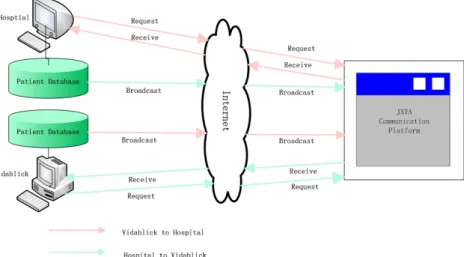
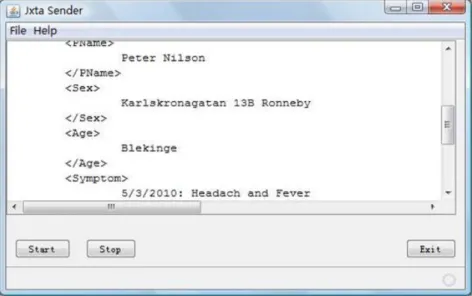
In Paper I, a case study in Blekinge County healthcare organizations was conducted for understanding the contexts of eHealth interoperability issues. We interviewed healthcare system administrators and nurses in the county to discuss the interoperability problems between different healthcare systems, and potential solutions to overcome the problem. Based on the results and others’ studies, we defined two layers of interoperability in eHealth. Next, a peer-to-peer (P2P) model based on JXTA platform was implemented to solve the identified eHealth interoperability problems. The prototype could achieve the suggested syntactic level interoperability among healthcare organizations. The case study in this paper could answer RQ1 from the view of healthcare providers, and also presented a possible solution to address RQ2.
In Paper II, based on the case study in Paper I, we proposed a cloud computing solution for sharing healthcare information based on the Google App Engine (GAE). The paper also discussed the relationship between eHealth and cloud computing, as well as risks of applying cloud computing in the healthcare domain. The prototype from this paper could achieve interoperability not only among different healthcare centers, but also between healthcare providers and recipients, with high stability and availability. The end of this paper also mentioned advantages and disadvantages in using GAE (public cloud) for healthcare information sharing. It provides another possible solution to RQ2.
23
In Paper III, we firstly carried out a questionnaire to analyze current problems and needs in chronic disease care. The respondents of the questionnaire were healthcare recipients. We then compared possible technical solutions (P2P, SOAP, cloud computing) and proposed a cloud model for the identified problems. This model would help chronic patients self-record and control their daily care data, and communicate with other patients who have a similar situation. The proposed solution could also be used to integrate data from different healthcare providers for a cooperative work. The questionnaire results from this paper provided an answer to RQ1 from the perspective of healthcare recipients. Through the technical solutions compared in this paper, we partially found answers to RQ2. In accordance with the research findings of RQ2, we conducted a systematic review of cloud computing in eHealth in Paper IV. We searched relevant articles, of which 44 papers met the criteria for inclusion. The studies identified three types of studied areas of cloud computing in eHealth, namely (1) cloud-based eHealth framework design (n=13), (2) applications of cloud computing (n=17), and (3) security or privacy control mechanisms of healthcare data in the cloud (n=14). Most of the studies in the review focused on concept proof designs. Only a very few studies have evaluated their research in the real world, which may indicate that the application of cloud computing in eHealth is still very immature. However, our presented review could pinpoint that a hybrid cloud platform with mixed access control and security protection mechanisms will be a main research area in future for developing citizen-centered home-based healthcare applications. This paper mainly addresses the answers to RQ3.
In Paper V, we conducted a questionnaire to gather the requirements of the online community for home-based healthcare and described them with user stories. Afterwards, a conceptual prototype was developed based on the requirements. The proposed virtual community involves healthcare providers, healthcare recipients and other people relevant to the home-based healthcare on one platform. It will solve the interoperability problems of current healthcare systems, as well as providing a technical solution for home-based healthcare. As a start in our practical development, this paper answers RQ2 from a different point of view, and
24
also provides answers to RQ3 in real-world scenarios. Table 1.2 shows the relationship between papers and research questions.
Paper Number Research Questions
Paper I RQ1, RQ2
Paper II RQ2
Paper III RQ1, RQ2
Paper IV RQ3
Paper V RQ2, RQ3
Table 1.2 Relationship between papers and research questions
1.6 Conclusion
The main goal of the thesis was to find out the interoperability problems in current healthcare, and to provide an appropriate solution for the problems. To support the main goal of our study, an extensive literature review was performed, and face-to-face interviews and online surveys were conducted with the different kinds of participants in order to further elaborate the importance of the research problem. From our research findings, we concluded that eHealth interoperability is a big challenge not only in Sweden, but also worldwide. During study, we found that Blekinge healthcare centers use different systems. All systems are interoperable on their own but do not interoperate with each other. The lack of information sharing and of mobility of healthcare recipients leads to a waste of time and healthcare resources. Information sharing among different healthcare organizations and between healthcare providers and recipients becomes a considerable issue. In the eHealth domain, sharing information is an important consideration to fulfill the needs of public healthcare. Because of the development of ICT, the patient-centric healthcare model will be a future trend where patients are active participants in their own chronic disease healthcare. In this case, interoperability is also a key issue to consider for an efficient home-based healthcare.
To achieve interoperability among distributed and heterogeneous eHealth systems is not easy because it involves so many aspects, especially data security and individual privacy. Through our study, we found that cloud computing could meet most needs in covering healthcare interoperability problems. In our research, we mainly used two current techniques,
peer-25
to-peer (P2P) networking and cloud computing to design our prototypes and try to find a more appropriate solution. In accordance with our research, we used the same scenarios for developing prototypes of sharing healthcare data with a P2P-based solution and a cloud-based solution. Comparing these two techniques, one obvious advantage of cloud computing is that healthcare recipient can easily enroll in the sharing platform. Another advantage is that once the providers or recipients access the cloud, they can then decide which data can be shared and with whom it can be shared. In home-based healthcare, privacy and security are highly considered; the powerful management of cloud computing can provide different levels of access control for one piece of data. This guarantees the privacy of healthcare data. In the cloud, each piece of data can be managed by different security tools. This unique advantage of cloud computing has the potential to overcome the privacy and security challenges. However, P2P could not meet all the requirements. Scalability is another benefit of using cloud computing, as it can handle high traffic by easily adding more additional hardware infrastructure with no effect on the running service. Furthermore, one feature of cloud computing which can never be achieved through P2P is that various applications can be built on one cloud computing platform. All the data in the cloud storage can be obtained by these applications directly. This makes cloud computing a better technique for home-based healthcare. Mass data storage also makes possible daily data management of healthcare recipients in the cloud. A number of self-control decision support systems can be embedded in the cloud-based platform, which can help healthcare recipients have better self-management. By comparing these two main technical solutions, cloud computing is emerged as the more appropriate enabling solution.
Research on applying cloud computing technology to eHealth is in its early stages; most researchers have presented ideas without real-world case validation [94][95]. The obvious features of cloud computing technology provide more reasons to adopt cloud computing in sharing and managing health information. As a new technology, cloud computing has good performance in storing and accessing information. Almost all of the studies suggest that due to the huge amount of patient health data, especially in the case of daily care, the cloud’s big data storage service
26
provides a better way to store these data. The data can be shared among hospitals and third-party research institutions or other healthcare organizations, even on a national level. The huge data storage capacity of the cloud would help the development of big data mining in healthcare, as well as diagnosis and treatment. The pay-as-you-go mode of the cloud has significant economic strength, reducing cost for all healthcare organizations that would like to use cloud-based services. Some studies presented cloud-based patient-centric healthcare applications using the user-centric feature of cloud computing. Not only will this encourage healthcare recipients to be involved in their own healthcare, but also, the cloud-based healthcare platform will provide a technical solution as well as a social network. In addition, healthcare recipients’ participation constitutes an efficient healthcare education in terms of patients’ self-management.
High accessibility and availability of cloud computing could help the healthcare data stored in the cloud to be accessed at anytime and anywhere in the world. If healthcare recipients could make parts of their healthcare data in the public cloud open-access, which means that data can be “freely used, reused and redistributed by anyone – subject only, at most, to the requirement to attribute and sharelike [96],”, it could then be processed by remote services, such as medical systems in hospitals, clinical decision support systems and expert systems, or distributed to other medical personnel. The security and privacy gaps of healthcare data in the cloud could be solved by access control encryption schemes and security protection techniques. This would make it possible to move current server-client-based eHealth services to cloud-based eHealth services, and make a greater contribution to improving the current healthcare with the latest technologies. However, healthcare data contain sensitive information, and dealing with sensitive data in the cloud could potentially lead to legal issues. Besides, it is important to select cloud providers carefully to guarantee the confidentiality of healthcare data. Based on our research, a hybrid cloud model which contains access controls and security protection techniques would be a reliable solution for developing a citizen-centered home-based healthcare system. The EHRs in the hospitals and data in other healthcare centers could be kept in
27
private clouds, while patients’ daily self-management data could be published in a trustable public cloud. Patients as the owners of their health data could decide who can access their data and the conditions for sharing. We have proposed an idea of online virtual community for home-based chronic healthcare, a cloud-based home healthcare platform. The design idea comes from online social networks. The requirements of the community were mainly gathered from the questionnaires completed by the target group people. We used “user stories” of agile software development to describe the functional requirements and the non-functional requirements were briefly discussed as well. This platform puts healthcare recipients as the center, and integrates all the healthcare providers within the same platform. Through this shared platform, the interoperability among different healthcare providers as well as the self-management of healthcare recipients could be achieved.
1.7 Future work
In this thesis, the cloud-based home healthcare platform is mostly in the theoretical design stage, and the practical phase is just beginning with the early requirements collection. In the next step, we will present the prototype developed in Paper V to potential users to ask for feedback with regard to specification of the final requirements. We will then address the security and privacy control mechanism of the cloud-based platform. After all the preparation work is complete, the online virtual community for home-based chronic healthcare will be developed by using a hybrid cloud deployment model. When the implementation is finished, interviews and surveys of users and technical experts will be conducted f

![Figure 1.1 Cloud computing overview model [41]](https://thumb-us.123doks.com/thumbv2/123dok_us/821831.2604057/28.748.130.615.473.714/figure-cloud-computing-overview-model.webp)