Wayne State University Dissertations
1-1-2016
The Face Of Feedback: Exploring The Use Of
Asynchronous Video To Deliver Instructor
Feedback In Multidisciplinary Online Courses
Naimah N. Wade Wayne State University,
Follow this and additional works at:http://digitalcommons.wayne.edu/oa_dissertations
Part of theArt Practice Commons,Higher Education and Teaching Commons, and theOther Education Commons
This Open Access Dissertation is brought to you for free and open access by DigitalCommons@WayneState. It has been accepted for inclusion in Wayne State University Dissertations by an authorized administrator of DigitalCommons@WayneState.
Recommended Citation
Wade, Naimah N., "The Face Of Feedback: Exploring The Use Of Asynchronous Video To Deliver Instructor Feedback In Multidisciplinary Online Courses" (2016).Wayne State University Dissertations.Paper 1491.
by
NAIMAH NOELLE WADE DISSERTATION
Submitted to the Graduate School of Wayne State University,
Detroit, Michigan
in partial fulfillment of the requirements for the degree of
DOCTOR OF PHILOSOPHY
2016
MAJOR: INSTRUCTIONAL TECHNOLOGY Approved By: _____________________________________ Major Advisor _____________________________________ Committee Member _____________________________________ Committee Member _____________________________________ Cognate Advisor
© COPYRIGHT BY NAIMAH NOELLE WADE
2016
This work is dedicated to my mother and friend, Sheryl Denise Allen-Golden. Thank you for showing me that living your dreams is a choice that we must continue to choose, one day at a time. You embody strength and perseverance, two qualities that I repeatedly drew from you in this transition from student to scholar. You have always placed value on education, so naturally I inherited your love for learning. Thank you for this invaluable gift and for supporting me mentally and spiritually in this work.
This is also dedicated to my incredible husband and best friend, William J. Wade. Thank you for being an anchor for me and a constant voice of reason throughout this challenging process. Your ever-present and support has been such a blessing. You offered a steady flow of enthusiasm and encouragement that kept me on track. You also moved mental mountains to make the path clear for me to accomplish this dream. Thank you for being an incredible, present spouse and father. For all of the days that I needed to go study, read, or write and you cooked, cleaned, or took the reins with the girls, know that I adore you. There is no way this doctorate could have been completed without you in my corner. It is without a doubt, OUR accomplishment. I look forward to the next chapter in our lives together.
Finally, to my darling daughters Sydney, my inspiration to start this journey, and Addison, who gave me the push I needed to finish strong. I worked through many nights, while you slept, so that my days could be spent enjoying all that is you. Your love, laughter, hugs, and kisses were the fuel I needed to continue the journey. May this accomplishment inspire you to press beyond human ability to strive for your divine potential. Be all you were created to be, and nothing short of it.
The doctoral journey is filled with uncertainty, intimidation and at times, loneliness… even when you are not physically alone. It absolutely takes a village to get to the finish line. I am eternally grateful to my village of friends, family and colleagues that formed the support system that cheered me on. With sincere gratitude and heartfelt appreciation, I acknowledge the following people for their unwavering support and encouragement as I progressed through this transformative journey:
• Dr. Monica Tracey. I admire your passion and the integrity with which you
enthusiastically serve your college and students. Thank you for believing in me. Your coaching, candid feedback and the wealth of expertise that you contributed to my development were invaluable during this process. I am most grateful for your human transparency and patience with me. You helped to fortify my identity as a designer, whose object of design is instruction. Crossing this finish line would not have been possible without you.
• Dr. Ahmad Ezzeddine. It was a conversation with you that planted the idea of
pursuing my doctorate and subsequent conversations that have encouraged me to finish it. To say that I feel fortunate that our paths crossed in the MBA program at WSU is an understatement. Thank you for being an invaluable mentor and guidepost. I continue to be inspired by your example and leadership.
• My remaining committee members, Dr. Ingrid Guerra-Lopez and Dr. Ke Zhang.
me to interrupt their normally scheduled courses to investigate a technological intervention.
• Colleagues Michele Norris, Dr. Sara Kacin, Dr. Tamme Quinn Grzebyk, Dr.
Kecia Waddell, Minakshi Lahiri, Christina Chateauvert for being constant cheerleaders and allies in the doctoral process.
• Mom and Dad Wade, your support with the kids and willingness to step in at a
moment’s notice is deeply appreciated.
• Dr. Brandi Chin, Patience Ruffin and Tiffany Brown. You are phenomenal
women and lifelong friends who have your own unique ways of challenging me to be my best self and never stop evolving.
• Tunesia Turner. Thank you for being a consistent source of inspiration and for
Dedication ii
Acknowledgements iii
List of Tables vii
List of Figures viii
Chapter 1: Introduction 1
Chapter 2: Literature Review 9
Chapter 3: Methodology 35
Chapter 4: Findings 59
Chapter 5: Discussion and Conclusion 119
Appendix A: Request for Letter of Support 139
Appendix B: Letters of Support 140
Appendix C: Faculty/Instructor Video Feedback Pre-Launch Assessment 145 Appendix D: Faculty/Instructor Weekly Reflection Questions on Video Feedback 148
Appendix E: Faculty/Instructor Video Feedback Debrief Questions 152
Appendix F: Optional Student Survey 154
Appendix G: Video Feedback Participant Workshop- Video Production Checklist 156
Appendix H: Recruitment Scripts 157
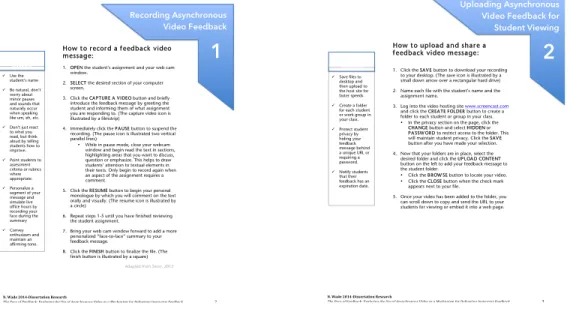
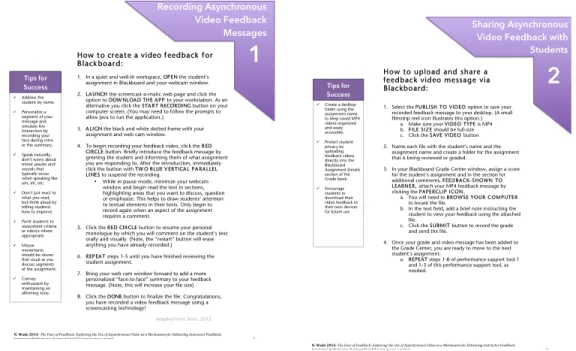
Appendix I: Video Feedback Performance Support Toolkit (Initial Design) 168 Appendix J: Video Feedback Performance Support Toolkit (Version #2) 161 Appendix K: Video Feedback Performance Support Toolkit (Version #3) 163
Appendix L: Designer Reflection Journal 165
Appendix O: Sam’s Case Record 204
Appendix P: Brenda’s Case Record 235
Appendix Q: Denise’s Case Record 259
Appendix R: Student Reflections 282
References 289
Abstract 298
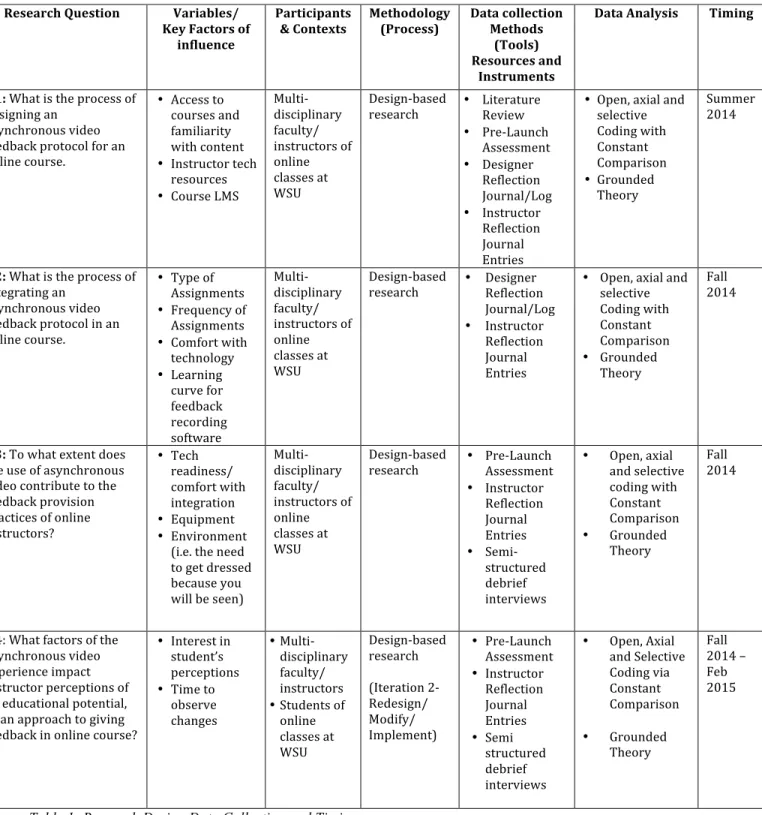
Table 1: Research Design Data Collection and Timing 44
Table 2: Video Production Software Considerations 46
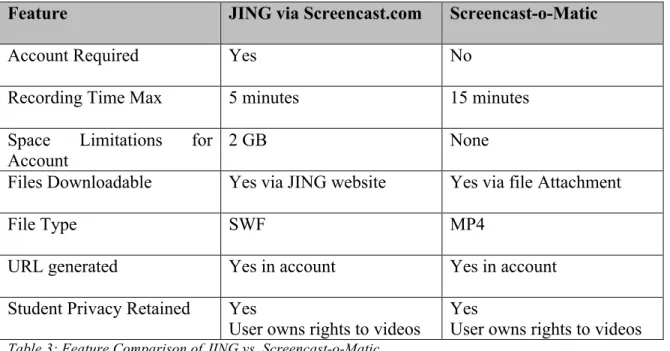
Table 3: Feature Comparison of JING vs. Screencast-o-Matic 49
Table 4: Study Participant Profile and Concerns 63
Table 5: Design Modifications Based on Pilot Study 67
Table 6: Emergent Themes for Research Question 1 97
Table 7: Number of Video Feedback Messages Produced 99
Table 8: Emergent Themes for Research Question 2 102
Table 9: Emergent Themes for Research Question 3 107 Table 10: Emergent Themes for Research Question 4 115
Figure 1: Community of inquiry framework 20
Figure 2: Sample of an e-mail sent to students 26
Figure 3: Integrative Learning Design Framework 41
Figure 4: Research Design 42
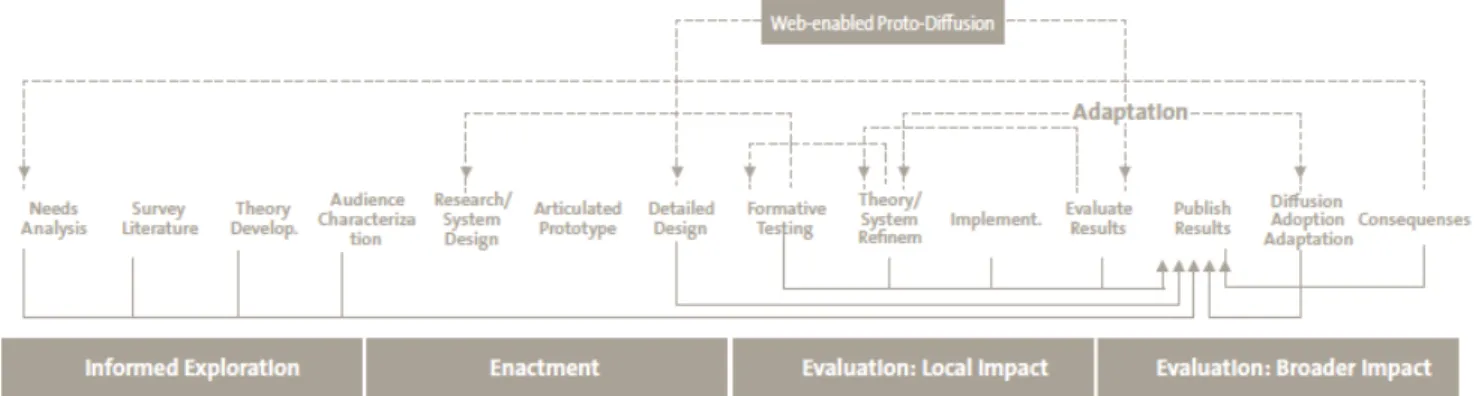
Figure 5: Initial Design of the Video Feedback Performance Support Toolkit 47 Figure 6: Revised Video Feedback Performance Support Toolkit (Iteration 2) 52
Figure 7: MaxQDA Coding Screenshot 55
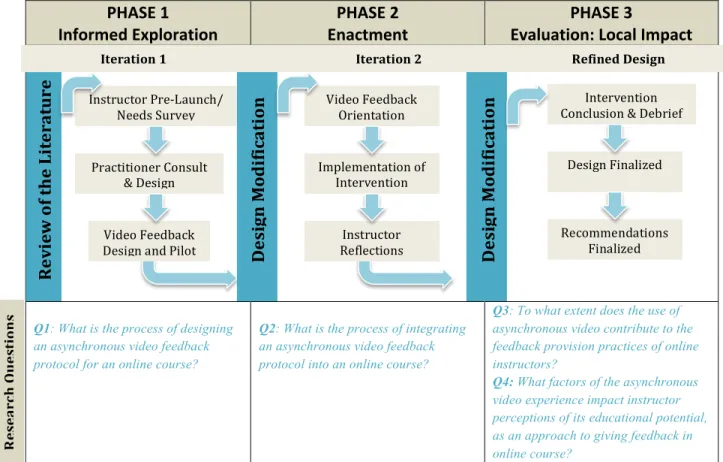
Figure 8: Revised Video Feedback Performance Support Toolkit (Iteration 3) 80 Figure 9: Revised Research Design and Corresponding Design Modifications 81
Figure 10: Video Feedback Data Analysis Code System 84
Figure 11: Layers of Negotiation 123
CHAPTER 1 INTRODUCTION
The success rate of online students poses a significant challenge for higher education institutions, seeking to expand their instructional offerings through online programs. Student retention and success is vital to a university’s sustainability (Kuh, G. D., Kinzie, J., Schuh, J. H., & Whitt, E. J., 2005), and is impacted by several factors of the higher education experience. One such factor, particularly for online students, is their interaction with faculty and instructors. According to Wosley (2008), the opportunity for students to interact with professors is a significant aspect of the university experience. That is, academic faculty and instructors provide a frequent and consistent interaction with students that can cultivate their learning experience and shape overall impressions about the institution. A core aspect of this teacher-student interaction lies in the feedback dynamic that exists within a course.
In higher education, face-to-face courses foster a feedback-rich learning environment that is more immediate and instantly engaging. As a result, this format can support student motivation and have significant implications for improved performance (Summers, J. J., Waigandt, A., & Whittaker, T. A., 2005). It also, streamlines the instructor’s workload because of the synchronous or real-time nature of the student-instructor interactions. The traditional classroom allows students to develop rapport with a teacher, which can mitigate the feeling of criticism associated with formative feedback (Thompson & Lee, 2012). For online students, however this is not always the case. The psychological distance (Swan, 2001; Tu & McIsaac, 2002) from the instructor that is characterized by the context of online instruction presents a potential risk of a diminished learning experience. As a result of this limited face time, online learners are more likely to disengage with course content, assignments, and their
instructor and classmates, which often results in lower completion rates (Thompson & Lee, 2012).
Much of the research on instructor feedback appears to emphasize fragmented aspects for effectiveness (Hattie & Temperley, 2007; Bonnell, 2008; Getzlaf et al., 2009; Mathisen, 2012). Scholars contend that mechanisms for delivering feedback remain unclear (Kluger & DeNisi, 1996). This is especially true for delivering feedback to students in the context of the online learning environment, a relatively new, yet increasingly mainstream approach to education. In this realm, teachers and facilitators are challenged with effectively providing written feedback to students through electronic mechanisms, which can result in a faceless and isolated experience. Traditionally, faculty and instructors have relied heavily on text-based communication, which was sufficient to convey performance feedback to students. However, the research indicates that communication nuances are lost when online educators rely solely on text-based interactions (Ice, et al., 2007; Wosley, 2008; and Graham & Velasques, 2011). Additionally, the exclusive use of a text-based mode of feedback is labor-intensive (Collis, De Boer & Slotman, 2001) for instructors, increases their feedback cycle time and could potentially diminish student perceptions of interaction (Bernard et al., 2009) and teacher presence (Getzlaf et al., 2009: Wosley, 2008).
With the ever-expanding number of courses being offered online and in blended formats, the instructor’s ability to provide meaningful feedback to a large number of students is increasingly challenging and time consuming (Mathisen, 2012). This modern context of online education includes asynchronous learning formats and requires a more sophisticated approach to delivering feedback to students. Accordingly, as online learning continues to evolve into a more permanent fixture in higher education, instructional strategies will also
have to advance to include more practical guidelines for providing effective feedback to students.
The use of video to deliver feedback to online students is an innovative strategy that has recently surfaced as a viable solution for enhancing the instructor’s feedback effectiveness (Seror, 2012; Silva, 2012; Mathisen, 2012) and perceived closeness (Griffiths & Graham, 2010) to students. Recent empirical studies also reveal an overwhelming student preference for this form of feedback over written forms of feedback. Many of these studies focus on the learner’s perspective, which is only part of the system. In order to further explore the efficiencies that can be gained or lost through the use of video for instructor feedback, it seems that the instructor’s perspective of this strategy requires further investigation. My study balanced this equation through a close engagement with teaching practitioners to conceptualize, implement and document the impact of an asynchronous video strategy for delivering online instructor feedback.
Purpose & Research Questions
The literature regarding online instructor feedback presents several factors that should be considered when making course design decisions. Among these factors, feedback delivery method (Bonnel, 2008) or feedback mode (Jonsson, 2012), and feedback medium (York & Richardson, 2012) are aspects that appear to have an impact on student use of feedback messages, satisfaction and overall perceptions of online course effectiveness. Specifically, innovative feedback designs using modalities like audio (Middleton & Nortcliffe, 2010; Ice et al., 2007) and video (Stannard, 2008; Griffiths & Graham, 2010; Mathisen, 2012) are perceived as positive from both students and instructors. Similar to the research-based evidence about audio feedback and its potential for promoting dialogic engagement, one of the
most compelling arguments for the use of video feedback is that it works to signal the social construction of knowledge (Middleton & Nortcliffe, 2010).
Current research on video feedback in asynchronous online learning environments appears to focus primarily on student perceptions, as it relates to their preference for video over written feedback (Stannard, 2008; Silva, 2012), quality of feedback (Mathisen, 2012), teacher presence (Wosley, 2008), and immediacy (Griffiths & Graham, 2009). While student perception is an important aspect of the equation for feedback in online environments, it is not the only factor. Faculty and instructors also play a critical role in the process, yet little research has been conducted regarding their perceptions of asynchronous video as a mechanism for delivering feedback to students. To investigate the effects of this instructional strategy, my design-based research study drew upon principles from the literature on instructional design, instructor feedback, and asynchronous video feedback to a.) understand their implications in online teaching and learning in higher education and to b.) document a useful framework for effective asynchronous video feedback design. Through retrospective analysis (Middleton & Nortcliffe, 2010, p.213), academic practitioners shared personal reflections to describe and interpret the phenomena of instructor feedback via asynchronous video. To understand the implications of this innovative feedback design on online teaching and learning at a Midwest, Urban Research University, this study addressed the following questions:
Q1: What is the process of designing an asynchronous video feedback protocol for an online course?
Q2: What is the process of integrating an asynchronous video feedback protocol in an online course?
Q3: To what extent does the use of asynchronous video contribute to the feedback provision practices of online instructors?
Q4: What factors of the asynchronous video experience impact instructor perceptions of its educational potential, as an approach to giving feedback in online courses? Instead of striving to test a law about video feedback, these questions implied a qualitative inquiry strategy, which sought to understand the perspectives of online practitioners who engaged with the intervention within a specific context (Merriam, S., 1995). This study included (a) the design of a video feedback delivery process; (b) coaching faculty and instructors through the implementation of the process; (c) determining challenges of successes of the intervention through reflection on (Schon, 1983) the phenomena in its natural setting; (d) making changes to the feedback design as indicated by the research findings.
Theoretical Constructs
One of the desired outcomes of my research study was to understand and interpret the individual human experience of using a video feedback intervention. Accordingly, this study was anchored in constructionism. Crotty (1998) defines constructionism as an epistemological lens through which humans construct personal meanings as they engage with the world they are interpreting. Crotty (1998) further makes the distinction between epistemology and theoretical perspective, which is “a philosophical stance informing the methodology” (p.3). Through an interpretivist perspective, my study utilized symbolic interactionism, as outlined by Crotty (1998), which explains that (a) human beings act toward things on the basis of the meanings that these things have for them, (b) the meaning of such things is derived from, and arises out of the social interaction that one has with one’s fellows, and (c) these meanings are handled in, and modified through, and interpretive process used by the person in dealing with the things encountered. Symbolic interaction is the most appropriate perspective for this study because it “provides a theoretical perspective to studying the way individuals interpret objects
and other people in their lives and how this process of interpretations leads to behavior in specific situations” (Benzies & Allen, 2001).
Theoretical Foundation
Several aspects of Learning Theory and Early Instructional Theory influenced this study. Social Cognitive Learning Theory posits learning as the acquisition of symbolic representations in the form of verbal or visual codes that serve as guides for future behavior (Bandura, 1978). In this study, the personalized monologue that students received about their assignments served as this kind of visual code and worked to impact their future performance in the course. Additionally, in Tyler’s articulation of the Principles of Curriculum and Instruction (1949), he suggests that the learning experience fundamentally consists of the interaction between the learner and the external conditions in the environment to which he/she can react. To that end, the learning experiences, including feedback messages, should be organized to support each other and produce a cumulative, long-term impact on learning. As it relates to this study, the key external condition was the feedback design and delivery mode that was integrated in an online course. Jerome Bruner, another early instructional theorist maintained this belief in his explanation of the Cognitive Theory of Instruction (1966). Specifically, the fourth principle discussed the importance of reinforcement and suggests that the nature and pace of feedback be arranged such that learners clearly understand whether or not their performance was satisfactory and why.
Definition of Terms
The following definitions support a foundational understanding of the language used in this study. The terminology and corresponding definitions are informed by the literature review that follows in section two.
Asynchronous Learning - A type of online course format in which students work cooperatively, toward a common goal at different times. (Ice, Curtis, Philips & Wells, 2010).
Feedback Design Strategy- A strategic and deliberate effort (Wosley, 2008) to facilitate an ongoing interaction between the instructor and student (Dannels & Martin, 2008), as it relates to performance on coursework.
Instructional Design – The science and art of creating detailed specifications for the development, evaluation and maintenance of situations, which facilitate learning and performance (Richey, Klein & Tracey, 2011).
Instructor Feedback - Communication of information from the course teacher or facilitator to the student that helps the student reflect on the information, construct self-knowledge relevant to learning, and set further learning goals (Bonnel, 2008). By informing the learner about how their present state of learning or performance relates to pre-defined goals or standards (Nicole & Macfarland, 2006), instructor feedback is intended to modify his or her thinking or behavior for the purpose of improving learning (Shute, 2008).
Personal Monologue – A direct message from an online instructor, regarding a submitted assignment, delivered to individual students via audio or video (Middleton and Nortcliffe, 2010). This direct message conveys a think-aloud protocol (Silva, 2012) though which instructors share their detailed interpretations of student assignments.
Synchronous Learning - An online course format in which students communicate and interact and work cooperatively at the same time.
Screencast - The broadcast of digital video-recordings of a computer’s on-screen
activities on the World Wide Web (Seror, 2012). These recordings are accompanied by voiceover narrations that address student assignments in any class where assignments are submitted in some sort of electronic format (Thompson & Lee, 2012).
Veedback- A term coined by Thomson & Lee (2012) to describe a file or link to an electronic recording (screencast message) containing video feedback on individual student assignments.
Instructor Presence -‐ Social presence in distance learning is the extent that an instructor is perceived as a real, live person, rather than an electronic figurehead (Duvall et al., 2003).
Summary
This study sought to explore the potential of asynchronous video as a mechanism for delivering instructor feedback. The questions guiding this inquiry were: (1) What is the process of designing an asynchronous video feedback protocol for an online course? (2) What is the process of integrating an asynchronous video feedback protocol into an online course? (3) To what extent does the use of asynchronous video contribute to the feedback provision practices of online instructors? (4) What factors of the asynchronous video experience impact instructor perceptions of its educational potential, as an approach to giving feedback in online course?
Constructionism and symbolic interaction are identified as the epistemology and theoretical perspective of this study. This investigation of an innovative feedback strategy was significant because of the potential it has for enhancing online course design. The findings from this study could provide course designers, higher education faculty, and administrators with insights on how to shorten the interpersonal gap between instructors and online students in ways that improve learning outcomes. Finally, a list of key terms were identified and defined for the study. This terminology included, asynchronous learning, feedback design strategy, personal monologue, and veedback. A review of relevant literature follows along with a discussion of the methodology that was applied to this qualitative, design-based research study.
CHAPTER 2 REVIEW OF THE LITERATURE
The design decisions made by faculty and instructors can foster or impede the acquisition of learning in higher education. One such decision involves the degree of attention given to performance feedback. While face-to-face learning formats lend themselves to real-time interactions, the nature of online learning environments changes the culture of instructor feedback significantly. It also contributes to the general concerns raised about online students; higher rates of student anxiety, frustration and low retention rates (Shepherd & Martz, 2006). Improving the quality of student-teacher interactions can positively impact each of these concerns. Since these interactions are often derived from instructor feedback, design decisions about feedback mode, medium and process must be reconsidered when instructors are engaging with online students.
Teachers and facilitators of online courses are challenged with effectively providing feedback to a larger number of students with whom they only interact via online technology (Getzlaf et al., 2009). This makes the instructor’s ability to provide meaningful feedback increasingly challenging and time consuming, which can decrease motivation and productivity. This is especially true in asynchronous learning environments. This modern context of online education requires a more sophisticated approach to feedback. Collis and his fellow researchers (2001) argue that the same stimulation for new forms of student activities that comes from online learning should also generate new forms of feedback. Accordingly, this review seeks to discuss and understand the considerations for online feedback design and feedback delivery processes in higher education. Current empirical studies that present relevant strategies for innovative instructor feedback design are presented, including the few that use asynchronous video as a delivery mechanism. These research-based practices are
particularly important because they serve as benchmarks for the design aspects of this research study.
Feedback in Education for Learning and Student Performance
Feedback is a multifaceted concept with a longstanding reputation for having a positive impact on learning. At the most fundamental level, feedback is information that is reciprocated after the execution of an action. Originally an engineering term, feedback is described as an event in which part of the output of a process or a system is fed back into the input (Talboy, 2008). This is done to reduce or eliminate any discrepancy that exists between a known performance standard and current output or performance (Carver, C., & Scheier, M. F., 1982).
As it relates to learning, Bonnel (2008) defines feedback as communication of information to the student that helps the student reflect on the information, construct self-knowledge relevant to learning, and set further learning goals. Early research related to feedback dates back almost 100 years and can be found at the core of the work published by seminal instructional design theorists including E.L. Thorndike, B.F. Skinner, John Dewey and Robert Gagne (Kluger & DeNisi, 1996). Since then, many researchers have contributed to the body of literature that aligns feedback with learning and student performance. As a result, definitions of instructor feedback are well-established in the literature (Dannels, D.P., Martin, K.N. (2008); Getzlaf, B., Perry, B., Toffner, G., Lamarche, K., & Edwards, M. (2009); Dennen, V. P., Aubteen Darabi, A., & Smith, L. J. (2007). Similar to Bonnel (2008), these definitions generally identify instructor feedback as communication to students about their performance on coursework that emphasizes deficiencies in actual performance as it compares to ideal performance. This is done to support student’s efforts, guide their decision on future assignments, and promote learning.
Feedback’s role in instructional design is linked to practice and assessment, which is essential in shaping student performance (Talboy, 2008). The literature consistently reflects the idea that instructor feedback influences student learning (Mulder, R. H., & Ellinger, A. D., 2013; Shute, 2008), performance (Mulder, 2012), as well as satisfaction (Bonnel, 2008). Seminal researchers in Instructional Technology consider feedback in education to be a pivotal component in the facilitation of learning and the enhancement of performance (Gagné, Briggs, & Wager, 1988; Gilbert, 1978, Dick & Carey, 1979; Skinner, 1958). More than thirty years ago, Sweller (1988) observed that those who advocate the supportive role of feedback in learning emphasize that providing extensive, frequent, immediate feedback during the acquisition stage frees the cognitive resources required for learning. More recently, Richey, Kline and Tracey (2011) concur that feedback provides learners with verification of results.
Instructor Feedback in Online Learning Environments
Despite the large volume of research on feedback and its relationship to learning, scholars contend that mechanisms for delivering feedback remain unclear (Kluger & DeNisi, 1996; Bonnel, 2008). This is especially true for delivering feedback to students in the context of the asynchronous online learning environment. At all levels of higher education; associates, bachelors, masters and doctorate, online learning is increasingly the delivery format of choice (Talboy, 2008). A report by the United States Department of Education’s National Center for Education Statistics (NCES) found that over 90% of public colleges and universities offered “distance learning” or online courses during 2007 (Borup, Graham, & Velasquez, 2011). More than 6.1 million students in the United States took at least one online class in the fall of 2010, which accounts for thirty-one percent of higher education students (Hosler & Arend, 2012). The rise in demand for online offerings requires the enhancement of educator’s course management skills, as the nature of online learning adds layers of complexity to normal
routines. One course management routine that is affected by the nature of online learning is the delivery of instructor feedback. For online students, instructor feedback is an essential exchange that helps to overcome isolation and provide reassurance that they are completing assignments according to course and faculty expectations (Bonnel, 2008).
The literature reveals a positive relationship between feedback interactions and student outcomes (Wolsey, 2008; Mulder, 2012). In 2008, Wolsey used critical action research to identify the types of feedback provided in online courses and to understand graduate students’ use of instructor feedback. This qualitative study was conducted across four courses, each of which was taught by the researcher. Instructor feedback was provided to 50 students using the Track Changes and Comments features in Microsoft Word. His constant comparative analysis of survey data, student work examples and four student interviews resulted in the classification of nine types of feedback on written assignments. These included; simple affirmations, complex affirmations, clarifications, observations, corrections to content, exploratory, and personal. In addition to the types of feedback, this study also found that instructor feedback that was embedded into written assignments, rather than summarized at the end was most useful for students. Wolsey (2008) concluded that students value interaction with their instructors and detailed feedback that clearly links content and criteria. He also noted that time was a limiting factor for providing extensive individual feedback (Wolsey, 2008). This study provided several student opinions about the location of the feedback message and their interpretations of the instructor’s stance in online courses. It also provided a useful list of the types of feedback that instructors could use in online courses. Conversely, the study did not clearly outline detailed procedures for using Microsoft features as a feedback strategy, nor did the study thoroughly address the perspectives of the instructor as feedback was provided.
While rich and rapid feedback in online courses is considered a standard, guidelines specific to implementing a technology for feedback and managing the feedback process are lacking (Bonnel, 2008). Feedback design strategies, in the context of online learning, require a more deliberate effort because the environment does not easily facilitate the same level of interaction that a face-to-face class does. The inherent social distance of online learning affects communication dynamics and requires careful considerations of an instructor’s method of information transmission as well as the student’s process for making meaning of received information and integrating it into a mental model.
Feedback Interactions: Face-to-Face vs. Asynchronous Online Courses
A recent descriptive, exploratory study of 30 graduate student perceptions suggests that some forms of feedback that are useful in face-to-face interaction are difficult or even impossible in asynchronous online environments (Getzlaf, B., Perry, B., Toffner, G., Lamarche, K., & Edwards, M., 2009). These common face-to-face interactions include real-time dialogue, after class discussions and non-verbal communication. Wolsey (2008) also explains that the context for verbal interaction that is naturally found in an informal discussion after a class meeting, questions asked and answered during the explanation of concept or assignment, body language or facial expressions displayed by students is not characteristic of the text-based nature of online learning. Rockinson-Szapkiw (2012), further argues that asynchronous text-based communication is devoid of traditional paralinguistic cues and the richness of face-to-face verbal communication. These empirical studies imply that communication nuances are lost in online courses that rely on text-based interactions only. When such nuances are lost in online courses, teacher presence and social presence is also negatively impacted (Borup, West & Graham, 2012; Getzlaf, et.al., 2009; Hosler & Arend, 2012). This, by extension effects student learning.
The use of traditional forms of teacher commentary alone, like marginal (handwritten or electronic), summative, and interlineal feedback, as indicated by M.L. Silva (2012), may provide a diminished experience for online learners. To address this matter, effective instructor feedback in online learning environments should use personal names in messages, be individualized, timely, and future oriented (Getzlaf et. al, 2009), while gently guiding (Wosley, 2008) students in the way of coaching rather than directing.
Feedback and Online Student Success in Higher Education
According to Swan, (2001) the structure and communication potential of course designs heavily impact students' satisfaction, learning, and retention in online courses. One element of course structure and communication potential involves interaction. The goal of interaction in online education is “the learner’s engagement with the course content, other learners, the instructor, and the technological medium used in the course (Thurmond and Wombach, 2004 as cited in Bernard, et al., 2009).” Additionally, Bernard (2009, as cited in Ravenna, 2012) asserts that increasing interaction positively affects student achievement. Instructor feedback is one form of meaningful interaction that fosters engagement in online courses. On the positive side, frequent contact and interaction with the instructor, and timely feedback significantly contribute to learner satisfaction (Hoslera & Arend, 2012). However, on the negative side, students felt discouraged when there was a lack of instructor feedback (Hoslera & Arend, 2012).
The deliberate creation of additional avenues for interaction can lead to increased student engagement (Ravenna, 2012). Similarly, feedback given to students by their instructors is an important component of providing an exemplary online education experience (Gatzlaf, et al., 2009). It appears that instructor feedback is positioned in the literature as having a cascading effect on the student’s online experience in that feedback practices
facilitate teacher-student interaction, interaction yields engagement and engagement promotes student success.
High Quality Online Learning Implies Increased Faculty Workload
Direct instruction via individual feedback is an essential aspect of the multi-faceted role of online instructor (Getzlaf et al., 2009). Educators addressing the issues of web-based education imply that developing and teaching web-based courses is labor- intensive requiring increased faculty time and effort (Andersen and Avery, 2009). Middleton and Nortcliffe (2010) concur with this and suggest that pressure points on faculty include: increased class sizes and teaching loads, modularization and constraints on resources. As it relates to feedback interactions, Mathisen (2012) maintains that the ability for faculty within higher education to provide quality feedback in a timely manner has also become a challenge due to larger class sizes and increased workloads. Faculty and instructors who do attempt to maintain high levels of individual student interactions quickly discover that it is functionally impractical because it requires one to constantly be online (Dunlap, 2005).
The online teaching workload has become a concern for both new and experienced instructors (Lehman & Conceicao, 2013). Because of less direct contact with students and a decreased ability to individualize instruction, online faculty are carrying heavier student loads (Ravenna, 2012). In a descriptive, comparison of teaching time in web-based and face-to-face nursing courses, Andersen and Avery (2009) found that faculty issues with online education are as important as student issues because instructors ultimately impact the student. The purpose of the study was to begin to understand how teaching with technology impacts faculty workload. The study was aimed at faculty productivity and sought to predict and measure time expenditures in teaching online course to support future planning and resource allocations (Andersen & Avery, 2009). The sample for this study involved 16 participants, including 11
faculty teaching an online course and 5 who taught a face-to-face course. Participants monitored the time they spent teaching during one semester and self-reported time in increments of minutes. Although the results were not statistically significant, the study concluded that average time spent teaching in face-to-face courses was 39.4 hours per course per credit and online courses was 46.1 hours per credit. Of particular interest was the participating faculty’s account of the time spent evaluating student work. Online instructors reported spending 31% of their teaching time on assignment evaluation activities, while face-to-face instructors reported 21% of their time. This issue of increased workload for online instructor is especially important because it influences key interactions with students, including the provision of feedback.
A Rationale for Instructor Feedback via Asynchronous Video
Recent research conducted by Silva (2012) found that the mode and medium of teacher feedback could play a significant role in student interpretation of the information. Teacher feedback in different modalities and media (e.g., video feedback) mediates different social, cognitive, and affective responses in students (Silva 2012). To enhance teaching presence and the students’ sense of community, a case study was conducted, in which audio feedback replaced text-based feedback in asynchronous courses (Ice, Curtis, Philips & Wells, 2007). Asynchronous learning is a type of course format in which students work cooperatively, toward a common goal at different times. The study implemented an audio feedback process into an advanced curriculum and instruction course using the Record Audio Comment feature in Adobe Acrobat 7. A total of 34 graduate students generated qualitative (survey, interviews and documents) and quantitative (survey) perception data (Ice et.al, 2007). Through document analysis, this mixed methods investigation revealed an overwhelming student preference for asynchronous audio feedback, as compared to traditional text based feedback, with no
negative perceptions of the technique (Ice, et. al, 2007). Students attributed their preference for audio over text feedback to an increased ability to understand tone and a deeper sense of involvement. Although this study also focused on student perceptions, the insight it provided on the impact of technology enhanced instructor feedback in online courses is significant.
Similar themes about the benefits of asynchronous video feedback have also emerged from other recent studies. In 2009, the ASSET project was funded to investigate the pedagogic potential of video to enhance engagement of staff and students with feedback processes, across a range of disciplines, at a higher education institution in the United Kingdom (Crook, Mauchline, Maw, Lawson, Drinkwater, Lundqvist, Orsmond, Gomez, & Park, 2012). Survey data was collected through questionnaires that included open format and five-point, Likert-scale questions (Crook, et al., 2012). Two sets of questionnaires were uses to assess pre and post use perceptions. Pre-intervention responses were received from 27 academic staff members across the university and 287 students regarding their experience with video feedback. Post-intervention responses were received from 8 academic staff members and 105 students. The feedback loop or process used by the academic staff participants in this study is illustrated below.
Pre-intervention data identified concerns about providing feedback to students, which fell into four categories; engagement, efficiency, timeliness and quality. Post-intervention data from the academic staff identified several advantages to the use of video for feedback messages including, the ability to review video files as needed. The challenges noted included the amount of time it took to become acclimated with the ASSET online resource. As it relates to student data, 80% liked using video to receive feedback and believed that the main advantage to this feedback format was that it was more extensive, informative and easy to understand.
In 2010, Griffiths and Graham sought to understand the benefits of using asynchronous video in online classes to establish Instructor Immediacy and Closeness. They describe immediacy as close interaction in an educational setting and suggest that improved immediacy impacts student motivation, which ultimately improves student learning (Griffiths & Graham, 2010). The study examined 3 cases in an online Instructional Psychology and Technology course that was created for a pre-service education. In the course instructors sent feedback on assignments and students sent reply responses using asynchronous video clips (Griffiths & Graham, 2010). The learning management platform in this study was Moodle. The videos were recorded with Windows Movie Maker and stored on a university developed website for video blogs. Instructor data was produced using journals and notes, while student data was derived from scores and course rating comments. Not only did the result of this study indicate the ability to maintain the coveted flexibility of online education, but it also confirmed that video messages do convey many of the verbal and non-verbal elements that are often lost in text-based feedback interactions. Case 2 of this study addresses instructor perceptions, which include a reduction in time spent on grading and assignments, as compared to conducting these activities using text-based formats. Case 3 used a Facebook group as a platform and
reported a 2-hour timeframe for responding to 50 student video assignments that consisted of two reflective questions. Griffiths & Graham (2010) further conclude that feedback received from instructors in video messages is motivating and helps to build close and trusting relationships in the absence of physical proximity between students and instructors. It also it gives the student an impression of being present during the marking process (Jones, et al., 2012). According to Griffiths and Graham (2010), one of the biggest lessons identified in this study was the need for a simple method of creating and managing asynchronous video mail. This is an important consideration for education researchers seeking to expound on this study. While the study did discuss several innovative platforms to create asynchronous video feedback, the use of an external site (Facebook) in case 3 presented some challenges, because the video message feature was disabled by the company for two-weeks. Consequently, it should also be noted that the exploratory use of external platforms that are not supported by the institution poses a formidable risk because course content is subject to external terms and conditions, including the interruption or discontinuation of a feature without warning.
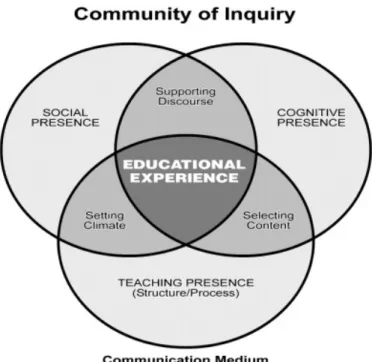
Borup, West & Graham (2012) also account positive student perceptions, which include the fact that the fidelity of the video contained a type of visual self-disclosure that helped them to get to know their instructor. In a cross-case study, Borup et.al (2012) uses Garrison’s (2000) community of inquiry framework (CoI) as a basis for exploring how social presence can be improved through the use of asynchronous video. Based on the CoI framework, teaching presence and social presence facilitate the student’s cognitive presence, which improves their learning (Borup, et al., 2012). The following image illustrates the interconnectedness of the three elements of presence outlined in the framework:
Figure 1. Community of inquiry framework (Garrison, et al., 2010)
This case study involved 18 pre-service teachers (students) from three predominantly online sections of a teacher preparation program, taught by three different instructors. The student participants were required to discuss class topics via blog or video technology (VoiceThread or YouTube), while instructors could choose to use video technologies to deliver weekly content, facilitate small group interactions or to provide feedback on completed projects. Data from semi-structured interviews was analyzed using constant comparison to understand whether the use of the technologies made them feel more connected to instructors and peers. While this study revealed that video communication helped to establish a stronger degree of the social presence for both instructors and students, it was based on student’s perspectives. Additionally, the authors note that knowledge about asynchronous video communication pedagogy is limited (Borup, et al., 2012). As a result, instructors experienced difficulty when implementing video tools into their courses. This presents a future research opportunity to use
instructors as a basis for extending knowledge about asynchronous video communication in online courses and clearly document the implementation process.
In addition to empirical findings, Media Richness Theory posits another strong rationale for the provision of instructor feedback through asynchronous video. Media Richness Theory maintains that the inherent characteristics of technology filter out some interpersonal cues and suggests four criteria be considered as a remedy: 1) availability of feedback; 2) capacity of the medium to transmit multiple cues; 3) the use of natural language; and 4) the personal focus on the medium (Shepherd & Martz, 2006). This classifies video feedback as a rich media interaction with potential to enhance the learning experience of students in online courses and create appeal for diverse learning types. Coupled with the evidence derived from recent empirical studies, video feedback appears to be positioned as an innovative alternative for enhancing communication potential, a key component that heavily impact students' satisfaction, learning, and retention in online courses, according to Swan (2001).
Perceptions of Instructor Feedback Asynchronous Video
The literature currently identifies student perceptions of instructor immediacy and presence as the core areas of emphasis, as it relates to asynchronous video feedback. Instructor immediacy factors like real-time verbal and non-verbal communications, including smiles, head nods, use of inclusive language, and eye contact, promote increased learning (Griffiths & Graham 2010). Although, text-based online courses can develop instructor immediacy through the use of humor, sharing of personal stories and encouragement they cannot include the visual and vocal cues that naturally occur in a classroom (Borup, et.al, 2011).
The other aspect that is frequently addressed is teacher presence. Teaching presence is generally understood as the extent to which students interact with instructors. Hosler & Arend (2012) add depth to this definition and discuss teaching presence as the design, facilitation,
and direction of cognitive and social processes for the purpose of realizing personally meaningful and educationally worthwhile learning outcomes. Through this work, they also identified three subcomponents of teaching presence; instructional design and course organization, direct instruction, and facilitated discourse (Hosler & Arend, 2012). Here, the direct instruction aspect of teaching presence relates directly to instructor feedback and impacts quality. Students perceive courses with a high degree of teaching presence as high quality because of the instructor’s ability to design learning, facilitate activities and interaction, and generally manage the environment (Swan, 2001; Hosler & Arend, 2012;). According to Silva (2012) the use of teacher feedback videos allowed for the creation of a teacher presence that existed both within and outside the physical space of the classroom. Because feedback is closely related to a student’s impression of instructor presence (Wosley, 2008), and the use of asynchronous video to communicate feedback has proved beneficial for instructors seeking to improve their presence in online courses (Borup et.al, 2012), it becomes clear that the deliberate integration of video feedback can facilitate a sense of connectedness and instructor validation that had been compromised in online classes. Since existing research relies heavily on student reported data, a logical extension of the students’ perceptions would be the detailed inclusion of instructor perceptions of video feedback.
Asynchronous Video Feedback and Course Management
Research on the perceptions of instructors has not received the level of attention that student perceptions has, but is an equally important part of the teaching and learning equation. The transactional distance between learners and instructors in an online learning setting leads to psychological and communication gaps that must be overcome by appropriate teaching procedures (Moore, 1991). Since instructors and course designers are primarily responsible for creating solutions to such challenges, the appropriateness of their selected teaching procedures
is often demonstrated through their course management practices. Fortunately, the literature reflects several efficiencies that can be gained in online course management through the use of video feedback. Primarily, video feedback facilitates a ‘think-aloud’ protocol (Silva, 2012) for the instructor that articulates and captures both explicit and tacit knowledge. Secondly, the time flexibility benefit of online learning is retained through the use of video feedback (Griffiths & Graham, 2010). This valuable aspect of the asynchronous video feedback strategy occurs because video messages can be recorded at any time, and the receiver of the message can view it at any time, and as many times as they wish, according to his or her own schedule and availability (Griffiths & Graham, 2010). Finally, the most compelling reason for using video feedback as an asynchronous learning strategy is associated with time. Instructors in recent studies concur that video commentary sped up the time spent reading and responding to student essays (Silva, 2011) and that time required to provide feedback could be reduced by approximately 75% (Ice et.al, 2007). The perceptions discussed here suggest that asynchronous video strategies represent a potential paradigm shift in thinking, as it relates to giving students high-quality feedback on their academic work.
Design Considerations: Asynchronous Video Protocol for Instructor Feedback
The idea that feedback is a vital component of the learning process is well documented in the literature. Shute (2008) confirms this, noting that feedback is one of the more instructionally powerful and least understood features in instructional design. While all courses are not created equal for good feedback, a purposeful approach to feedback in course design can bring about new learning opportunities (Bonnel, 2008).
To be effective, feedback needs to be clear, purposeful, meaningful, and compatible with students’ prior knowledge and to provide logical connections (Hattie & Timperley, 2007). In relation to a specific assignment or student-created artifact, Wosley (2008) suggests
that feedback should include the identification of positive aspects of the work, explanations, not simple ambiguous statements, perceptive statements, correction, compassionate commentary, useful ideas, attention to specific criteria and an indication of how to close the gap between expected and current performance. While this list of recommendations contains several useful elements for learning feedback in general, other considerations like delivery method must remain a priority in the context of online learning. Since empirical research has shown that online courses that lack substantive and meaningful interaction contribute to a sense of isolation and unsatisfying learning experiences (York & Richardson, 2012), strategies for enhancing interactions, including those related to instructor feedback delivery should be addressed.
According to Bonnel (2008) feedback needs to be a part of the teaching plan when structuring online courses. However, specific procedures for designing and implementing an effective video feedback protocol in an online learning environment are limited. Several recent studies that do address technological innovation in the delivery of instructor feedback via video employ the use of Screencasting software to effectively create and store video files. Although worded slightly differently by each researcher (Seror, 2012; Stannard, 2008; Jones et al., 2012 ), it is generally understood that a Screencast is a short broadcast of an individual’s computer screen activity that is video recorded and disseminated over the internet. Using a case study methodology, Stannard (2008) tested the feasibility of using screen capture software to provide feedback in online courses and sought to observe student reactions to this innovative feedback. The first case involved nine English students and the second case fifteen students. The results of the study were informed by student perceptions and indicated the receipt of more information from instructors. The results also suggest that video feedback might be best suited for correcting concepts and ideas over grammatical errors.
Similarly, Jones, Georghiades and Gunson (2012) conducted a case study in the United Kingdom that produced screen capture video with Windows Media 9 to provide assessment feedback to undergraduate and graduate students. Using mixed-methods, interviews and surveys, student perceptions of feedback content and reactions to video feedback methods were explored. In total, data was gathered from 20 courses, which generated 75 student survey responses and fifteen post course interviews. To generate a model or theory, constant comparison was used with Grounded Theory in this study (Jones, et al., 2012). As it relates to feedback content, 100% of the students reported that seeing and hearing instructor feedback made it clear, helpful and easy to understand the improvements that needed to be made. The perceptions about the screencasting mechanism indicate a 98% preference for feedback online over text-based messages, with only 2% of the students desiring traditional forms of feedback. The authors also maintain that students value the personalized message and concur that this feedback mechanism encourages student engagement with the feedback (Jones, et al., 2012). One unique finding of this study came from a dyslexic instructor who appreciated the ability to avoid writing and reported that using screen capture technology for feedback relieved him of the social anxiety that came from the potential of misspelling words (Jones, et al., 2012).
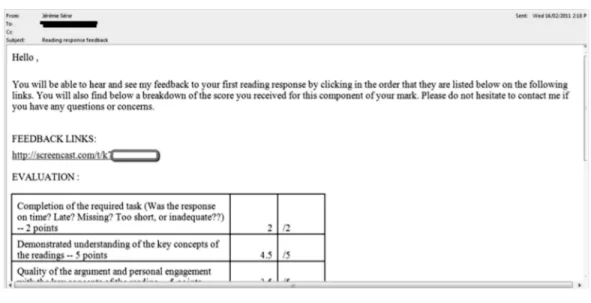
Another screencasting platform that has been used in the literature for instructor feedback is JING. This is free downloadable screencasting software that allows the user to capture personal screen activity in 5-minute video increments. Seror (2012) used Jing to personalize feedback for Canadian students and visually respond to assignments. In a conceptual reflection on his four-year use of Jing, Seror (2012) provides a loose description of the process of creating a feedback video. Unlike other video services, like YouTube, a particularly attractive feature in Jing is the ability to retain the rights of the content that is uploaded by users (Seror, 2012). There is no mention of a specific learning management
system (LMS), however it is recommended that a link to video feedback be sent to students in an email that also summarizes the score in a rubric. An example of this email is provided below.
Figure 2. Sample of an e-mail sent to students. (Seror, 2012)
The author concludes that the use of screencasting requires students to listen to feedback and make their own revisions, rather than simply “accepting all.” From a pedagogical perspective this encourages students to remain active in the revisions process and reinforces learning (Seror, 2012).
Harper, Green and Fernandez-Toro (2012) also used Jing to enhance student feedback and improve student engagement with instructor feedback on written assignments in foreign language courses. The authors use the term veedback (Thomas & Lee, 2012) to describe video feedback. Nine instructors were required to provide veedback, using Jing, on a pre-determined assignment. Perception data from both students and instructors was collected in the form of questionnaires and interviews. As a result, all instructors in this study agreed that the use of Jing allowed for more rich and in-depth feedback, compared to written formats. The instructors also report that it took about an hour to get oriented to the video technology, after
which student veedback took 15 to 30 minutes to complete. Students appreciated the multi-sensory approach and found veedback to be motivating and less overwhelming than error correction in the margins of a paper (Harper, et al., 2012).
Camtasia, a more complex retail software, has also been used in an empirical study. In Silva’s (2011) mixed-methods investigation student perceptions of video commentary versus Microsoft Word comments were examined. This study engaged seventeen student participants who positively regarded the use of video for feedback and attributed message clarity to the conversational nature of the video feedback.
Students and instructors indicate that the use of screencasting technologies could make a compelling impact on the effectiveness of instructor feedback in online courses. Empirical applications of screencasting for feedback delivery vary in the type of course management software used, video recording platform, message length, and the process for student retrieval of feedback messages. They do however share the following workflow recommendations for course designers:
• Understand the impact the feedback is intended to make, and ensure this is
communicated to the student in the feedback, while providing guidance on how they should apply it (Middleton and Nortcliffe, 2010).
• Open the electronic version of student assignments and go through the
document before recording, highlighting areas for elaboration and errors. (Stannard, 2008; Jones, et al., 2012)
• Set your software to record the entire screen so that all movements over the
• Read and comment on the text orally, while using the cursor to point to areas of
emphasis on the document. It is also helpful to pause the recording between comments to avoid long periods of silence. (Seror, 2012)
• The average length of videos should not exceed 15 minutes and could take
approximately 20 minutes to produce (Silva, 2011; Harper, et al., 2012)
• Integrate videos into the learning management system so that students have
videos and course materials in one location. (Mohorovičić, 2012)
• Email the file or link to the student directly instead of storing in online to make
initial and future access easier (Harper, et al., 2012)
These recommendations can inform future research on video feedback or “veedback” and could be used as a starting reference for an intuitional-specific design of a video feedback protocol.
Implications for Video Feedback Design Strategies in Asynchronous Online Learning Environments
As online courses continue to become a more prevalent option for higher education institutions, educators and course designers must identify instructional strategies that effectively facilitate the asynchronous learning environment. This review of the literature has revealed that the mode and medium of instructor feedback can play a significant role in student interpretation of the information (Silva, 2011). We further understand that traditional text-based online courses cannot include the visual and vocal cues that naturally occur in a classroom (Borup, et. al, 2011). Although real-time technologies are more readily being used to facilitate course meetings and office hours, instructors still rely heavily on text-based messages to convey feedback on assignments. This cannot continue if advances in delivery equivalence in online education are to be made.
Deeper learning requires more student-instructor interactions (Ravenna, 2012). Research suggests that that use of video as a feedback mode can have significant implications for the achievement of learning outcomes, the facilitation of increased interaction, richer understanding as well as increased student performance. A major consideration for any media performance is the facilitation of interactions necessary for the sharing of information and the development of meaning(s) ascribed to that information (Dennis et.al, 2008). The use of video enhances this level of interaction, allowing students to better understand the feedback of the instructor as they see and hear the messages in individualized video clips (Stannard, 2008; Griffiths & Graham, 2010; Seror, 2012). Thompson and Lee (2012) concur that video feedback allows for the addition of cues that have the potential to help students take in feedback as part of an ongoing conversation about their work instead of a personal criticism. Empirical studies reflect student perceptions that suggest video commentary modality afforded a degree of clarity and representation that was not evident or as effective in written modalities (Silva, 2011). Harper, et al. (2012) also maintain that the increase in student motivation and the instructors ability to provide a deeper level of individualized feedback made a compelling case for the effectiveness of feedback using video (screencasts). While instructor perceptions are limited, a reduction in time spent assessing assignments and the extensive nature of video feedback are noted. Specifically, Stannard (2008) reports that a 2-minute video recording could provide the equivalent of approximately 400 written words. These student benefits, along with the reduction in feedback cycle time for instructors, provide sufficient reason to adopt the video feedback technique, but how?
Bonnel (2008) links student satisfaction with online courses to feedback, but suggests that guidelines specific to providing feedback are lacking. Research on instructor feedback has historically focused primarily on student perceptions. In response to this, Borup, West &
Graham (2012) challenged researchers to move beyond mere student perception and empirically examine the effect of regular instructor– student and asynchronous video communication. Since the literature so clearly suggests that feedback is one of the most important tools that positively influence students’ learning (Hattie, 1999), the investigation of innovative feedback delivery via video was a natural progression that presented tremendous opportunity for students, instructors and higher learning institutions.
Exploring Learning and Instructional Innovation in Through Design-Based Research
Current research on how educational technologists and workplace learning professionals are designing experiences to strategically use feedback to improve performance abound. Much of this educational research is documented in articles that describe experimental results of the application of a deliberate feedback strategy (Daniels & Martin, 2008; Wolsey, 2008; Ice & Curtis, 2007). While these “tests” of a particular strategy have generated some useful insight for student learning, there remains some degree of murkiness about the feedback provision process and specific guidelines for such practices in technology enhanced learning environments. In 2003, the Design-Based Research Collective presented Design-Based Research as a viable solution for this kind of challenge;
Design-Based Research enables the creation and study of learning conditions
that are presumed effective but are not well understood in practice, and the generation of findings often overlooked or obscured when focusing exclusively on the summative effects of an intervention (p. 5)
This suggests that DBR could provide a scientifically sound framework for investigating innovations in feedback provision in online education.
Design-based research (DBR) is defined by Bell (2004) as “the intentional design of complex interventions or change efforts, coupled with empirical research and theorizing about what takes place in the authentic contexts where the designed objects come to be used” (p.
245). As the theoretical brainchild of Brown (1992) and Collins (1992), design-based research was originally termed design experiments Scholars came to engage in design-based research to better understand how to orchestrate innovative learning experiences among children in their everyday educational contexts as well as to simultaneously develop new theoretical insights about the nature of learning. (Bell, 2004). Design-based research strives to generate, and advance a particular set of theoretical constructs that transcend the environmental particulars of the contexts in which they were generated, selected, or refined (Barab & Squire, 2004). As a method of inquiry, this research paradigm is still quite young in education, even though much of the work does draw on more historically established traditions Bell (2004). Sandoval & Bell, (2004) precisely articulate the multi-disciplinary richness of DBR below:
On the research side of the endeavor, design-based researchers draw from multiple disciplines, including developmental psychology, cognitive science, learning sciences, anthropology, and sociology. On the design side of the work, researchers draw from the fields of computer science, curriculum theory, instructional design, and teacher education.
According to Wang and Hannafin, (2003) design and research has typically been isolated in traditional instructional design (ID) and research. They specifically address technology-enhanced learning environments and also posit that design-based research is promising for both design and research because:
Technology enhanced designs generate knowledge that can be classified as context-based or meta-design. Context-context-based knowledge (about design context and problems) and meta design knowledge (design procedures and guidance) are interwoven throughout iterative design, development and implementation process. (p. 14)
Barab & Squire (2004) further identify several characteristics of DBR, which allow the methodology to engage deeply with an intended context to understand the complex nature of real-world practice: