Air Force Institute of Technology
AFIT Scholar
Theses and Dissertations Student Graduate Works
3-21-2013
Case Study Analysis of Trust and Commitment
Between the Civil Engineering Commodity
Council and the Civil Engineering Career Field
Jonnathan B. Page
Follow this and additional works at:https://scholar.afit.edu/etd
Part of theCivil Engineering Commons
This Thesis is brought to you for free and open access by the Student Graduate Works at AFIT Scholar. It has been accepted for inclusion in Theses and Dissertations by an authorized administrator of AFIT Scholar. For more information, please [email protected].
Recommended Citation
Page, Jonnathan B., "Case Study Analysis of Trust and Commitment Between the Civil Engineering Commodity Council and the Civil Engineering Career Field" (2013).Theses and Dissertations. 1003.
CASE STUDY ANALYSIS OF TRUST AND COMMITMENT BETWEEN THE CIVIL ENGINEERING COMMODITY COUNCIL AND THE CIVIL
ENGINEERING CAREER FIELD
Jonnathan B. Page, Capt, USAF
AFIT-ENV-13-M-21
DEPARTMENT OF THE AIR FORCE AIR UNIVERSITY
AIR FORCE INSTITUTE OF TECHNOLOGY
Wright-Patterson Air Force Base, Ohio
DISTRIBUTION STATEMENT A.
The views expressed in this thesis are those of the author and do not reflect the official policy or position of the United States Air Force, Department of Defense, or the United States Government.
This material is declared a work of the United States Government and is not subject to copyright protection in the United States.
AFIT-ENV-13-M-21
CASE STUDY ANALYSIS OF TRUST AND COMMITMENT BETWEEN THE CIVIL ENGINEERING COMMODITY COUNCIL AND THE CIVIL
ENGINEERING CAREER FIELD
THESIS
Presented to the Faculty
Department of Systems and Engineering Management Graduate School of Engineering and Management
Air Force Institute of Technology Air University
Air Education and Training Command In Partial Fulfillment of the Requirements for the Degree of Master of Science in Engineering Management
Jonnathan B. Page, B.S.M.E. Captain, USAF
March 2013
DISTRIBUTION STATEMENT A.
AFIT-ENV-13-M-21
CASE STUDY ANALYSIS OF TRUST AND COMMITMENT BETWEEN THE CIVIL ENGINEERING COMMODITY COUNCIL AND THE CIVIL
ENGINEERING CAREER FIELD
Jonnathan B. Page, B.S.M.E. Captain, USAF
Approved:
//signed// _________
Alfred E. Thal, Jr., PhD, USAF (Chairman) Date
//signed// _________
John Elshaw, Lt Col, USAF (Member) Date
//signed// _________
AFIT-ENV-13-M-21
iv
Abstract
The Air Force is pursuing strategic sourcing as a strategy for reducing costs of goods and services to help meet budget reductions while still performing its mission. These commodities are sourced through a number of commodity councils, each of which whom interact with their stakeholders throughout the sourcing process for that specific commodity. This research identifies factors that influence the success or failure of the sourcing process from the perspective of the Civil Engineering Commodity Council (CECC) and attempts to organize these factors within a framework built around trust and its effect on commitment and cooperation. These factors were identified through in-depth interviews performed with personnel on the CECC with experience in the sourcing process, after which responses were analyzed with Atlas.ti to identify themes and trends. Stakeholder support and participation was stated to be one of the largest factors
impacting successful sourcing efforts, and perceptions of other factors such as
appropriate training, appropriate mix of specialties on the team, experience, marketing, and successes were proposed as important to building trust in the CECC. Addressing these factors would then improve the perceptions of ability and benevolence of the CECC, resulting in improved trust, commitment, and cooperation from the career field.
v
Acknowledgments
I would like to thank Mr. Todd Grimes and all the members of the Civil Engineering Commodity Council for their support throughout this research effort.
I would also like to thank my research advisor, Dr. Al Thal, and my committee members, Lt. Col. Tay Johannes and Lt. Col. John Elshaw for their guidance and knowledge that made this research possible.
vi Table of Contents Page Abstract ... iv Acknowledgments...v Table of Contents ... vi
List of Figures ... viii
List of Tables ... ix Page ... ix I. Introduction ...1 Background ...1 Problem Statement ...5 Research Questions ...6 Methodology ...7
Assumptions and Limitations ...7
Significance of Study ...8
Overview ...8
II. Literature Review ...10
Industry Strategic Sourcing ...10
Air Force Strategic Sourcing ...14
Air Force Civil Engineer Commodity Council (CECC) ...17
Previous Air Force Commodity Council Research ...19
Commitment, Trust, and Virtual Organizations ...23
Commitment ... 23
Trust 24 Antecedents of Trust ... 27
Virtual Organizations ... 28
Literature Review Summary ...30
III. Methodology ...31
Case Study Methodology and Grounded Theory Method ...31
Data collection ...32
Analysis ...35
Reliability and Validity ...36
vii
Page
IV. Data Analysis ...38
Factors Affecting CECC Sourcing Success or Failure ...38
Stakeholder Participation and Support ... 40
Data Quality ... 41
Communication with Stakeholder ... 42
Clear Requirements/No direction or Guidance Provided ... 42
Appropriate Mix of Specialties/Improper Mix of Specialties ... 43
Project Team Experience/Lack of Proper Experience ... 43
Realistic Schedule/Time to Complete ... 43
Complications Inherent to Government Contracting ... 44
Appropriate Research of Commodity ... 45
Lack of Stakeholder Understanding of Strategic Sourcing ... 45
CECC Knowledge of Career Field ... 46
Personnel Fluctuations ... 46
Push for Contracts Alone ... 46
Management Not Making Decisions ... 46
Trust as a Factor in Stakeholder Commitment and Cooperation ...47
Commitment and Cooperation ... 48
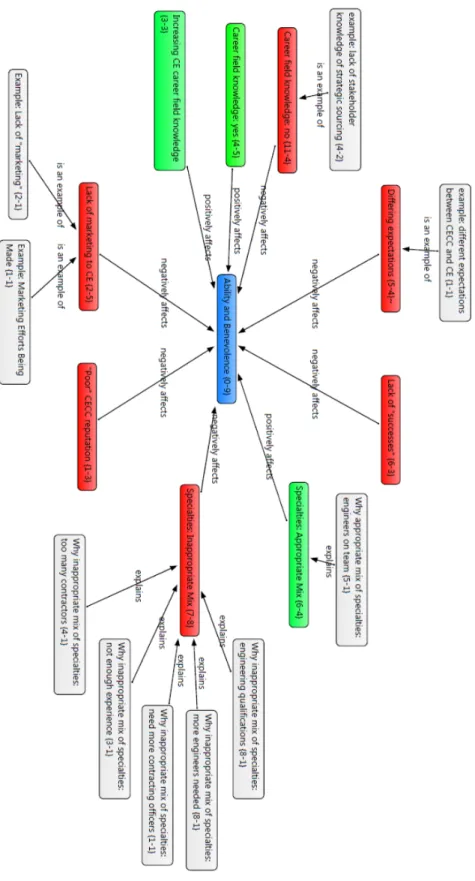
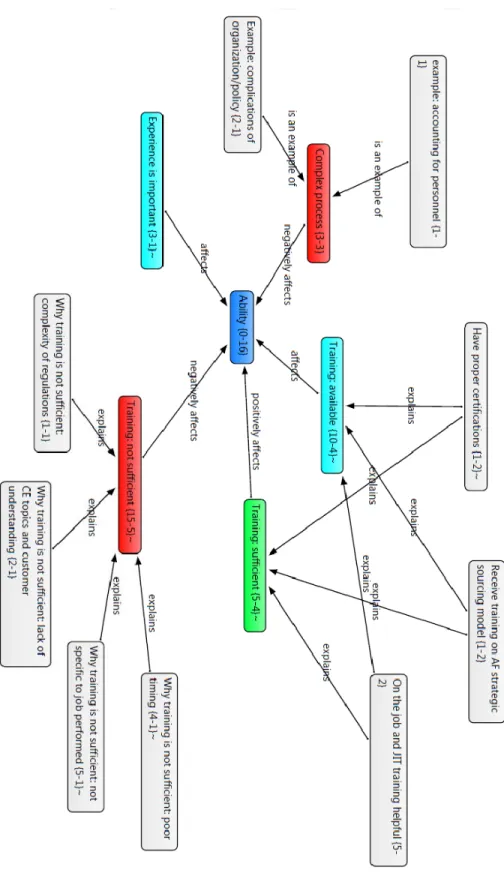
Antecedents of Trust ... 50
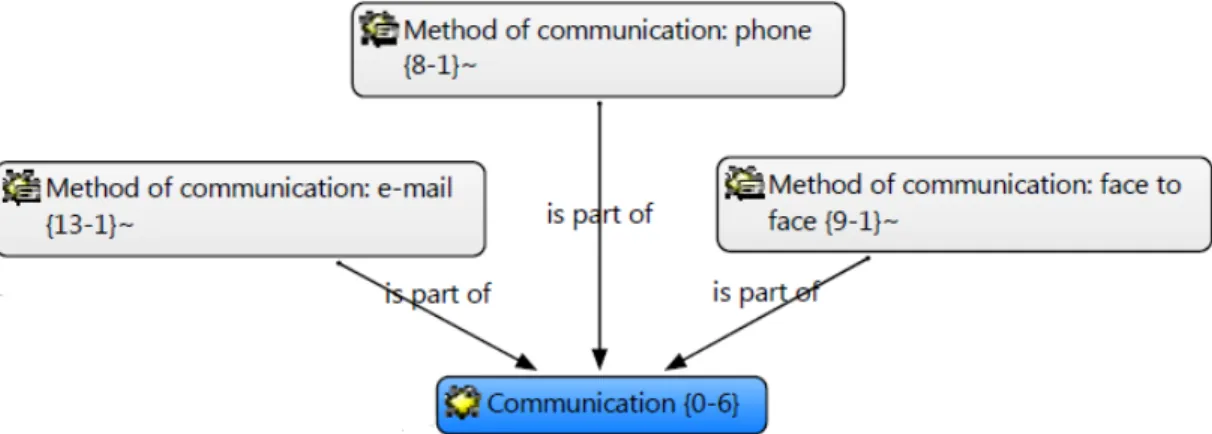
Communication ... 58
Analysis Summary ...59
V. Conclusions and Recommendations ...61
Discussion ...61
Factors influencing success ... 61
Antecedents of Trust ... 62
Recommendations ...62
Recommendations for Future Research ...66
Summary ...67
Appendix A. Interview Questions...68
Appendix B. Interview Responses ...70
Appendix C: Sample Codes-to-Quotations Summary ...97
Appendix D: Code Families...98
viii
List of Figures
Page
Figure 1. Air Force ESG Strategic Sourcing Process ... 16
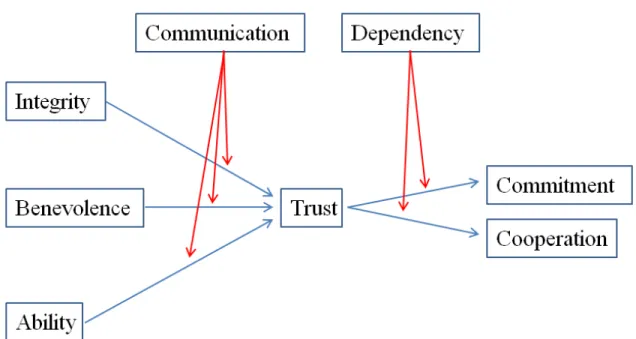
Figure 2. Overarching Model Relating Trust to Commitment and Cooperation. ... 47
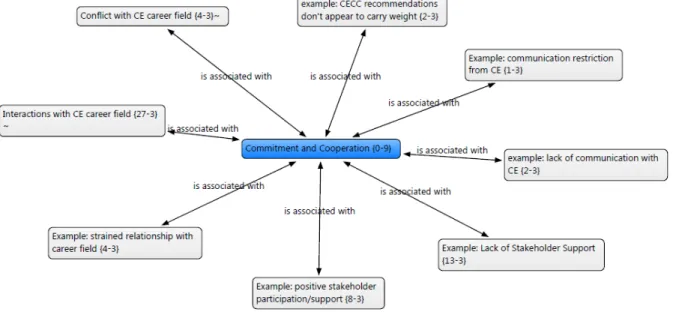
Figure 3. Identified Codes Associated With Commitment and Cooperation ... 48
Figure 4. Factors Affecting Perceived Benevolence and Ability of the CECC ... 51
Figure 5. Factors Affecting Only the Perceived Ability of the CECC. ... 56
ix
List of Tables
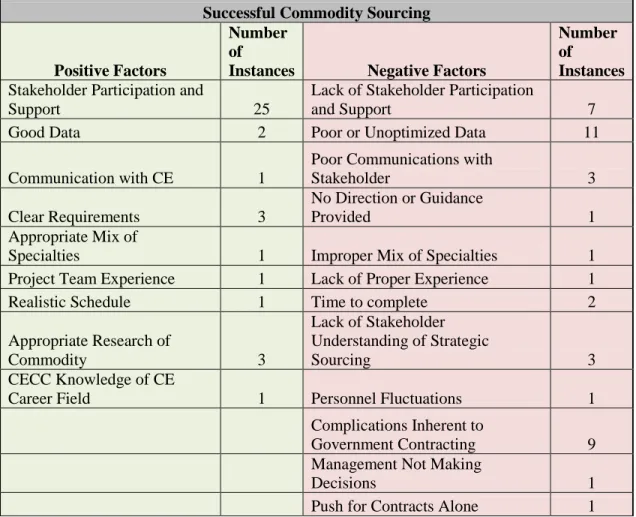
Page Table 1. Industry Strategic Sourcing Efforts: Actions and Results ... 14 Table 2. Factors Affecting CECC Commodity Sourcing ... 39
1
CAST STUDY ANALYSIS OF TRUST AND COMMITMENT BETWEEN THE CIVIL ENGINEERING COMMODITY COUNCIL AND THE CIVIL
ENGINEERING CAREER FIELD
I. Introduction
The Air Force Commodity Councils strive to find new ways to purchase goods and services for reduced prices to support an Air Force that increasingly finds itself trying to perform its mission on a reduced budget. Historical research of commodity councils in the Air Force has stressed the importance of customer support and participation in
creating and delivering successful products. This working relationship between the commodity councils and its stakeholders is vital to ensure not only that the commodity councils accomplish their mission but that the supported customer realizes efficiencies and cost savings in the commodities being targeted. As a positive working relationship benefits both organizations involved, an understanding of the root causes that may influence commitment and cooperation serves to improve execution of commodity sourcing strategies by all commodity councils and help stakeholders continue operations as budgets are reduced.
Background
As the Department of Defense (DoD) continues to face budget cuts, there is an increased focus by all branches on methods to deliver the same levels of service and capability with less money. Between Fiscal Year (FY) 2012 and 2013 alone, the DoD
2
budget was reduced by more than $5 billion, and these reductions generated two of the major initiatives of the FY 2013 President’s Budget: enforcing a more disciplined use of resources and obtaining greater efficiency and productivity in defense spending (DoD, 2012). To meet these goals and still perform its mission, the Air Force is striving to change the way it acquires goods and services.
In 2005, 45% of the Air Force’s budget was spent on procurement and support, thereby making these processes a key target for cost reductions (Osborn & Schoonmaker, 2007). Procurement was (and frequently still is) performed at a tactical level with
individual units and installations making purchases to satisfy short-term organizational requirements; this tactical and decentralized approach ignores strategic level
requirements that may drive more efficient methods of purchasing and fails to take advantage of opportunities for potential volume discounts. To improve its capability to achieve savings in procurement, the Air Force turned its focus to a new form of
purchasing being used in industry called strategic sourcing. The Office of Management and Budget describes strategic sourcing as “the collaborative and structured process of critically analyzing an organization’s spending and using this information to make business decisions about acquiring commodities and services more effectively and efficiently;” it also states that this focus on an enterprise level of spending and requirements can result in cost savings and improved operating efficiencies (OMB, 2005). Strategic sourcing elevates the acquisitions process to the strategic level and focuses on an entire community while promoting a purchasing strategy that can successfully leverage Air Force buying power to obtain cost savings. By looking at
3
requirements at a higher level and purchasing a common commodity through a
centralized source for an entire community, price reductions can be achieved while still meeting the daily objectives of the individual units and organizations that originally handled that purchasing (Bowman, Reed, Hudgens, & Searle, 2006).
To execute its strategic sourcing efforts, the Air Force began activating Commodity Councils. Each commodity council focuses on executing strategic purchasing over specific commodity sectors in the Air Force, the first being the
Information Technology Commodity Council (ITCC) in 2003. The initial target of the ITCC was the procurement of computer systems for the Air Force, and by 2006 the ITCC reported savings of approximately $34 million (Bowlman et al., 2006). The results of the ITCC efforts suggested that the concept of strategic purchasing could work in the Air Force. In 2009, the Secretary of the Air Force mandated that Air Force Major
Commands (MAJCOMs) begin building a strategic sourcing capability and created the Enterprise Sourcing Group (ESG) in 2010 to oversee all Commodity Councils, including the Civil Engineer Commodity Council (CECC) (CECC, 2011).
The CECC is a cross-functional team chartered to identify Air Force-wide
opportunities for strategically sourcing civil engineering (CE) commodities and services, with its specific goals identified as leveraging Air Force buying power, standardizing civil engineering procurement requirements, developing centralized contract vehicles, and exploiting new technologies for e-procurement and reporting (CECC, 2011). To date, the CECC has already “strategically sourced” two commodities through the award of an Air Force-wide contract for future airfield lighting purchases at reduced
“pre-4
contract” prices and the development of a standardized performance work statement (PWS) for elevator maintenance. The CECC is now focusing on other commodities and contracts (Burt, 2011).
As commodity councils operate outside of their stakeholder career field and typically do not employ members of said career field, interaction with the actual
commodity experts and users is vital to developing and delivering successful products. Commodity councils rely on stakeholders to help generate requirements, perform data calls, and provide technical expertise on specific commodities. Poor relationships between these two organizations can hamper commodity sourcing efforts and may contribute to less-than-ideal solutions. Previous research on older commodity councils have provided evidence of the importance of this relationship, and both commodity council personnel and higher-level career field leadership have noted how a successful working relationship and participation was a key to success in shifting purchasing to a strategically oriented level. However, concerns have been raised on a perceived lack of participation and support from the CE career field during CECC sourcing efforts, which may result in less effective sourcing strategies and solutions developed by the CECC.
Commitment and cooperation have been shown to foster positive performance, and Meyer and Allen (2001) have stated that willingness to contribute to organizational effectiveness can be reasonably assumed to be influenced by commitment to an
organization. Additionally, Garbarino and Johnson (1999) recognized that commitment is an essential ingredient for a successful relationship. One factor affecting commitment and cooperation is trust, without which commitment is unlikely to be established, and it
5
has been shown that greater levels of trust in a supplier result in greater levels of
commitment and cooperation from a buyer (Razzaque & Boon, 2003). However, virtual organizations encounter additional difficulties in building trust due to a lack of face-to-face interaction, but trust becomes critical for cooperation due to the nature of virtual organizations (Jarvenpaa & Shaw, 1998).
Problem Statement
Currently the CECC is centralized under the ESG, along with several other Commodity Councils, and is chartered to accomplish CE strategic sourcing contracts. There are currently no Civil Engineering career field members assigned to the CECC, although the Air Force Civil Engineer Center (AFCEC) has created a strategic sourcing position that works as a liaison through which the CECC coordinates with the individual MAJCOMs to delegate requirements and gather data. These factors, among others, may be creating additional roadblocks towards successful strategic sourcing implementation and deliverance of products to the CE career field. Additionally, concerns have been raised regarding the working relationship between the two organizations when sourcing some commodities. In particular, examples of poor stakeholder support and participation have been noted, and this research seeks to provide a possible reason for why these problems are present. This research will look at these factors from the perspective of trust as it impacts commitment and cooperation in a relationship.
6
Research Questions
Commodity sourcing efforts in the DoD will continue to be promoted due to the need for potential cost savings that can be achieved across all agencies. The Air Force Civil Engineer Commodity Council (CECC) is investigating multiple commodities within the Civil Engineering (CE) career field that can benefit from strategic sourcing.
Successful development and implementation of these sourcing efforts rely heavily on commitment and communication between the CECC and the career field.
To this end, this research effort investigated how the current organizational structure and processes, as well as interorganizational relationships, impact CECC execution of commodity sourcing strategies. This research identified potential problems and related issues found in current literature discussing virtual teams and trust between organizations. More specifically, this research seeks to answer the following questions:
1. What factors contribute to the successful development and implementation of AF CECC commodity sourcing strategies?
2. What factors hinder or prevent successful development and implementation of AF CECC commodity sourcing strategies?
3. What factors may impact the building of trust of the CECC by CE Functional Operating Agencies and career field MAJCOMs and what potential impacts might trust may have on the working relationship between these
organizations?
4. What measures may mitigate the potential lack of trust between organizations and improve working relationships as they relate to executing commodity sourcing strategies?
7
Methodology
Interview questions were developed to facilitate general open-ended responses in order to draw out and identify common themes and trends, as perceived by CECC personnel, which were then be analyzed and compared to previous commodity council research. Questions were generated in three separate sections. The first section sought to clarify the current commodity sourcing process and identify cases of, or requirements for, interactions between the CECC and the CE career field. The second set focused on topics to identify factors that may affect the building of trust between two organizations. The final set of questions specifically related to factors that facilitate or inhibit success of the CECC’s sourcing efforts.
Interview responses were transcribed then imported into Atlas.ti for analysis. Common trends and relationships were identified and related to an overarching model of trust as it impacts commitment and cooperation between organizations. Analysis of the data gathered helped summarize the issues impeding the CECC commodity sourcing process and facilitated the development of recommendations to mitigate
interoganizational problems.
Assumptions and Limitations
This research focused on an organization within the Air Force performing
strategic sourcing operations within the boundaries of an Air Force framework. As such, although the literature review focused on industry strategic sourcing, interview questions were generated primarily from previous commodity council research where appropriate.
8
Additionally, while there is historical data available on Air Force and DoD strategic sourcing, the CECC is a comparatively young organization that does not have an extended history of products delivered.
Significance of Study
Successful programs and contracts generated from the CECC will help the Air Force CE career field continue to provide the breadth of services and capabilities it currently does while operating on a reduced budget. This research documents factors that facilitate or inhibit success so that they may be addressed, specifically with respect to the interaction between the CECC and the CE career field. Additionally, previous research has not identified any relationships between these factors to determine how they may affect successful strategic sourcing; this research proposes trust as a reason stakeholder commitment and cooperation can depend on some of these factors. Finally, findings from this research can serve as benchmarks for other commodity councils by either validating existing practices or improving future ones.
Overview
This research effort is described in the thesis document in the conventional format. Chapter 2 provides a literature review that discusses previous strategic sourcing efforts from both the military sector and industry. Furthermore, case studies of previous commodity councils will be reviewed, with a focus on “successful” and “unsuccessful” efforts. Research discussing trust and its effect on commitment and cooperation will also
9
be presented, and the antecedents of trust will be discussed along with the effect that perceptions of these antecedents can have on levels of trust. Additionally, literature describing virtual teams and the impact that these virtual teams have on trust
development will be reviewed. Chapter 3 presents the interview process and data gathering and qualitative analysis methods that make up the methodology of this research. Chapter 4 provides the analysis of the raw data gathered and discusses the results and subsequent insights that were gained. Finally, Chapter 5 offers conclusions and provides recommendations for future study.
10
II. Literature Review
The following literature review provides background information pertinent to this research effort. The first section provides a general overview of industry strategic
sourcing and the implementation of commodity councils. The next section describes the Air Force’s strategic sourcing efforts, including the establishment of several Air Force-specific commodity councils to meet department strategic sourcing goals. The third section further describes the creation and organization of the Civil Engineer Commodity Council (CECC) in support of the Civil Engineering career field. The next section briefly reviews previous research accomplished on Air Force commodity councils and identifies examples where working relationships between Major Commands (MAJCOMs) and functional experts have influenced sourcing success or failure. Finally, the last section describes literature related to virtual organizations and trust within those organizations. This literature review will help build the context for this research effort and be used to develop interview questions for the qualitative analysis discussed in the next chapter.
Industry Strategic Sourcing
A significant portion of business revenues are spent on purchasing materials and services. In companies such as Hewlett Packard, where up to 70% of revenue was used to buy parts for production in 2004, any cost savings that can be achieved in the
acquisitions process results in significant savings (Carbone, 2004). Subsequently, the acquisitions process has undergone a transition from simply a purchasing function to management of an entire supply chain in order to achieve cost reductions. This new
11
method of acquisitions creates a focus on additional factors in supply chains such as “quality, total ownership cost, time to market, technology, and continuity of supply” (Rendon, 2005).
One result of this transition to supply chain management is the development of the strategic sourcing approach to an organization’s purchasing strategy. Strategic sourcing does not have a common definition in industry; instead, it has been defined in many ways. For example, Newhart (2006) defines it as “a logical and systematic process for managing and prioritizing an organization’s spending.” In a 2005 Office of
Management and Budget (OMB) memo, Johnson (2005) describes it as “the collaborative and structured process of critically analyzing an organization’s spending and using this information to make business decisions about acquiring commodities and services more effectively and efficiently” (OMB, 2005). Despite the multitude of definitions, a common theme is that strategic sourcing involves analyzing an organization’s spending patterns and focusing on ways to optimize spending in contrast to traditional acquisition methods.
Traditional acquisition efforts are typically performed at the tactical level in companies by numerous individual purchasers making independent spending decisions. Additionally, these purchases are made in response to short-term objectives or immediate requirements rather than being made with regards to long-term objectives or total value. These quick response purchases often fail to capitalize on opportunities for company-wide savings. Strategic sourcing instead looks at purchasing within the context of the entire organization to focus on broader and longer-term gains to more effectively and
12
efficiently acquire goods and services. This strategic level focus can result in cost savings through bulk purchasing, consolidation of contracts, and leveraging an entire organization’s bargaining and buying power (Searle, 2006).
Commodity sourcing focuses on creating a sourcing strategy specific to a select group of supplies or services, which are often called commodities. Success in this strategy is based on “maximizing the cost-reduction advantages of leveraging combined buying power for volume discounts, utilizing market experts to formulate a sourcing strategy, and finally, forming strong relationships with preferred suppliers” (Rendon, 2005). A general method for commodity sourcing has been developed by Lasseter (1998) called “Balanced Sourcing,” which can be outlined in a seven-step process: “(1) Spend analysis, (2) Industry analysis, (3) Cost/performance analysis, (4) Supplier role analysis, (5) Business process reintegration, (6) Savings quantification, and (7) Implementation.”
An explanation of these seven steps was offered by Rendon (2005), which is summarized in the remainder of this paragraph. The first step of the balanced sourcing approach is the spend analysis. Spend analysis consists of analyzing all goods and services purchased or projected to be purchased by an organization, including the total cost of ownership of a commodity, to create a complete and well-documented
understanding of an organization’s acquisitions spending. Next, an industry analysis is performed to identify major suppliers and to develop an understanding of the current industry environment surrounding the availability of a specific commodity. This environment can include competition, pressure on buyers and suppliers, and industry trends. Third, a cost and performance analysis is performed to determine the factors that
13
drive cost and the metrics that best measure the performance of the commodity. The next step involves identifying the types of suppliers needed for acquisition of the commodity in question and the roles and responsibilities those suppliers should have within the supply chain. Following that, the purchasing organization is analyzed to determine whether its processes are properly aligned to facilitate effective acquisitions by reviewing “cost drivers and supplier roles to realign business-process priorities to reflect the desired degree of integration with selected suppliers” (Rendon, 2005). Next, savings must be quantified in some manner to ensure that results can be measured to gauge success or failure as well as to promote the commodity sourcing strategy to leadership. Finally, the commodity sourcing strategy is implemented. This final step includes determining how the plan will be communicated and delegated to ensure that all objectives are
accomplished.
The common method to execute commodity sourcing strategy in industry is through the creation of internal commodity councils. These councils are cross-functional teams responsible for developing the sourcing strategy for specific commodity groups using a plan similar to the seven-step process outlined above (Searle, 2006). Due to the wide variety of activities necessary in the development of successful commodity sourcing strategies, as well as the amount of information being collected and analyzed, it is
important that the commodity council be populated by the appropriate mix of subject matter experts and stakeholders in the company.
There are two common benefits from commodity council efforts recognized across industry. The first is improved negotiating power through a more centralized
14
procurement process, and the second is enhanced “buyer-seller relationships which can remove non-value added costs and identify other areas for improvement” (Searle, 2006). A summary of common industry actions and results is shown in Table 1.
Table 1. Industry Strategic Sourcing Efforts: Actions and Results (Searle, 2006)
Company Actions and Results
IBM - consolidated requirements of all its divisions and locations
- established 17 councils charter with reducing the number of suppliers and reducing costs - reduced the number of suppliers from ~4,900 in 1993; now about 85% of IBM's $17.1B in production purchases is with 50 suppliers - realized pricing discounts 5-10% below industry average
Hewlett Packard - centralized purchasing of key commodities
- top priority was to leverage their size and scale to cut costs
- reduced the number of direct material suppliers by 53% from 1500 to 720 - spend 85% of their procurement dollars with just 35 suppliers
- realized $1.2B in savings from 2001 to 2004 Brunswick Corp - centralized purchasing of six distinct units - set specific cost reduction goals
- from 1997-1998 reduced procurement costs $2.7M on $22M in annual spend
Air Force Strategic Sourcing
In May of 2003, the Department of Defense (DoD) officially began strategic sourcing activities through the establishment of the DoD-Wide Strategic Sourcing Program (DWSS) (AT&L, 2006). Two months later, the Air Force Information
Technology Commodity Council (AFITCC) was created to develop a commodity strategy for desktop computers and laptops. Using its own eight-step model for commodity sourcing, the AFITCC consolidated computer configurations and reduced suppliers. By the end of the year, the AFITCC was reporting a cost avoidance of $6 million, while
15
enabling the purchase of 12,500 computers using the same amount of funding that originally purchased only 10,000 computers (Heitkamp, 2004).
Beginning in 2005, the OMB directed all agencies to begin implementing strategic sourcing, which it defined as “the collaborative and structured process of critically analyzing an organization’s spending and using this information to make business decisions about acquiring commodities and services more effectively and efficiently” (OMB, 2005). More specifically, the OMB directed that each Chief
Acquisition Officer will identify no fewer than three commodities that could benefit from the application of strategic sourcing, while also requiring all agencies to report its
strategic sourcing initiatives annually to the Office of Federal Procurement Policy (OMB, 2005).
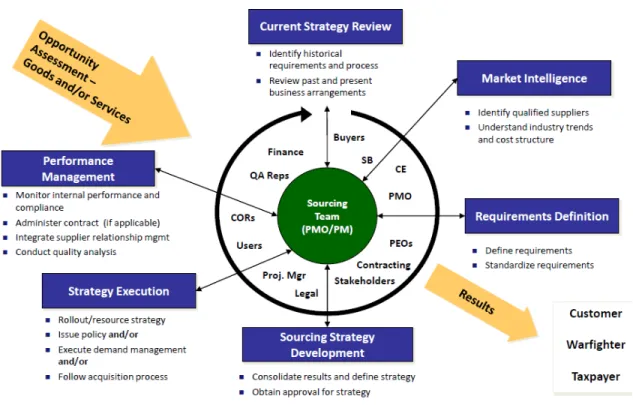
In 2010, the Air Force consolidated all of its commodity councils at Wright-Patterson Air Force Base under the newly established Enterprise Sourcing Group (ESG), which was now responsible for enterprise-wide strategic sourcing within the continental United States. It also activated seven commodity councils within the ESG: information technology, medical service, furnishings, force protection, civil engineering, office supplies, and knowledge-based services. In executing commodity sourcing strategies, the commodity councils use the ESG process outlined in Figure 1 for its commodity sourcing strategies. The six steps in the ESG model are similar to the steps in Lasseter’s “balanced sourcing” model.
16
Figure 1. Air Force ESG Strategic Sourcing Process (ESG, 2011)
Before beginning the sourcing process, an opportunity assessment is performed to determine which commodities to target. This assessment identifies the greatest potential for cost reductions through inputs received from the appropriate career field(s) supported by the commodity council. Upon completion of the opportunity assessment, the six-step process is applied to commodities identified to be strategically sourced. First, a strategy review is conducted which identifies the historical requirements and acquisition processes to determine how this commodity has been purchased previously. This review is similar to the spend analysis step of the “balanced sourcing” model and generates a complete understanding of spending patterns related to this specific commodity. The next step is market intelligence, which fulfills the same function as the industry analysis step in “balanced sourcing.” Suppliers and industry trends are identified in this step which help
17
provide additional context to the decision-making process. Third, requirements are defined and standardized across the affected region to facilitate consolidation of contracts or bulk purchasing agreements. Next, a plan is developed to execute the commodity sourcing strategy. Typically, this plan will be accomplished through the award of certain contracts, but this step can also include delegation of specific actions to tactical-level units to modify acquisition processes and align them with commodity council objectives. The commodity councils must obtain approval at this step for their proposed strategy prior to proceeding with execution. Upon receiving approval, the strategy is executed through either the issuance of policy or the completion of internal acquisition processes such as new contract awards. Finally, the performance of the commodity sourcing strategy is monitored to ensure compliance as well as to gauge how successful objectives were met.
Air Force Civil Engineer Commodity Council (CECC)
The Air Force CECC was officially chartered in March of 2010 to pursue
commodity sourcing strategies in support of the Civil Engineering (CE) career field with the support of other organizations such as MAJCOM and functional representatives. The objectives of the CECC identified in its charter are shown below (USAF, 2010).
a) Create enterprise-wide supplies and services sourcing strategies b) Create and maintain strategic supplier relationships
c) Drive commonality and standardization of requirements d) Minimize supply chain cost through integration/collaboration e) Reduce procurement processing times
f) Minimize duplication of effort g) Lower total cost of ownership
18
In addition, the charter delegates specific roles and responsibilities to individual agencies participating with the CECC. Senior leadership perspective on requirements and
performance metrics are provided by both the Assistant Secretary of the Air Force (Acquisition) and the Air Force Civil Engineer. Both share responsibilities as co-Commodity Strategy Officials (CSOs) for approving and executing sourcing strategies and directing the use of strategic agreements; they also review and evaluate implemented strategies for effectiveness. The ESG is responsible for ensuring the involvement of CE senior management and coordinating with Air Force Civil Engineer Support Agency (AFCESA) and Air Force Center for Engineering and the Environment (AFCEE) (both of which were consolidated as the Air Force Civil Engineer Center as of 1 October 2012) strategic sourcing leads on CE-related commodity issues, as well as implementing policies approved by the co-CSOs. AFCESA and AFCEE are responsible for supporting the CECC and serving as liaisons between the MAJCOMs and the CECC to provide technical and functional support, review strategies recommended by the CECC, and submit and analyze both current and projected requirements. The MAJCOMs are then responsible for appointing advisors to the CECC, recommending sourcing strategies, and assisting in the development, implementation, and execution of sourcing strategies (USAF, 2010).
In 2011, a memorandum of agreement (MOA) was developed between the ESG/CECC, AFCESA, and AFCEE establishing the framework by which roles and responsibilities were identified. In the executive summary, the MOA identifies the requirement for members on the CECC to be acknowledged experts in their respective
19
functional areas as applied to commodity groupings. Additionally, representatives should be appointed to each council to ensure an accurate representation of customers supported by the CECC (USAF, 2011). AFCESA’s Program Management Office (PMO)
responsibilities are expanded to further specify its role as a liaison. This role includes coordinating with MAJCOM strategic sourcing cells to identify potential commodities and develop cost analysis documents that ensure the strategic sourcing process is being used. The PMO also facilitates the process of establishing centralized contracts for commodities and collects feedback from stakeholders to assess the results. Additionally, AFCESA will appoint point of contacts (POCs) and subject matter experts (SMEs) to provide support as required (USAF, 2011). Similarly, AFCEE’s PMO provides direct support for CECC initiatives if they apply to the PMO’s defined area of oversight (USAF, 2011). Finally, implementation teams, extended teams, and enterprise sourcing group advisors are defined. Implementation teams consist of additional personnel as required by a commodity sourcing strategy, while extended teams and enterprise sourcing group advisors provide expert advice and support to implementation teams. Instead of assigning a set number of personnel for these teams, members are tasked as required and may be sourced from “AFCESA, AFCEE, MAJCOMs…and functional/technical
experts” (USAF, 2011).
Previous Air Force Commodity Council Research
Significant research has been conducted on commodity council performance in the Air Force in an effort to identify best practices and provide recommendations for improvement. Much of the research focused on the actual procurement process itself, but
20
common themes were highlighted showcasing the positive and negative impacts resulting from the working relationships developed between commodity councils and career field leadership, MAJCOMs, and functional experts. Searle (2006) identified barriers to implementing strategic sourcing in the DoD. A significant barrier was the lack of a single voice in the federal procurement process that had the authority and responsibility for dictating and enforcing strategic acquisitions. This “lack of authority to require participation and enforce procurement policies and sourcing decisions,” as well as ambiguity related to strategic sourcing objectives, had a negative impact on strategic sourcing efforts (Searle, 2006). Additionally, he states that the difficulty of measuring “efficiency savings” made it difficult to promote the idea of strategic sourcing to leadership. He also cites two critical factors for a successful strategic purchasing
implementation: (1) the need for leadership to fully believe that centralized procurement is necessary and (2) a requirement for a chief procurement officer properly empowered and assigned to oversee procurement operations (Searle, 2006).
In an analysis of commodity council impacts on Air Force purchasing, Rairigh and Sanchez (2004) noted a lack of flexibility in the DoD’s personnel systems as compared to industry. This rigidness can create difficulties in appropriately manning some commodity councils. Additionally, the ongoing reluctance of career fields to release personnel was noted as problematic. They also thought that the importance of strategic sourcing needed to be understood by all military personnel, specifically contracting officers, and noted that strategic sourcing efforts will affect all employees.
21
Cortese, Shelby, and Strobel (2005) documented a number of successes of the AFITCC, such as the gathering of information from multiple levels like “MAJCOM, base, supplier, and subcommodity levels.” Despite the understanding that the
information collected was deficient in certain areas, the ability to successfully gather data from multiple sources provided them a method to successfully generate an effective spend analysis of the commodity. Cortese et al. (2005) continue by describing how the use of MAJCOM and functional representatives to “communicate AFITCC’s vision, influence buying behaviors, address customer concerns, identify user requirements, coordinate with local contracting and finance offices, and participate in commodity team decision on buying standards” was a key success in the transformation of purchasing on a strategically oriented level.
In a comparison of three commodity councils, Osborn and Schoonmaker (2007) attempted to identify factors that differentiated “successful” from “failed” commodity councils by interviewing personnel at both headquarters (HQ) and commodity council levels. One respondent at the HQ level stated that making commodity councils a mandatory vehicle was a key to success. Respondents at the commodity council level thought that “senior-level support and buy-in, full-time dedicated members, and correct number and composition of expertise would promote success” (Osborn & Schoonmaker, 2007). When discussing commodity council failures, respondents at all levels identified a lack of dedicated manning as an important factor. HQ-level respondents thought that there should be no part-time or vacant positions on a council, and another commodity council respondent stated that proper expertise was not made available. Finally,
22
respondents thought that a successful commodity council required buy-in from all communities and noted that the lack of education on what commodity councils do and how they can benefit the individual communities impeded success (Osborn &
Schoonmaker, 2007).
It should be noted that all the above commodity council research was performed before the creation of the ESG. Mealiff and Wall (2011) performed a case-study analysis of the Air Force Furnishings Commodity Council (AFFCC) after the creation of the ESG. Respondents mirrored previous research with concerns over the availability of specific expertise missing on the council. Additionally, due to the external nature of the organization with the appropriate career field “customers,” identifying and defining requirements for each commodity was difficult. Although functional representatives had been identified, and the Commodity Council Implementation and Operations Guide stated
that “a lesson learned is to include a ‘major’ user representative on the commodity council,” multiple respondents described a lack of commitment from MAJCOMs (Mealiff & Wall, 2011). Consequently, council members resorted to identifying requirements based on internal knowledge from past procurements. Mealiff and Wall (2011) also discuss an improvement during the next commodity sourcing strategy. During this process, an Air Combat Command (ACC) MAJCOM representative volunteered to take the lead as the customer and act “in charge of all MAJCOMs” in relation to the commodity sourcing of Air Force dorm room furnishings. This type of customer involvement resulted in a much more successful sourcing strategy.
23
events which facilitated later customer involvement in the process (Mealiff & Wall, 2011).
Commitment, Trust, and Virtual Organizations
Commitment
Meyer and Allen (2001) discuss three components of organizational commitment: affective commitment, continuance commitment, and normative commitment. Affective commitment refers to an employee’s emotional attachment to an organization, including their identification with and involvement in the organization. Essentially, employees with strong affective commitment stay with an organization because they simply want to. Affective commitment includes four categories: personal characteristics, structural characteristics, job-related characteristics, and work experiences. These characteristics encompass factors such as demographics, organizational structure, and work that fulfill or satisfy employee needs or that are compatible with their values which can impact the level of affective commitment an employee feels towards an organization (Meyer & Allen, 2001). Continuance commitment, the second component, states that employees remain committed out of costs associated with leaving the organization. For example, employees may be too heavily invested in an organization to leave or there may be a lack of attractive alternatives to the organization (Meyer & Allen, 2001). Finally, normative commitment suggests that the feeling of obligation to remain in an organization results from normative pressures exerted on an individual. These pressures can include familial, cultural, and organizational pressures, but they may also develop from advanced rewards or costs associated with employment (Meyer & Allen, 2001). Therefore, in addition to
24
organizational socialization influencing an individual’s commitment, an organization’s costs for training and equipment may make individuals feel some obligation of
commitment to that organization.
Meyer and Allen (2001) also discuss the consequences of commitment, with the most widely studied consequence at the time being individual tenure in an organization. While not the only factor involved in turnover intention, commitment has been
incorporated as a major variable in several turnover models. Additionally, commitment has been positively related to attendance behavior in some studies, as well as individual or group-level indices of performance. However, commitment has also been shown to not relate to those same variables in other studies, making it difficult to draw conclusions about the relationship between commitment and work-related behavior (Meyer & Allen, 2001). Despite this, they state that it is reasonable to assume that employee willingness to contribute to organizational effectiveness would be influenced by the nature of their commitment to the organization. In another paper, Garbarino and Johnson (1999) also stated that “commitment is recognized as an essential ingredient for successful long-term relationships” (Garbarino & Johnson, 1999).
Trust
Razzaque and Boon (2003) defined trust as “the willingness of a party to rely on the behaviors of others, especially when these behaviors have outcome implications for the party bestowing trust. Presence of trust between parties makes one confident and contented about the relationship by reducing the uncertainty about the outcomes of the relationship.” Conversely, relationships lacking trust are identified as unfulfilling and
25
likely to be severed. Furthermore, while both commitment and trust may be viewed as mediators to a successful relationship, trust would be a precursor to commitment. As commitment usually involves potential vulnerability and sacrifice, if trust is deficient it is unlikely to establish commitment (Razzaque & Boon, 2003). Razzaque and Boon (2003) show that greater levels of trust in a supplier will result in greater levels of commitment and cooperation from a buyer. Additionally, dependency impacts whether or not trust affects commitment and cooperation. Their study lends support to the idea that when buyers are not dependent on a supplier, levels of commitment and cooperation from the buyer depend on the level of trust in the supplier from the buyer (Razzaque & Boon, 2003). In an earlier study, Geyskens, Steenkamp, Scheer, and Kumar (1996) noted that high-trust parties maintain positive feelings towards their partners by discounting negative elements to confirm positive trusting attitudes. While negative elements were not naively ignored, fewer negative attributions were made. Additionally, when a dependent firm trusts in a dominant partner firm’s honesty and benevolence, cooperative and sincere intentions are attributed to the partner firm. Alternatively, low trusting firms are more likely to scrutinize and monitor partner behavior, guard against partner
opportunism, and make decisions on maintaining the relationship based on calculation of immediate benefits versus costs (Geyskens et al., 1996). Geyskens et al. (1996) also found that higher trust increases affective commitment for partners, and that trust
mitigates negative effects on affective commitment that are attributed to interdependence asymmetry in the relationship. Garbarino and Johnson (1999) showed that for customers
26
with high relational orientation, commitment to an organization is positively related to the trust in that organization.
Additional research also identifies the role that trust plays in organizational performance and behavior. Zaheer and Harris (2006) define interorganizational trust as “the extent to which members of one organization hold a collective trust orientation toward another organization.” Investigating the literature on interorganizational trust to identify key themes, they noted two theoretical starting points for the method by which interorganizational trust is created. First, one organization must demonstrate that they trust the other, even with the risk of an unreciprocated commitment. Second, an organization must prove that it is trustworthy through efforts such as honoring
commitments (Zaheer & Harris, 2006). Interpersonal factors and stability of personnel were also identified as influencing the development of interorganizational trust. Strong interpersonal relationships were noted to heighten interorganizational trust as well as improve organizational performance measures. The levels at which interpersonal trust were developed were also shown to have differing levels of effects, with interpersonal trust between organization leaders being “key for alliance formation and issue resolution, whereas interpersonal trust among midlevel managers has a greater impact on day-to-day efficiency of alliance operations” (Zaheer & Harris, 2006). Their review also identified a number of positive influences resulting from strong interorganizational trust. First, economic outcomes such as “lowered transaction costs, increased sales, and increased return on investments” were recognized (Zaheer & Harris, 2006). Next, project management measures such as task performance and continuous improvement were
27
positively affected. Finally, interfirm trust was noted to potentially increase strategic flexibility, facilitate greater information sharing, and improve knowledge transfer while increasing satisfaction from achieving joint goals (Zaheer & Harris, 2006).
Antecedents of Trust
Mayer, Davis, and Schoorman (1995) identified three factors of trustworthiness that are incorporated into the perceived trustworthiness of a trustee: ability, benevolence, and integrity. Ability refers to the group of skills, competencies, and characteristics that enable a party to have some influence within some area. This encompasses such factors such as aptitude, training, and experience, and is specific to a certain domain rather than all encompassing. Benevolence is the extent to which a trustor believes a trustee wants to do “good” outside of egocentric profit motives. Benevolence can consider the likelihood of an organization to put organizational goals ahead of individual goals, a trustee’s intentions or motives, and loyalty. Integrity revolves around the trustor’s perception of the trustee adhering to some set of principles or standards that the trustor finds
acceptable. Integrity involves a perceived sense of justice, consistency of past actions, and credible communications about the trustee (Mayer et al., 1995). All three factors are important to trust and may vary independently over the course of a relationship. Mayer et al. (1995) propose that the effect of integrity is the most salient early in a relationship and that perceived benevolence will increase in effect on trust over time as relationships develop and additional data is developed. Additionally, the perception of actions as they relate to trust is important in the development of trust from such actions. Actions
28
control systems may inhibit trust development. In cases of strong control systems, actions may be interpreted as merely responses to that control or organizational
requirement (Mayer et al., 1995). Therefore, the perception and interpretation of “why” an action is being taken is important, particularly as it relates to the perceived
benevolence of the trustee.
Virtual Organizations
Virtual teams are defined by Powell, Piccoli, and Ives (2004) as “groups of geographically, organizationally, and/or time dispersed workers brought together by information and telecommunication technologies to accomplish one or more
organizational tasks.” Trust development differs when observing virtual organizations, but it is an increasingly important focus for virtual organizational success. For instance, Jarvenpaa and Shaw (1998) stated that trust is a means of social control and coordination and is the “defining feature of a virtual corporation.” Due to the nature of virtual
organizations, where one organization or team lacks the explicit control or authority over the other, trust is critical for successful cooperation between the virtual teams. However, building trust in virtual environments is difficult. Jarvenpaa and Shaw (1998) summarize several factors that help to evoke trust such as “personal relationships with frequent face to face interactions, shared social or demographic characteristics or affiliations, expected future association, and cooperative behavior.” They also note that by nature of being virtual teams, these organizations lack the first three factors. As a result, members tend to fall back on stereotypical impressions based on past team or organizational experiences and trust between the virtual teams is hampered (Jarvenpaa and Shaw, 1998).
29
Jarvenpaa, Knoll, and Leidner (1998) also discuss the three antecedents of trust as they relate to virtual teams. Their research showed that the traditional antecedents of trust were also associated with team trust in a virtual-team context. Ability was shown to be a significant predictor of trust at the outset of working relationships along with
integrity, with the impact of benevolence increasing over time. However, over time and after major task accomplishments, ability’s influence on trust was reduced. Additionally, action was shown to be both an antecedent as well as an outcome of trust. While not enough clear evidence was provided on the relationship between action and the other antecedents of trust in virtual teams, it is possible that action may be interpreted through the three antecedents rather than on its own (Jarvenpaa et al., 1998).
Additionally, virtual teams may also result in inhibited trust development due to the methods of communication typically forced upon teams due to the virtualness of their relationship; geographical separation makes e-mail and phone-calls more common than face-to-face interactions. A regular and rich exchange of social information are
necessary for the trust-building process, but “computer-based communication media has been labeled as lean because the media available is perceived to be incapable of handling rich information with ambiguity and uncertainty” and restrictions to electronic
communications for long periods of time can result in impersonal relationships
(Jarvenpaa & Shaw, 1998). Jarvenpaa and Shaw (1998) also summarized that individuals only receive information rich enough to begin building trust via “(1) copresence, (2) broad bandwidth that handles multiple senses, and (3) interactive communication that allows interruptability and instant feedback.”
30
Literature Review Summary
The information in this chapter helps to provide context for this research. The strong push towards strategic sourcing in indusry has met with success in multiple companies. In an effort to mirror these successes and reduce costs associated with purchasing goods and services, the Air Force has initiated its own strategic sourcing efforts through the implementation of commodity councils. Previous research on Air Force commodity councils have identified factors that influence rates of success or failure, and researchers have also noted the positive impact that the working relationship between commodity councils and their customers had on sourcing efforts. Commitment to an organization and a willingness to cooperate can impact the success of a working relationship, and both can be affected by the levels of trust between working parties. Three antecedents of trust have been identified in previous literature, the levels of which can vary independently, and the perception of these factors drive the level of trust between a trustor and a trustee. Virtual organizations further hinder the effort of trust building, particularly due to the limited face-to-face interaction and the methods of communication used, but the three antecedents of trust have been shown to still apply in the context of virtual teams. The following chapter will explain the methodology used in this research to investigate if issues of trust may be present between the CECC and the CE career field based on the perceptions of the antecedents of trust.
31
III. Methodology
The purpose of this chapter is to describe the methodology used in this research. The chapter will describe the case study methodology as it applies to this research effort. Additionally, the methods for data collection and analysis will be discussed. Finally, reliability and validity will be reviewed to ensure that results are supported by a sound methodology in this qualitative effort.
Case Study Methodology and Grounded Theory Method
The primarily exploratory nature of this research lends itself to a case study methodology, more specifically a theory building case study analysis or grounded theory method. This research effort focused on exploring the relationship between the CECC and the CE career field; it also attempts to explain some of the factors influencing the relationship. Therefore, there is an explanatory nature involved as well. Yin (2009) identifies a number of methodologies appropriate for the research; however, the focus on contemporary events and the lack of a requirement for control of behavioral events make a case study analysis the most relevant (Yin, 2009). Meredith (1998) states that case studies use multiple methods and tools for data collection in a natural setting, while considering contextual aspects of the phenomenon under study, without experimental controls or manipulation (Meredith, 1998). Additionally, this method of analysis adds two sources of evidence not typically included in alternate methodologies, direct observations of events being studied and interviews of personnel involved, to provide a more complete context by considering a variety of evidence (Yin, 2009). Subsequently, the goal of the case study is to understand as fully as possible the phenomenon being
32
studied through multiple sources of data supporting each other to ensure that the facts gathered are correct (Meredith, 1998). More specifically, the grounded theory method is a case study method focused on theory building, the procedures of which are designed to “develop a well-integrated set of concepts that provide a thorough theoretical explanation of social phenomena under study” (Corbin & Strauss, 1990).
Data collection
Yin (2009) identifies six sources of evidence for use in case studies: (1) documentation, (2) archival records, (3) interviews, (4) direct observations, (5)
participant-observation, and (6) physical artifacts. The primary source of data collection was interviews of CECC personnel. These interviews were supported by documentation such as previous research and literature, manning documents, and memorandums.
The interview questions were drafted based on previous research, literature, and government documents. Exploratory questions were also developed to directly target the research questions. Fifteen questions were developed and distributed across three
sections, with each section built around a certain line of reasoning. The first section encompassed questions built to create the context of the CECC’s sourcing strategies and to identify instances of, requirements for, and frequencies of interactions with the CE career field. The second section included questions related to potential issues identified in the literature review related to the antecedents of trust and virtual organizations. For example, training, experience, and marketing may have some impact on the perceptions by the CE career field on the integrity, benevolence, or ability of the CECC.
33
development in virtual organizations. The third section included open-ended questions used to identify the factors influencing success and failure in order to identify which issues impacted the strategic sourcing process at the CECC. Care was taken to ensure that questions did not imply the existence of a specific preexisting problem to reduce the chance of biasing answers towards a specific problem or factor. The final interview questions can be viewed in Appendix A.
The interview questions were then submitted to the AFIT Institutional Review Board for approval for exemption from human experimentation requirements. Every effort was made to ensure that individuals being interviewed would be protected. Interviews would be completely voluntary and anonymous, and responses would be organized by question rather than respondent to further reduce the chance of responses being mapped to a specific individual. Additionally, interviews were limited to 20 respondents to meet requirements for exemption. Once approval for exemption from human experimentation requirements was received, interviews were scheduled and conducted at the CECC.
Purposeful sampling was used to select interview respondents due to the wide variety of positions at the CECC as well as the number of interns and new hires available. To gather a broad range and appropriate depth of data, purposeful sampling was used to best identify individuals from each of the different functions, such as contractors, subject matter experts, and project managers, while avoiding new individuals and interns that had not yet had any significant experience on the strategic sourcing process at the CECC. Seventeen individuals with the appropriate experience and breath of specialties were
34
identified by the CECC flight commander, and an e-mail was sent out to each of them which stated the nature of the research, described the voluntary and anonymous nature of the interviews, and listed the interview questions. A sign-up sheet was then posted at the CECC for the identified individuals to sign-up for interview times.
Twelve individuals signed up for interviews, and the interviews were conducted in 30-minute blocks over 2 days. Interviews were conducted on a one-on-one basis to eliminate external factors that other responders may have on an interviewee if
interviewed in a group. Additionally, by allowing interviewees to pre-read the questions in the original e-mail, participants would be able to prepare for the interview and would potentially have already generated some answers. All interviews were recorded and then transcribed for analysis. As identified in the IRB exemption package for this research, once interviews were transcribed, all recordings were destroyed to further protect
interview respondents. Despite the purposeful method to identify interview respondents, some interviewees did not have any significant experience in a commodity sourcing process at the CECC. Additionally, some interviewees did not have responses for some questions as they either had no opinion or experience on the subject, one individual chose to provide responses in written form, and two recordings were either corrupted or of such poor audio quality that transcription was not possible. Finally, responses for the first four questions of the third section were consolidated under one question since respondents provided information relating to all four questions when discussing factors for success and failure. It was decided that letting responders freely discuss factors relating to success and failure, rather than restricting their discussion and continually refocusing
35
them on the specific question, would better facilitate data gathering in this area. The transcribed interview responses can be found in Appendix B.
Analysis
Qualitative analysis was performed on the data acquired due to the nature of the questions being investigated in this research. Two analytical techniques described by Yin (2009) for analyzing case study evidence that are applicable to this research effort are explanation building and cross-case synthesis. In explanation building, an attempt is made to explain a phenomenon by stipulating a presumed set of causal links in order to explain “how” or “why” something happened (Yin, 2009). This is typically an iterative process where a proposition is initially made and then compared to details of the case. The proposition is then revised and compared to the details of the case again. This process is repeated as many times as necessary, and is comparable to refining a set of ideas to determine plausible explanation. In cross-case synthesis, multiple cases are analyzed and findings across multiple studies are compared or contrasted to identify similar or contrasting characteristics (Yin, 2009). This method is beneficial in that it allows the use of previously performed independent research.
Atlas.ti qualitative software was used to perform the analysis on the transcribed interview data. After loading the interview data into Atlas.ti, every sentence was assigned key words or phrases (codes) that identified what that particular sentence was saying in relation to the interview question and the research effort. Codes were then organized into families depending on what the general subject of the code was, with particular focus on whether the code was presenting an idea, presenting an example of an
36
idea, or explaining an idea. These codes were then used to identify the factors influencing success or failure of the strategic sourcing process and the number of instances in interviews these factors appeared. Finally, the codes were organized in a network that proposed which factors influence trust development between organizations. A sample list of codes and associated quotes is available in Appendix C. A list of the code families is listed in Appendix D.
Reliability and Validity
Yin (2009) discusses criteria for judging the quality of research designs and summarizes four tests common to all social science methods: construct validity, internal validity, external validity, and reliability. Construct validity is concerned with
identifying the correct operational measures for concepts being studied and can be improved through the use of multiple evidence sources and establishing a chain of evidence. By focusing on multiple sources of information and preserving transcriptions of interviews, this research met the construct validity criteria. In addition to gathering data from multiple types of sources, multiple interviews were conducted with personnel assigned different responsibilities. Proper identification of sources of data in literature reviews, data gathering efforts, and data analysis further promote construct validity. Internal validity seeks to establish a causal relationship and is supported through the use of explanation building and addressing rival explanations. This study addresses internal validity through the use of explanation building as an analysis tool when reviewing the data in order to attempt to identify causal relationships between common themes and trends and the impact those have on the commodity sourcing process. Additionally,
37
causal relationships were supported by the literature review. External validity defines “the domain to which a study’s findings can be generalized” (Yin, 2009) and is supported through the use of theory in single-case studies. To ensure external validity is met, it is important that this research effort not over-generalize the results; this study specifically analyzed the relationship between the CECC and the CE career field with regards to trust in virtual organizations. Finally, reliability demonstrates that the operations of a study can be repeated and is supported by developing a case study database. A case study database involves a method of organizing and documenting data collected for case studies, keeping the unedited transcriptions of interviews, and documenting sources such that the data is available to future researchers for additional analysis if necessary (Yin, 2009).
Methodology Summary
This study used a case-study analysis methodology due to the primarily
exploratory nature of the research proposed and the data available. Data was gathered through interviews of CECC personnel, and interview results were analyzed to identify common trends and themes as they relate to trust in organizations. These results were related back to reviewed literature on trust and organizations as well as to previous research on commodity councils. Yin (2009) identifies common barriers to validity and reliability in case study measures; these barriers were addressed to ensure proper validity and reliability was met.
38
IV. Data Analysis
The purpose of this chapter is to document and analyze the qualitative data gathered during the interview portion of this research. The transcribed interviews were analyzed to uncover overarching themes, explanations, examples, and factors that helped answer the overall investigative questions for the research. The subsequent sections discuss each area in more detail.
Factors Affecting CECC Sourcing Success or Failure
Factors affecting successful Civil Engineering Commodity Council sourcing efforts were identified mainly from the open-ended questions directly asking what the interview respondent believed these factors were. However, if responses to other questions made note of a related topic impacting success or failure, it was also coded as such. Table 2 lists the factors identified from the interview responses that had either positive or negative influences on successful commodity sourcing along with the number of times a response was coded from the transcription.
It should be noted that factors were coded specifically as to how they were presented during the interview as either positive or negative. For example, stakeholder support was identified multiple times as factor affecting successful sourcing efforts. If respondents specifically stated that good stakeholder participation was important for success, it was coded as such. Conversely, those that stated the lack of stakeholder support as a barrier to success were also coded appropriately. Additionally, all responses do not necessarily encompass the entirety of the CECC and its sourcing efforts. Teams working on different commodities may have entirely different experiences; teams may be