University of Southampton Research Repository
ePrints Soton
Copyright © and Moral Rights for this thesis are retained by the author and/or other copyright owners. A copy can be downloaded for personal non-commercial
research or study, without prior permission or charge. This thesis cannot be
reproduced or quoted extensively from without first obtaining permission in writing from the copyright holder/s. The content must not be changed in any way or sold commercially in any format or medium without the formal permission of the
copyright holders.
When referring to this work, full bibliographic details including the author, title, awarding institution and date of the thesis must be given e.g.
AUTHOR (year of submission) "Full thesis title", University of Southampton, name of the University School or Department, PhD Thesis, pagination
1
THE UNIVERSITY OF SOUTHAMPTON FACULTY OF SOCIAL AND HUMAN SCIENCES
School of Psychology
Visual Information Processing by High Functioning Individuals with Autistic Spectrum Condition
Alana Tooze
Thesis submitted in partial fulfilment of the degree of Doctor of Clinical Psychology
June 2012
Word Count (excluding title pages, disclaimer, acknowledgements, contents pages, abstracts, references and appendices): 19, 912
3
Disclaimer Statement
I, the undersigned, confirm that the work that I have presented as my thesis is entirely my own work. Reference to, quotations from, and discussion of the work of any other person has been correctly acknowledged within the work in accordance with University guidelines for production of a thesis.
Signed: ...
5
Visual Information Processing by High Functioning Individuals with Autistic Spectrum Condition
Abstract
People with Autistic Spectrum Condition (ASC) have sometimes been found to show a local-processing bias on certain visual tasks. This bias has been associated with superior task performance on tasks where it confers an advantage. However, this finding is far from universal; especially when the research participants with ASC have an average to above average level of general intellectual functioning. This thesis comprises a literature review of research examining the processing of visual information by people with ASC, and an
empirical paper examining the performance of people with ASC on the Rey-Osterrieth Complex Figure. The literature review considers various models of ASC with the predictions they make for processing of complex visual stimuli. The evidence which supports or refutes these theories is described. Several methodologies have been used to explore visual
processing in people with ASC and the information and understanding which each methodology has provided is discussed. Finally, the literature review considers what still remains unknown, and potential directions for future research. The empirical paper is a quantitative study using the Boston Qualitative Scoring System and eye tracking
methodology to investigate the potential presence of a local-processing bias, evidenced by increased lower level cognitive processing during completion of the Rey-Osterrieth Complex Figure. A local-processing bias was not found. This study does not support the presence of this bias in high functioning individuals with ASC. The study findings are discussed in relation to the existing literature and the Underconnectivity Hypothesis of ASC.
7
Contents
Table of Tables ... 11 Table of Figures ... 11 Table of Abbreviations ... 12 Acknowledgements ... 13The Visual Processing of Complex Stimuli by People with an Autistic Spectrum Condition 15 Abstract ... 17
1. Autistic Spectrum Condition ... 18
1.1. Brain Development Differences in ASC ... 19
2. Theories of Information Processing in ASC... 20
2.1. Mind-Blindness Theory... 20
2.2. Executive Dysfunction Theory... 21
2.3. Weak Central Coherence Theory ... 21
2.4. Empathising-Systematising Theory ... 23
2.5. The Underconnectivity Hypothesis ... 24
3. Methodologies Used to Investigate Information Processing in People with ASC ... 25
3.1. Behavioural Experiments ... 26
3.1.1. Strengths and Weaknesses ... 26
3.1.2. Attention Cueing Paradigms ... 32
3.2. fMRI Experiments ... 33
3.3. Eye Tracking Experiments ... 37
3.3.1. Eye Tracking Experiments Using Complex Figures ... 39
4. Conclusions ... 41
5. Future Directions for Research ... 42
References………... 43
An Eye Tracking Investigation of the Visual Processing of the Rey-Osterrieth Complex Figure by People with Autistic Spectrum Condition ... 59
8
1. Introduction ... 59
1.1. Theories of ASC ... 60
1.2. The Rey-Osterrieth Complex Figure and ASC ... 62
1.3. Eye Tracking Studies of Visual Processing in ASC ... 65
1.4. The Current Study ... 66
2. Methods ... 67
2.1. Participants ... 67
2.2. Sample ... 68
2.3. Measures and Stimuli ... 69
2.3.1. The Wechsler Abbreviated Scale of Intelligence ... 69
2.3.2. The Autism Spectrum Quotient ... 69
2.3.3. The Rey-Osterrieth Complex Figure ... 69
2.3.4. The House ... 70
2.4. Procedure ... 70
2.5. Eye Tracking Apparatus ... 71
2.6. Eye Movement Analysis ... 72
3. Results ... 73
3.1. General Intellectual Functioning and Self-Reported Autistic Traits ... 73
3.2. Behavioural Results for the Figures ... 73
3.2.1. Figure Copy and Recall – Standard scoring system (Osterrieth, 1944) ... 73
3.2.2. Figure Copy and Recall - BQSS ... 74
3.3. Eye Tracking Results for the Figures ... 76
3.3.1. General Eye Tracking Measures ... 76
3.3.2. Specific Eye Tracking Measures for the ROCF ... 77
4. Discussion ... 77
References………... 83
9
Appendix A Participant Information Sheet ... 95
Appendix B House Scoring Criteria ... 99
Appendix C Scoring Units for the Boston Qualitative Scoring System ... 103
11
Table of Tables
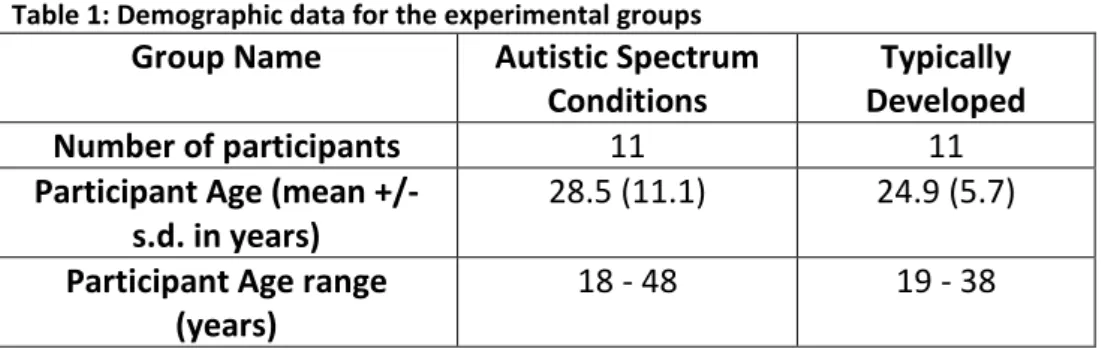
Table 1: Demographic data for the experimental groups...68
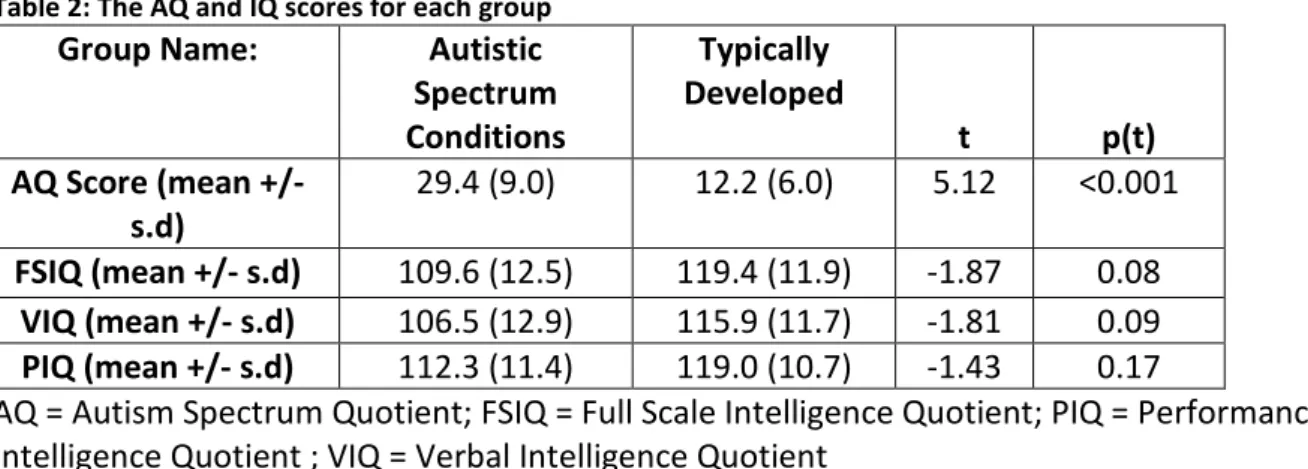
Table 2: The AQ and IQ scores for each group...73
Table 3: The figure copy and memory recall results for each group...74
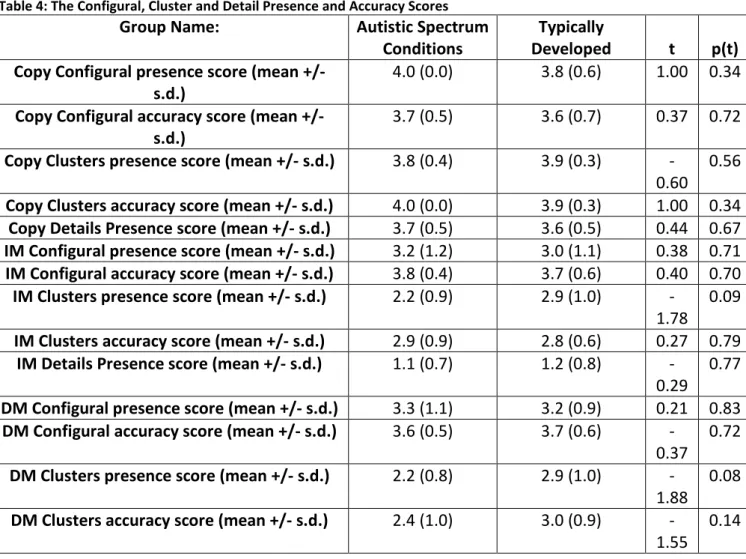
Table 4: The Configural, Cluster and Detail Presence and Accuracy Scores………75
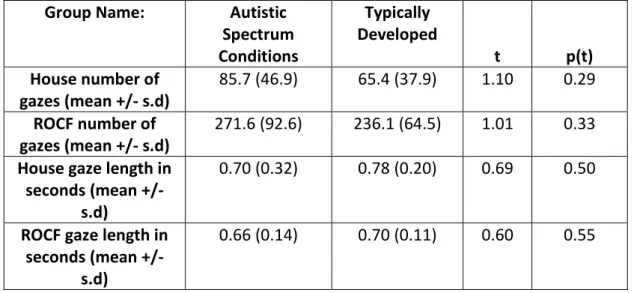
Table 5: The mean number of gazes and gaze length for each group...76
Table of Figures
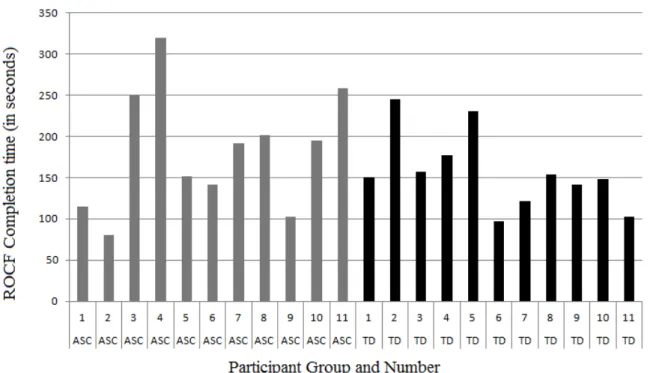
Figure 1: The ROCF completion time of each participant ... 7412
Table of Abbreviations
AQ = Autism QuotientAS = Asperger Syndrome
ASC = Autism Spectrum Condition BD = Block Design
BQSS = Boston Qualitative Scoring System CI = Confidence interval
DSM = Diagnostic and Statistical Manual of Mental Disorders
DSS-ROCF = Developmental Scoring System for the Rey-Osterrieth Complex Figure EF = Executive Function
EFT = Embedded Figures Test EQ = Empathy Quotient
E-S = Empathising-Systematising
fMRI = Functional Magnetic Resonance Imaging HF = High-functioning
IQ = Intelligence Quotient
NICE = National Institute for Health and Clinical Excellence PIQ = Performance Intelligence Quotient
ROCF = Rey-Osterrieth Complex ROI = Region of interest
SQ = Systematizing Quotient TD = Typically developed ToM = Theory of Mind
VIQ = Verbal Intelligence Quotient
WASI = Wechsler Abbreviated Scale of Intelligence WCC = Weak Central Coherence
13
Acknowledgements
I would like to thank the many people whose help enabled me to complete this thesis. I particularly wish to thank the participants and the social groups who allowed me to visit them to recruit. These are CASPA; AS we are; and the Sholing NAS Social Group. I would also like to thank my supervisors Dr Valerie Benson and Dr Tony Brown, and everyone from the Centre for Visual Cognition for their help, especially Carl, Sheena, Pip, Matt and Paul. Finally, I would like to thank Nabeela and my parents for proof-reading this thesis.
15
The Visual Processing of Complex Stimuli by People with an Autistic
Spectrum Condition
Alana Tooze
Department of Psychology, University of Southampton, Highfield, Southampton, SO17 1BJ Tel: +44 (0)2380 595575; Email: [email protected]
17
Abstract
This literature review aims to explore the processing of visual information by people with an Autistic Spectrum Condition (ASC). The various models of ASC will be outlined with the predictions they make for visual processing of complex visual stimuli. The evidence which supports or refutes these theories will be described. Several methodologies have been used to explore visual processing in people with ASC. The information and understanding which each methodology has provided will be discussed. Finally, this review will consider what still remains unknown, and potential directions for future research.
Keywords: Autistic Spectrum Condition; Eye tracking; Visual processing; Rey-Osterrieth Complex Figure
18
1.
Autistic Spectrum Condition
The term ‘autism’ was first used by Dr Leo Kanner to describe what is now considered to be ‘classic’ autism (Kanner, 1943). Infantile Autism first became an official diagnosis in the third edition of the diagnostic and statistical manual (DSM-III). Symptoms included a pervasive lack of responsiveness to other people; bizarre responses to various aspects of the environment; and gross deficits in language development or peculiar speech patterns
(American Psychiatric Association, 1980). Currently an individual must show impairments in social interaction and communication, and at least one symptom of restricted or repetitive behaviour to be diagnosed with autism (American Psychiatric Association, 2000). The diagnosis of Asperger Syndrome (AS) also requires impairments in social interaction and the presence of restricted or repetitive behaviour. However, there must be no significant delay in language or cognitive development (American Psychiatric Association, 2000). Both Autism and AS fall within the umbrella term Autistic Spectrum Condition (ASC).
Despite their absence from the diagnostic criteria, factors such as sensory hypersensitivity (Ben-Sasson et al., 2009) and a tendency toward bottom-up, detail focussed, processing of the environment (Mottron, Dawson, Soulieres, Hubert, & Burack, 2006; Neumann et al., 2011) can also be indicative of an ASC (Baron-Cohen, Wheelwright, Skinner, Martin, & Clubley, 2001). The tendency to process information using a ‘local-processing bias’ (Pellicano, Maybery, Durkin, & Maley, 2006) was noted by Dr Kanner as a main feature of autism (Kanner, 1943), and is a focus of many theories of autism today.
ASC can be diagnosed by a single clinician. However, for the diagnosis of ASC in young people, the NICE guidelines recommend that ASC should be diagnosed by a
multidisciplinary team. An ASC diagnostic assessment should include details of an
individual’s home life, education and social care; a developmental and medical history; and an assessment of social and communication skills and behaviours (National Institute for Health and Clinical Excellence, 2011). Estimates suggest that there are currently
approximately 433 000 people with ASC living in the UK. It has been estimated that ASC in adults costs the UK economy approximately £25.5 billion every year, accounted for by service use, lost unemployment for the individual with ASC, and by family expenses (Knapp, Romeo, & Beecham, 2007).
Despite their average to above average levels of intellectual functioning, high functioning people with ASC can still experience pronounced difficulties in their everyday life. A recent
19
report by the National Audit Office notes that whilst people with ASC use a wide range of public services, the effectiveness of these services at meeting their specific needs could be improved (National Audit Office, 2009). The report highlights the need for good information about ASC. This information should then be used to better plan service delivery strategy and to raise the knowledge levels and awareness of the needs of people with ASC. The report also specifically highlights the potential for better targeted support for high functioning people with ASC, who can find themselves without a service because they are not eligible for either learning disability services or mental health services, unless they have a comorbid diagnosed mental health problem. The National Audit Office report suggests that a key focus of services specialising in ASC would be to help high functioning individuals to live more independently and to obtain and retain employment (National Audit Office, 2009). It is clear from this report that whilst high functioning individuals with ASC can function normally in many domains, subtle differences in how they process and navigate the world around them can cause pronounced difficulties in their life.
1.1.
Brain Development Differences in ASC
Children born with ASC show differences in brain development from an early age. During the first years of life, head circumference correlates well with brain size in both typically developed (TD) children and children with ASC (Bartholomeusz, Courchesne, & Karns, 2002). At birth, infants with ASC have typically normal or slightly small head circumference (Webb et al., 2007). However, by one to two years of age, children with ASC demonstrate brain overgrowth and abnormally large head circumferences (Dawson et al., 2007). This increased head size occurs to accommodate the rapidly growing autistic brain. Overgrowth in two to four year old children particularly occurs in the frontal and temporal lobes and
amygdala (Courchesne & Pierce, 2005). By the time children with ASC approach adolescence, the disturbances in white matter are evident, particularly in the frontal lobe (Herbert et al., 2004) and this is associated with reduced functional connectivity between brain regions (Rudie et al., 2012). As children with ASC age, they may acquire skills which require functional connectivity between brain regions more slowly than their TD peers (Baron-Cohen, 1989). The differences in local and long range connectivity can mean that whilst people with ASC can match or even exceed the performance of their TD peers on simple tasks, they may perform more poorly on tasks which require a high level of functional connectivity across different brain regions, particularly between frontal and posterior brain regions (Just, Keller, Malave, Kana, & Varma, 2012).
20
2.
Theories of Information Processing in ASC
Several cognitive models have been proposed which attempt to explain the manner in which people with ASC process information. The main current theories will be discussed in turn below, along with the evidence which supports or refutes them. This will be followed by a critique of the current methods for assessing visual processing and the evidence that these methods have provided.
2.1.
Mind-Blindness Theory
The mind-blindness theory was proposed by Baron-Cohen, Leslie and Frith (1985) and posits that social difficulties in people with ASC stem from a deficit in theory of mind (ToM). They found that 80% of their sample of children with autism failed a theory of mind task requiring participants to report that a character in a scenario held a false belief regarding the location of an object (Wimmer & Perner, 1983). They concluded that the children had a ToM deficit. These findings were replicated using other assessments of false belief (Perner, Frith, Leslie, & Leekam, 1989). The mind-blindness theory was criticised for its lack of universality as 20% of children with autism passed tests of false belief (Happe, 1994). Baron-Cohen (1989) addressed this concern using a more complex second-order false belief task, which 90% of TD children passed. None of the children with autism passed this test. Baron-Cohen
concluded that whilst a few children with autism could pass a first-order ToM task, they did not demonstrate a fully representational ToM. He thus amended his theory to state that ToM was delayed in children with autism, and this amendment was supported by meta-analytic data showing a strong association between autistic children’s verbal mental age and their ability to pass a false belief task (Happe, 1995).In more recent years, the manner in which ToM is assessed has expanded to include an individual’s ability to infer another’s mental state from their eye expression, using the ‘Eyes Task’ (Baron-Cohen, Jolliffe, Mortimore, & Robertson, 1997); and the ability to infer an emotion or intention from another’s tone of voice (Golan, Baron-Cohen, Hill, & Rutherford, 2007). People with autism typically perform below the level achieved by TD individuals.
Whilst there is much evidence to support the mind-blindness theory of autism, it has been superseded by newer theories. This is mainly because whilst the theory explains many of the social difficulties people with ASC can experience, it does not explain several other aspects of autism, such as a need for routine or order in the environment; the local-processing of information bias; difficulty switching attention; or sensory hypo and hyper sensitivities (Tager-Flusberg, 2007). This theory is therefore limited in its predictive usefulness, and in the
21
potential habilitating strategies it could suggest to help people with ASC navigate their environments and their lives.
2.2.
Executive Dysfunction Theory
This theory originated from the observations of some researchers that some symptoms of autism showed similarities with symptoms of the Dysexecutive Syndrome that follows specific brain injury (Baddeley & Wilson, 1988; Ozonoff, Pennington, & Rogers, 1991). These researchers defined executive functioning (EF) as including behaviours such as
planning, organisation of behaviour, inhibition of task irrelevant stimuli or responses, impulse control and cognitive flexibility. Research into the EFs of people with ASC has shown varied results. Whilst Ozonoff, Pennington and Rogers (1991) found that 96% of their participants with autism performed worse than the control group, Pellicano et al. (2006) found that only 50% of their participants with autism showed executive difficulties. Ozonoff (1997) later updated the executive dysfunction theory by hypothesising that autism entails a specific cognitive flexibility deficit. In contrast, inhibition abilities remain relatively unaffected (Ozonoff & Jensen, 1999).
The executive dysfunction theory has suffered from variability in experimental findings. Researchers have struggled to replicate the findings of others, even when using the same methods and tasks (Hill & Bird, 2006). Performance on EF tasks have been found to be mediated by verbal intelligence (VIQ) in several studies (Hill, 2004). Finally, executive dysfunction is not unique to ASC; it is present in other disorders, meaning that the executive dysfunction theory fails to uniquely describe or explain cognitive functioning in autism. Research into the executive performance of people with ASC continues; however the
executive dysfunction theory has been somewhat superseded by the newer theories described below.
2.3.
Weak Central Coherence Theory
Weak Central Coherence (WCC) theory posits that whilst TD individuals process information by extracting the overall meaning or the ‘big picture’, people with ASC characteristically show absent or weak drive for global coherence of information (Frith & Happe, 1994). Instead, people with ASC process stimuli in a detail-focused way, processing the component parts, not the global whole.This is also known as a local-processing bias. Evidence for this
22
bias comes from people with ASC showing both weaknesses in tests of global processing, but also strengths in local processing, when compared to TD individuals. Shah and Frith (1993) found that participants with autism could produce block designs (Wechsler, 1997) faster than TD individuals. People with ASC have also performed the Embedded Figures Test (EFT) faster than TD individuals, whilst retaining the same accuracy (Jolliffe & Baron-Cohen, 1997). Further evidence for a local-processing bias comes from studies of visual illusions, to which participants with autism have shown reduced susceptibility (Happe, 1996). This
finding has not always been replicated (Ropar & Mitchell, 2001), which has led to a debate as to whether individuals with ASC can use attentional control to choose to process information at a global level, as opposed to TD individuals who would be expected to initially process information at a global level by default (Mottron et al., 2006).Researchers have found that the phrasing of the research question which participants with ASC are asked has affected the manner in which they respond (Brosnan, Scott, Fox, & Pye, 2004).It has also been argued that people with autism may show a local-processing bias due to spatially over-focused visual attention coupled with a deficit in broadening their visual attention (Mann & Walker, 2003). In a similar manner to previous theories, the WCC theory has been called into question because not all individuals with ASC show deficits in central coherence (Norbury, 2005). Over time this theory has evolved from attempting to explain all aspects of autism to explaining the processing of information in ASC (Happe & Frith, 2006).
The WCC theory would make specific predictions about the processing of visual information by people with ASC. They would be expected to perform optimally on tests requiring
participants to ignore the global context in order to use local information, such as the embedded figures test (Witkin, Oltman, Raskin, & Karp, 1971). They might also perform well on tasks such as Block Design from the Wechsler tests (Wechsler, 1997) which require a design to be created from component parts. This task requires participants to imagine the overall design as broken down into segments. When scanning or copying complex visual information, people with ASC would be expected to examine and recreate individual details without first looking for or imposing an overall structure. This could be apparent on tests such as the Rey-Osterrieth Complex Figure (Osterrieth, 1944).
23
2.4.
Empathising-Systematising Theory
Empathising-Systematising (E-S) theory highlights the importance of two dimensions or skills, empathising and systematising (Baron-Cohen, 2009). These are measured using the Empathy Quotient (EQ) and the Systematizing Quotient (SQ) (Baron-Cohen, Richler, Bisarya, Gurunathan, & Wheelwright, 2003; Baron-Cohen & Wheelwright, 2004). A person who scores highly on empathising is considered motivated to understand the thoughts and emotions of others, and to respond appropriately to these. A person who scores highly on systematizing is considered motivated to understand or construct systems, defined as anything that follows repeatable and lawful patterns, or rules. Examples of systems include mechanical, abstract, collectible and natural. E-S theory seeks to explain the stereotypically different profiles of strengths and weaknesses seen in men and women. On average, women tend to score higher on the EQ than on the SQ. Men tend to show the reverse pattern (Baron-Cohen, Knickmeyer, & Belmonte, 2005). People with ASC tend to experience deficits in the skills defined as empathising (such as ToM) and strengths in systematising skills, even when compared to the average man. For this reason, E-S theory has been extended into the
‘Extreme Male Brain’ theory (Baron-Cohen, 2010). Further evidence for this theory comes from neuroimaging. Several regions of the brain such as the anterior cingulate, the prefrontal cortex, the superior temporal gyrus and the thalamus are, on average, smaller in men than in women; and smaller still in people with autism (Baron-Cohen et al., 2005). In contrast, regions such as the amygdala and the cerebellum, which are typically larger in men than in women, are larger still in people with autism.
E-S theory shares some similarities with WCC theory and draws on much of the same supporting literature. Both theories focus on the cognitive styles used by people with ASC, compared to those used by TD people. Both theories hypothesise that people with ASC should show better attention to detail than attention to the overall gestalt. However, whilst WCC theory sees the local-processing bias as due to an inability to integrate the details in the environment into a global gestalt, E-S theory sees this same behaviour by people with ASC as a highly purposeful attempt to understand the world around them (Baron-Cohen, 2009). E-S theory has proved useful in the generation of habilitation techniques andstrategies. These techniques tend to exploit a person’s systematizing strengths to compensate for their empathising weaknesses, for example, by presenting emotions in an autism-friendly format (Ryan & Ni Charragain, 2010).
24
E-S theory would make similar predictions for performance on visual processing tasks as the WCC theory, with one exception. Whilst people with ASC would still be expected to choose to examine the details of a complex figure instead of focussing on the global structure, they would still be expected to have the ability to notice and examine this global structure. This may be evident in their scanning path of a visual scene or complex figure, and would also suggest that some people with ASC might impose a global structure on an image or figure they produced, rather than producing groups of details.
2.5.
The Underconnectivity Hypothesis
Minshew and Payton (1988) proposed a fundamentally different theory of autism. They focused on the aetiology of autism, rather than the cognitive result of that aetiology, and thus developed a neurobiological model of autism. Since this time, their research group has generated evidence to support this theory of autism as a neurodevelopmental disorder. Minshew recently described five key levels to ASC and these have provided potential areas for research (Minshew, Williams, & McFadden, 2008). ASC is described as originating from abnormalities in the genetic code for brain development. These abnormalities in DNA then create abnormal mechanisms of brain development, starting from an individual’s conception. This then leads to structural and functional abnormalities in the brain. These create the cognitive and neurological abnormalities which the theories discussed above have focused on. Finally, these cognitive and neuronal abnormalities cause the behavioural syndrome known as ASC.
Minshew hypothesises that in low ability individuals, ASC is the result of failed development of functional connections between sensorimotor cortices and association cortices. In high-functioning (HF) adults, ASC is described as the result of disordered development of the white matter connective tissues which connectneocortical systems, especially those involving heteromodel cortex, such as the frontal cortex (Minshew et al., 2008). This underdevelopment of cortico-cortical connections is coupled with an increase in the amount of white matter connections within localised regions of the brain which support basic cognitive processes. This leads to wide ranging impairments in higher order cognitive abilities, in the presence of intact or sometimes enhanced processing of lower level information and tasks (Minshew, Goldstein, & Siegel, 1997; Williams, Goldstein, & Minshew, 2006). Minshew et al. (2008) hypothesised that these differences in cortical
25
connections would result in people with ASC being disproportionately affected by increases in task complexity. Complex information processing tasks are defined as those which require integration of multiple features rather than the reliance on one or two individual features. Task complexity is also a function of speed of processing, processing of large amounts of information, or processing of novel material. However, there is not currently a standardised measuring system for evaluating how these various variables of complexity compare
individually or how they interact; for example, how high task load compares to high novelty, or the effect of combining high task load on a novel task.
The Underconnectivity Hypothesis is supported by evidence from functional magnetic resonance imaging (fMRI) studies. HF people with ASC can perform at the same level as TD individuals on a range of tasks. However, fMRI studies have found that people with ASC demonstrate different patterns of brain activation to TD individuals whilst completing the same tasks (Philip et al., 2012).They show greater activation of occipital parietal regions, consistent with a reliance on using basic cognitive abilities to complete tasks, and
comparatively reduced activation of frontal regions (Luna et al., 2002; Just, Cherkassky, Keller, Kana, & Minshew, 2007). This pattern of information processing results in an accelerated drop-off of performance by people with ASC when task complexity increases (Garcia-Villamisar & Della Sala, 2002), as predicted by the Underconnectivity Hypothesis. The Underconnectivity Hypothesis provides the most detailed predictions of how people with ASC would process complex visual stimuli. Increased neural connectivity in occipital and parietal regions may make it easier for people with ASC to notice the presence and location of details (Just et al., 2012). They might be expected to reproduce visual stimuli in a detail focussed manner, and they may also remember more details of a complex figure than their TD peers. In contrast, due to reduced connectivity within the frontal lobe and between brain regions, people with ASC could be less likely to utilise higher order reproduction and
memory strategies (Just et al., 2012). This could result in their reproducing and remembering less of the global structures of a figure. The Underconnectivity Hypothesis would also predict faster reaction times on EFTs and the Block Design subtest.
3.
Methodologies Used to Investigate Information Processing in
People with ASC
With the exception of the Underconnectivity Hypothesis, the theories outlined above were largely conceptualised based on behavioural data. Tasks were used which already had known
26
and established normative outcomes based on the performance of TD individuals. People with ASC would be asked to complete these tasks to compare their performance and behaviour to that of the TD population. Later, fMRI techniques have been employed to ascertain the brain activation which correlates with these differences in performance
(Gallagher et al., 2000; Rumsey & Ernst, 2000). Finally, studies of eye tracking began to be used to examine the way in which people with ASC were processing visual information (Trepagnier, Sebrechts, & Peterson, 2002) as they were completing tasks. Each of these methodologies will be discussed below with particular focus on the evidence that each of these methodologies can provide regarding the manner in which people with ASC process complex information.
3.1.
Behavioural Experiments
Behavioural experiments have focused on two areas of exploration. Firstly, the performance of people with ASC on standardised tasks such as subtests from neuropsychological test batteries has been compared to the performance of TD people, in order to describe the
relative strengths and weaknesses of people with ASC. Secondly, researchers have attempted to manipulate the way in which participants complete a task by changing task instructions or varying task complexity; in order to examine any differences in the resulting alteration of performance between TD people and people with ASC. The results of both of these approaches are described below.
3.1.1. Strengths and Weaknesses
One of the first noted strengths in information processing exhibited by people with ASC was shown by their faster and more accurate performance on the block design subtest of the Wechsler intelligence scales (Wechsler, 1997). People with ASC often perform better on this subtest than any other, showing a ‘visuospatial peak’ in performance (Shah & Frith, 1993; Shah & Frith, 1983). This strength seems particularly pronounced when perceptual coherence of the design interferes with task performance in TD individuals. People with ASC show reduced susceptibility to this interference (Caron, Mottron, Berthiaume, & Dawson, 2006). This strength is hypothesised as resulting from a local-processing bias (WCC theory); high levels of systematising abilities (E-S theory); or increased information processing at a perceptual level (Underconnectivity Hypothesis).
These theories posit similar hypotheses to explain performance on the Embedded Figures Test. This test requires participants to detect a target shape hidden within a complex
27
background (Witkin et al., 1971). Reaction time is the main index of performance. People with ASC show similar or faster performance on the EFT, without a reduction in accuracy (Pellicano et al., 2006; Ropar & Mitchell, 2001; Jarrold, Gilchrist, & Bender, 2005; Kaland, Mortensen, & Smith, 2007). Similar results have been found when grouping the general population by their Autism Quotient (AQ; Baron-Cohen et al., 2001) scores. Participants scoring high on the AQ have performed significantly better on various embedded figure tasks than participants who score low on the AQ (O'Riordan, 2004; Almeida, Dickinson, Maybery, Badcock, & Badcock, 2010).
The Rey-Osterrieth Complex Figure (ROCF) is a test of visuo-spatial perception and
construction, and memory. It was first created in 1941 by Andre Rey (Rey, 1941) and further standardised in 1944 by Paul-Alexandre Osterrieth (Osterrieth, 1944). The individual being tested is required to copy the figure, which is displayed in front of them. Both the figure and the copy are then removed and the individual is asked to reproduce the figure from memory, both immediately and 20-30 minutes later. This test measures visuo-spatial abilities, but also planning ability and visual memory (Meyers & Meyers, 1995). The ROCF is one of the most commonly used tests in the field of neuropsychology (Camara, Nathan, & Puente, 2000) and is ranked among the top 10 tests used by Neuropsychologists(Rabin, Barr, & Burton, 2005). The measures of performance typically used include a copy score, and immediate and delayed recall scores. These scores are derived by assessing the number of figure elements which have been correctly produced.Over time, a number of systems for evaluating qualitative features of the reproduction have been created. These systems measure several aspects of performance, such as how a participant organises their ROCF reproduction, what style they use (detail or Gestalt focused), and how many of the main structural elements or attached details are present. For children the most widely used qualitative scoring set of criteria is the‘Developmental Scoring System for the Rey-Osterrieth Complex Figure’ (DSS-ROCF). For adults, the most well-normed and commonly used system is the Boston
Qualitative Scoring System (BQSS) (Stern et al., 1999). The BQSS divides the ROCF into six main configural elements, nine clusters and six remainingdetails. The BQSS measures 13 different aspects of ROCF copy and recall and gives an additional six summary scores.
However, researchers who have recently begun to use this system with people with ASC have tended to use the measures of Presence, Accuracy and Planning; as well as the summary score Organisation (Kuschner, Bodner, & Minshew, 2009; Tsatsanis et al., 2011). This is because these four measures are most relevant to the measurement of a potential local
28
processing bias, whereas other measures such as Perseveration or Confabulation are rarely present in the ROCFs produced by TD individuals or people with ASC.
The ROCF has been used in studies of ASC to assess overall accuracy and the manner in which the ROCF is reproduced. Two small sample studies of children and adolescents with ASC found that copy accuracy and element placement was not significantly different to TD controls (Prior & Hoffmann, 1990; Gunter, Ghaziuddin, & Ellis, 2002). However, other studies have found that people with ASC show poorer accuracy on the ROCF than when copying more simple designs. This reduction in performance shows a greater drop than expected from the TD population (Rumsey & Hamburger, 1988; Minshew et al., 1997; Kenworthy et al., 2005). Minshew and Goldstein (2001) tested adolescents and adults with ASC on the immediate and delayed memory trials of the ROCF, but did not report scores for the copy condition. They found that people with ASC remembered significantly less of the ROCF on both memory trials than TD controls.Minshew and Goldstein hypothesised that the participants with ASC used less organisational strategies during copy of the ROCF and that this may have reduced the depth of encoding and therefore amount remembered.
Unfortunately they did not use the BQSS to assess the organisation of ROCF copy or reproduction and so did not produce supporting evidence for this hypothesis.Ropar and Mitchell (2001) examined the strategies used by children and adolescents with ASC to reproduce the ROCF.They did not find evidence that the participants with ASC used a more detail-oriented reproduction strategy.However, they measured drawing strategy using the general judgement of two raters who dichotomously rated the drawings as either globally or locally reproduced, rather than using a standardised rating system of organisation, such as the BQSS.This limits the conclusions that can be drawn from thisstudy. Schlooz et al. (2006) used a standardised scoring system, the DSS-ROCF (Bernstein & Waber, 1996) to compare children with ASC to children with Tourette syndrome and TD children. The children with ASC achieved a lower mean organisation score, evidenced a detail-focused style, and recalled fewer structural elements than the other groups. This study supports a local-processing or detail-oriented bias in children with ASC.
It is possible that the disagreements found between many of the early studies using the ROCF have been caused by the use of children as participants. There is evidence that TD children show a detail oriented manner of ROCF reproduction and later change to a more strategic global manner of organising their ROCF reproduction as they get older (Akshoomoff & Stiles, 1995a; Akshoomoff & Stiles, 1995b) and as their frontal lobes develop (Anderson,
29
2002). Earlier studies may have found no difference between children with ASC and TD children because all of the children are, on average, likely to use a detail-focused style of reproduction. Kuschner, Bodner and Minshew (2009) addressed this issue by comparing both children and adults with ASC to age, IQ, and gender matched TD controls. Both the adult TD and ASC groups achieved better Presence and Accuracy summary scores than their child counterparts, suggesting that both TD and ASC individuals may improve their ROCF reproduction with age. These authors also reported an interaction between diagnostic group and age for the Organisation score calculated for the ROCF copycondition. Children with ASC, TD children, and adults with ASC all achieved similar scores on the Organisation measure. However, TD adults achieved significantly higher Organisation scores, suggesting TD individuals improve on this ability with age, whilst adults with ASC do not. Kuschner et al. (2009) found the same pattern of results for the Planning score although this interaction was only marginally significant (p=0.06). Interestingly, these results were not repeated on the Block Design subtest which participants also completed. No group difference or interaction was found on this subtest; although Block Design subtest scores did positively correlate with the Detail Presence scores on the ROCF.Better block design scores by people with ASC have previously been found to correlate with greater tendency towards detail-focusedprocessing. This suggests that an increased ability to notice detail positively affects accuracy on both detail presence on the ROCF and the block design task.
In a recent large scale study Tsatsanis et al. (2011) compared 50 people with ASC, to 49 TD controls and also 71 clinical controls with either Obsessive Compulsive Disorder, Tic Disorder, and/or Attention-Deficit Hyperactivity Disorder.The three diagnostic groups were matched for age, sex, verbal IQ, performance IQ and full scale IQ. The ASC group showed a more detail-focused style to reproducing the ROCF than the TD and clinical control groups; scored using the DSS-ROCF(Bernstein & Waber, 1996). When the sample was split into children (six years to 13 years) and adolescent/adults (14 years to 42 years) this difference was still significant.In the younger age group the difference was only significant between children with ASC and TD controls, with a moderate effect size. A far more significant difference was seen within the older agerange. Participants with ASC showed a more detail-focused than both the TD controls and the clinical controls. This difference showed alarge effect size. Interestingly, the participants with ASC reproduced significantly less incidental details or structural elements of the ROCF than TD controls in the Copy condition. This would suggest that a detail-focused style did not help the participants with ASC reproduce
30
more incidental details. However, this analysis was not split into an older and younger group and so any potential differing effect of age cannot beascertained. The authors considered these results to support WCC theory. This is partially supported, as WCC theory would predict that people with ASC would produce less structural elements of the ROCF than TD controls. However, WCC would be likely to predict equivalent performance on incidental detail production between the two groups, as this is not an area people with ASC are expected to show a weakness in, and so this particular study finding does not support WCC.
Finally, in TD controls, better organisation of ROCF copy was linked with a more
configurational reproduction approach.However, participants with ASC showed an ability to draw the ROCF in a part-oriented but still well organised manner(Tsatsanis et al., 2011). This suggests that two types of detail-focused styles are possible. Where detail-focus is organised, individuals with ASC appear to perceive the gestalt as a complex collection of parts. However, where detail-focus lacks organisation, it may be that individuals perceive only separate components without any overarching context. If two different forms of detail-focused style exist, this may explain the subtle differences in the literature which fuel the ongoing debate between WCC theory and E-S theory. WCC theory would expect people with ASC always to see the parts and not the whole. E-S theory would expect the same people to primarily perceive the parts, but given enough time, to construct these parts into a well understood and detailed whole (Baron-Cohen, 2009).
People with ASC have also shown weaknesses in some aspects of informationprocessing. They often disengage their attention slower than TD individuals (Landry & Bryson, 2004; Courchesne et al., 1994; Maes, Eling, Wezenberg, Vissers, & Kan, 2011). This has been hypothesised as due to cerebellar maldevelopment (Courchesne et al., 1994), a reduction in novelty processing(Maes et al., 2011; Orekhova et al., 2009), or a difficulty in broadening their spread of attention resulting in difficulty shifting attention to peripheral targets(Mann & Walker, 2003).If people with ASC do struggle to broaden their attention to include all the useful available stimuli they are attending to, this may contribute to the local processing bias. These difficulties are the particular focus of the Executive Dysfunction theory, which focuses primarily on these cognitive skills. These difficulties may also contribute to the style of reproduction used by people with ASC on the ROCF, and would also suggest some
amelioration strategies. For example, perhaps if people with ASC are asked to reproduce a larger simple figure before drawing the ROCF, their spread of attention may be primed to
31
encompass larger configural elements of the ROCF, reducing the use of a local processing bias.
Difficulties with some aspects of attention may lead to a difference in how well people with ASC are able to remember information compared to TDindividuals. When comparing implicit and explicit memory abilities, adults with ASC showed similar performance on an unanticipated word memory task and an explicit memory task, with the exception of making more false recalls of words that were not actually presented (Gardiner, Bowler, & Grice, 2003). It has recently been shown that whilst contextual cueing facilitates learning for people with ASC,exposure to repeated contexts which bias attention towards local, rather than global, sections of a visual display makes it more difficult for people with ASC to adapt to new trials (Kourkoulou, Leekam, & Findlay, 2012). This supports earlier findings from research on attention which concluded people with ASC struggle to broaden their area of attention. This means if they have been focusing on a small physical area in the environment, they will struggle to change to attending to a larger area of space.This attention expanding difficulty appears to potentially have a secondary effect onmemory abilities. If a stimulus is not attended to and encoded, it cannot be recalled.
Spatial memory may also be affected in people withASC. Steele, Minshew, Luna and Sweeney (2007) found that participants with ASC made more errors than matched TD controls on the CANTAB computerised test of spatial working memory (Sahakian & Owen, 1992). Participants with ASC were also less likely to use a specific organised search strategy when attempting the task. The authors concluded that HF people with ASC are more likely to show deficits in working memory when tasks exceed a certain level of difficulty or
complexity. More recently, the same research grouphas found similar deficits when people with ASC visually process dynamic scenes(O'Hearn, Lakusta, Schroer, Minshew, & Luna, 2011).
The behavioural experiments described above show that people with ASC may perform differently than TD individuals on a variety of information processing tasks, for a number of reasons that may have some underlying connection. When initially attending to stimuli, their attention may be more focussed on a small area of the available information, which may result in a difference in the manner in which they interact with the stimuli and thus how they complete a task. This difference can result in reduced (e.g. divided attention tasks), similar or
32
improved (e.g. block design) task performance compared to TD individuals. This difference also appears to be partially dependent on task complexity, as defined by Minshew et al. (2008) as tasks requiring integration of multiple features; high processing speed; processing of large amounts of information; or the processing of novel material. It is possible that the increased use of globally focussed strategising sometimes used by TD individuals when completing a task gives them an advantage when task complexity or demands exceed a certain level. However, a quantitative measurement of ‘complexity’ remains to be defined; as does the level of complexity required to cause TD individuals to switch from the use of bottom-up processing strategies to top-down executive guided processing strategies. Finally, the manner in which people with ASC process information appears to affect how much information they are later able to recall. Often HF individuals with ASC can perform at similar levels to their TD peers. However, there again appears to be an effect of task complexity, with performance dropping faster for people with ASC than their TD peers as task complexity increases.
3.1.2. Attention Cueing Paradigms
Attention cueing experiments allow researchers to manipulate the manner in which participants complete a task. They can be particularly useful in exploring the underlying mechanisms to differences in the performance of people with ASC and TD individuals. However, like the behavioural experiments above, they are not able to elucidate how a participant attempts the task or achieves the task performance that they do. In eye-gaze cueing experiments participants are usually asked to report the presence of a stimulus which appears to the left or the right hand side of a computer screen, as quickly and accurately as they can. The impending stimulus location can be ‘cued’ or hinted at in many ways, but typically an arrow pointing, or a symbol of an eye looking, have been used in studies of people with ASC (Pruett et al., 2011) in order to ascertain potential differences created by using a standard cueing symbol (arrow) or a social cue (eye looking) which encourages shared gaze. These experiments indicate that people with ASC orient in the same way in response to arrow and eye cues to the forthcoming location of a target. In contrast, the TD individuals show a greater response to eye gaze cues than to arrows (Ristic et al., 2005), although this difference has not always been found (Kuhn et al., 2010). Further research has suggested that people with ASC orient to these cues using a different process to TD
33
through the sudden transients present in the stimuli often employed in cueing experiments (Swettenham, Condie, Campbell, Milne, & Coleman, 2003; Senju, Tojo, Dairoku, & Hasegawa, 2004). Other authors have suggested that gaze cueing is intact in people with ASC, but that their reaction times to the resulting stimuli are slowed because they make more eye saccades during the task than TD individuals (Pruett et al., 2011). These experiments show that the manner in which people with ASC process visual scenes during a task may differ, even when their behavioural performance in some studies has matched that of TD controls. However, these experiments have produced little evidence of exactly how either group attempts the task; what cognitive processes and abilities are utilised, or what brain regions are activated.
3.2.
fMRI Experiments
In an effort to investigate why people with ASC show the behavioural and potential
processing differences discussed above, researchers have used fMRI to examine the patterns of brain activation which correlate with behavioural performance. Imaging experiments must be designed with the limitations of the scanning environment in mind. The participant must keep their head still during scanning. They can move their fingers and hands to use button press equipment, however arm movement is limited and talking will disrupt the scan, due to the head movement it causes (Friston, Williams, Howard, Frackowiak, & Turner, 1996). Ring et al. (1999) first adapted the EFT for use in an MRI scanner by asking participants to press a keypad button when they had located the simple target shape inside the complex figure. They found no significant differences in task accuracy between people with ASC and TD controls, although reaction time was not recorded. Both groups showed similar activation of the middle and inferior temporal gyri; supramarginal gyrus; precuneus; inferior frontal gyrus and middle occipital gyrus whilst completing the task, suggesting these areas are commonly involved in processing the task across both groups. A two-way ANOVA found that the autism group showed greater activation within the inferior and middle right occipital gyri than the TD controls. In contrast, the TD control group showed greater activation than the group with autism within several regions, including the right inferior and middle frontal gyri; the left middle and superior occipital gyri; the right supramarginal gyrus; and the right superior parietal lobule. These results supported the assertions of the Underconnectivity Hypothesis (Minshew & Payton, 1988) which hypothesised that HF people with ASC could achieve similar task performance to TD individuals; but by using a more bottom-up information
34
processing strategy, rather than imposing a top-down strategy (Siegel, Kording, & Konig, 2000). Bottom-up processing would require more activation in the occipital lobe and other brain areas involved in lower level cognition (Corbetta & Shulman, 2002), whereas top-down processing requires the generation of specific problem solving strategies. This strategy generation is an executive functioning task requiring activation of the frontal lobe and activation of connections between the frontal lobe and brain areas involved in lower level processing (Ozonoff, 1997). These results thus suggest that despite functioning at a high level, the participants with ASC may be compensating for difficulties in using executive functioning, with a greater use of lower level processes. This could help to explain why people with ASC show a greater decrease in performance than TD individuals do as the complexity of a task increases. Unfortunately, the researchers did not use any method of checking that participants were being truthful or correct in their button press response, which somewhat limits the conclusions that can be drawn from this study.
Further fMRI studies attempted to correct some of the methodological issues of Ring et al’s study. Reaction times were measured, and participants were given a two button choice to indicate which of two simple figures was embedded in the complex figure, or whether the simple figure was present or absent (Lee et al., 2007; Manjaly et al., 2007; Damarla et al., 2010). Lee et al. (2007) used fMRI to test children aged seven to 12 with ASC, and age and IQ matched controls on the EFT. There were no differences between the two groups for accuracy or reaction time. However, the two groups did show activation in different brain regions when completing the EFT, compared to completing a control task. TD children demonstrated activation in the left dorsolateral, medial and dorsal premotor regions of the frontal cortex, whereas children with ASC only showed activation in the dorsal premotor region of the frontalcortex. Similarly, bilateral ventral temporal activation was found in TD children but not in children withASC. These children also did not show the right superior parietal and left occipital cortical activation found in TD children. However, these differences in activation did not reach significance when the two groups were compared to each other. The authors concluded that this was due to increased variability in brain region activation within the group of children with ASC.
Manjaly et al. (2007) used fMRI to test adolescents with ASC and TD controls with an average age of approximately 14.4years. There was no significant difference between the two groups on reaction time or accuracy for theEFT. The two groups did show some differences in the pattern of activation for the EFT over and beyond that shown for a control
35
task. The TD group showed increased activation in the left posterior parietal and dorsal premotor cortex. In contrast, the adolescents with ASC showed increased activation in the right calcarine sulcus; right cerebellum and bilateral extrastriate cortex. Similar to the study conducted by Lee et al., there were no significant differences in brain region activation between the groups. The authors concluded that their results suggest people with ASC do not have an absolute advantage for local visual processing over TD individuals, but that they have a relative advantage for local processing over Gestaltprocessing. This relative advantage is likely to be due to people with ASC using different functional brain networks than TD individuals to complete visual tasks (Liu, Cherkassky, Minshew, & Just, 2011). It is also possible that the participants with ASC did not show an absolute advantage over their TD counterparts because they were HF. The local processing bias may be more pronounced in lower functioning individuals with ASC, who show even greater local connectivity and more reduced cortico-cortical connectivity than their HF peers (Minshew et al., 2008). This study adds to a body of evidence which suggests that whilst there is no uniform effect of abnormal brain connectivity on cognitive functioning, recruitment of functional networks during completion of tasks is organised differently in people with ASC to TD individuals (Vissers, Cohen, & Geurts, 2012).
Proponents of a local processing bias in ASC have noted that people with ASC often achieve their peak performance on the Block Design subtest of the Wechsler intelligence scales. Bolte et al. adapted the Block Design subtest for use inside an MRI scanner by asking participants to report the number of black triangles indicative of a single block as quickly and accurately as possible (Bolte, Hubl, Dierks, Holtmann, & Poustka, 2008). They found no difference between adolescents/adults with ASC and TD controls on accuracy or reaction time. However, the fMRI analysis suggested that Block Design task completion was associated with altered responses from V2 grating and angle-selective neurons in the occipital lobe. The authors concluded that these results suggest that the performance of people with ASC could be due to differences in basic visual processing within the occipital lobe, compared to TD individuals.
Finally, the most recent study to use fMRI to examine the performance of people with ASC on visual processing tasks was conducted by Damarla et al. (2010). Like the previous studies, they found no significant differences in the EFT behavioural performance of their adolescent and adult group of participants with ASC and a group of age, IQ, and socioeconomically matched TD controls. Again though, differences in the brain regions showing increased
36
activation were found between the two groups. Participants with ASC demonstrated less activation in the left inferior parietal and dorsolateral prefrontal areas and greater activation in visuospatial areas than TD controls. The authors considered this difference in pattern of activation to indicate reduced use or reliance on executive functions and increased reliance on more basic visual processes to complete the task; thereby indicating a difference in the use of cognitive strategies by the two groups. However, it is important to note that this difference in ‘strategy’ use does not refer to a conscious choice made by either group of participants. Participants with ASC show a reduced ability to engage the frontal lobe because of the developmental underconnectivity between their frontal lobes and other brain areas. This therefore requires the increased use of lower level processing to complete the task. Finally, in a new finding not explored by the previous fMRI studies of EFT performance, a positive correlation was found between the size of the corpus callosum, and functional connectivity between frontal and posterior brain areas, for participants with ASC. This correlation was not found for TD participants. Damarla et al. concluded that this correlation demonstrates a possible biological substrate for some of the behavioural characteristics of ASC. This conclusion was based on the frequent finding that corpus callosum size is reduced in people with ASC (Frazier & Hardan, 2009). Damarla et al. considered that decreased corpus callosum size could constrain the communication among cortical areas. Conversely, their current participants with ASC who had larger corpus callosums showed greater functional connectivity between frontal and parietal areas. However, the authors did not report on how this intra ASC group variance may or may not have affected behavioural performance. A recent meta-analysis (Philip et al., 2012) amalgamated the results of 12 studies of visual processing. Within these 12 studies, children, adolescents and adults with ASC were tested against matched controls on such tasks as the modified block design (described above); visual checkerboard; an emotion recognition task; visual search; the EFT; mental rotation of
matching shapes; and visually guided saccades. Across these amalgamated task results, significant group differences were found between participants with ASC and TD controls. Participants with ASC showed greater activation in the higher level processing areas of the left thalamus and left medial frontal gyrus than TD controls. In contrast, TD controls showed greater activation than participants with ASC in the lower-level processing areas of left precentral gyrus; the occipital lingual gyrus and the middle occipital gyrus. The authors concluded that the greater activation of visual areas by TD controls might reflect more efficient processing of visual stimuli by people with ASC; whilst TD controls showed more
37
efficient higher level processing and therefore less activation in the left thalamus and medial frontal gyrus (Philip et al., 2012; Soulieres, Zeffiro, Girard, & Mottron, 2011).
All of the studies discussed above are in agreement that people with ASC can show a
different pattern of brain activation to TD controls on visual processing tasks, in the presence of similar behaviouralperformance. However, authors have differed in the theory of autism they have discussed in relation to theirresults. Several authors (Ring et al., 1999; Lee et al., 2007; Manjaly et al., 2007) concluded their results supported WCC theory; however, their results could also be used as evidence to support E-S theory or the Underconnectivity Hypothesis. Damarla et al. (2010) conducted a somewhat different data analysis by
examining what their participants’ pattern of activation during the task suggested about the functional connectivity between different brainareas. They concluded that their results supported the Underconnectivity Hypothesis, however their results could also support WCC theory, because their participants showed equivalent (not enhanced) behavioural performance in the presence of reliance on lower level processing suggestive of a local processing bias.
3.3.
Eye Tracking Experiments
Eye tracking offers a unique way to investigate real time visual information processing whilst an individual is completing a task. Behavioural results such as reaction time to complete a task or accuracy of task completion can only tell us what people do, not how they do it. In contrast, fMRI experiments can tell us which brain regions are involved in completing a task but is unable to offer real time information because the BOLD response is delayed behind task activity by approximately six seconds (Liao, Worsley, Poline, Duncan, & Evans, 2001). Eye tracking may be particularly useful for investigating the online processing of people with ASC, who often struggle with deciding how to complete a complex task, especially if
something unexpected happens such as a sudden change or if they make a mistake (Gaus, 2007). Problem solving strategies can be taught to people with ASC (D'Zurilla, 1986); however, it is not known how they were originally attempting and struggling to achieve a task, or what changed in the way they approach information after intervention.
Eye movements are comprised of saccades and fixations. ‘Saccade’ refers to the movement of the eye from one location to another, and ‘fixation’ refers to a place or view point on which the eye stops and looks at directly. Eye saccades and fixations can be tracked using cameras which record both the eye and the scene it surveys. The recording of the eye and the
38
recording of the scene are then matched together. Capturing eye movements and gaze gives a good measure of attention, because it has been shown that covert and overt orienting using eye movements are inextricably linked (Kowler, Anderson, Dosher, & Blaser, 1995). This means that where a person attends is where they look, and vice versa, unless they are attempting to deliberately attend to something in your parafoveal or peripheral visual field without looking at it. Eye movements have been shown to reflect on-line cognitive processing for a multitude of tasks across many domains (Rayner, 2009).
A number of eye tracking paradigms have been used to explore the cognitive processes of people with ASC. Anti-saccadic tasks require participants to suppress the learned response of looking at a stimulus as it appears on a computer screen, and instead to look away to the opposite side of the screen. People with ASC have found it harder to look away from the appearing stimulus than TD controls. This has been hypothesised as being due to difficulties in higher-order volitional attention shifts (Minshew, Luna, & Sweeney, 1999). Further evidence for this hypothesis comes from scene viewing tasks. When given two different sets of instructions, TD individuals significantly modify the way they visually scan the same image. In contrast, people with ASC have not shown the same difference, meaning they scan an image in a similar way regardless of the instructions (Benson, Piper, & Fletcher-Watson, 2009).
Eye-tracking is a very popular methodology for investigating the manner in which people with ASC survey naturalistic scenes and videos. People with ASC spend less mean total time fixating on the eyes of people in the scenes they view compared to TD individuals (Klin, Jones, Schultz, Volkmar, & Cohen, 2002; Jones, Carr, & Klin, 2008). This differing manner of facial scanning can also lead people with ASC to have greater difficulty remembering faces than TD individuals (Snow et al., 2011). In social scenes and videos people with ASC spend less time looking at the people present and more time observing objects and the environment than TD controls (Riby & Hancock, 2009). However, other studies have not found these results (Kuhn et al., 2010; Fletcher-Watson, Leekam, Benson, Frank, & Findlay, 2009). It has been suggested that differences in visual scanning by people with ASC are likely to increase with task complexity; for example, the addition of sound or characters in video interacting (Speer, Cook, McMahon, & Clark, 2007). These additional factors increase both working memory load, and the processing speed required by the task, thereby increasing complexity (Minshew et al., 2008).
39
3.3.1. Eye Tracking Experiments Using Complex Figures
Compared to the exploration of social scene scanning and emotion recognition, eye tracking experiments of how people with ASC process complex two-dimensional line drawing figures or shapes are relatively rare. However, this type of test is frequently used in
Neuropsychological testing and may offer a more quantitative way of measuring complexity, both for load of information and novelty. Keehn et al. (2009) published the only study to date to use eye tracking to examine the manner in which people with ASC completed a modified version of the EFT developed by Manjaly et al. (2007). The use of this modified version allowed Keehn et al. to compare the relative differences between TD people and HF people with ASC on a baseline control condition and the EFT.They attempted to elucidate the underlying processing mechanism by which people with ASC have often shown enhanced performance on the EFT. Children and adolescents with ASC were found to perform the EFT significantly faster than TD controls, without demonstrating a concurrent reduction in
accuracy. No group difference was found on the baseline control condition. Comparison of eye tracking data showed no group differences for fixation frequency, however, children and adolescents with ASC made significantly shorter fixations than the TD controls. Further analysis of this data revealed that the children and adolescents with ASC made significantly shorter fixations on the figure, but not the target, indicating the young people with ASC spent less time identifying or being distracted by non-target information than the TD controls. Participants with ASC also made significantly shorter initial and final fixations than the TD controls during the test condition, but not in the baseline condition. The authors concluded that this longer latency to first saccade shows that the TD controls found the test condition more challenging than the baseline condition. In contrast, the young people with ASC showed similar initial times to first saccade during both conditions. This suggests that the target shape was equally salient to them in both conditions. Keehn et al. concluded that these results supported both WCC theory and a model of enhanced perceptual processing (Mottron et al., 2006); however, they could also support both E-S theory, which sees the local
processing bias as a strength or advantage in people with ASC; and the Underconnectivity Hypothesis which would argue the group differences were due to increased lower-level perceptual processing by the children with ASC, which results from a lack of higher level cognitive input to the task.
Despite its popularity with clinicians (Rabin et al., 2005), the ROCF has received little attention from researchers working with eye tracking methodology. This may be due to the
40
requirement for using mobile head mounted eye tracking equipment to allow people to move and draw, instead of the usual wall or computer mounted systems used for computer based button press tasks. These wall or computer mounted systems are not suitable for drawing as they require the participant to remain completely still and only focus on a set area directly in front of them. Only two studies have examined the manner in which people visually process the ROCF. The first study examined how 20 TD individuals processed the ROCF when it was presented on a computer screen for 20 seconds. They were then asked to reproduce the ROCF from memory (Manor, Gordon, & Touyz, 1995). Eighty percent of the sample made their first fixation to a circle and its contents located in the top right quadrant of the ROCF. The authors concluded that this may be for two possible reasons. Firstly, it may be due to the circle being the most unique feature of the figure, as it is the only non-straight line. Secondly, it may be due to the circle and three dots partly resembling a line drawing of what could be perceived as a schematic face. This would preferentially draw the attention of TD individuals (Caldara et al., 2006; Stein, Peelen, & Sterzer, 2011). Manor, Gordon and Touyz (1995) reported that after the first saccade, participants made a median of 41 further saccades, with a median fixation duration of 0.32 seconds. Patterns of eye movements were found to widely differ between participants, without any apparent common pattern, although the authors did not report any quantitative analysis of the scan path following initial fixation. During recall, 95% of participants started by drawing the outer main box shape, as described by Osterrieth as the ‘Type 1’ style of reproduction (Osterrieth, 1944). There was no correlation between the number or duration of fixations and the reproduction score. However, there are several issues in generalising these results to the clinical usage of the ROCF. Normally participants are expected to start by copying the ROCF whilst it stays in front of them, and no time limit is imposed. Clinicians also frequently don’t warn their patients or clients in advance that they will be expected to produce the ROCF from memory. Participants in this eye tracking study might alter their scanning strategy in response to the altered presentation, time limit and instructions.
The second study to examine the reproduction of the ROCF used the figure as a control comparison when examining the visual processing of faces (Manor et al., 1999). Twenty five TD individuals were recruited as control comparisons to a group of people with a diagnosis of schizophrenia. Manor et al. showed each participant the ROCF for 10 seconds and
examined their visual scan paths. TD controls made their first fixation to the right side of the ROCF significantly more than their clinical group, who showed greater tendency to start by