OVERCOMING THE IDENTIFIED SOCIOPOLITICAL BARRIERS TO A NATIONAL NUTRITION RESPONSE IN CAMBODIA
Amy L. Weissman
A dissertation submitted to the faculty at the University of North Carolina at Chapel Hill in partial fulfillment of the requirements for the degree of Doctor of Public Health in the Department of Health Policy and Management in the Gillings School of Global Public Health.
Chapel Hill 2015
ABSTRACT
Amy L. Weissman: Overcoming the identified sociopolitical barriers to a national nutrition response in Cambodia
(Under the direction of Suzanne Babich)
Between 2000 and 2010, Cambodia’s national stunting prevalence among children under 5 was nearly 40%, with some provinces reaching 50%. As recently as 2014, more than one-third of children were stunted, giving Cambodia one of the highest proportions of chronically
malnourished children in the East Asia and Pacific region. An important contributor to stunting in Cambodia are suboptimal complementary feeding practices. Stunted children suffer
irremediable damage both physically and mentally; countries with a high prevalence also face severe economic consequences. Yet, stunting could be substantially reduced through existing nutrition interventions implemented at scale. This makes it vital to understand and address the intersecting sociopolitical factors hindering a national, effective response.
ACKNOWLEDGEMENTS
This dissertation was a journey and one that I did not travel alone; thus I owe a great deal of thanks to many people.
I would first like to express my deep gratitude to my committee, for providing guidance and encouragement from proposal to dissertation submission. I thank Sue Babich not only for leading me through the dissertation, but also my time at the University of North Carolina, Chapel Hill; Peggy Bentley for sharing her deep knowledge of nutrition and qualitative methods and for cheering me on; Valerie Flax for her understanding of the Cambodian context, her knowledge of qualitative methods, and her timely and helpful reviews of multiple drafts; David Pelletier for his willingness to serve on my committee despite not having known me and for coaching me in particular through the writing of my plan for change; and Jennifer Rosenzweig, who helped me hone in on a feasible dissertation topic, and who was a friend, mentor, and insightful colleague.
There are a few individuals who, though not committee members, served as my guides— particularly in the realm of nutrition—throughout the formulation and writing of my dissertation. I am profoundly grateful to Karin Lapping who planted the nutrition seed, seeing my future before I could, and who nurtured me from beginning to end. I am also deeply grateful to Katherine Krasovec and Abigail Beeson for helping me navigate nutrition in Cambodia and for providing insightful comments and suggestions. Lara Vaz also offered me guidance, particularly related to qualitative methods, and experience related to scaling up.
Laillou Arnaud who helped me secure ethical approval and connect with study participants. Thou Chum and Seng Sopheap were also instrumental in my obtaining ethical approval. I am also grateful to Edith Heines, of WFP, and her team for providing me information for sampling. In addition, I owe deep thanks to Jonathan Friendly, the best editor and father-in-law I could ever ask for, as well as to Jennifer Grollman, another gifted editor, as well as a friend and supporter. I am also grateful to my sister, Janet Voigt for using her artistic talents to create the graphics included in this document.
I am deeply grateful to members of the NWG and the TWG-SP&FSN who shared their experiences and insights with me. I am honored by their candor and their commitment to improving nutrition in Cambodia.
I am also privileged to have traveled this DrPH journey with Cohort 8, a group of highly dedicated, smart, and caring individuals. I thank each of you for your love, trust, support, and for helping me to see the world in many new ways, with a special thanks to Jacqueline McPherson, my time zone companion.
TABLE OF CONTENTS
LIST OF TABLES ... xii
LIST OF FIGURES ... xiii
LIST OF ABBREVIATIONS ... xiv
CHAPTER 1. INTRODUCTION ... 1
1.1 Problem Statement ... 1
1.1.1 Introduction ... 1
1.1.2 Stunting in Cambodia ... 3
1.2 Background ... 4
1.2.1 Determinants of Stunting ... 4
1.2.2 Determinants of Stunting in Cambodia ... 6
1.3 Evidence of Effective Complementary Feeding Approaches ... 9
1.4 Purpose and Significance of the Research ... 10
1.4.1 Remaining Challenge ... 10
1.4.2 Contribution of the Research ... 11
1.5 Structure of the Dissertation ... 12
CHAPTER 2. LITERATURE REVIEW ... 13
2.1 Agenda setting and policy making to address young child undernutrition ... 13
2.1.1 Global Experience ... 13
2.1.2 Southeast Asia Experience ... 15
2.1.3 Gaps in the Literature ... 17
2.2 Going to scale ... 18
2.2.1 Pathways for Going to Scale ... 18
2.2.2 Factors for Effectiveness ... 20
2.3 Frameworks ... 21
CHAPTER 3. METHODS ... 27
3.1 Study Design ... 27
3.2 Study Population and Sampling ... 30
3.2.1 Inclusion criteria ... 31
3.2.2 Recruitment ... 31
3.3 Data Collection Procedures ... 32
3.3.1 Document Review ... 32
3.3.2 Key Informant Interviews ... 32
3.4 Data Management ... 33
3.5 Data Analysis ... 34
3.6 Ethical Approval ... 35
CHAPTER 4. RESULTS: QUESTION 1 CURRENT CONDITIONS ... 37
4.1 Study Participants ... 37
4.2 Summary of Key Findings ... 38
4.3 Political commitment, Recognition of the Problem, and Shared Understanding... 39
4.3.1 Political Commitment ... 39
4.3.2 Recognition of the Issue ... 43
4.3.3 Priorities for action ... 48
4.3.4 Summary ... 53
4.4 Policy Frameworks and Systems... 53
4.4.1 Policies Overview ... 53
4.4.2 Good Policies ... 54
4.4.3 Inadequate policies ... 54
4.4.4 Summary ... 57
4.5 Policy Implementation ... 57
4.5.1 Policy Implementation ... 57
4.5.2 Technical capacity to address the problem ... 59
4.5.3 Intervention Coordination ... 62
4.5.4 Funding ... 64
4.5.5 Summary ... 68
4.6.2 Community Connections and Influence ... 78
4.6.3 Summary ... 87
4.7 Information, Evidence, and Research ... 87
4.7.1 Summary ... 90
CHAPTER 5. RESULTS: QUESTION 2 IMPROVING CONDITIONS ... 92
5.1 Political commitment and Recognition of the problem ... 92
5.1.1 Frame the Issue ... 92
5.1.2 Reach Consensus on Doable Priorities ... 95
5.1.3 Utilize the Right Actors... 96
5.1.4 Create Champions ... 100
5.2 Policy Frameworks and Systems... 101
5.2.1 Develop Additional Policies ... 101
5.3 Policy Implementation ... 103
5.3.1 Improve Enforcement and Relevance ... 103
5.3.2 Establish Government Oversight ... 103
5.3.3 Use Sub-National Funding ... 105
5.3.4 Strengthen Sub-National Coordination ... 106
5.4 Coordination and Communication ... 107
5.5 Information, Evidence, and Research ... 108
5.6 Summary ... 109
CHAPTER 6: DISCUSSION AND PLAN FOR CHANGE ... 111
6.1 Discussion ... 112
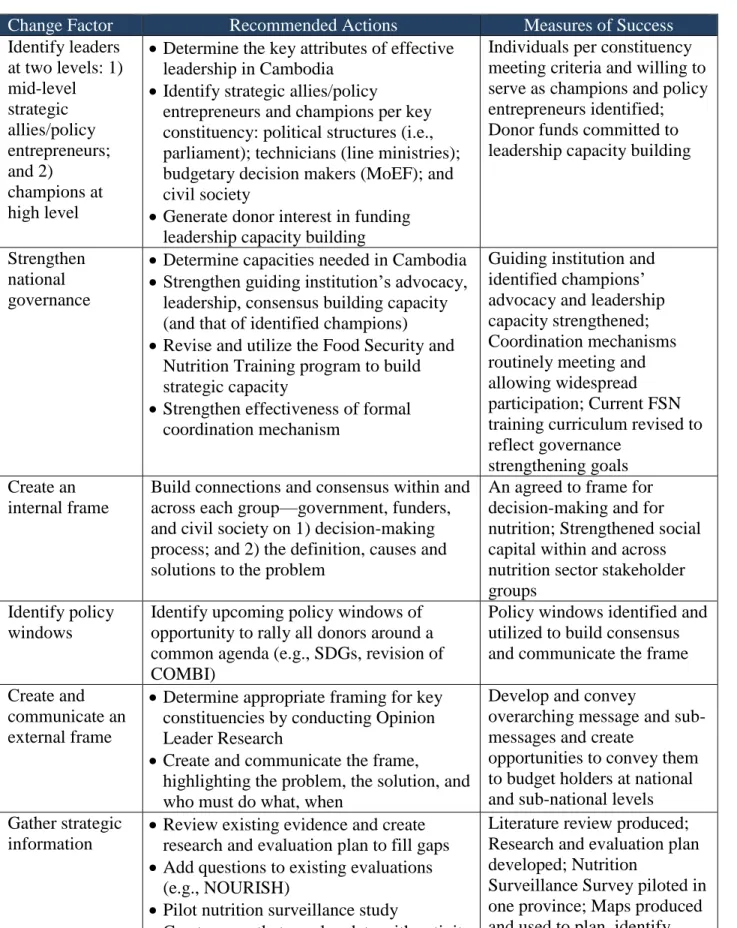
6.2 Strategies to Improve Conditions: A Proposed Plan for Change ... 114
6.2.1 Identify and Create Leaders ... 119
6.2.2 Strengthen National Governance ... 121
6.2.3 Create an Internal Frame ... 123
6.2.4 Identify Policy Windows ... 127
6.2.5 Create and Communicate an External Frame ... 129
6.2.6 Gather Strategic Information ... 131
6.3 Study Limitations ... 133
APPENDIX 1: KEY CONSTRUCTS ... 140
APPENDIX 2: INTERVIEW CONSENT FORM ... 143
APPENDIX 3: QUESTION GUIDE ... 146
APPENDIX 4: DRAFT STUDY SUMMARY TO SHARE WITH STAKEHOLDERS ... 153
LIST OF TABLES
Table 1. Study Sub-questions ... 28
Table 2. Sampling Frame by Working Group ... 38
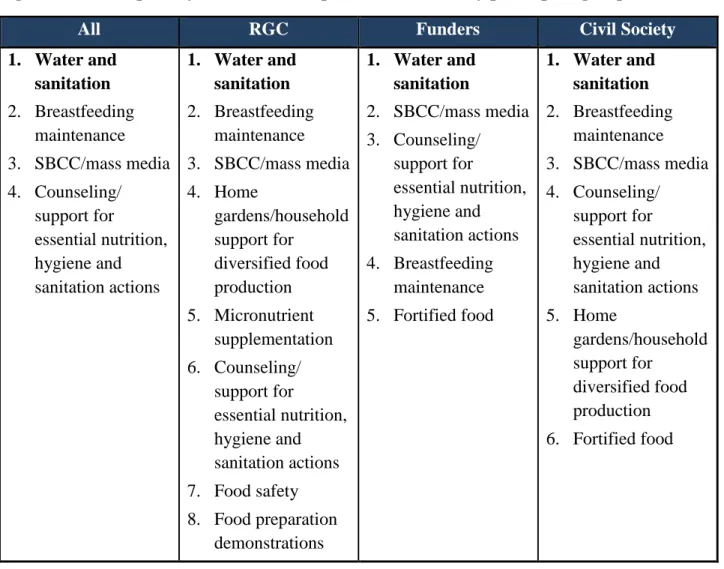
Table 3. Card ranking barriers to progress overall and by organization type ... 39
Table 4. Timeline of IYCF-related Events and Documents, 2000 to March 2015 ... 40
Table 5. Health-related 1,000 days-related policy frameworks (2000-2015) ... 55
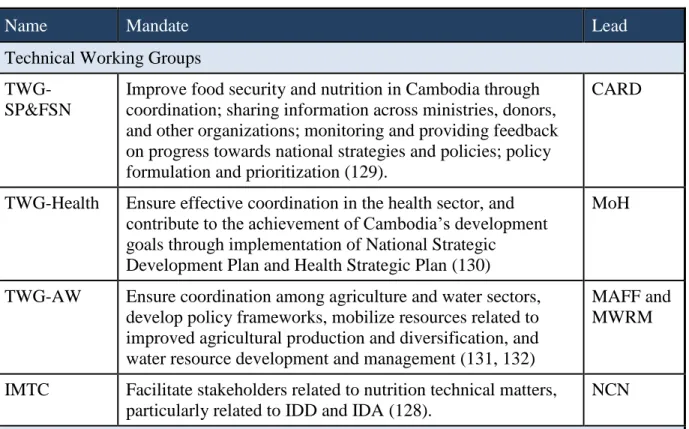
Table 6. Nutrition-related working groups ... 70
LIST OF FIGURES
Figure 1. Rates in Child Stunting 0-59 months in Cambodia, 2005, 2010 and 2015 ... 4
Figure 2. Adapted Conceptual Framework on Childhood Stunting ... 5
Figure 3. Framework for Scaling Up Interventions ... 22
Figure 4. Ranked priority actions to be implemented at scale by participant group ... 50
LIST OF ABBREVIATIONS BFCI Baby-Friendly Community Initiative
CARD Council for Agricultural and Rural Development CDHS Cambodia Demographic and Health Survey COMBI Communication for Behavioral Impact CTN Cambodia Television Network
DP Development Partner
EPI Expanded Program on Immunization FAO Food and Agriculture Organization FHI 360 Family Health International
GDP Gross Domestic Product
GIZ Deutsche Gesellschaft für Internationale Zusammenarbei
HEF Health Equity Fund
HIV Human Immunodeficiency Virus HKI Helen Keller International
HMIS Health Management Information System IDA Iodine Deficiency Disorder
IDD Iron Deficiency Disorder
IMTC Inter-Ministerial Technical Committee IRB Institutional Review Board
IYCF Infant and Young Child Feeding KII Key Informant Interview
M&E Monitoring and Evaluation
MAFF Ministry of Agriculture, Forestry, and Fisheries MDG Millennium Development Goal
MENV Ministry of Environment
MEYS Ministry of Education, Youth, and Sports
MIME Ministry of Mines, Industry, Minerals, and Energy MRD Ministry of Rural Development
MNS Micronutrient Supplementation MoEF Ministry of Economy and Finance
MoC Ministry of Commerce
MoH Ministry of Health
MoI Ministry of Information MoP Ministry of Planning
MOWA Ministry of Women’s Affairs MPA Minimum Package of Activities
MWRM Ministry of Water Resources and Meteorology
NCDD National Committee for Sub-national Democratic Development NCHADS National Center for HIV/AIDS and Dermatology
NCN National Council for Nutrition
NEC National Ethics Committee for Health Research NFSF The National Food Security Forum
NMCHC National Maternal and Child Health Centre NNP National Nutrition Program
NWG Nutrition Working Group
OHRP Office of Human Research Protection PHD Provincial Health Department
PI Principal Investigator
REACH Renewed Efforts Against Childhood Hunger RGC Royal Government of Cambodia
SAM Severe Acute Malnutrition
SBCC Strategic Behavior Change Communication SDG Sustainable Development Goal
SEM Socio-ecological Model SOP Standard Operating Procedure
SP&FSN Social Protection and Food Security and Nutrition SUN Scaling Up Nutrition
TWG Technical Working Group
TWG-AW Technical Working Group Agriculture and Water
TWG-SP&FSN Technical Working Group for Social Protection and Food Security and Nutrition
UN United Nations
UNICEF United National Children’s Fund
VHV Village Health Volunteer
WASH Water and Sanitation and Hygiene
WFP World Food Program
CHAPTER 1. INTRODUCTION
1.1 Problem Statement
1.1.1 Introduction
Across the globe, approximately 165 million children are chronically malnourished (3). This malnutrition is often expressed by stunting, which is an indicator for impaired linear
growth.1 Stunted children suffer often irremediable damage both physically and mentally (4-10). In the short term, stunting is a major contributor to mortality, morbidity, and disability (3). In the long term, it is linked to shorter adult height, lower intellectual ability and school attainment, reduced income, and poorer health, including higher incidence of obesity and non-communicable disease (6, 11-14). Stunting also has economic consequences for affected countries as illustrated by Cambodia where malnutrition costs more than $400 million or 2.5% of the gross domestic product (GDP) annually (15).
Stunting among young children is caused by a variety of factors across multiple socio-ecological levels. A primary cause is that children do not receive and/or absorb the nutrition they require due to sub-optimal infant and young child feeding (IYCF) practices. Optimal IYCF includes exclusive breastfeeding for six months and sustained breastfeeding through two years and adequate complementary feeding, which requires a set of complex complementary feeding behaviors starting at six months, such as the appropriate timing of introduction, diet diversity, quantity and frequency of feedings, preparation methods, responsive feeding, and safe food
preparation and storage (6). The limited coverage and scale of effective health and non-health sector interventions also contributes to the persistence of stunting (4).
In the past decade, there have been substantial increases in attention and funding to address malnutrition, including to prevent stunting. Two Lancet series (2008, 2013), a Maternal and Child Nutrition special series (2013), and a global report (2014) (16-18) played important roles in contributing to and capturing this progress. Political attention and commitment have also led to investment and action, as expressed by Scaling up Nutrition (SUN), Renewed Efforts Against Child Hunger (REACH), and 1,000 Days. SUN is an international nutrition movement with 55 member countries2 aimed at generating global multi-stakeholder collaboration and national-level nutrition investments (19, 20). A guiding principle of SUN is national leadership, ownership, and accountability, as well as the alignment of financial and technical resources to support country plans (19). REACH, representing the combined efforts of four key United Nations (UN) food and nutrition agencies: Food and Agriculture Organization (FAO), World Health Organization (WHO), United Nations Children’s Fund (UNICEF), and World Food Program (WFP), stems from the Paris Declaration to improve aid effectiveness (21). REACH aims to raise awareness of nutrition problems and solutions, strengthen national nutrition policies, increase nutrition capacity, and increase efficiency and accountability at country level (22). The 1,000 Days is an advocacy campaign championing investment and partnerships for improving nutrition during the 1,000 days between pregnancy and when a child reaches 2 years old, the time when action is most critical for preventing stunting (23).
1.1.2 Stunting in Cambodia
With a national stunting prevalence of nearly 40% (with some provinces reaching 50%) between 2000 and 2010, and with more than one-third of children stunted as recently as 2014, Cambodia has had one of the highest proportions of chronically malnourished children in the East Asia and Pacific region (11, 24-27).3 Despite these concerning numbers, there are positive trends: chronic malnutrition has declined and stunting has improved in certain age groups. For example, according to an examination of the annualized prevalence change between the 2000 and 2010 Cambodian Demographic and Health Surveys (CDHS), the country’s stunting
prevalence made steady but slow progress—a 10.3% decline (28). Greater reductions were seen among children older than two years (12.9% absolute change) compared to children less than two years (5.1% absolute change) (28). Between 2000 and 2005, reasons for the decline included improved adherence to seven of the eight core WHO child feeding indicators (29). Noteworthy was the 5-fold increase in exclusive breastfeeding among 0-5 month olds while, by contrast, the prevalence of feeding diversity and provision of a minimally acceptable diet for 6-17 month old children remained at approximately 25%. According to another study of pooled data from the 2000, 2005, and 2010 CDHS, progress was associated with improvements in household wealth, sanitation, parental education, and birth spacing (30).
Between 2010 and 2014, Cambodia’s stunting prevalence continued to decline to 32% (26). Because the complete analysis of the 2014 CDHS is not yet available, the factors related to this decline are unclear. According to the Royal Government, it is due to the reduction of poverty between 2007 and 2013 (from 47.8% to 18.8%) and the increase in social protection programs,
3According to UNICEF’s definition, East Asia and Pacific comprises 28 countries, though UNICEF is present only
such as the health equity fund (HEF) (31). Although social safety net programming demonstrably addresses poverty and although some have conferred nutritional impacts, it is unclear which aspect of the intervention led to this outcome (32). Indeed, globally it is understood that poverty reduction is insufficient for reducing undernutrition (18, 32). There is now a growing trend to view this relationship in reverse—improving nutrition is an important means to reduce poverty (33).
Of note, according to the 2005, 2010, and 2015 CDH studies, the greatest increases in the proportion of children stunted in Cambodia occurred from the ages of 6 to 23 months (Figure 1) (25, 27). These growth patterns reflect other countries where increases were attributed in part to suboptimal IYCF practices (4, 5,
10). Until recently, Cambodia had made significant progress in improving breastfeeding practices, but not in complementary feeding. This suggests that, without
improving complementary feeding practices among Cambodian children 6-23 months at sufficient scale, progress will remain stagnant.
1.2 Background
1.2.1 Determinants of Stunting
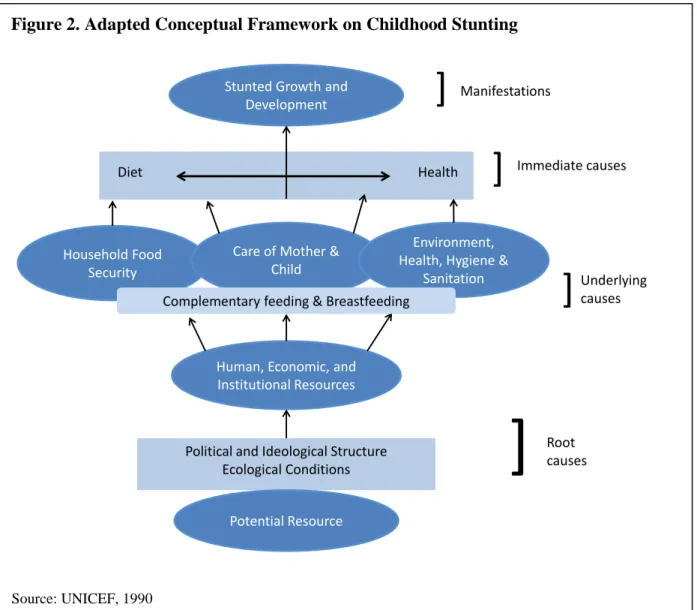
The immediate, underlying and root causes of maternal and child undernutrition were illustrated more than 25 years ago in UNICEF’s widely-accepted framework of the determinants
Figure 1. Rates in Child Stunting 0-59 months in Cambodia, 2005, 2010 and 2015
of malnutrition (34). In more recent years, this framework has been revised and adapted by WHO and Frongillo to focus on childhood stunting (6, 35). Demonstrated in Figure 2 below, it provides a helpful overview of the causes of stunting and the critical role that optimal
breastfeeding and complementary feeding can play in alleviating the functional consequences.
As shown, stunting is a consequence of a variety of biological, environmental, and socio-economic factors operating both at distal and proximal levels (3, 36). The immediate causes are long-term deprivation of essential nutrition through either inadequate intake or absorption. Root causes are associated with contextual factors, such as food prices, poverty, access to health care,
Figure 2. Adapted Conceptual Framework on Childhood Stunting
Source: UNICEF, 1990 Household Food
Security
Stunted Growth and Development
Diet Health
Care of Mother & Child
Environment, Health, Hygiene &
Sanitation
Human, Economic, and Institutional Resources
Political and Ideological Structure Ecological Conditions
Potential Resource
]
]
Immediate causes Manifestations]
Underlying causes]
Rootsocietal beliefs and norms regarding food choice and eating patterns, food availability, water and sanitation infrastructure, biological factors, and toxicology (6).
Underlying causes of stunting are associated with household food security, and care of mother and child. Stunting is also affected by household environment, health, sanitation, and hygiene practices (37, 38). Hygiene and sanitation as a contributor to chronic malnutrition can be seen both through diarrheal disease and through its link to environmental enteropathy. The inflammatory condition of the gut has gained attention as another pathway to impaired linear growth and is believed to contribute to faltering by affecting nutrient absorption (39-43).
Because IYCF is interlinked with household food security, care of mother and child, and the household environment and behaviors, it too is an underlying cause of chronic malnutrition among young children (6, 44). This makes improved complementary feeding, as an IYCF component, one of the “central pillars for supporting healthy growth and development” (6). 1.2.2 Determinants of Stunting in Cambodia
As previously presented, Cambodia has a significant childhood stunting problem,
especially among children 6-23 months. The Conceptual Framework on Child Stunting is useful for understanding this high prevalence (6, 34). It outlines three vital aspects of suboptimal complementary feeding: poor quality and frequency of foods, inadequate practices, and food and water safety. WHO’s 10 guiding principles for complementary feeding of the breastfed child are also of value (45).
Poor quality and frequency of foods: Sufficient diet diversity, including the intake of animal source foods, and feeding frequency are important components of optimal
consumption of animal source foods as protective. Diet diversity in Cambodia remains a gap. In 2010, although 70% of children were fed the minimum number of times, only 37% had been fed foods from the minimum number of food groups for their age (27). In 2010, only 24% of children 6-23 months old met the minimum standard for all three IYCF practices—number of food groups consumed, number of times a child is fed, and consumption of breastmilk or a milk product (27). Although in 2014 this figure increased to 30%, at least 2/3 of Cambodian children still do not receive an adequate diet at the right frequency (26).
Food insecurity remains a contributing factor to the lack of diet diversity in some parts of Cambodia (31, 47). Alternatively, while many households do have access to animal source foods, such as poultry or fish, consumption is limited because they are considered a source of income more than a food (46). This was true even in a homestead food production program that provided poultry products and promoted their consumption for improved nutritional outcomes (48).
Inadequate Practices: WHO recommends children be exclusively breastfed until six months of age when complementary foods should be added (45). Complementary feeding requires a set of essential nutrition actions, such as the introduction of appropriate and nutrient dense foods at six months and not before, actively feeding the child, and feeding a diverse diet at sufficient frequency, as described above (49).
In 2010, despite a relatively high prevalence of exclusive breastfeeding for children under six months (74%), exclusive breastfeeding was dramatically lower at 4-5 months (60%) (27). This was confirmed in 2014 when one in every five babies by 4-5 months was given
nutritious foods, mixed feeding of sweetened condensed milk, sugary drinks, chips, and other snack food is common (45, 50, 51). Bottle-feeding, often with sweetened condensed milk instead of breastmilk or formula, is also on the rise (50). The proportion of children 6-23 months old being bottle-fed more than doubled from 2005 to 2010 (27).
WHO, along with more recent research, recommends responsive feeding. This entails encouraging children to eat, using eye-to-eye contact and talking to the child during feeding, and avoiding distractions during meals to help ensure children eat appropriately and sufficiently (45, 52, 53). Conversely, the data show that young Cambodian children are frequently left to eat on their own (50).
Clean food, water, and environment: Complementary feeding also requires a set of essential hygiene actions, such as safely preparing and storing food, and washing hands before food preparation and/or feeding the child (49). A clean environment, and good hygiene and proper food handling are also highlighted by WHO (6, 45); yet, hygiene and sanitation are severe problems, with more than 70% of Cambodian households lacking improved sanitary facilities (30). The majority (56.7%) of the population, both urban and rural, also report open defecation (27). This situation likely contributes to diarrheal disease among children less than 5 years of age, the highest rates of which are in the 6-23 month age range (26.4% of 6-11 month olds and 21.1% of 12-23 month olds, compared to 14.2% of children <6 months old and 13.7% of 24-35 month olds, the next highest categories) (27).
met few of the key IYCF actions or interventions implemented (54). Cambodia also received a six out of ten on the specific complementary feeding component, comprising IYCF counseling of mothers/care-givers in relation to home preparation of complementary foods, and the provision of complementary feeding supplements (micronutrients and food supplements) (54).
1.3 Evidence of Effective Complementary Feeding Approaches
The 2008 Lancet nutritionseries estimates that existing nutrition interventions
implemented at scale in the 36 highest burden countries could reduce child stunting at 36 months by more than 1/3 (7). These effective interventions target children during the “window of
opportunity”—the 1,000 days from conception to age 2 (3, 7, 12, 14, 55). Because rapid increases in stunting occur from 6 to 23 months, it is particularly important to identify approaches that target children during this portion of the 1,000 days. One approach entails improving complementary feeding, which requires education, strategic behavior change
communication (SBCC), counseling, food provision in food insecure settings, and micronutrient supplementation strategies. Two of these complementary feeding strategies were found most effective: 1) education on diet diversity and consumption of animal-source foods when such foods are available, and 2) the provision of complementary foods along with education in food insecure settings (3, 55). Complementary feeding outcomes are further enhanced when these interventions are paired with interpersonal communication, community mobilization, mass media, and evidence-based policy dialogue and advocacy (56, 57).
To improve complementary feeding (along with other aspects of IYCF), the Alive & Thrive4 experience suggests the importance of building on existing delivery platforms,
4Alive & Thrive is a Bill & Melinda Gates Foundation-funded project led by FHI 360. It improves infant and young
particularly those with significant numbers of frontline health workers and health care providers who have contact with caregivers of children two years and under (58). Bhutta and colleagues modeled community-based delivery strategies and platforms as a mechanism for reaching poor and marginalized populations. They found that nutrition-focused communication and outreach strategies could be integrated into existing services, such as community health worker programs for maternal and child health, which would foster the scale-up of nutrition interventions (3). WHO also highlights the importance of community-based nutrition interventions, but cautions that sufficient resources must be invested to ensure their quality and sustainability (59).
Despite these and other examples of successful delivery of complementary feeding programming, few such programs have achieved scale. This is in stark contrast to other nutrition interventions, such as Vitamin A supplementation (7, 60). Reasons for this gap include a lack of understanding and/or incorrect assumptions of socio-cultural and economic barriers and
determinants of poor feeding practices, lack of consensus on program approaches and
documentation of program experience, lack of implementation support tools, and an absence of or delay in development of international consensus and guidance for complementary feeding (61).
1.4 Purpose and Significance of the Research
1.4.1 Remaining Challenge
(62). This holds true for stunting—stunting can be reduced through known interventions
delivered through existing delivery platforms (3, 6, 44, 55, 56, 58, 60). Much of the evidence for stunting, however, is drawn from efficacy trials rather than effectiveness studies conducted in defined geographic areas and at relatively small scale (3, 7, 59, 63). There is a vital need to understand and address the intersecting factors hindering an effective response at scale: how to generate political and resource commitment; how to create effective multisectoral, multi-stakeholder and multilevel governance; how to overcome conflicting ideas about the best approaches to affect change; and how to fill gaps in evidence at sufficient scale to address the severity and magnitude of the problem (57, 62, 64).
Answering these questions requires the study of strategies to improve the uptake, implementation, and translation of research findings into healthcare policy and practice, known as implementation science (65, 66). It also requires drawing on the scaling-up and agenda setting evidence base. Combined, these approaches help to identify which strategies are best for which settings, ensure their correct application, deliver at sufficient scale and coverage, and ultimately achieve meaningful nutritional outcomes (59, 61).
1.4.2 Contribution of the Research
Although evidence for effective complementary feeding interventions exist (3, 7, 55) and some progress has been achieved, stunting remains a significant problem in Cambodia, requiring urgent and effective action. To determine the actions needed for a national response, this study addresses two research questions:
implementation, technical capacity, financial resources and investments, multisectoral intervention coordination, national coordination and communication structures, and the evidence, information, and research available to inform and monitor the response; and
2) What strategies could be employed to create more favorable conditions? By identifying actions needed to create more favorable conditions for scaling-up complementary feeding, this study contributes to the literature of how to tackle the socio-political barriers to addressing young child stunting at a country level. It also contributes to the practice of “going to scale”, defined as: “the ambition or process of expanding the coverage of health interventions” (67). Further, the findings and recommendations from this study will be shared with key stakeholders—government, funders, and civil society—in Cambodia to address the barriers identified within this research towards addressing child stunting in-country.
1.5 Structure of the Dissertation
CHAPTER 2. LITERATURE REVIEW
In this chapter, two bodies of literature are reviewed. The first relates to effective agenda setting and policy making for young child undernutrition, with an emphasis on Southeast Asia. Agenda setting and policy making processes are examined as part of the scale-up process— improving recognition of the problem, generating political commitment to address it, and formulating responsive policies. The second body of literature concerns going to scale as it relates to nutrition interventions, and specifically IYCF, when available. Reviewed articles were identified by searching three search engines: EBSCO host: Global Health, NCBI: PubMed, and Google Scholar.
2.1 Agenda setting and policy making to address young child undernutrition
2.1.1 Global Experience
governance and the lack of accountability, due to the absence of an obvious government body for nutrition leadership for a multisectoral response (79, 80). Some articles also cited the lack of consensus among key stakeholders as a critical barrier, largely the result of competing organizational mandates and interests (68, 70, 81).
One of the earliest articles, from 2008 identified seven actions needed to overcome these challenges to progress: 1) develop action plans with timelines, budgets, and clear roles and responsibilities; 2) identify an accountable organization; 3) create policy champions; 4) build networks; 5) use evidence to do the right thing; 6) ensure sufficient coverage among populations in need; 6) use data for decision-making and for fostering a “one voice” response; and 7) create capacity and mechanisms to respond (8). Important lessons from another review centered on minimizing challenges from societal and structural conditions by formulating mechanisms for governance and partnership coordination to build government leadership and stakeholder advocacy capacity; this review also suggested the need for a government (rather than donor-owned) plan supported by donors with buy-in from local government and civil society (71).
Another study drawing upon experience from South Asia, South America, and Eastern and Southern Africa highlighted, among other key findings, the importance of: 1) vertical coordination within the government and the role of the sub-national level in the nutrition
review also suggested conducting country-based research to identify priorities, advocacy needs and gaps, and to inform strategies to employ, as well as continue to develop the evidence base. Another key finding noted the effectiveness of compelling, contextualized messages and strategic communication tools disseminated through multiple channels and messages and partnerships with media and key champions to promote the messages and generate interest. Sufficient resources for research and communication activities are critical to ensuring these strategies are effective (57).
A 2013 review also highlighted the importance of generating, framing, and
communicating credible evidence, strengthening horizontal coordination and accountability among key stakeholders, including different sectors of government, and addressing the political economy by building advocacy capacity, including leadership and championing skills, and financial resources (18). Experience from Bolivia echoes some of these findings, highlighting in particular the importance of strengthening the capacity of nutrition policy communities, and identifying well-respected, stable champions (83). Similarly, a multi-country study of influential stakeholders in four countries found strong leadership a critical component of success.
Leadership is positively driven by an individual’s motivation to address the problem due to their personal experience, training, and nutrition technical knowledge as well as their multisectoral understanding and program experience (84).
2.1.2 Southeast Asia Experience
Articles were reviewed that described nutrition policy making processes related to young child stunting with complementary feeding as a component in Southeast Asian countries.
was used (22) to analyze policy assessment and change, while in the Philippines, PROFILES, a data-based approach to nutrition policy was applied (85). PROFILES models interventions and examines cost, coverage, and effectiveness. By contrast, in the first set of Vietnam articles, a participant-observer change agent catalyzed the policy process (69, 70, 86). The international expert identified key gaps, such as the lack of an organized nutrition community and the lack of government attention to nutrition, and spearheaded actions to address them. As described in the second set of Vietnam articles, a number of strategies were employed—use of strategic
information, including inclusion and collection of IYCF indicators in the routine nutrition surveillance system, establishment of partnerships and harmonized technical, financial and human resources, a focus on the sub-national level, and engagement of the media in raising awareness, and mobilizing champions (87, 88). All processes in these countries led to positive change, with results ranging from strengthening existing frameworks/plans (the Philippines (85)) to creating new or strengthened plans and structures (Lao PDR and Vietnam (22, 69, 70, 86-88)).
Although different processes were applied, common factors emerged, each seen in at least two of the three studies: paired facilitators, framing, and consensus building, all of which were also highlighted by the global literature.
Paired Facilitators: In Lao PDR (22) and Vietnam (69, 70, 86), an external expert was paired with a national facilitator. This pairing was intended to build local ownership of the process and to ensure sustained action. The external expert was also tasked with developing the capacity of the local facilitator to conduct gap analyses and planning exercises, and to advocate for change.
Framing: To raise stakeholders’ awareness of the importance of addressing child
Philippines, in addition to economic arguments, “consequence models” were developed that appealed to Filipino culture’s ideology regarding equity, social justice, and child welfare (85). In Vietnam, stunting was the priority nutrition problem identified by the nutrition community. To garner stakeholder commitment, socio-economic and sports arguments were made. Additional messages, building on cultural characteristics of competition and Vietnam’s desire to be a world leader in development, strengthened the case (69, 70, 86).
Consensus building: In Lao PDR (22) and in the first set of Vietnam articles (69, 70, 86), the paired facilitation team was responsible for building consensus for priority issues and actions among government, non-government, and donor stakeholders. In the Philippines, the PROFILES team recognized that evidence alone was insufficient and paired technical arguments with
political ones (85). In the second Vietnam articles, evidence was created through the integration of IYCF indicators into the National Nutrition Surveillance Survey and proved an effective advocacy tool; however, both capacity building and buy-in by all stakeholders was critical for adoption of the IYCF indicators (87). Consensus building was achieved by conducting formative and opinion leader research on policy priorities and barriers and holding multiple rounds of discussions with government partnership and key stakeholders (88).
2.1.3 Gaps in the Literature
While the literature reviewed here identifies key barriers and facilitators to delivering national responses to young child undernutrition and provides critical facilitators for success, gaps in the literature remain. The majority of evidence related to nutrition focuses on
undernutrition, with only a few examples from the region that specifically examine policy
address stunting, revealing an important window of opportunity to contribute additional insight into the growing body of literature on undernutrition.
2.2 Going to scale
Successfully taking a high quality intervention to scale, as perhaps the ultimate goal of implementation science, is predicated in part on intervention effectiveness (demand, delivery and outcomes, and the adaptability of efficacious interventions to real world constraints), as well as political priority setting. The term “scale-up” (sometimes referred to as “going to scale” and “at scale”) is widely used in public health literature. But there is neither an agreed definition nor framework for studying scale-up in international settings (67, 89-92). Scale-up has been used to describe the increased coverage of tested/effective interventions to benefit more people at a larger or national scale (90). It has also been used to describe both the purpose (to increase coverage, as well as the process of expanding interventions), the inputs required (financial or human resources), or the actual policy or strategy for expansion (67, 91). Attention, however, appears to have focused more on achieving high coverage rates than on the process of scaling-up (93). Perhaps the following general definition by Mangham and colleagues is most useful, as it is used by a number of researchers: “the ambition or process of expanding the coverage of health interventions” (67).
2.2.1 Pathways for Going to Scale
scale-up” (62, 64). A cascade or phased approach is yet another pathway, which entails tailoring to the local situation, and integrating into an existing delivery mechanism (3, 59, 89). Two more
processes are: “1) organizational, which refers to improving organizational strength and capacity; and 2) political, which refers to political power and engagement with wider political processes” (62). Additional approaches are recommended to achieve scale: “task shifting within the public sector and increasing the capacity and service delivery of community health workers (67),” and using the private and NGO sectors for service delivery (56, 58, 67).
For complementary feeding, a four-part approach for “disseminating, replicating, and scaling-up” improved programs is drawn from four countries’ experience: 1) engendering political commitment, government ownership, and partner support at all stages; 2) evidence-based program planning by employing contextualized practices and using a theory of change; 3) program implementation using doable, locally-relevant, action-oriented messages and foods, strengthening the health system to provide sustained support to families, and building capacity of and utilizing actors from all sectors; and 4) program evaluation to assess and improve quality through processes and impact studies (60).
2.2.2 Factors for Effectiveness
Drawing from the literature, factors of effective scale-up efforts common across case studies are “strong leadership, effective management, realistic financing arrangements, country ownership, and technical innovation” (67, 93). Further, approaches that build partnerships among stakeholders at various levels, from community members to policy makers, to researchers and technical experts, appear to have been more successful than those that do not (93). Experience with nutritional interventions in Bangladesh, Ethiopia, and Vietnam confirm these findings, highlighting three core strategies for scaling-up and maintaining quality: “1) using national-level coordinating and information exchange mechanisms to catalyze action in a harmonized way; 2) providing institutional support and sharing ownership with carefully selected implementing partners to facilitate sustainability; and 3) generating and disseminating evidence regularly through routine program monitoring, rigorous evaluation, documentation, and stakeholder forums” (56).
identifying clearly what is being scaled, the evidence of effectiveness, and the scale-up strategy, processes and pathway(s); 3) understanding well the socio-political environment, such as the degree to which there is national ownership and commitment, political support for a coordinated multisectoral response and supporting governance structures, and champions to catalyze and sustain efforts, or systematic incentives for change; 4) establishing governance mechanisms for creating and managing horizontal and vertical actions; 5) developing strategic and operational capacity to plan, implement, monitor, and evaluate the scale-up process; 6) ensuring financial resources are available for capacity building and going to scale; and 7) developing monitoring and evaluation (M&E) to support accountability and generate data for course correction and evidence of impact (62).
2.3 Frameworks
There are numerous frameworks to guide going to scale in the literature, yet an agreed framework is missing, which could direct efforts and lead to more effective accumulation of evidence across multiple settings. A frequently cited scale-up framework by Simmons and Shiffman links five factors: “1) the innovation; 2) the resource organization or resource team (those involved in the development and testing of the innovation and/or to facilitate its wider use); 3) the user organization (the institutions or organizations expected to widely adopt and implement the innovation); 4) the scaling-up strategy (the mechanism for communicating, transferring, or promoting the innovation); and 5) the environment (policy setting, the political system, bureaucratic culture, the health sector, the socioeconomic and cultural contexts and the influence of global trends)” (64). Hanson and colleagues’ framework aims to classify the constraints of scale-up using an ecological approach, organizing constraints by level—
policies, and environmental and contextual characteristics (97). Gericke and colleagues developed a framework to facilitate the systematic analysis of intervention complexity, considered a key barrier to program expansion (94, 98-100). The framework identifies four dimensions of intervention design: the characteristics of the intervention itself, how it is delivered, the government’s capacity to deliver, and usage characteristics.
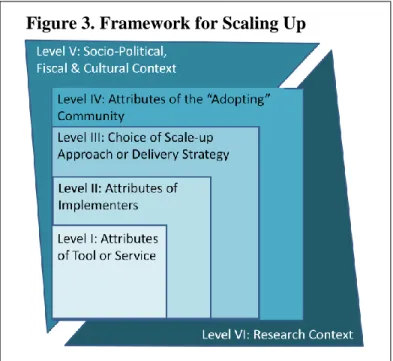
Yamey’s six-level framework for guiding successful scale-up (Figure 3) draws from the previous three frameworks, qualitative interviews with “scale-up leaders”, and the literature on implementation science and political priority setting (89, 101). A description of each level follows, along with additional references to overlapping and similar frameworks:
Level I: Attributes of the Tool or Service—A simple intervention is more likely to be
successful than a complex one (94), consequently, this framework prioritizes the assessment of whether the intervention is simple or complex. Also examined is the degree to which the intervention is “manualized” since having technically- and scientifically-based programmatic policies, guidance, standard operating
procedures, and training manuals facilitate scale-up (56).
Another useful model for examining factors affecting an
innovation’s successful implementation and scale-up is one developed by
Durlak and colleagues (Figure 4) (102). Durlak’s framework is grounded in the implementation science literature,
Source: Yamey, 2012
which seeks to understand, for instance, the importance of fidelity versus
adaptability/customization when going to scale (99, 103-106). According to Durlak, implementation is dependent on five factors, the first is innovation characteristics—its
compatibility, fit with norms and values, and adaptability.
Level II: Attributes of the Implementers—In this level, Simmons and Shiffman’s
categories of the resource organization and the user organization are combined across the macro, meso, and micro levels to examine whether implementers have the necessary capacity, the health system is sufficiently functioning, if strong leadership and governance are in place at national and local levels to champion the intervention, the degree to which implementers and key
stakeholders are engaged and supportive, and the role NGOs and the private sector can play—in addition to the public sector—in scaling-up the intervention.
Durlak’s second, third, and fourth factors are also relevant here: provider characteristics, the perceived need for the innovation, perceived benefits of the innovation, and the self-efficacy and skills proficiency of the implementers/service providers; community factors, the political context, funding availability, and the existence and enforcement of relevant policy; and the
delivery system, the organizational factors, such as norms regarding change, the organizational policies and practices, such as related to decision-making and community involvement (also Level IV of Yamey), and staffing, such as the existence of a leader/champion.
Level III: Choice of Scale-up Approach or Delivery Strategy—To spread innovations,
Yamey draws from Rogers’ diffusion of innovations theory (the relative advantage,
guidelines, standards of care, job aids, training and performance support needed to ensure implementation quality, is not one included in many other frameworks, yet as experience from
Alive & Thrive demonstrates, it helps to ensure the effectiveness of innovations as they spread (56, 58, 109).
Level IV: Attributes of the “Adopting” Community—Rather than examining the attributes
of the user organization as per Simmons and Shiffman, Yamey focuses on the level of engagement, activity, and the readiness of the community members because community
involvement in planning, implementing, and monitoring interventions facilitates scale-up (110). Social mobilization was recognized as essential to achieving results while scaling up IYCF in Bangladesh, Ethiopia, and Vietnam, among other settings (56, 57, 111).
Level V: Socio-Political, Fiscal, and Cultural Context—Political will and priority setting as well as country ownership are critical components of scaling-up. Other factors include the existence and enforcement of relevant, supportive policies, sufficient financing and donor coordination (101). Recognizing this, building an enabling environment was highlighted in the 2013 Lancet series as a significant component of the delivery, implementation, and scale-up of evidence-based nutrition interventions (18). Three key factors were identified that shape enabling environments—1) knowledge and evidence provides a context-specific framing of the issue; 2)
politics and governance among a wide variety of stakeholders who have or should have a vested interest in nutrition; and 3) capacity and resources in nutrition and in alliance building and networking, communication and collaboration, and the leveraging of resources (18).
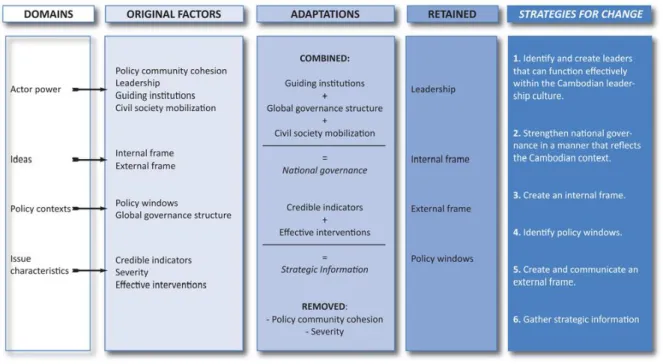
internal and an external frame; 3) political context, the environment in which actors operate; and 4) issue characteristics, which are features of the problem, such as its severity (76).
Level VI: Research Context—Yamey draws from Simmons and Shiffman who posit that “the systematic use of evidence to guide the process and incorporate new learning” is necessary for successful scale-up (64). This is echoed by Greenhalgh who recommends further research on the process and not the package—“What features account for the success of program x in this context and the failure of a comparable program in a different context (98)?” Greenhalgh’s use of the term “context” as part of the evidence-base is broadly interpreted to encompass
knowledge, experience, contextual understanding, goal clarity, and ability to adapt to dynamic contexts at all levels. This interpretation is echoed by Wheatley who, examining leadership using a quantum lens, recognizes that growth occurs due to the small changes taking place at all levels of a system (112). Meanwhile, Damschroder and Proctor argue that while it is critical to measure the implementation and replication process and to use data to make course correction, it is also critical to measure implementation outcomes (“acceptability, adoption, appropriateness, feasibility, fidelity, implementation cost, penetration, sustainability”) (99, 113).
2.4 Conclusion
CHAPTER 3. METHODS
3.1 Study Design
This qualitative study was designed to answer two research questions: 1) How favorable are current conditions in Cambodia for scaling-up evidence-based complementary feeding policies and programs to reduce child stunting? and 2) What strategies could be employed to create more favorable conditions? Qualitative methods are appropriate for understanding what must be done to create a more favorable environment for taking complementary feeding to scale in the context of Cambodia (114-116). They also allow researchers to understand a problem in its milieu, helping ensure this study’s findings and recommendations are relevant for and feasible in Cambodia (116).
To answer the two research questions, this study employed two methods. The first, document review, entailed the structured extraction of information on current conditions, including existing coordination mechanisms (e.g., working groups) and nutrition policies and strategies (114). The second method used was key informant interviews (KIIs), verbal
interchanges with purposefully selected individuals who have specific knowledge or
understanding of the research topic (114-116). This helped answer the research questions by giving key experts the opportunity to share their views and experience with the principal investigator (PI). During the KIIs, card ranking and sorting exercises were used to gather participants’ perspectives on priority barriers and strategies to improve complementary feeding practices. Using multiple methods in qualitative data is known as triangulation. This technique fosters a deeper understanding of data from different sources, facilitating an accurate
interpretation (116).
A set of sub-questions (Table 1), based on the conceptual framework (101), and drawing from tools and experience measuring readiness for scale for both nutrition and newborn health (119, 120), guided this research.
Table 1. Study Sub-questions
Topics/Questions per Sub-question
Political commitment/Shared understanding (Levels 2 & 5) What is in place:
To what degree is there political commitment for addressing child stunting through
complementary feeding policies and programs? (What level of understanding/recognition of stunting as a problem exists? To what degree is there agreement on the issue definition, causes, and solutions for child stunting? What local framing/public portrayal of the issue can make stunting resonate with decision makers/donors? What are potential policy windows?)
To what extent do the stakeholders have a common understanding/view of these factors? Improvements needed:
Topics/Questions per Sub-question
Policy frameworks and systems (Levels 1, 3 & 5) What is in place:
What policy documents (including strategies, plans, SOPs, pre-service/in-service training curricula for providers, delivery protocols) exist to promote, protect and support
complementary feeding to address child stunting? Improvements needed:
What more is needed? How could gaps be filled? Policy Implementation (Level 5)
What is in place:
To what degree are complementary feeding policy frameworks (as identified in section 2) being implemented?
Are sufficient funds available?
What are the barriers to implementation?
What are the barriers to sufficient budget allocation? Improvements needed:
How can these barriers be overcome?
Coordination and Communication (Levels 1 & 2) What is in place:
What coordination and communication mechanisms are in place (donor, technical, implementer, multisectoral) and how well are they functioning? (What is the strength of individuals and organizations concerned with the issue (guiding/leading institutions)? What are current alliances? What are ways to strengthen/build alliances to raise national attention to this issue and is further collaboration needed, among whom? Who are current leaders and champions and how can they be tapped/created?)
Which key stakeholders are not engaged? Improvements needed:
How could these mechanisms be improved? How can those missing from the dialogue be engaged?
Information, Evidence, Research (Level 6) What is in place:
To what extent is evidence on factors affecting complementary feeding in Cambodia available?
Topics/Questions per Sub-question
To what extent are data elements actually being collected? How is available data being used for program management and decision making?
What are the barriers for greater collection and use of such data? Improvements needed:
How can barriers be overcome? What evidence is regularly gathered and how is it conveyed? How could information be made available to those who need it? What additional evidence is needed? What gaps in knowledge/what research is needed to more effectively address child stunting in the Cambodian context?
3.2 Study Population and Sampling
This study was conducted in Cambodia, where the Khmer are the majority culture among multiple ethnic groups and the dominant actors in public and political spheres. Because of this, references to Cambodian culture and society are primarily to that of the Khmer.
3.2.1 Inclusion criteria
Upon receipt of government permission, the PI requested an interview with
representatives of all member organizations of these groups meeting the following criteria:
NWG: Participants had to have attended more than three meetings from 2013-2014 (with one having to be in 2014) or at least two of the three meetings for which there were meeting minutes in 2014. To develop the list of organizations to sample, the PI reviewed all available meeting minutes from 2013 and 2014, and compared it to two membership lists produced by the National Nutrition Program (121), one from July 2014 and one from December 2014. Individuals who represented participating organizations in the meetings were named in the meeting minutes, so invitations were sent to them.
TWG-SP&FSN: To develop the list of organizations to sample, the PI reviewed the official Royal Government of Cambodia (RGC) declaration of the TWG dated January 2014 that lists members, reviewed the membership email list received from the WFP (one of two official TWG co-facilitators), and reviewed the February 5, 2015 meeting participation list.
Organizations had to be listed on at least two of these documents to be included. If no individual representing the organization was named on these lists, the PI sought advice from CARD, the RGC Chair of the TWG, WFP, a co-facilitator, as well as from two active members—UNICEF and World Vision—to identify the individuals from eligible organizations to invite for an interview. Members working only on social protection, and not also nutrition, were considered ineligible.
3.2.2 Recruitment
purpose of the study and attached the informed consent form and the National Ethics Committee for Health Research (NEC) approval letter. To invite TWG-SP&FSN participants, the PI sent an email explaining the purpose of the study, noting that the PI had received the recipient’s contact details from WFP as co-facilitator of the group. The PI also included the informed consent form and the NEC approval letter. All email sent requested participants to propose an interview date. If no response to this initial email was received, additional requests were made by email and/or text message and/or telephone. For both groups, a participant was considered “declined” if there was no response after three contacts or if they responded and declined to participate.
3.3 Data Collection Procedures
3.3.1 Document Review
Documents dated between 2000 and March 2015 were gathered by conducting internet-based literature searches using EBSCO host: Global Health, NCBI: PubMed, Google Scholar and Google, reviewing government and organizational websites, and by request to government, funders, and national and international organizations via phone, email, or in person, sometimes during interviews. Documents were also gathered from email distribution lists, and when participating in meetings or events. The document inclusion dates were aligned with the first DHS conducted in Cambodia (2000) and the final interview conducted by the PI.
3.3.2 Key Informant Interviews
Between December 2014 and March 2015, the PI conducted the interviews with
audio recorded. For the one, based on the participant’s request, the PI took notes. An interview guide specifically developed for this study was used (Annex 3). This guide covered the study framework domains: political commitment/shared understanding; policy frameworks and systems; policy implementation; coordination and communication; and information, evidence, and research (note: all informants were asked the same questions).
During the interviews, two card exercises were conducted with participants. The first was a ranking exercise. Potential barriers, drawn from the study framework and the literature, were each listed on a card (Annex 3). Participants were asked to place the cards in order from most to least significant barrier.
The second, a card sorting exercise, was used to assess the degree to which participants concurred on the components of a priority package of services for implementation at scale in-country. Participants were given 12 cards, with 1 approach per card, and asked to sort the cards into 3 piles—must do, maybe do, not do (Annex 3). Approaches selected for inclusion in this exercise aimed to represent each of the levels of the SEM (individual, household, community, society, national/policy) and were drawn from the literature and Cambodian policies and strategies (31, 45, 55).
3.4 Data Management
when typing them. For the card exercises, following the interviews, the PI recorded the
sequences and the piles in a computer file created for this purpose. The cards were collected in order during the interview to facilitate accurate documentation, but notes were also taken during the interviews and cross-checked.
3.5 Data Analysis
Subsequent to transcribing and conducting an initial read of the interview transcripts, the PI coded and analyzed all narrative data using NVivo. As recommended by Saldaña, multiple coding cycles were used (coding and re-coding) (122). At each cycle, different strategies were employed. The first cycle used structural coding, with a priori analysis categories based on the study framework. This strategy was supplemented in the first and second cycles with sub-coding, breaking codes into further sub-units. Attribute coding was also used to identify the demographic characteristics of the study participants: government, funder or civil society, and magnitude coding was used to determine the intensity and/or frequency of data points. Codes were revised and refined during the analysis process and emergent codes were added as they were created, and transcripts re-coded. All codes were maintained in a code book.
were also utilized to compare themes with one another as well as to help analyze them by participant attributes.
Code frequencies and counts were used to determine the number of unique participants who mentioned it, and comparisons were made by participant group. These frequencies helped to determine salience, which was considered “present” if the majority of participants discussed it or “absent” if not. Code frequencies also helped the PI determine if further sub-coding was needed to better describe the data and/or if a code rarely occurred and needed refining or deletion. Each domain was also examined for its degree of favorability—favorable, neutral, or unfavorable. The domains were examined by all participants combined and by participant group. A condition was rated unfavorable when the majority of participants in a category considered it a problem, and favorable when the majority of the participants viewed it in a positive light. A condition was rated neutral when there was a relatively even mix of positive, negative, and neutral comments.
Card sorting results were analyzed by all participants and by participant group. For the first card ranking exercise, the card sequence was analyzed to determine the top three perceived barriers to progress for each participant and these rankings were then aggregated to determine the top priorities across all groups. Participants’ explanations as to why they placed each card in its sequence were also analyzed to discern the full meaning of each barrier. For the pile sorting card exercise, services had to be selected by at least half of the participants of any group to be
reported. Those most frequently selected services were identified for each participant group, and then tallied to create the summary list for all.
3.6 Ethical Approval
U.S. Office for Human Research Protection (OHRP) and has a federal-wide assurance.
CHAPTER 4. RESULTS: QUESTION 1 CURRENT CONDITIONS
4.1 Study Participants
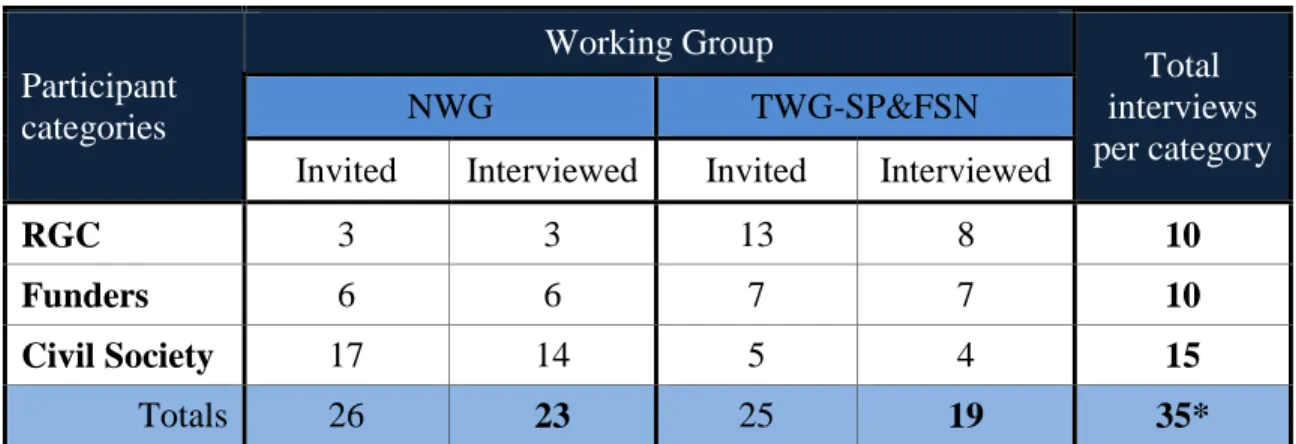
There were a total of 40 participants in the 35 interviews conducted for this study. In five of the interviews, two members of the organization participated in response to the organization’s request. Because these participants reached consensus on their responses, the two individuals were collectively counted as one. As such, participation is counted as 35. These 35 interviews comprised 23 individuals from the NWG and 19 from the TWG-SP&FSN. Seven participants were members of both groups and their interviews counted in both the NWG and the TWG. Of the 35 interviews conducted, 10 were representatives of the RGC, 10 were funders, and 15 were civil society actors (Table 2).
The majority of organizations eligible and invited for an interview participated (30 of 40 or 75%). In terms of individuals, for the NWG, 3 of 26 invited were not interviewed, all from civil society. Although all accepted the invitation, a time was never agreed upon, despite multiple contacts by the PI. No additional participants were recruited because saturation had been achieved (2). Further, the distribution of study participants from the NWG (14 civil society, 6 funders, and 3 RGC) reflected the composition of the group (Table 2).
or the mandate of the organization was not relevant to the study. Of those who declined or did not respond to the invitation, one was from civil society, and five were from government. Table 2. Sampling Frame by Working Group
Participant categories
Working Group
Total interviews per category
NWG TWG-SP&FSN
Invited Interviewed Invited Interviewed
RGC 3 3 13 8 10
Funders 6 6 7 7 10
Civil Society 17 14 5 4 15
Totals 26 23 25 19 35*
*Because 7 participants were members of both groups, their interviews were counted in both the NWG and the TWG.
4.2 Summary of Key Findings
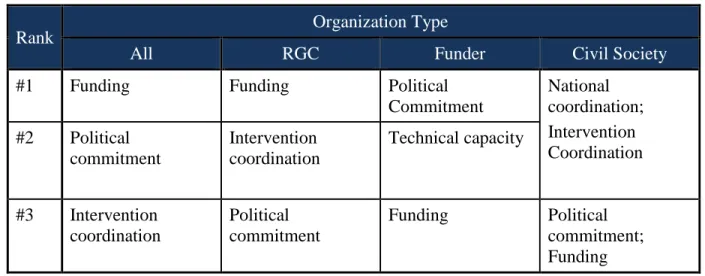
Overall, participants’ perceptions of Cambodia’s current situation―its willingness, readiness, and ability to address young child chronic malnutrition at scale―were unfavorable. This was true for all the study framework domains except policy frameworks, which participants viewed in a positive light. All the rest—political commitment, recognition of the problem, policy implementation (intervention coordination, technical capacity to address the problem, and
funding), coordination and communication, and information evidence and research—were perceived to be barriers to progress.
Table 3. Card ranking barriers to progress overall and by organization type
Rank Organization Type
All RGC Funder Civil Society
#1 Funding Funding Political
Commitment
National coordination; Intervention Coordination #2 Political
commitment
Intervention coordination
Technical capacity
#3 Intervention coordination
Political commitment
Funding Political
commitment; Funding
The second top-ranked barrier mentioned by all participants was political commitment, although some government officials perceived political commitment to be in place.
Detailed results for each of these domains are presented in this chapter.
4.3 Political commitment, Recognition of the Problem, and Shared Understanding
4.3.1 Political Commitment
Political commitment is defined as sustained expressions of concern about the issue by national political leaders (76) combined with “political and policy processes that build and sustain momentum for the effective implementation of actions that reduce undernutrition” (18). Although the majority of participants viewed political commitment as a gap, this perspective varied by participant type. Civil society considered political commitment as needing attention, and funders, based on an analysis of the narrative data, were neutral, despite having ranked it as the top barrier during the card exercise. Most government participants considered political commitment in place, though these officials were not from the health community.
Seminar presided by the Prime Minister. In his opening speech, the Prime Minister stated that childhood malnutrition is a problem in Cambodia and identified CARD as a coordinating body. Mounting political will was also demonstrated when Cambodia's joined the Scaling up Nutrition (SUN) movement in 2014, the establishment in 2014 of a National Nutrition Day to be held annually on November 6th, and a national nutrition conference held in March 2015. This conference, as expressed by one participant, intended to build political will among key decision makers:
The conference is focused on stunting, and aims to get them [government representatives] together to talk about the issues, and then put them in the hot seat and ask them what they're going to do about that.
–Funder Growing political commitment was also demonstrated by the variety of policy
frameworks promulgated. According to one official, the government’s commitment to nutrition can be seen through sectoral and multisectoral policies, as well as those for the entire country, such as the Rectangular Strategy for Growth, Employment, Equity and Efficiency Phase III, 2013-2018. Also highlighted are the National Strategic Development Plan 2014-2018, the National Strategy for Food Security and Nutrition, 2014-2018, and the Fast Track Road Map for Improving Nutrition, 2014-2020.
Table 4. Timeline of IYCF-related Events and Documents, 2000 to March 2015
Year Event/Document
2015 • National Nutrition Conference & Declaration, 2015 2014
• National Nutrition Day established • Prime Minister Directive No. 1317, Sor Chor Nor5 • Sub-decree 133 and Joint Prakas 061 oversight board established6 • Cambodia joined the SUN movement • Journal article: Economic consequences of malnutrition •
5Directive on the eight-recommendations (related to food security and nutrition) of Samdech Akka Moha Sena Padei
Techo Hun Sen, Prime Minister of the Kingdom of Cambodia during the Dissemination Workshop on National Strategy for Food Security and Nutrition 2014-2018.
6Sub-decree 133 regulates the advertising and marketing of IYCF products in accord with the International Code of