COPING WITH ADHD: EXPERIENCES OF PREGNANT WOMEN
Jessica Grantham Sparrow
A DNP project submitted to the faculty at the University of North Carolina at Chapel Hill in partial fulfillment of the requirements for the degree of Doctorate in Nursing Practice in the
Department of Nursing in the School of Nursing.
Chapel Hill 2015
Approved by:
Grace Hubbard
Kathryn Alden
ii © 2015
iii ABSTRACT
Jessica Grantham Sparrow: Coping with ADHD: Experiences of Pregnant Women (Under the direction of Grace Hubbard)
First-line treatment in the management of attention-deficit hyperactivity disorder
(ADHD) is stimulant medication; however, there is insufficient data regarding the safe use of
stimulants during pregnancy. Women with ADHD who become pregnant and were managed
pre-pregnancy with stimulants are generally advised to discontinue this medication. There is limited
description in the literature of how ADHD manifests during pregnancy, resulting in limited
guidance to providers for symptom management and best practices in their care of pregnant
women with ADHD. The aim of this project is to identify influences on the process of coping
and health-care decision making for women with ADHD during their pregnancy. A
mixed-methods approach is used, providing qualitative data from two extensive interviews and
qualitative data from 33 respondents to a Qualtrics™ online survey. The findings were analyzed
separately and then compared for contrasts and similarities.
Quantitative and qualitative sources support the importance of multi-contextual factors as
facilitators for or barriers to health-care decision-making and the coping process. Both
interviewees and survey respondents identified challenges they experienced while coping with
ADHD symptoms during pregnancy. Interestingly, the way in which women assessed their
iv
major factor in the emotional and cognitive processes necessary for health-care decision-making
is the woman’s knowledge of health-care choices. The experiences reported by these women
indicate the importance the health-care provider as the central access point for information about
management and care of ADHD during pregnancy. This data suggests there are additional areas
in which provider knowledge can be helpful in primary support systems and recognition of the
influence of contextual factors on the process of coping. Both quantitative and qualitative data
acknowledge immediate family members and significant others or spouses as key individuals on
whom the pregnant women rely for support.
The information gained from this study may be used in the development of a
group-therapy curriculum focused on the themes identified in the data and in the evidenced-based
v
vi
ACKNOWLEDGEMENTS
I would like to express my deepest gratitude to my committee chair, Dr. Grace Hubbard.
She has continuously guided this project and me, with the utmost “student-centered”
encouragement and wisdom. Without her supervision and collaboration, this project would not
have achieved the depth and rigor it attained. I would also like to thank my other committee
members, Dr. Kathryn Alden and Dr. Samantha Meltzer-Brody, whose expertise truly made this
project more robust.
To my husband Avery, your encouragement and support have been a constant from the
vii
TABLE OF CONTENTS
TABLE OF CONTENTS ... VII
LIST OF TABLES ... X
LIST OF FIGURES ... XI
LIST OF ABBREVIATIONS ... XII
CHAPTER 1: INTRODUCTION ... 1
BACKGROUND AND SIGNIFICANCE ... 3
PROBLEM STATEMENT ... 6
STUDY AIMS ... 8
CHAPTER 2: REVIEW OF LITERATURE ... 9
HORMONES AND STRESS ... 10
MANAGEMENT OPTIONS DURING PREGNANCY ... 12
Stimulant Medications. ... 13
Psychotherapy. ... 15
Dialectical Behavior Therapy. ... 16
Mindfulness. ... 17
Physical Exercise. ... 18
Summary of Management Options ... 19
viii
THE COPING IN DELIBERATION (CODE) FRAMEWORK ... 20
CHAPTER 4: METHODS ... 26
DESIGN ... 26
SAMPLE ... 26
SETTING ... 28
DATA COLLECTION ... 28
Qualitative... 28
Quantitative... 29
CHAPTER 5: DATA ANALYSIS ... 30
Qualitative... 30
Quantitative... 32
CHAPTER 6: RESULTS ... 34
LACK OF PRENATAL PATIENT-CENTERED CARE. ... 34
PRIMARY SUPPORT ... 36
MATERNAL ROLE ... 38
DEMOGRAPHICS ... 40
QUESTIONS ABOUT COPING ... 41
PRIMIPAROUS AND MULTIPAROUS WOMEN ... 44
CHAPTER 7: DISCUSSION ... 53
Identified Multi-contextual Factors. ... 54
ix
Emotional and cognitive processes in decision making ... 55
Identification of sources of social and emotional support during pregnancy ... 56
Provider specific influences ... 56
Application of Code framework. ... 56
LIMITATIONS ... 58
RECOMMENDATIONS FOR FURTHER STUDY ... 58
CHAPTER 8: CONCLUSION... 60
APPENDIX 1: CODE FRAMEWORK ... 61
APPENDIX 2: APPLICATION OF CODE ... 62
APPENDIX 3: ANNOUNCEMENT TO PROVIDERS ... 63
APPENDIX 4: CONSENT ... 64
APPENDIX 5: SEMI-STRUCTURED INTERVIEW ... 69
APPENDIX 6: SURVEY QUESTIONS ... 71
APPENDIX 7: QUALITATIVE ANALYSIS ... 80
APPENDIX 8: CODE MANUAL ... 81
APPENDIX 9: NAOMI CODE APPLICATION AND SUMMARY ... 84
APPENDIX 10: CAROLINE CODE APPLICATION AND SUMMARY ... 96
APPENDIX 11: THEME CONFIRMATION ... 104
x LIST OF TABLES
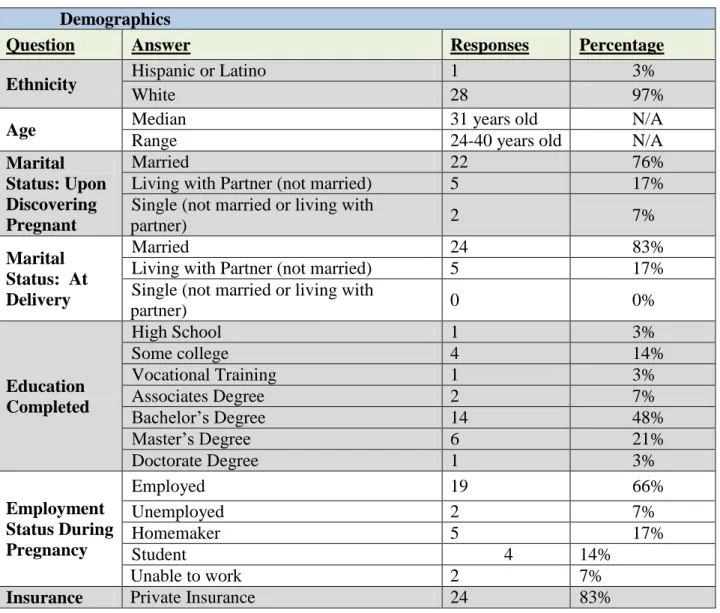
Table 1: Demographics ... 40
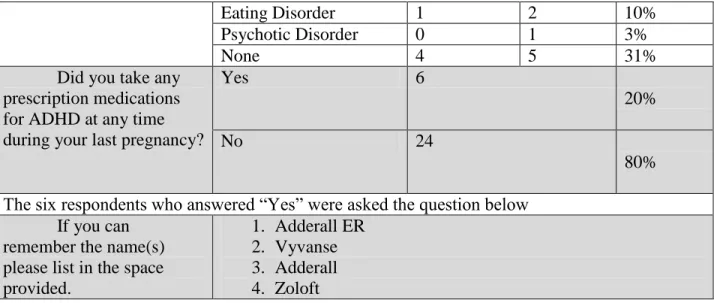
Table 2: Diagnosis, Treatment and Co-Morbidities ... 41
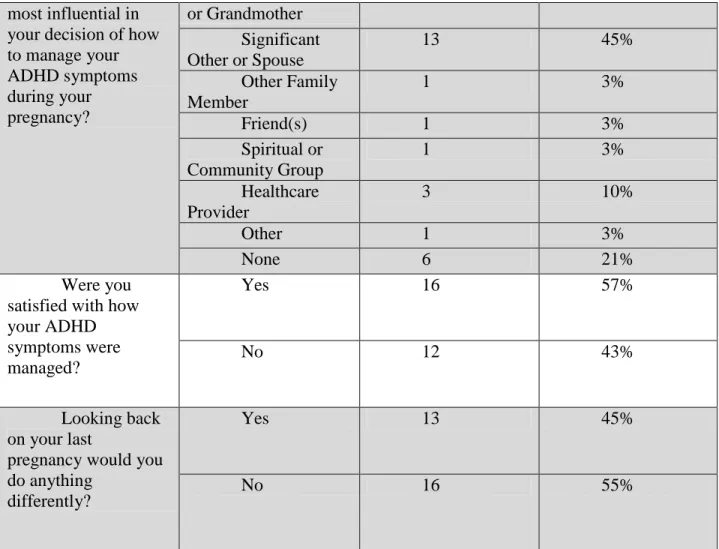
Table 3: Managing ADHD... 42
Table 4: Conversations with healthcare provider and impact of symptoms ... 43
xi LIST OF FIGURES
Figure 1: Prescribed Medications Taken During Pregnancy ... 45
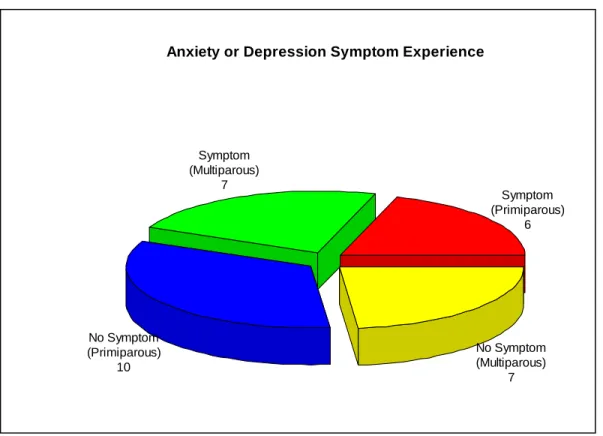
Figure 2 : Anxiety or Depression Symptoms Experienced ... 46
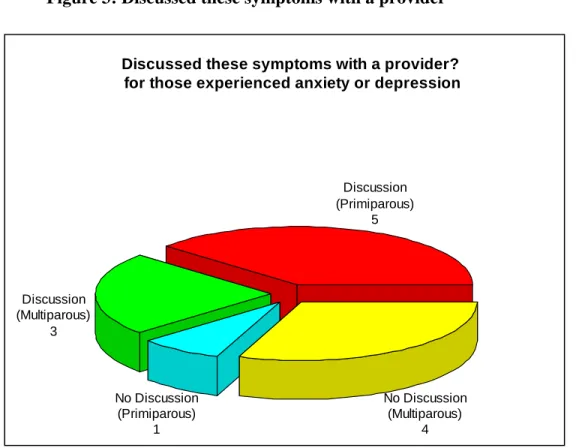
Figure 3: Discussed these symptoms with a provider ... 47
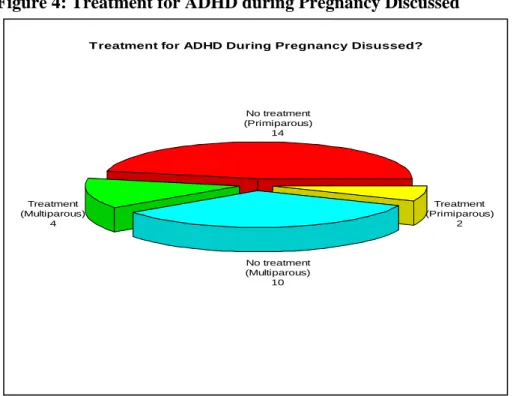
Figure 4: Treatment for ADHD during Pregnancy Discussed ... 49
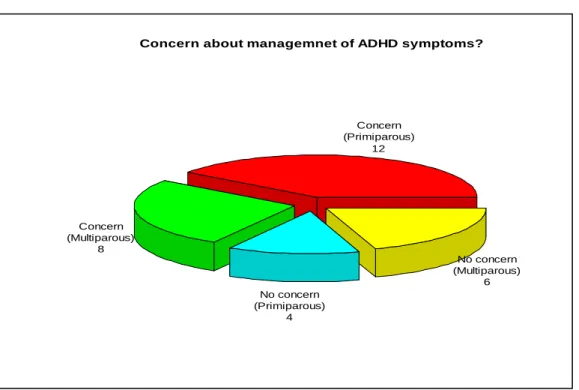
Figure 5: Concern about management of ADHD symptoms ... 50
xii
LIST OF ABBREVIATIONS
AAFP American Academy of Family Physicians
ACNM American College of Nurses-Midwives
ACOG American College of Obstetricians and Gynecologists
ADHD Attention-Deficit Hyperactivity Disorder
AWHONN Asociation of Women’s Health Obstetric and Neonatal Nurses
CBT Cognitive Behavioral Theory
CODE Coping in Deliberation
DBT Dialectical Behavioral Theory
DNP Doctor of Nursing Practice
FDA The United States Food and Drug Administration
IOM Institute of Medicine
PMHNP Psychiatric Mental Helalth Nurse Practitioner
CHAPTER 1: INTRODUCTION
Attention-Deficit/Hyperactivity Disorder (ADHD) is a common neurodevelopmental
disorder that manifests in childhood with predominate symptoms of hyperactivity and inattention
(American Psychiatric Association, 2013). Initially considered to be a disorder solely confined to
childhood and adolescence, recent research has identified that impairments can persist
throughout the lifespan (Hechtman, 1999; Hinshaw et al., 2012; Klein et al., 2012). There is
strong empirical evidence that suggests pharmacological and non-pharmacological treatments are
efficacious in the management of adult ADHD symptoms (Shaw et al., 2012). Current guidelines
recommend stimulant medication as the first-line treatment for both men and women with
ADHD. However, due to the lack of empirical testing when used during pregnancy, the safety
profile is not fully understood; therefore, it is recommended that the medication is discontinued
while the woman is pregnant and breastfeeding (Anderson, 1995; Besag, 2014). In addition,
there is limited literature that describes the experience of women with ADHD who become
pregnant (Besag, 2014; Freeman, 2014).
This gap in knowledge creates a challenge for providers in the clinical setting, especially
when the mother-to-be faces the dilemma of crucial health care decisions for herself and her
unborn child. When it comes to women’s health issues, most women prefer to be involved in the
decision-making process (Hundley, Ryan, & Graham, 2001; O'Cathain, Thomas, Walters,
Nicholl, & Kirkham, 2002; Patel & Wisner, 2011). However, women are often left out of
2
Within the United States, this issue has gained recognition, and maternity care professional
organizations, such as American Academy of Family Physicians (AAFP), American College of
Obstetricians and Gynecologists (ACOG), American College of Nurse- Midwives (ACNM), and
the Association of Women’s Health Obstetric and Neonatal Nurses (AWHONN), have joined to
emphasize the importance of patient-centered care (Lawrence et al., 2012). In a recent joint
statement these organizations encouraged providers to incorporate patient-centered care in their
practice stating“decisions about interventions should incorporate the woman’s personal values
and preferences and should be made only after she has had enough information to make an
informed choice, in partnership with her care team” (Lawrence et al., 2012, p. 147). This
statement emphasizes the importance of shared information that facilitates patient involvement in
healthcare decision making, especially when it comes to intra-partum care.
Providers require greater knowledge of the woman’s experience of coping with ADHD
symptoms when she no longer has support from psychopharmacology during her pregnancy.
This knowledge is imperative for the process of shared decision-making and patient-centered
care. A greater understanding of this process will facilitate discussion between the clinician and
the pregnant woman regarding decisions surrounding her coping choices and the management of
her symptoms (Barry & Edgman-Levitan, 2012). Management of ADHD during pregnancy is a
complex process and requires sensitivity of clinicians to the preferences and values of their
patients to provide effective care. This DNP project will examine the process of coping in the
context of healthcare decision-making and the experience of women with ADHD who became
3 Background and Significance
The etiology of ADHD has been linked to an interplay of genetic and environmental
factors that disrupt dopamine and norepinephrine neurotransmission in a variety of brain
structures (Kieling & Rohde, 2012). Twin studies around the world have revealed high
heritability of ADHD validating the genetic component across ethnicities (Nikolas & Burt, 2010;
Thapar, Cooper, Eyre, & Langley, 2013). Research to improve understanding of the
pathogenesis in ADHD has been on the rise due to increased prevalence in both children and
adults (Akinbami, Liu, Pastor, & Reuben, 2011; Centers for Disease Control and Prevention,
2005).
The 2012 Health and Vital Statistics report estimates the prevalence of ADHD in children
and adolescents at 9.5 percent in the United States (Akinbami et al., 2011; Bloom, Jones, &
Freeman, 2012). According to The National Co-Morbidity survey in 2006, ADHD affects
roughly 4.4 percent of adults in the United States and 5.29 percent worldwide (Kessler et al.,
2006; Polanczyk, de Lima, Horta, Biederman, & Rohde, 2007; Polanczyk & Rohde, 2007). The
literature pertaining to the gender distribution among adults with ADHD is difficult to quantify
due to the lack of consistency among the methodologies used to estimate the prevalence (Knight
et al., 2014). Therefore, this inconsistency becomes a barrier in trying to translate and interpret
the prevalence of ADHD in adult women. However, two recent studies have yielded similar
results indicating a slightly higher proportion of men among adults with ADHD (Knight et al.,
2014; Montejano, Sasane, Hodgkins, Russo, & Huse, 2011). In addition, this same data also
revealed consistency of a higher incidence rate, or new cases, of women with ADHD when
compared to men (Knight et al., 2014; Montejano et al., 2011; Simon, Czobor, Bálint, Mészáros,
4
characteristics specific to ADHD presentation in women. To date, the best estimate of
prevalence among adult women with ADHD was reported by Staller and Faraone (2006) using a
conservative overall prevalence of 3% and sex ratio of 5:1, males to females. Using these
numbers they estimated that least 1 million women in the United States and 32 million
worldwide are affected by ADHD. Unfortunately, there is no literature or data depicting the
number of women impacted by their ADHD symptoms when they become pregnant (Freeman,
2014).
In an effort to demonstrate the potential impact of pregnancy among ADHD women, an
estimation could be calculated using the estimated prevalence given by Staller and Faraone
(2006) and the most recent birth rate calculation from 2011, 63.2 live births per 1,000 women
(Martin, Hamilton, Ventura, Osterman, & Mathews, 2013). Assuming that all ADHD women
had the desire and ability to become pregnant, then roughly 6.32% of women with ADHD would
be faced with the decision of how to manage their symptoms during pregnancy based on my own
calculation.
Presentation of symptoms in adulthood varies considerably from those seen in children.
Children usually display symptoms of hyperactivity, distractibility, inattention, and impulsivity
(Pieroth, 2008). Adults typically present with symptoms of functional and executive
impairments, such as forgetfulness, inability to concentrate, and poor organizational skills
(Pieroth, 2008). Executive functioning involves five areas of daily behaviors: time
management, organization, motivation, concentration, and self-discipline (Weir, 2012). A recent
study revealed that 89 to 98 percent of adults with ADHD are impaired in all five areas of
executive functioning (Barkley & Murphy, 2011). Males often present with externalizing
5
features associated with anxiety, depressive symptoms, or social withdrawal (Quinn, 2008). The
increased risk of anxiety and depression coupled with the impairments in memory and
organization known to women with ADHD present additional challenges for the woman who is
also adjusting to the physiologic and psychological changes that accompany pregnancy
(Freeman, 2014).
The majority of patients with ADHD are treated across the lifespan with the first line
treatment of stimulant medication (Seixas, Weiss, & Müller, 2012). All first-line medications act
upon dopamine receptors within the neurotransmitter system to increase dopaminergic activity in
the frontal lobe of the brain (Stahl, 2013; Waite, 2010). The most commonly prescribed
stimulants are methylphenidate (Ritalin), amphetamine salts (Adderall), and lisdexamfetamine
(Vyvanse) (Stahl, 2013; Waite, 2010). These medications reduce symptoms of ADHD while
improving the process of working memory and other cognitive functioning (Ceraudo,
Vannucchi, Massei, Perugi, & Dell'Osso, 2012). When left untreated, adult ADHD can have
significant lasting negative outcomes (Fredriksen et al., 2014; Stern, Pollak, Bonne, Malik, &
Maeir, 2013). Women who choose to forego psycho-pharmacological support throughout the
months of pregnancy and breastfeeding may be at greater risk for development of problems
related to their job performance and interpersonal relationships (Alderson, Kasper, Hudec, &
Patros, 2013).
It is thought that a lack of sensitivity surrounding the distinctive symptom presentation in
women, as well as other confounding factors, may contribute to an under-representation of
women with ADHD. A rise in incidence rate is reflective of the efforts in education and research
(Mahone, 2010; Nussbaum, 2012). Inadequate knowledge of the complexities surrounding
6
such as depression and anxiety, are associated with improper diagnosis in childhood and
subsequently can lead to the development of poor self-image and low self-esteem as adults
(Mahone, 2010; Nussbaum, 2012; Rasmussen & Levander, 2009; Rucklidge, 2010). This is
consistent with clinical presentation reports, in which women endorsed more symptoms and
displayed more impairment from impulsivity, anxiety and depression, as compared with men
(Quinn, 2008). Recent literature has also shown a correlation between obesity and ADHD
among women, another confounding factor clouding the clinical picture (Cortese, Faraone,
Bernardi, Wang, & Blanco, 2013). In clinical practice, recognition of ADHD in adulthood is still
considered new, and management of this disorder can be challenging for many clinicians
(Quintero, Balanza-Martinez, Correas, Soler, & Grp, 2013).
A recent report from Express Scripts revealed an 85% increase of prescribed stimulant
medication usage among women aged 24 to 28 from 2008 to 2012 as compared with the 36%
increase seen among all adults (Armstrong, 2014). The astounding rise in stimulant use within
this age group, coupled with the fact that they also have the highest rate of pregnancy, poses a
significant problem (Ventura, Curtin, Abma, & Henshaw, 2012).
The United States Food and Drug Administration (FDA) classifies ADHD medications as
Pregnancy Risk category “C”, which are to be used only when the benefit to the mother
outweighs the risk to the unborn child (Stahl, 2013). Medications labeled “Category C” have
shown adverse effects in animal studies, and there are no human data available (Gunatilake &
Patil, 2013). This gap in the literature regarding how to manage ADHD when a woman becomes
pregnant confounded by the complexity of pregnancy increases the likelihood that healthcare for
affected women will be inconsistent and possibly misinformed (Facchiano & Snyder, 2012).
7
Continuity of care in women with ADHD is being interrupted as a result of the limited
information about the presentation of the disorder and best practices for management during
pregnancy (Freeman, 2014). Women with ADHD are currently faced with the significant
decision of how to cope with their illness when recommendations to discontinue their stimulant
medications are followed (Besag, 2014). There is an abundance of literature to support shifts in
healthcare to more patient-centric care with quality-driven outcomes (Millenson, 2014); yet,
providers are challenged when they must continue care without evidence-based support or
knowledge of their patients’ needs (Sadeghi‐Bazargani, Tabrizi, & Azami‐Aghdash, 2014).
Without adequate knowledge, providers may face barriers in their efforts to implement
patient-centered care, especially when women prefer to be active participants in decisions regarding their
healthcare during pregnancy (Haarenten et al., 2014; van Empel et al., 2011). This presents a
potential conflict between patient and provider due to a disconnect between the provider’s
available resources and knowledge of the patients’ needs (Bright, Kayes, Worrall, & McPherson,
2014). It is important that barriers hindering the facilitation of patient involvement are removed,
or at least minimized as the evidence supports that patient involvement improves quality of care
(Bertakis & Azari, 2011; Lee & Lin, 2010).
Considering the prevalence of ADHD within adult populations and the severity of
impairment seen in women, it is important to gain a comprehensive understanding of how
women with ADHD cope with symptoms (Biederman et al., 2010; Nussbaum, 2012; Polanczyk,
Gwillcutt, Salum, Kieling, & Rohde, 2014). Information regarding how women cope and make
decisions regarding management of their disorder will provide a greater understanding of patient
preference, and promote preference-sensitive conversations surrounding management options
8
relationship between coping and decision-making can provide a greater understanding of the
dynamics between women, cofounding factors and the management of their ADHD during
pregnancy. This DNP project will contribute to existing literature regarding the process of
coping in the context of healthcare decision-making and the experience of women with ADHD
who became pregnant.
Study Aims
The specific aims of this study are to:
1. Identify multi-contextual factors that influence the process of coping with ADHD
during pregnancy.
2. Explore women’s perceptions of their coping with symptoms of ADHD during
pregnancy.
3. Identify the cognitive and emotional processes within the context of healthcare
decision-making experience.
4. Identify sources of social and emotional support during pregnancy for women
with ADHD.
5. Identify provider specific influences with shared decision-making during the
9
CHAPTER 2: REVIEW OF LITERATURE
A review of the literature is necessary to identify those influential variables that guide a
woman with ADHD in contemplating her management options. Specifically, a review is
conducted of how ADHD symptoms manifest in pregnant women and the confounding factors
(hormones and perinatal stress) that interplay and influence the antepartum experience.
Secondly, possible treatment and management options, a valuable component in the
decision-making process are evaluated. Recognition of these variables, which may be less modifiable by
a provider or primary support-giver, can facilitate a distinction among other influential variables
that could be important to the woman with ADHD in her process of coping and deliberation.
Exploration of ADHD in the context of pregnancy, and identification of influential components
of decision-making when weighing the risk/benefit of health care choices is required to gain a
greater understanding of the pregnant woman’s coping process.
The data addressing ADHD symptomology in pregnancy is limited and lacks any
systematic studies (Freeman, 2014). A single study examined the relationship between
symptoms consistent with an ADHD diagnosis and co-morbidities’ (Ninowski, Mash, & Benzies,
2007). Results revealed a positive correlation between comorbidities of anxiety and depression,
and the presence of ADHD symptoms in expectant mothers; however, an ADHD diagnosis was
10
(Ninowski et al., 2007). Literature relevant to ADHD in pregnant women acknowledges the lack
of research unlikely related to the risk potential and overall limited awareness of ADHD in
women. Experts emphasize the need for further study to gain a better understanding of
symptomatology during pregnancy (Besag, 2014; Dideriksen, Pottegard, Hallas, Aagaard, &
Damkier, 2013; Hærvig, Mortensen, Hansen, & Strandberg‐Larsen, 2014; Nonacs, 2014).
There are inconclusive results from studies examining cognitive deficits directly linked to
the physiology associated with pregnancy (including hormonal changes), and there are no
published reports related to cognitive deficits in pregnant women with ADHD (Freeman, 2014).
However, there are animal and human studies that show a positive correlation between changes
in hormones and cognitive deficits. Animal models suggest a significant relationship between
female reproductive hormones and neurotransmitters having a direct correlation to mood
disorders and cognitive deficits (Harsh, Meltzer-Brody, Rubinow, & Schmidt, 2009; Martel,
Klump, Nigg, Breedlove, & Sisk, 2009).
Hormones and Stress
Estrogen is one of many hormones that dramatically increase during pregnancy. It has
been estimated that it would take a non-pregnant woman 150 years to produce the same amount
of cumulative estrogens produced during a normal gestational time frame of nine months
(Becker, 2001; Moore, 2013). Female hormone fluctuations across the lifespan have been shown
to increase vulnerability to mood disorders (Freeman, 2010; O'Hara, 2009; Rapkin & Akopians,
2012).
This drastic hormonal shift, along with other associated hormonal changes seen in
pregnancy, has been shown to effect cognition in women, with or without mental illness.
11
hormones (Workman, Barha, & Galea, 2012). A comparative study examining cognition in
pregnant and non-pregnant women found lower working memory scores and processing speeds
in women who were pregnant or in the post-partum period (Henry & Sherwin, 2012). Human
studies have suggested a negative correlation between estrogen in the brain and conductivity of
neurotransmission (Buckwalter, 1999; Fink, Sumner, Rosie, Grace, & Quinn, 1996; Onyper,
Searleman, Thacher, Maine, & Johnson, 2010). During adolescence, girls experience a surge of
estrogen associated with puberty; in response, the brain produces more dopamine receptors in the
brain (Arnold, 1996). This may account for the rise in the severity of inattention symptoms seen
in adolescent girls due to the increase of dopamine receptors and decreased dopaminergic
activity associated with ADHD (Nussbaum, 2012; Quinn & Nadeau, 2002). From this data, it is
plausible to suggest that women with ADHD are perhaps more susceptible to inattention
symptoms during their pregnancy.
Stress is also a factor known to impact pregnant women emotionally and physically
(Glover, 2014; Graignic-Philippe, Dayan, Chokron, Jacquet, & Tordjman, 2014; Richetto &
Riva, 2014). Evidence supports increased maternal stress is associated with negative outcomes
for the fetus (Ibanez et al., 2012; Meltzer-Brody & Stuebe, 2014). The impact of stress during
the prenatal period can have negative outcomes, including spontaneous abortion and preterm
labor and birth (Grizenko, 2008; O'Connor, Monk, & Fitelson, 2014).
For pregnant women with ADHD, management of ADHD becomes especially important,
as untreated symptoms are associated with poor outcomes, vulnerability to comorbidities, and
perceived stress (Gjervan, Torgersen, Nordahl, & Rasmussen, 2012; Matthies, Philipsen, &
Svaldi, 2012; Quinn, 2008). ADHD is associated with neuropsychological deficits (attention,
12
occupational impairments and overall decreased quality of life (Fredriksen et al., 2014).
Pregnancy is associated with a variety of stressors such as the emotional aspect of motherhood
and the physical changes that accompany pregnancy. Women with ADHD may be at a
disadvantage to handle these stressors due to their limited coping skills, and may have increased
susceptibility to perinatal depression or anxiety (Garcia et al., 2012; Skirrow & Asherson, 2013).
Antepartum stress, whether perceived or measured biologically, is linked to preterm labor,
shorter gestation, and a negative impact on emotional and cognitive child development (Richetto
& Riva, 2014). However, recent studies have reported strong evidence to support maternal and
fetal benefits associated with psychosocial interventions with the mother during the antenatal
period (Sockol, Epperson, & Barber, 2011; Spinelli et al., 2013).
In summary, women with ADHD who are pregnant are vulnerable to a greater number of
stressors, especially when standard ADHD treatment is no longer considered safe. Without
efficacious treatment modalities, pregnant women with ADHD are at greater risk of prenatal
maternal stress, which has been linked with negative impacts on pregnancy outcomes (Glover,
2014; Ronald, Pennell, & Whitehouse, 2010; Talge, Neal, & Glover, 2007). Therefore,
increased knowledge of how women with ADHD cope during pregnancy will guide the provider
to more effective patient-centered care.
Management Options During Pregnancy
Currently, there are no standard treatment recommendations or clinical guidelines for
management of ADHD in women, or management of symptoms for those who become pregnant,
or for management of confounding factors that precipitate when delivering care during this
transitional time (Freeman, 2014). When first-line treatment recommendations are not
13
interventions such as psychotherapeutic modalities rooted in a cognitive approach (Seixas,
Weiss, & Muller, 2012). However, none of these address the variations in presentation of
ADHD in women, nor how to manage the disorder when a woman with ADHD becomes
pregnant. In addition, these guidelines conflict with recommendations by women’s health
specialists that suggest discontinuation of any medication that is unnecessary (Lockwood &
Magriples, 2014).
Stimulant Medications. There are a few published studies examining adverse outcomes of human fetal exposure to stimulants during the treatment of ADHD. Studies have focused
primarily on methylphenidate and amphetamines. The majority of studies looking at
amphetamine exposure revealed inconsistencies in the amounts and routes administered, and
included subjects who abused substances (Besag, 2014; Humphreys, Garcia-Bournissen, Ito, &
Koren, 2007). Therefore, it would be difficult to generalize this information to make treatment
decisions.
Methylphenidate is the active metabolite in Concerta and Ritalin. Methylphenidate is
derived from the amphetamine family, and studies have established that amphetamines cross the
placental barrier in animals, but no data is available on fetal exposure (Burchfield, Lucas,
Abrams, Miller, & DeVane, 1991; Shah & Yates, 1978). Characteristics of drugs that cross the
placenta are not protein-bound, are lipid-soluble, weakly acidic, hold a molecular weight less
than 500 daltons and have a long half-life (Taddio, 2001). Methylphenidate has
low-protein-binding capability and a molecular weight of 269.8, suggesting that it could cross the placental
barrier (Taddio, 2001). Studies in rats and rabbits have shown decreased gestational weight from
14
of relevant data does not suggest an overt risk if exposure to methylphenidate occurs; however,
there is no information on fetal brain development when exposure does occur.
Two recent studies examined adverse outcomes and exposure in utero to methylphenidate
(Haervig, Mortensen, Hansen, & Strandberg-Larsen, 2014; Pottegård et al., 2014). One study
from Denmark compared the rate of congenital defects in children exposed to methylphenidate
during the first semester versus those who were not exposed (Pottegård et al., 2014). The
research yielded no statistically significant difference between the two groups, suggesting that
in-utero exposure posed no greater risk than with those among the general population. Another
recent study in Denmark examined stimulant exposure, at any point in 480 pregnancies,
stimulants included methylphenidate, modafinil and amoxetine (Haervig et al., 2014). Analysis
of data from the national registry yielded similar results, finding no increased risk associated
with congenital defects with stimulant exposure (Haervig et al., 2014). However, this study did
find statistical significance between spontaneous or therapeutic abortion rates and fetal exposure
to stimulants (Haervig et al., 2014). Also of interest in this study, women with ADHD were
found to be socially disadvantaged regardless of their stimulant use during pregnancy, therefore
results are not generalizable (Haervig et al., 2014). A recent systematic review of fetal
methylphenidate exposure used existing published data to review adverse outcomes. This study
identified 180 exposures, and found 4 exposures (2.2%) had major malformations, which was
comparable to the relative risk seen in the general population (Dideriksen et al., 2013).
There is limited information on the effects of methylphenidate and amphetamine in
infants who are breastfed. A small study of infants, 3 to 10 months in age, examined the plasma
levels obtained from three infants exposed to dexamphetamine (brand name Dextrostat or
15
less than four hours from maternal intake of dexamphetamine. In one infant dexamphetamine
was not detected, while the other two infants showed concentrations of plasma dexamphetamine
at 6% and 14% (Ilett et al., 2007). A handful of case reports presented information on the effects
of breastfeeding mothers while concurrently taking methylphenidate (Bolea‐Alamanac, Green,
Verma, Maxwell, & Davies, 2013; Hackett, Ilett, Kristensen, Kohan, & Hale, 2005; Spigset,
Brede, & Zahlsen, 2007). These case reports showed that Methylphenidate was not detected in
the blood samples of the infants and none of the mothers reported adverse effects in their infants
from exposure (Bolea‐Alamanac et al., 2013; Hackett et al., 2005; Spigset et al., 2007).
Psychotherapy. Psychosocial interventions using psychotherapeutic modalities rooted in cognitive approaches are often used as an adjunct treatment with medication when treating
ADHD (Miguel Seixas et al., 2012). These treatments focus on improvement of executive
functioning deficits that often accompany the overall impairments seen in adult ADHD (Barkley
& Murphy, 2011). Reviews of studies that examine psychosocial interventions with ADHD in
the general adult population include studies related to Cognitive Behavior Therapy (CBT),
Dialectical Behavior Therapy (DBT), and Mindfulness (Solanto, 2014). Also, more recent
studies have found effects of physical activity to improve cognitive deficits in the brain (Berwid
& Halperin, 2012).
Cognitive Behavior Therapy. Cognitive Behavior Therapy (CBT) is grounded in reframing conscious cognitions to address maladaptive behaviors or thoughts that stem from
irrational thoughts or negative associations (Knouse & Safren, 2010). For example, a repeated
experience of frustration in an effort to complete a task would promote a perception of
inadequacy in oneself. CBT seeks to identify patterns of negative, irrational thoughts, and to
16
maladaptive thought pattern and reframe the individual thoughts to ones that are more positive
and accurate for the situation. CBT treats ADHD symptoms through the strengthening of the
individual’s coping skills, thereby reducing functional deficits, which are often associated with
low self-efficacy (Mongia, 2012). Randomized controlled trials (RCT) evaluating the use of CBT
have established efficacy as an adjunct treatment in managing residual impairments such as
organizational and time management skills, neither of which are addressed by medication
(Mongia, 2012; Retz, Stieglitz, Corbisiero, Retz-Junginger, & Rosler, 2012). Only recently has
there been an RCT comparing CBT versus medication in ADHD to explore the significance
between the two treatment options. As previously suggested, CBT and medication were
effective in reducing symptoms, but CBT was independently shown to be effective without the
use of medication (Weiss, 2012). All these studies demonstrated improvement in ADHD
symptoms with brief episodes of treatment ranging from 14-24 weeks, with a similar sample size
of approximately 50. CBT provides even more support as an effective treatment during
pregnancy. However, variations in measurement tools, number of treatment sessions, study
structure, lack of equally dispersed male-to-female ratio, and sample size, hinder the application
of this method to a general population (Mongia, 2012).
Dialectical Behavior Therapy. (DBT) is a psychotherapy originally developed to treat Borderline Personality Disorder (Solanto, 2014). However, it has been adapted to treat ADHD
because of the similarity of symptomatology such as emotional dysregularity, impulsivity, and
low self-esteem (Fleming, McMahon, Moran, Peterson, & Dreessen, 2014). The adapted DBT is
provided in a group setting that meets for 13 weekly sessions to discuss a different module each
week (Solanto, 2014). There is limited evidence to support the efficacy of this modality used to
17
evaluating DBT involved a mixed sample of adults, with and without concurrent medication use
and demonstrated a reduction in ADHD symptoms (Fleming et al., 2014; Hirvikoski et al., 2011;
Philipsen et al., 2013). There are also two less systematic studies utilizing an adapted form of
DBT that displayed similar results in adults (Hesslinger et al., 2002; Philipsen et al., 2007). As
this approach of DBT therapy does not focus on skills of executive function, it is recommended
for adults with ADHD whose predominant symptoms are impulse control and issues with
maintaining healthy interpersonal relationships (Solanto, 2014).
Mindfulness. Mindfulness-based approaches use guided practice to increase awareness of thoughts and present experiences in a non-judgmental context. Meditation has been shown to
regulate attention by altering neural activity, including dopamine levels, and through change of
attention networks in the brain (Jha, Krompinger, & Baime, 2007; Kjaer et al., 2002; Newberg et
al., 2001; Singh & Narang, 2014). Mindfulness may be used to target behavioral symptoms,
inattention and impulsivity, and other secondary symptoms such as stress, depression, and
anxiety (Zylowska et al., 2008). There are limited studies investigating the effect of
mindfulness-based interventions that specifically target ADHD symptoms (Krisanaprakornkit,
Ngamjarus, Witoonchart, & Piyavhatkul, 2010). However, in a recent pilot study with 18
ADHD adults mindfulness demonstrated efficacy for the improvement of executive functioning
and emotional regulation skills (Mitchell et al., 2013). Furthermore, several studies have
examined the use of mindfulness in improvement of emotion regulation and attention (Keune,
Bostanov, Hautzinger, & Kotchoubey, 2013; Rubia, 2009; Zeidan, Johnson, Diamond, David, &
Goolkasian, 2010). This appears to be a promising intervention for symptom management in
adults with ADHD, however, the variation in study design and indication for use in higher
18
Physical Exercise. There are no studies that examined the direct link of physical exercise on improvement of ADHD symptoms. Physical exercise has been shown to have positive
short-term gains in working memory and a long-short-term impact on prevention of cognitive disorders such
as dementia and Alzheimer’s (Archer & Kostrzewa, 2012; Larson, 2008). In addition, physical
exercise proves to be an effective non-pharmacological treatment for depression and anxiety
symptoms, and enhances cognition (Hopkins & Bucci, 2010; McKercher et al., 2009). It is
thought that the relationship between physical activity and neuropsychological findings are
rooted in the brain’s ability to perform neurogenesis, directly impacting the connectivity of
neurotransmission and increasing protective factors, thus improving performance (Archer &
Kostrzewa, 2012; Berwid & Halperin, 2012). The majority of literature evaluating the
relationship between physical exercise and cognitive effects are of experimental design, using
smaller sample sizes that do not have an ADHD diagnosis (Chang, Labban, Gapin, & Etnier,
2012). Studies that aimed to examine the effects of physical exercise in subjects with ADHD
were predominately those testing children (Berwid & Halperin, 2012; Gapin, Labban, & Etnier,
2011; Grassmann, Alves, Santos-Galduróz, & Galduróz, 2014). A recent study was demonstrated
cognitive improvement in adults with continuous exercise over four weeks; however, the
participants were not evaluated for the presence of ADHD (Hopkins, Davis, Vantieghem,
Whalen, & Bucci, 2012). In summary, there is sufficient support to demonstrate a significant
relationship between physical exercise and improved cognition. However, due to the variety of
study designs and age of participants, further research is needed with adult participants with
ADHD. These studies require a more controlled study design to identify whether benefits are
19
Summary of Management Options. The literature provides adequate support for alternative treatments to support management of ADHD symptoms during pregnancy, given
there is a lack of specific guidelines for this population. CBT provides the most robust empirical
evidence, and also provides treatment for co-morbid symptoms. However, more research is
needed to provide support for the use of CBT without medication in adults before it is considered
a standard non-pharmacological treatment choice. Mindfulness and DBT continue to show
promise as alternative treatment options as they have been empirically shown to alleviate
symptoms in a short duration and are relatively cost effective (Goodman & Tyer-Viola, 2010;
Solanto, 2014). Physical exercise, an existing recommendation during pregnancy, may also
provide improvement in working memory, cognitive enhancement, and reduction in associated
stress (Barenberg, Berse, & Dutke, 2011; Etnier, Nowell, Landers, & Sibley, 2006; Hopkins et
al., 2012). Preliminary open studies have shown improvement in symptom management with
use of physical activity in children with ADHD (Berwid & Halperin, 2012). However, there are
no specific data regarding the benefit of physical exercise for adults with ADHD. It seems
reasonable to suggest the limited efficacy of exercise in children would also exist for
20
CHAPTER 3: CONCEPTUAL FRAMEWORK
The Coping in Deliberation (CODE) Framework
The conceptual framework chosen for this project focuses on a preference-sensitive,
decision-making process from the patient’s perspective that reflects the patient’s values and
situation. Patient-centered care was defined in the Institute of Medicine’s (IOM) report,
Crossing the Quality Chasm, as “providing care that is respectful of and responsive to individual
patient preferences, needs, and values and ensuring that patient values guide all clinical decisions
and ensuring that patient values guide all clinical decisions” (Institute of Medicine, 2001, p. 6).
An essential characteristic of patient-centered care is participation of patients and families in
their healthcare decisions (Institute of Medicine, 2001). Providers who provide patient-centered
care must be knowledgeable and sensitive to the needs and preferences of their patients (Barry &
Edgman-Levitan, 2012). Shared decision-making promotes patient involvement and is linked to
positive outcomes such as reduced overall healthcare cost and greater utilization of treatment
options with clear benefits (Barry & Edgman-Levitan, 2012; Veroff, Marr, & Wennberg, 2013).
In an effort to better align with patients' preferences and values, the provider becomes a partner
and engages in dialogue and exploration with the patient regarding care choices (Guyatt et al.,
2004). This dialogue becomes important when faced with the uncertainty of healthcare decisions
because patients prefer varying levels of participation in the shared decision-making process
21
reluctant to play an active role in making healthcare decisions may later decide to become more
actively involved, if given more information about their options (Brown et al., 2012; Chewning
et al., 2012; van Tol-Geerdink et al., 2006). The Coping in Deliberation (CODE) Framework is
a model specifically designed for situations in which there are ambiguous treatment
recommendations (Witt, Elwyn, Wood, & Brain, 2012), as is the case for women with ADHD
when they become pregnant. The application of this framework offers a comprehensive
approach toward understanding how a woman copes with managing her ADHD symptoms once
the management options have changed.
The CODE framework provides a model for appraisal and deliberation in the context of
preference-sensitive healthcare choices (Witt et al., 2012). A preference-sensitive choice is
described as one in which no clear medical guidance is available and requires exploration of
patient values and preferences (Witt et al., 2014). The authors of this framework suggest that
individual coping choices result from a transactional process of appraisal and deliberation (Witt
et al., 2012). The framework addresses the importance of integration of the coping process with
decision-making (Elwyn & Miron-Shatz, 2010; Janis & Mann, 1977; Power, Swartzman, &
Robinson, 2011).
The CODE framework incorporates constructs of Conflict Theory and system variables
for stress from the Transactional Model (Lazarus & Folkman, 1987; Lazarus, DeLongis,
Folkman, & Gruen, 1985; Witt et al., 2012). Until recently, theories of coping and
decision-making were mutually exclusive and did not acknowledge the influence of one on the other
(Power et al., 2011). The foundation of the CODE framework builds on previous research and
interlinks the processes of coping and deliberation while maintaining sensitivity to the
22
The framework identifies four deliberation phases, and within each phase the patient is
guided through three processes of appraisal ( `Appendix 1) (Witt et al., 2012). The four
deliberation phases are: a) disclosure of the risk or health threat, b) discussion of choice, c)
preference construction, and d) the decision (Witt et al., 2012). When the patient is faced with
the health threat, contemplation occurs in the context of its identity, timeline, cause,
consequences, and what is within the patient’s control (Power et al., 2011). As the patient
discusses options, the second phase of deliberation, there is a focus on both emotional and
cognitive elements throughout the phase. Specifically, the patient actively engages in the “What
if?” scenarios with each of the possible choices, and weighs the risk/benefit, while also
considering the emotions experienced with each option (Elwyn & Miron-Shatz, 2010). During
preference construction, the third deliberation phase, the patient may be heavily influenced by
contextual factors and circumstances (Elwyn & Miron-Shatz, 2010). Of the deliberation phases,
preference construction seems to be the least systematic because of the variability in how it
develops (Lichtenstein & Slovic, 2006). For example, preference could change in a matter of
minutes in light of new information. The actual decision occurs in the final phase of
deliberation, after preference construction is complete and a preferred option has been selected
by the patient (Witt et al., 2012). It is important to note that the decision does not always
represent a treatment decision; the patient may decide to avoid the decision all together or
transfer the decision to someone else, such as a provider or significant other (Witt et al., 2012).
Within each stage of deliberation three processes of appraisal occur before the patient progresses
to the next phase.
The first process begins with primary appraisal, followed by a secondary appraisal and
23
emotional aspects surrounding the perceived significance of the stressor or threat to the patient
are processed (Lazarus & Folkman, 1987). The patient assesses the meaning, relevance, and
strength of the threat during this process (Witt et al., 2012). Questions in primary appraisal assist
the patient in exploring the nature of the threat and feelings about it (Witt et al., 2012). The
secondary appraisal is the evaluation of perceived control in response to the stressor or external
event through utilization of resources and skills at the patient’s disposal (Lazarus & Folkman,
1987). This secondary appraisal also has cognitive and emotional aspects; however, the focus is
on the evaluation of the patient’s coping response (Witt et al., 2012). The patient is guided to
assess the coping resources that may be helpful in dealing with the threat, such as availability of
social support or having a positive outlook. The final process of coping is primarily focused on
the selection of a coping strategy (Witt et al., 2012). The selection of a coping strategy can be
influenced by the patient’s preferred coping style, or personal factors such as values, beliefs or
self-efficacy (Witt et al., 2012). The framework proposes the effectiveness of the coping
strategy is largely determined by whether or not the patient judges it appropriate for the
circumstances (Witt et al., 2012).
Movement through each appraisal process and deliberation phase is facilitated by a series
of questions that address different considerations important in the decision-making process. The
questions are adapted to serve as prompts to elicit the patient’s thoughts and concerns and to
assist the healthcare provider’s understanding of the patient’s preferences (Witt et al., 2012)
(Appendix 2). Though depicted as a linear process, the framework is a dynamic, iterative
process that promotes re-appraisal and fluidity between the deliberation phases (Witt et al.,
2012). This is intentional to allow for adaptability in the differences among individuals and to
24
continue (Witt et al., 2012). If the desired outcome was not achieved, the patient may circle back
to re-appraise the threat and subsequently make adjustments to the coping strategy (Witt et al.,
2012). For example, a woman who is at high risk for developing breast cancer and initially
chooses avoidance to cope, may become increasingly anxious, re-appraise her risk, and choose a
different coping strategy to more effectively decrease her anxiety. The relationship between
emotion and cognition in each of the processes is not necessarily linear or rigid (Witt et al.,
2012). Emotions are influential in the cognitive process of the patient during primary and
secondary appraisal (Lazarus & Folkman, 1987). For example, anxiety could magnify the
perceived threat in primary appraisal or become a barrier in secondary appraisal by inhibiting the
patient’s ability to identify possible resources for coping (Witt et al., 2012).
Consolidation is the final stage in the CODE framework, and is separate from the
deliberation phases. Described as a “coping mechanism designed to defend a decision from
regret in the future”, the consolidation phase acknowledges the importance of consequence as a
component of any decision-making framework; the outcome of the decision is something that
stays with the patient (Witt et al., 2012, p. 260). In an effort to accept and support their choice,
patients’ experience attractiveness restructuring (Svenson, Ampara Ortega, Andersen, Sandberg,
& Svahlin, 1994). This restructuring process during the consolidation phase assists patients to a
place of acceptance with the decision-making, and allows the ability to reshape their perspective
as to how they achieved the outcome; thereby, influencing future decision-making (Svenson et
al., 1994).
The integration of the coping and decision-making a process encompasses a holistic
approach and depicts a more accurate representation of individual experiences in in the context
25
framework describes the deliberation process in the context of emotional and cognitive thinking
with the provision of a systematic approach and an aim to provide insight into the intangible
process of patient decision-making (Witt et al., 2012; Witt et al., 2014). Therefore, through the
shared decision-making process, providers are instrumental not only with engagement, but also
with assessment of patient-support requirements and assistance with provision of those supports
(Stiggelbout et al., 2012). This process promotes patient engagement and patient-centered care,
key components for improved outcomes for healthcare decisions (Barry & Edgman-Levitan,
26
CHAPTER 4: METHODS
Design. This project was a mixed methods design including qualitative data from semi-structured interviews and quantitative data from an online survey administered by Qualtrics. This
approach was selected to provide a broader perspective (survey) that was supplemented with the
richness of qualitative data (interview). Due to the complexity of the coping process women
who have been diagnosed with ADHD experience, and the scarcity of information currently
available to assist providers, this approach was chosen to obtain preliminary data. Institutional
Review Board approval to conduct the study was obtained.
Sample. The sample consisted of two female interviewees and 33 survey participants. The inclusion criteria were the same for both groups. The inclusion criteria were: women,
between the ages of 18-40 diagnosed with ADHD by a psychiatrist or Psychiatric Mental Health
Nurse Practitioner (PMHNP) pre-pregnancy, and delivered a baby less than 5 years ago.
Recruitment of the interviewees occurred during a one-month period facilitated by
providers at a local outpatient agency. Providers were asked to share study information and
inclusion criteria with anyone who might meet inclusion criteria and be willing to participate.
Interested participants were asked to call the agency to be scheduled for an interview. The
agency identified one staff member to help coordinate the interviewees, as well as obtain initial
27
Recruitment of survey participants occurred through social media, professional networks
and the University of North Carolina at Chapel Hill (UNC) Listserv via a recruitment flier
(Appendix 3). In addition, a website was developed with information about the study and
provided the survey link for those willing to participate.
Utilizing a qualitative approach, two in-depth interviews were conducted with women
who met study criteria. The two interviewees opted to choose their own pseudonym to uphold
confidentiality. The first woman interviewed was “Caroline” and the second interviewee was
“Naomi”.
Caroline is a 29-year-old married Caucasian female with a bachelor’s degree who works
in business. She is a first time mother of a four-month-old girl. Caroline was diagnosed with
ADHD at the age of 13 and denies any other co-occurring psychiatric diagnoses. She began
taking stimulant medication at the time of her diagnosis and discontinued her medication upon
discovering she was pregnant in 2014; she resumed her medication after breastfeeding ended.
Her primary care provider managed the stimulant medication (Adderall XR) for her ADHD.
Naomi is a 30-year-old African American engaged female who has completed some
college credit and is currently a homemaker. She is a mother of a 17-month-old girl and was
four months pregnant with her second child at the time of the interview. Naomi reports being
diagnosed with ADHD at age five, with bipolar disorder as a teenager. Six months prior to her
first pregnancy she reported being treated with Concerta and another medication for sleep.
During her last pregnancy she reported being treated with Latuda for a short period for
depression and has recently resumed Latuda during this pregnancy for difficulty sleeping. She
28
daughter over two years ago. Naomi reports seeing a psychiatric provider for her mental health
needs since she received her first psychiatric diagnosis.
Setting. The participating agency from which the interviewees were recruited was a large provider of psychiatric and mental health services across the lifespan throughout the state of
North Carolina. The agency used in this project was located in the Research Triangle of North
Carolina, and serves patients with severe and persistent mental illness through the provision of
psychiatric assessments, individual and family therapy, and medication management.
The setting for the survey participants was primarily virtual to include the study website,
professional organizations; the PI’s social media account (Facebook) and the UNC listserv.
Healthcare provider agencies in outpatient clinics were used to post fliers for advertisement of
the website and URL for the survey.
Data Collection
Qualitative. A separate, single interview was conducted with each of the interview participants recruited by providers within the agency. Consent was obtained (Appendix 4) for the
process of identifying and scheduling the interviews. Each interviewee received a $40.00 Target
gift card as an incentive to participate.
A semi-structured interview format consisting of 22 open-ended questions was developed
by the investigator and was adapted from the review of literature and adapted to fit the cognitive
and emotional elements of decision-making as discussed in the CODE Framework (Appendix 5).
The interview format, according to the CODE Framework was customized from four core
questions to elicit information relating to each interviewee’s coping process. These four
questions were:
29
What is at stake in making this treatment decision?
What are my options in making this treatment decision?
What are the adaptational outcomes of this decision?
Basic demographic data was collected during the interview and included:
Employment, marital, insurance status
Co-morbidities
Highest level of education completed
Age during last or current pregnancy, number of pregnancies
Quantitative. A one-time, online survey administered by Qualtrics™ was offered to obtain information about women’s perceptions of their coping with ADHD symptoms during
their pregnancy (Appendix 6). The Qualtrics survey is approved for protection of sensitive
information. The survey questions were developed from the review of literature and the CODE
framework in a similar process as the qualitative interview questions, and then adapted for an
online survey format. The survey participants entered the survey via a single URL. In an effort to
increase the rigor of methodology and quality of the information retrieved from the survey, the
questions were reviewed and revised through consultation with the Odum Institute for Research
30
CHAPTER 5: DATA ANALYSIS
A mixed methods approach using a convergent design involved the independent
collection and analysis of both qualitative and quantitative data, with the intention of connecting
the two sources through an integrated analysis (Creswell, 2014). Therefore, data collection
occurred during the same time and phase to collect equally weighted strands of qualitative and
quantitative of data. Independent analysis occurred before the data was interfaced for a larger
interpreted meaning. An effort was made to facilitate compatibility among the qualitative and
quantitative data by establishing identical inclusion criteria so that each source of data would
originate from the same population. In addition, parallel questions were derived from the same
conceptual framework and process for use in collecting the qualitative and quantitative data.
Parallel data analysis was conducted so that the collection and analysis of both data sets was
carried out separately and the findings are not compared or consolidated until the interpretation
stage (Ostlund, Kidd, Wengstrom, & Rowa-Dewar, 2011). The use of a concurrent approach, in
which the data is merged into one data source, is not feasible for this study given the differences
between the qualitative and quantitative data collection processes (Ostlund et al., 2011).
Similarly, the sequential approach was also not applicable for this analysis, as the data was not
dependent on one another (Ostlund et al., 2011).
Qualitative. Case study methodology, using a purposeful sampling approach was used for in-depth analysis of the cases (Creswell, 2012). Specifically, an instrumental case study
31
coping), rather than the case itself (female interviewee) (Stake, 1995). Therefore, the process of
coping was the unit of analysis, and was bounded by the time when pregnancy was recognized,
the decision was made to continue or discontinue stimulant medication, and stimulant medication
was resumed.
The analysis was performed at two levels for the multiple case study design:
within each case and across the cases (Stake, 1995). Each case was analyzed individually for
themes, and then collectively for commonalities and differences. This revealed the extent to
which the identified internal and external factors had similar or different effect on the cases in
relation to their coping experience. Finally, the meaning of the themes and patterns among the
cases was interpreted.
The qualitative data analysis process was guided by six stages: 1) Code Manual, 2) Code
Reliability, 3) Application of Codes, 4) Data Summary, 5) Connecting the Codes, and 6) Theme
Confirmation (Appendix 7). The process began with the development of a code manual
(Appendix 8). This initial stage organized the data into similar categories for interpretation
(Fereday & Muir-Cochrane, 2006). Codes were derived from the four phases of deliberation and
process of coping (CODE Framework). Each code was given a name or label, a definition of the
theme, and description of the context.
The second stage, code reliability, was used to determine the applicability of the codes to
the raw data (Fereday & Muir-Cochrane, 2006). A second reviewer evaluated possible
discrepancies with code assignments, and any discrepancies were resolved through review of the
raw data. Application of codes was the third stage and initiated an iterative process through
32
(Fereday & Muir-Cochrane, 2006). The same iterative process was conducted for both
interviews.
The fourth stage, data summary identified key phrases of text with the codes to facilitate
meaning and the emergence of patterns (Fereday & Muir-Cochrane, 2006). Corresponding
phrases or text from each interview were extrapolated and organized by code was conducted in
this fourth stage (Appendix 9 and 10). Connection of the codes, the fifth stage, is where key
phrases according to each interview were compared for differences and areas of consensus was
completed (Fereday & Muir-Cochrane, 2006). This stage was more interpretative, as a central
point of this stage results in the recognition of themes that occurred throughout the process
(Appendix 11) (Fereday & Muir-Cochrane, 2006).
The quotes with assigned codes were combined as one unifying theme in the final and
sixth stage, theme confirmation. It is at this stage where all the quotes with their assigned code
are combined and one unifying theme emerges. The result of this process resulted from further
data clustering, yielding one source, according to the theme identified and reviewed (Fereday &
Muir-Cochrane, 2006). This final stage serves to solidify how the themes generated uncover the
meaning of coping to women with ADHD during pregnancy.
The sixth and final stage consisted of further data clustering which resulted in a unifying
theme. These themes emerged from the assigned quotes for each code. It is the process in this
final stage that further defines the experiences of coping for these women.
Quantitative. The Qualtrics-administered survey included one consent question, four mandatory questions to screen for inclusion criteria, seven demographic questions, and
33
pregnancy. Thirty-three respondents consented to participate in the survey; however only 30
respondents met inclusion criteria. Therefore, these three respondents were not included in the
analysis. The data generated from 30 respondents was analyzed using R statistical software.
The primary analyses were descriptive due to sample size, and frequency distributions were
computed for all survey questions. Analyses were conducted to compare survey responses for
primiparous (first pregnancy) and multiparous (more than one pregnancy) mothers using a
contingency table. Our sample size was 30 participants and consequently underpowered to use 2
tests. Participants were not required to answer any questions outside of the screening questions;
34
CHAPTER 6: RESULTS
Qualitative: Through the six stages of data analysis the transcripts of Naomi and Caroline were reviewed three full times resulting in the identification of three main themes:
prenatal patient-centered care (PCC), primary support, and maternal role or “mothering”. The
formulation of these three themes emerged following the fourth and fifth stage of data analysis
(Appendix J) and was validated during the final stage: Theme Confirmation (Appendix K).
These three themes further define important elements of a shared experience for these two
women who coped with ADHD during their pregnancy. Each of these themes is discussed in
detail.
Lack of Prenatal Patient-centered Care. Patient-centered care was defined by the Institute of Medicine’s (IOM) in their report Crossing the Quality Chasm, as “care that is
respectful of and responsive to individual patient preferences, needs, and values” (Institute of
Medicine, 2001, p. 6). Both women expressed healthcare experiences that lacked
patient-centered care during their prenatal period. Both women were unable to recall any discussion at
any time before or during their pregnancy with their psychiatric provider or their OB-GYN
provider about how their ADHD symptoms would be managed during pregnancy and
breastfeeding.
Caroline “…but it never got mentioned or brought up to me …and I guess I
didn’t really probe them for support in that area ‘cause I kind of felt like their specialty
35
really where I was going to get support …”. While Naomi shares, “No, they made me go
off of it (the medication)…the doctor said you can’t be on ADD medicine while you are
pregnant”.
Both women shared an experience of interrupted continuity of obstetric care;
Naomi stated
“… I don’t like the fact how…[they]... couldn’t deal with my high risk so they
had to send me to another prenatal care place unlike the place I am at now, even though I
am high risk they can still treat me (current site) even though I am high risk and I like
that”.
Caroline stated, “So it’s weird, it’s like your primary care physician prescribes
you medication and then once I became pregnant I just really stopped seeing them all
together. And so those were always the conversations I would have with my primary care
provider. My OB/GYN never talked to me about Adderall or ADD or anything like that”.
For example, in response to being asked what would have been helpful, Caroline stated,
“[To] know what other options there are out there, that are safe for you and safe
for child - would that be medication or whether that would be just recommended that
during this time ‘Why don’t you meet with someone bi-weekly or weekly’”. Caroline
reiterates this when asked specifically about conversations about alternative options, such
as psychotherapy from her provider, “…I think that would have probably been a benefit
being pregnant and even after pregnancy with breast-feeding and everything like that.”
Naomi shared a similar response when asked if there was anything her provider
could have done to be more helpful, “[To know] what they could have put me on, even if